

Ultimate Chilean Fjords, Glaciers & Antarctic Wildlife Explorer
CRUISE ID # SCENIC202S041126-1
Santiago TO Buenos Aires
$35,764
WITH SPECIAL SAVINGS APPLIED
FARES SHOWN ARE PER GUEST
Suites & Fares
CHOOSE START DATE
: November 04, 2026
Itinerary
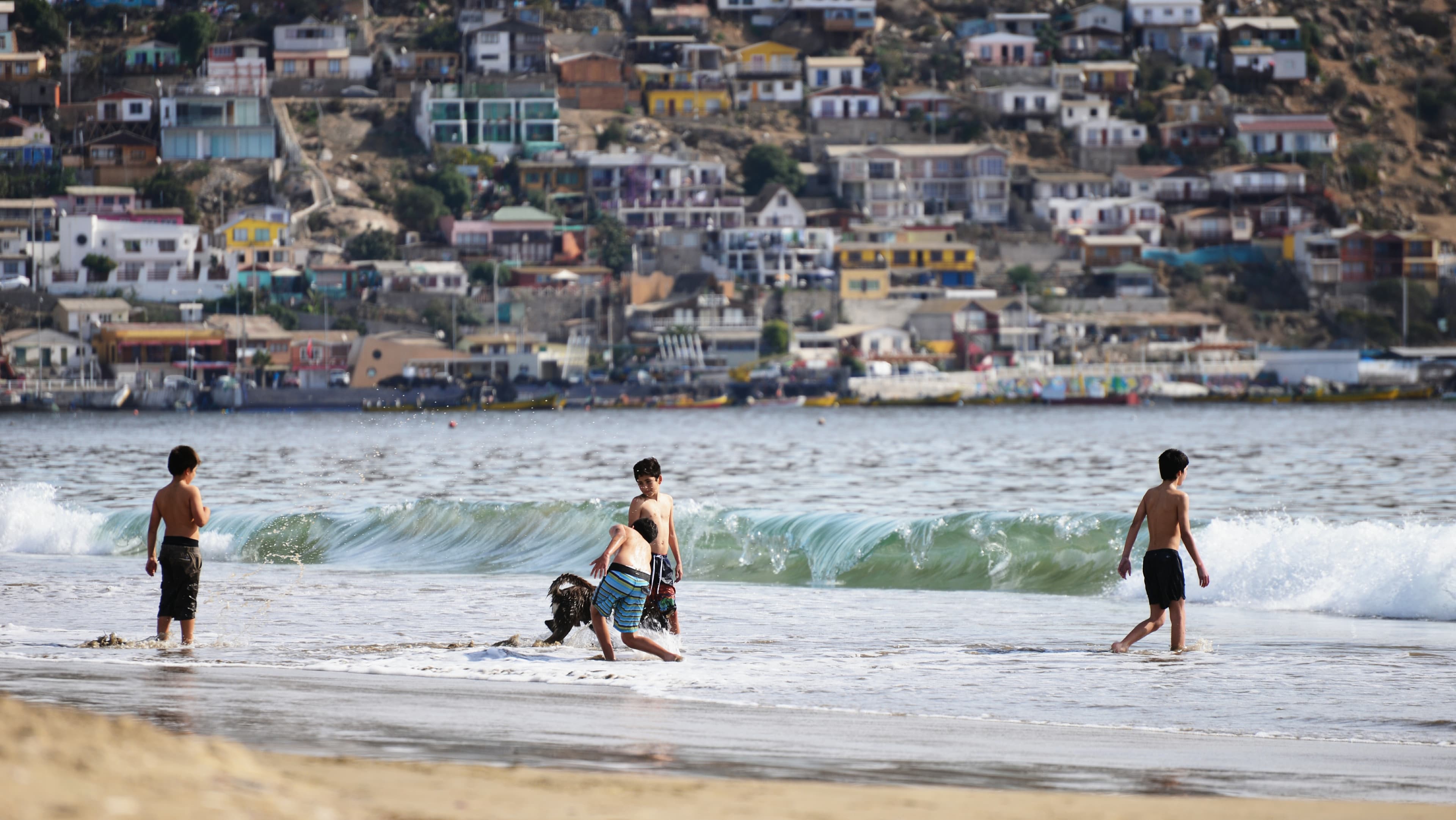
Valparaíso's dramatic topography—45 cerros, or hills, overlooking the ocean—requires the use of winding pathways and wooden ascensores (funiculars) to get up many of the grades. The slopes are covered by candy-color houses—there are almost no apartments in the city—most of which have exteriors of corrugated metal peeled from shipping containers decades ago. Valparaíso has served as Santiago's port for centuries. Before the Panama Canal opened, Valparaíso was the busiest port in South America. Harsh realities—changing trade routes, industrial decline—have diminished its importance, but it remains Chile's principal port. Most shops, banks, restaurants, bars, and other businesses cluster along the handful of streets called El Plan (the flat area) that are closest to the shoreline. Porteños (which means "the residents of the port") live in the surrounding hills in an undulating array of colorful abodes. At the top of any of the dozens of stairways, the paseos (promenades) have spectacular views; many are named after prominent Yugoslavian, Basque, and German immigrants. Neighborhoods are named for the hills they cover. With the jumble of power lines overhead and the hundreds of buses that slow down—but never completely stop—to pick up agile riders, it's hard to forget you're in a city. Still, walking is the best way to experience Valparaíso. Be careful where you step, though—locals aren't very conscientious about curbing their dogs.
Niebla is a small village on the banks of the Rio Valdivia where Chile's Corral Bay meets the Pacific Ocean. Today Niebla is a beach resort, but in 1671 it was a defensive fortress built by the order of the Viceroy of Peru to prevent attacks against the town of Valdivia by pirates and corsairs. Niebla is well-known for its lively markets, the remains of the colonial fortress declared a National Monument in 1950 and restored in 1992, and a museum dedicated to its history. Nearby is the charming river port city of Valdivia, where cultural influences from the native Mapuche, Spanish settlers, and German immigrants have blended.
For most of its history, windy Puerto Montt was the end of the line for just about everyone traveling in the Lake District. Now the Carretera Austral carries on southward, but for all intents and purposes Puerto Montt remains the region's last significant outpost, a provincial city that is the hub of local fishing, textile, and tourist activity.Today the city center is full of malls, condos, and office towers—it's the fastest-growing city in Chile—but away from downtown, Puerto Montt consists mainly of low clapboard houses perched above its bay, the Seno de Reloncaví. If it's a sunny day, head east to Playa Pelluco or one of the city's other beaches. If you're more interested in exploring the countryside, drive along the shore for a good view of the surrounding hills.
Bright, wooden huts teeter on stilts over Castro's estuary waterfront, inviting you into a patchwork of colour that’s sure to brighten any day. These traditional palafitos give the warmest of welcomes, as you prepare to experience Chile at its most vibrant. Castro has faced something of a tumultuous past, having been hit by a by a succession of earthquakes and fires - the most recent a devastating earthquake in 1960. But this city is incredibly resilient, and today the capital of Chiloe Island makes for a fantastic base for exploring the archipelago that surrounds it.
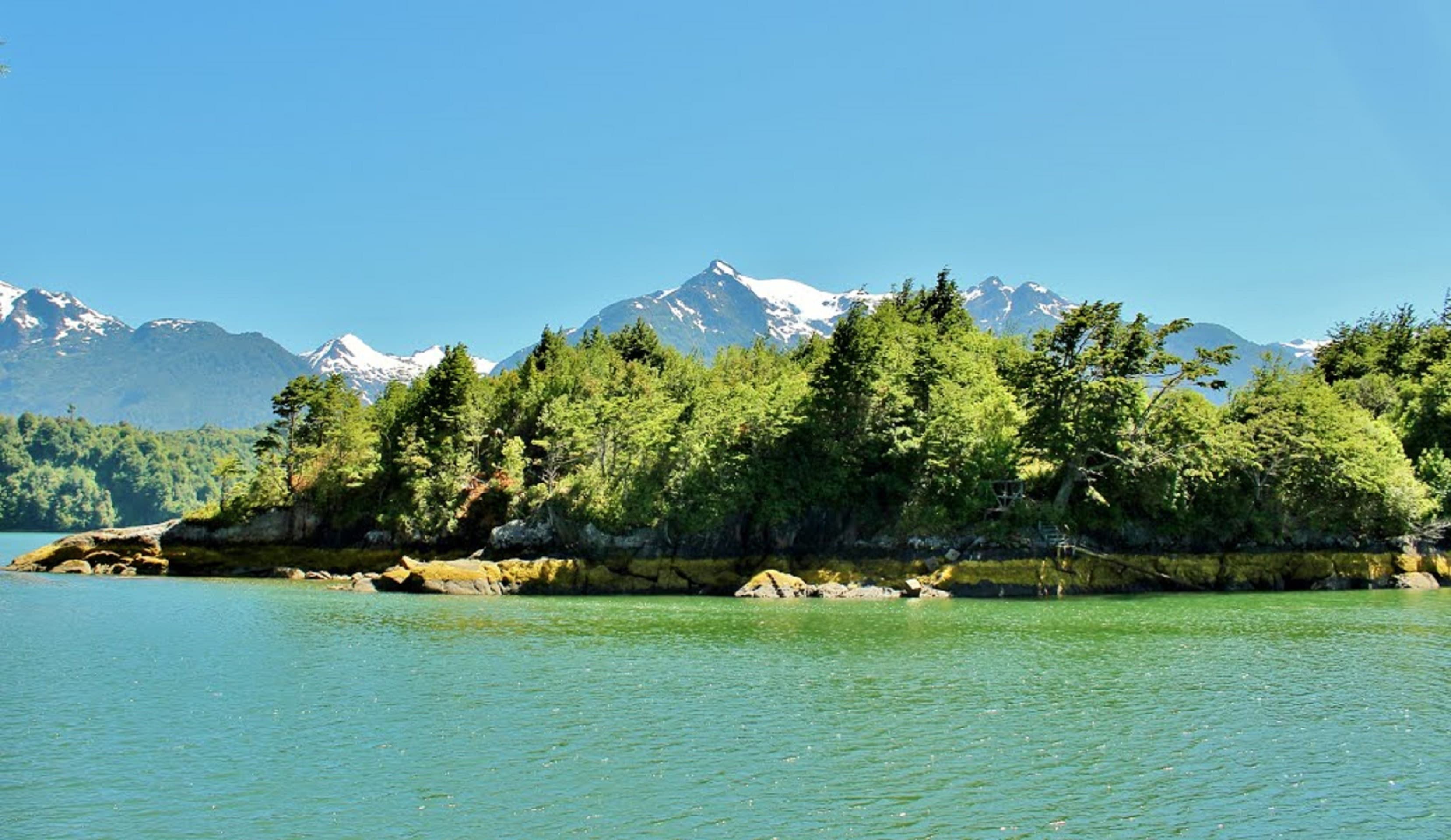
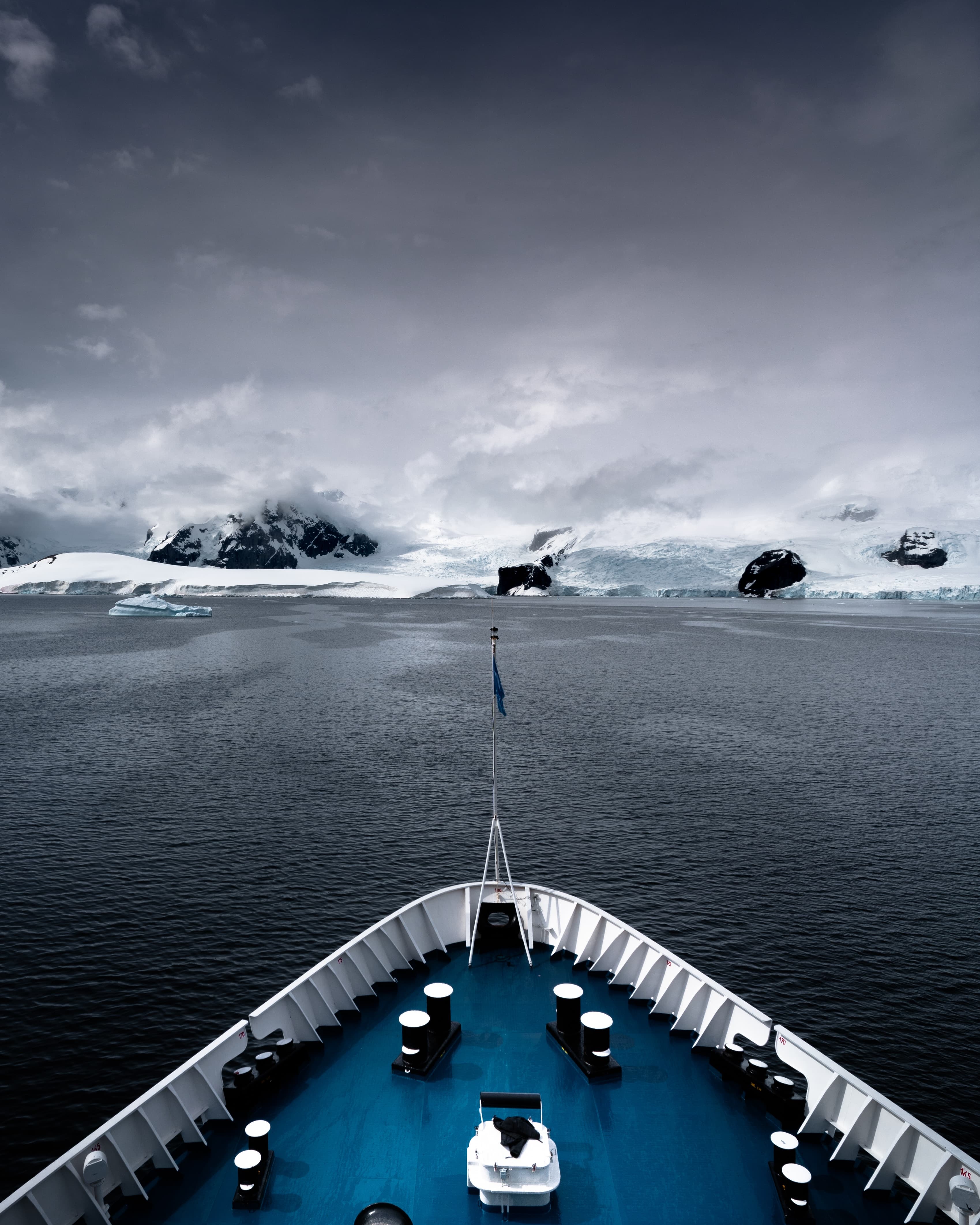
Cruise deep into Patagonia’s Inner Fjords and the English Narrows, which is home to remote Puerto Eden. This is the only settlement inside the Chilean Inside Passage, a region with a mountainous terrain and a thriving Magellanic sub-polar forest. You will be able to learn about the ancient Mapuche culture, navigate the town’s intricate wooden boardwalks and see its native wildlife.
You will also witness the stunning Pio XI Glacier, which is nestled within the Bernardo O’Higgins National Park, in the heart of Chilean Patagonia, and spans the size of Santiago. Also known as Bruggen Glacier, this exceptional wonder is the sole glacier on Earth that is expanding daily.
Scenic Discovery:
Take the opportunity to explore your destination through a variety of exciting experiences organised by the Discovery Team. During the evening recap, the Discovery Leader will share insights and provide a preview of what's to come.
Anchored or Docked: 10:00 - 13:00 | 18:00 - 21:00
Today you’ll cruise the historic Strait of Magellan, which links the Atlantic and Pacific Oceans. Named after Portuguese explorer Ferdinand Magellan in 1520, this was the primary passage for seafaring transport before the Panama Canal. You’ll follow the journeys of early explorers such as Ferdinand Magellan and Sir Francis Drake.
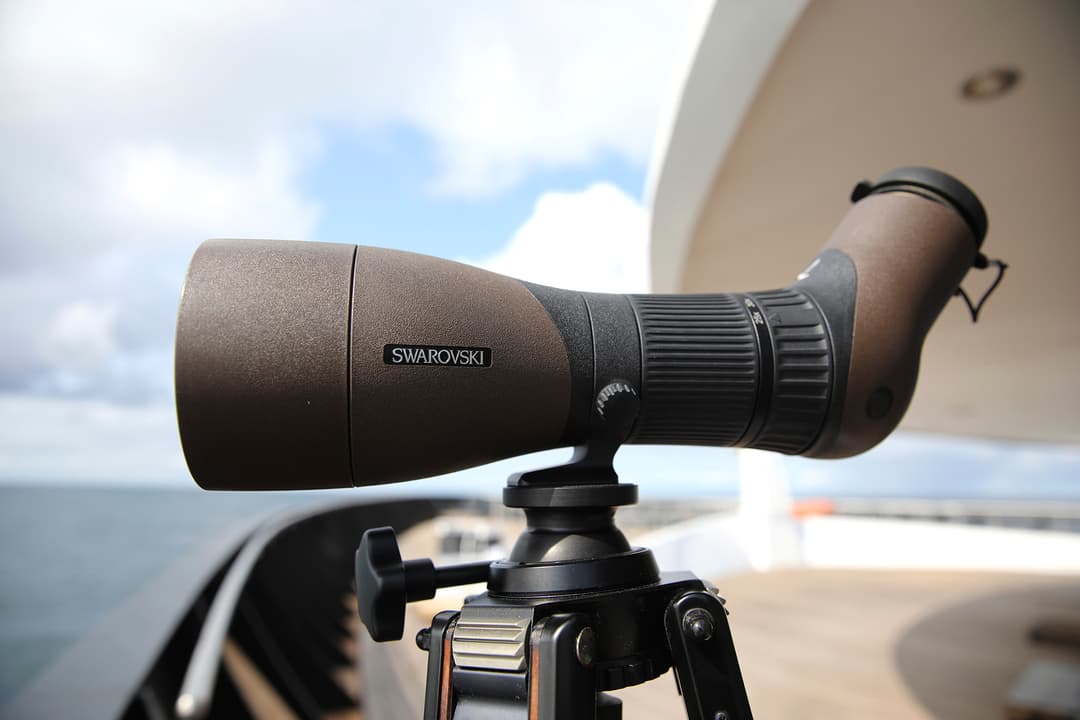
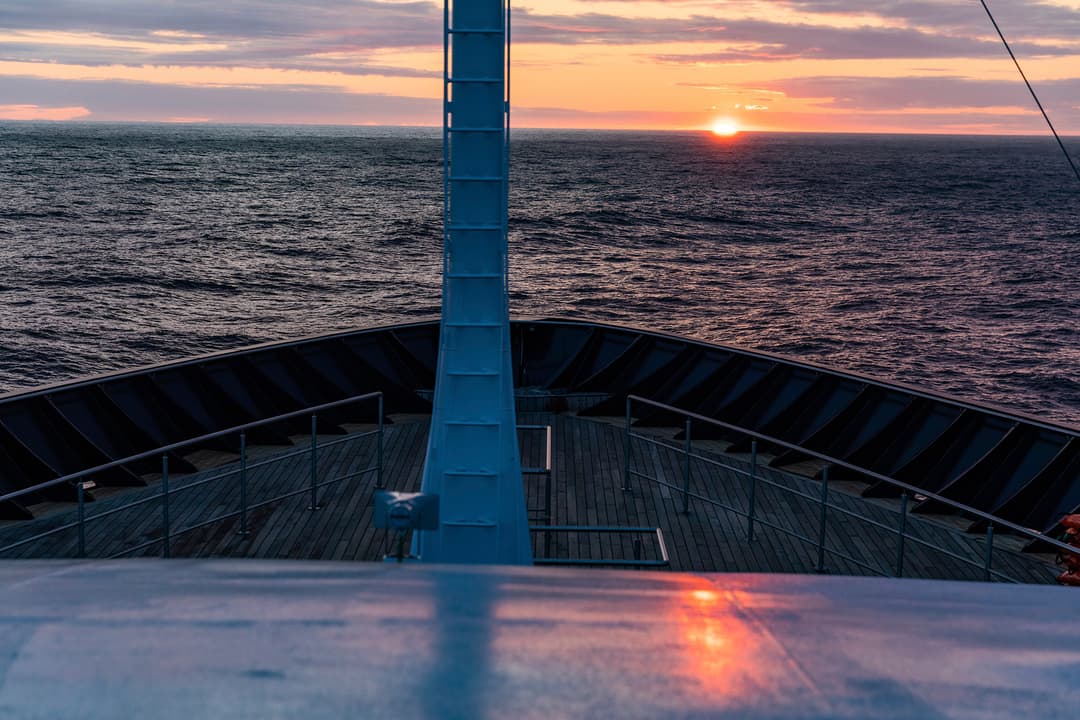
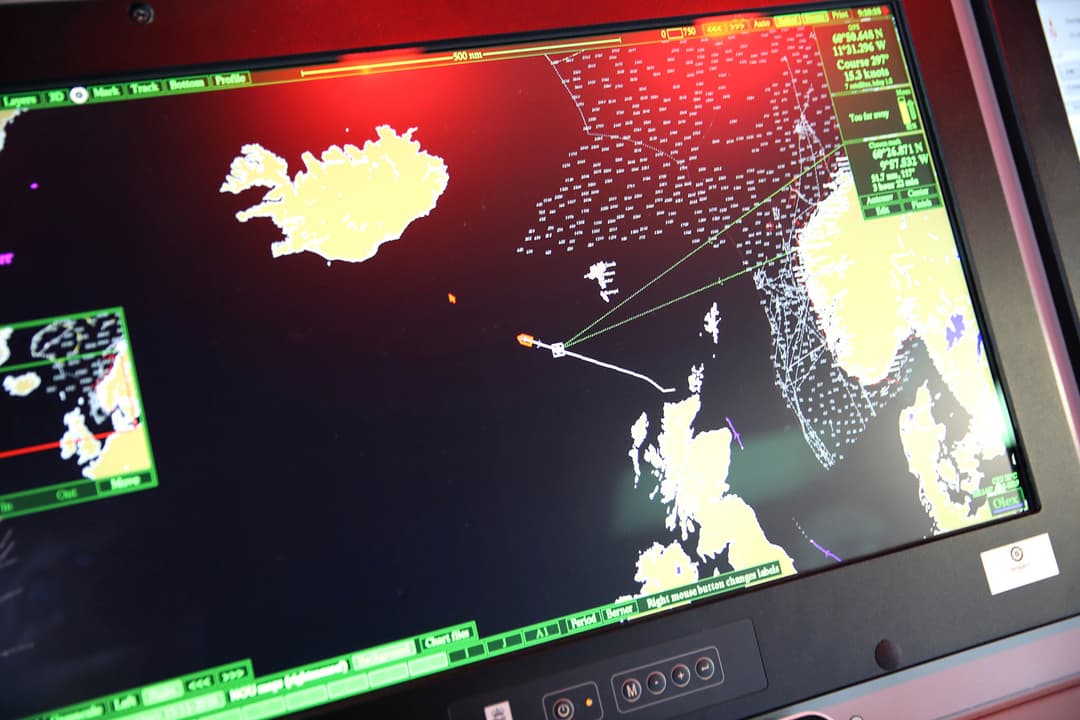
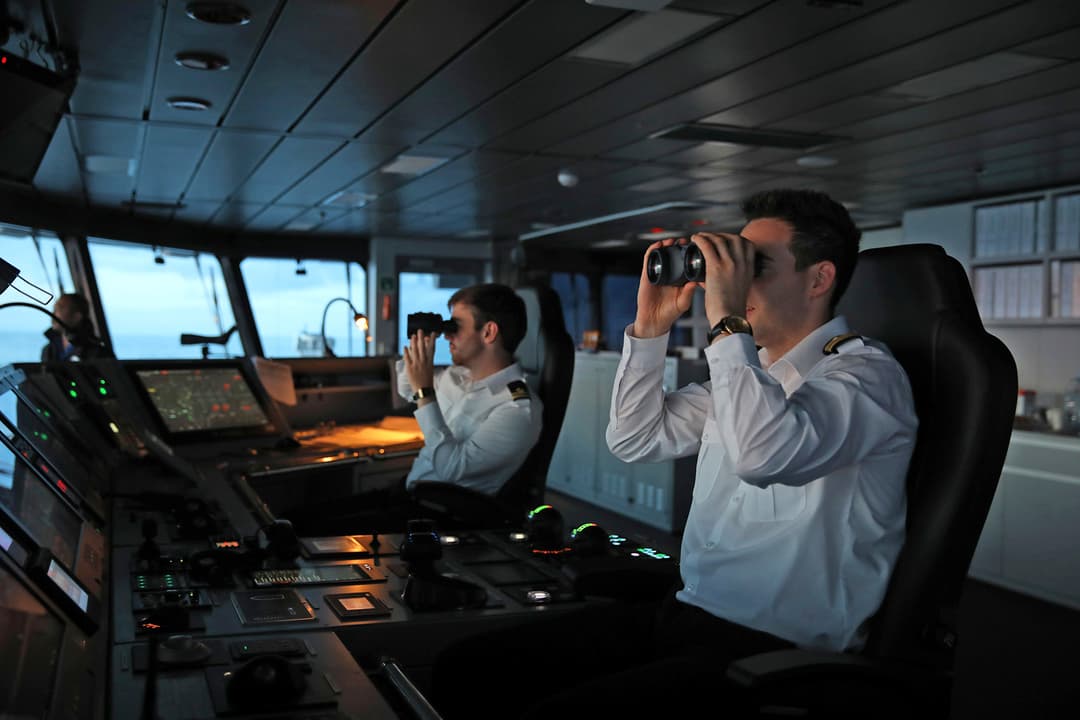
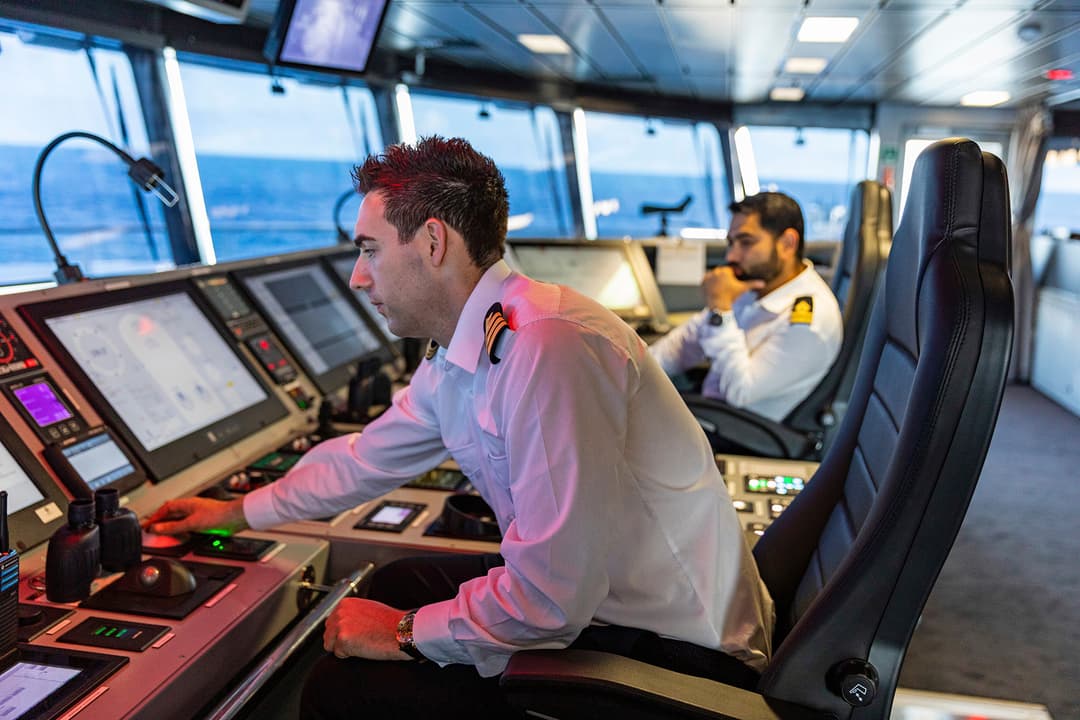
Learn about the rich maritime history of these legendary waterways from your expert Discovery Team. Perhaps later head to the bridge for one of the best viewing areas of the ship. Thanks to the Captain’s open bridge policy, guests are welcome any time to learn more about the technical abilities of Scenic Eclipse and see it in full operation.
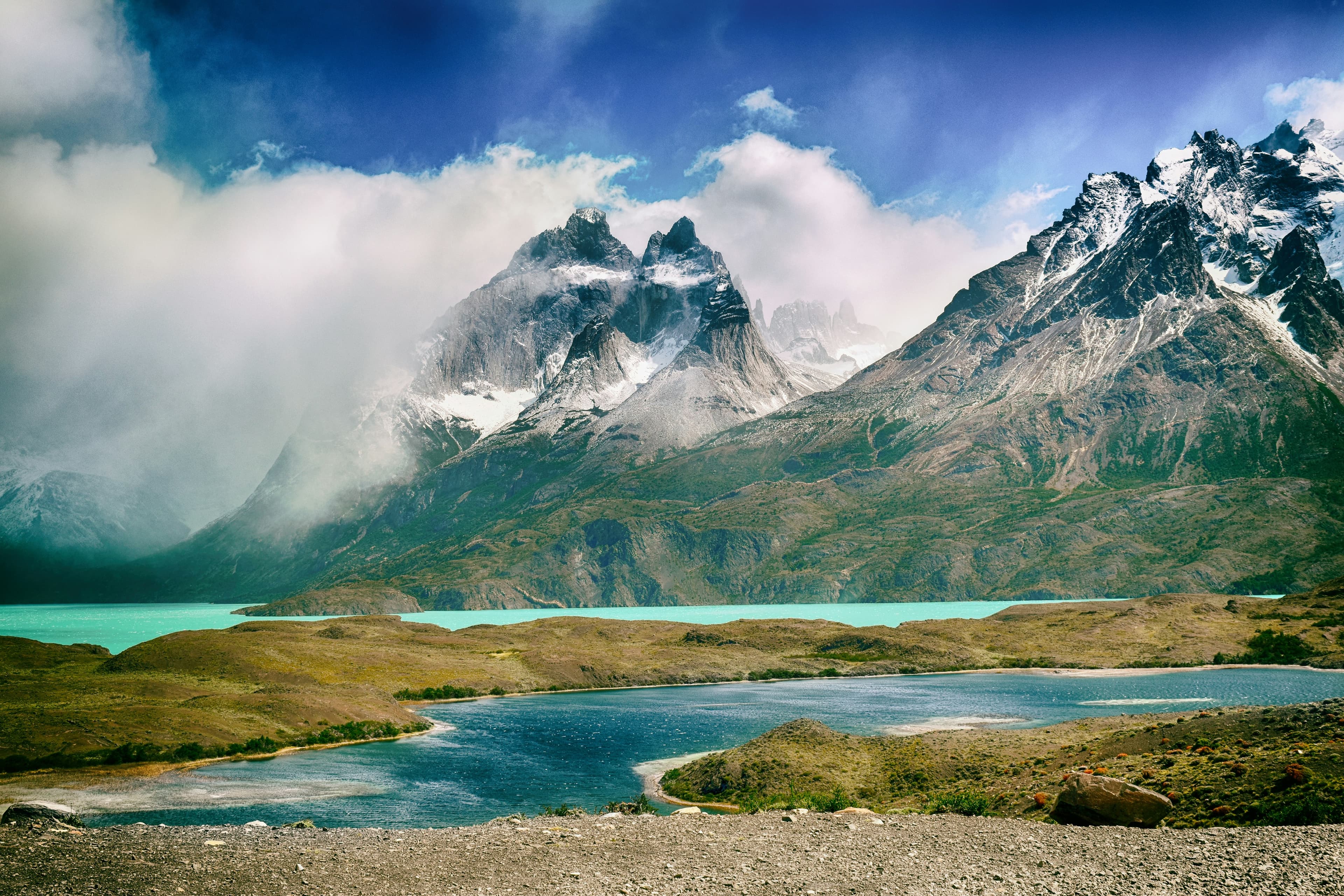
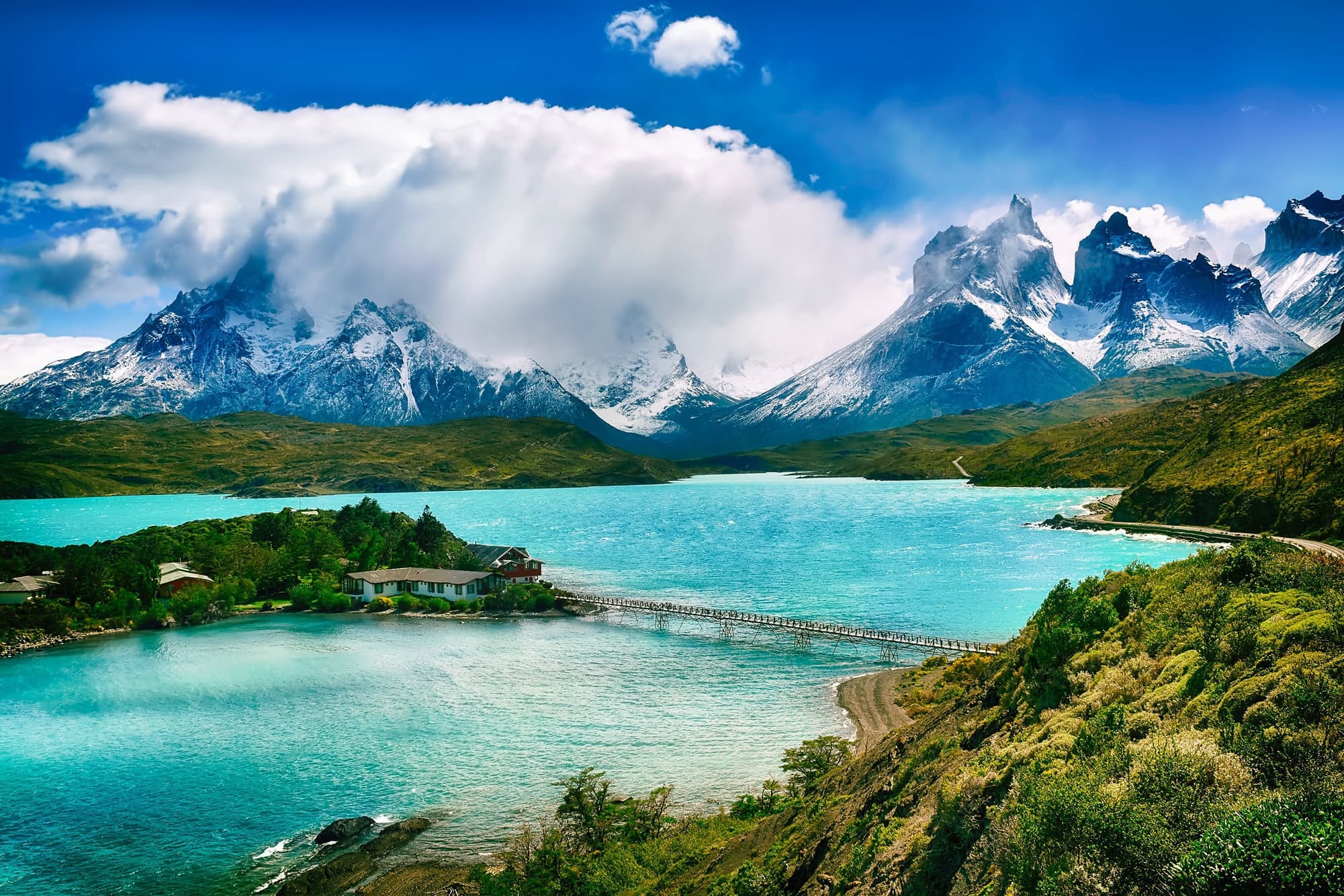
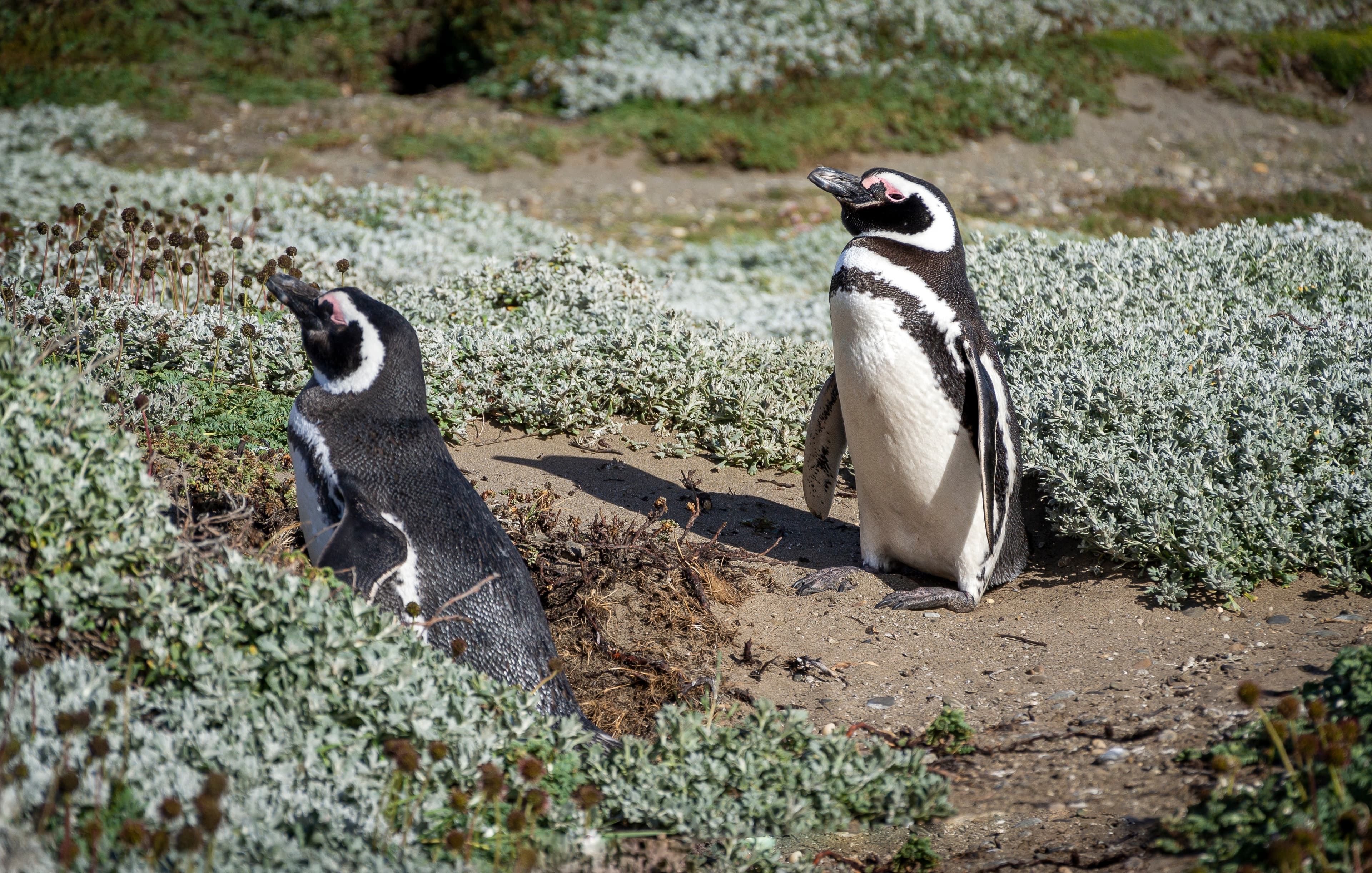
Impenetrable forests, impassable mountains, and endless fields of ice define Chilean Patagonia, and meant that the region went largely unexplored until the beginning of the 20th century. Located in the southernmost part of the country, this area is still sparsely inhabited, though you will find a few populated places—like the colorful provincial city of Punta Arenas, which looks like it's about to be swept into the Strait of Magellan. Some unique wildlife, particularly colonies of elephant seals and penguins, call this breathtaking topography home. To the north is Parque Nacional Torres del Paine, the country's most magnificent natural wonder, and whose snow-covered peaks seem to rise vertically from the plains below. The vistas, such as the fantastic Avenue of the Glaciers, are breathtaking; along this stretch of the Beagle Channel, you can pass six tremendous glaciers all within a stone's throw of each other.Cruise SightsPunta Arenas. Founded a little more than 150 years ago, Punta Arenas (Sandy Point) was Chile's first permanent settlement in Patagonia. Plaza Muñoz Gamero, the central square, is surrounded by evidence of that early prosperity: buildings whose then-opulent brick exteriors recall a time when this was one of Chile's wealthiest cities. The newer houses here have colorful tin roofs, best appreciated when seen from a high vantage point such as the Mirador Cerro la Cruz. Although the city as a whole may not be particularly attractive, look for details: the pink-and-white house on a corner, the bay window full of potted plants, parking attendants wearing the regional blue and yellow colors, and schoolchildren in identical naval pea coats that remind you that the city's fate is tied to the sea.The Museo Naval y Marítimo extols Chile's high-seas prowess, particularly concerning Antarctica. Its exhibits are worth a visit for anyone with an interest in ships and sailing, merchant and military alike. Part of the second floor is designed like the interior of a ship, including a map and radio room. Pedro Montt 989. Admission charged.Housed in what was once the mansion of the powerful Braun-Menéndez family, the Museo Regional de Magallanes is an intriguing glimpse into the daily life of a wealthy provincial family at the beginning of the 20th century. Lavish Carrara marble hearths, English bath fixtures, and cordovan leather walls are among the original accoutrements. The museum also has an excellent group of displays depicting Punta Arenas's past, from the first European contact to the town's decline after the opening of the Panama Canal. The museum is half a block north of the main square. Magallanes 949. Admission charged.The resplendent 1895 Palacio Sara Braun is a national landmark and an architectural showpiece of southern Patagonia. Designed by a French architect, the house was built from materials and by craftsmen imported from Europe during the four years of construction. The city's central plaza and surrounding buildings soon followed, ushering in the region's golden era. Noteworthy are the lavish bedrooms, magnificent parquet floors, marble fireplaces, and hand-painted ceilings. Don't miss the portraits of Braun and her husband José Nogueira in the music room. Afterwards, head to the cellar for a drink or snack in the warm public tavern (a good portion of the mansion is leased to a hotel). Plaza Muñoz Gamero 716. Admission charged.Commonly referred to simply as "El Salesiano," the Museo Salesiano de Maggiorino Borgatello is operated by Italian missionaries whose order arrived in Punta Arenas in the 19th century. The Salesians, most of whom spoke no Spanish, proved to be daring explorers. Traveling throughout the region, they collected the artifacts made by indigenous tribes that are currently on display. Av. Bulnes 398. Admission charged.Isla Magdalena. Punta Arenas is the launching point for a boat trip to the Isla Magdalena to see the more than 100,000 Magellanic penguins at the Monumento Natural Los Pingúinos. A single trail, marked off by rope, is accessible to humans. The boat trip to the island, in the middle of the Estrecho de Magallanes, takes about two hours. Make sure to bring along warm clothing, even in summer; the island can be chilly, particularly if a breeze is blowing across the water.Parque Nacional Torres del Paine. Some 12 million years ago, lava flows pushed up through the thick sedimentary crust that covered the southwestern coast of South America, cooling to form a granite mass. Glaciers then swept through the region, grinding away all but the ash-gray spires that rise over the landscape of one of the world's most beautiful natural phenomena, now the Parque Nacional Torres del Paine (established in 1959). Snow formations dazzle along every turn of road, and the sunset views are spectacular.Among the 2,420-square-km (934-square-mi) park's most beautiful attractions are its lakes of turquoise, aquamarine, and emerald green waters. Another draw is its unusual wildlife. Creatures like the guanaco (a woollier version of the llama) and the ñandú (resembling a small ostrich) abound. They are used to visitors and don't seem to be bothered by the proximity of automobile traffic and the snapping of cameras. Predators, like the gray fox, make less frequent appearances. You may also spot the dramatic aerobatics of a falcon and the graceful soaring of the endangered condor. The beautiful puma is especially elusive, but sightings have become more common. Admission charged.Pingúinera de Seno Otway. The road to this penguin sanctuary begins 30 km (18 mi) north of Punta Arenas. Magellanic penguins, which live up to 20 years in the wild, return to their birthplace here every year to mate with the same partner. For about 2,000 penguin couples—no single penguins make the trip—home is this desolate and windswept land off the Otway Sound. In late September, the penguins begin to arrive from the southern coast of Brazil and the Falkland Islands. They mate and lay their eggs in early October, and brood their eggs in November. Offspring hatch between mid-November and early December. If you're lucky, you may catch sight of one of the downy gray chicks that stick their heads out of the burrows when their parents return to feed them. Otherwise you might see scores of the ungainly adult penguins waddling to the ocean from their nesting burrows. They swim for food every eight hours and dive up to 100 feet deep. The penguins depart from the sound in late March. Note that the sanctuary is a 1-km (1/2-mi) walk from the parking lot. It gets chilly, so bring a windbreaker. Admission charged.Reserva Nacional Laguna Parillar. This 47,000-acre reserve lies west of Puerto Hambre, a tranquil fishing village, and is centered around a shimmering lake in a valley flanked by hills. It's a great place for a picnic, and there are a number of well-marked paths that offer sweeping vistas over the Estrecho de Magallanes. About 2 km (1 mi) west of Puerto Hambre is a small white monolith that marks the geographical center of Chile, the midway point between Chile's northern port Arica and the South Pole.Cruise ShoppingWool may no longer be king of the economy, but vast flocks of sheep still yield a high-quality product that is woven into the clothing here. Leather products are also common, but the prices are not necessarily low. About 3 km (2 mi) north of Punta Arenas is the Zona Franca (Av. Bulnes). This duty-free zone is where people from all around the region come for low-priced electronics and other consumer items.
Strewn through the coast of Chile, these beautiful fjords are world renowned for being one of the most awe-inspiring places on earth. Snow-capped volcanoes nestle majestically alongside rolling valleys of ice and frosty glaciers. Rugged beauty, breathtaking scenery not to mention diverse and profuse wildlife abounds – expect to watch whales from the deck, see playful Magellan Penguins and perhaps even spot the rare Andean Condor. Affectionately named “The End of the World” by the Spaniards who discovered the region in eighteenth century in a quest to Christianise South America, these extraordinary waterways not only encompass a medley of jagged mountains and iceberg strewn bays, but feature a kaleidoscopic spectrum of unexpected colour that offers photographic opportunities like no other destination.
Strewn through the coast of Chile, these beautiful fjords are world renowned for being one of the most awe-inspiring places on earth. Snow-capped volcanoes nestle majestically alongside rolling valleys of ice and frosty glaciers. Rugged beauty, breathtaking scenery not to mention diverse and profuse wildlife abounds – expect to watch whales from the deck, see playful Magellan Penguins and perhaps even spot the rare Andean Condor. Affectionately named “The End of the World” by the Spaniards who discovered the region in eighteenth century in a quest to Christianise South America, these extraordinary waterways not only encompass a medley of jagged mountains and iceberg strewn bays, but feature a kaleidoscopic spectrum of unexpected colour that offers photographic opportunities like no other destination.
Cruise through the legendary waters of Cape Horn, where the Atlantic and Pacific Oceans meet at the southernmost point of South America. The collision of these two oceans can sometimes cause rocky waves but it’s also a great place to spot sea lions, penguins and whales.
Continue through the Beagle Channel, tracing the southern edge of Patagonia, and named so for the ship that carried Charles Darwin on his five-year discovery journey. Admire the dramatic views of the Andean mountains from the comfort of your ultra-luxury Discovery Yacht.
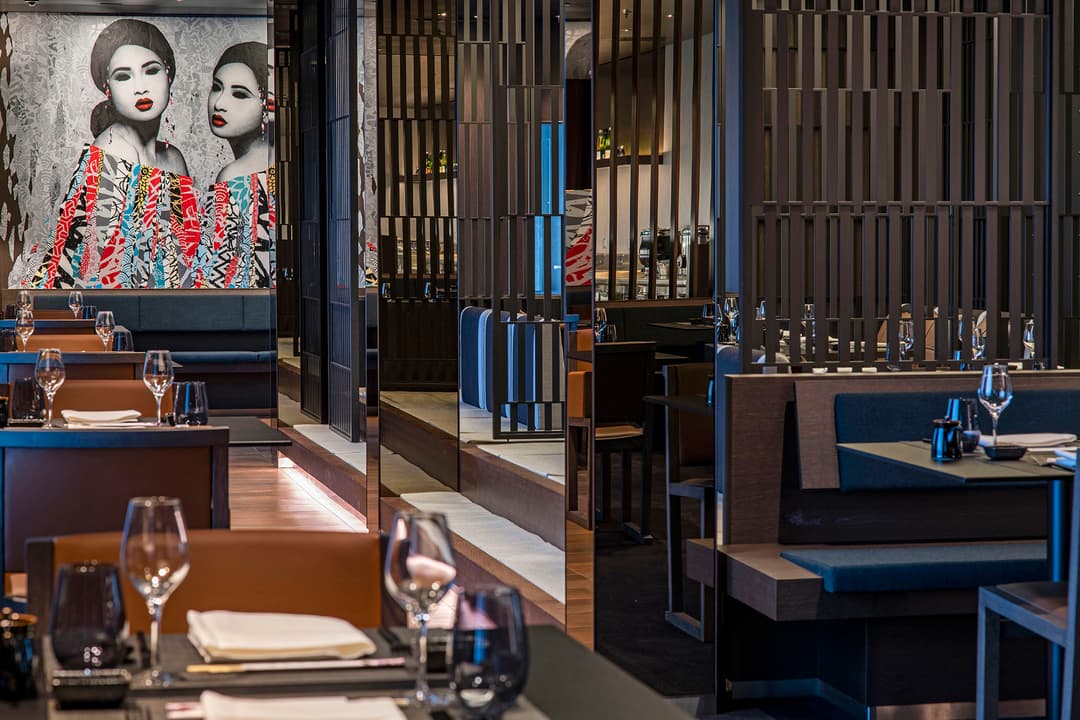
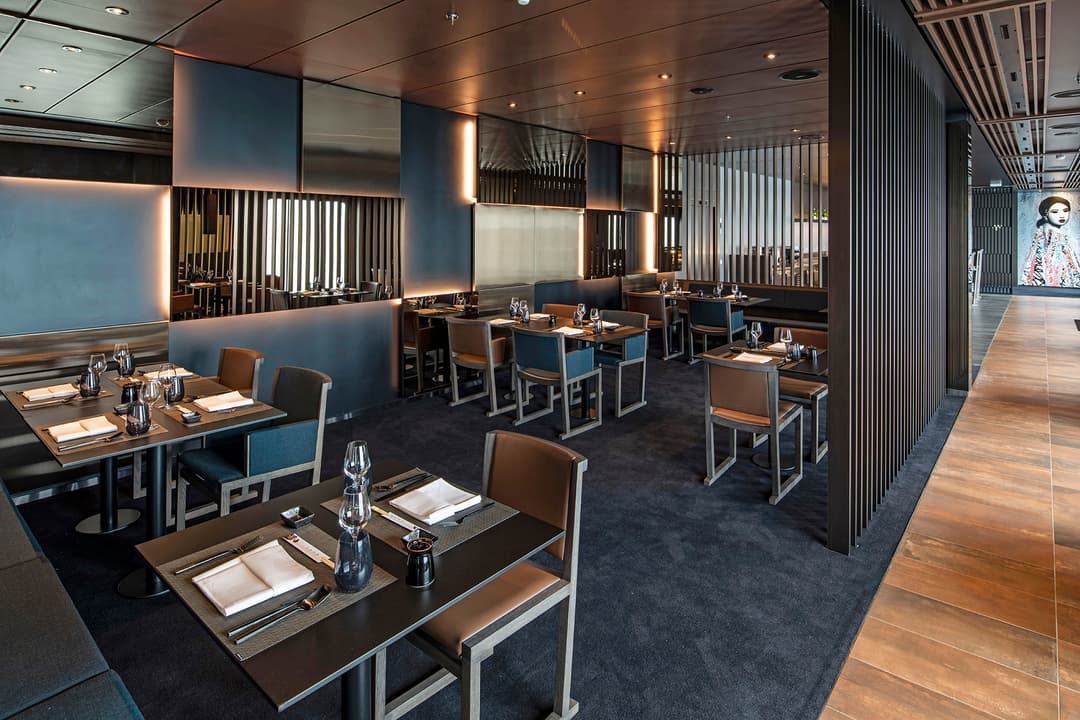
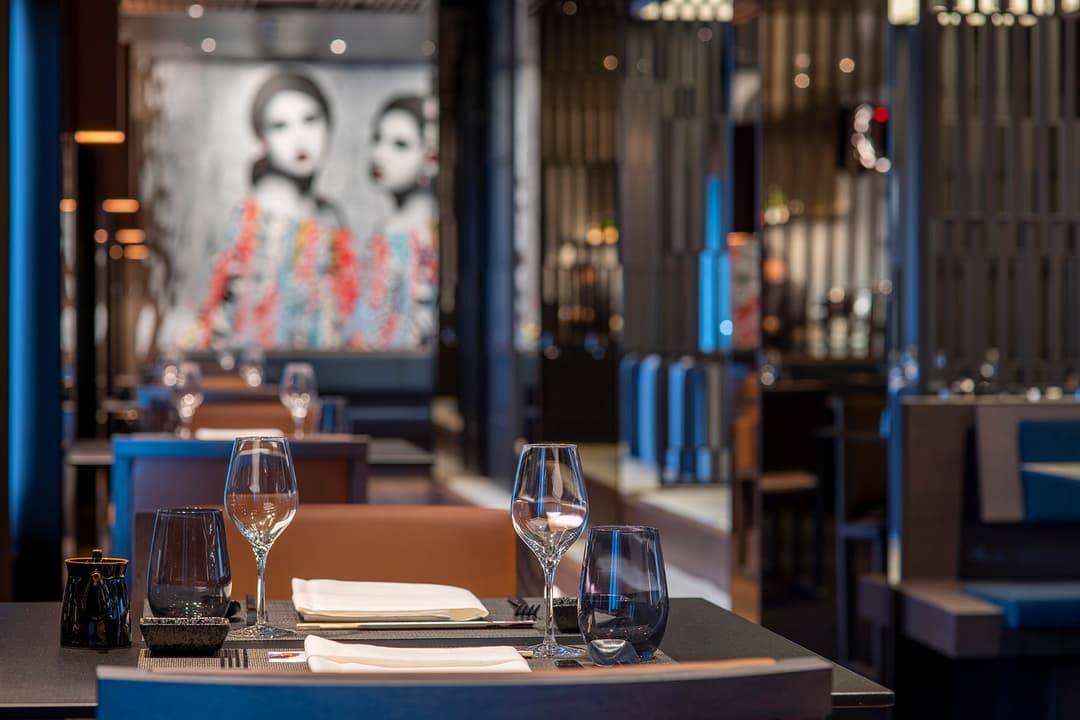
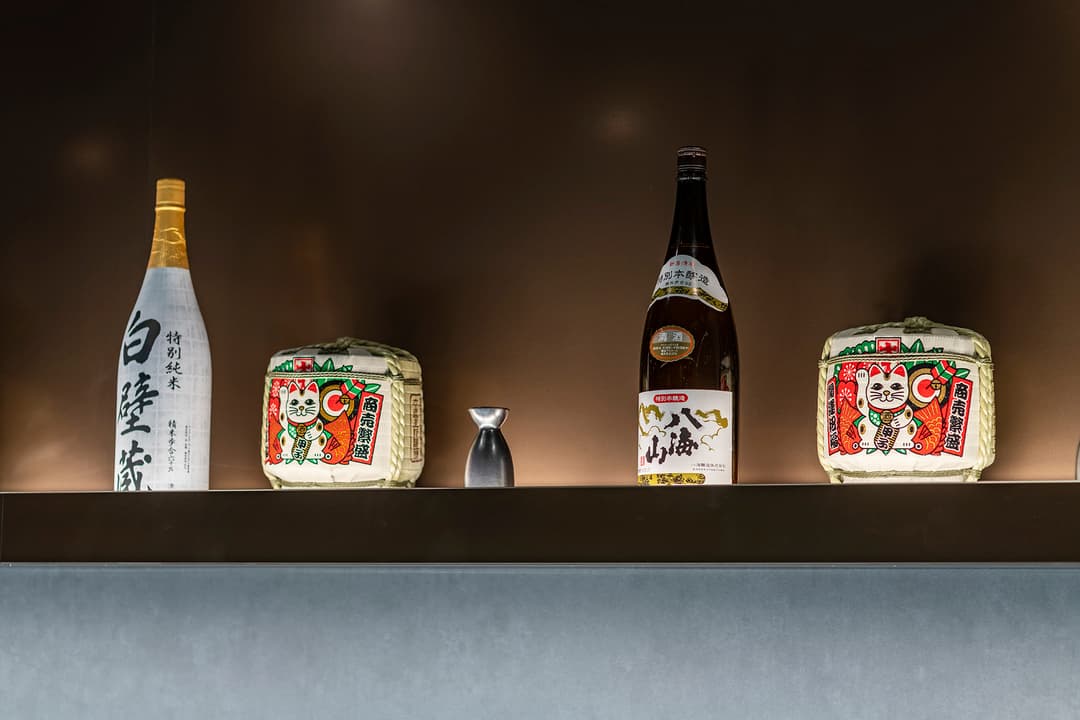
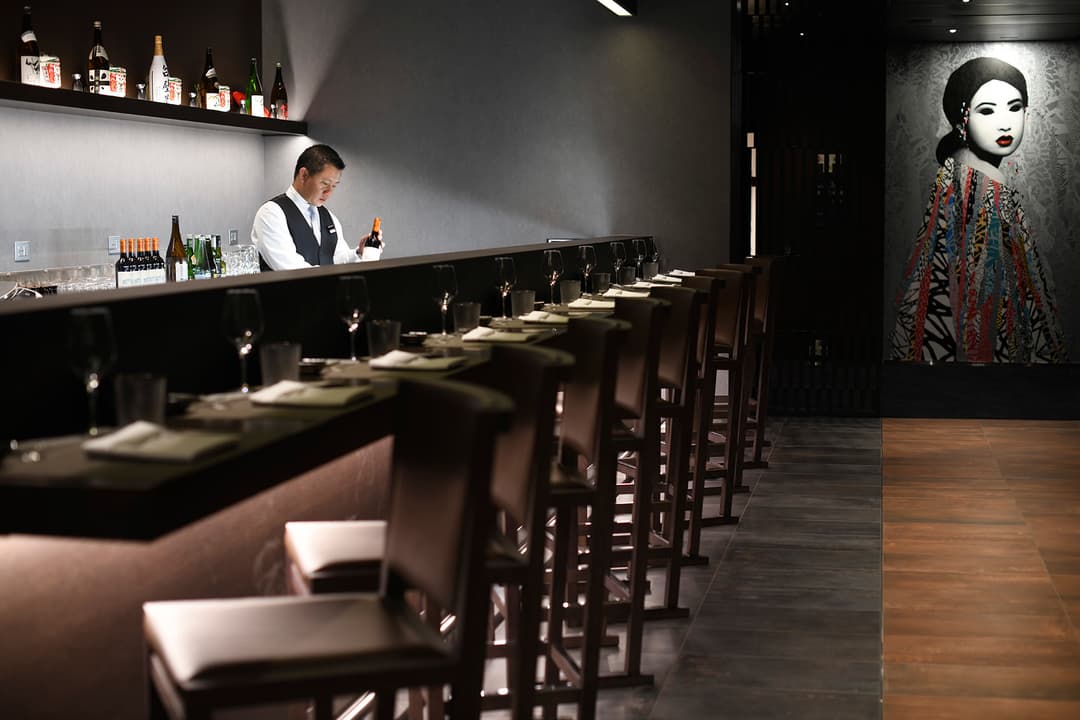
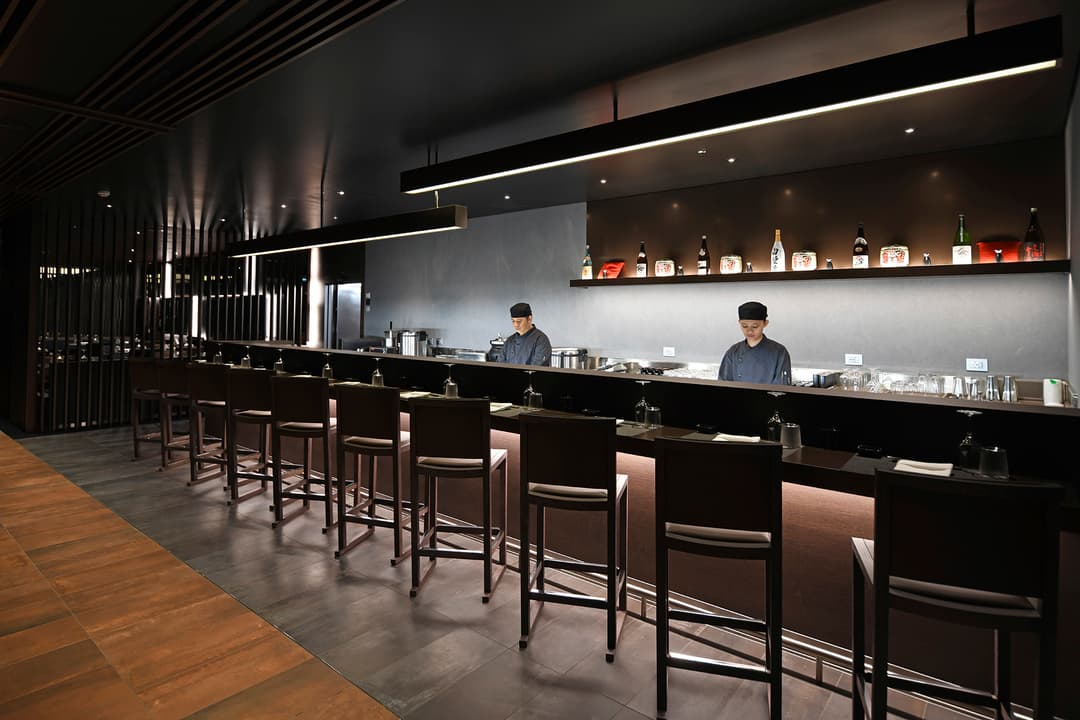
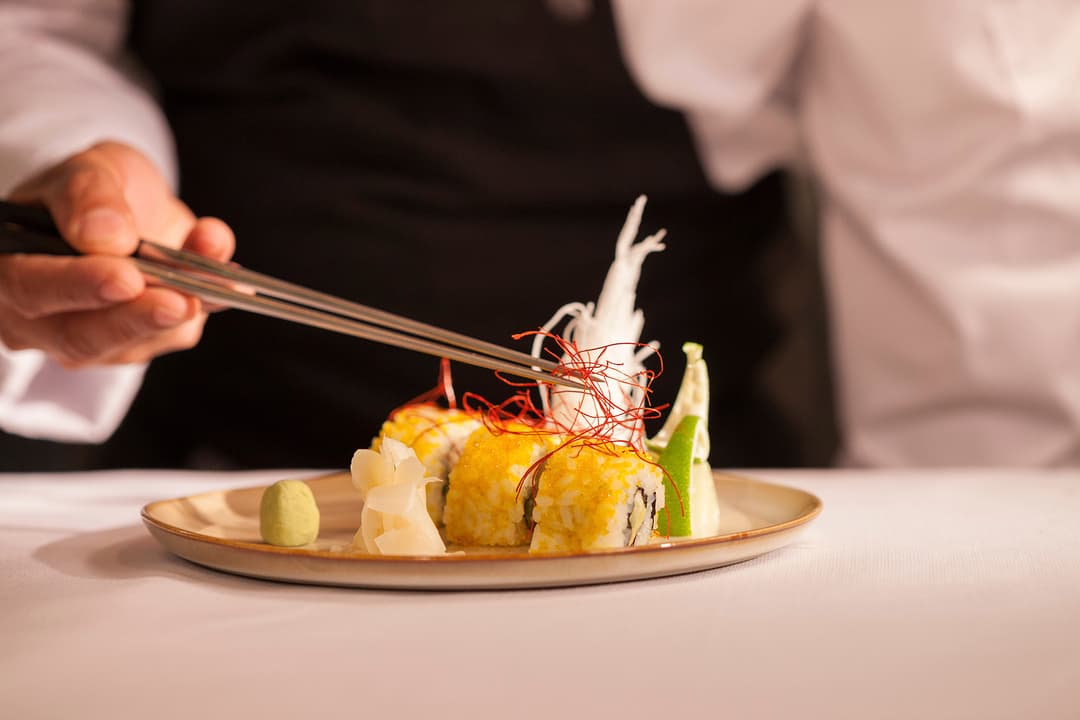
Tonight could be the night you enjoy Sushi @ Koko’s (available by reservation) with your new friends. Stay up late in the bar or retire to the library for a moment of blissful solitude before bed.
Scenic Discovery:
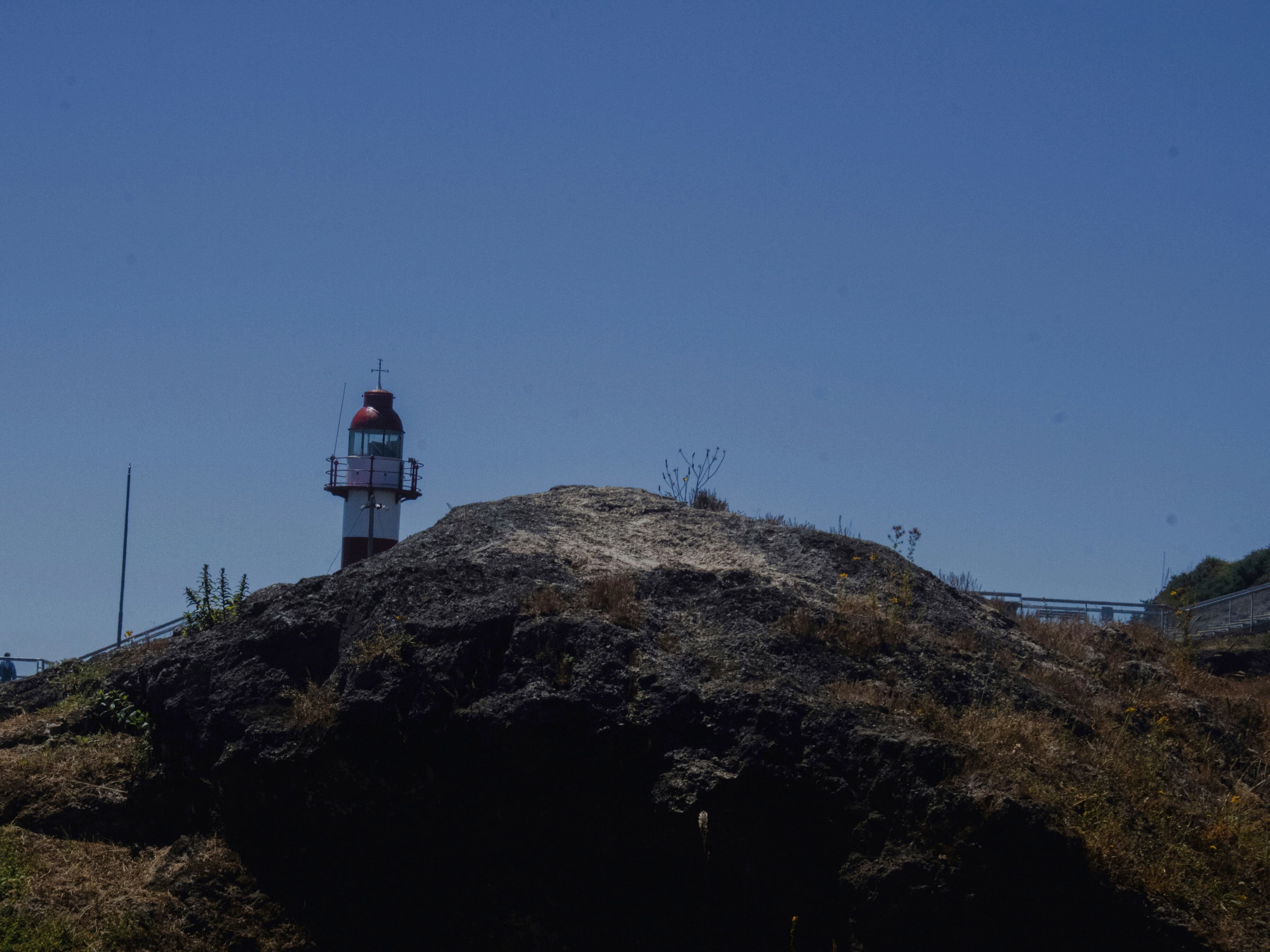
Weather and sea conditions permitting, you may get the opportunity to explore this remote archipelago, celebrated for its breathtaking beauty and dramatic landscapes. Join activities organized by the Discovery Team, such as a hike to the lighthouse and a visit to the Cape Horn Monument.
Anchored: 08:00 - 14:00
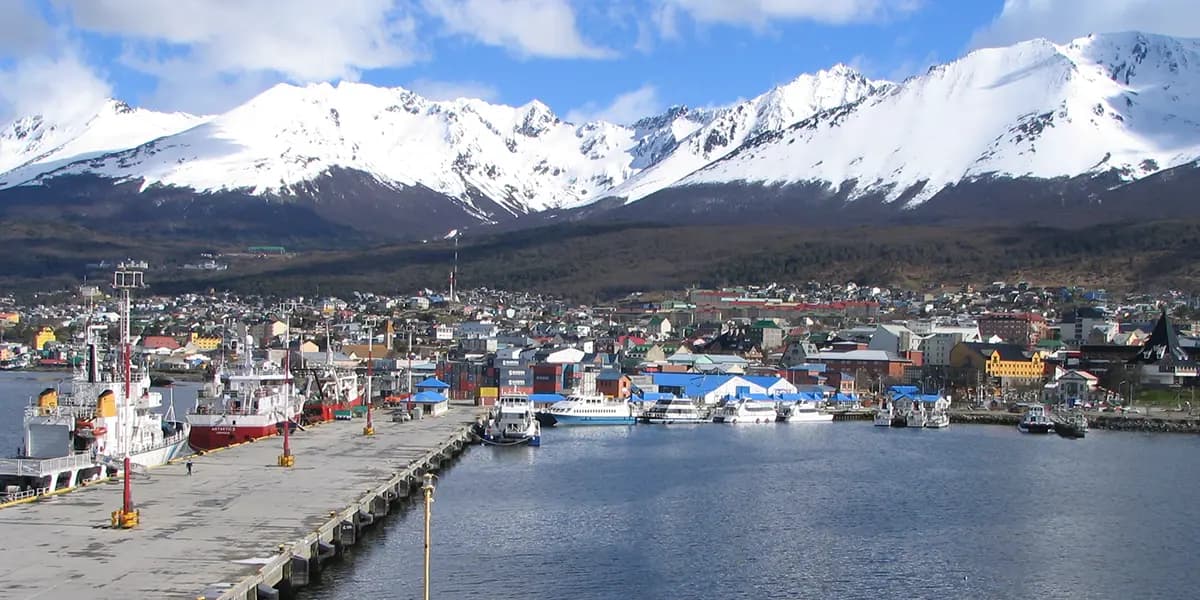
At 55 degrees latitude south, Ushuaia (pronounced oo-swy-ah) is closer to the South Pole than to Argentina's northern border with Bolivia. It is the capital and tourism base for Tierra del Fuego, the island at the southernmost tip of Argentina.Although its stark physical beauty is striking, Tierra del Fuego's historical allure is based more on its mythical past than on rugged reality. The island was inhabited for 6,000 years by Yámana, Haush, Selk'nam, and Alakaluf Indians. But in 1902 Argentina, eager to populate Patagonia to bolster its territorial claims, moved to initiate an Ushuaian penal colony, establishing the permanent settlement of its most southern territories and, by implication, everything in between.When the prison closed in 1947, Ushuaia had a population of about 3,000, made up mainly of former inmates and prison staff. Today the Indians of Darwin's "missing link" theory are long gone—wiped out by diseases brought by settlers and by indifference to their plight—and the 60,000 residents of Ushuaia are hitching their star to tourism.The city rightly (if perhaps too loudly) promotes itself as the southernmost city in the world (Puerto Williams, a few miles south on the Chilean side of the Beagle Channel, is a small town). You can make your way to the tourism office to get your clichéd, but oh-so-necessary, "Southernmost City in the World" passport stamp. Ushuaia feels like a frontier boomtown, at heart still a rugged, weather-beaten fishing village, but exhibiting the frayed edges of a city that quadrupled in size in the '70s and '80s and just keeps growing. Unpaved portions of Ruta 3, the last stretch of the Pan-American Highway, which connects Alaska to Tierra del Fuego, are finally being paved. The summer months (December through March) draw more than 120,000 visitors, and dozens of cruise ships. The city is trying to extend those visits with events like March's Marathon at the End of the World and by increasing the gamut of winter activities buoyed by the excellent snow conditions.A terrific trail winds through the town up to the Martial Glacier, where a ski lift can help cut down a steep kilometer of your journey. The chaotic and contradictory urban landscape includes a handful of luxury hotels amid the concrete of public housing projects. Scores of "sled houses" (wooden shacks) sit precariously on upright piers, ready for speedy displacement to a different site. But there are also many small, picturesque homes with tiny, carefully tended gardens. Many of the newer homes are built in a Swiss-chalet style, reinforcing the idea that this is a town into which tourism has breathed new life. At the same time, the weather-worn pastel colors that dominate the town's landscape remind you that Ushuaia was once just a tiny fishing village, snuggled at the end of the Earth.As you stand on the banks of the Canal Beagle (Beagle Channel) near Ushuaia, the spirit of the farthest corner of the world takes hold. What stands out is the light: at sundown the landscape is cast in a subdued, sensual tone; everything feels closer, softer, and more human in dimension despite the vastness of the setting. The snowcapped mountains reflect the setting sun back onto a stream rolling into the channel, as nearby peaks echo their image—on a windless day—in the still waters.Above the city rise the last mountains of the Andean Cordillera, and just south and west of Ushuaia they finally vanish into the often-stormy sea. Snow whitens the peaks well into summer. Nature is the principal attraction here, with trekking, fishing, horseback riding, wildlife spotting, and sailing among the most rewarding activities, especially in the Parque Nacional Tierra del Fuego (Tierra del Fuego National Park).
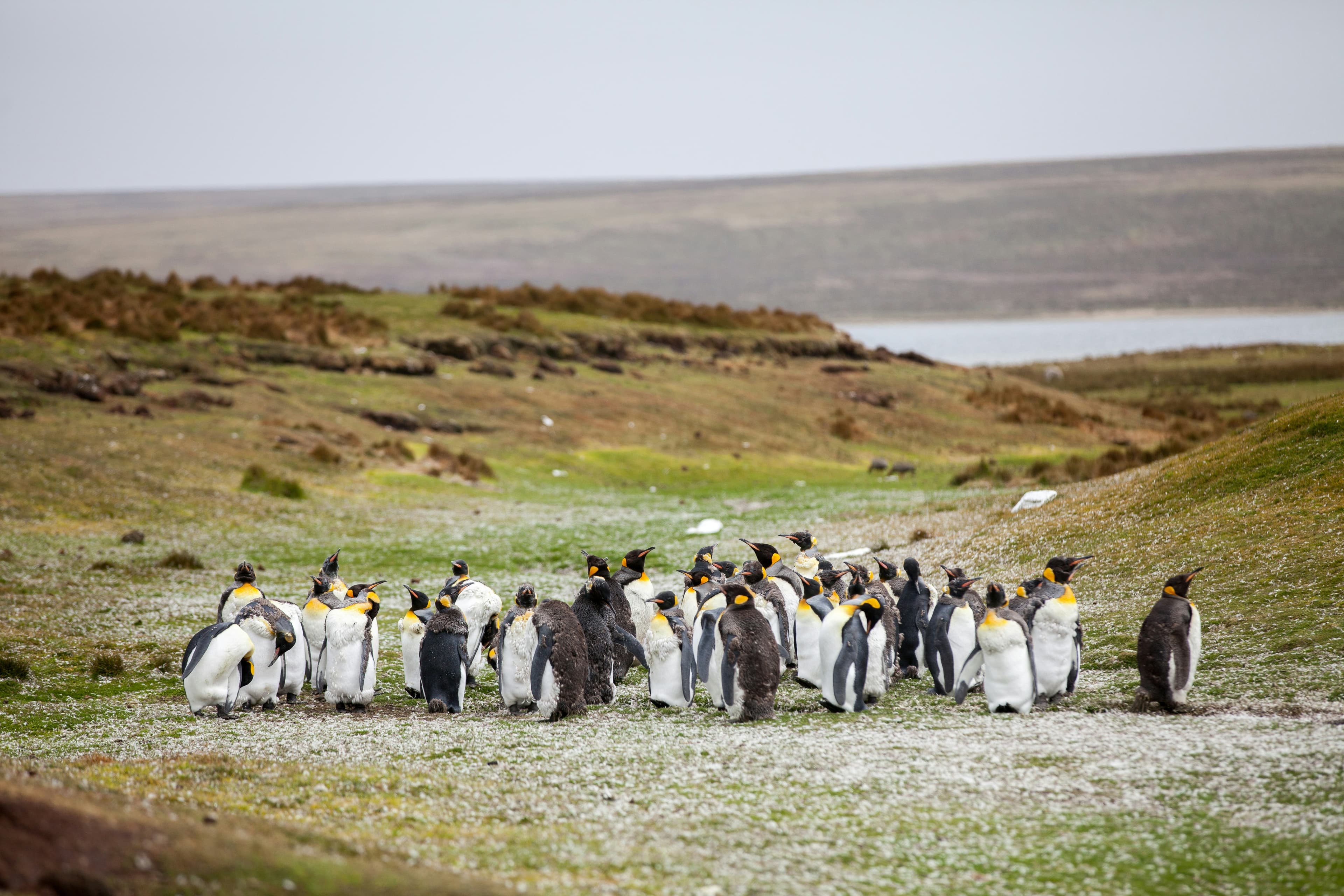
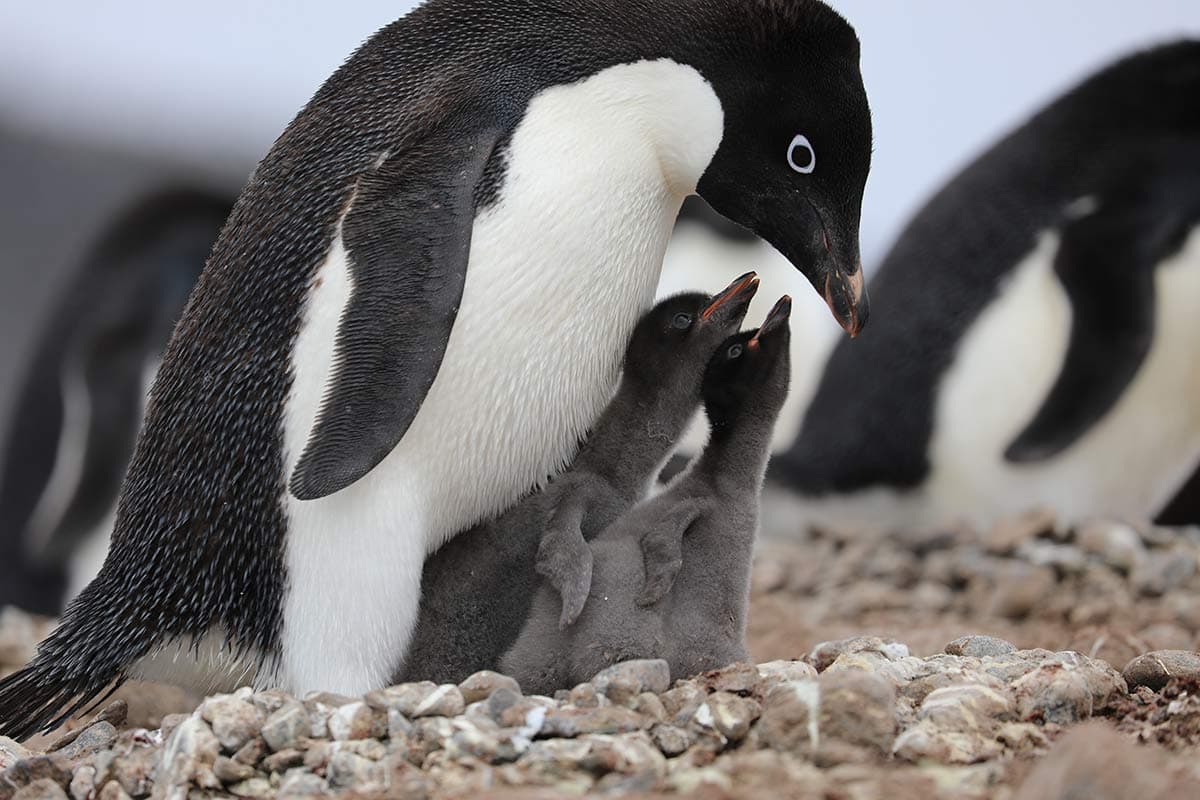
Remote and sparsely populated, the Falkland Islands are a wildlife lover’s paradise. The world’s largest population of Gentoo penguins is found here, in addition to King, Magellanic and Rockhopper penguins. Watch as they waddle along, interacting with each other.
You can also find black-browed albatross, plus Cobb’s wren and Falkland’s flightless steamer duck, which are both endemic bird species. Make sure to ask for some wildlife insights from the expert Discovery Team – comprised of up to 20 polar experts this team of geologists, historians, ornithologists, marine biologists, and glaciologists is at the heart of your Antarctic Voyage.
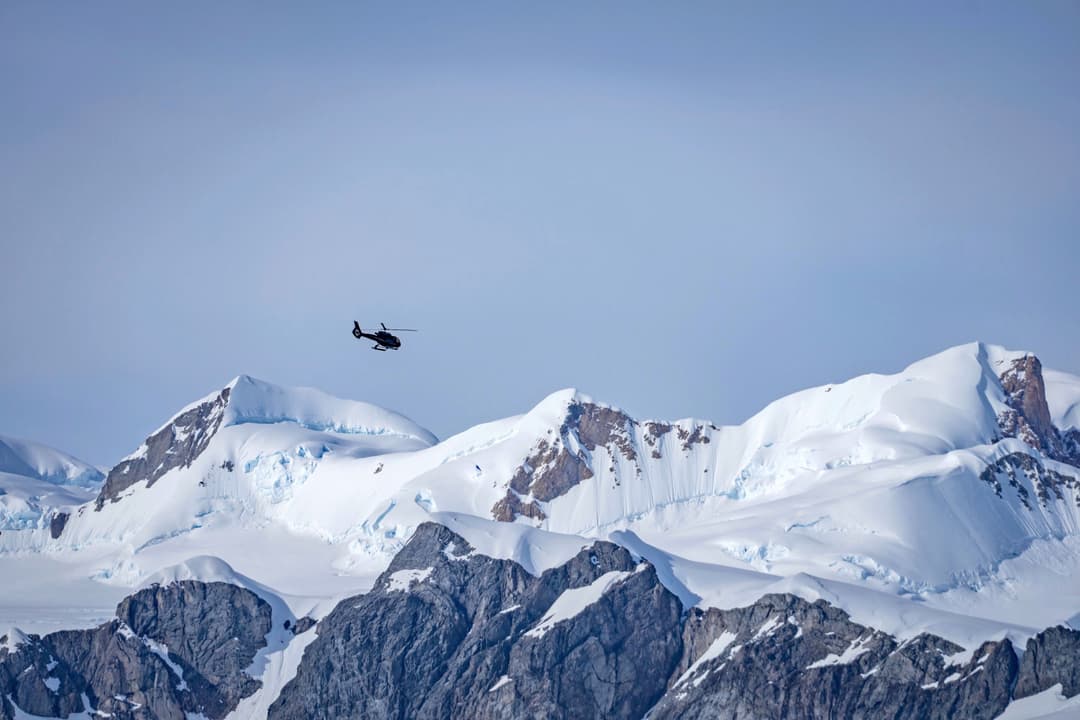
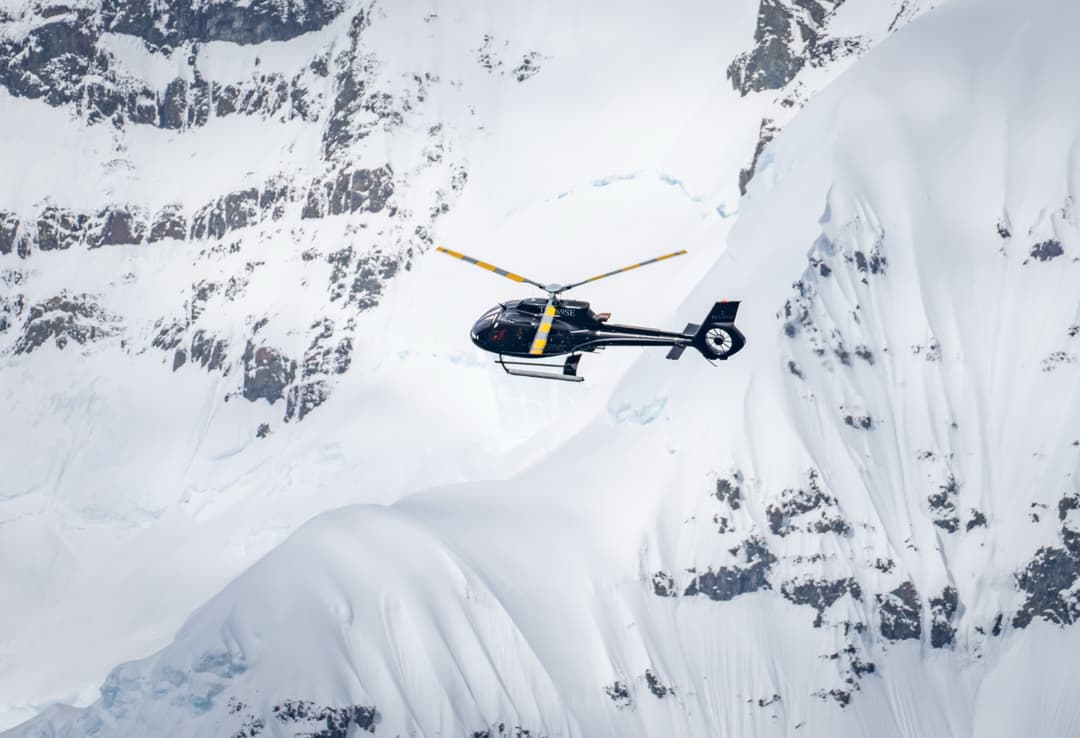
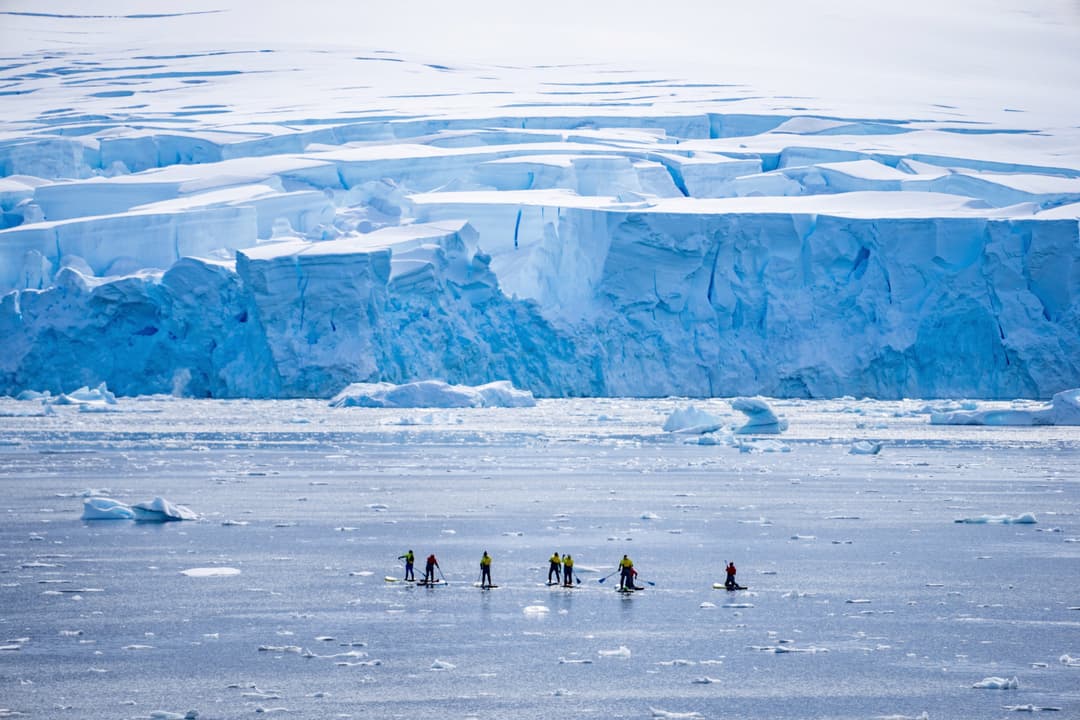
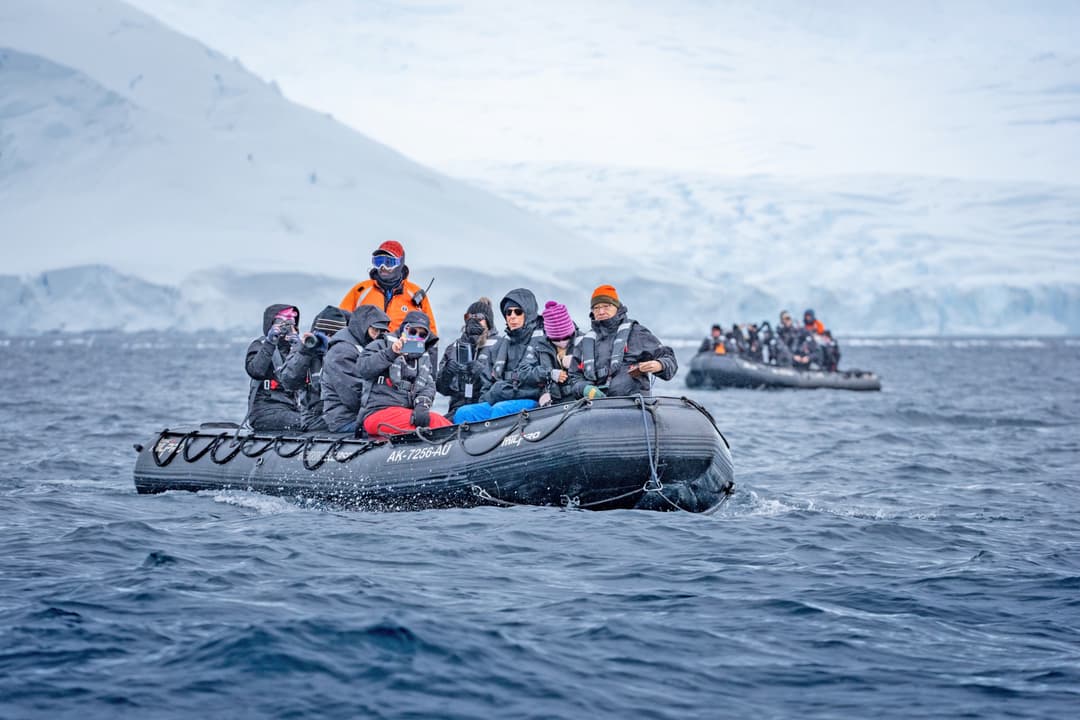
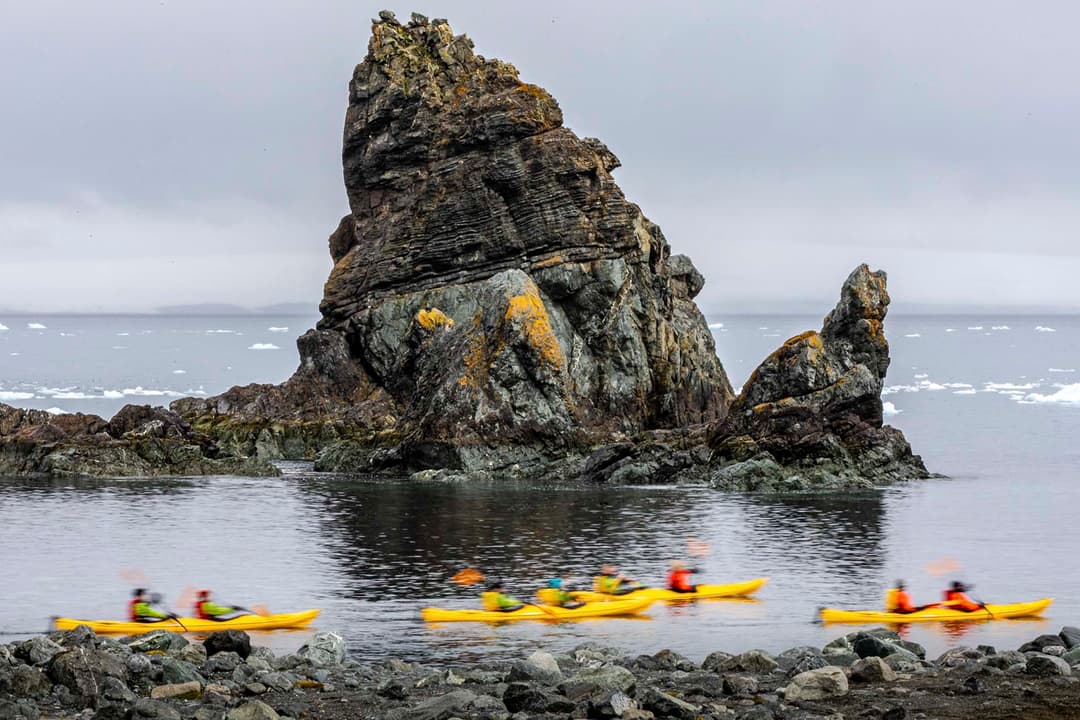
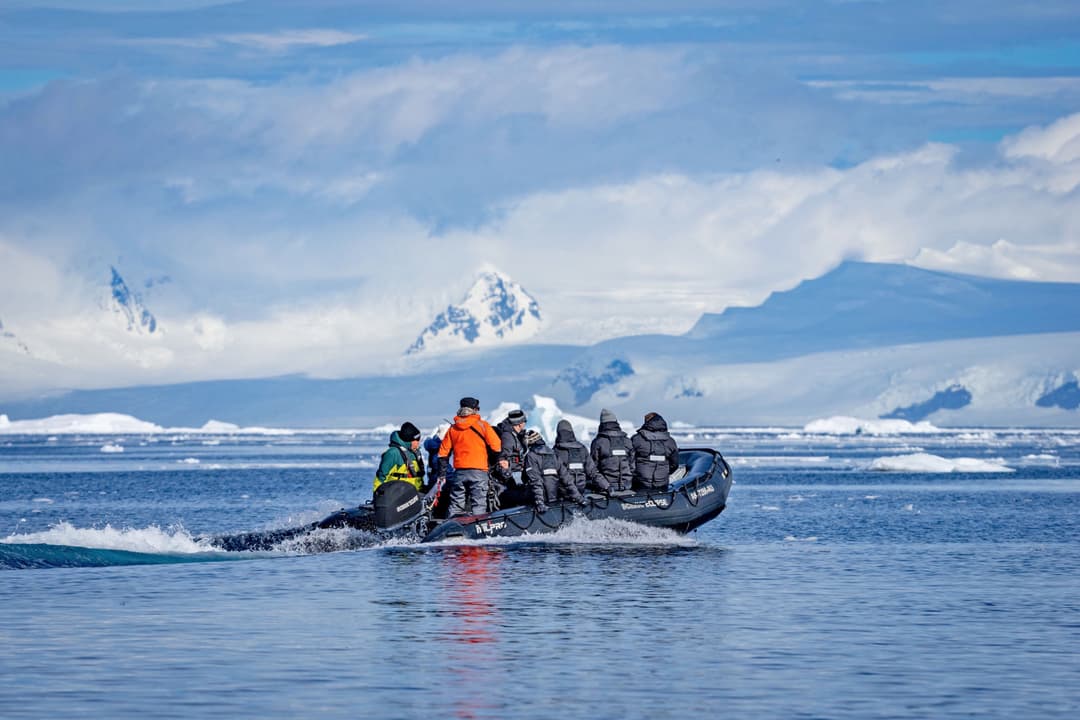
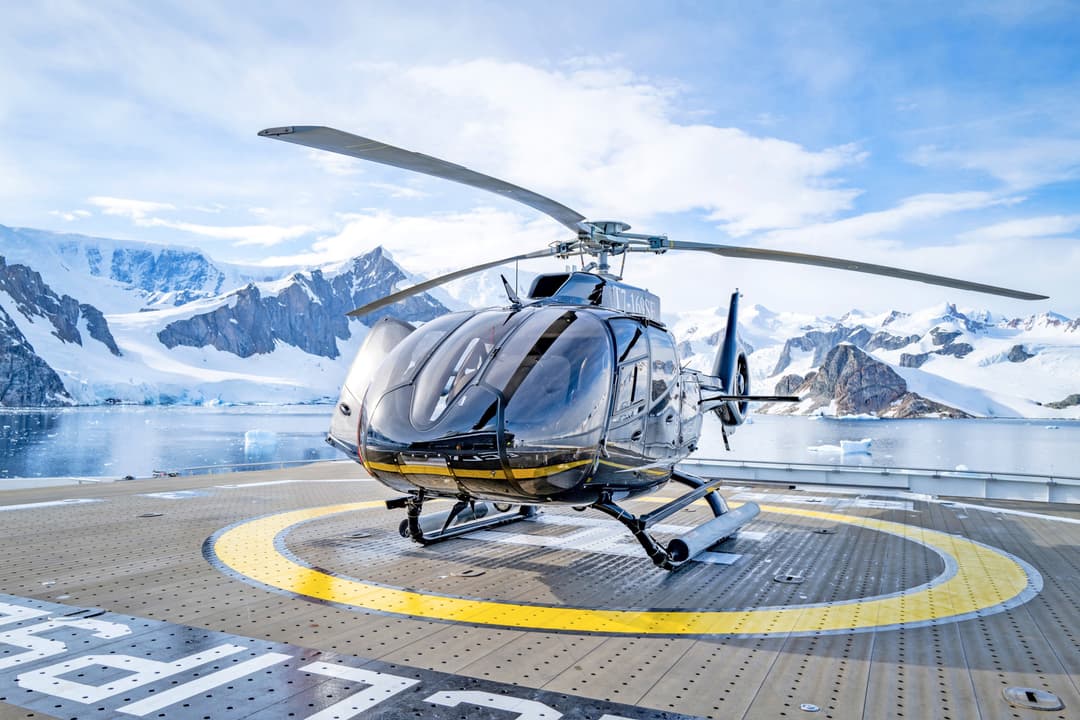
Scenic Discovery: Daily experiences during your expedition voyage may include cruising on Zodiacs, stepping ashore to view vast penguin rookeries, kayaking, stand-up paddleboarding, soar above in the helicopter^ and dive below in the submersible^.
While in the Falkland Islands, you’ll visit capital Stanley (subject to weather and operational conditions). Since its colonisation in the 18th century, the ownership of the Falkland Islands has been clouded in controversy between France, Britain, Spain and Argentina. This town offers a unique British outpost feel. Visit local shops, see the Christ Church Cathedral with its whalebone arch, or share a pint at an English pub.
Tonight could be the night you meet your new friends at Sushi* @ Koko’s for dinner. Enjoy entertainment in the state-of-the-art theatre and unwind with a nightcap at the Scenic Lounge Bar.
Scenic Freechoice:
Walk Stanley: Enjoy a walking tour of the small capital with an expert local guide for a closer look at life in this rugged location.
Battlefields, a Mountain Perspective: Visit Falklands War battlegrounds on a Battlefields Tour while admiring the views of the Island.
Stanley Highlights: This tour by coach offers a thorough introduction to the town's key sights and historical landmarks.
Fitz Roy Farm: Start at the Jetty Visitor Center with a brief history of the Falklands, then continue to the shearing shed for a live shearing demonstration, followed by a visit to the Farm Manager’s House.
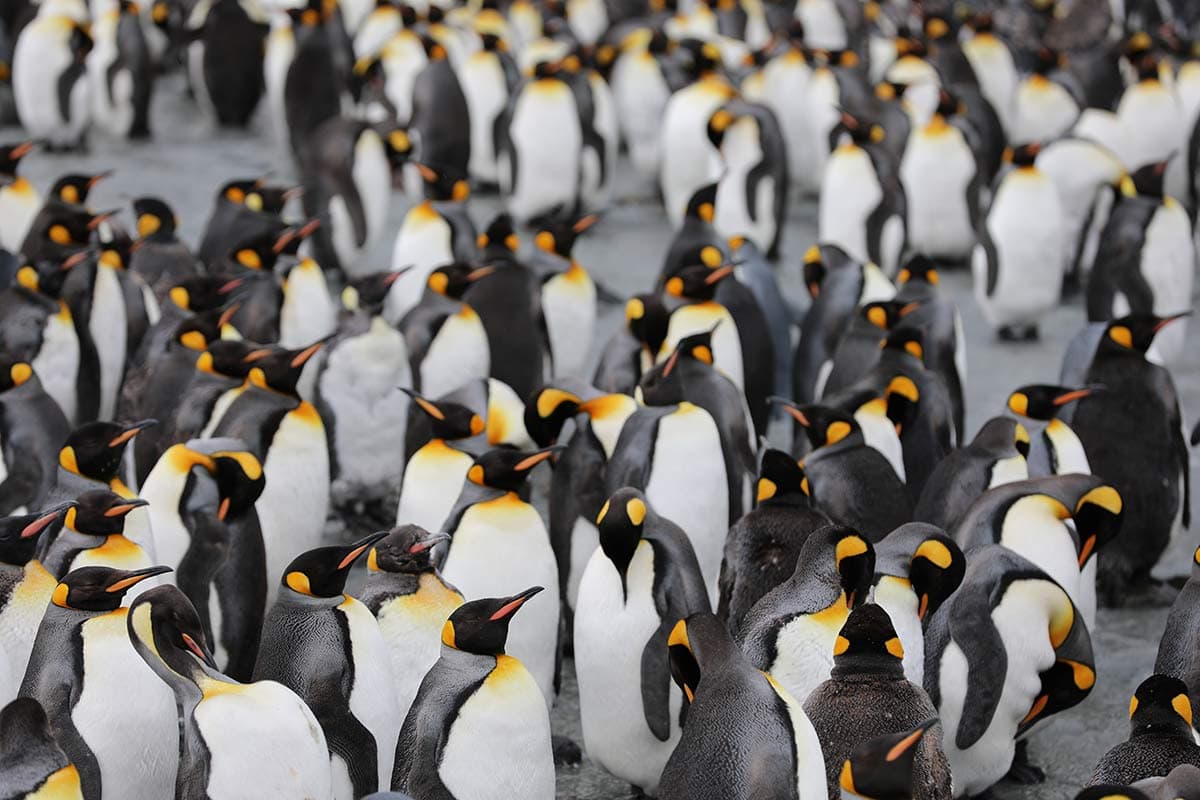
South Georgia is a breathtaking destination of towering snow-covered mountains, mighty glaciers, and low-lying grasslands that attract an astounding concentration of wildlife. It is possible to find Southern fur seals, Southern elephant seals and a variety of albatross species including Black-browed, Light-mantled Sooty, Grey-headed and the spectacular Wandering Albatross, plus thousands of King and Macaroni Penguins. South Georgia is also linked to the early Antarctic explorers. Captain James Cook first stepped ashore in 1775, but perhaps more famous is Ernest Shackleton’s arrival in 1916 following the sinking of his ship Endurance. Shackleton’s grave and the whaling museum at Grytviken are highlights, as would be a visit to one of the King Penguin colonies at Salisbury Plain or Gold Harbour.
South Georgia is a breathtaking destination of towering snow-covered mountains, mighty glaciers, and low-lying grasslands that attract an astounding concentration of wildlife. It is possible to find Southern fur seals, Southern elephant seals and a variety of albatross species including Black-browed, Light-mantled Sooty, Grey-headed and the spectacular Wandering Albatross, plus thousands of King and Macaroni Penguins. South Georgia is also linked to the early Antarctic explorers. Captain James Cook first stepped ashore in 1775, but perhaps more famous is Ernest Shackleton’s arrival in 1916 following the sinking of his ship Endurance. Shackleton’s grave and the whaling museum at Grytviken are highlights, as would be a visit to one of the King Penguin colonies at Salisbury Plain or Gold Harbour.
South Georgia is a breathtaking destination of towering snow-covered mountains, mighty glaciers, and low-lying grasslands that attract an astounding concentration of wildlife. It is possible to find Southern fur seals, Southern elephant seals and a variety of albatross species including Black-browed, Light-mantled Sooty, Grey-headed and the spectacular Wandering Albatross, plus thousands of King and Macaroni Penguins. South Georgia is also linked to the early Antarctic explorers. Captain James Cook first stepped ashore in 1775, but perhaps more famous is Ernest Shackleton’s arrival in 1916 following the sinking of his ship Endurance. Shackleton’s grave and the whaling museum at Grytviken are highlights, as would be a visit to one of the King Penguin colonies at Salisbury Plain or Gold Harbour.
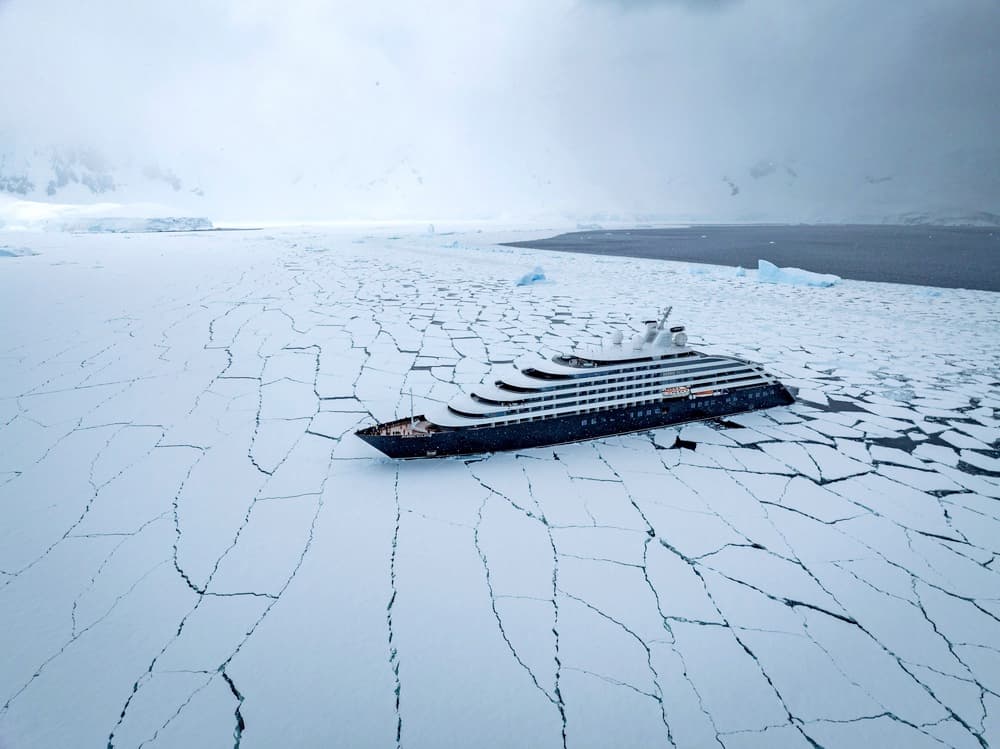
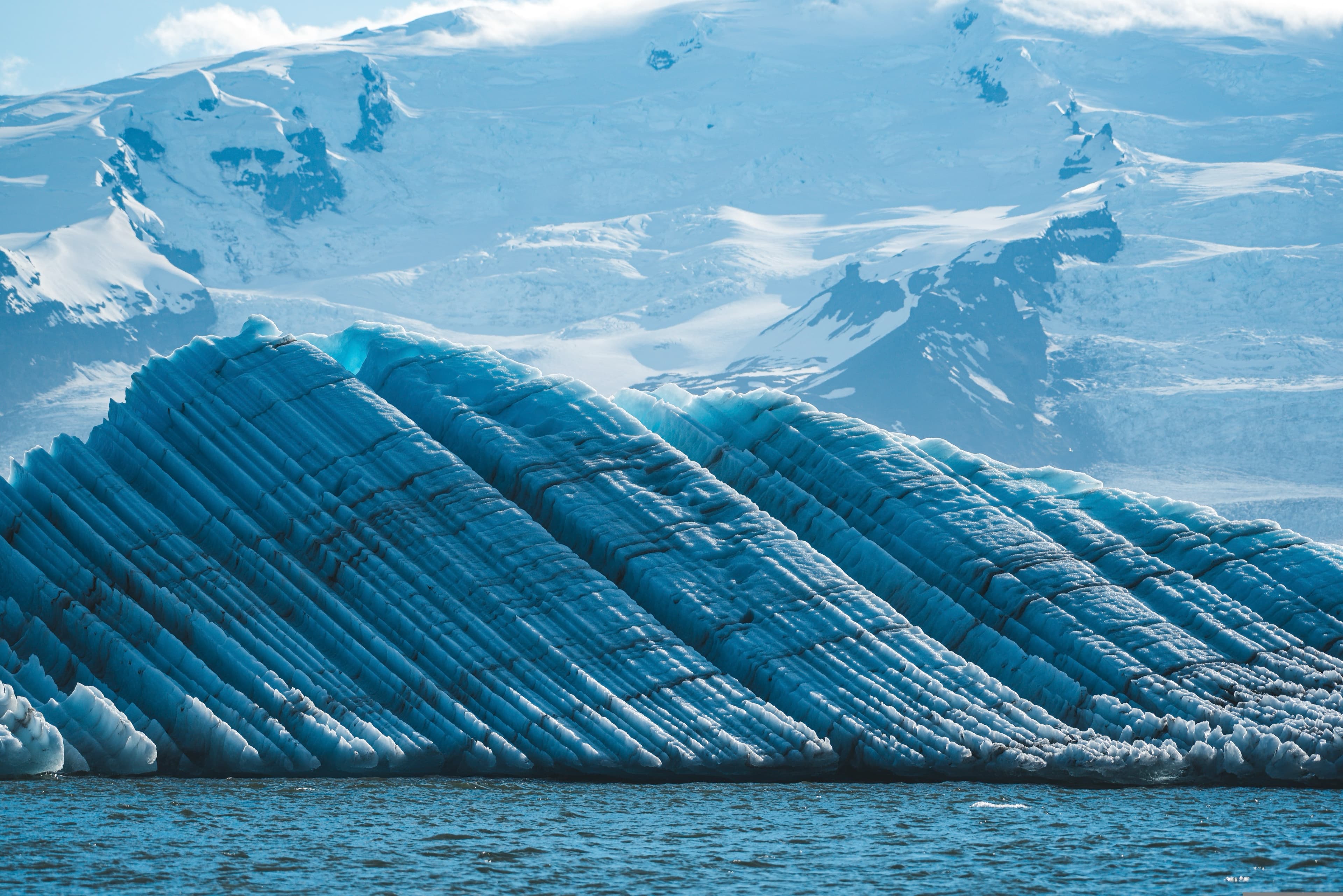
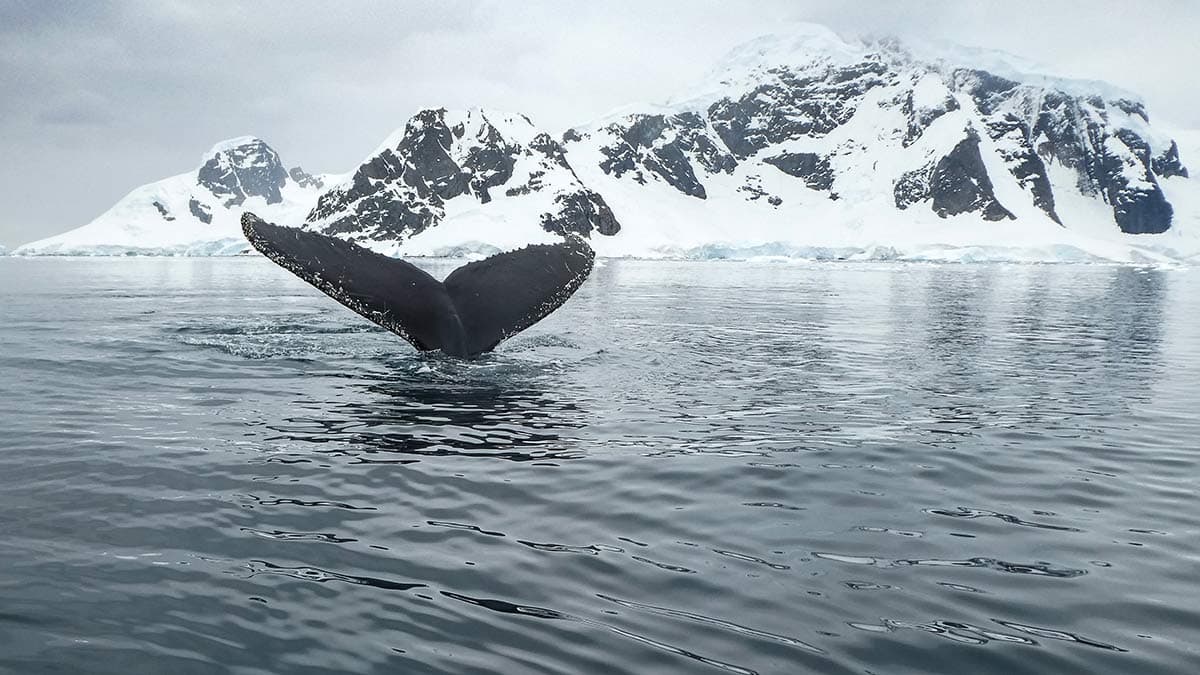
Remote and otherworldly, Antarctic is irresistible for its spectacular iceberg sculptures and calving glaciers, and for the possibility of up-close encounters with marine mammals and the iconic penguins. The Antarctic Peninsula – the main peninsula closest to South America – has a human history of almost 200 years, with explorers, sealers, whalers, and scientists who have come to work, and eventually intrepid visitors coming to enjoy this pristine and remote wilderness. It is a region of protected bays, unscaled snow-capped mountains, vast glaciers and a few places where whalers or scientists have worked. Just as irresistible are the many Gentoo and Chinstrap Penguin colonies, the seals basking on ice floes, the whales and orcas.
Remote and otherworldly, Antarctic is irresistible for its spectacular iceberg sculptures and calving glaciers, and for the possibility of up-close encounters with marine mammals and the iconic penguins. The Antarctic Peninsula – the main peninsula closest to South America – has a human history of almost 200 years, with explorers, sealers, whalers, and scientists who have come to work, and eventually intrepid visitors coming to enjoy this pristine and remote wilderness. It is a region of protected bays, unscaled snow-capped mountains, vast glaciers and a few places where whalers or scientists have worked. Just as irresistible are the many Gentoo and Chinstrap Penguin colonies, the seals basking on ice floes, the whales and orcas.
Remote and otherworldly, Antarctic is irresistible for its spectacular iceberg sculptures and calving glaciers, and for the possibility of up-close encounters with marine mammals and the iconic penguins. The Antarctic Peninsula – the main peninsula closest to South America – has a human history of almost 200 years, with explorers, sealers, whalers, and scientists who have come to work, and eventually intrepid visitors coming to enjoy this pristine and remote wilderness. It is a region of protected bays, unscaled snow-capped mountains, vast glaciers and a few places where whalers or scientists have worked. Just as irresistible are the many Gentoo and Chinstrap Penguin colonies, the seals basking on ice floes, the whales and orcas.
Remote and otherworldly, Antarctic is irresistible for its spectacular iceberg sculptures and calving glaciers, and for the possibility of up-close encounters with marine mammals and the iconic penguins. The Antarctic Peninsula – the main peninsula closest to South America – has a human history of almost 200 years, with explorers, sealers, whalers, and scientists who have come to work, and eventually intrepid visitors coming to enjoy this pristine and remote wilderness. It is a region of protected bays, unscaled snow-capped mountains, vast glaciers and a few places where whalers or scientists have worked. Just as irresistible are the many Gentoo and Chinstrap Penguin colonies, the seals basking on ice floes, the whales and orcas.
Remote and otherworldly, Antarctic is irresistible for its spectacular iceberg sculptures and calving glaciers, and for the possibility of up-close encounters with marine mammals and the iconic penguins. The Antarctic Peninsula – the main peninsula closest to South America – has a human history of almost 200 years, with explorers, sealers, whalers, and scientists who have come to work, and eventually intrepid visitors coming to enjoy this pristine and remote wilderness. It is a region of protected bays, unscaled snow-capped mountains, vast glaciers and a few places where whalers or scientists have worked. Just as irresistible are the many Gentoo and Chinstrap Penguin colonies, the seals basking on ice floes, the whales and orcas.
At 55 degrees latitude south, Ushuaia (pronounced oo-swy-ah) is closer to the South Pole than to Argentina's northern border with Bolivia. It is the capital and tourism base for Tierra del Fuego, the island at the southernmost tip of Argentina.Although its stark physical beauty is striking, Tierra del Fuego's historical allure is based more on its mythical past than on rugged reality. The island was inhabited for 6,000 years by Yámana, Haush, Selk'nam, and Alakaluf Indians. But in 1902 Argentina, eager to populate Patagonia to bolster its territorial claims, moved to initiate an Ushuaian penal colony, establishing the permanent settlement of its most southern territories and, by implication, everything in between.When the prison closed in 1947, Ushuaia had a population of about 3,000, made up mainly of former inmates and prison staff. Today the Indians of Darwin's "missing link" theory are long gone—wiped out by diseases brought by settlers and by indifference to their plight—and the 60,000 residents of Ushuaia are hitching their star to tourism.The city rightly (if perhaps too loudly) promotes itself as the southernmost city in the world (Puerto Williams, a few miles south on the Chilean side of the Beagle Channel, is a small town). You can make your way to the tourism office to get your clichéd, but oh-so-necessary, "Southernmost City in the World" passport stamp. Ushuaia feels like a frontier boomtown, at heart still a rugged, weather-beaten fishing village, but exhibiting the frayed edges of a city that quadrupled in size in the '70s and '80s and just keeps growing. Unpaved portions of Ruta 3, the last stretch of the Pan-American Highway, which connects Alaska to Tierra del Fuego, are finally being paved. The summer months (December through March) draw more than 120,000 visitors, and dozens of cruise ships. The city is trying to extend those visits with events like March's Marathon at the End of the World and by increasing the gamut of winter activities buoyed by the excellent snow conditions.A terrific trail winds through the town up to the Martial Glacier, where a ski lift can help cut down a steep kilometer of your journey. The chaotic and contradictory urban landscape includes a handful of luxury hotels amid the concrete of public housing projects. Scores of "sled houses" (wooden shacks) sit precariously on upright piers, ready for speedy displacement to a different site. But there are also many small, picturesque homes with tiny, carefully tended gardens. Many of the newer homes are built in a Swiss-chalet style, reinforcing the idea that this is a town into which tourism has breathed new life. At the same time, the weather-worn pastel colors that dominate the town's landscape remind you that Ushuaia was once just a tiny fishing village, snuggled at the end of the Earth.As you stand on the banks of the Canal Beagle (Beagle Channel) near Ushuaia, the spirit of the farthest corner of the world takes hold. What stands out is the light: at sundown the landscape is cast in a subdued, sensual tone; everything feels closer, softer, and more human in dimension despite the vastness of the setting. The snowcapped mountains reflect the setting sun back onto a stream rolling into the channel, as nearby peaks echo their image—on a windless day—in the still waters.Above the city rise the last mountains of the Andean Cordillera, and just south and west of Ushuaia they finally vanish into the often-stormy sea. Snow whitens the peaks well into summer. Nature is the principal attraction here, with trekking, fishing, horseback riding, wildlife spotting, and sailing among the most rewarding activities, especially in the Parque Nacional Tierra del Fuego (Tierra del Fuego National Park).
At 55 degrees latitude south, Ushuaia (pronounced oo-swy-ah) is closer to the South Pole than to Argentina's northern border with Bolivia. It is the capital and tourism base for Tierra del Fuego, the island at the southernmost tip of Argentina.Although its stark physical beauty is striking, Tierra del Fuego's historical allure is based more on its mythical past than on rugged reality. The island was inhabited for 6,000 years by Yámana, Haush, Selk'nam, and Alakaluf Indians. But in 1902 Argentina, eager to populate Patagonia to bolster its territorial claims, moved to initiate an Ushuaian penal colony, establishing the permanent settlement of its most southern territories and, by implication, everything in between.When the prison closed in 1947, Ushuaia had a population of about 3,000, made up mainly of former inmates and prison staff. Today the Indians of Darwin's "missing link" theory are long gone—wiped out by diseases brought by settlers and by indifference to their plight—and the 60,000 residents of Ushuaia are hitching their star to tourism.The city rightly (if perhaps too loudly) promotes itself as the southernmost city in the world (Puerto Williams, a few miles south on the Chilean side of the Beagle Channel, is a small town). You can make your way to the tourism office to get your clichéd, but oh-so-necessary, "Southernmost City in the World" passport stamp. Ushuaia feels like a frontier boomtown, at heart still a rugged, weather-beaten fishing village, but exhibiting the frayed edges of a city that quadrupled in size in the '70s and '80s and just keeps growing. Unpaved portions of Ruta 3, the last stretch of the Pan-American Highway, which connects Alaska to Tierra del Fuego, are finally being paved. The summer months (December through March) draw more than 120,000 visitors, and dozens of cruise ships. The city is trying to extend those visits with events like March's Marathon at the End of the World and by increasing the gamut of winter activities buoyed by the excellent snow conditions.A terrific trail winds through the town up to the Martial Glacier, where a ski lift can help cut down a steep kilometer of your journey. The chaotic and contradictory urban landscape includes a handful of luxury hotels amid the concrete of public housing projects. Scores of "sled houses" (wooden shacks) sit precariously on upright piers, ready for speedy displacement to a different site. But there are also many small, picturesque homes with tiny, carefully tended gardens. Many of the newer homes are built in a Swiss-chalet style, reinforcing the idea that this is a town into which tourism has breathed new life. At the same time, the weather-worn pastel colors that dominate the town's landscape remind you that Ushuaia was once just a tiny fishing village, snuggled at the end of the Earth.As you stand on the banks of the Canal Beagle (Beagle Channel) near Ushuaia, the spirit of the farthest corner of the world takes hold. What stands out is the light: at sundown the landscape is cast in a subdued, sensual tone; everything feels closer, softer, and more human in dimension despite the vastness of the setting. The snowcapped mountains reflect the setting sun back onto a stream rolling into the channel, as nearby peaks echo their image—on a windless day—in the still waters.Above the city rise the last mountains of the Andean Cordillera, and just south and west of Ushuaia they finally vanish into the often-stormy sea. Snow whitens the peaks well into summer. Nature is the principal attraction here, with trekking, fishing, horseback riding, wildlife spotting, and sailing among the most rewarding activities, especially in the Parque Nacional Tierra del Fuego (Tierra del Fuego National Park).
Glamorous and gritty, Buenos Aires is two cities in one. What makes Argentina's capital so fascinating is its dual heritage—part European, part Latin American. Plaza de Mayo resembles a grand square in Madrid, and the ornate Teatro Colón would not be out of place in Vienna. But you’ll know you’re in South America by the leather shoes for sale on cobbled streets and impromptu parades of triumphant soccer fans. Limited-production wines, juicy steaks, and ice cream in countless flavors are among the old-world imports the city has perfected.
About the Ship
Name
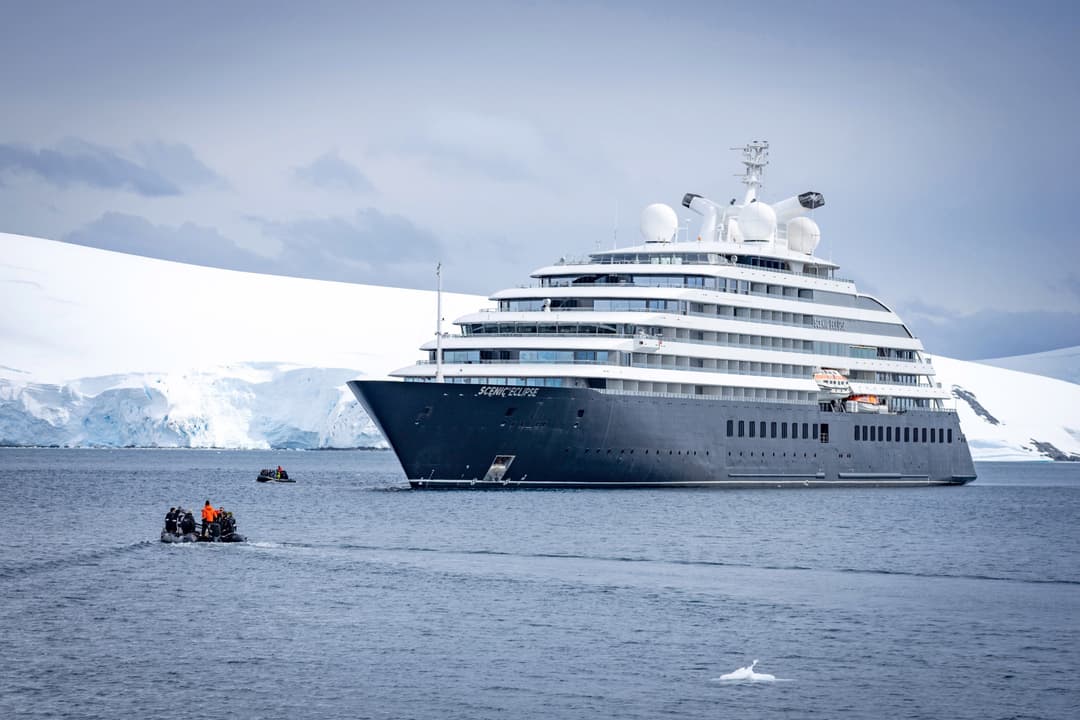
Scenic Eclipse
Operator
Scenic Ocean Cruises

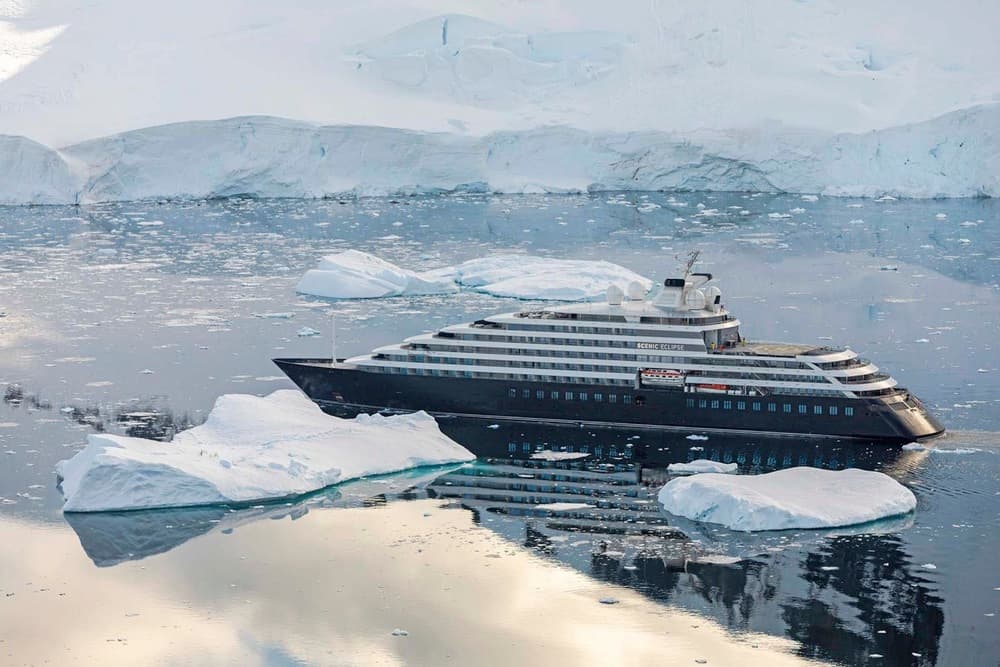
The World’s First Discovery Yachts
Ignite your sense of wonder on a truly all-inclusive ocean cruise that stirs your soul, shifts your perspective, and stays with you long after the journey ends.
Combining innovative design and state-of-the-art technology, Scenic Eclipse sets the benchmark in 6-star ocean cruising. It’s more than an ultra-luxury voyage; it’s immersive, all-inclusive exploration and once-in-a-lifetime experiences.
Loading...
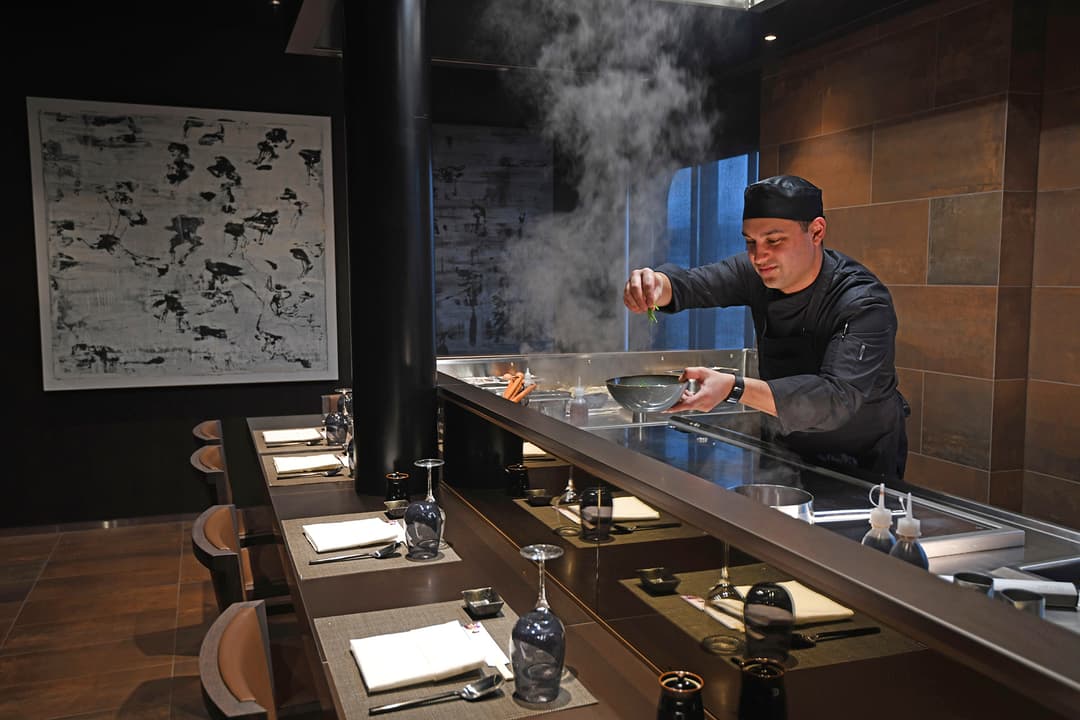
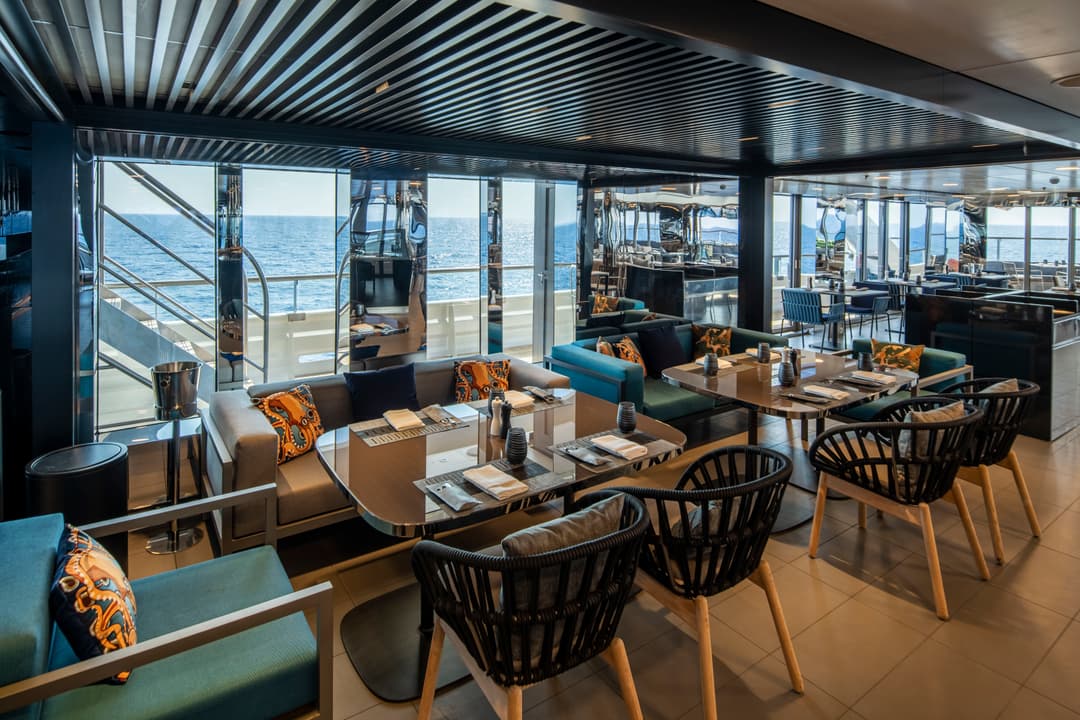
With an unrivalled range of dining experiences, be immersed in a multicultural culinary adventure. The impressive selection of cuisines and dining venues offer you a variety of choices that will satisfy everyone’s palate. Open galleys invite you to see first-hand the passion and expertise that goes into preparing every meal.
"Scenic Eclipse is the only ship to offer such an extensive à la carte spectrum, with so much flexibility and variety. Our menus reflect the talents of our chefs and the destinations we visit, and that’s really 100% unique." - Tom Goetter, VP Oceans Hotel Operations for Scenic Group.With up to 10 unique dining experiences featuring a range of flavours and cuisines, you can pick the setting to match your mood.
Dining and beverages curated to your tastes
- Culinary team of over 38 chefs from 15 countries
- More than 3,000 recipes in the menu repertoire curated to reflect the regions we sail in
- Locally sourced produce
- Delectable options to suit all dietary requirements - from gluten-free to vegetarian, vegan and more
- Premium selection of beverages available all day
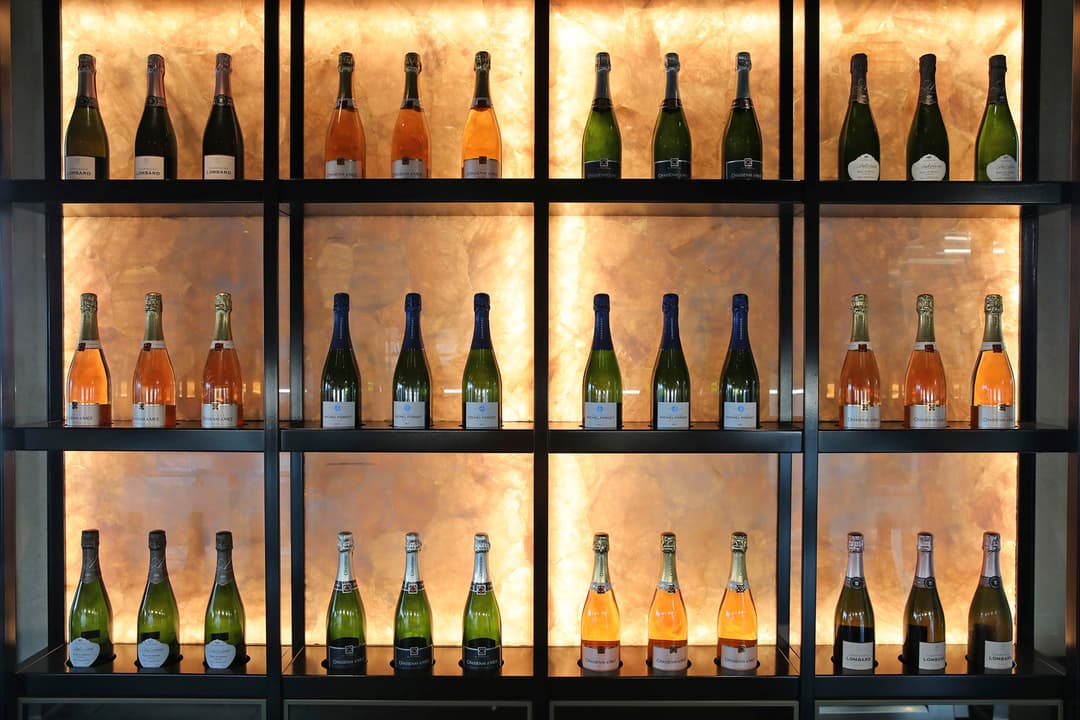
- A range of over 100 premium Champagne, sparkling, red, white, rosé and dessert wines, with daily selections inspired by your destination
Loading...

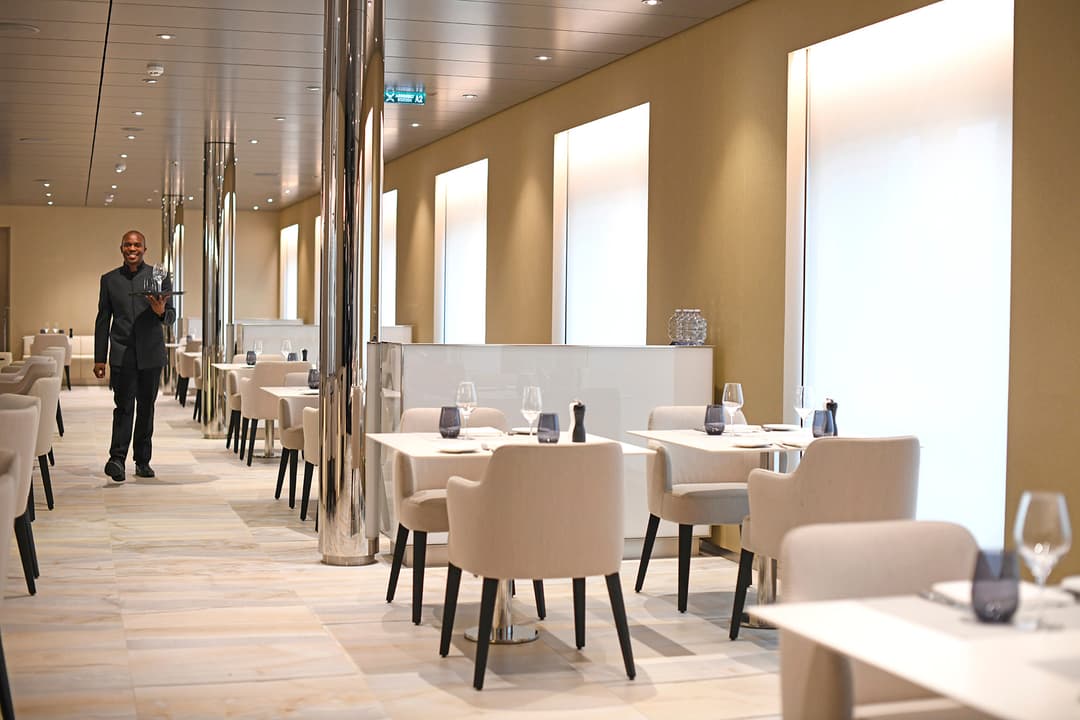
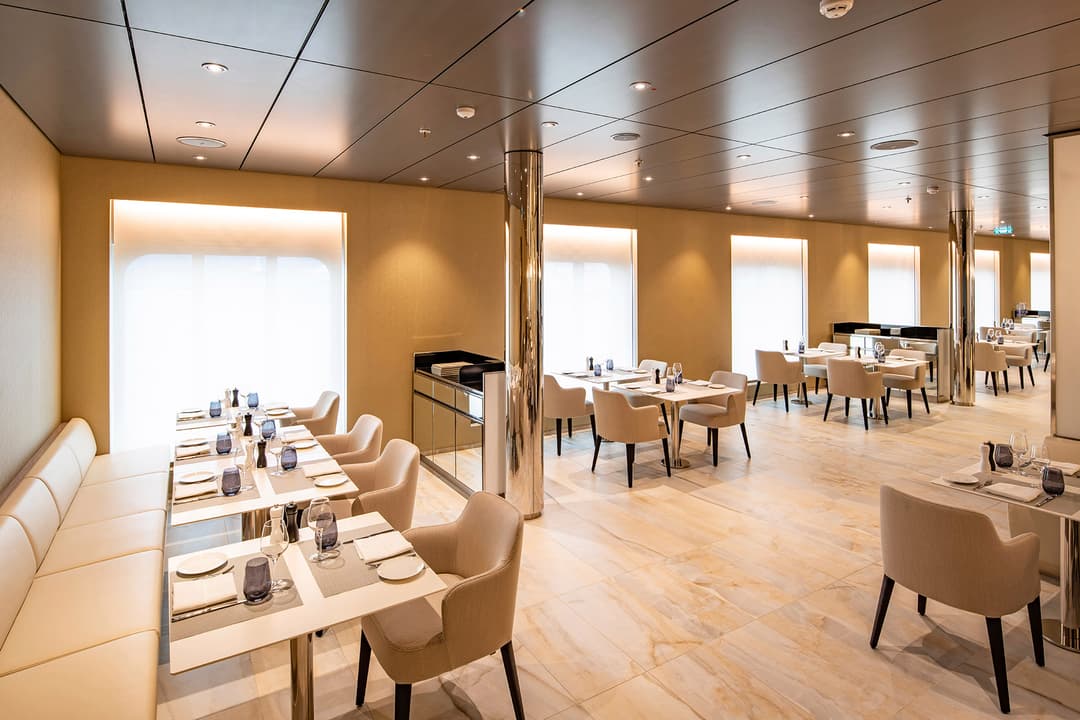
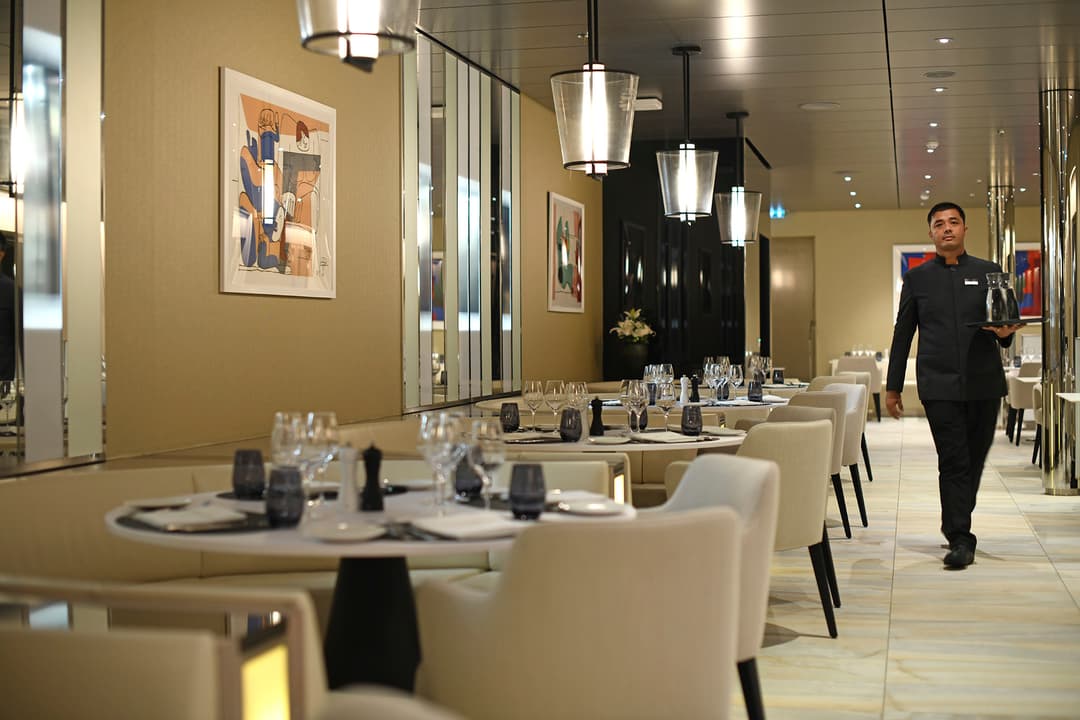

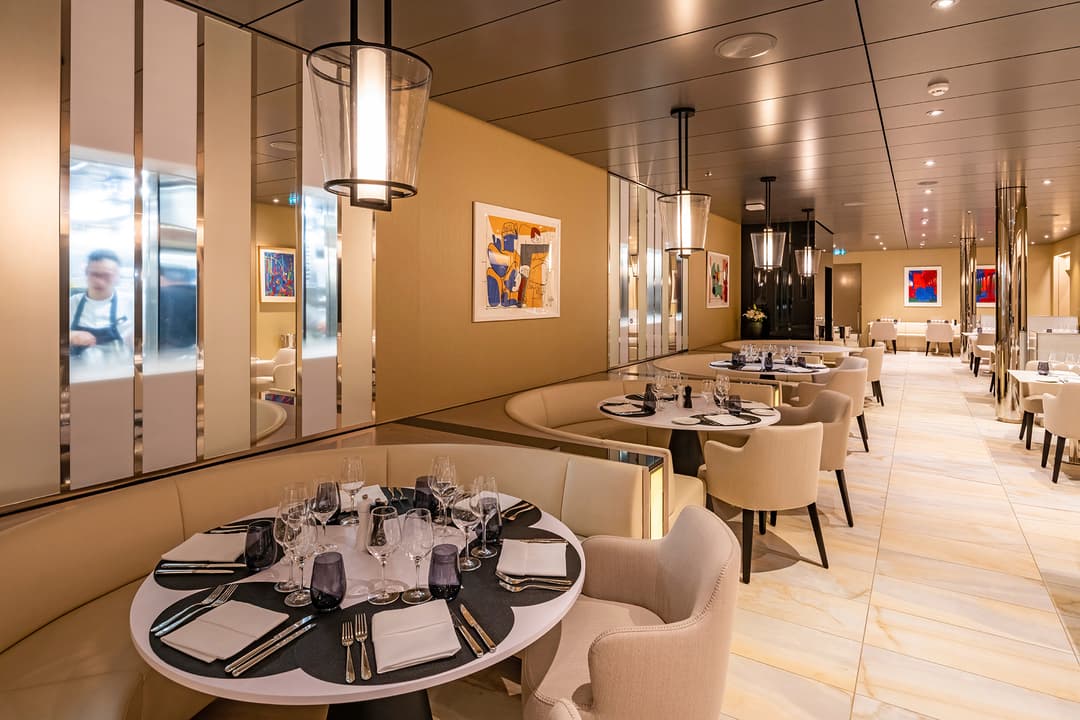
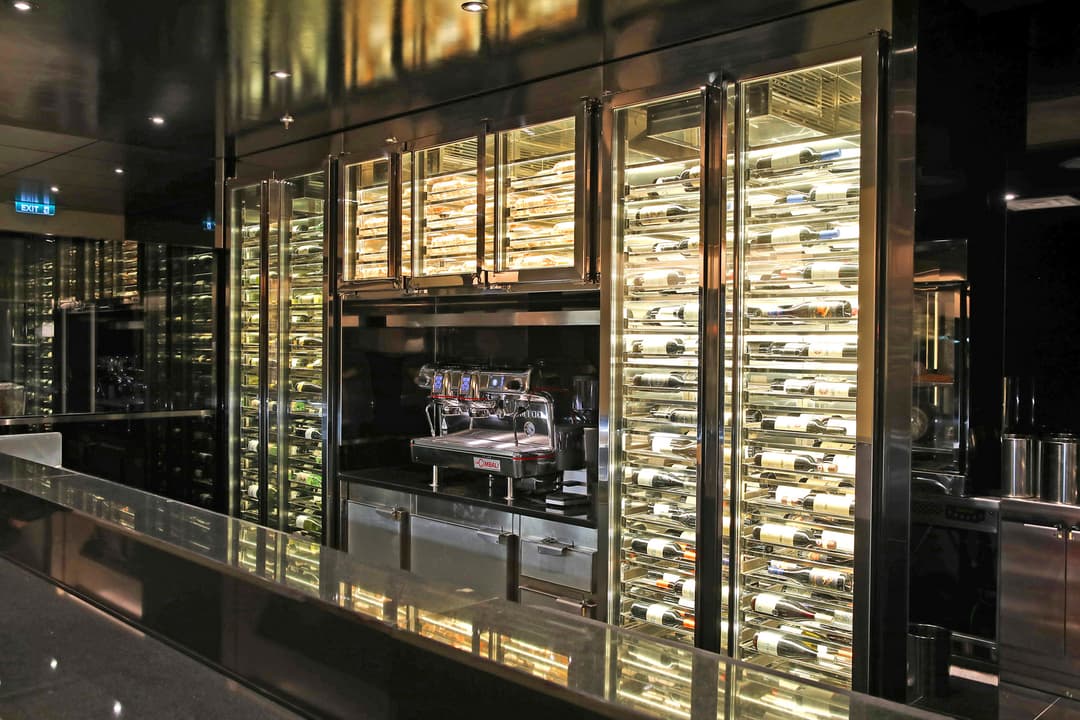
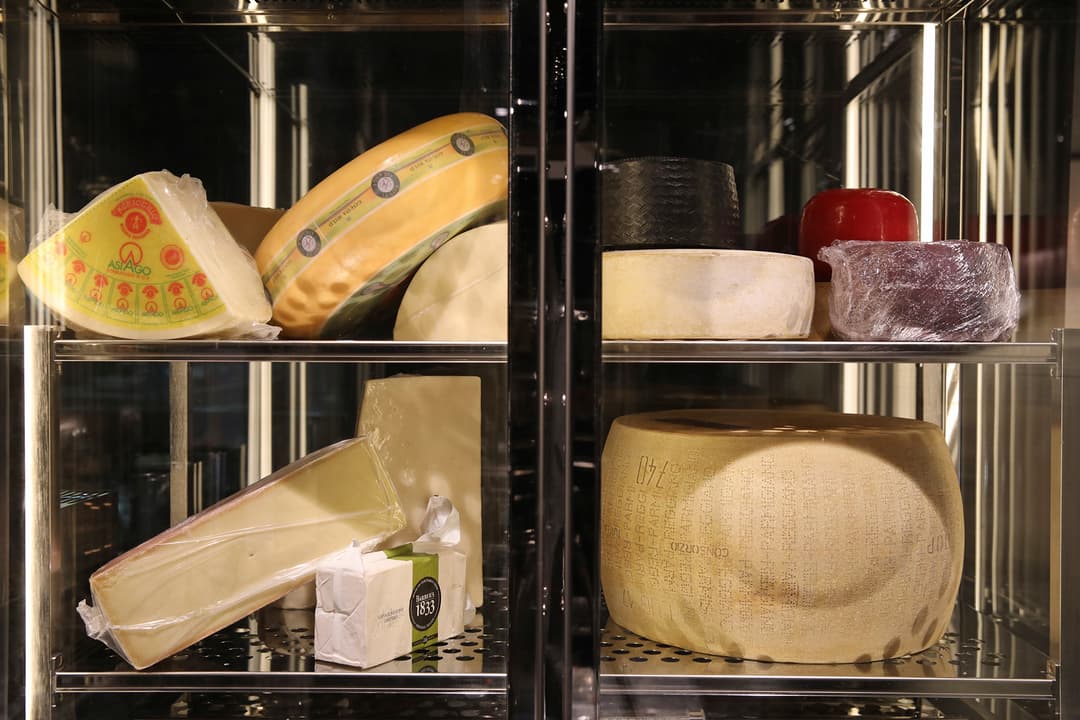



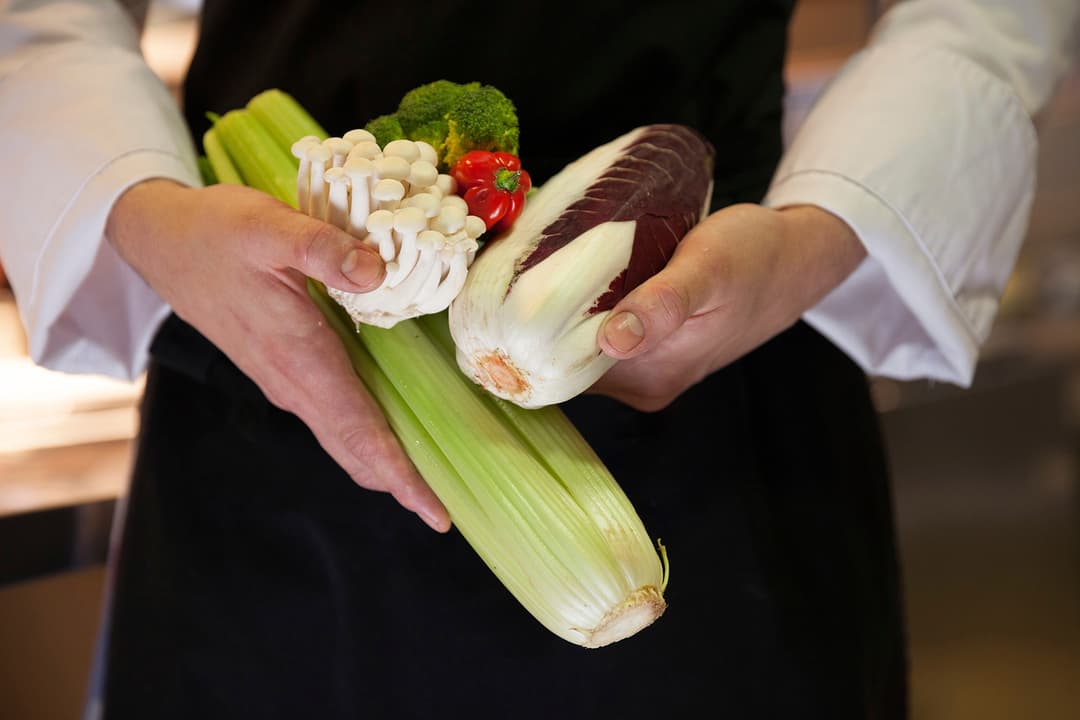
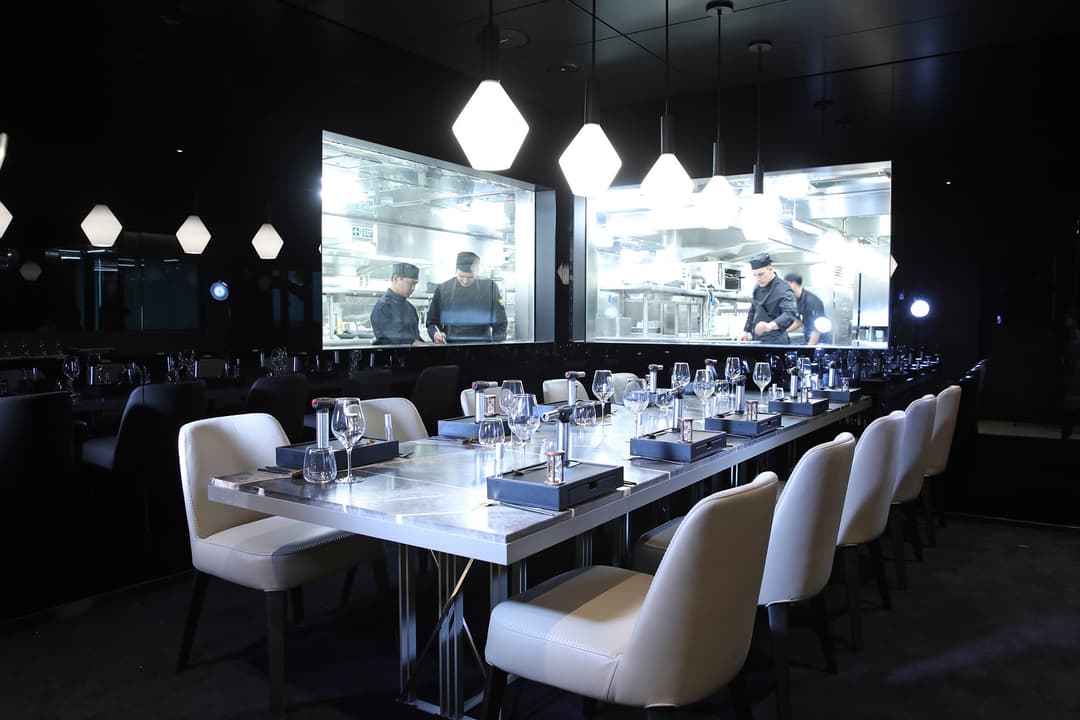


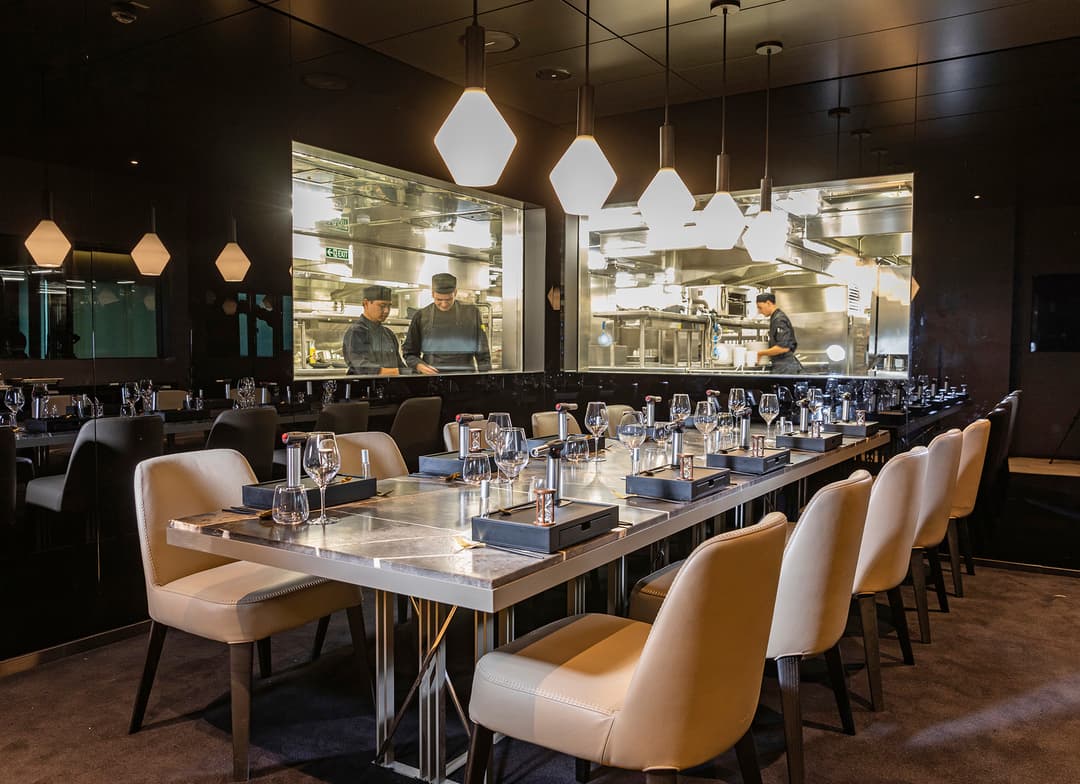


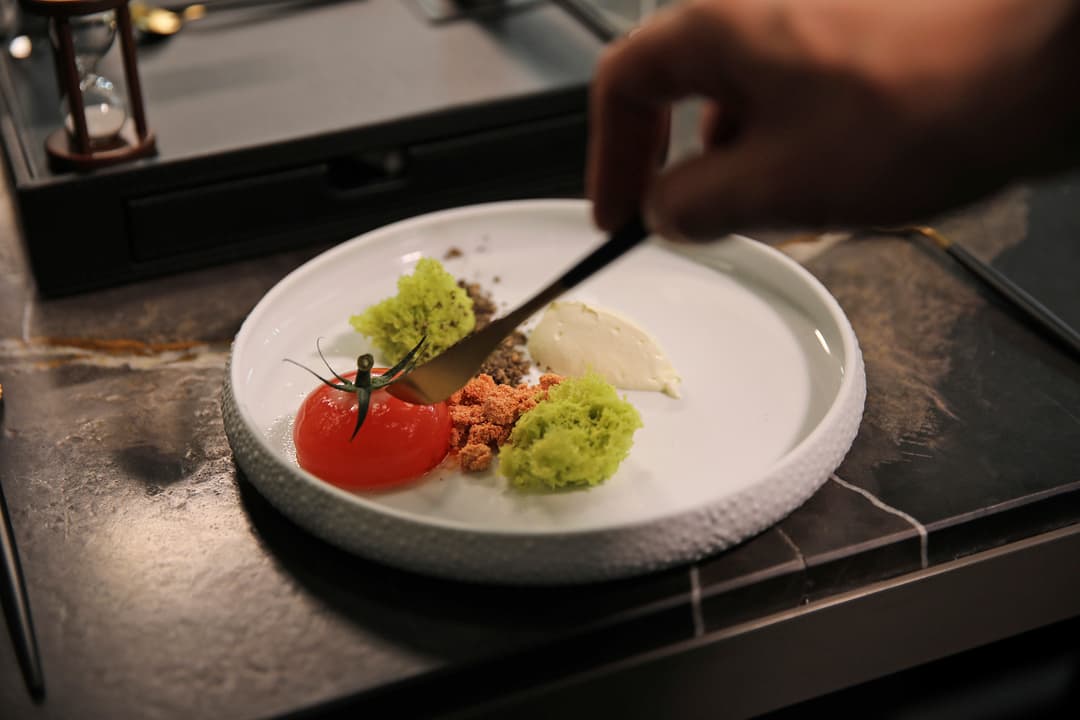


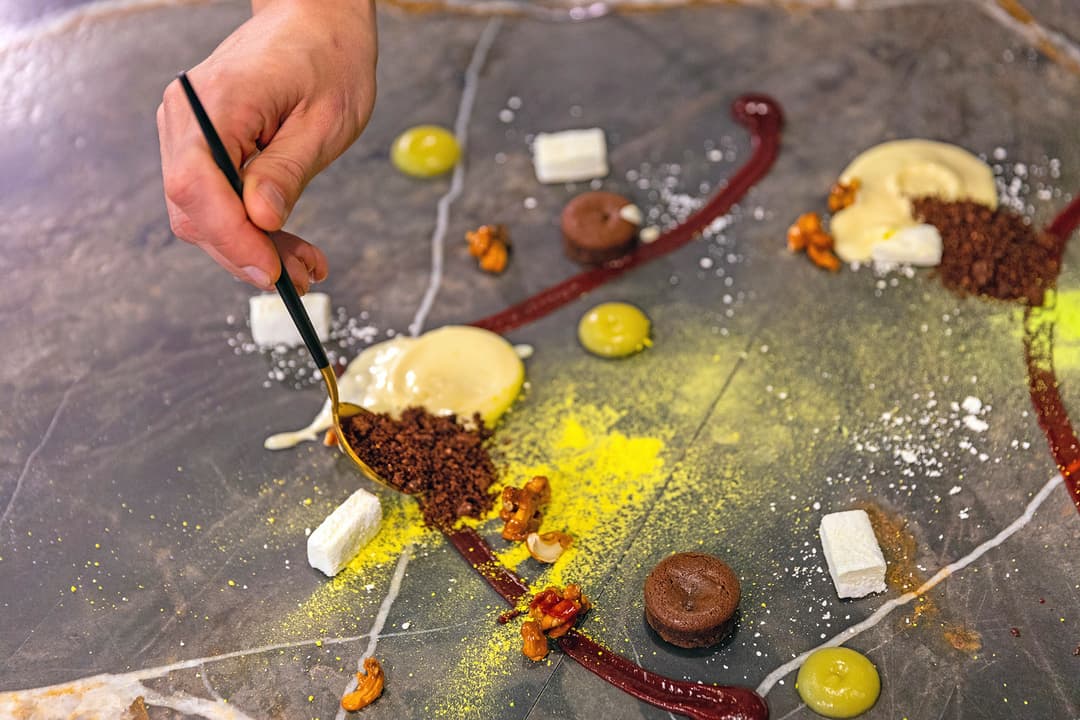
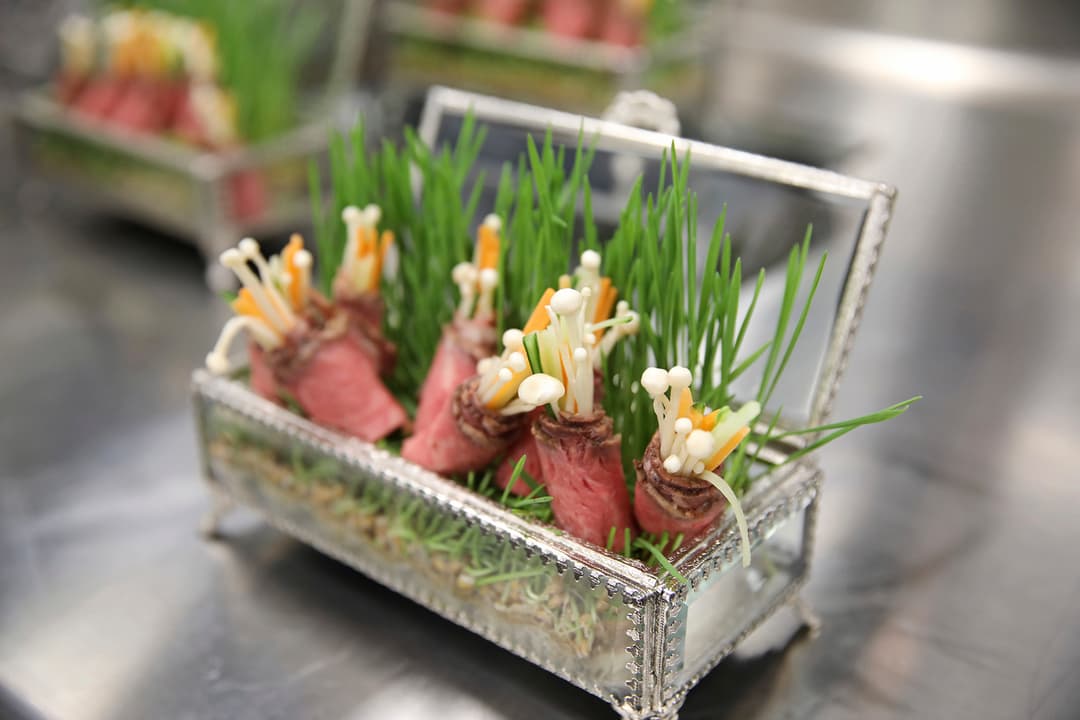


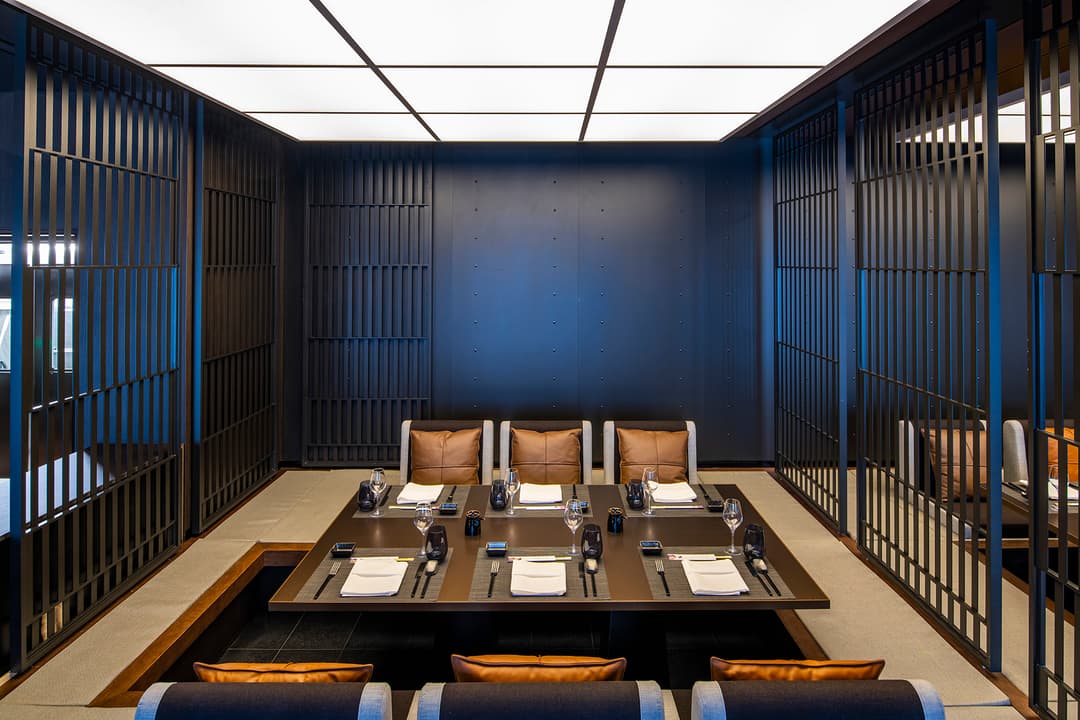
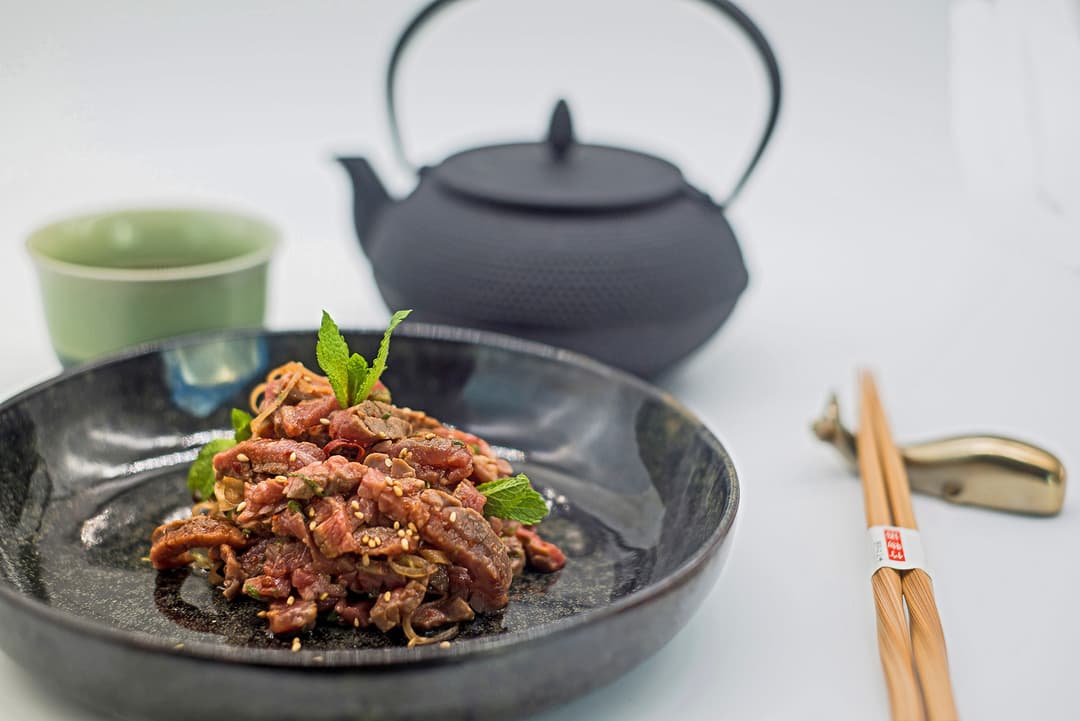

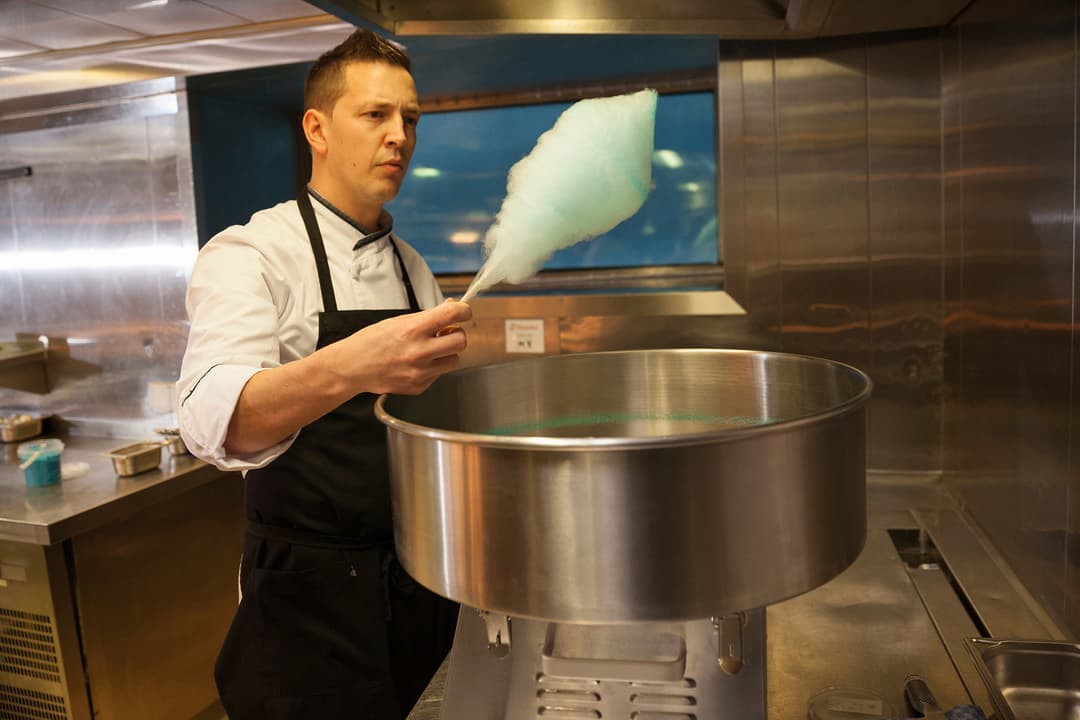
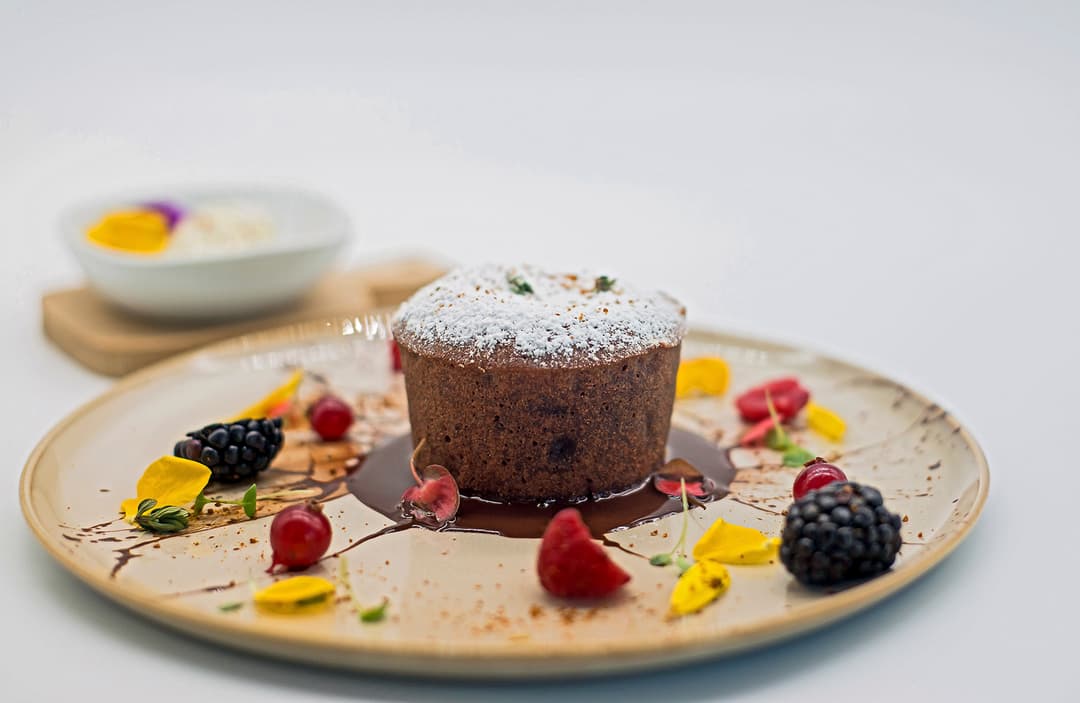
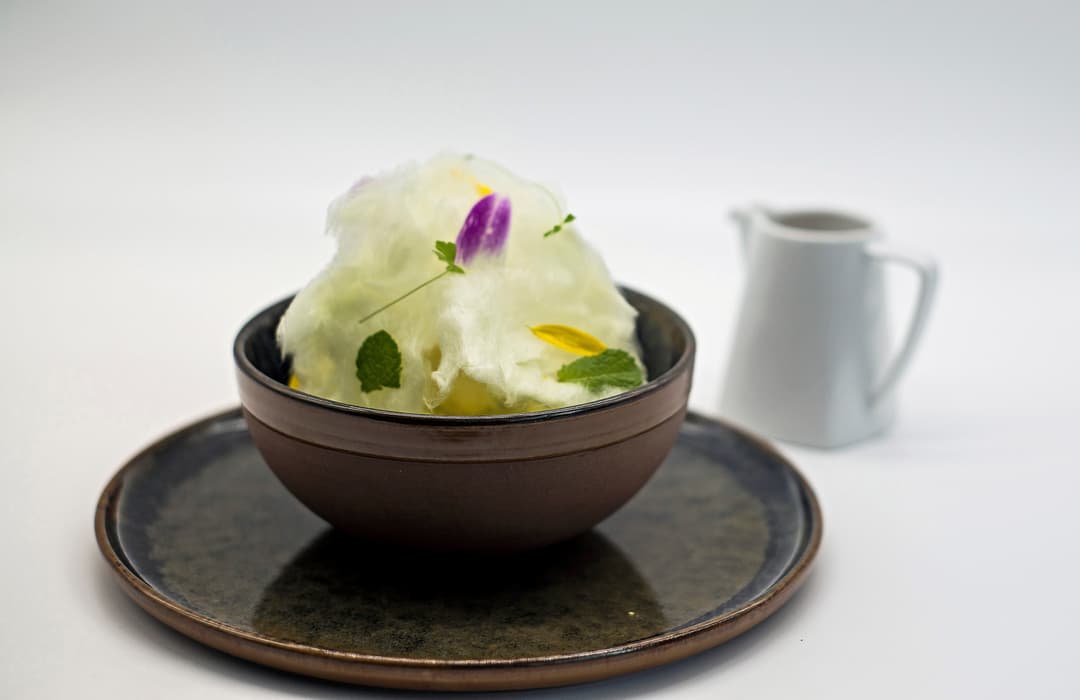


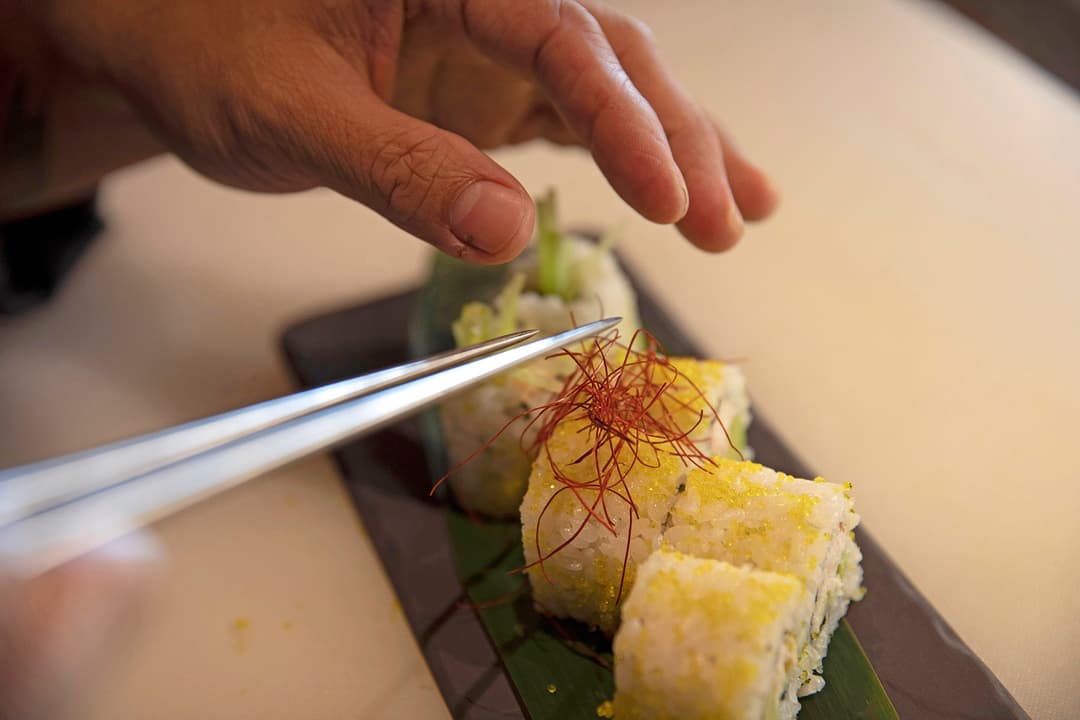

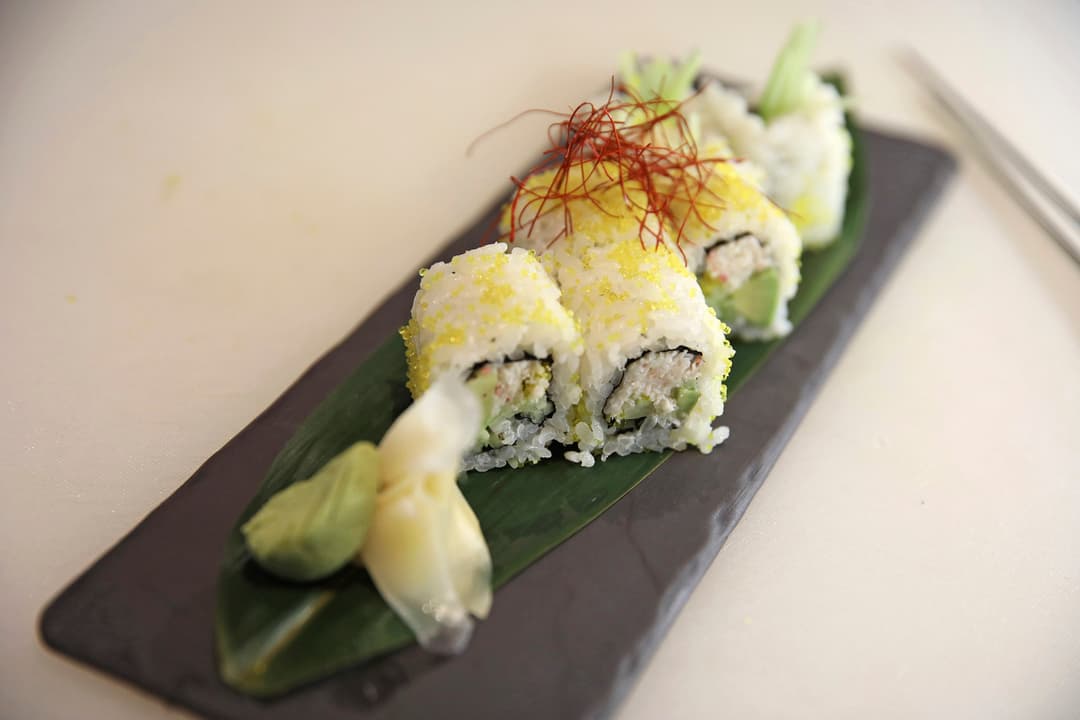
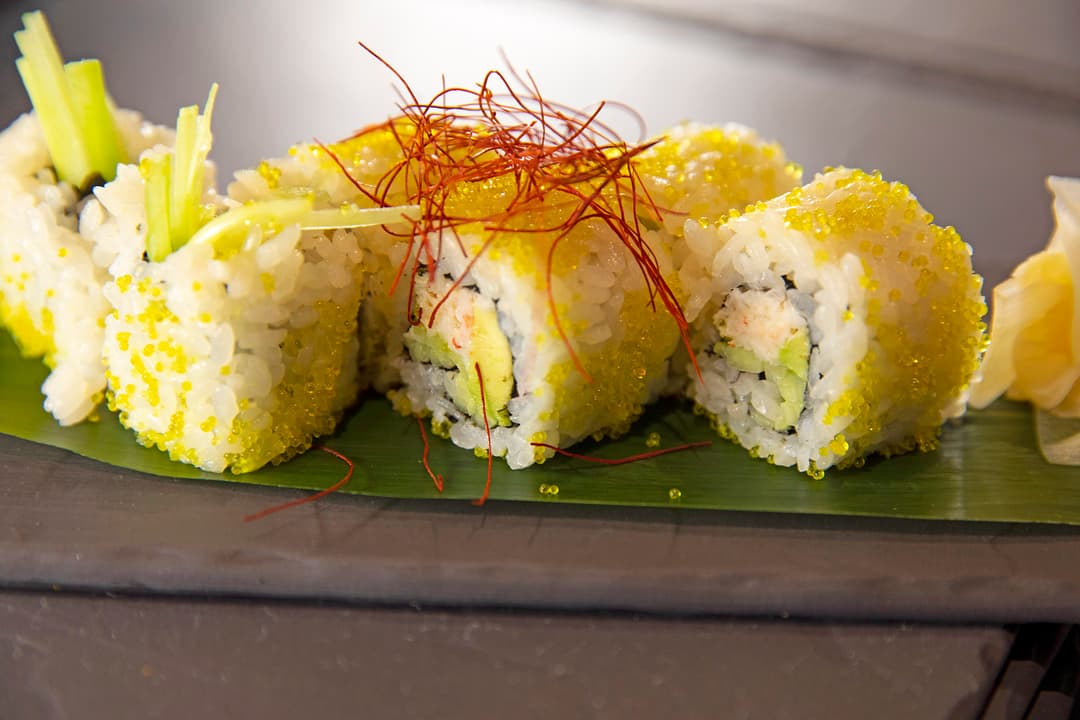



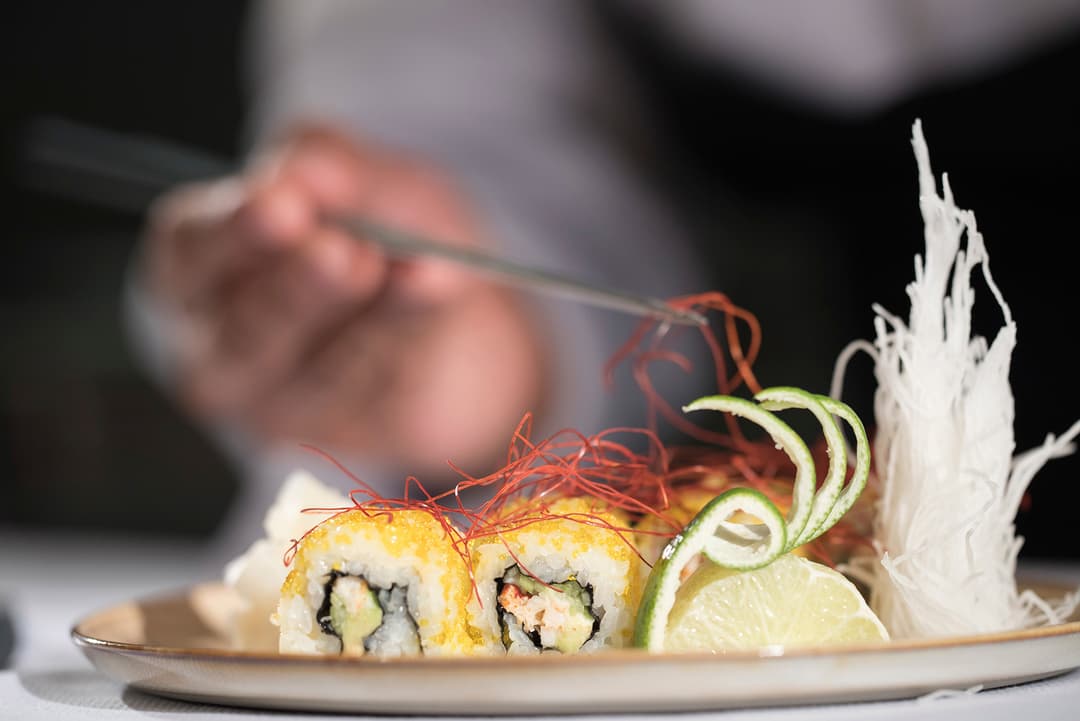
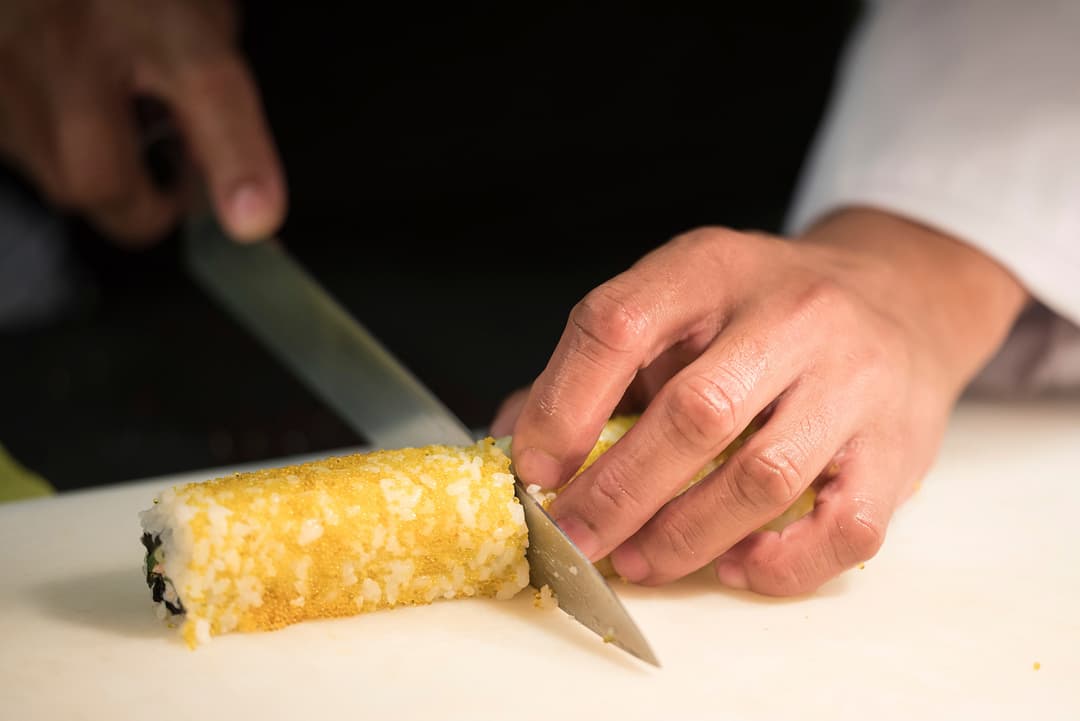

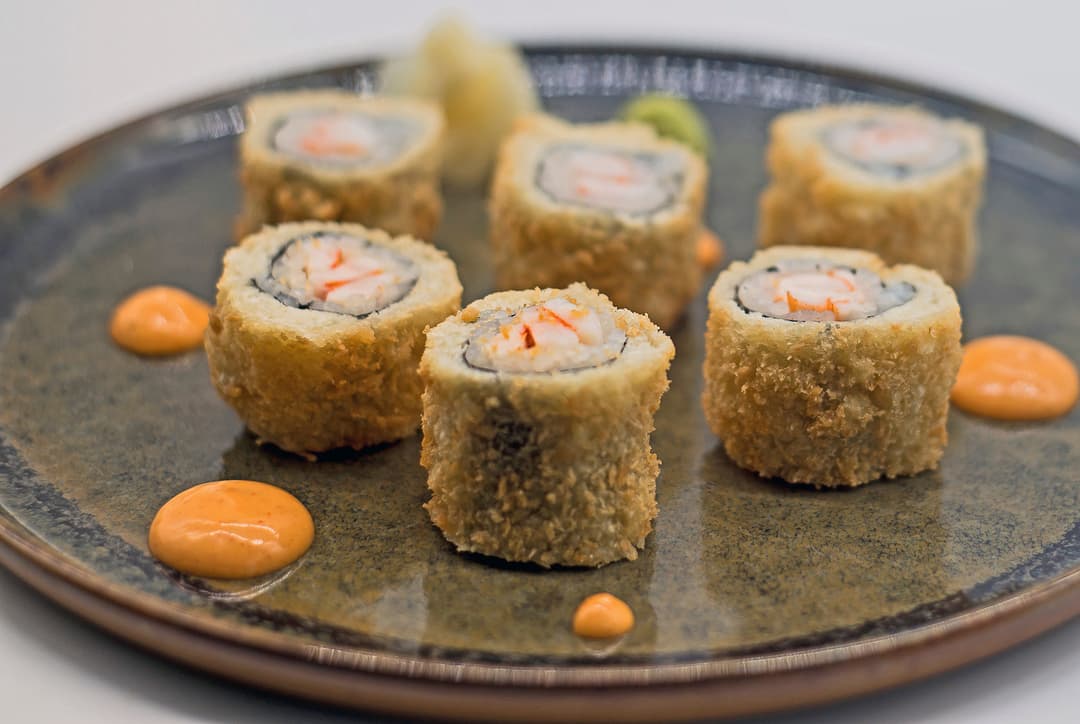

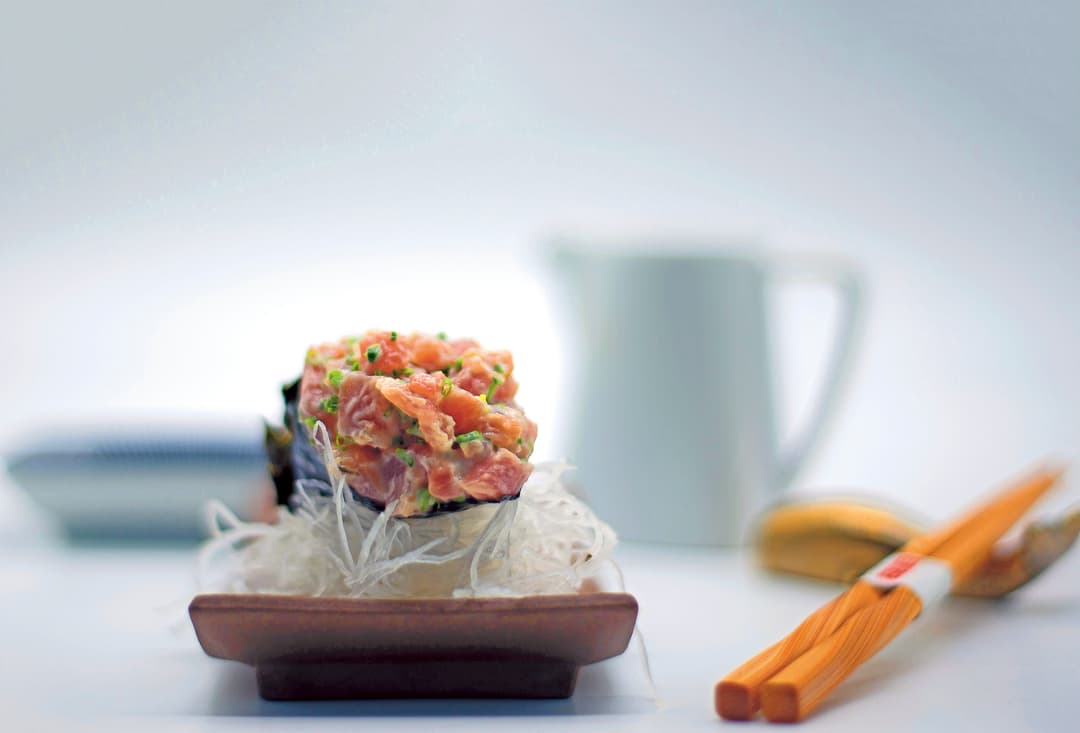
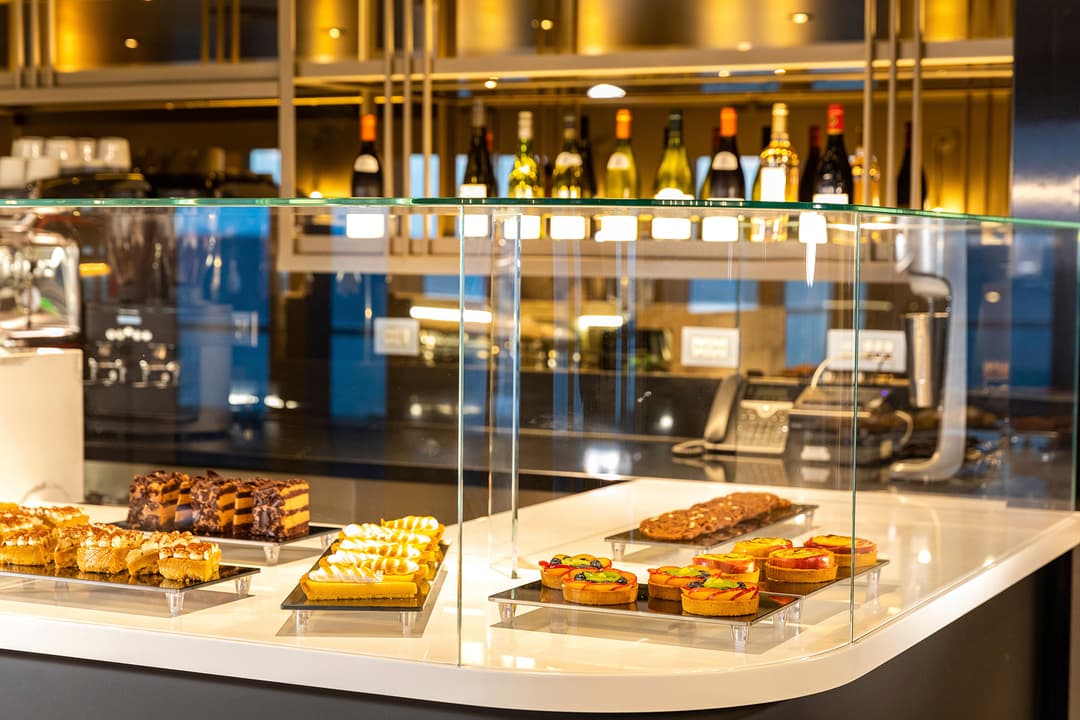
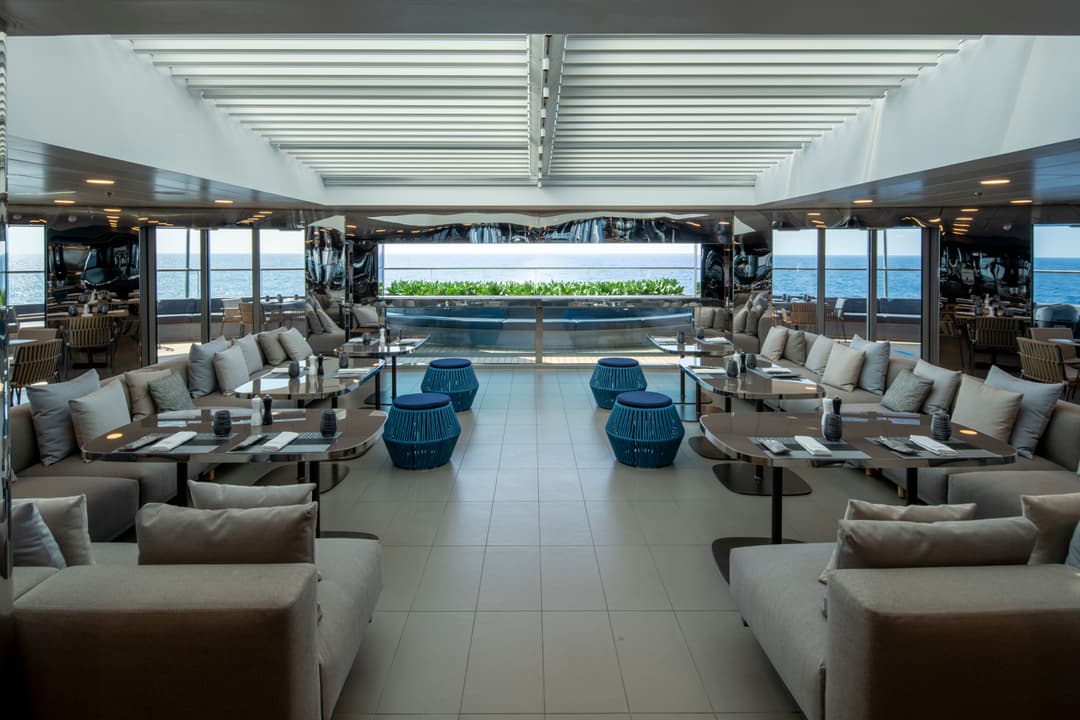
Visit the Azure Bar & Café for relaxed, all-day grazing. Take in the spectacular views from the indoor or outdoor terrace seating. Delight your tastebuds with a variety of pizzas, salads, snacks and healthy meals, coupled with barista-made coffee and beverages. Enjoy after-dinner treats, such as macaroons, biscotti and chocolates with a brandy, port, or tea. This relaxed café has a serene and laid-back feeling with inside and outside seati....
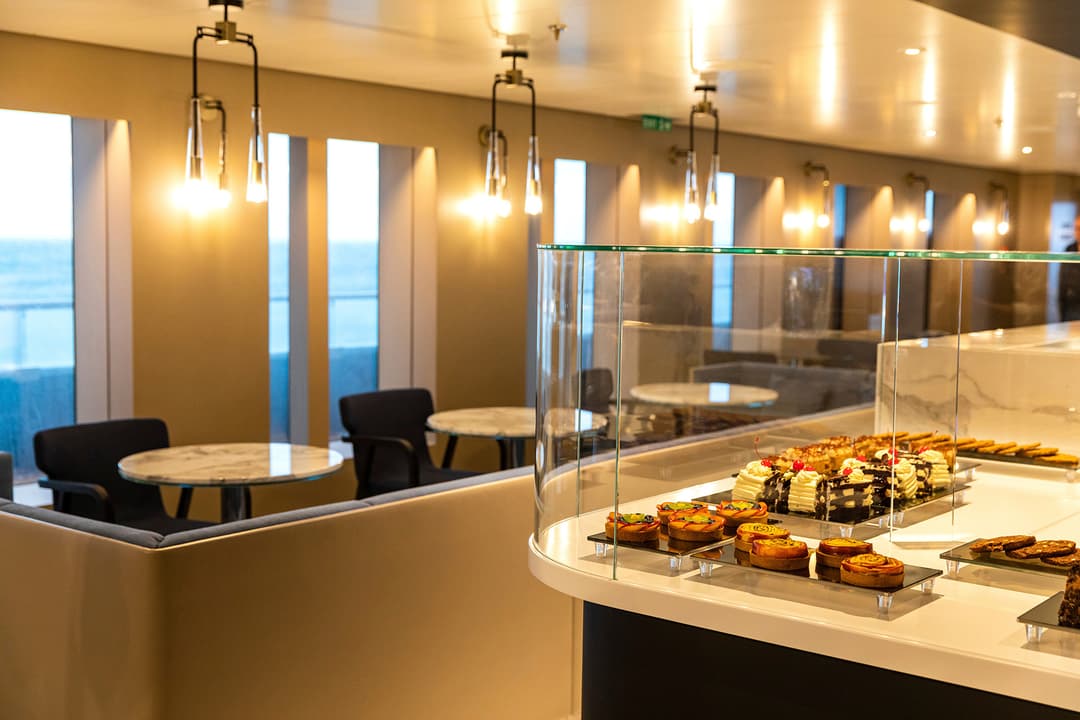

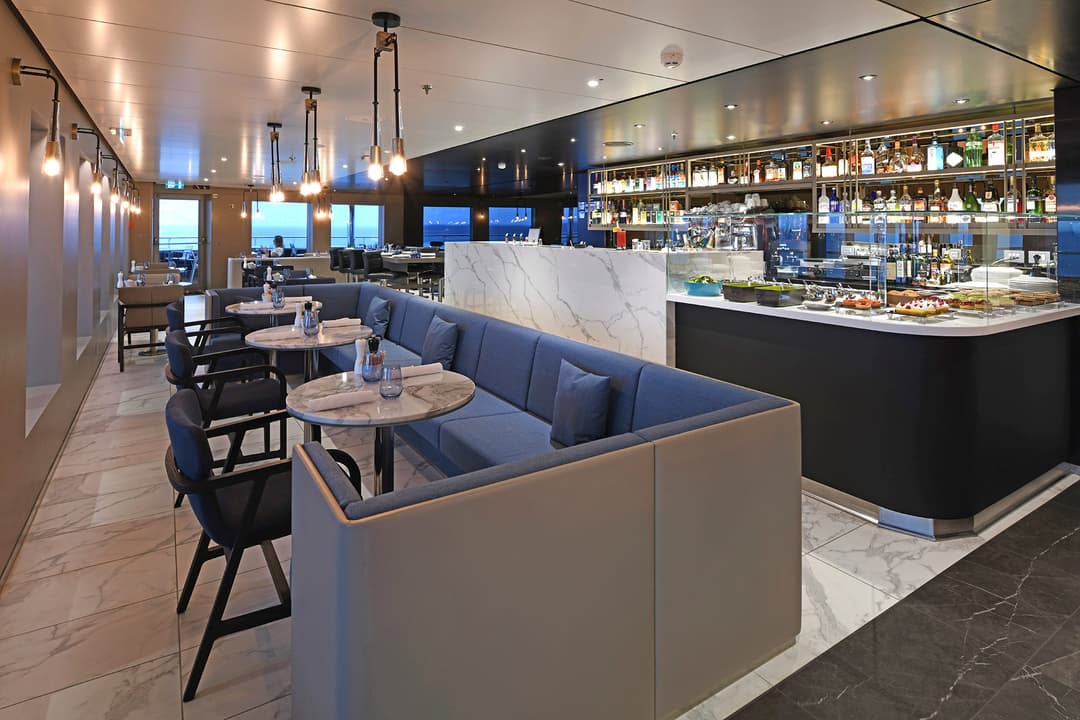

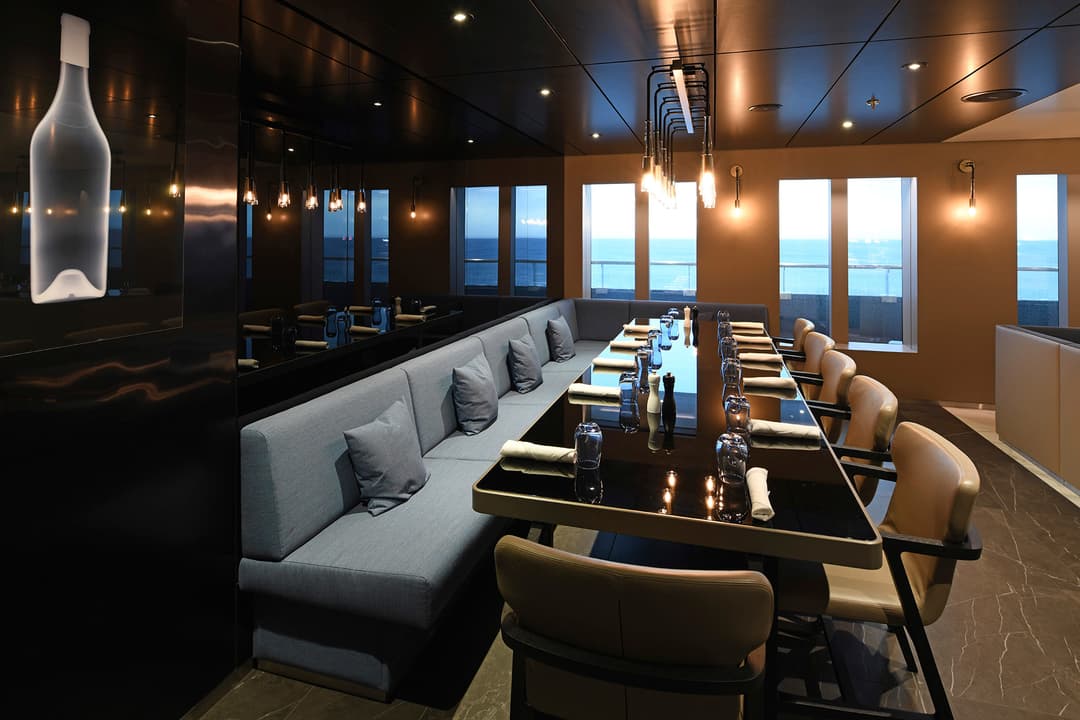

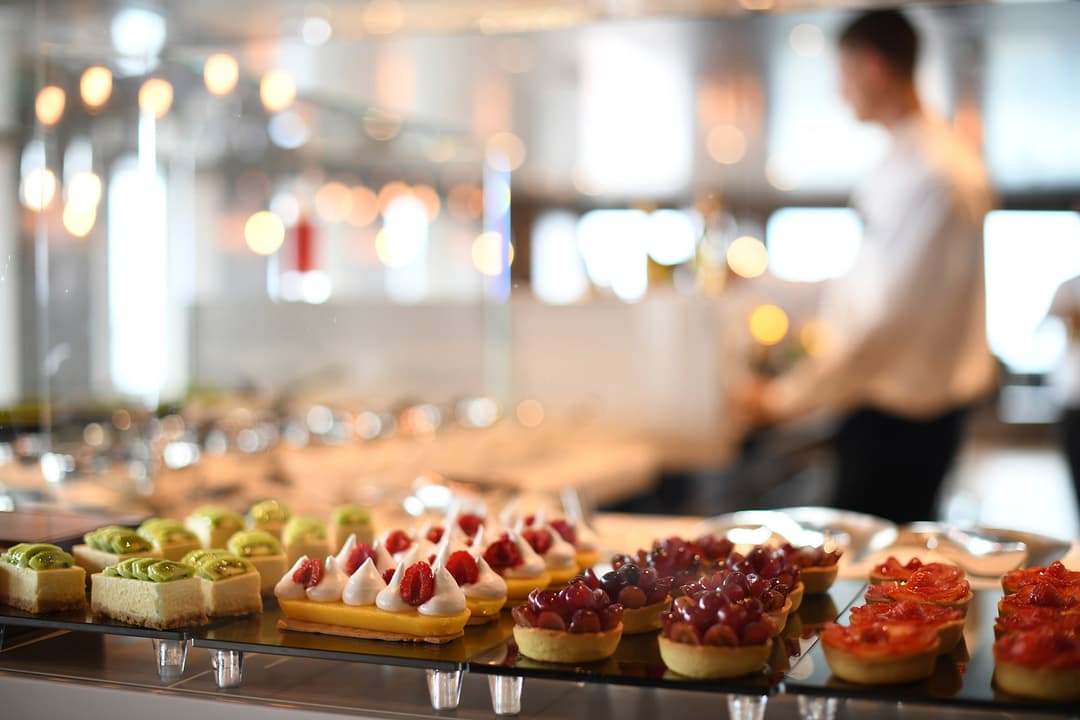
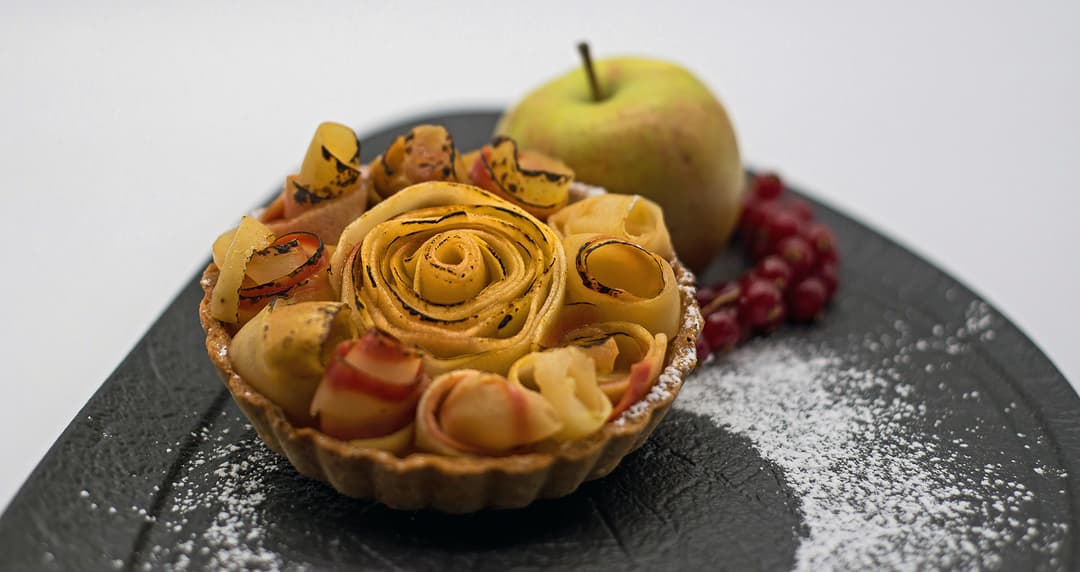

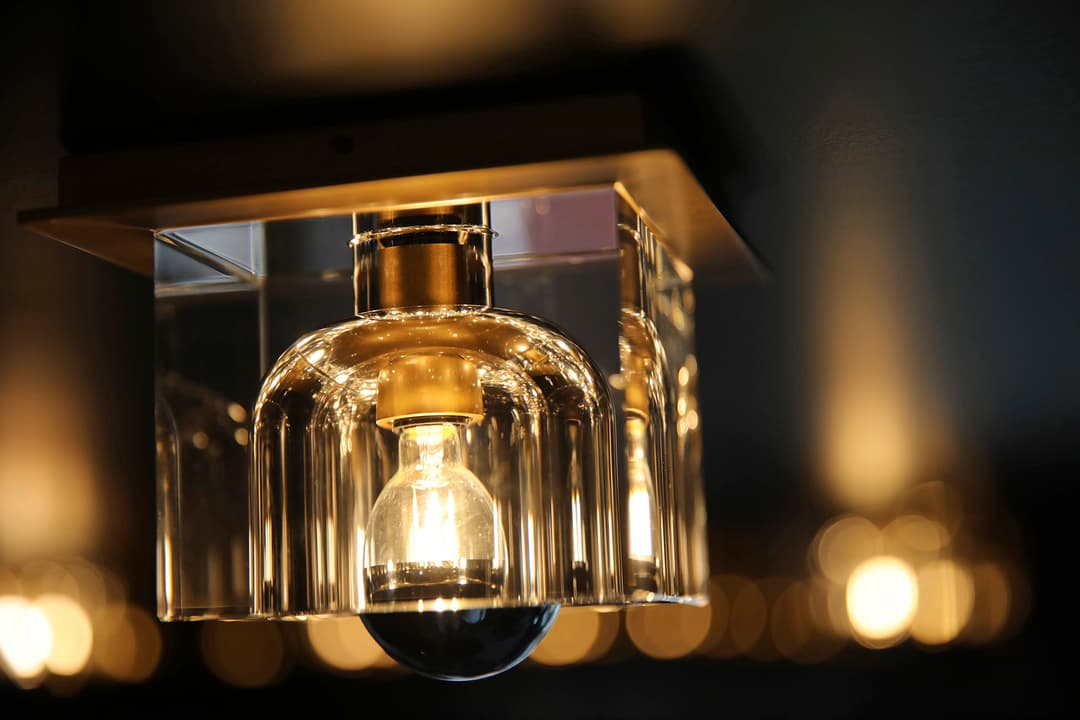
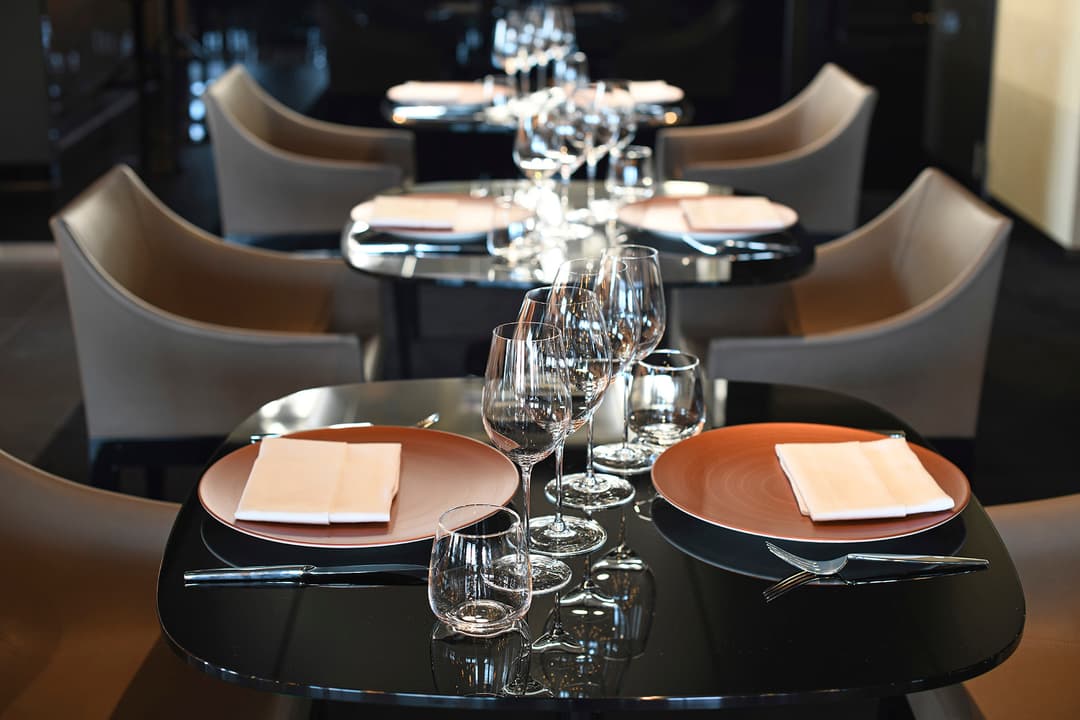
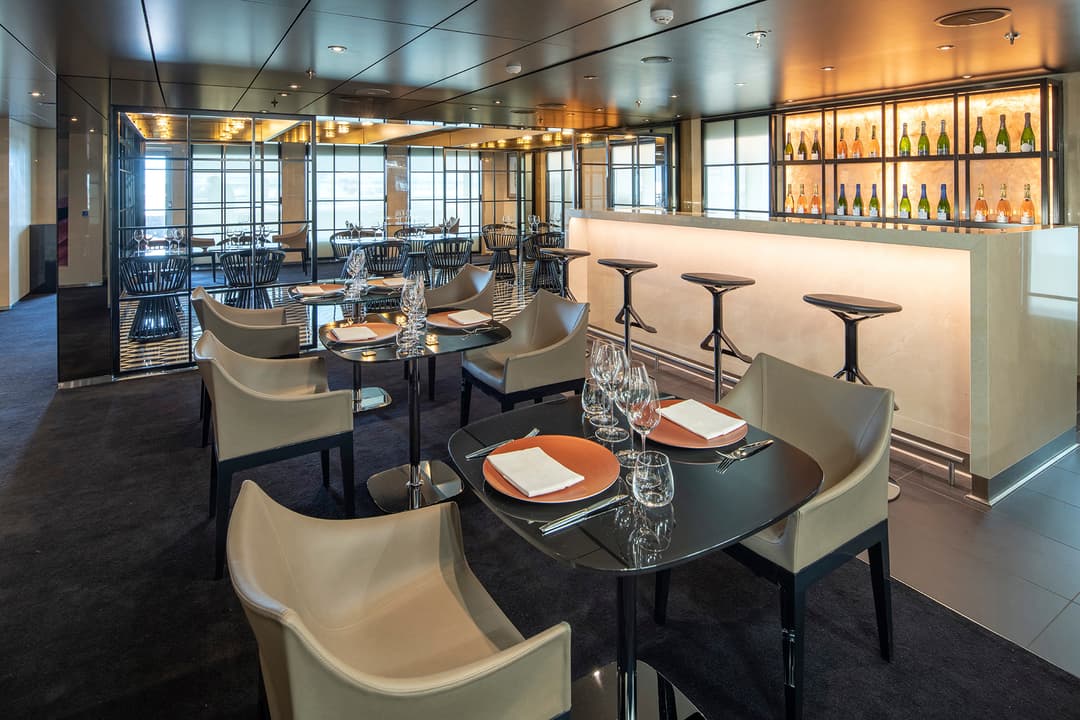
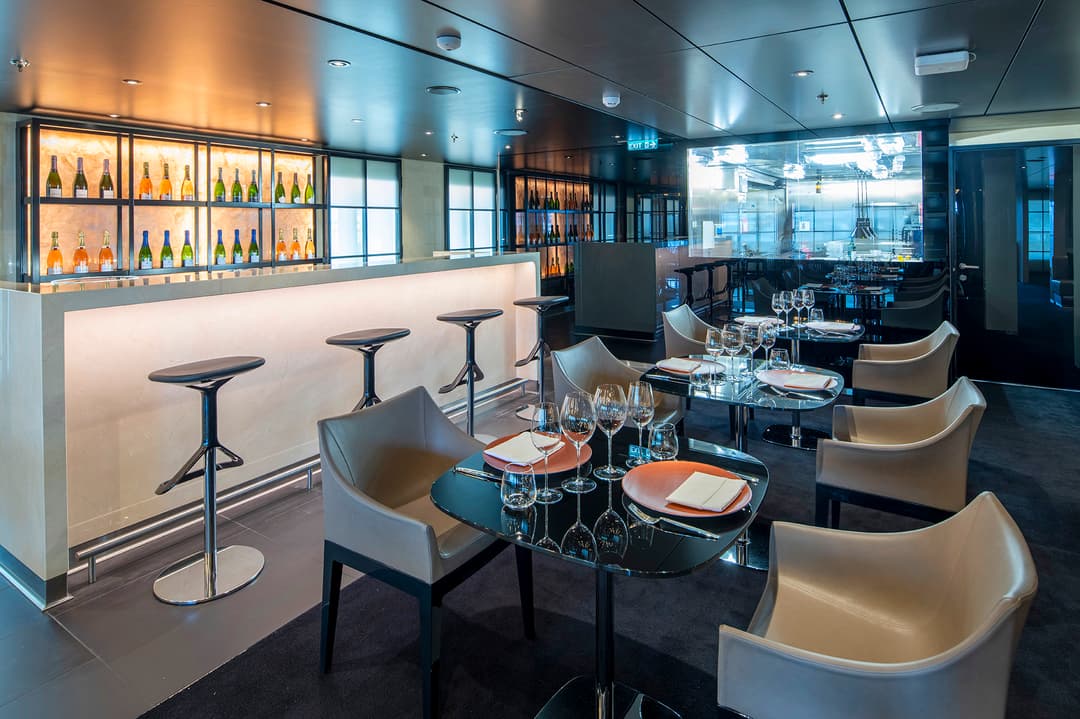

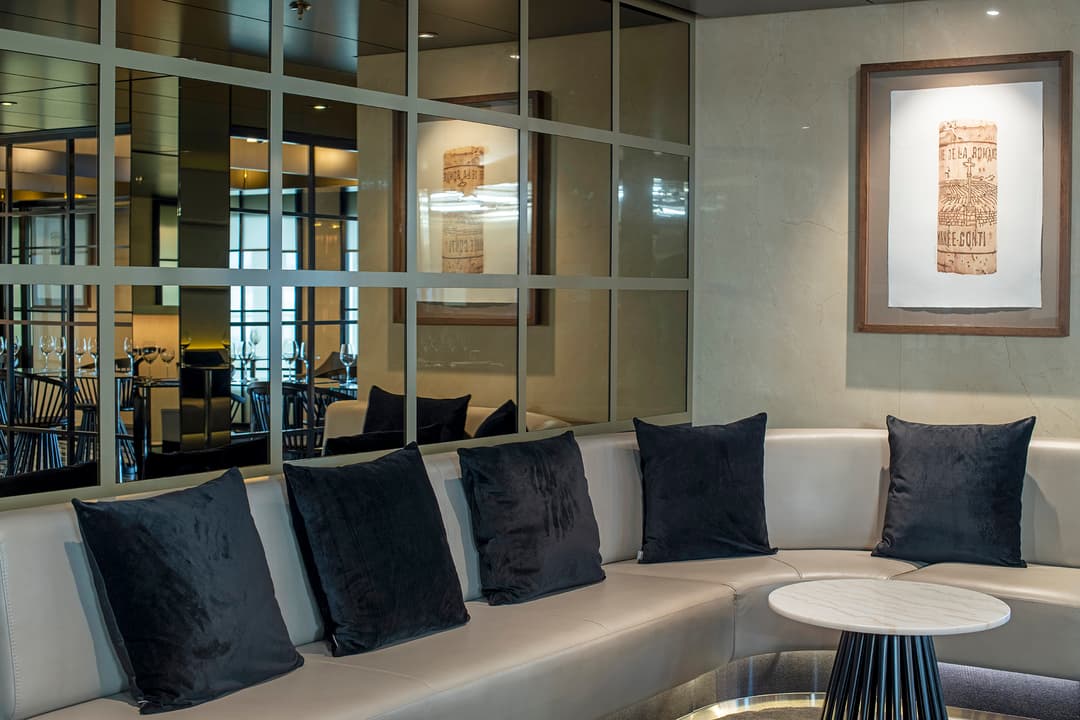
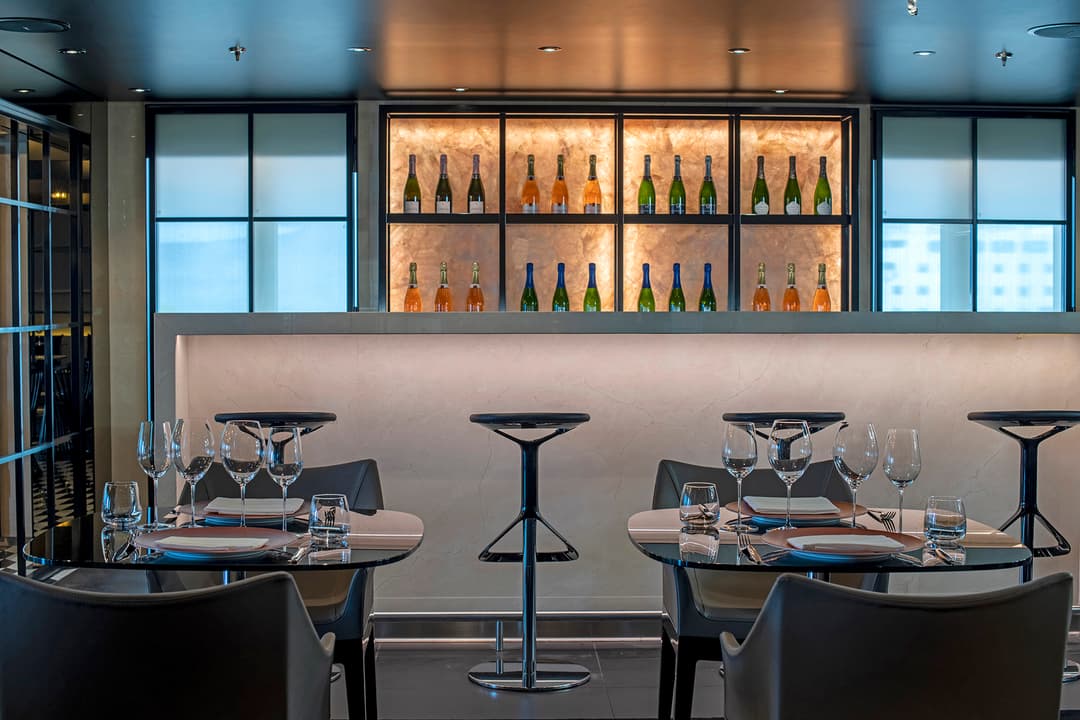
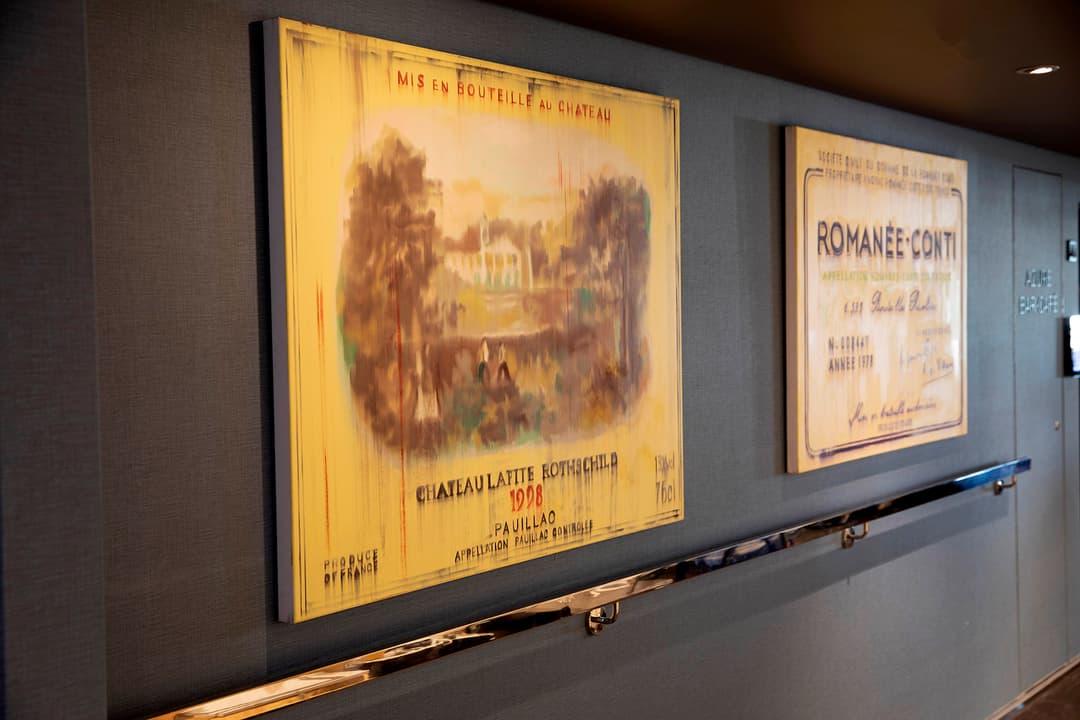
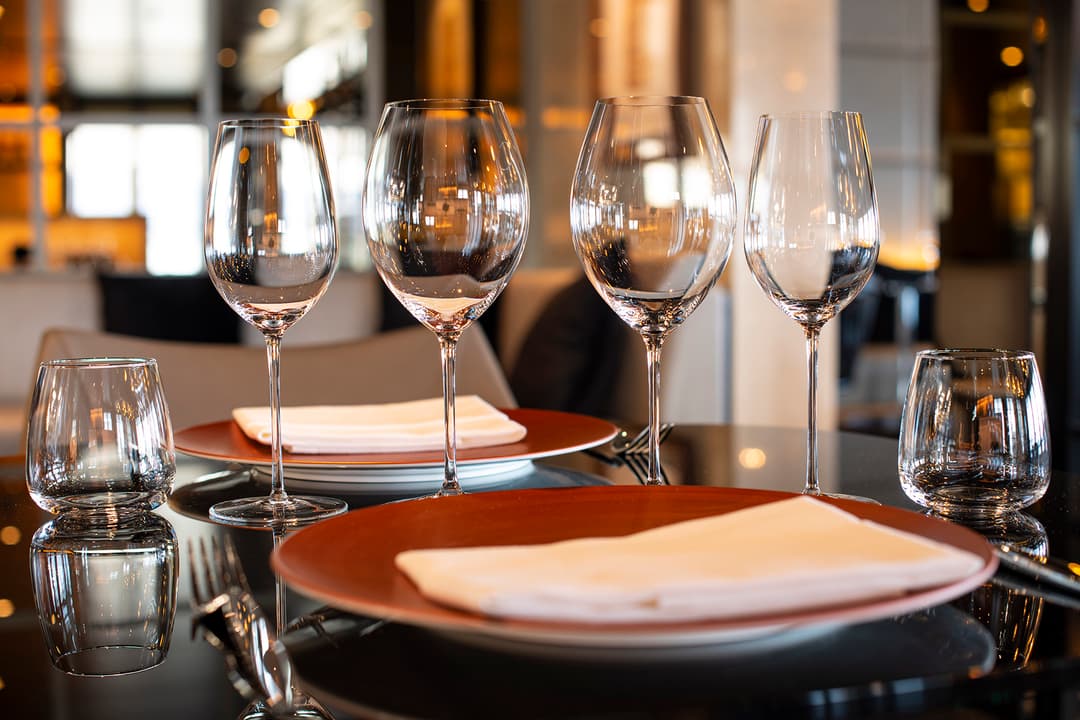
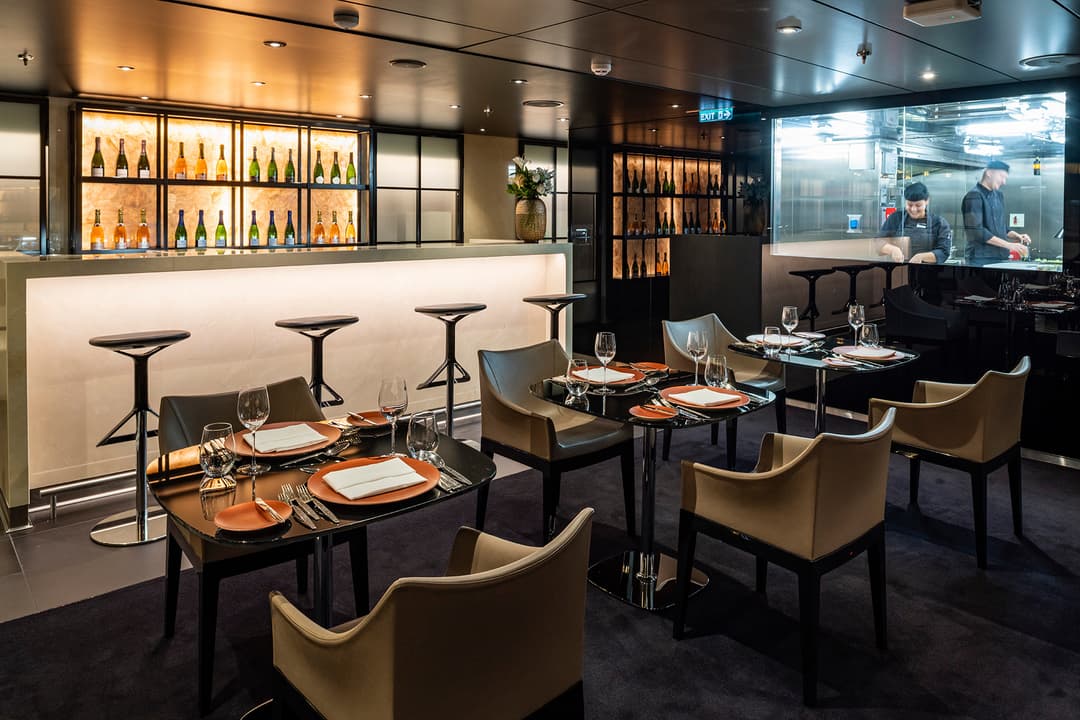
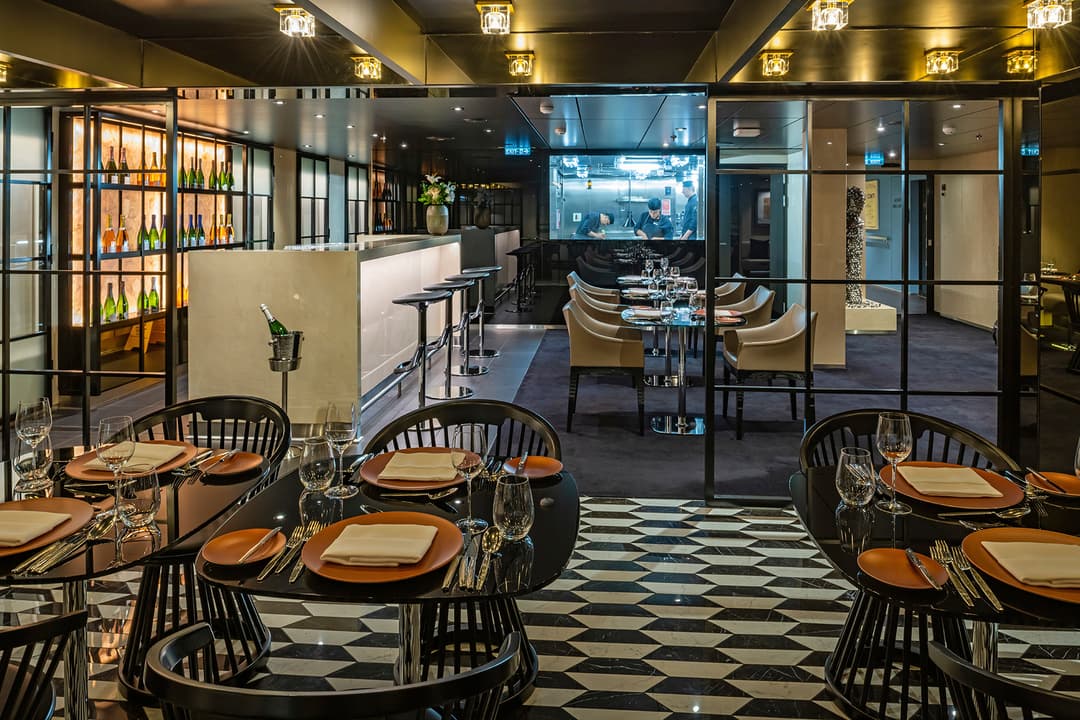
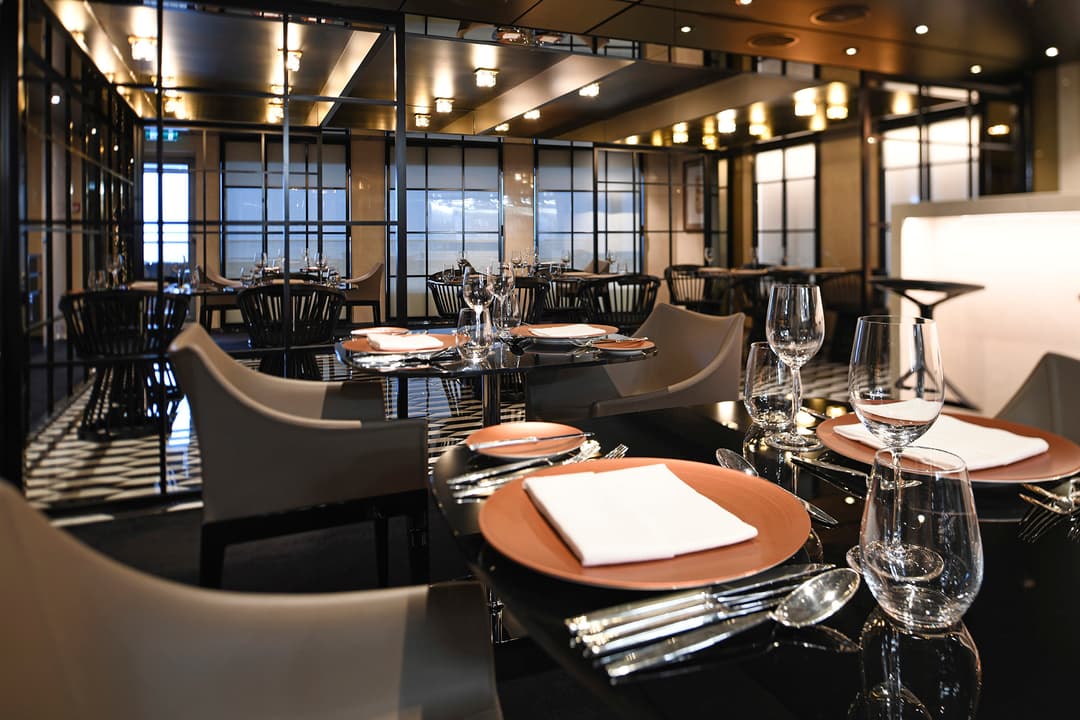

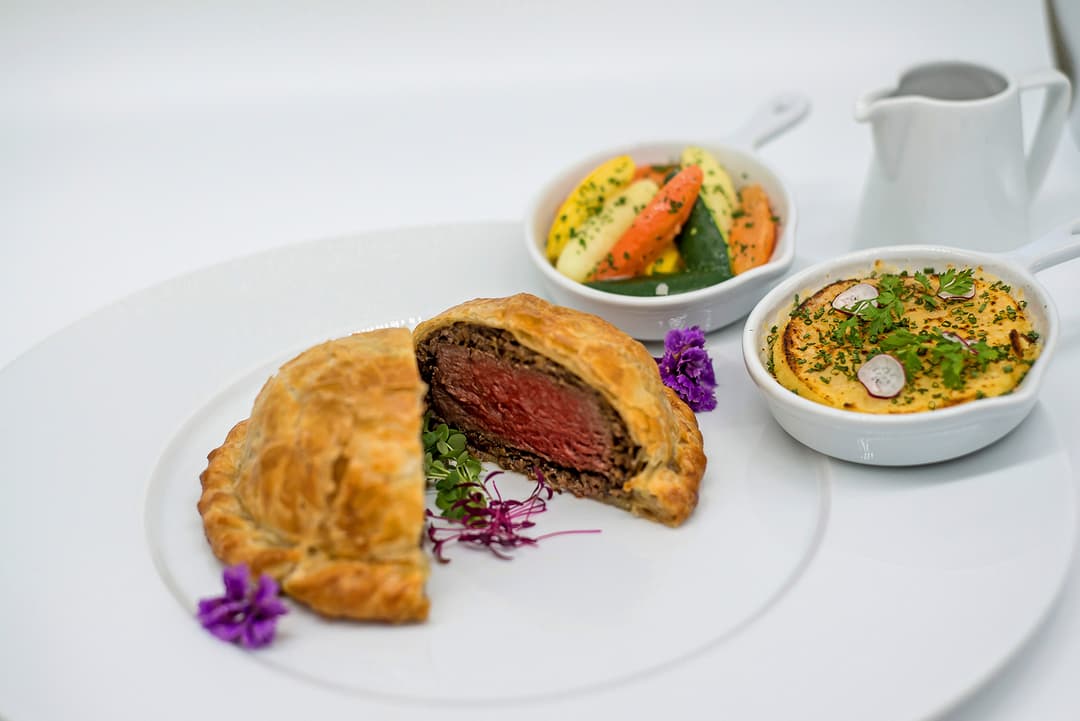
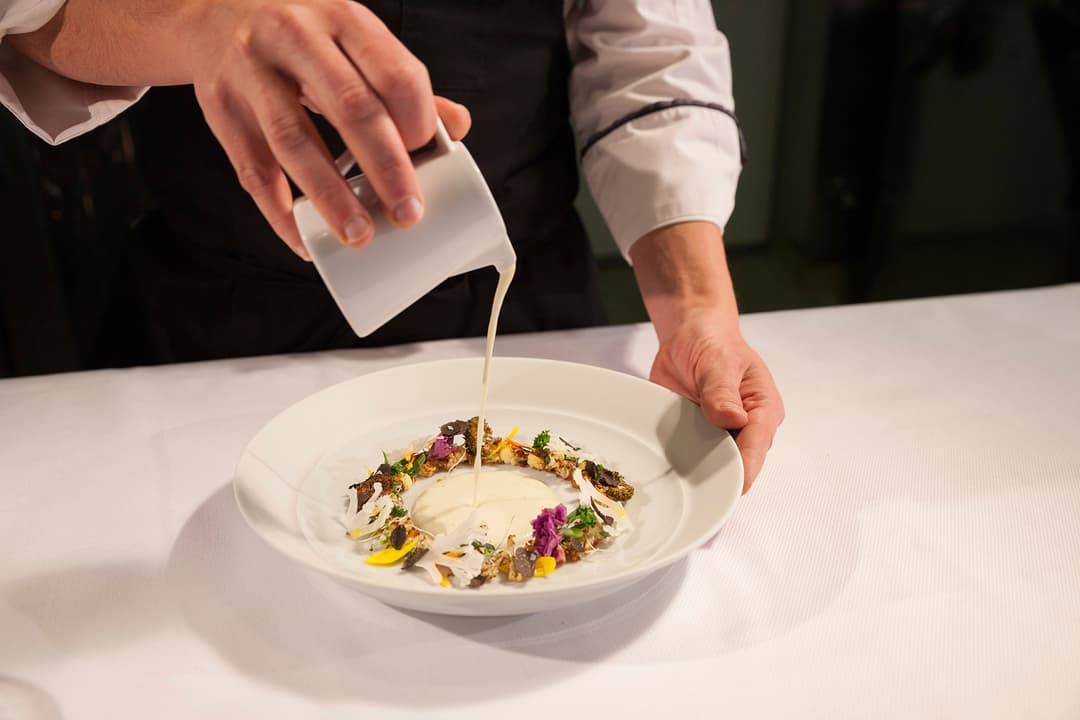
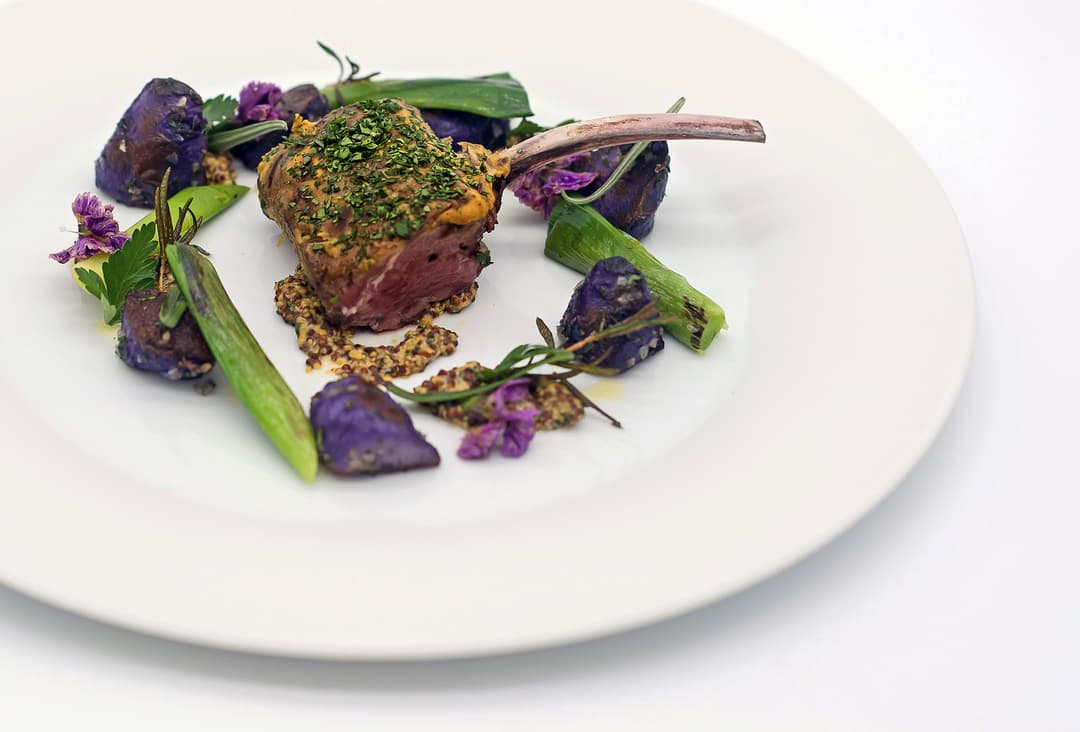
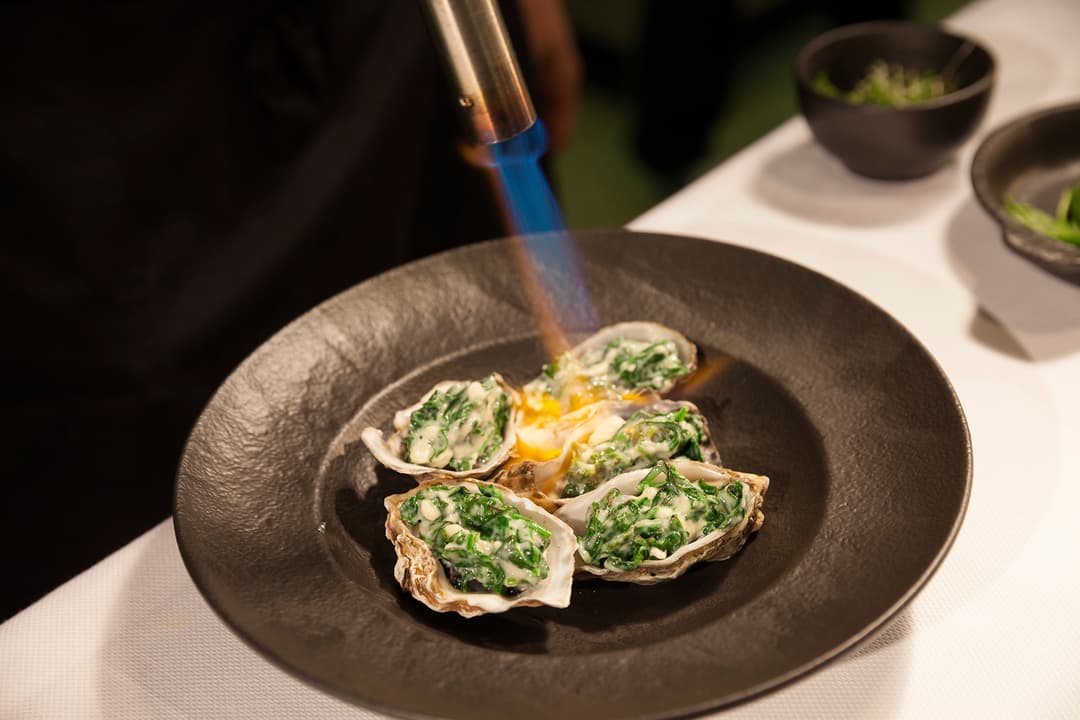
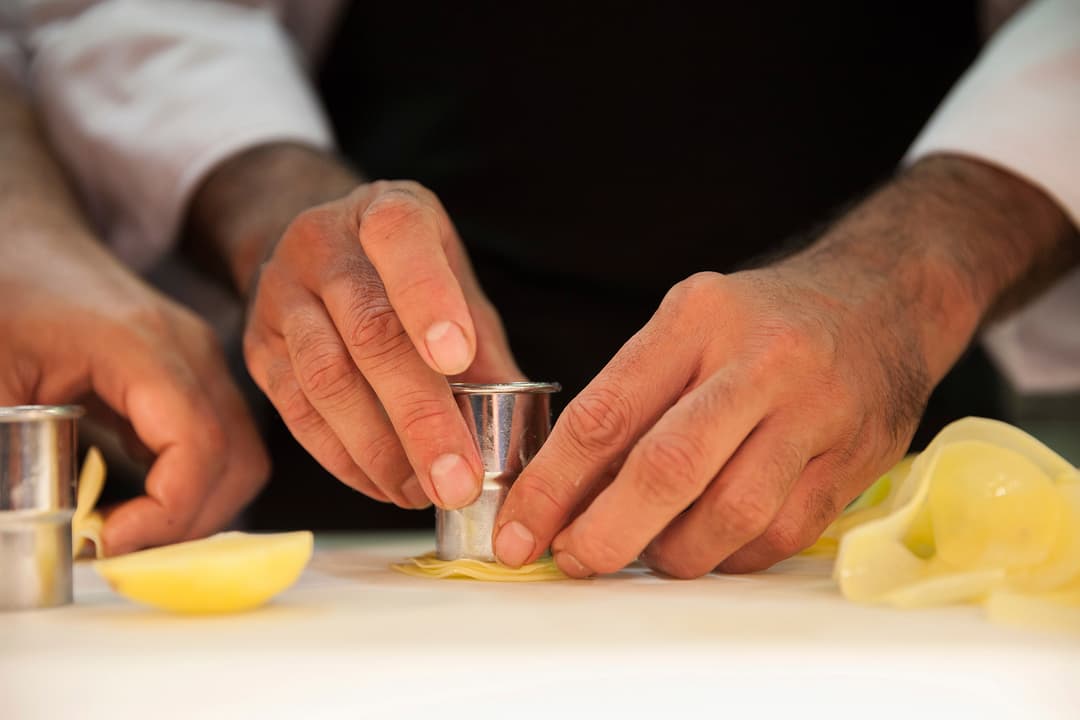
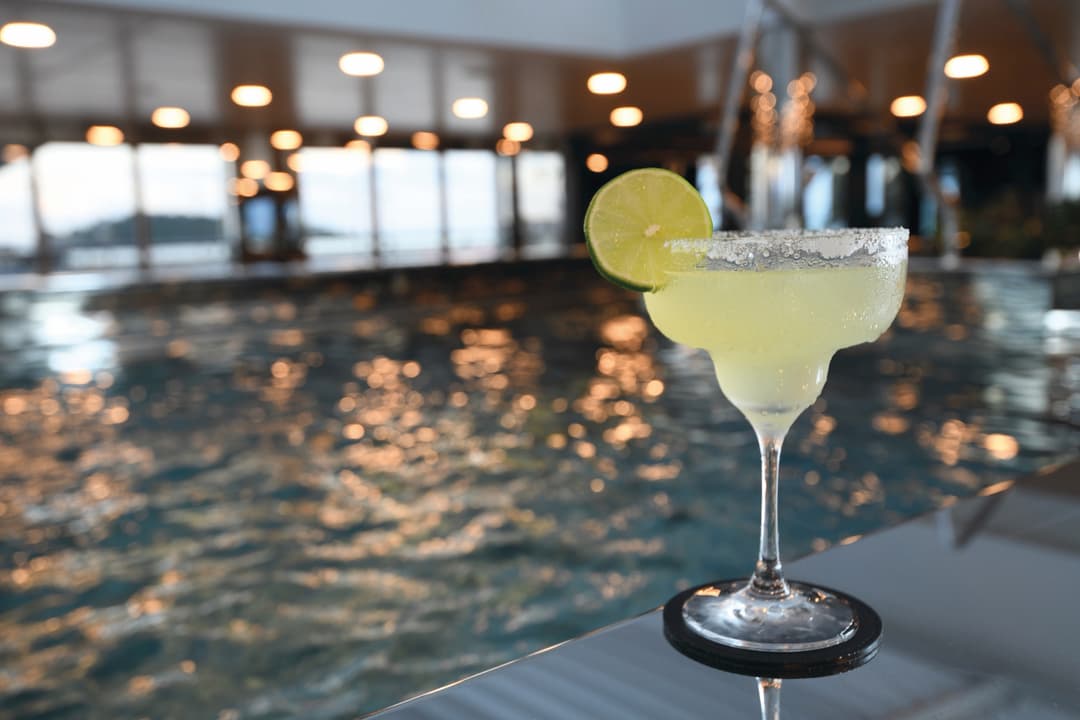


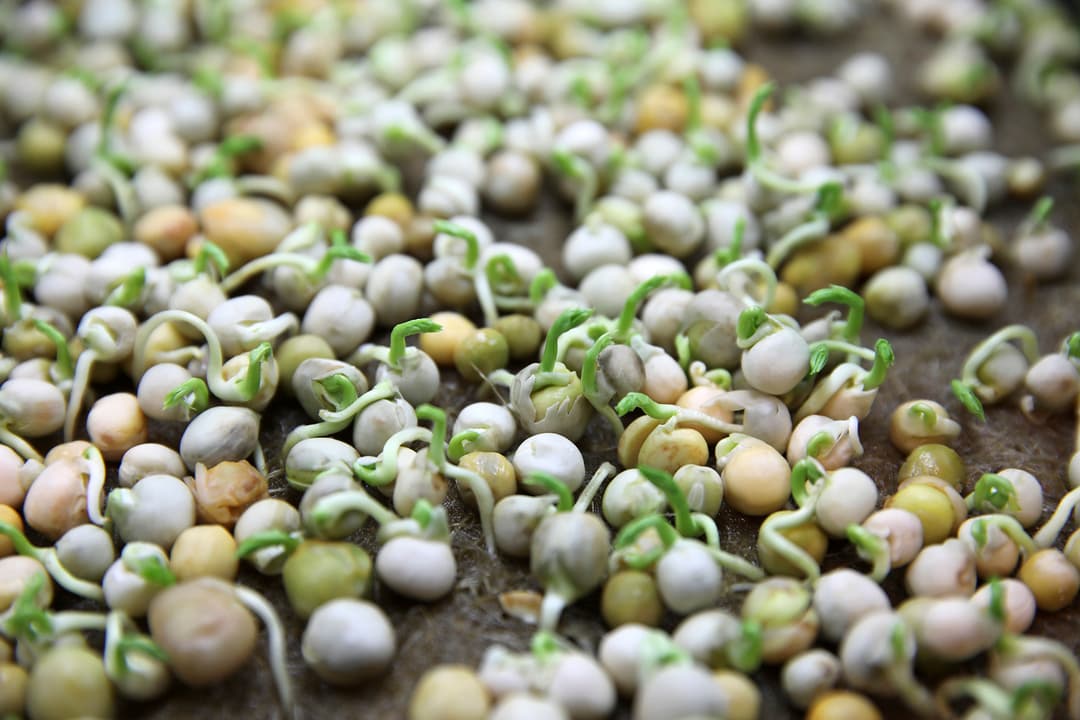

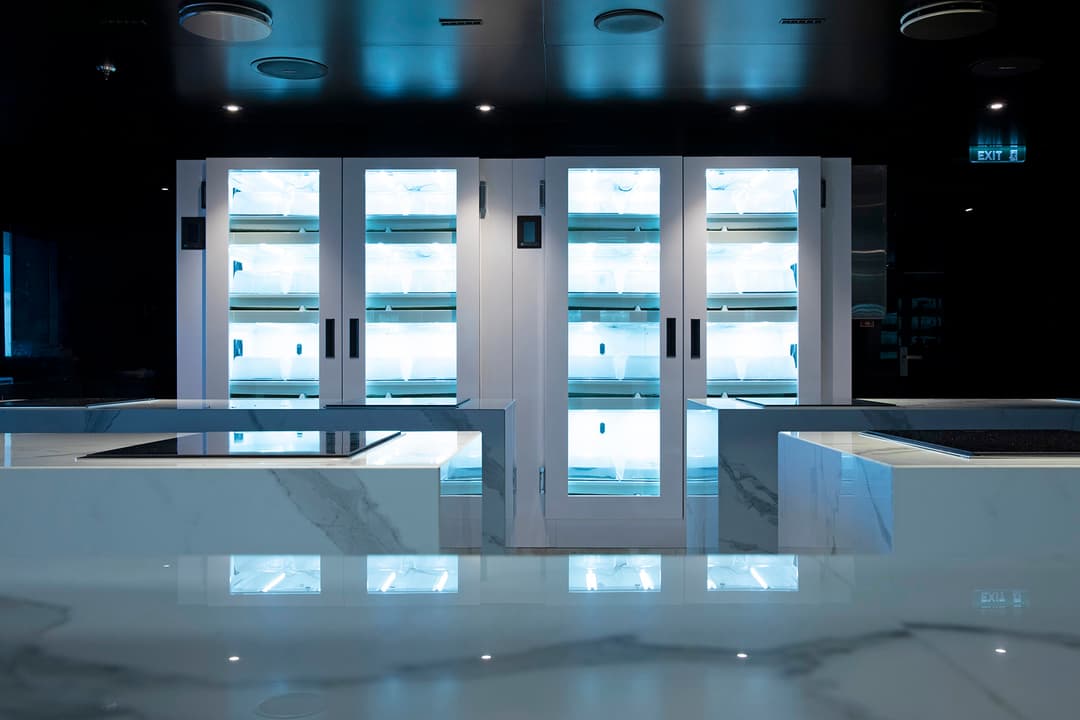
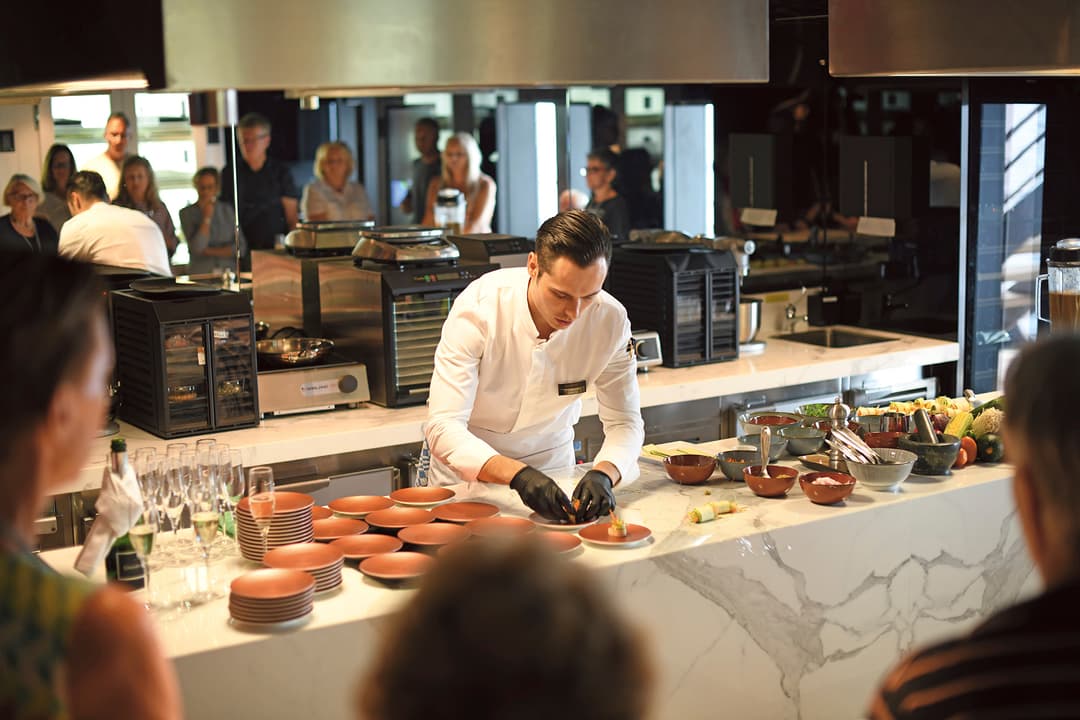
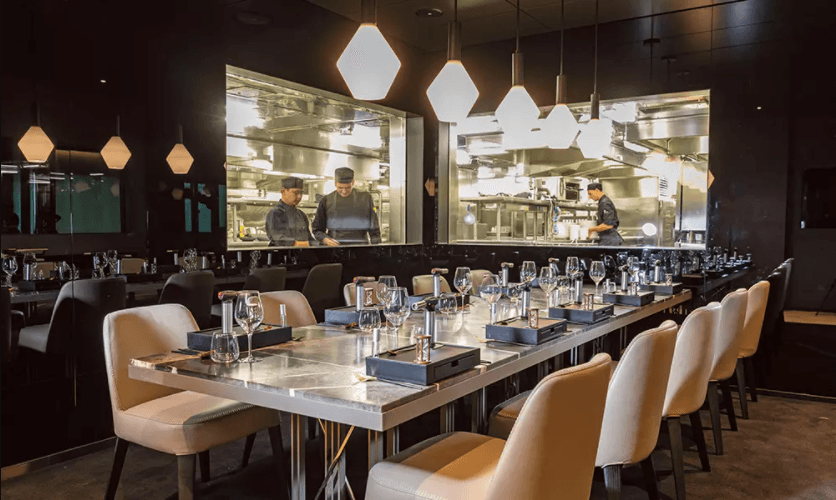
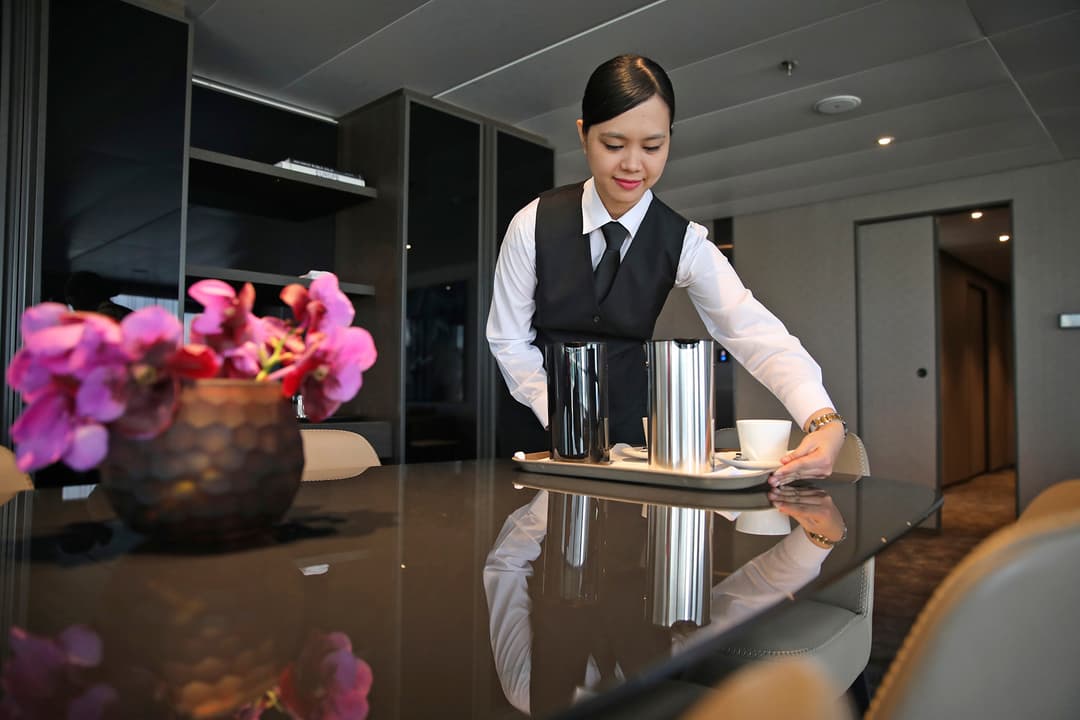
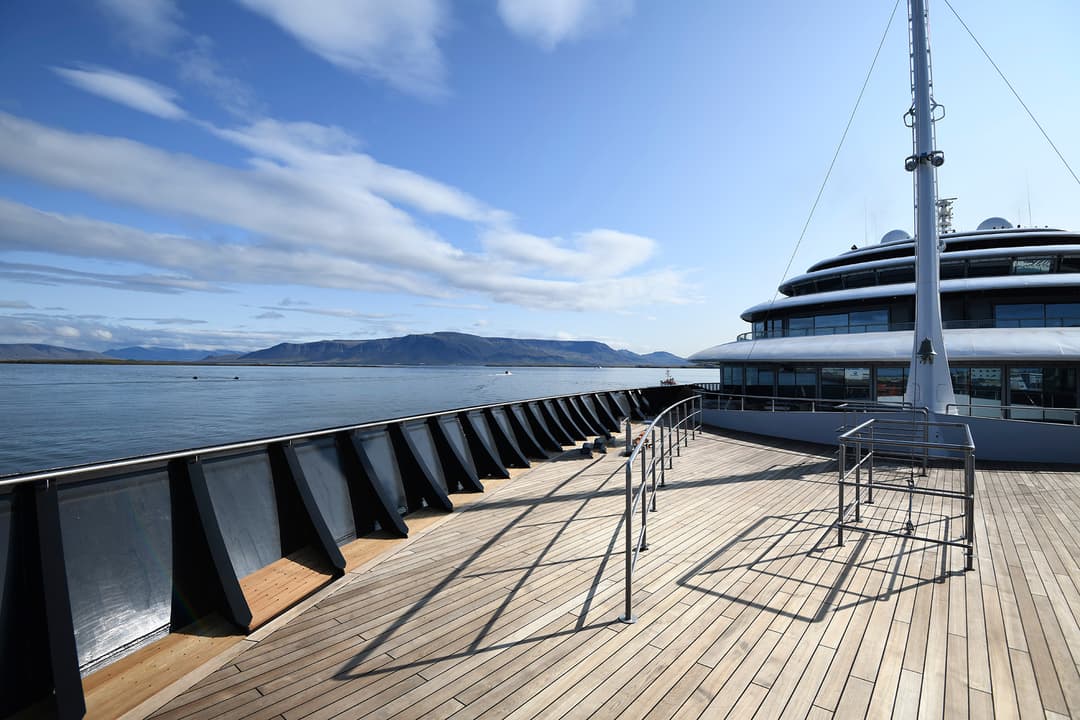
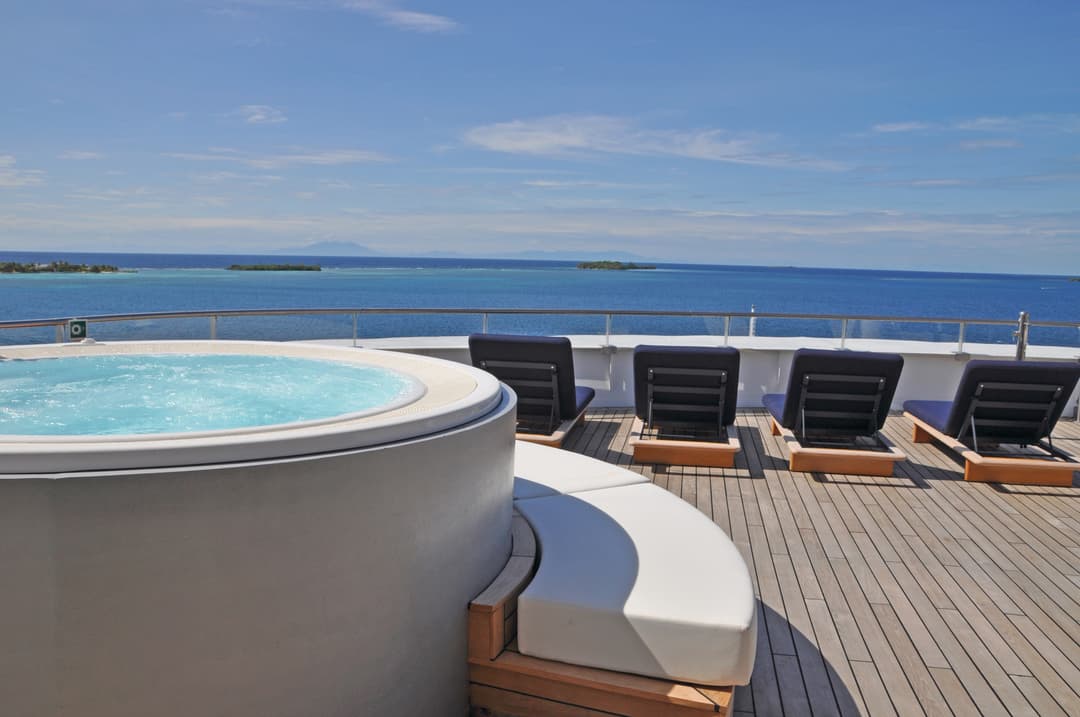
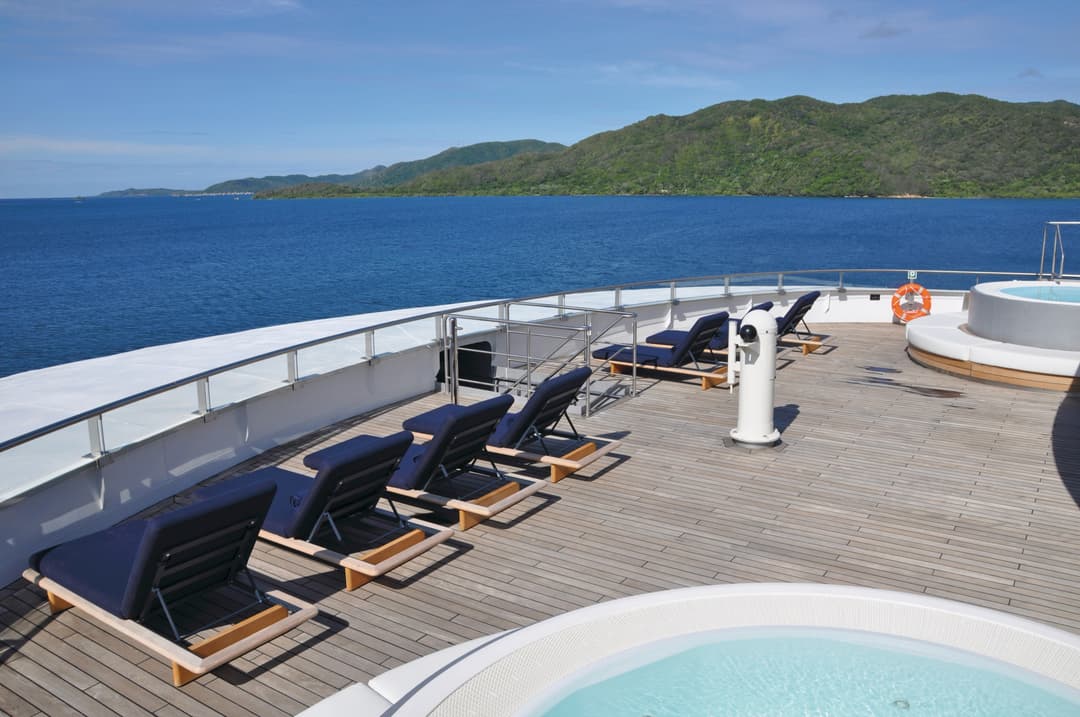
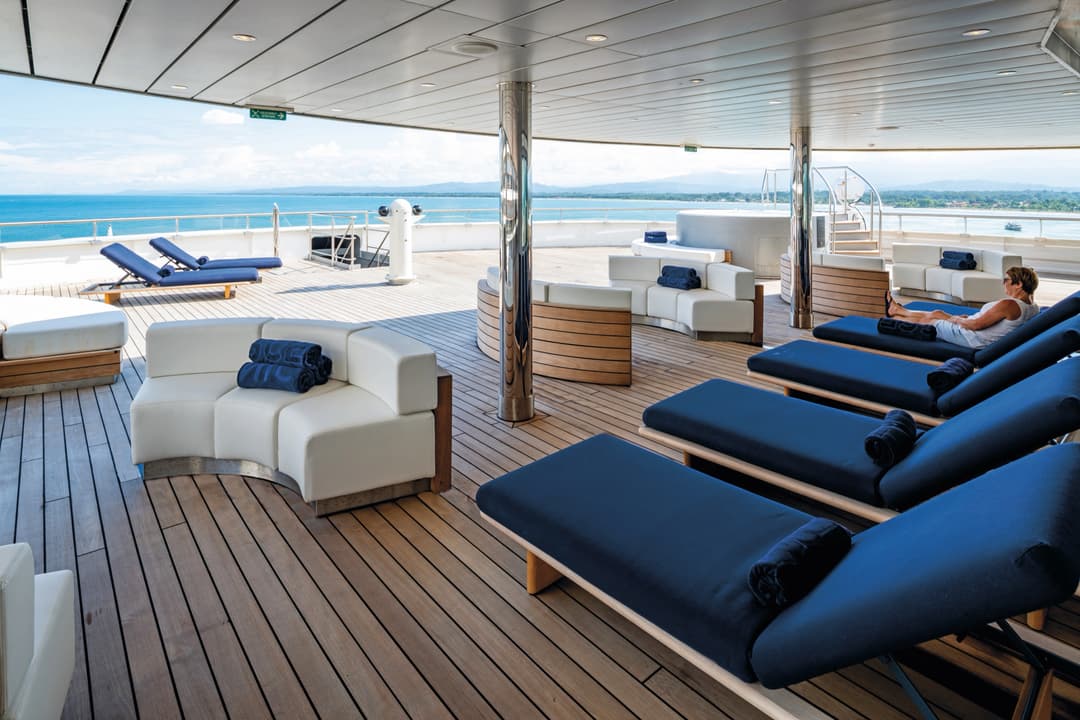
Scenic Eclipse takes ocean cruising to a whole new level of luxury and elegance. Your time on board will be one of world-class indulgence and absolute discovery. From the ultimate spa experience to the spacious lounges and bars, outdoor terraces, pool and jacuzzis, not to mention the theatre and of course your own private verandah, the luxurious wonders on board Scenic Eclipse never cease.
An Unrivalled Selection
Our expert bartenders are well-versed and equipped to mix up a variety of cocktails, from a traditional dry martini (shaken, not stirred if you wish) through to the latest trending concoctions. A comprehensive wine list has been curated by Master of Wine, Keith Isaac and sourced from around the world, representing a number of viticultural regions and wine styles. Equally, there is a thorough selection of top-shelf spirits, allowing you to choose your favourite gin, saké or from more than 100 varieties of whiskey. Relax and order from a wide range of truly all-inclusive beverages according to your mood and tastes.*
Freshly squeezed fruit juices, soft drinks and nonalcoholic beers are also included. Enjoy your favourite mocktail or sip on a warming brew from a range of specialty teas and illy coffees, all available whenever you please.
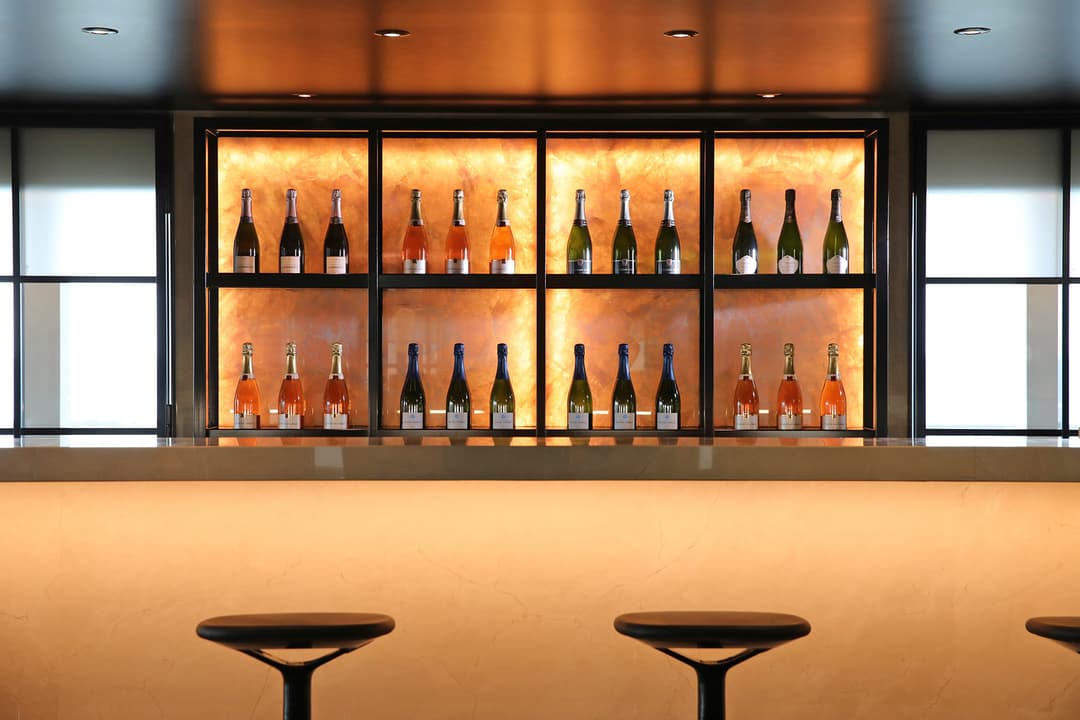
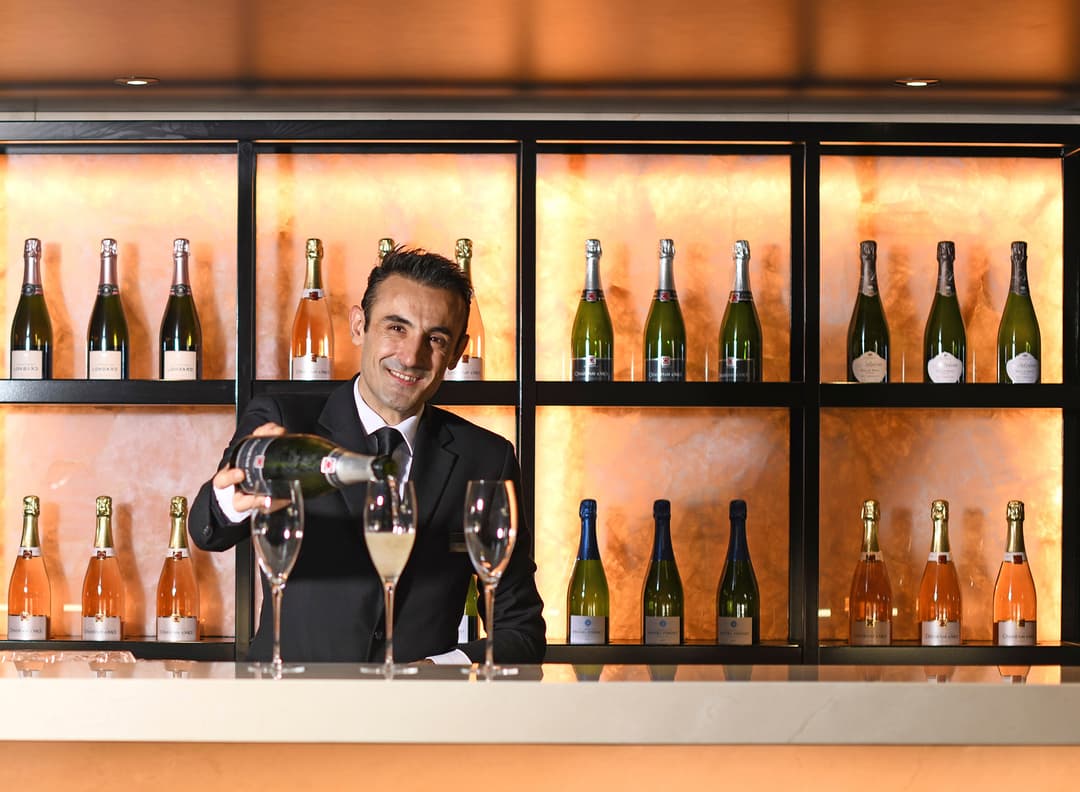
Settle in at any one of the nine spacious bars and lounges to enjoy your beverage of choice. Relish French champagne at Lumière’s Champagne Bar, indulge in an aged whiskey at the Scenic Lounge Bar, sip on a cocktail in your cabana near the Panorama Bar, or unwind in the Observation Lounge with a specialty tea. Fancy an aperitif as you admire the views from your private verandah, or a pinot noir with dinner? Complimentary beverages*, including those stocked in your mini-bar, are all part of our signature truly all-inclusive promise.
This impressive selection is available all day, every day – ensuring that a 6-star, ultra-luxury voyage on board Scenic Eclipse really is in a class of its own.
Loading...
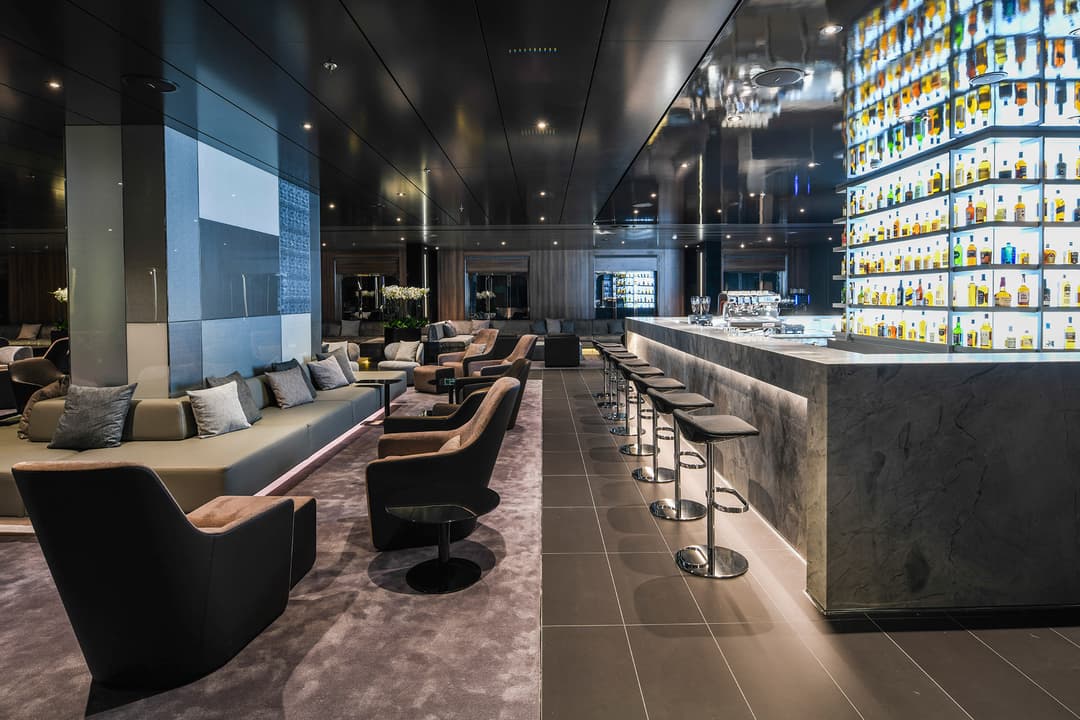
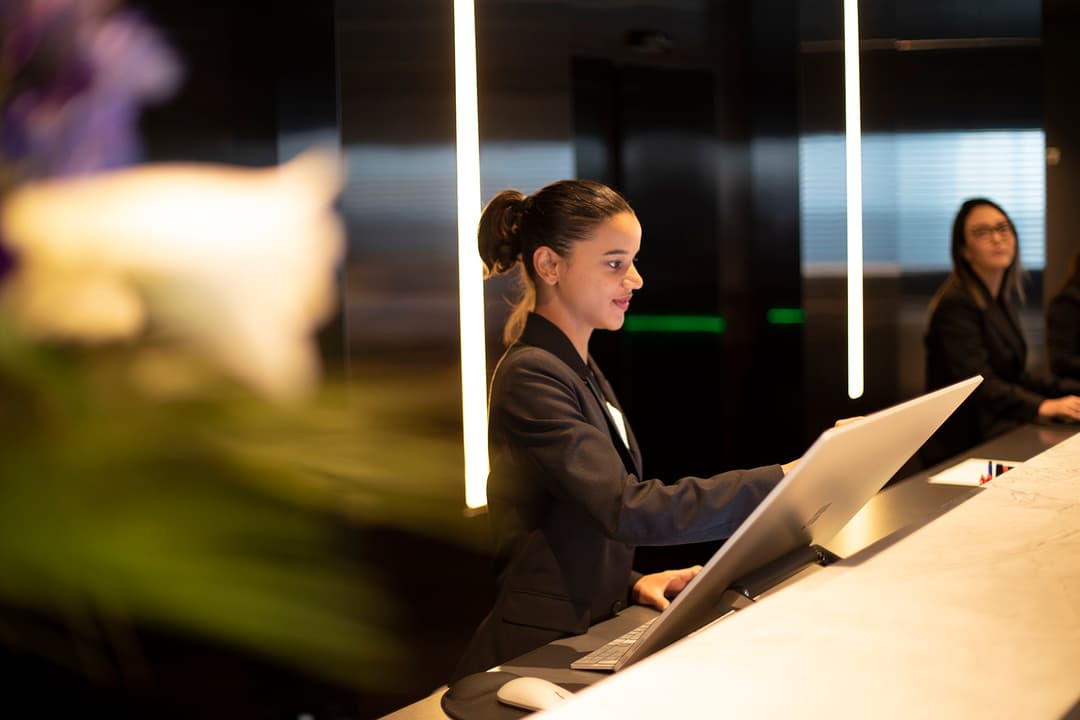
The Scenic Lounge Bar is the main bar and heart of the yacht located next to Reception. The mixology cocktail program and whiskey bar for connoisseurs and aficionados are key attractions. You will also be entertained by the resident entertainer throughout the night.
Let our bartenders guide you towards your premium beverage of choice, be it Champagne, wine, whiskey, cocktails, an afternoon espresso or an after-dinner liqueur whilst the ....


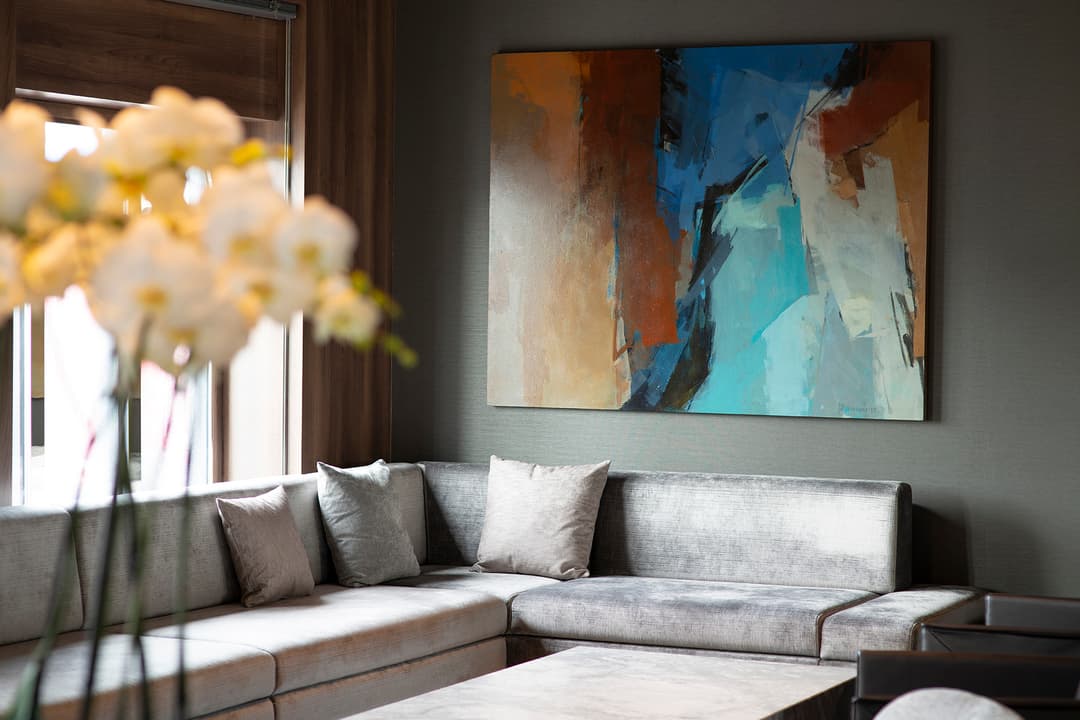
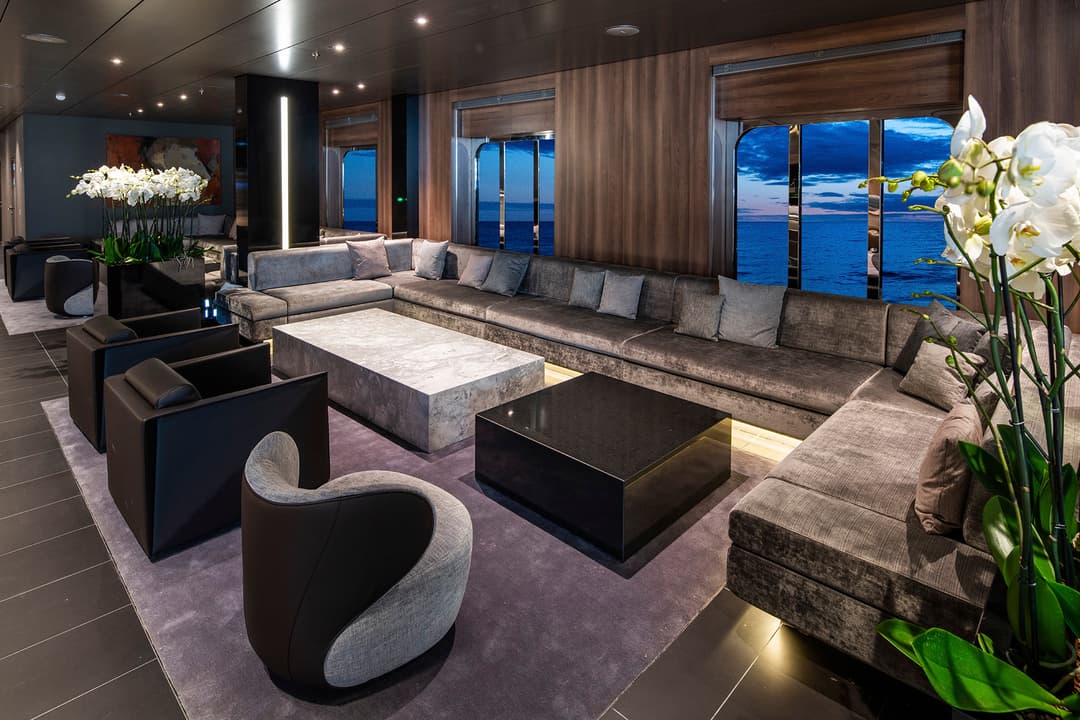
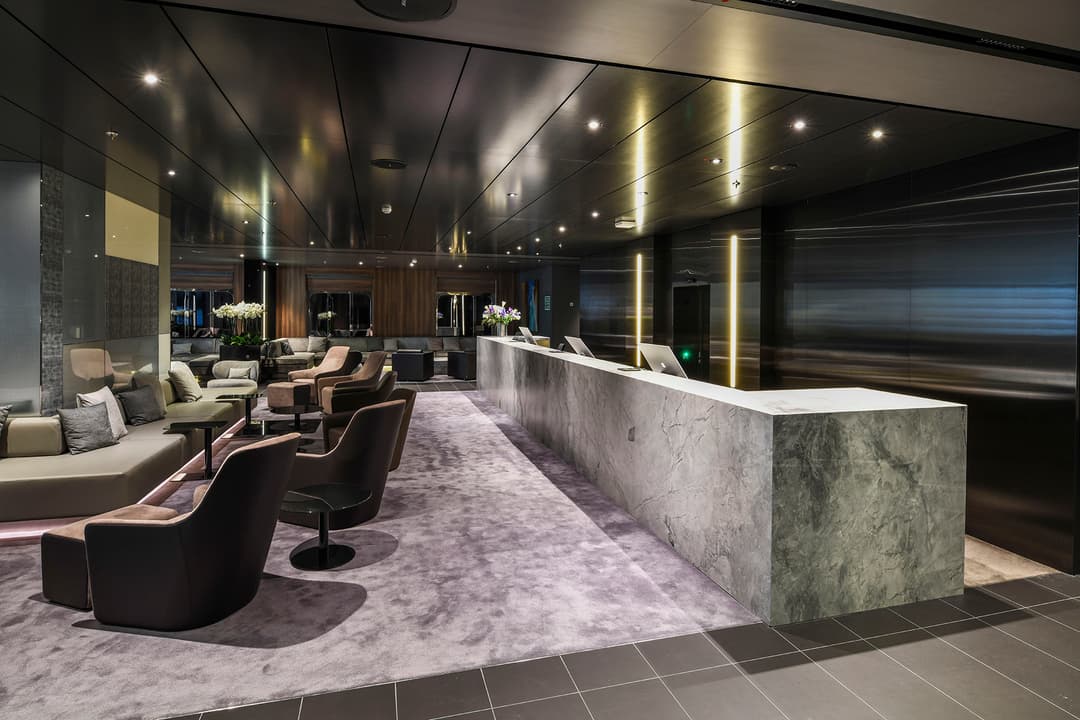
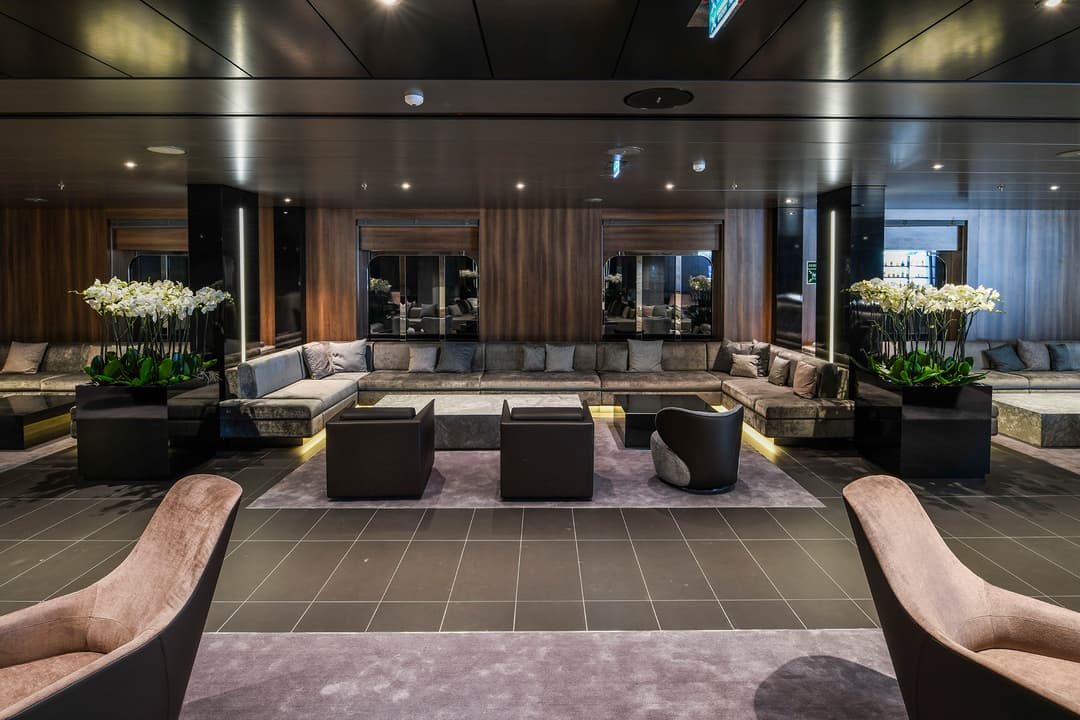

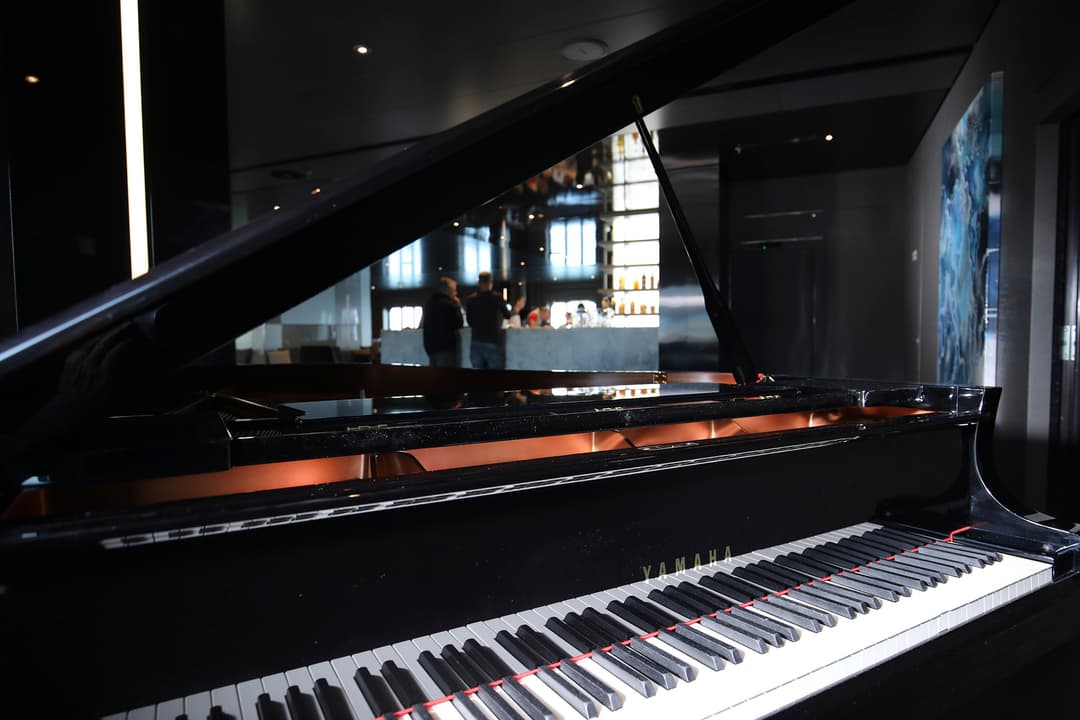
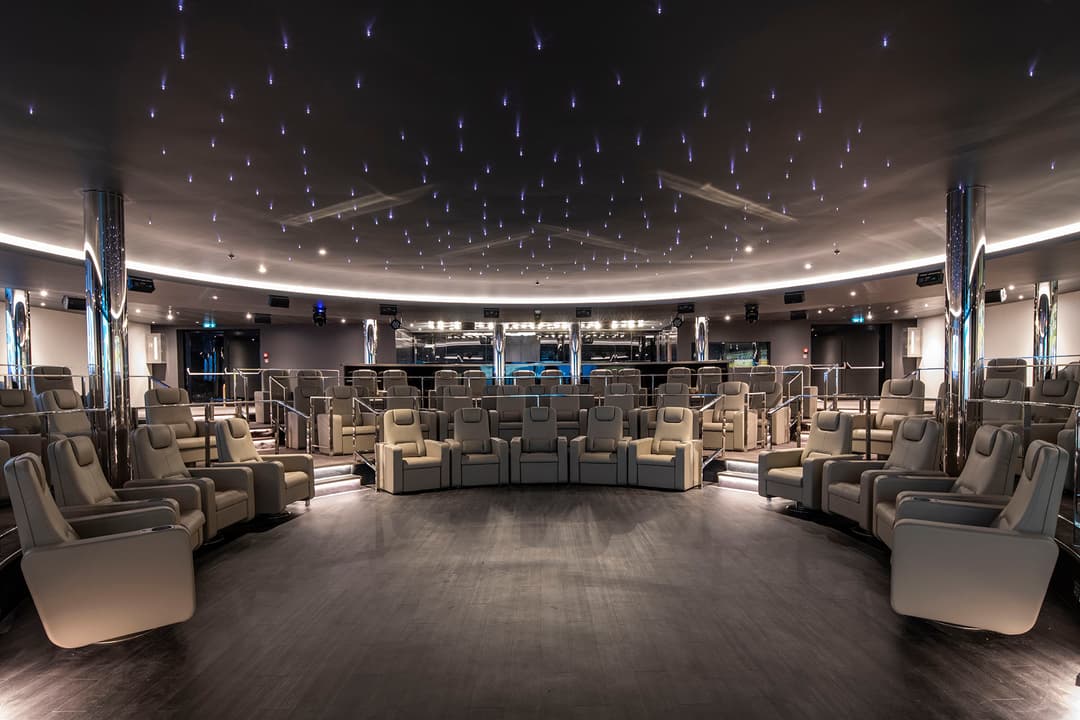
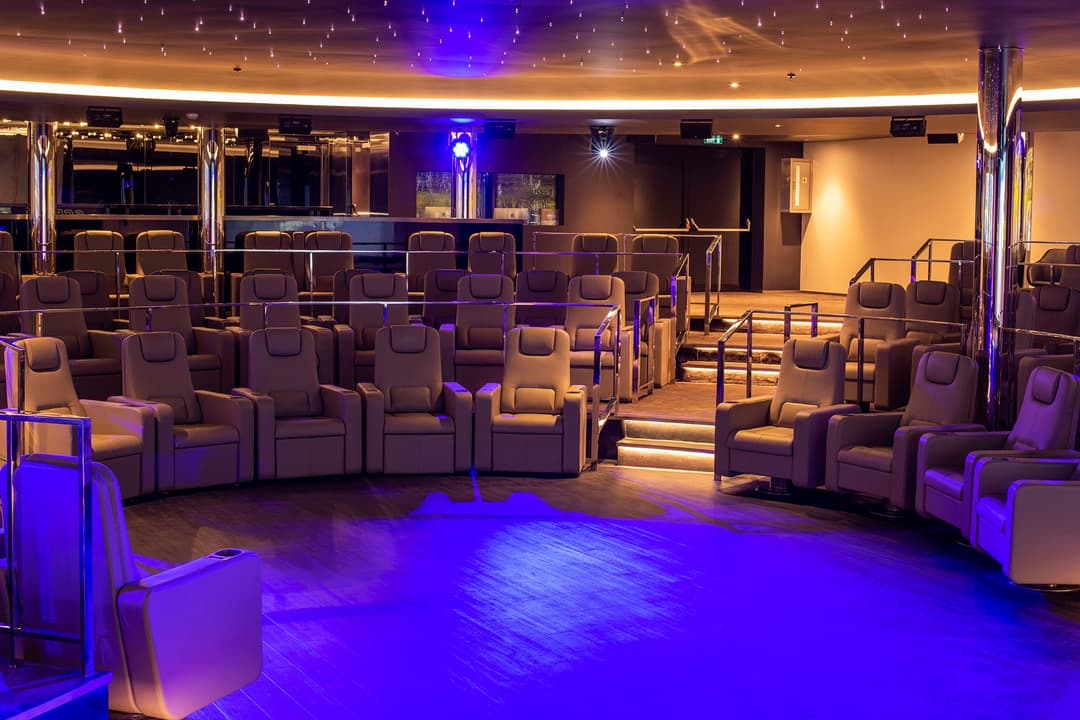
Gain insights into the regions you’re visiting during regular lectures and information sessions, hosted by expert Discovery Team members, Captain and crew in the world-class theatre. Here, guests can also enjoy nightly musical performances spanning a range of genres.
Theatre Bar
The Theatre Lounge is the venue for screening of presentations, lectures and shows. During the day, it is supported with a self-service beverage s....
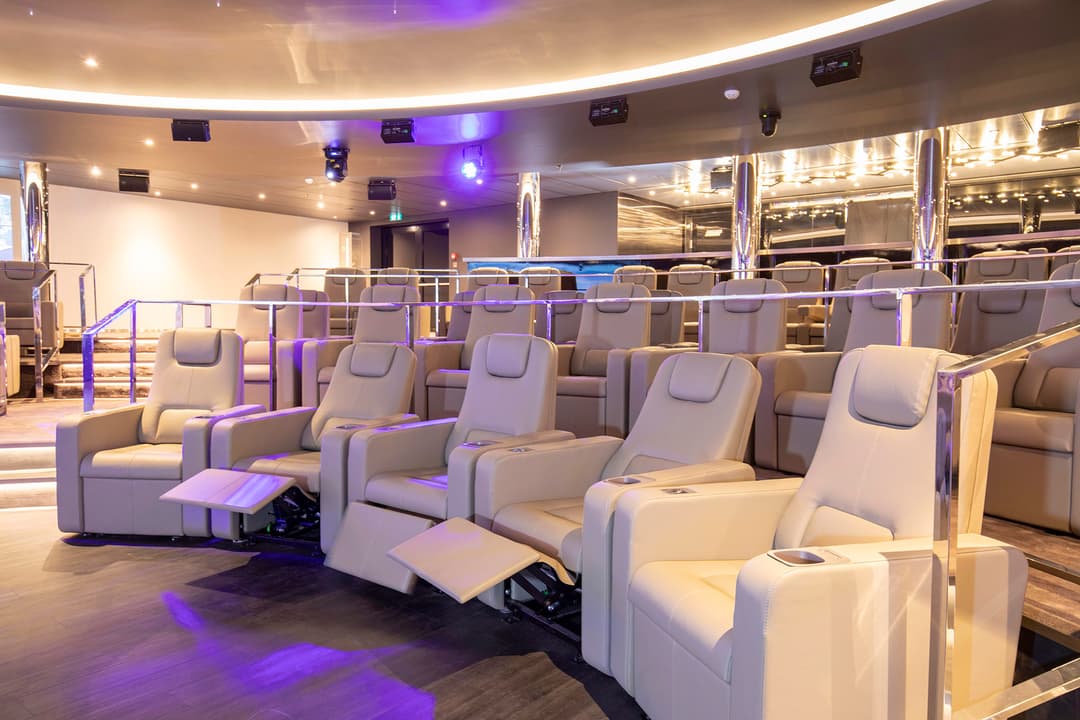
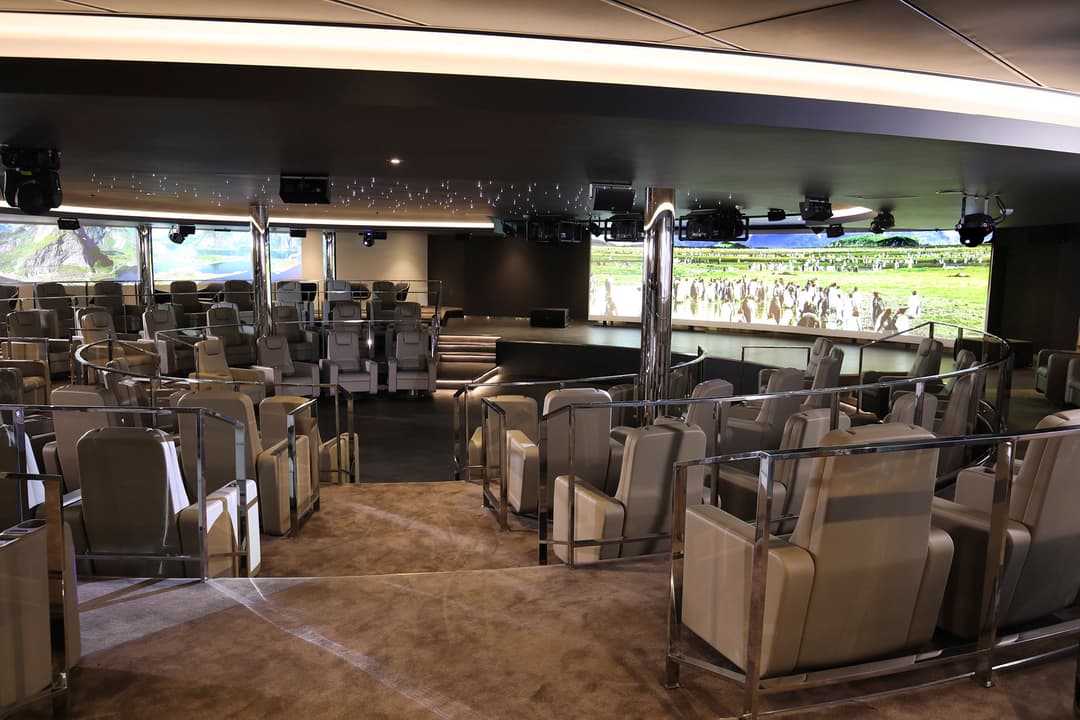
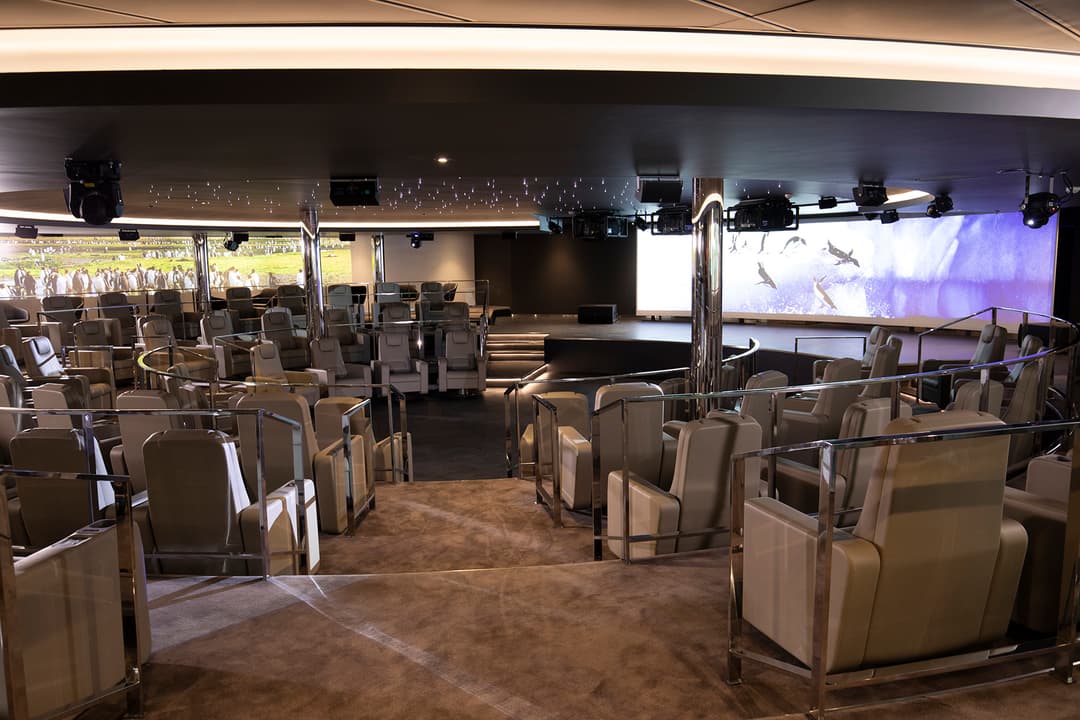
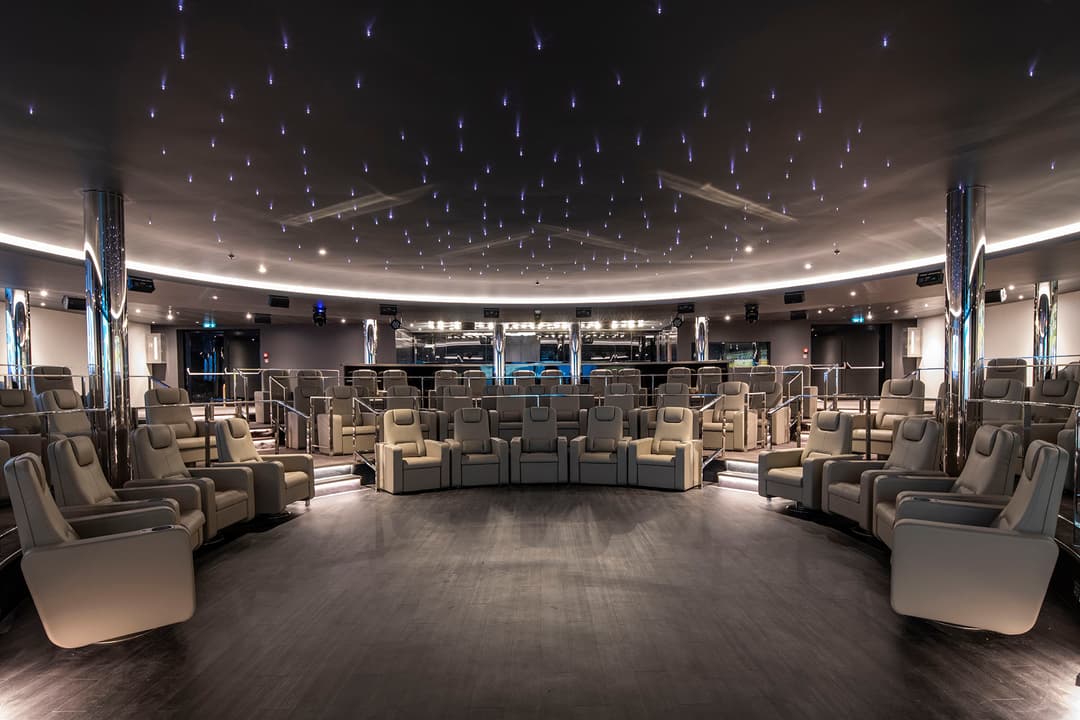
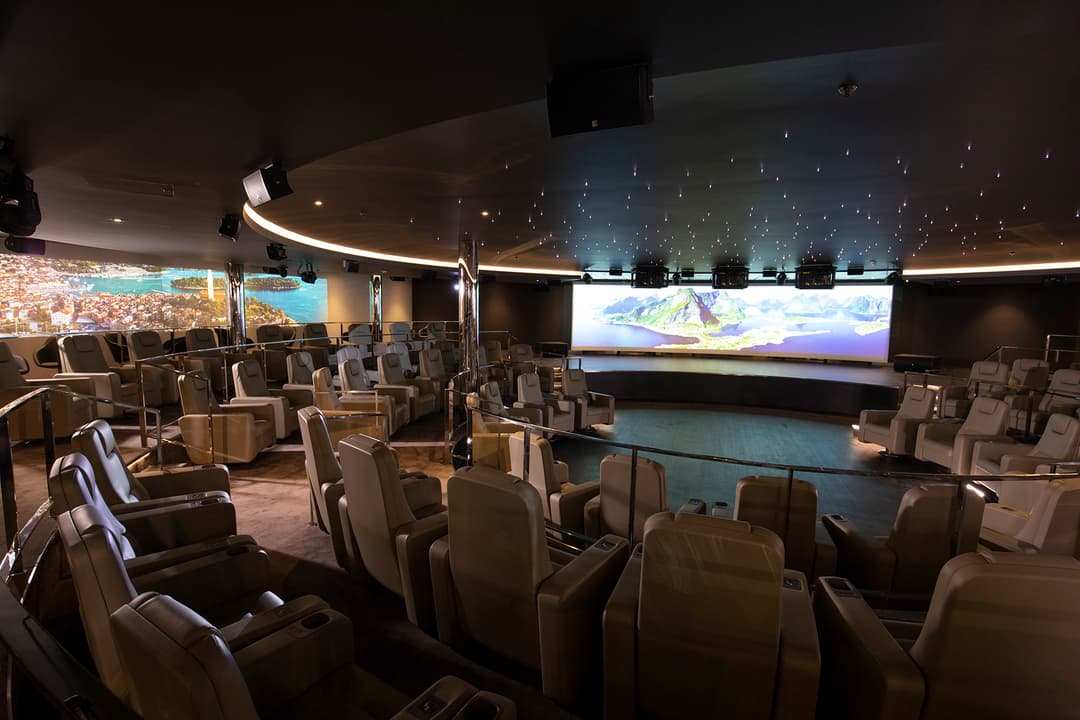



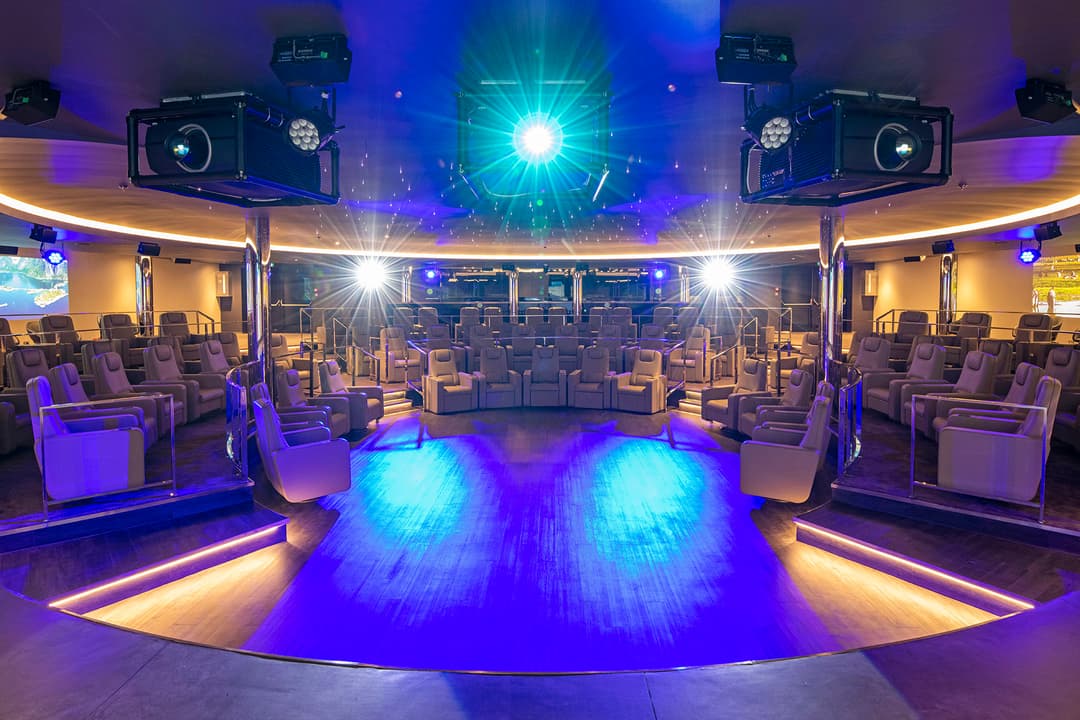
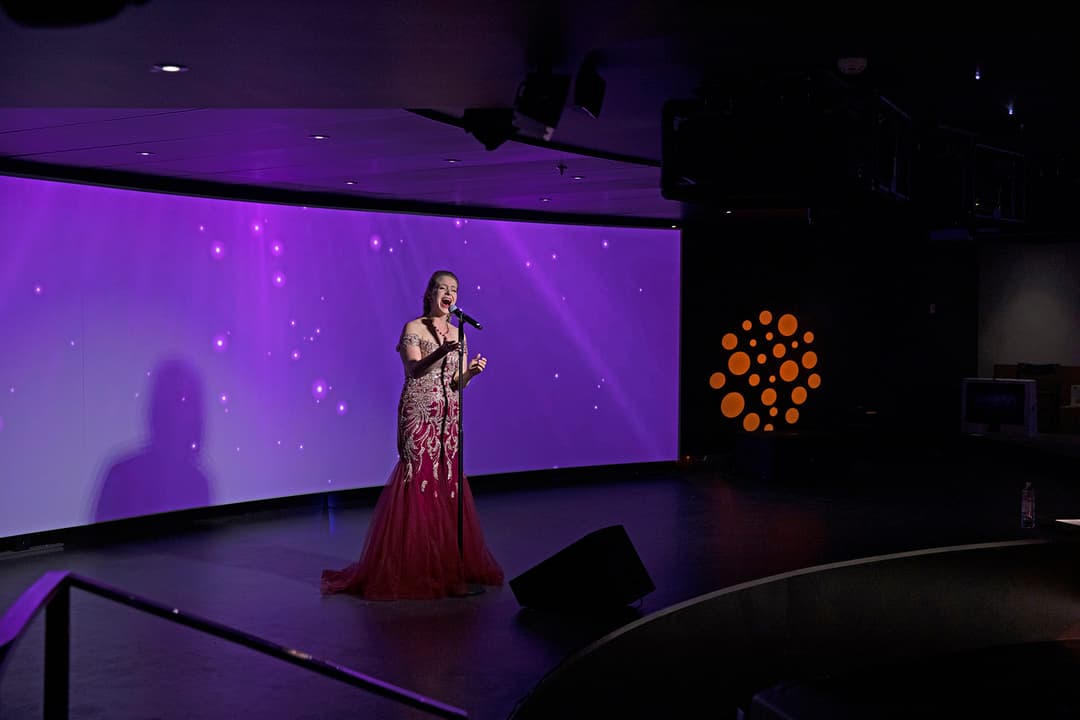

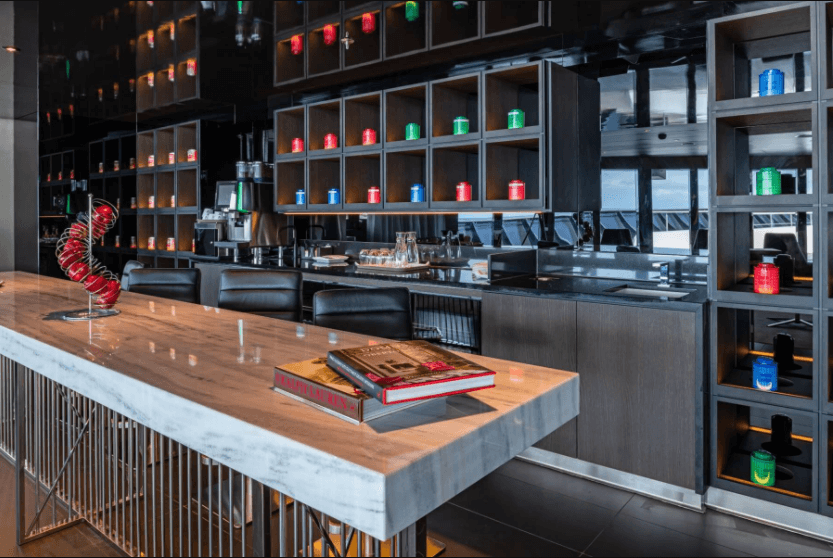
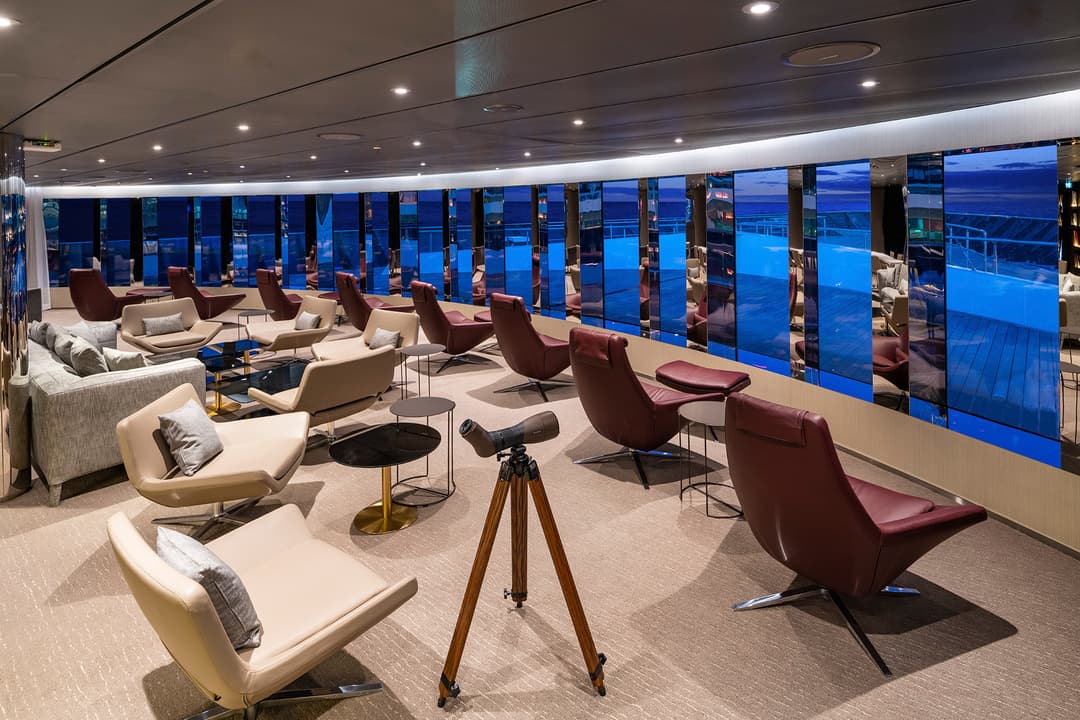
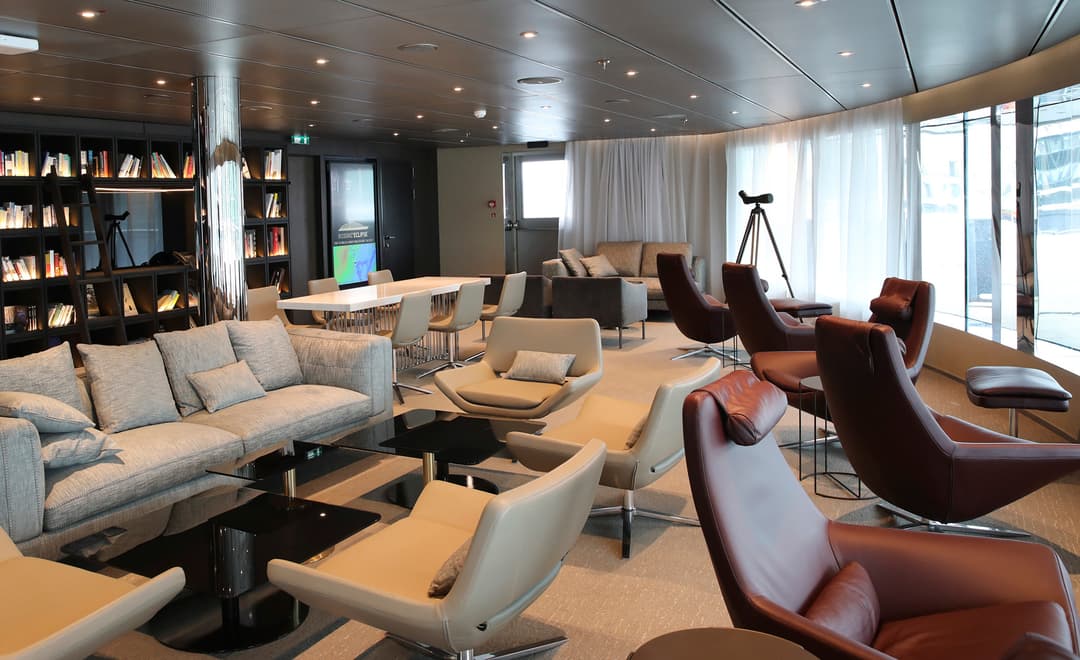
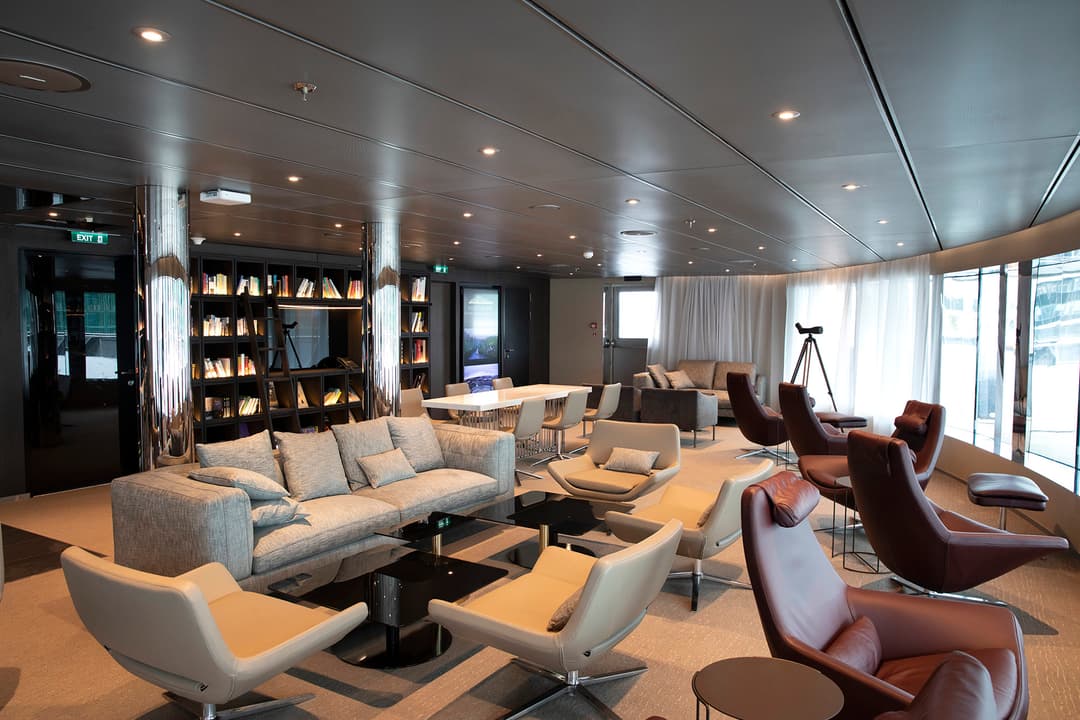
The Observation Lounge & Library is a serene haven for guests seeking a peaceful retreat to read and observe the world. While we don't serve food in this tranquil space, you can still enjoy a variety of beverages as you unwind and watch the world go by.
You can recline into plush seating and read a book or play board games as you enjoy a specialty tea or coffee. Take a closer look at landscapes and wildlife as you pass them through ....












Discover Unrivalled Wellbeing
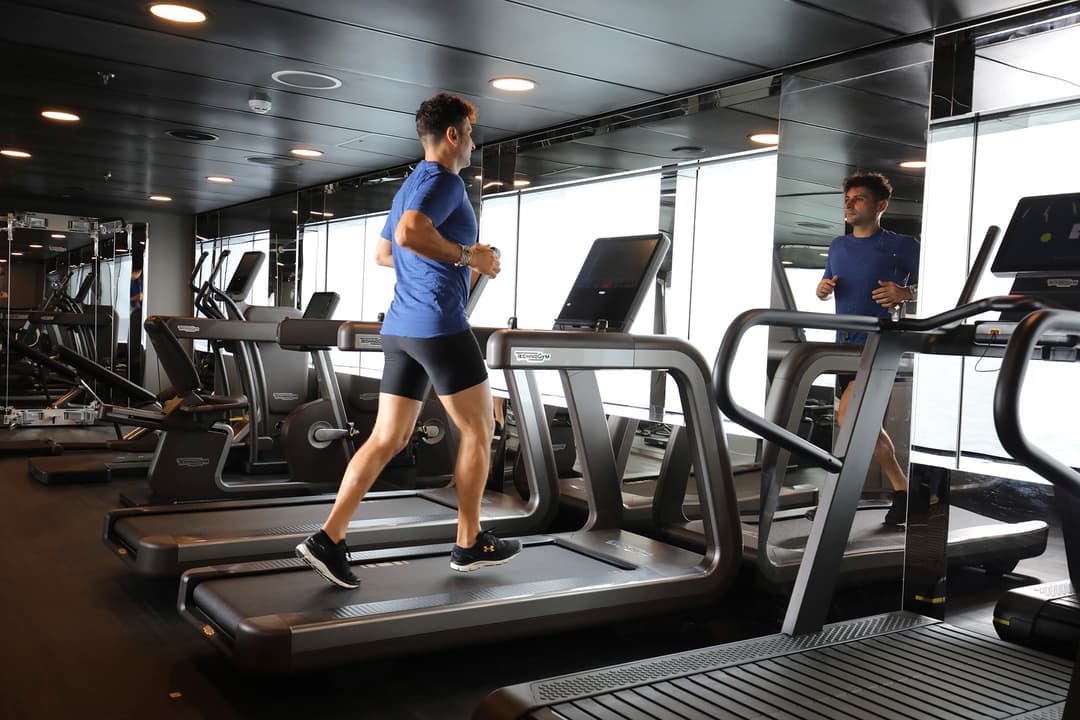
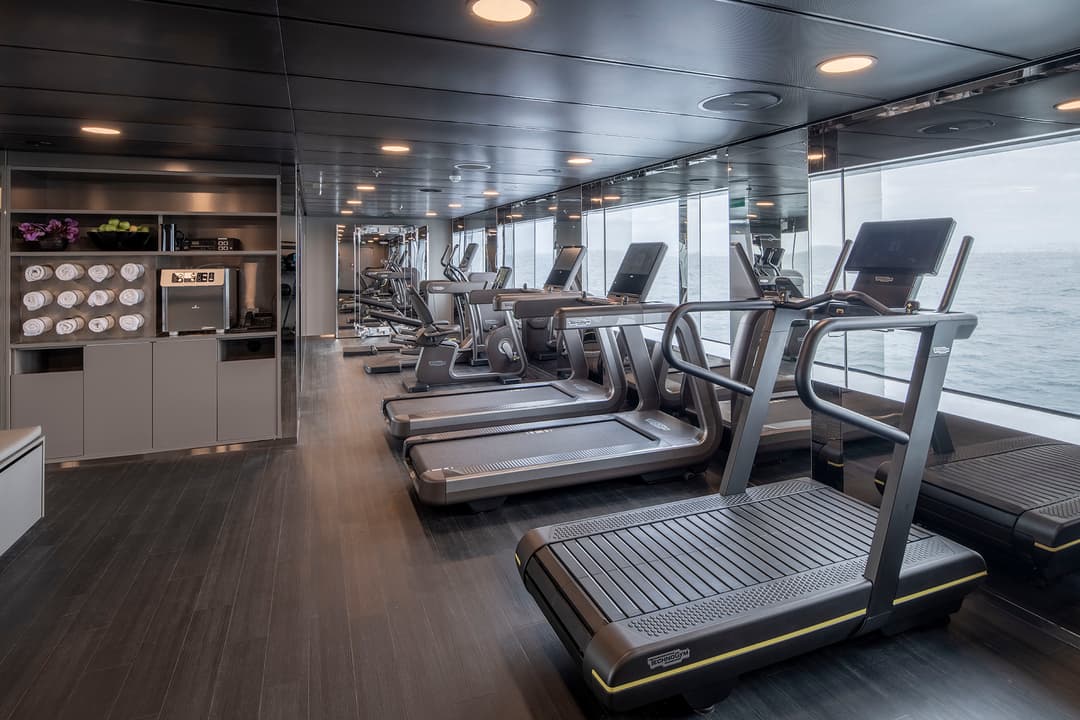
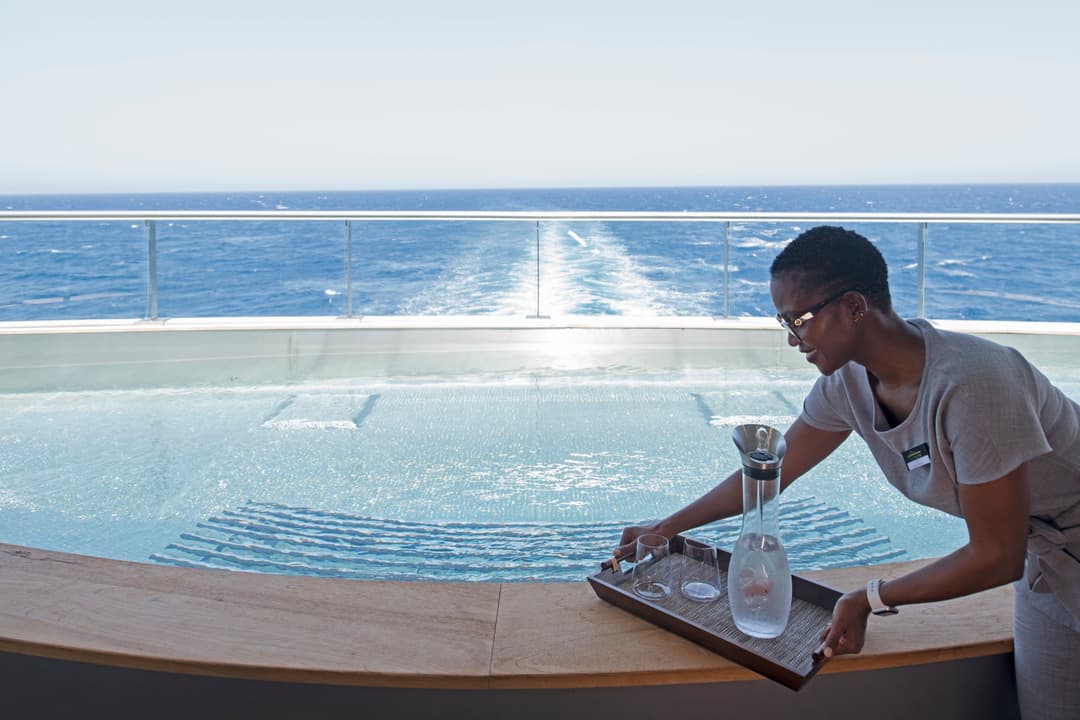
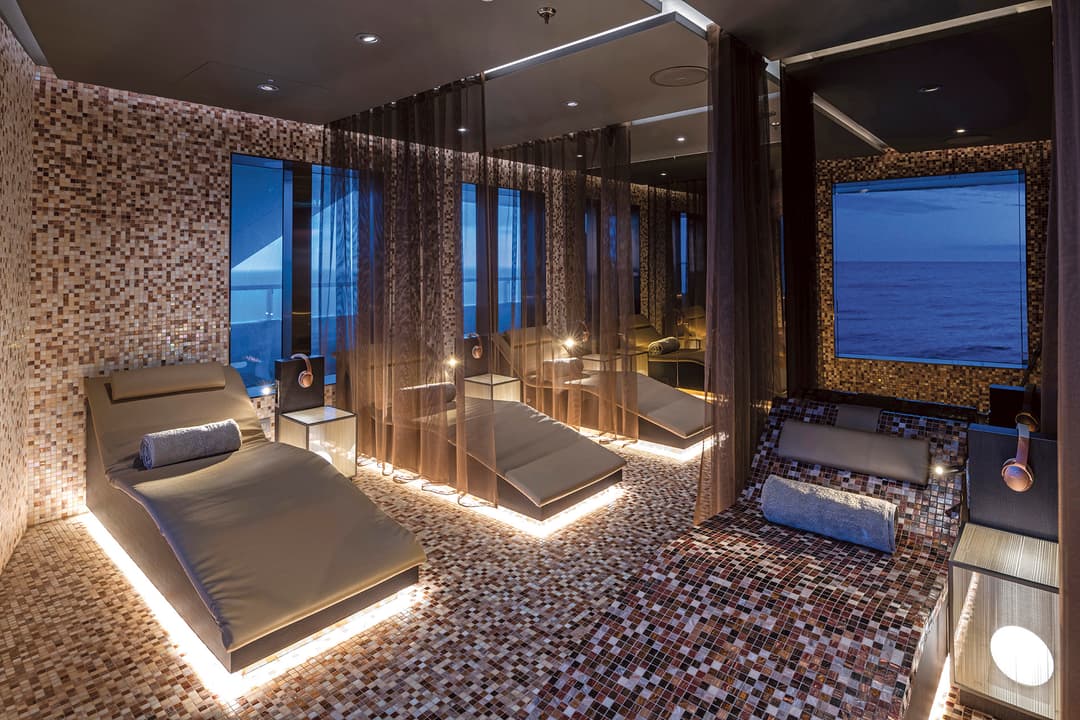
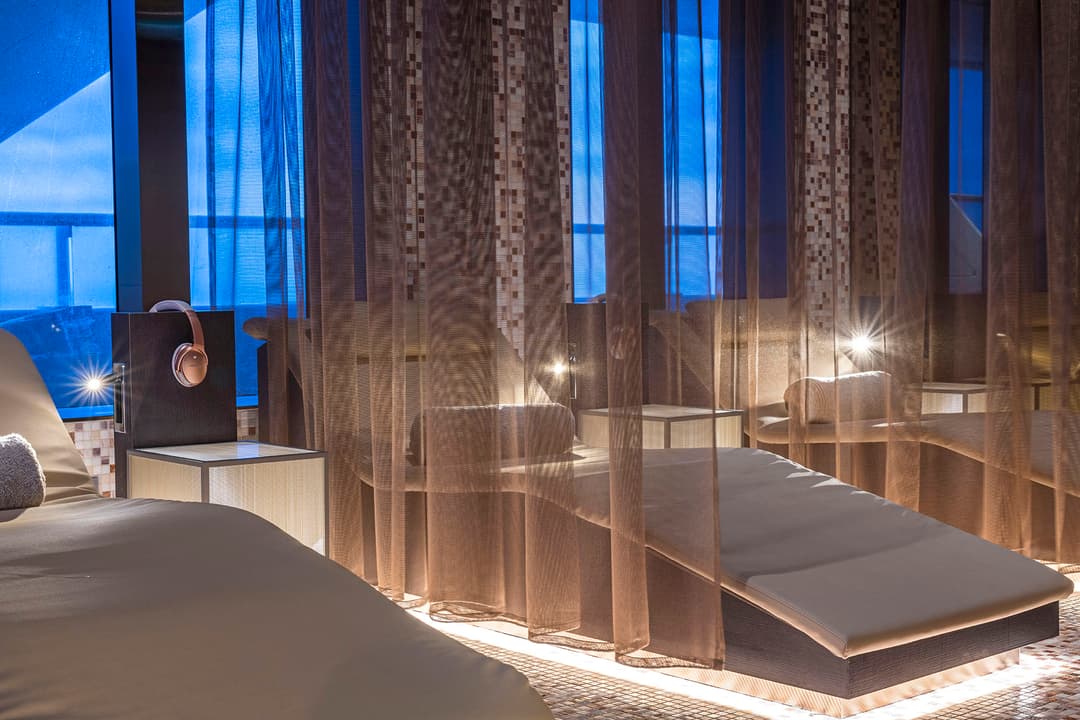
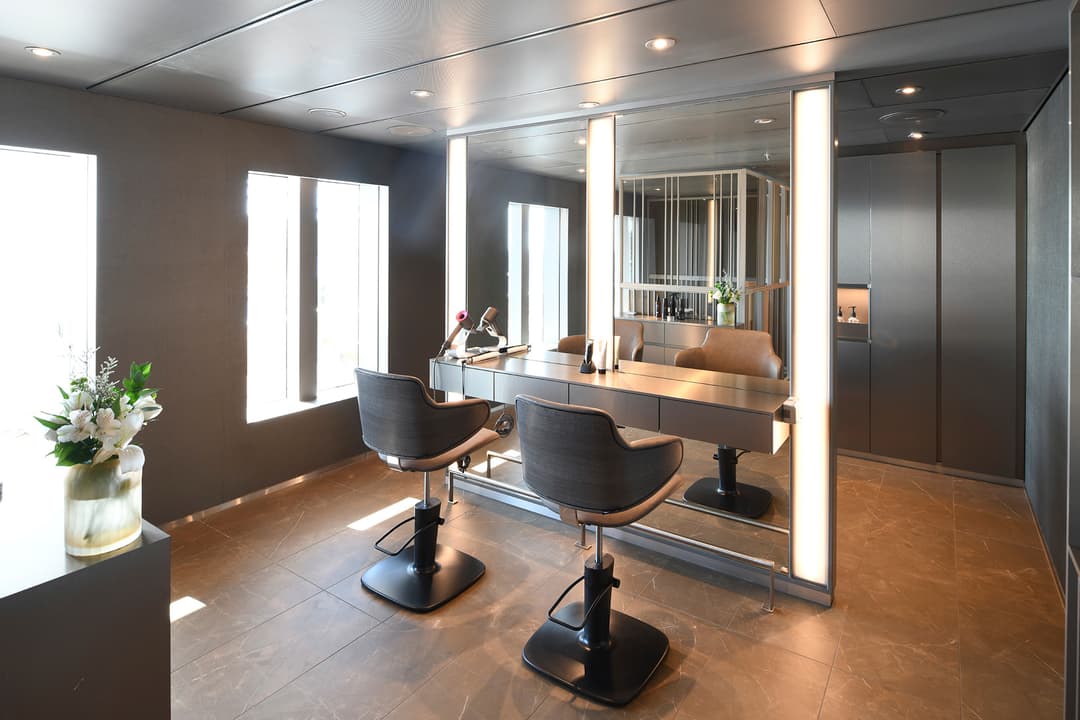
Scenic Eclipse is fitted with a sophisticated range of spaces and experiences designed for you to indulge and unwind while enjoying the voyage of a lifetime. From the expansive 550m2 Senses Spa to the dedicated gym, Pilates and yoga studio, and experienced therapists, all your wellness needs are covered.
Loading...
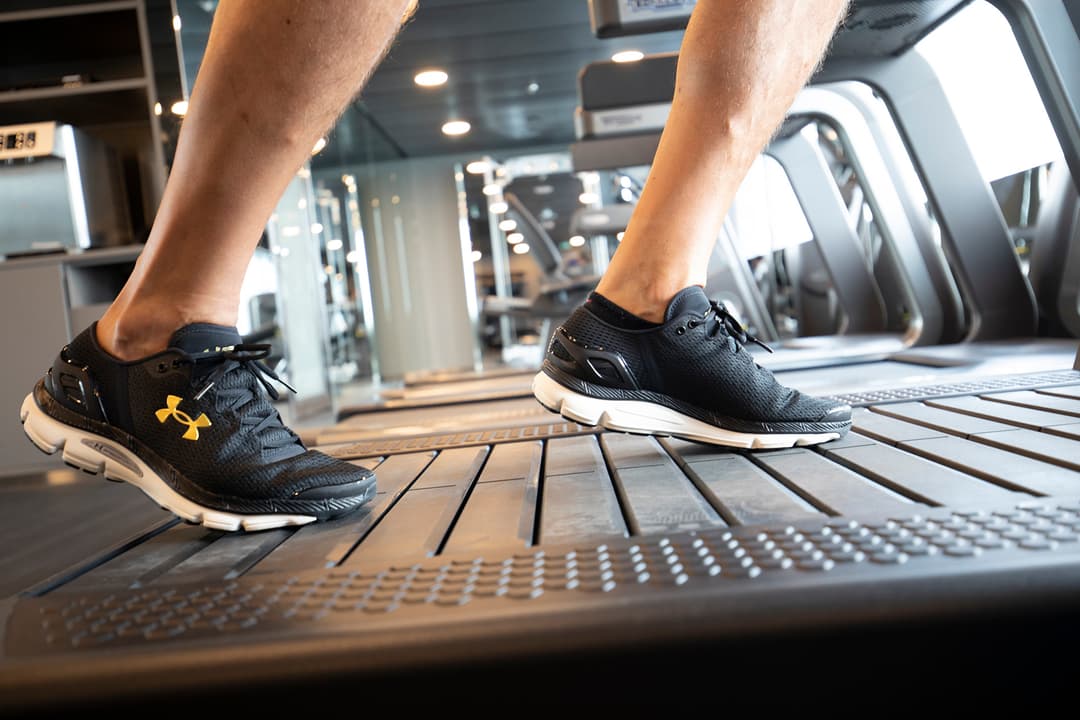

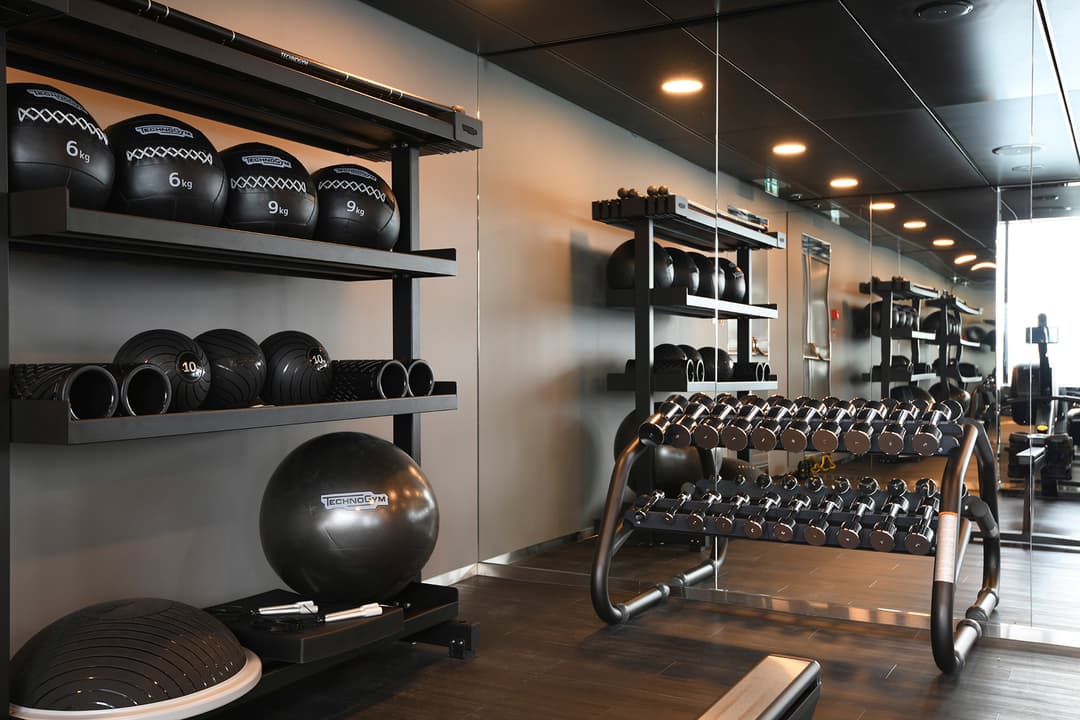
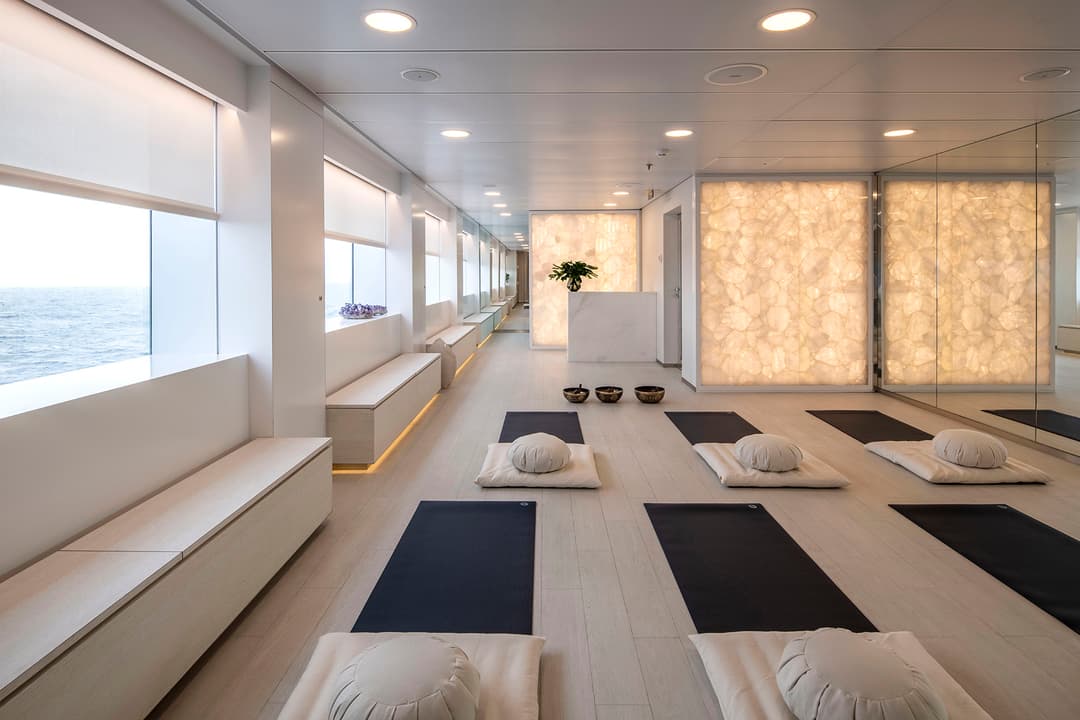
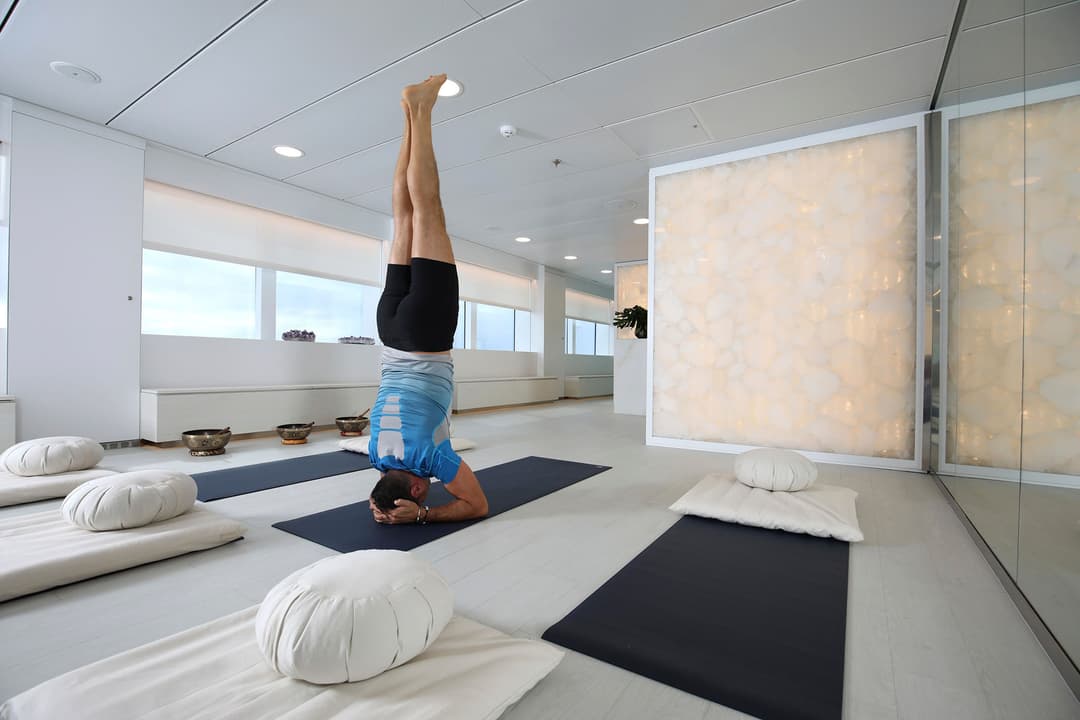
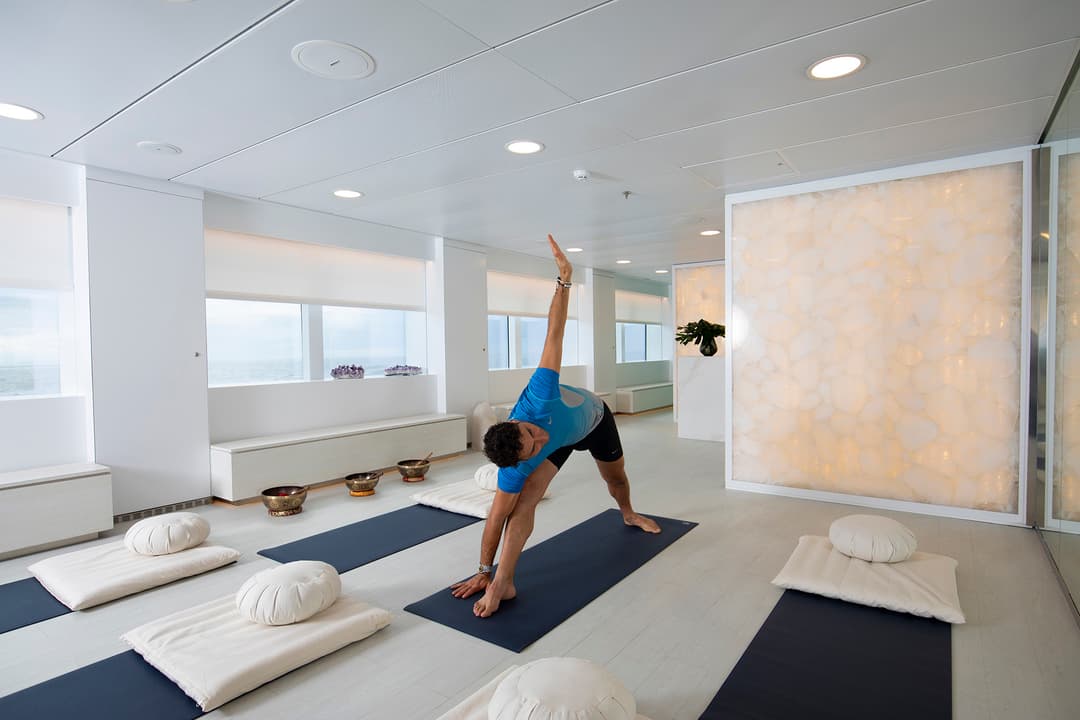
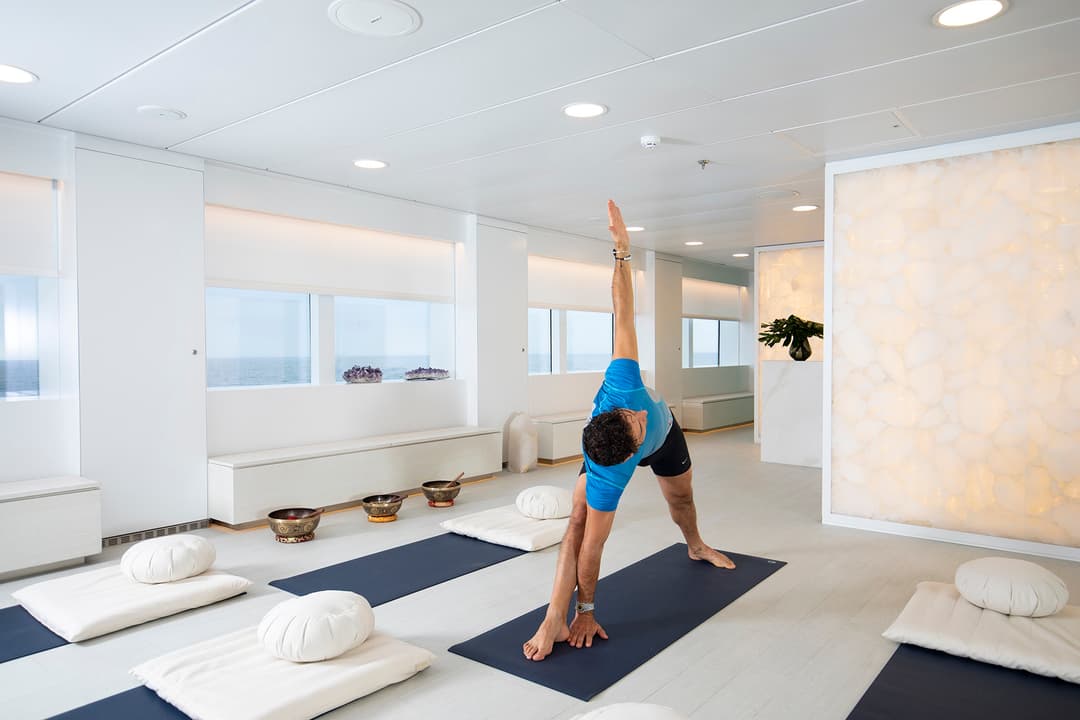



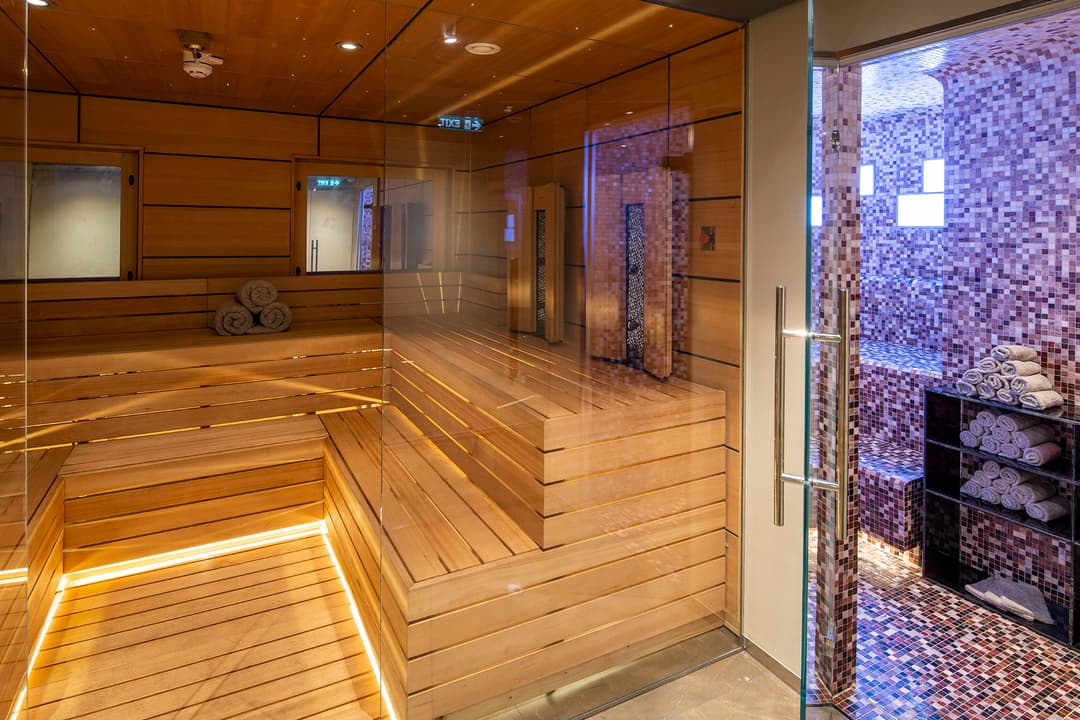
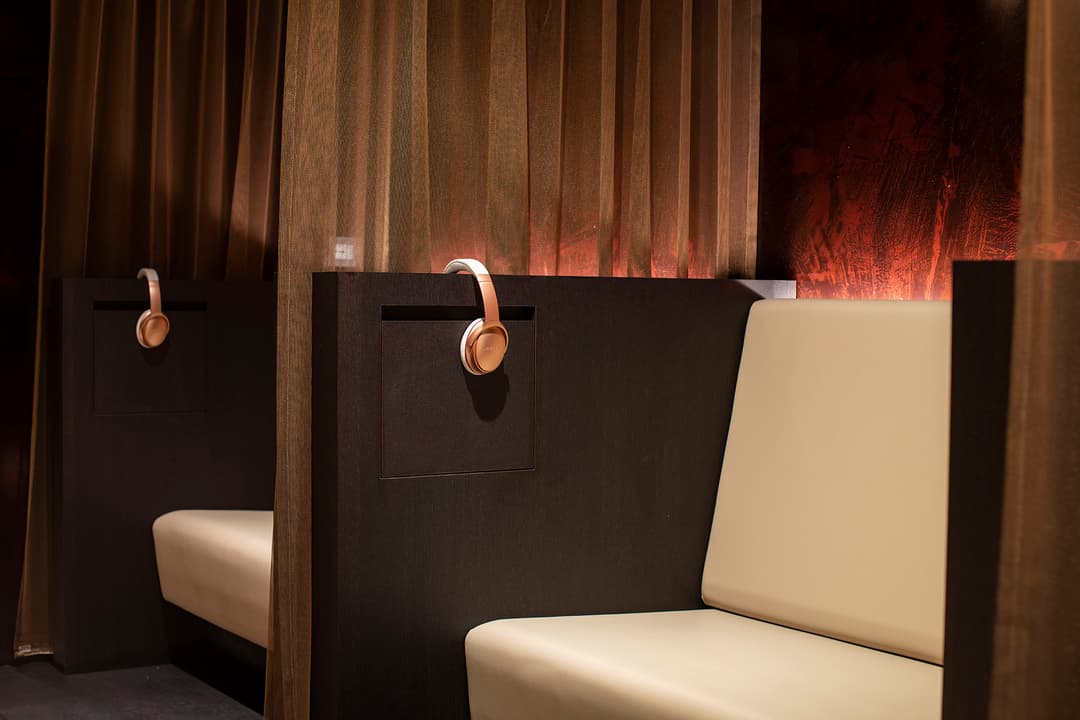
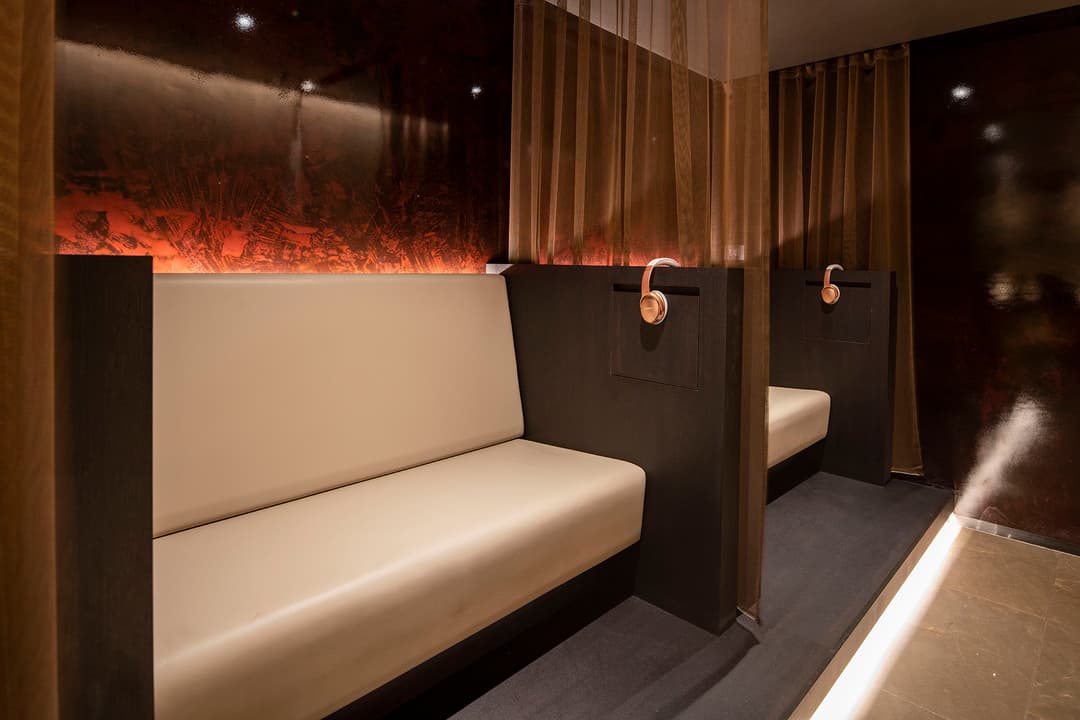
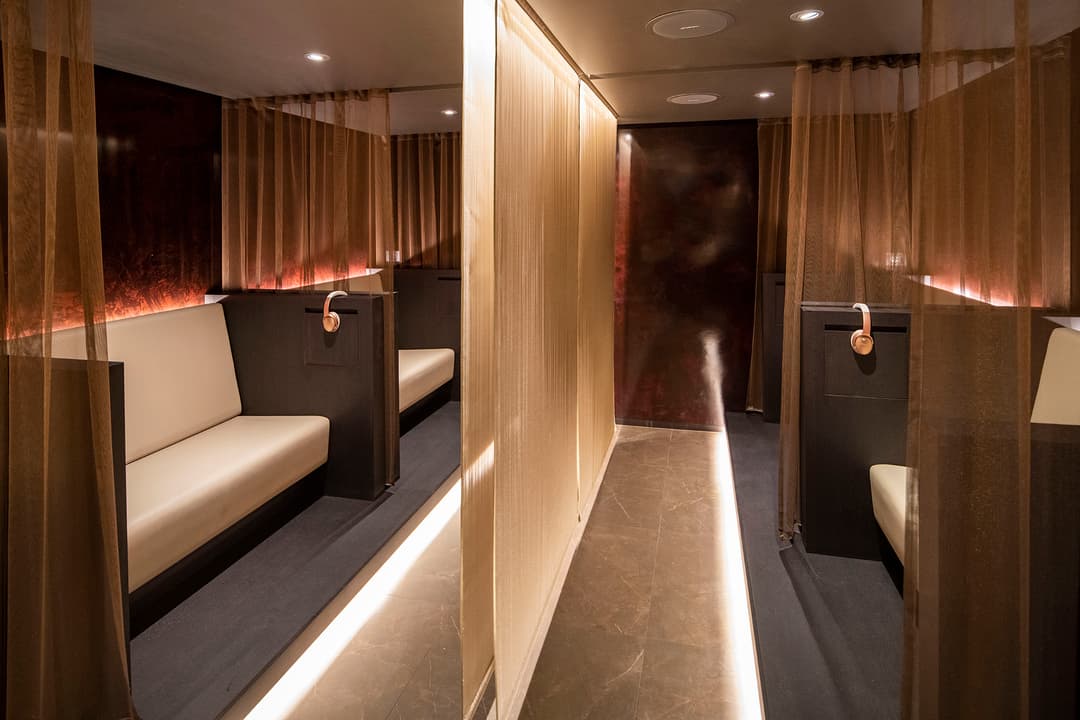
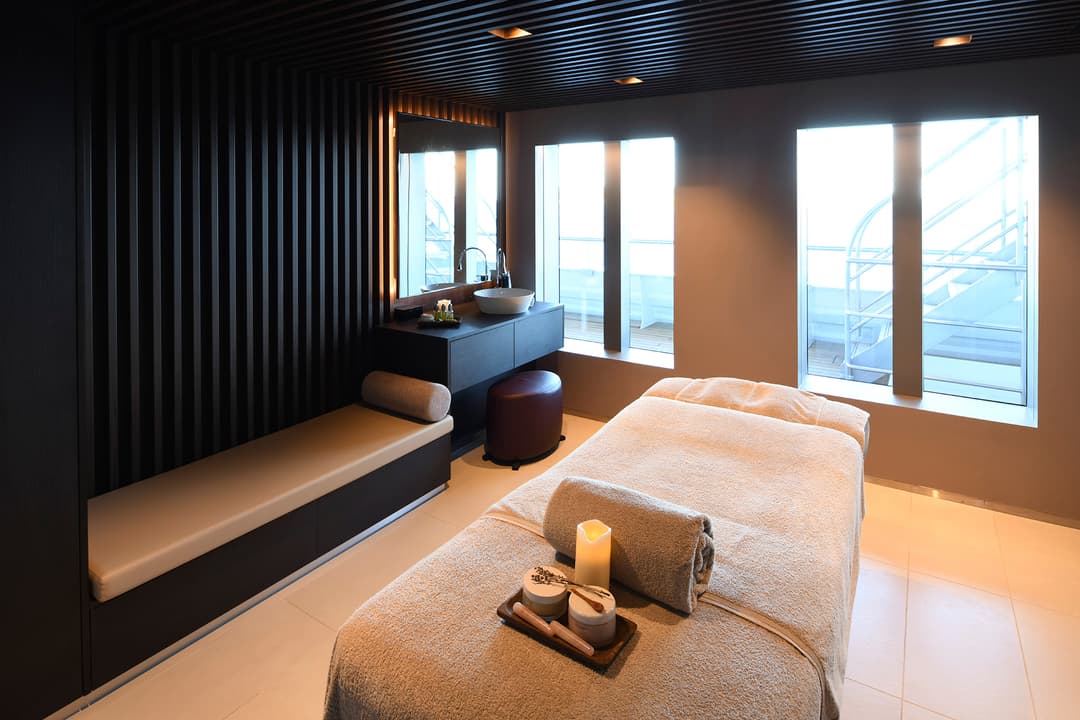
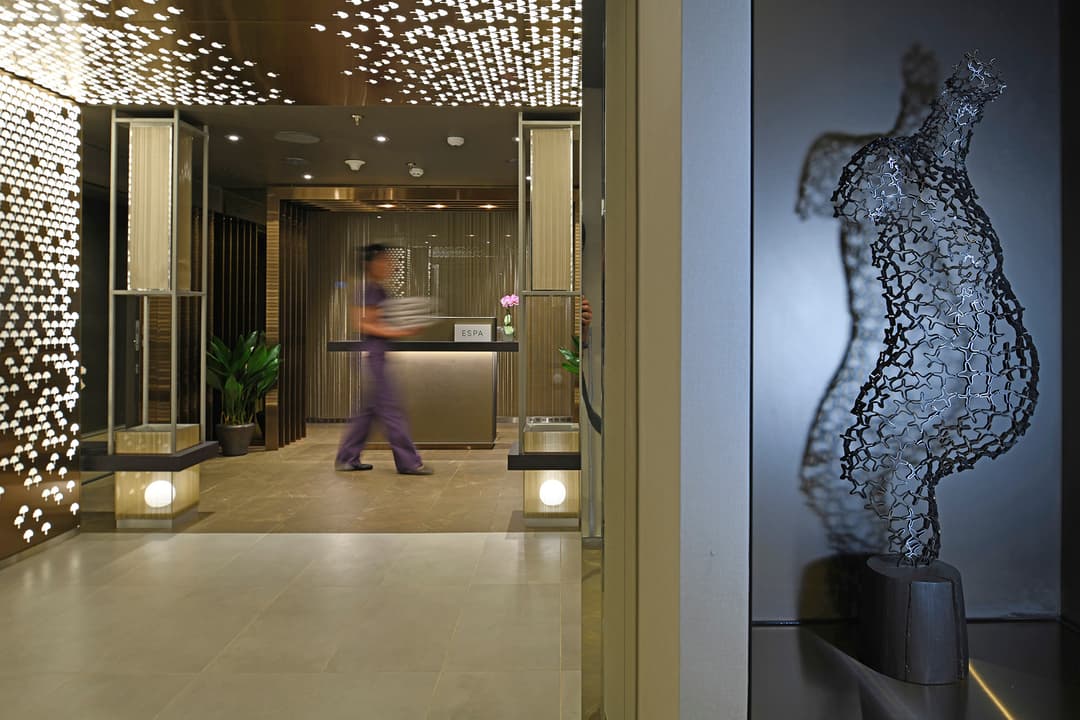




You can experience the wonders of the world through an exciting variety of included excursion options. Enjoy Scenic Discovery Excursions led by our Discovery Team who will share their knowledge and expertise on Expedition and Discovery Voyages. On Discovery and Cruise Voyages, Scenic Freechoice activities are curated to cater to your interests and fitness level, and our Scenic Enrich experiences will immerse you in unique and exclusively handcrafted encounters such as discovering the untouched beauty of Antarctica!
Your Discovery Team
The Discovery Team are experts in their fields including history, geology, science, glaciology, archaeology, nature, photography and marine biology. Be safely guided and learn from their insights throughout every step of your cruise. The Discovery Team are incredibly passionate about their roles and bringing to life every element of your voyage. You come away with a deep understanding and lifelong memories of the cultures, landscapes and wildlife you will encounter. Join them in the Discovery Yacht’s theatre for information sessions or on the Observation Terrace. Follow their lead on guided kayak excursions or nature walks. Seamlessly disembark by Zodiac and cruise with your Discovery Team member past dramatic glaciers and fjords. For many past guests, the connection formed with the Discovery Team becomes one of their most treasured memories.
Loading...
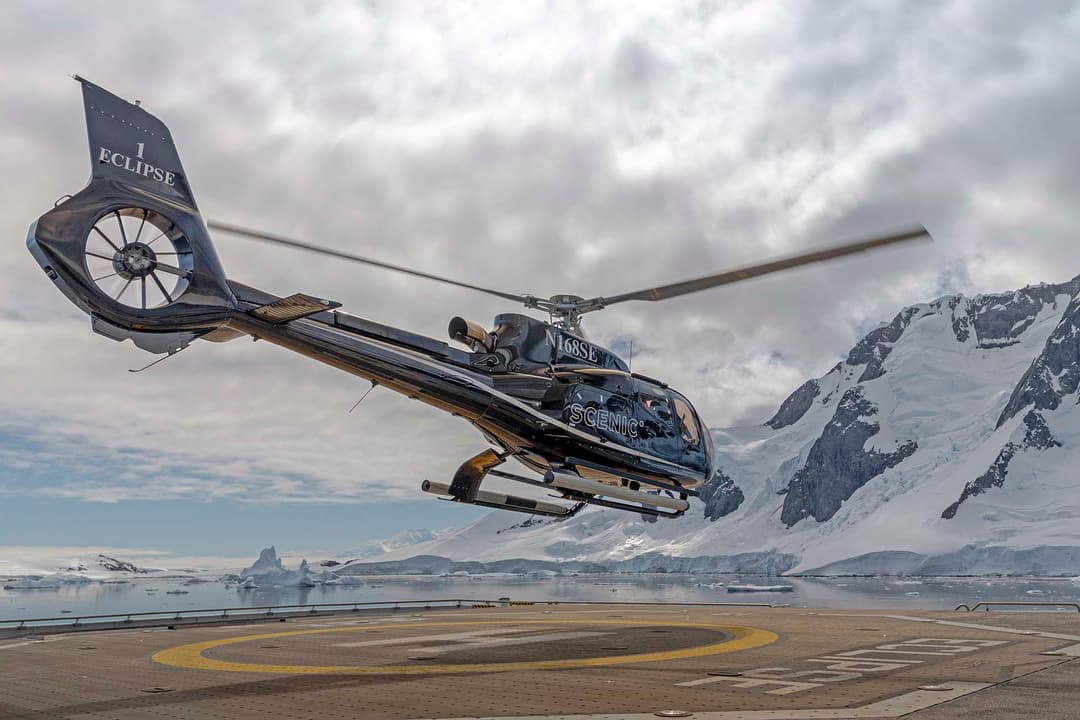
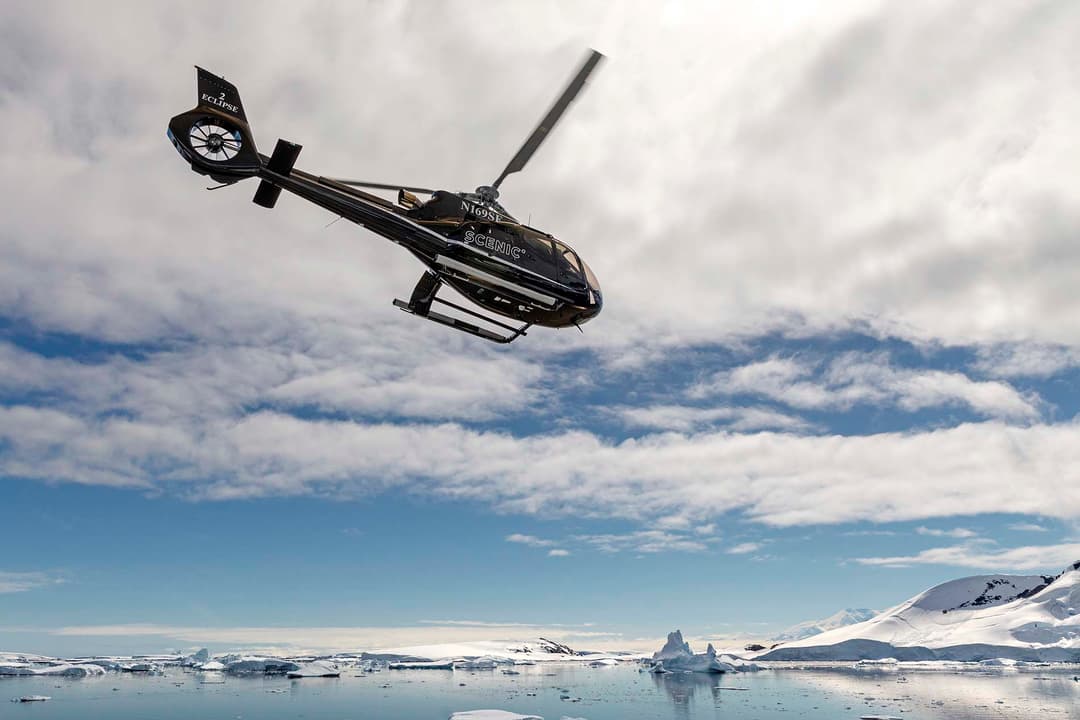
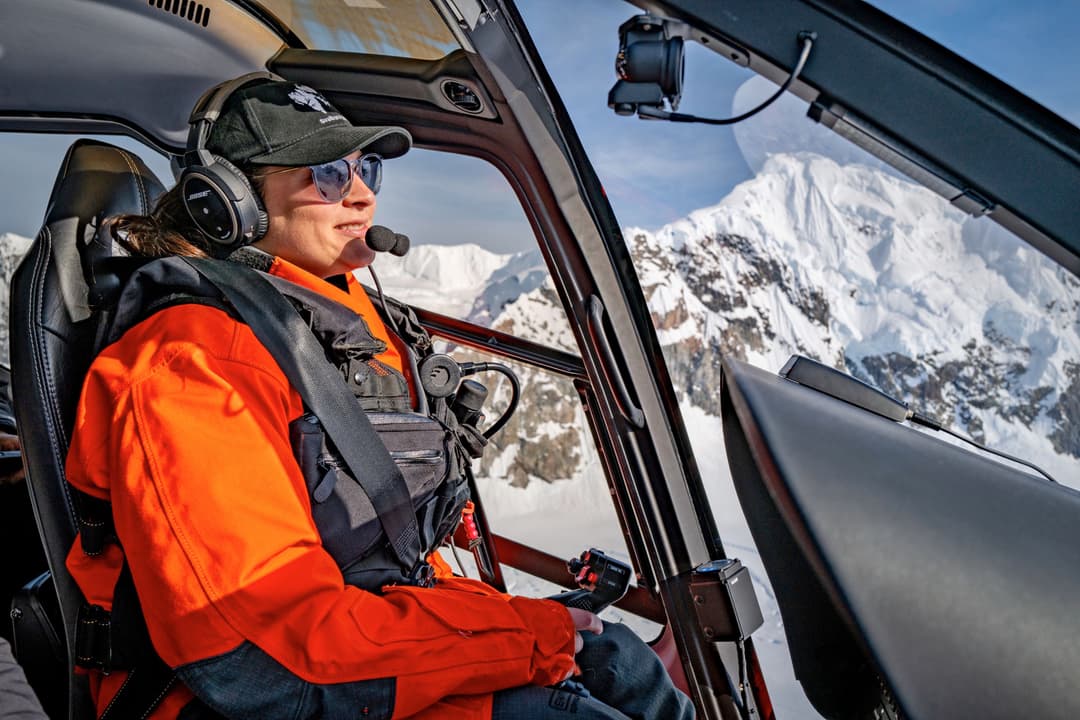
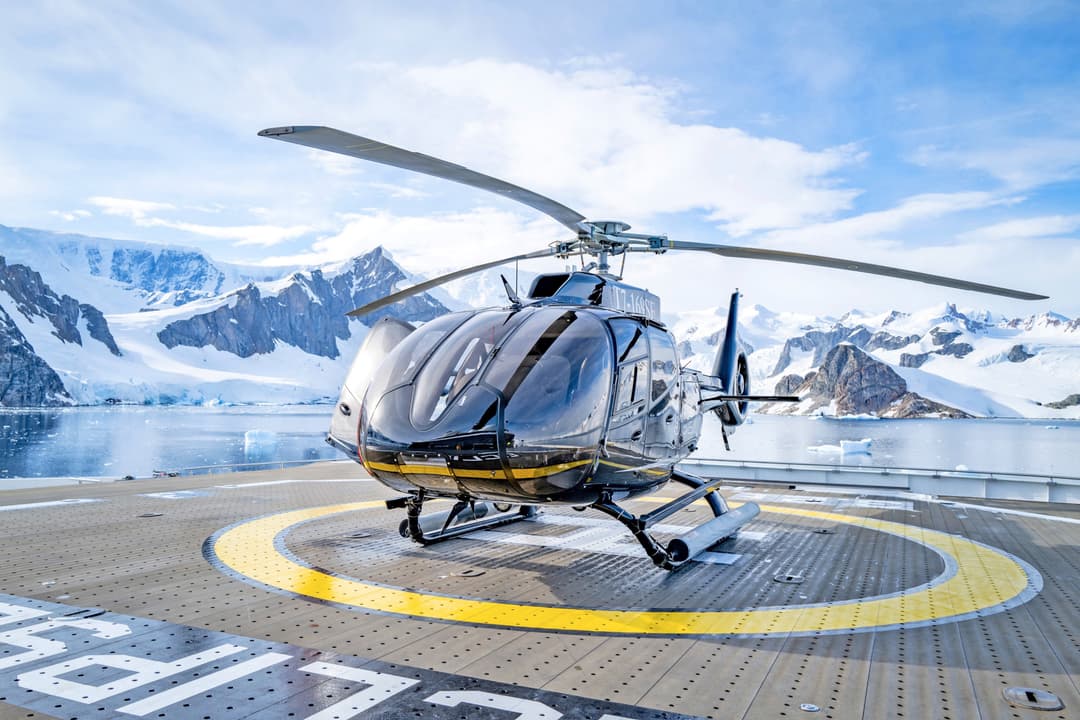
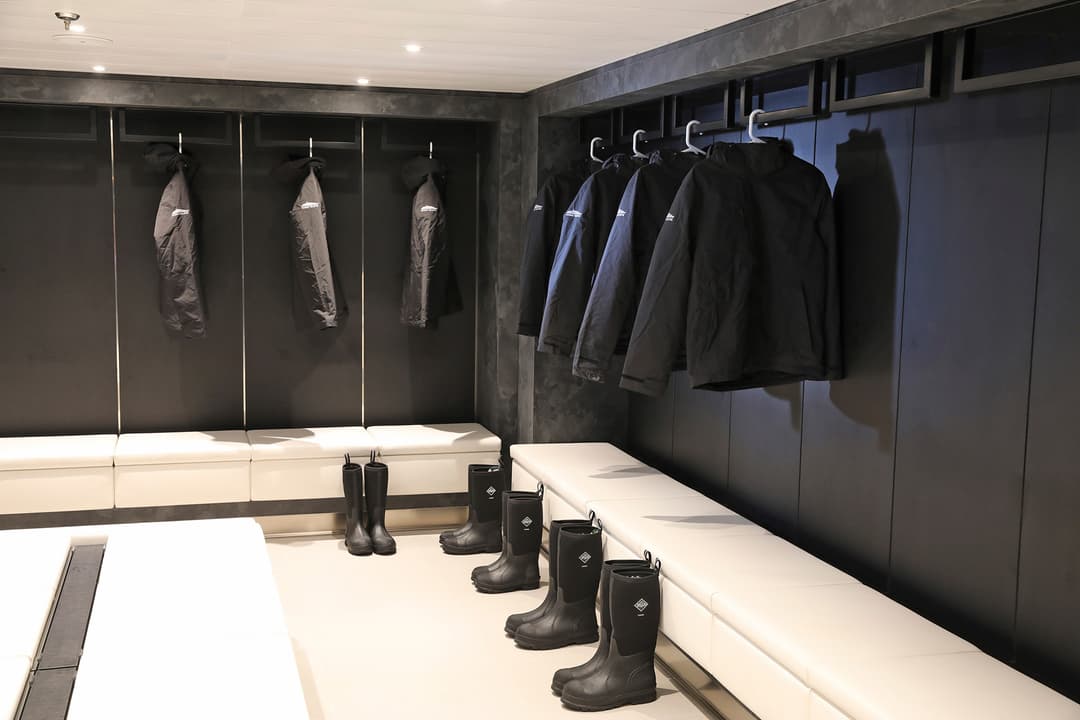
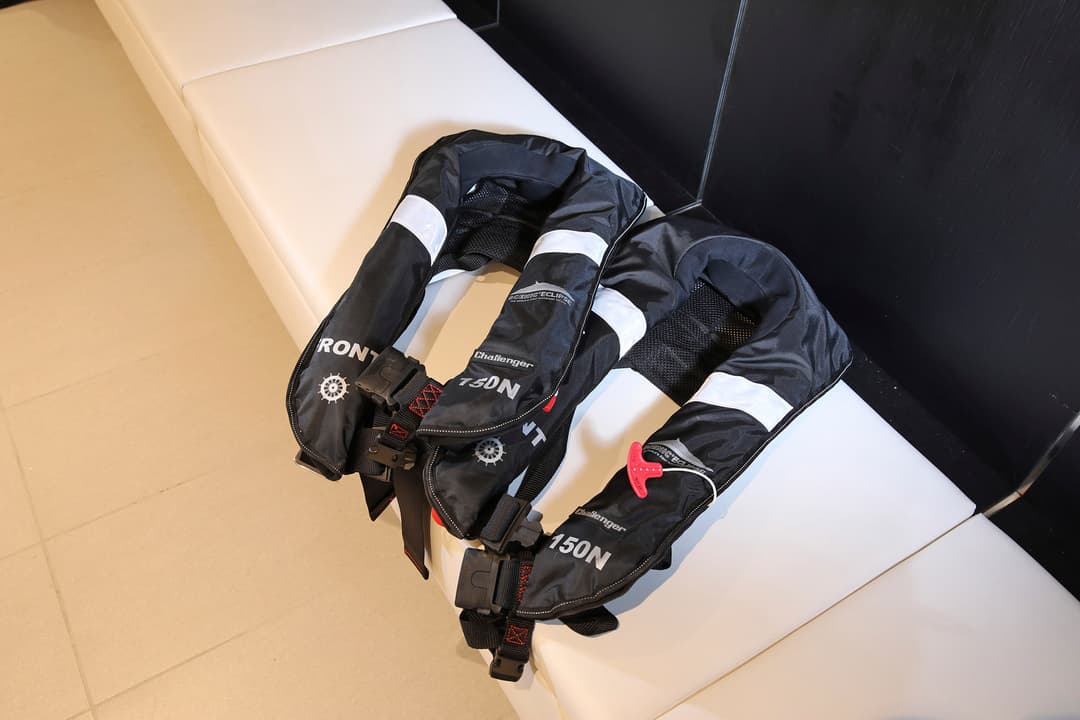
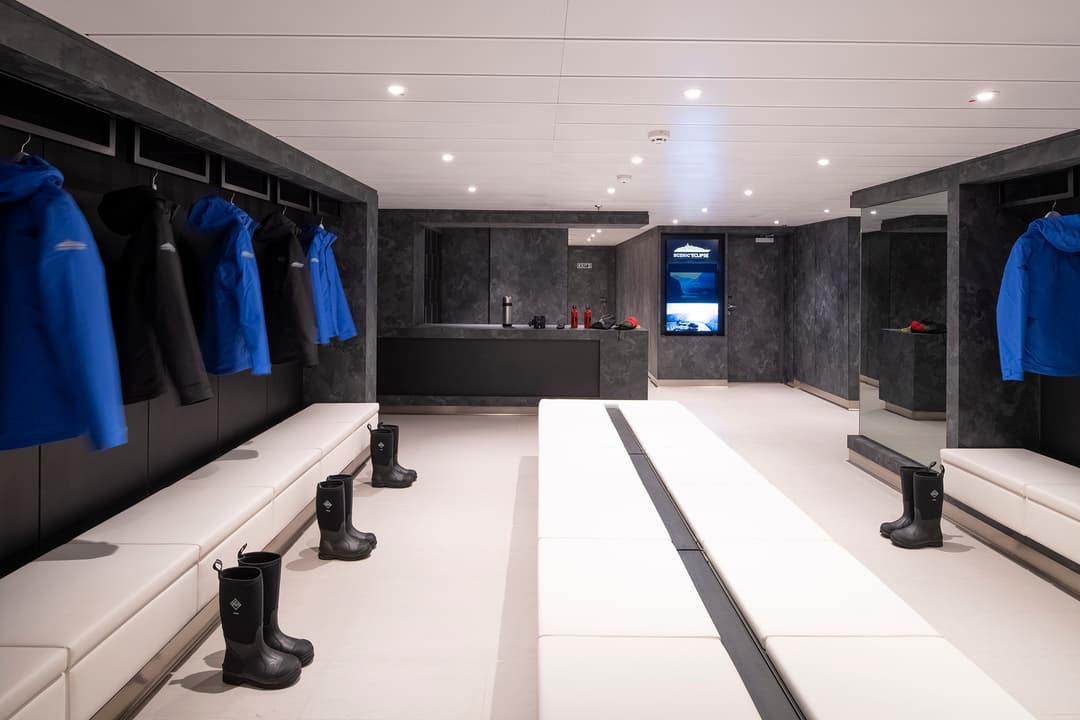

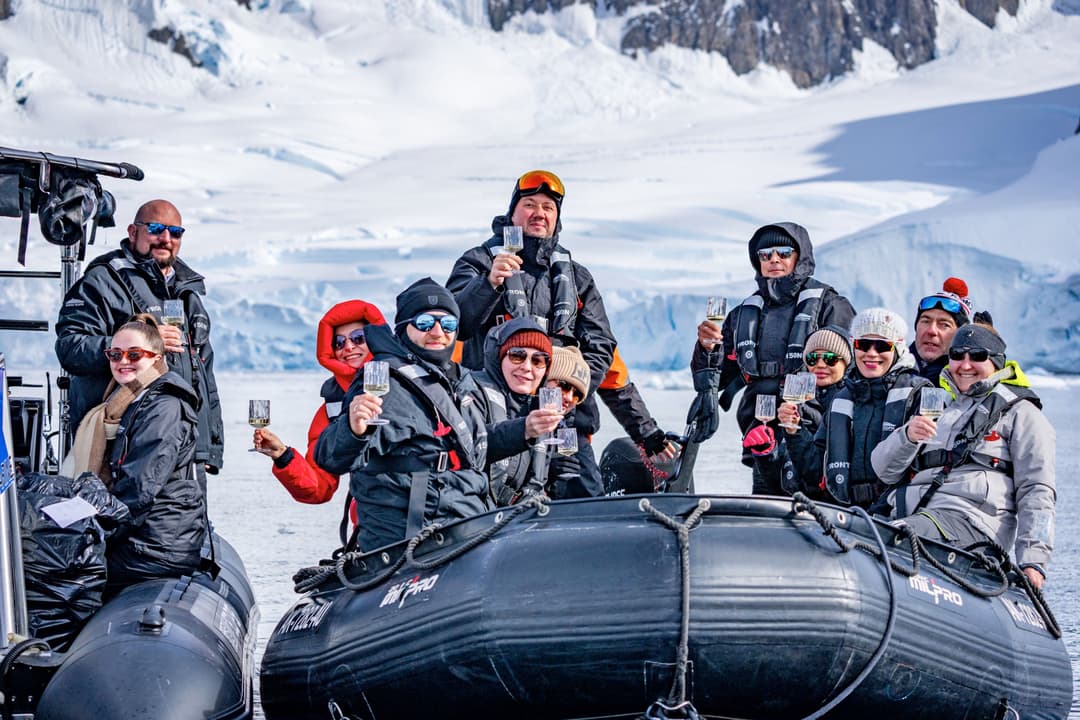
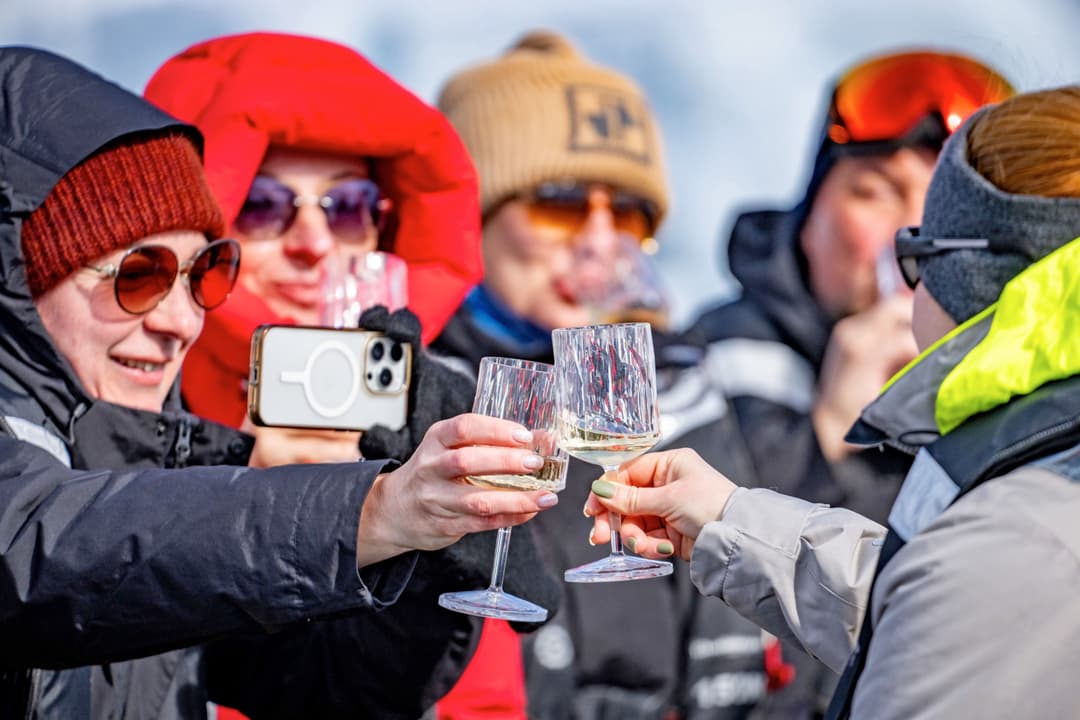
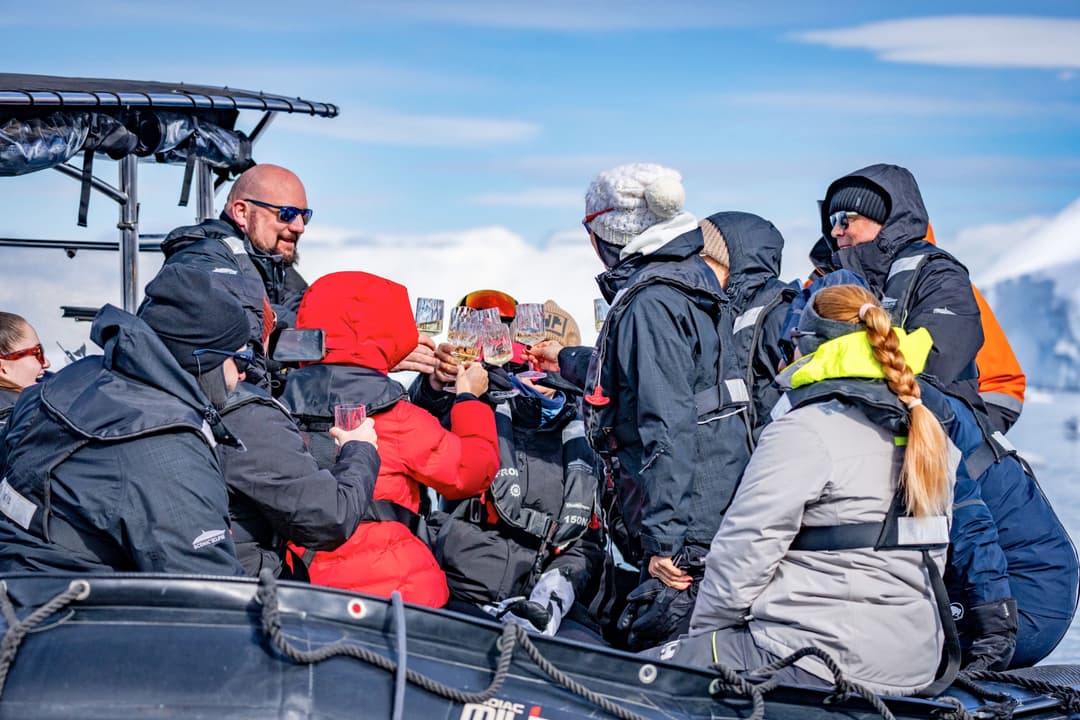
Blending exploration with rejuvenation
Reach small ports and remote destinations on board our custom-designed Scenic Eclipse Discovery Yachts. Ignite your inner explorer with exciting excursions during the day, then enjoy breathtaking vistas from the comfort of luxurious dining, bar and wellness spaces on board.
With only up to 228 guests on board and an expert Discovery Team of up to 15 specialists, tailor your days with....
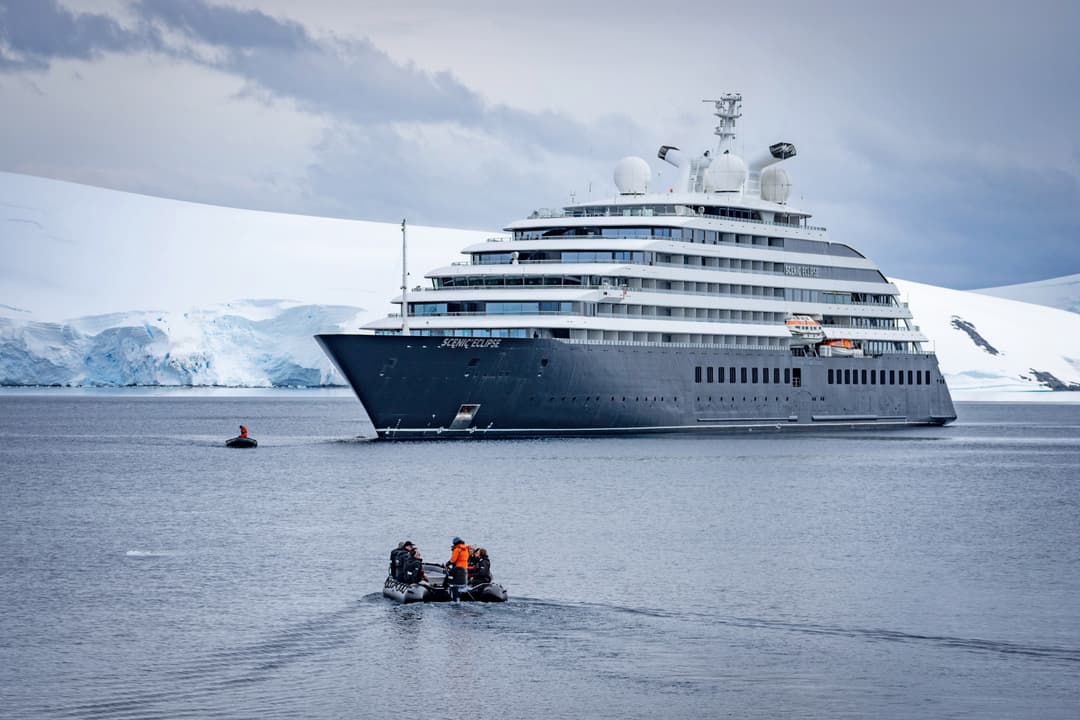
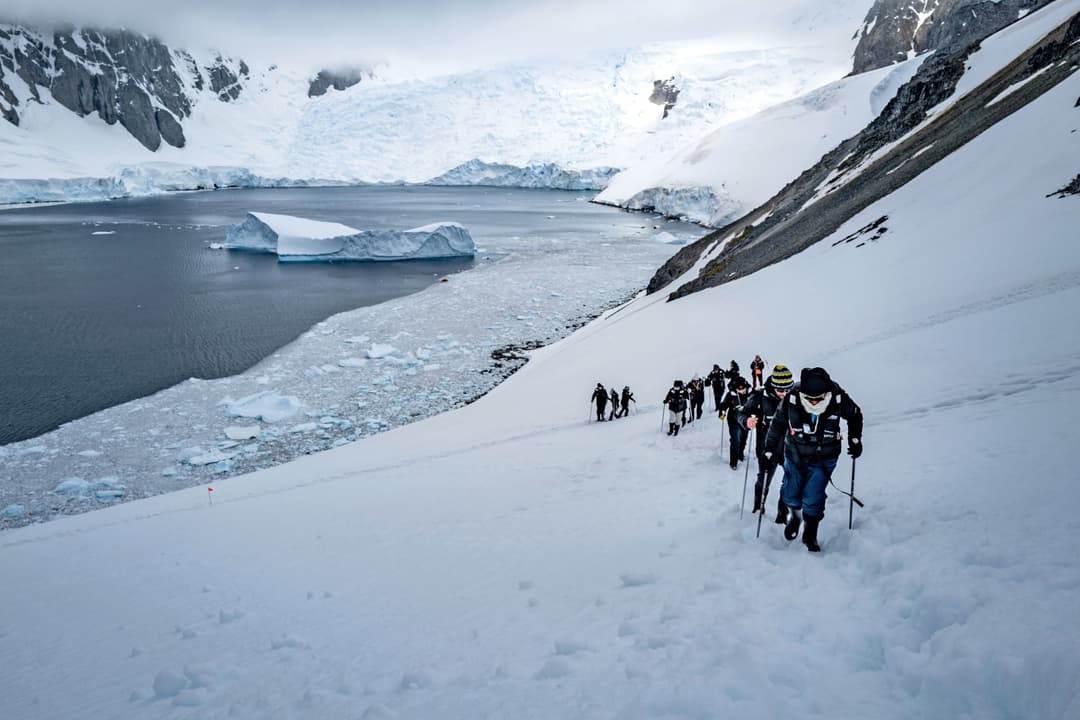
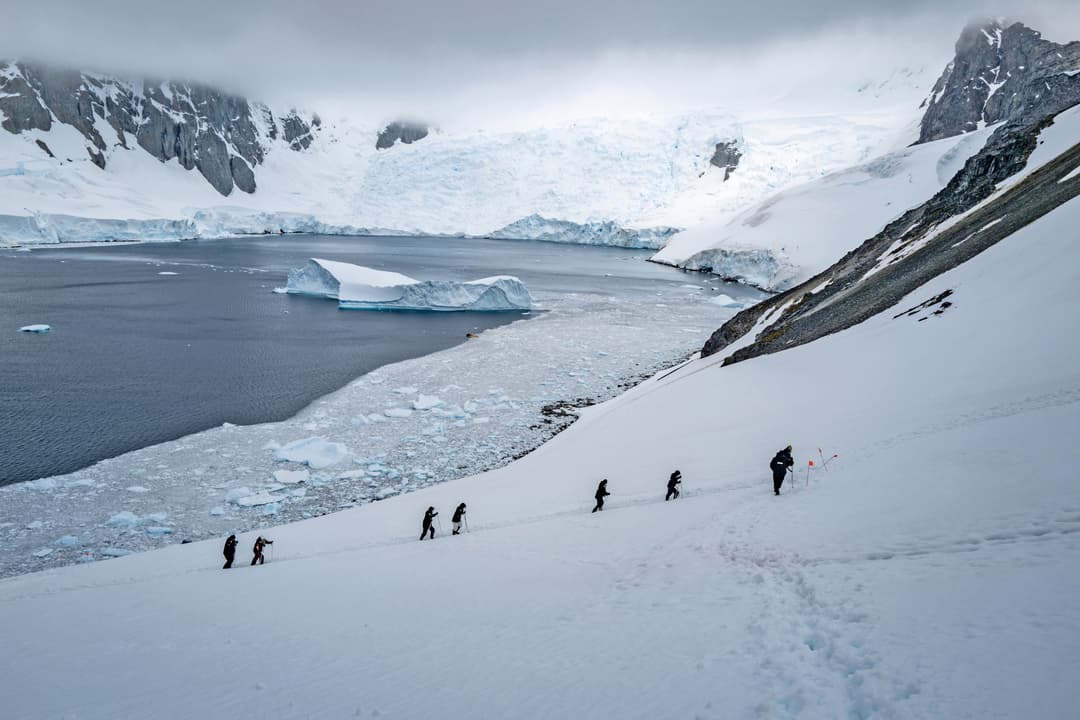
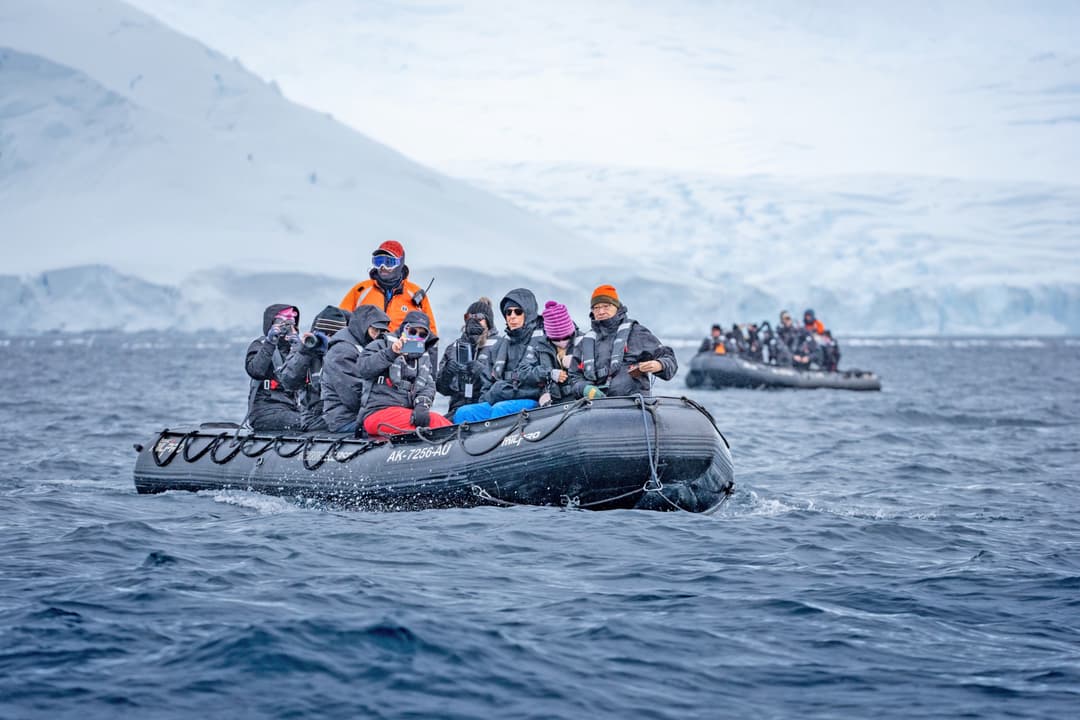
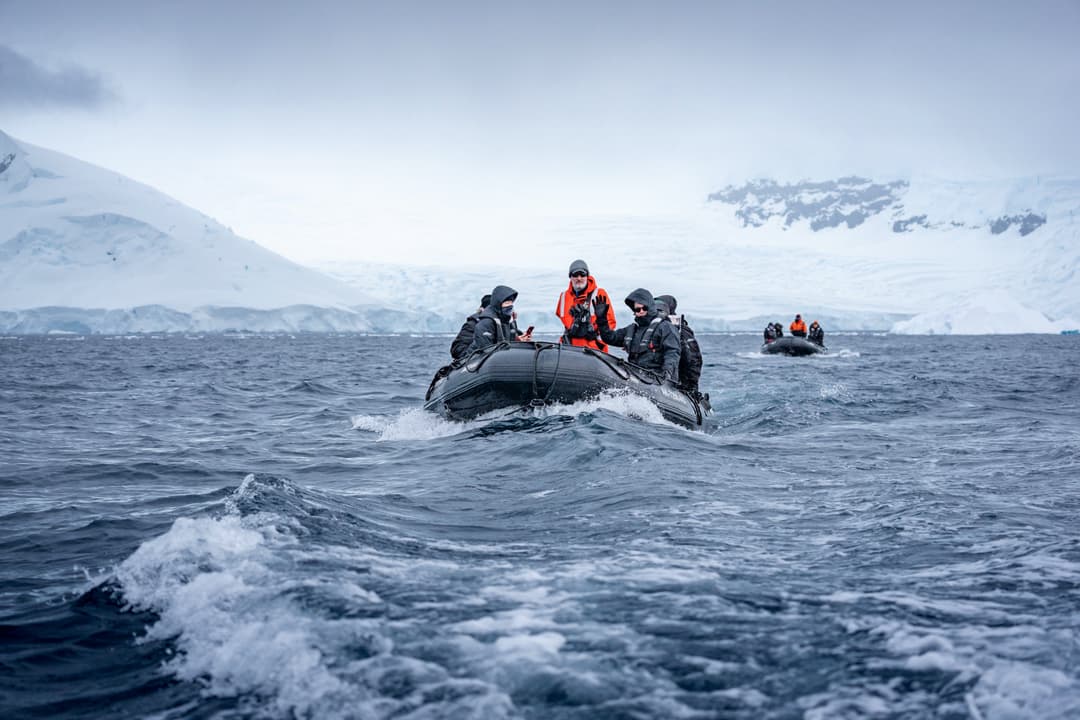
Enjoy unrivalled exploration of extraordinary polar destinations on an all-inclusive Scenic Eclipse voyage.
Bringing Ultra-Luxury to Expedition Cruising
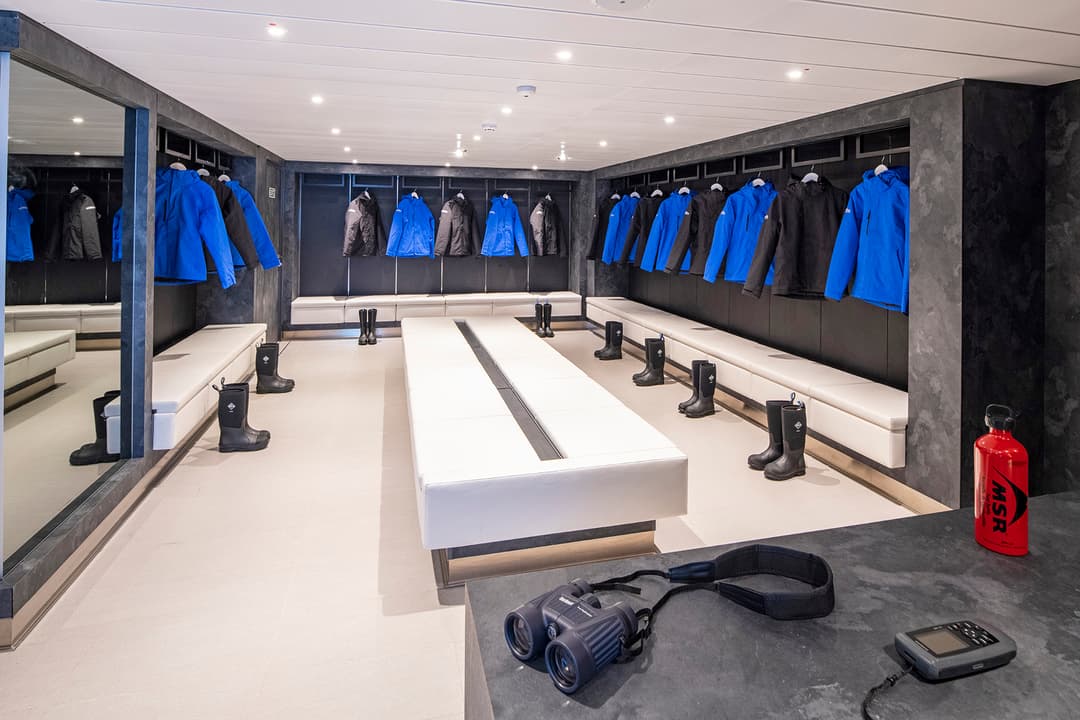
The World's First Discovery Yachts have been purpose-built for Expedition Voyages to the most remote and extreme environments, with a Polar Class 6-rating and state-of-the-art technology and design.
With only up to 228 guests (200 in Antarctica), you will experie....
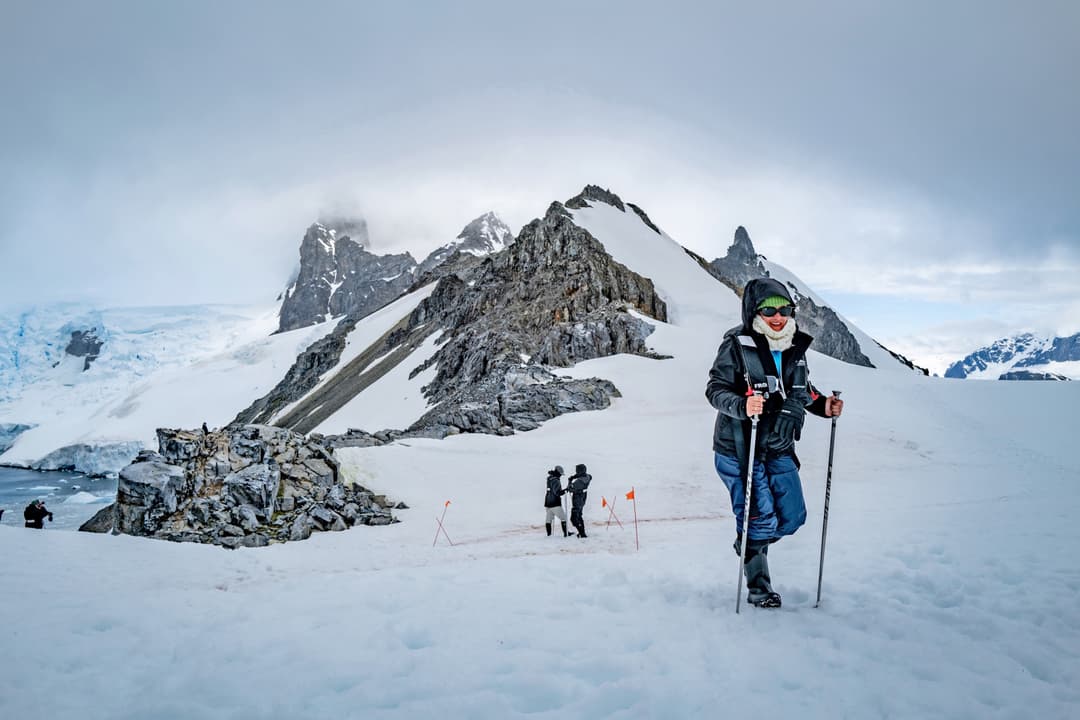



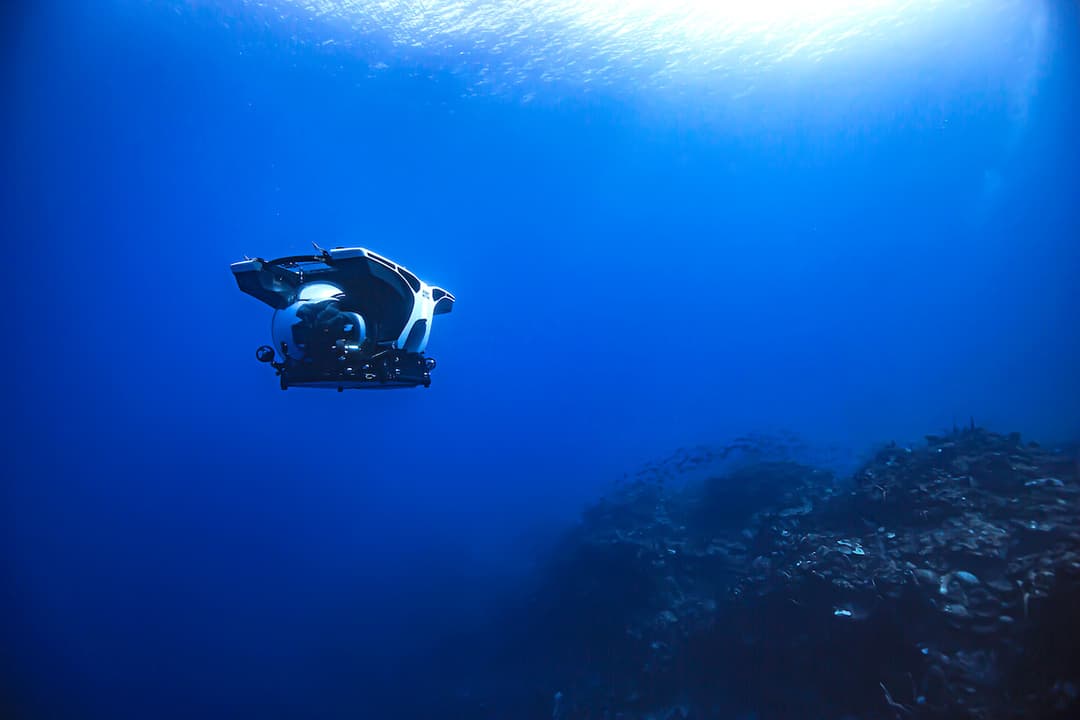
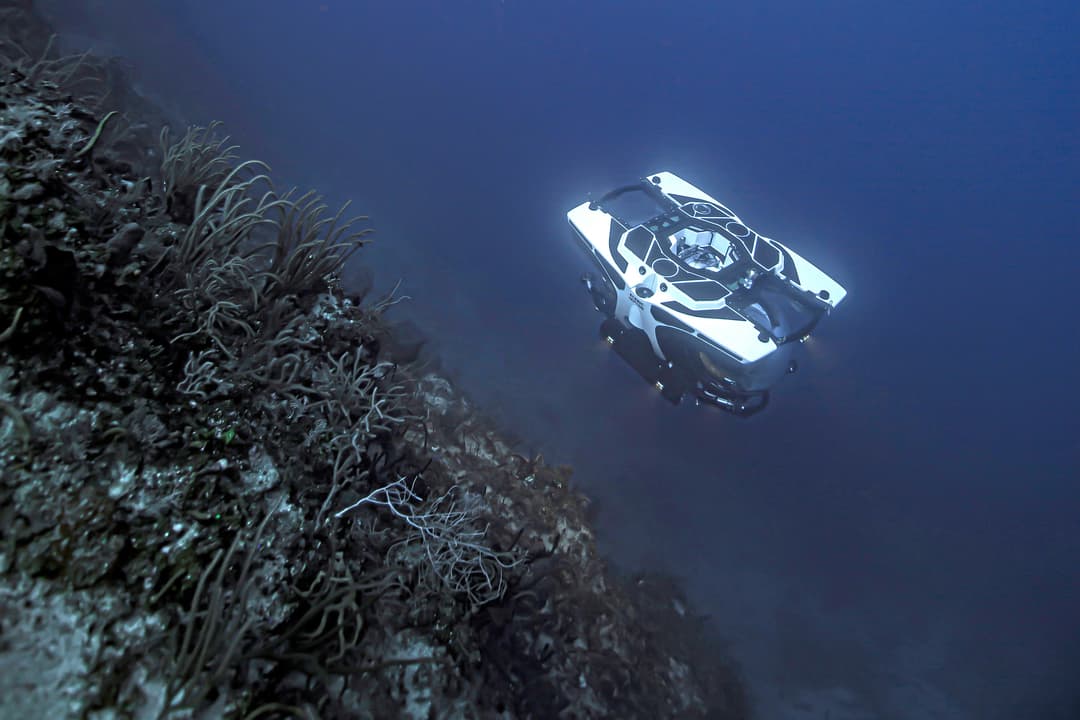
Discover a fascinating underwater world
Dive below the horizon for an unforgettable experience on board our custom-designed submersibles^, Scenic Neptune I and II.
Enjoy the most immersive underwater exploration on board our custom-built submersible^, Scenic Neptune II. Featuring 360-degree panoramic views, Scenic Neptune II has been designed to provide an immersive underwater experience that will give guests the feeling of....
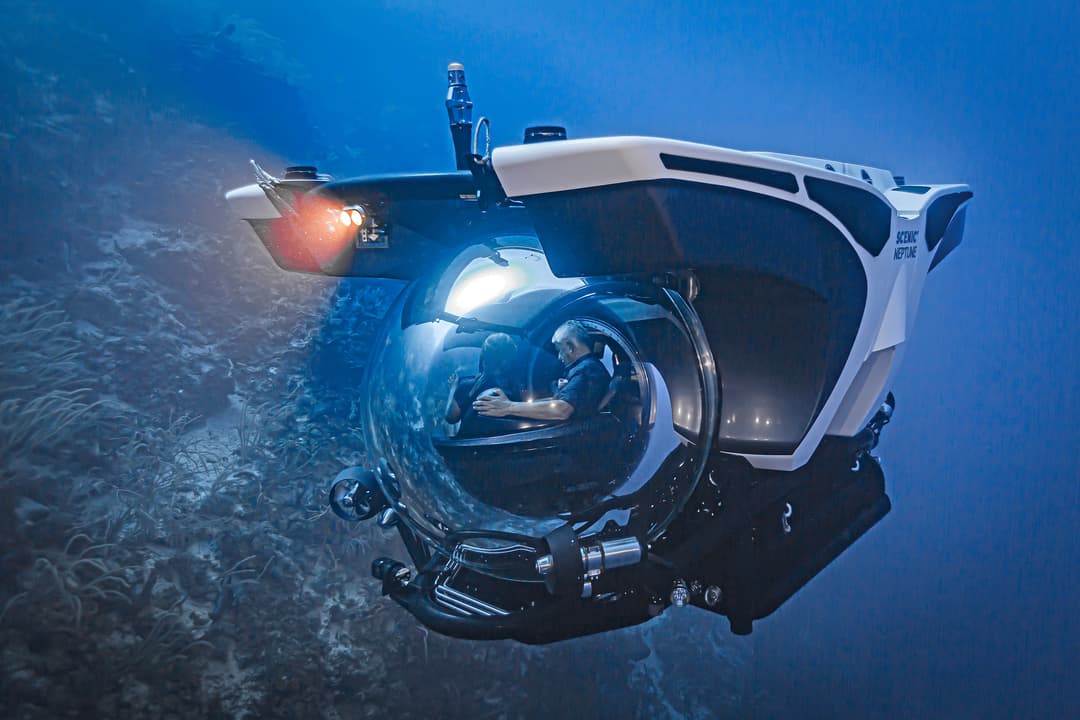
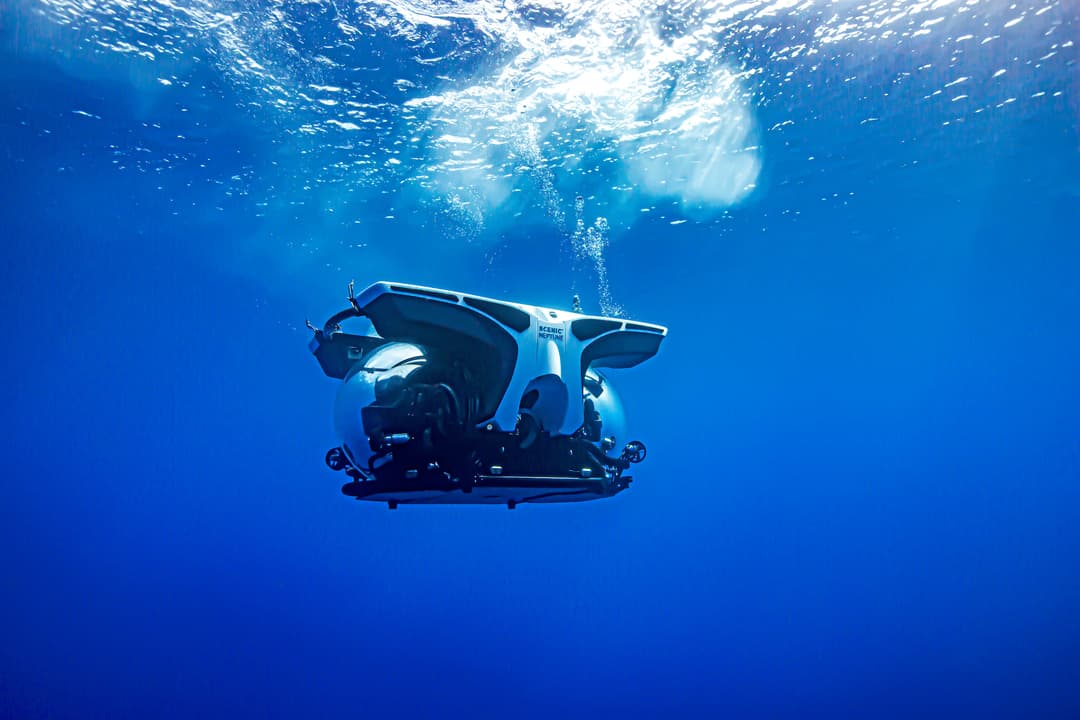
Learn about the unique wildlife, landscapes, history and culture of your destination from our knowledgeable experts during enriching lectures and education programs, hosted in the Discovery Yacht’s impressive state-of-the-art theatre.
Discovery Team Lecture Series
On Expedition and Discovery Voyages the Scenic Eclipse Discovery Team provide deep insights throughout your journey. A curated team of top experts in their respect....
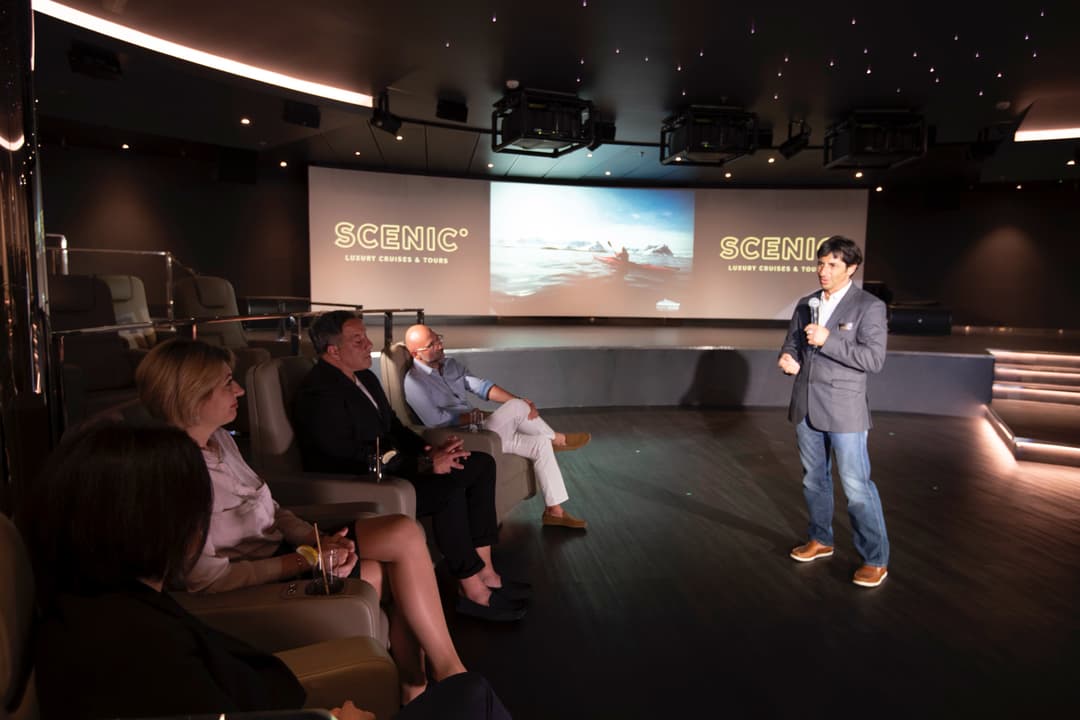
Scenic Eclipse Cruise Voyages take you to the heart of quaint seaside villages and glamorous European cities, the remarkable landscapes of New Zealand and the unseen riches of Japan. Explore your destination guided by our team of local experts, sharing their knowledge of the land, history and cultures. Or relax on board and soak up the sun and spectacular coastlines poolside, with a premium beverage of your choice.
Scenic Enrich
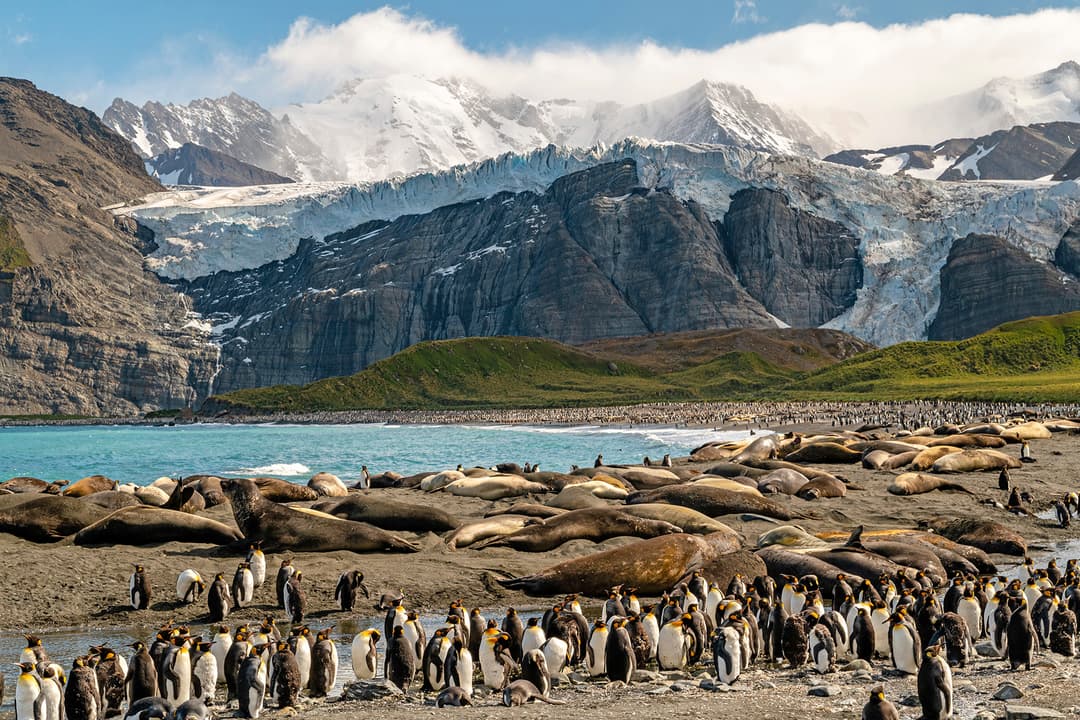

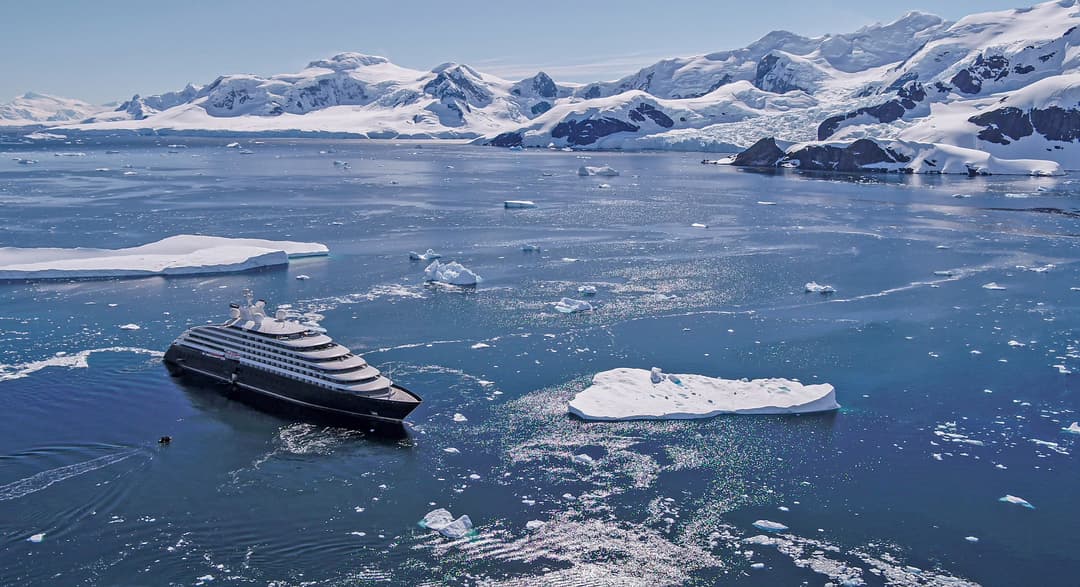
Experience the voyage of a lifetime in Antarctica, with awe-inspiring natural beauty and moments. Indulge in 6-star ultra-luxury on board Scenic Eclipse, The World's First Discovery Yachts™, built to operate in Earth’s most extreme environments.
Seamlessly discover one of Earth’s most inspiring destinations.
When cruising through Antarctica, the difference is in the details. Innovative world-class ship design and low gues....
Please note: there are no kid/teen specific facilities onboard Scenic Eclipse.
Loading...
Yes, Scenic accommodates special dietary requirements to the best of our ability across our river cruises, ocean voyages and land journeys where applicable. If you have special dietary requests, please notify us at the time of booking and inform your Cruise Director when you arrive.
Please note: while we endeavour to accommodate all dietary requirements, special requests are not guaranteed and failure to meet any request is not a breach ....
When you are relaxing on board, the dress code is smart casual and comfortable. Do not forget your swimsuits and exercise attire for the heated pools and plunge pools, the wellness areas and the gym, yoga and Pilates studio.
For evenings, while there are no formal nights, the recommended o board dress code is elegant casual for most restaurants. Suggested attire for women includes a dress, skirt or trousers with a sweater or blouse, and ....
For your peace of mind, Scenic Eclipse is equipped with a medical centre offering primary care, staffed at all times by an on call doctor. You must advise us prior to finalising your booking of any pre-existing medical conditions that might increase your risk of requiring medical attention, affecting the normal conduct of the cruise and / or the enjoyment of other cruise guests.
It is important to note, however, that there are no hospita....
We put your comfort and safety at the heart of everything we do. Throughout your voyage, relax as our expert team of dedicated professionals delivers world-class service and ensures every moment of your cruise is extraordinary.
Captains and Crew
Relax as the Captain and crew expertly navigate your destinations, with your comfort and safety their number one priority. Our Captains and crew are the finest professionals in the....
Can Scenic arrange my passport and visas?
Scenic cannot arrange a passport or visas on your behalf, but our experienced Reservations Team may be able to advise you on the type of visas and documentation you need when visiting certain countries.
Your passport must be valid for six months beyond the conclusion of your trip. Please check your passport before departure and give yourself time to apply for a new one if this is req....
Once I've booked, what other information do you require?
Once your booking is confirmed, you'll need to enter your personal details on Trip Personaliser prior to travelling (details on Trip Personaliser will be sent to you).
- Required information:
- Personal details
- D.O.B.
- Address
- Contact number
- Next of kin details
- Name
- Relationship
- Contact number <....
What fitness levels do cruises/tours require?
Due to the amount of excursions available during a Scenic cruise or tour, a reasonable level of fitness is required to take full advantage of each itinerary. You must be physically able and self-sufficient to undertake the cruise or tour you have booked, and/or travel with a companion who is able to provide any assistance you may require during your holiday. Some of the all-inclusive e....