

CRUISE ID # AURORAICE007D
Reykjavík TO Reykjavík
$15,386
WITH SPECIAL SAVINGS APPLIED
FARES SHOWN ARE PER GUEST
Suites & Fares
CHOOSE START DATE
: July 17, 2027
Itinerary
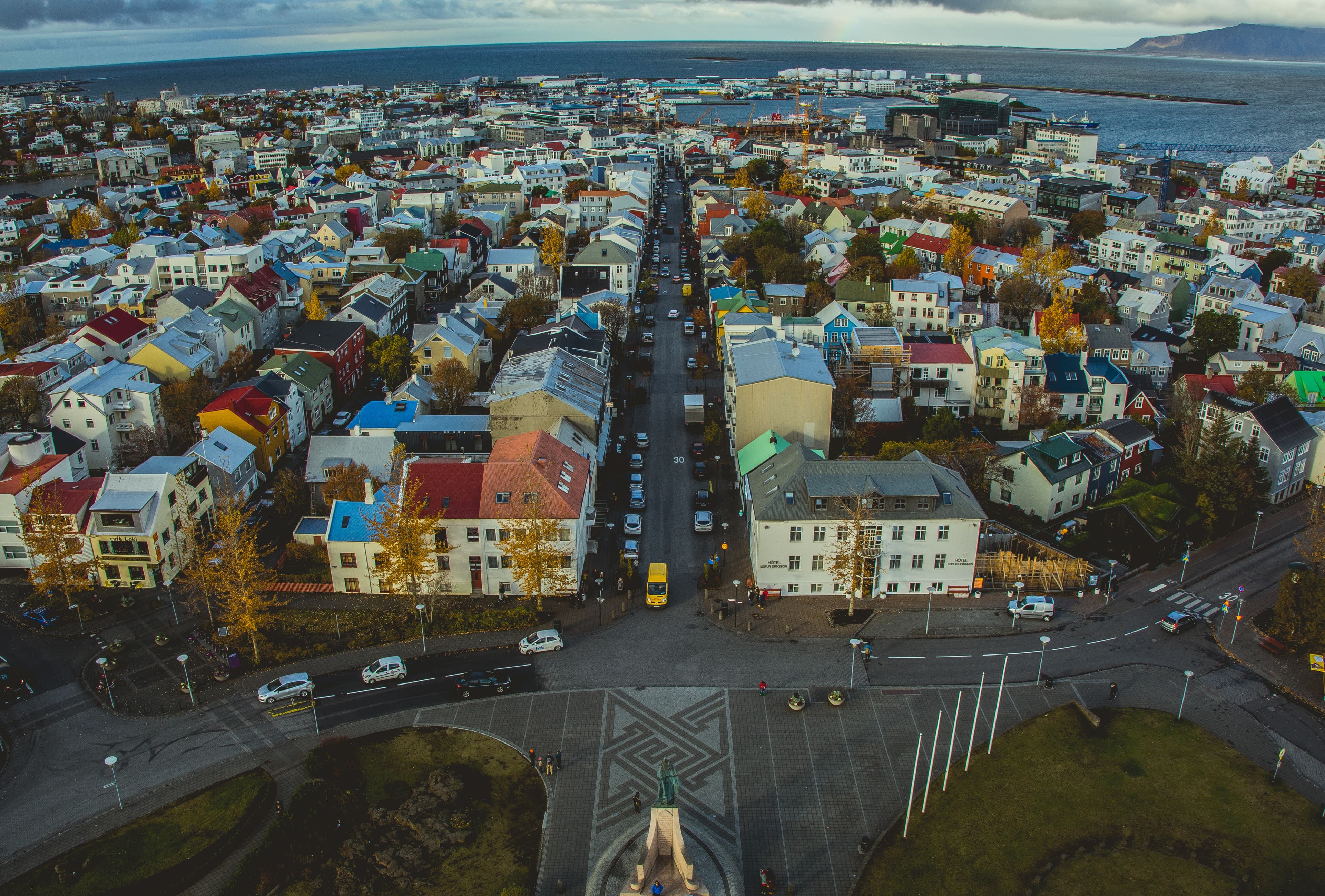
Sprawling Reykjavík, the nation's nerve center and government seat, is home to half the island's population. On a bay overlooked by proud Mt. Esja (pronounced eh-shyuh), with its ever-changing hues, Reykjavík presents a colorful sight, its concrete houses painted in light colors and topped by vibrant red, blue, and green roofs. In contrast to the almost treeless countryside, Reykjavík has many tall, native birches, rowans, and willows, as well as imported aspen, pines, and spruces.Reykjavík's name comes from the Icelandic words for smoke, reykur, and bay, vík. In AD 874, Norseman Ingólfur Arnarson saw Iceland rising out of the misty sea and came ashore at a bay eerily shrouded with plumes of steam from nearby hot springs. Today most of the houses in Reykjavík are heated by near-boiling water from the hot springs. Natural heating avoids air pollution; there's no smoke around. You may notice, however, that the hot water brings a slight sulfur smell to the bathroom.Prices are easily on a par with other major European cities. A practical option is to purchase a Reykjavík City Card at the Tourist Information Center or at the Reykjavík Youth Hostel. This card permits unlimited bus usage and admission to any of the city's seven pools, the Family Park and Zoo, and city museums. The cards are valid for one (ISK 3,300), two (ISK 4,400), or three days (ISK 4,900), and they pay for themselves after three or four uses a day. Even lacking the City Card, paying admission (ISK 500, or ISK 250 for seniors and people with disabilities) to one of the city art museums (Hafnarhús, Kjarvalsstaðir, or Ásmundarsafn) gets you free same-day admission to the other two.
Sprawling Reykjavík, the nation's nerve center and government seat, is home to half the island's population. On a bay overlooked by proud Mt. Esja (pronounced eh-shyuh), with its ever-changing hues, Reykjavík presents a colorful sight, its concrete houses painted in light colors and topped by vibrant red, blue, and green roofs. In contrast to the almost treeless countryside, Reykjavík has many tall, native birches, rowans, and willows, as well as imported aspen, pines, and spruces.Reykjavík's name comes from the Icelandic words for smoke, reykur, and bay, vík. In AD 874, Norseman Ingólfur Arnarson saw Iceland rising out of the misty sea and came ashore at a bay eerily shrouded with plumes of steam from nearby hot springs. Today most of the houses in Reykjavík are heated by near-boiling water from the hot springs. Natural heating avoids air pollution; there's no smoke around. You may notice, however, that the hot water brings a slight sulfur smell to the bathroom.Prices are easily on a par with other major European cities. A practical option is to purchase a Reykjavík City Card at the Tourist Information Center or at the Reykjavík Youth Hostel. This card permits unlimited bus usage and admission to any of the city's seven pools, the Family Park and Zoo, and city museums. The cards are valid for one (ISK 3,300), two (ISK 4,400), or three days (ISK 4,900), and they pay for themselves after three or four uses a day. Even lacking the City Card, paying admission (ISK 500, or ISK 250 for seniors and people with disabilities) to one of the city art museums (Hafnarhús, Kjarvalsstaðir, or Ásmundarsafn) gets you free same-day admission to the other two.
Arnarstapi is the starting point of our adventures on the Snaefellsnes Peninsula, gateway to Snæfellsjökull National Park. Snaefellsnes Peninsula is an area of diverse landscapes that is characterised by lava fields and glistening fjords and home to a vast array of birdlife. The area is crowned by the magnificent, ice-capped Snæfellsjökull volcano, a 700,000-year-old dormant subglacial volcano, visible from Reykjavik on a clear day and immortalised in Jules Verne’s Journey to the Centre of the Earth.
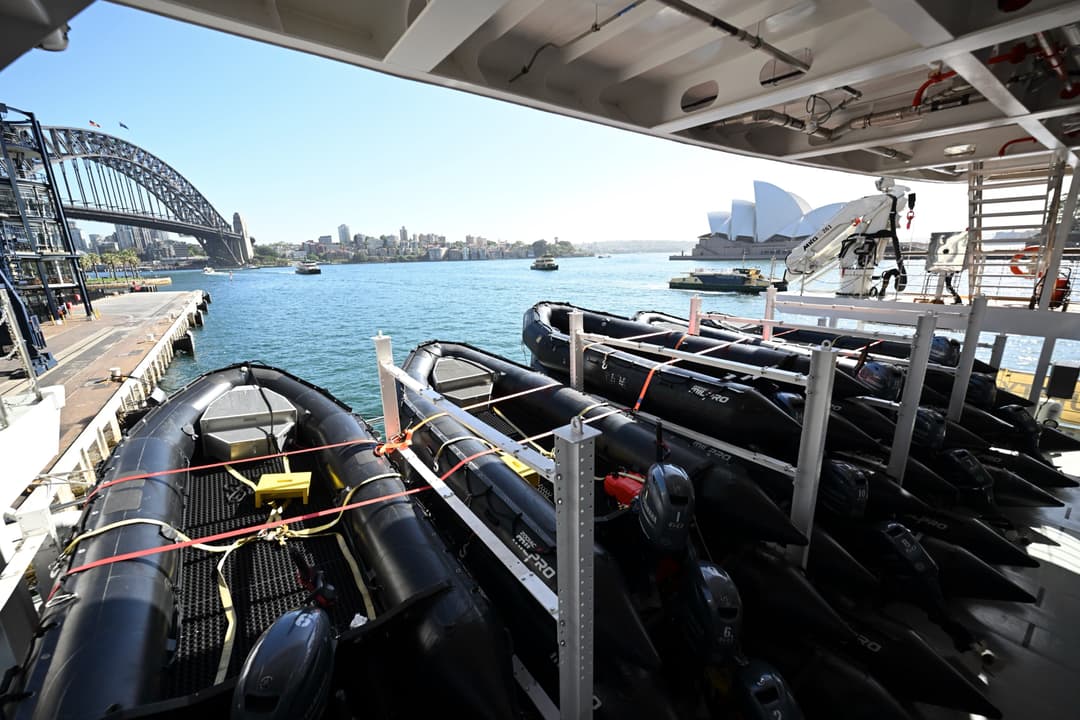
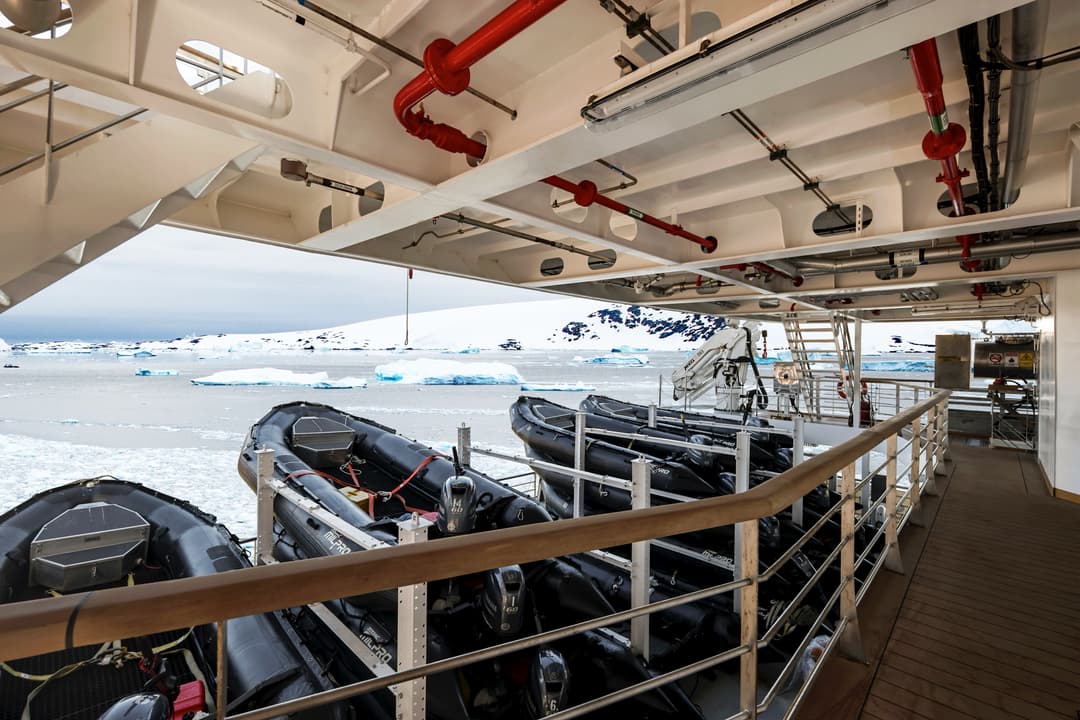
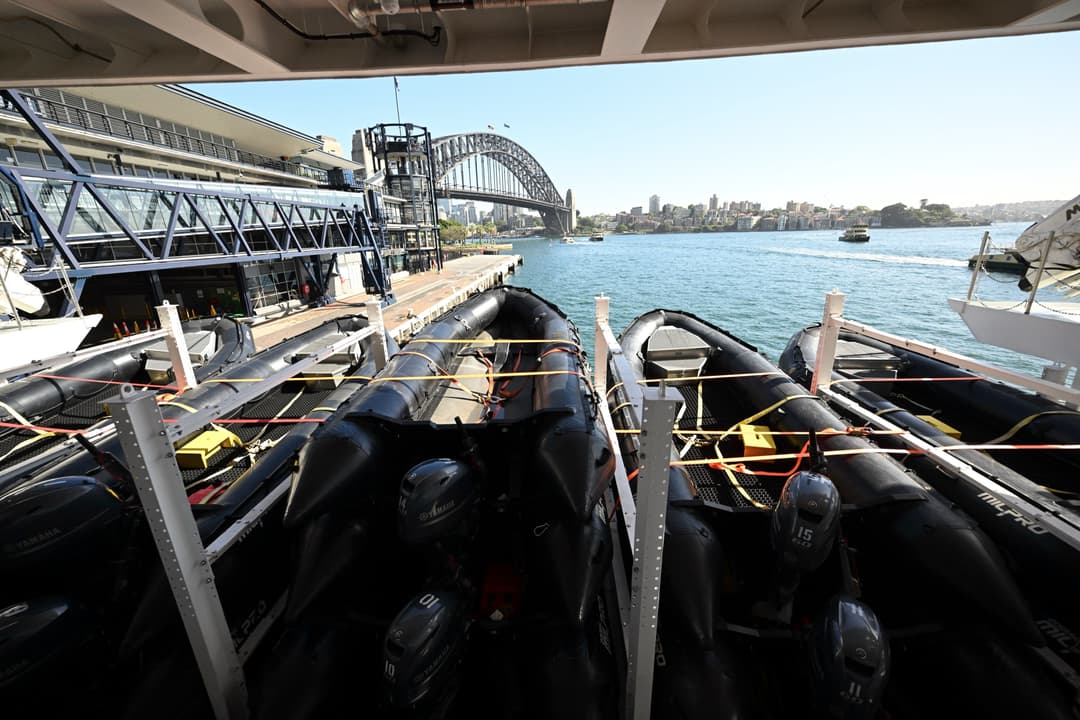
Access Arnarstapi by Zodiac, with a short cruise along the coast before a dry landing.
Personalise your expedition with our included ‘Your Choice’ experiences that best suits your interests and level of fitness.
Option 1 - Highlights of Snaefellsness Peninsula
Duration: 7 hours including lunch
Level of difficulty: Moderately paced
Terrain: Uneven surfaces, walking across sand and through lava fields, some steps, some moderate accents and descents in places.
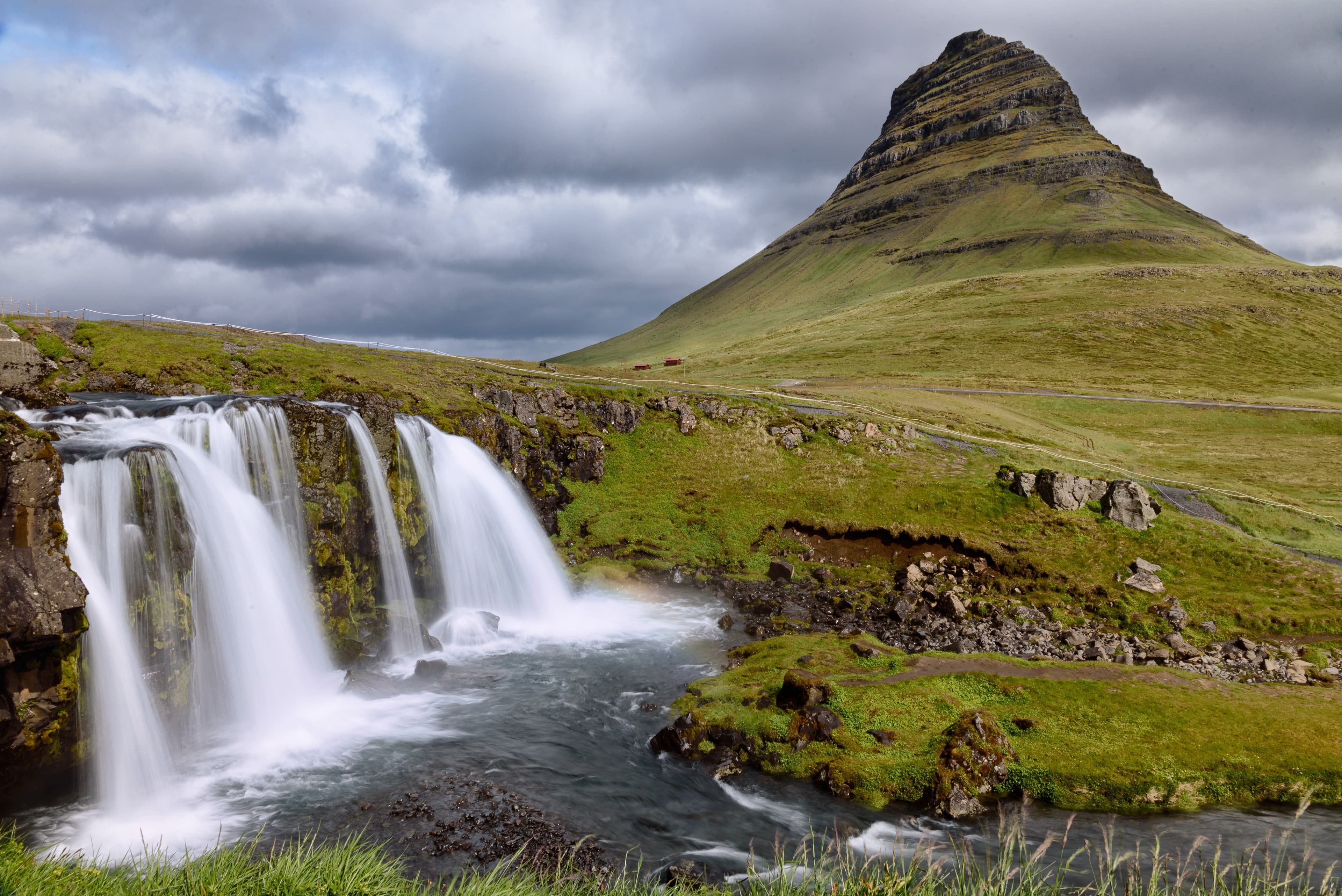
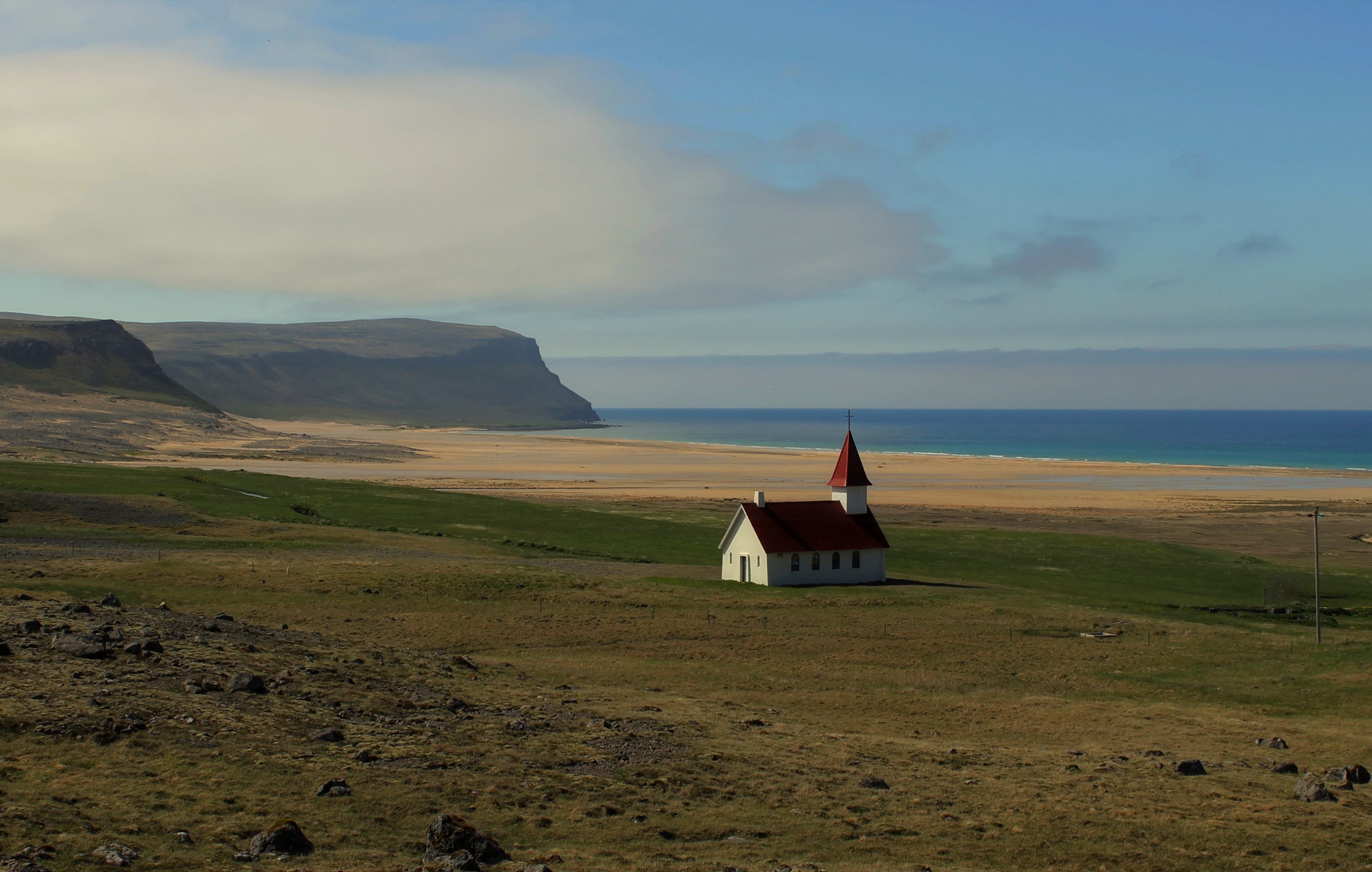
Our first stop will be the dramatic black pebble beach of Djúpalónssandur, where you can marvel at the black sands and colossal rock formations, volcanic landscapes, and remains of a 1948 shipwreck. Next, you'll visit Búðir, a picturesque hamlet surrounded by the stunning landscapes of the Snæfellsnes Peninsula. Stop to admire Búðakirkja, the 19th-century church, and explore the area. At the conclusion of lunch, re-join the coach to travel to Snæfellsjökull National Park, encompassing a large area of Snæfellsnes Peninsula's western tip. For the more active, explore some incredible hiking trails, or simply enjoy your drive through the park and take in the beauty that surrounds you. Concluding your day, we continue to the iconic Mount Kirkjufell, a favourite among photographers and known to many as a filming location for the TV show "Game of Thrones." Not far from this majestic mountain is a waterfall that completes the picturesque scene.
Option 2 - Coastal Trails & Lava Caves
Duration: 7 hours including lunch
Level of difficulty: Comprehensive. Hike – 3.40km/2.1 miles one way. Tech difficulty: easy, approx. 1-2hr.
Terrain: Hiking over lava fields, rocky terrain, slippery when wet. Elevation 52 metres / 173 feet. Good mobility is required. Vatnshellir Cave involves walking unsupported on uneven surfaces in limited lighting and navigating two 30 metre spiral staircases in both directions. We strongly recommend that you wear comfortable and sturdy footwear, as the volcanic rock can be quite difficult to traverse. It does get cold in the cave, so do remember to bring a jacket.
Upon disembarkation, we will hike the coastal trail that connects the two villages of Arnarstapi and Hellnar (2 hours). Now a National Reserve, this easy level hike encompasses geology, wildlife, amazing photo opportunities, folklore and most of all adventure. This old trail takes us along the wild shoreline with a view of the ocean and extraordinary columnar basalt and lava cliff formations on one side and stunning mountains and Snæfellsjökull Glacier on the other. The cliffs are alive with a wide range of bird species such as the Arctic Tern, the kittiwakes, gulls and fulmars. Next, you'll step into the 8,000-year-old Vatnshellir Cave, replete with stunning geology, fascinating rock formations, and colourful volcanic rock. We will meet at our base near the cave, where your friendly guide will provide you with all the equipment that you need, including a helmet and headlamp (we strongly recommend that you wear comfortable and sturdy footwear, as the volcanic rock can be quite difficult to traverse). Then your friendly guide will give you a brief safety talk before we descend the spiral staircase into this subterranean wonderland. The tour meanders through the path of the lava flow around 200 meters into a large cave that lies around 35 meters beneath the surface of the earth, where we will be greeted by some rainbow-coloured volcanic rocks and incredible petrified lava formations. The cave is a fairly easy walk, although it will involve a degree of climbing (you must be able to participate in prolonged stair climbing). Following lunch, re-join the coach and travel to the iconic Mount Kirkjufell, a favourite among photographers and known to many as a filming location for the TV show "Game of Thrones." Not far from this majestic mountain is a waterfall that completes the picturesque scene.
Option 3 - Land of Fire Hiking
Duration: 7 hours including lunch
Level of difficulty: Active (dependent on fitness level). Hike 1 – 5.6km/3.5 miles. Tech difficulty: easy, approx. 2hr 30min. Eldborg - Length: 6.64km / 4.12 miles. Tech difficulty: moderate, approx. 1hr 30min. Elevation: 50-100 meters / 164-328 ft.
Terrain: Hiking over lava fields, rocky terrain, slippery when wet. Good fitness and mobility are required. We strongly recommend that you wear comfortable and sturdy footwear, as the volcanic rock can be quite difficult to traverse. Many steps, some steep accents and descents in places.
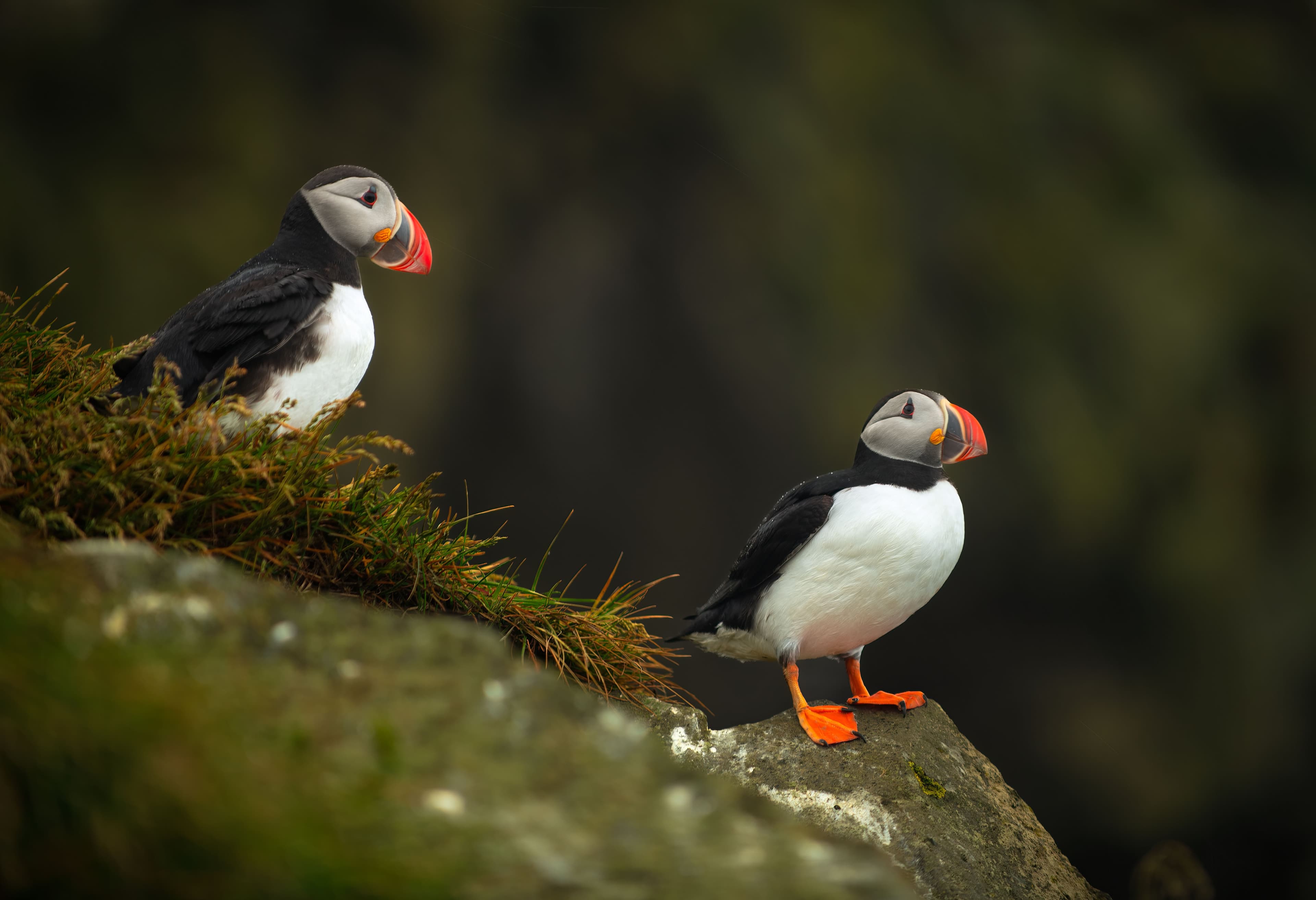
The Land of Fire and Ice is well-known for its incredible landscapes and contrasting terrains that include several natural and geological wonders rarely found anywhere else on Earth. The unique geological history of Snæfellsnes will draw you in where you can explore sites revealing Iceland's unique geological history up close. Your first stop is at the Pufubjarg bird cliff, home of nesting puffins and fulmars. From here, hike along the rugged coastline to witness the exceptionally beautiful Londrangar basalt cliffs, a geologic wonder that looks like a huge rock castle. There are many local birds here, and they are a noisy bunch. Puffins, but especially fulmars, nest in the many cavities in the two pillars. From here you hike across a pretty lava field covered in moss to Malarrif, where you can see the lighthouse and explore the beach. Following an early lunch, re-join the coach and head for Eldborg crater, located on a short volcanic rift, just 200 metres in diameter, and 50 metres deep. It is the largest crater on this rift and was created in an eruption which occurred somewhere between 5000 and 6000 years ago. Unlike many of Iceland’s volcanoes, it has a very classic shape, with smooth sloping sides and a very definite crater. A marked hiking path leads through a shrub-covered lava field to the top of the crater offering incredible views of Snaefellsnes National Park. Concluding your day, we continue to the symmetrical, hexagonal-shaped basalt columns at Gerðuberg Cliffs. Stand in awe at these impressive cliffs, a natural marvel that spans 500 metres. To enjoy the best view, take a walk by the structures. Climbing up the cliff is possible but to really soak in the views of this geological structure, it's best to enjoy a walk alongside the cliffs.
Over the next three days, we explore the Westfjords region featuring outstanding landscapes with jaw-dropping views of dramatic fjords carved by ancient glaciers, sheer table mountains that plunge into the sea and pristine North Atlantic vegetation.
At Patreksfjörður, a shore excursion by coach takes us to Látrabjarg cliffs. As Europe’s largest bird cliff, Látrabjarg is home to millions of seabirds, such as puffin, razorbill, fulmar and guillemot. Enjoy the impressive variety of natural wonders and unspoiled nature. Látrabjarg also happens to be the westernmost point in Europe, east coast of the North American continent on the other side of the Atlantic.
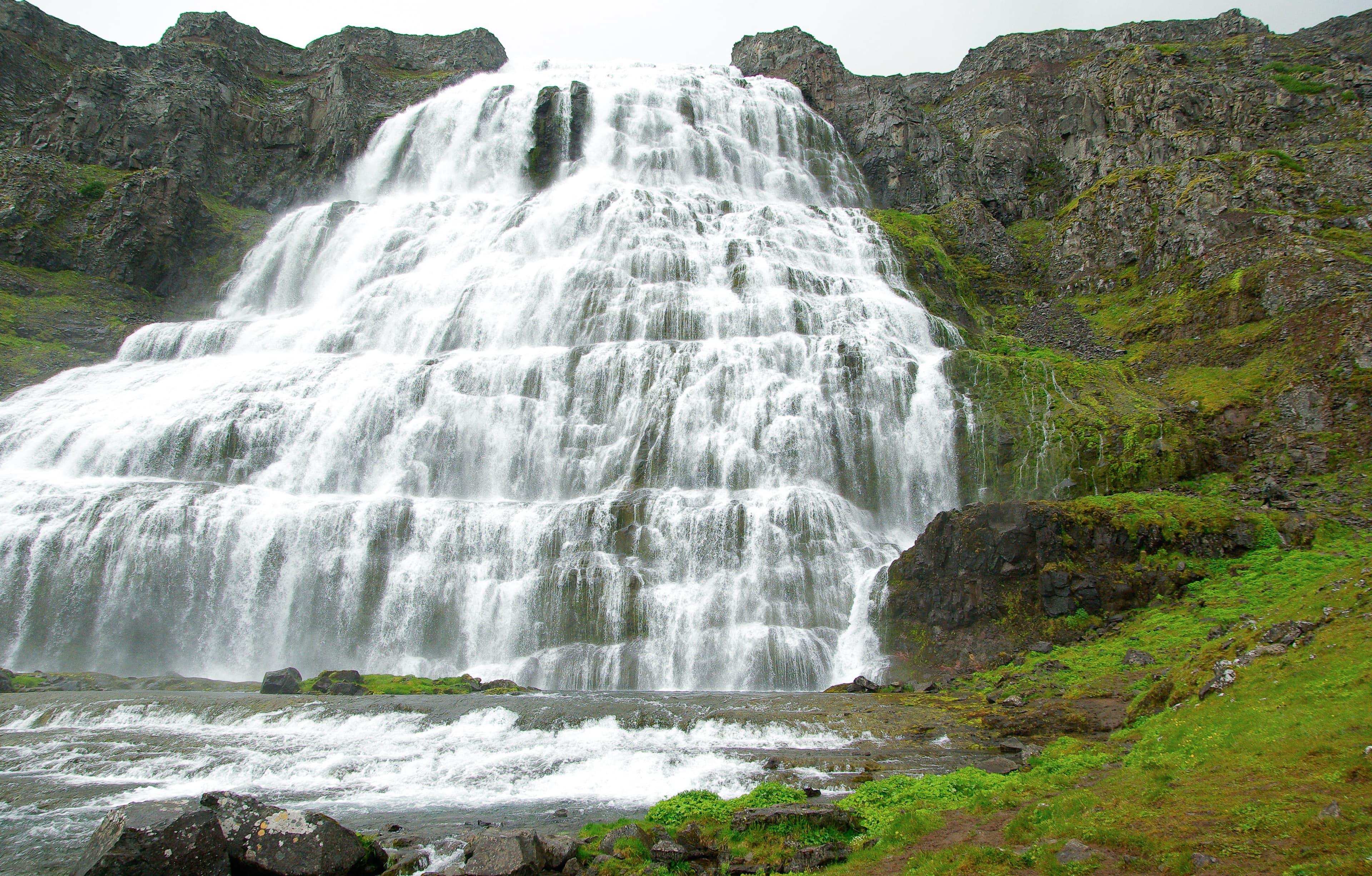
Immerse yourself in the tranquillity of the afternoon as we cruise northward, taking in breathtaking landscapes and keeping a watchful eye for whales. Later, we'll embark on a Zodiac landing to witness the awe-inspiring power of Dynjandi waterfall.
Iceland is well-known for its spectacular waterfalls. The iconic Dynjandi waterfall, located in the Westfjords region, is regarded as one of Iceland’s most impressive and majestic waterfalls. At the top, the cascading water is roughly 100 feet wide and tumbles down about 330 feet into the fjord. Its name Dynjandi means, “the thundering one” and its vast size, enormous sound, and sheer force is overwhelming. It has also been nicknamed, ‘The Bridal Veil’ because of the way the water sprays and spreads over the rocks.
Thingeyri, a quaint village nestled on a slender strip of land, graces the shores of one of Iceland's most picturesque fjords, Dýrafjörður. Much like many other coastal settlements in Iceland, the village's culture and industry have been intricately woven with the influence of the sea over centuries. The surrounding landscape is adorned with towering mountains, lending a distinctive charm to the scenic expanse that envelops Thingeyri. This idyllic region is often hailed as the "Alps of the Westfjords," especially the highland area nestled between the majestic fjords of Dýrafjörður and Arnarfjörður. The beauty of Thingeyri lies not only in its coastal simplicity but also in the dramatic backdrop of high mountains that paints a captivating portrait of this Icelandic village.
Personalise your expedition with our included ‘Your Choice’ experiences that best suits your interests and level of fitness.
Option 1 - That Viking Thing Experience
Duration: 2 hours + free time
Level of difficulty: Leisurely
Today you will step back in time and learn about the Viking ways and how the hardy Norse people lived off the land. Walk through a recreated Viking area, learning about what is fact and what is fiction in the many stories you've heard about the famous Vikings. A short hike brings you to the old ruins of the Viking meeting place called a Thing - the closest translation in English is 'parliament.' Step inside the interactive Viking Museum for a chance to dress up in authentic hand-sewn Viking clothing, take photographs, drink Icelandic Viking beer, bake your own Viking bread, and explore the museum - all part of learning more about Viking ways.
Option 2 - Sandafell Mountain Hike
Duration: 3 hours
Level of difficulty: Active (dependent on fitness level). 5.1km / 3.2 miles. Tech difficulty: Moderate, approx. 2-3hr. Constant elevation gain of approximately 170 meters /558 feet, with the mountain itself reaching 367 meters (1,204 feet).
Terrain: Gravel trail may be slippery in spots with loose rocks or wet grass. Some scrambling and steep sections. At the summit, you’re rewarded with a truly breathtaking panorama.
For avid explorers, Iceland is littered with hidden gems, and possibly the best-kept secret of all is the Westfjords. Lying in the most north-westerly area of the island, this sprawling area of natural beauty is truly a hiker’s paradise. Rocky peaks, deep crevices, and charming Icelandic towns all add to the appeal of the Westfjords, not to mention the various hiking trails snaking across the unusual countryside. Today we will hike Sandafell, offering gorgeous views over the town, surrounding mountains and the water below.
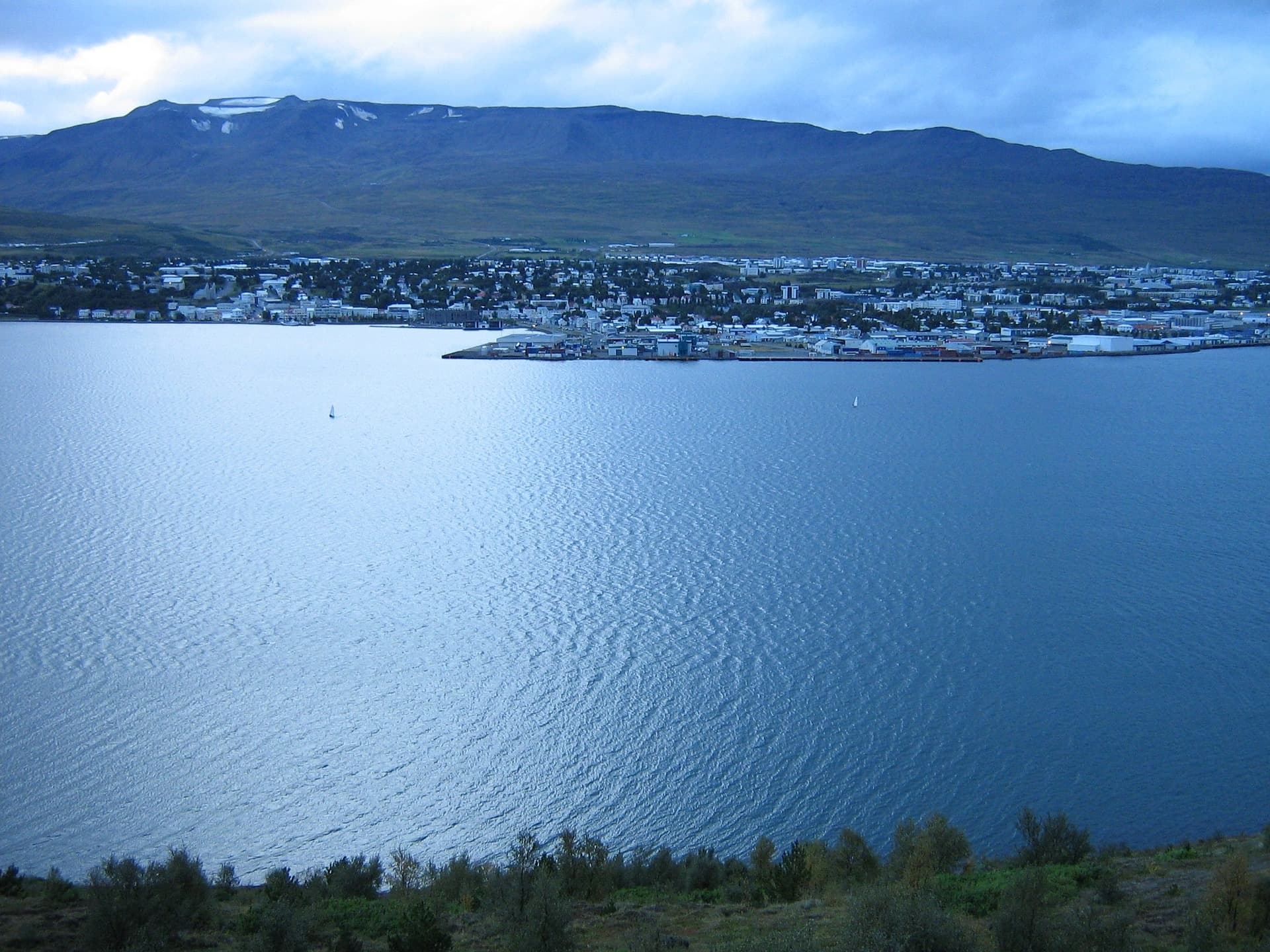
Akureyri, called the Capital of the North is the second largest urban area in Iceland, and a lively one at that. Hemmed by the 60-km (37-mile) long Eyjafjörður, Akureyri is sheltered from the ocean winds and embraced by mountains on three sides. Late 19th-century wooden houses impart a sense of history, and the twin spires of a modern Lutheran church rising on a green hill near the waterfront, provide a focal point. To the south of Akureyri is the pyramid-shape rhyolite mountain Súlur. Beyond it is Kerling, the highest peak in Eyjafjörður District.
Located approximately 40 km (25 miles) off the mainland, Grímsey is a verdant grassy island, probably best known for its proximity to the Arctic Circle, which cuts across the island. Many people travel to Grímsey just to say they have stepped across the imaginary line. With a tiny population of approximately 100 inhabitants, it’s a fantastic place for Zodiac cruising, kayaking, and photographing seabirds such as guillemots, gulls and puffins.
Leaving Grímsey to return closer to the mainland, we spend time scanning the waters of Skjálfandi Bay around Húsavik, a town known as the Iceland’s ‘whale watching capital’, home to up to 24 different whale species, as well as dolphins and 30 variety of birds. The largest animal on earth, the blue whale, has also been spotted in Skjálfandi Bay, and if you are lucky, you might catch a glimpse of this magnificent creature as well as others, such as orcas, fin whales and pilot whales.
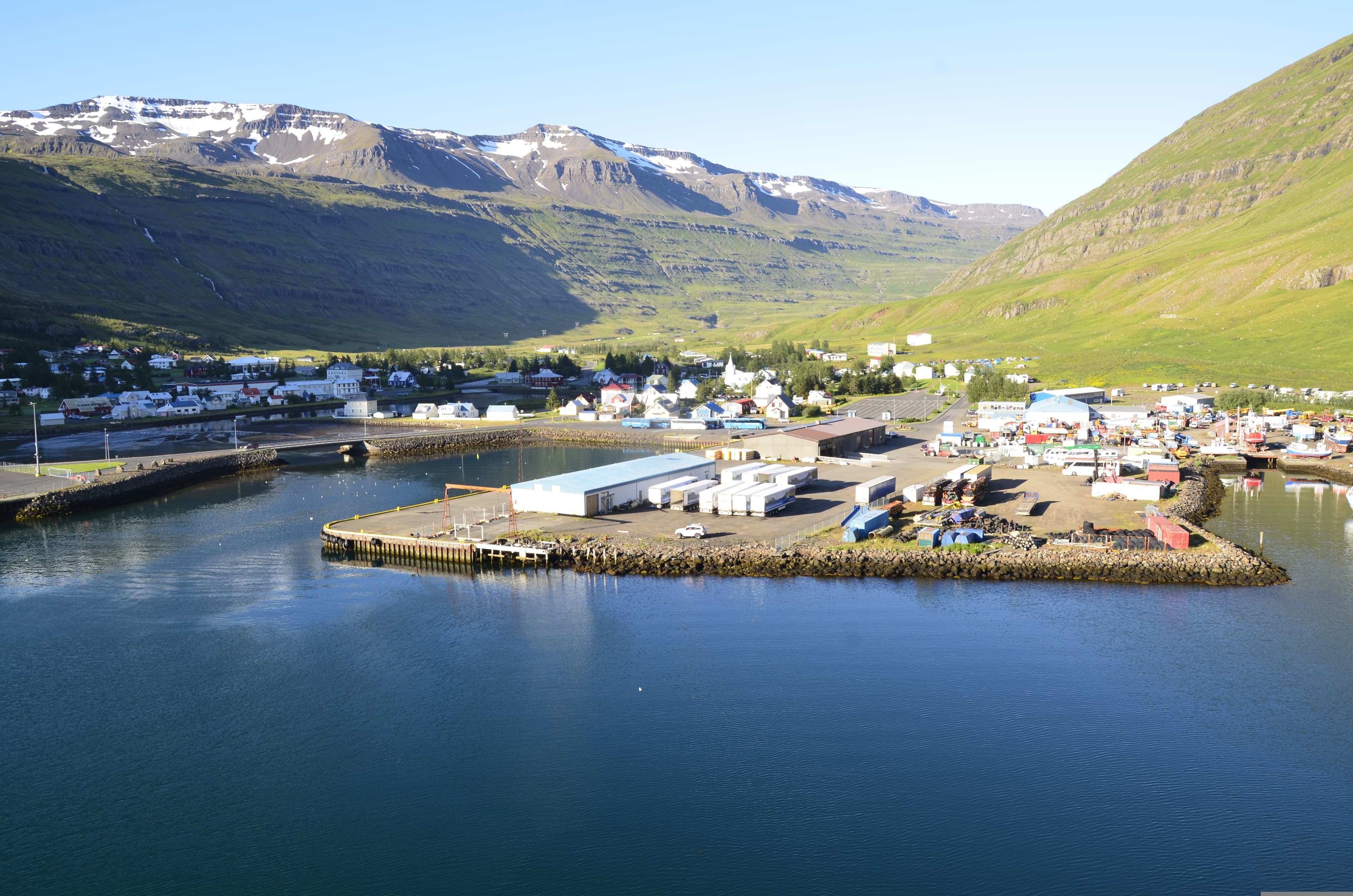
Seyðisfjörður, a beautiful 19th-century Norwegian village on the east coast of Iceland, is regarded by many as one of Iceland's most picturesque towns, not only due to its impressive environment, but also because nowhere in Iceland has a community of old wooden buildings been preserved so well as here. Poet Matthías Johannessen called Seyðisfjörður a 'pearl enclosed in a shell'. The community owes its origins to foreign merchants, mainly Danes, who started trading in the fjord in the mid-19th century. But the crucial factor in the evolution of the village was the establishment of the Icelandic herring fishery by Norwegians in 1870-1900. The Norwegians built up a number of herring-fishing facilities, and in a matter of years the little community grew into a boom town. Today, about 800 people live in Seyðisfjörður. The local economy has long been based on the fisheries, while light industry also flourishes. Tourism is playing a growing role, as the picturesque town in its spectacular surroundings attracts more and more visitors. The car/passenger ferry Norrøna, which plies between continental Europe and Iceland every summer, docks at Seyðisfjörður every Thursday. Seyðisfjörður has been a cosmopolitan community from its foundation, and the ferry service has contributed to ensuring that it remains so.
It may be surrounded by pulse-raising volcanic scenery, boast extraordinary wildlife, and sit on a dramatic, jutting fjord - but it's fair to say Djúpivogur likes to take things slow. In fact, Djúpivogur relishes its peace and quiet so much that it's won recognition as a 'Cittaslow' - a Slow City. So prepare to take a new, leisurely look around, as you relax into the breathtaking natural glory of Iceland, and explore this unique location - filled with folklore, fabulous food and fantastic fjords.
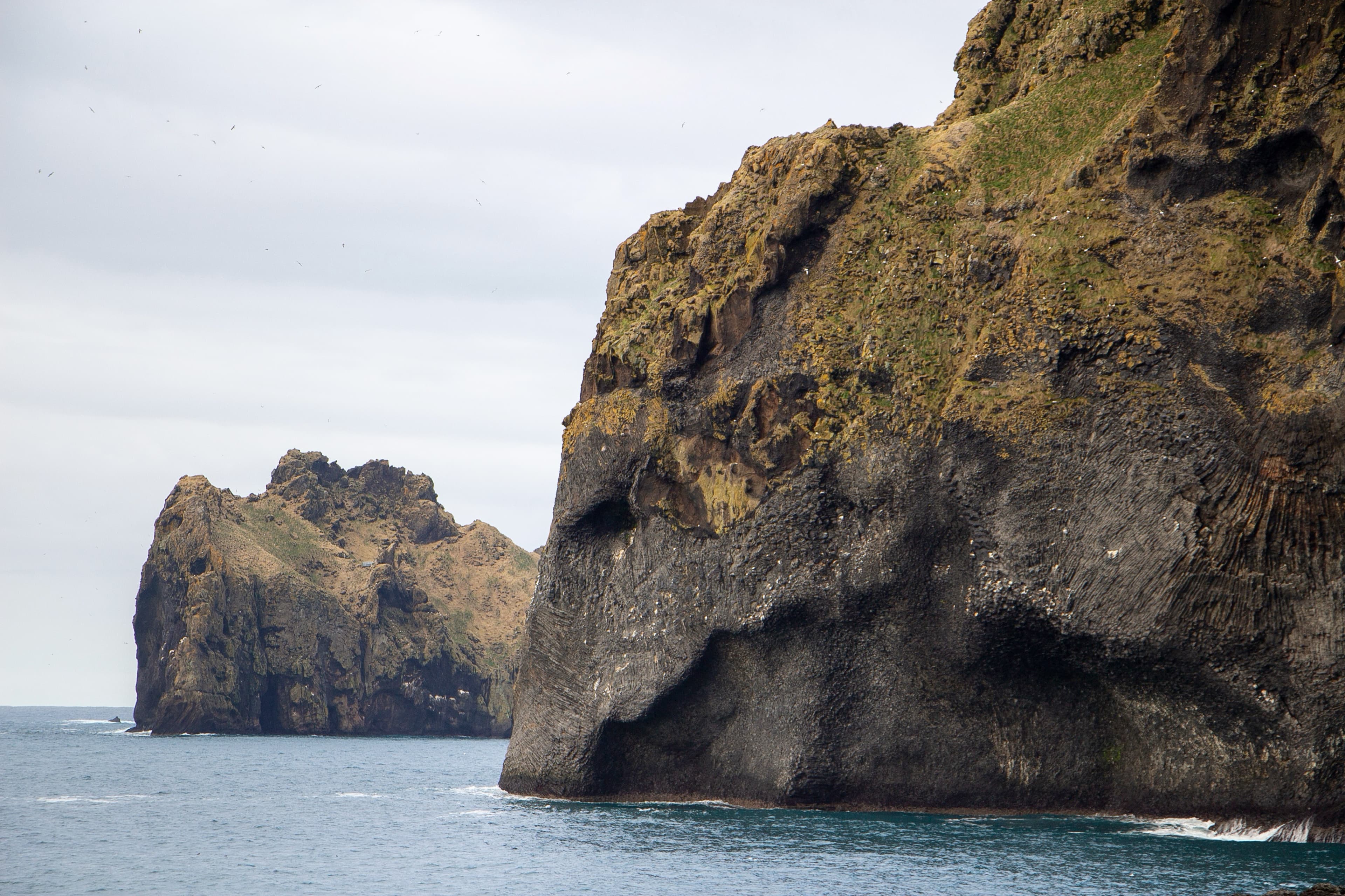
The name Vestmannaeyjar refers to both a town and an archipelago off the south coast of Iceland. The largest Vestmannaeyjar island is called Heimaey. It is the only inhabited island in the group and is home to over 4000 people. The eruption of the Eldfell Volcano put Vestmannaeyjar into the international lime light in 1973. The volcano’s eruption destroyed many buildings and forced an evacuation of the residents to mainland Iceland. The lava flow was stopped in its tracks by the application of billions of liters of cold sea water. Since the eruption, life on the small island outpost has returned to the natural ebb and flow of a small coastal fishing community on the edge of the chilly and wild North Atlantic.
Sprawling Reykjavík, the nation's nerve center and government seat, is home to half the island's population. On a bay overlooked by proud Mt. Esja (pronounced eh-shyuh), with its ever-changing hues, Reykjavík presents a colorful sight, its concrete houses painted in light colors and topped by vibrant red, blue, and green roofs. In contrast to the almost treeless countryside, Reykjavík has many tall, native birches, rowans, and willows, as well as imported aspen, pines, and spruces.Reykjavík's name comes from the Icelandic words for smoke, reykur, and bay, vík. In AD 874, Norseman Ingólfur Arnarson saw Iceland rising out of the misty sea and came ashore at a bay eerily shrouded with plumes of steam from nearby hot springs. Today most of the houses in Reykjavík are heated by near-boiling water from the hot springs. Natural heating avoids air pollution; there's no smoke around. You may notice, however, that the hot water brings a slight sulfur smell to the bathroom.Prices are easily on a par with other major European cities. A practical option is to purchase a Reykjavík City Card at the Tourist Information Center or at the Reykjavík Youth Hostel. This card permits unlimited bus usage and admission to any of the city's seven pools, the Family Park and Zoo, and city museums. The cards are valid for one (ISK 3,300), two (ISK 4,400), or three days (ISK 4,900), and they pay for themselves after three or four uses a day. Even lacking the City Card, paying admission (ISK 500, or ISK 250 for seniors and people with disabilities) to one of the city art museums (Hafnarhús, Kjarvalsstaðir, or Ásmundarsafn) gets you free same-day admission to the other two.
About the Ship
Name
Douglas Mawson
Operator
Aurora Expeditions

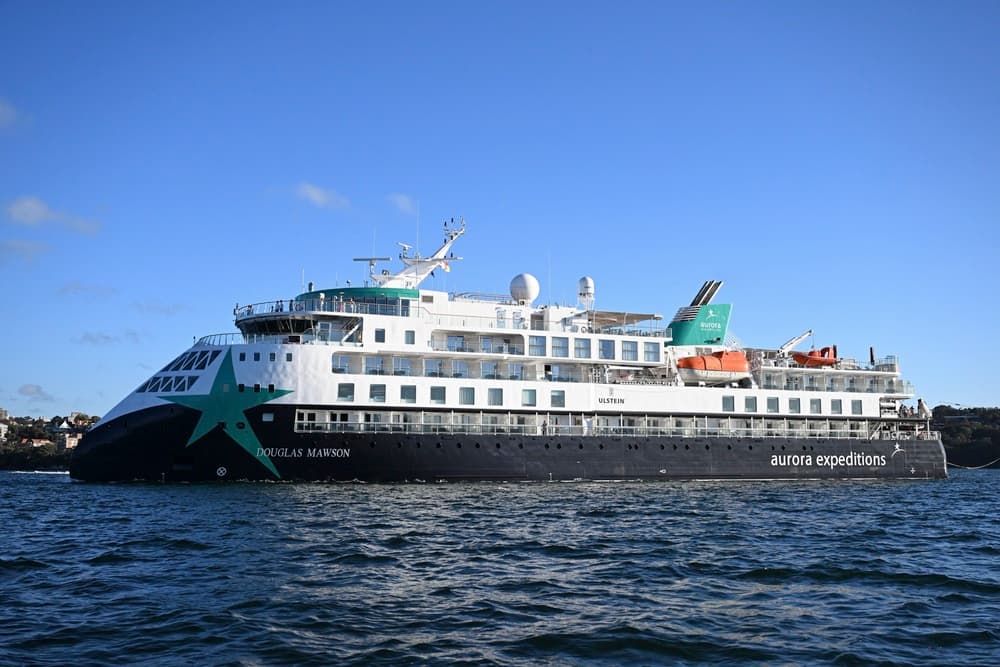
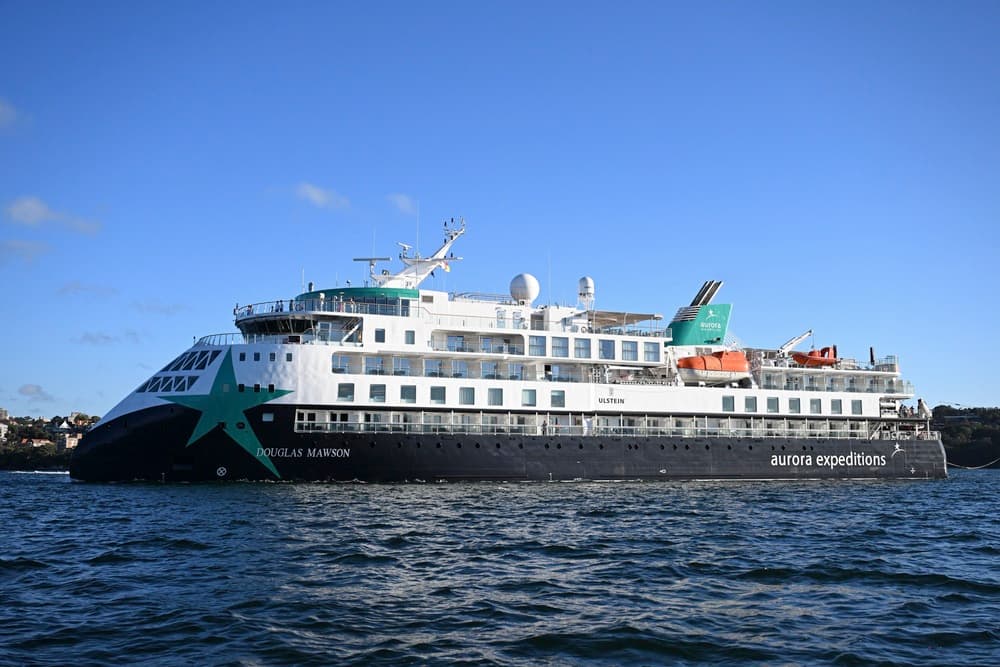
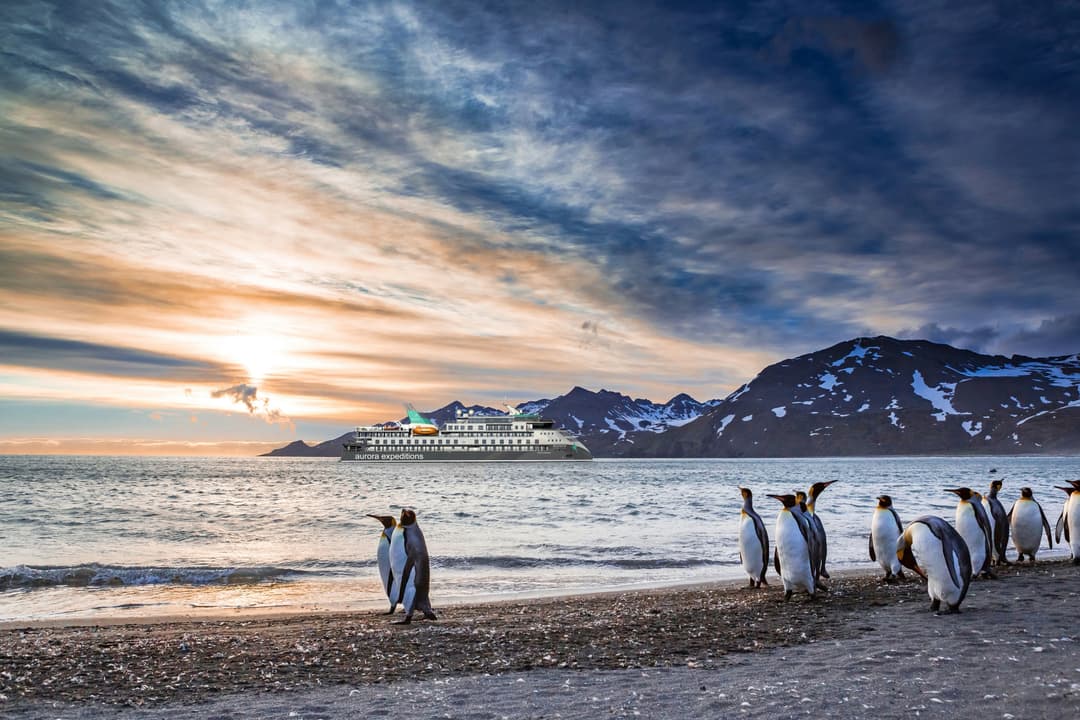
Adventure has a new name. Setting sail in 2025, our new state-of-the-art ship, the Douglas Mawson, is the last in a line of purpose-built vessels that have redefined small ship expedition cruising.
Loading...
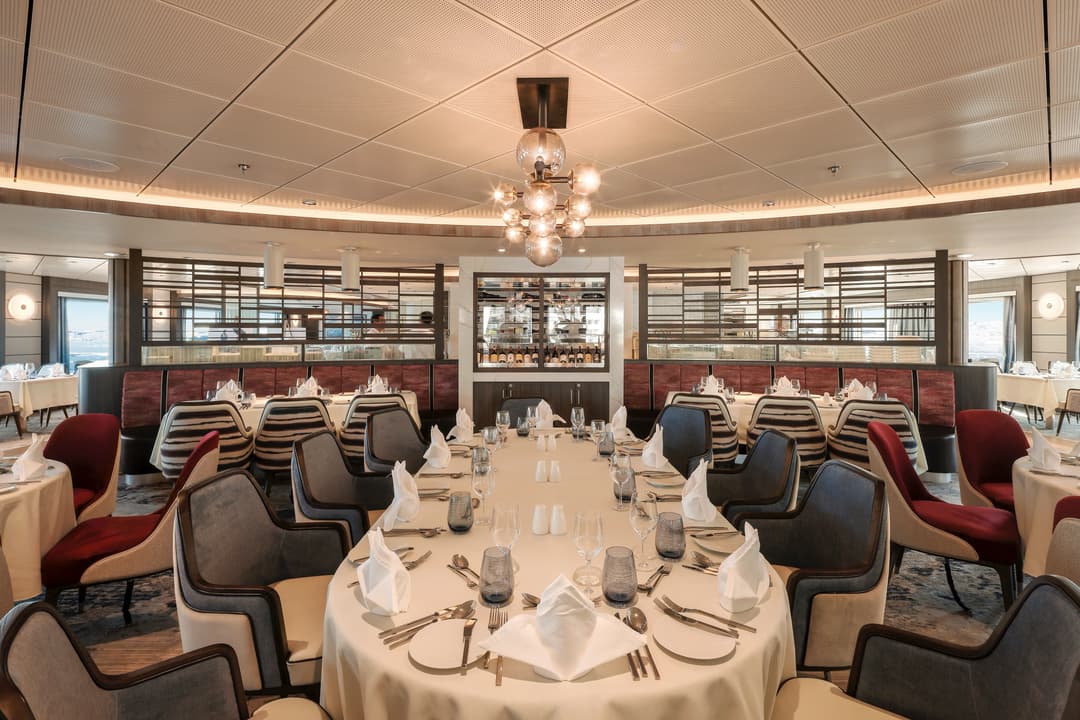
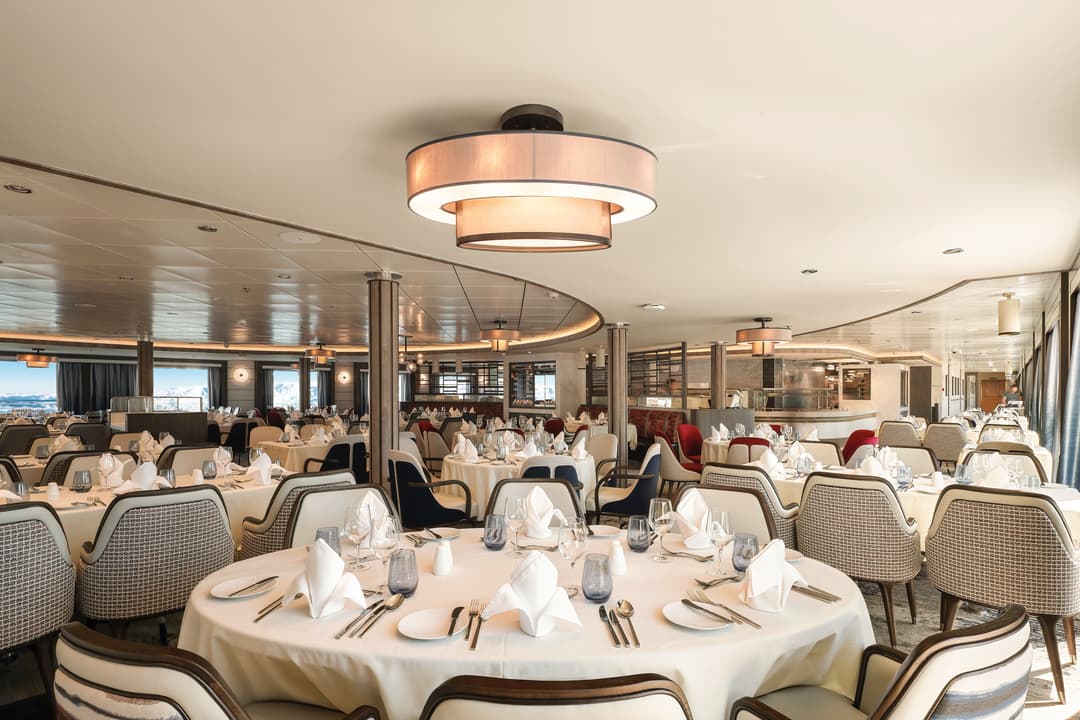
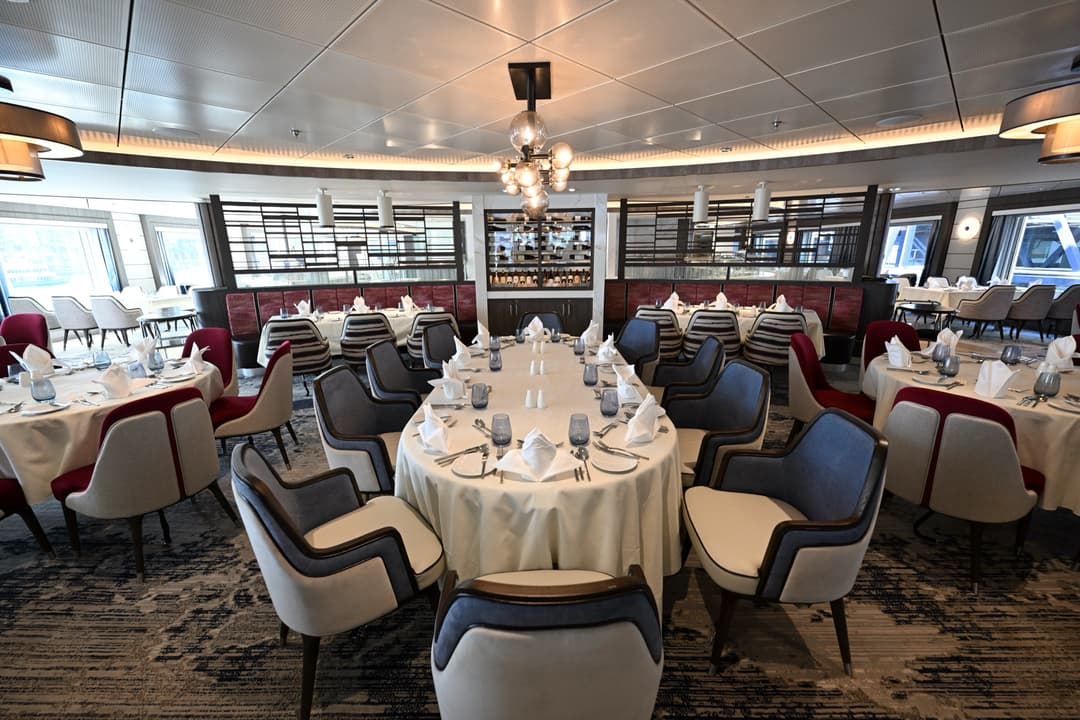
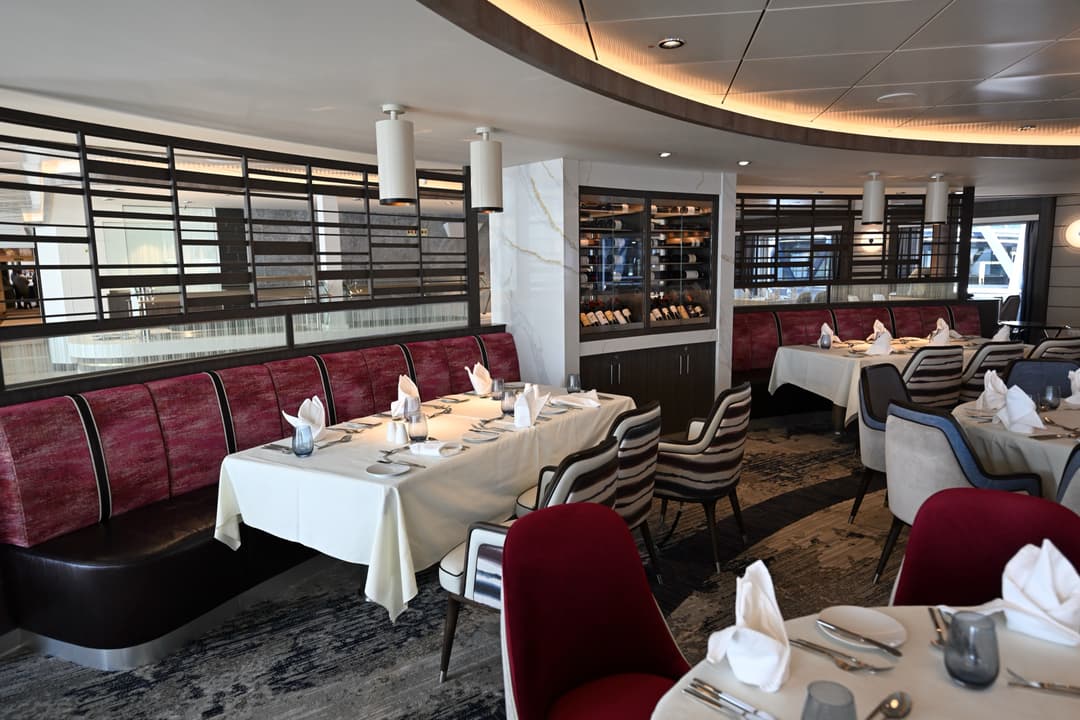
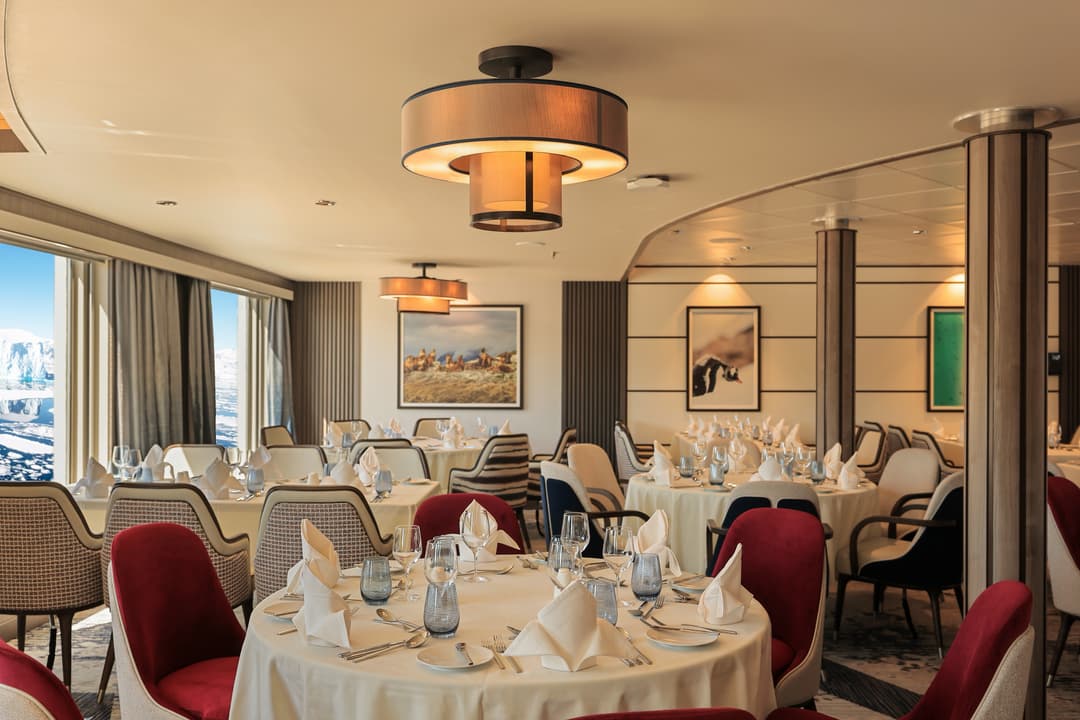
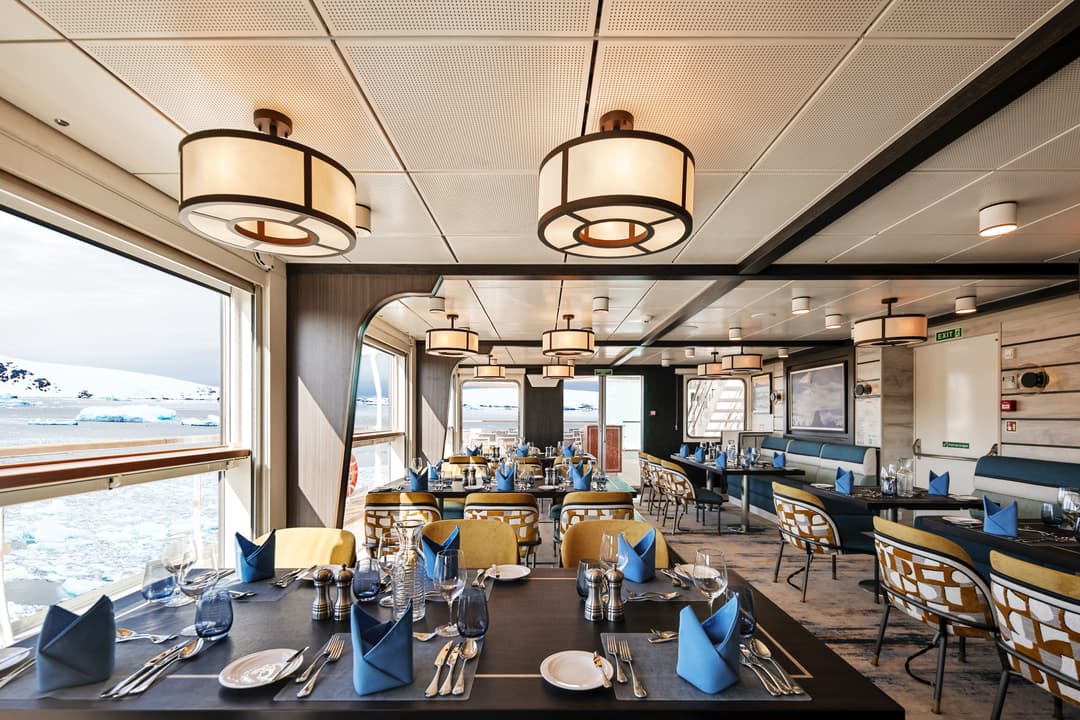
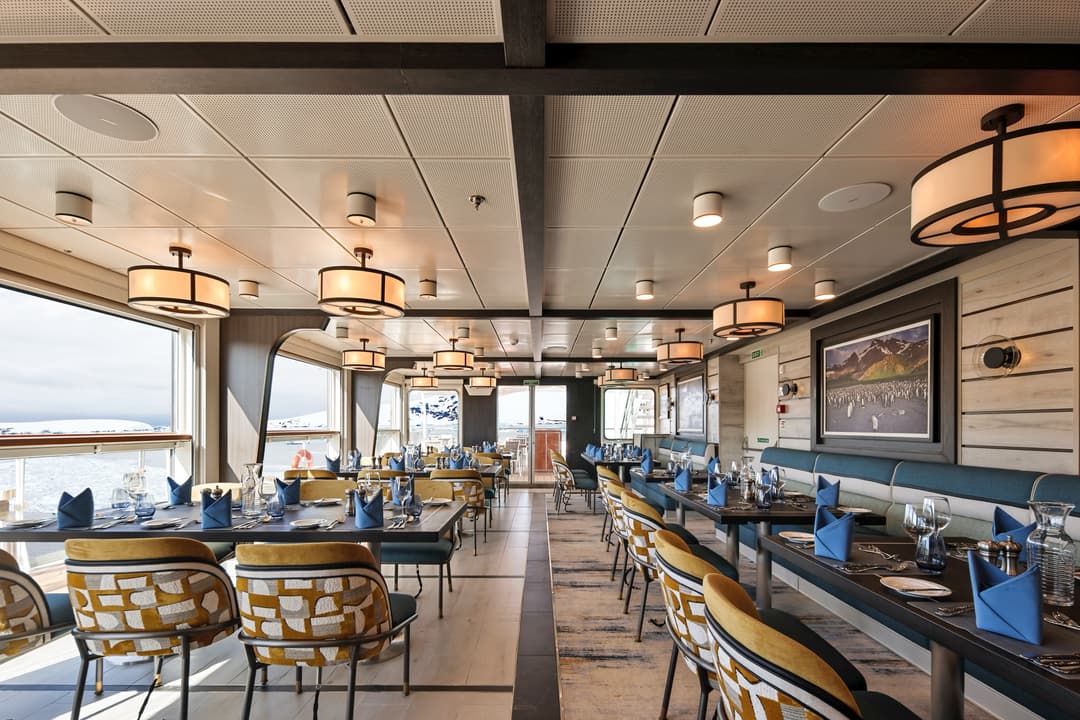
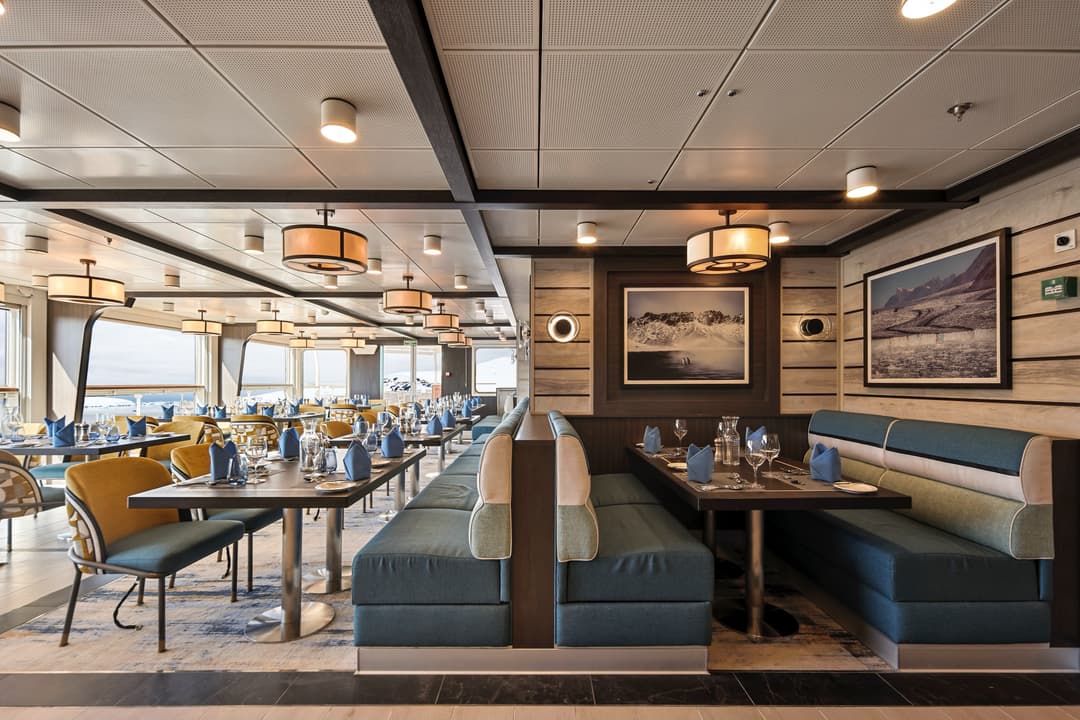
One of the most important parts of any expedition is the food! Whatever adventures the day holds, you will be fuelled-up with hearty meals and delicious morning/afternoon teas cooked by our onboard chefs.
One of the most important parts of any expedition is the food! Start each adventure with hearty meals and delicious morning and afternoon teas prepared by our onboard chefs.
Meals are a great time to connect with fellow travellers in our open-seating dining area, sharing stories and insights from the day. Tea, coffee, and snacks are available 24/7, and our chefs offer a variety of menu options for each meal. Enjoy house wines, beers, and....
When you’re relaxing during a sea day or you have a little downtime on the ship between excursions, what is there to do onboard the Douglas Mawson? Plenty!
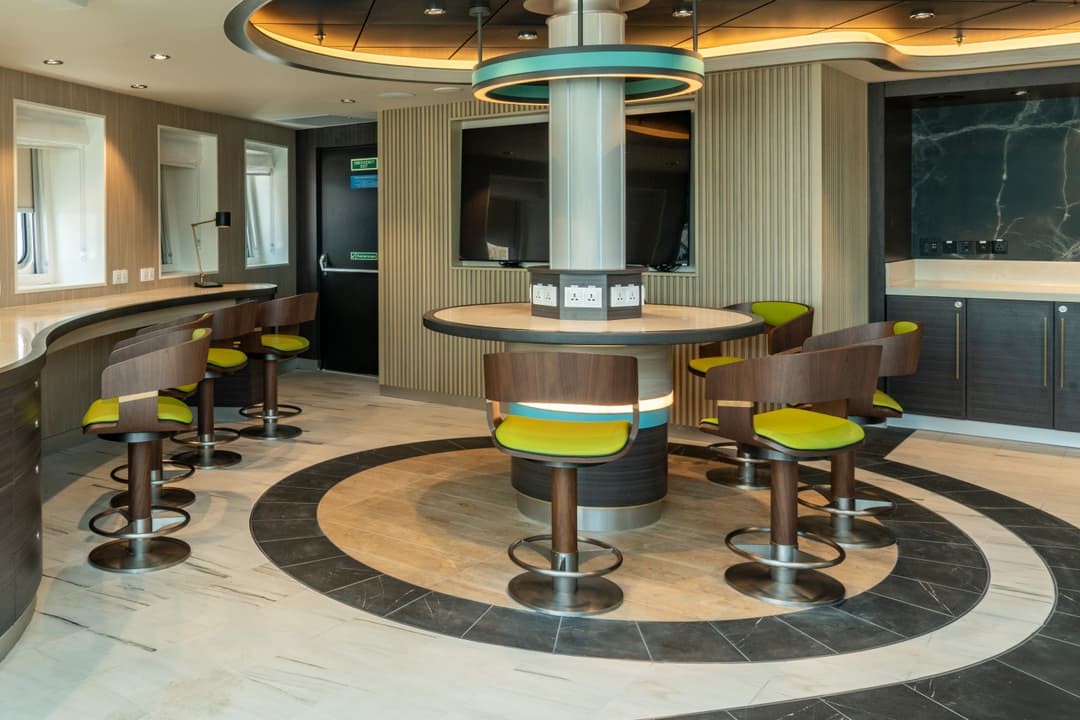
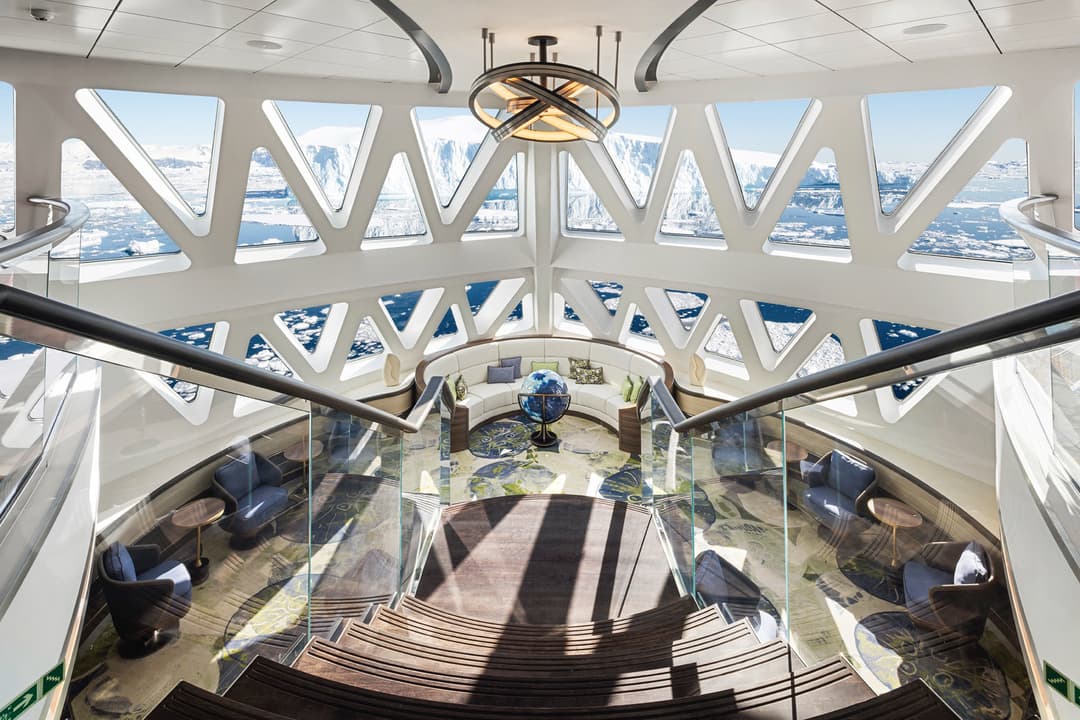
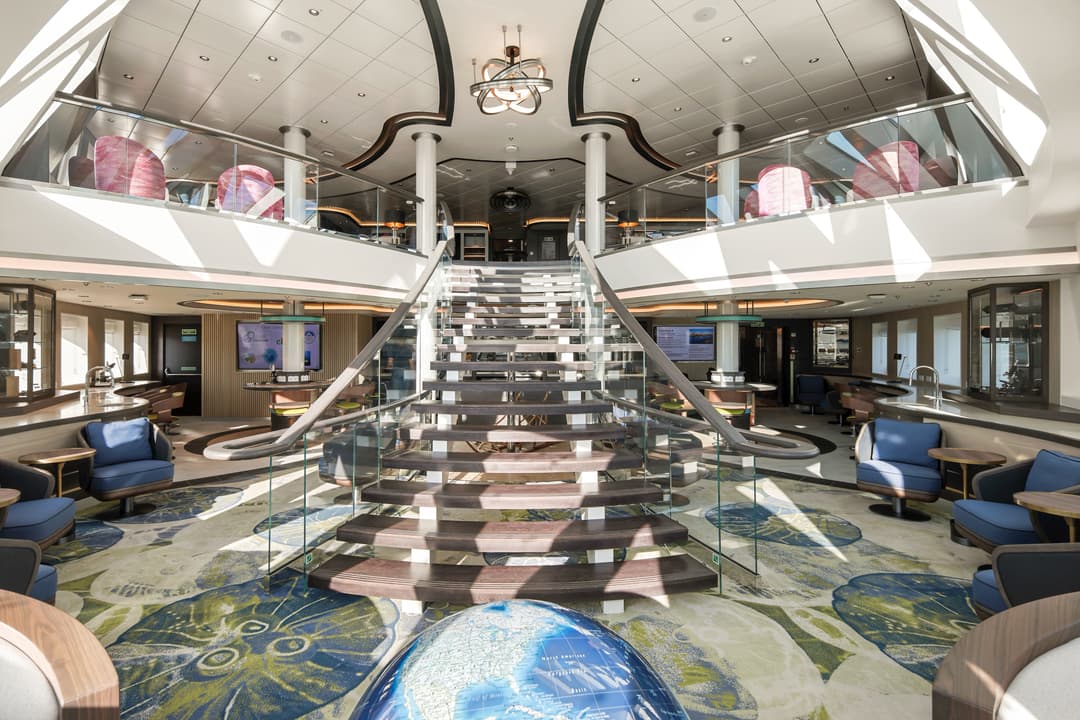
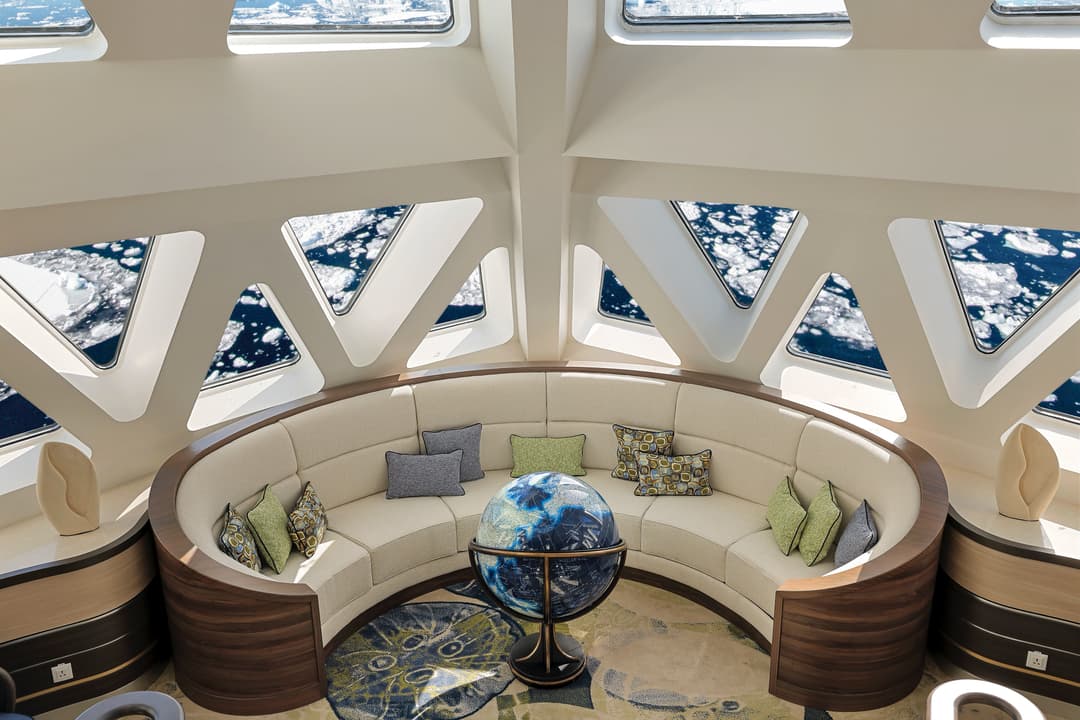
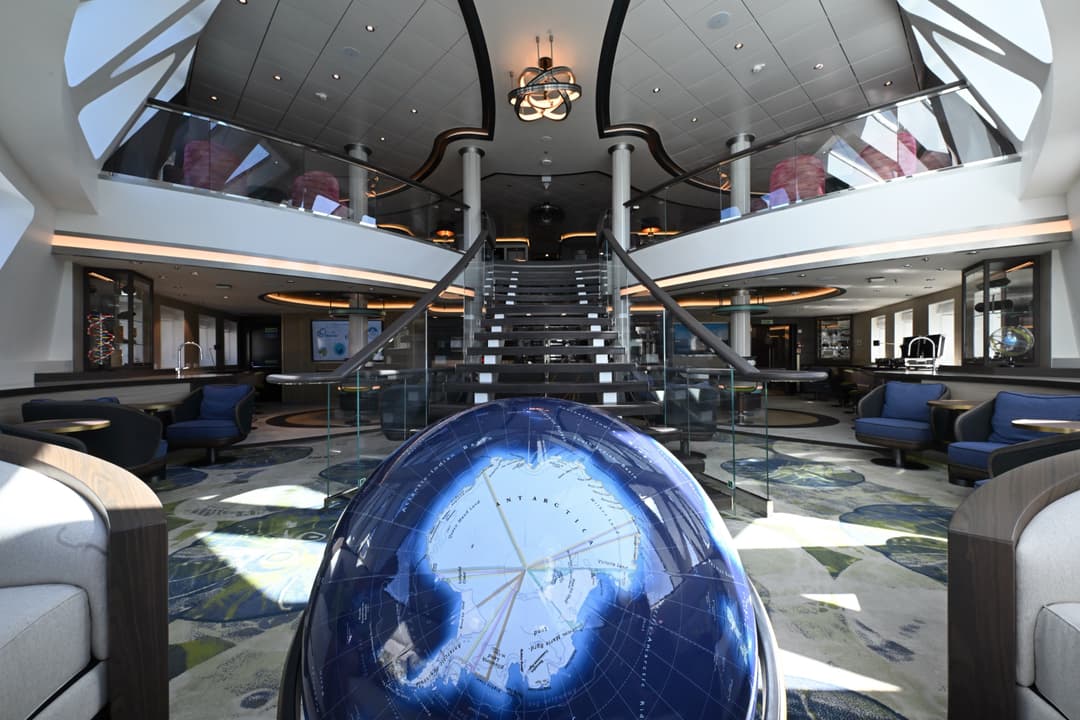
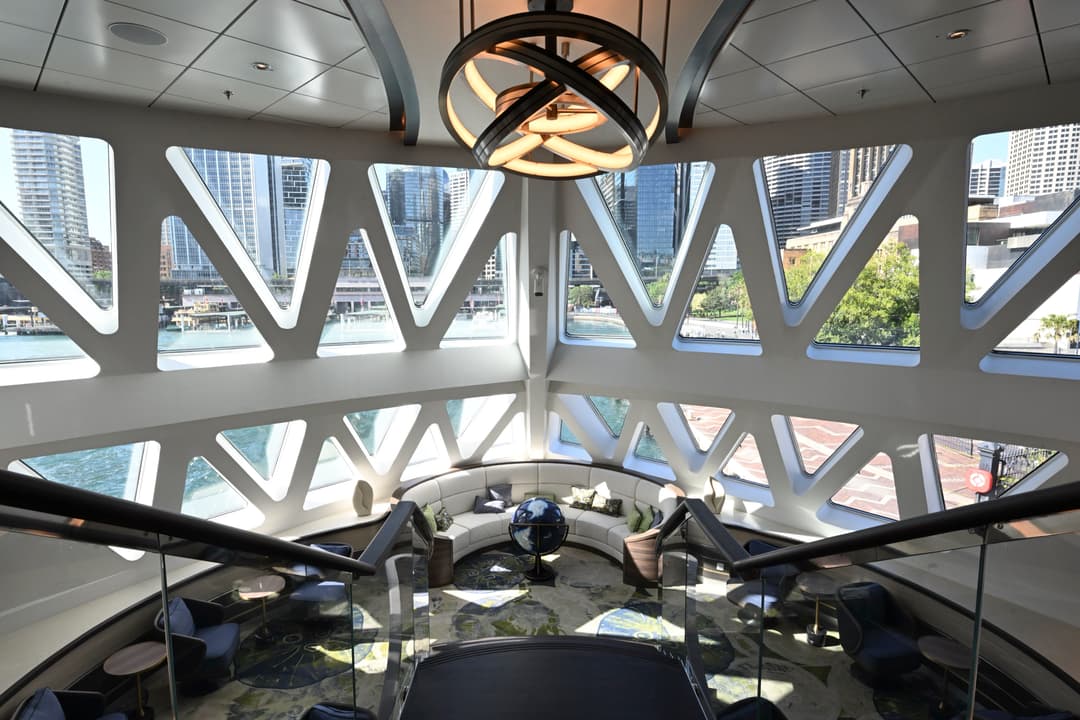
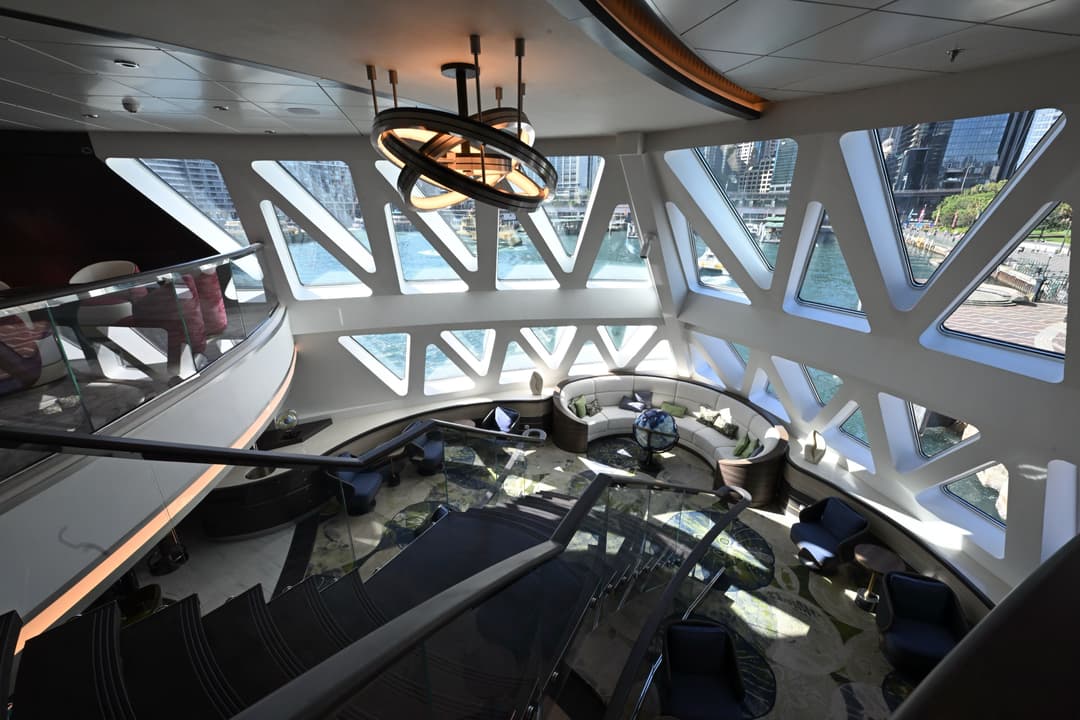
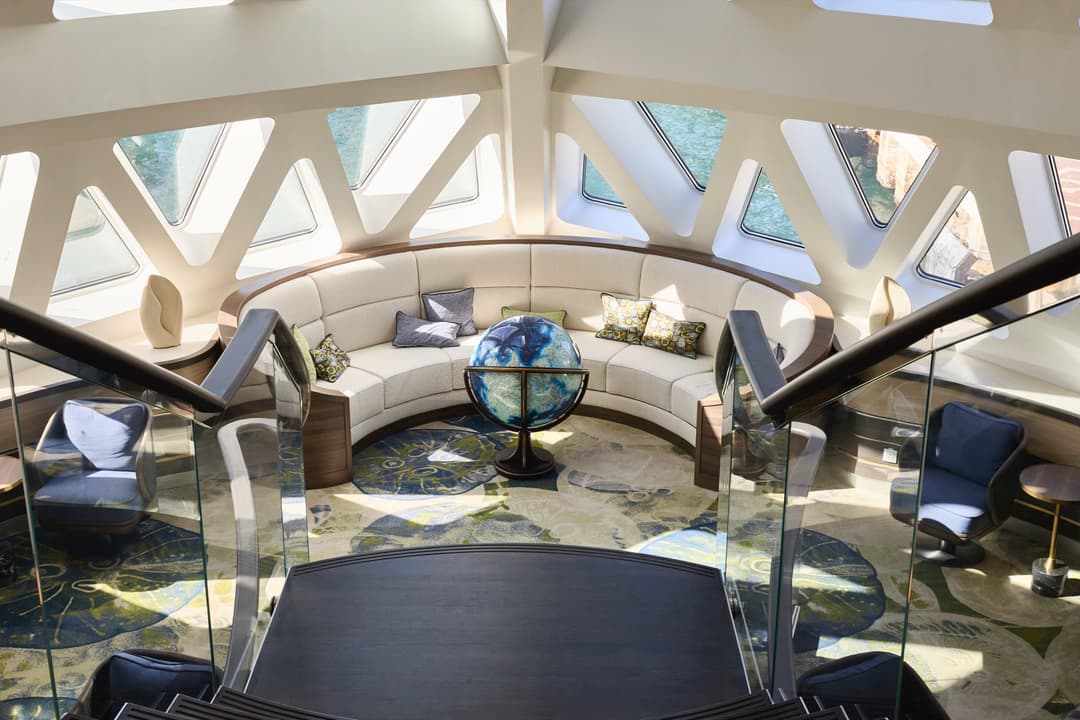
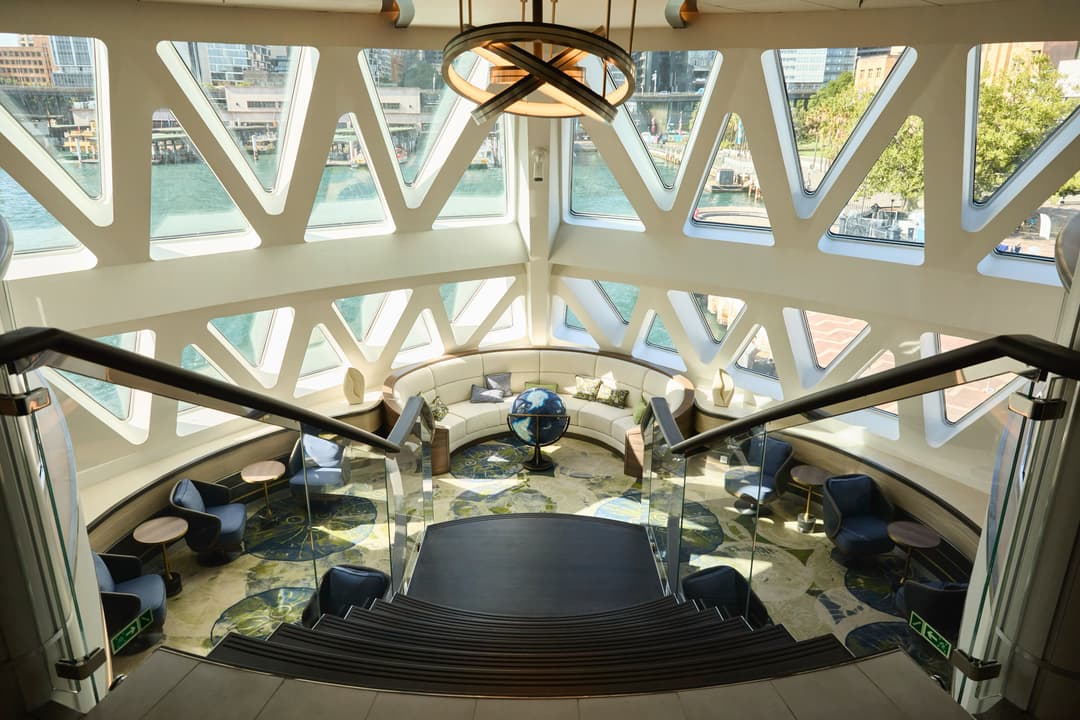
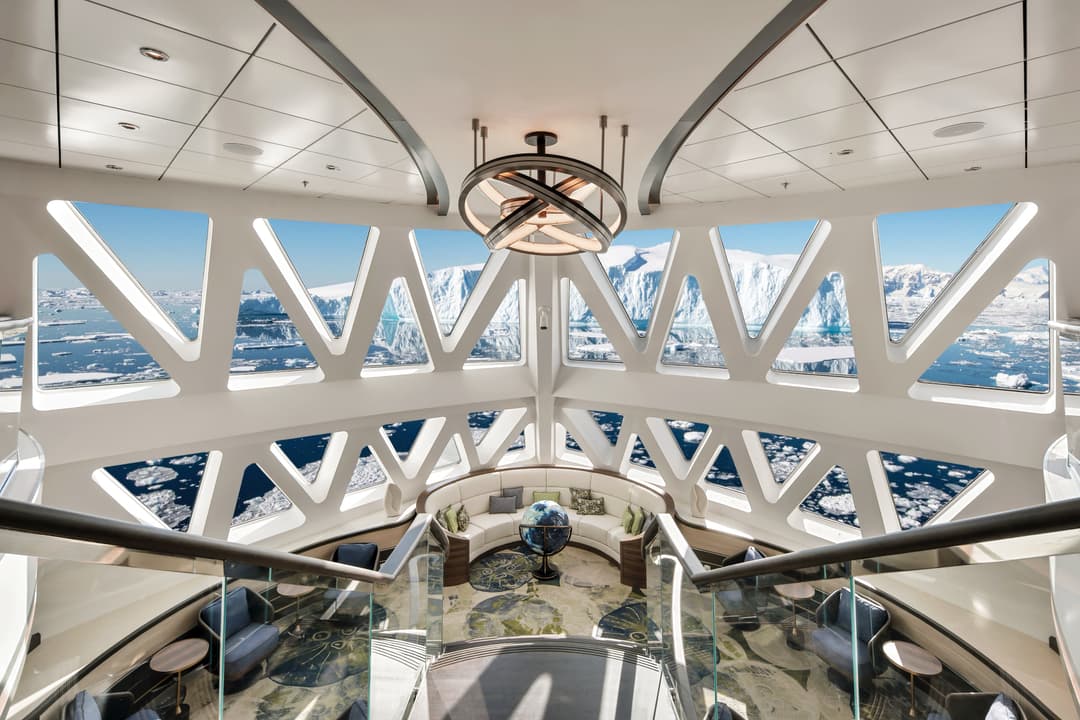
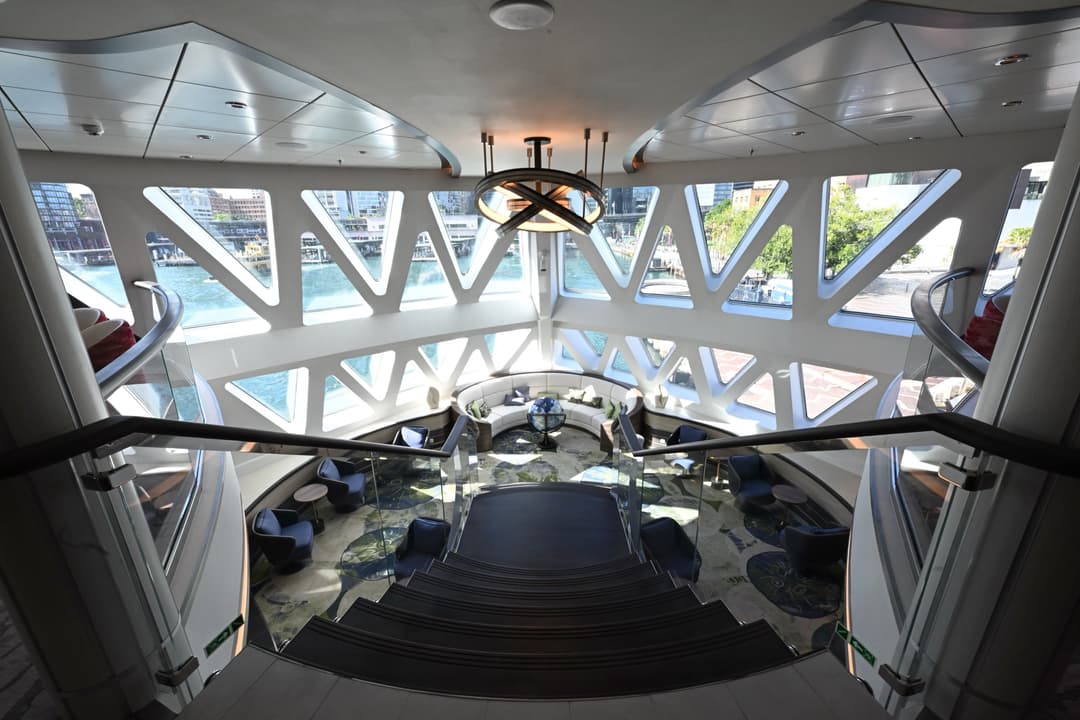
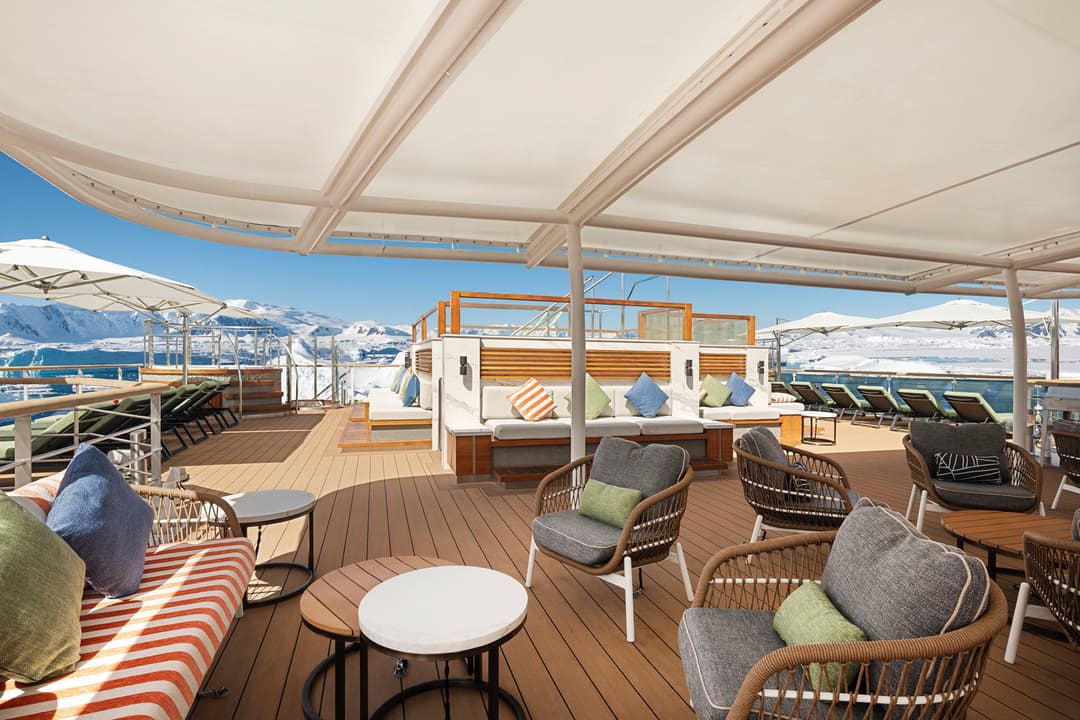
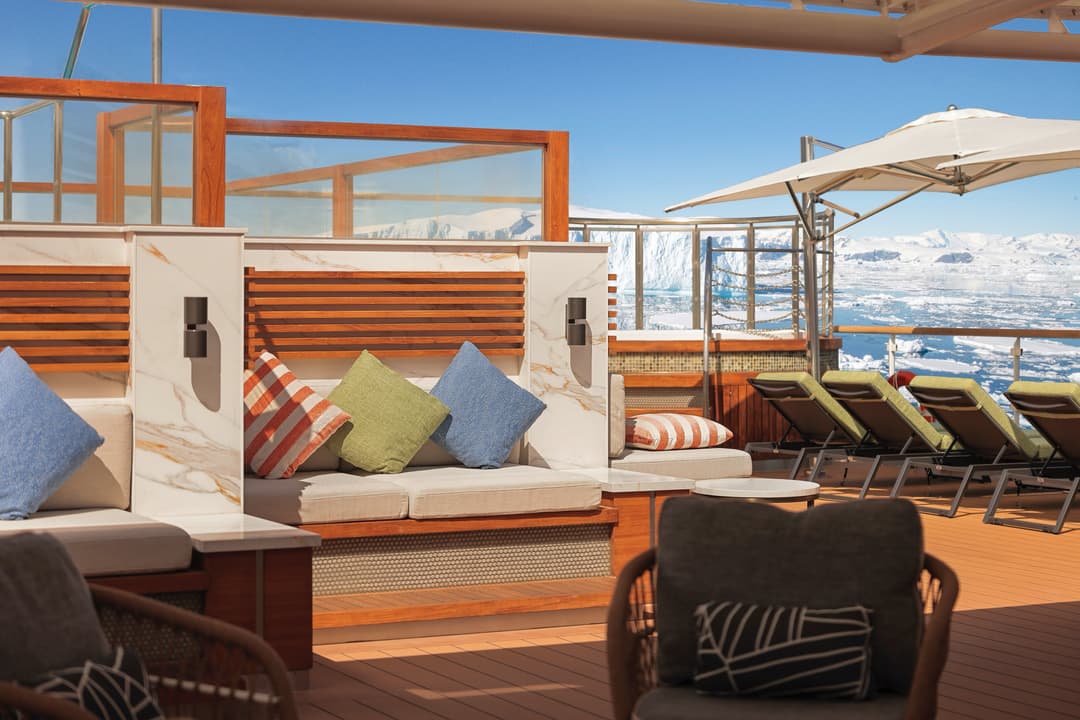
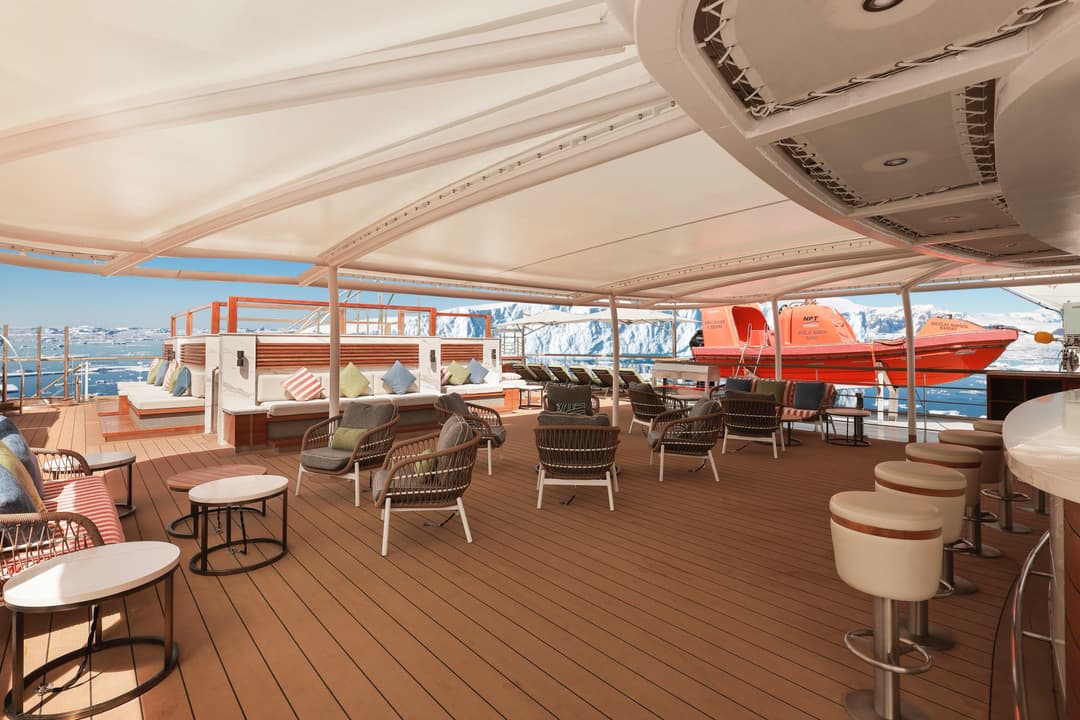
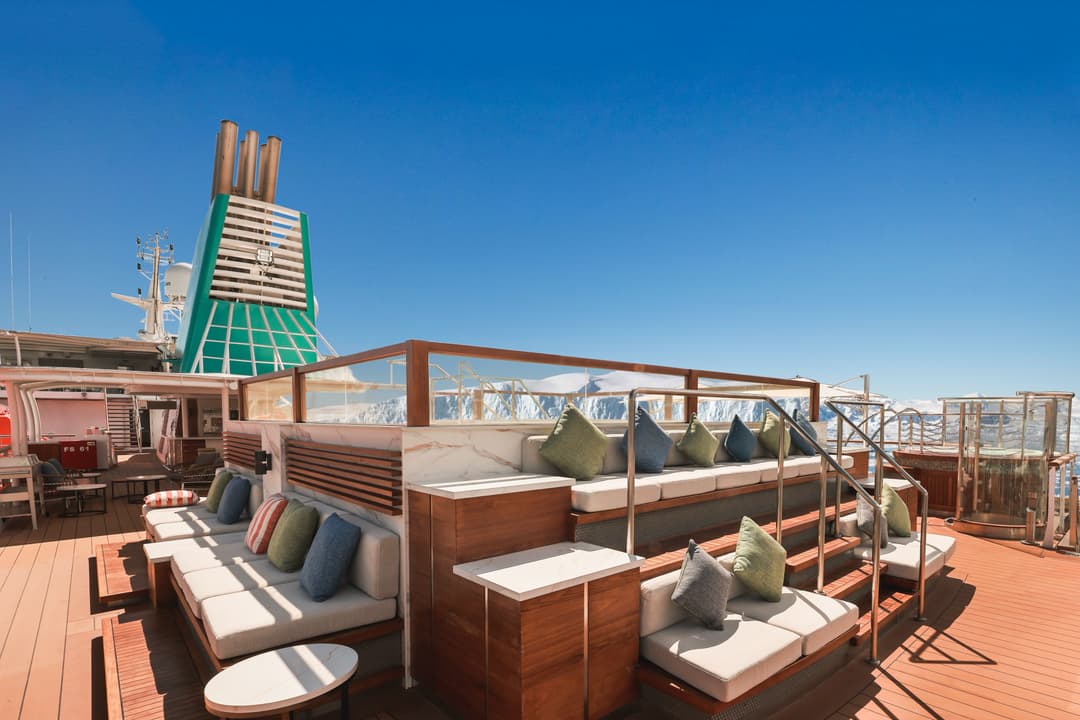
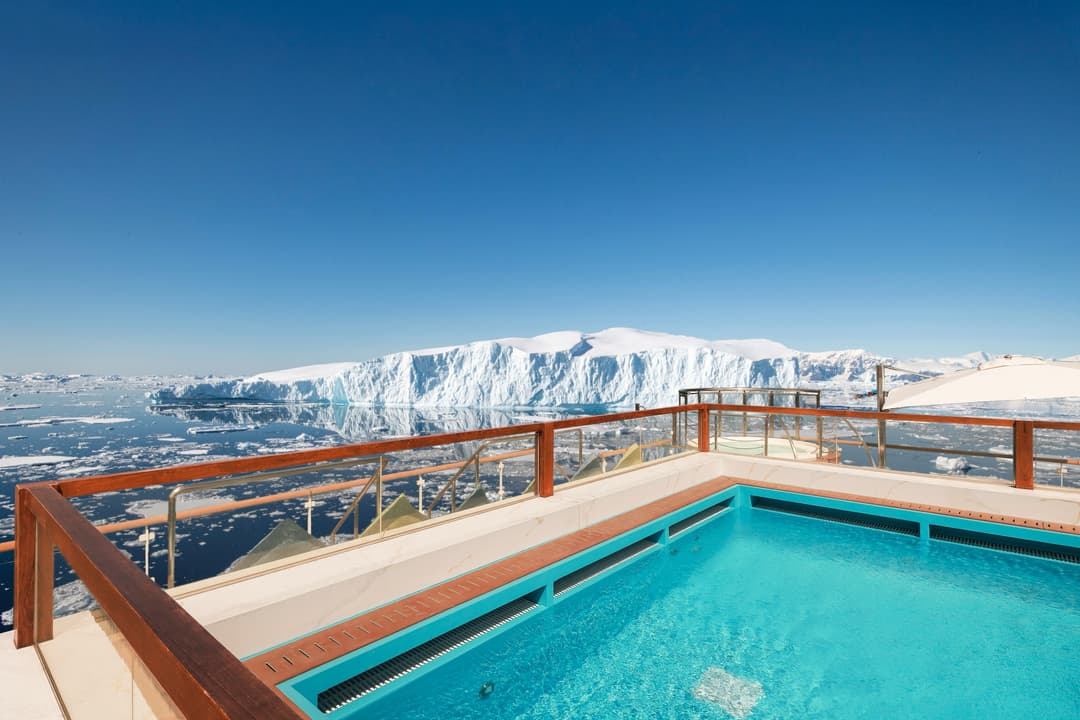
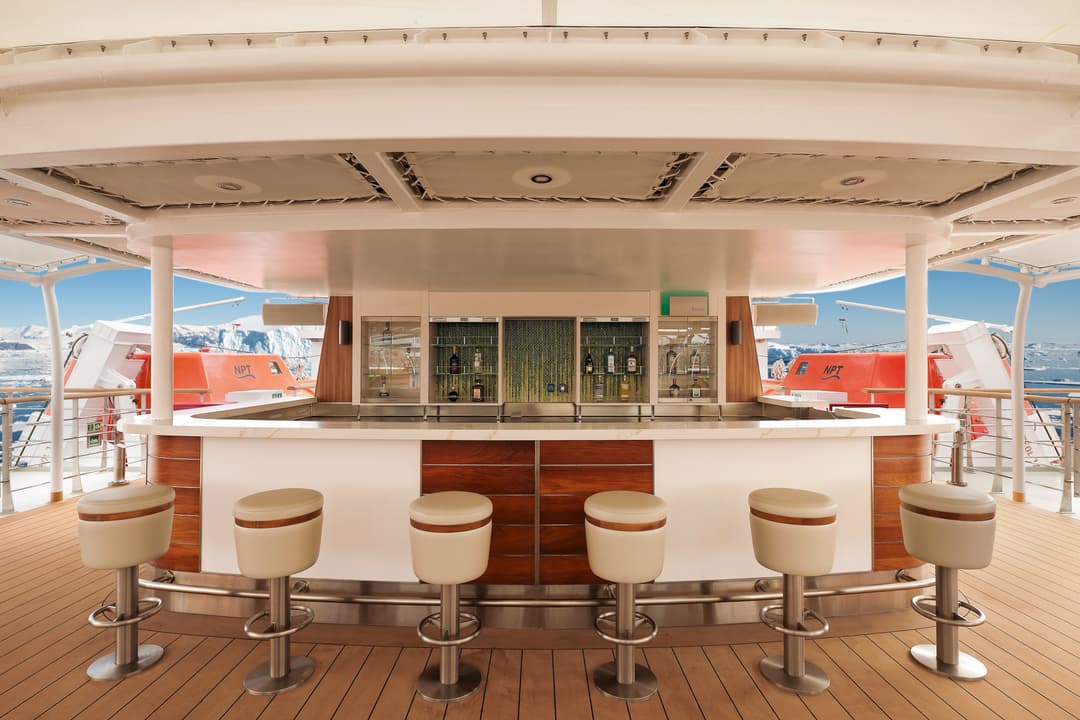
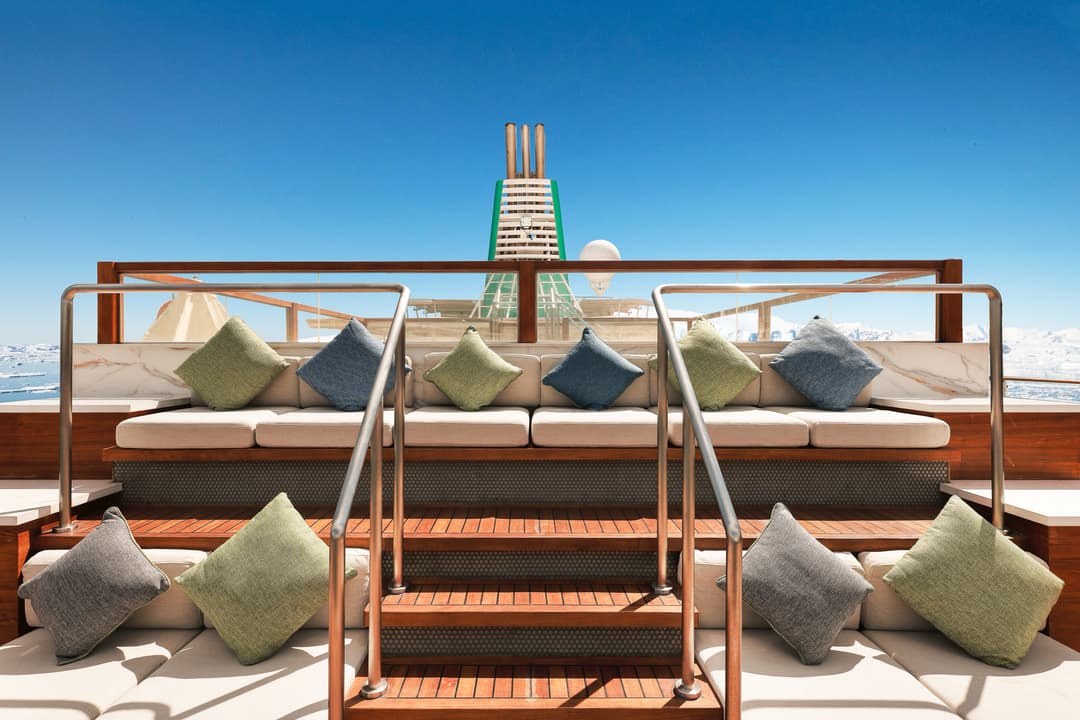
Communal meeting areas have always played a major role in fostering the warm camaraderie on board our ships. They are the heart of the expedition, where people meet to share tales from the day, swap photos, keep an eye out for wildlife and watch the sun go down.
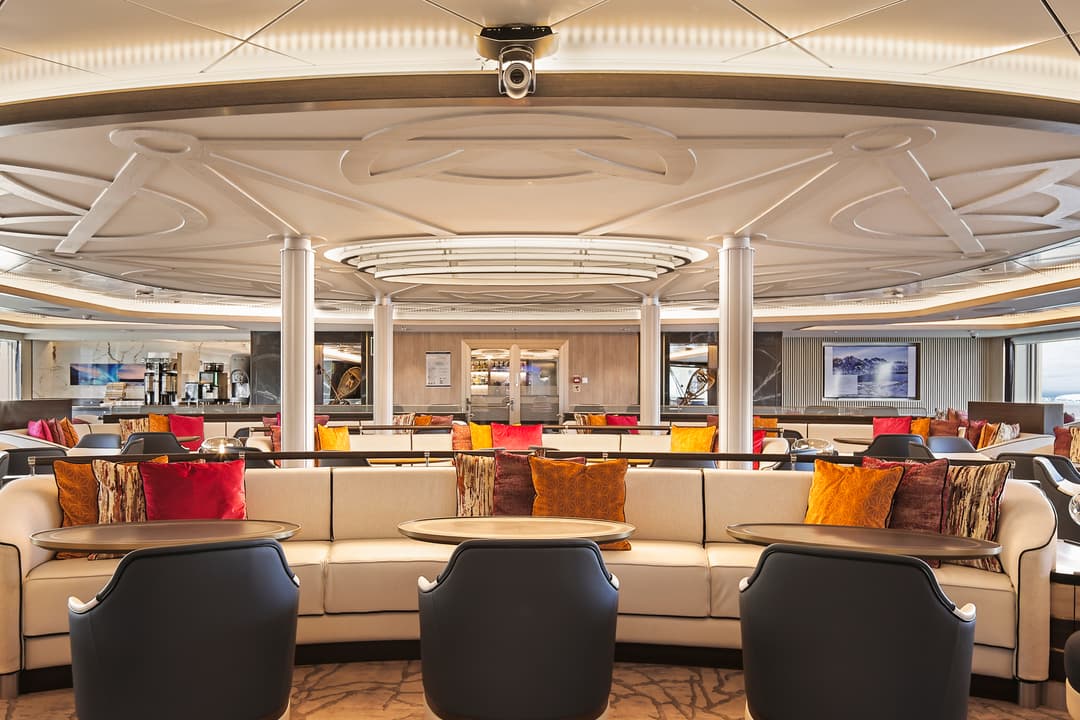
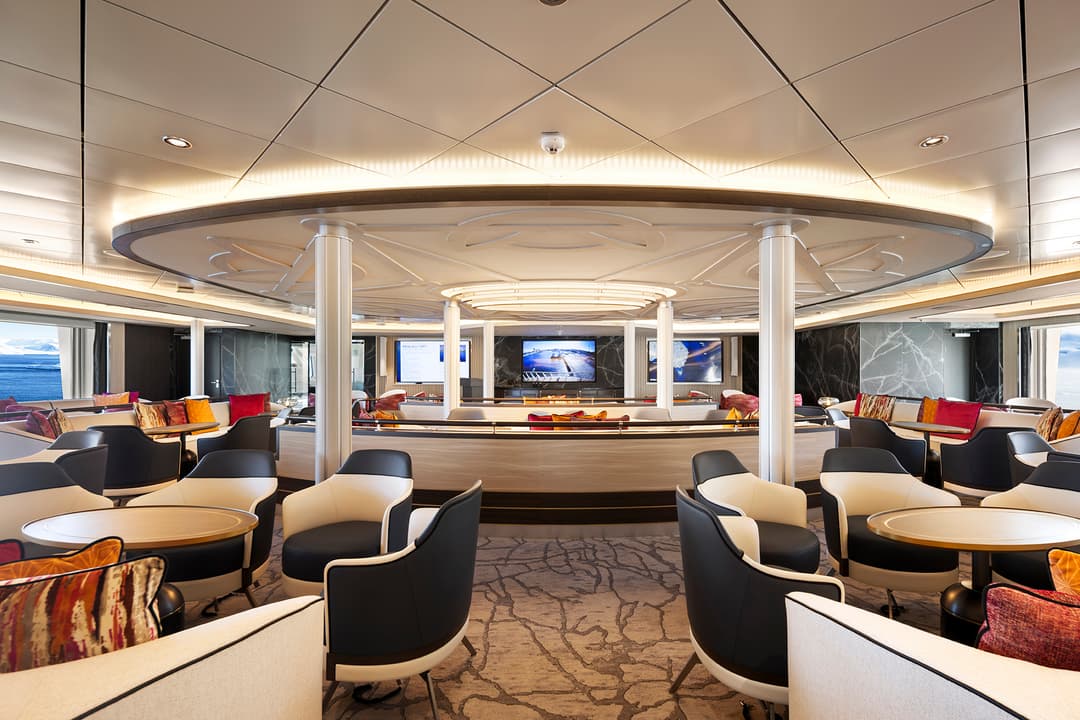
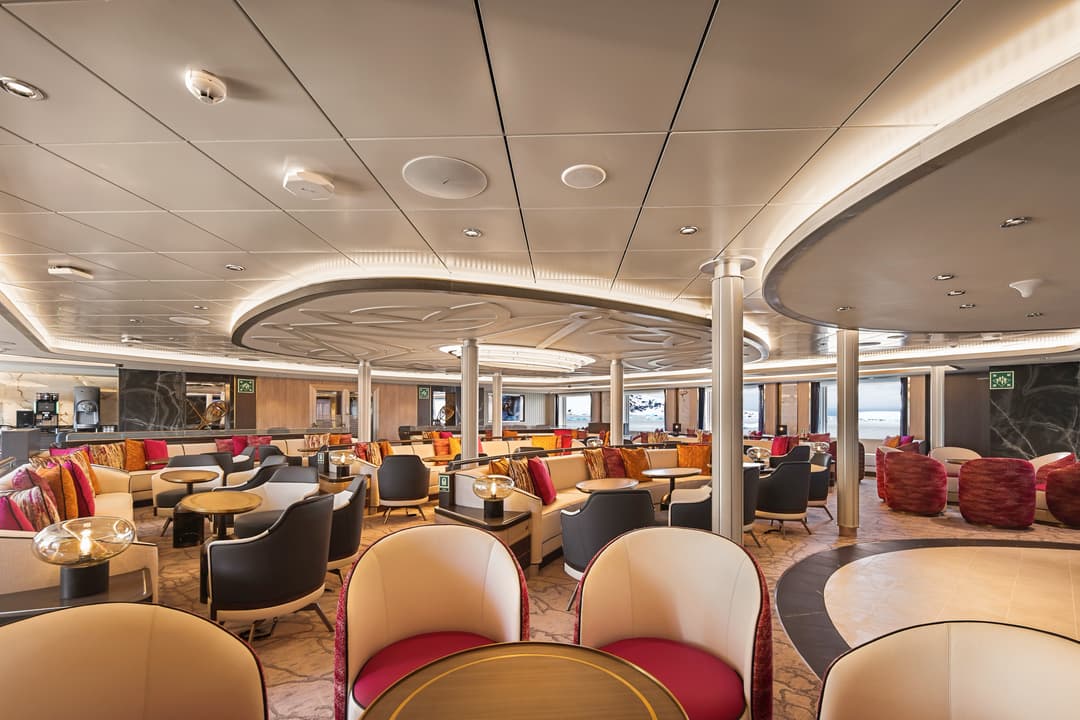
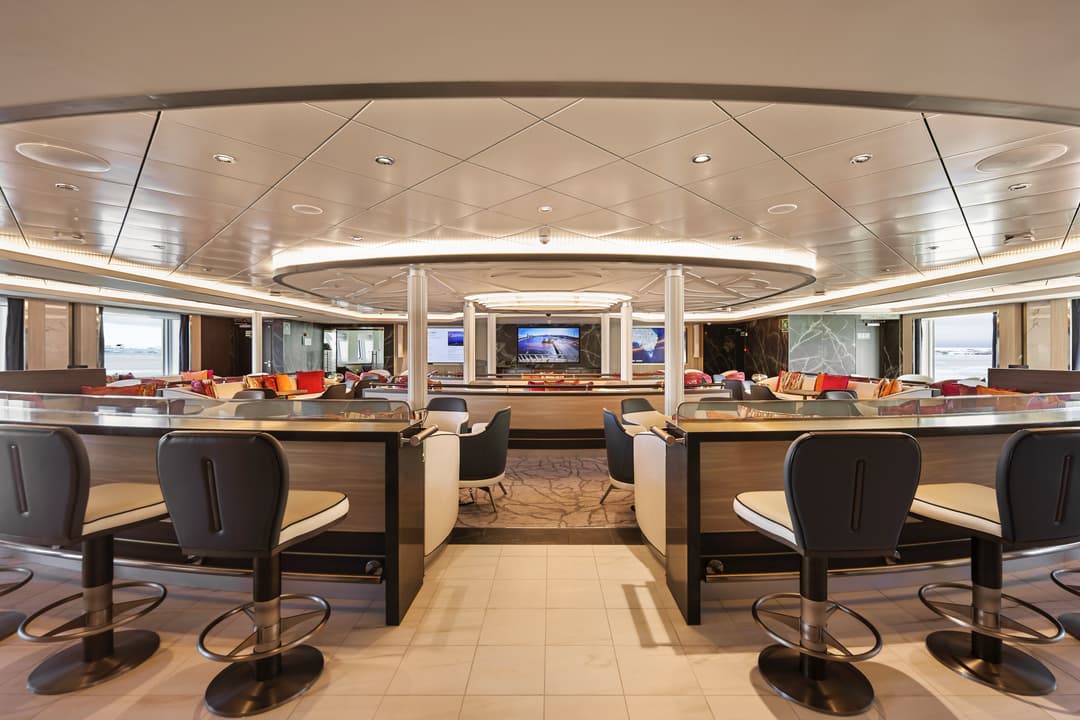
The bars and lounges on board are refined yet inviting places to gather, with floor-to-ceiling windows offering stunning views, and of course friendly bartenders to shoot the bre....
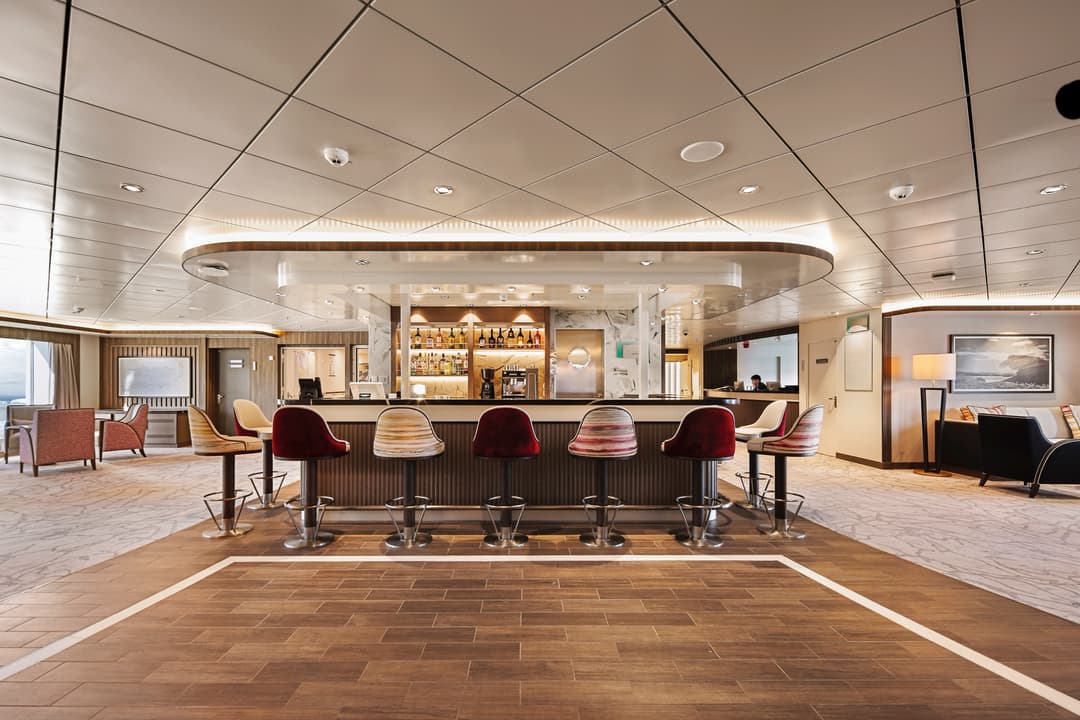
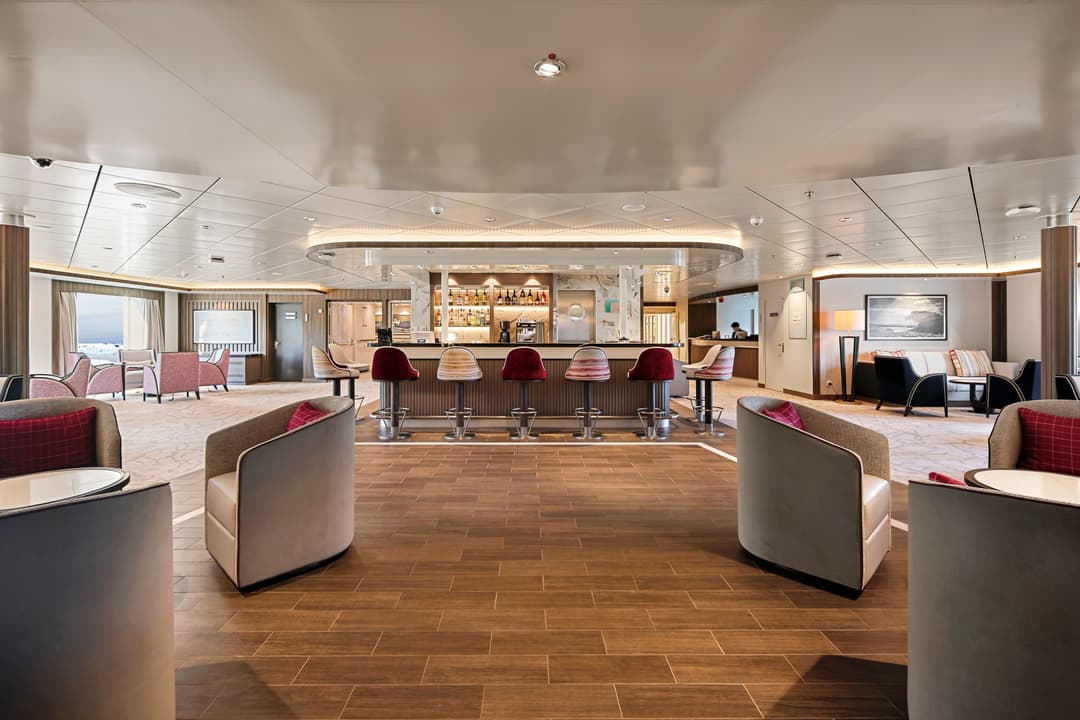
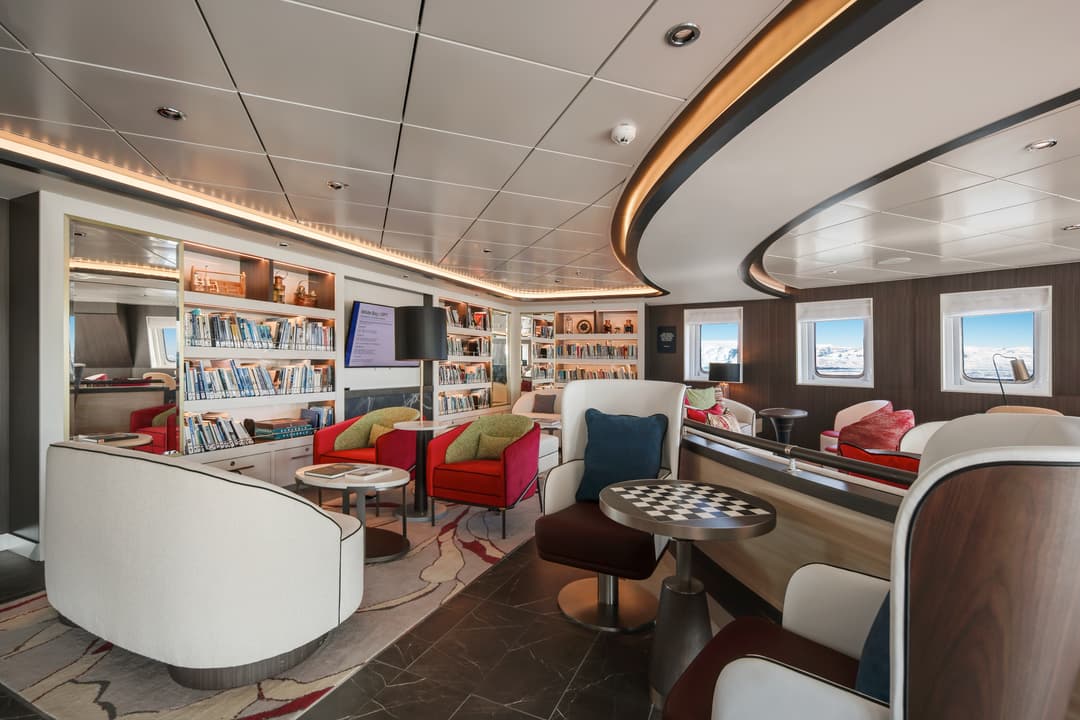
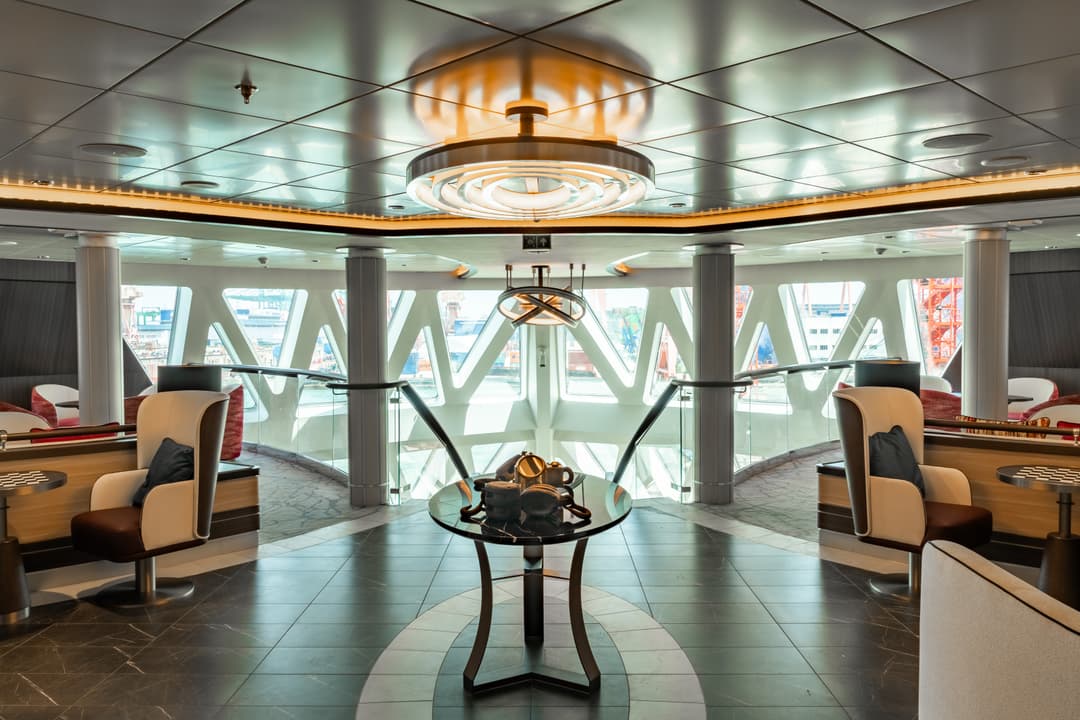
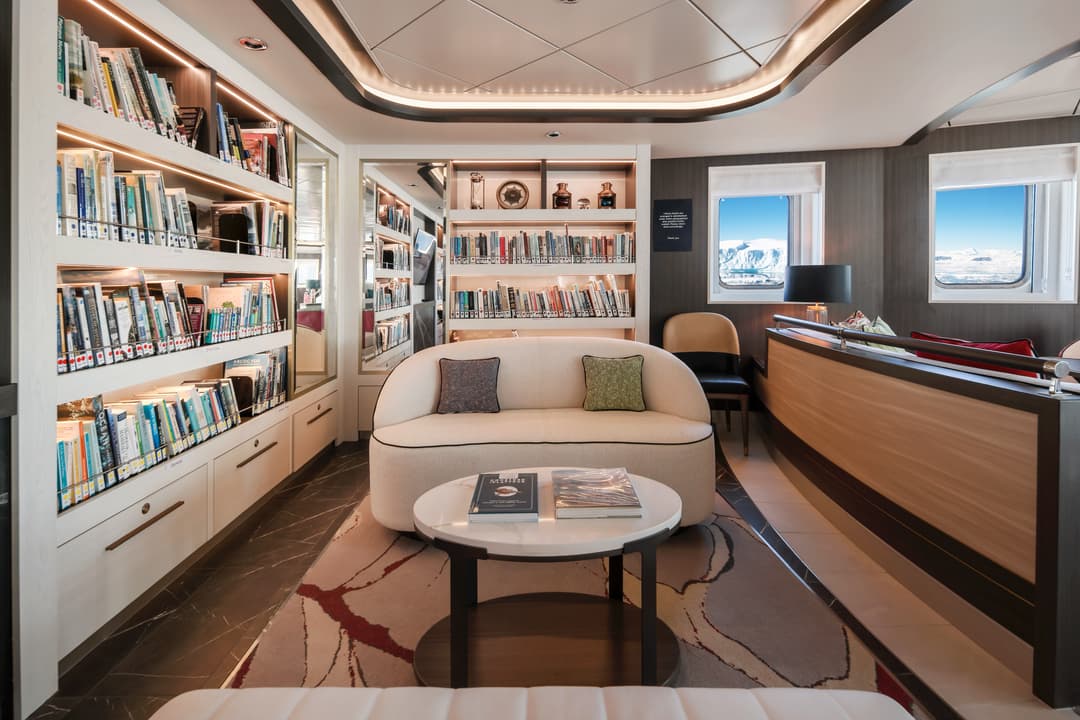
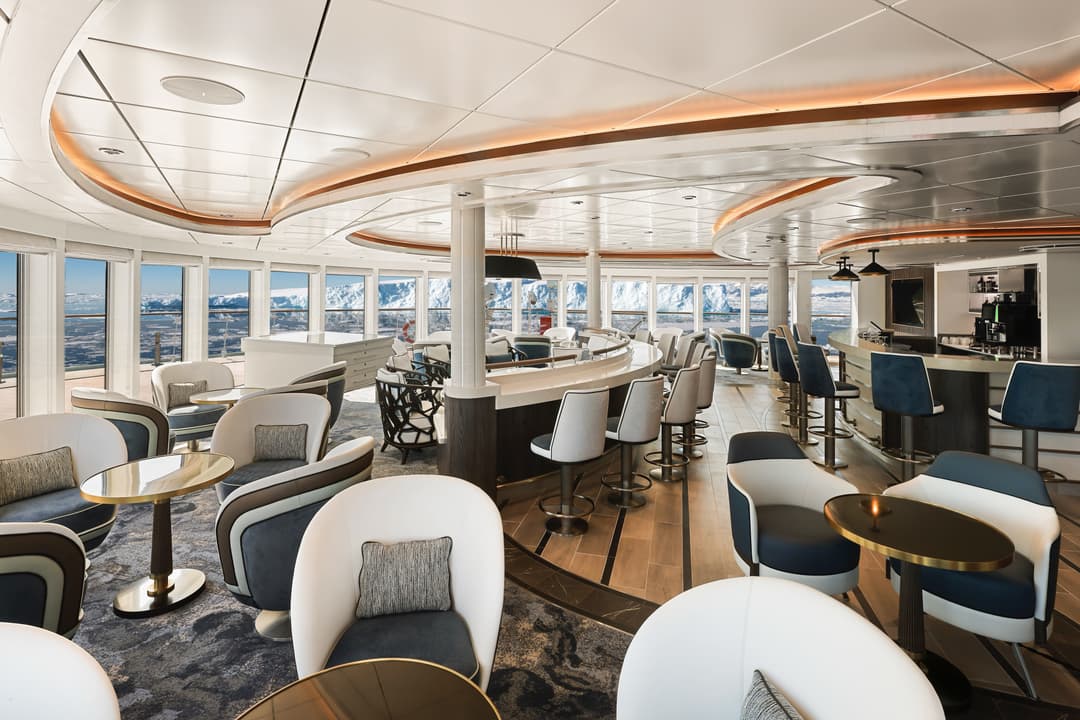
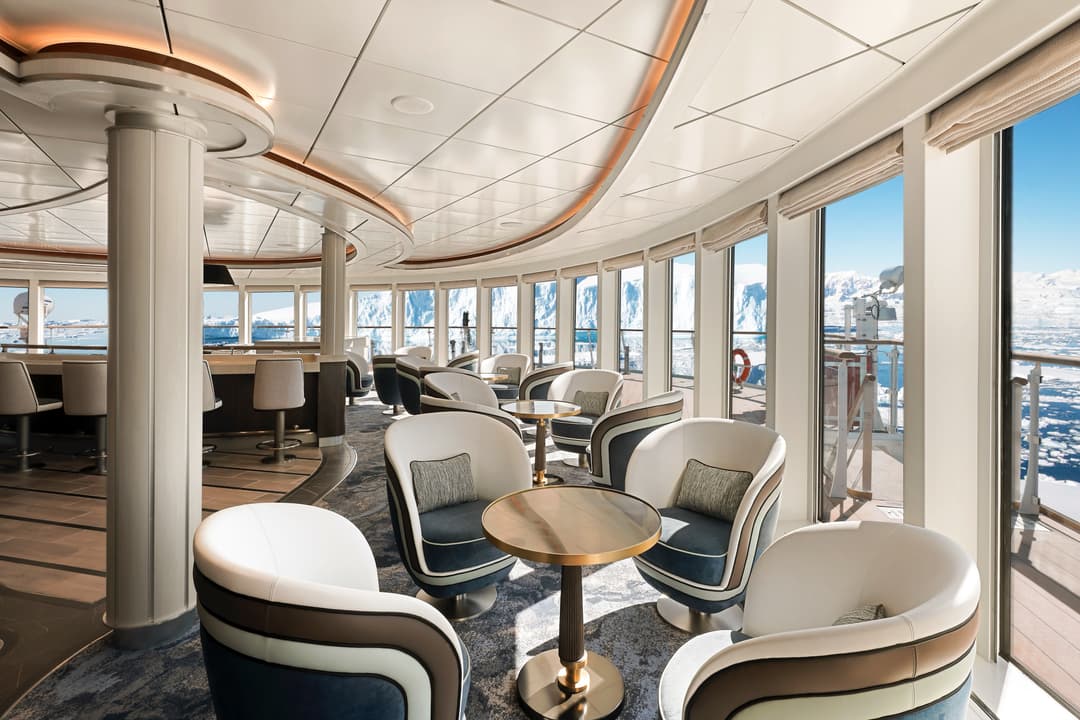
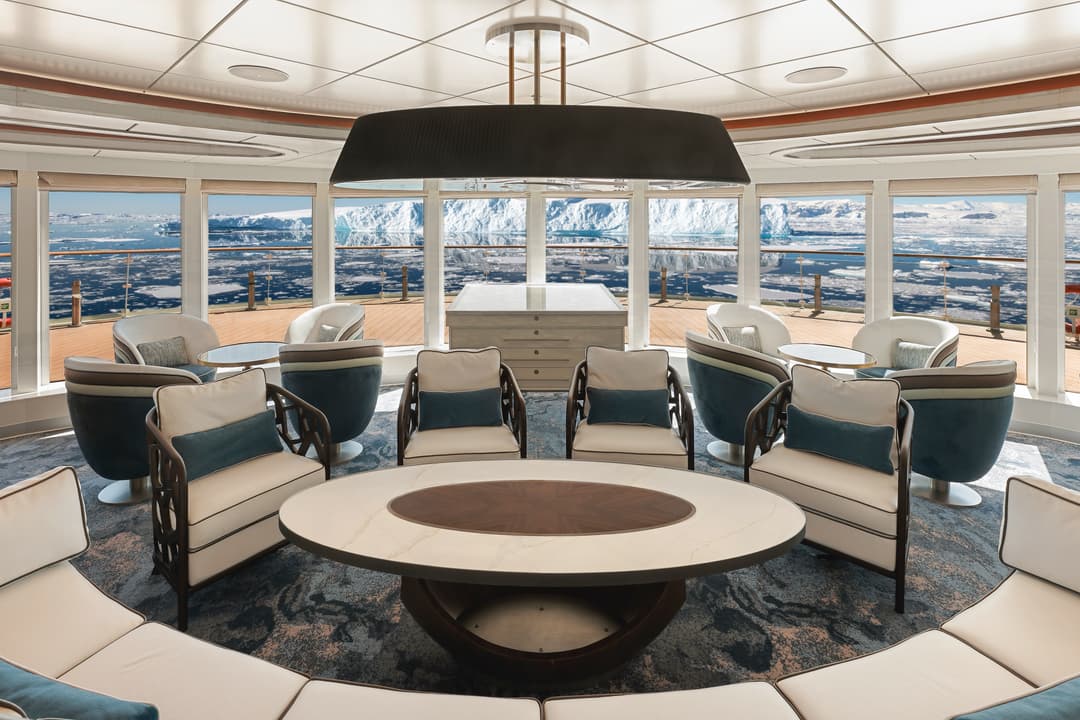
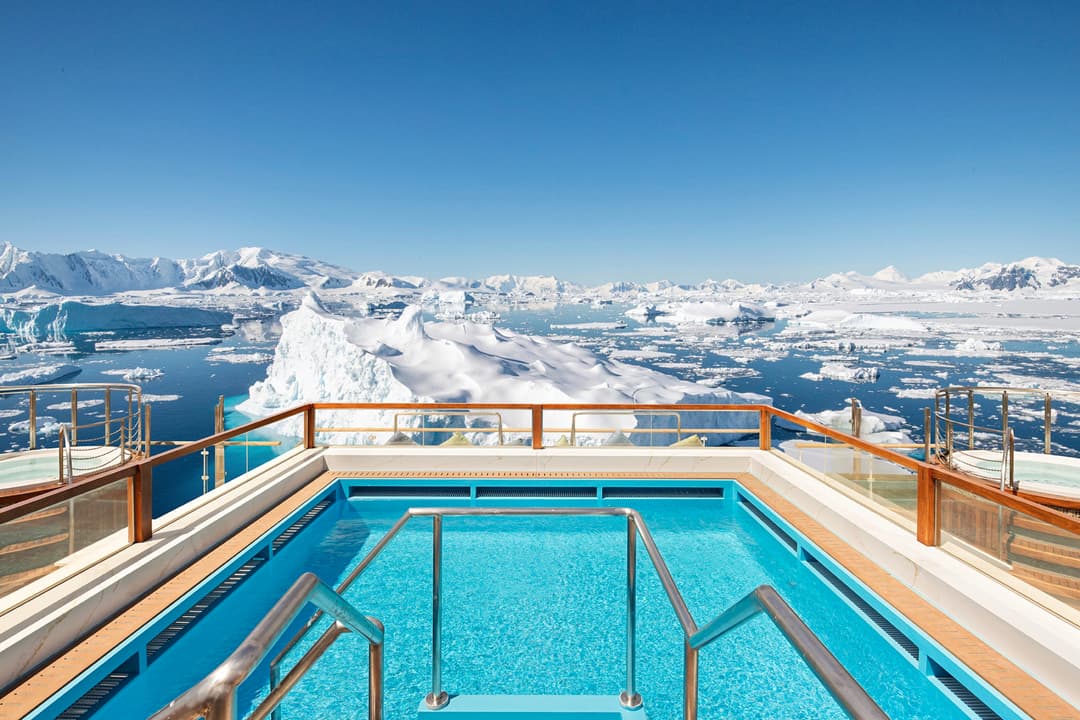
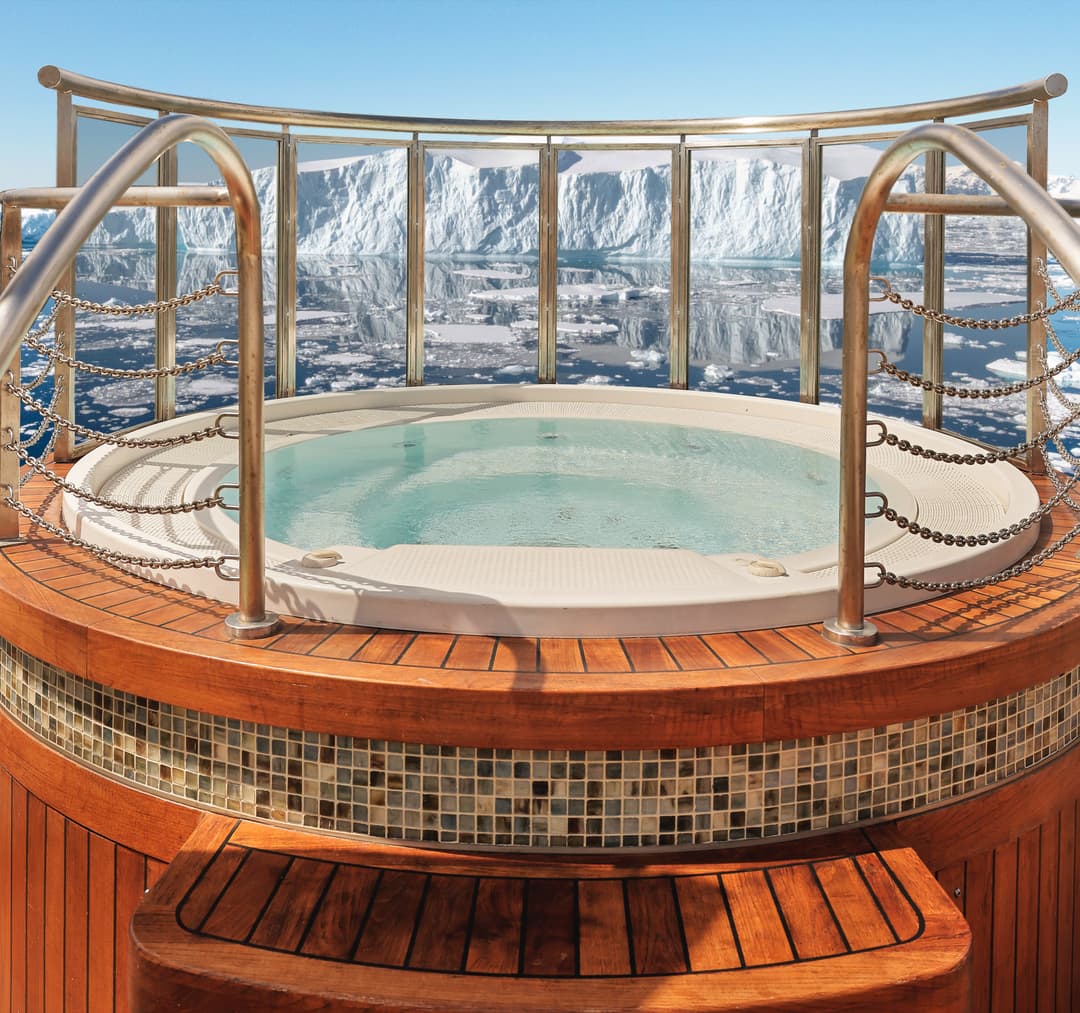
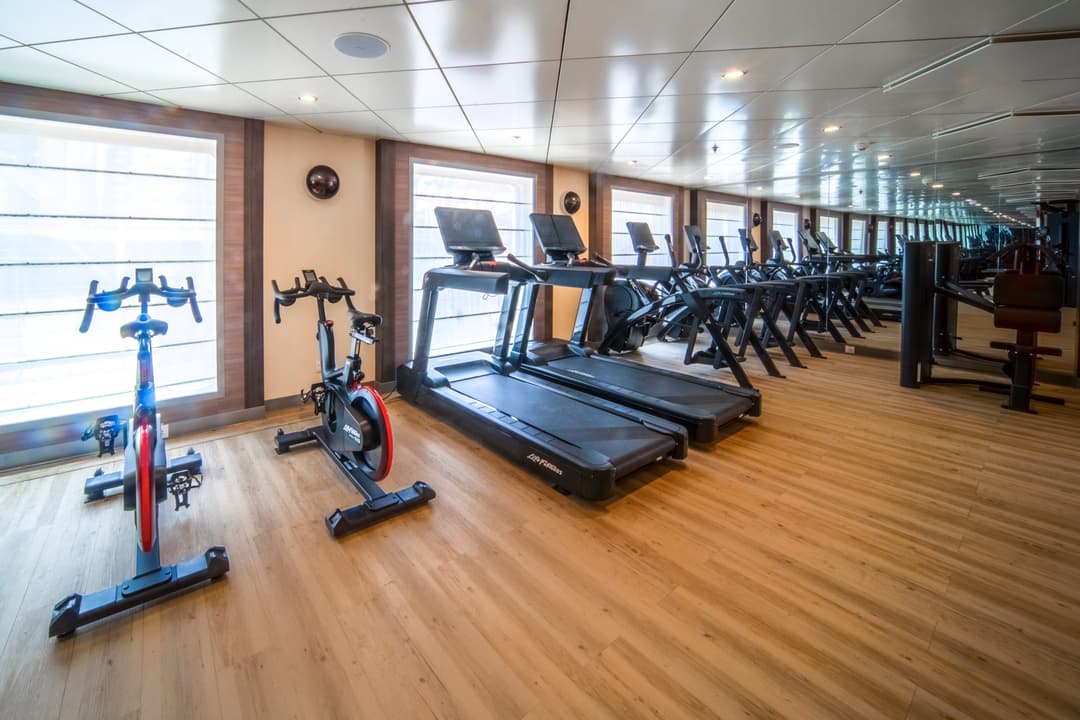
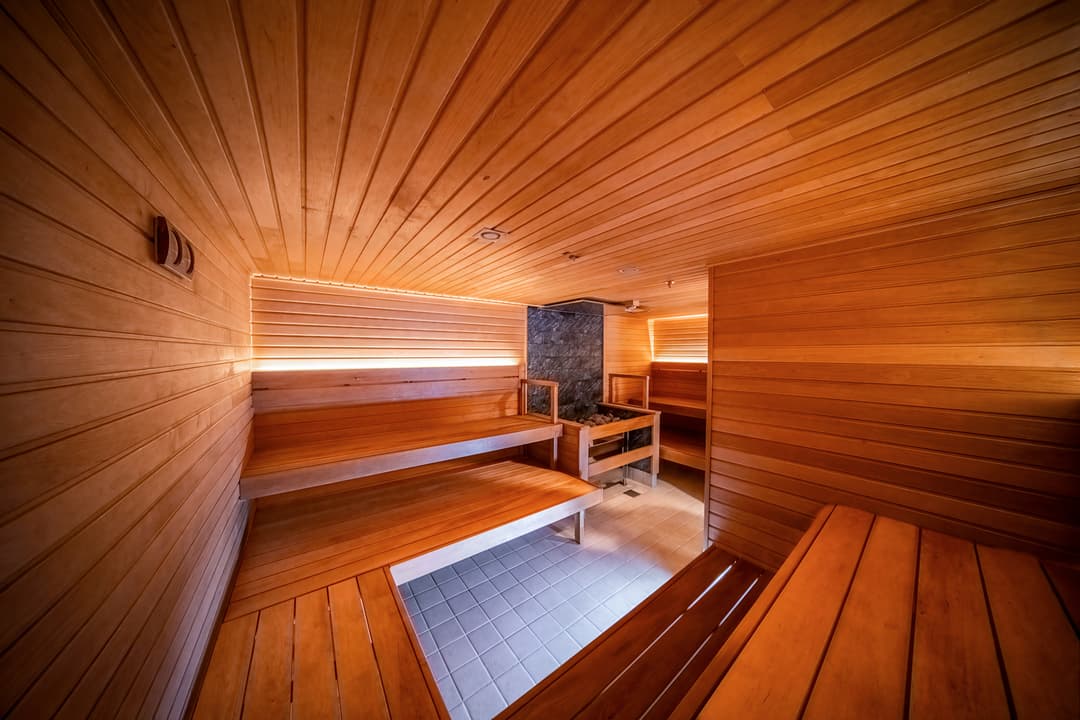
The Douglas Mawson features a host of amenities to help you connect with like-minded travellers and elevate your time onboard our floating base camp for adventure. After a long day of exploring, head to the back deck to swim in the heated outdoor swimming pool, find a sun bed to read on, or soak in one of two Jacuzzis. Work up a sweat in the gym before unwinding in the sauna, resolve to learn something new in the Citizen Science Centre, then enjoy a delicious meal with new and old friends in one of two restaurants. Or, with multiple observation areas throughout the ship, simply relax in comfort while you keep watch for wildlife or incredible landscapes unfold before you.
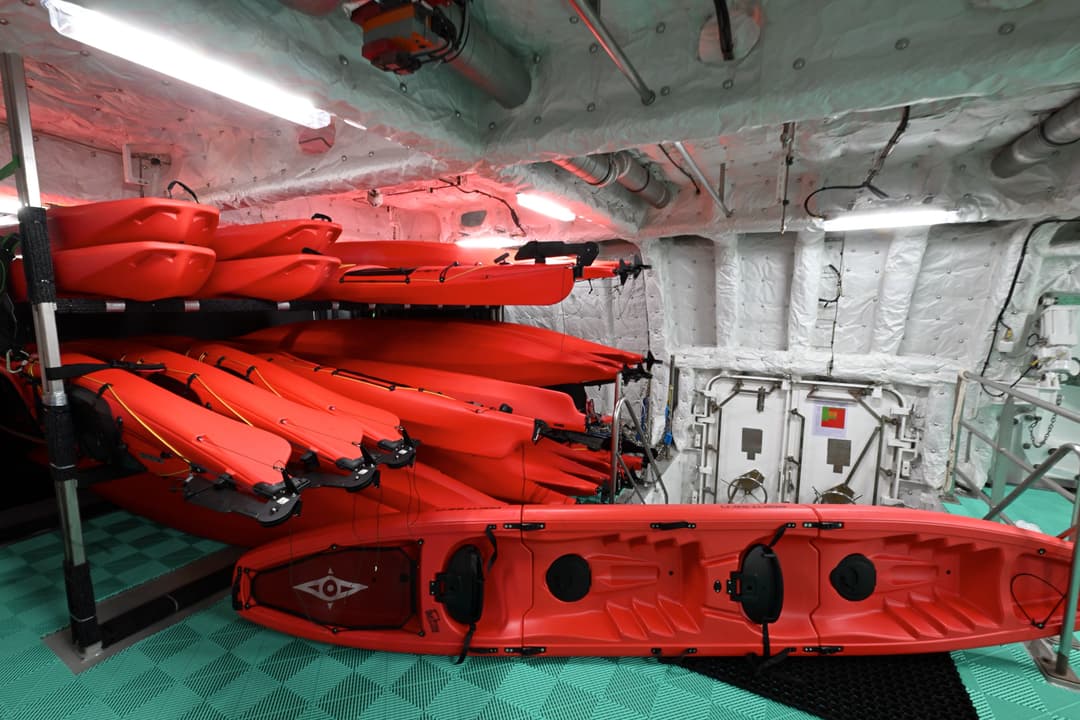
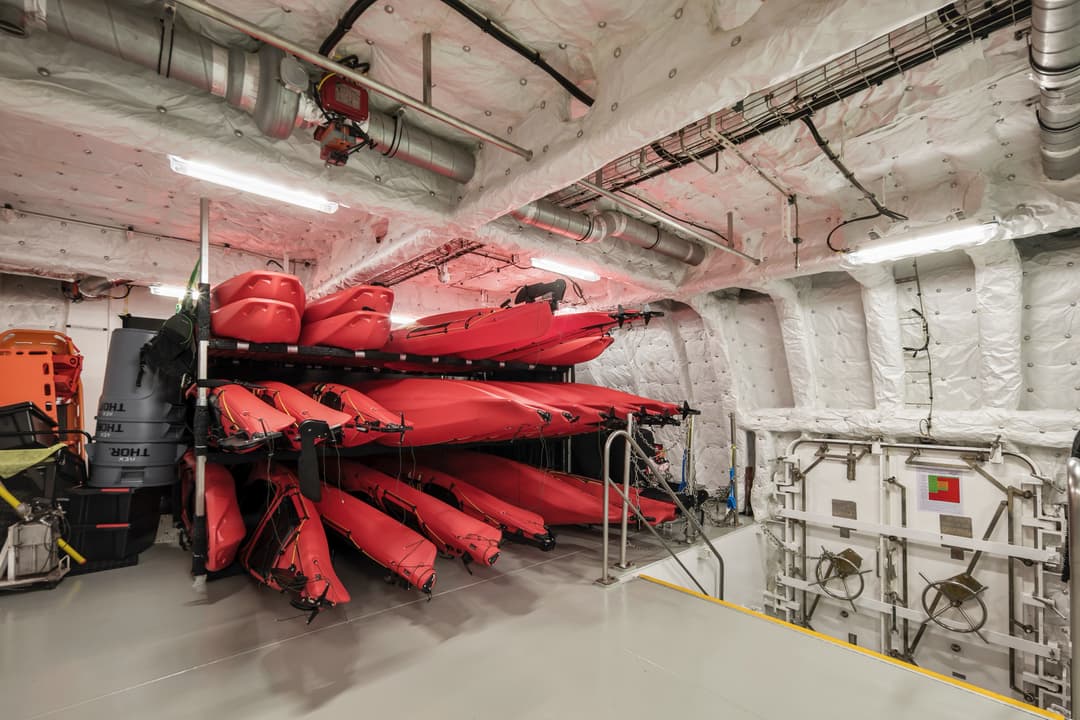
One of the great benefits of travelling with AE Expeditions is the number of optional activities that you can participate in. From kayaking and skiing to diving and climbing, these are one-in-a-lifetime opportunities that you need to take advantage of.
Loading...
Travel is always the best educator and we offer the chance to enrich your curiosity and expand your knowledge and understanding of the places we travel to. There is no better learning opportunity than being in the field with subject matter experts.
Our Citizen Science Program is designed to be an interactive forum of like-minded travellers to share new discoveries and deepen their connection to the natural world in a relaxed, informal an....
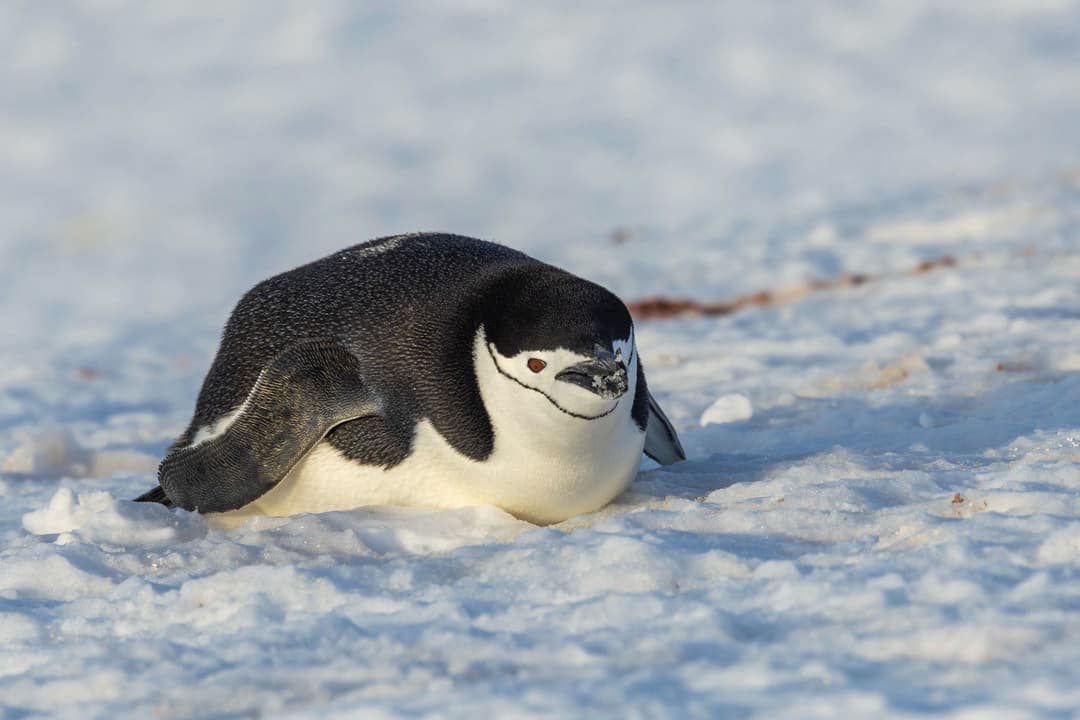
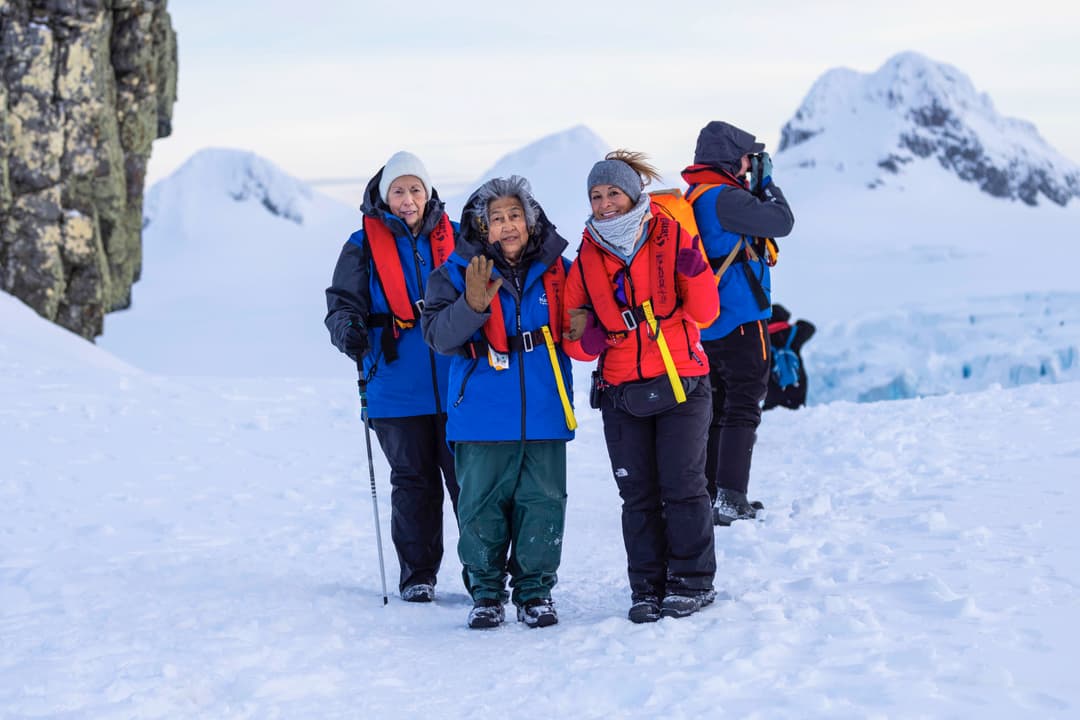
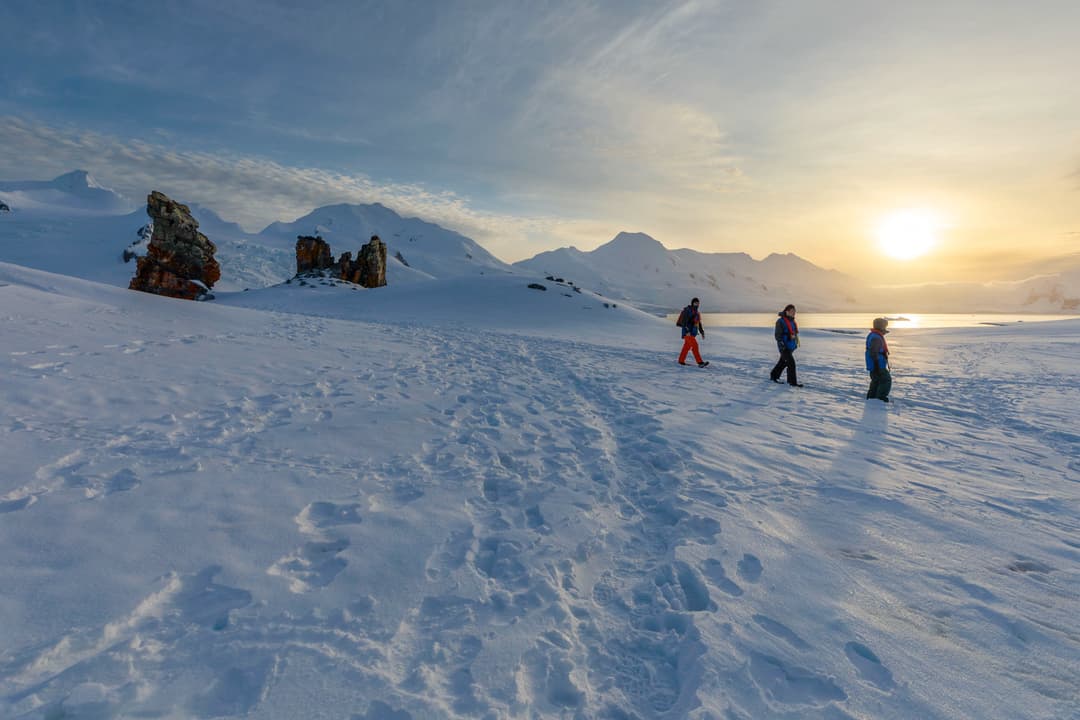
Whether it’s adventure at sea or on land that makes you tick, we have a huge range of optional activities to help you make the most of your time in some of the most beautiful places on earth.
We encourage you to make the most of every opportunity to nurture your inner adventurer. You can choose from a range of add-on adventures to make the most of your time in these beautiful places. We have pioneered more adventure activities than any p....
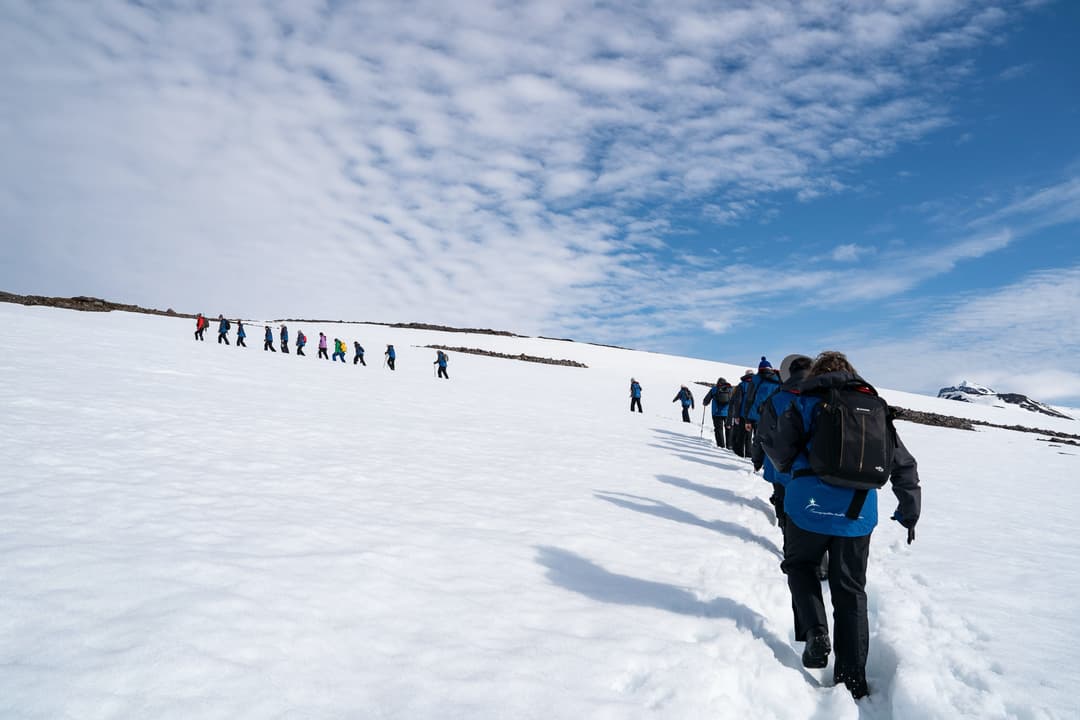
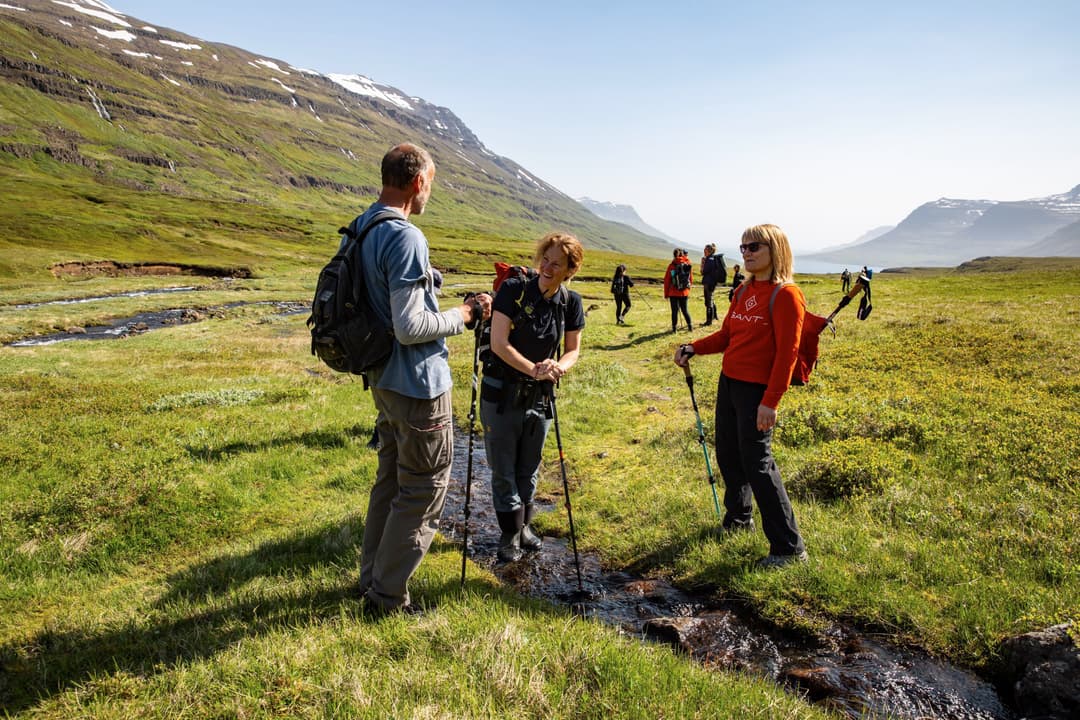
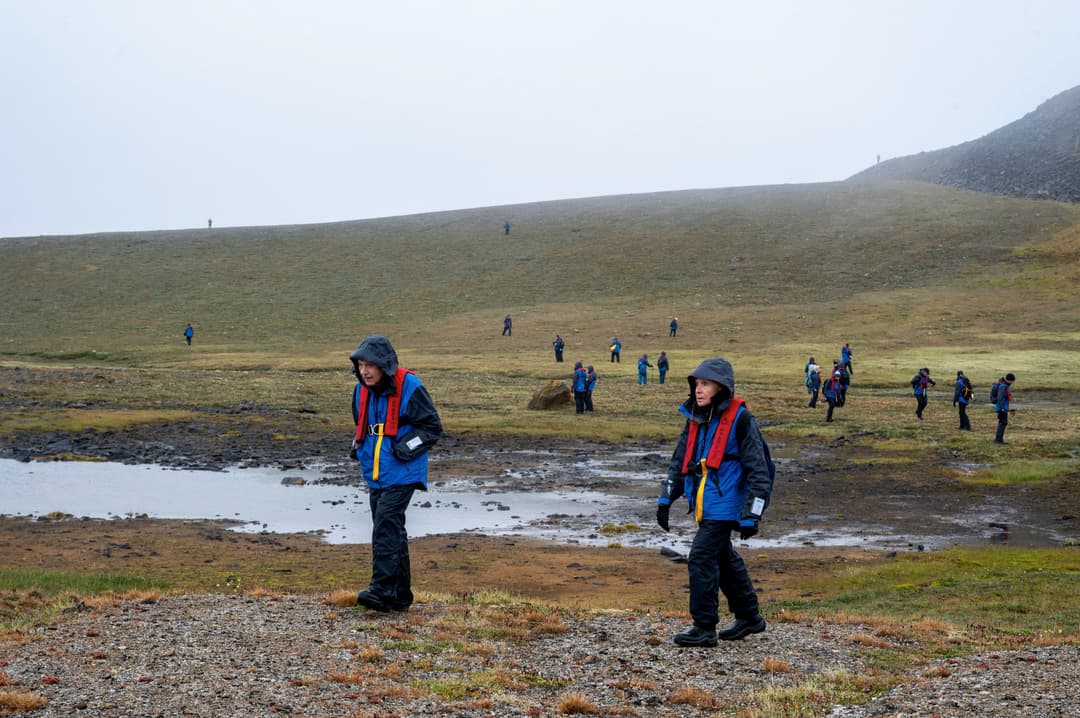
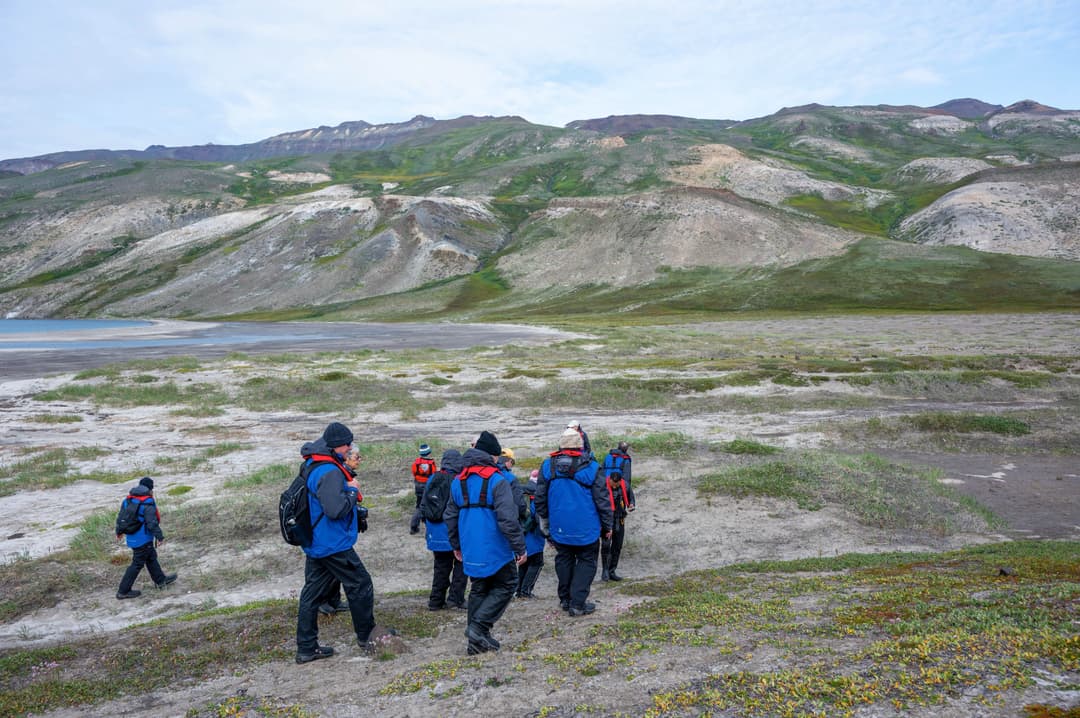
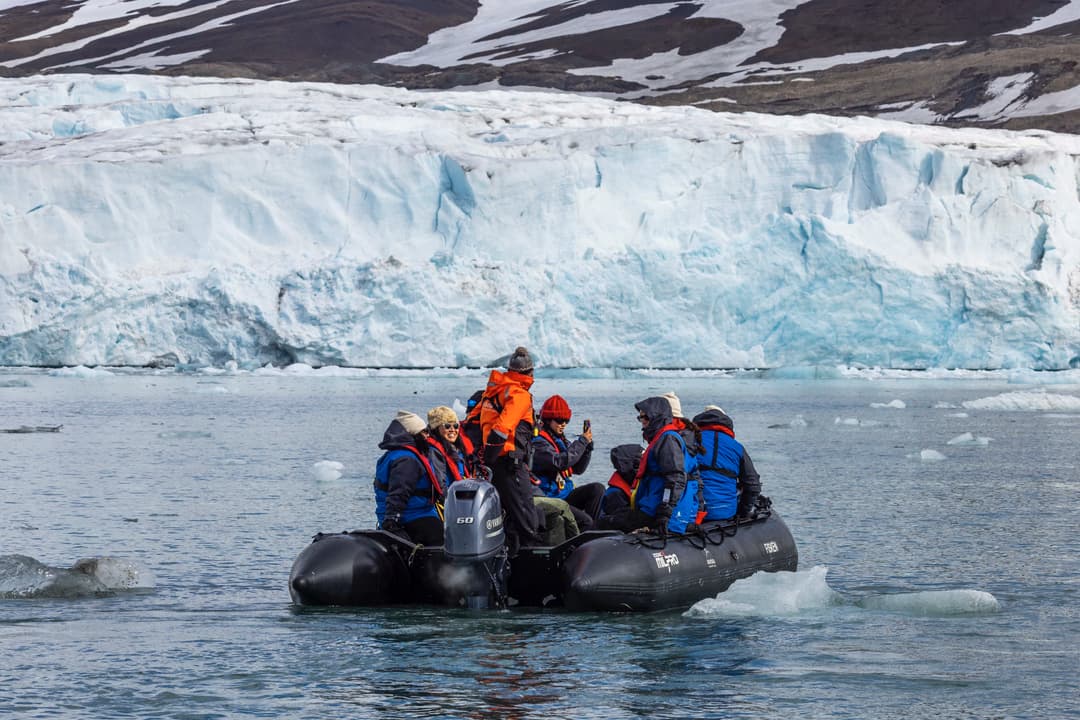
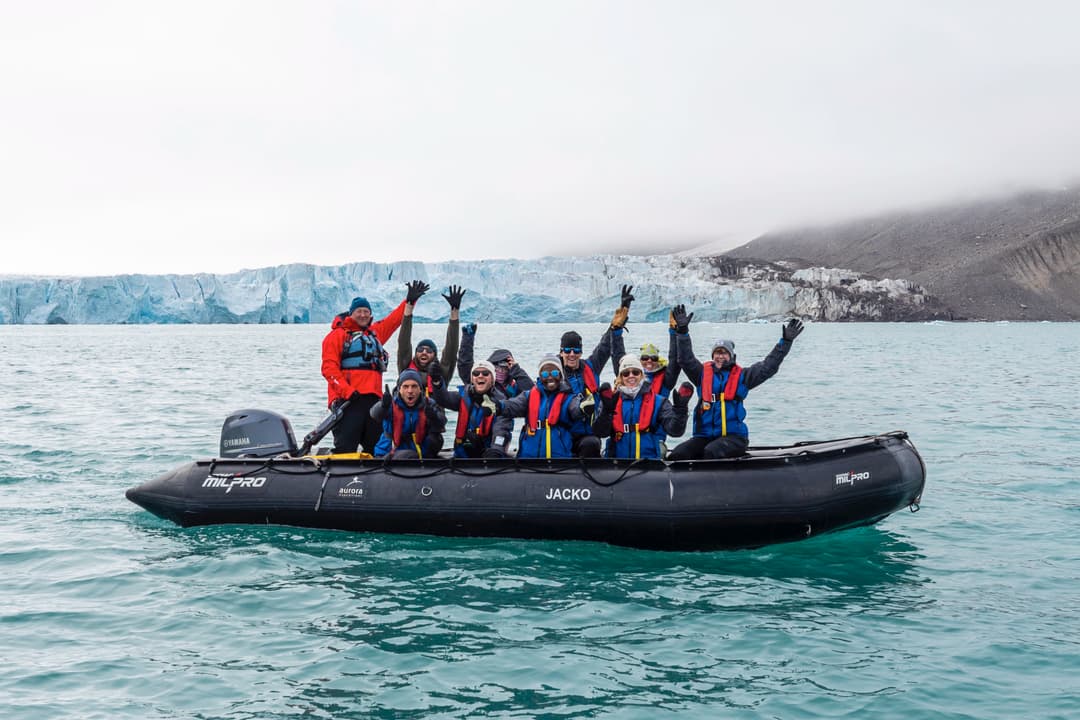
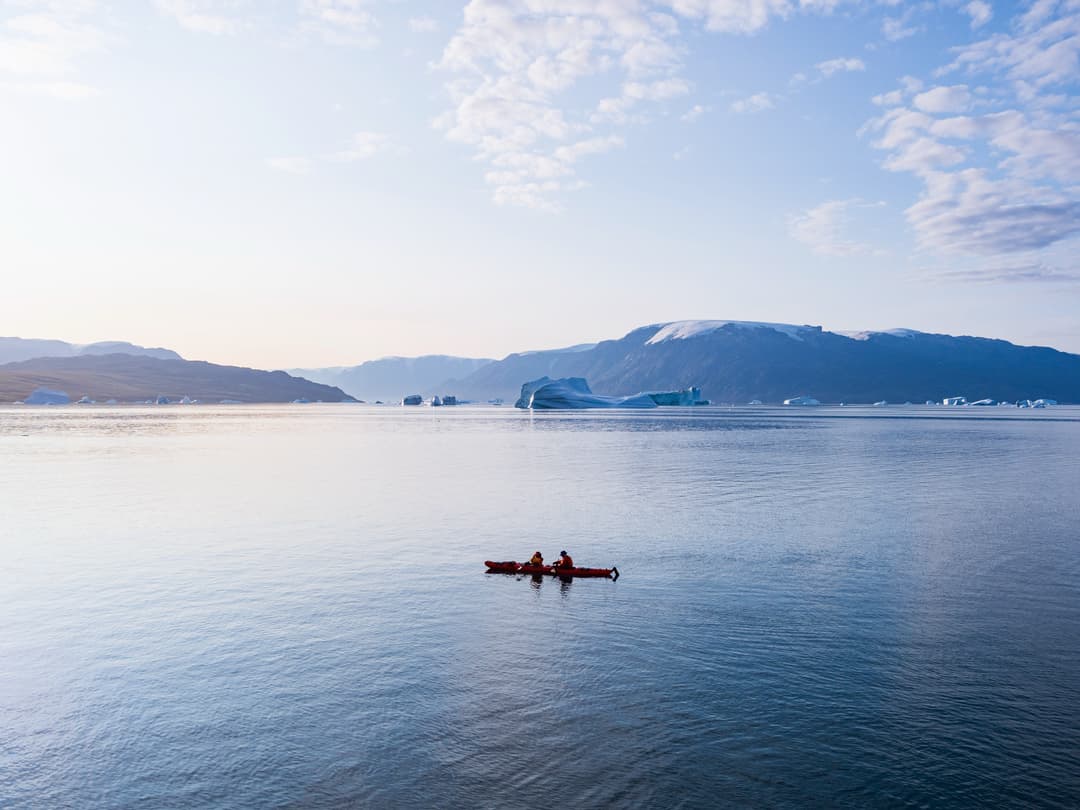
On all expeditions you will meet naturalists and local specialists, who offer presentations on their area of expertise to enhance your appreciation of the destination you are exploring.
Join the team in the lecture theatre for presentations covering a broad range of topics to suit every interest, from history and culture to biology and climate change. Regardless of the topic, they all have one thing in common: they all aim to engage, edu....
There are no dedicated children's facilities onboard the Douglas Mawson
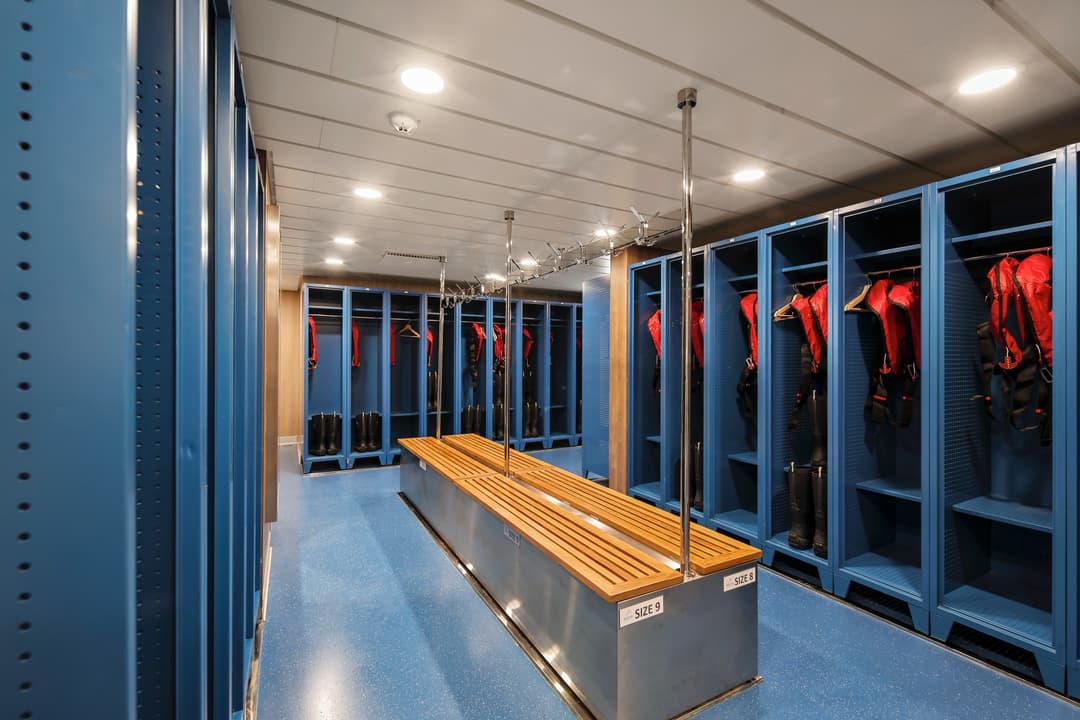
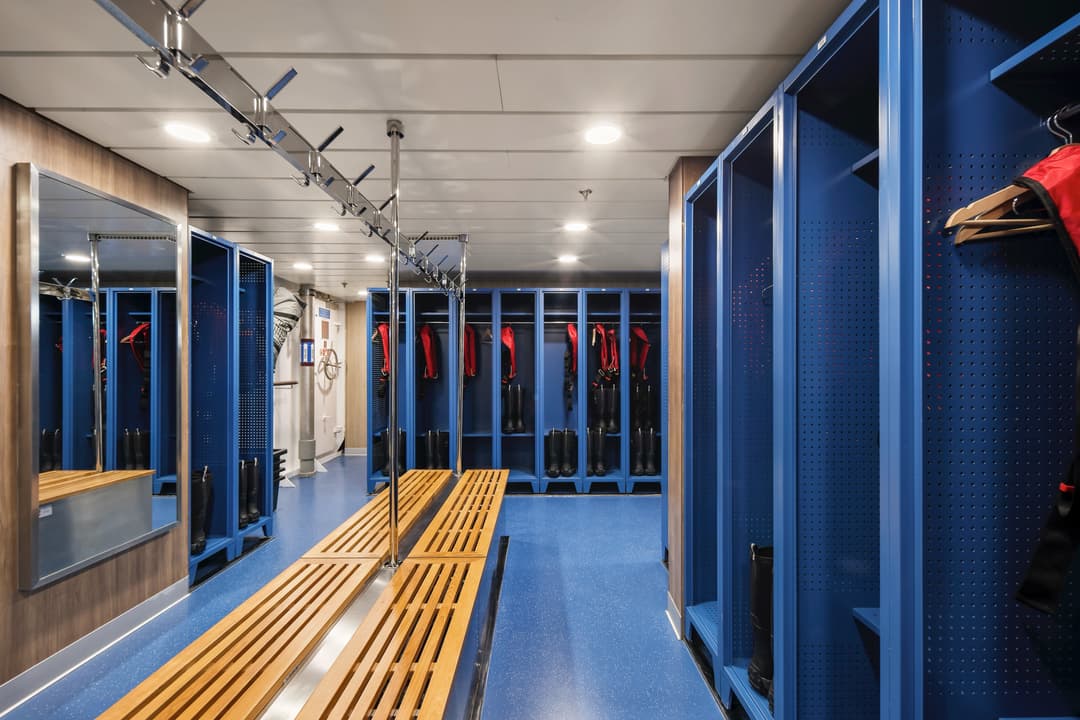
Shipboard clothing is informal and casual Jeans, jumpers and long-sleeved shirts are ideal for indoors in the polar regions; however be sure to keep your jacket close for unexpected wildlife sightings! Some people like to take a nicer outfit for the captain's welcome and farewell drinks but formal clothing is not necessary. For health and safety reasons, we do request you wear enclosed shoes in public areas while on board the ship. AE Expediti....
Medical Form
It is compulsory for each passenger to return a signed medical from their general practitioner. Your Medical Form is required to be signed by your general practitioner and returned to AE Expeditions no later than three months and no earlier than six months before your voyage departure date.
If you become aware of any change in your health and fitness that may be likely to affect your participation on the trip (e....
When packing for your holiday, do you have trouble deciding between what to take versus leave at home? If so, you’re certainly not alone – it can be tricky deciding what makes the cut into your luggage.
Of course, what often helps is knowing the environment that you’re entering into. With Antarctica and the Arctic – known as the coldest, most isolated and remote landscapes in the world – there might be a tendency to pack your suitcase wi....
We can accommodate most special meal requests if given advance notice. Our talented chefs will take your requirements into their meal planning and ensure you receive tasty, healthy meals. Ensure you list any dietary requirements on your personal details form. Although we aim to accommodate most dietary requirements, we are unable to cater to all requirements, nor can we guarantee that our onboard meals do not contain traces of peanuts or other....
Standard Inclusions
We offer a number of standard inclusions on our voyages. Please see full list below:
- Fully-serviced accommodation in your chosen stateroom or suite
- Daily shore excursions, guided walks, Zodiac cruises and some activities^
- Entry fees to historic or tourist sites
- An experienced team of destination specialists, activity leaders, and local guides*
- An informative and entert....