

CRUISE ID # AURORAIRS002D
Dublin TO Edinburgh


$8,098
WITH SPECIAL SAVINGS APPLIED
FARES SHOWN ARE PER GUEST
Suites & Fares
CHOOSE START DATE
: June 24, 2027
Itinerary
Dublin is making a comeback. The decade-long "Celtic Tiger" boom era was quickly followed by the Great Recession, but The Recovery has finally taken a precarious hold. For visitors, this newer and wiser Dublin has become one of western Europe's most popular and delightful urban destinations. Whether or not you're out to enjoy the old or new Dublin, you'll find it a colossally entertaining city, all the more astonishing considering its intimate size.It is ironic and telling that James Joyce chose Dublin as the setting for his famous Ulysses, Dubliners, and A Portrait of the Artist as a Young Man because it was a "center of paralysis" where nothing much ever changed. Which only proves that even the greats get it wrong sometimes. Indeed, if Joyce were to return to his once-genteel hometown today—disappointed with the city's provincial outlook, he left it in 1902 at the age of 20—and take a quasi-Homeric odyssey through the city (as he so famously does in Ulysses), would he even recognize Dublin as his "Dear Dirty Dumpling, foostherfather of fingalls and dotthergills"?For instance, what would he make of Temple Bar—the city's erstwhile down-at-the-heels neighborhood, now crammed with cafés and trendy hotels and suffused with a nonstop, international-party atmosphere? Or the simple sophistication of the open-air restaurants of the tiny Italian Quarter (named Quartier Bloom after his own creation), complete with sultry tango lessons? Or of the hot–cool Irishness, where every aspect of Celtic culture results in sold-out theaters, from Once, the cult indie movie and Broadway hit, to Riverdance, the old Irish mass-jig recast as a Las Vegas extravaganza? Plus, the resurrected Joyce might be stirred by the songs of Hozier, fired up by the sultry acting of Michael Fassbender, and moved by the award-winning novels of Colum McCann. As for Ireland's capital, it's packed with elegant shops and hotels, theaters, galleries, coffeehouses, and a stunning variety of new, creative little restaurants can be found on almost every street in Dublin, transforming the provincial city that suffocated Joyce into a place almost as cosmopolitan as the Paris to which he fled. And the locals are a hell of a lot more fun! Now that the economy has finally turned a corner, Dublin citizens can cast a cool eye over the last 20 crazy years. Some argue that the boomtown transformation of their heretofore-tranquil city has permanently affected its spirit and character. These skeptics (skepticism long being a favorite pastime in the capital city) await the outcome of "Dublin: The Sequel," and their greatest fear is the possibility that the tattered old lady on the Liffey has become a little less unique, a little more like everywhere else.Oh ye of little faith: the rare ole gem that is Dublin is far from buried. The fundamentals—the Georgian elegance of Merrion Square, the Norman drama of Christ Church Cathedral, the foamy pint at an atmospheric pub—are still on hand to gratify. Most of all, there are the locals themselves: the nod and grin when you catch their eye on the street, the eagerness to hear half your life story before they tell you all of theirs, and their paradoxically dark but warm sense of humor. It's expected that 2016 will be an extra-special year in the capital, as centenary celebrations of the fateful 1916 Easter Rising will dominate much of the cultural calendar.
Dublin is making a comeback. The decade-long "Celtic Tiger" boom era was quickly followed by the Great Recession, but The Recovery has finally taken a precarious hold. For visitors, this newer and wiser Dublin has become one of western Europe's most popular and delightful urban destinations. Whether or not you're out to enjoy the old or new Dublin, you'll find it a colossally entertaining city, all the more astonishing considering its intimate size.It is ironic and telling that James Joyce chose Dublin as the setting for his famous Ulysses, Dubliners, and A Portrait of the Artist as a Young Man because it was a "center of paralysis" where nothing much ever changed. Which only proves that even the greats get it wrong sometimes. Indeed, if Joyce were to return to his once-genteel hometown today—disappointed with the city's provincial outlook, he left it in 1902 at the age of 20—and take a quasi-Homeric odyssey through the city (as he so famously does in Ulysses), would he even recognize Dublin as his "Dear Dirty Dumpling, foostherfather of fingalls and dotthergills"?For instance, what would he make of Temple Bar—the city's erstwhile down-at-the-heels neighborhood, now crammed with cafés and trendy hotels and suffused with a nonstop, international-party atmosphere? Or the simple sophistication of the open-air restaurants of the tiny Italian Quarter (named Quartier Bloom after his own creation), complete with sultry tango lessons? Or of the hot–cool Irishness, where every aspect of Celtic culture results in sold-out theaters, from Once, the cult indie movie and Broadway hit, to Riverdance, the old Irish mass-jig recast as a Las Vegas extravaganza? Plus, the resurrected Joyce might be stirred by the songs of Hozier, fired up by the sultry acting of Michael Fassbender, and moved by the award-winning novels of Colum McCann. As for Ireland's capital, it's packed with elegant shops and hotels, theaters, galleries, coffeehouses, and a stunning variety of new, creative little restaurants can be found on almost every street in Dublin, transforming the provincial city that suffocated Joyce into a place almost as cosmopolitan as the Paris to which he fled. And the locals are a hell of a lot more fun! Now that the economy has finally turned a corner, Dublin citizens can cast a cool eye over the last 20 crazy years. Some argue that the boomtown transformation of their heretofore-tranquil city has permanently affected its spirit and character. These skeptics (skepticism long being a favorite pastime in the capital city) await the outcome of "Dublin: The Sequel," and their greatest fear is the possibility that the tattered old lady on the Liffey has become a little less unique, a little more like everywhere else.Oh ye of little faith: the rare ole gem that is Dublin is far from buried. The fundamentals—the Georgian elegance of Merrion Square, the Norman drama of Christ Church Cathedral, the foamy pint at an atmospheric pub—are still on hand to gratify. Most of all, there are the locals themselves: the nod and grin when you catch their eye on the street, the eagerness to hear half your life story before they tell you all of theirs, and their paradoxically dark but warm sense of humor. It's expected that 2016 will be an extra-special year in the capital, as centenary celebrations of the fateful 1916 Easter Rising will dominate much of the cultural calendar.
Dublin is making a comeback. The decade-long "Celtic Tiger" boom era was quickly followed by the Great Recession, but The Recovery has finally taken a precarious hold. For visitors, this newer and wiser Dublin has become one of western Europe's most popular and delightful urban destinations. Whether or not you're out to enjoy the old or new Dublin, you'll find it a colossally entertaining city, all the more astonishing considering its intimate size.It is ironic and telling that James Joyce chose Dublin as the setting for his famous Ulysses, Dubliners, and A Portrait of the Artist as a Young Man because it was a "center of paralysis" where nothing much ever changed. Which only proves that even the greats get it wrong sometimes. Indeed, if Joyce were to return to his once-genteel hometown today—disappointed with the city's provincial outlook, he left it in 1902 at the age of 20—and take a quasi-Homeric odyssey through the city (as he so famously does in Ulysses), would he even recognize Dublin as his "Dear Dirty Dumpling, foostherfather of fingalls and dotthergills"?For instance, what would he make of Temple Bar—the city's erstwhile down-at-the-heels neighborhood, now crammed with cafés and trendy hotels and suffused with a nonstop, international-party atmosphere? Or the simple sophistication of the open-air restaurants of the tiny Italian Quarter (named Quartier Bloom after his own creation), complete with sultry tango lessons? Or of the hot–cool Irishness, where every aspect of Celtic culture results in sold-out theaters, from Once, the cult indie movie and Broadway hit, to Riverdance, the old Irish mass-jig recast as a Las Vegas extravaganza? Plus, the resurrected Joyce might be stirred by the songs of Hozier, fired up by the sultry acting of Michael Fassbender, and moved by the award-winning novels of Colum McCann. As for Ireland's capital, it's packed with elegant shops and hotels, theaters, galleries, coffeehouses, and a stunning variety of new, creative little restaurants can be found on almost every street in Dublin, transforming the provincial city that suffocated Joyce into a place almost as cosmopolitan as the Paris to which he fled. And the locals are a hell of a lot more fun! Now that the economy has finally turned a corner, Dublin citizens can cast a cool eye over the last 20 crazy years. Some argue that the boomtown transformation of their heretofore-tranquil city has permanently affected its spirit and character. These skeptics (skepticism long being a favorite pastime in the capital city) await the outcome of "Dublin: The Sequel," and their greatest fear is the possibility that the tattered old lady on the Liffey has become a little less unique, a little more like everywhere else.Oh ye of little faith: the rare ole gem that is Dublin is far from buried. The fundamentals—the Georgian elegance of Merrion Square, the Norman drama of Christ Church Cathedral, the foamy pint at an atmospheric pub—are still on hand to gratify. Most of all, there are the locals themselves: the nod and grin when you catch their eye on the street, the eagerness to hear half your life story before they tell you all of theirs, and their paradoxically dark but warm sense of humor. It's expected that 2016 will be an extra-special year in the capital, as centenary celebrations of the fateful 1916 Easter Rising will dominate much of the cultural calendar.
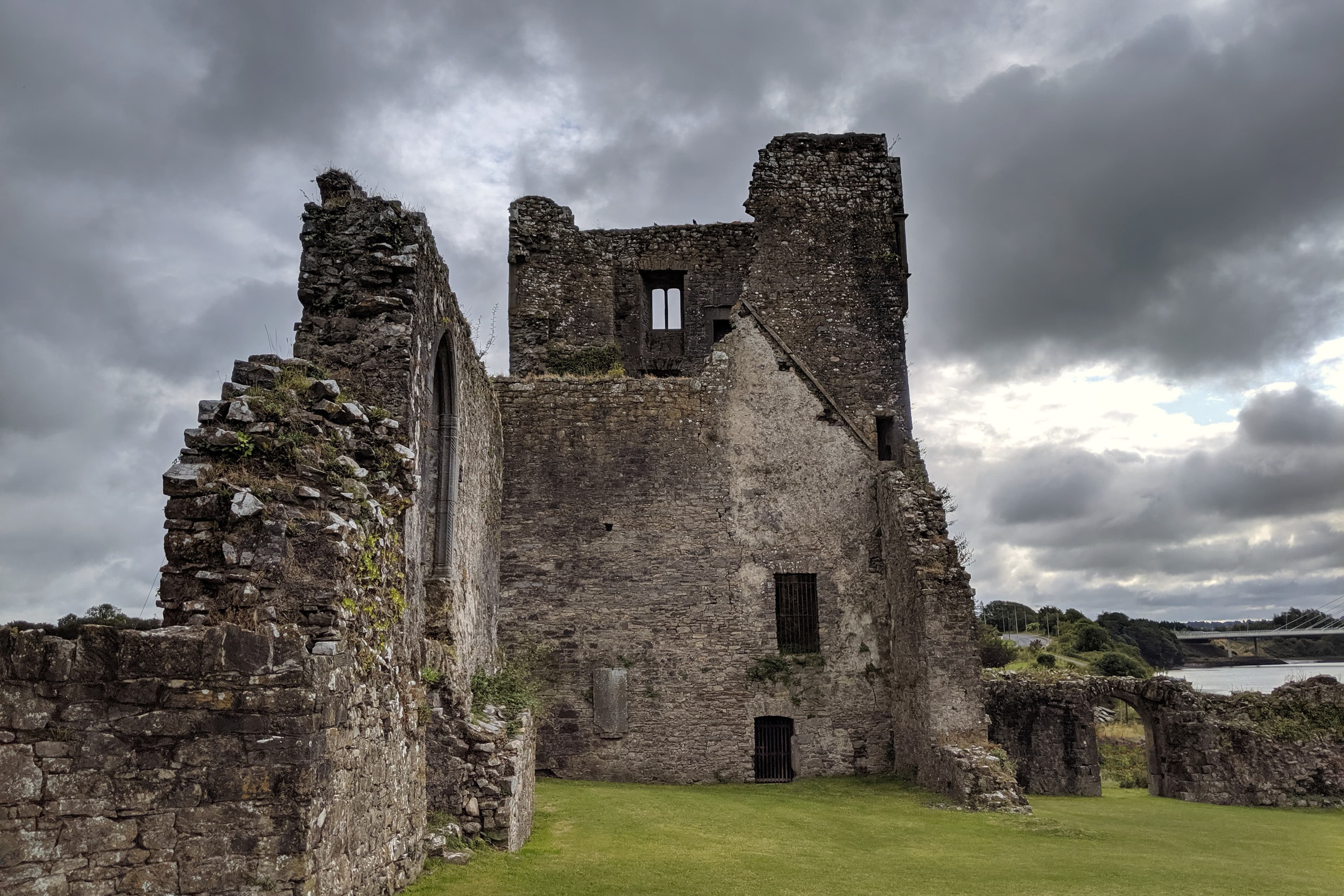
The largest town in the Southeast and Ireland's oldest city, Waterford was founded by the Vikings in the 9th century and was taken over by Strongbow, the Norman invader, with much bloodshed in 1170. The city resisted Cromwell's 1649 attacks, but fell the following year. It did not prosper again until 1783, when George and William Penrose set out to create "plain and cut flint glass, useful and ornamental," and thereby set in motion a glass-manufacturing industry long without equal. The famed glassworks closed after the 2008 financial crisis, but Waterford Crystal has triumphantly risen again from the flames in a smaller, leaner version, opened in 2010 and now relocated to the Mall.
Cork City received its first charter in 1185 from Prince John of Norman England, and it takes its name from the Irish word corcaigh, meaning "marshy place." The original 6th-century settlement was spread over 13 small islands in the River Lee. Major development occurred during the 17th and 18th centuries with the expansion of the butter trade, and many attractive Georgian-design buildings with wide bowfront windows were constructed during this time. As late as 1770 Cork's present-day main streets—Grand Parade, Patrick Street, and the South Mall—were submerged under the Lee. Around 1800, when the Lee was partially dammed, the river divided into two streams that now flow through the city, leaving the main business and commercial center on an island, not unlike Paris's Île de la Cité. As a result, the city has a number of bridges and quays, which, although initially confusing, add greatly to the port's unique character. Cork can be very "Irish" (hurling, Gaelic football, televised plowing contests, music pubs, and peat smoke). But depending on what part of town you're in, Cork can also be distinctly un-Irish—the sort of place where hippies, gays, and farmers drink at the same pub.
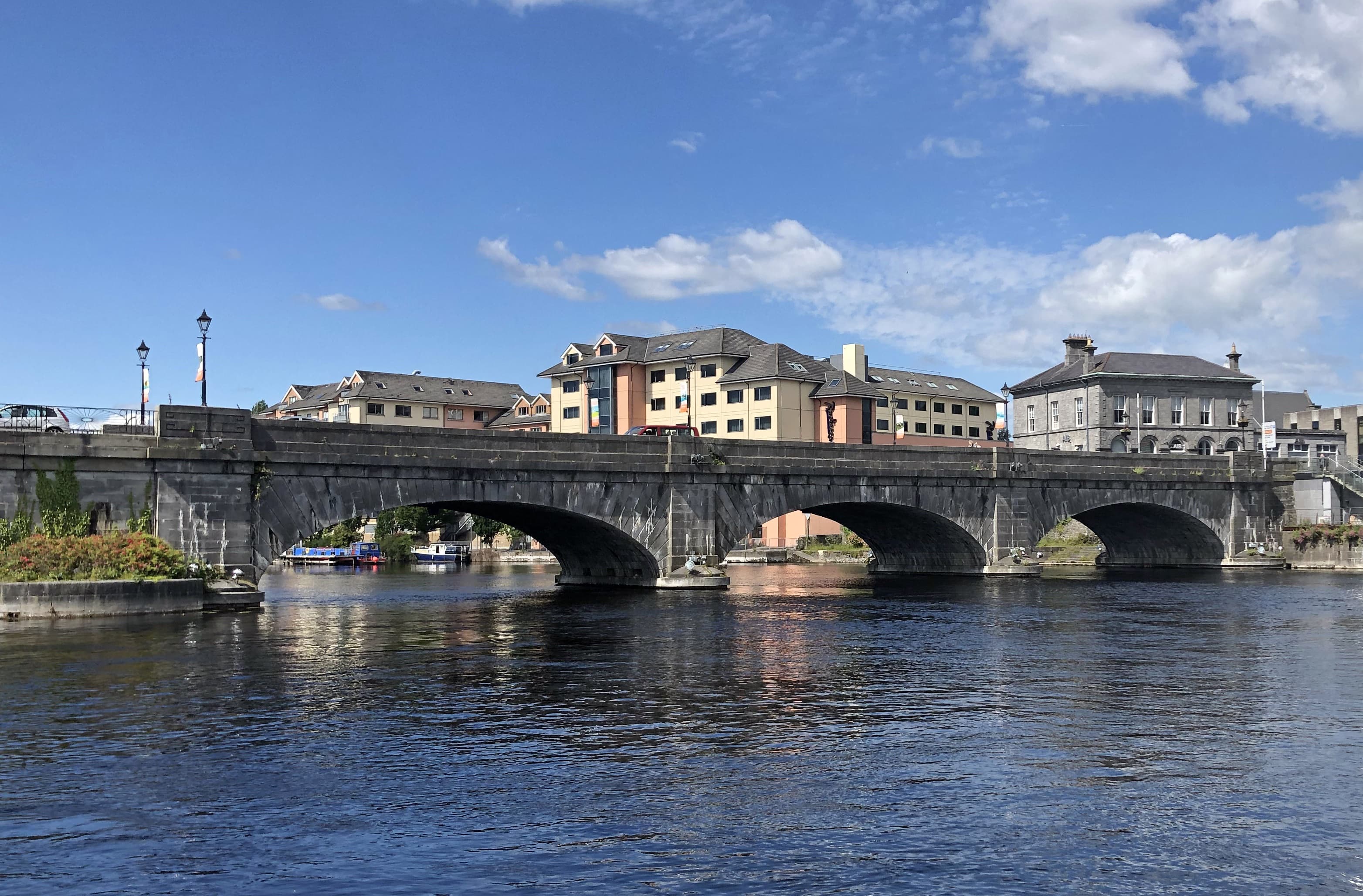
Galway is a city in the West of Ireland in the province of Connacht. It lies on the River Corrib between Lough Corrib and Galway Bay and is surrounded by County Galway. It is the fourth most populous urban area in the Republic of Ireland and the sixth most populous city in the island of Ireland. It is both a picturesque and lively city with a wonderful avant-garde culture and a fascinating mixture of locally owned speciality shops, often featuring locally made crafts. Indeed local handcrafts are a feature of the entire region including hand knits, pottery, glass, jewellery and woodwork. The city’s hub is 18th-century Eyre Square, a popular meeting spot surrounded by shops, and traditional pubs that often offer live Irish folk music. Nearby, stone-clad cafes, boutiques and art galleries line the winding lanes of the Latin Quarter, which retains portions of the medieval city walls. The city bears the nickname "The City of the Tribes" because "fourteen tribes" of merchant families led the city in its Hiberno-Norman period. The merchants would have seen themselves as Irish gentry and loyal to the King. They later adopted the term as a badge of honour and pride in defiance of the town's Cromwellian occupier.
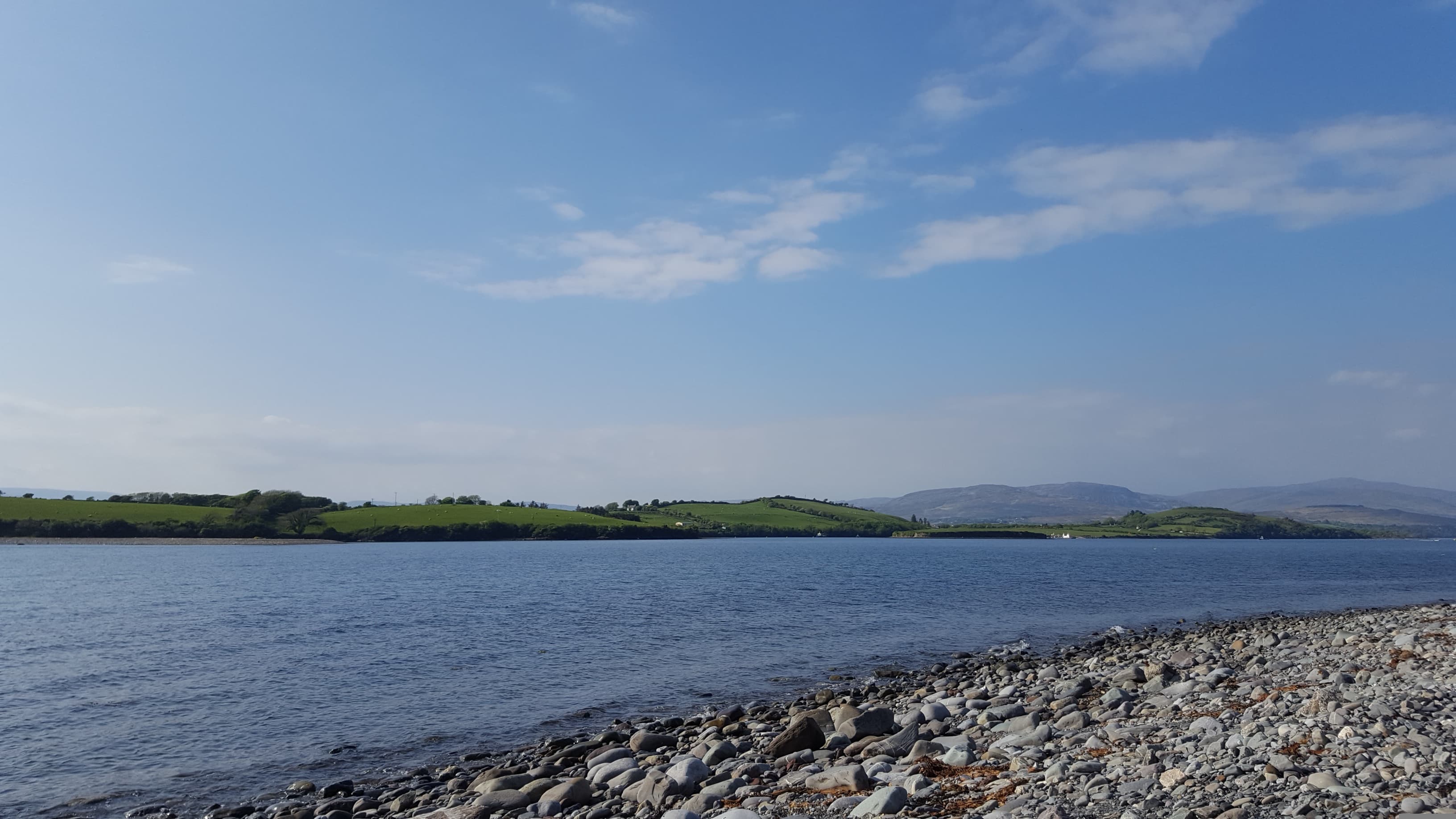
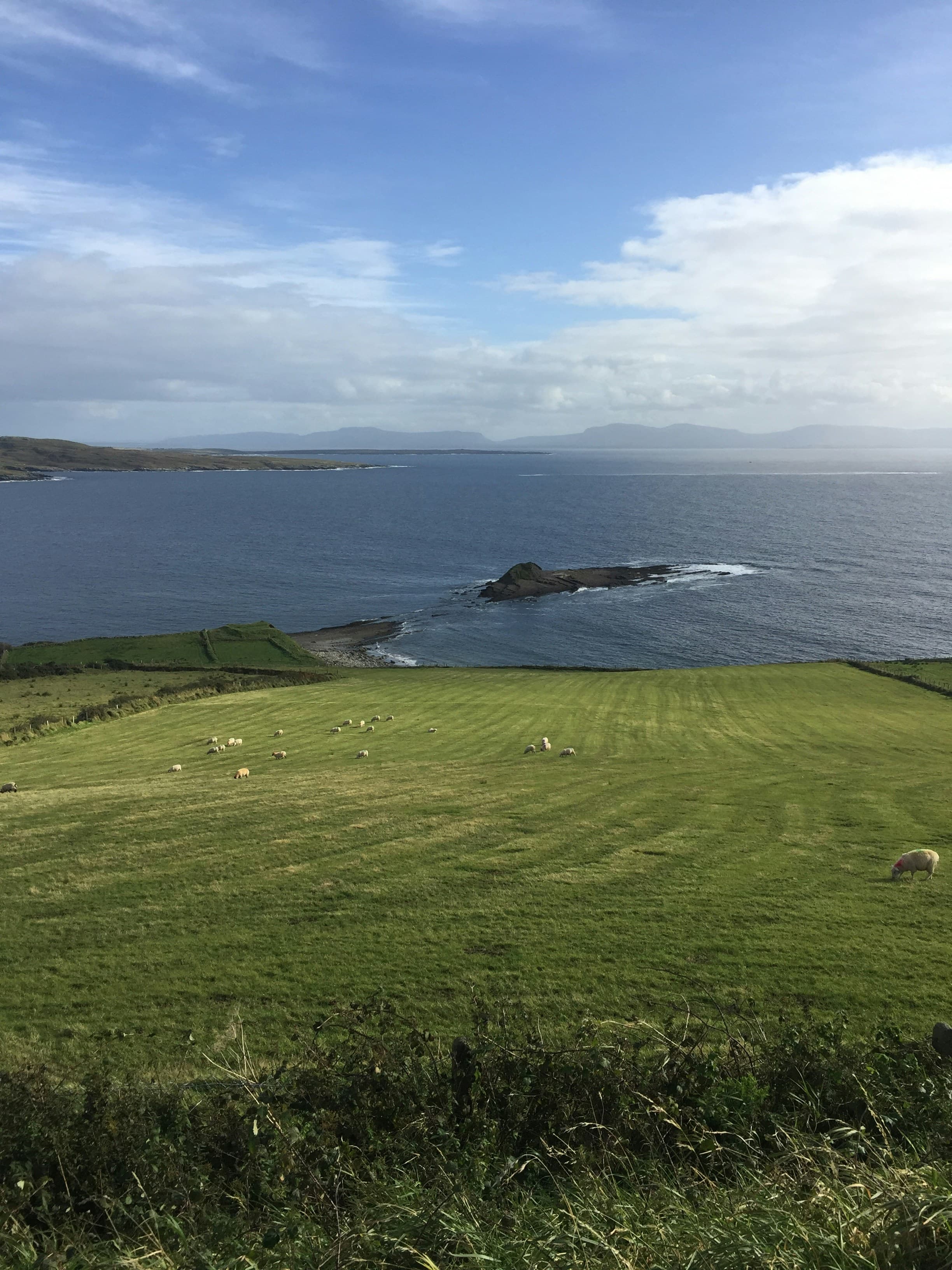
Killybegs The days start early in Killybegs, as this quiet fishing town rumbles to life, and ships with red and blue paint peeling from their hulls quietly depart, ready for a morning's hard work at sea. Located in a scenic part of County Donegal, Killybegs is Ireland's fishing capital, and the salty breeze and pretty streets serve as a revitalising medicine for visitors. The town is also your gateway to some of the country's most majestic coastal scenery, which is dotted with flashing white lighthouses, keeping watch over invigorating seascapes. Killybegs enjoys a privileged position on the coast of north west of Ireland, close to the spectacular Slieve League - a titanic mountain, which explodes upwards from frothing ocean. Walk as close as you dare to the coastline’s sheer drops, or admire the folding cliffs from the best vantage point, down on the water.
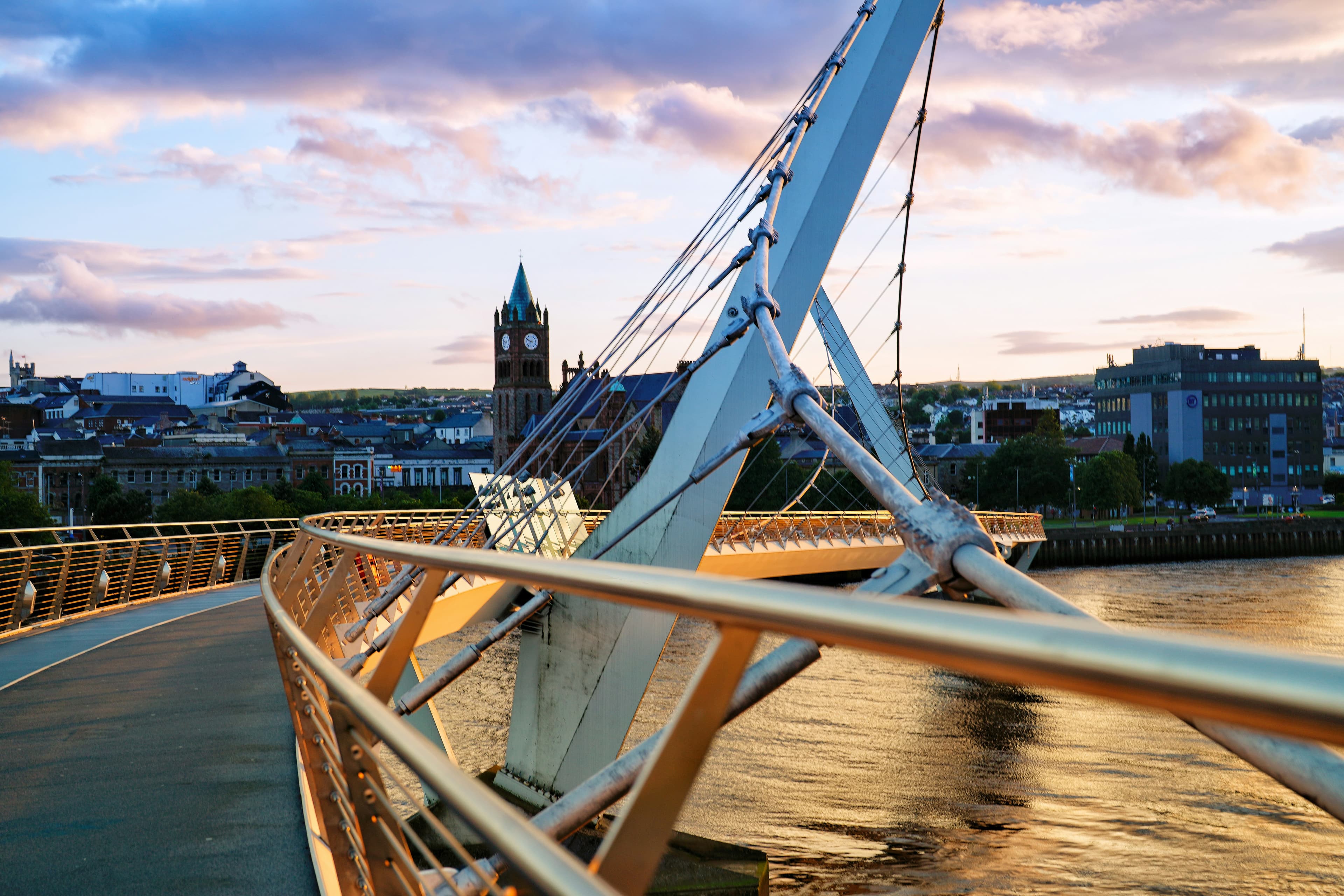
Nestled behind lofty city walls, Londonderry is a destination of culture, which boasts an increasingly envied reputation. This Northern Irish city is still riding on the momentum of a fantastic 2013, when it was named as UK City of Culture, and singled out as one of Lonely Planet's top 5 destinations to visit. The wonderfully preserved city walls are perhaps Londonderry's most treasured charm, and they encircle 1,450 years of history, and are over 400 years old. The walls came to the fore of the city's history during the Siege of Derry, back in 1688 - when King James's forces attacked, causing mass starvation and suffering over 105 days of stalemate. It takes approximately an hour to wander the entire circuit of the walls, and see their seven gates, and you’ll absorb a feast of information along the way. View the mighty cannons that boomed during the siege, or stop into one of the plentiful cafes, should you need a little refreshment before continuing your journey. St. Columb’s Cathedral, which dates back to 1633, towers over the walled city, and is one of the city's most significant historic sites. Its dreamy spire contains a set of bells that have peeled out melodies here since 1638, making them Ireland's oldest.
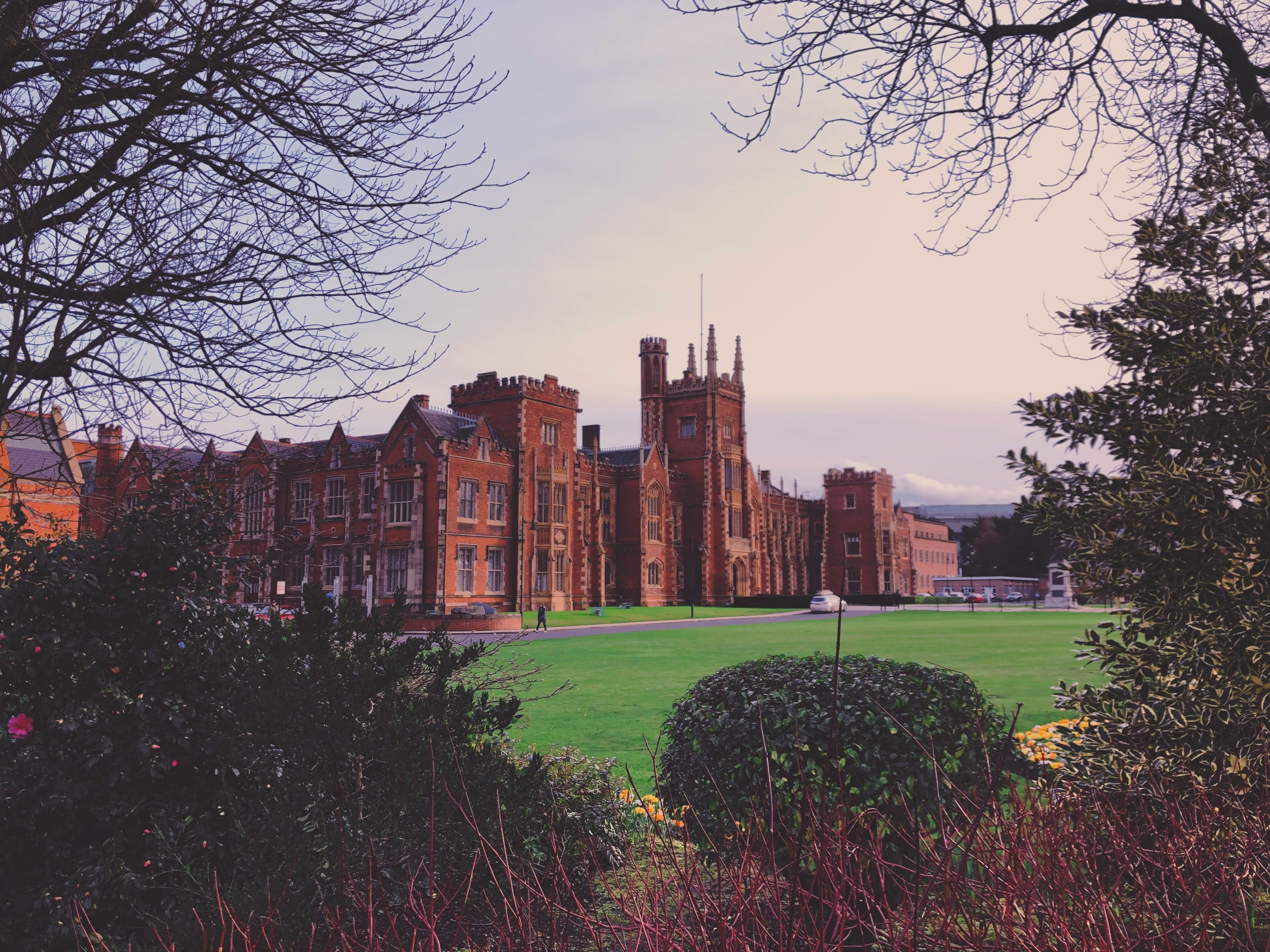
Before English and Scottish settlers arrived in the 1600s, Belfast was a tiny village called Béal Feirste ("sandbank ford") belonging to Ulster's ancient O'Neill clan. With the advent of the Plantation period (when settlers arrived in the 1600s), Sir Arthur Chichester, from Devon in southwestern England, received the city from the English Crown, and his son was made Earl of Donegall. Huguenots fleeing persecution from France settled near here, bringing their valuable linen-work skills. In the 18th century, Belfast underwent a phenomenal expansion—its population doubled every 10 years, despite an ever-present sectarian divide. Although the Anglican gentry despised the Presbyterian artisans—who, in turn, distrusted the native Catholics—Belfast's growth continued at a dizzying speed. The city was a great Victorian success story, an industrial boomtown whose prosperity was built on trade, especially linen and shipbuilding. Famously (or infamously), the Titanic was built here, giving Belfast, for a time, the nickname "Titanic Town." Having laid the foundation stone of the city's university in 1845, Queen Victoria returned to Belfast in 1849 (she is recalled in the names of buildings, streets, bars, monuments, and other places around the city), and in the same year, the university opened under the name Queen's College. Nearly 40 years later, in 1888, Victoria granted Belfast its city charter. Today its population is nearly 300,000, tourist numbers have increased, and this dramatically transformed city is enjoying an unparalleled renaissance.This is all a welcome change from the period when news about Belfast meant reports about "the Troubles." Since the 1994 ceasefire, Northern Ireland's capital city has benefited from major hotel investment, gentrified quaysides (or strands), a sophisticated new performing arts center, and major initiatives to boost tourism. Although the 1996 bombing of offices at Canary Wharf in London disrupted the 1994 peace agreement, the ceasefire was officially reestablished on July 20, 1997, and this embattled city began its quest for a newfound identity.Since 2008, the city has restored all its major public buildings such as museums, churches, theaters, City Hall, Ulster Hall—and even the glorious Crown Bar—spending millions of pounds on its built heritage. A gaol that at the height of the Troubles held some of the most notorious murderers involved in paramilitary violence is now a major visitor attraction.Belfast's city center is made up of three roughly contiguous areas that are easy to navigate on foot. From the south end to the north, it's about an hour's leisurely walk.
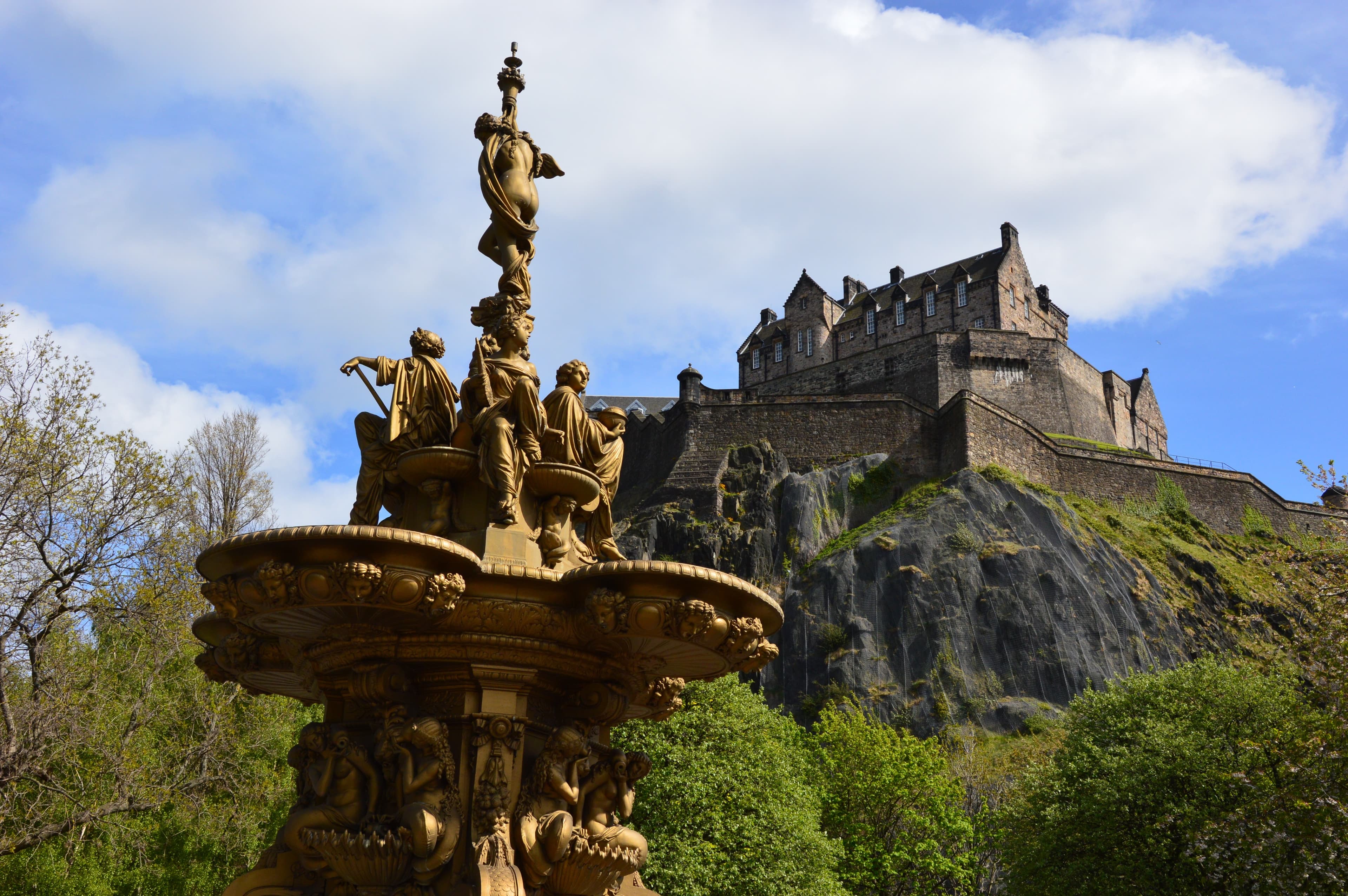
Edinburgh is to London as poetry is to prose, as Charlotte Brontë once wrote. One of the world's stateliest cities and proudest capitals, it's built—like Rome—on seven hills, making it a striking backdrop for the ancient pageant of history. In a skyline of sheer drama, Edinburgh Castle watches over the capital city, frowning down on Princes Street’s glamour and glitz. But despite its rich past, the city’s famous festivals, excellent museums and galleries, as well as the modern Scottish Parliament, are reminders that Edinburgh has its feet firmly in the 21st century.Nearly everywhere in Edinburgh (the burgh is always pronounced burra in Scotland) there are spectacular buildings, whose Doric, Ionic, and Corinthian pillars add touches of neoclassical grandeur to the largely Presbyterian backdrop. Large gardens are a strong feature of central Edinburgh, where the city council is one of the most stridently conservationist in Europe. Arthur's Seat, a mountain of bright green and yellow furze, rears up behind the spires of the Old Town. This child-size mountain jutting 822 feet above its surroundings has steep slopes and little crags, like a miniature Highlands set down in the middle of the busy city. Appropriately, these theatrical elements match Edinburgh's character—after all, the city has been a stage that has seen its fair share of romance, violence, tragedy, and triumph.Modern Edinburgh has become a cultural capital, staging the Edinburgh International Festival and the Fringe Festival in every possible venue each August. The stunning Museum of Scotland complements the city’s wealth of galleries and artsy hangouts. Add Edinburgh’s growing reputation for food and nightlife and you have one of the world’s most beguiling cities.Today the city is the second most important financial center in the United Kingdom, and the fifth most important in Europe. The city regularly is ranked near the top in quality-of-life surveys. Accordingly, New Town apartments on fashionable streets sell for considerable sums. In some senses the city is showy and materialistic, but Edinburgh still supports learned societies, some of which have their roots in the Scottish Enlightenment. The Royal Society of Edinburgh, for example, established in 1783 "for the advancement of learning and useful knowledge," remains an important forum for interdisciplinary activities.Even as Edinburgh moves through the 21st century, its tall guardian castle remains the focal point of the city and its venerable history. Take time to explore the streets—peopled by the spirits of Mary, Queen of Scots; Sir Walter Scott; and Robert Louis Stevenson—and pay your respects to the world's best-loved terrier, Greyfriars Bobby. In the evenings you can enjoy candlelit restaurants or a folk ceilidh (pronounced kay-lee, a traditional Scottish dance with music), though you should remember that you haven't earned your porridge until you've climbed Arthur's Seat. Should you wander around a corner, say, on George Street, you might see not an endless cityscape, but blue sea and a patchwork of fields. This is the county of Fife, beyond the inlet of the North Sea called the Firth of Forth—a reminder, like the mountains to the northwest that can be glimpsed from Edinburgh's highest points, that the rest of Scotland lies within easy reach.
Edinburgh is to London as poetry is to prose, as Charlotte Brontë once wrote. One of the world's stateliest cities and proudest capitals, it's built—like Rome—on seven hills, making it a striking backdrop for the ancient pageant of history. In a skyline of sheer drama, Edinburgh Castle watches over the capital city, frowning down on Princes Street’s glamour and glitz. But despite its rich past, the city’s famous festivals, excellent museums and galleries, as well as the modern Scottish Parliament, are reminders that Edinburgh has its feet firmly in the 21st century.Nearly everywhere in Edinburgh (the burgh is always pronounced burra in Scotland) there are spectacular buildings, whose Doric, Ionic, and Corinthian pillars add touches of neoclassical grandeur to the largely Presbyterian backdrop. Large gardens are a strong feature of central Edinburgh, where the city council is one of the most stridently conservationist in Europe. Arthur's Seat, a mountain of bright green and yellow furze, rears up behind the spires of the Old Town. This child-size mountain jutting 822 feet above its surroundings has steep slopes and little crags, like a miniature Highlands set down in the middle of the busy city. Appropriately, these theatrical elements match Edinburgh's character—after all, the city has been a stage that has seen its fair share of romance, violence, tragedy, and triumph.Modern Edinburgh has become a cultural capital, staging the Edinburgh International Festival and the Fringe Festival in every possible venue each August. The stunning Museum of Scotland complements the city’s wealth of galleries and artsy hangouts. Add Edinburgh’s growing reputation for food and nightlife and you have one of the world’s most beguiling cities.Today the city is the second most important financial center in the United Kingdom, and the fifth most important in Europe. The city regularly is ranked near the top in quality-of-life surveys. Accordingly, New Town apartments on fashionable streets sell for considerable sums. In some senses the city is showy and materialistic, but Edinburgh still supports learned societies, some of which have their roots in the Scottish Enlightenment. The Royal Society of Edinburgh, for example, established in 1783 "for the advancement of learning and useful knowledge," remains an important forum for interdisciplinary activities.Even as Edinburgh moves through the 21st century, its tall guardian castle remains the focal point of the city and its venerable history. Take time to explore the streets—peopled by the spirits of Mary, Queen of Scots; Sir Walter Scott; and Robert Louis Stevenson—and pay your respects to the world's best-loved terrier, Greyfriars Bobby. In the evenings you can enjoy candlelit restaurants or a folk ceilidh (pronounced kay-lee, a traditional Scottish dance with music), though you should remember that you haven't earned your porridge until you've climbed Arthur's Seat. Should you wander around a corner, say, on George Street, you might see not an endless cityscape, but blue sea and a patchwork of fields. This is the county of Fife, beyond the inlet of the North Sea called the Firth of Forth—a reminder, like the mountains to the northwest that can be glimpsed from Edinburgh's highest points, that the rest of Scotland lies within easy reach.
About the Ship
Name
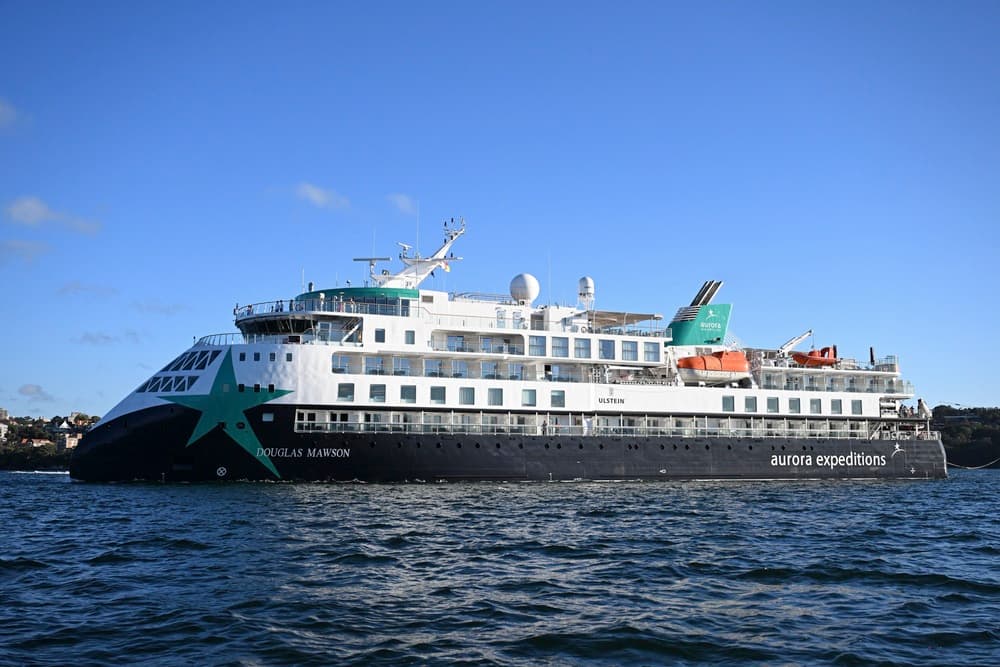
Douglas Mawson
Operator
Aurora Expeditions

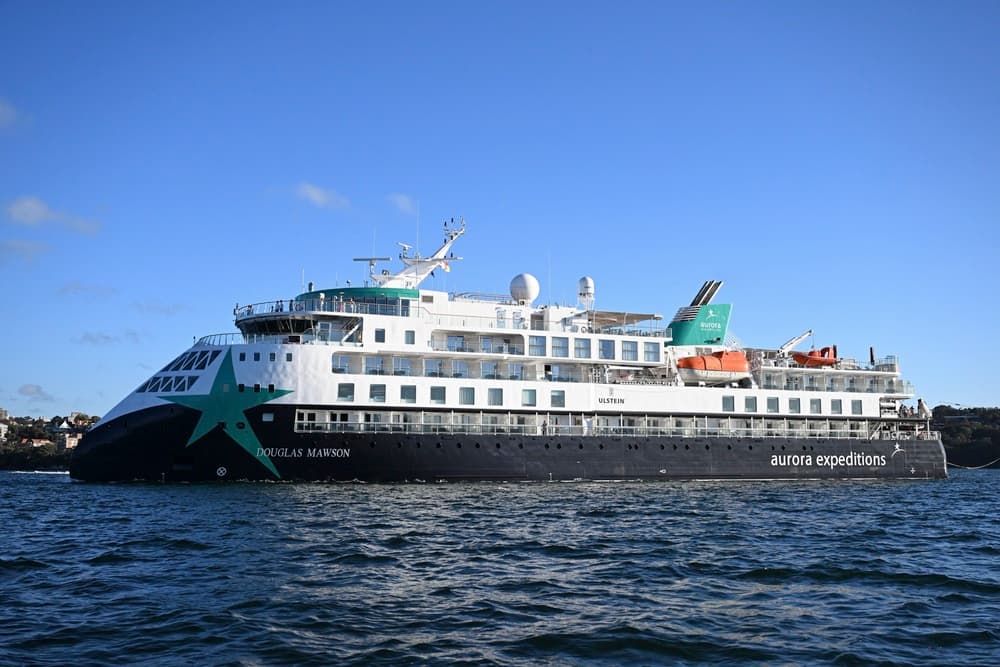
Adventure has a new name. Setting sail in 2025, our new state-of-the-art ship, the Douglas Mawson, is the last in a line of purpose-built vessels that have redefined small ship expedition cruising.
Loading...
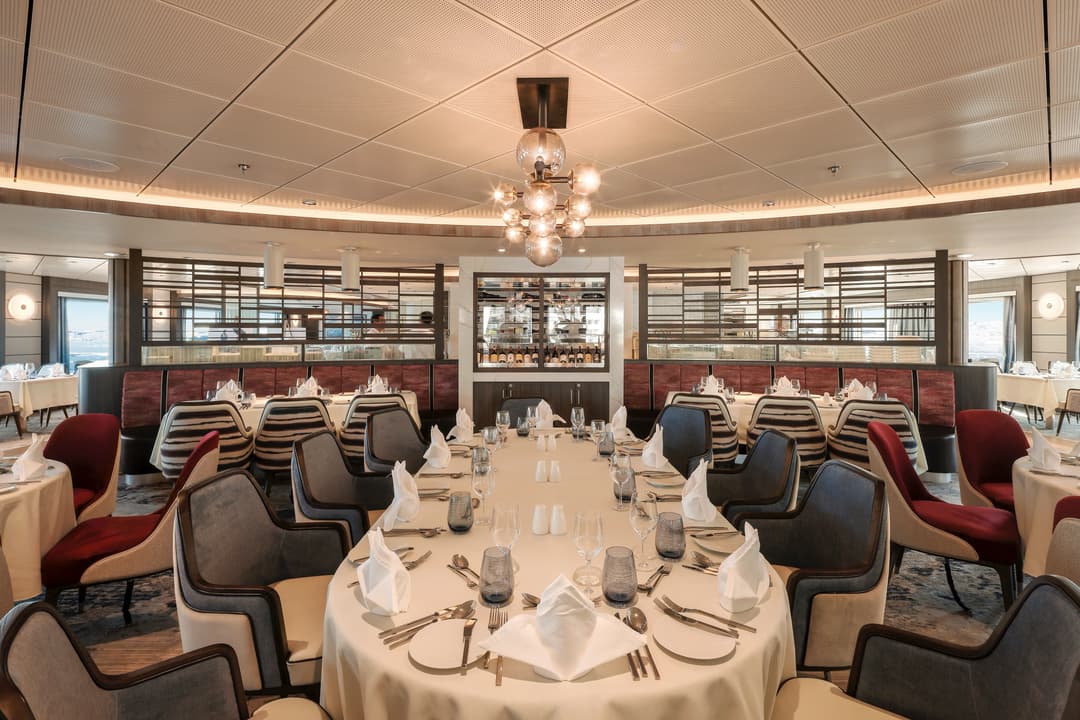
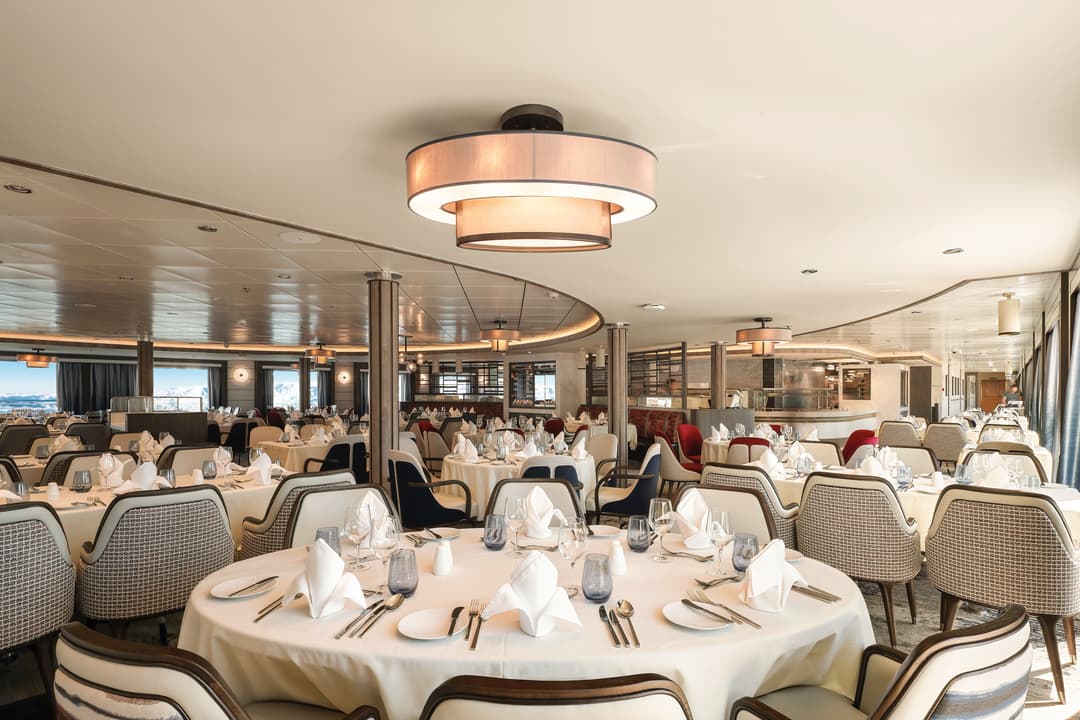
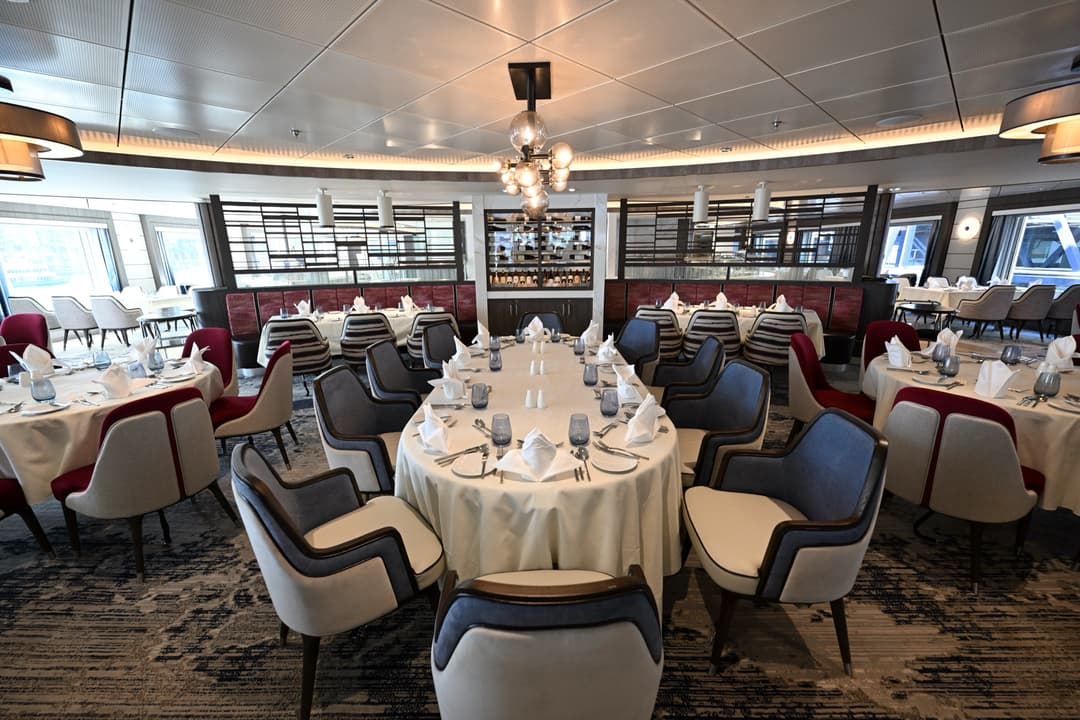
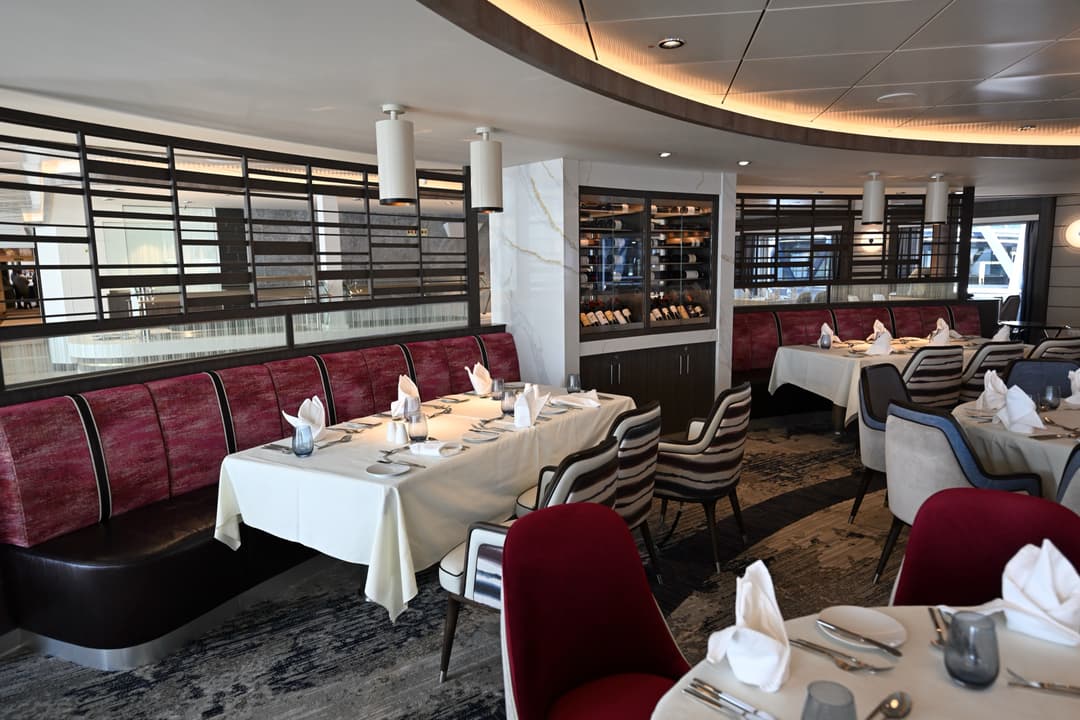
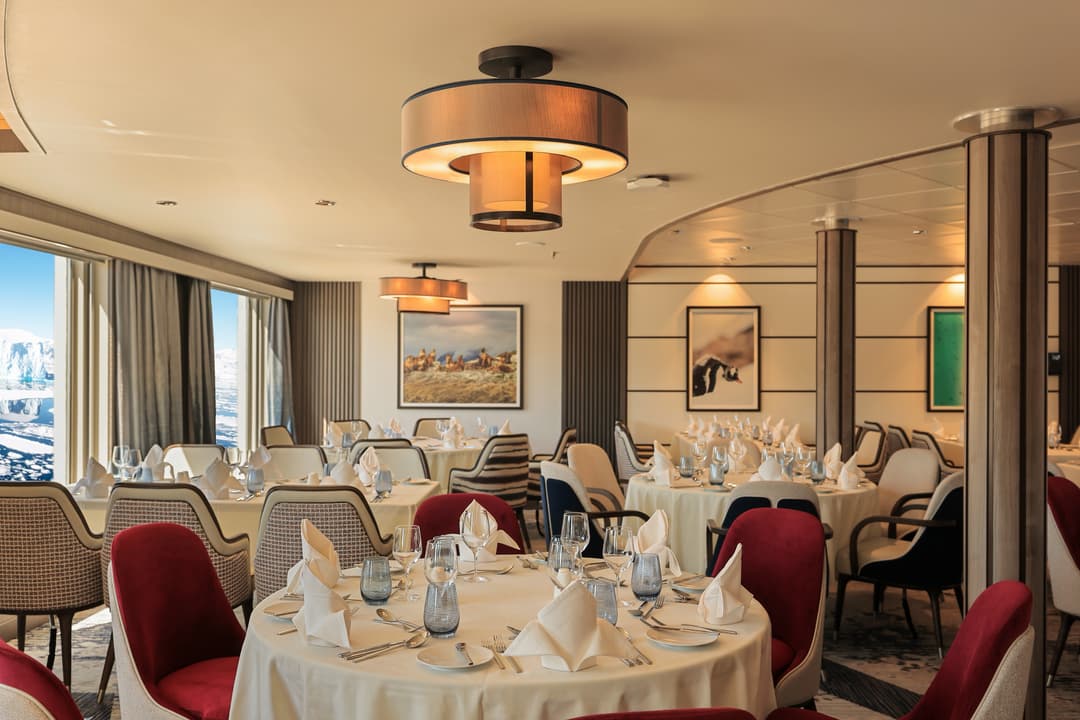
One of the most important parts of any expedition is the food! Whatever adventures the day holds, you will be fuelled-up with hearty meals and delicious morning/afternoon teas cooked by our onboard chefs.
One of the most important parts of any expedition is the food! Start each adventure with hearty meals and delicious morning and afternoon teas prepared by our onboard chefs.
Meals are a great time to connect with fellow travellers in our open-seating dining area, sharing stories and insights from the day. Tea, coffee, and snacks are available 24/7, and our chefs offer a variety of menu options for each meal. Enjoy house wines, beers, and....
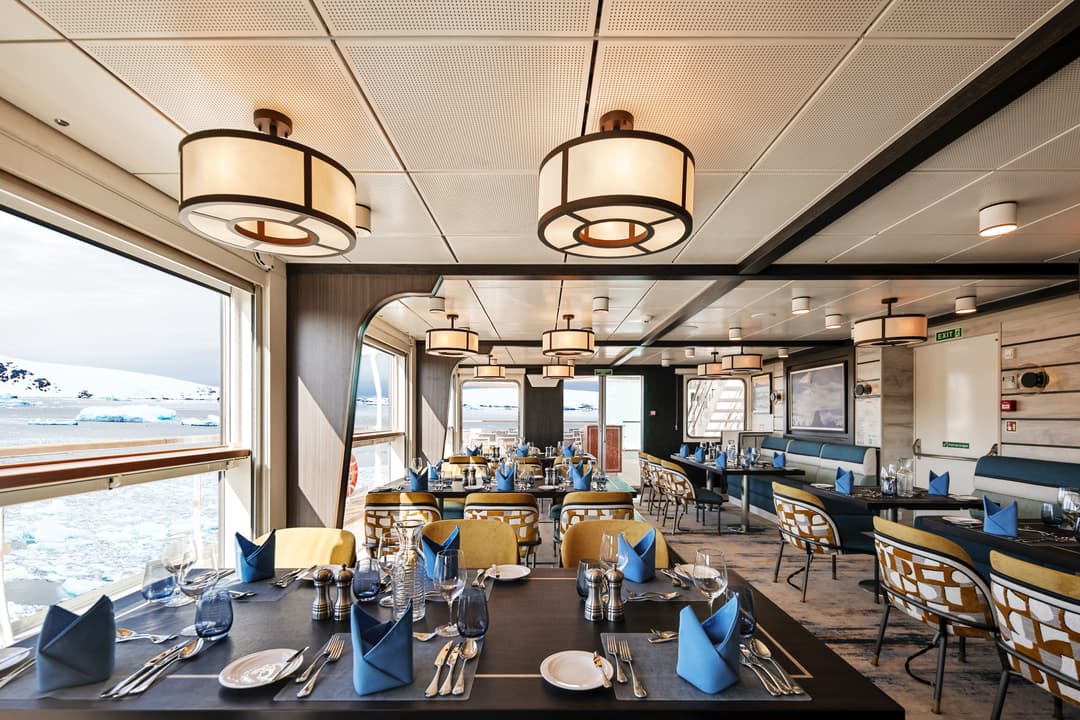
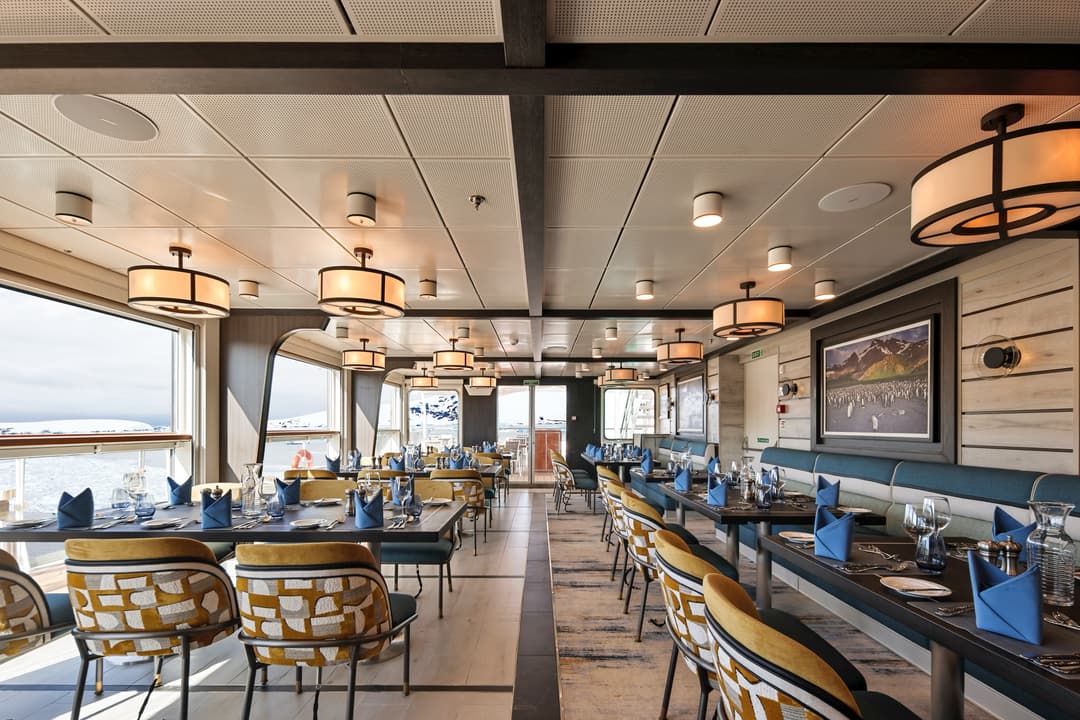
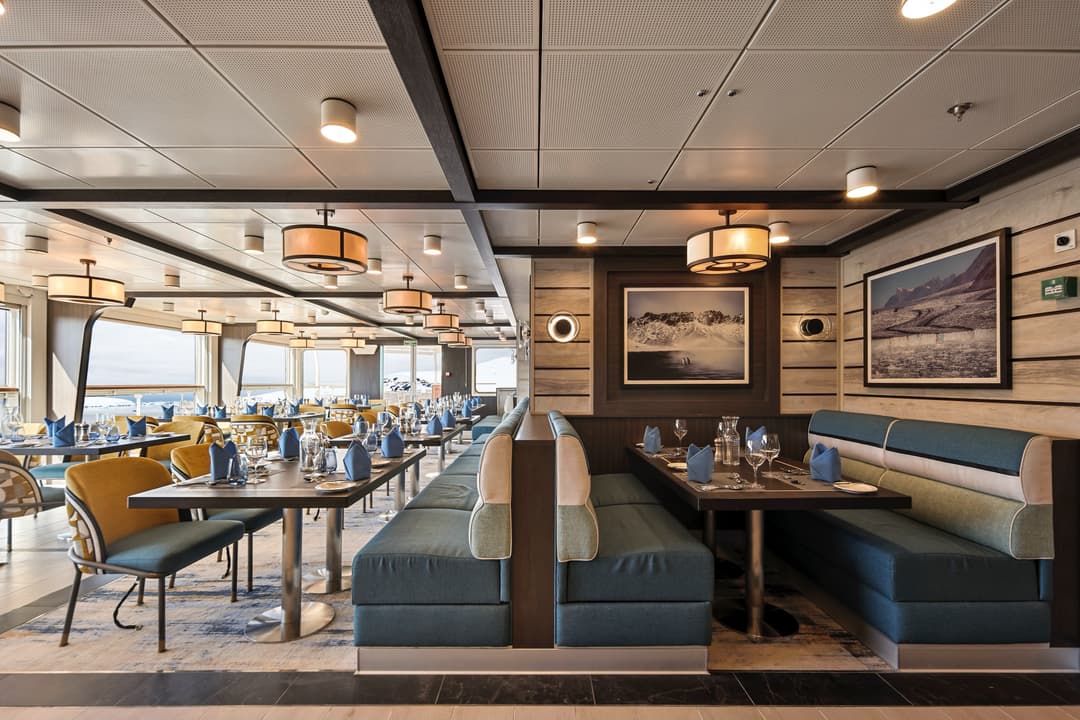
When you’re relaxing during a sea day or you have a little downtime on the ship between excursions, what is there to do onboard the Douglas Mawson? Plenty!
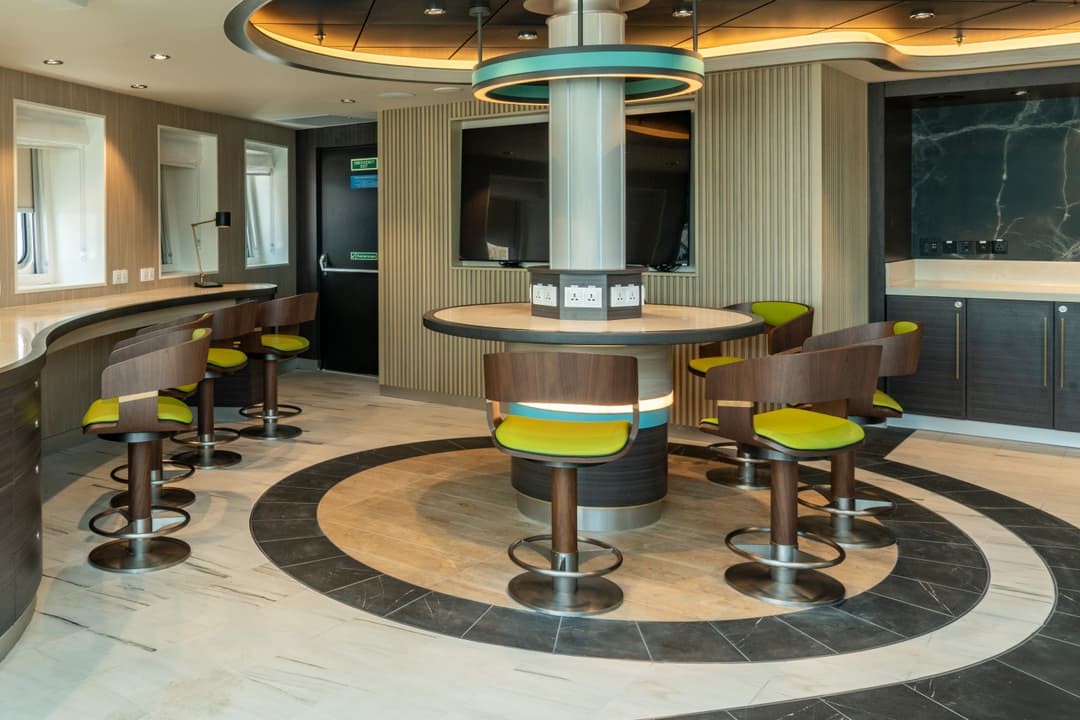
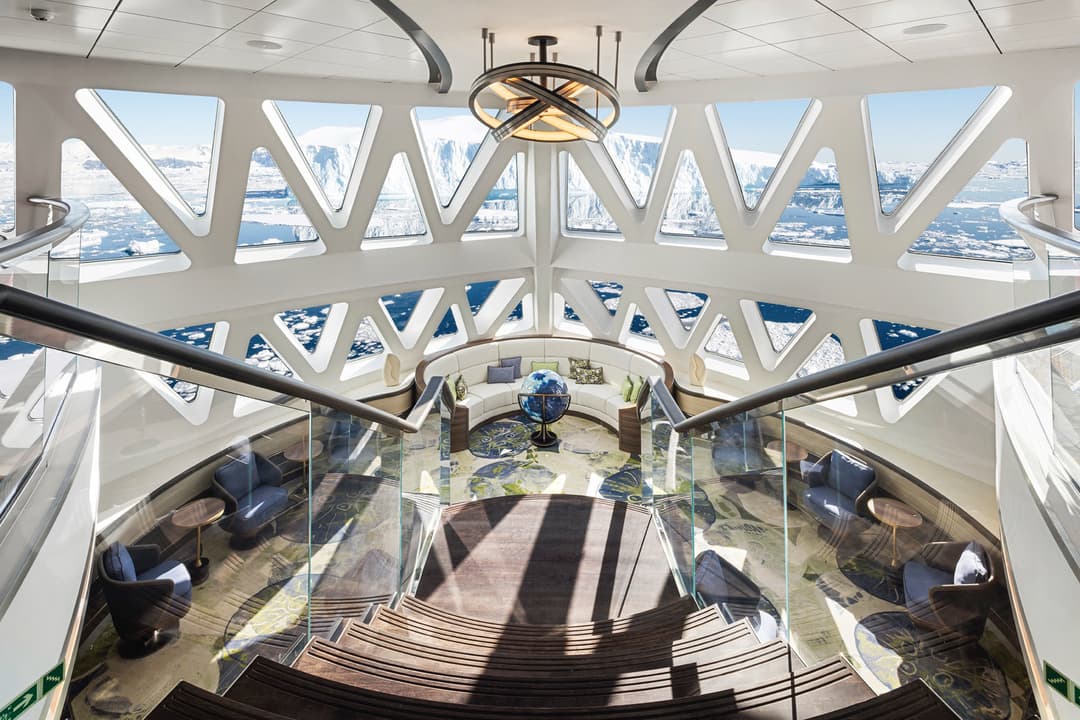
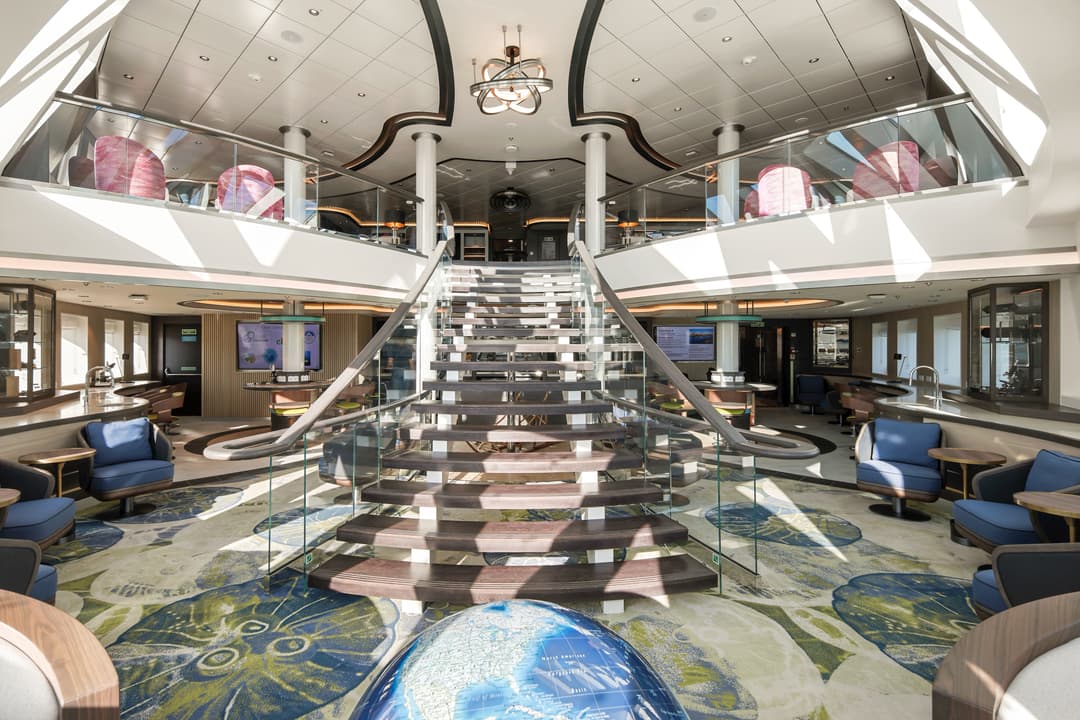
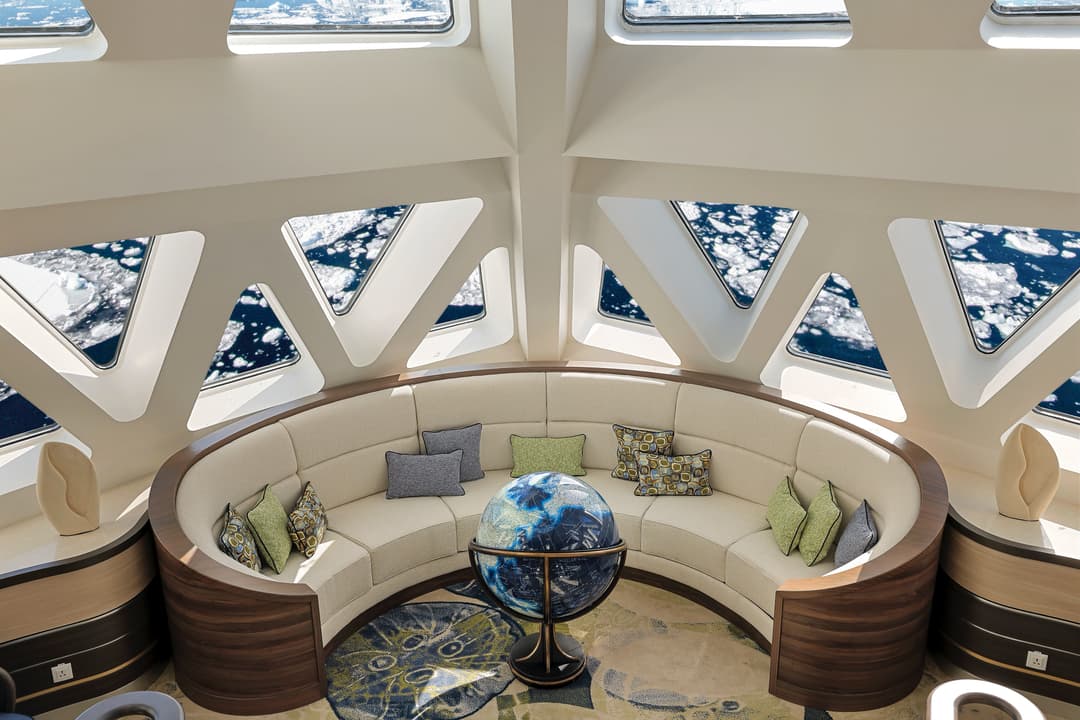
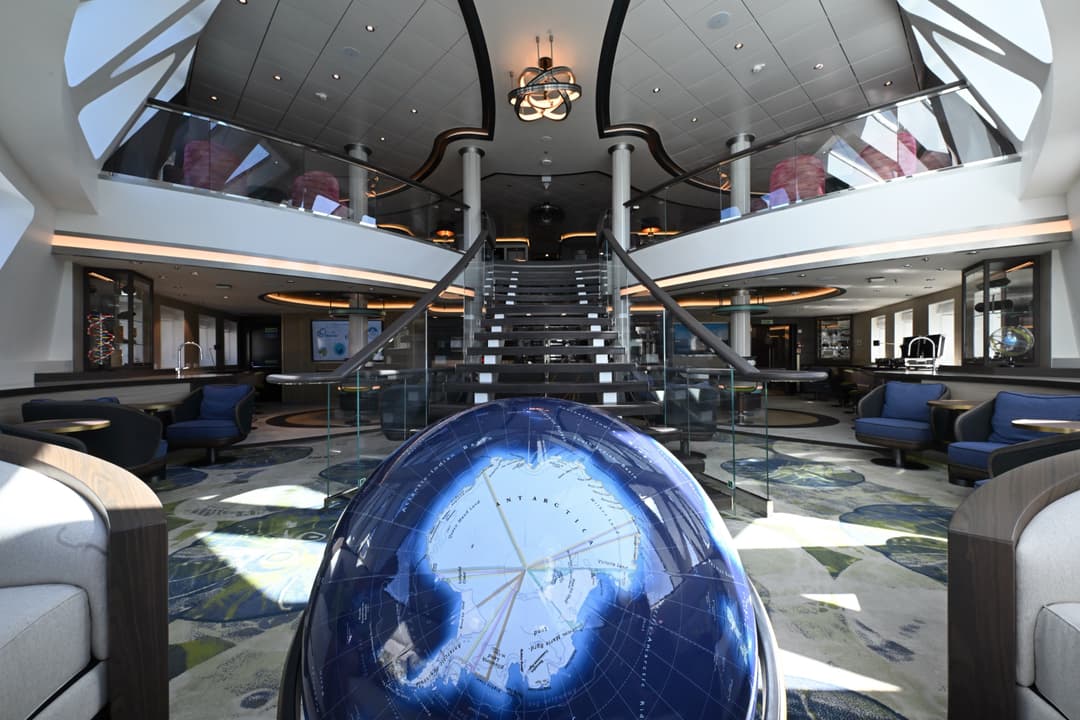
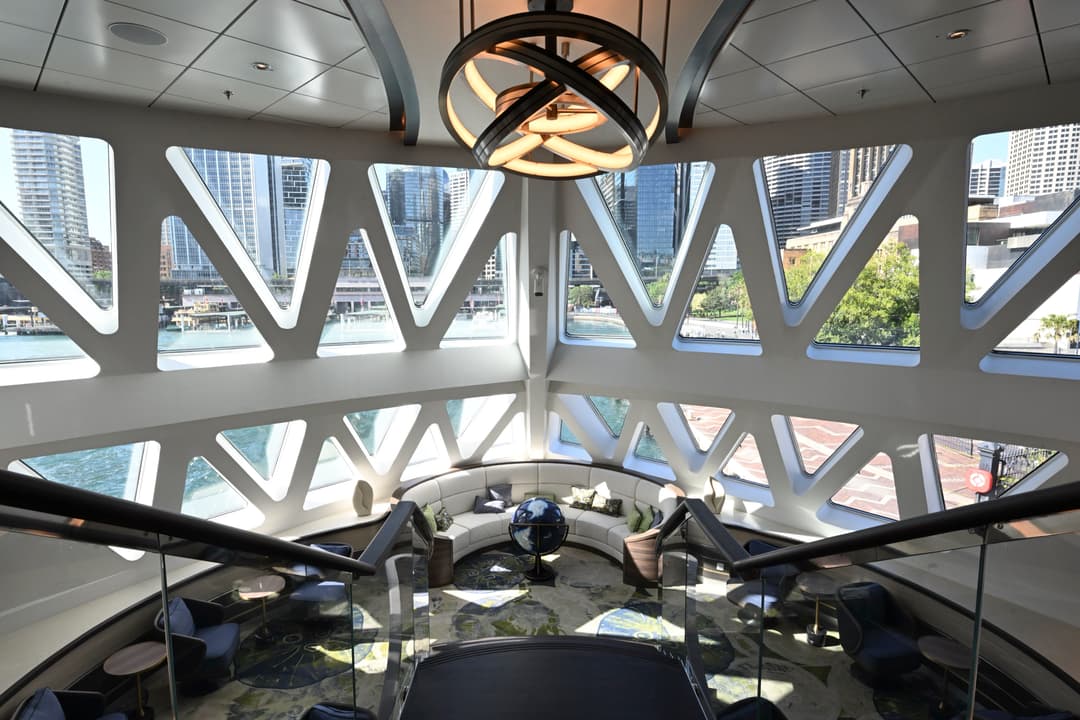
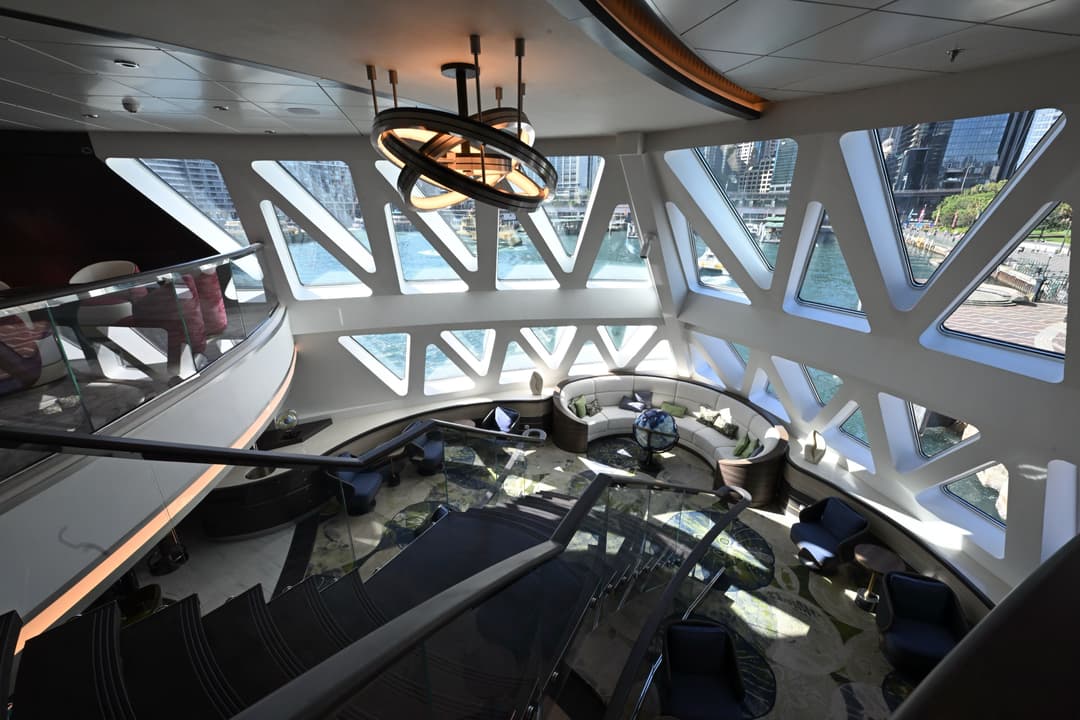
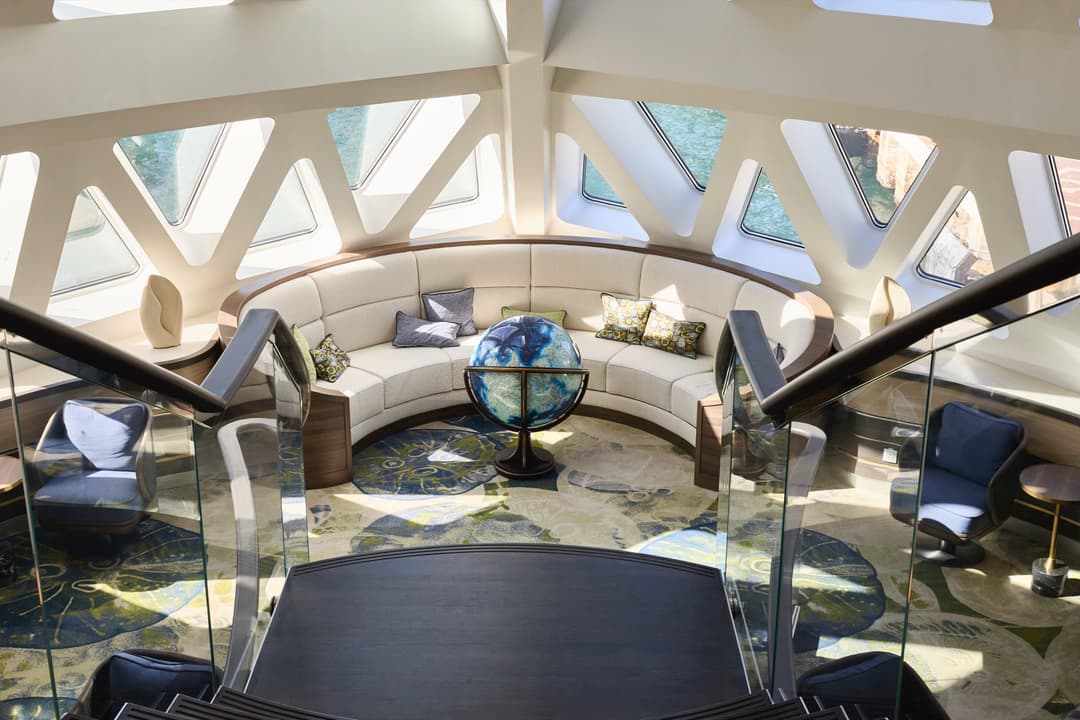
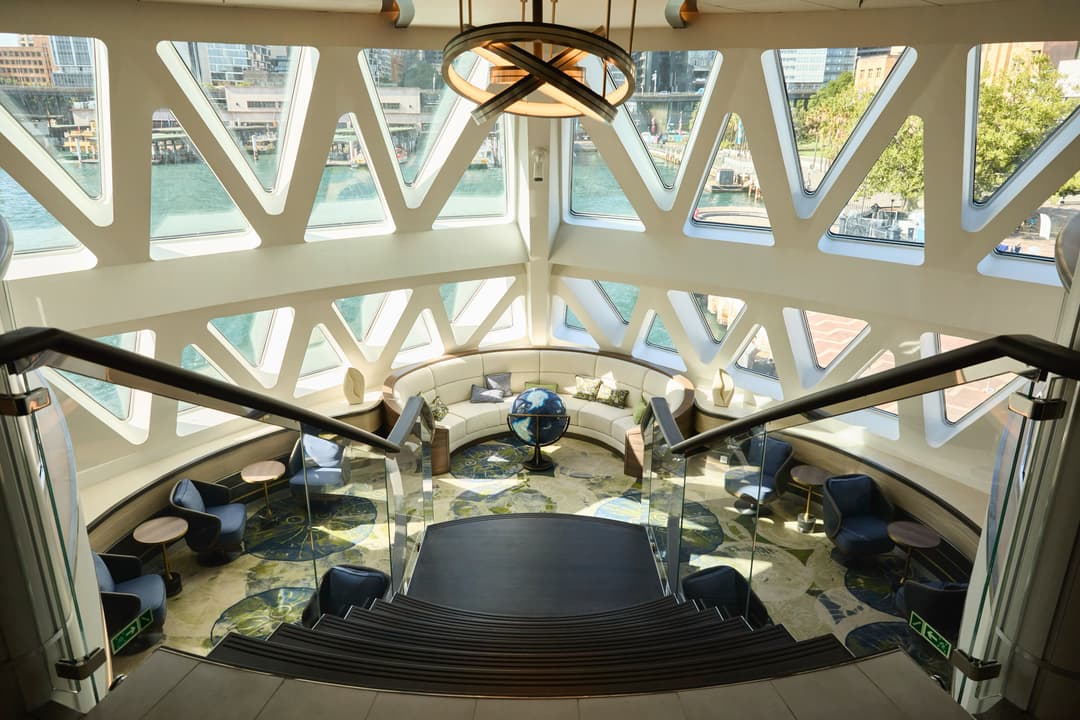
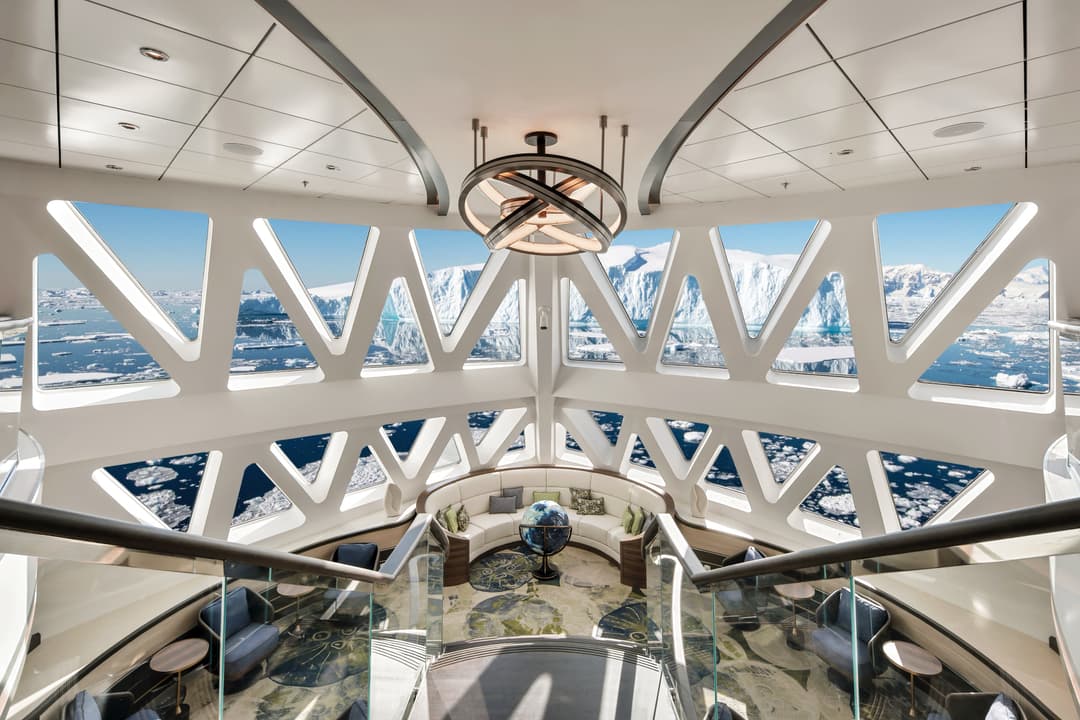
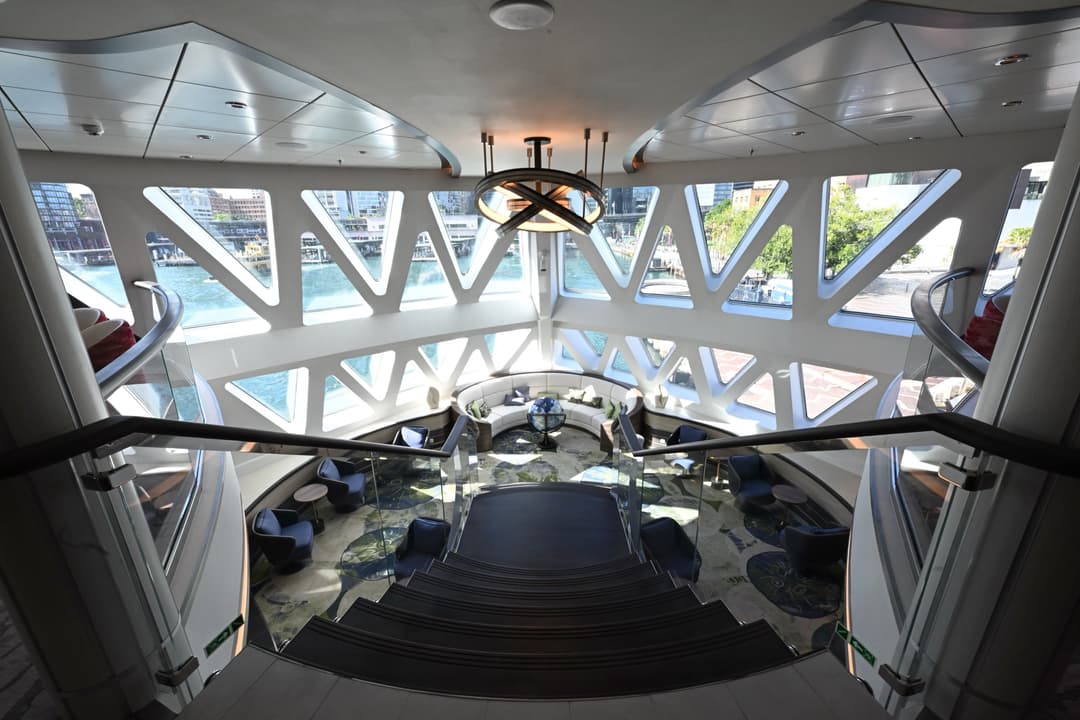
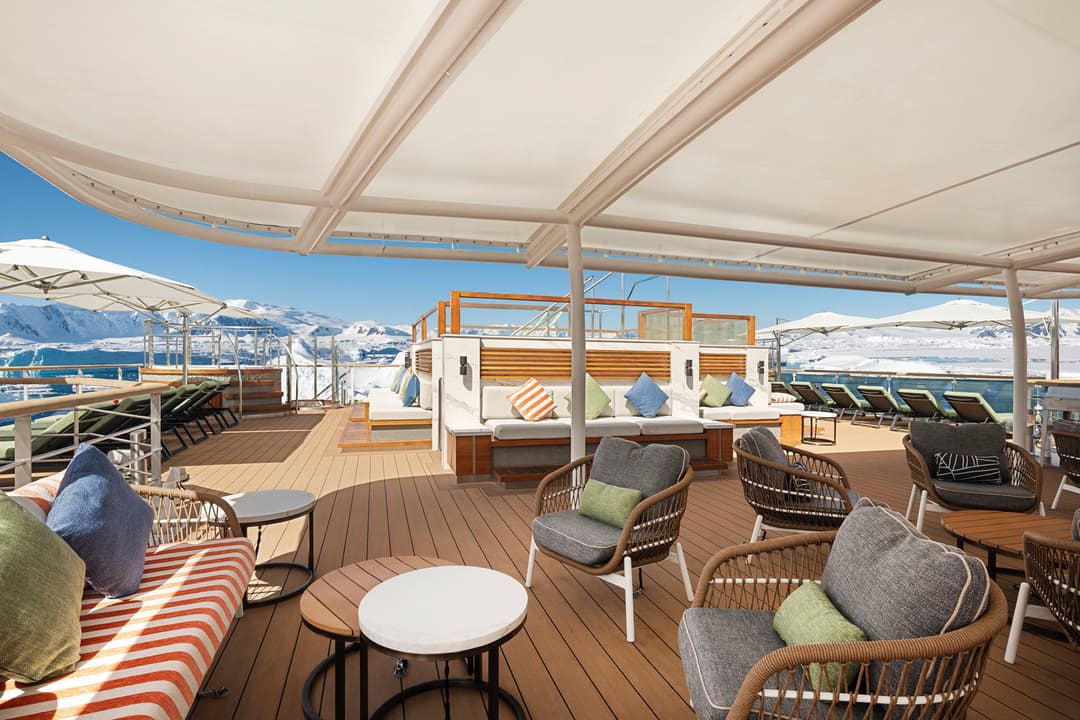
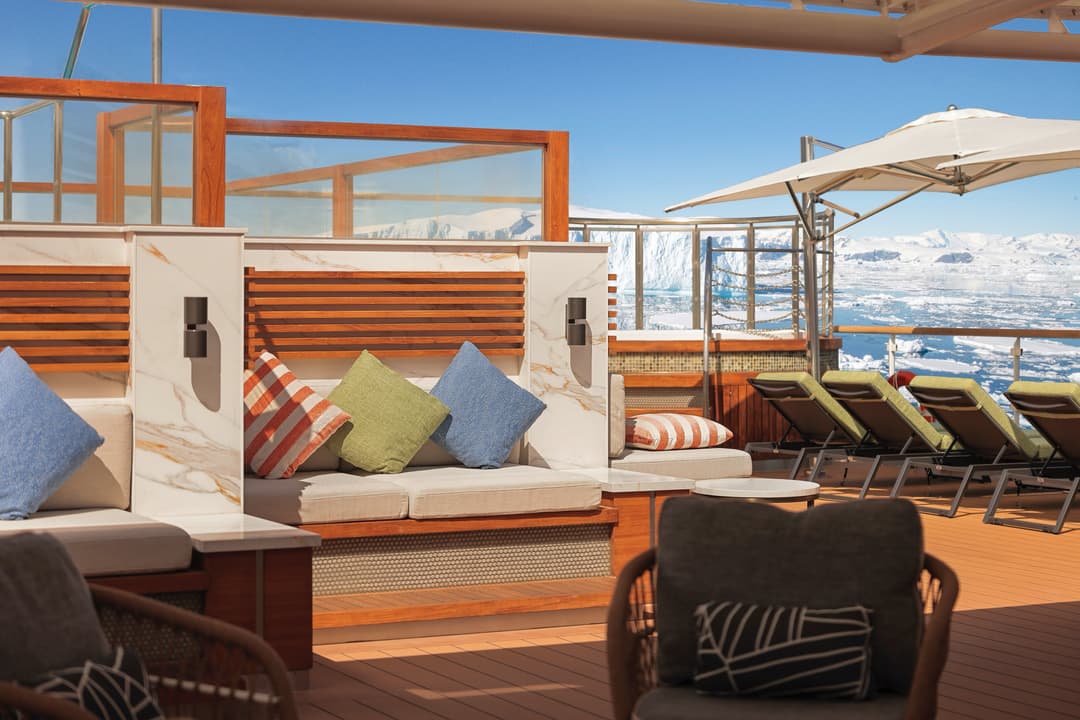
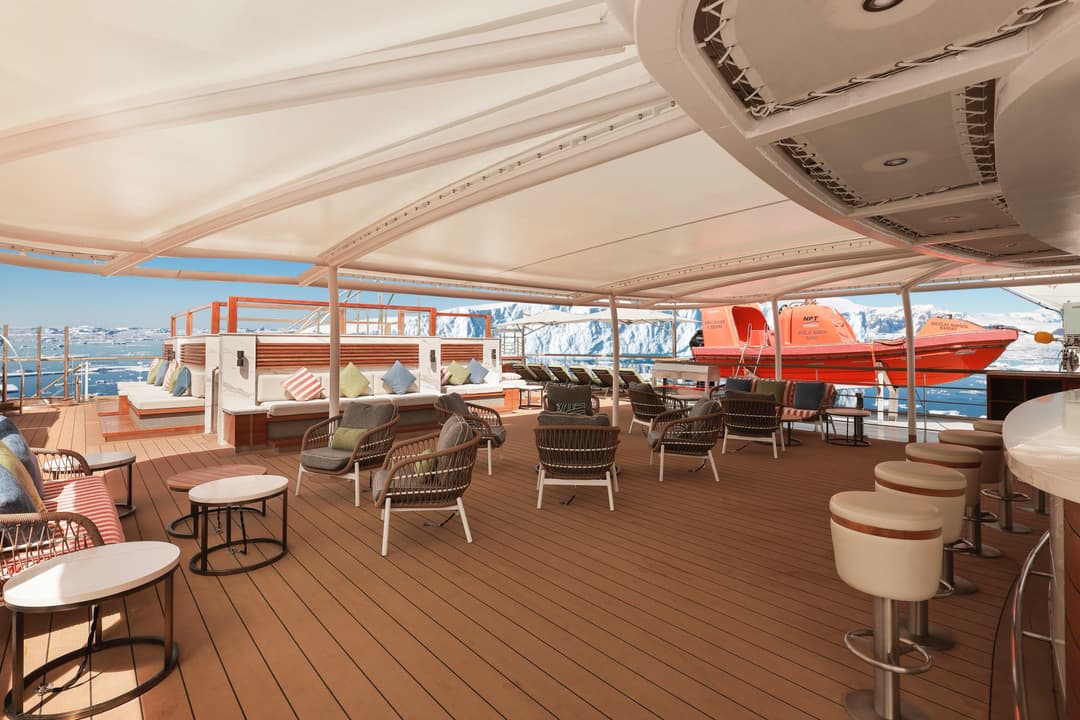
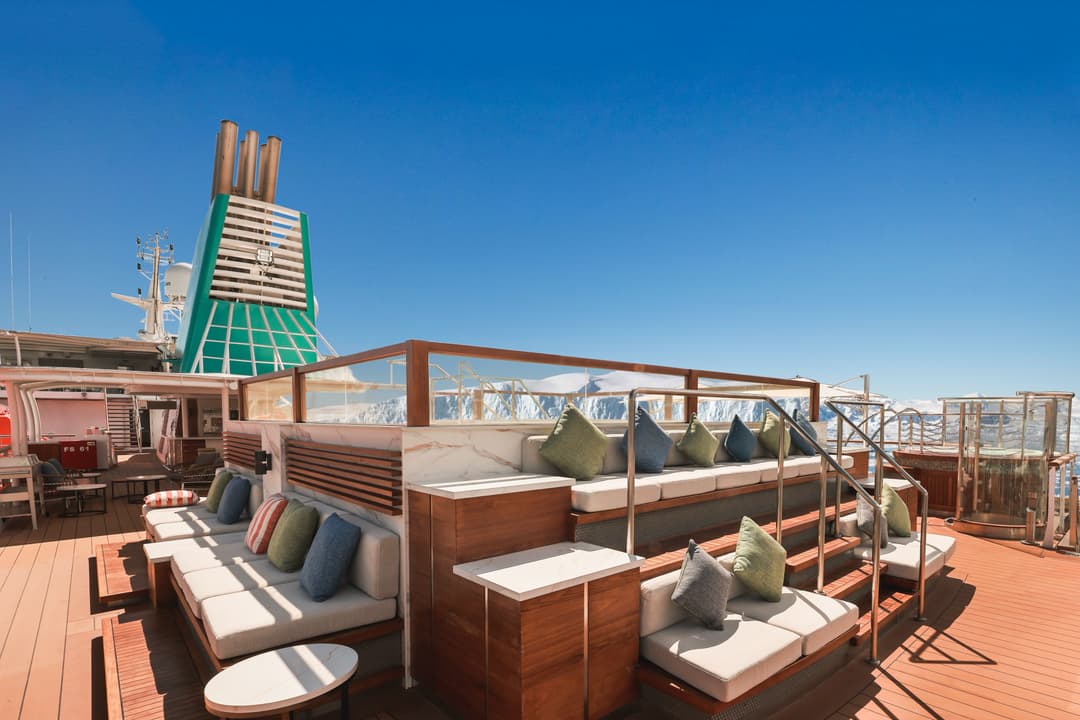
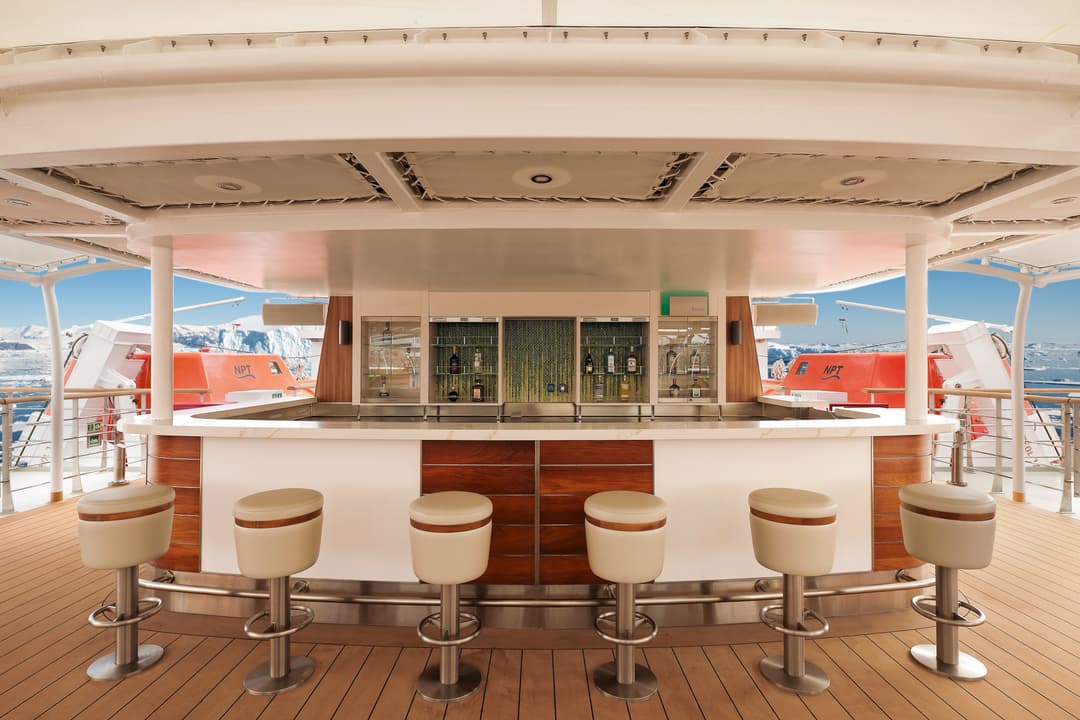
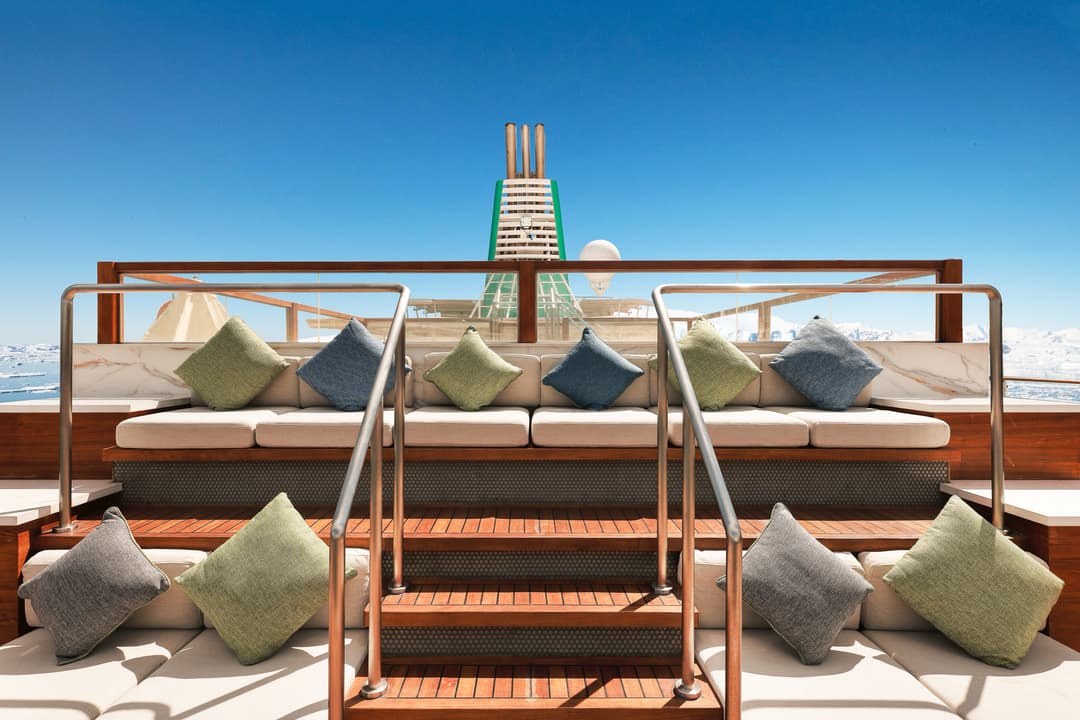
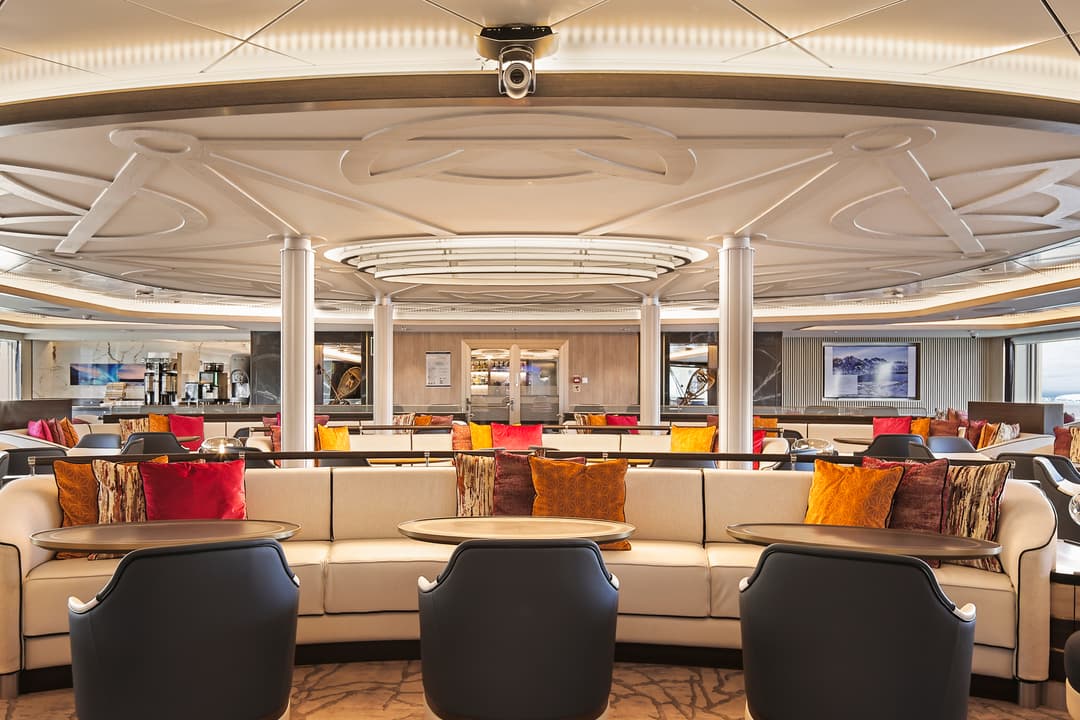
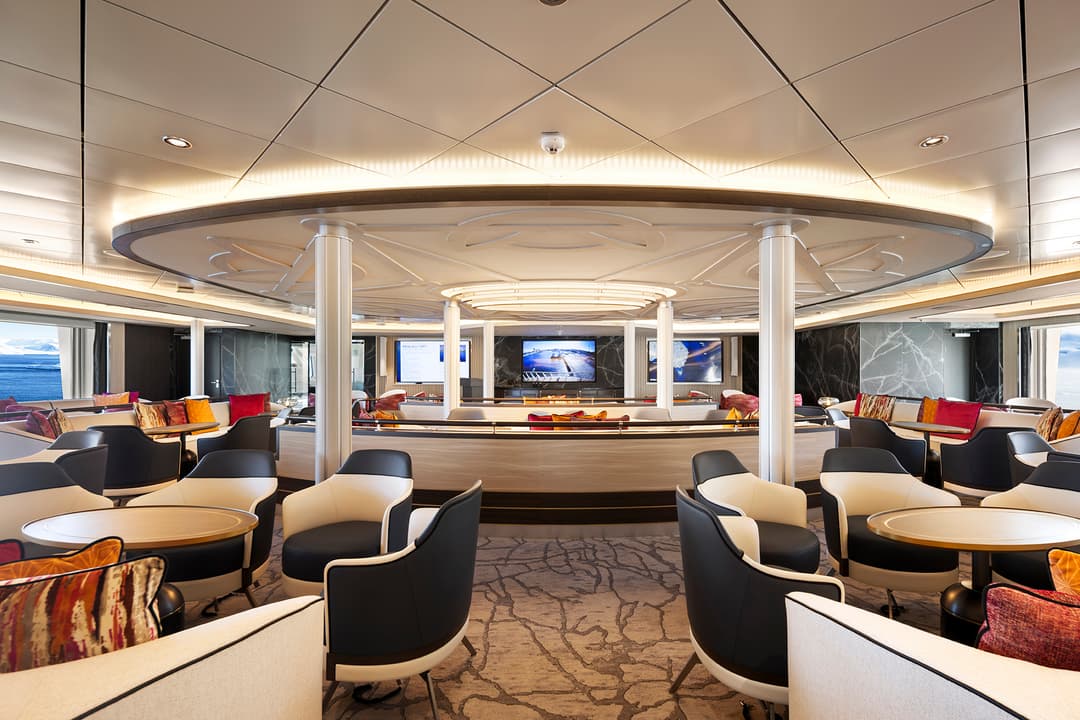
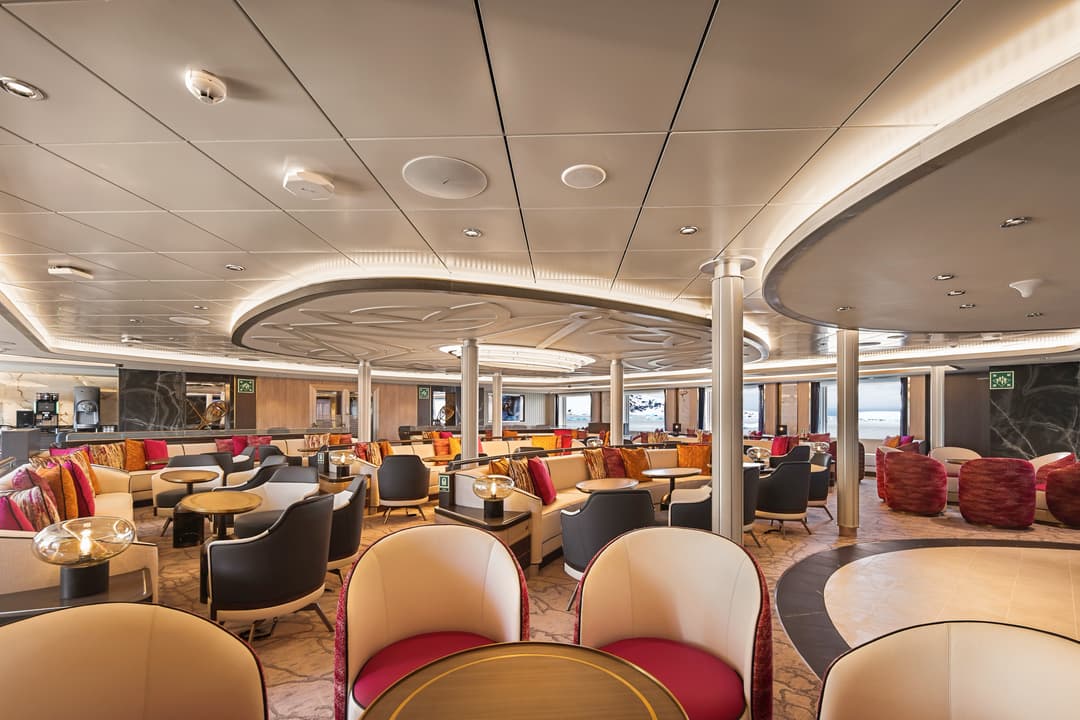
Communal meeting areas have always played a major role in fostering the warm camaraderie on board our ships. They are the heart of the expedition, where people meet to share tales from the day, swap photos, keep an eye out for wildlife and watch the sun go down.
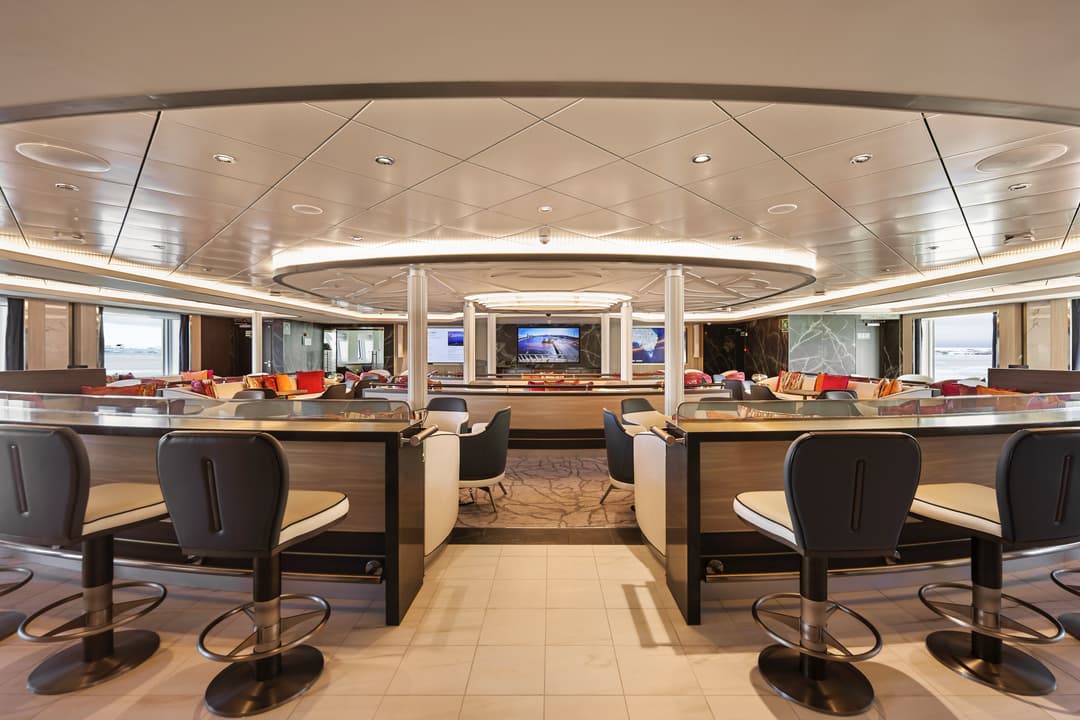
The bars and lounges on board are refined yet inviting places to gather, with floor-to-ceiling windows offering stunning views, and of course friendly bartenders to shoot the bre....
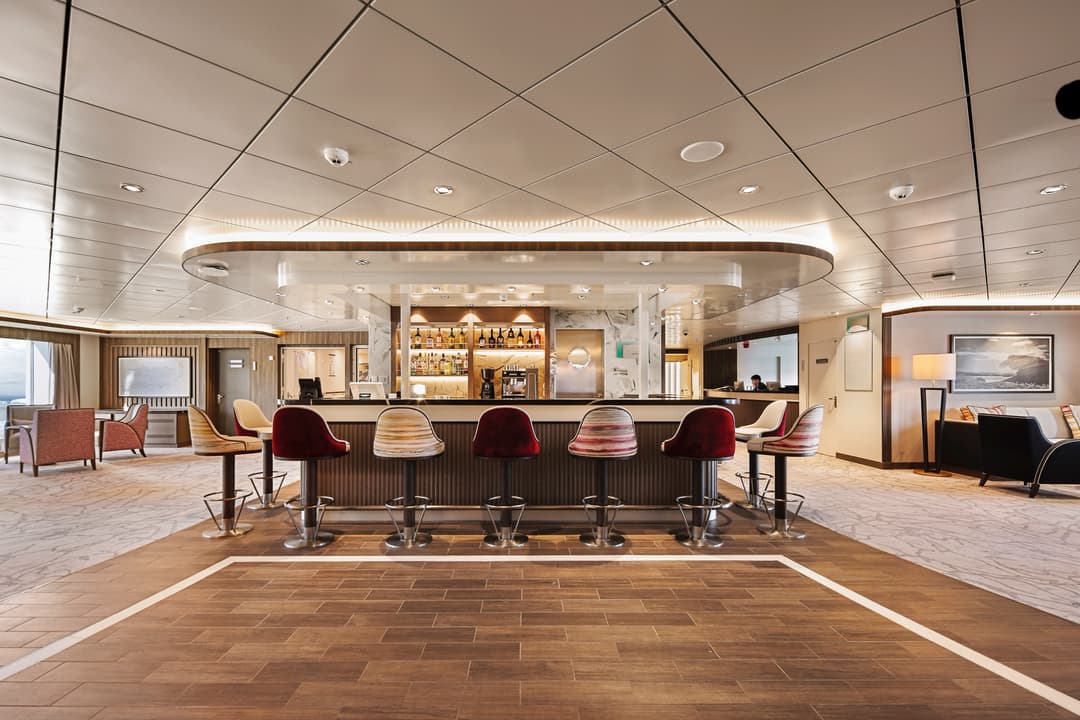
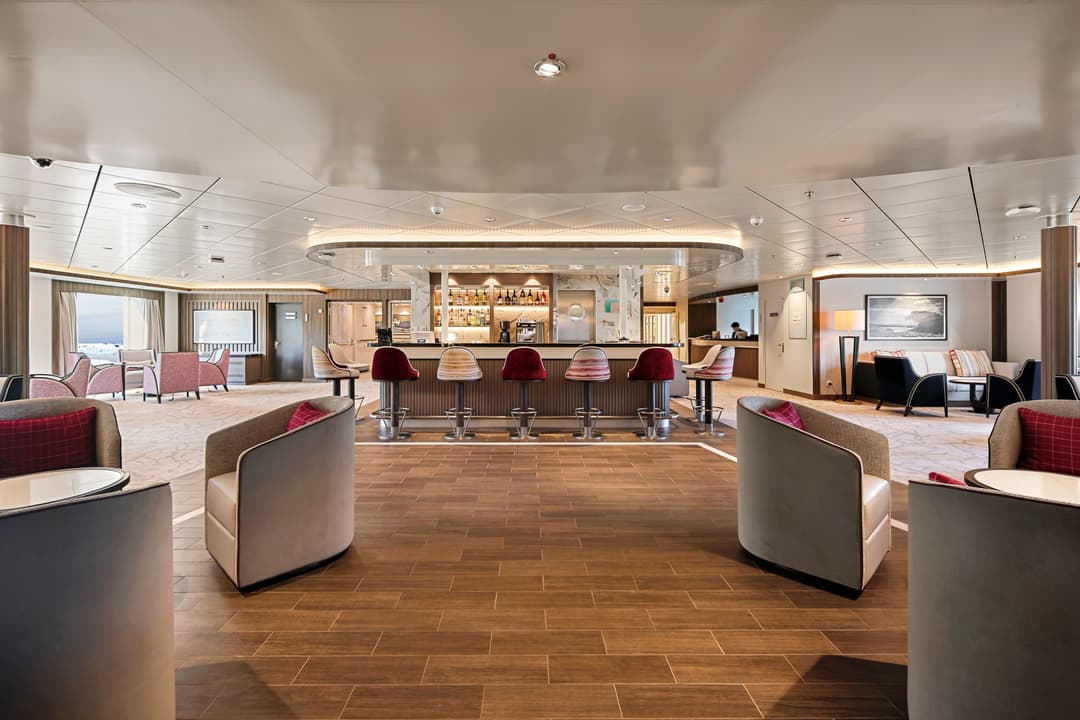
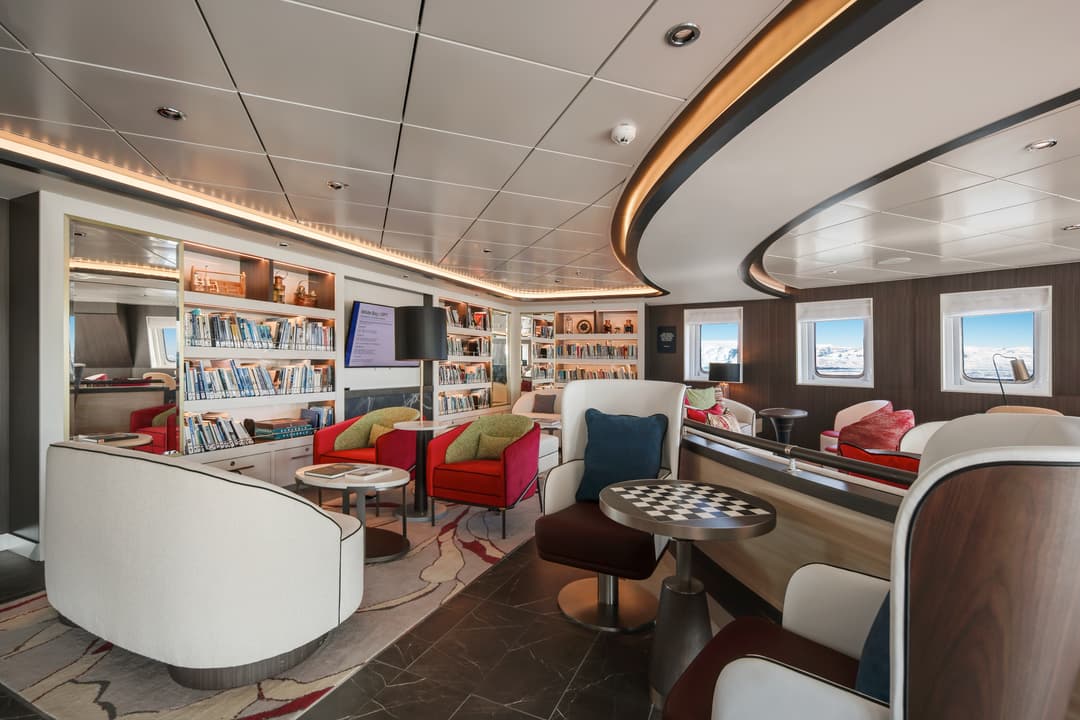
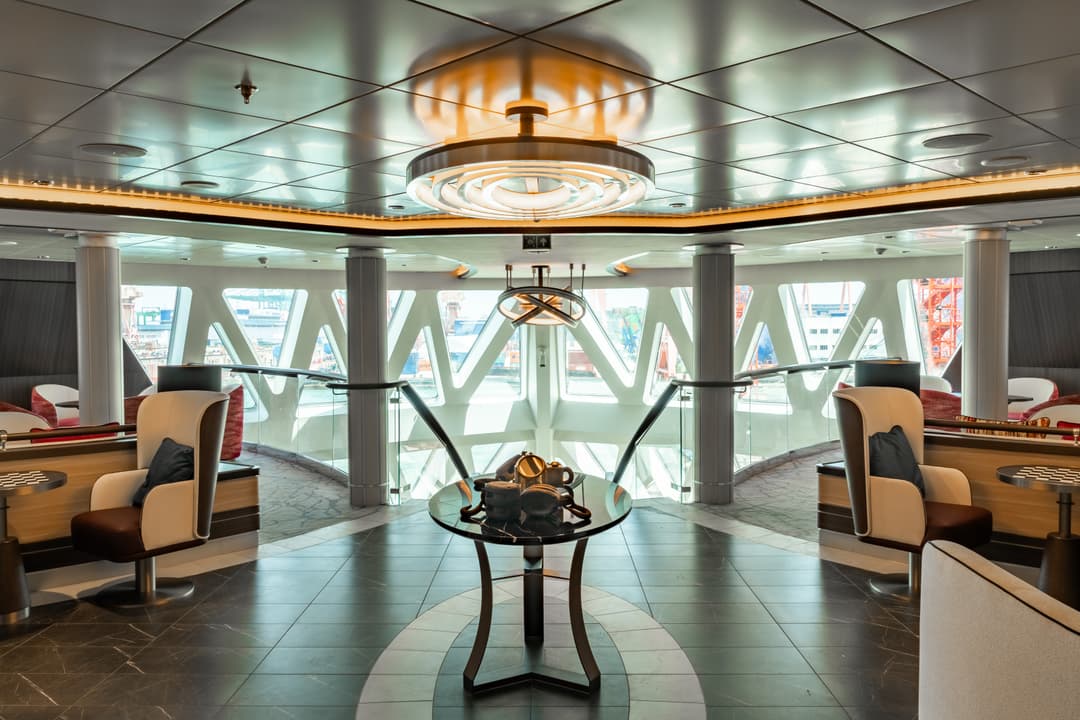
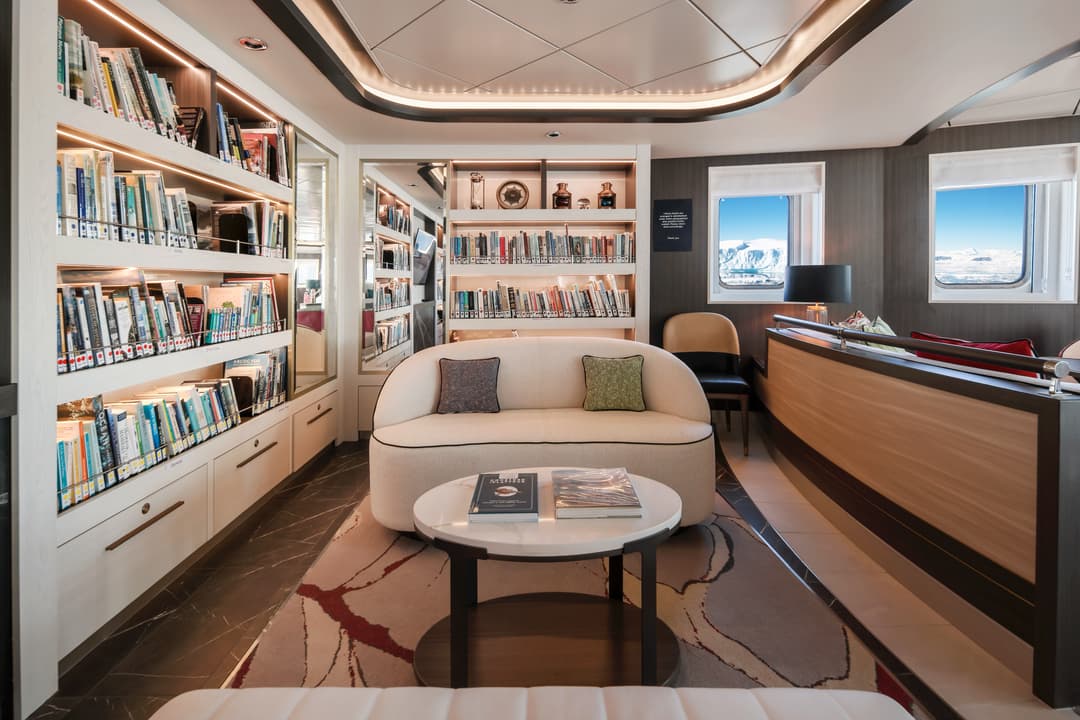
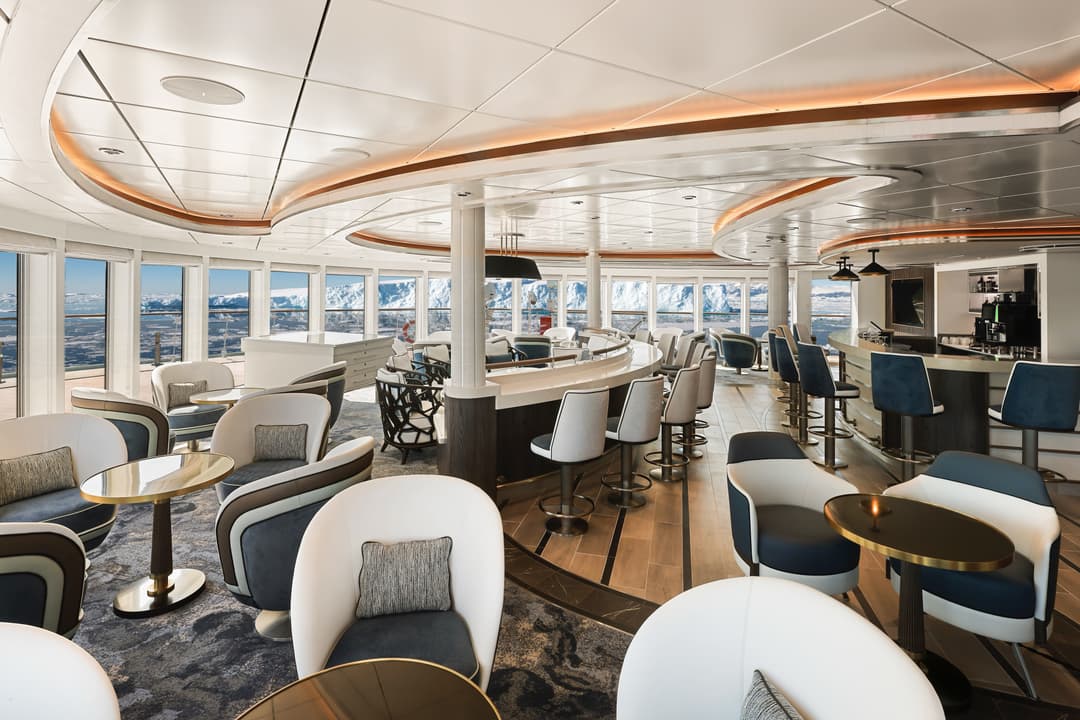
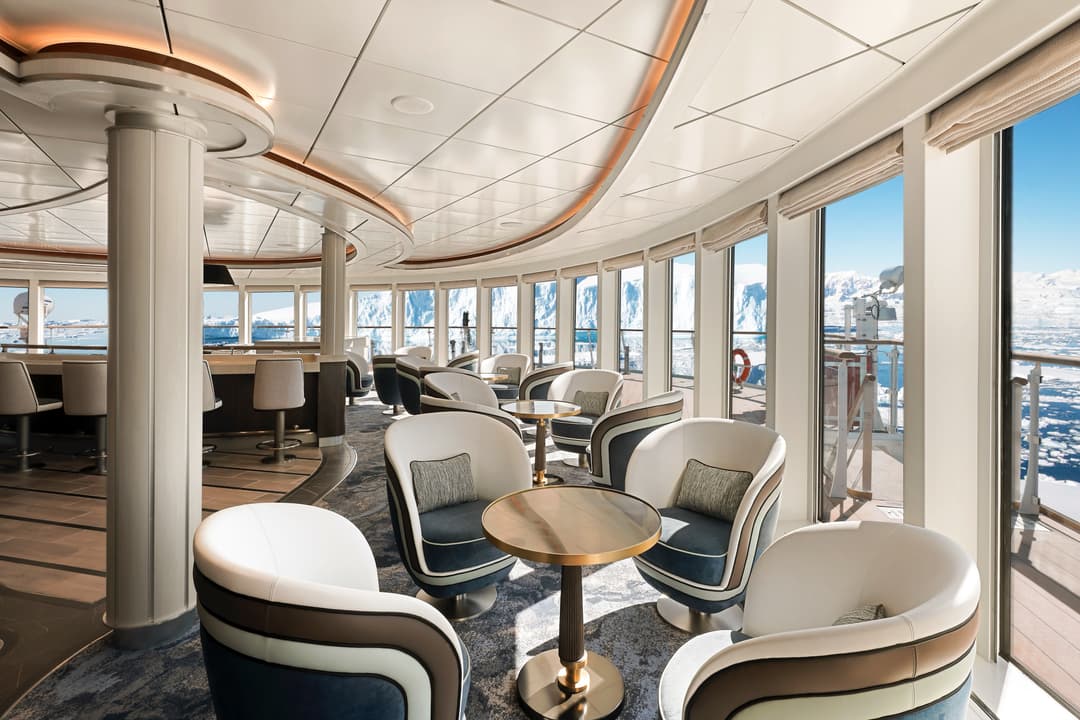
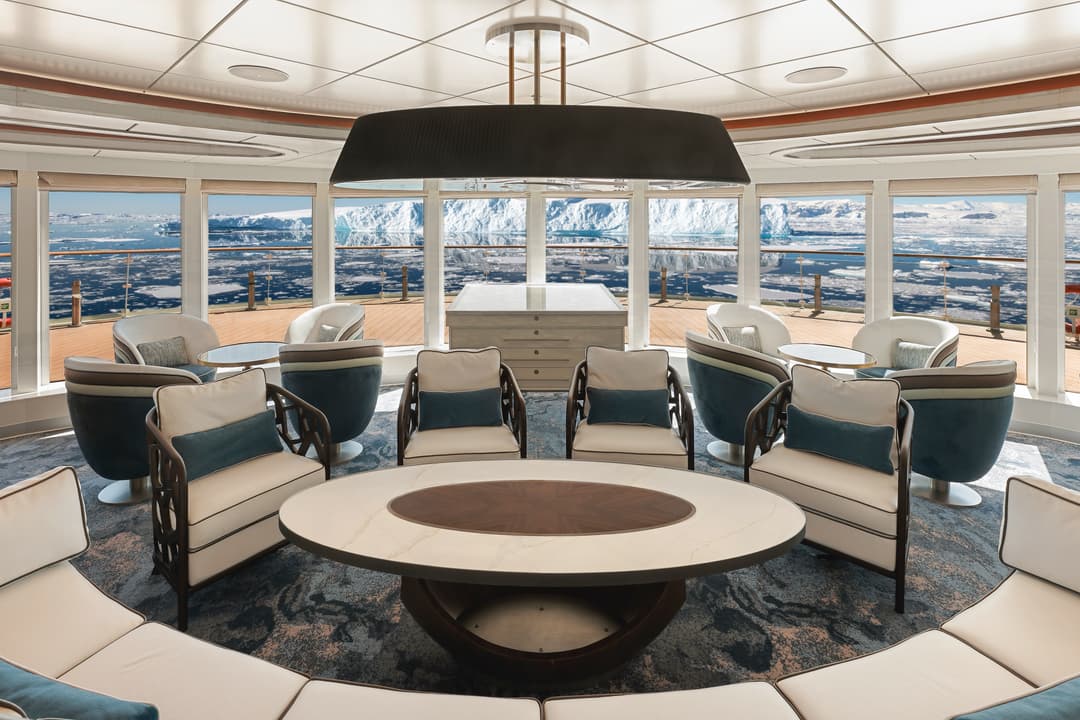
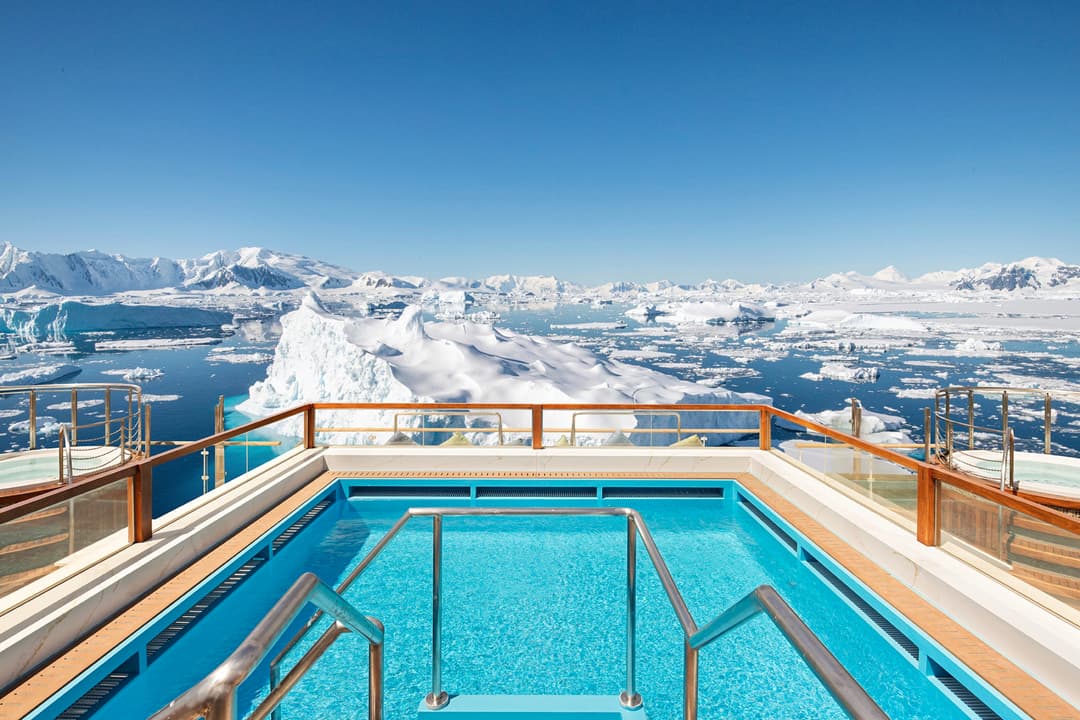
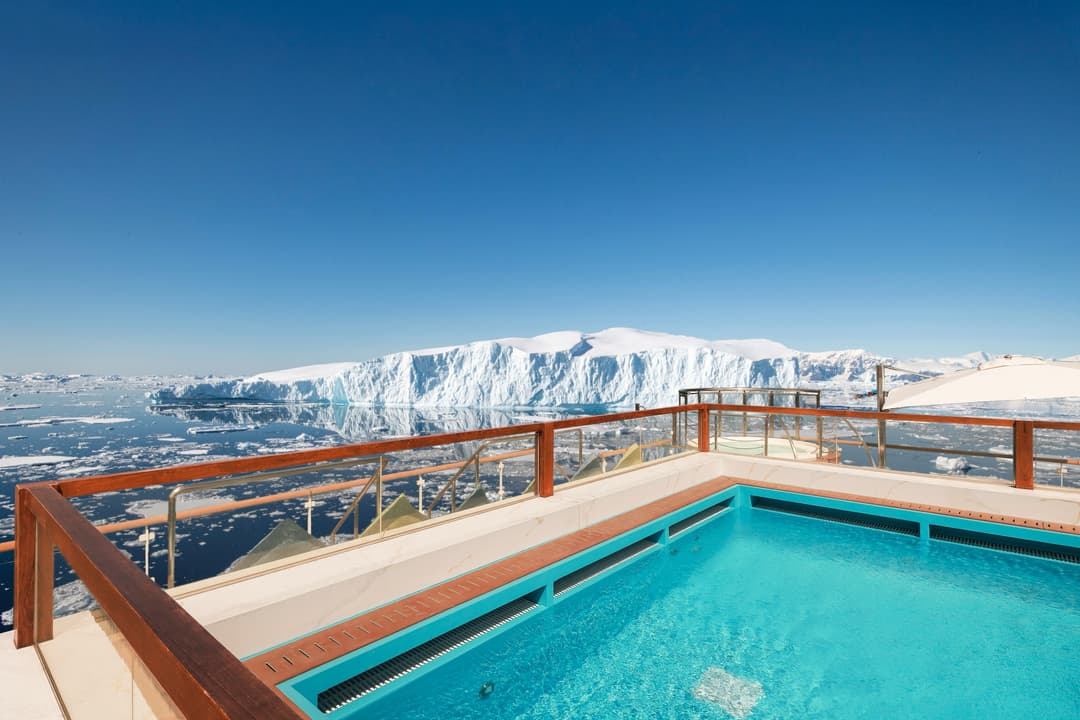
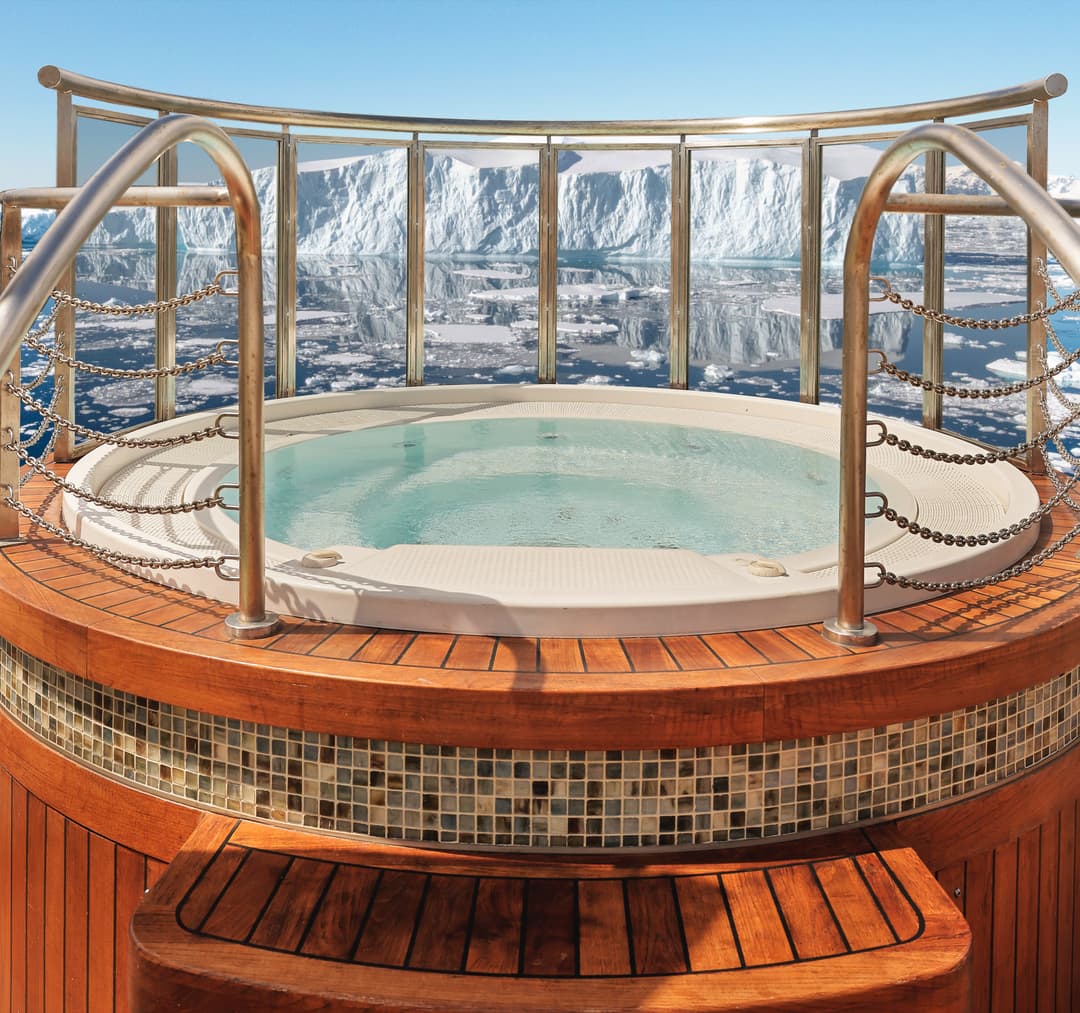
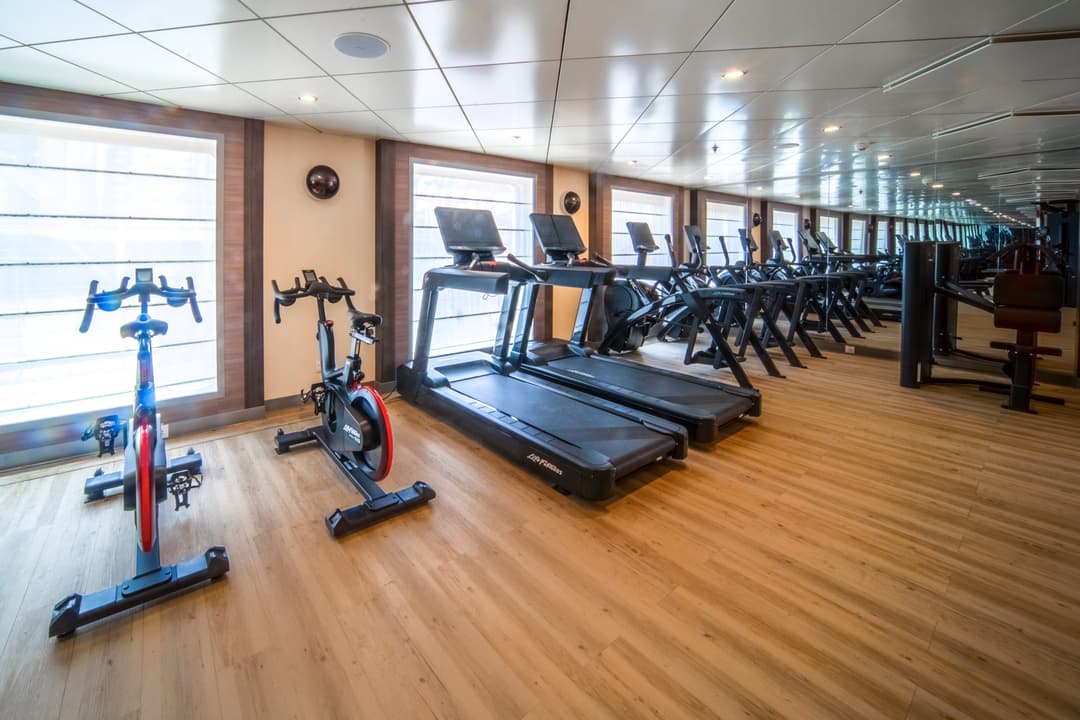
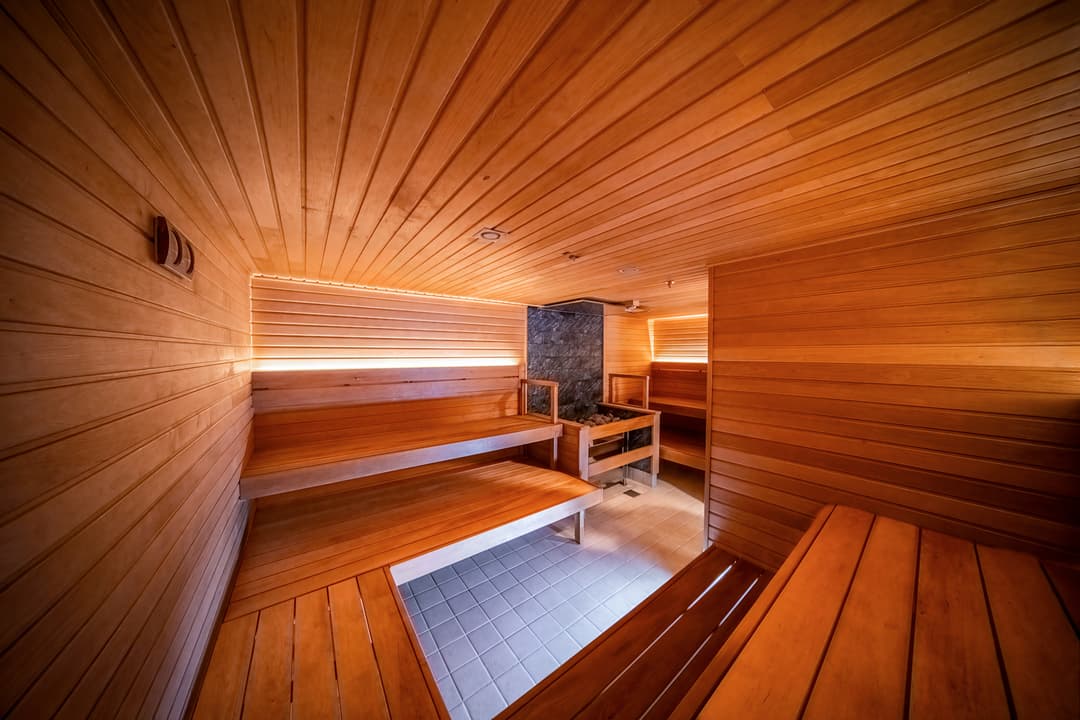
The Douglas Mawson features a host of amenities to help you connect with like-minded travellers and elevate your time onboard our floating base camp for adventure. After a long day of exploring, head to the back deck to swim in the heated outdoor swimming pool, find a sun bed to read on, or soak in one of two Jacuzzis. Work up a sweat in the gym before unwinding in the sauna, resolve to learn something new in the Citizen Science Centre, then enjoy a delicious meal with new and old friends in one of two restaurants. Or, with multiple observation areas throughout the ship, simply relax in comfort while you keep watch for wildlife or incredible landscapes unfold before you.
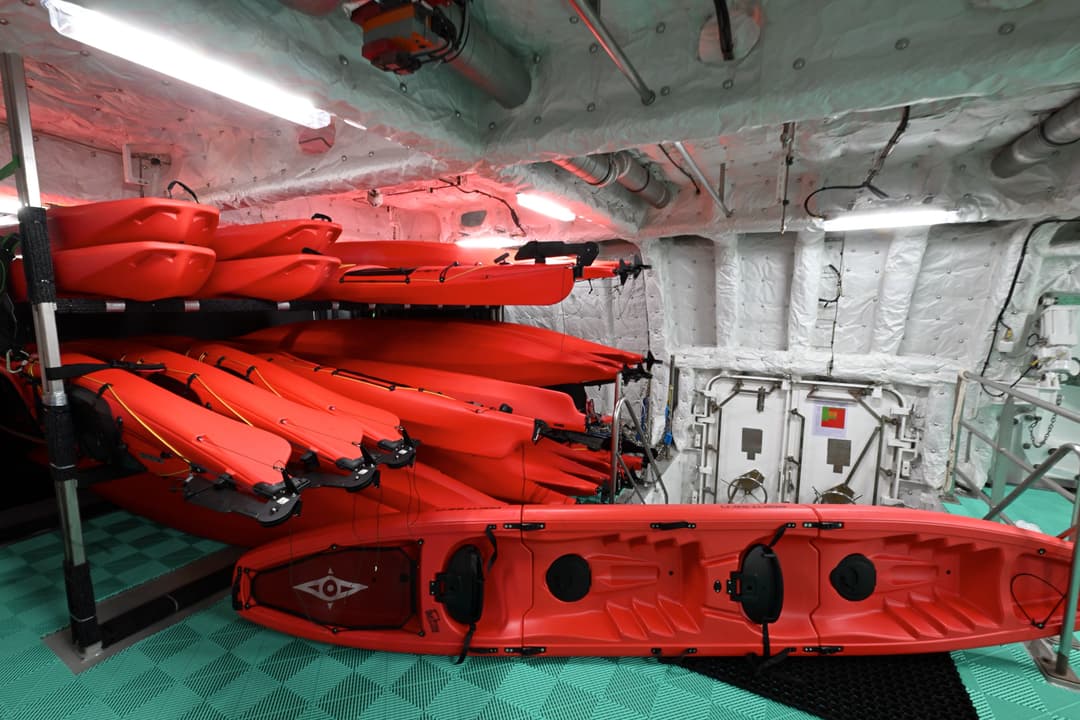
One of the great benefits of travelling with AE Expeditions is the number of optional activities that you can participate in. From kayaking and skiing to diving and climbing, these are one-in-a-lifetime opportunities that you need to take advantage of.
Loading...
Travel is always the best educator and we offer the chance to enrich your curiosity and expand your knowledge and understanding of the places we travel to. There is no better learning opportunity than being in the field with subject matter experts.
Our Citizen Science Program is designed to be an interactive forum of like-minded travellers to share new discoveries and deepen their connection to the natural world in a relaxed, informal an....
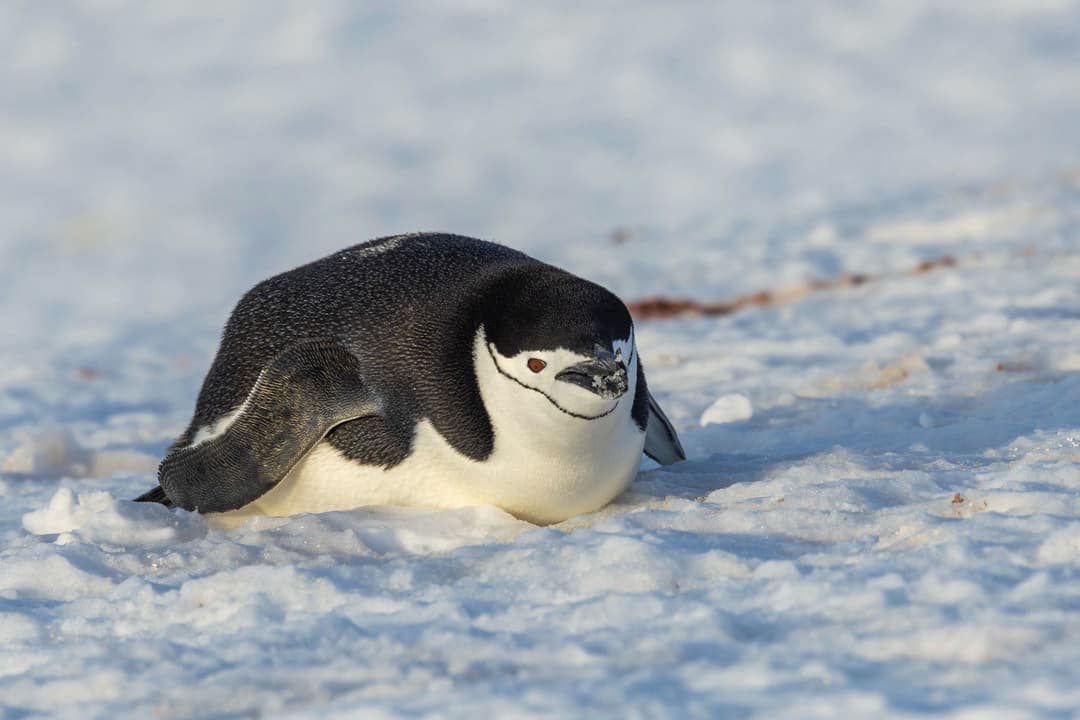
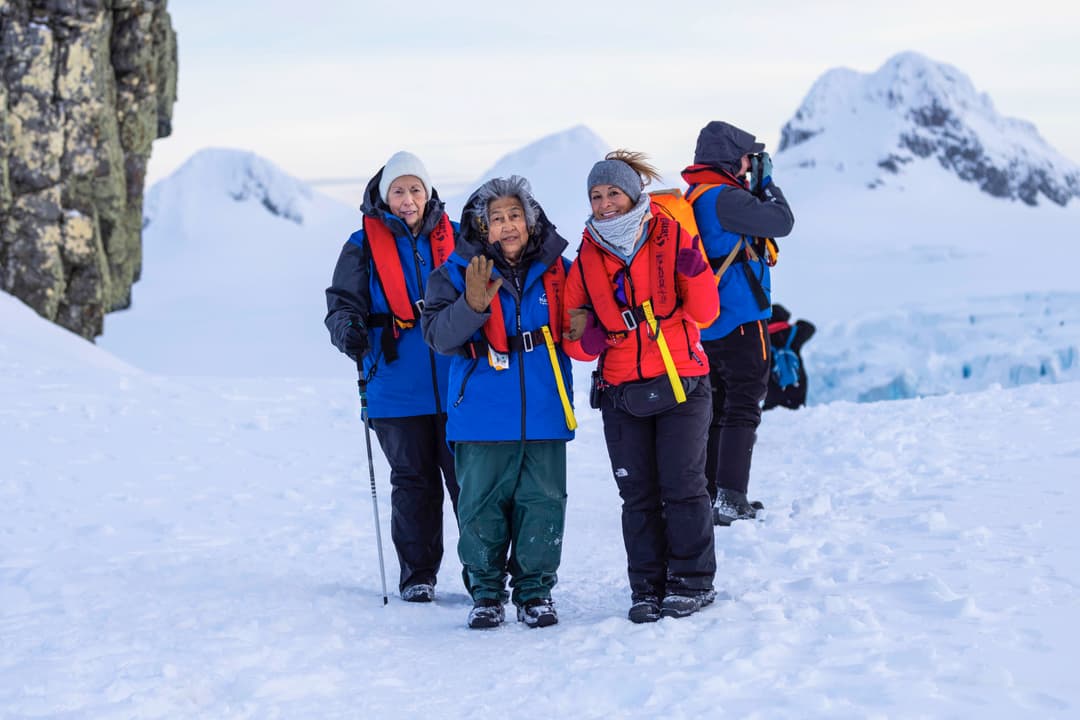
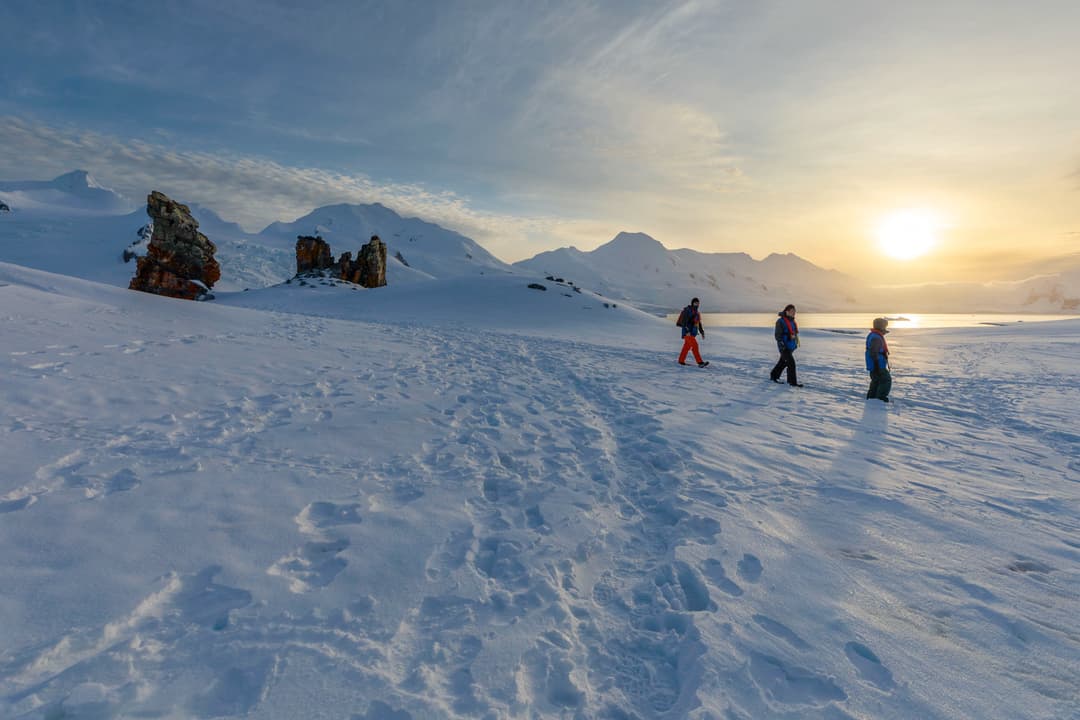
Whether it’s adventure at sea or on land that makes you tick, we have a huge range of optional activities to help you make the most of your time in some of the most beautiful places on earth.
We encourage you to make the most of every opportunity to nurture your inner adventurer. You can choose from a range of add-on adventures to make the most of your time in these beautiful places. We have pioneered more adventure activities than any p....
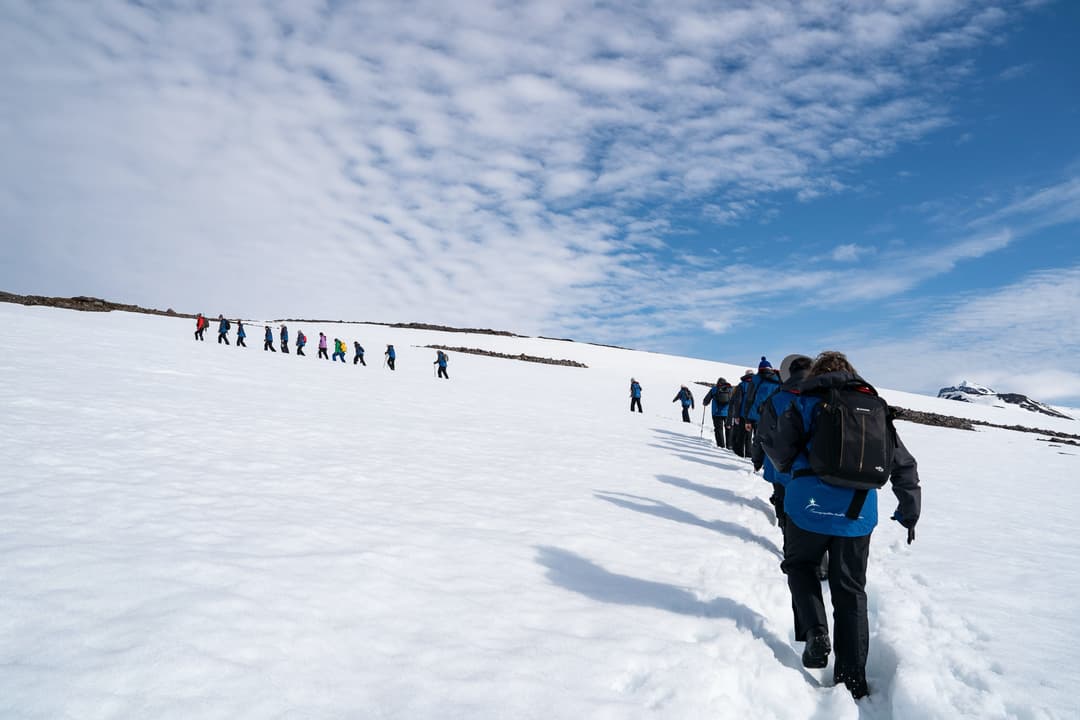
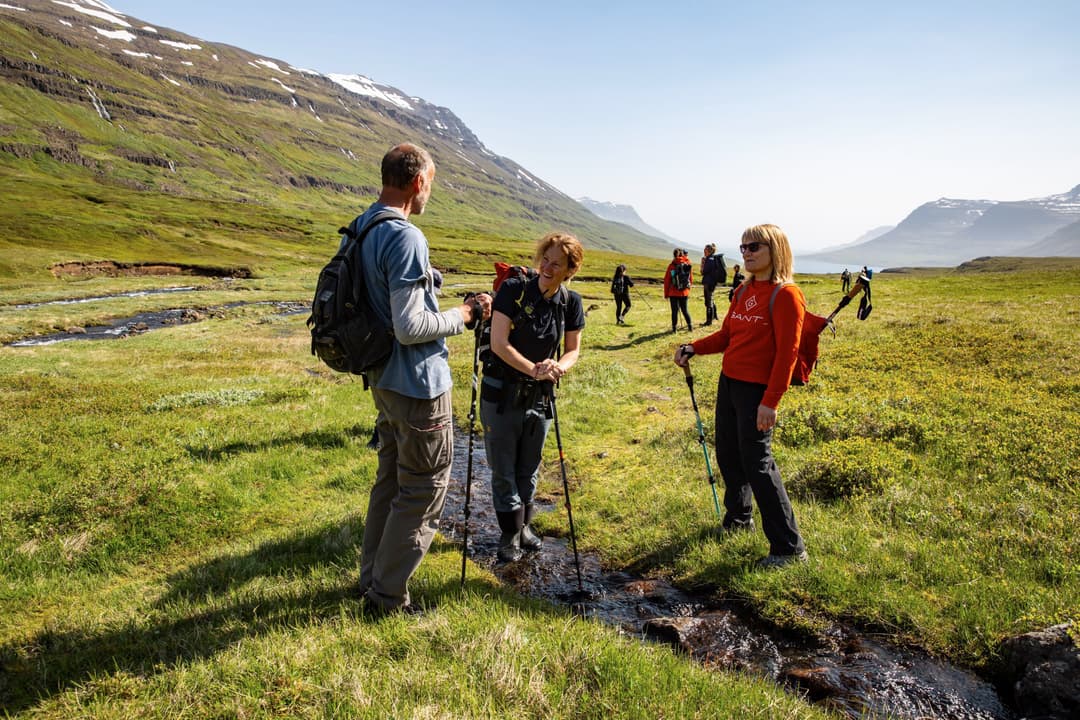
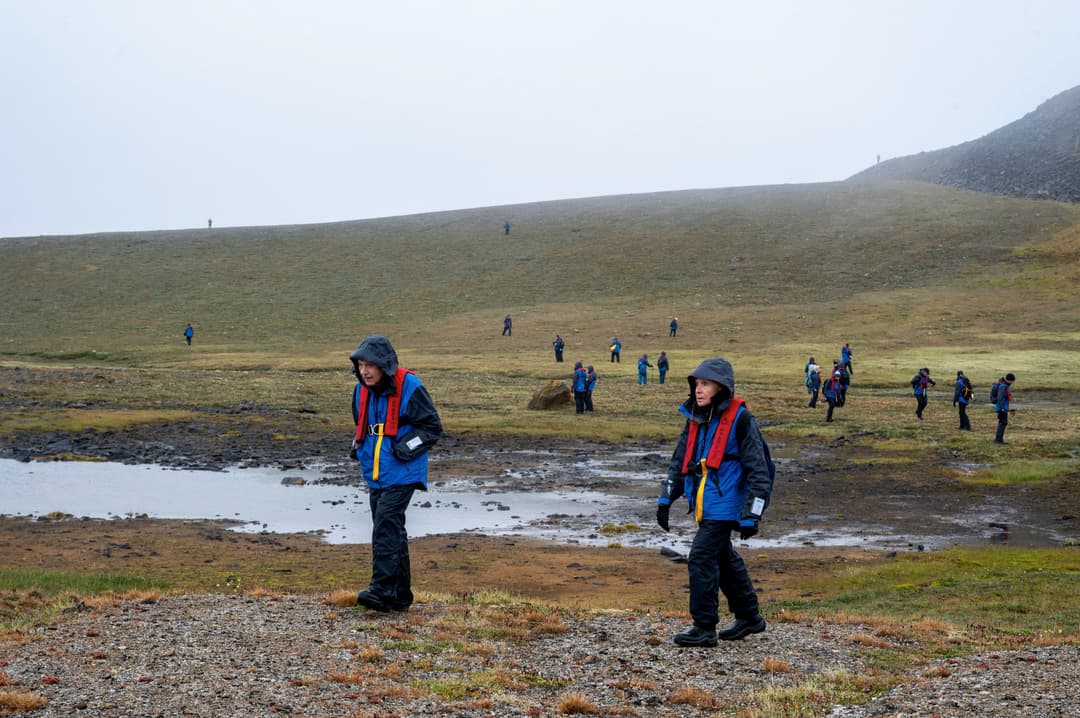
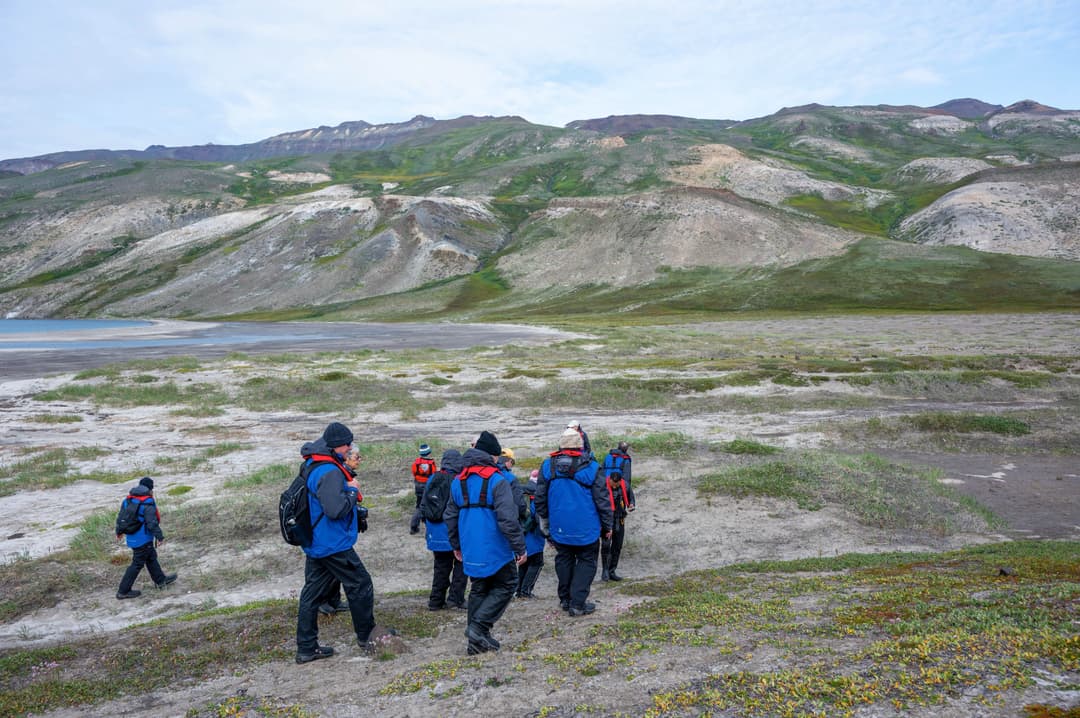
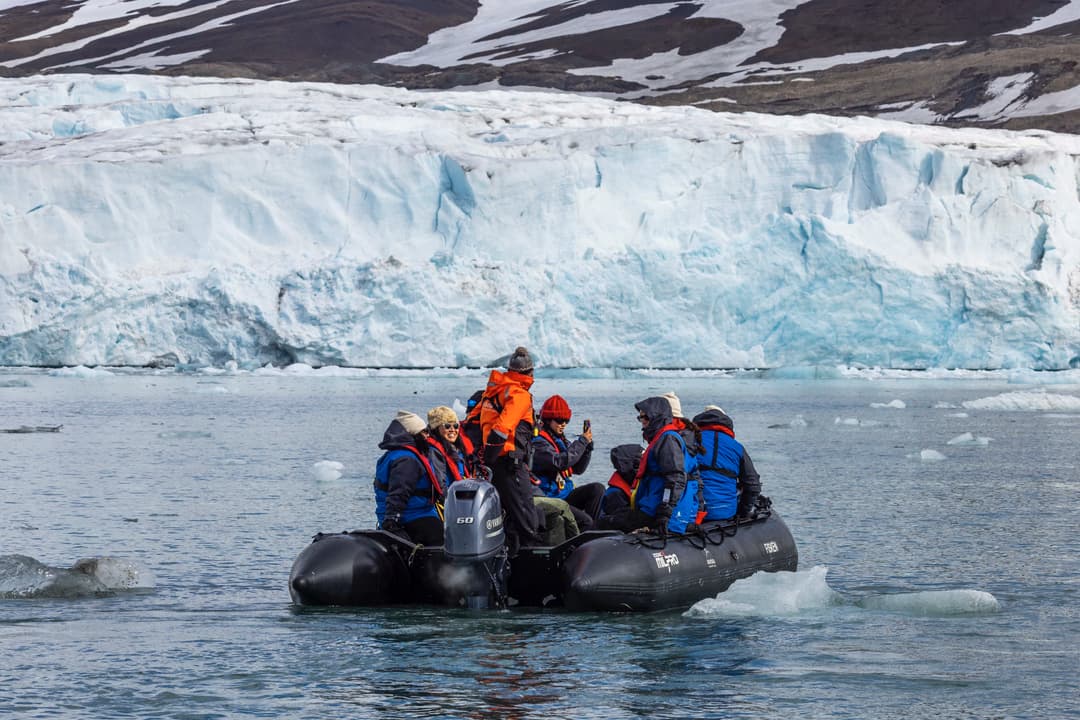
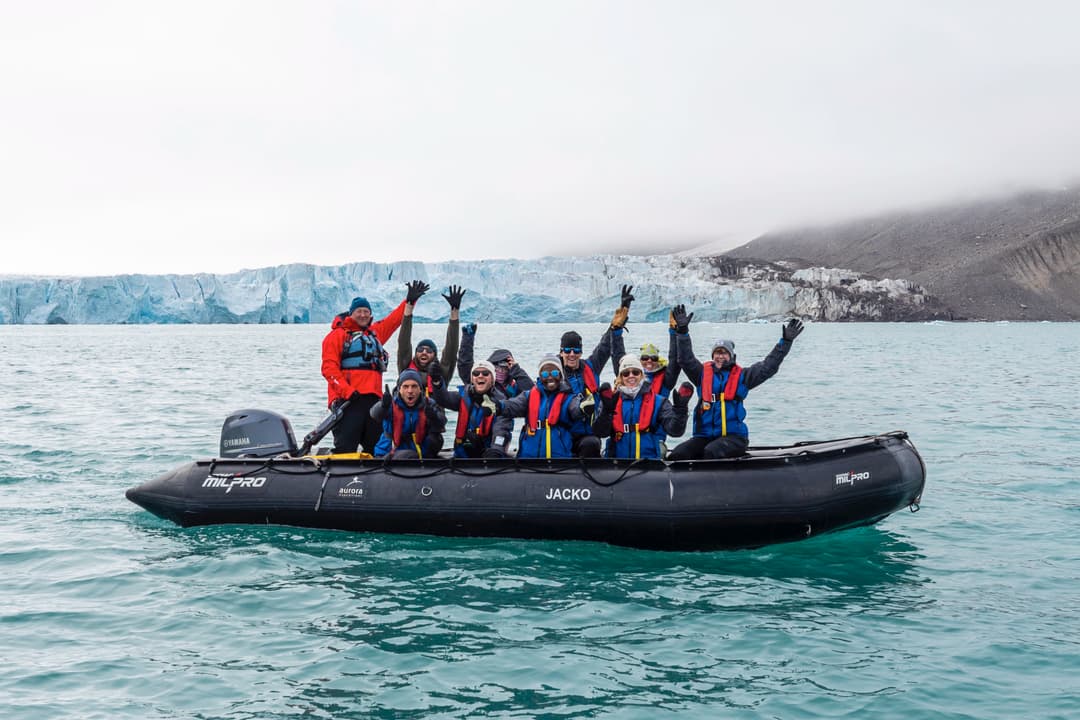
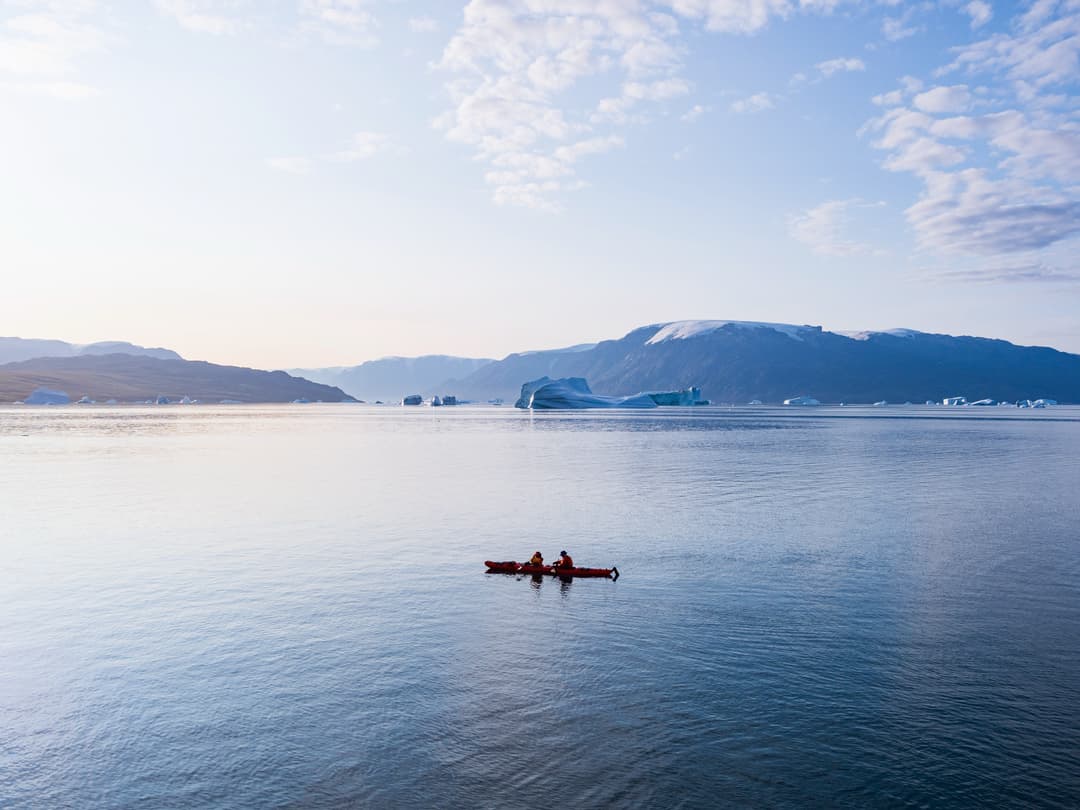
On all expeditions you will meet naturalists and local specialists, who offer presentations on their area of expertise to enhance your appreciation of the destination you are exploring.
Join the team in the lecture theatre for presentations covering a broad range of topics to suit every interest, from history and culture to biology and climate change. Regardless of the topic, they all have one thing in common: they all aim to engage, edu....
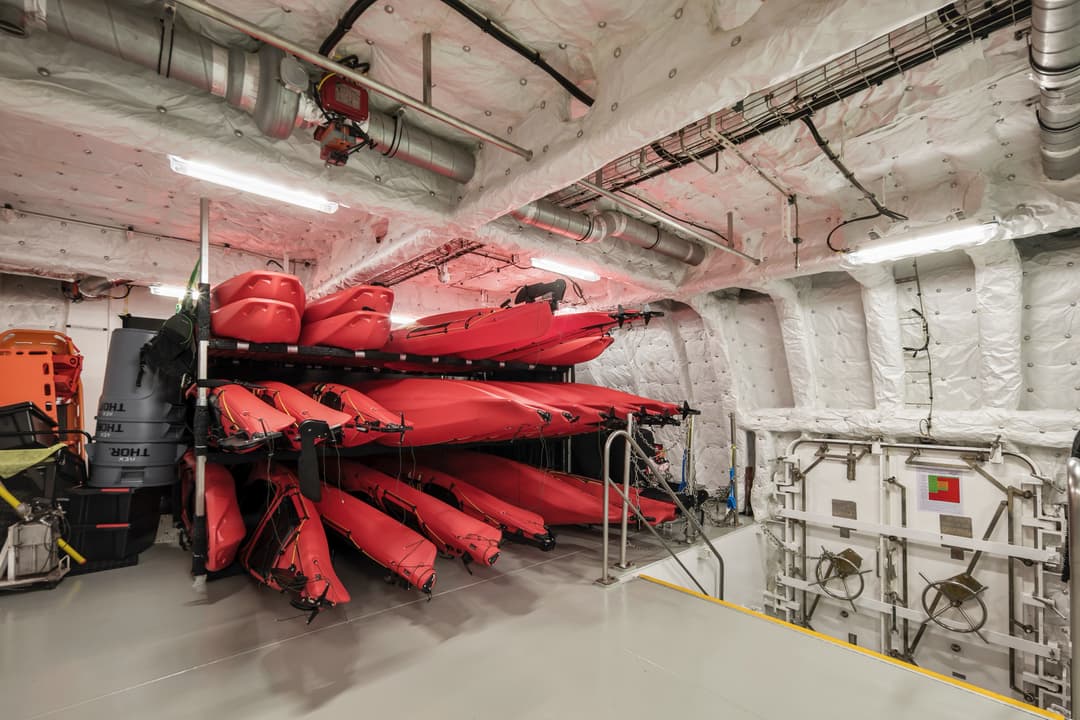
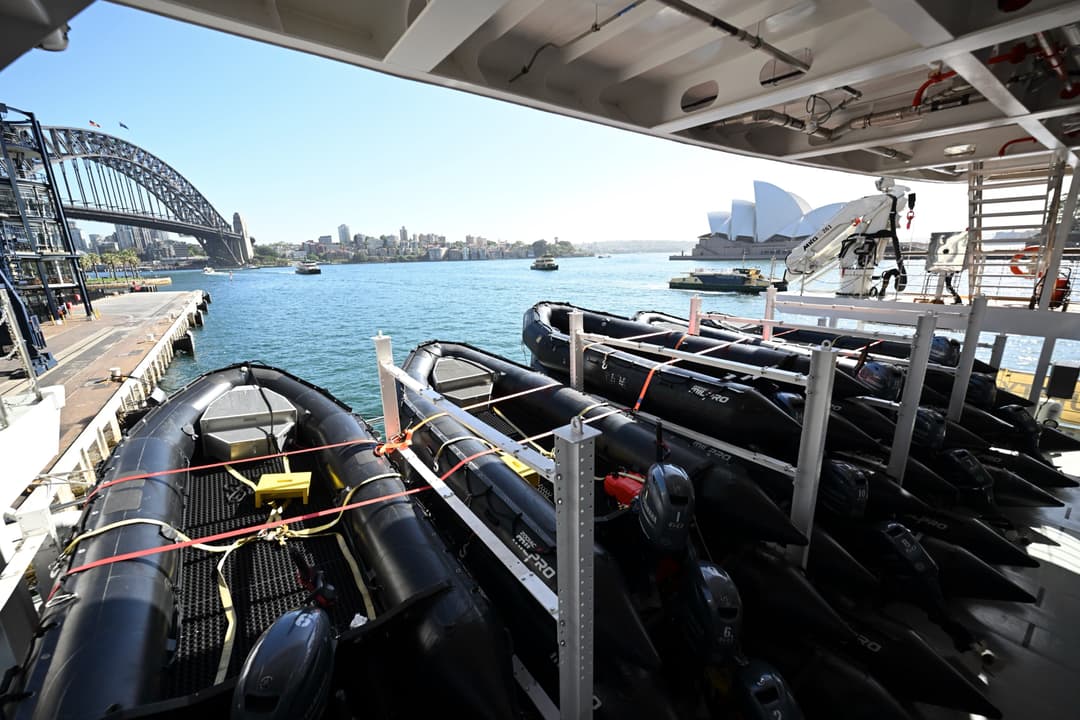
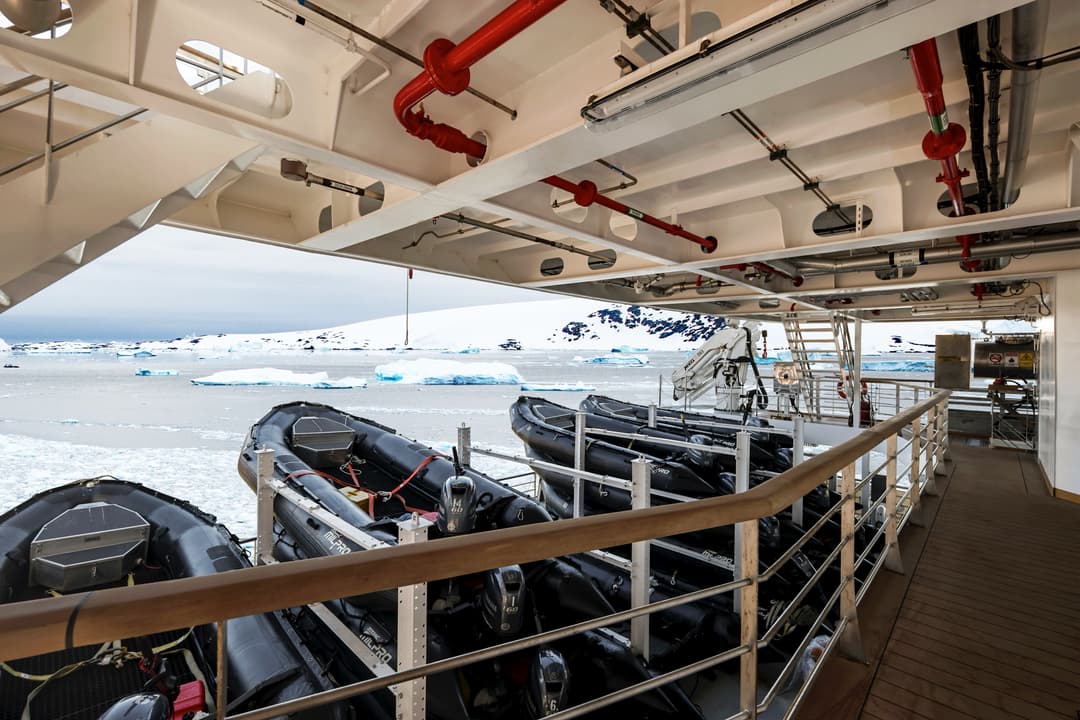
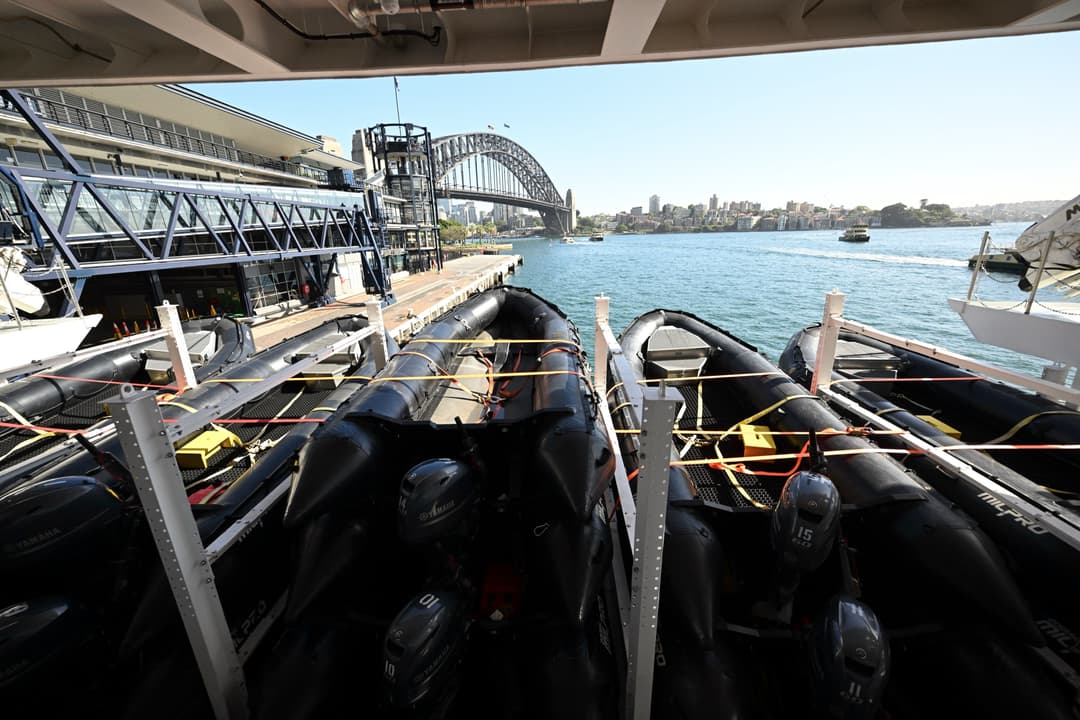
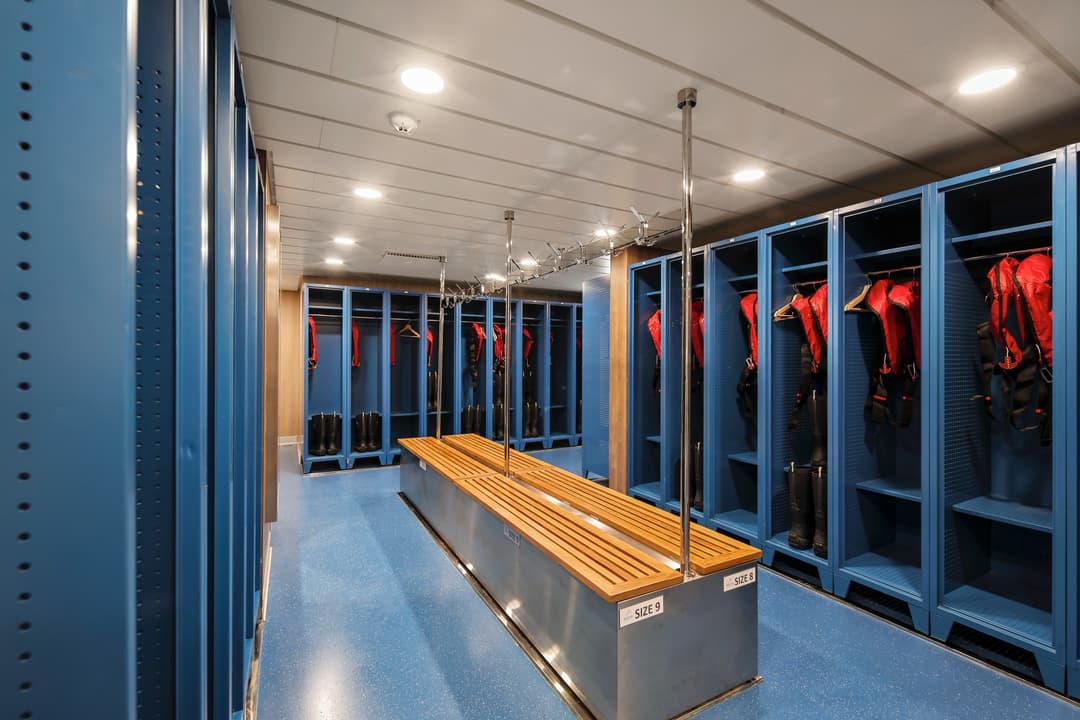
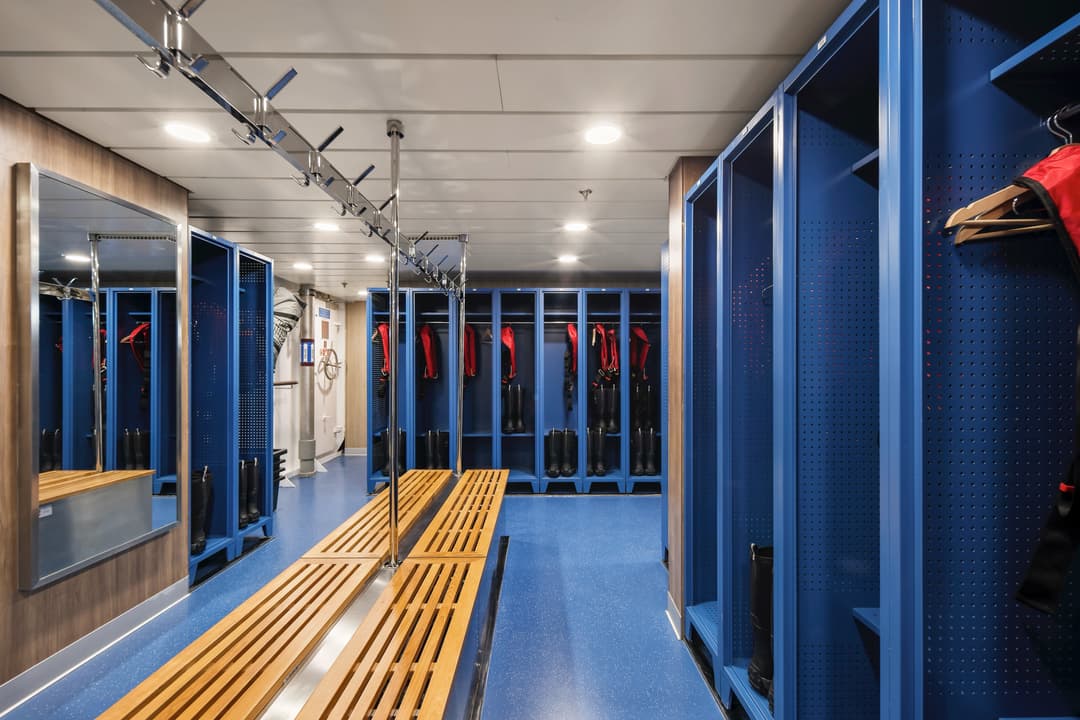
There are no dedicated children's facilities onboard the Douglas Mawson
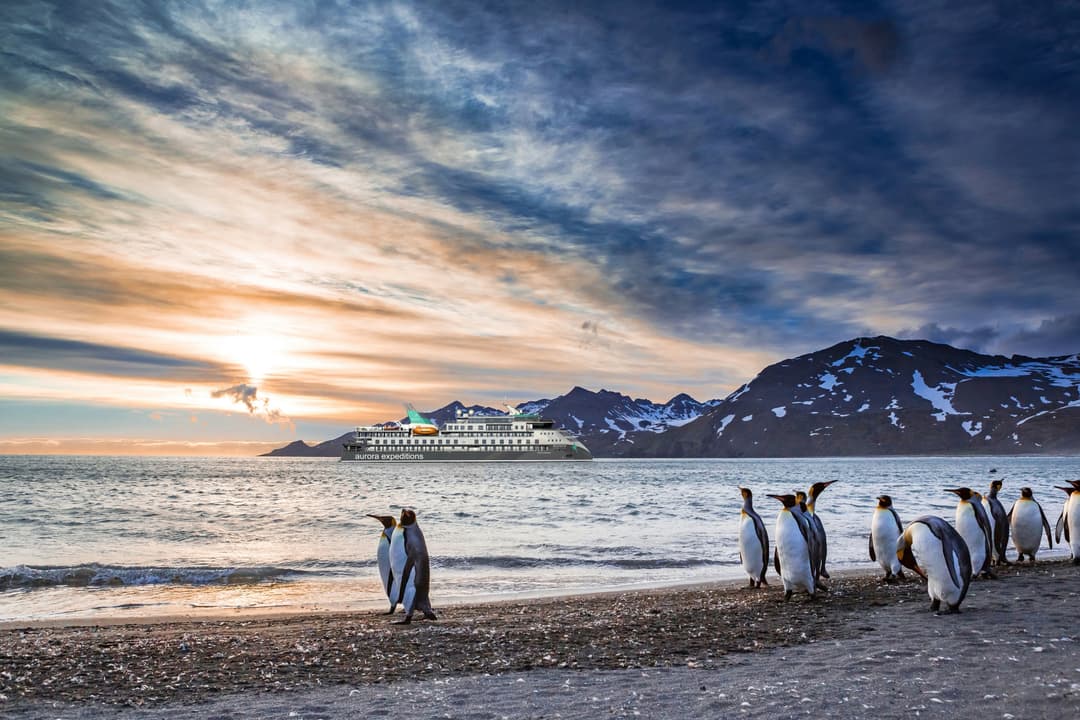
Shipboard clothing is informal and casual Jeans, jumpers and long-sleeved shirts are ideal for indoors in the polar regions; however be sure to keep your jacket close for unexpected wildlife sightings! Some people like to take a nicer outfit for the captain's welcome and farewell drinks but formal clothing is not necessary. For health and safety reasons, we do request you wear enclosed shoes in public areas while on board the ship. AE Expediti....
Medical Form
It is compulsory for each passenger to return a signed medical from their general practitioner. Your Medical Form is required to be signed by your general practitioner and returned to AE Expeditions no later than three months and no earlier than six months before your voyage departure date.
If you become aware of any change in your health and fitness that may be likely to affect your participation on the trip (e....
When packing for your holiday, do you have trouble deciding between what to take versus leave at home? If so, you’re certainly not alone – it can be tricky deciding what makes the cut into your luggage.
Of course, what often helps is knowing the environment that you’re entering into. With Antarctica and the Arctic – known as the coldest, most isolated and remote landscapes in the world – there might be a tendency to pack your suitcase wi....
We can accommodate most special meal requests if given advance notice. Our talented chefs will take your requirements into their meal planning and ensure you receive tasty, healthy meals. Ensure you list any dietary requirements on your personal details form. Although we aim to accommodate most dietary requirements, we are unable to cater to all requirements, nor can we guarantee that our onboard meals do not contain traces of peanuts or other....
Standard Inclusions
We offer a number of standard inclusions on our voyages. Please see full list below:
- Fully-serviced accommodation in your chosen stateroom or suite
- Daily shore excursions, guided walks, Zodiac cruises and some activities^
- Entry fees to historic or tourist sites
- An experienced team of destination specialists, activity leaders, and local guides*
- An informative and entert....