

CRUISE ID # LINDBLADORAFLY-261125
Puerto Natales TO Puerto Natales

$15,690
WITH SPECIAL SAVINGS APPLIED
FARES SHOWN ARE PER GUEST
Suites & Fares
CHOOSE START DATE
: November 25, 2026
Itinerary
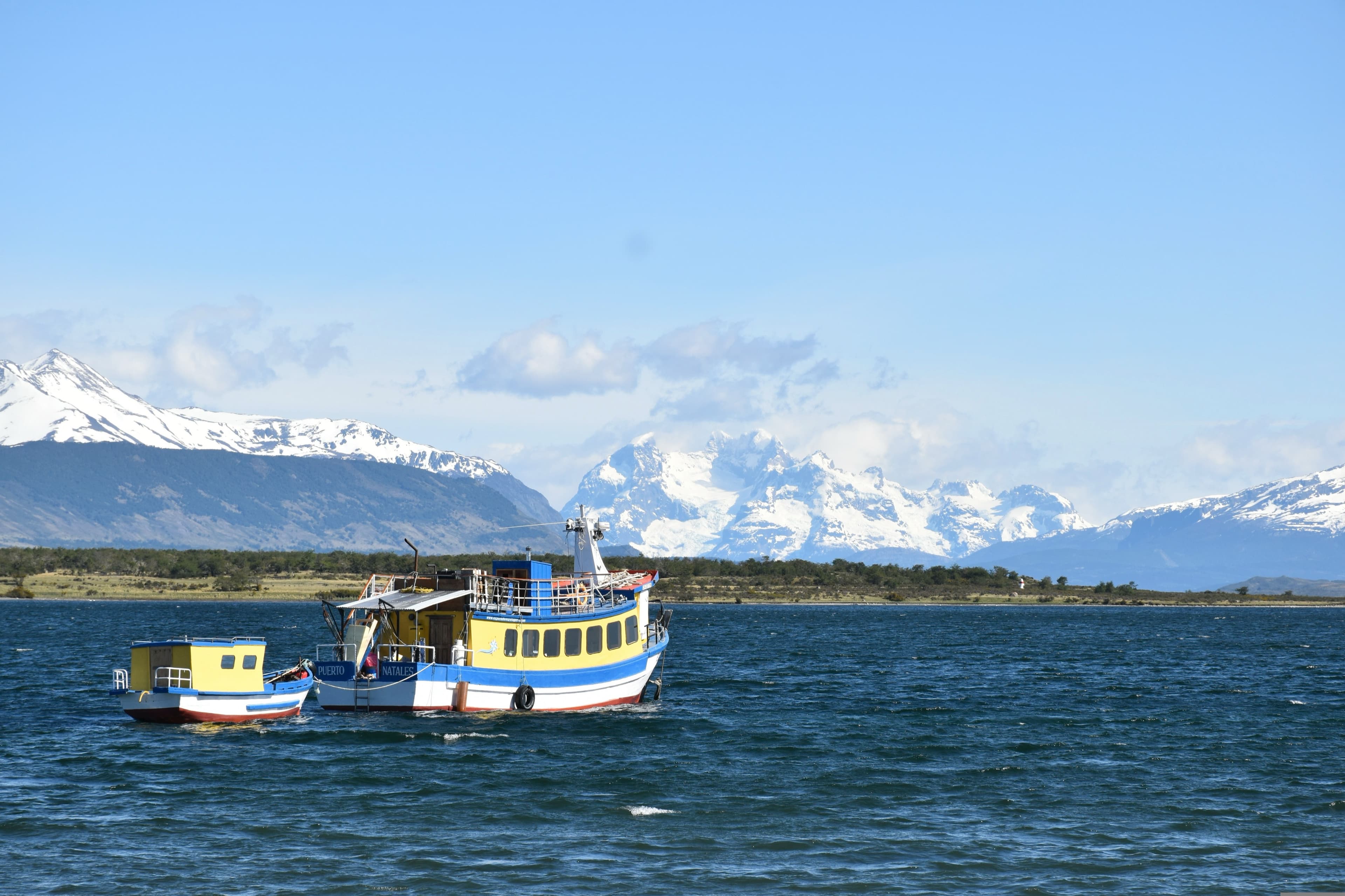
With a population of roughly 18,000, Puerto Natales is the capital of the Ultima Esperanza Province. Founded in 1911, it quickly developed into a major residential center and shipping port for the area’s products. Nestled on a gently-sloping point amid spectacular scenery, the town overlooks the Ultima Esperanza Gulf and has a nice view of the Balmaceda Mountain. It provides services for the region’s intense livestock activity. Many of its inhabitants work at the Argentinian coal mines in Rio Turbio and return home over the weekend. A growing number of tourists are using the town as a jumping-off point for visiting the spectacular Torres del Paine and Balmaceda National Parks, and the nearby fjords. In 1892 and 1897, two geographic surveyors mapped the area and ascertained its potential for livestock farming. The first expedition was led by Capt. Eberhard, while the second, a Swedish one, was led by Otto Nordenskjöld. Eberhard discovered the Milodón Cave and was one of the first settlers in the area. A German-born immigrant in transit along the Strait of Magellan, he disembarked in Punta Arenas and decided to stay in this area. His brother continued to California, their original destination, where he later founded the renowned Eberhard Faber pencil making company. When the area opened to settlement in 1893, the lands lying along the coast were occupied mostly by German and English settlers who had previously come to Punta Arenas. There still remain a few interesting buildings dating from the estancia heydays. Pier Information The ship will remain at anchor. Guests will be brought ashore by ship’s tenders to the jetty located close to the center of town, which can be reached on foot. Shopping The main shopping area is located about 11 blocks from the landing jetty. Cuisine Two of the better restaurants in town are Tranquera and Circulo Español. Other Sites Cerro DoroteaA walk up this hill rewards with superb views of the whole Ultima Esperanza Sound.Milodón Cave National MonumentAbout 15 miles out of Puerto Natales stands this monument near the cave, where in 1895 Capt. Eberhard found the nearly intact remains of a prehistoric animal called milodón, a type of ground sloth. The finding caused such a stir that Wellington Furlog, a scientiest at Cornell University, set out in 1907 to comb Patagonia in search of living specimens of this species.
With a population of roughly 18,000, Puerto Natales is the capital of the Ultima Esperanza Province. Founded in 1911, it quickly developed into a major residential center and shipping port for the area’s products. Nestled on a gently-sloping point amid spectacular scenery, the town overlooks the Ultima Esperanza Gulf and has a nice view of the Balmaceda Mountain. It provides services for the region’s intense livestock activity. Many of its inhabitants work at the Argentinian coal mines in Rio Turbio and return home over the weekend. A growing number of tourists are using the town as a jumping-off point for visiting the spectacular Torres del Paine and Balmaceda National Parks, and the nearby fjords. In 1892 and 1897, two geographic surveyors mapped the area and ascertained its potential for livestock farming. The first expedition was led by Capt. Eberhard, while the second, a Swedish one, was led by Otto Nordenskjöld. Eberhard discovered the Milodón Cave and was one of the first settlers in the area. A German-born immigrant in transit along the Strait of Magellan, he disembarked in Punta Arenas and decided to stay in this area. His brother continued to California, their original destination, where he later founded the renowned Eberhard Faber pencil making company. When the area opened to settlement in 1893, the lands lying along the coast were occupied mostly by German and English settlers who had previously come to Punta Arenas. There still remain a few interesting buildings dating from the estancia heydays. Pier Information The ship will remain at anchor. Guests will be brought ashore by ship’s tenders to the jetty located close to the center of town, which can be reached on foot. Shopping The main shopping area is located about 11 blocks from the landing jetty. Cuisine Two of the better restaurants in town are Tranquera and Circulo Español. Other Sites Cerro DoroteaA walk up this hill rewards with superb views of the whole Ultima Esperanza Sound.Milodón Cave National MonumentAbout 15 miles out of Puerto Natales stands this monument near the cave, where in 1895 Capt. Eberhard found the nearly intact remains of a prehistoric animal called milodón, a type of ground sloth. The finding caused such a stir that Wellington Furlog, a scientiest at Cornell University, set out in 1907 to comb Patagonia in search of living specimens of this species.
Rugged, remote island with rocky beaches, Antarctica's first Orthodox church & a range of wildlife.
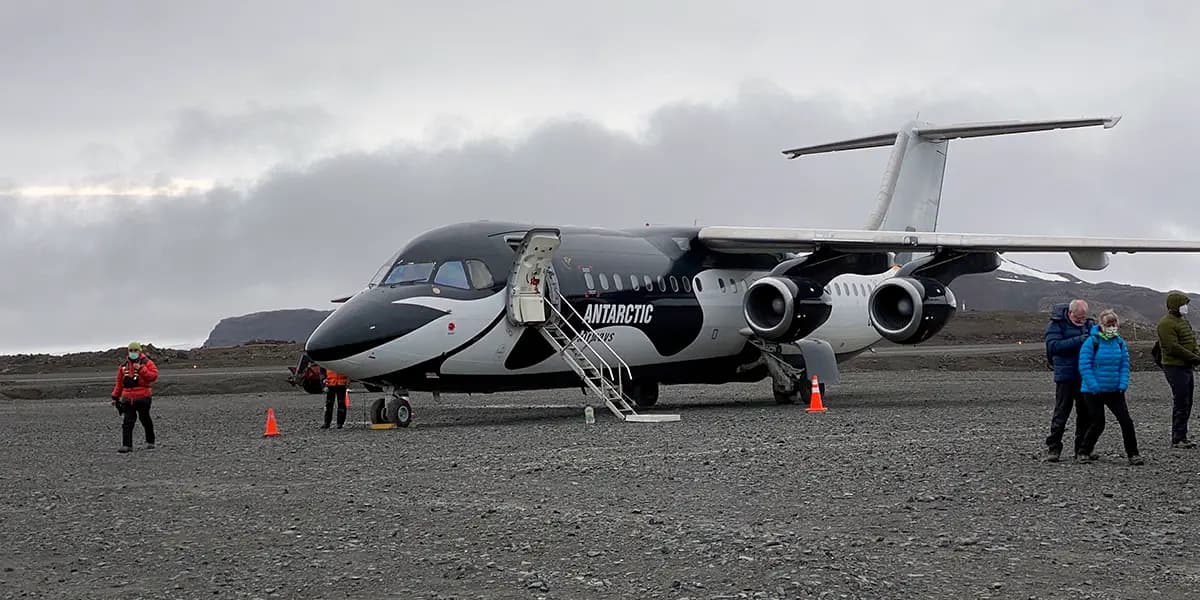
With long hours of daylight at this time of year, you'll have ample opportunities to explore. The schedule is flexible, allowing you to take advantage of the unexpected, whether you’re watching whales at play off the bow of the ship, hiking alongside penguin highways or enjoying an evening Zodiac cruise amid porpoising penguins.
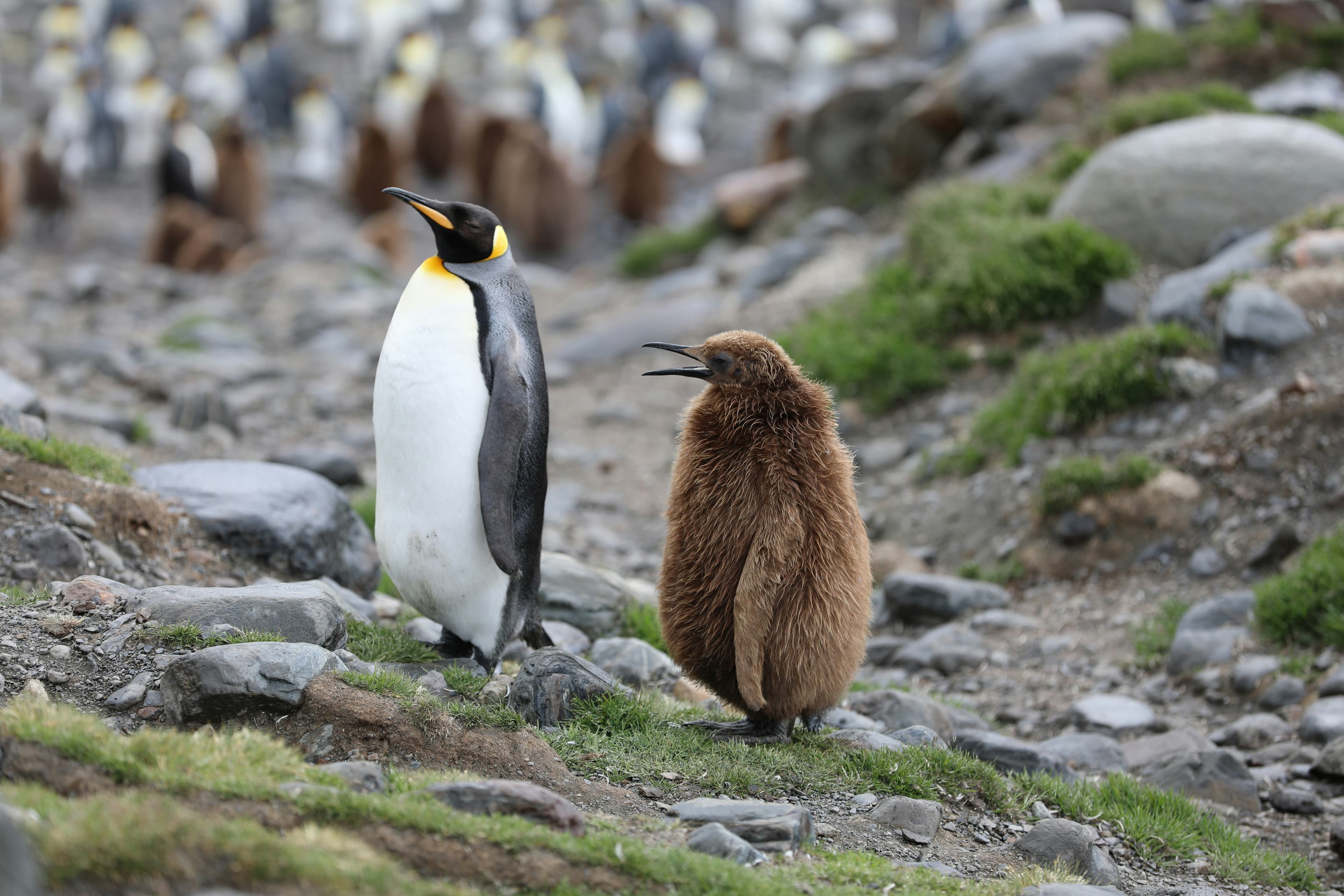
While wildlife is magnificent, ice defines the Antarctic. You’ll get to know ice up close and personal—from icebergs the size of islands, bergy bits and near-vertical glaciers, to the fragile, nearly invisible layers that have just begun to freeze. One day, you might set out by kayak to encounter towering icebergs at water level; embark on a Zodiac excursion in search of seals and blue-eyed shags; or walk amid thousands of Adélie and gentoo penguins. The next, you might experience the thrill of the ship crunching through pack ice.
Everywhere you go in Antarctica, you'll be surrounded by opportunities to capture uniquely beautiful images. Along the way, your expert expedition team will enrich every experience.
Rugged, remote island with rocky beaches, Antarctica's first Orthodox church & a range of wildlife.
With a population of roughly 18,000, Puerto Natales is the capital of the Ultima Esperanza Province. Founded in 1911, it quickly developed into a major residential center and shipping port for the area’s products. Nestled on a gently-sloping point amid spectacular scenery, the town overlooks the Ultima Esperanza Gulf and has a nice view of the Balmaceda Mountain. It provides services for the region’s intense livestock activity. Many of its inhabitants work at the Argentinian coal mines in Rio Turbio and return home over the weekend. A growing number of tourists are using the town as a jumping-off point for visiting the spectacular Torres del Paine and Balmaceda National Parks, and the nearby fjords. In 1892 and 1897, two geographic surveyors mapped the area and ascertained its potential for livestock farming. The first expedition was led by Capt. Eberhard, while the second, a Swedish one, was led by Otto Nordenskjöld. Eberhard discovered the Milodón Cave and was one of the first settlers in the area. A German-born immigrant in transit along the Strait of Magellan, he disembarked in Punta Arenas and decided to stay in this area. His brother continued to California, their original destination, where he later founded the renowned Eberhard Faber pencil making company. When the area opened to settlement in 1893, the lands lying along the coast were occupied mostly by German and English settlers who had previously come to Punta Arenas. There still remain a few interesting buildings dating from the estancia heydays. Pier Information The ship will remain at anchor. Guests will be brought ashore by ship’s tenders to the jetty located close to the center of town, which can be reached on foot. Shopping The main shopping area is located about 11 blocks from the landing jetty. Cuisine Two of the better restaurants in town are Tranquera and Circulo Español. Other Sites Cerro DoroteaA walk up this hill rewards with superb views of the whole Ultima Esperanza Sound.Milodón Cave National MonumentAbout 15 miles out of Puerto Natales stands this monument near the cave, where in 1895 Capt. Eberhard found the nearly intact remains of a prehistoric animal called milodón, a type of ground sloth. The finding caused such a stir that Wellington Furlog, a scientiest at Cornell University, set out in 1907 to comb Patagonia in search of living specimens of this species.
With a population of roughly 18,000, Puerto Natales is the capital of the Ultima Esperanza Province. Founded in 1911, it quickly developed into a major residential center and shipping port for the area’s products. Nestled on a gently-sloping point amid spectacular scenery, the town overlooks the Ultima Esperanza Gulf and has a nice view of the Balmaceda Mountain. It provides services for the region’s intense livestock activity. Many of its inhabitants work at the Argentinian coal mines in Rio Turbio and return home over the weekend. A growing number of tourists are using the town as a jumping-off point for visiting the spectacular Torres del Paine and Balmaceda National Parks, and the nearby fjords. In 1892 and 1897, two geographic surveyors mapped the area and ascertained its potential for livestock farming. The first expedition was led by Capt. Eberhard, while the second, a Swedish one, was led by Otto Nordenskjöld. Eberhard discovered the Milodón Cave and was one of the first settlers in the area. A German-born immigrant in transit along the Strait of Magellan, he disembarked in Punta Arenas and decided to stay in this area. His brother continued to California, their original destination, where he later founded the renowned Eberhard Faber pencil making company. When the area opened to settlement in 1893, the lands lying along the coast were occupied mostly by German and English settlers who had previously come to Punta Arenas. There still remain a few interesting buildings dating from the estancia heydays. Pier Information The ship will remain at anchor. Guests will be brought ashore by ship’s tenders to the jetty located close to the center of town, which can be reached on foot. Shopping The main shopping area is located about 11 blocks from the landing jetty. Cuisine Two of the better restaurants in town are Tranquera and Circulo Español. Other Sites Cerro DoroteaA walk up this hill rewards with superb views of the whole Ultima Esperanza Sound.Milodón Cave National MonumentAbout 15 miles out of Puerto Natales stands this monument near the cave, where in 1895 Capt. Eberhard found the nearly intact remains of a prehistoric animal called milodón, a type of ground sloth. The finding caused such a stir that Wellington Furlog, a scientiest at Cornell University, set out in 1907 to comb Patagonia in search of living specimens of this species.
About the Ship
Name
National Geographic Orion
Operator
National Geographic - Lindblad Expeditions

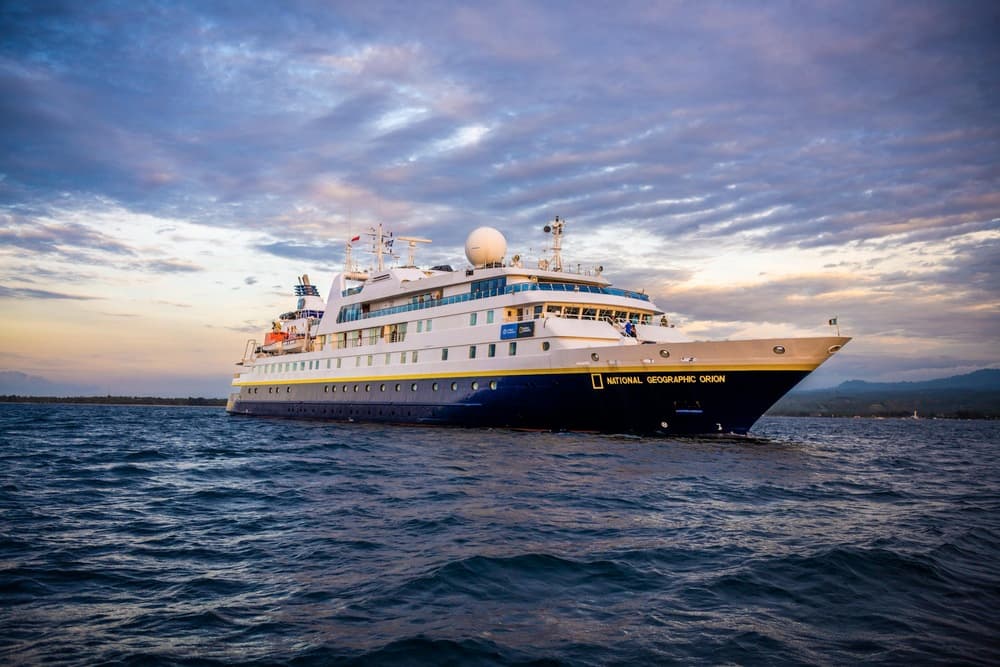
Featuring 53 cabins, the gracious and intimate National Geographic Orion takes travelers to little-known waters and isles in the Pacific Islands, Antarctica and the Mediterranean to experience each location's natural and cultural wonders up close. With her high ice-class rating, National Geographic Orion is strong enough to explore the polar regions, yet her elevated maneuverability allows for navigation practically anywhere accessible by sea.
Loading...
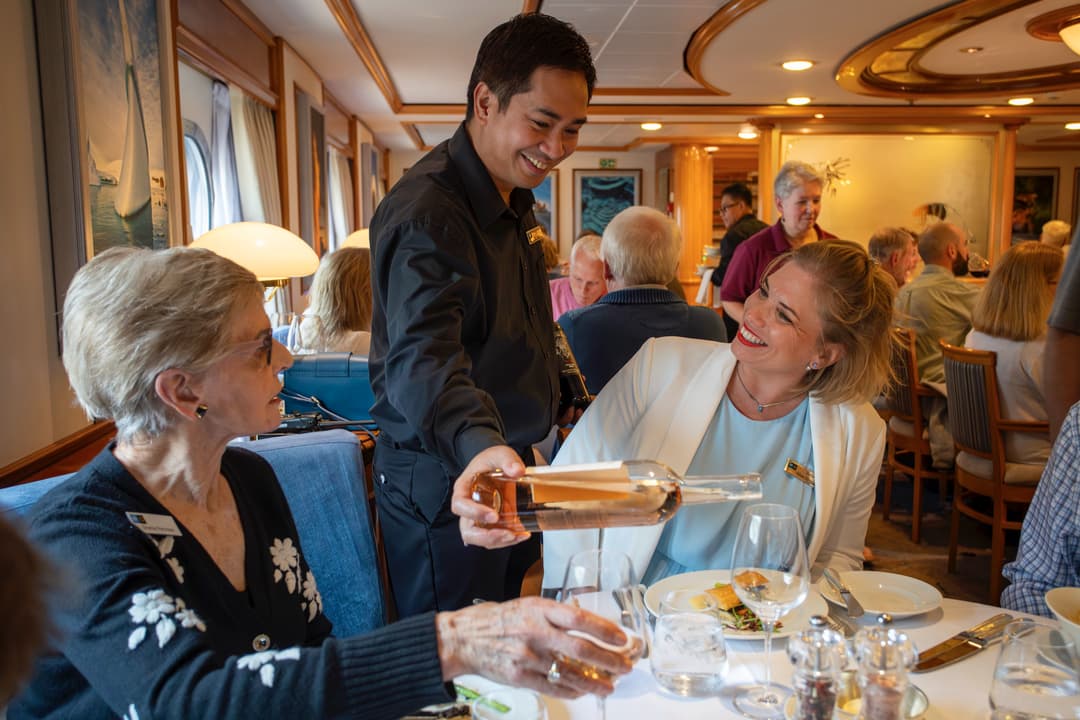
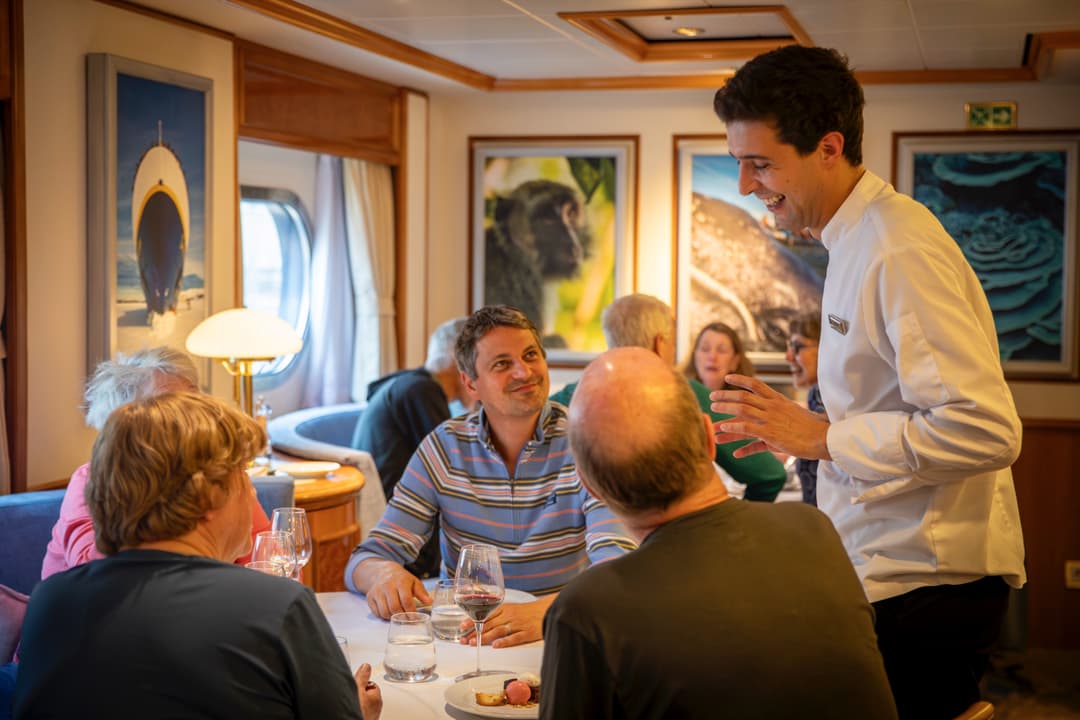
Meals are served in the dining room, or weather permitting, the outdoor café, at a single seating with unassigned tables for an informal atmosphere and easy mingling. Menus feature sustainable choices, local where possible.

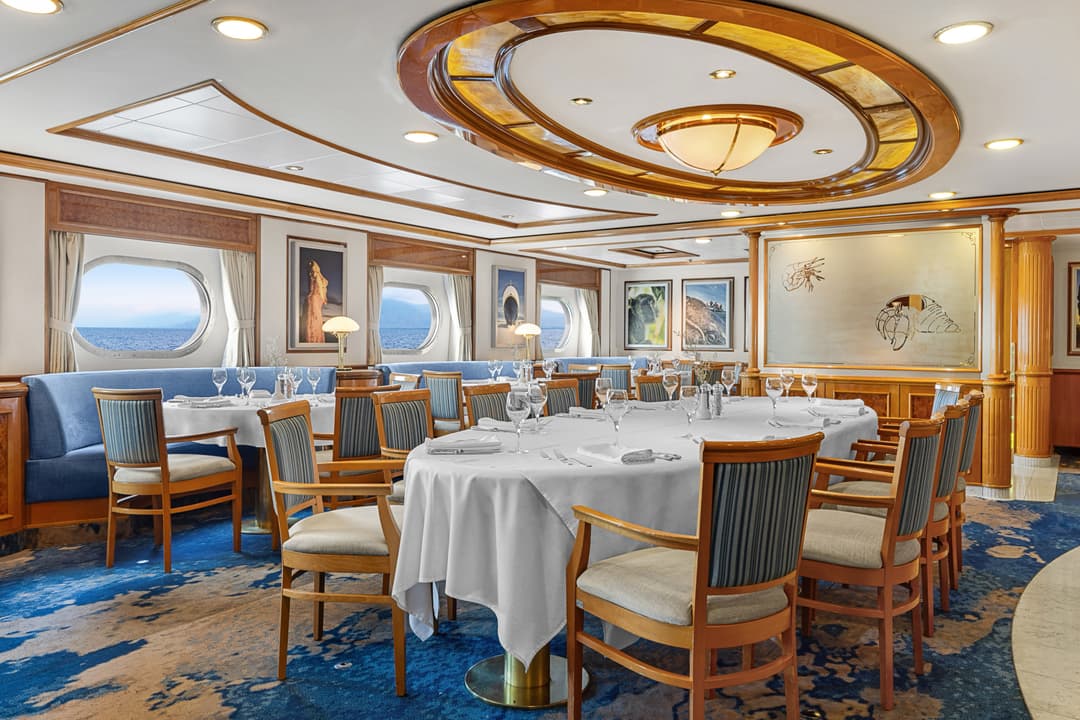
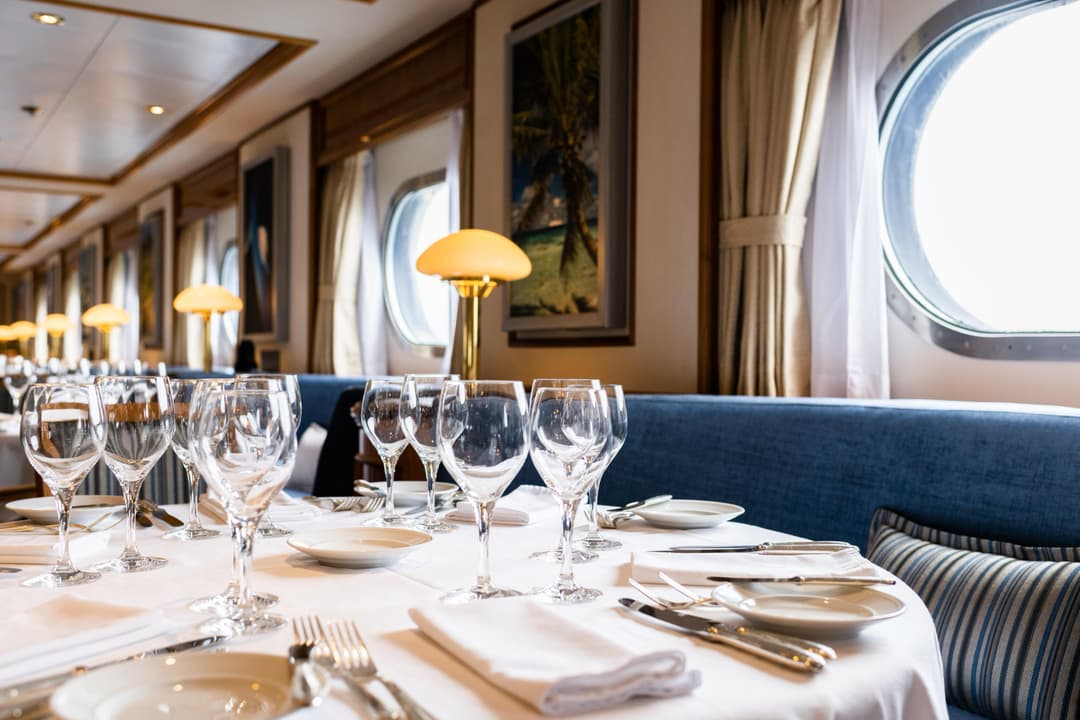


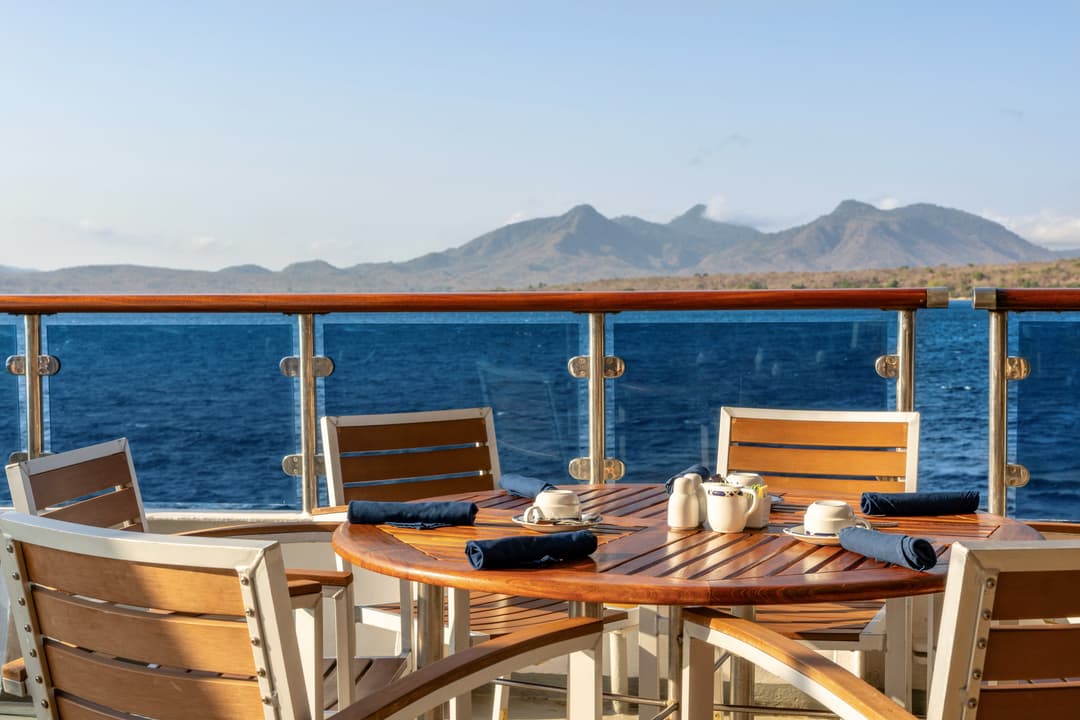
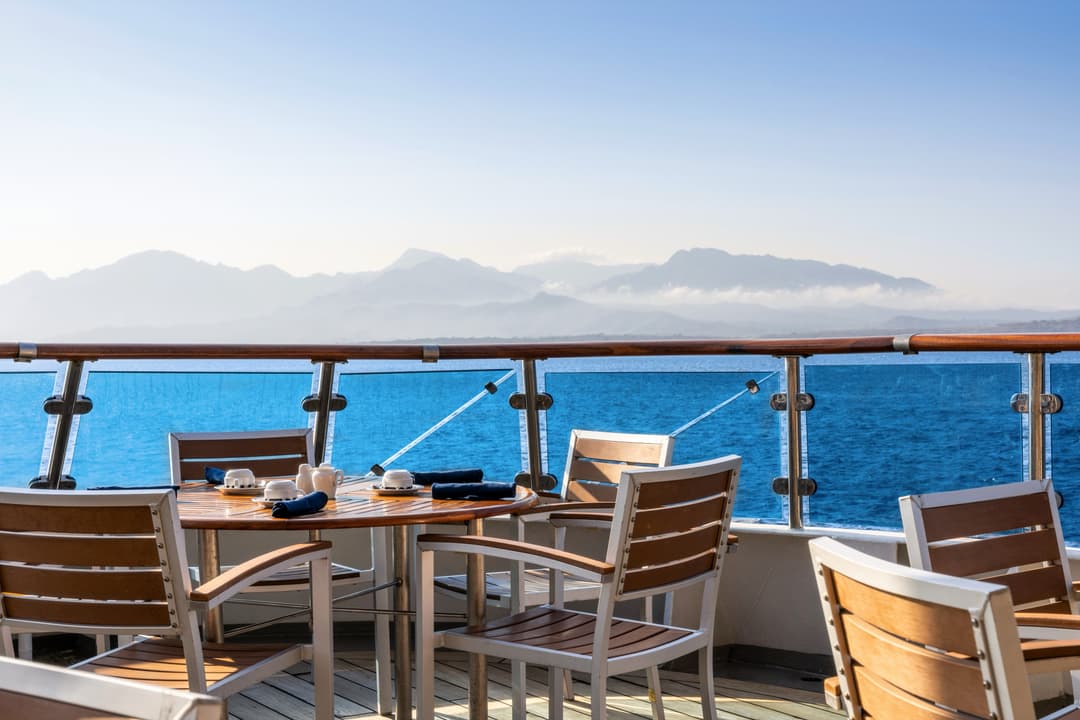
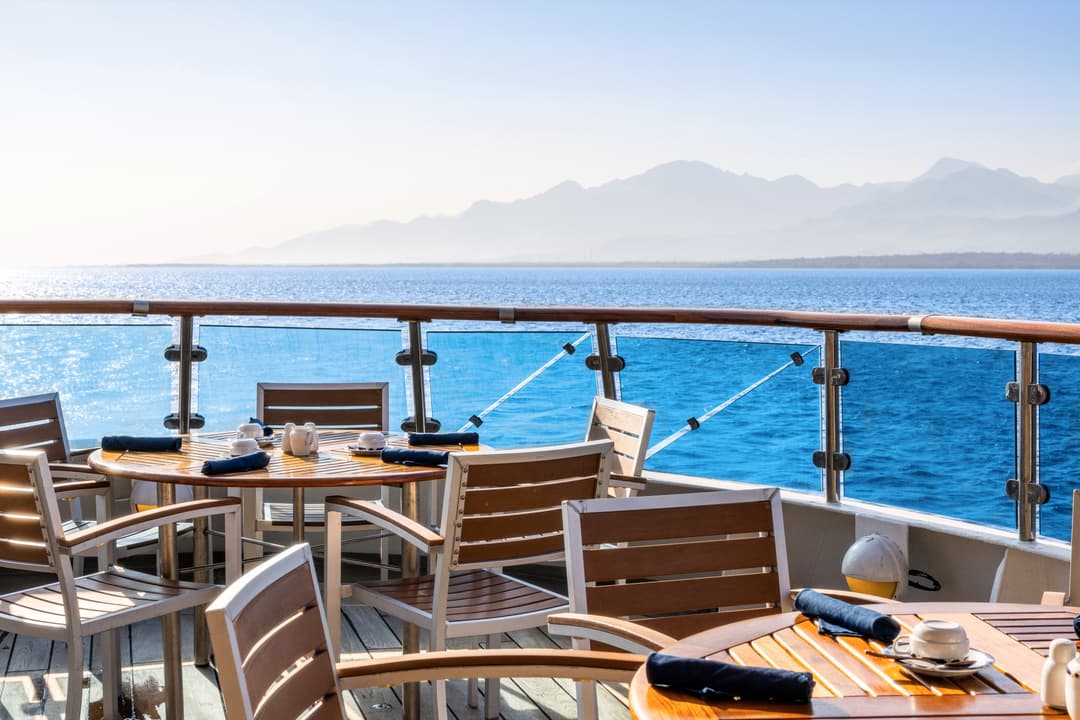

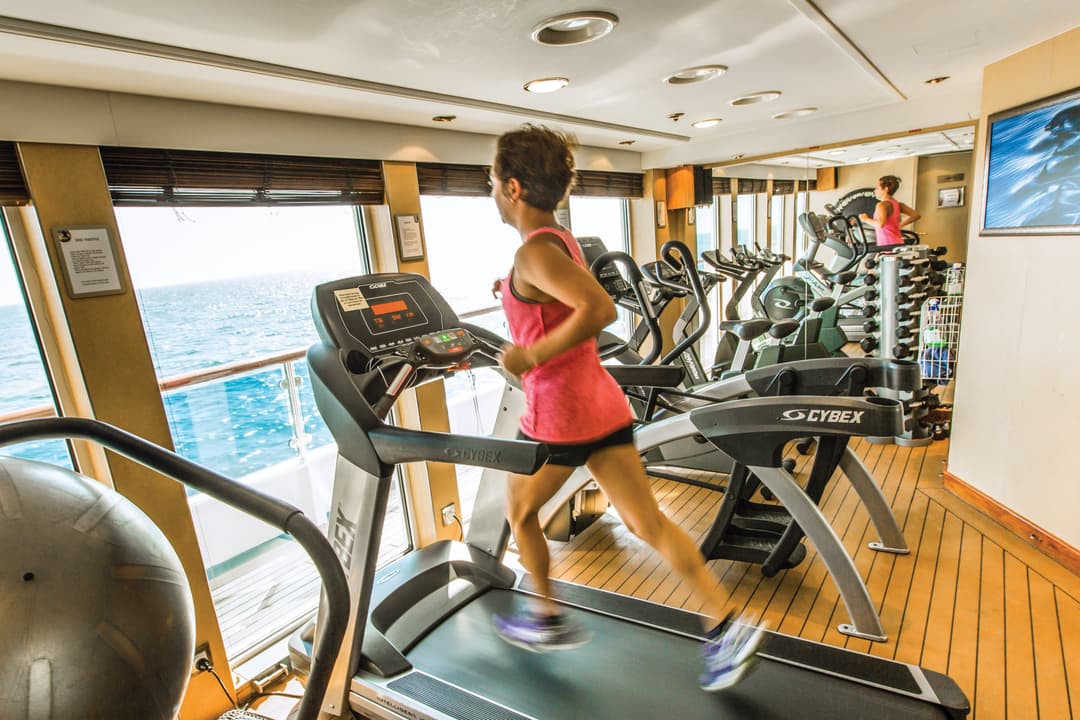
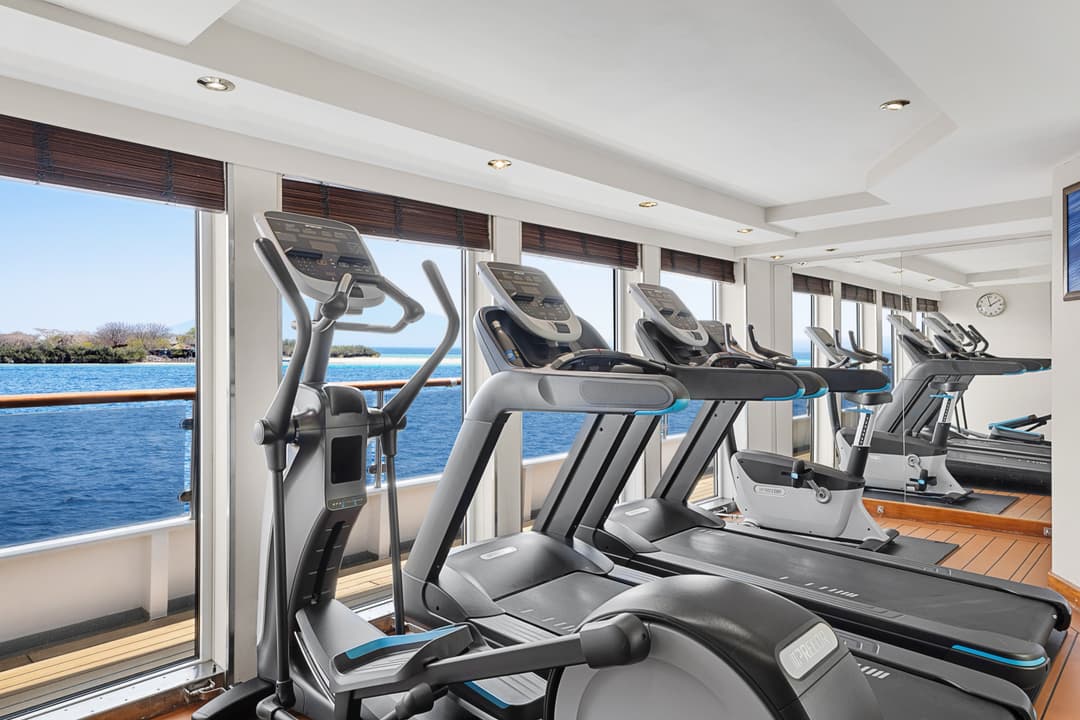
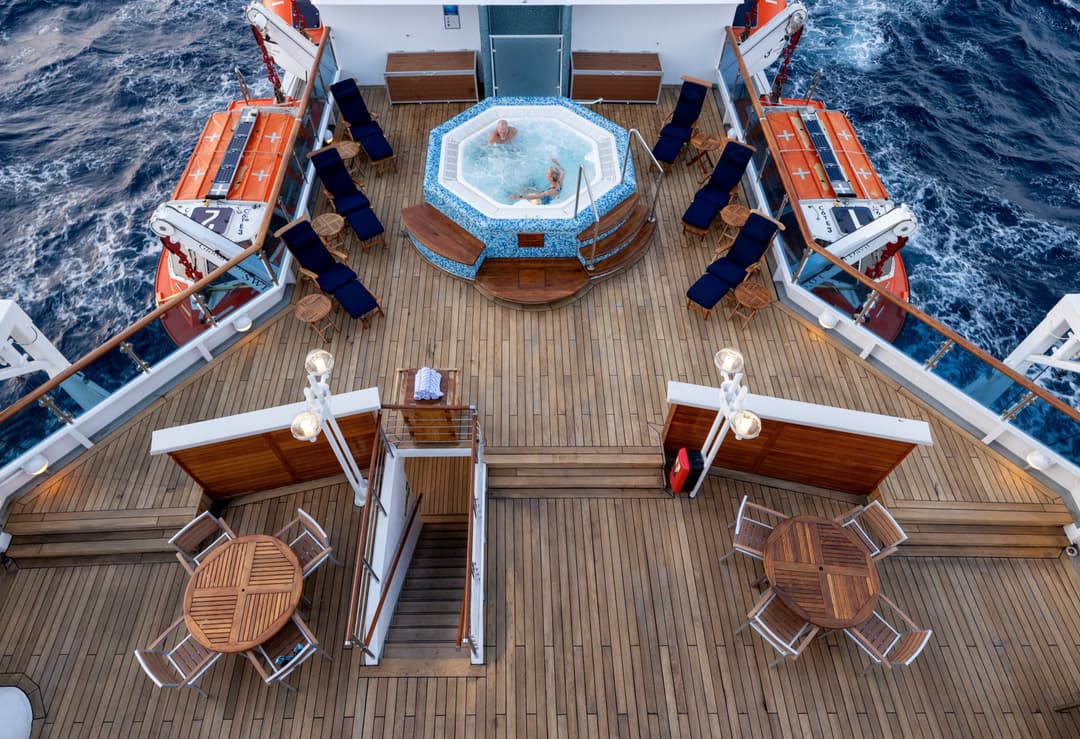
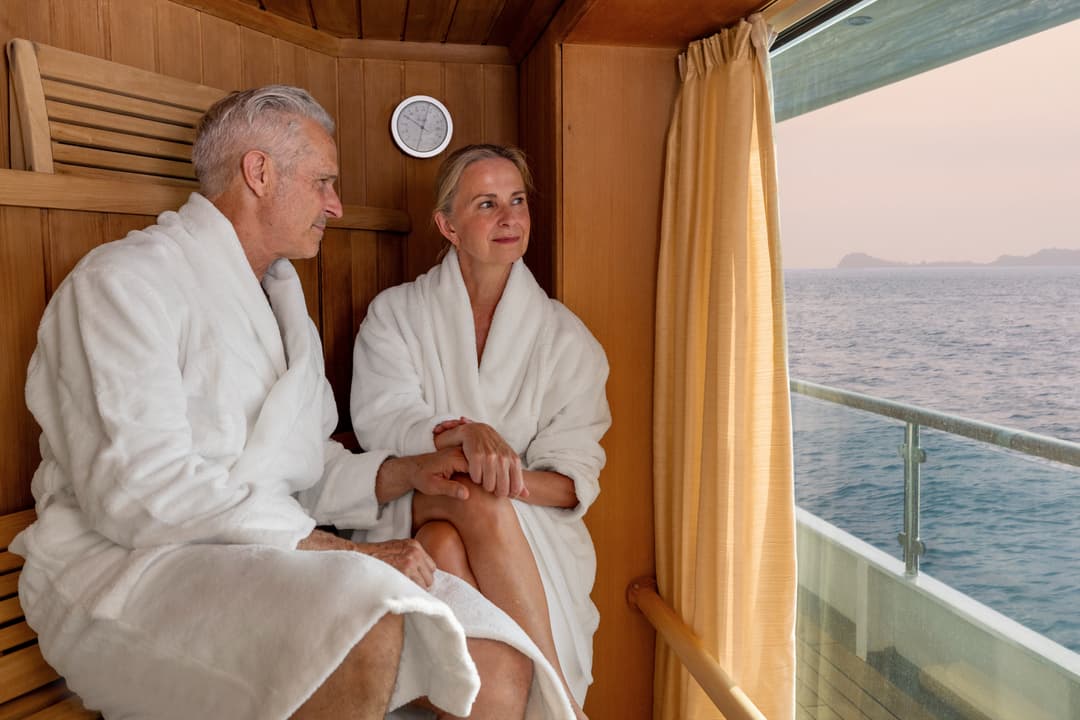
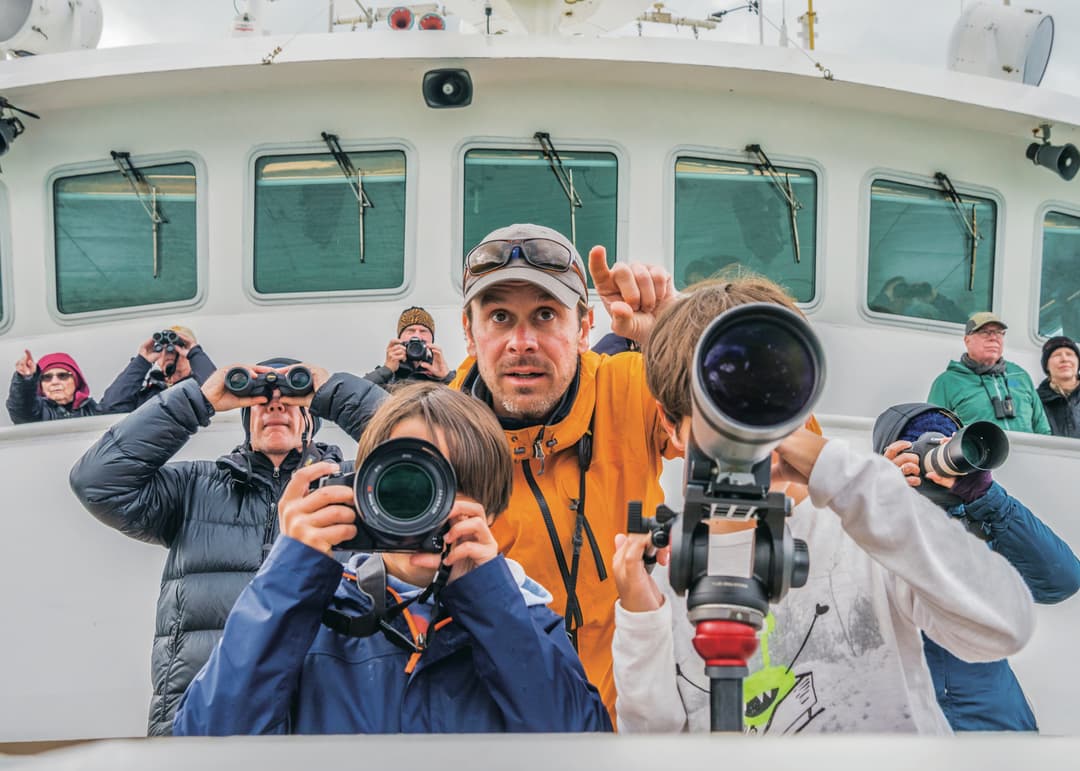
Public spaces include two dining areas; lounge with bar and state-of-the-art presentation facilities; OM System Photo Gear Locker; sundeck with a whirlpool hot tub that doubles as a plunge pool in warm climates; observation lounge and library; fitness center and spa; plus open access to the Bridge, the Captain, officers, and on-duty wildlife spotters.

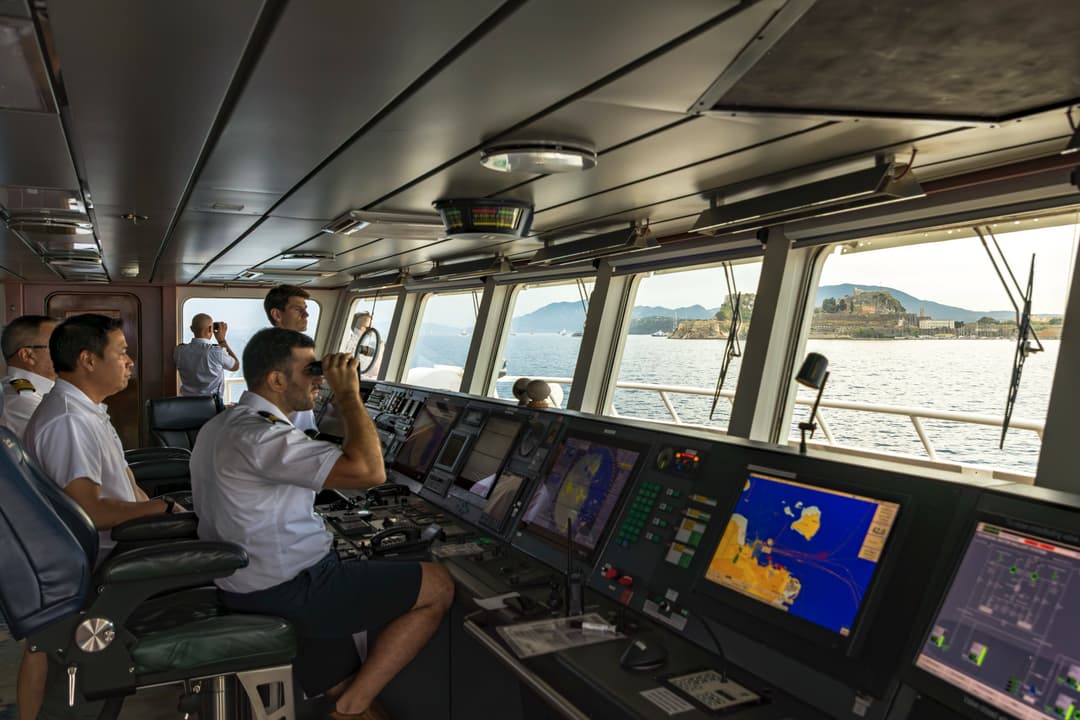
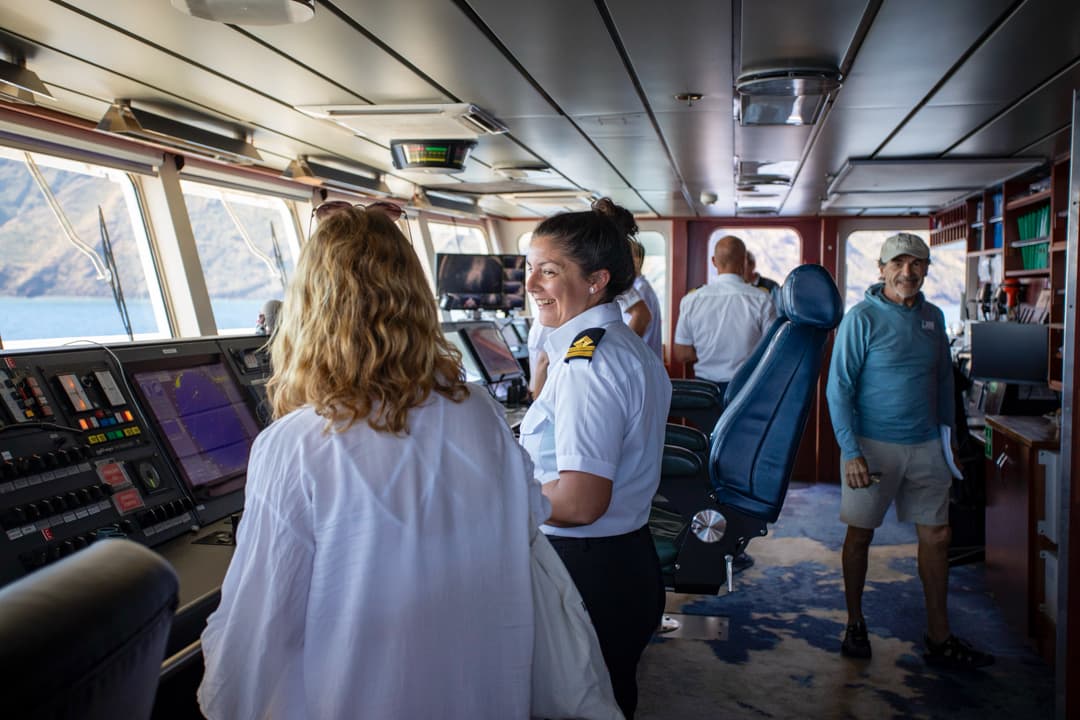

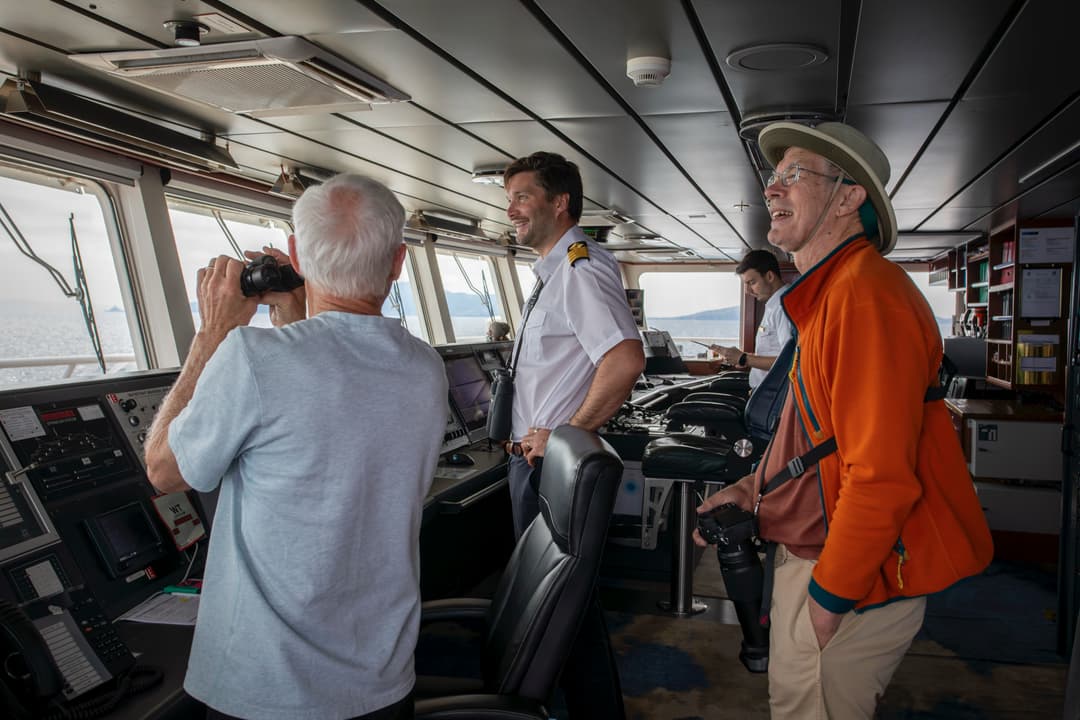
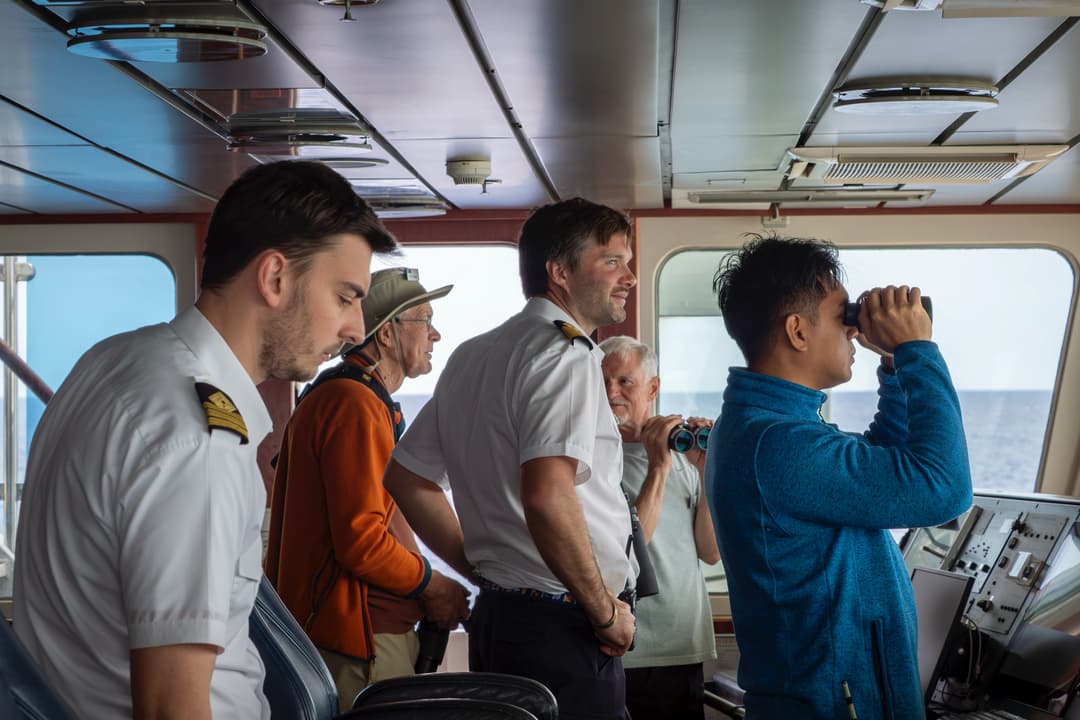
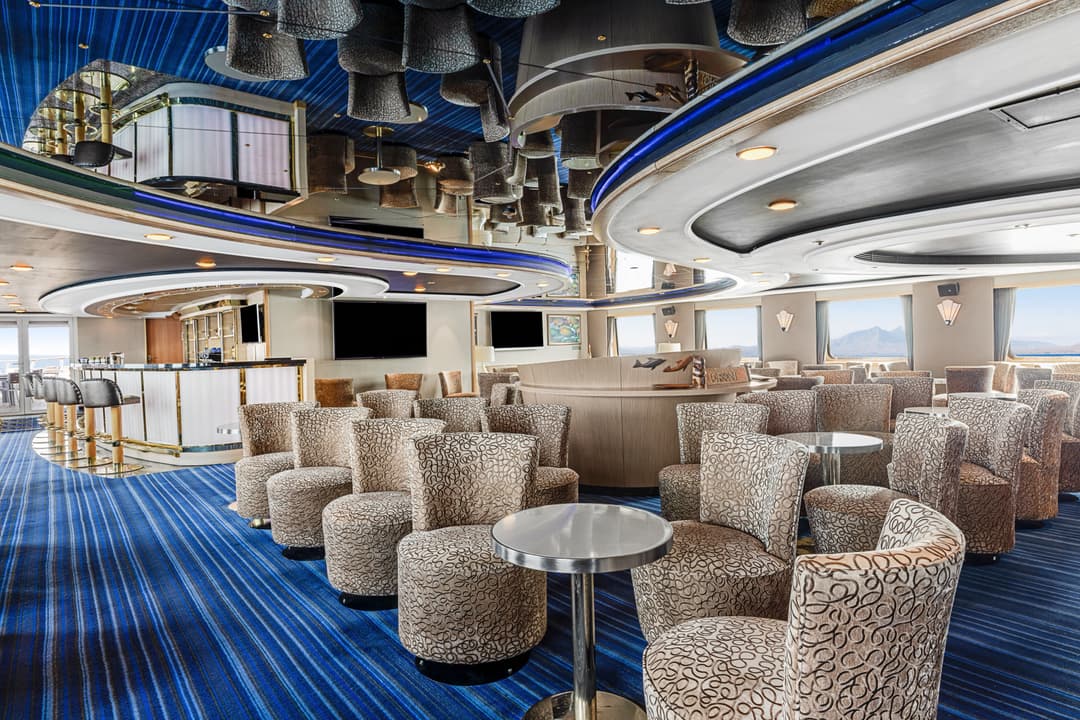
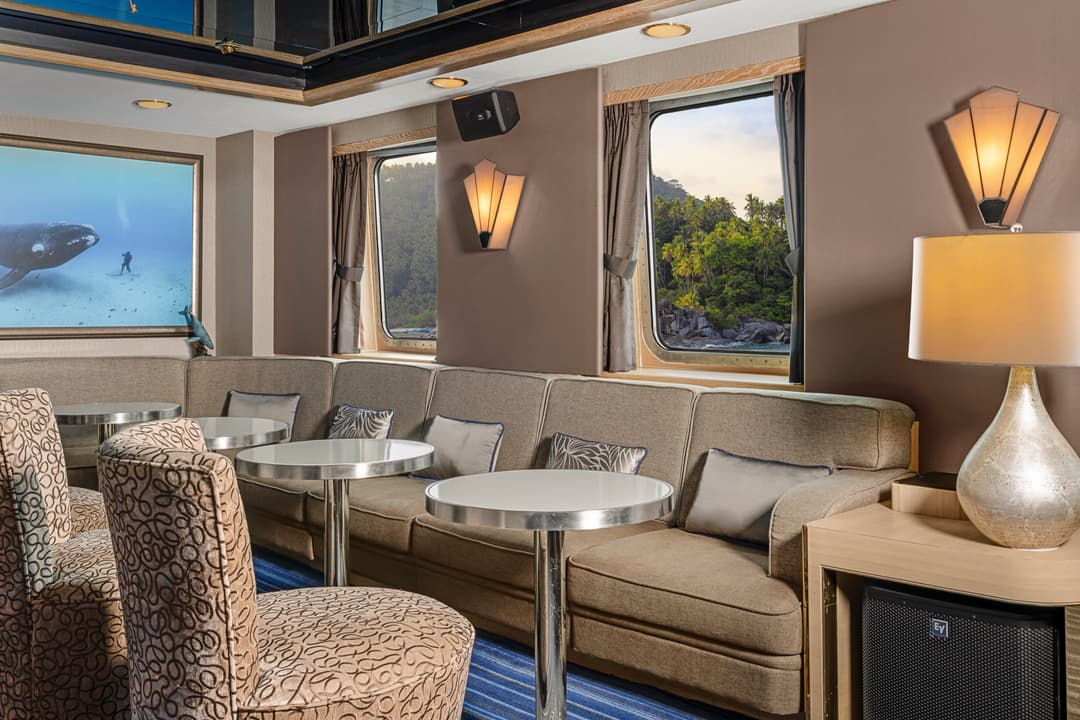

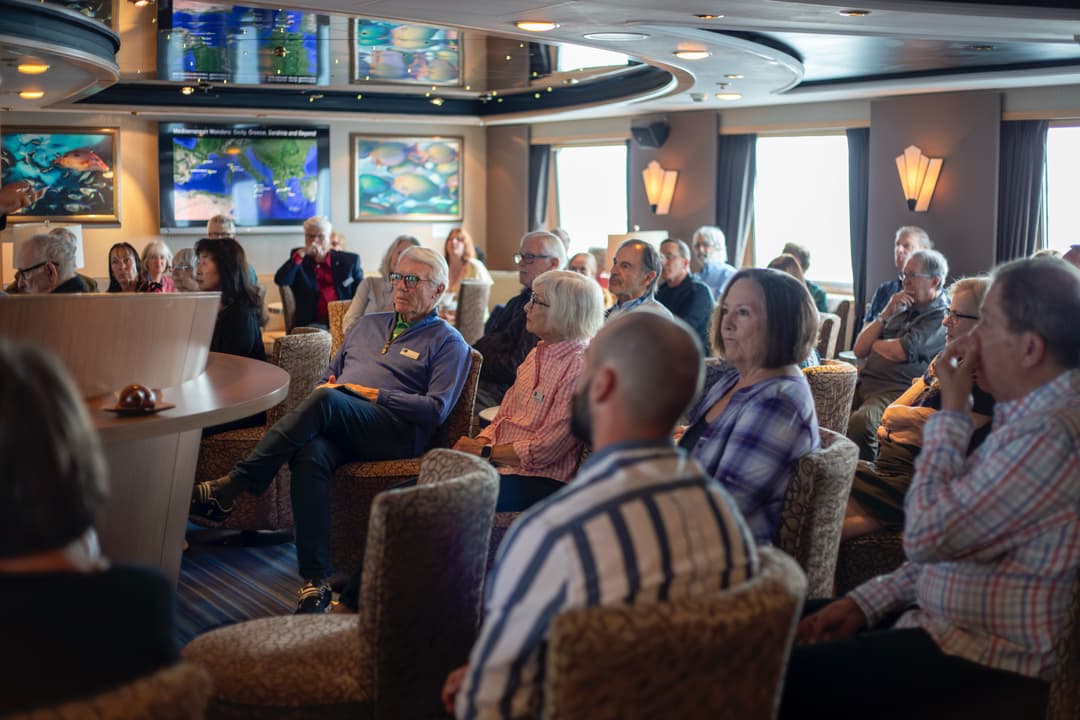
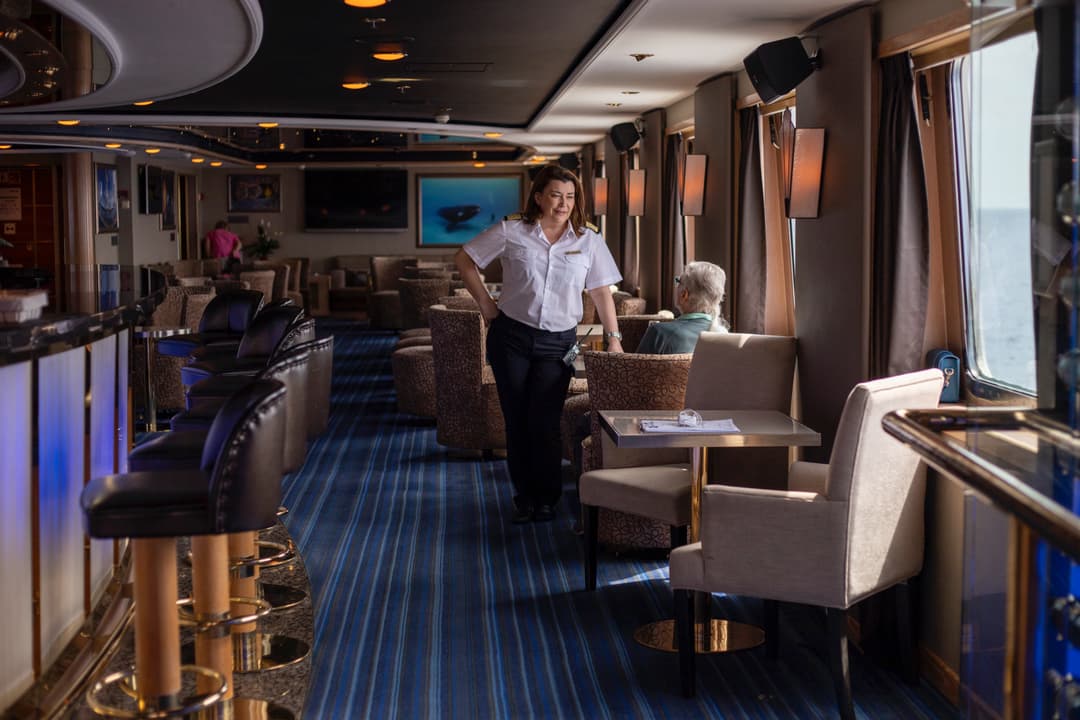
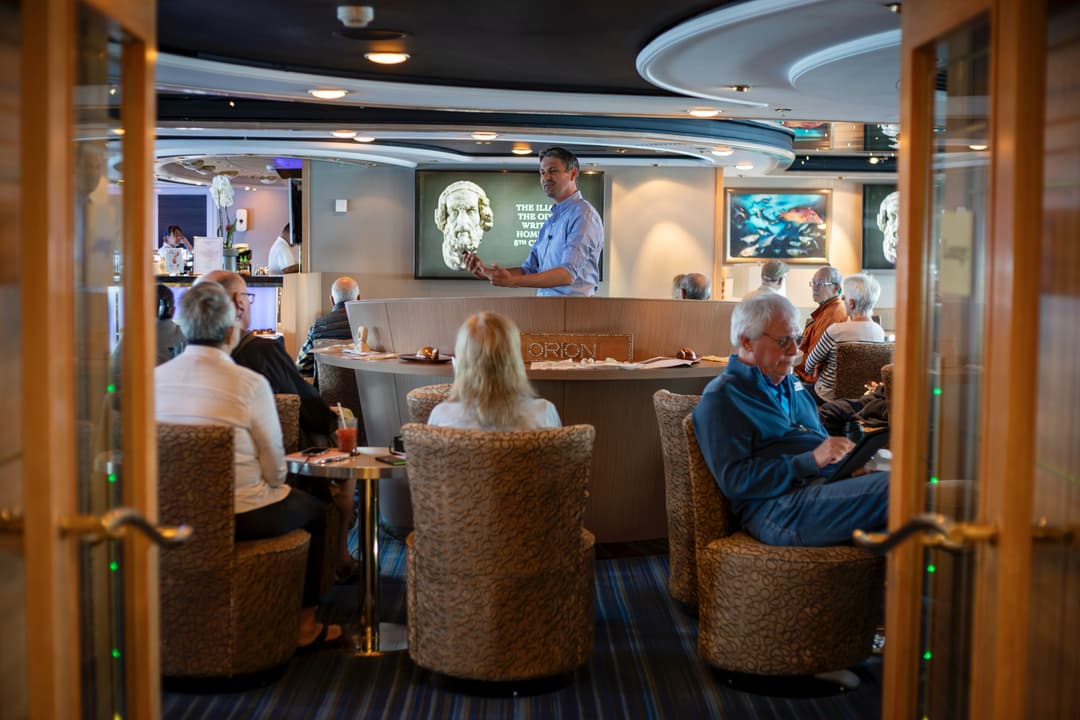
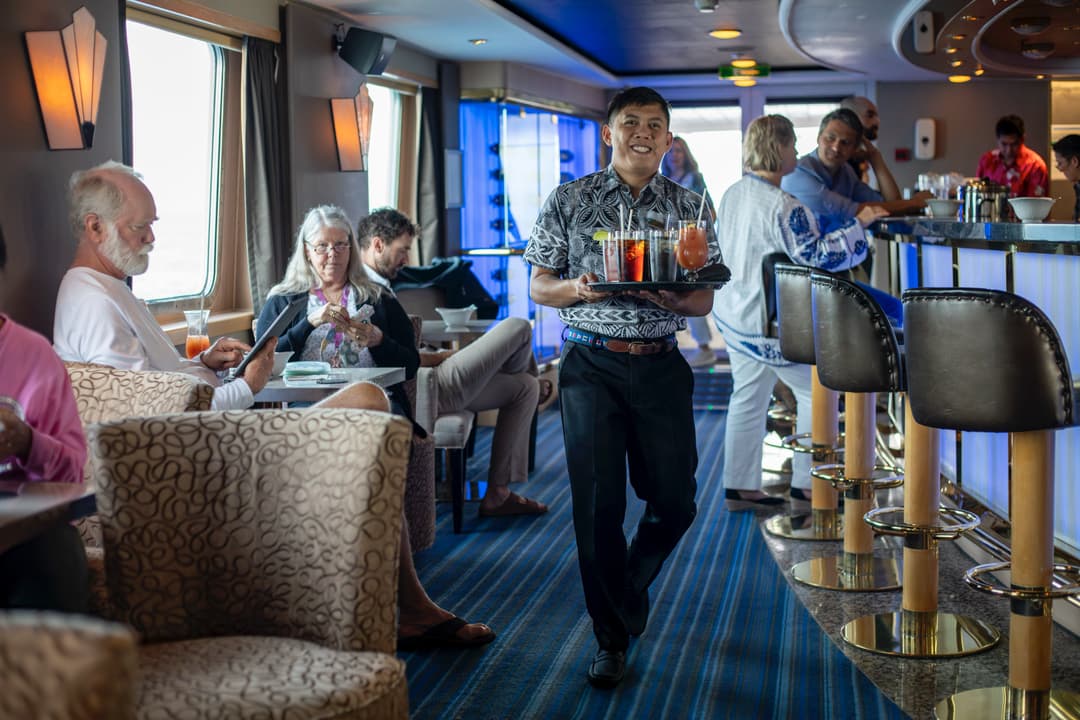
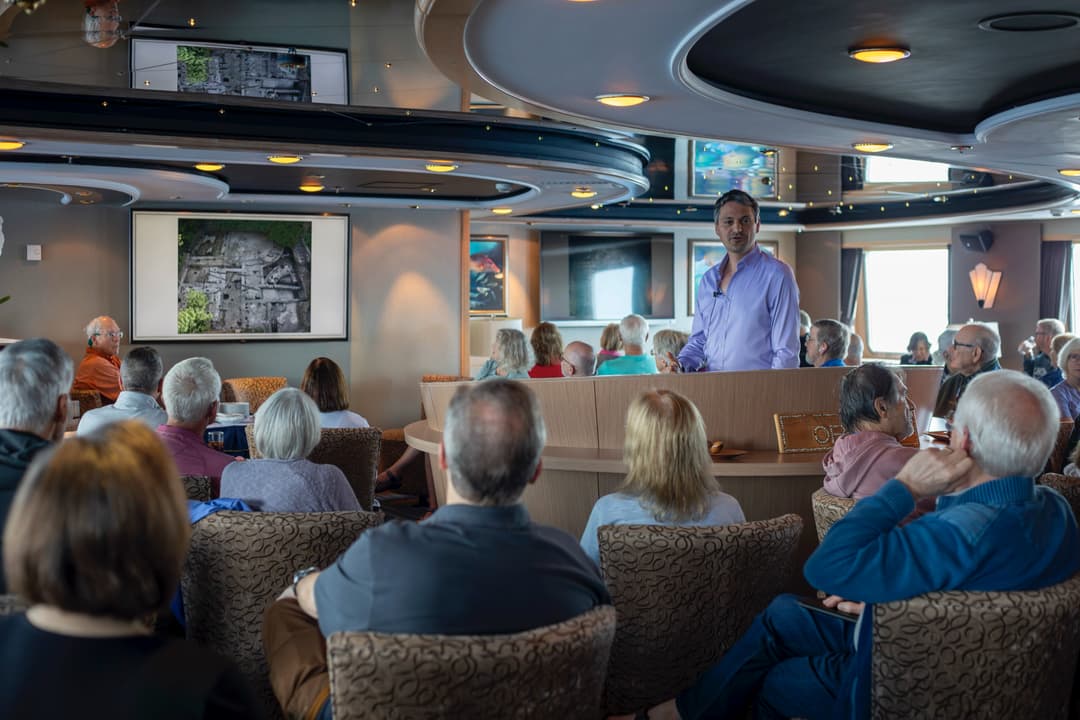
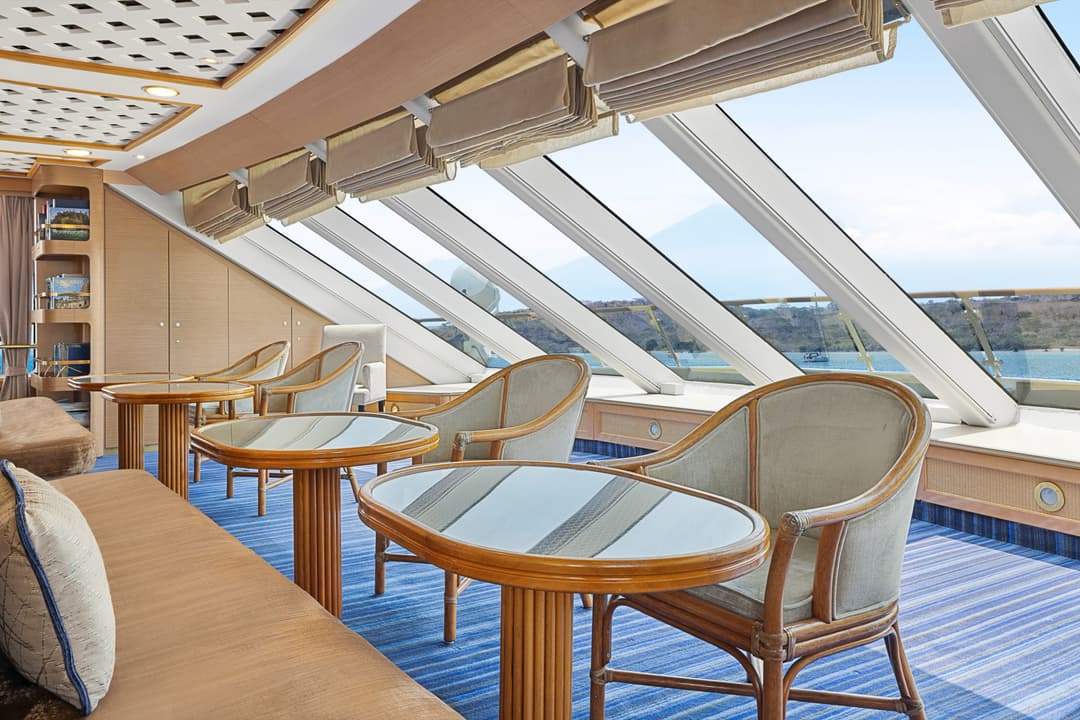
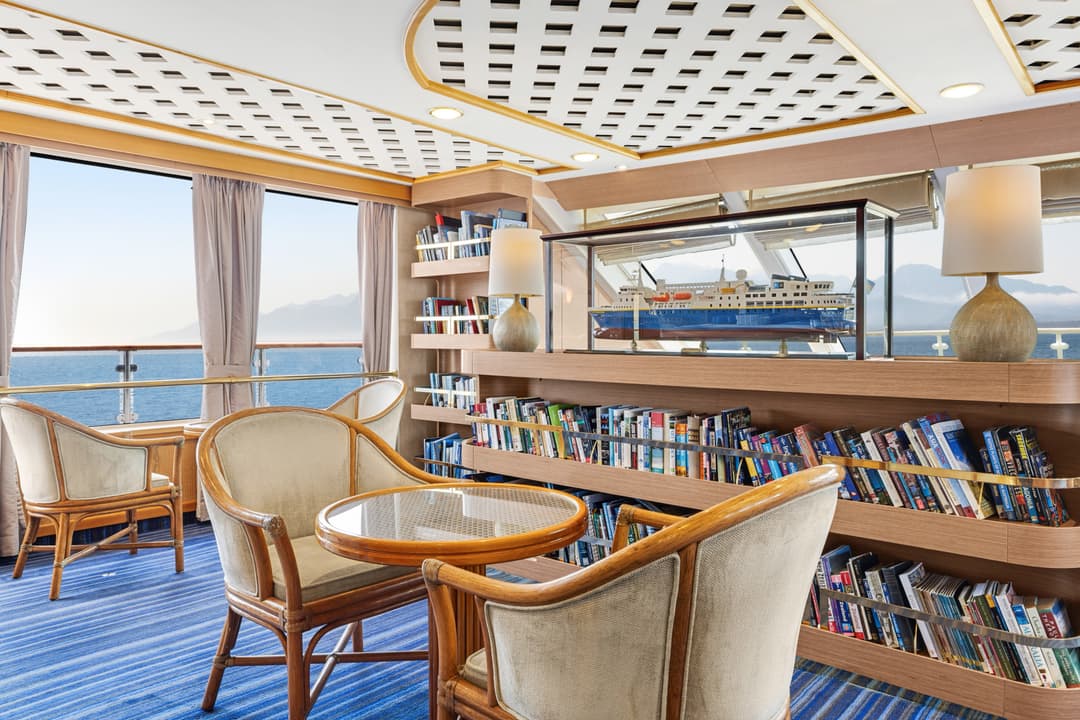
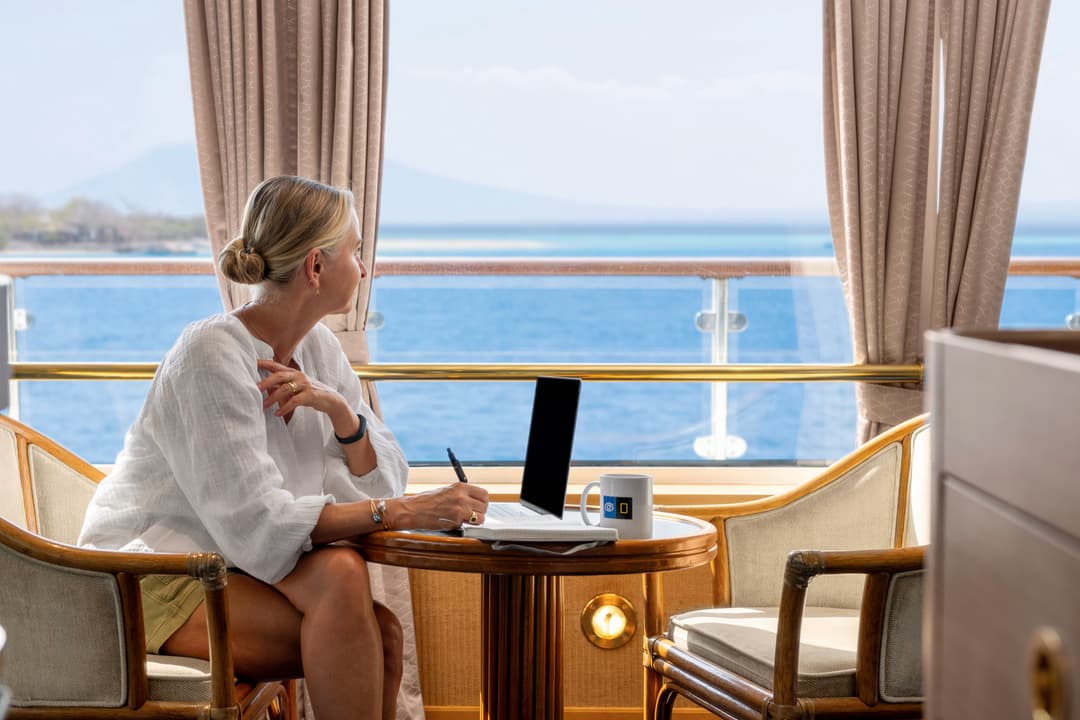
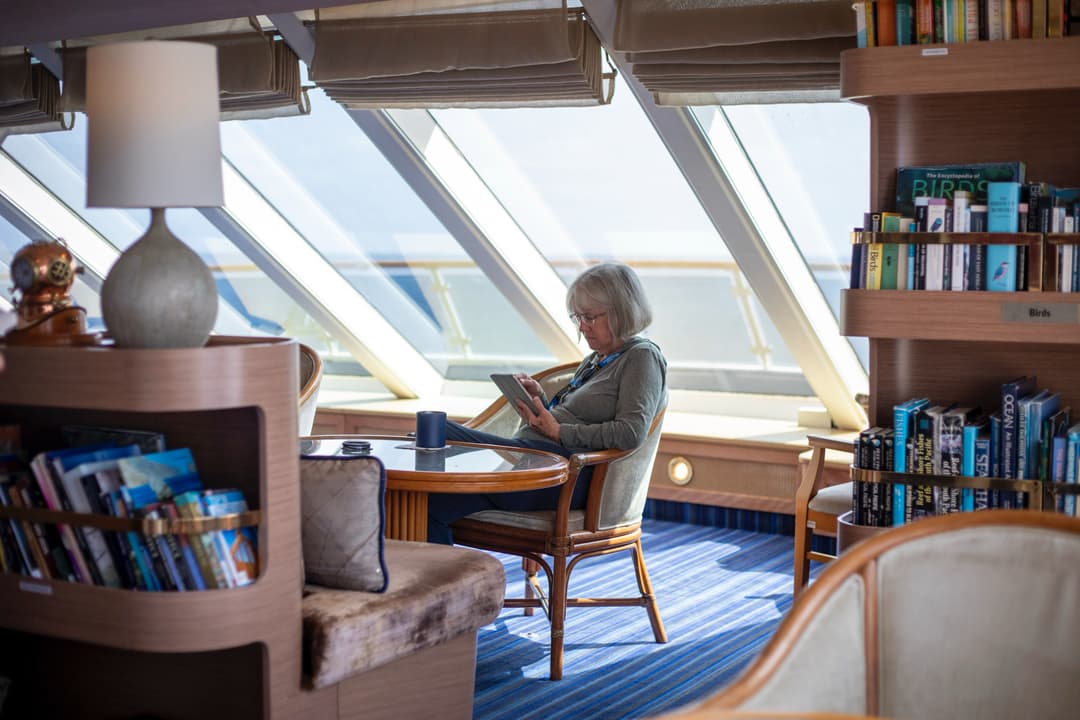

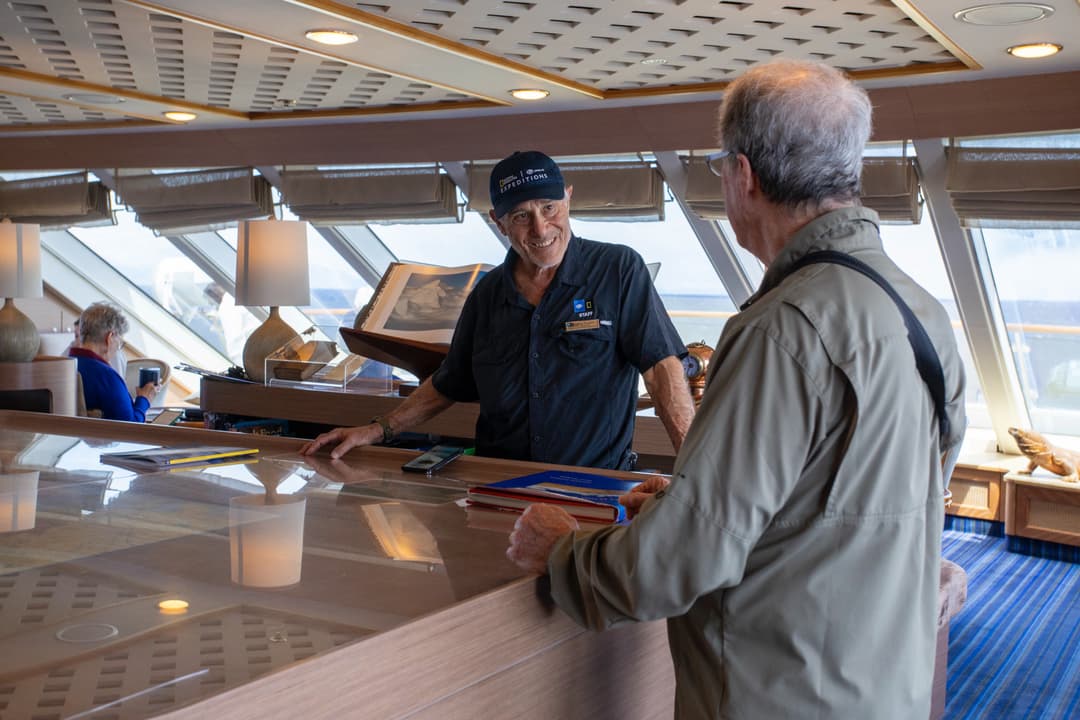
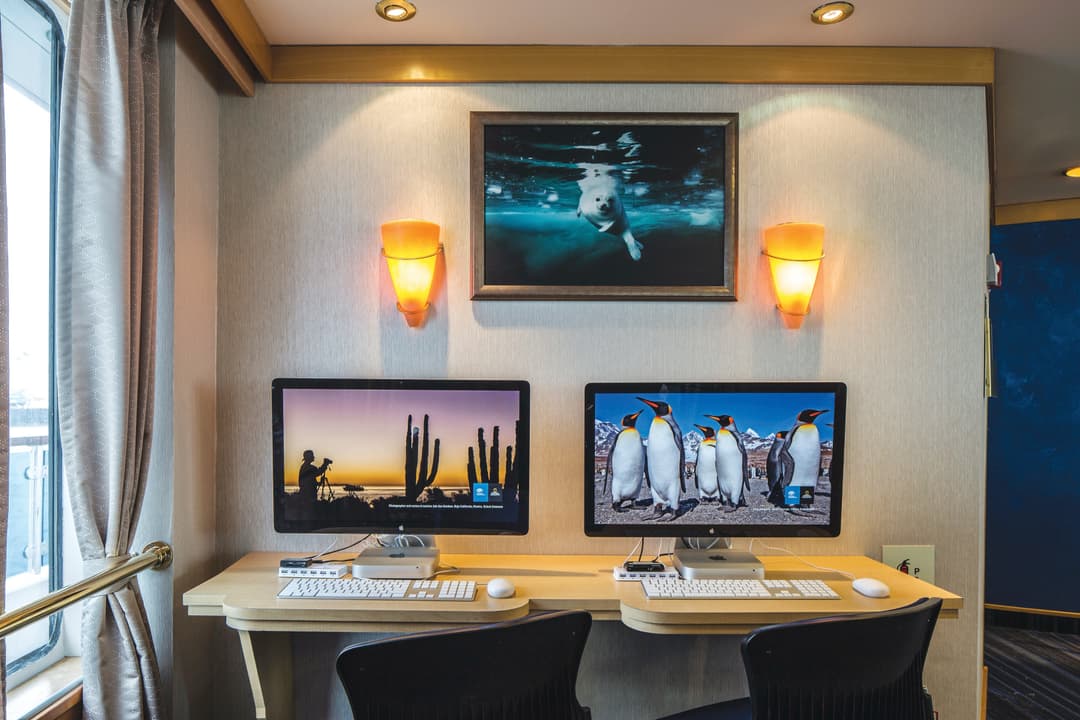
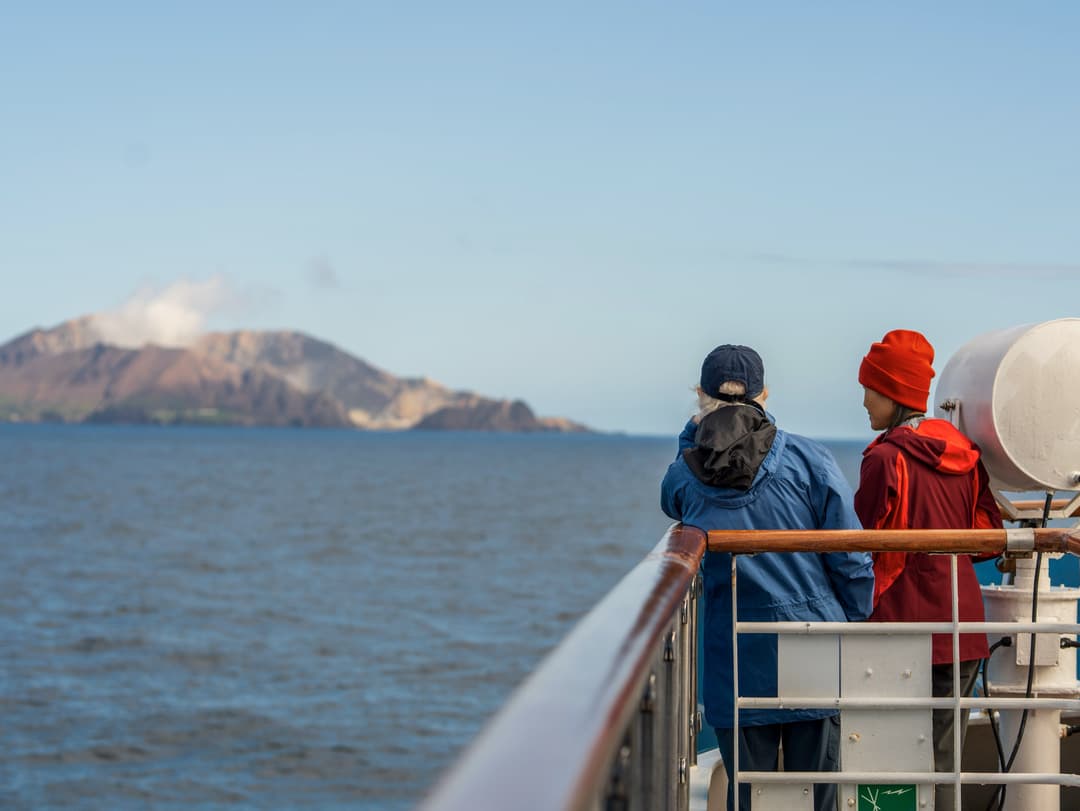
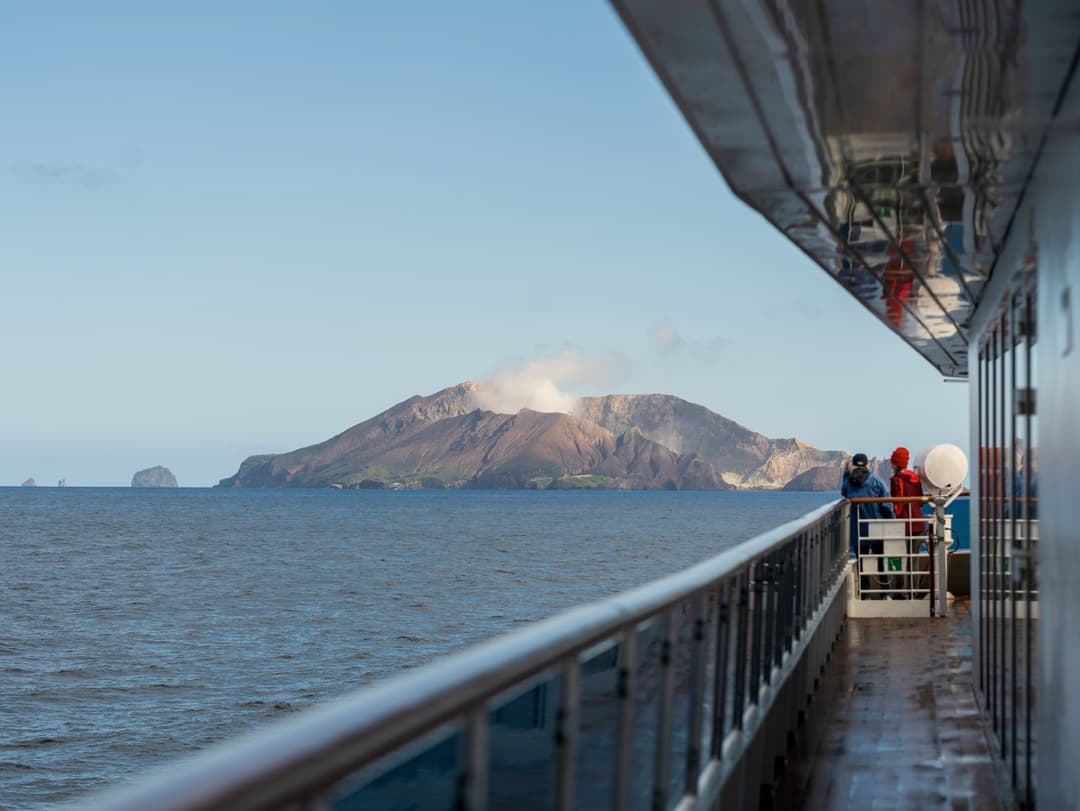

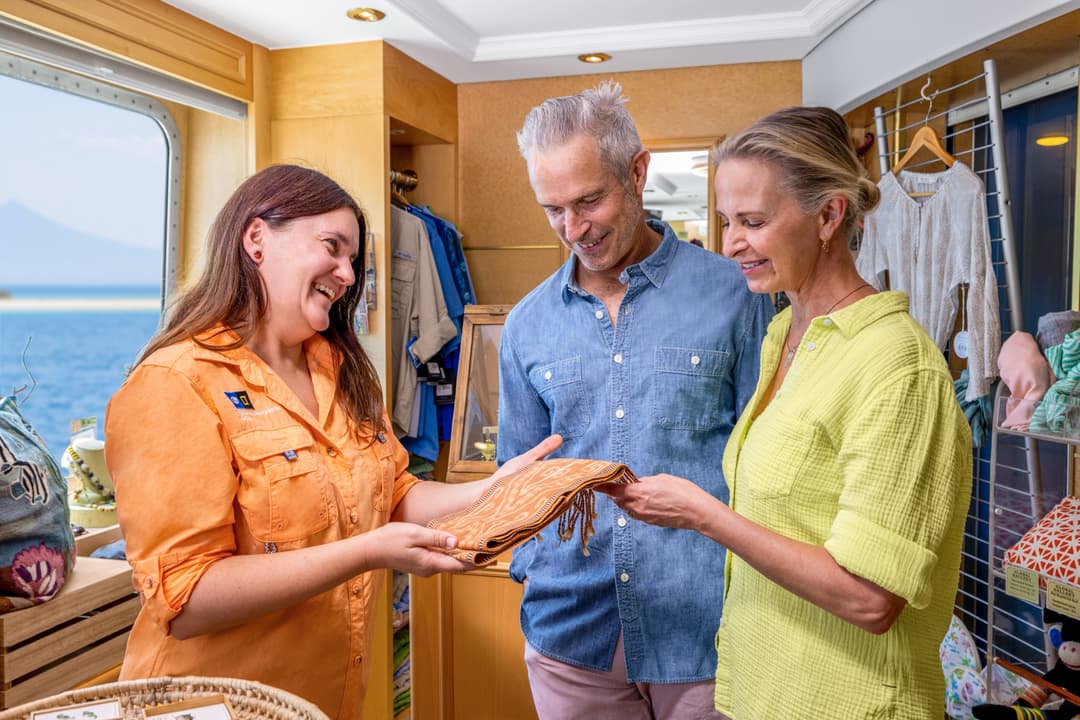
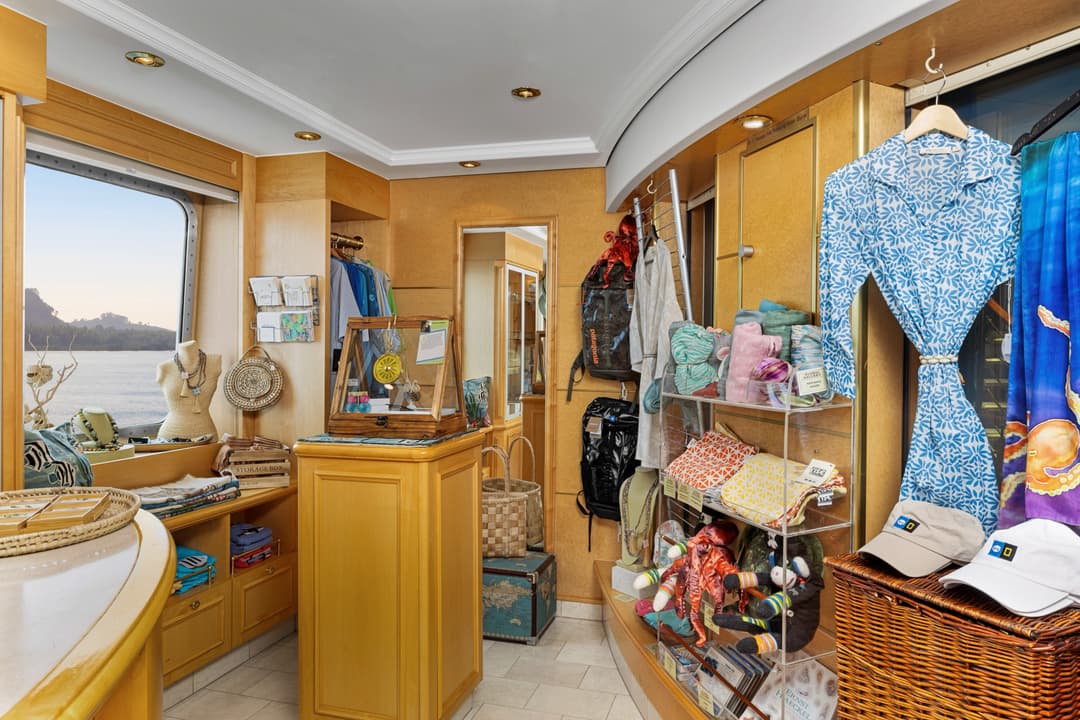
Public spaces include two dining areas; lounge with bar and state-of-the-art presentation facilities; OM System Photo Gear Locker; sundeck with a whirlpool hot tub that doubles as a plunge pool in warm climates; observation lounge and library; fitness center and spa; plus open access to the Bridge, the Captain, officers, and on-duty wildlife spotters.





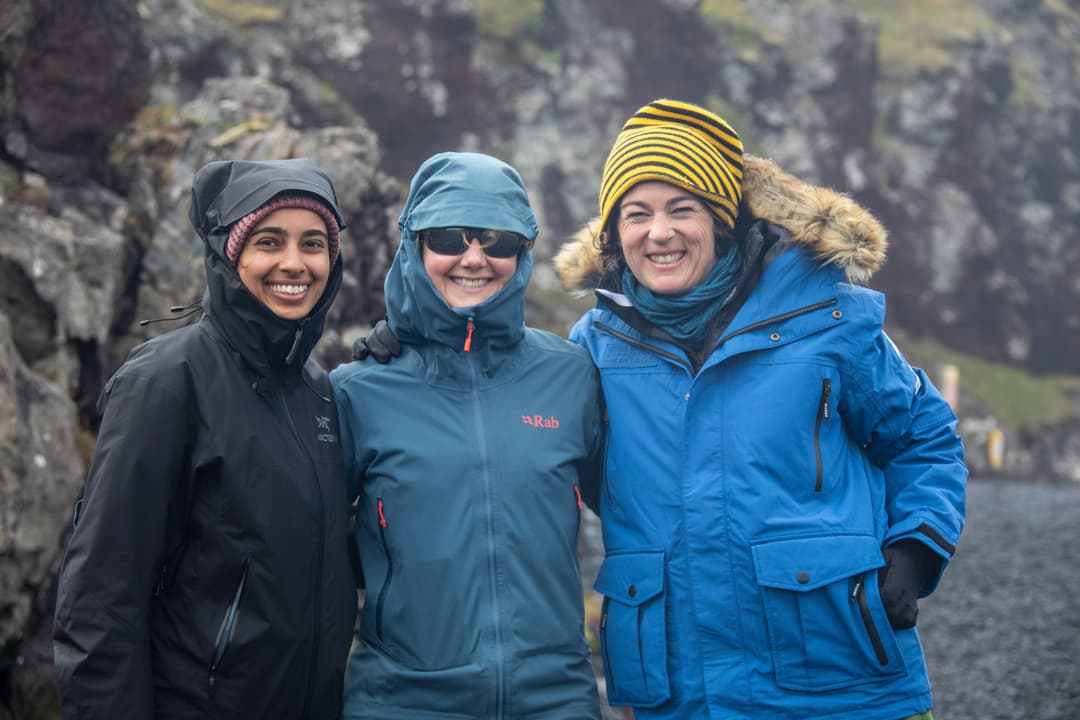
Wherever in the world you choose to explore with National Geographic-Lindblad Expeditions, you will travel alongside a team of experts who are deeply passionate about discovering the places you visit. They are scientists, photographers, and cultural experts at the top of their fields who have spent time immersed in your destination—and they thrive on sharing their knowledge and seeking out new insights alongside our inquisitive guests. For the....
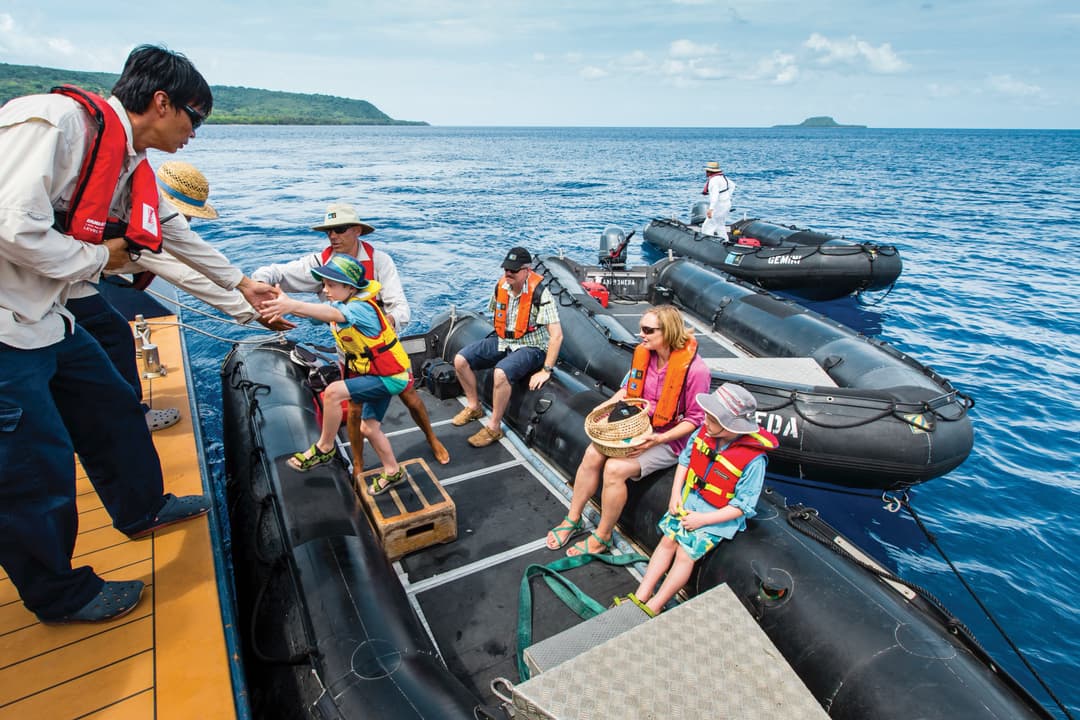
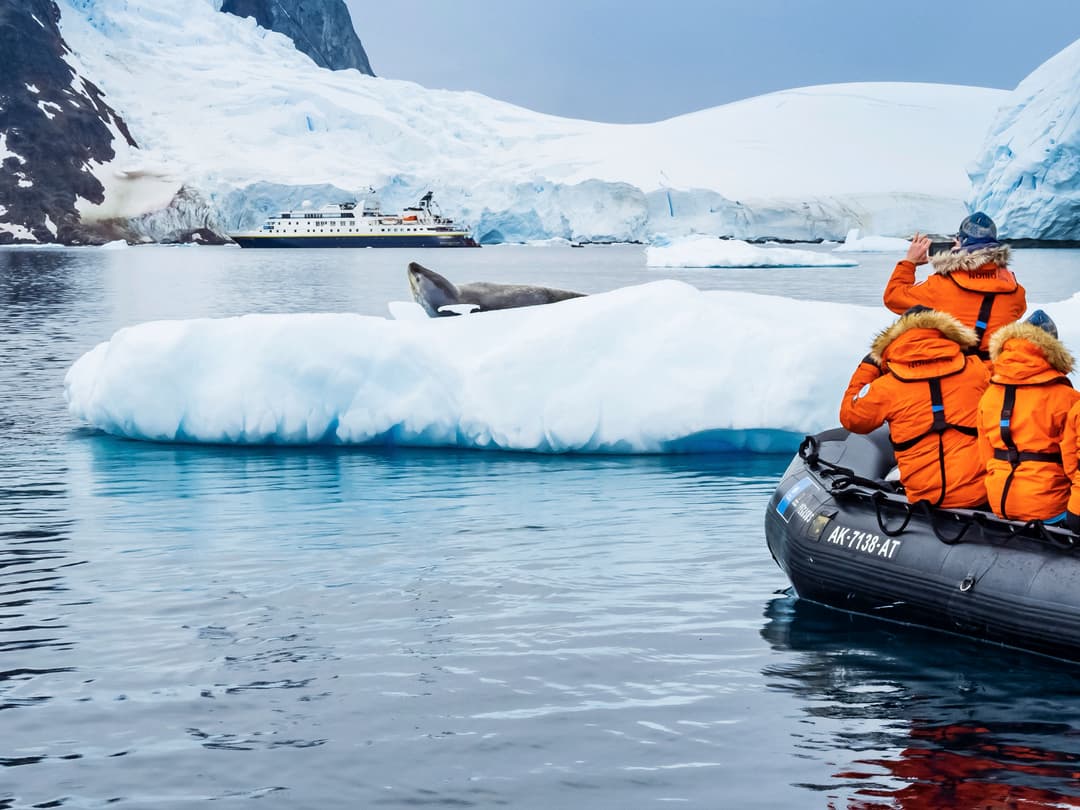
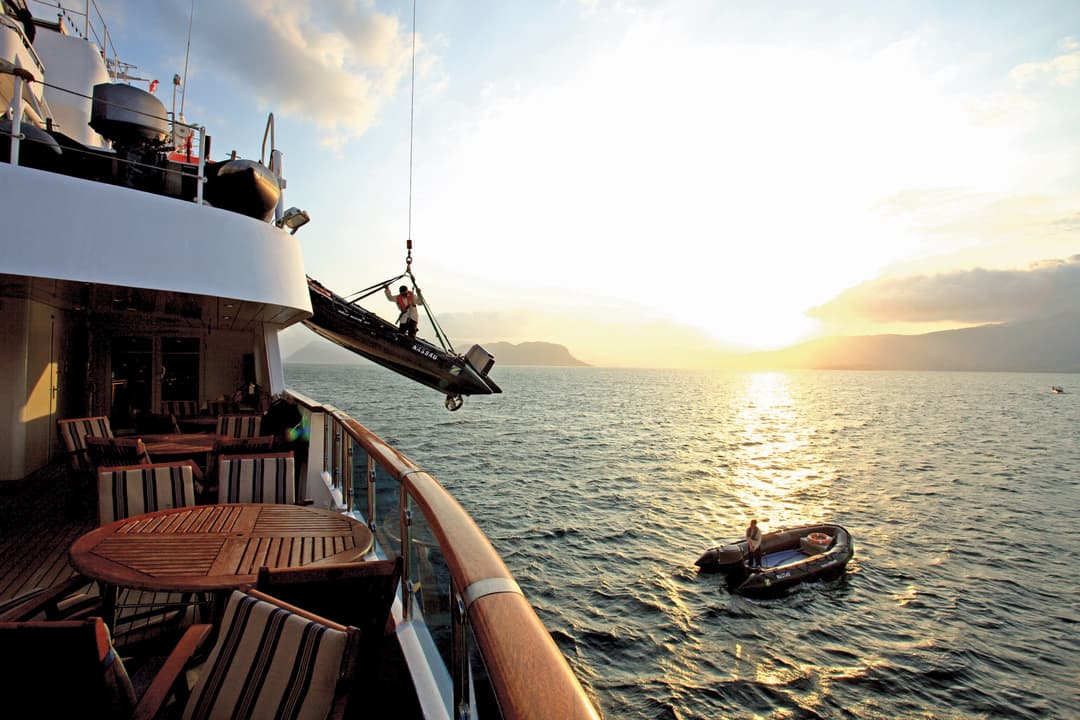
National Geographic-Lindblad Expeditions' ships are uniquely equipped with state-of-the-art tools so you can experience the excitement and wonder of genuine exploration, no matter where you travel with us. Navigate along rocky shorelines and into secluded coves in a kayak or on a stand-up paddleboard or dive into remote waters to discover a galaxy of brightly colored fish—we supply high-quality snorkeling gear, wetsuits, and optional dive gear....
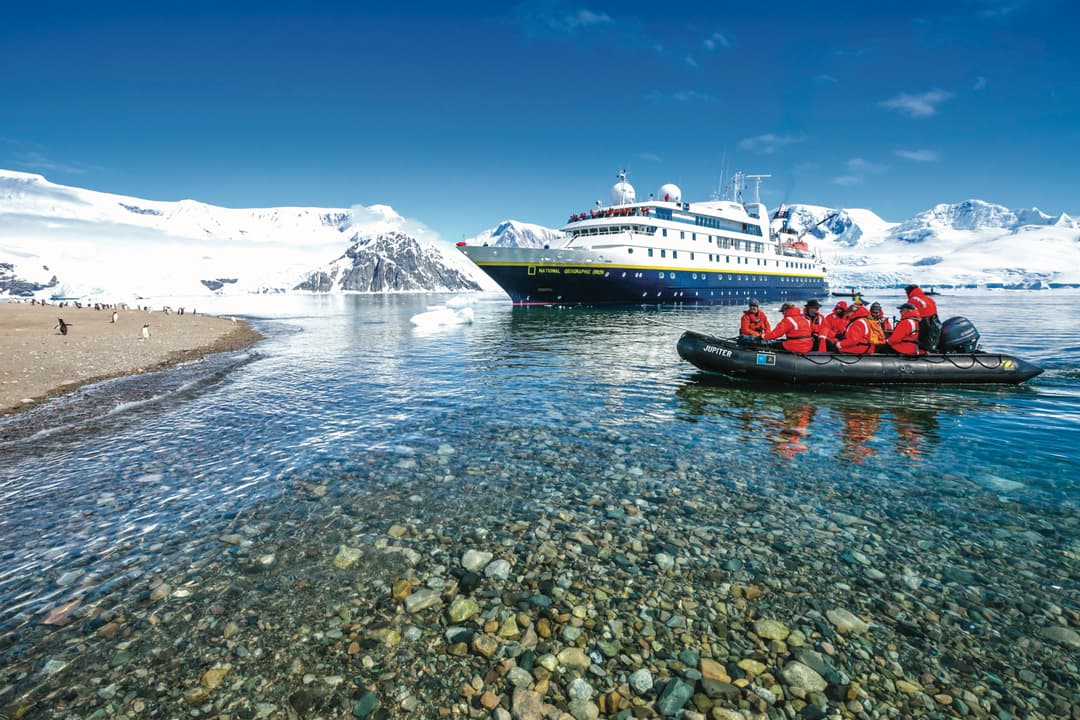

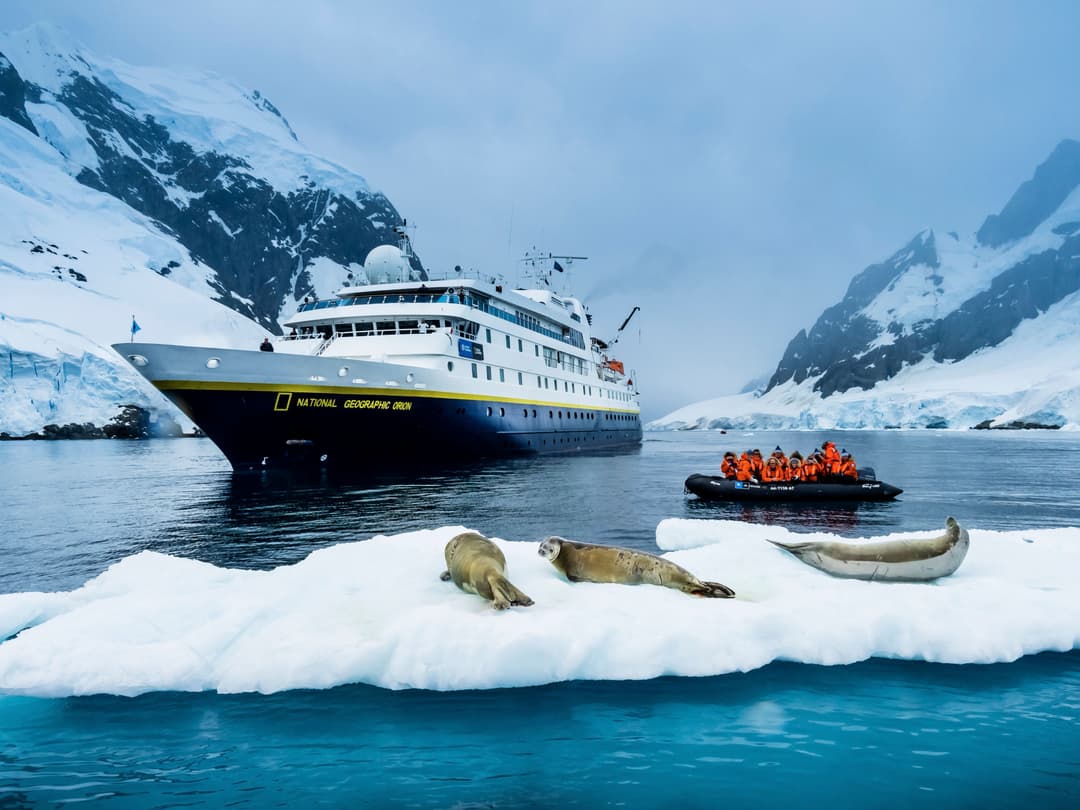

Guests can get involved in the advancement of science by participating in a variety of research projects hosted on their expedition..
Happywhale
Whales have unique markings on their flukes that allow scientists to identify individuals and track them across the globe. When guests capture pictures of the whales spotted on expedition, they can submit them to the Happywhale app to aid in the tracking process. National Geographic....



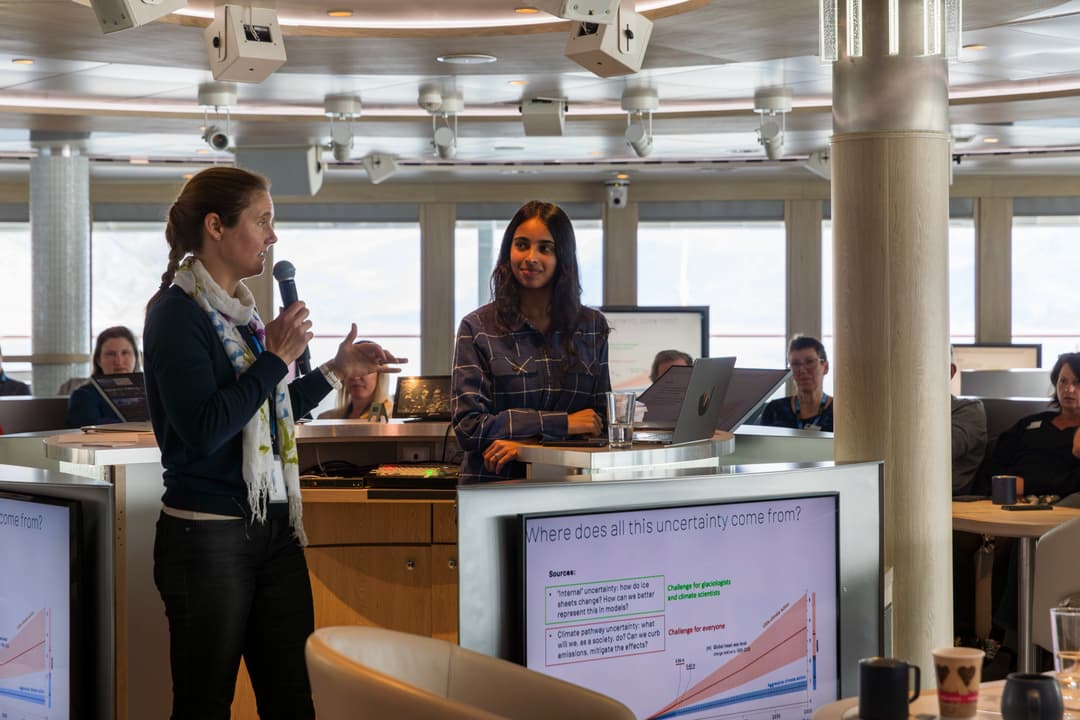
The Visiting Scientist Program has been active for years, and in response to the program’s popularity with guests, National Geographic-Lindblad Expeditions is expanding it for the upcoming travel seasons. Now, more travelers than ever before can voyage alongside fascinating researchers, enjoy talks on their findings, and in some instances participate in the scientific process through activities such as data collection.
New and Ongoin....
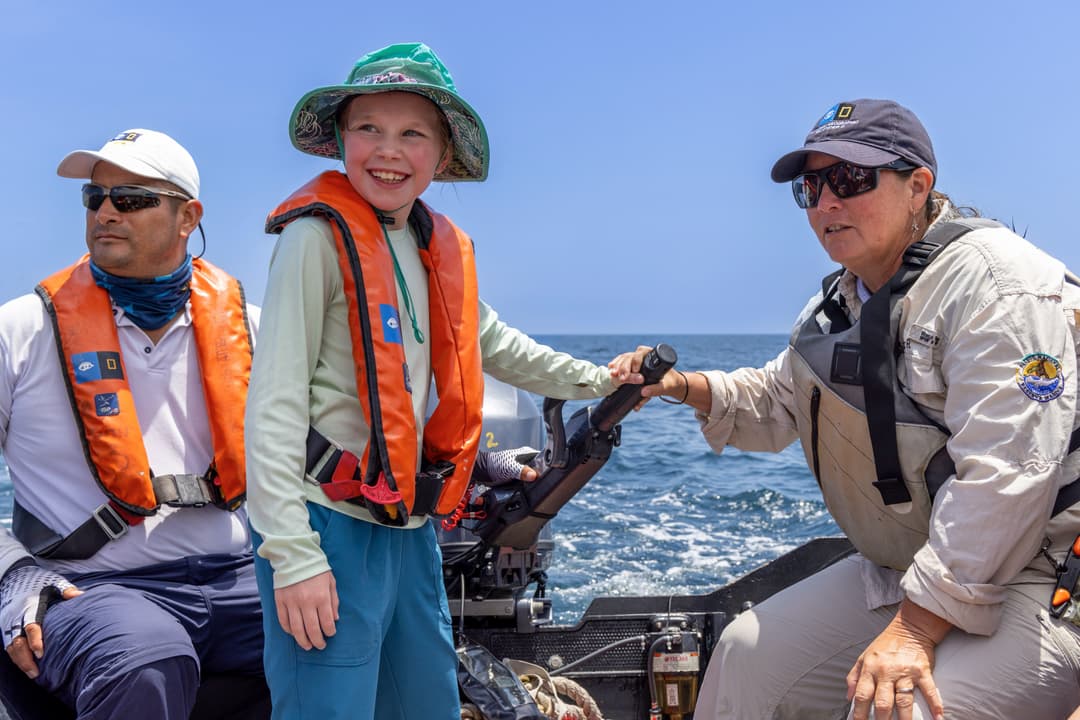
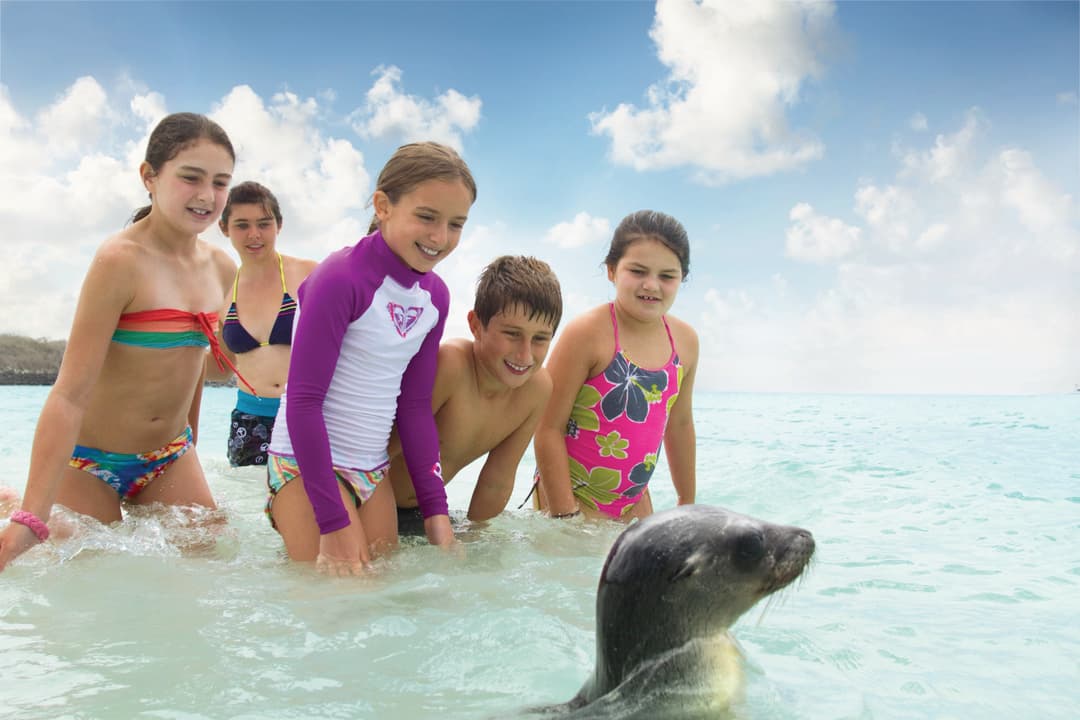
Developed in conjunction with National Geographic Education, our hands-on program invites kids and teens ages 18 and under to sharpen their observation skills and bring their adventures to life through photography, video, drawing and more. From studying plankton under the ship’s microscope to building ice cream sundae glaciers or earning a Zodiac “driver’s license,” activities encourage each explorer to follow their curiosity.
The Nat....
Act Clean Coat™ is a light-activated, self-disinfecting cleaning process that continuously breaks down viruses, bacteria, mold and airborne allergens across all ship surfaces. Not only does this create a cleaner, healthier shipboard environment for guests and crew alike, but this non-toxic, chemical-free system also saves more than one million gallons of water each year in our cleaning procedures, and reduces our carbon footprint as well as th....
Excursions, hotels and airport transfers, as indicated in the itinerary
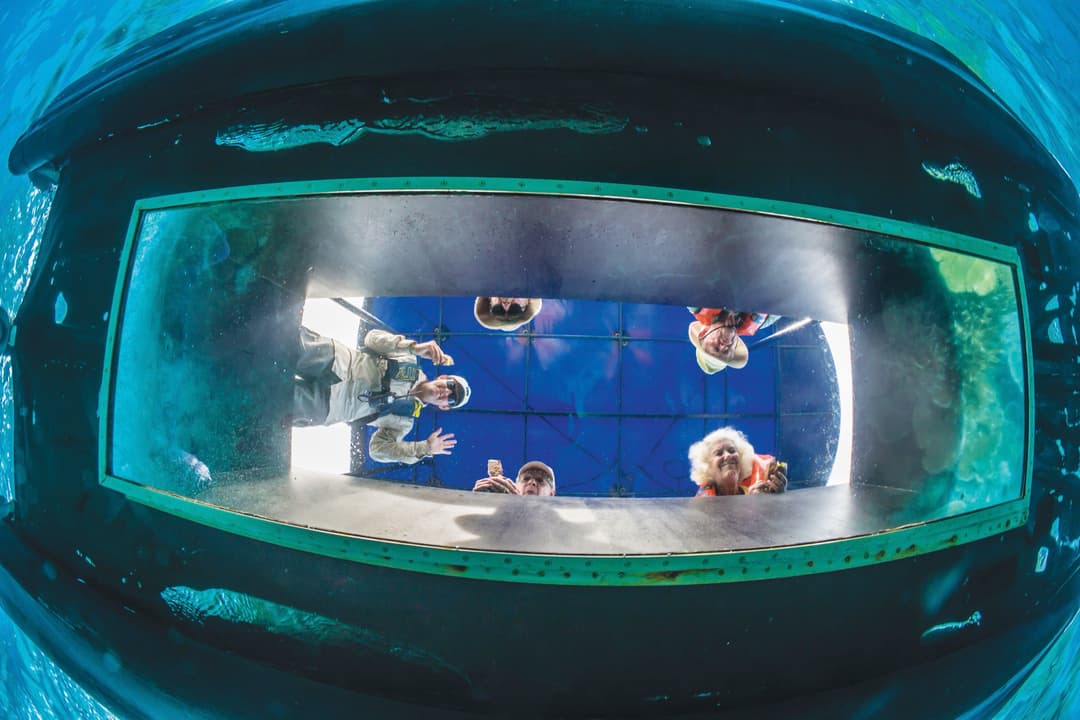
Selection of exploration tools curated to your destination, such as Zodiacs and glass-bottom boats, stand-up paddleboards, kayaks, snorkeling equipment (including wetsuits, masks, and fins) and other state-of-the-art gear
Guidance and company of our leading expedition staff
All meals as indicated in the itinerary, both aboard and onshore. Meals are inspir....
Airfare (except flights when indicated as included), pre- and post-expedition extensions, additional hotel nights and private transfers (except when indicated as included)
Travel protection plans
Passport, visa and immigration fees
Laundry, spa treatments, scuba diving* and phone services (except when indicated as included)
Additional costs associated with medical services outside onboard physician consultation (where a....