

North Spitsbergen Explorer - Versatile Landscapes, Sea Ice & Wildlife
All departures of this tripCRUISE ID # OCEANWIDEPLA04-27
Longyearbyen TO Longyearbyen
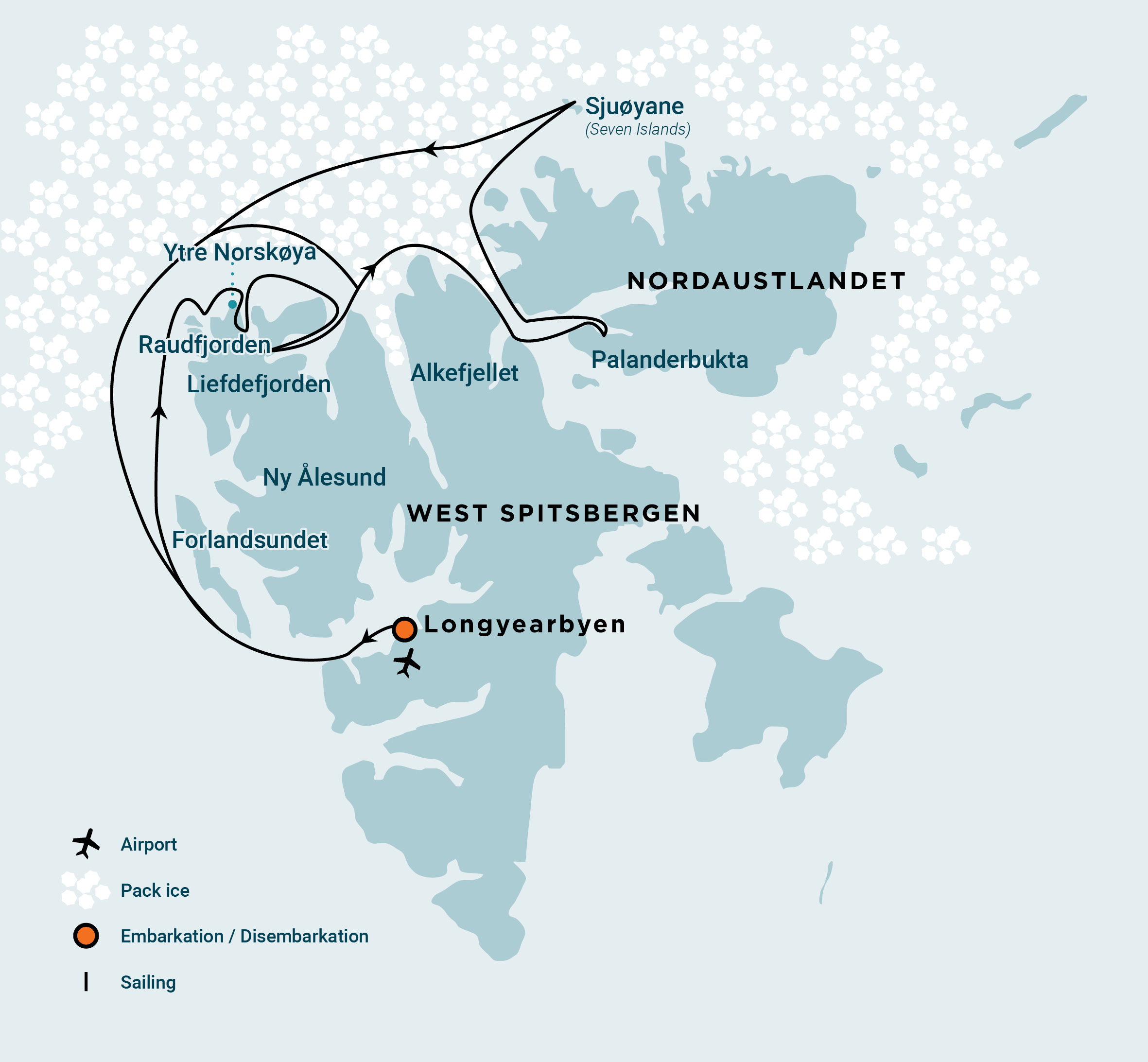
All itineraries are for guidance only. Programs may vary depending on ice, weather, and wildlife conditions. Landings are subject to site availabilities, permissions, and environmental concerns per AECO regulations. Official sailing plans and landing slots are scheduled with AECO prior to the start of the season, but the expedition leader determines the final plan. Flexibility is paramount for expedition cruises. The average cruising speed of our vessel is 10.5 knots.
$6,650
WITH SPECIAL SAVINGS APPLIED
FARES SHOWN ARE PER GUEST
Suites & Fares
CHOOSE START DATE
: June 29, 2027
Itinerary
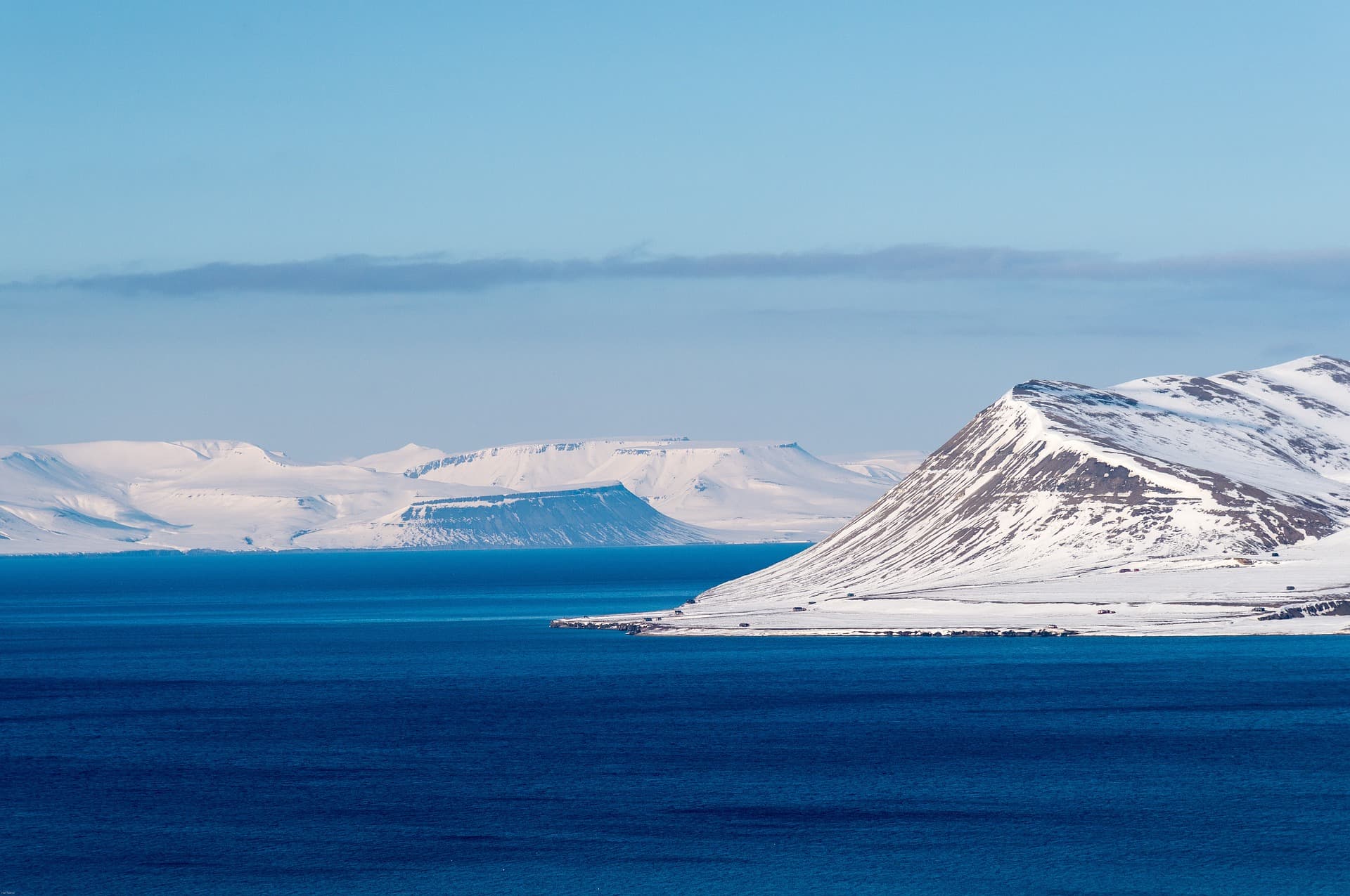
You touch down in Longyearbyen, the administrative center of Spitsbergen, the largest island of the Svalbard archipelago. Enjoy strolling around this former mining town, whose parish church and Svalbard Museum make for fascinating attractions. Though the countryside appears stark, more than a hundred species of plant have been recorded in it. In the early evening the ship sails out of Isfjorden, where you might spot the first minke whale of your voyage.
This voyage will take you into the pack ice and along the remote shorelines of rugged north Spitsbergen. Places we might visit include the following:
Raudfjord
On the north coast of Spitsbergen, you can enjoy this expansive fjord spilling with glaciers – and maybe even visited by ringed and bearded seals. The cliffs and shoreline also support thriving seabird colonies, rich vegetation, and the possibility of polar bears. We will try to land at Alicehamna or Buchananhalvøya.
Monaco Glacier
Depending on the weather and sea ice, we could sail into Liefdefjorden, land at Texas Bar and cruise within sight of the 5-kilometer-long (3.1 miles) face of Monaco Glacier. The waters in front of this precipitous glacier are a favorite feeding spot for thousands of kittiwakes, and the base of the ice is a popular polar bear hunting ground. If ice conditions prevent us from sailing here early in the season, we may sail along the west coast of Spitsbergen.
Highlights of Hinlopen
We aim to sail into Hinlopen Strait, home to bearded seals, ringed seals, and polar bears. At the entrance, there is even the possibility to spot blue whales. After cruising among the ice floes of Lomfjord in the Zodiacs, you can view the bird cliffs of Alkefjellet, with their thousands of Brünnich’s guillemots. On the east side of Hinlopen Strait, we may attempt a landing on Nordaustlandet. Here we may see reindeer, pink-footed geese, and walruses. We can take an alternate route if ice prevents entry into Hinlopen.
The Seven Islands
The northernmost point of the voyage may be north of Nordaustlandet at Chermsideøya or Phippsøya, in the Seven Islands. Here we may reach 80° north, just 870 km (540 miles) from the geographic North Pole. Polar bears inhabit this region, so the ship may park for several hours among the pack ice before wheeling around west again.
Sailing the continental shelf
While retracing our route west, keep watch for polar bears and elusive Greenland (bowhead) whales. About 40 nautical miles west of Spitsbergen, we sail the edge of the continental shelf. Here fin whales forage during the summer in the upwelling zones (where cold, nutrient-rich water wells up from below the sea’s surface) that run along the Spitsbergen banks. At the mouth of Kongsfjorden, you have a good chance of sighting minke whales.
Forlandsundet, St. Johns Fjord, or Alkhornet
Walruses sometimes haul out in Forlandsundet at Sarstangen or Poolepynten. Alternatively, we might sail into St. Johns Fjord or south to the mouth of Isfjorden, landing at Alkhornet. Seabirds nest on these cliffs, Arctic foxes search below for fallen eggs and chicks, and reindeer graze the sparse vegetation.
This voyage will take you into the pack ice and along the remote shorelines of rugged north Spitsbergen. Places we might visit include the following:
Raudfjord
On the north coast of Spitsbergen, you can enjoy this expansive fjord spilling with glaciers – and maybe even visited by ringed and bearded seals. The cliffs and shoreline also support thriving seabird colonies, rich vegetation, and the possibility of polar bears. We will try to land at Alicehamna or Buchananhalvøya.
Monaco Glacier
Depending on the weather and sea ice, we could sail into Liefdefjorden, land at Texas Bar and cruise within sight of the 5-kilometer-long (3.1 miles) face of Monaco Glacier. The waters in front of this precipitous glacier are a favorite feeding spot for thousands of kittiwakes, and the base of the ice is a popular polar bear hunting ground. If ice conditions prevent us from sailing here early in the season, we may sail along the west coast of Spitsbergen.
Highlights of Hinlopen
We aim to sail into Hinlopen Strait, home to bearded seals, ringed seals, and polar bears. At the entrance, there is even the possibility to spot blue whales. After cruising among the ice floes of Lomfjord in the Zodiacs, you can view the bird cliffs of Alkefjellet, with their thousands of Brünnich’s guillemots. On the east side of Hinlopen Strait, we may attempt a landing on Nordaustlandet. Here we may see reindeer, pink-footed geese, and walruses. We can take an alternate route if ice prevents entry into Hinlopen.
The Seven Islands
The northernmost point of the voyage may be north of Nordaustlandet at Chermsideøya or Phippsøya, in the Seven Islands. Here we may reach 80° north, just 870 km (540 miles) from the geographic North Pole. Polar bears inhabit this region, so the ship may park for several hours among the pack ice before wheeling around west again.
Sailing the continental shelf
While retracing our route west, keep watch for polar bears and elusive Greenland (bowhead) whales. About 40 nautical miles west of Spitsbergen, we sail the edge of the continental shelf. Here fin whales forage during the summer in the upwelling zones (where cold, nutrient-rich water wells up from below the sea’s surface) that run along the Spitsbergen banks. At the mouth of Kongsfjorden, you have a good chance of sighting minke whales.
Forlandsundet, St. Johns Fjord, or Alkhornet
Walruses sometimes haul out in Forlandsundet at Sarstangen or Poolepynten. Alternatively, we might sail into St. Johns Fjord or south to the mouth of Isfjorden, landing at Alkhornet. Seabirds nest on these cliffs, Arctic foxes search below for fallen eggs and chicks, and reindeer graze the sparse vegetation.
This voyage will take you into the pack ice and along the remote shorelines of rugged north Spitsbergen. Places we might visit include the following:
Raudfjord
On the north coast of Spitsbergen, you can enjoy this expansive fjord spilling with glaciers – and maybe even visited by ringed and bearded seals. The cliffs and shoreline also support thriving seabird colonies, rich vegetation, and the possibility of polar bears. We will try to land at Alicehamna or Buchananhalvøya.
Monaco Glacier
Depending on the weather and sea ice, we could sail into Liefdefjorden, land at Texas Bar and cruise within sight of the 5-kilometer-long (3.1 miles) face of Monaco Glacier. The waters in front of this precipitous glacier are a favorite feeding spot for thousands of kittiwakes, and the base of the ice is a popular polar bear hunting ground. If ice conditions prevent us from sailing here early in the season, we may sail along the west coast of Spitsbergen.
Highlights of Hinlopen
We aim to sail into Hinlopen Strait, home to bearded seals, ringed seals, and polar bears. At the entrance, there is even the possibility to spot blue whales. After cruising among the ice floes of Lomfjord in the Zodiacs, you can view the bird cliffs of Alkefjellet, with their thousands of Brünnich’s guillemots. On the east side of Hinlopen Strait, we may attempt a landing on Nordaustlandet. Here we may see reindeer, pink-footed geese, and walruses. We can take an alternate route if ice prevents entry into Hinlopen.
The Seven Islands
The northernmost point of the voyage may be north of Nordaustlandet at Chermsideøya or Phippsøya, in the Seven Islands. Here we may reach 80° north, just 870 km (540 miles) from the geographic North Pole. Polar bears inhabit this region, so the ship may park for several hours among the pack ice before wheeling around west again.
Sailing the continental shelf
While retracing our route west, keep watch for polar bears and elusive Greenland (bowhead) whales. About 40 nautical miles west of Spitsbergen, we sail the edge of the continental shelf. Here fin whales forage during the summer in the upwelling zones (where cold, nutrient-rich water wells up from below the sea’s surface) that run along the Spitsbergen banks. At the mouth of Kongsfjorden, you have a good chance of sighting minke whales.
Forlandsundet, St. Johns Fjord, or Alkhornet
Walruses sometimes haul out in Forlandsundet at Sarstangen or Poolepynten. Alternatively, we might sail into St. Johns Fjord or south to the mouth of Isfjorden, landing at Alkhornet. Seabirds nest on these cliffs, Arctic foxes search below for fallen eggs and chicks, and reindeer graze the sparse vegetation.
This voyage will take you into the pack ice and along the remote shorelines of rugged north Spitsbergen. Places we might visit include the following:
Raudfjord
On the north coast of Spitsbergen, you can enjoy this expansive fjord spilling with glaciers – and maybe even visited by ringed and bearded seals. The cliffs and shoreline also support thriving seabird colonies, rich vegetation, and the possibility of polar bears. We will try to land at Alicehamna or Buchananhalvøya.
Monaco Glacier
Depending on the weather and sea ice, we could sail into Liefdefjorden, land at Texas Bar and cruise within sight of the 5-kilometer-long (3.1 miles) face of Monaco Glacier. The waters in front of this precipitous glacier are a favorite feeding spot for thousands of kittiwakes, and the base of the ice is a popular polar bear hunting ground. If ice conditions prevent us from sailing here early in the season, we may sail along the west coast of Spitsbergen.
Highlights of Hinlopen
We aim to sail into Hinlopen Strait, home to bearded seals, ringed seals, and polar bears. At the entrance, there is even the possibility to spot blue whales. After cruising among the ice floes of Lomfjord in the Zodiacs, you can view the bird cliffs of Alkefjellet, with their thousands of Brünnich’s guillemots. On the east side of Hinlopen Strait, we may attempt a landing on Nordaustlandet. Here we may see reindeer, pink-footed geese, and walruses. We can take an alternate route if ice prevents entry into Hinlopen.
The Seven Islands
The northernmost point of the voyage may be north of Nordaustlandet at Chermsideøya or Phippsøya, in the Seven Islands. Here we may reach 80° north, just 870 km (540 miles) from the geographic North Pole. Polar bears inhabit this region, so the ship may park for several hours among the pack ice before wheeling around west again.
Sailing the continental shelf
While retracing our route west, keep watch for polar bears and elusive Greenland (bowhead) whales. About 40 nautical miles west of Spitsbergen, we sail the edge of the continental shelf. Here fin whales forage during the summer in the upwelling zones (where cold, nutrient-rich water wells up from below the sea’s surface) that run along the Spitsbergen banks. At the mouth of Kongsfjorden, you have a good chance of sighting minke whales.
Forlandsundet, St. Johns Fjord, or Alkhornet
Walruses sometimes haul out in Forlandsundet at Sarstangen or Poolepynten. Alternatively, we might sail into St. Johns Fjord or south to the mouth of Isfjorden, landing at Alkhornet. Seabirds nest on these cliffs, Arctic foxes search below for fallen eggs and chicks, and reindeer graze the sparse vegetation.
This voyage will take you into the pack ice and along the remote shorelines of rugged north Spitsbergen. Places we might visit include the following:
Raudfjord
On the north coast of Spitsbergen, you can enjoy this expansive fjord spilling with glaciers – and maybe even visited by ringed and bearded seals. The cliffs and shoreline also support thriving seabird colonies, rich vegetation, and the possibility of polar bears. We will try to land at Alicehamna or Buchananhalvøya.
Monaco Glacier
Depending on the weather and sea ice, we could sail into Liefdefjorden, land at Texas Bar and cruise within sight of the 5-kilometer-long (3.1 miles) face of Monaco Glacier. The waters in front of this precipitous glacier are a favorite feeding spot for thousands of kittiwakes, and the base of the ice is a popular polar bear hunting ground. If ice conditions prevent us from sailing here early in the season, we may sail along the west coast of Spitsbergen.
Highlights of Hinlopen
We aim to sail into Hinlopen Strait, home to bearded seals, ringed seals, and polar bears. At the entrance, there is even the possibility to spot blue whales. After cruising among the ice floes of Lomfjord in the Zodiacs, you can view the bird cliffs of Alkefjellet, with their thousands of Brünnich’s guillemots. On the east side of Hinlopen Strait, we may attempt a landing on Nordaustlandet. Here we may see reindeer, pink-footed geese, and walruses. We can take an alternate route if ice prevents entry into Hinlopen.
The Seven Islands
The northernmost point of the voyage may be north of Nordaustlandet at Chermsideøya or Phippsøya, in the Seven Islands. Here we may reach 80° north, just 870 km (540 miles) from the geographic North Pole. Polar bears inhabit this region, so the ship may park for several hours among the pack ice before wheeling around west again.
Sailing the continental shelf
While retracing our route west, keep watch for polar bears and elusive Greenland (bowhead) whales. About 40 nautical miles west of Spitsbergen, we sail the edge of the continental shelf. Here fin whales forage during the summer in the upwelling zones (where cold, nutrient-rich water wells up from below the sea’s surface) that run along the Spitsbergen banks. At the mouth of Kongsfjorden, you have a good chance of sighting minke whales.
Forlandsundet, St. Johns Fjord, or Alkhornet
Walruses sometimes haul out in Forlandsundet at Sarstangen or Poolepynten. Alternatively, we might sail into St. Johns Fjord or south to the mouth of Isfjorden, landing at Alkhornet. Seabirds nest on these cliffs, Arctic foxes search below for fallen eggs and chicks, and reindeer graze the sparse vegetation.
This voyage will take you into the pack ice and along the remote shorelines of rugged north Spitsbergen. Places we might visit include the following:
Raudfjord
On the north coast of Spitsbergen, you can enjoy this expansive fjord spilling with glaciers – and maybe even visited by ringed and bearded seals. The cliffs and shoreline also support thriving seabird colonies, rich vegetation, and the possibility of polar bears. We will try to land at Alicehamna or Buchananhalvøya.
Monaco Glacier
Depending on the weather and sea ice, we could sail into Liefdefjorden, land at Texas Bar and cruise within sight of the 5-kilometer-long (3.1 miles) face of Monaco Glacier. The waters in front of this precipitous glacier are a favorite feeding spot for thousands of kittiwakes, and the base of the ice is a popular polar bear hunting ground. If ice conditions prevent us from sailing here early in the season, we may sail along the west coast of Spitsbergen.
Highlights of Hinlopen
We aim to sail into Hinlopen Strait, home to bearded seals, ringed seals, and polar bears. At the entrance, there is even the possibility to spot blue whales. After cruising among the ice floes of Lomfjord in the Zodiacs, you can view the bird cliffs of Alkefjellet, with their thousands of Brünnich’s guillemots. On the east side of Hinlopen Strait, we may attempt a landing on Nordaustlandet. Here we may see reindeer, pink-footed geese, and walruses. We can take an alternate route if ice prevents entry into Hinlopen.
The Seven Islands
The northernmost point of the voyage may be north of Nordaustlandet at Chermsideøya or Phippsøya, in the Seven Islands. Here we may reach 80° north, just 870 km (540 miles) from the geographic North Pole. Polar bears inhabit this region, so the ship may park for several hours among the pack ice before wheeling around west again.
Sailing the continental shelf
While retracing our route west, keep watch for polar bears and elusive Greenland (bowhead) whales. About 40 nautical miles west of Spitsbergen, we sail the edge of the continental shelf. Here fin whales forage during the summer in the upwelling zones (where cold, nutrient-rich water wells up from below the sea’s surface) that run along the Spitsbergen banks. At the mouth of Kongsfjorden, you have a good chance of sighting minke whales.
Forlandsundet, St. Johns Fjord, or Alkhornet
Walruses sometimes haul out in Forlandsundet at Sarstangen or Poolepynten. Alternatively, we might sail into St. Johns Fjord or south to the mouth of Isfjorden, landing at Alkhornet. Seabirds nest on these cliffs, Arctic foxes search below for fallen eggs and chicks, and reindeer graze the sparse vegetation.
Even great adventures must eventually come to an end. The vessel arrives back in Longyearbyen in the early morning, and bus transportation to the airport will be provided.
About the Ship
Name
M/V Plancius
Operator
Oceanwide Expeditions

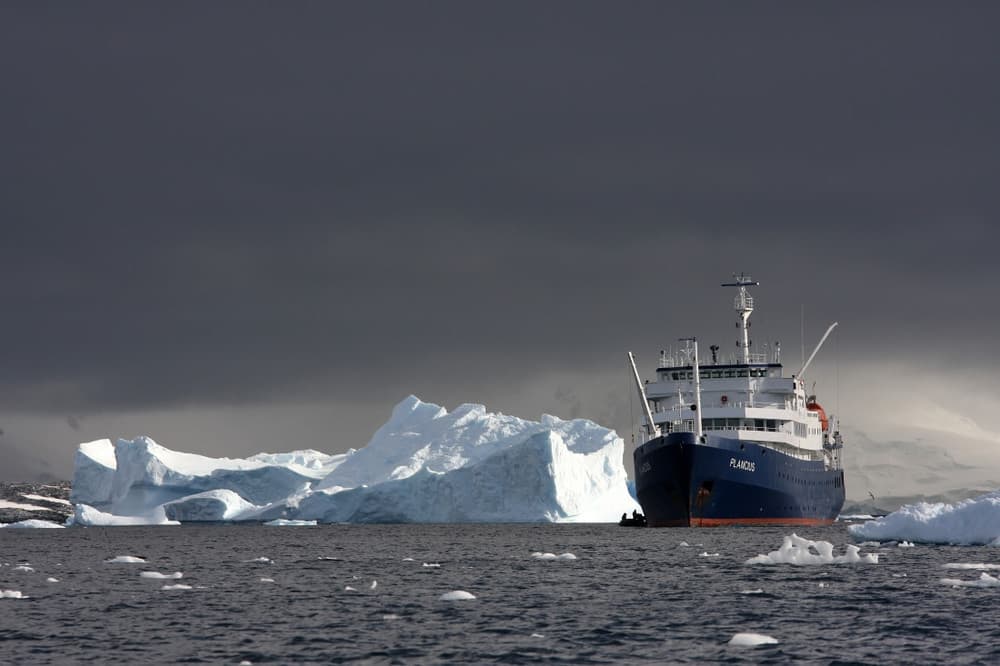
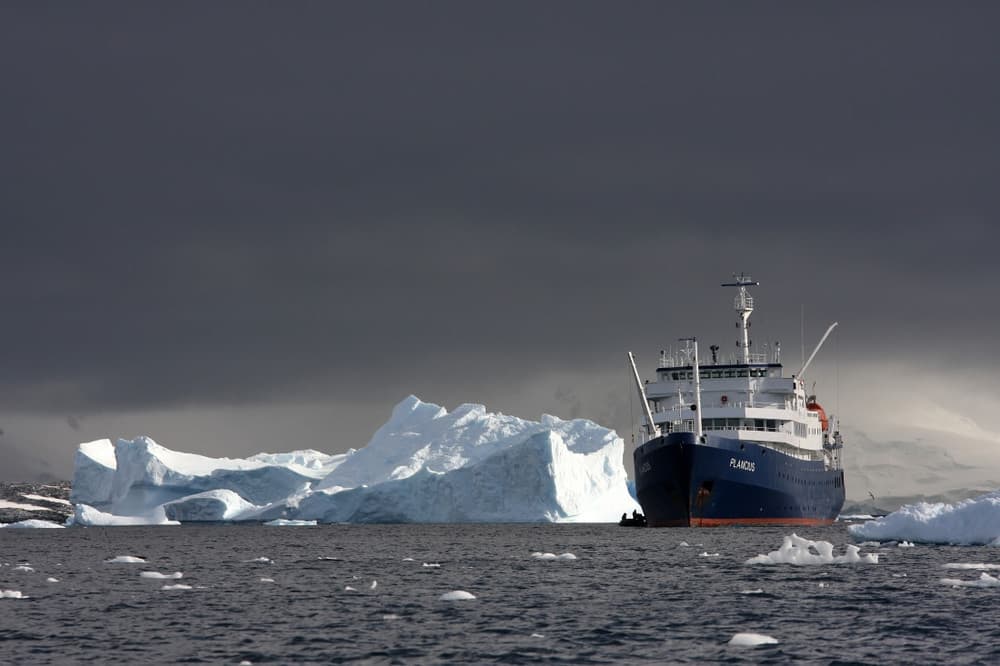
The ice-strengthened vessel Plancius is an excellent vessel for polar expedition cruises in the Arctic and Antarctica.
Loading...
We serve buffet-style breakfasts on board our motor vessels, and lunches are often buffets as well. Dinners include a choice of main courses, and these are served at the table.


Daily programs: breakfast, lunch, dinner. Furthermore there are informative lectures hosted by expedition staff. There is also a possibility for the passenger to relax in the lounge with a drink and enjoy the spectacular views.
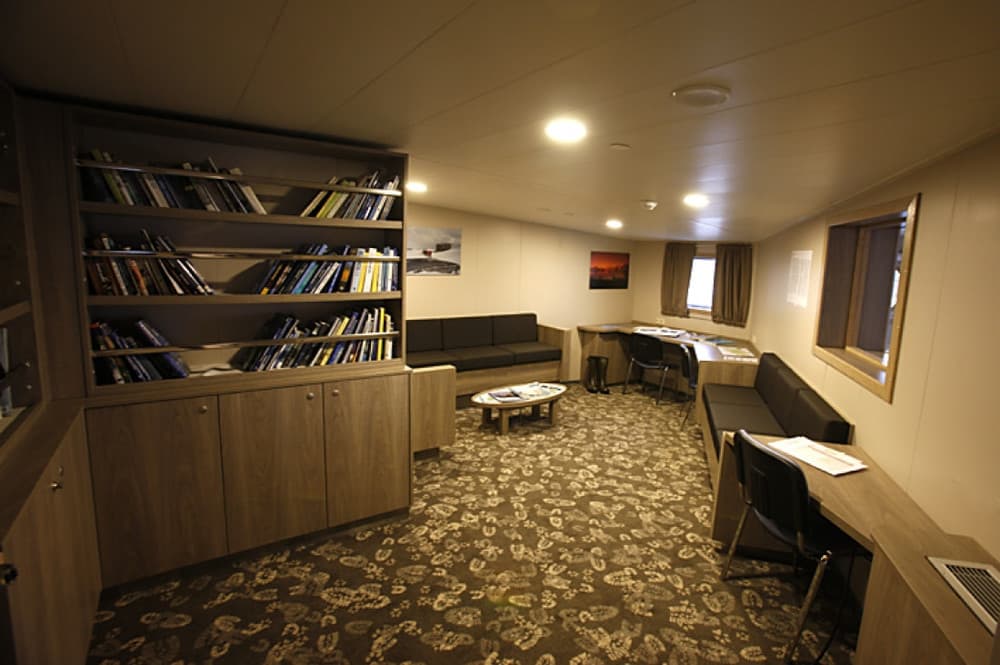
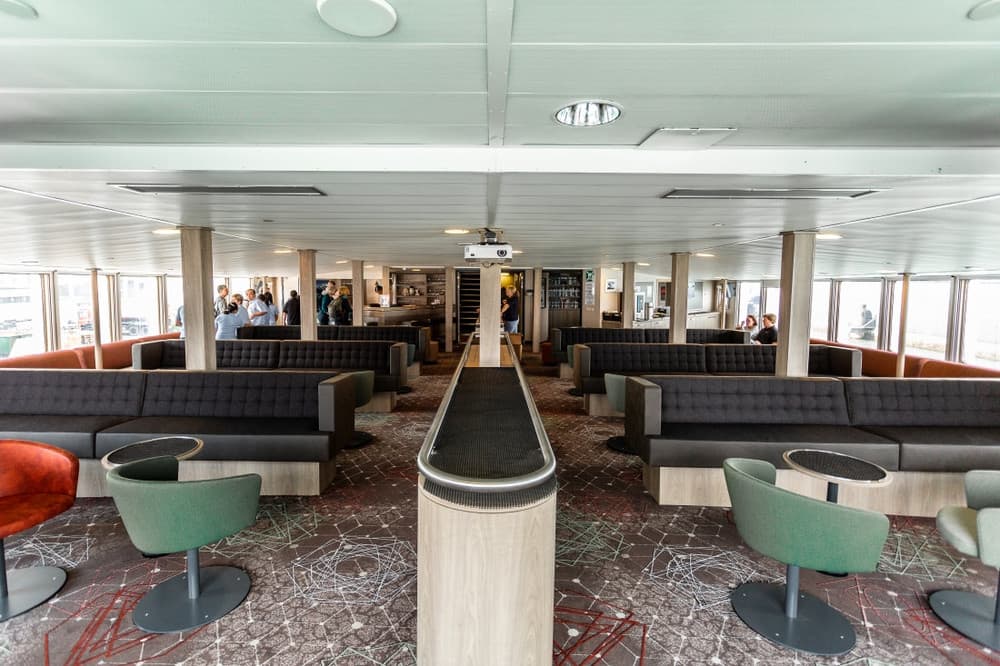
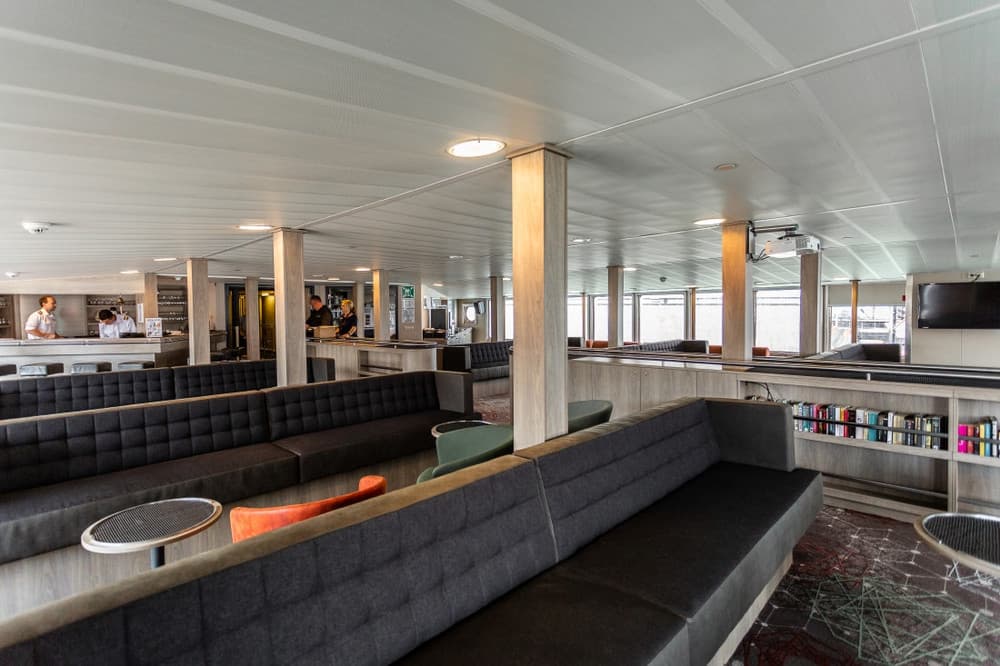
There are no health/fitness facilities on board.
Kayaking, snowshoeing, mountaineering, camping, scuba diving, and much more – our activities are as exciting as they are numerous.We provide much of the equipment you’ll need, and our fleet of Zodiacs will shuttle you to and from all outings with utmost speed and safety. Should you need more of a lift, we even bring our own helicopters on select Ortelius cruises.
It isn’t just the landscape you will experience, it’s also the immense and indelible world of wildlife that calls that landscape home. Allow us to acquaint you with the real polar survivalists that make these far-flung regions truly come alive.
Loading...
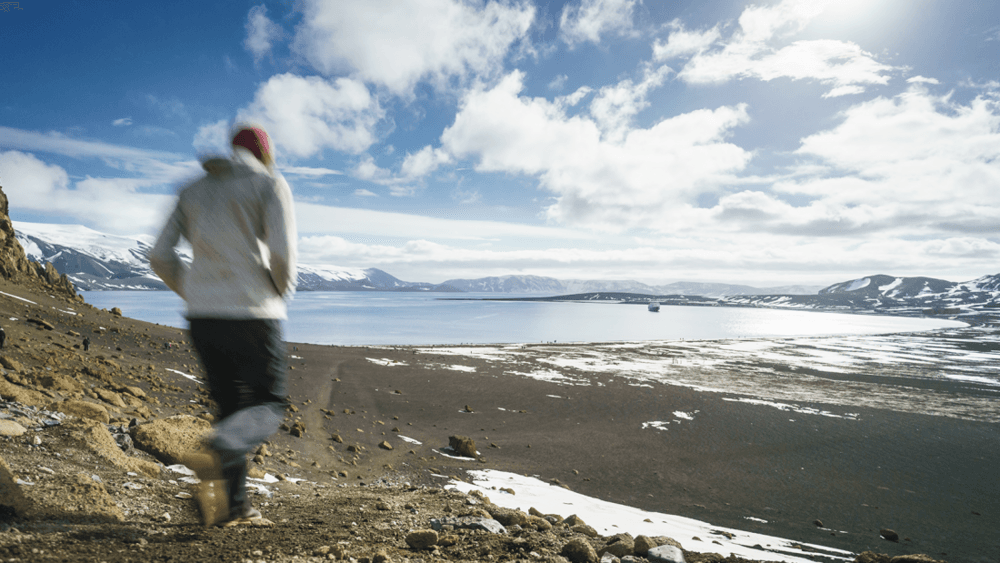
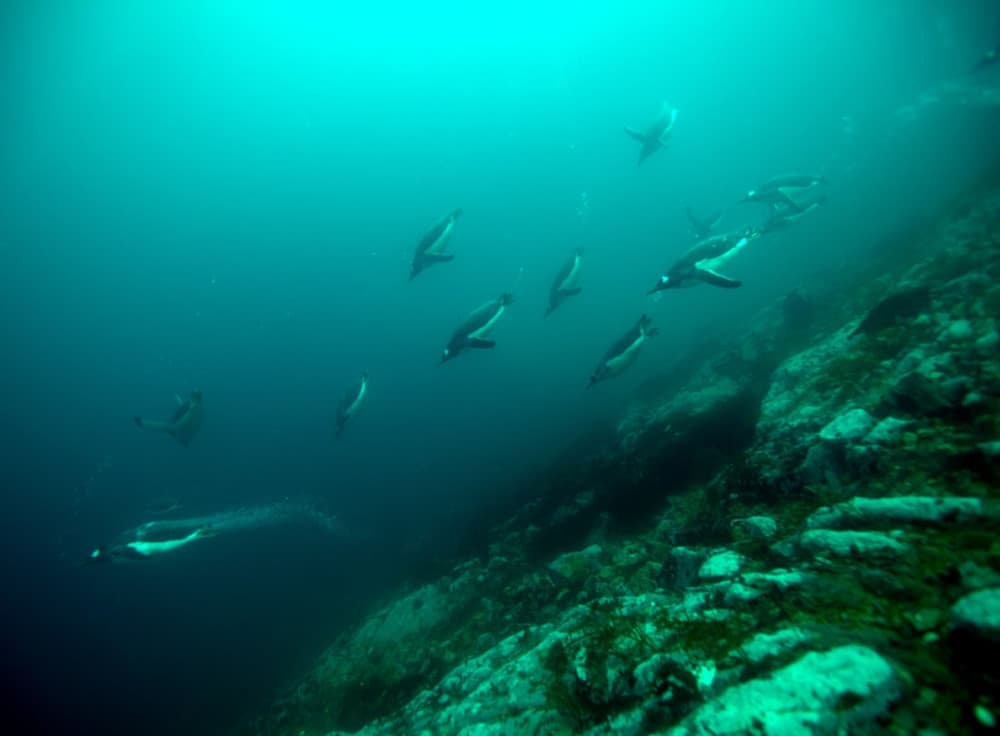
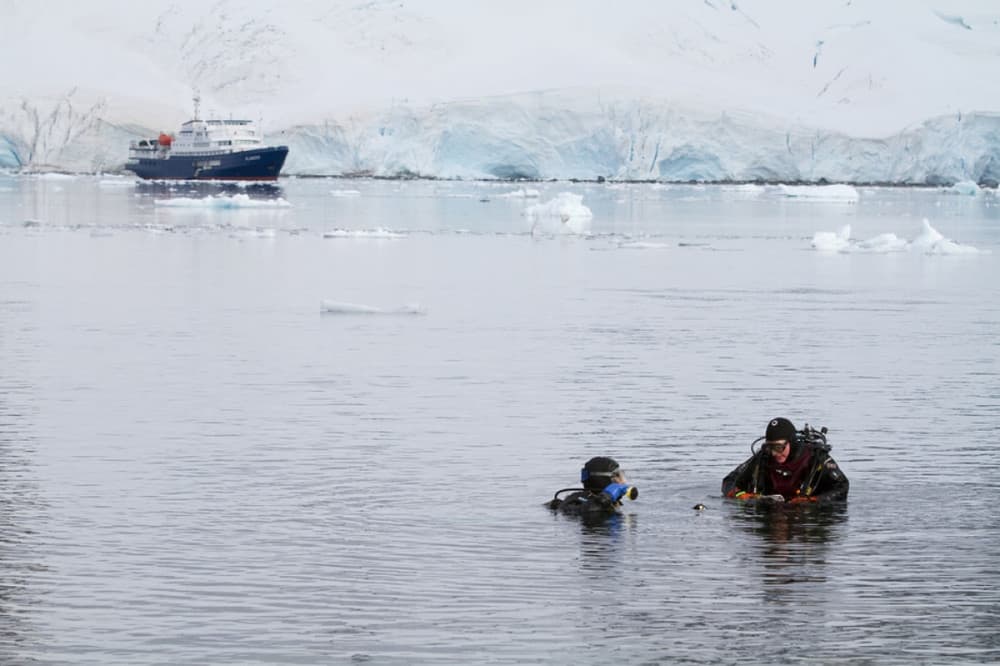
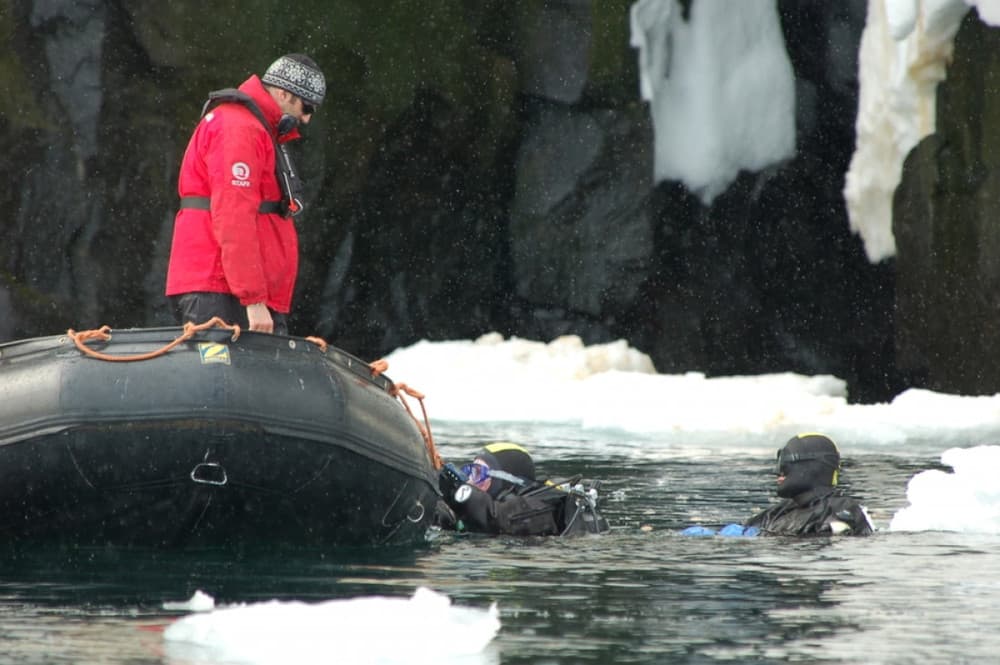
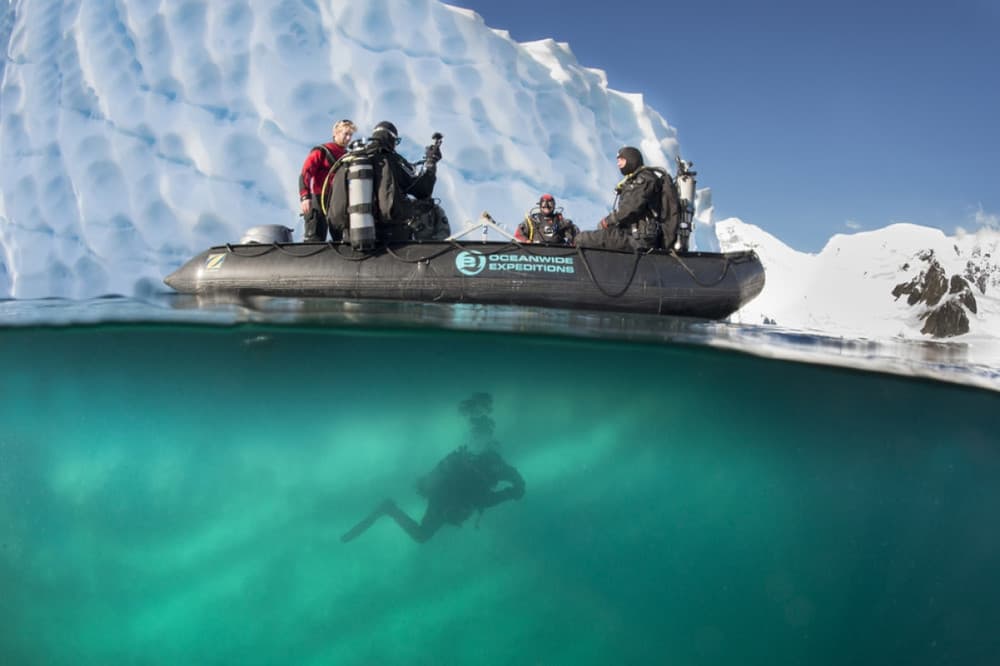
All of our polar voyages provide you maximum firsthand contact with local wildlife and terrain, but it is our intimate knowledge of the seas that allows us to also give you an unparalleled adventure below the waves.
Join us on one of our Arctic or Antarctic diving cruises, true expeditions in every sense of the word, during which you will have access to some of the most scenic dive sites in the polar regions.
With this exciting ac....
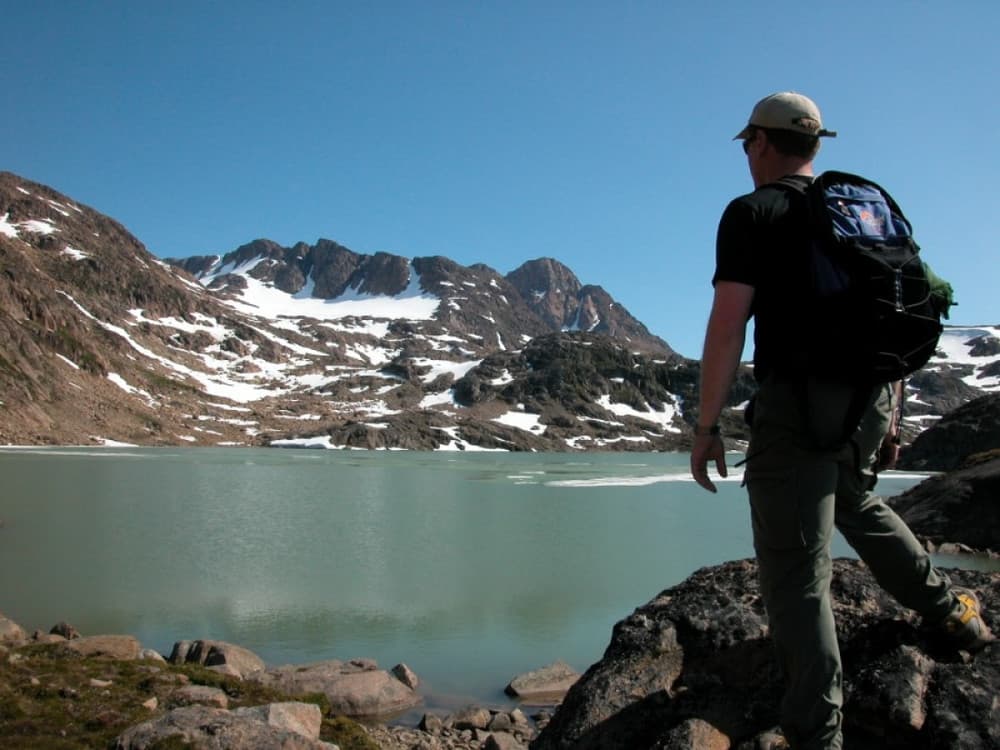
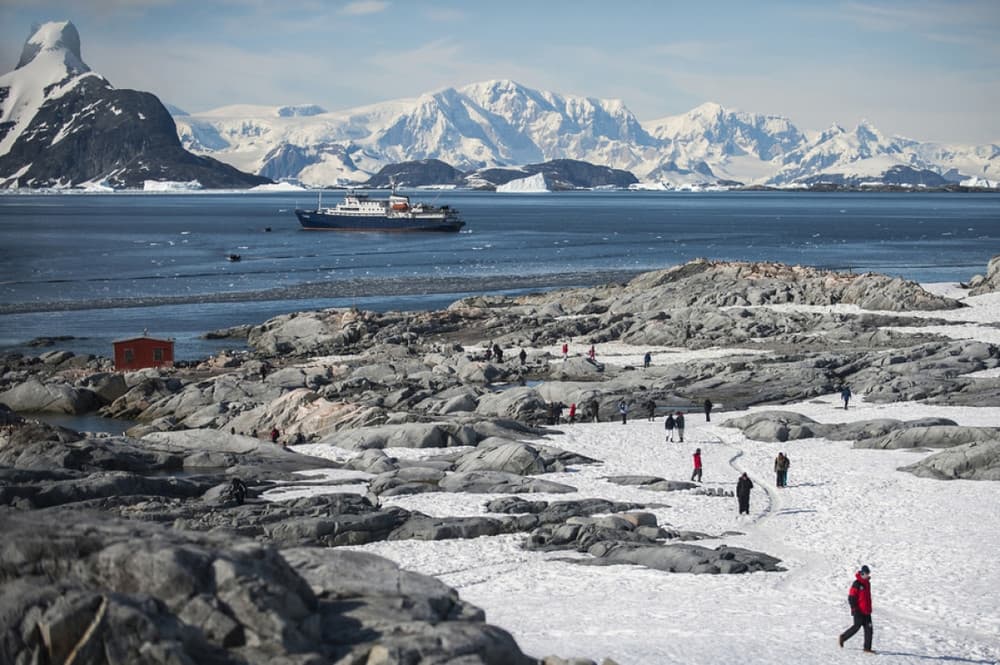
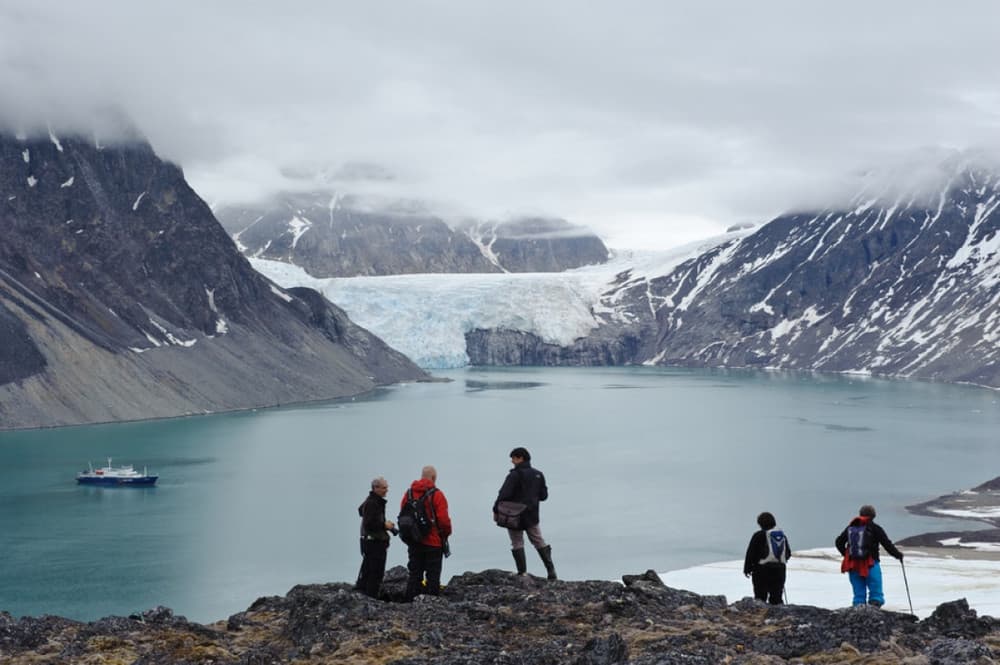
There’s no closer way to explore a new area than on your own two feet. With this in mind, we offer a number of hiking expeditions built for all levels of hiker – from the casual walker to the hard-core hiking enthusiast.
Do you need to be an experienced hiker?
For basic walks, you just need to be in reasonably good shape and health. Hikes usually last somewhere between two and six hours. Keep in mind there are no paths and t....
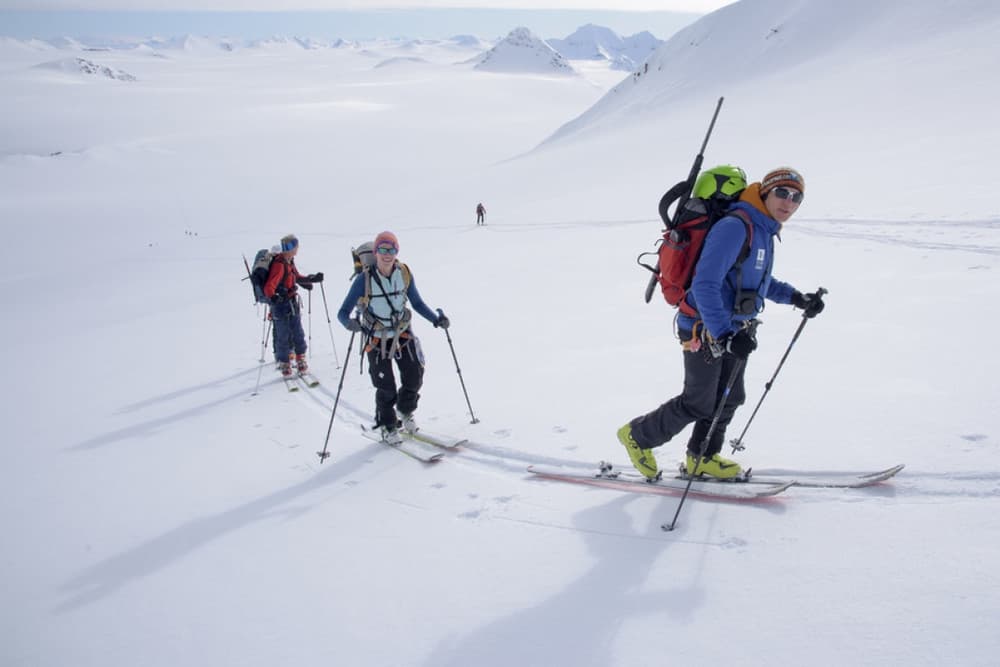
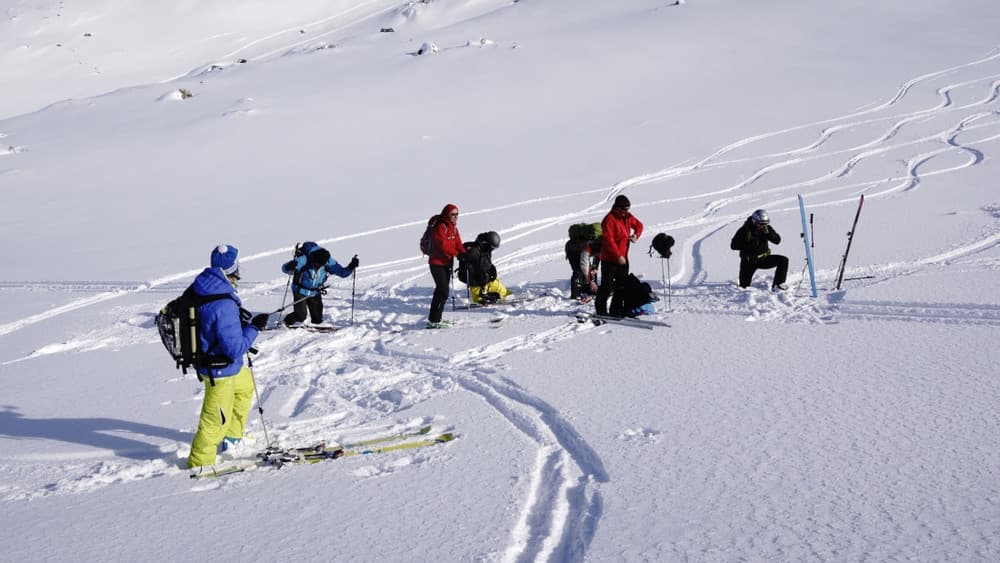
Interested in something slightly more adventurous than shoreline walks and wildlife watching? Our ski mountaineering trips give you an invigorating up-close experience of the rugged peaks and majestic mountains flanking the high Arctic fjords.
Along the way, you’ll be able to enjoy all the usual perks of polar expedition cruising: expansive scenery, exploratory outings, and the chance to see all manner of exotic Arctic wildlife.
O....
Photography trips
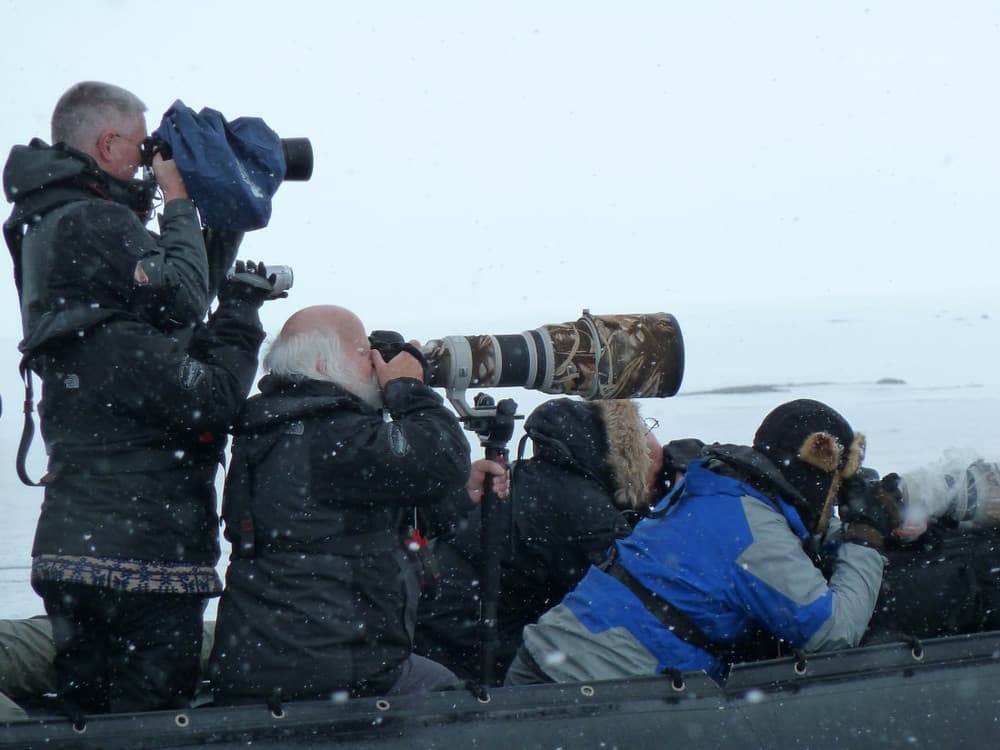
You might find mere words failing to express to your friends what it meant to you to get in touch with the pristine beauty of the Polar Regions. But you might also be worried that you’re no world-class photographer and that your pictures aren’t going to live up to your Arctic or Antarctic experience.
Not to worry. Select voyages have pro photographers on board who are happy to share their experience and exp....
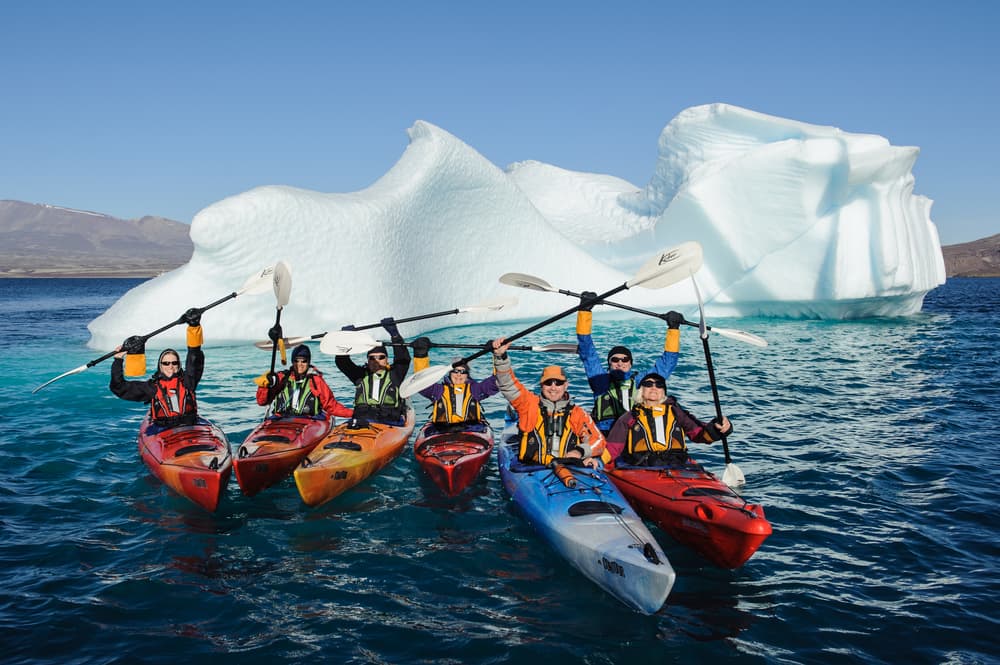
Explore the Arctic and Antarctic coastline in a kayak.
One of the best things about a polar voyage is that you’re never done exploring. Even if you think you have walked every shore, climbed every mountain, and spotted every penguin (or polar bear), there is still a whole other world to explore on the water.Polar kayaking is a great way to tour the blue-and-white beauty of the polar seas up close, visiting stunning ice formations and wat....
Snowshoeing in the Arctic and Antarctica
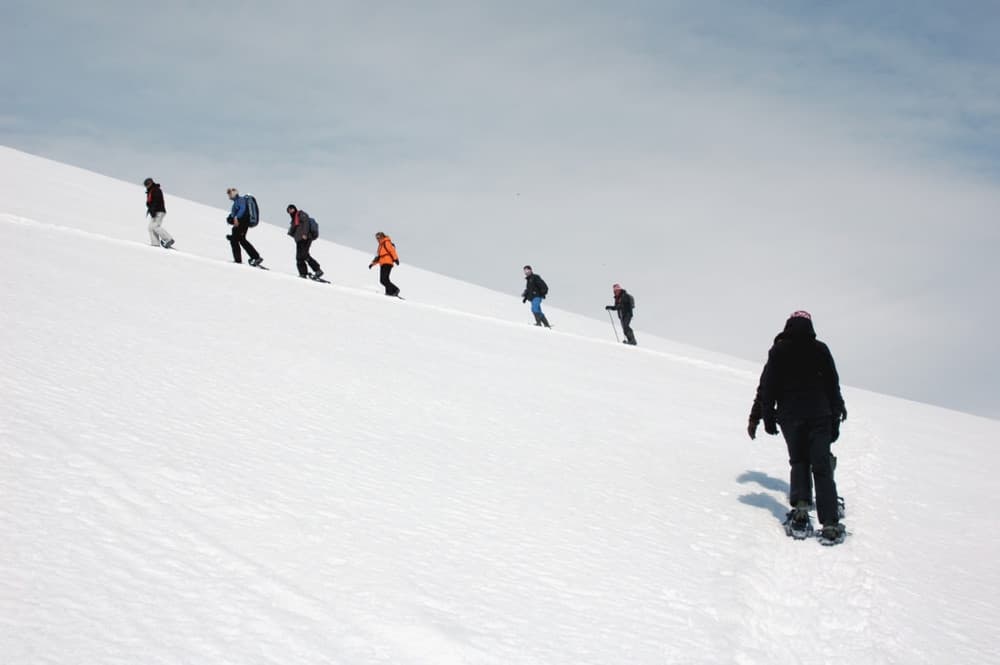
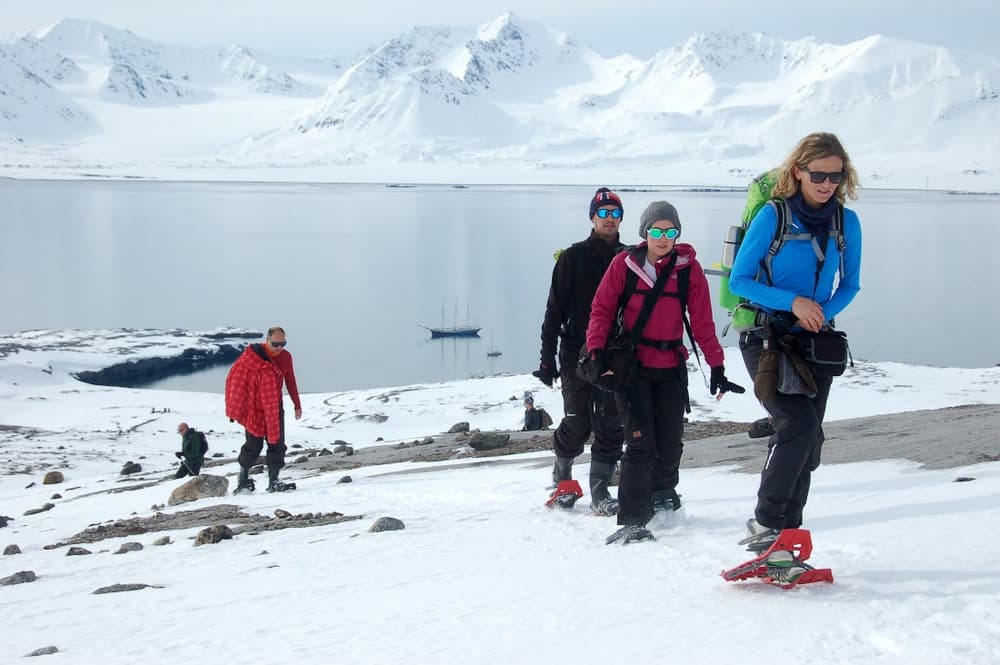
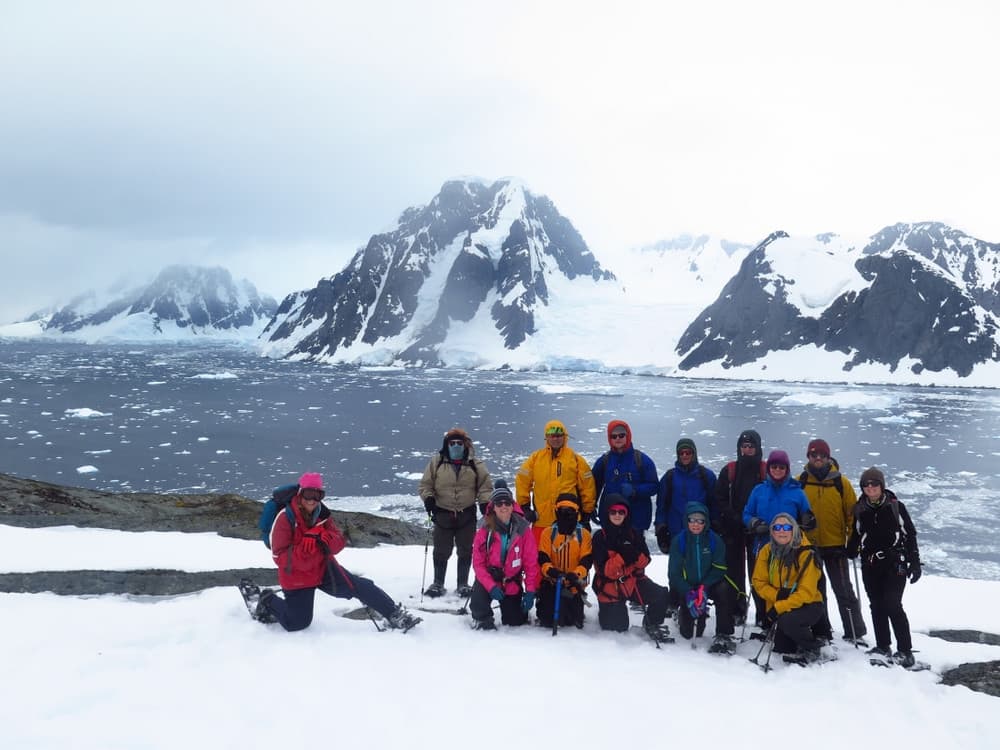
There really is no better way to take in a new place than by exploring it on foot. With that in mind Oceanwide Expeditions offers you the chance to explore your way inland from the Polar shorelines with a wide variety of snowshoeing expeditions built for everyone. From the casual explorer to the hard-core snowshoe-er.
Do I need to be experienced? How physically fit do I need to be?
Looking to push yourself a little further on your Polar cruise?
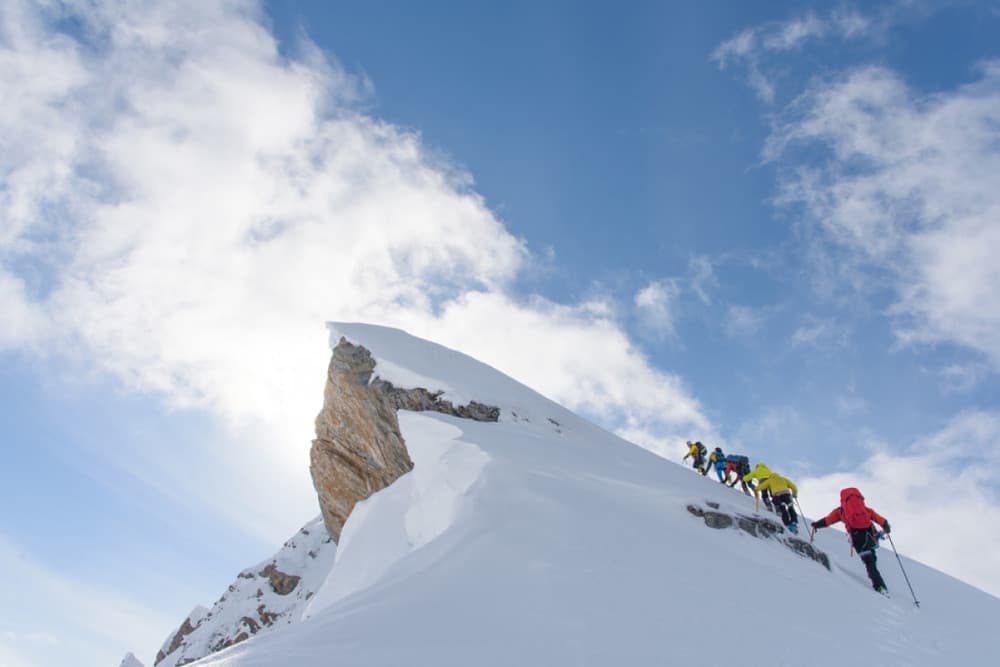
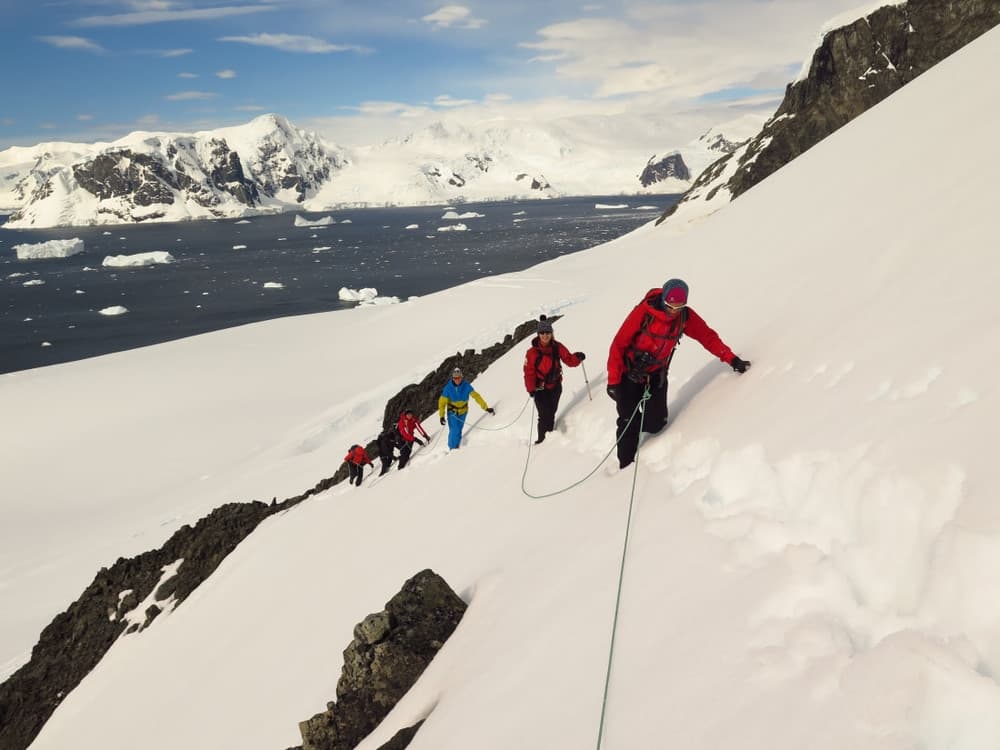
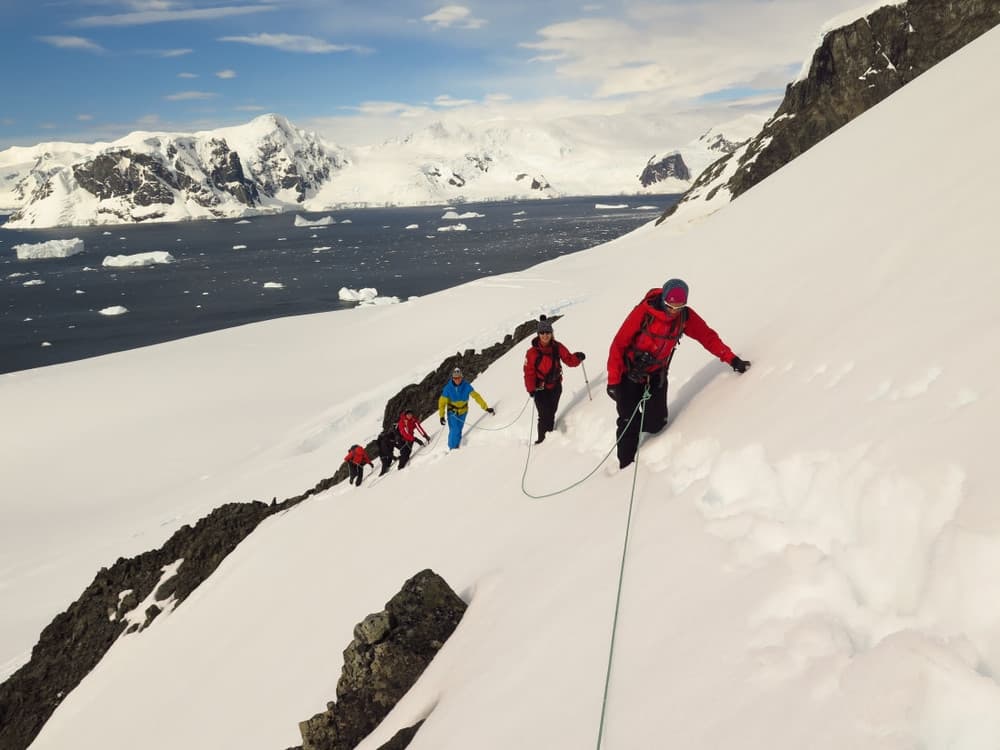
Want to travel further and see more than almost anybody else? Mountaineering cruises are the thing for you.
Do I have to be in really good physical shape for mountaineering?
In terms of physical fitness you’re going to want to be in good enough shape that you’re up to the ....
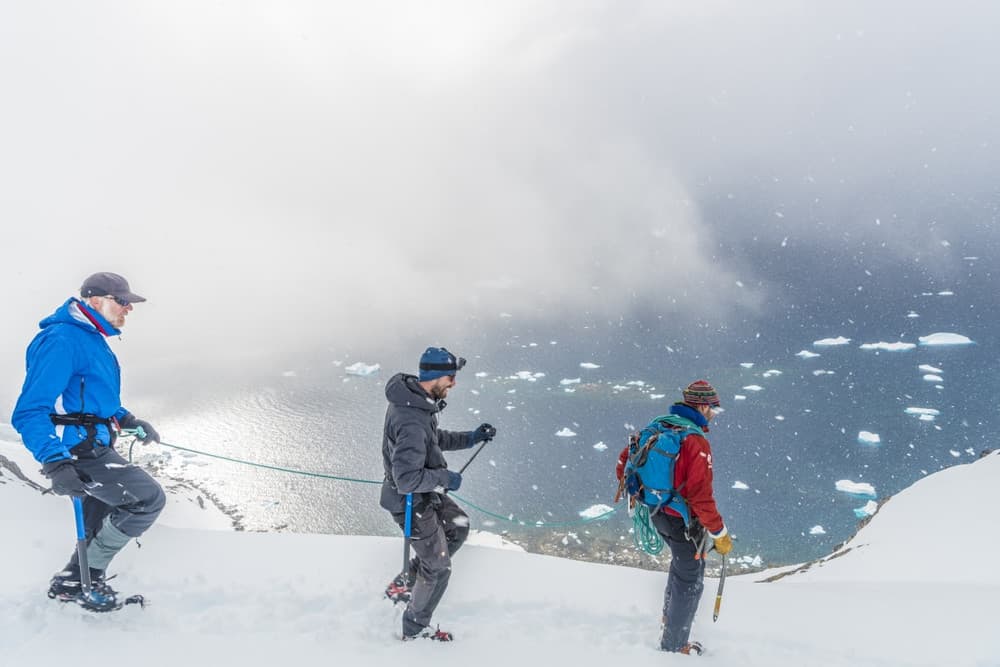
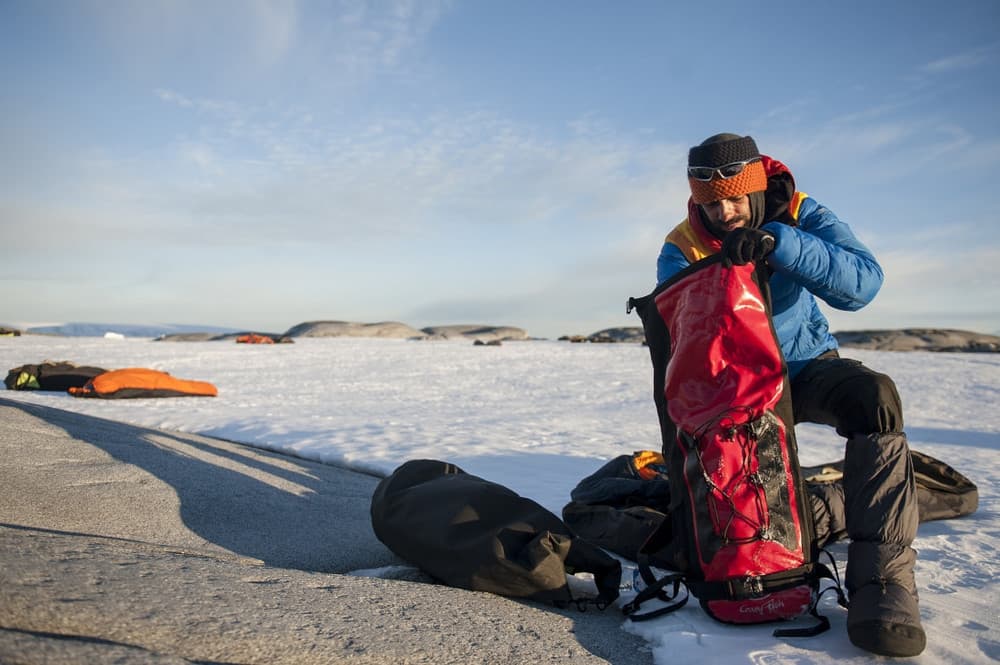
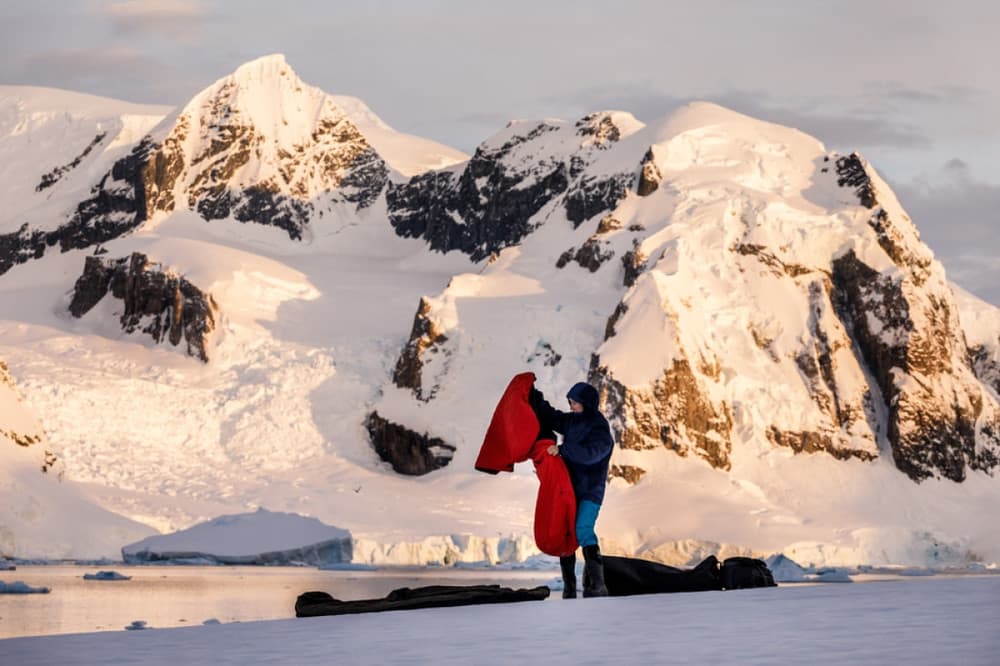
We provide the necessary camping gear, including breathable bivouac bags that are wind and waterproof and a lightweight alternative to tents. And our polar sleeping bags will keep you warm, dry, and comfortable during the enchanting Antarctic night.
All campers will be ....
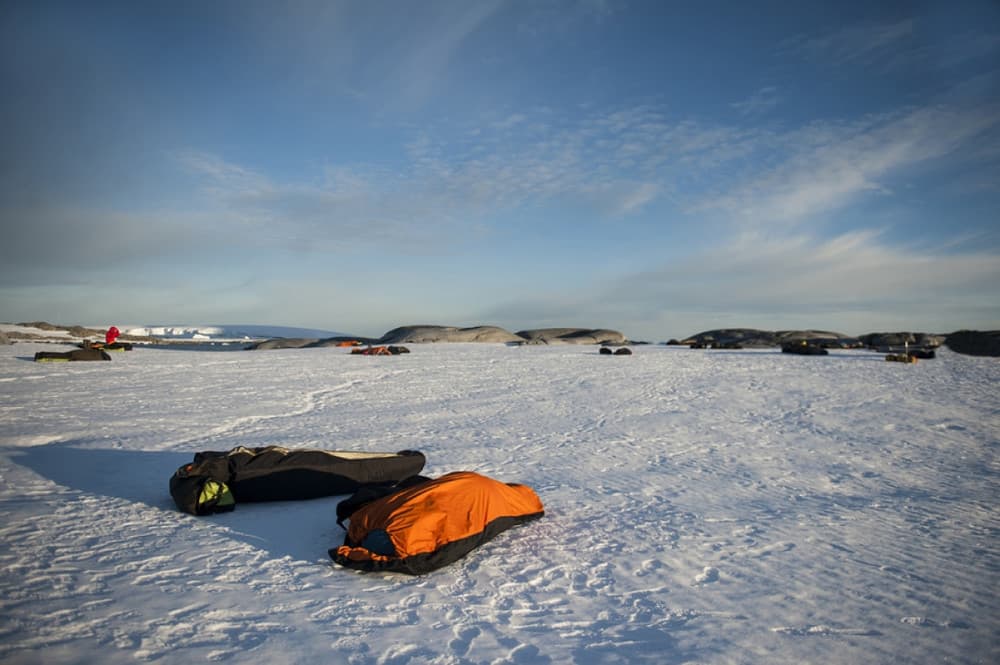
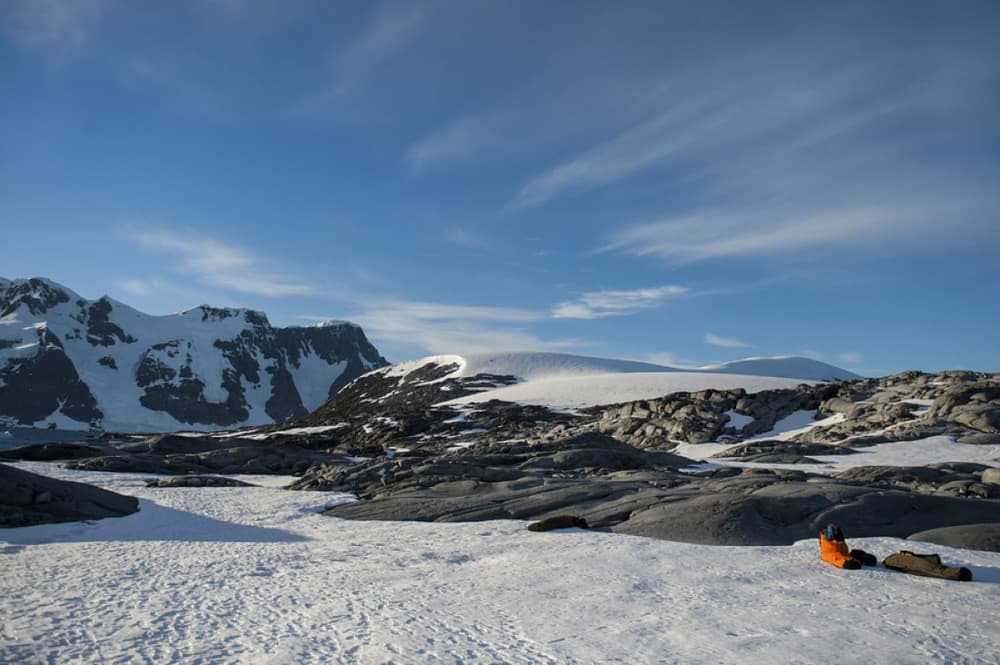
There are no children's facilities on board.
Loading...
Unfortunately, we’re only able to provide voyages to passengers who meet a certain level of physical ability. Rough seas, rugged terrain, and physically demanding weather conditions are all commonly encountered during our voyages, which can at times be challenging even for people in peak physical fitness.
The added difficulty of a wheelchair or other physical disability, therefor, could prevent us from making safe and timely shore landin....
The choice of clothing for cold temperatures during your Arctic or Antarctica expedition cruise is a very special matter. It depends on your individual experience whether to take warm clothes with you.
Our advice is to take warm, wind and waterproof clothes with you during the expedition. Multiple layers of medium-warmth clothing provide more insulation than a single heavier article – this is due to warm air getting trapped in between th....
In keeping with our expeditions atmosphere, dress on board is informal. Bring casual and comfortable clothing for all activities. Keep in mind that much of the spectacular scenery can be appreciated from deck, which can be slippery. Bring sturdy shoes with no-slip soles and make sure the parka is never far away in case of the call "Whales!" comes over the loudspeaker and you have to dash outside. Wear layers since it is comfortably warm aboard....
You must be in good general health and you should be able to walk several hours per day. The expedition is ship-based and physically not very demanding. Although we spend as much time as possible ashore, you are welcome to remain aboard the ship if you like. To join most excursions, you must be able to get up and down the steep gangway from the ship to the water level to board the Zodiacs. Staff will assist you in and out of the boats. This wi....
Depending on the satellite coverage in our areas of operation, we have Wi-Fi on our motorized vessels. Vouchers can be purchased at reception.
Satellite coverage in the Arctic, however, is nearly non-existent. We can only offer onboard email accounts there.
Vessel internet runs via satellite connection, so please be aware that it’s considerably slower than what you may be used to.
We have an onboard cellular service, also dep....
We are all guests in the polar regions, which means we must do everything we can to leave these incredible areas as untouched by our passage as possible. Here are some ways we do this.
Promoting polar awareness
In 1983 the Arctic Centre of Groningen University in the Netherlands launched a research program to Spitsbergen, the largest island of the Norwegian archipelago of Svalbard.
Updating our vessels
Fo....
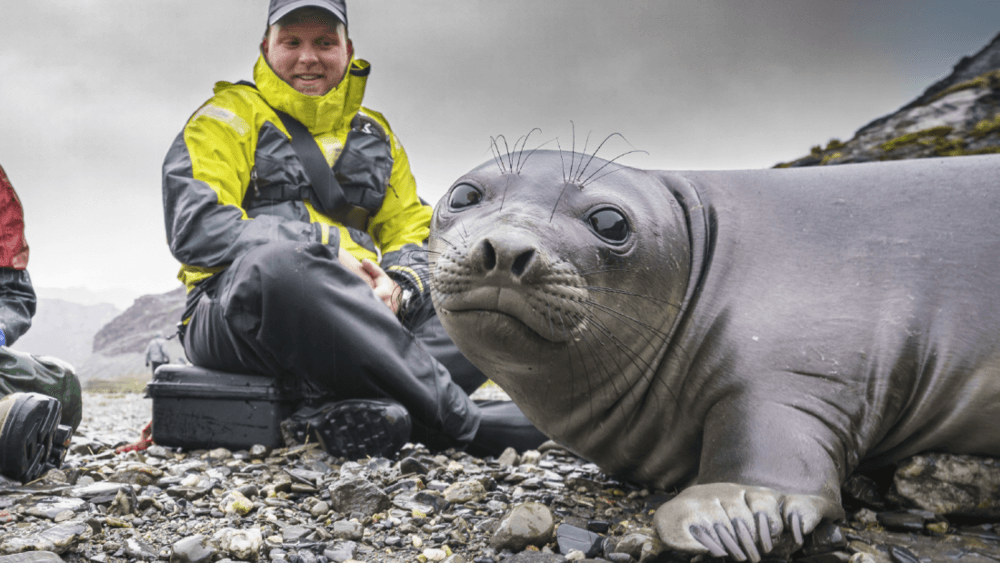
We are required to keep a minimum distance from all wildlife. This distance may vary depending on the species, but the aim is always to reduce the possibility of disturbing the animals while also keeping our passengers safe. Your expedition guides will inform you as to the distance we are required to keep from various animals.
Sometimes curious wildlife (such as penguins and young seals) may approach you, but we ask that you refrain from....
- Avoid unnecessary damage to the ground surface and vegetarian cover, as regeneration rates are extremely slow. Do not take specimens from plants. Do not pick flowers.
- Avoid disturbing or feeding the wildlife. Be aware of your activities and whether they are resulting in a change of the animals' behaviour. Be aware that Rabies does occur on Spitsbergen, particularly in Arctic Foxes. Be careful when moving in areas where bird....
You can travel if you are pregnant, although with certain restrictions. Please first consult your gynecologist and obtain all necessary medical advice before booking or making a voyage with Oceanwide Expeditions.
Also, be aware that we may not be able to provide you a voyage at all if your pregnancy has advanced beyond a certain point (usually 29 to 36 weeks, depending on your circumstances). Our onboard infirmaries are not equipped to a....