

CRUISE ID # POLARLATOCE0212202612
Ushuaia TO Ushuaia
$14,025
WITH SPECIAL SAVINGS APPLIED
FARES SHOWN ARE PER GUEST
Suites & Fares
CHOOSE START DATE
: December 02, 2026
Itinerary
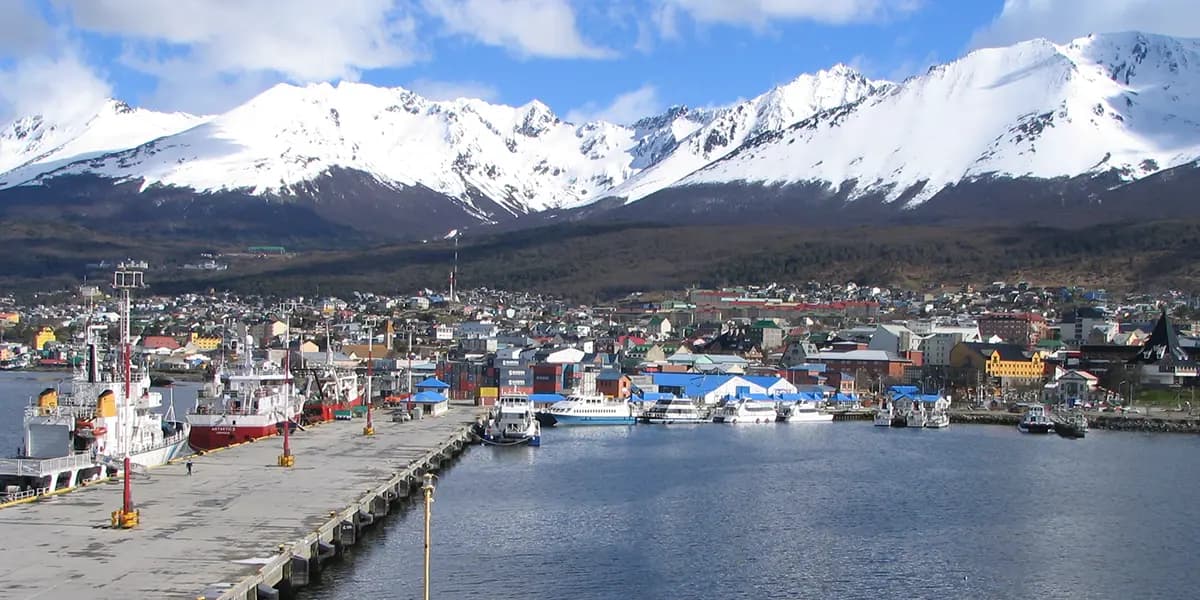
At 55 degrees latitude south, Ushuaia (pronounced oo-swy-ah) is closer to the South Pole than to Argentina's northern border with Bolivia. It is the capital and tourism base for Tierra del Fuego, the island at the southernmost tip of Argentina.Although its stark physical beauty is striking, Tierra del Fuego's historical allure is based more on its mythical past than on rugged reality. The island was inhabited for 6,000 years by Yámana, Haush, Selk'nam, and Alakaluf Indians. But in 1902 Argentina, eager to populate Patagonia to bolster its territorial claims, moved to initiate an Ushuaian penal colony, establishing the permanent settlement of its most southern territories and, by implication, everything in between.When the prison closed in 1947, Ushuaia had a population of about 3,000, made up mainly of former inmates and prison staff. Today the Indians of Darwin's "missing link" theory are long gone—wiped out by diseases brought by settlers and by indifference to their plight—and the 60,000 residents of Ushuaia are hitching their star to tourism.The city rightly (if perhaps too loudly) promotes itself as the southernmost city in the world (Puerto Williams, a few miles south on the Chilean side of the Beagle Channel, is a small town). You can make your way to the tourism office to get your clichéd, but oh-so-necessary, "Southernmost City in the World" passport stamp. Ushuaia feels like a frontier boomtown, at heart still a rugged, weather-beaten fishing village, but exhibiting the frayed edges of a city that quadrupled in size in the '70s and '80s and just keeps growing. Unpaved portions of Ruta 3, the last stretch of the Pan-American Highway, which connects Alaska to Tierra del Fuego, are finally being paved. The summer months (December through March) draw more than 120,000 visitors, and dozens of cruise ships. The city is trying to extend those visits with events like March's Marathon at the End of the World and by increasing the gamut of winter activities buoyed by the excellent snow conditions.A terrific trail winds through the town up to the Martial Glacier, where a ski lift can help cut down a steep kilometer of your journey. The chaotic and contradictory urban landscape includes a handful of luxury hotels amid the concrete of public housing projects. Scores of "sled houses" (wooden shacks) sit precariously on upright piers, ready for speedy displacement to a different site. But there are also many small, picturesque homes with tiny, carefully tended gardens. Many of the newer homes are built in a Swiss-chalet style, reinforcing the idea that this is a town into which tourism has breathed new life. At the same time, the weather-worn pastel colors that dominate the town's landscape remind you that Ushuaia was once just a tiny fishing village, snuggled at the end of the Earth.As you stand on the banks of the Canal Beagle (Beagle Channel) near Ushuaia, the spirit of the farthest corner of the world takes hold. What stands out is the light: at sundown the landscape is cast in a subdued, sensual tone; everything feels closer, softer, and more human in dimension despite the vastness of the setting. The snowcapped mountains reflect the setting sun back onto a stream rolling into the channel, as nearby peaks echo their image—on a windless day—in the still waters.Above the city rise the last mountains of the Andean Cordillera, and just south and west of Ushuaia they finally vanish into the often-stormy sea. Snow whitens the peaks well into summer. Nature is the principal attraction here, with trekking, fishing, horseback riding, wildlife spotting, and sailing among the most rewarding activities, especially in the Parque Nacional Tierra del Fuego (Tierra del Fuego National Park).
At 55 degrees latitude south, Ushuaia (pronounced oo-swy-ah) is closer to the South Pole than to Argentina's northern border with Bolivia. It is the capital and tourism base for Tierra del Fuego, the island at the southernmost tip of Argentina.Although its stark physical beauty is striking, Tierra del Fuego's historical allure is based more on its mythical past than on rugged reality. The island was inhabited for 6,000 years by Yámana, Haush, Selk'nam, and Alakaluf Indians. But in 1902 Argentina, eager to populate Patagonia to bolster its territorial claims, moved to initiate an Ushuaian penal colony, establishing the permanent settlement of its most southern territories and, by implication, everything in between.When the prison closed in 1947, Ushuaia had a population of about 3,000, made up mainly of former inmates and prison staff. Today the Indians of Darwin's "missing link" theory are long gone—wiped out by diseases brought by settlers and by indifference to their plight—and the 60,000 residents of Ushuaia are hitching their star to tourism.The city rightly (if perhaps too loudly) promotes itself as the southernmost city in the world (Puerto Williams, a few miles south on the Chilean side of the Beagle Channel, is a small town). You can make your way to the tourism office to get your clichéd, but oh-so-necessary, "Southernmost City in the World" passport stamp. Ushuaia feels like a frontier boomtown, at heart still a rugged, weather-beaten fishing village, but exhibiting the frayed edges of a city that quadrupled in size in the '70s and '80s and just keeps growing. Unpaved portions of Ruta 3, the last stretch of the Pan-American Highway, which connects Alaska to Tierra del Fuego, are finally being paved. The summer months (December through March) draw more than 120,000 visitors, and dozens of cruise ships. The city is trying to extend those visits with events like March's Marathon at the End of the World and by increasing the gamut of winter activities buoyed by the excellent snow conditions.A terrific trail winds through the town up to the Martial Glacier, where a ski lift can help cut down a steep kilometer of your journey. The chaotic and contradictory urban landscape includes a handful of luxury hotels amid the concrete of public housing projects. Scores of "sled houses" (wooden shacks) sit precariously on upright piers, ready for speedy displacement to a different site. But there are also many small, picturesque homes with tiny, carefully tended gardens. Many of the newer homes are built in a Swiss-chalet style, reinforcing the idea that this is a town into which tourism has breathed new life. At the same time, the weather-worn pastel colors that dominate the town's landscape remind you that Ushuaia was once just a tiny fishing village, snuggled at the end of the Earth.As you stand on the banks of the Canal Beagle (Beagle Channel) near Ushuaia, the spirit of the farthest corner of the world takes hold. What stands out is the light: at sundown the landscape is cast in a subdued, sensual tone; everything feels closer, softer, and more human in dimension despite the vastness of the setting. The snowcapped mountains reflect the setting sun back onto a stream rolling into the channel, as nearby peaks echo their image—on a windless day—in the still waters.Above the city rise the last mountains of the Andean Cordillera, and just south and west of Ushuaia they finally vanish into the often-stormy sea. Snow whitens the peaks well into summer. Nature is the principal attraction here, with trekking, fishing, horseback riding, wildlife spotting, and sailing among the most rewarding activities, especially in the Parque Nacional Tierra del Fuego (Tierra del Fuego National Park).
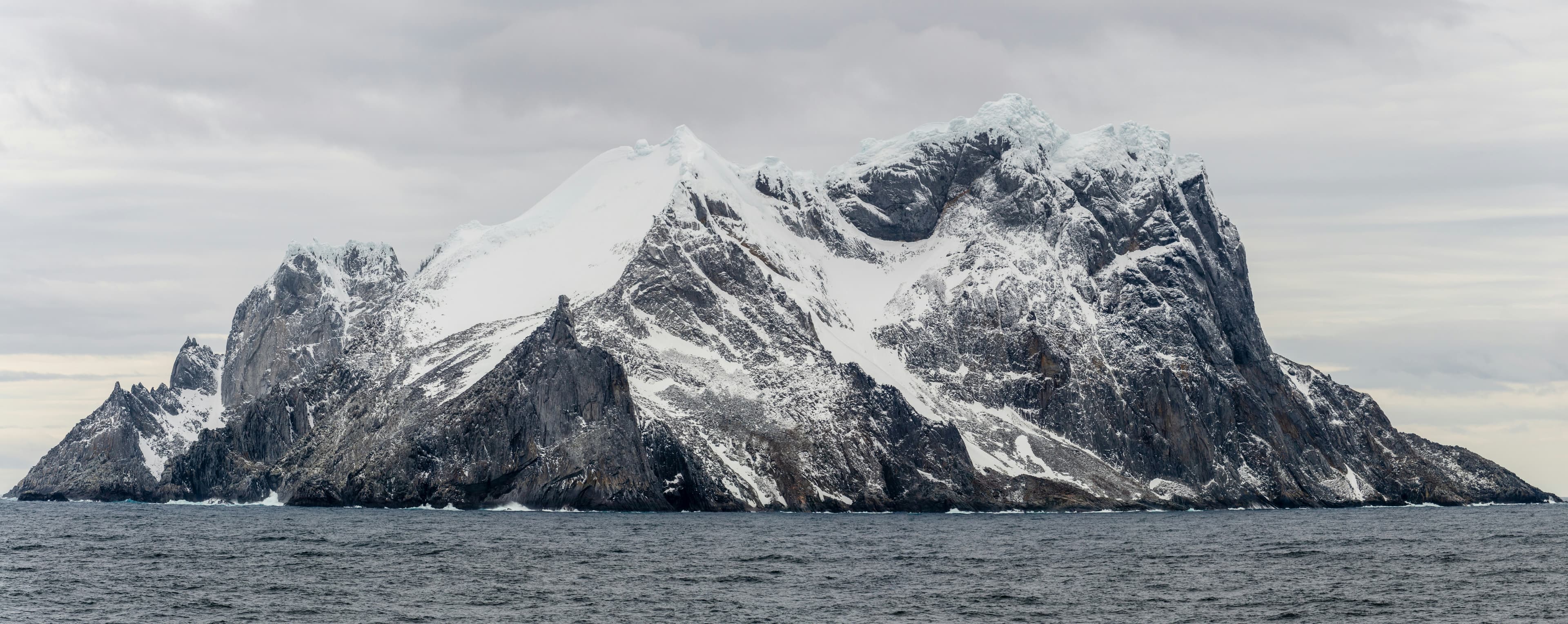
Some 770 kilometers (478 miles) south of Cape Horn, the South Shetland Islands are usually the first land seen in Antarctica. Separated from the Antarctic Peninsula by the Bransfield Strait, nine major islands make up the group. The region was the first to be exploited by sealers in the early 19th century, and because of its proximity to South America, it still is the most visited by scientists and tourists. Chinstrap, Adelie, Gentoo and Macaroni Penguins all breed here. In addition, because it is the warmest part of the continent, large moss beds as well as orange, black, grey and green lichens grow –even hair grass and pearlwort manage to survive. Leopard seals, Weddell seals, crabeater seals, Southern elephant seals and Antarctic fur seals can be seen in the water and on the beaches.
Some 770 kilometers (478 miles) south of Cape Horn, the South Shetland Islands are usually the first land seen in Antarctica. Separated from the Antarctic Peninsula by the Bransfield Strait, nine major islands make up the group. The region was the first to be exploited by sealers in the early 19th century, and because of its proximity to South America, it still is the most visited by scientists and tourists. Chinstrap, Adelie, Gentoo and Macaroni Penguins all breed here. In addition, because it is the warmest part of the continent, large moss beds as well as orange, black, grey and green lichens grow –even hair grass and pearlwort manage to survive. Leopard seals, Weddell seals, crabeater seals, Southern elephant seals and Antarctic fur seals can be seen in the water and on the beaches.
At 55 degrees latitude south, Ushuaia (pronounced oo-swy-ah) is closer to the South Pole than to Argentina's northern border with Bolivia. It is the capital and tourism base for Tierra del Fuego, the island at the southernmost tip of Argentina.Although its stark physical beauty is striking, Tierra del Fuego's historical allure is based more on its mythical past than on rugged reality. The island was inhabited for 6,000 years by Yámana, Haush, Selk'nam, and Alakaluf Indians. But in 1902 Argentina, eager to populate Patagonia to bolster its territorial claims, moved to initiate an Ushuaian penal colony, establishing the permanent settlement of its most southern territories and, by implication, everything in between.When the prison closed in 1947, Ushuaia had a population of about 3,000, made up mainly of former inmates and prison staff. Today the Indians of Darwin's "missing link" theory are long gone—wiped out by diseases brought by settlers and by indifference to their plight—and the 60,000 residents of Ushuaia are hitching their star to tourism.The city rightly (if perhaps too loudly) promotes itself as the southernmost city in the world (Puerto Williams, a few miles south on the Chilean side of the Beagle Channel, is a small town). You can make your way to the tourism office to get your clichéd, but oh-so-necessary, "Southernmost City in the World" passport stamp. Ushuaia feels like a frontier boomtown, at heart still a rugged, weather-beaten fishing village, but exhibiting the frayed edges of a city that quadrupled in size in the '70s and '80s and just keeps growing. Unpaved portions of Ruta 3, the last stretch of the Pan-American Highway, which connects Alaska to Tierra del Fuego, are finally being paved. The summer months (December through March) draw more than 120,000 visitors, and dozens of cruise ships. The city is trying to extend those visits with events like March's Marathon at the End of the World and by increasing the gamut of winter activities buoyed by the excellent snow conditions.A terrific trail winds through the town up to the Martial Glacier, where a ski lift can help cut down a steep kilometer of your journey. The chaotic and contradictory urban landscape includes a handful of luxury hotels amid the concrete of public housing projects. Scores of "sled houses" (wooden shacks) sit precariously on upright piers, ready for speedy displacement to a different site. But there are also many small, picturesque homes with tiny, carefully tended gardens. Many of the newer homes are built in a Swiss-chalet style, reinforcing the idea that this is a town into which tourism has breathed new life. At the same time, the weather-worn pastel colors that dominate the town's landscape remind you that Ushuaia was once just a tiny fishing village, snuggled at the end of the Earth.As you stand on the banks of the Canal Beagle (Beagle Channel) near Ushuaia, the spirit of the farthest corner of the world takes hold. What stands out is the light: at sundown the landscape is cast in a subdued, sensual tone; everything feels closer, softer, and more human in dimension despite the vastness of the setting. The snowcapped mountains reflect the setting sun back onto a stream rolling into the channel, as nearby peaks echo their image—on a windless day—in the still waters.Above the city rise the last mountains of the Andean Cordillera, and just south and west of Ushuaia they finally vanish into the often-stormy sea. Snow whitens the peaks well into summer. Nature is the principal attraction here, with trekking, fishing, horseback riding, wildlife spotting, and sailing among the most rewarding activities, especially in the Parque Nacional Tierra del Fuego (Tierra del Fuego National Park).
About the Ship
Name
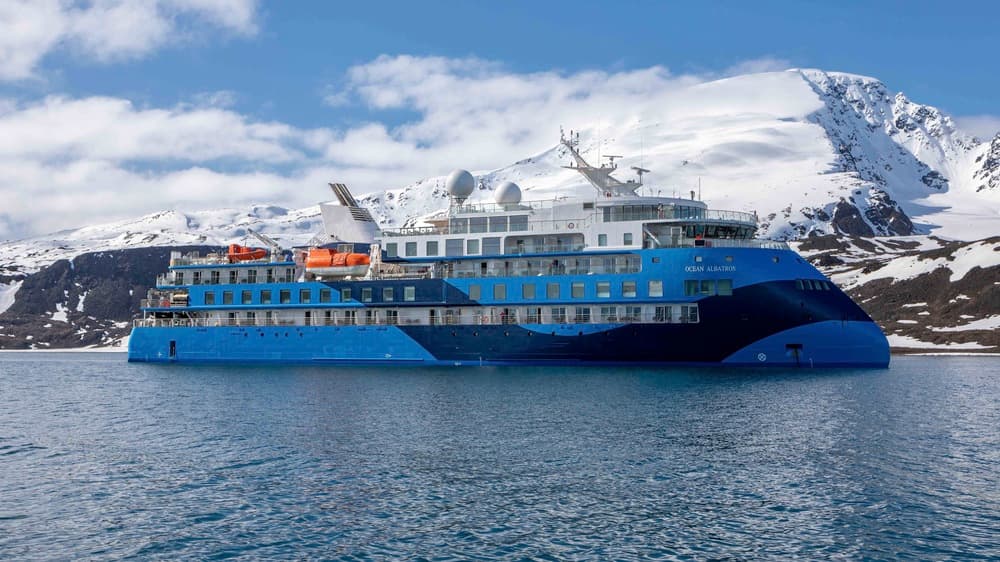
Ocean Albatros
Operator
Polar Latitudes Expeditions

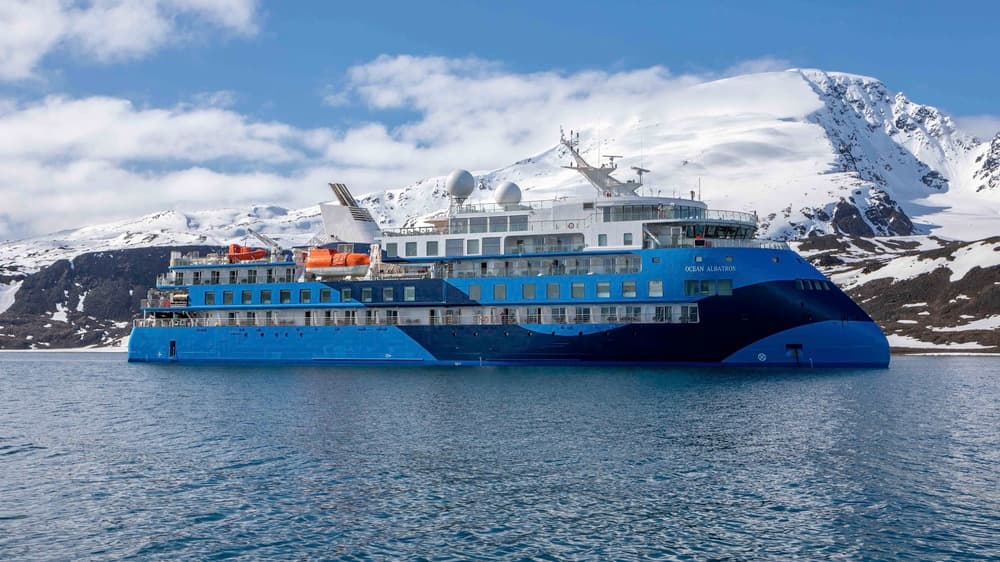
A Next-Generation Ship, Decades in the Making
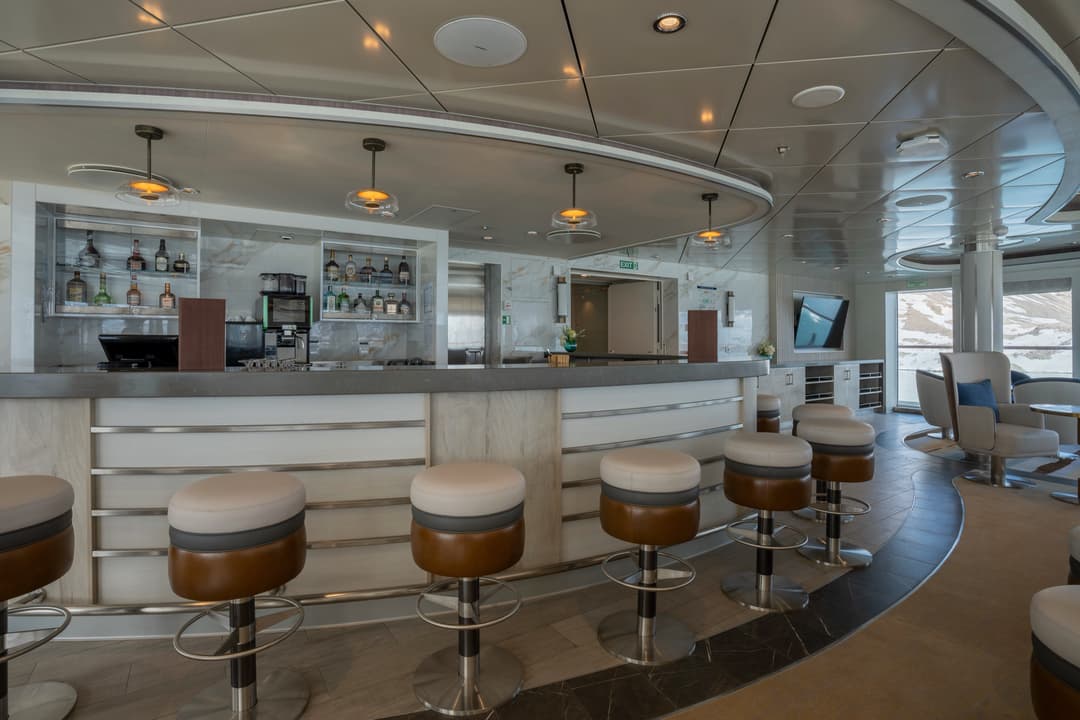
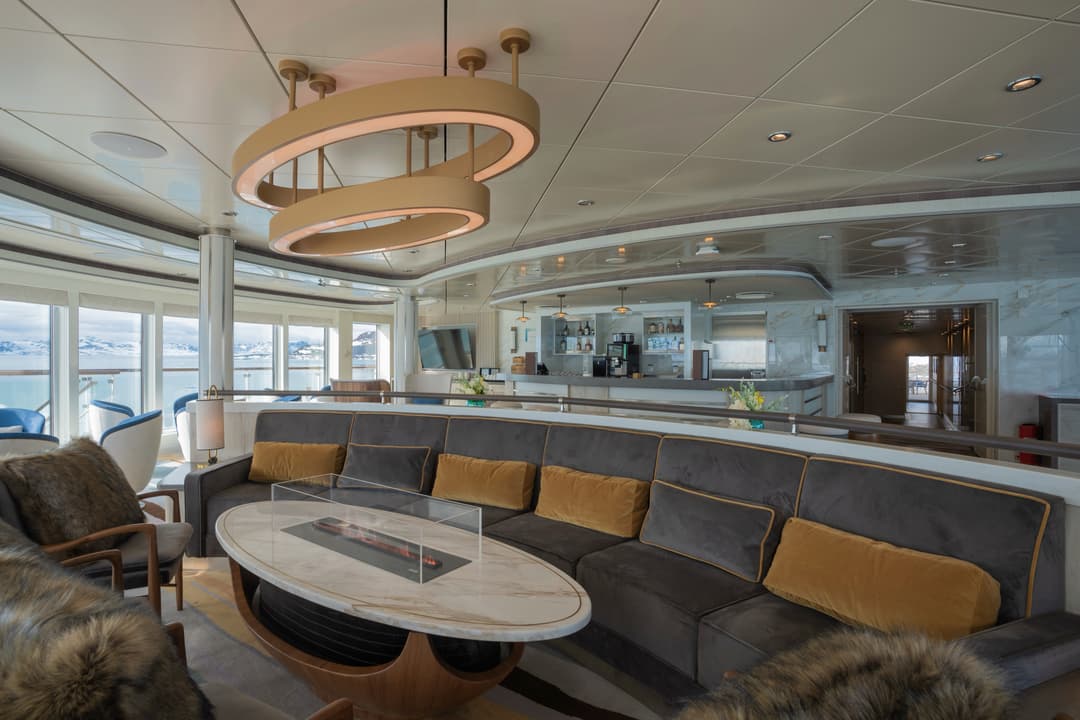
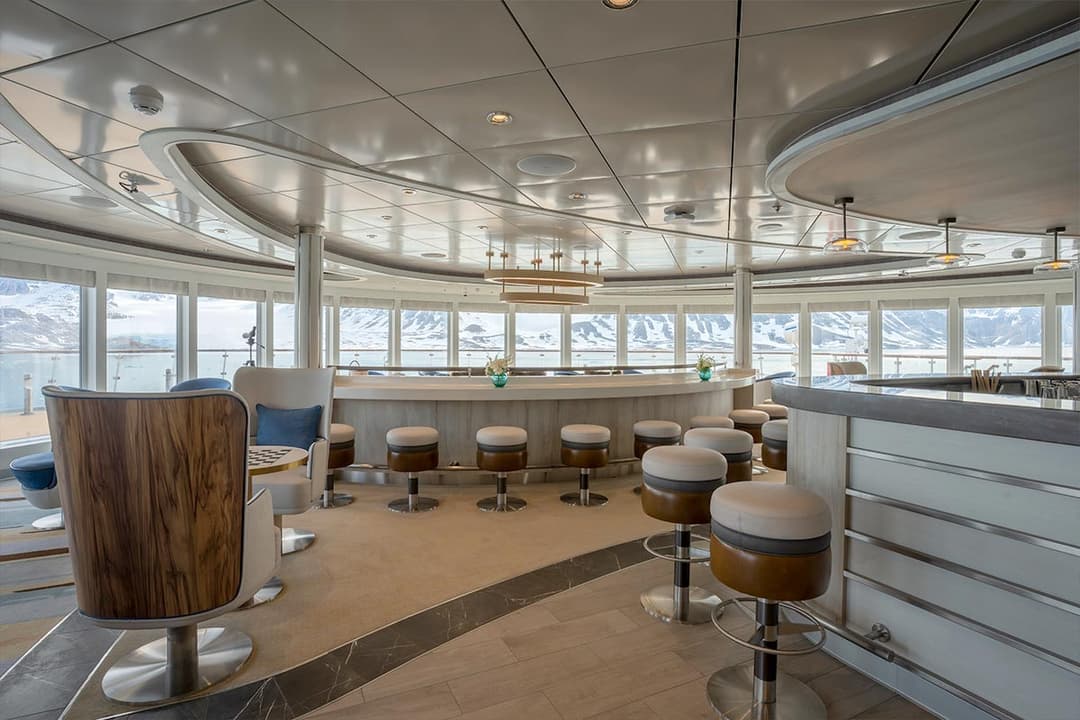
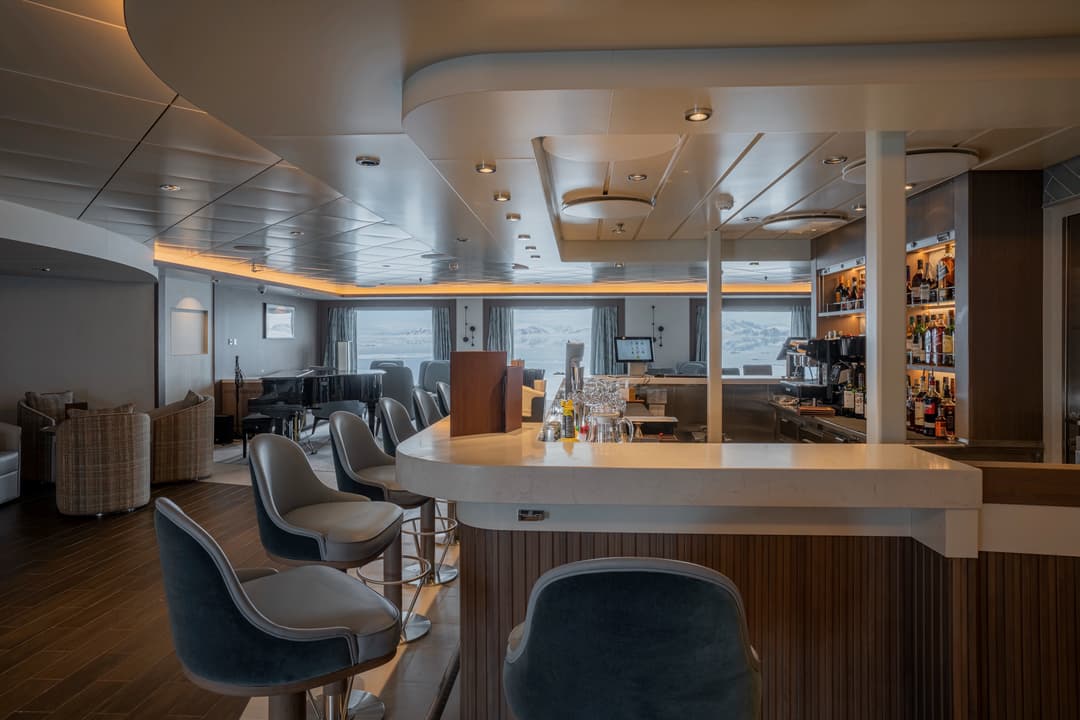
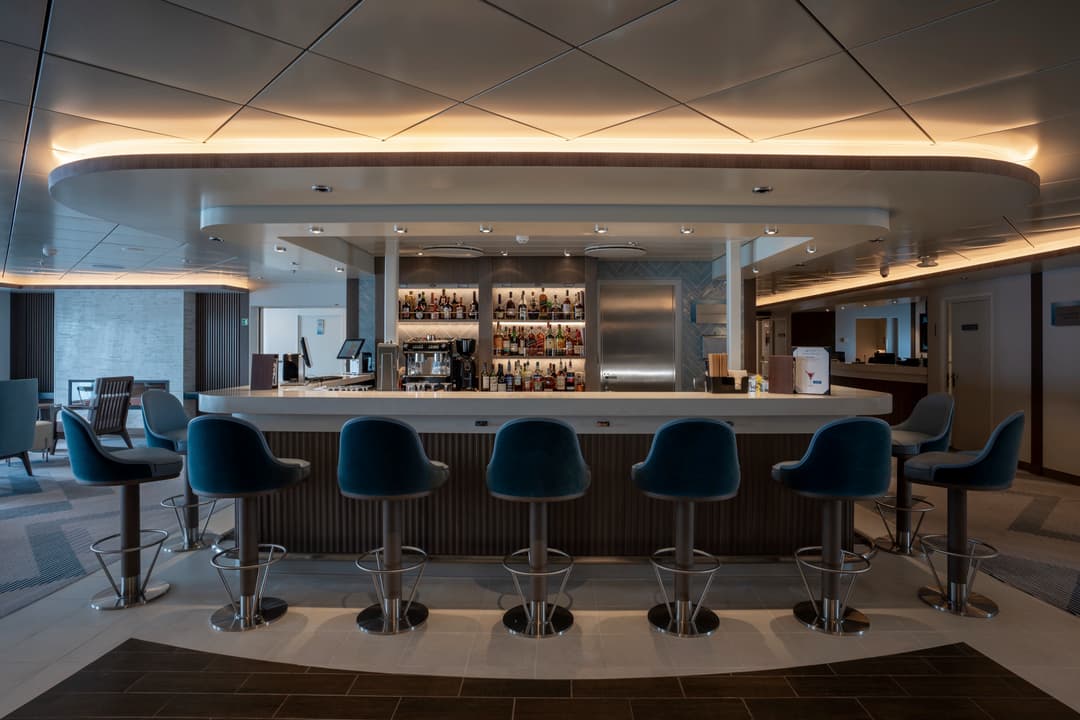
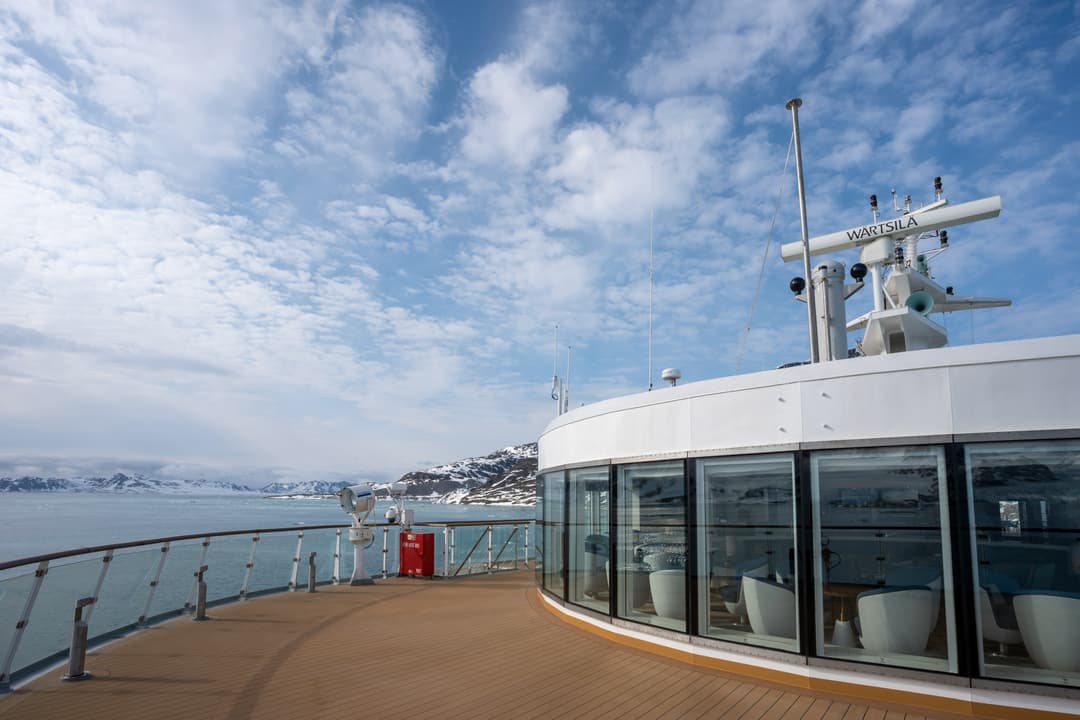
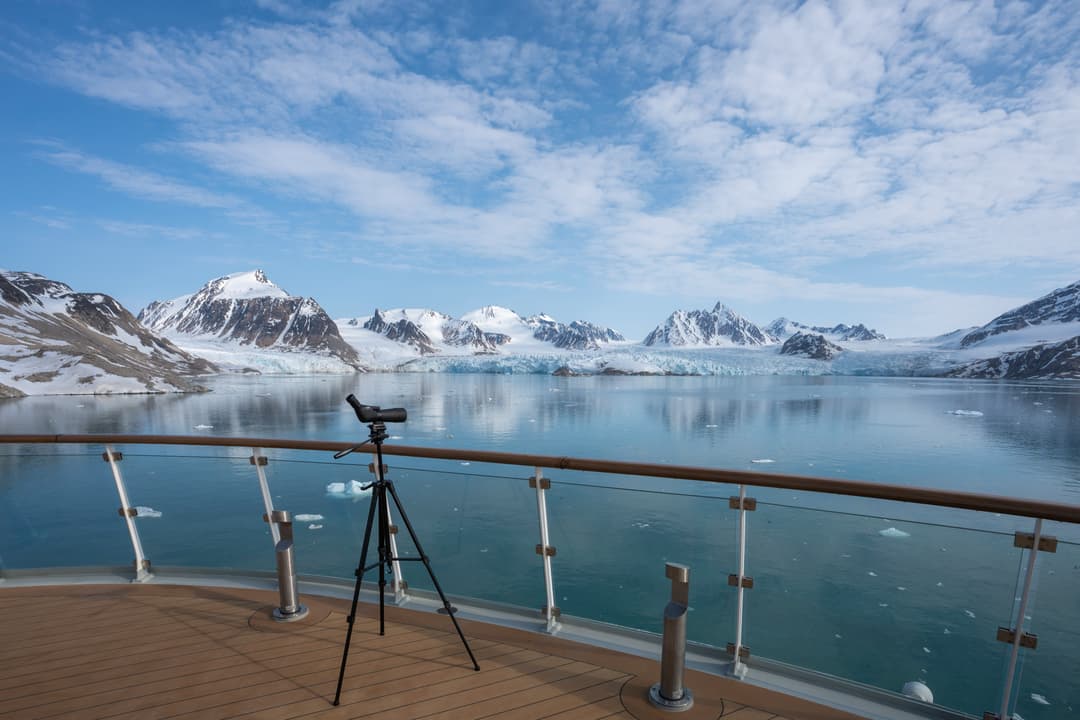
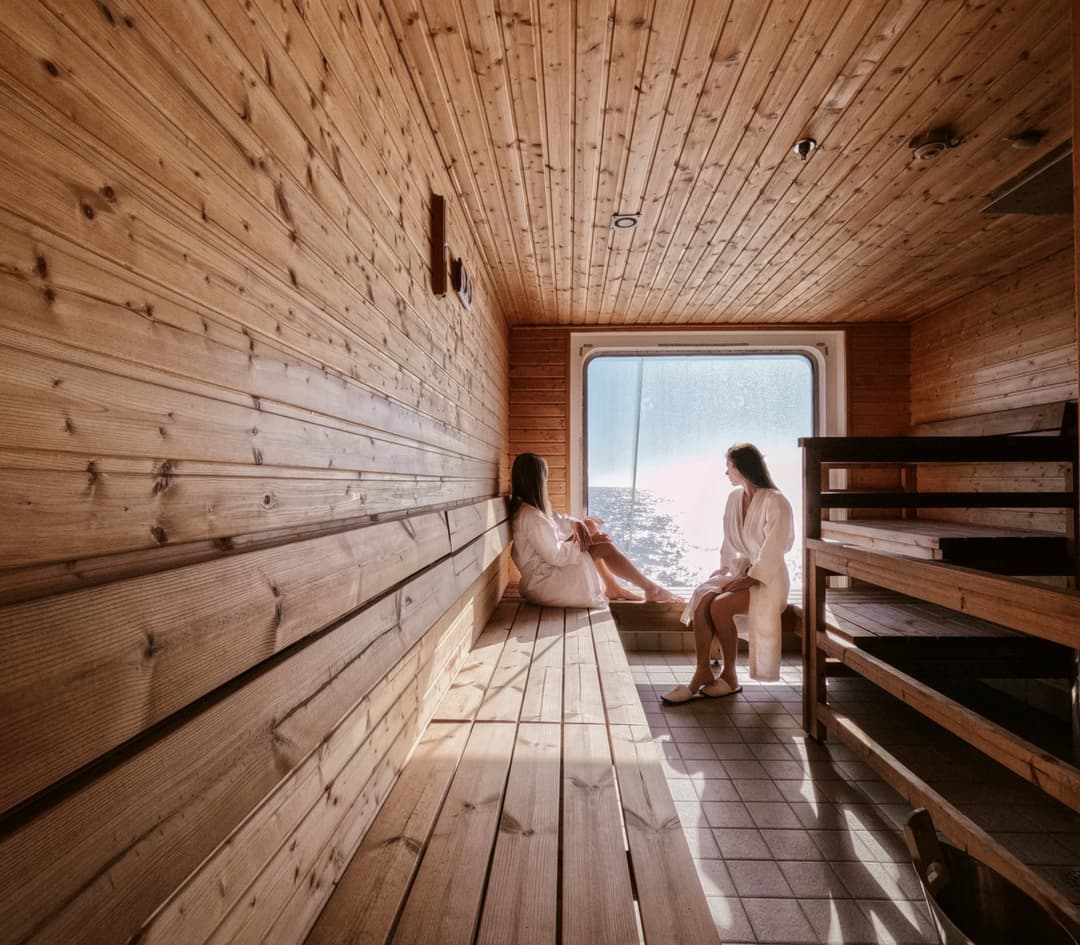
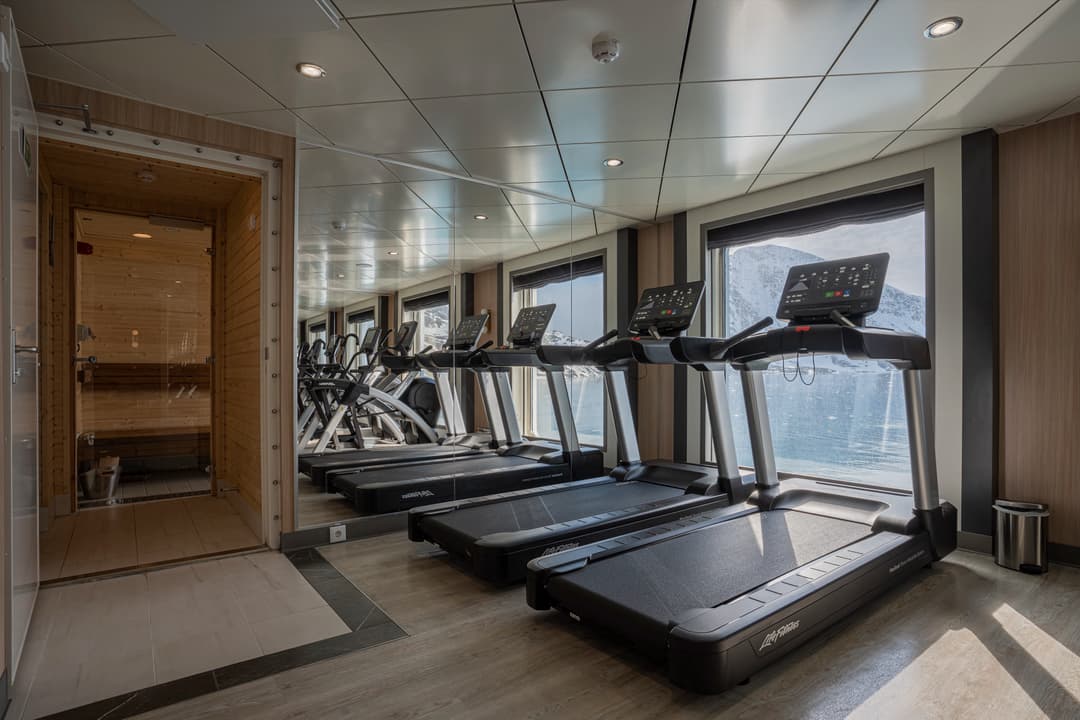
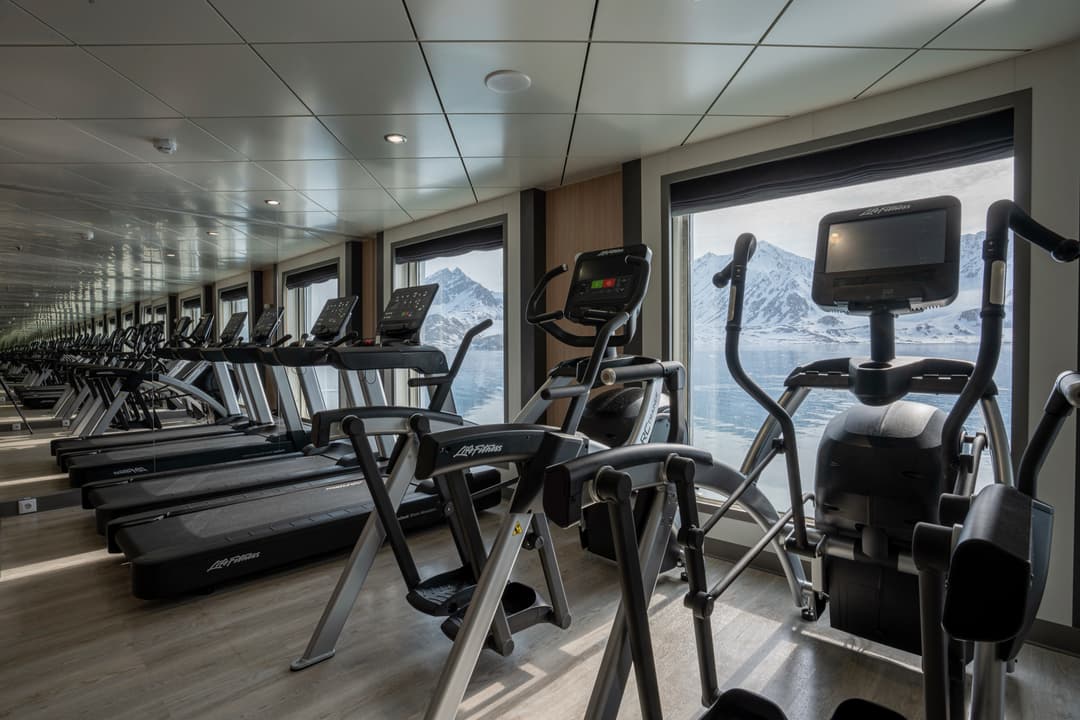
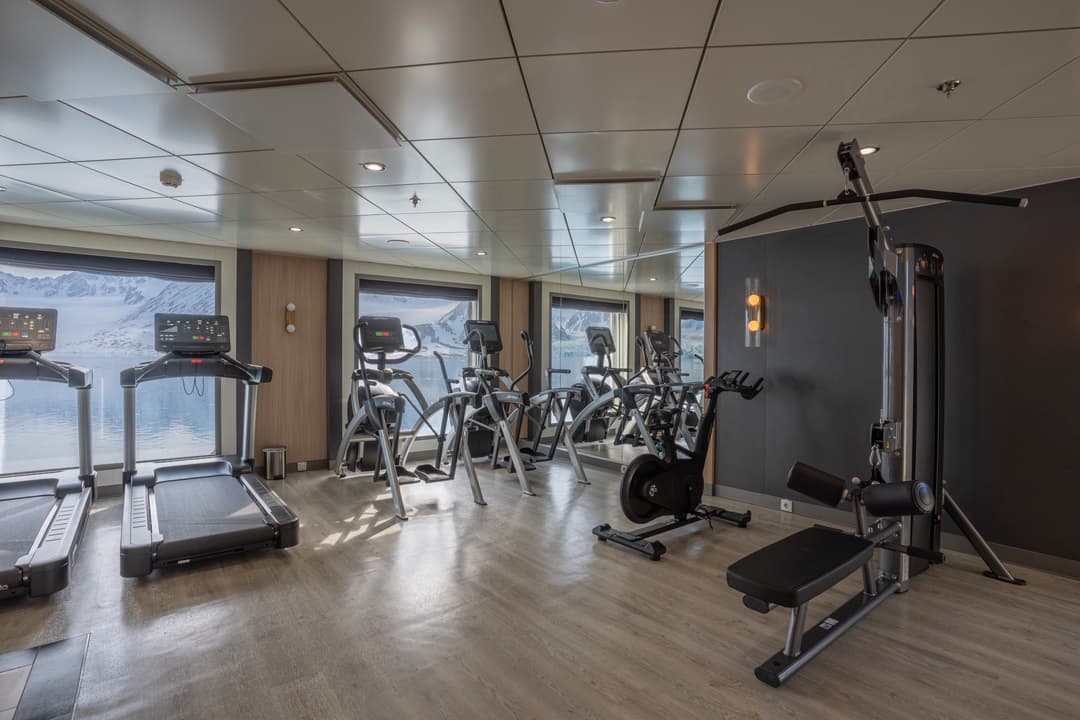
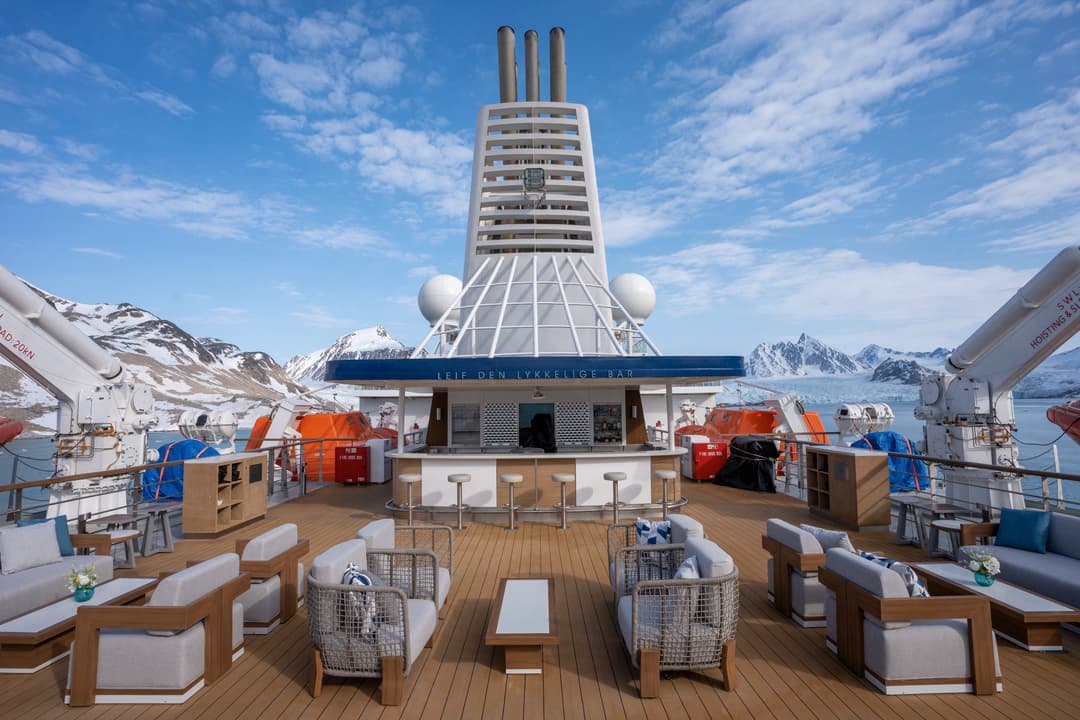
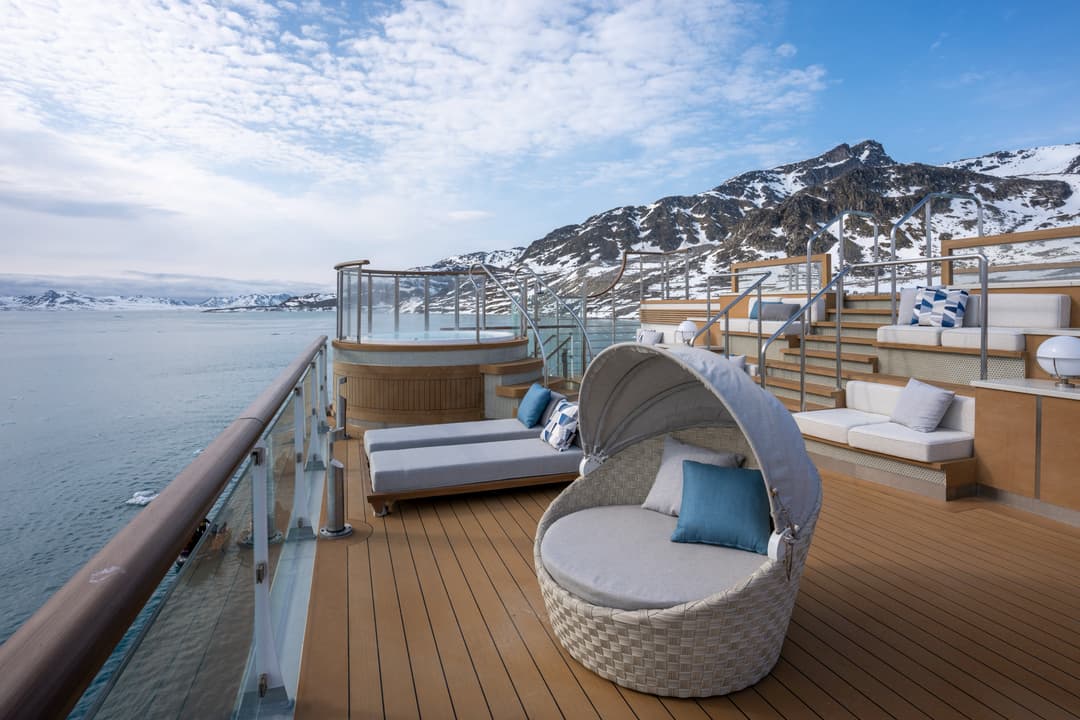
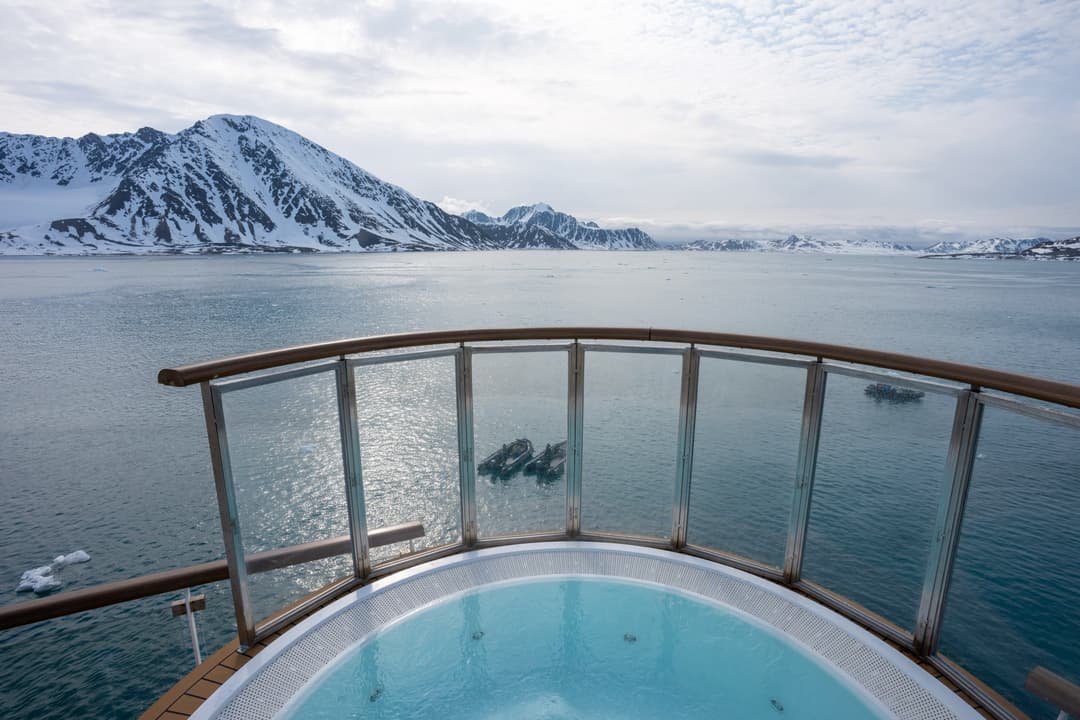
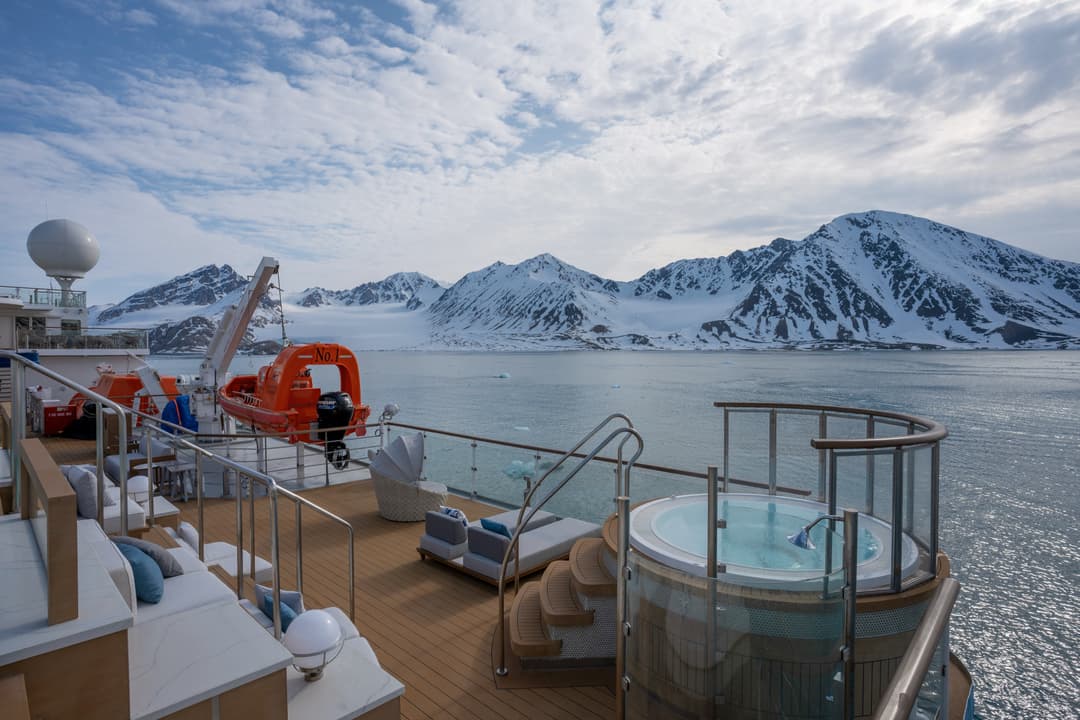
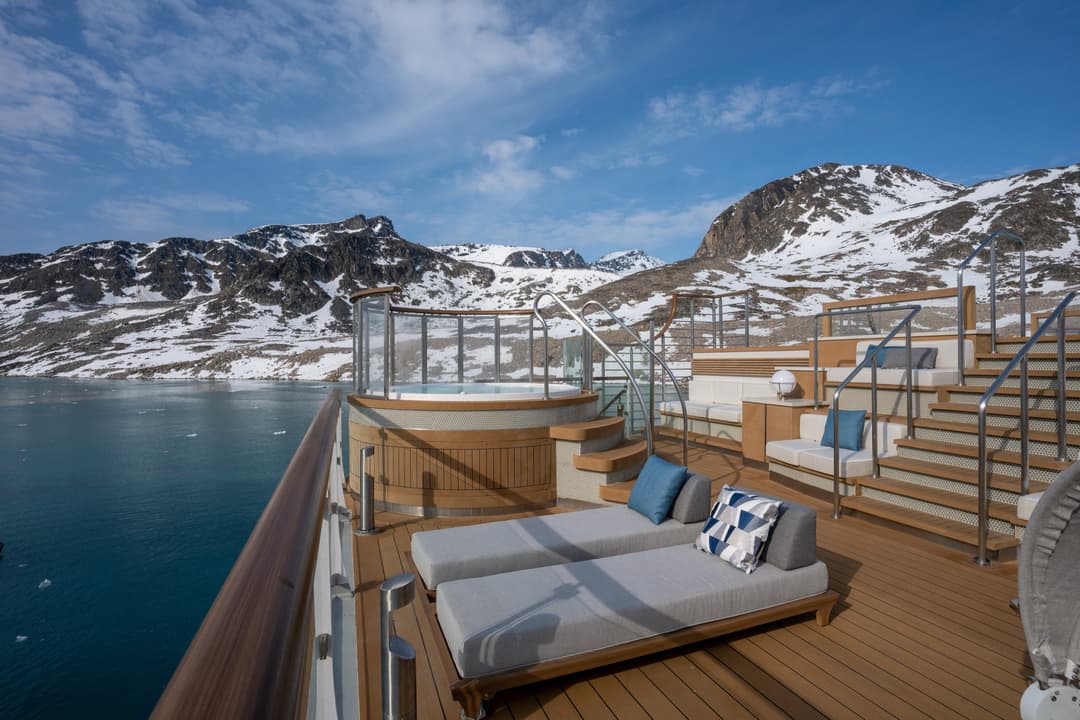
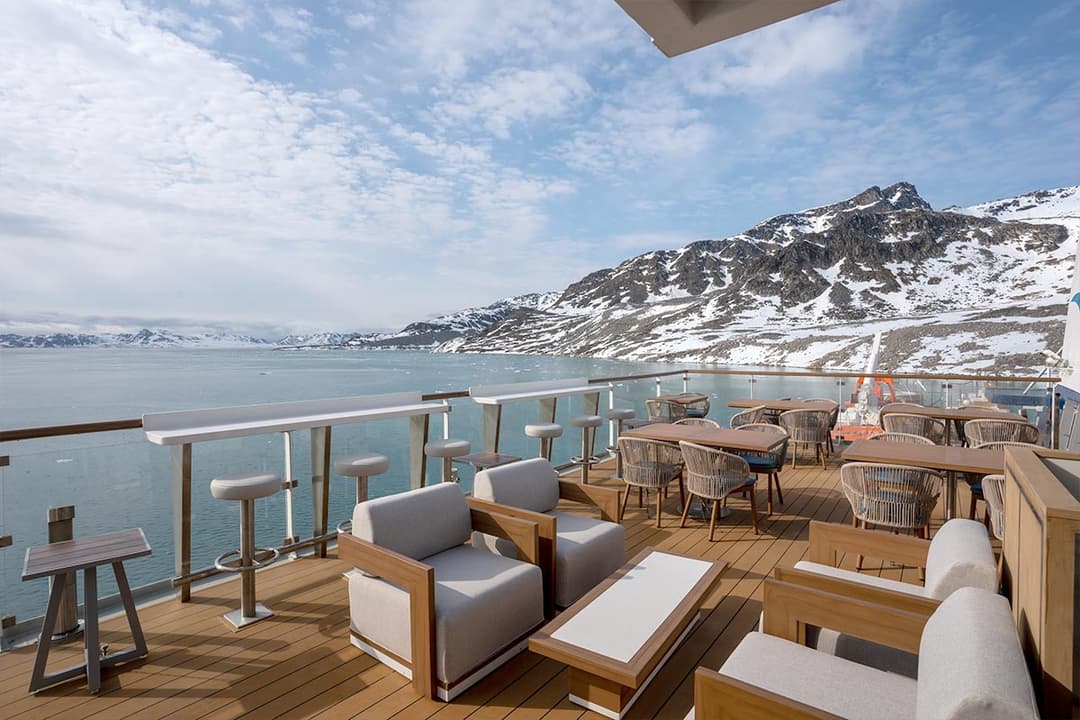
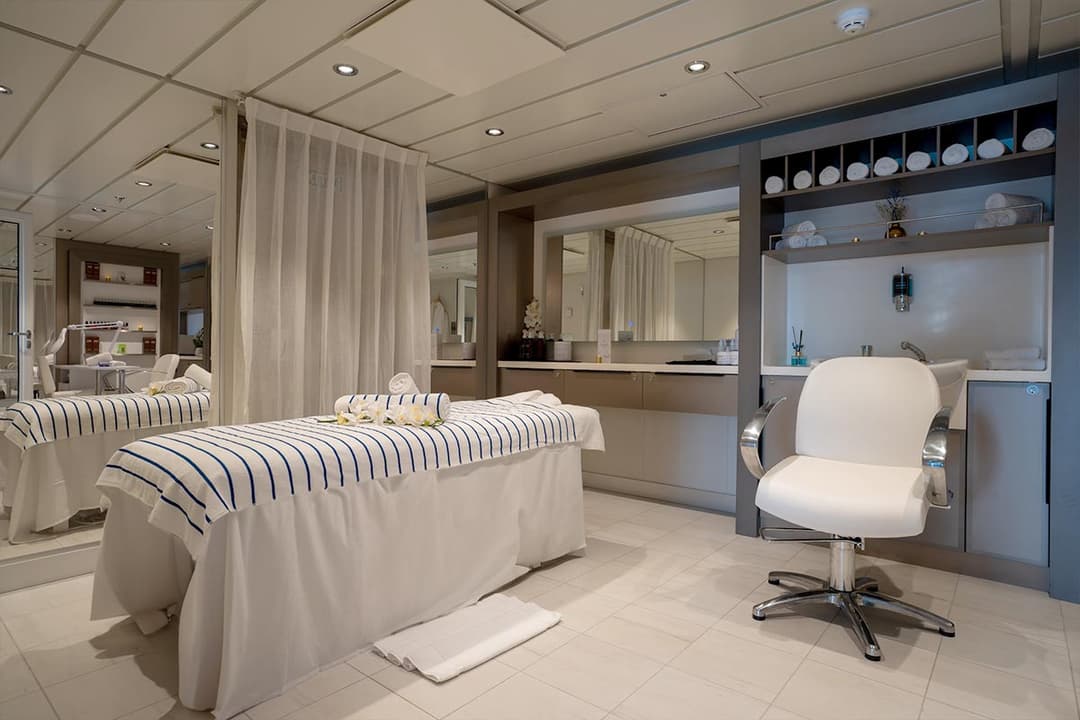
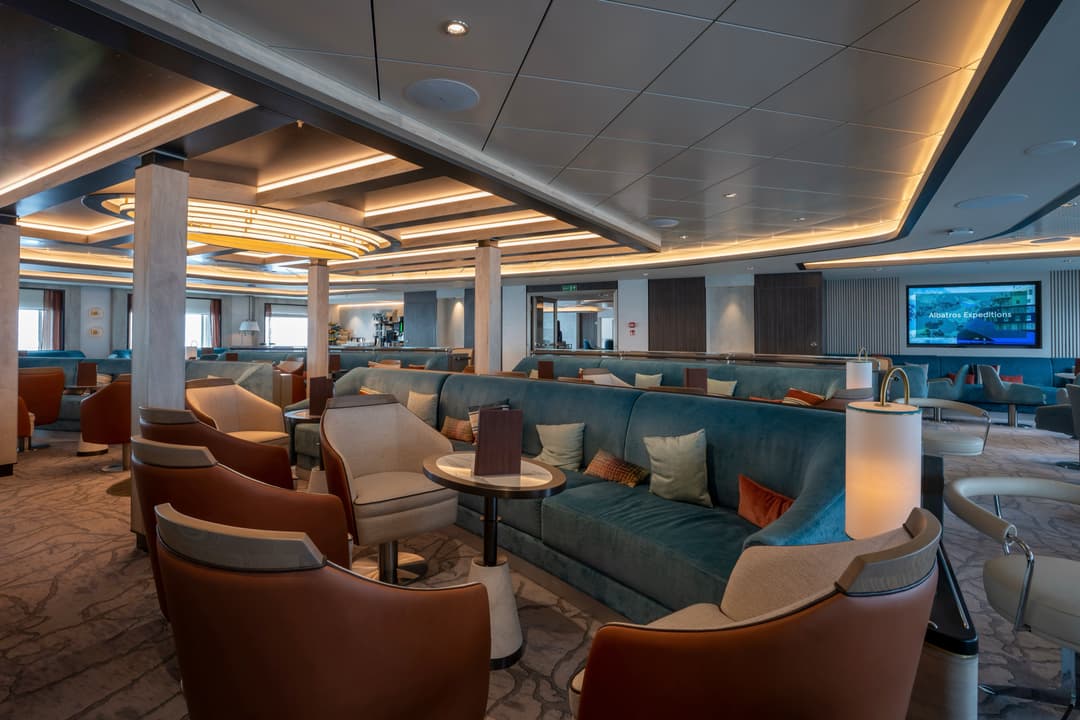
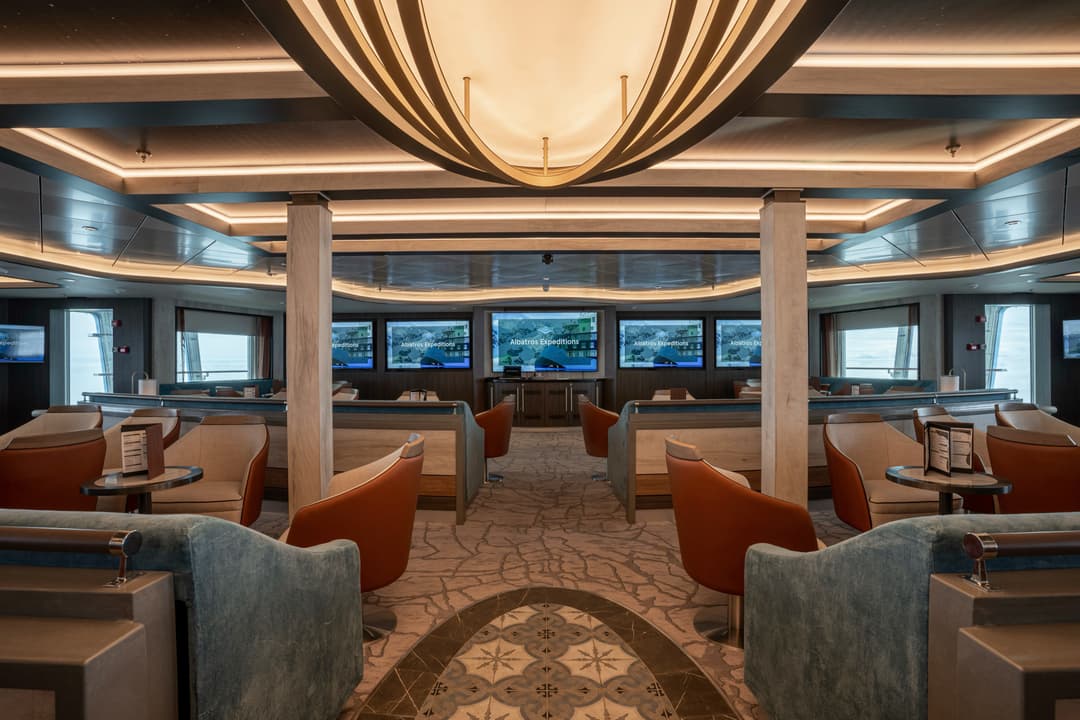
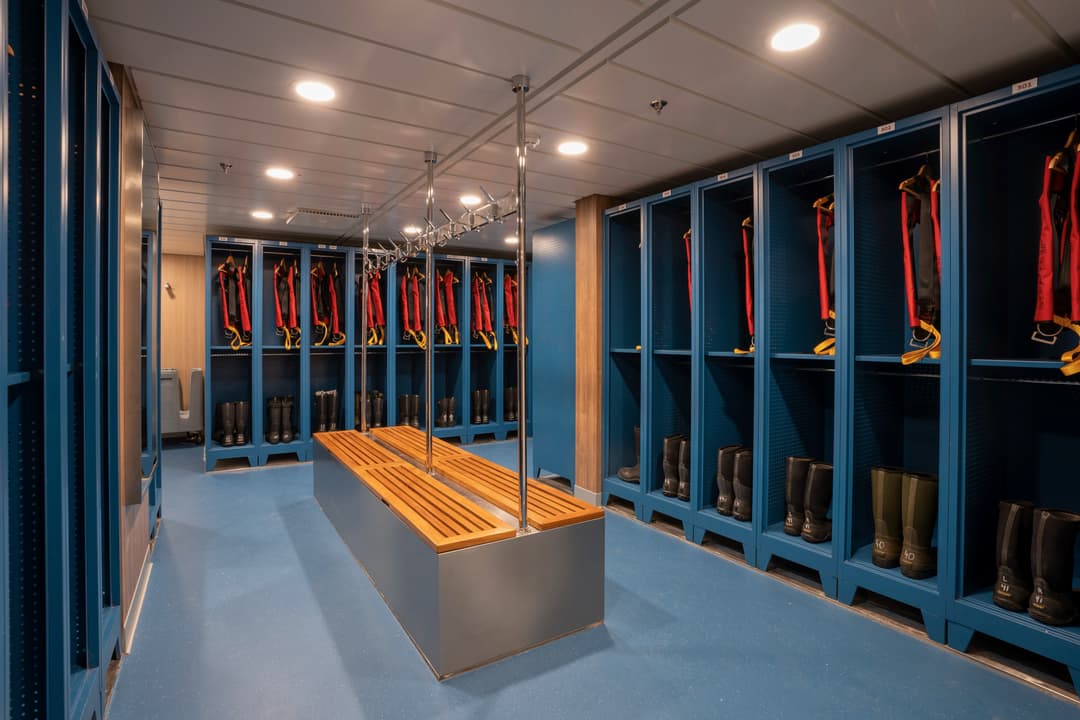
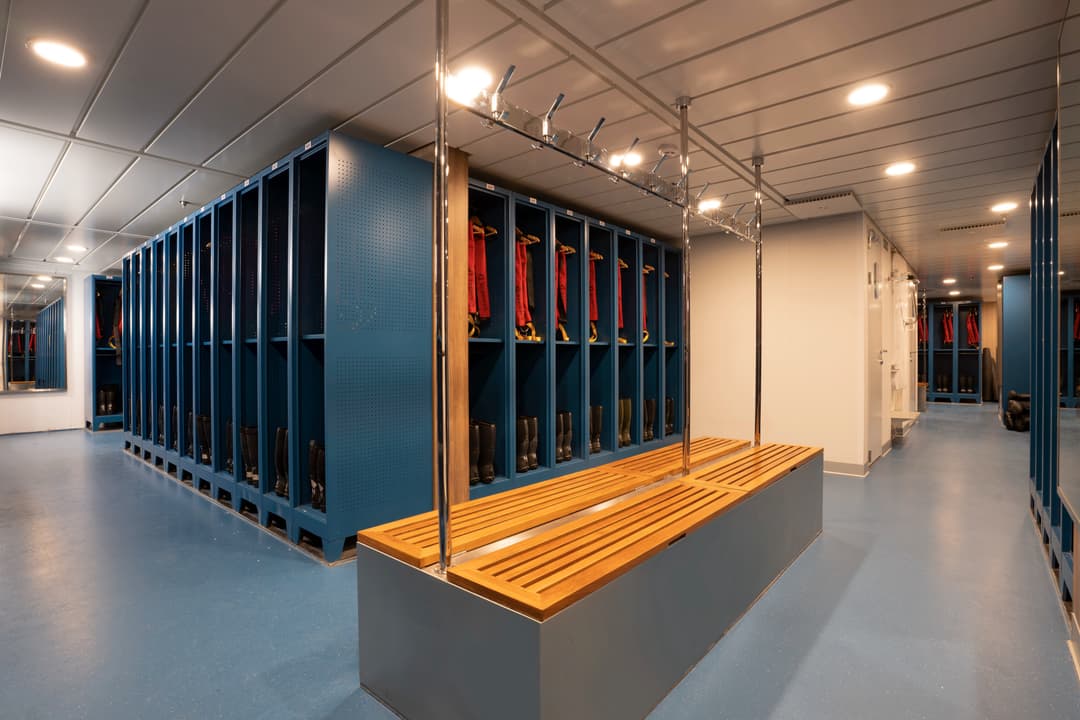
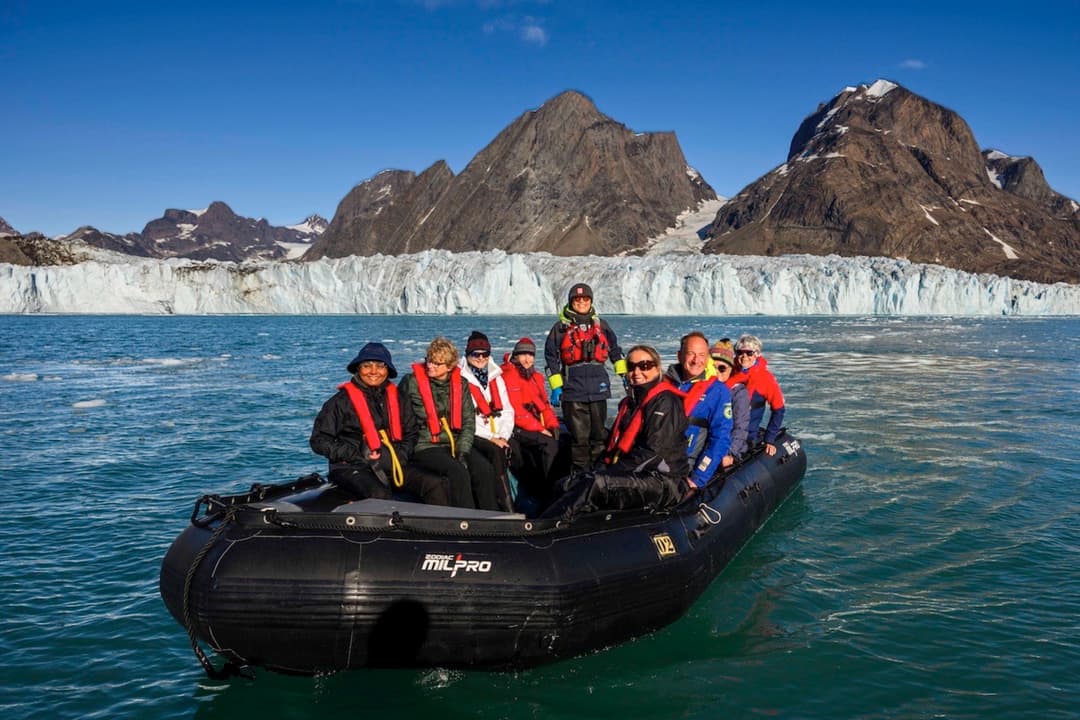
Beneath the sleek exterior of the Ocean Albatros lies decades of learning and adaptation to the challenging Polar environment. Its patented and ice-conquering X-BOW offers the highest level of stability and comfort, while granting our passenger-explorers unprecedented access to hard-to-reach (and jaw-dropping to discover) corners of this wonderful and often-elusive environment. Its many on board amenities – including two hot tubs with spectacular 360° views – are designed to maximize your every Polar moment, and its spacious heated mudroom with four exterior doors makes zodiac boarding quick, safe, and effortless.
Loading...
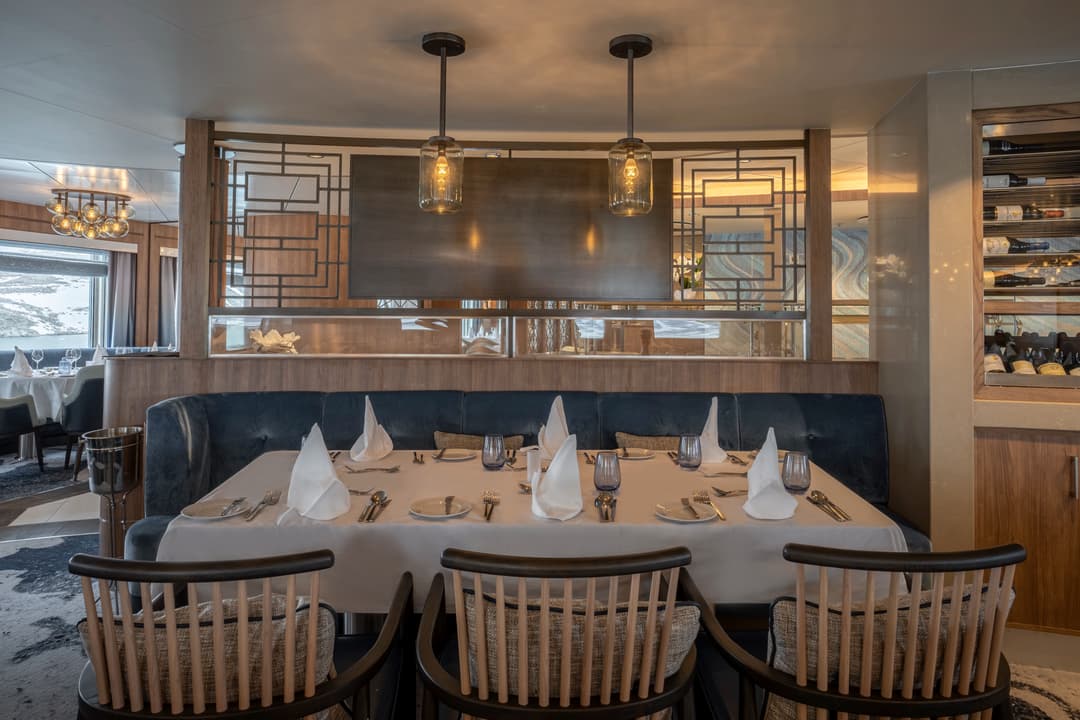
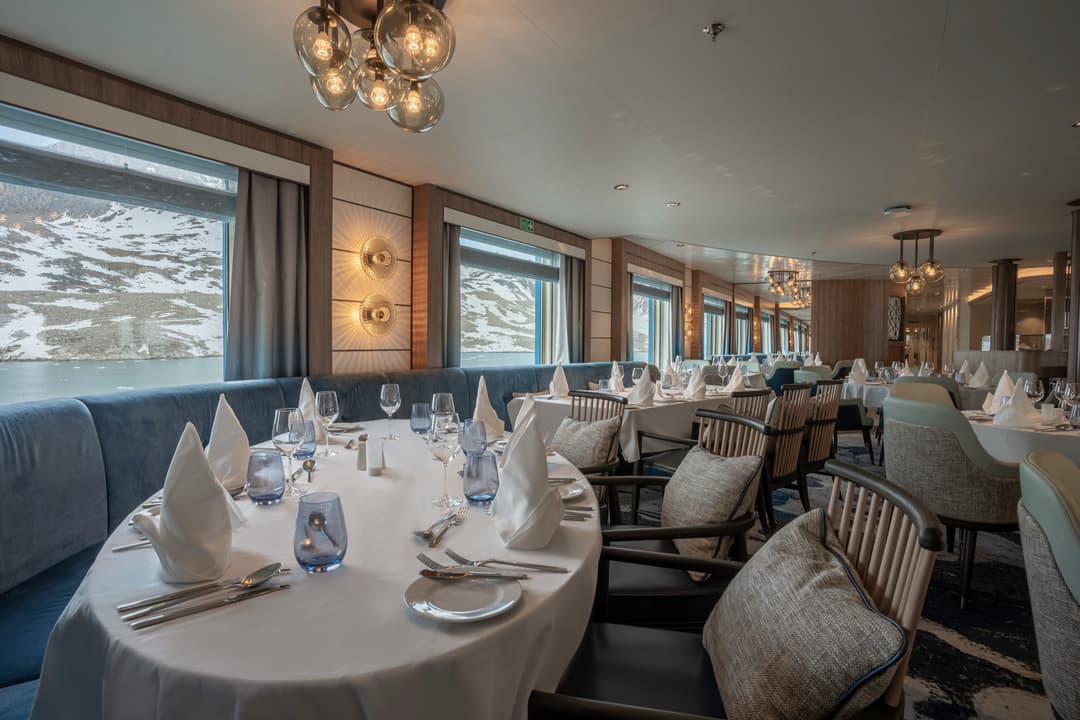
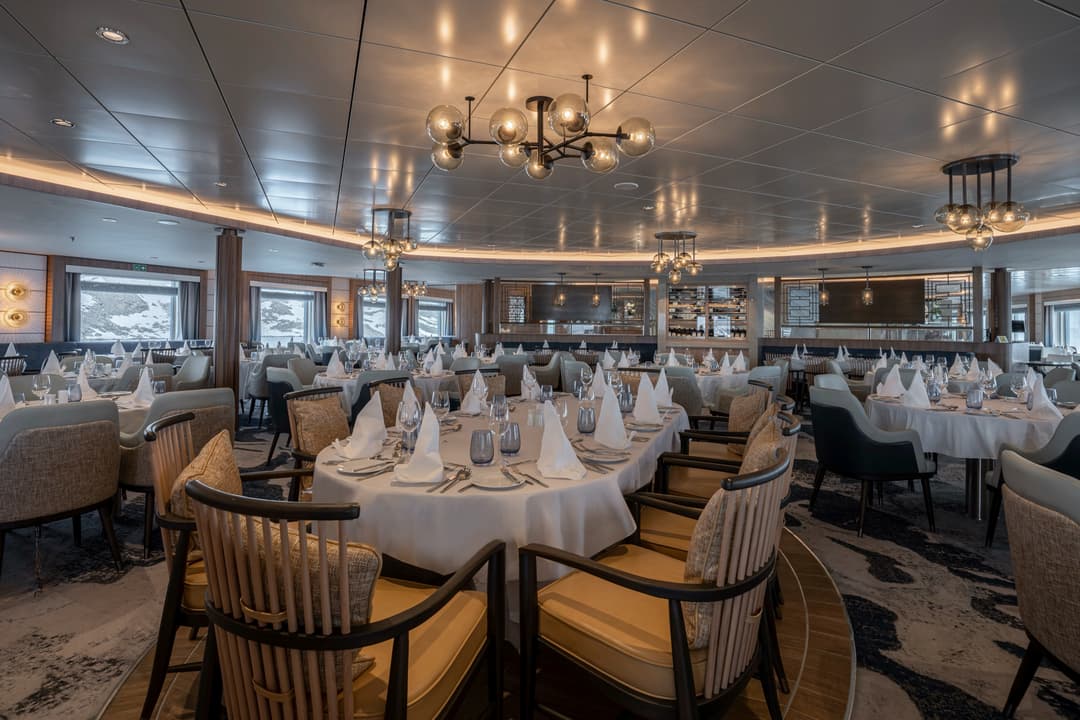
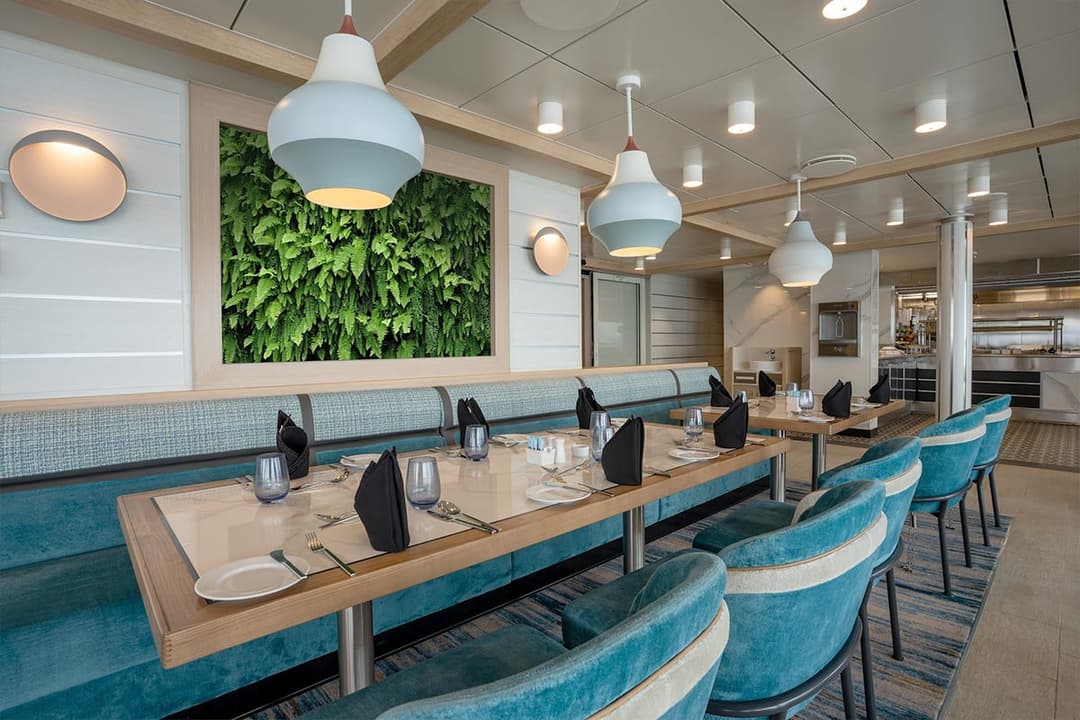
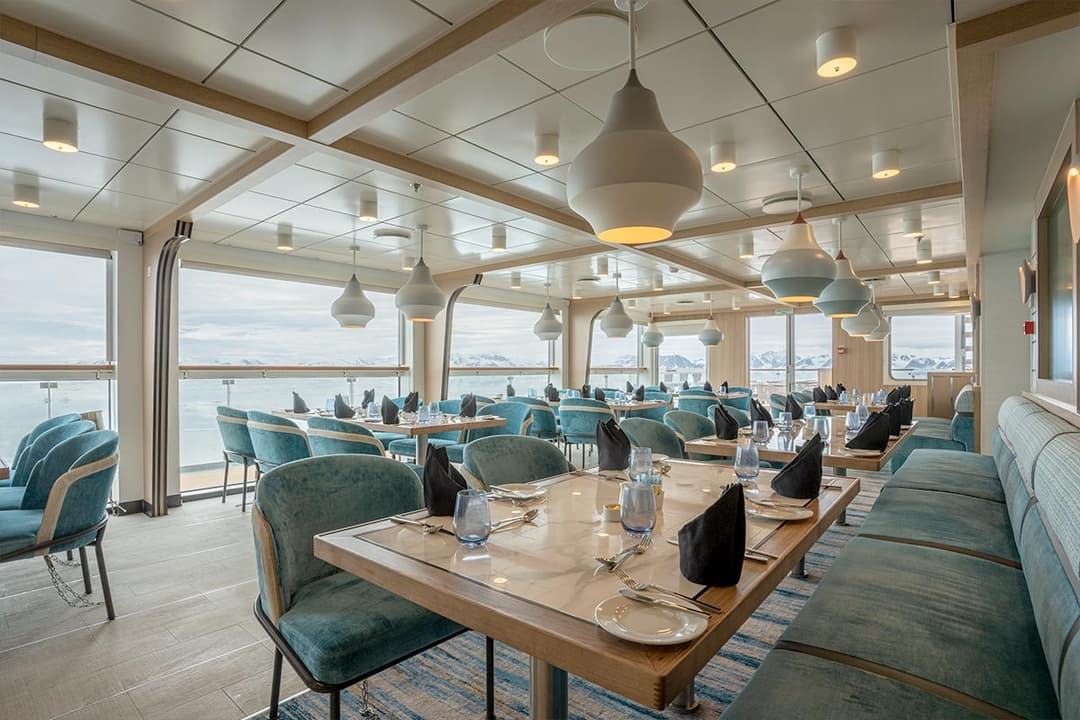
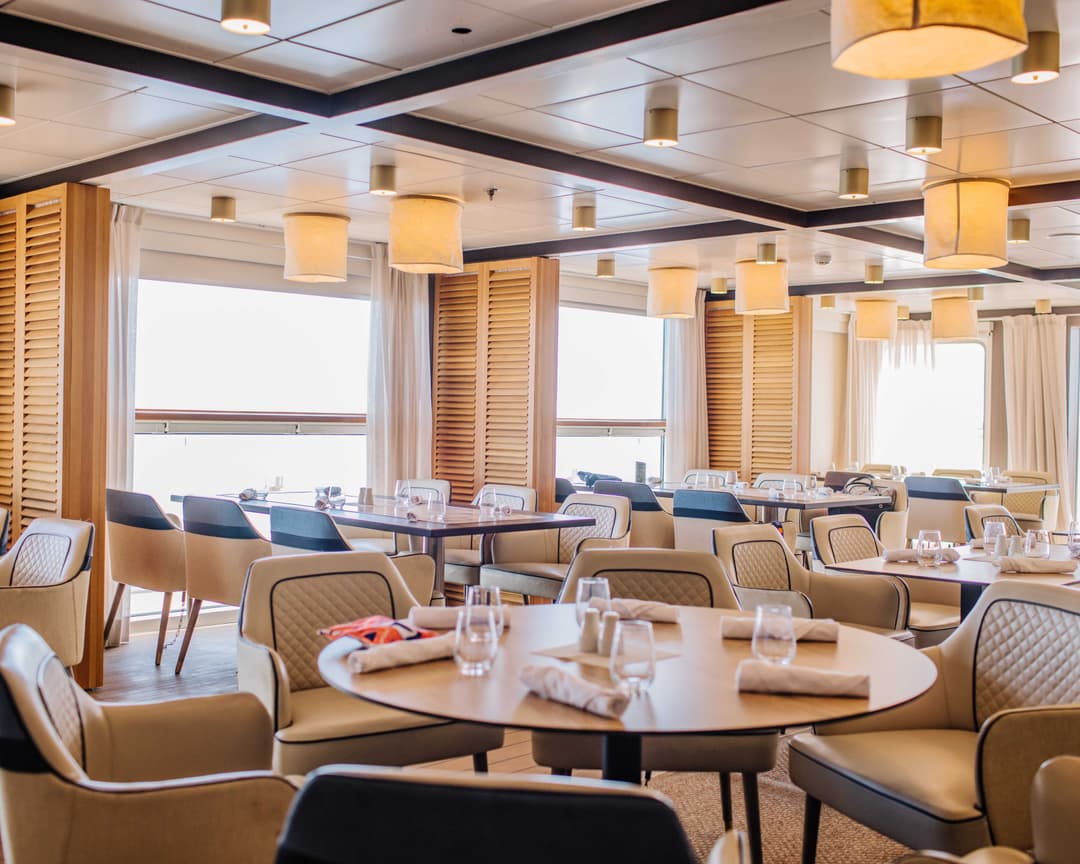
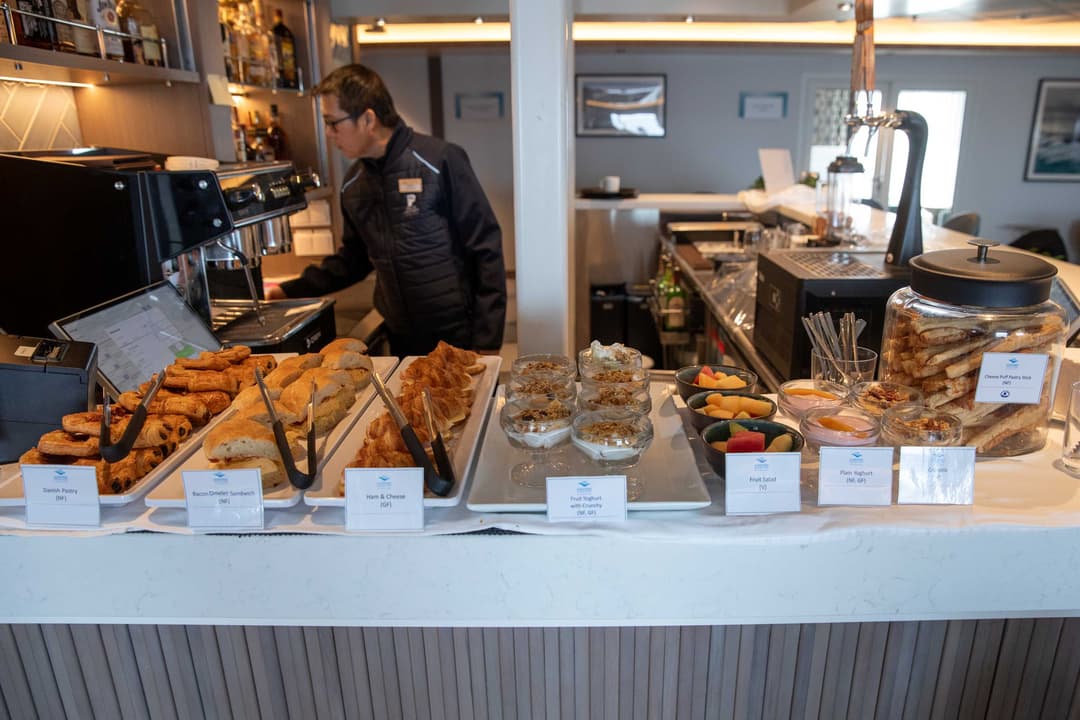
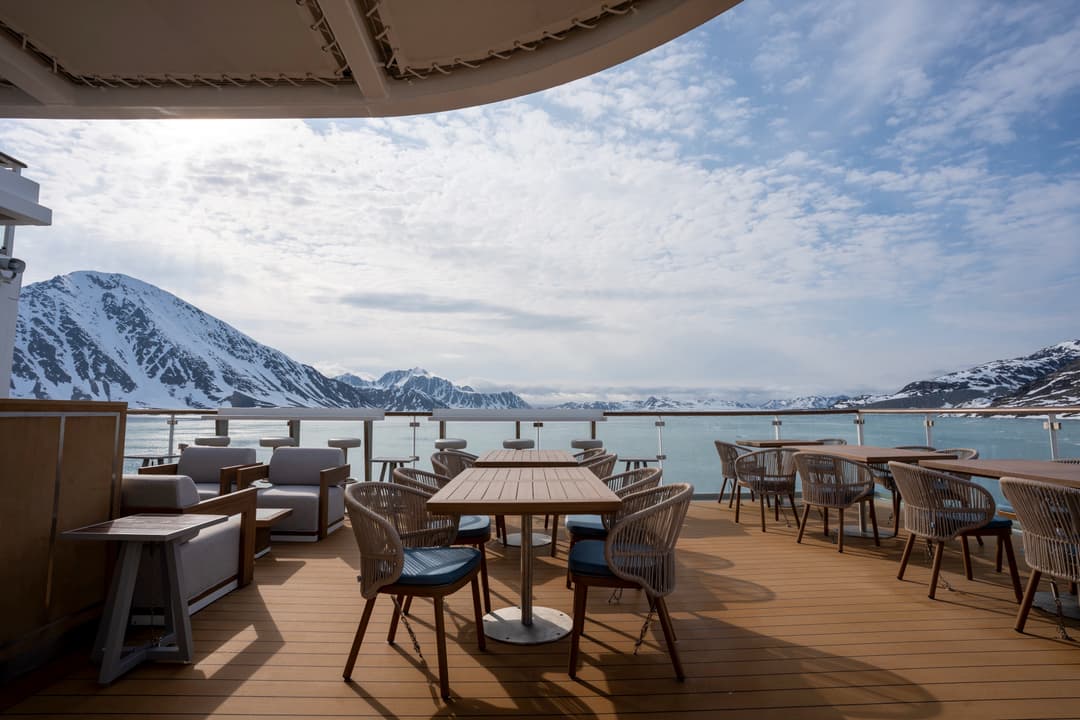
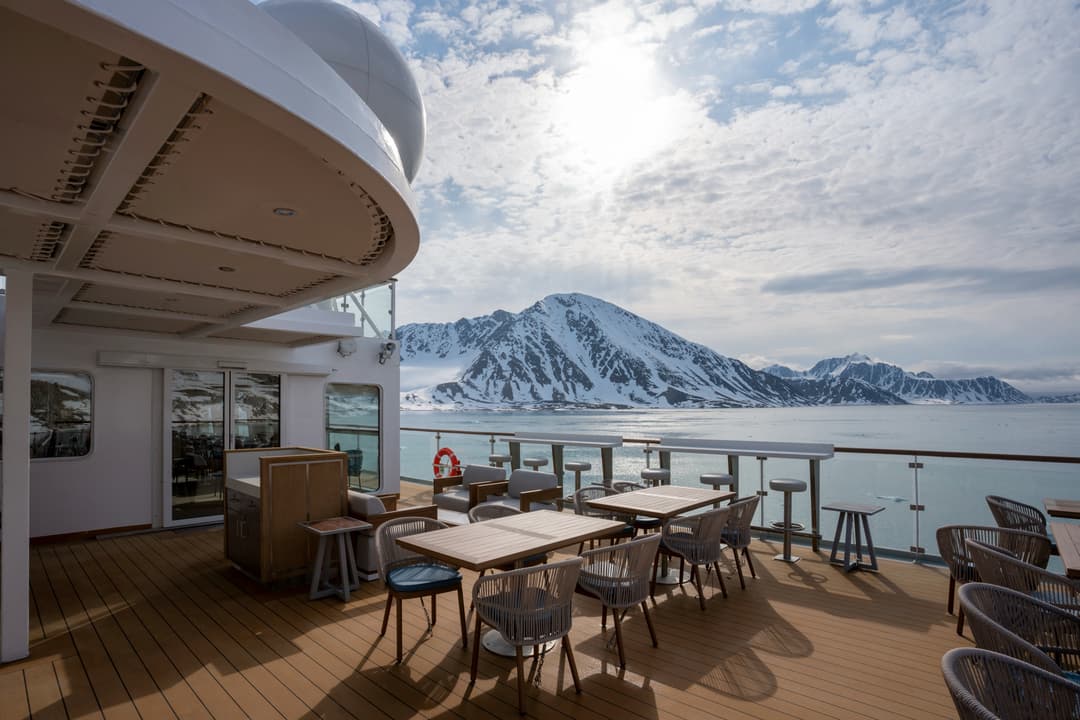
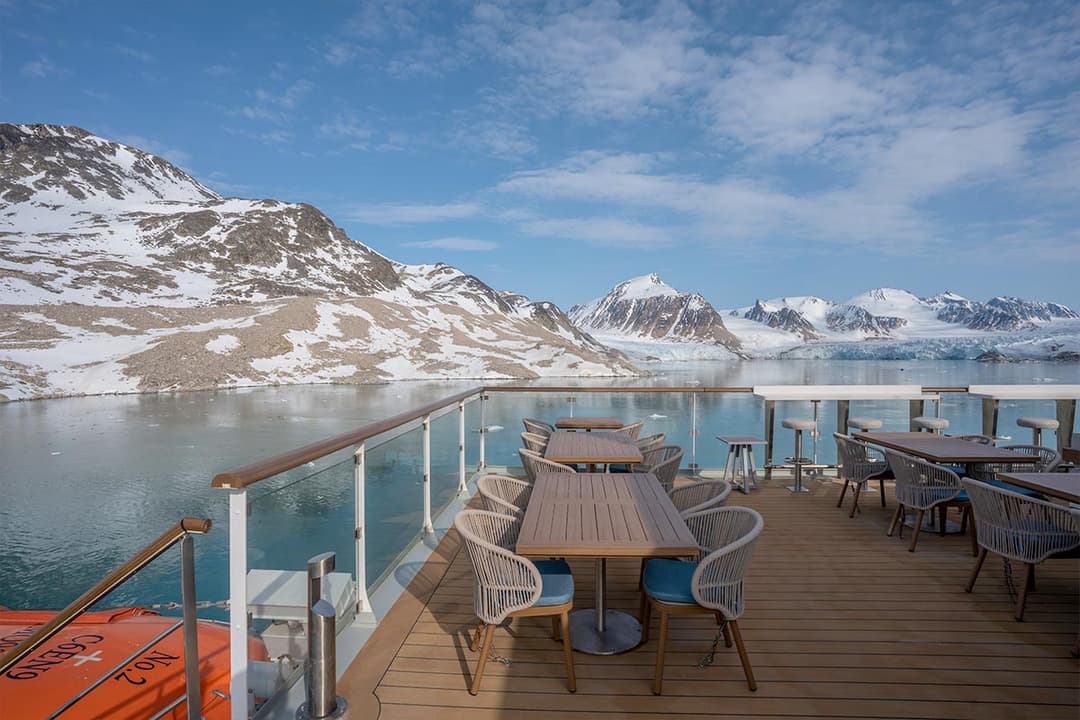
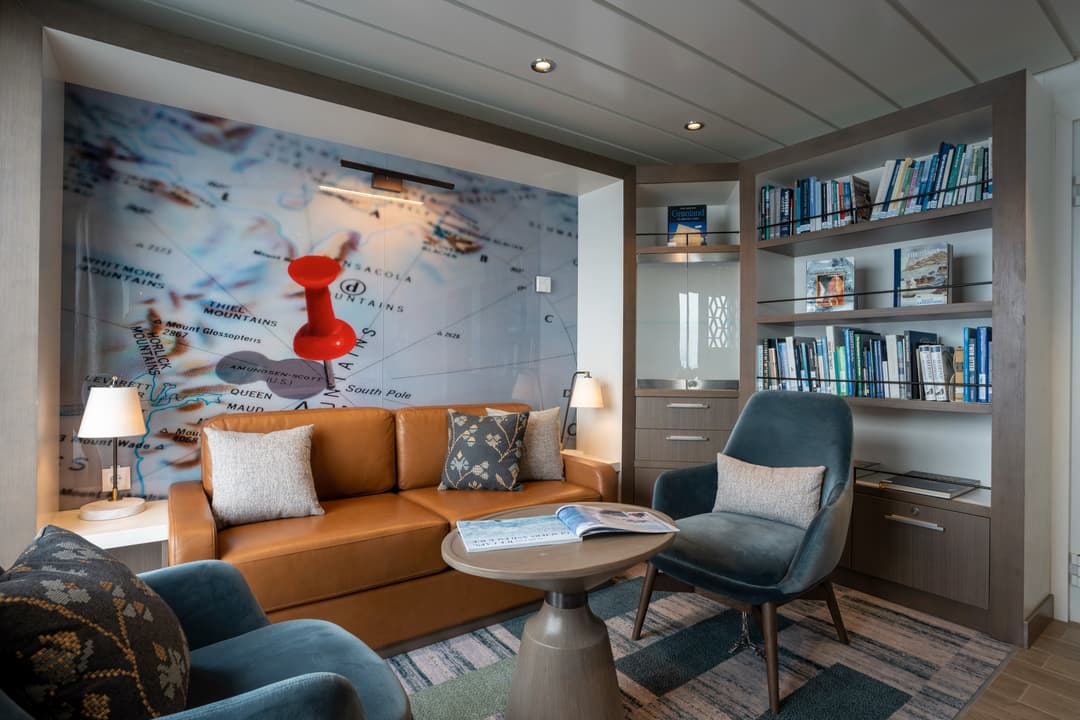
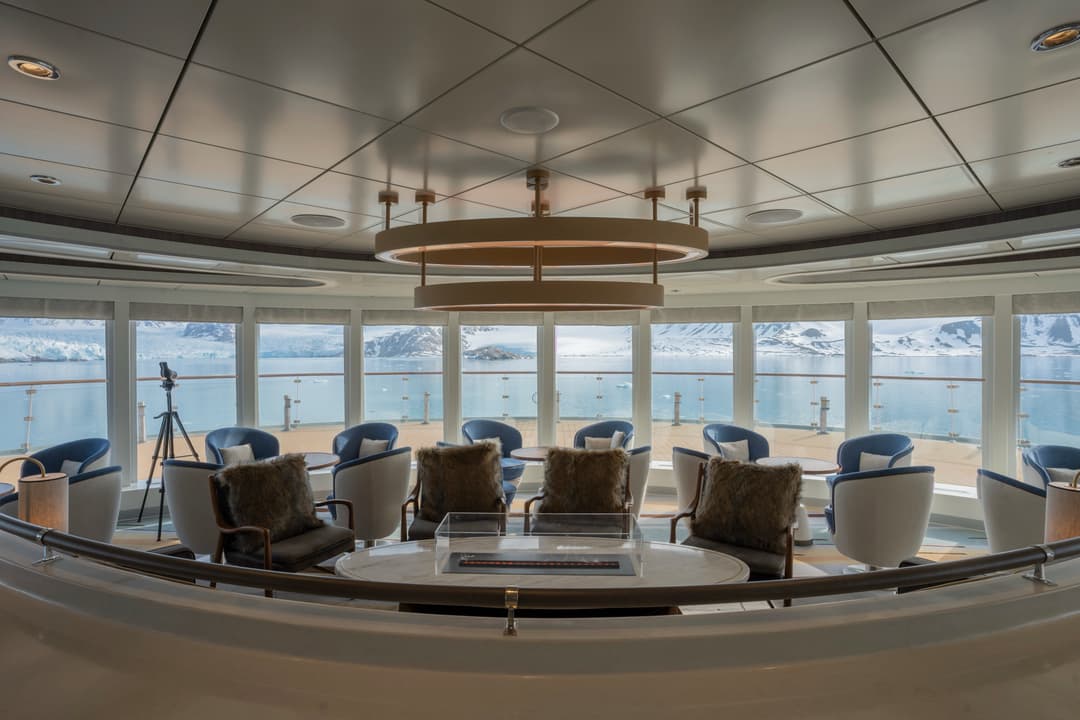
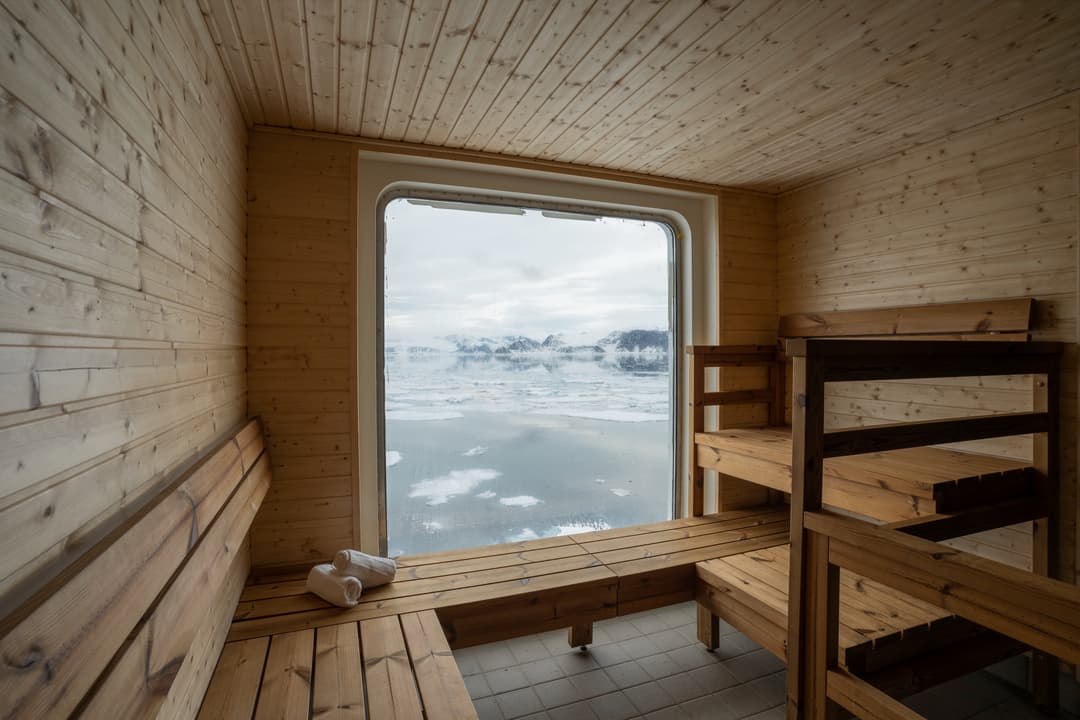
The Ocean Albatros is designed to keep Antarctica front and center, from wake-up to lights out. Every stateroom provides a generous view, and most include private balconies. A variety of observation decks are accessible from multiple indoor spaces. Two hydraulic platforms can be lowered to offer unprecedented near-water-level views – and rare photograph opportunities. Even the two outdoor Jacuzzis provide 360 views of the mesmerizing landscape that surrounds you.
Activities That Will Get You Fully Engaged With Antarctica and the Arctic
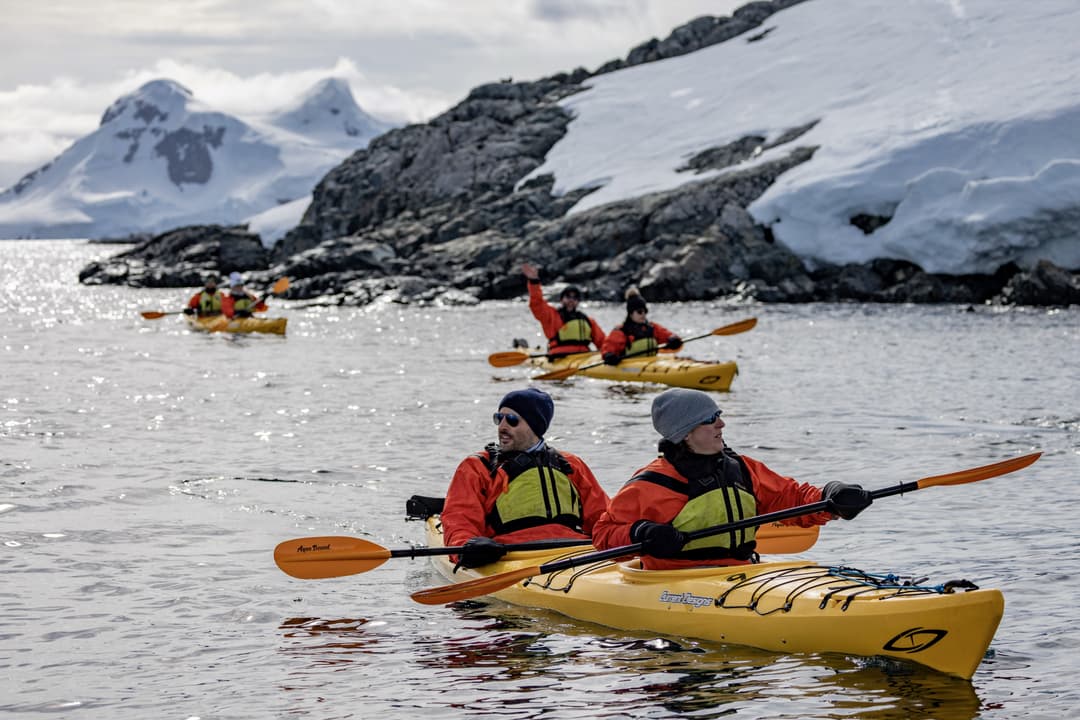
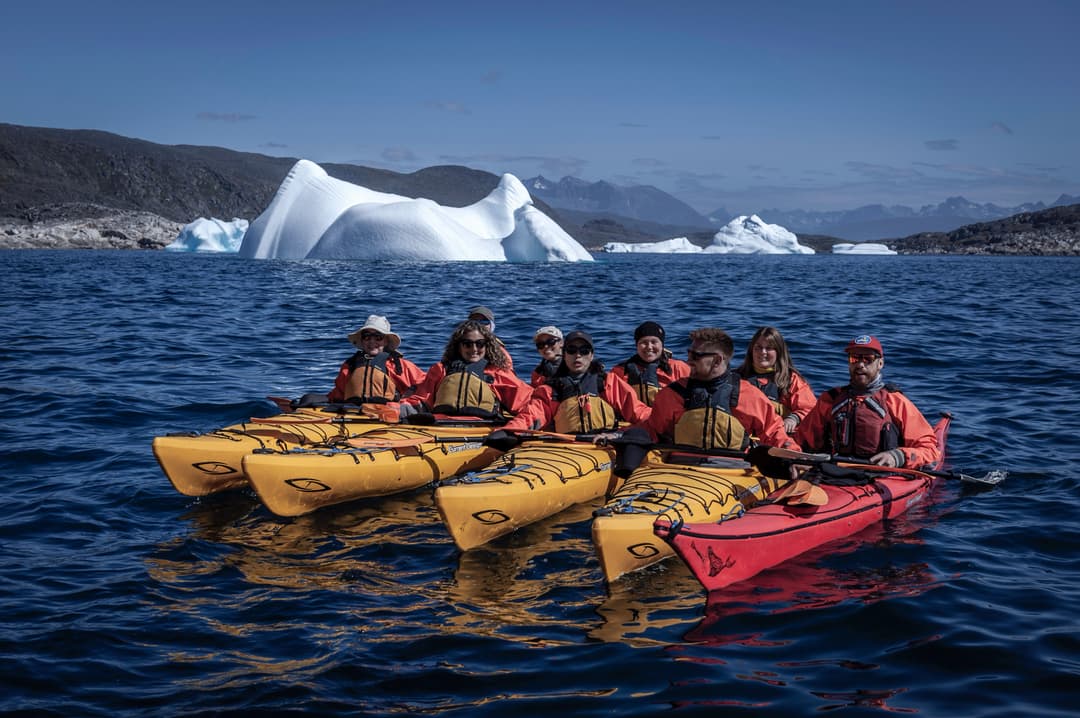
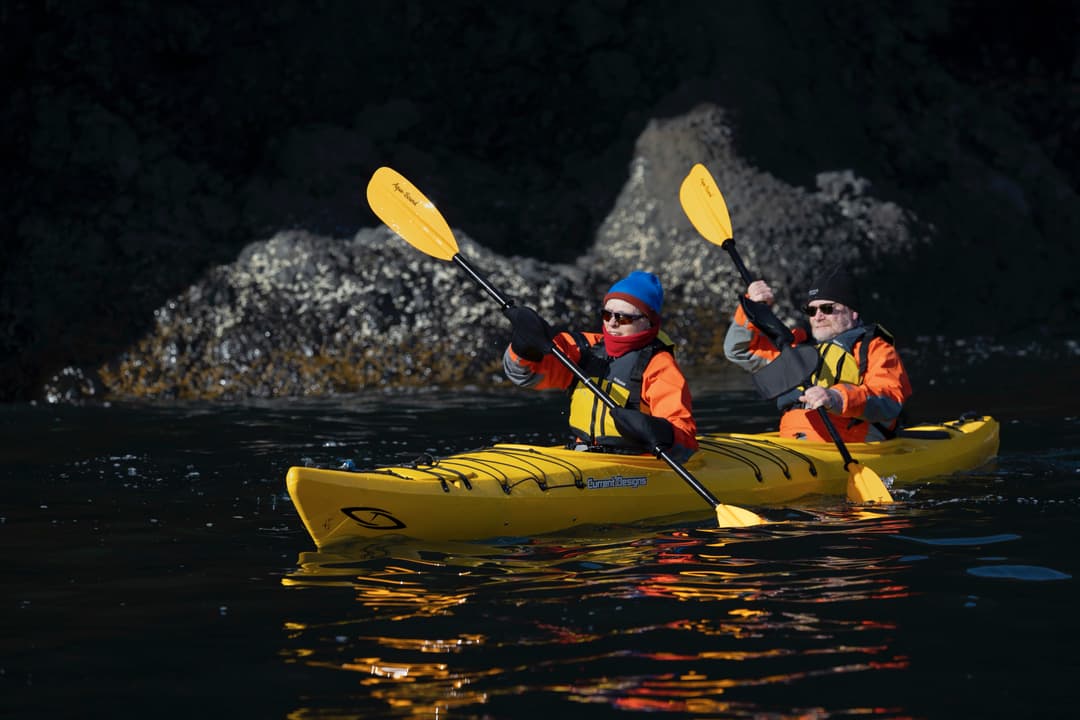
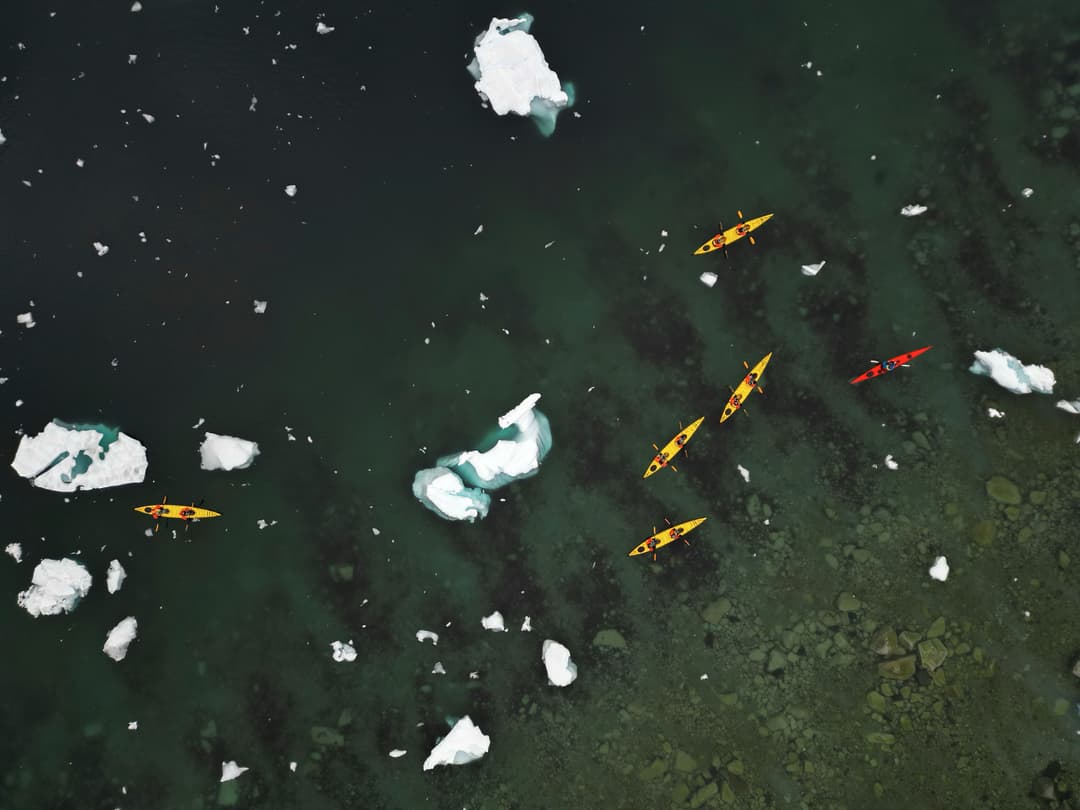
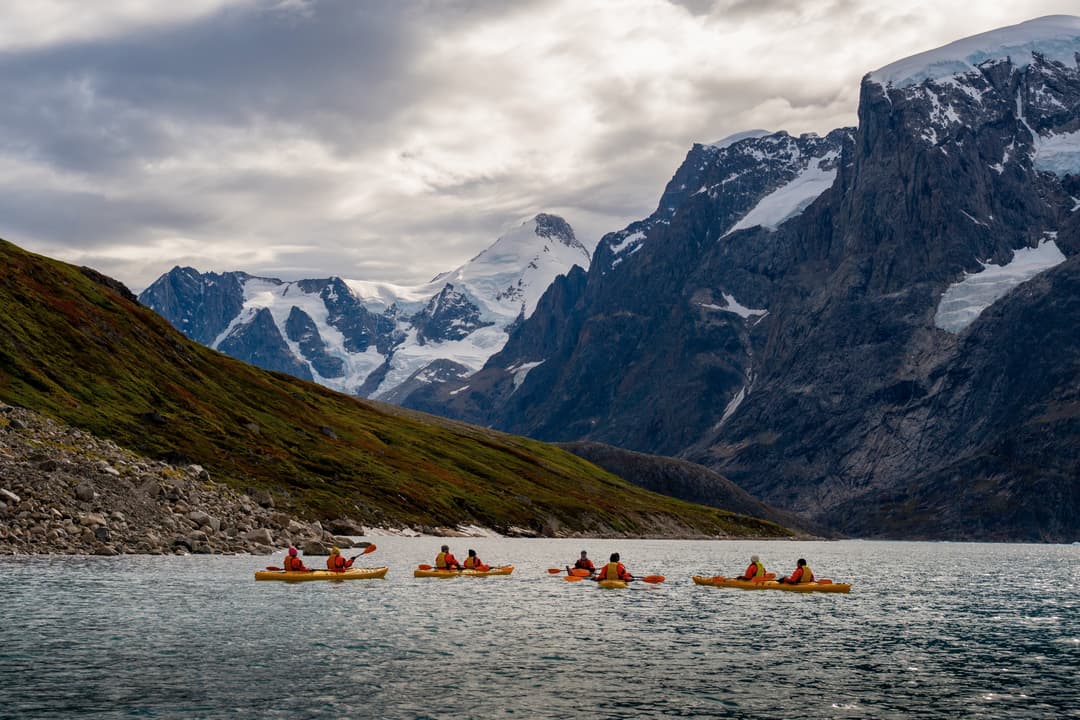
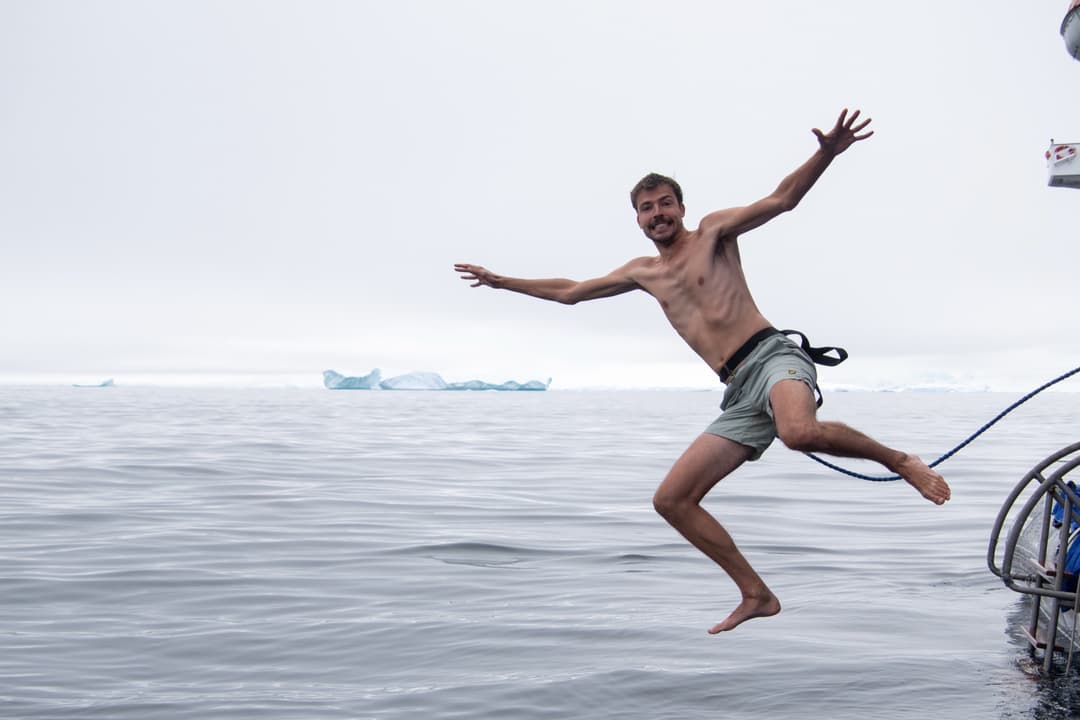
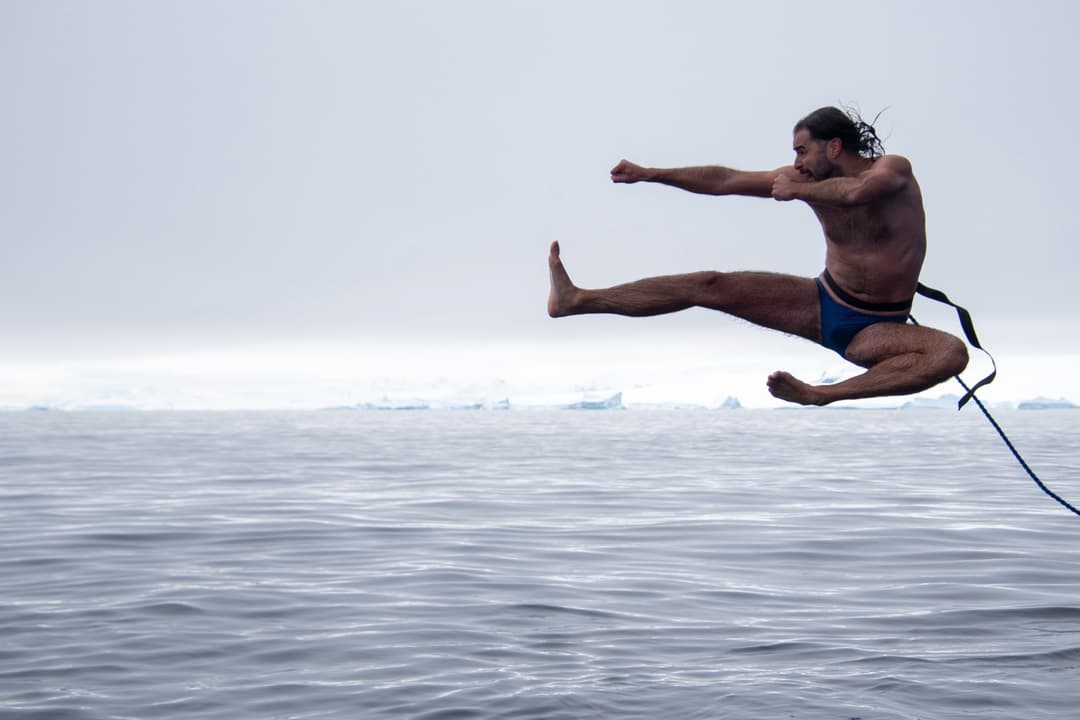
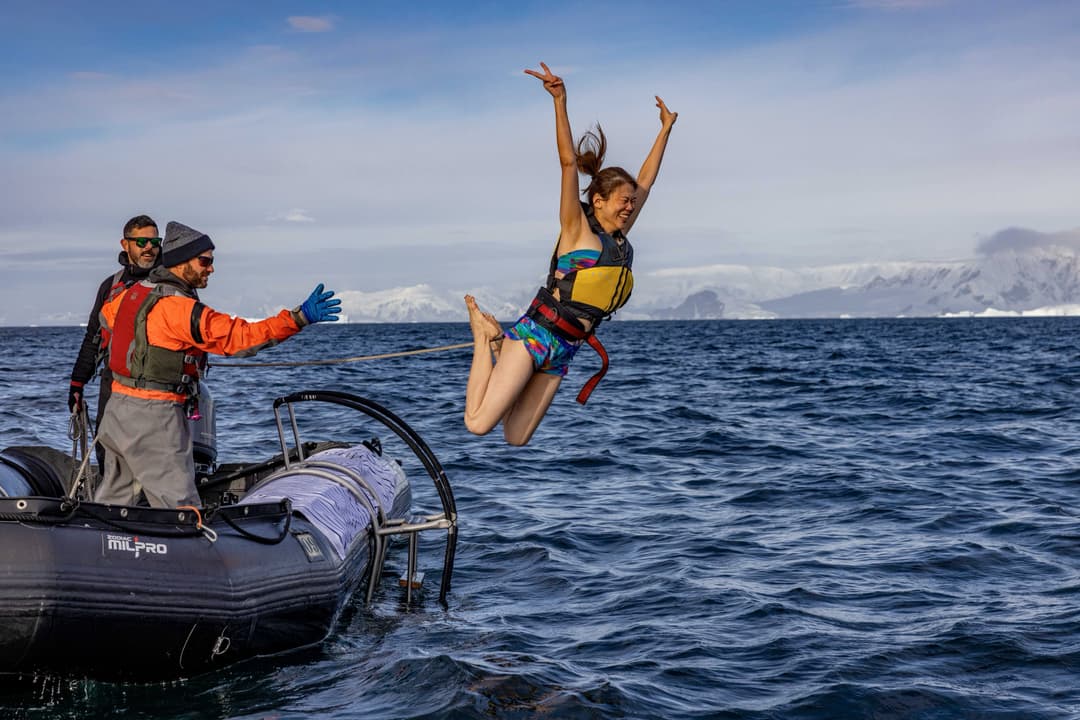
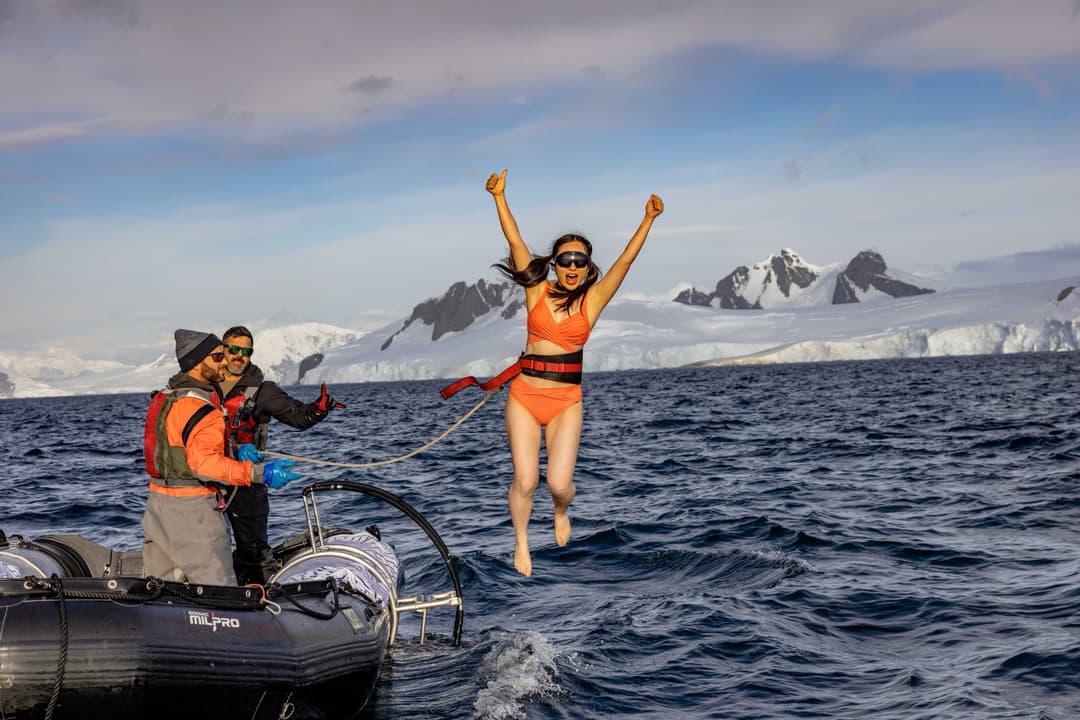
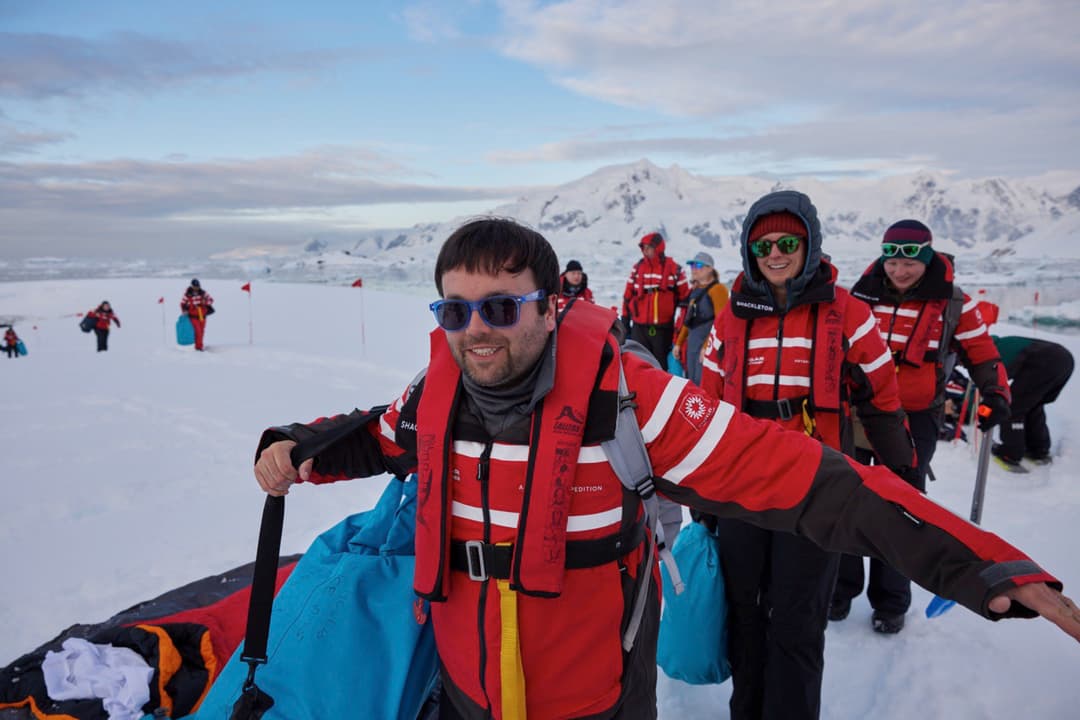
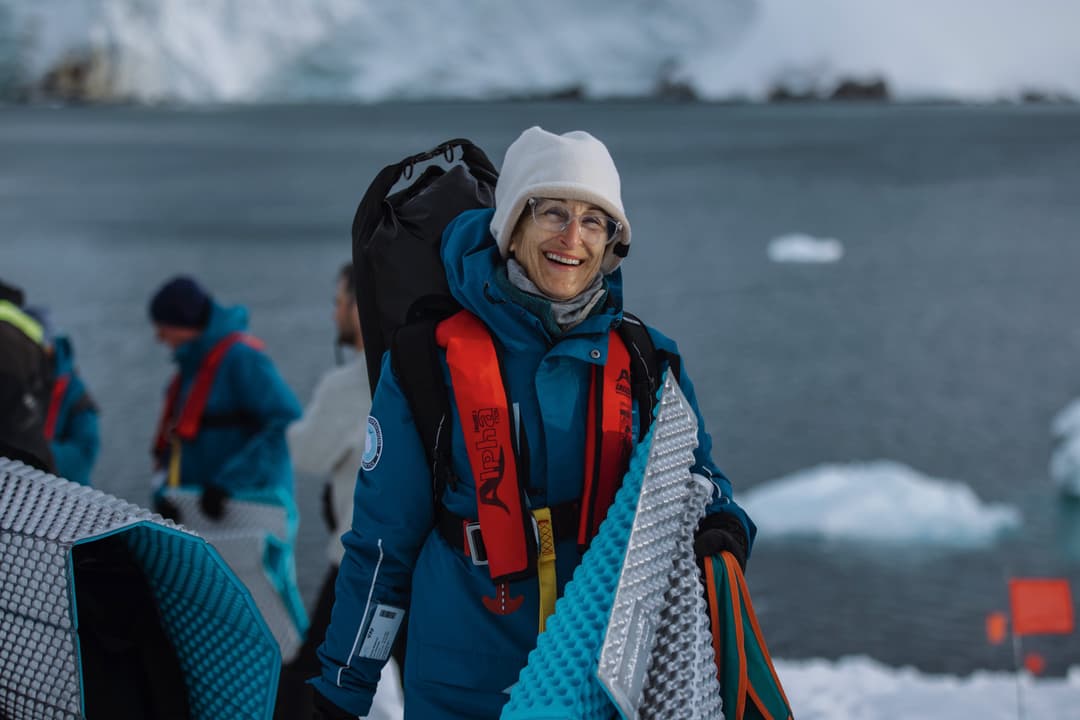
Every experience we offer on board and off, as well as pre- and post-voyage, has been designed with a single purpose in mind – to ensure that you have the most immersive adventure in these unforgettable corners of the world. Whether your explorer’s spirit calls you to kayaking, snowshoeing, camping, or cultural immersion, there’s an adventure activity that can bring you up close and personal with everything the polar regions have to offer. There are excursions over land and in the sky, a Citizen Science program where you can assist in meaningful environmental research, and for those ready to take the plunge, we offer two options: our always-popular polar plunge, and for the truly adventurous, our unforgettable polar wedding experience.
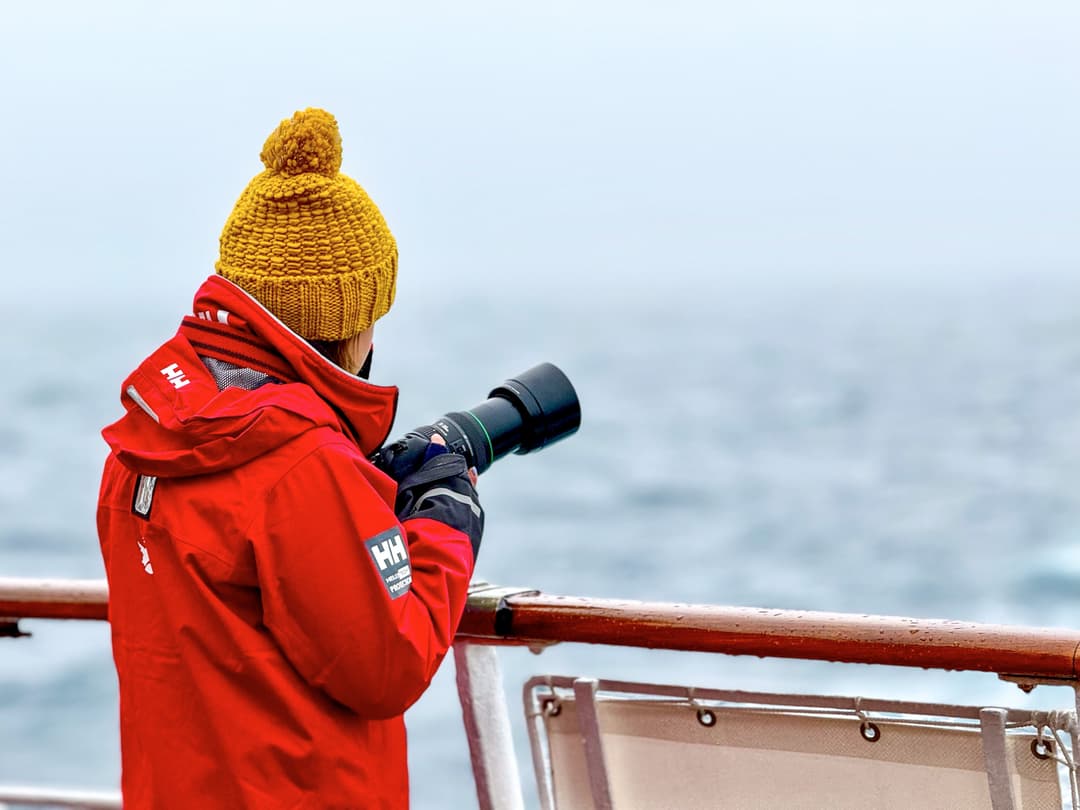
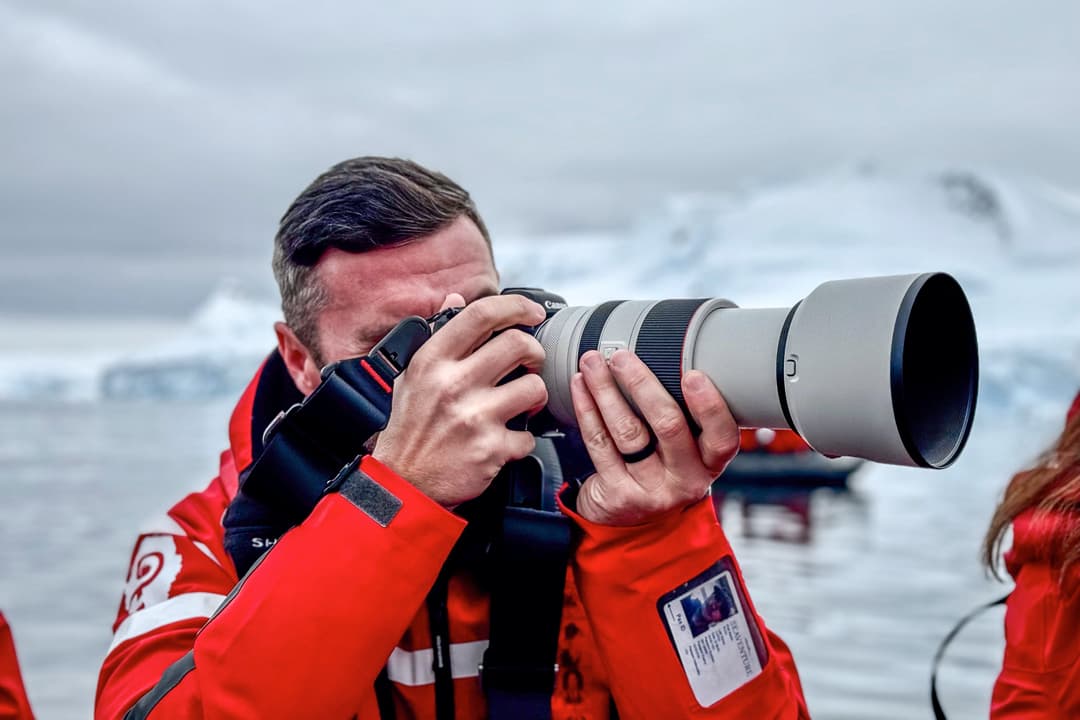
Whatever adventure you choose, our professional photography coaches are on board and eager to help you capture it all in epic fashion.
Loading...

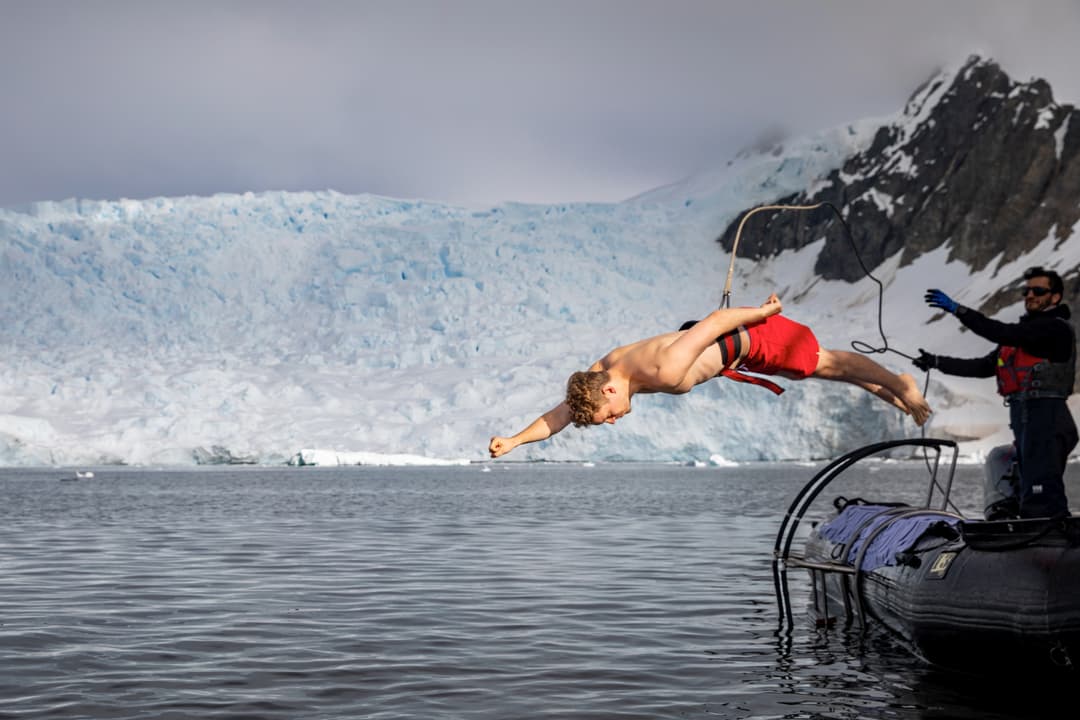
It sounds like a crazy thing to do, but there are actually a number of reasons why hurling oneself into freezing cold water is one of our top activities.
Did you know that cold dipping is a long-standing Scandinavian tradition that has numerous health benefits? Taking a plunge in the coldest of waters provides plenty of perks for your well-being, including reducing stress, boosting energy, improving your immune system, and relievi....
An Uninhabited Continent Opens Its Doors for One Incredible Night
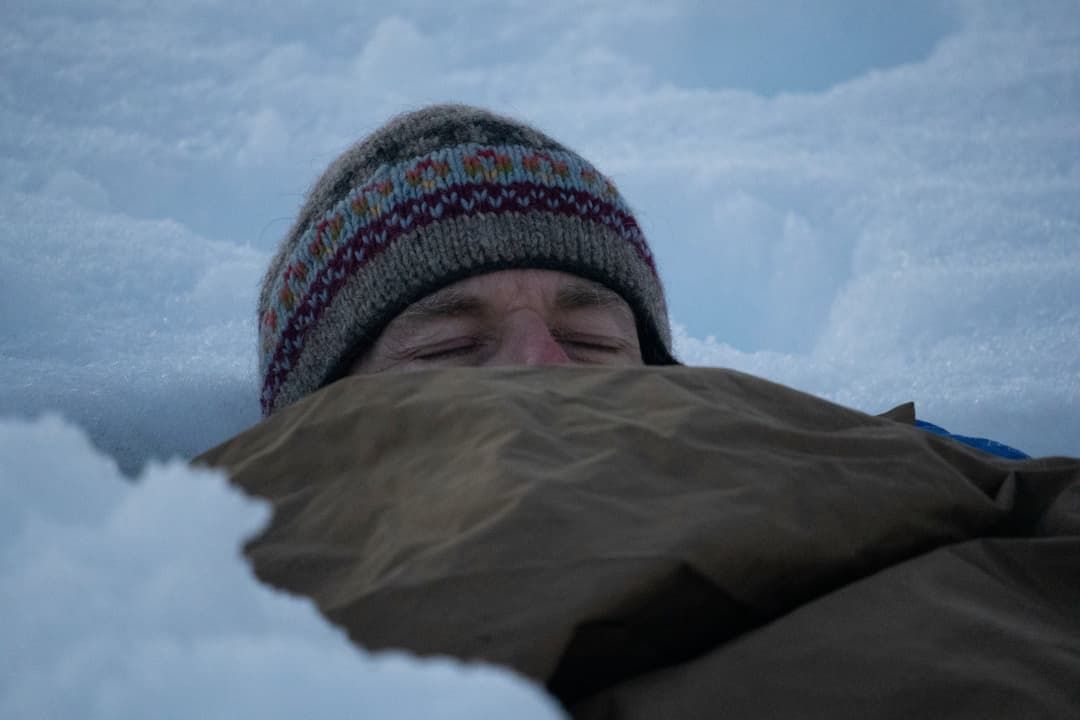
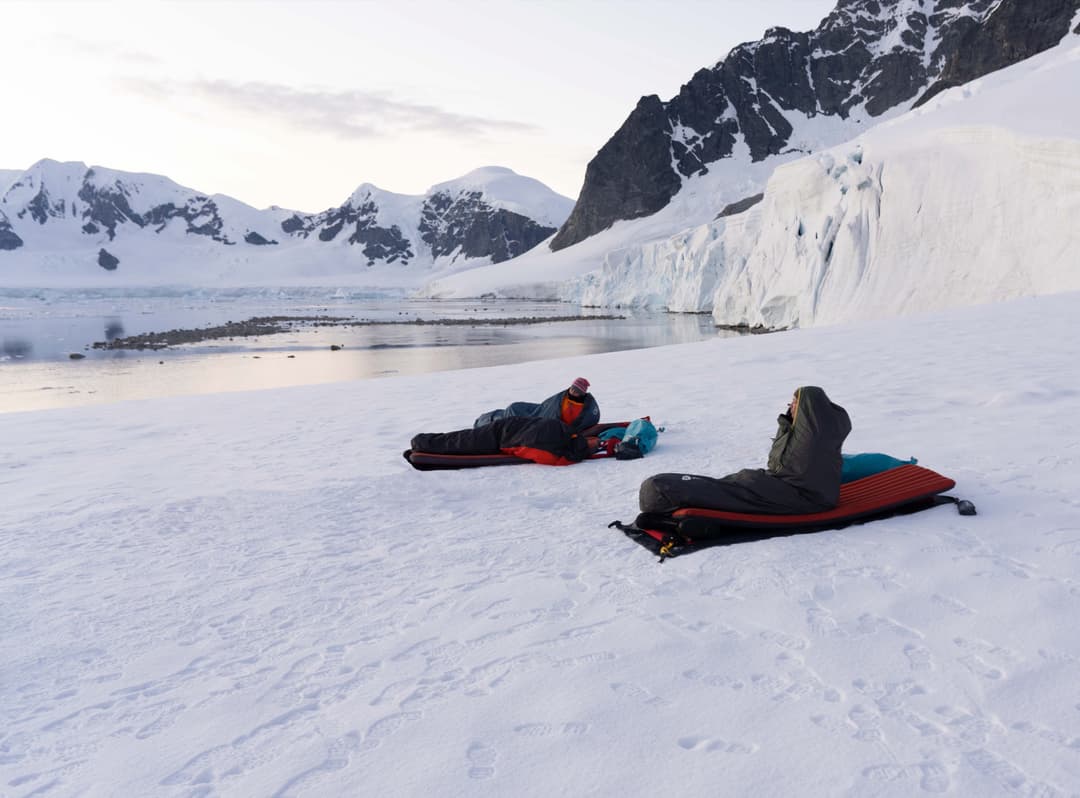
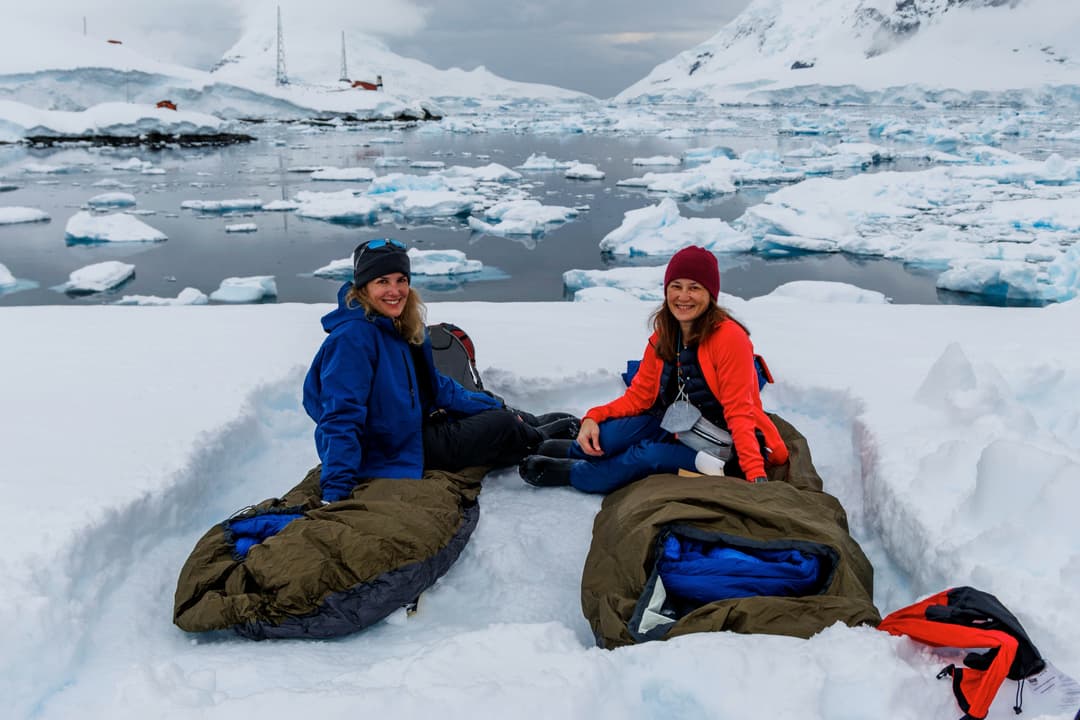
What’s camping in Antarctica like? Long after most passengers are tucked away in their cabins, chances are you’ll still be lying awake, cozy in your sleeping bag, captivated by the ethereal sounds of gently lapping waves, creaking glaciers and perhaps the blow of a whale passing in the night.
The air seems even more pure than in the daytime, the scale of your ....
Award-Winning Coaches for Every Skill Level and Camera
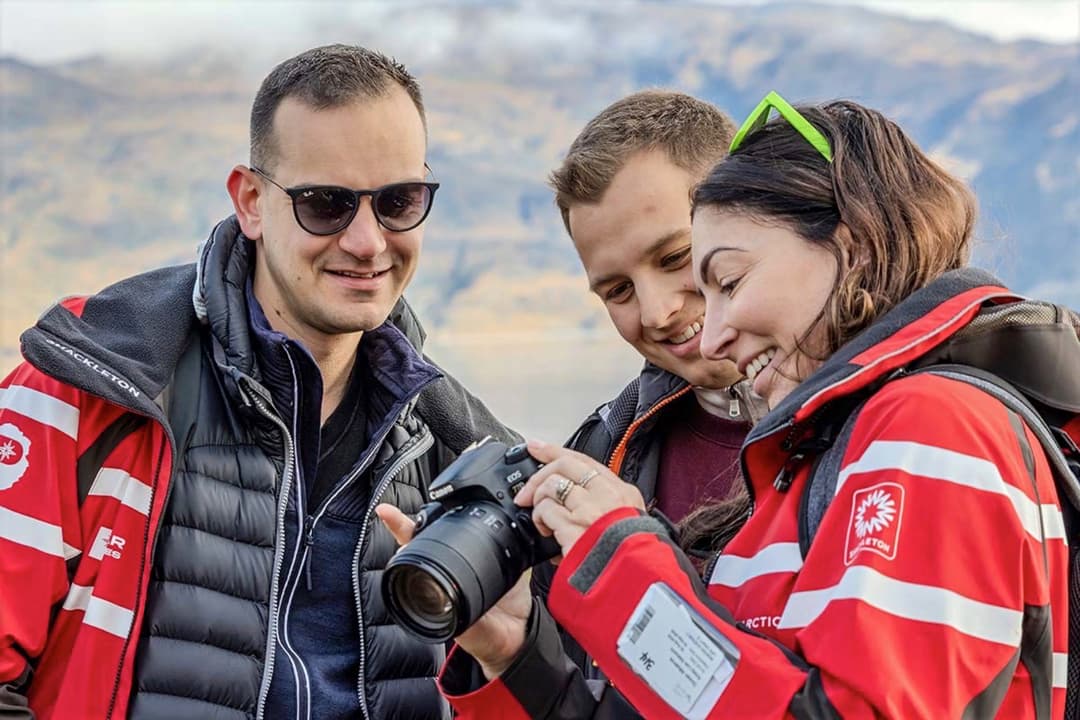
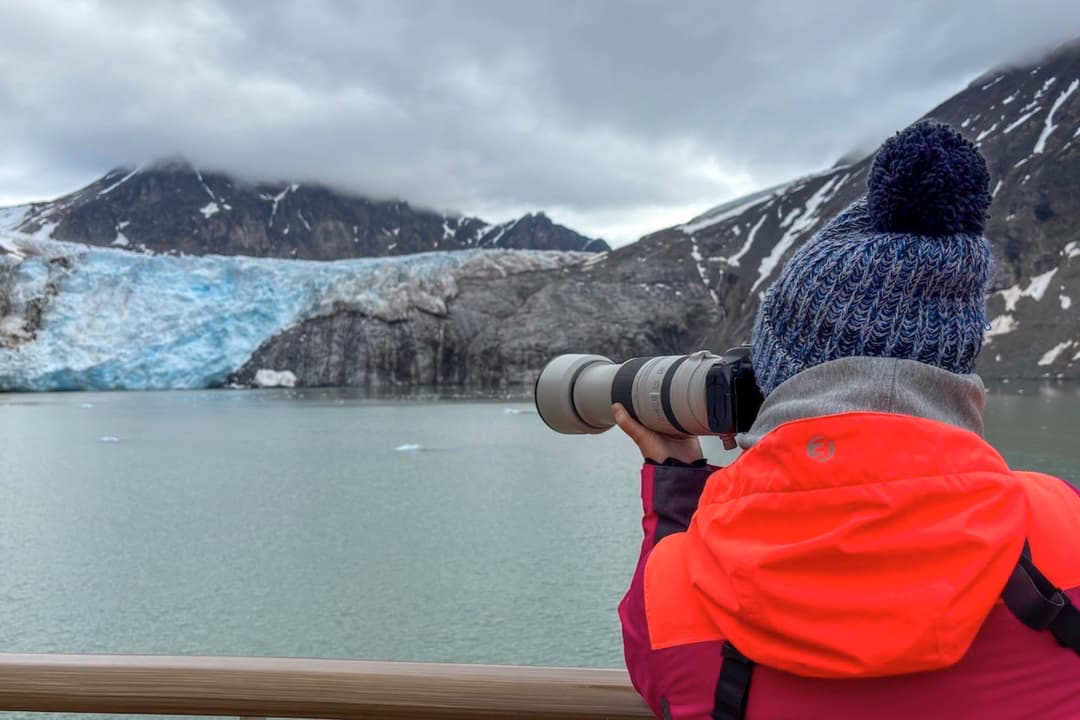
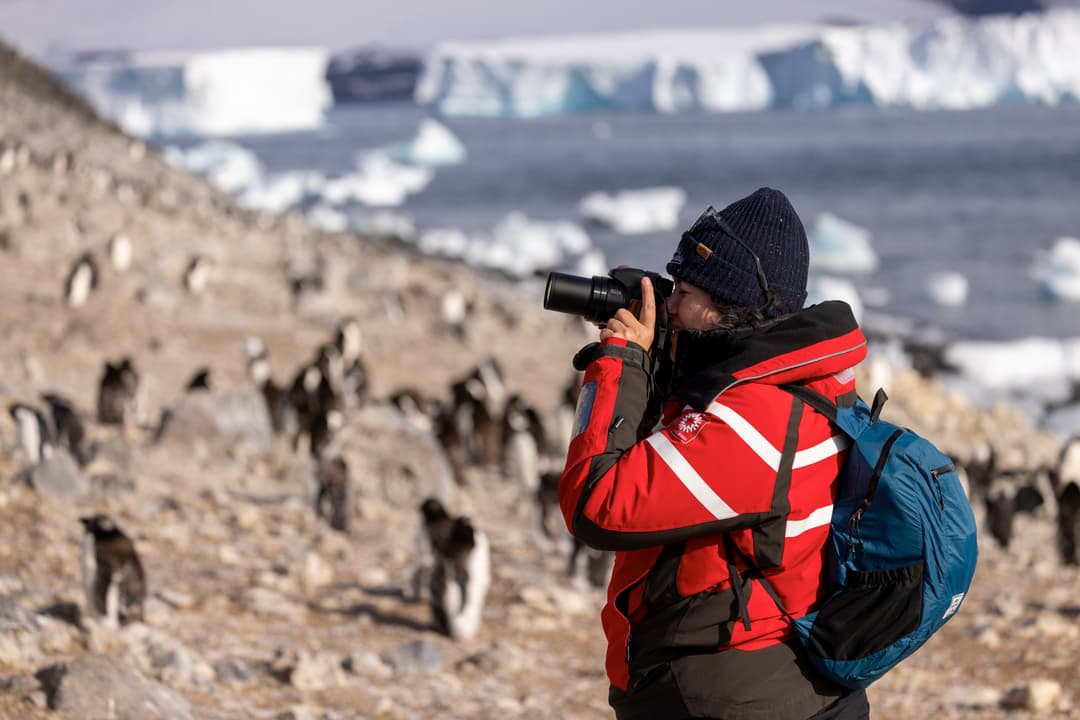
Whatever your ambition and level of experience, and whatever camera you happen to carry, our award-winning photography coaches will help you bring home images that capture the unparalleled natural beauty and sheer magic of your Antarctica or Arctic adventure. We offer two options for our camera-carrying explorers: for the truly obsessed, there’s our small group, immersive prog....
Citizen Science on Every Voyage
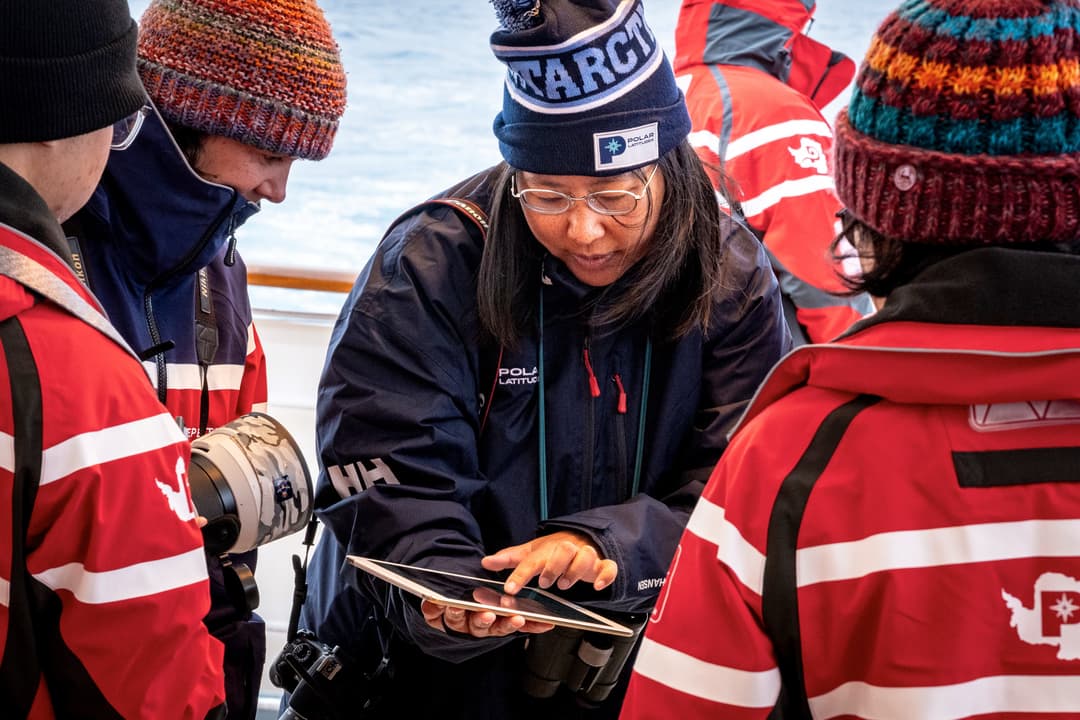
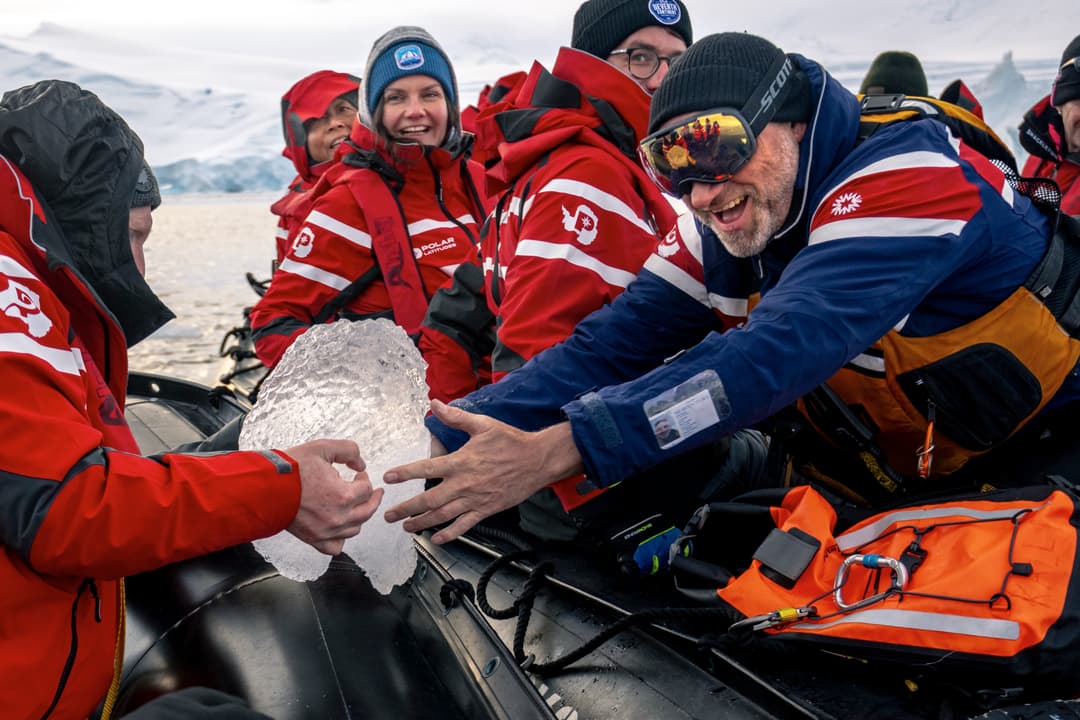
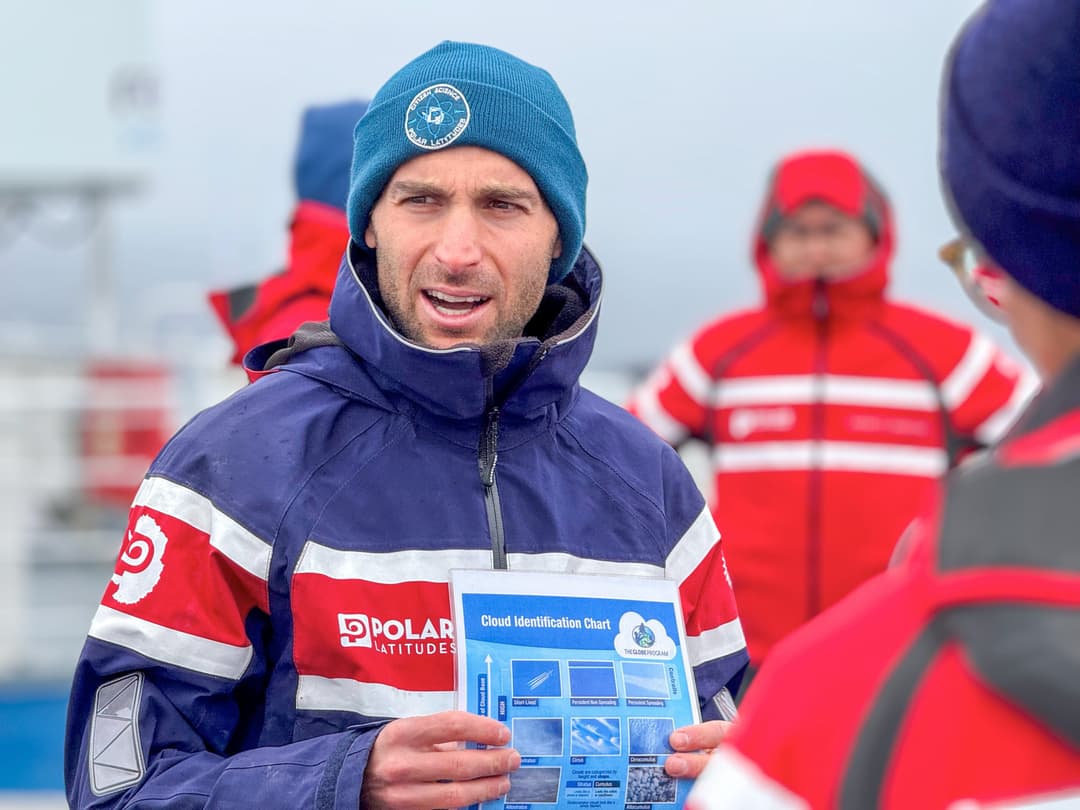
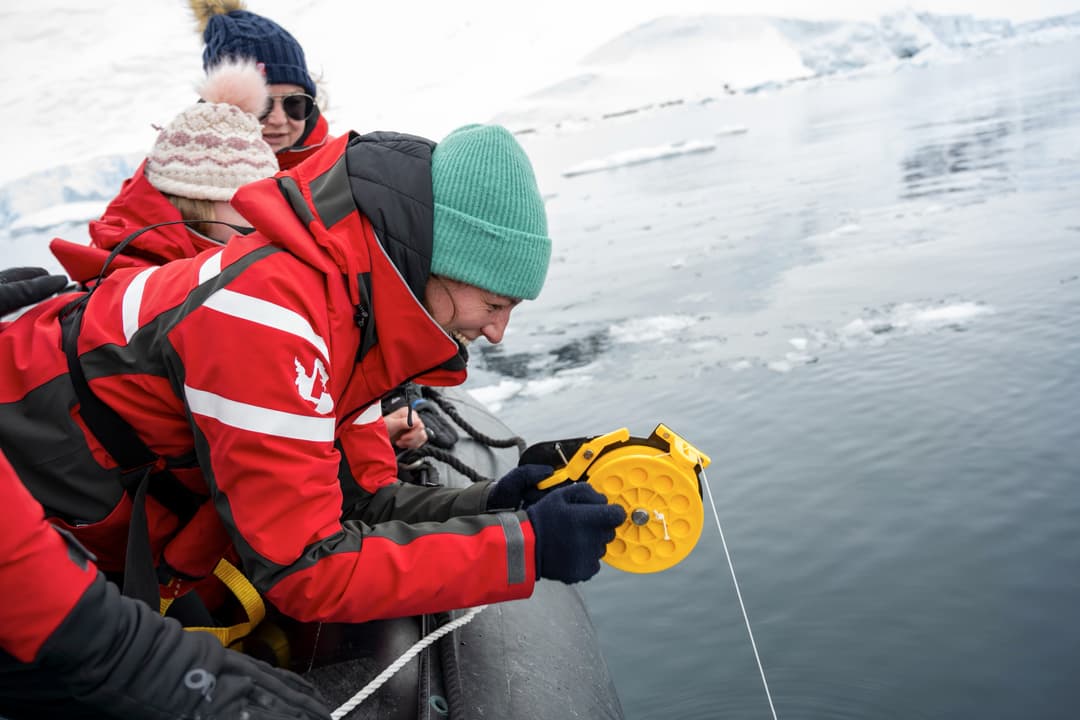
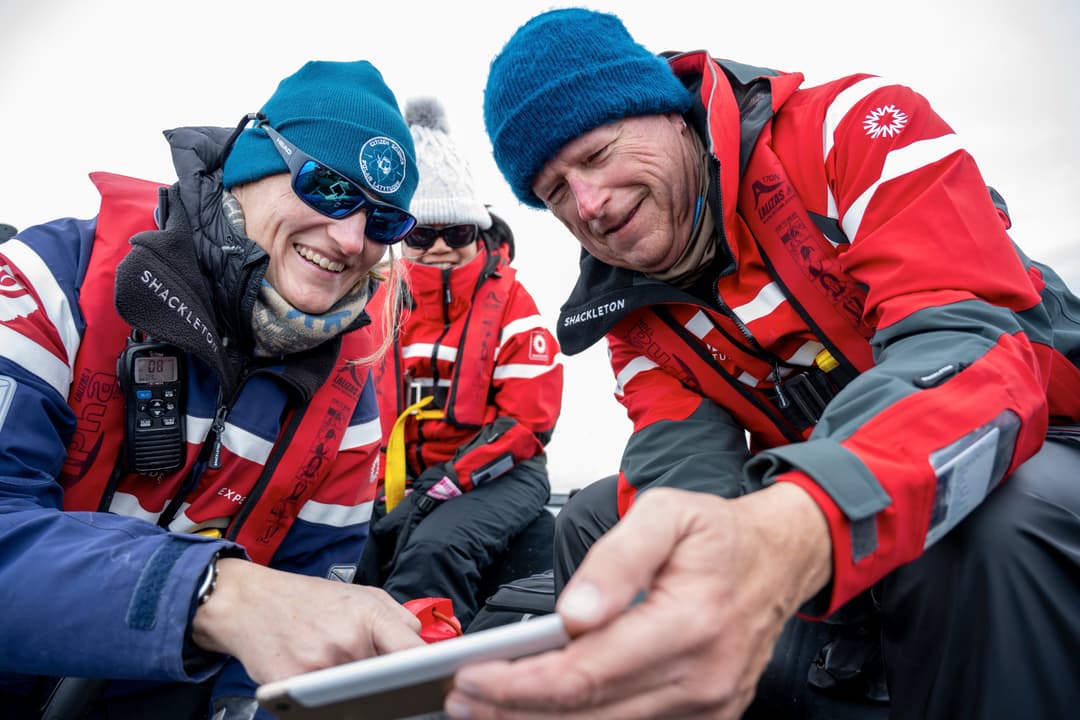
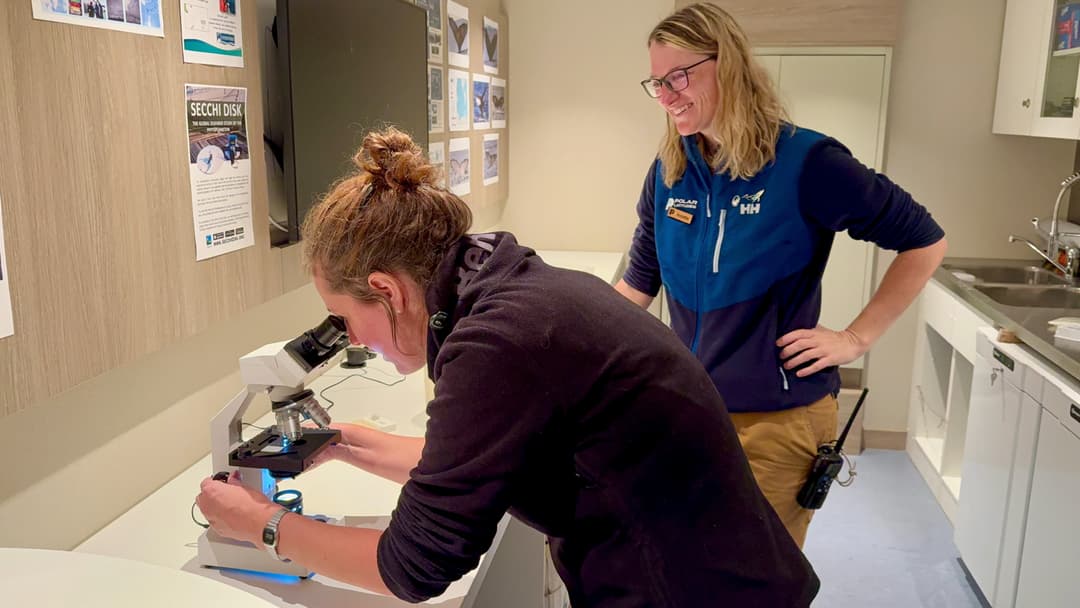
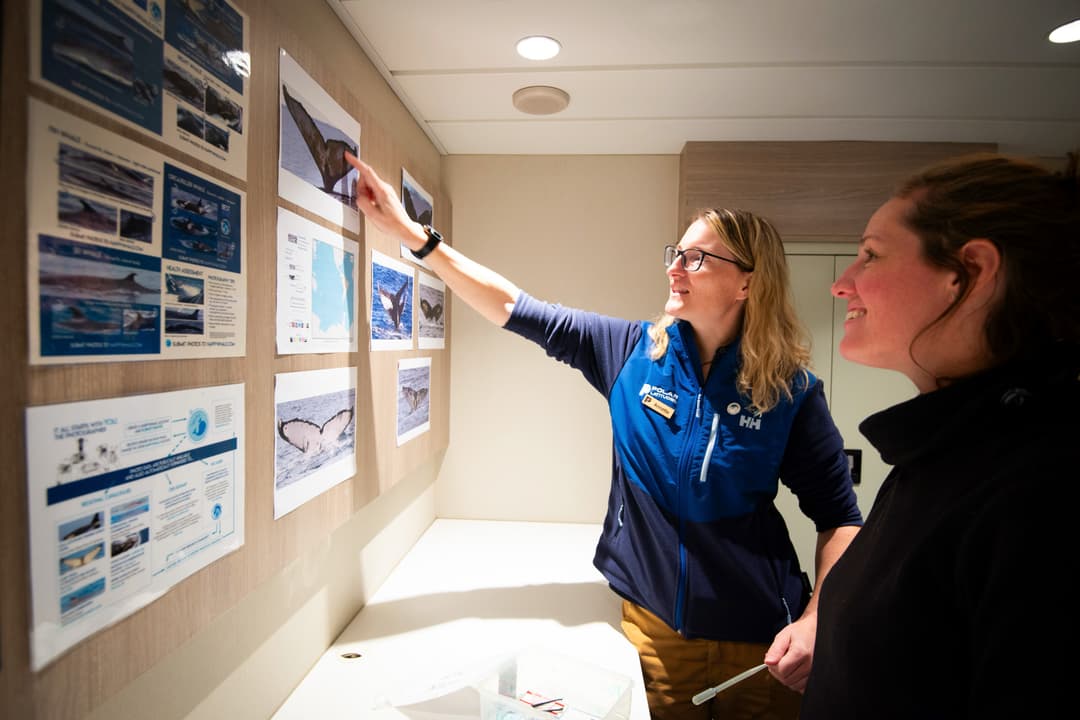
Having a Citizen Science program on every voyage is an effort we pioneered, as the very first Antarctic operator to officially collaborate with The Polar Citizen Science Collective. We continue to team up with them on several projects, giving our passengers the chance to play a meaningful role in recording and better understanding the Antarctic ecosystem and the impact of climate change. This is par....
Where Will Your Inner Explorer Take You?
Whether your time is limited or your calendar is wide open, whether your explorer’s spirit is calling you to Antarctica or the Arctic, Polar Latitudes Expeditions offers a wide range of dates and experiences to suit your every need and passion. Included in every journey: bold history, mesmerizing landscapes, and endlessly enchanting wildlife. Come join us on a truly immersive expedition int....
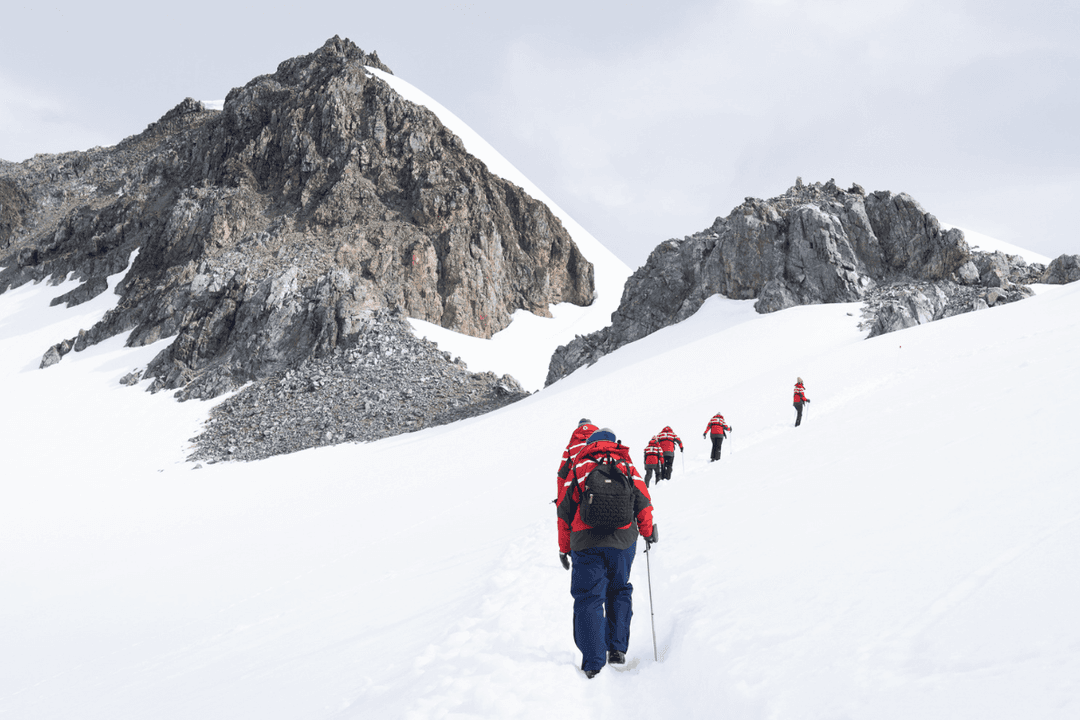
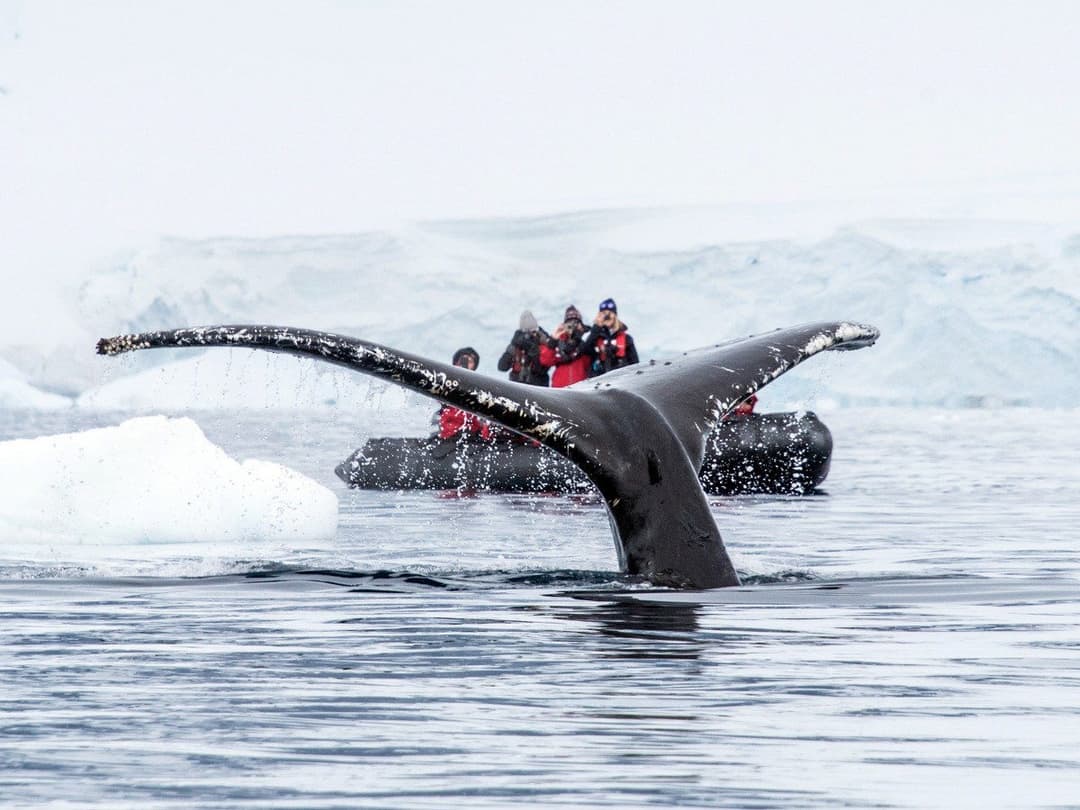
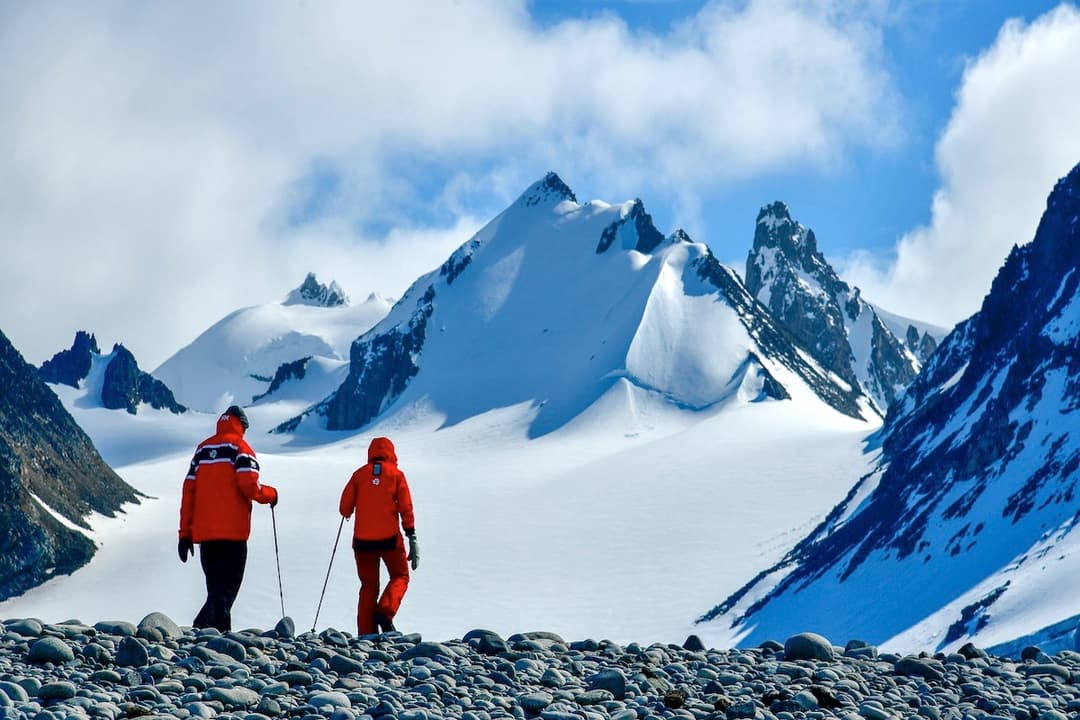
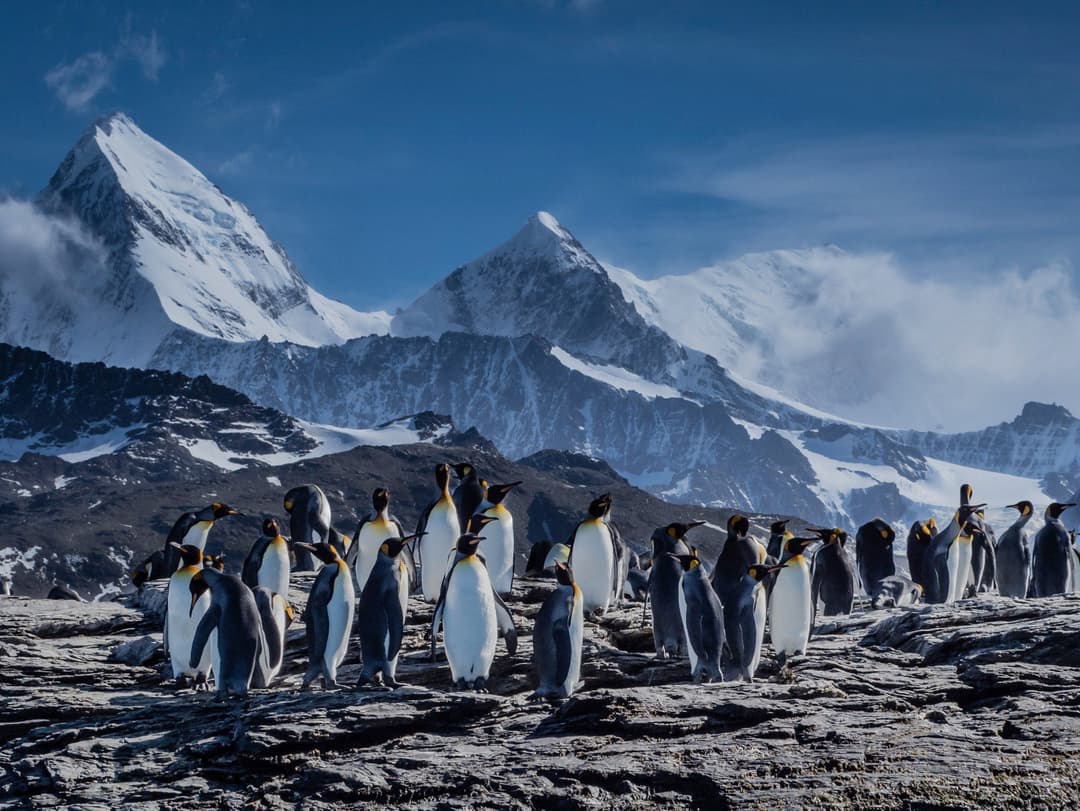
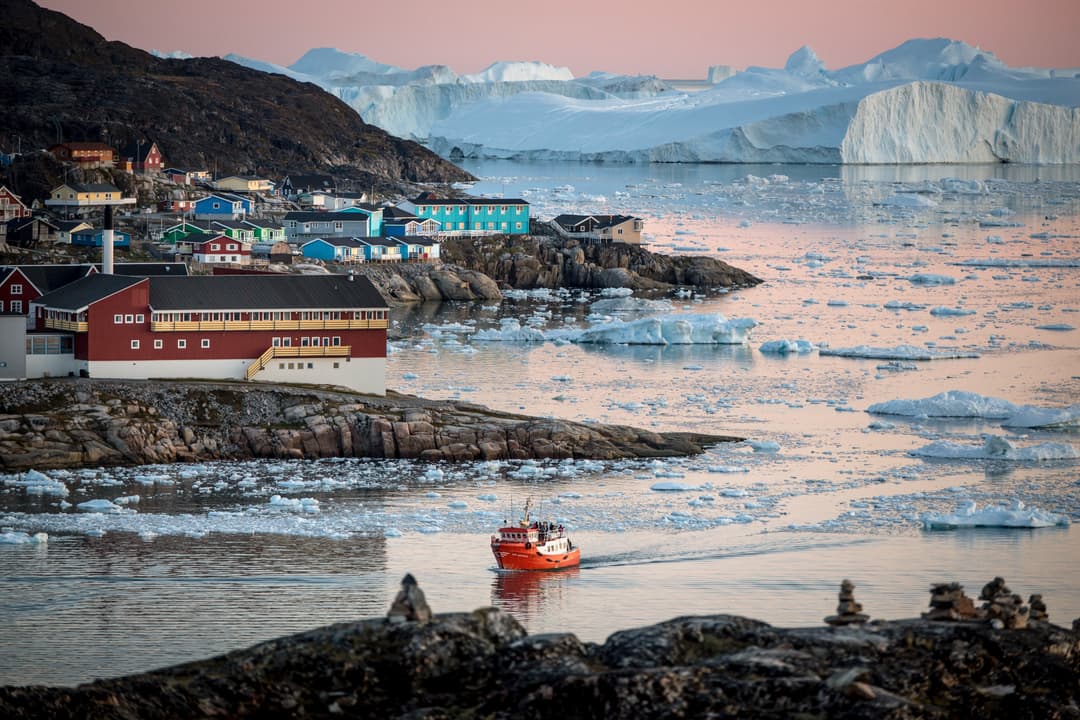
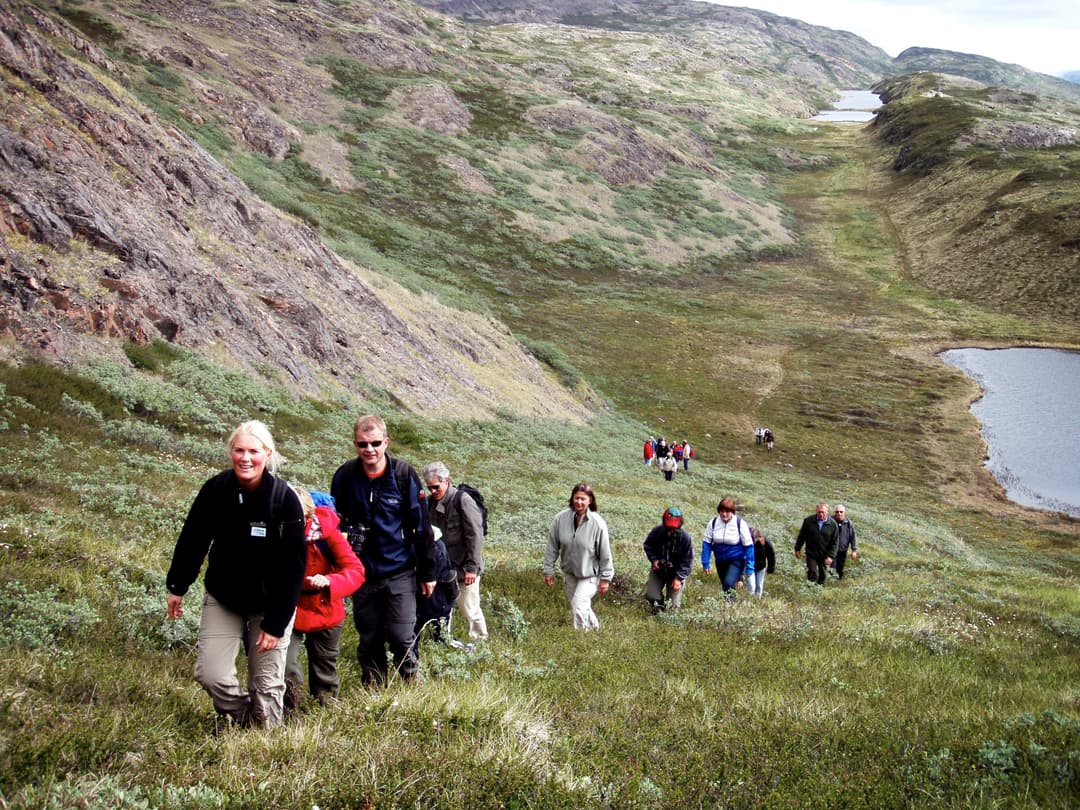
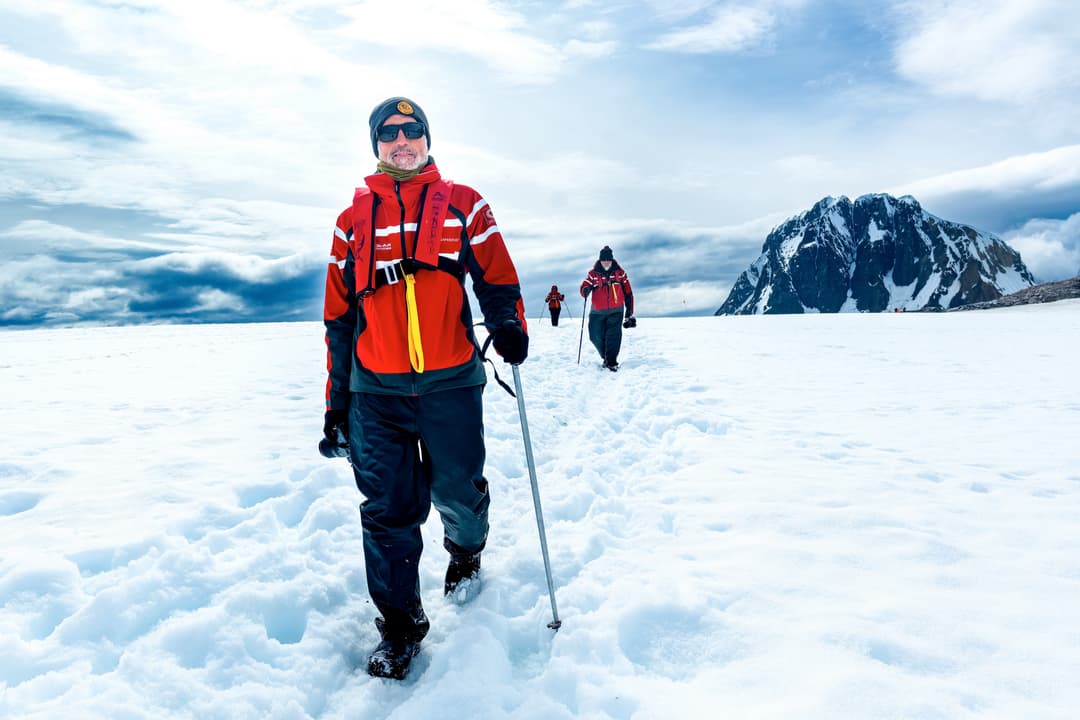
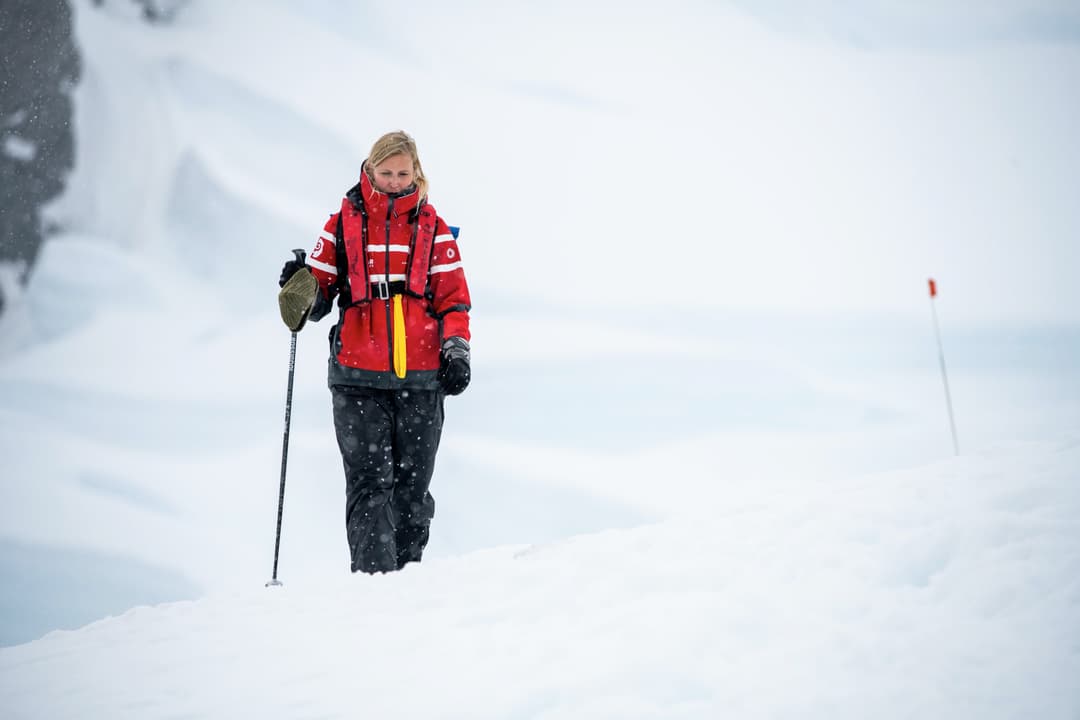
Take in most of the unimaginable landscapes and fresh air by hiking in suitable locations! These guided hikes are perfect if you want to enjoy active sightseeing surrounded by nature; at times crossing streams, on uneven and rocky terrains and/or hilly areas.
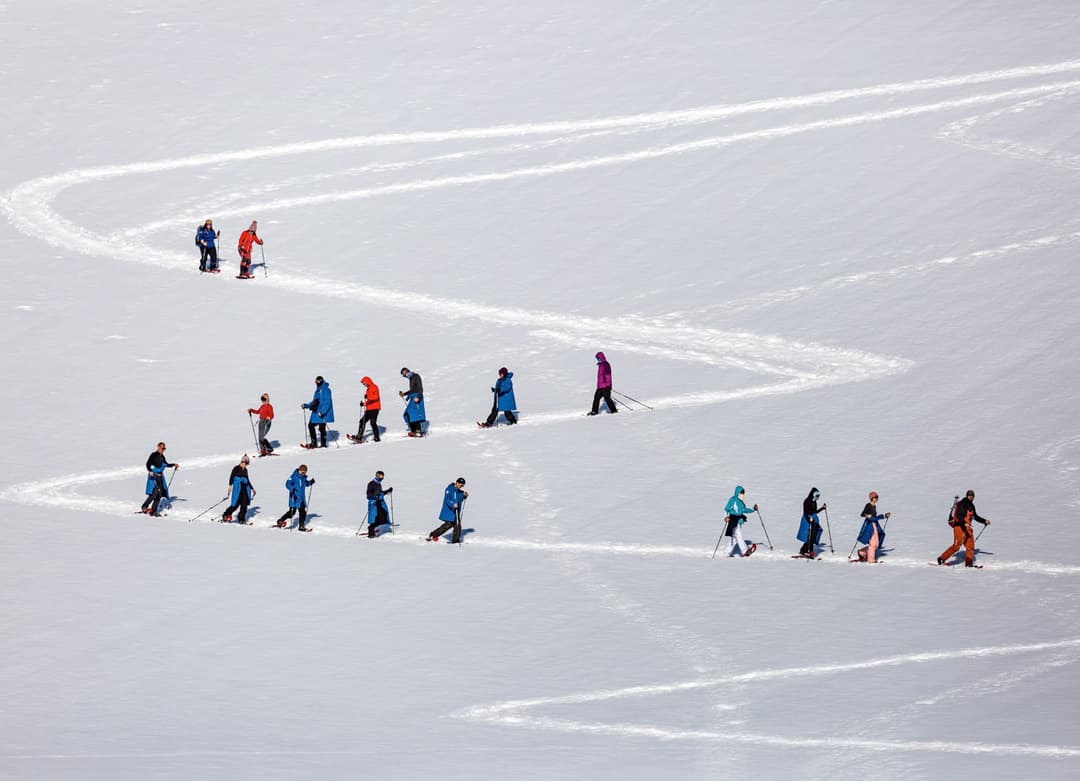
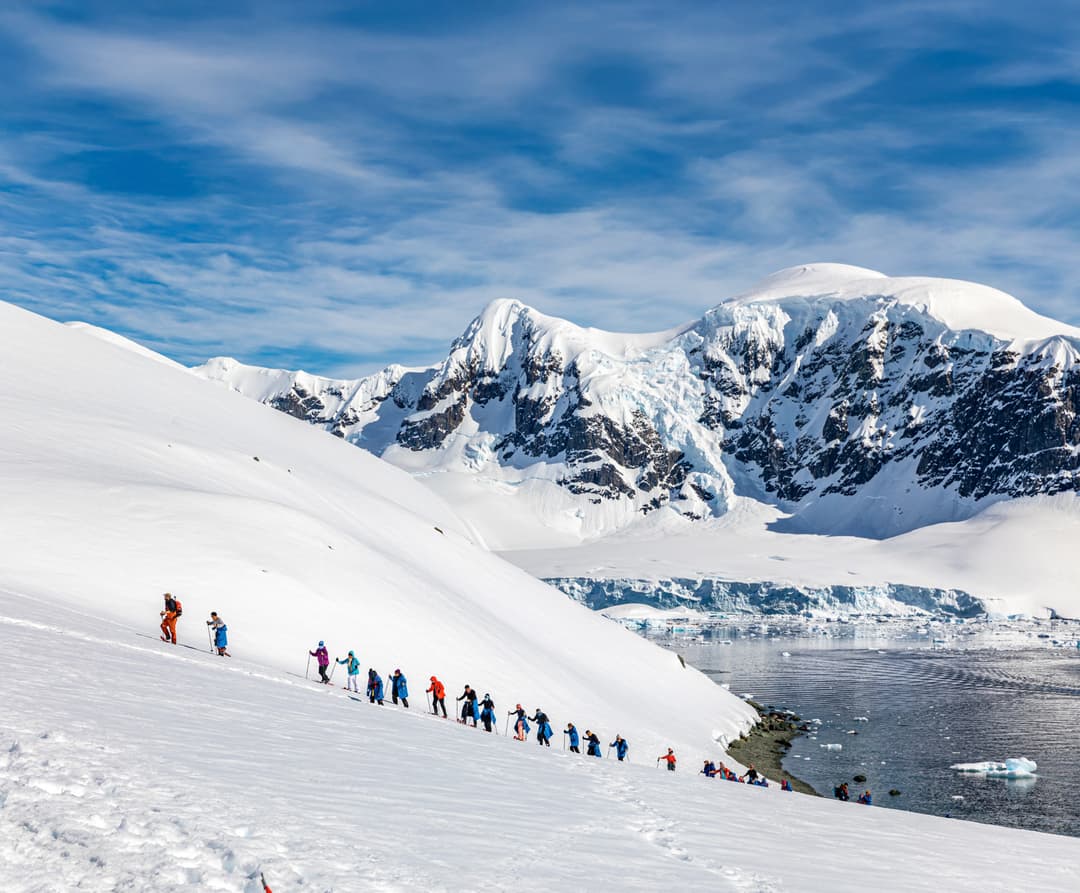
Snowshoeing is an activity that allows you to hike across soft, powdery snow, reaching unique vantage points without the hassle of sinking into deep snow. Please note that this acti....
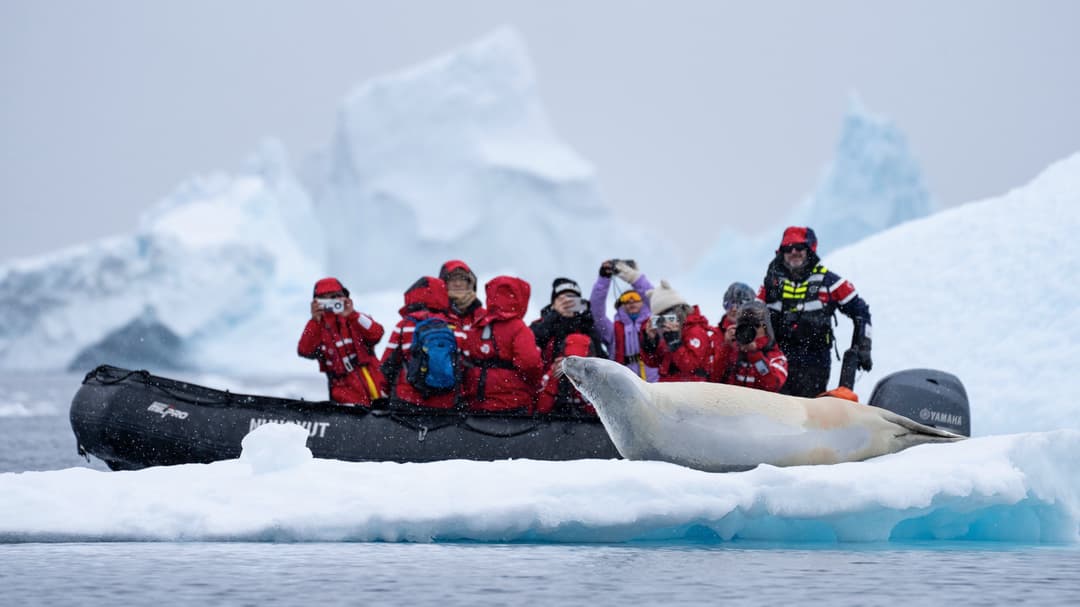
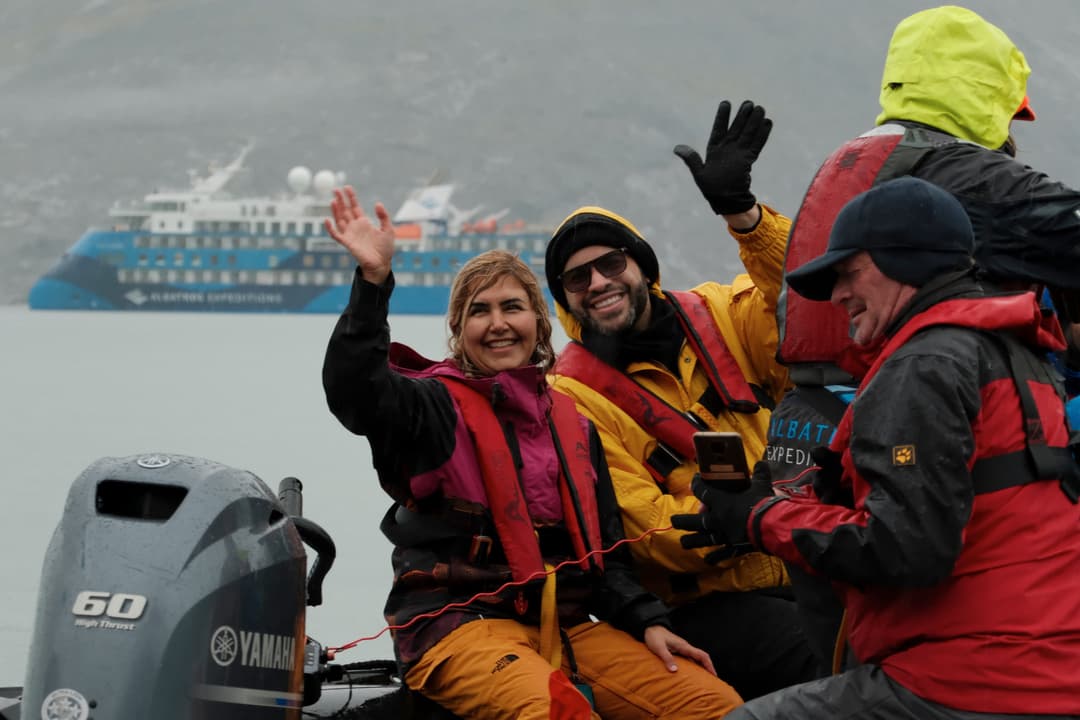
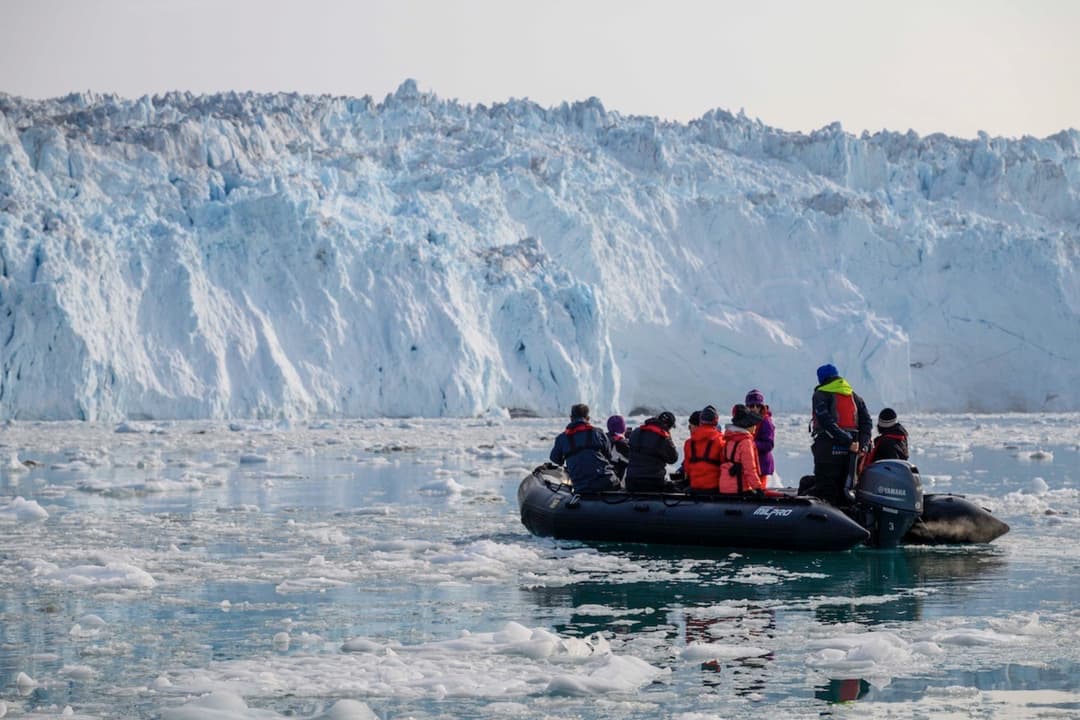
Loading...
All Voyages Include:
- Alcoholic and Non-Alcoholic Beverages with Meals
- Certified Emergency MD and Clinic
- World Class Cuisine
- 24-Hour Complimentary Coffee/Tea station
- Voyage Photographer
- Dedicated Passenger Service Manager
- Complimentary Puffed Jacket and Loaner Expedition Jacket
All Staterooms Feature:
- Exterior views
- Sitting area with c....
We can accommodate most dietary requests, such as low salt, gluten-free, and low cholesterol, and we include Vegetarian, Meat, and Fish options on all of our menus. Please enter any dietary limitations, from preferences to severe food allergies, when completing your medical information form.
Please note that we are unable to offer Kosher meals. Should you have further information as to how we can best accommodate your needs, please speak....
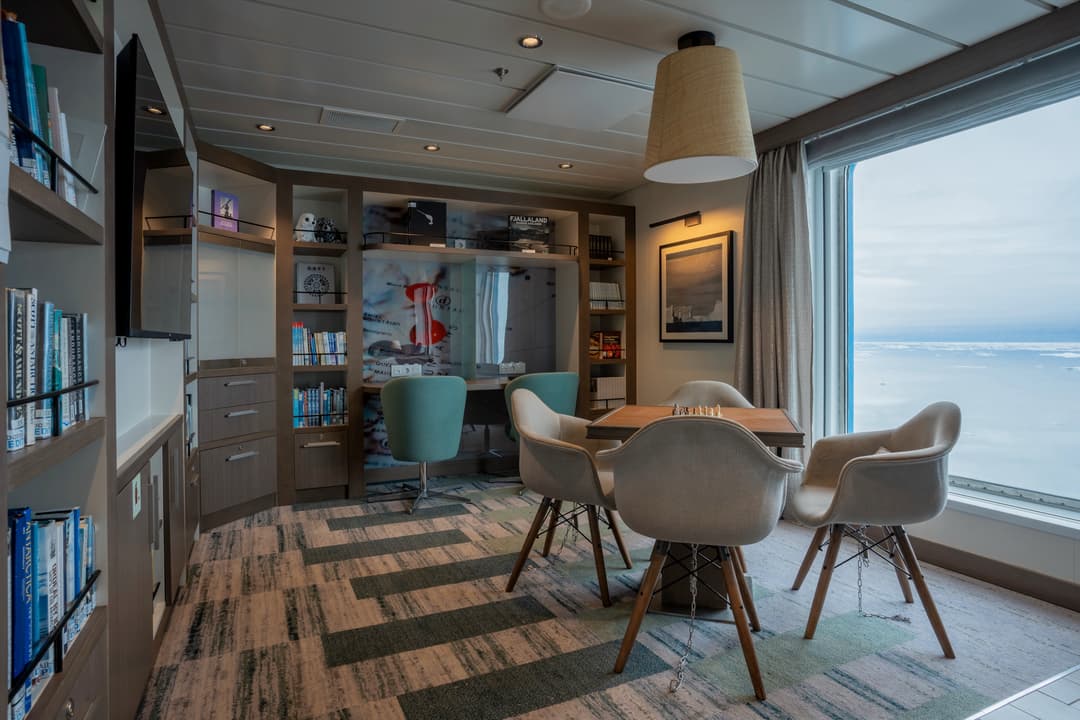
Our ship features a Starlink wireless network accessible from your personal computer or smartphone from virtually anywhere on board. There are also public computers available in the ship Library which may be used for email and Internet (but not for uploading photos.) 500 free MB of data is included in the cost of your voyage. Additional data packages can be purchased from the hotel manager on board.
Please note, due to weather and locati....
There is absolutely no smoking permitted anywhere inside the ship (including the balcony areas), on Zodiacs, or on landings – this includes e-cigarettes and vapes. International maritime law dictates that smoking on commercial vessels is permitted only in the designated smoking area; this location will be clearly identified during the Safety Briefing at the beginning of your voyage. Repeated non-compliance with our smoking policy will result i....
All vessels in our fleet have a Medical Clinic, which is stocked with a wide range of common basic medications (including seasickness medication), and capable of supporting a wide range of medical issues. Please note, however, there are no diagnostic laboratory or radiology capabilities on board.
Every voyage has a currently-practicing and English-speaking doctor experienced in Emergency medicine. Medical services are available 24 hours ....
The recreational use of Unmanned Aerial Vehicles (UAV) or drone type aircraft in the Arctic and Antarctic is currently prohibited by the Association of Arctic Expedition Cruise Operators (AECO) and the International Association of Antarctic Tour Operators (IAATO). Because AECO and IAATO recognize the value of UAVs for certain commercial and scientific applications, Polar Latitudes Expeditions is currently permitted for the commercial use of UA....
Our motto is – There’s no such thing as bad weather, only bad clothing. It’s never a good idea to take shortcuts when it comes to clothing – being improperly dressed can impact your enjoyment of the voyage! Wearing the right gear ensures that you stay warm and dry while exploring off the vessel. Onboard the ship, the dress code is always casual and informal – although feel free to dress up for the Captain’s Cocktail Parties!
Layers Ar....