

Antarctic Peninsula: A Rare Exploration of the Weddell Sea
All departures of this tripCRUISE ID # QUARKOEX20271218
Ushuaia TO Ushuaia
$17,760.96
WITH SPECIAL SAVINGS APPLIED
FARES SHOWN ARE PER GUEST
Suites & Fares
CHOOSE START DATE
: December 18, 2027
Itinerary

You may arrive in Ushuaia at any time on Day 1. Many guests choose to arrive a day or two before embarkation day to explore this quaint port city at the bottom of South America, and the surrounding region. Based on the arrival information you send in advance, we will arrange for a transfer from the airport to your hotel.
Embarkation will occur in the late afternoon, after which your vessel will sail down the historic Beagle Channel, transecting the Tierra del Fuego archipelago in the extreme south of South America. Expect an air of anticipation as you depart—the next time you see land, you’ll be at the world’s most southern continent.
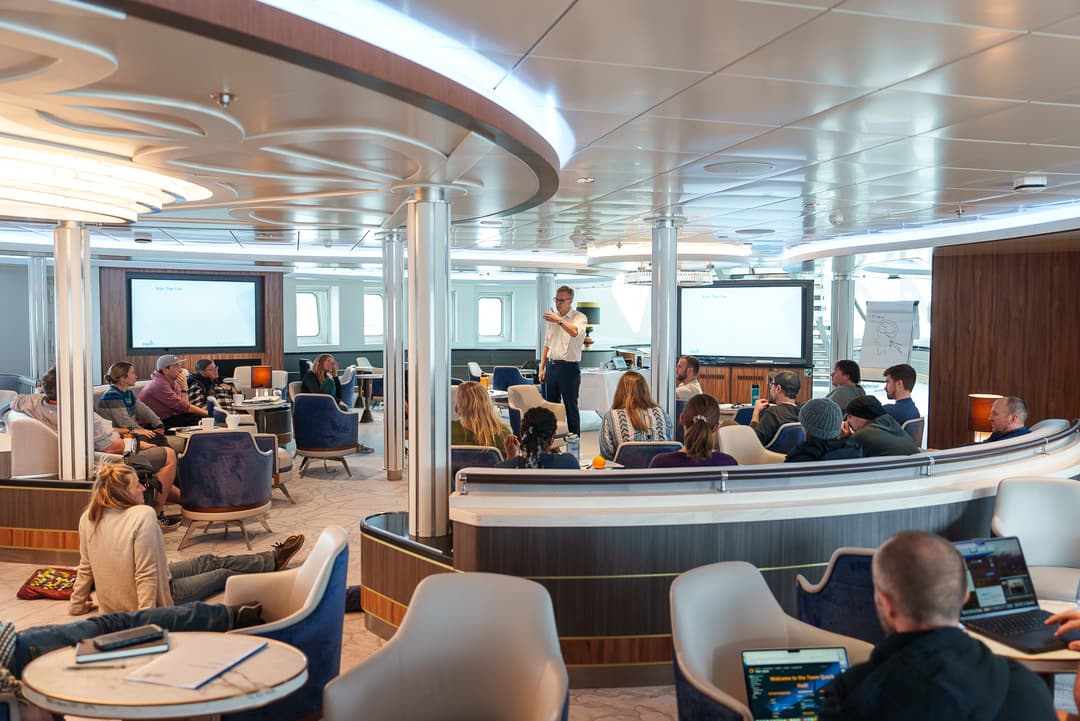
You have many options of activities during the 800-km (500 mile) Drake crossing. As you gain your sea legs, our Expedition Team will begin their series of presentations to help prepare you for your upcoming Zodiac and land excursions. You officially enter Antarctica when your ship crosses the Antarctic Convergence, a boundary that f luctuates around 60° south. This is also a great opportunity to meet your fellow travelers—many of whom will become friends by the voyage end.
You have many options of activities during the 800-km (500 mile) Drake crossing. As you gain your sea legs, our Expedition Team will begin their series of presentations to help prepare you for your upcoming Zodiac and land excursions. You officially enter Antarctica when your ship crosses the Antarctic Convergence, a boundary that f luctuates around 60° south. This is also a great opportunity to meet your fellow travelers—many of whom will become friends by the voyage end.
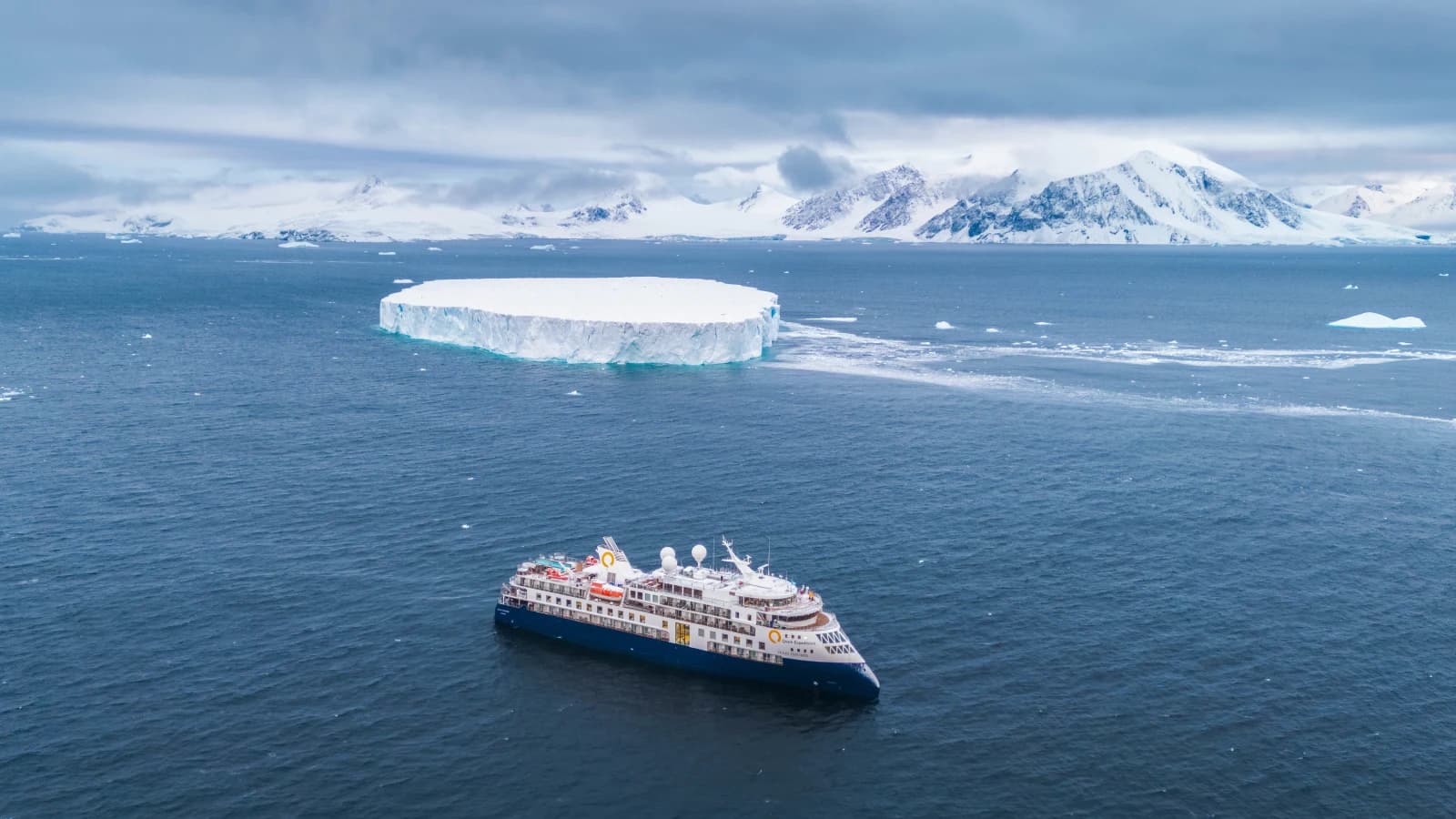
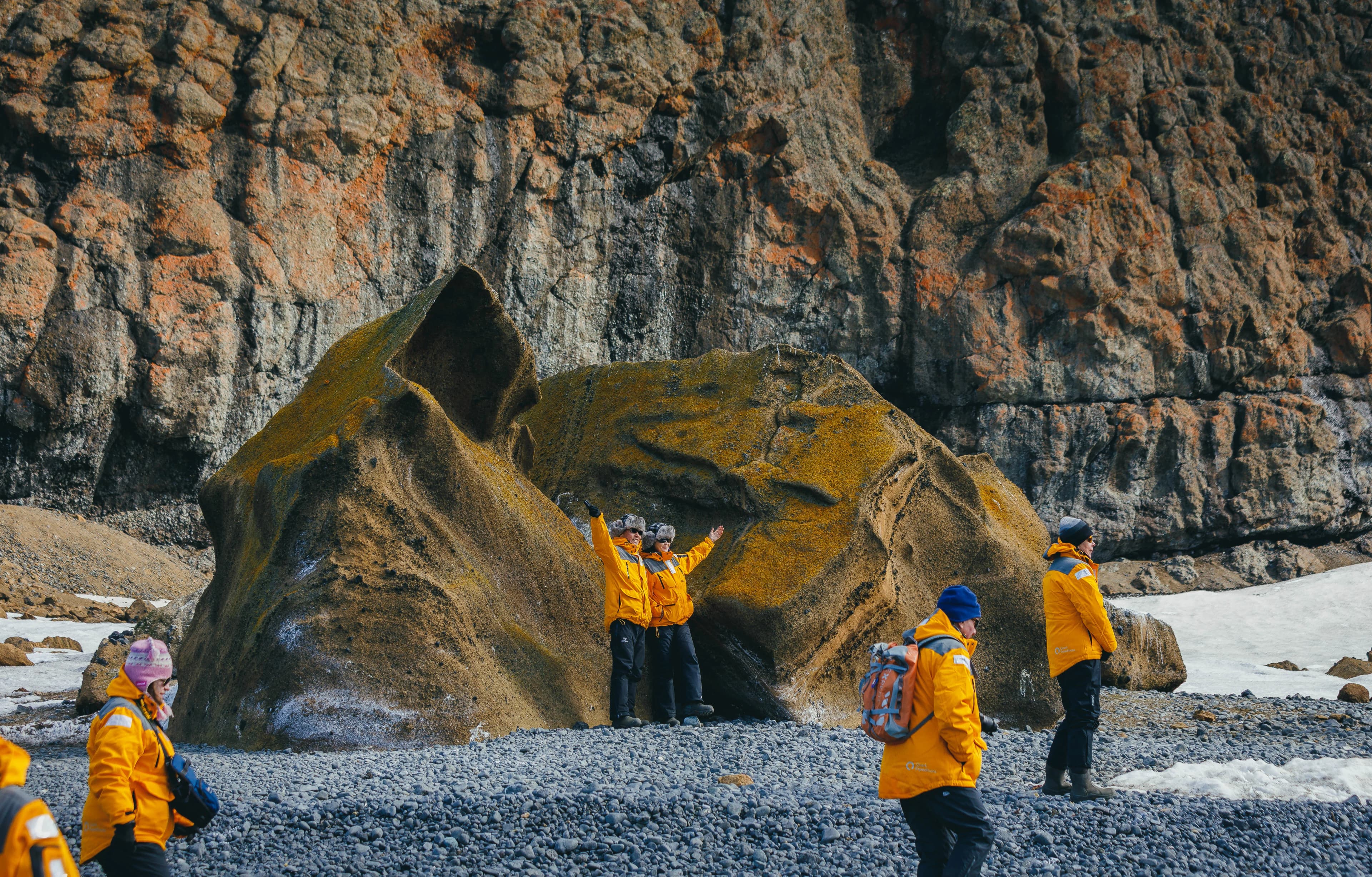
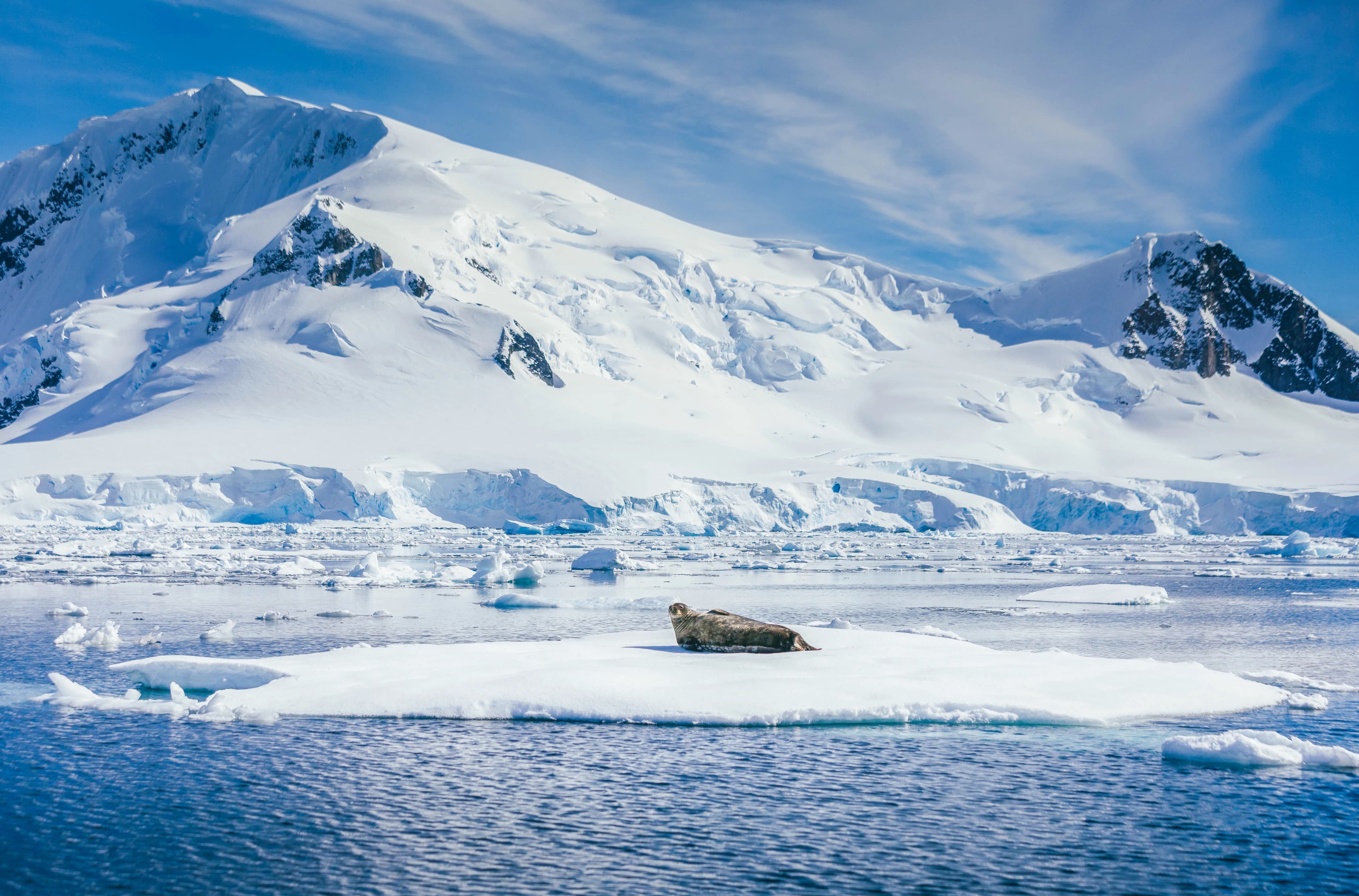
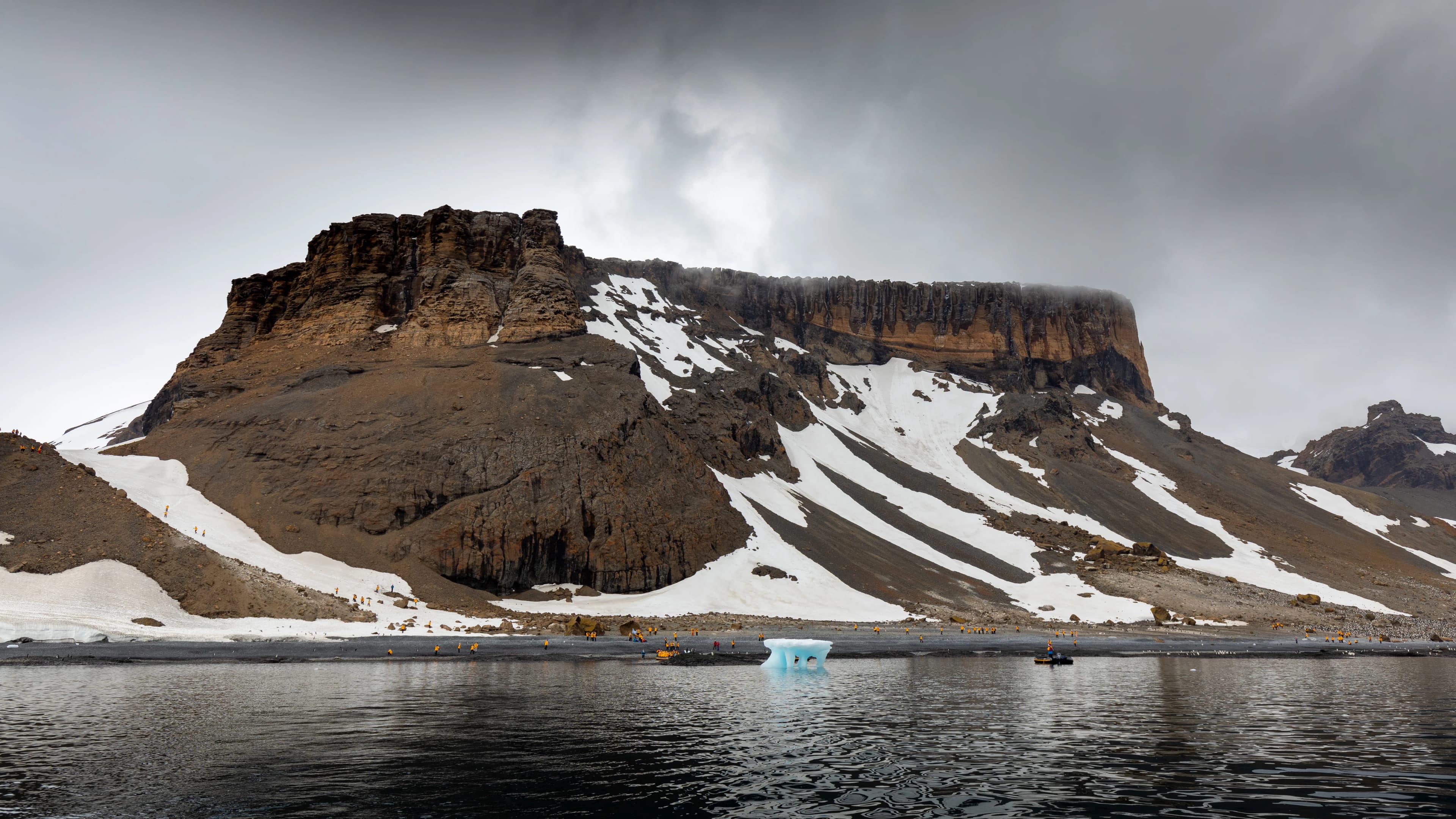
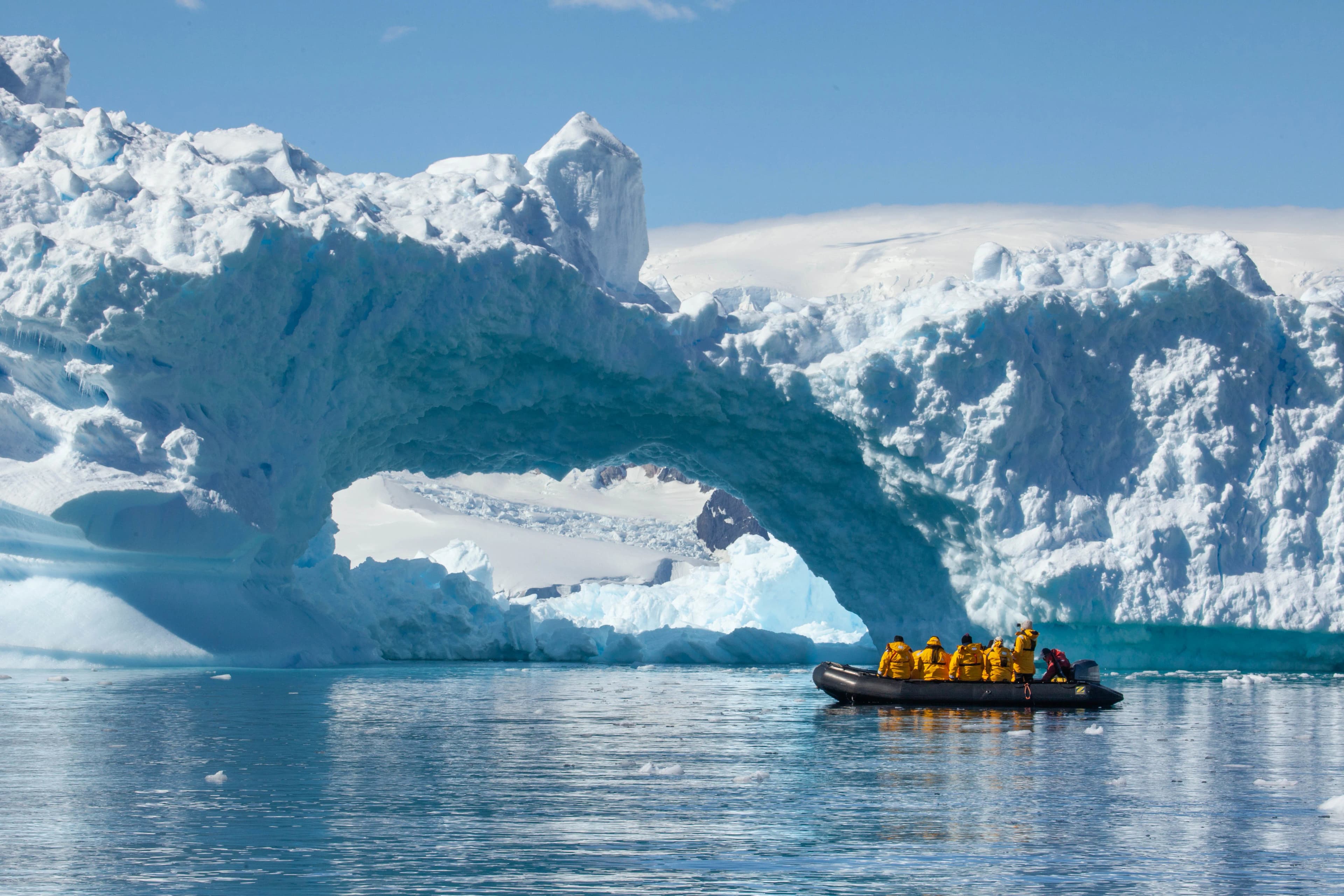
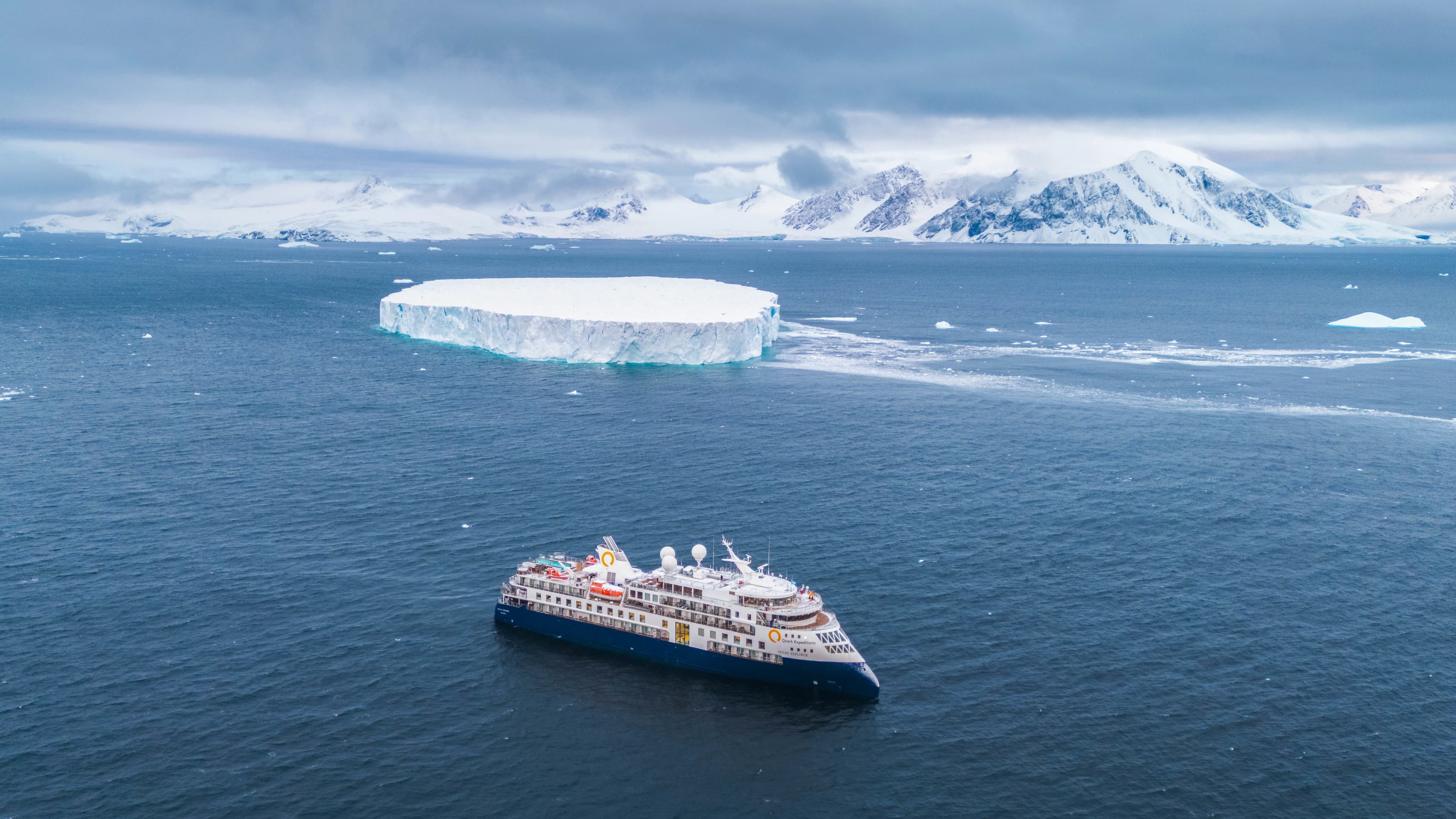
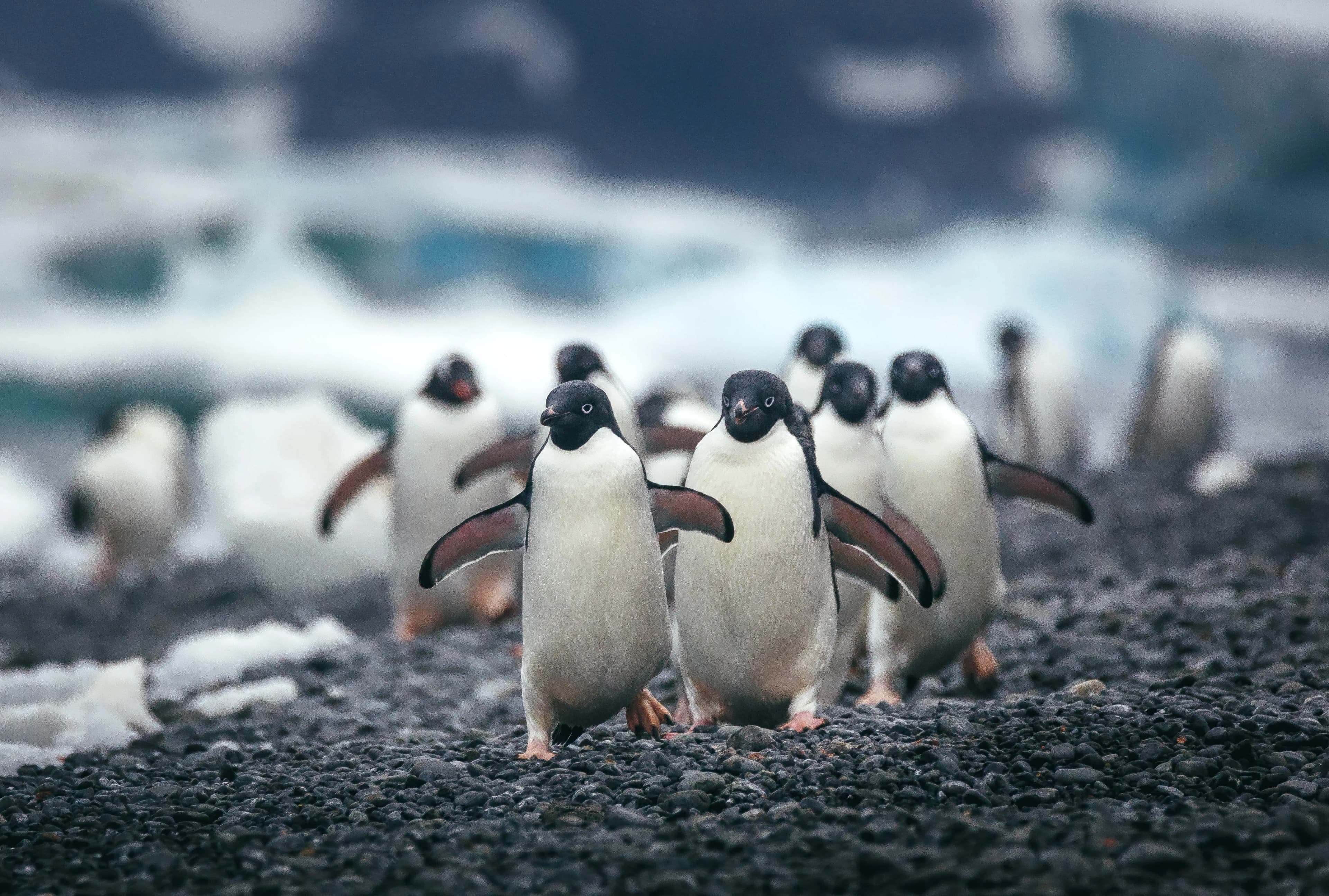
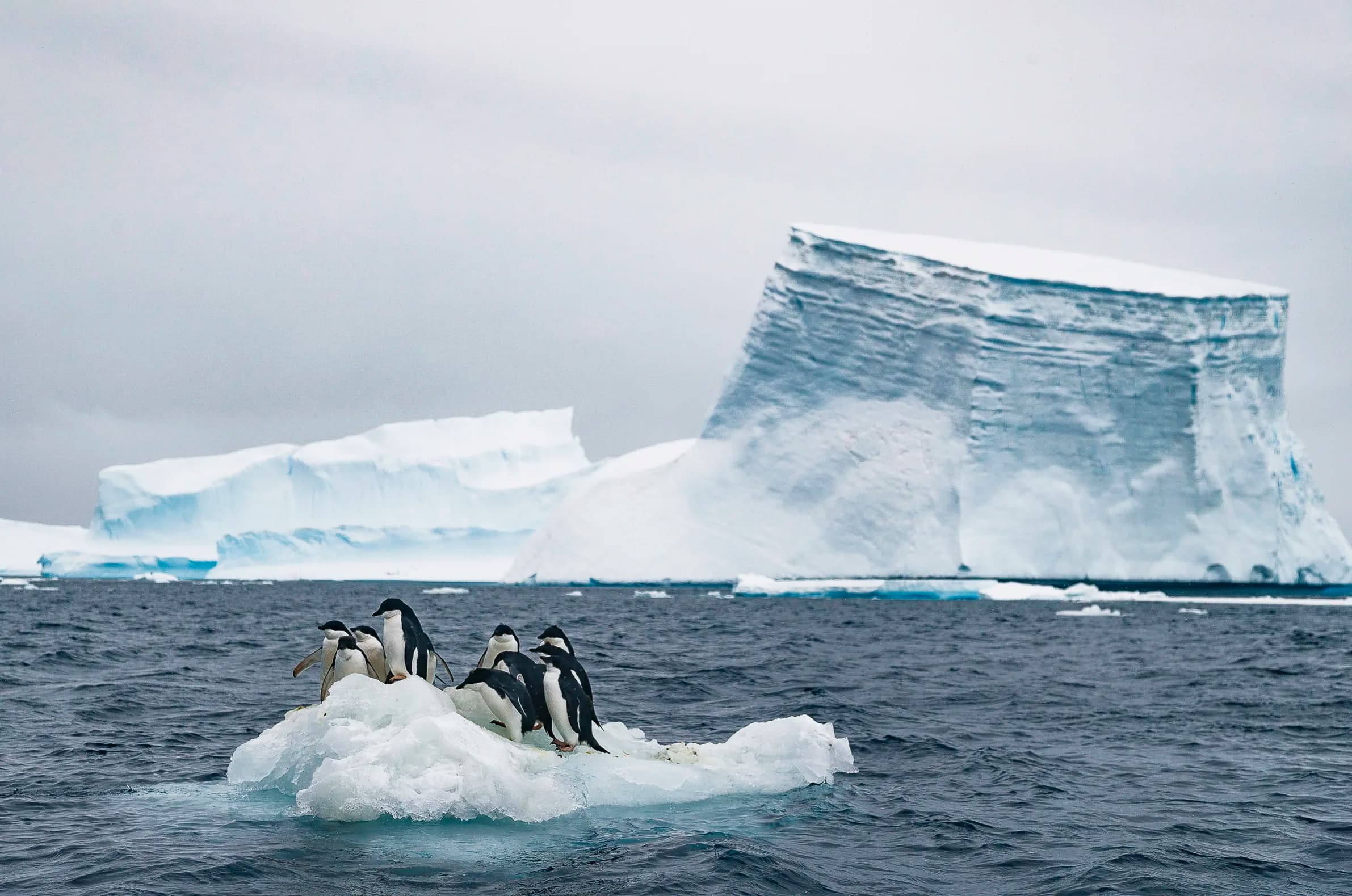
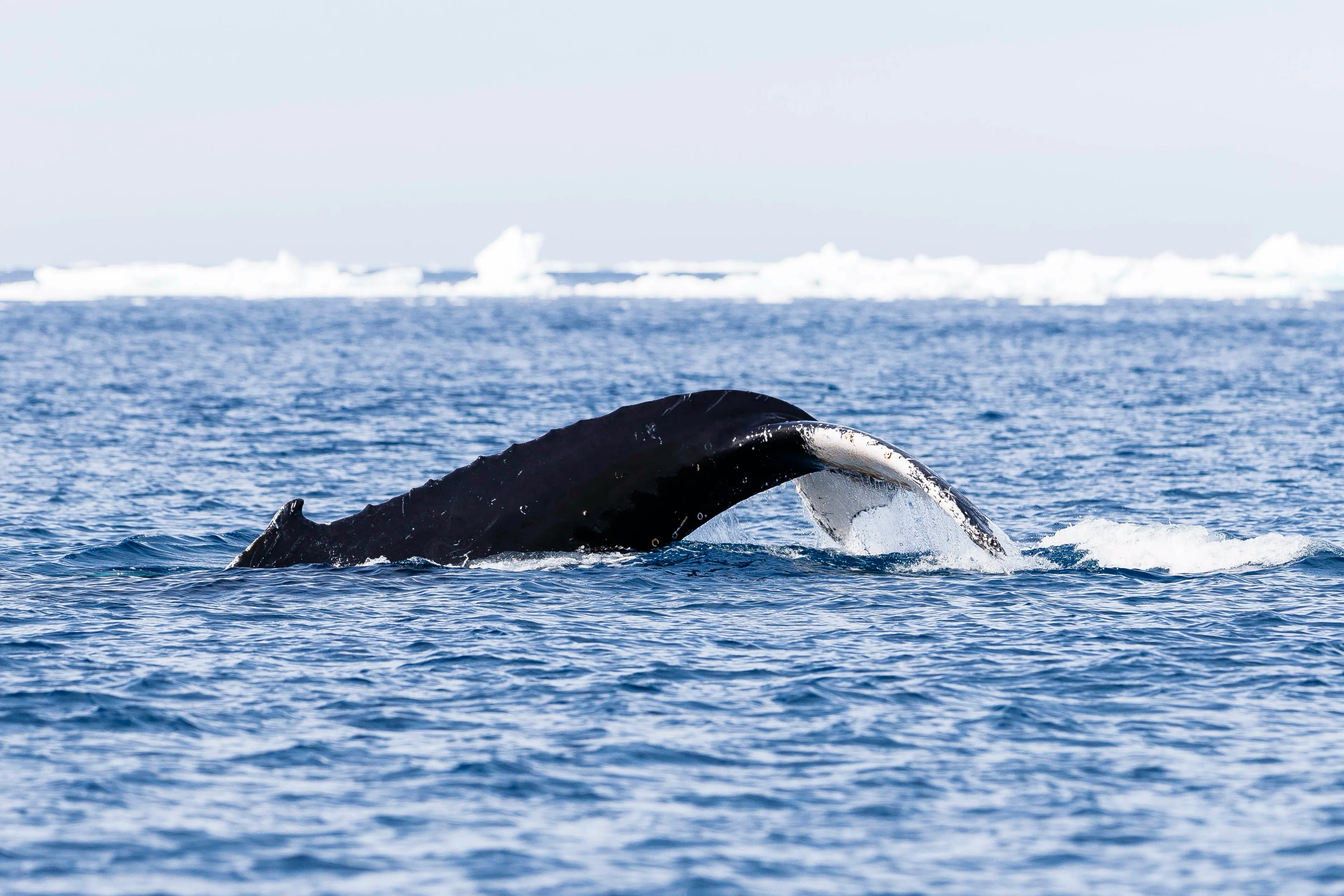
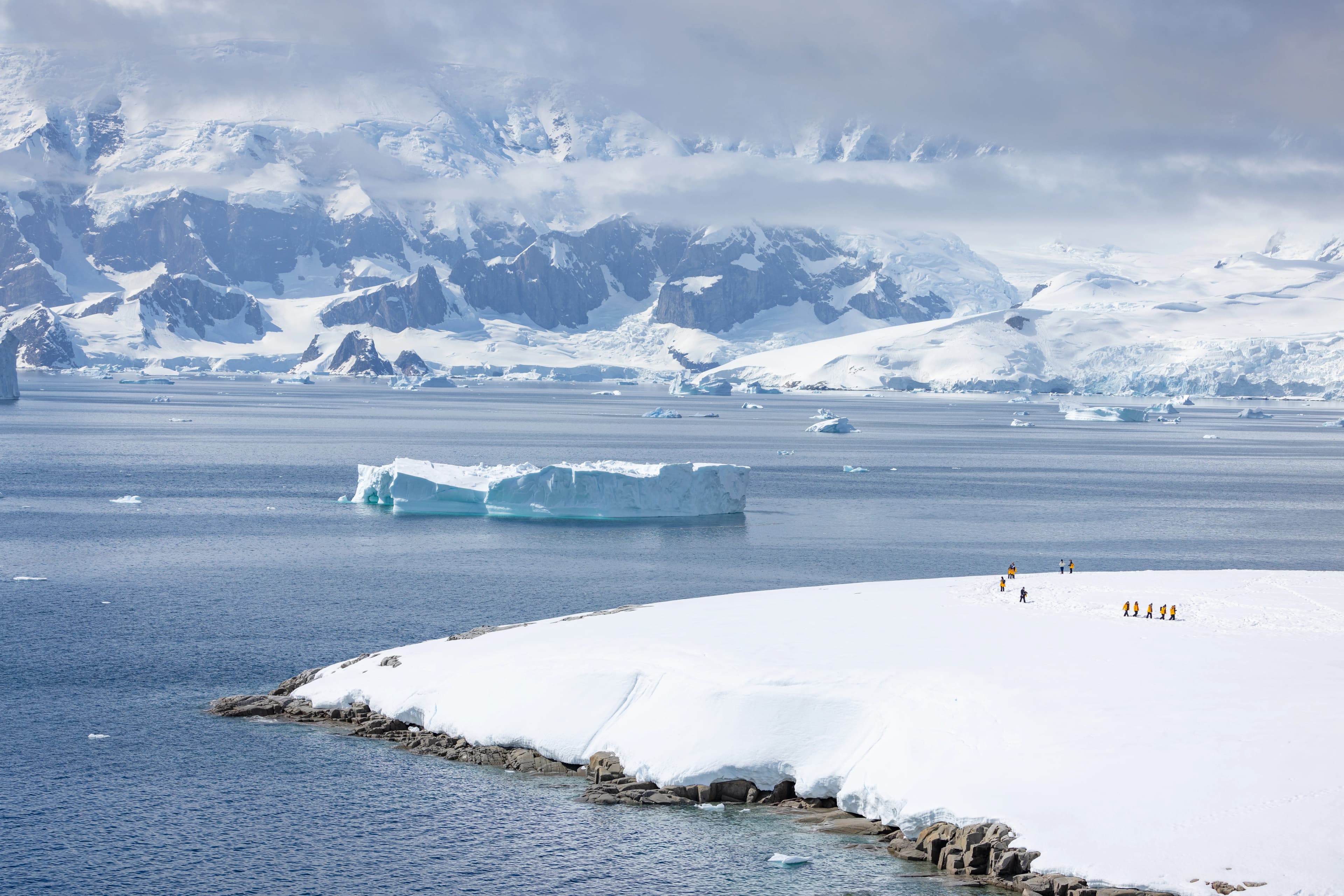
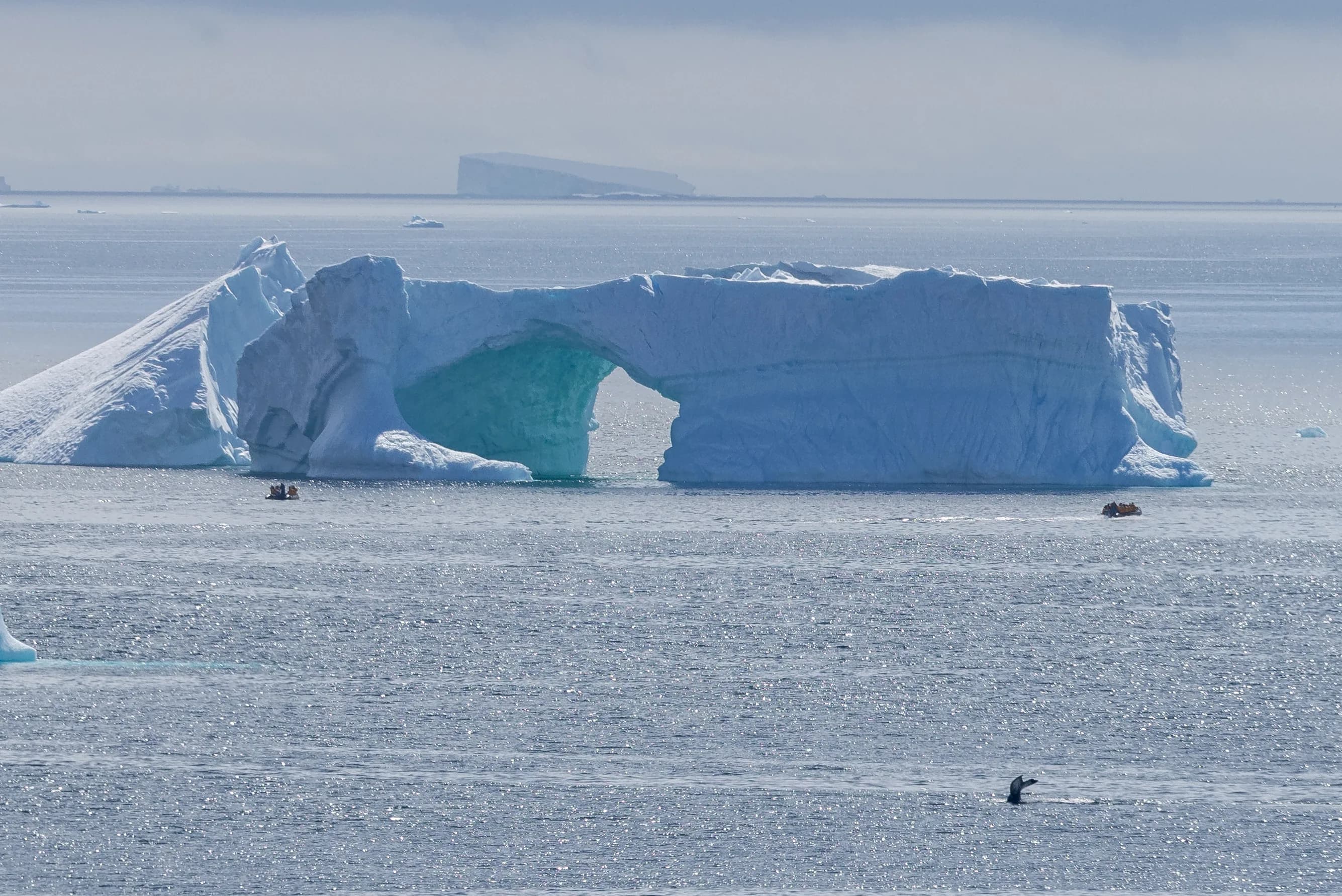
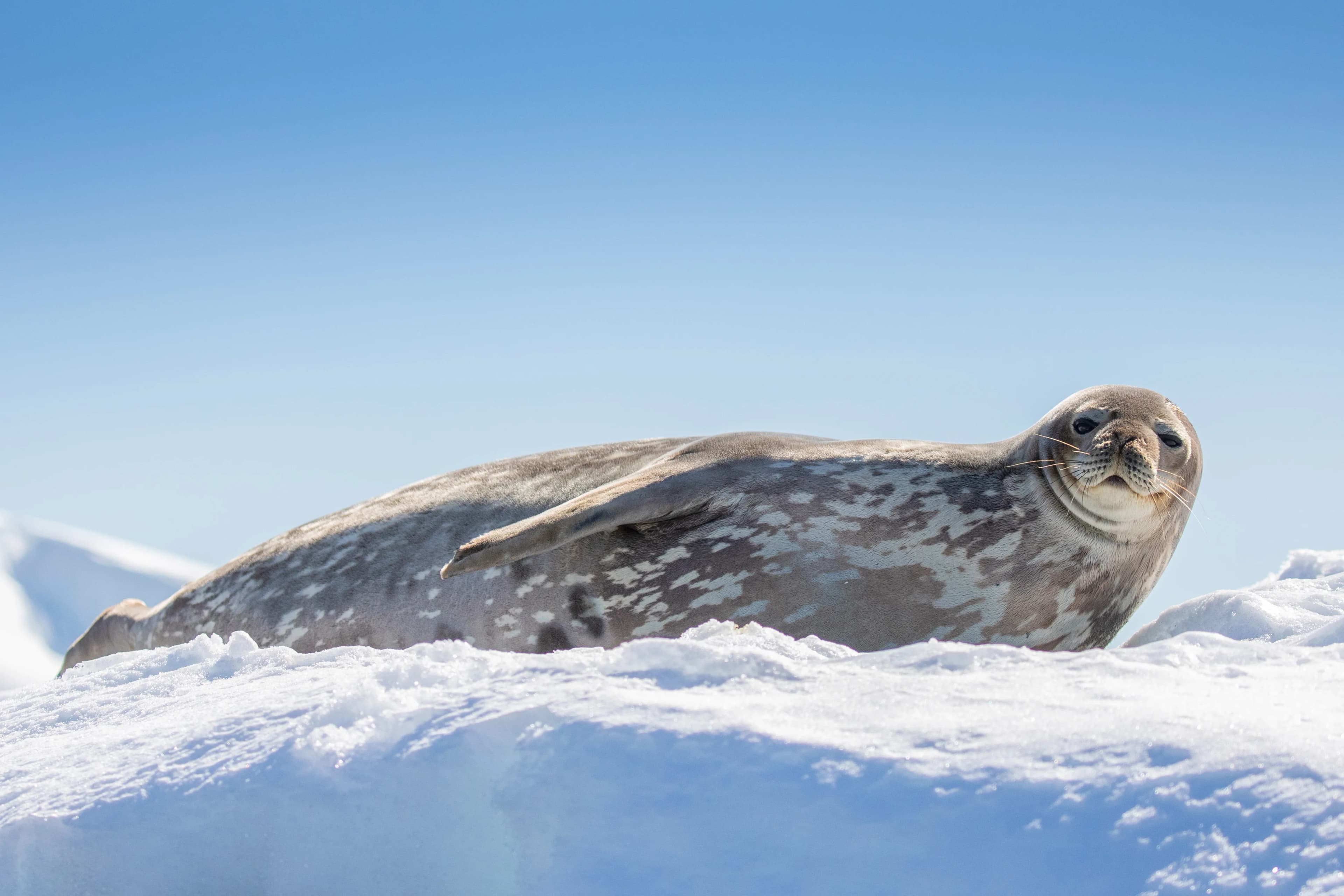
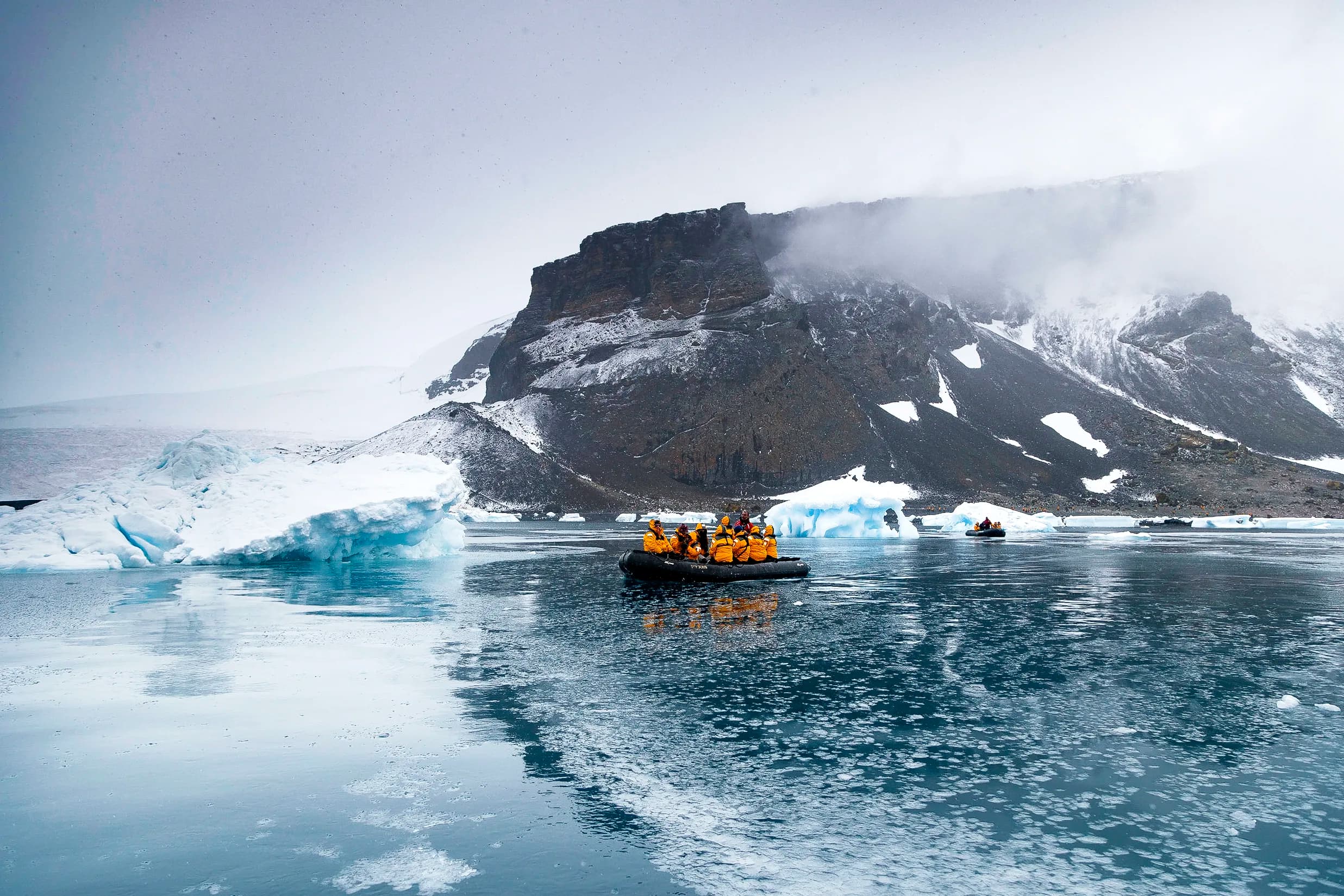
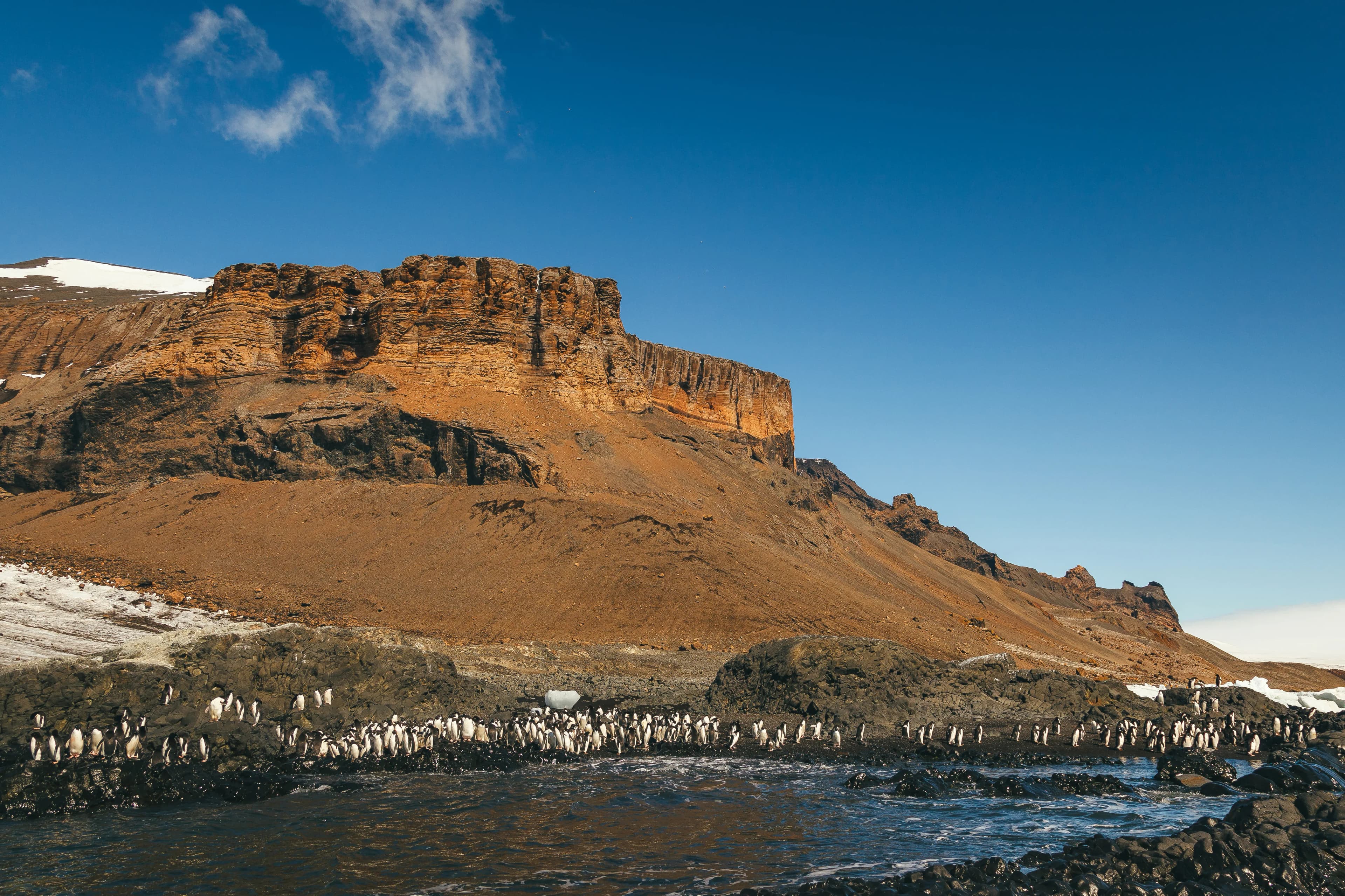
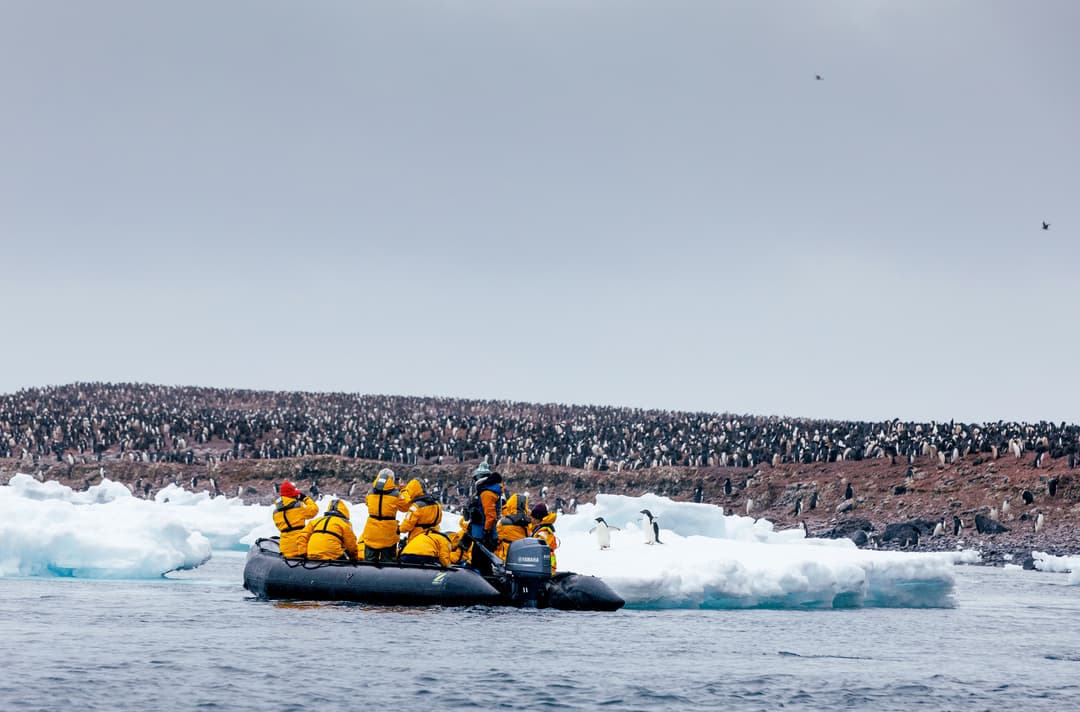
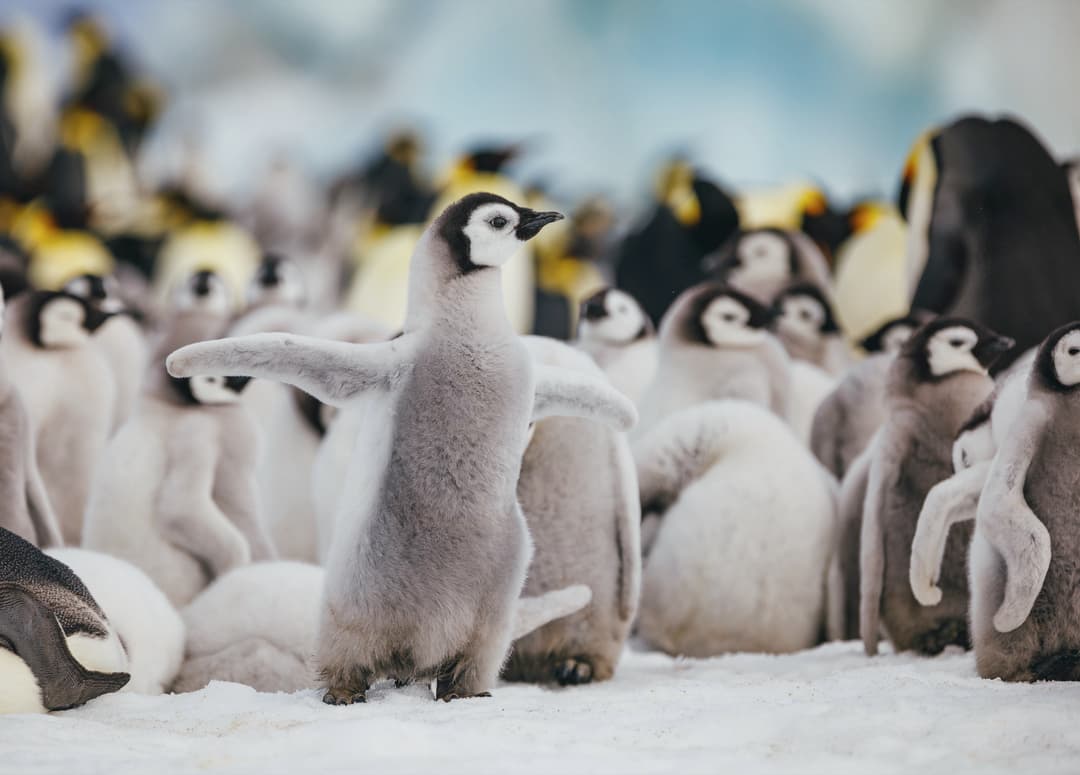
One word best describes the Weddell Sea and Antarctic Sound: immense. That applies equally to the ice formations, penguin colonies, and vast stretches of sea. In Antarctic Sound and the Weddell Sea, we will encounter massive tabular icebergs. These bergs don’t calve from tidewater glaciers but from ice shelves— and many will dwarf Ocean Explorer. Some in the Weddell Sea reach the size of a football field or larger. Their smooth, tabletop-flat surfaces reflect the ocean beneath: flat seas yield flat ice. Ice shelves stretch from land into the sea. In the northwest corner of the Weddell Sea, penguin colonies can number in the tens of thousands. For travelers seeking Adélie penguins, Antarctic Sound and the Weddell Sea offer prime viewing of this iconic species—the most southerly breeding penguin, and possibly bird, on Earth (though snow petrels, prevalent here, are also a contender for that crown). Gentoo penguins are found here too, and you’ll have chances to spot chinstraps. The legendary Snow Hill Emperor colony lies in this region; while we won’t reach it, we may encounter individual members on the ice. The Weddell Sea is less visited than the Gerlache Strait, not for lack of beauty, but due to its ever-shifting ice. On this voyage, we’ve added an extra day in this area—time enough for a true adventure into this endless wilderness, and to ensure we can fully embrace the dance with the ice. In the Weddell Sea, penguins are our priority—but ice will guide our course. Alongside towering tabular icebergs, we’ll likely encounter vast stretches of sea ice, more than on the Peninsula’s west side. Your Expedition Team and bridge officers will track charts and forecasts, seeking openings to navigate toward the region’s highlights, and intentionally visiting the ice edge to maximize our time in this remarkable environment. Our route will be shaped by sea ice and weather, but every destination— whichever we visit first or last—will be exceptional, evoking words like profound, humbling, and surreal. We’ll make every effort to visit large Adélie penguin colonies—at Brown Bluff, Paulet Island, or Tay Head—ranging from 20,000 to several hundred thousand penguins, including gentoo. Photos and documentaries can’t match the experience of standing before tens of thousands of penguins. The sounds alone—partners calling, chicks crying for parents, wind and waves against the shore, and the distant crack of calving glaciers—create an acoustic landscape of pure wildness. Add the sight of a penguin-covered landscape, and you have an encounter that’s impossible to replicate. The currents of Antarctic and Active sounds are mesmerizing. While you’re in a Zodiac, you may observe ice—large and small—flowing through narrow straits at several kilometers per hour, a raw display of the power of water. From shore, you may glimpse or sense the ice’s movement. Your Zodiac may pass through open water, while your return ride could weave among drifting floes, crackling brash, and scattered bergy bits. The Weddell Sea is known for superb birdwatching—especially cape, snow, and southern giant petrels—and the chance to spot Weddell, crabeater, or leopard seals onshore or catching rides on the drifting ice. Sightings may occur near Adélie colonies or at sites like Kinnes Cove and Active Sound. When ice opens in the Weddell Sea’s northwest, whales follow—lured by the feeding opportunities. Humpbacks and minkes are most common, with occasional killer whales. Conditions may also allow us to explore areas frequented by fin whales, and possibly southern rights. For historians, the Weddell Sea brims with stories—from Shackleton’s legendary Endurance survival and Nordenskjöld’s gallows-humored ordeal on Antarctic to far older histories told by the 60-million-year-old fossils on The Naze, Vega Island, and Cockburn Island. Fossils are discovered here partly because large areas remain relatively snow-free. Volcanic activity has painted these sites—as well as Brown Bluff on the Peninsula’s mainland—in rich reds, burnt oranges, and chocolate browns. In a landscape dominated by white, gray, and blue, these colors add a vivid layer to a region steeped in both human and ancient geological history. This itinerary offers the best of a polar expedition—soak in the vastness of the Weddell Sea and Antarctic Sound from your ship, then get up close to stunning geological formations by Zodiac or kayak.
One word best describes the Weddell Sea and Antarctic Sound: immense. That applies equally to the ice formations, penguin colonies, and vast stretches of sea. In Antarctic Sound and the Weddell Sea, we will encounter massive tabular icebergs. These bergs don’t calve from tidewater glaciers but from ice shelves— and many will dwarf Ocean Explorer. Some in the Weddell Sea reach the size of a football field or larger. Their smooth, tabletop-flat surfaces reflect the ocean beneath: flat seas yield flat ice. Ice shelves stretch from land into the sea. In the northwest corner of the Weddell Sea, penguin colonies can number in the tens of thousands. For travelers seeking Adélie penguins, Antarctic Sound and the Weddell Sea offer prime viewing of this iconic species—the most southerly breeding penguin, and possibly bird, on Earth (though snow petrels, prevalent here, are also a contender for that crown). Gentoo penguins are found here too, and you’ll have chances to spot chinstraps. The legendary Snow Hill Emperor colony lies in this region; while we won’t reach it, we may encounter individual members on the ice. The Weddell Sea is less visited than the Gerlache Strait, not for lack of beauty, but due to its ever-shifting ice. On this voyage, we’ve added an extra day in this area—time enough for a true adventure into this endless wilderness, and to ensure we can fully embrace the dance with the ice. In the Weddell Sea, penguins are our priority—but ice will guide our course. Alongside towering tabular icebergs, we’ll likely encounter vast stretches of sea ice, more than on the Peninsula’s west side. Your Expedition Team and bridge officers will track charts and forecasts, seeking openings to navigate toward the region’s highlights, and intentionally visiting the ice edge to maximize our time in this remarkable environment. Our route will be shaped by sea ice and weather, but every destination— whichever we visit first or last—will be exceptional, evoking words like profound, humbling, and surreal. We’ll make every effort to visit large Adélie penguin colonies—at Brown Bluff, Paulet Island, or Tay Head—ranging from 20,000 to several hundred thousand penguins, including gentoo. Photos and documentaries can’t match the experience of standing before tens of thousands of penguins. The sounds alone—partners calling, chicks crying for parents, wind and waves against the shore, and the distant crack of calving glaciers—create an acoustic landscape of pure wildness. Add the sight of a penguin-covered landscape, and you have an encounter that’s impossible to replicate. The currents of Antarctic and Active sounds are mesmerizing. While you’re in a Zodiac, you may observe ice—large and small—flowing through narrow straits at several kilometers per hour, a raw display of the power of water. From shore, you may glimpse or sense the ice’s movement. Your Zodiac may pass through open water, while your return ride could weave among drifting floes, crackling brash, and scattered bergy bits. The Weddell Sea is known for superb birdwatching—especially cape, snow, and southern giant petrels—and the chance to spot Weddell, crabeater, or leopard seals onshore or catching rides on the drifting ice. Sightings may occur near Adélie colonies or at sites like Kinnes Cove and Active Sound. When ice opens in the Weddell Sea’s northwest, whales follow—lured by the feeding opportunities. Humpbacks and minkes are most common, with occasional killer whales. Conditions may also allow us to explore areas frequented by fin whales, and possibly southern rights. For historians, the Weddell Sea brims with stories—from Shackleton’s legendary Endurance survival and Nordenskjöld’s gallows-humored ordeal on Antarctic to far older histories told by the 60-million-year-old fossils on The Naze, Vega Island, and Cockburn Island. Fossils are discovered here partly because large areas remain relatively snow-free. Volcanic activity has painted these sites—as well as Brown Bluff on the Peninsula’s mainland—in rich reds, burnt oranges, and chocolate browns. In a landscape dominated by white, gray, and blue, these colors add a vivid layer to a region steeped in both human and ancient geological history. This itinerary offers the best of a polar expedition—soak in the vastness of the Weddell Sea and Antarctic Sound from your ship, then get up close to stunning geological formations by Zodiac or kayak.
One word best describes the Weddell Sea and Antarctic Sound: immense. That applies equally to the ice formations, penguin colonies, and vast stretches of sea. In Antarctic Sound and the Weddell Sea, we will encounter massive tabular icebergs. These bergs don’t calve from tidewater glaciers but from ice shelves— and many will dwarf Ocean Explorer. Some in the Weddell Sea reach the size of a football field or larger. Their smooth, tabletop-flat surfaces reflect the ocean beneath: flat seas yield flat ice. Ice shelves stretch from land into the sea. In the northwest corner of the Weddell Sea, penguin colonies can number in the tens of thousands. For travelers seeking Adélie penguins, Antarctic Sound and the Weddell Sea offer prime viewing of this iconic species—the most southerly breeding penguin, and possibly bird, on Earth (though snow petrels, prevalent here, are also a contender for that crown). Gentoo penguins are found here too, and you’ll have chances to spot chinstraps. The legendary Snow Hill Emperor colony lies in this region; while we won’t reach it, we may encounter individual members on the ice. The Weddell Sea is less visited than the Gerlache Strait, not for lack of beauty, but due to its ever-shifting ice. On this voyage, we’ve added an extra day in this area—time enough for a true adventure into this endless wilderness, and to ensure we can fully embrace the dance with the ice. In the Weddell Sea, penguins are our priority—but ice will guide our course. Alongside towering tabular icebergs, we’ll likely encounter vast stretches of sea ice, more than on the Peninsula’s west side. Your Expedition Team and bridge officers will track charts and forecasts, seeking openings to navigate toward the region’s highlights, and intentionally visiting the ice edge to maximize our time in this remarkable environment. Our route will be shaped by sea ice and weather, but every destination— whichever we visit first or last—will be exceptional, evoking words like profound, humbling, and surreal. We’ll make every effort to visit large Adélie penguin colonies—at Brown Bluff, Paulet Island, or Tay Head—ranging from 20,000 to several hundred thousand penguins, including gentoo. Photos and documentaries can’t match the experience of standing before tens of thousands of penguins. The sounds alone—partners calling, chicks crying for parents, wind and waves against the shore, and the distant crack of calving glaciers—create an acoustic landscape of pure wildness. Add the sight of a penguin-covered landscape, and you have an encounter that’s impossible to replicate. The currents of Antarctic and Active sounds are mesmerizing. While you’re in a Zodiac, you may observe ice—large and small—flowing through narrow straits at several kilometers per hour, a raw display of the power of water. From shore, you may glimpse or sense the ice’s movement. Your Zodiac may pass through open water, while your return ride could weave among drifting floes, crackling brash, and scattered bergy bits. The Weddell Sea is known for superb birdwatching—especially cape, snow, and southern giant petrels—and the chance to spot Weddell, crabeater, or leopard seals onshore or catching rides on the drifting ice. Sightings may occur near Adélie colonies or at sites like Kinnes Cove and Active Sound. When ice opens in the Weddell Sea’s northwest, whales follow—lured by the feeding opportunities. Humpbacks and minkes are most common, with occasional killer whales. Conditions may also allow us to explore areas frequented by fin whales, and possibly southern rights. For historians, the Weddell Sea brims with stories—from Shackleton’s legendary Endurance survival and Nordenskjöld’s gallows-humored ordeal on Antarctic to far older histories told by the 60-million-year-old fossils on The Naze, Vega Island, and Cockburn Island. Fossils are discovered here partly because large areas remain relatively snow-free. Volcanic activity has painted these sites—as well as Brown Bluff on the Peninsula’s mainland—in rich reds, burnt oranges, and chocolate browns. In a landscape dominated by white, gray, and blue, these colors add a vivid layer to a region steeped in both human and ancient geological history. This itinerary offers the best of a polar expedition—soak in the vastness of the Weddell Sea and Antarctic Sound from your ship, then get up close to stunning geological formations by Zodiac or kayak.
One word best describes the Weddell Sea and Antarctic Sound: immense. That applies equally to the ice formations, penguin colonies, and vast stretches of sea. In Antarctic Sound and the Weddell Sea, we will encounter massive tabular icebergs. These bergs don’t calve from tidewater glaciers but from ice shelves— and many will dwarf Ocean Explorer. Some in the Weddell Sea reach the size of a football field or larger. Their smooth, tabletop-flat surfaces reflect the ocean beneath: flat seas yield flat ice. Ice shelves stretch from land into the sea. In the northwest corner of the Weddell Sea, penguin colonies can number in the tens of thousands. For travelers seeking Adélie penguins, Antarctic Sound and the Weddell Sea offer prime viewing of this iconic species—the most southerly breeding penguin, and possibly bird, on Earth (though snow petrels, prevalent here, are also a contender for that crown). Gentoo penguins are found here too, and you’ll have chances to spot chinstraps. The legendary Snow Hill Emperor colony lies in this region; while we won’t reach it, we may encounter individual members on the ice. The Weddell Sea is less visited than the Gerlache Strait, not for lack of beauty, but due to its ever-shifting ice. On this voyage, we’ve added an extra day in this area—time enough for a true adventure into this endless wilderness, and to ensure we can fully embrace the dance with the ice. In the Weddell Sea, penguins are our priority—but ice will guide our course. Alongside towering tabular icebergs, we’ll likely encounter vast stretches of sea ice, more than on the Peninsula’s west side. Your Expedition Team and bridge officers will track charts and forecasts, seeking openings to navigate toward the region’s highlights, and intentionally visiting the ice edge to maximize our time in this remarkable environment. Our route will be shaped by sea ice and weather, but every destination— whichever we visit first or last—will be exceptional, evoking words like profound, humbling, and surreal. We’ll make every effort to visit large Adélie penguin colonies—at Brown Bluff, Paulet Island, or Tay Head—ranging from 20,000 to several hundred thousand penguins, including gentoo. Photos and documentaries can’t match the experience of standing before tens of thousands of penguins. The sounds alone—partners calling, chicks crying for parents, wind and waves against the shore, and the distant crack of calving glaciers—create an acoustic landscape of pure wildness. Add the sight of a penguin-covered landscape, and you have an encounter that’s impossible to replicate. The currents of Antarctic and Active sounds are mesmerizing. While you’re in a Zodiac, you may observe ice—large and small—flowing through narrow straits at several kilometers per hour, a raw display of the power of water. From shore, you may glimpse or sense the ice’s movement. Your Zodiac may pass through open water, while your return ride could weave among drifting floes, crackling brash, and scattered bergy bits. The Weddell Sea is known for superb birdwatching—especially cape, snow, and southern giant petrels—and the chance to spot Weddell, crabeater, or leopard seals onshore or catching rides on the drifting ice. Sightings may occur near Adélie colonies or at sites like Kinnes Cove and Active Sound. When ice opens in the Weddell Sea’s northwest, whales follow—lured by the feeding opportunities. Humpbacks and minkes are most common, with occasional killer whales. Conditions may also allow us to explore areas frequented by fin whales, and possibly southern rights. For historians, the Weddell Sea brims with stories—from Shackleton’s legendary Endurance survival and Nordenskjöld’s gallows-humored ordeal on Antarctic to far older histories told by the 60-million-year-old fossils on The Naze, Vega Island, and Cockburn Island. Fossils are discovered here partly because large areas remain relatively snow-free. Volcanic activity has painted these sites—as well as Brown Bluff on the Peninsula’s mainland—in rich reds, burnt oranges, and chocolate browns. In a landscape dominated by white, gray, and blue, these colors add a vivid layer to a region steeped in both human and ancient geological history. This itinerary offers the best of a polar expedition—soak in the vastness of the Weddell Sea and Antarctic Sound from your ship, then get up close to stunning geological formations by Zodiac or kayak.
One word best describes the Weddell Sea and Antarctic Sound: immense. That applies equally to the ice formations, penguin colonies, and vast stretches of sea. In Antarctic Sound and the Weddell Sea, we will encounter massive tabular icebergs. These bergs don’t calve from tidewater glaciers but from ice shelves— and many will dwarf Ocean Explorer. Some in the Weddell Sea reach the size of a football field or larger. Their smooth, tabletop-flat surfaces reflect the ocean beneath: flat seas yield flat ice. Ice shelves stretch from land into the sea. In the northwest corner of the Weddell Sea, penguin colonies can number in the tens of thousands. For travelers seeking Adélie penguins, Antarctic Sound and the Weddell Sea offer prime viewing of this iconic species—the most southerly breeding penguin, and possibly bird, on Earth (though snow petrels, prevalent here, are also a contender for that crown). Gentoo penguins are found here too, and you’ll have chances to spot chinstraps. The legendary Snow Hill Emperor colony lies in this region; while we won’t reach it, we may encounter individual members on the ice. The Weddell Sea is less visited than the Gerlache Strait, not for lack of beauty, but due to its ever-shifting ice. On this voyage, we’ve added an extra day in this area—time enough for a true adventure into this endless wilderness, and to ensure we can fully embrace the dance with the ice. In the Weddell Sea, penguins are our priority—but ice will guide our course. Alongside towering tabular icebergs, we’ll likely encounter vast stretches of sea ice, more than on the Peninsula’s west side. Your Expedition Team and bridge officers will track charts and forecasts, seeking openings to navigate toward the region’s highlights, and intentionally visiting the ice edge to maximize our time in this remarkable environment. Our route will be shaped by sea ice and weather, but every destination— whichever we visit first or last—will be exceptional, evoking words like profound, humbling, and surreal. We’ll make every effort to visit large Adélie penguin colonies—at Brown Bluff, Paulet Island, or Tay Head—ranging from 20,000 to several hundred thousand penguins, including gentoo. Photos and documentaries can’t match the experience of standing before tens of thousands of penguins. The sounds alone—partners calling, chicks crying for parents, wind and waves against the shore, and the distant crack of calving glaciers—create an acoustic landscape of pure wildness. Add the sight of a penguin-covered landscape, and you have an encounter that’s impossible to replicate. The currents of Antarctic and Active sounds are mesmerizing. While you’re in a Zodiac, you may observe ice—large and small—flowing through narrow straits at several kilometers per hour, a raw display of the power of water. From shore, you may glimpse or sense the ice’s movement. Your Zodiac may pass through open water, while your return ride could weave among drifting floes, crackling brash, and scattered bergy bits. The Weddell Sea is known for superb birdwatching—especially cape, snow, and southern giant petrels—and the chance to spot Weddell, crabeater, or leopard seals onshore or catching rides on the drifting ice. Sightings may occur near Adélie colonies or at sites like Kinnes Cove and Active Sound. When ice opens in the Weddell Sea’s northwest, whales follow—lured by the feeding opportunities. Humpbacks and minkes are most common, with occasional killer whales. Conditions may also allow us to explore areas frequented by fin whales, and possibly southern rights. For historians, the Weddell Sea brims with stories—from Shackleton’s legendary Endurance survival and Nordenskjöld’s gallows-humored ordeal on Antarctic to far older histories told by the 60-million-year-old fossils on The Naze, Vega Island, and Cockburn Island. Fossils are discovered here partly because large areas remain relatively snow-free. Volcanic activity has painted these sites—as well as Brown Bluff on the Peninsula’s mainland—in rich reds, burnt oranges, and chocolate browns. In a landscape dominated by white, gray, and blue, these colors add a vivid layer to a region steeped in both human and ancient geological history. This itinerary offers the best of a polar expedition—soak in the vastness of the Weddell Sea and Antarctic Sound from your ship, then get up close to stunning geological formations by Zodiac or kayak.
The journey back across the 800-km (500 mile) Drake Passage provides final opportunities to enjoy the crisp Antarctic air, spend time on the outer deck watching for seabirds and whales, or attending one of our team’s expert-led polar presentations.
The journey back across the 800-km (500 mile) Drake Passage provides final opportunities to enjoy the crisp Antarctic air, spend time on the outer deck watching for seabirds and whales, or attending one of our team’s expert-led polar presentations.
Your ship is scheduled to arrive in Ushuaia between 7 a.m. and 8 a.m. Once the ship has docked, you will bid farewell to your Expedition Team and shipmates before completing your disembarkation. You are then free to take advantage of the included transfer to the airport or, depending on the time of your flight, explore the town on your own and take a taxi to the airport later.
About the Ship
Name
Ocean Explorer
Operator
Quark Expeditions

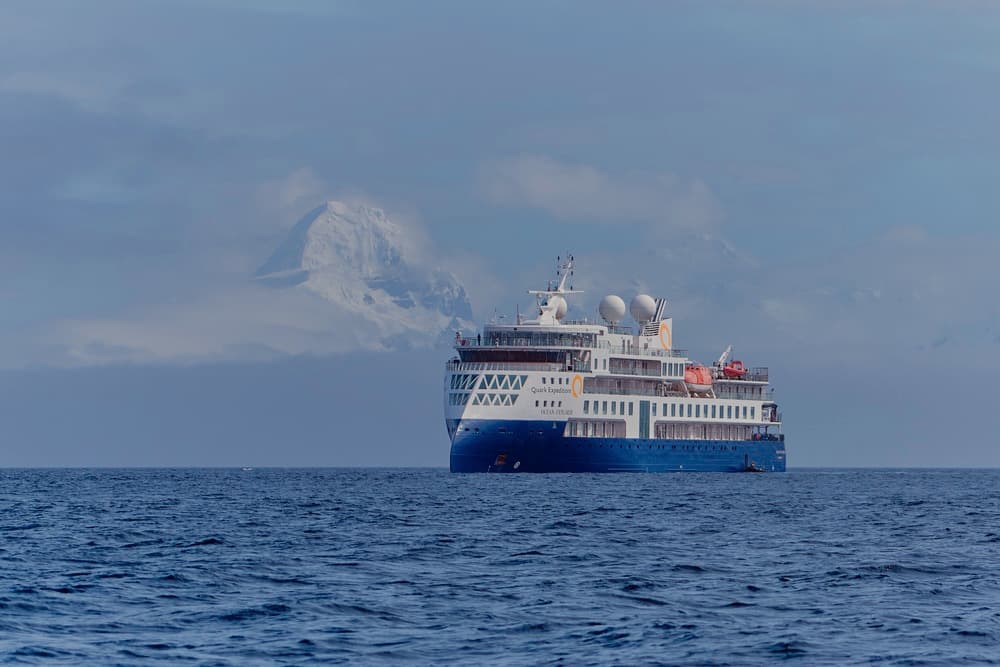
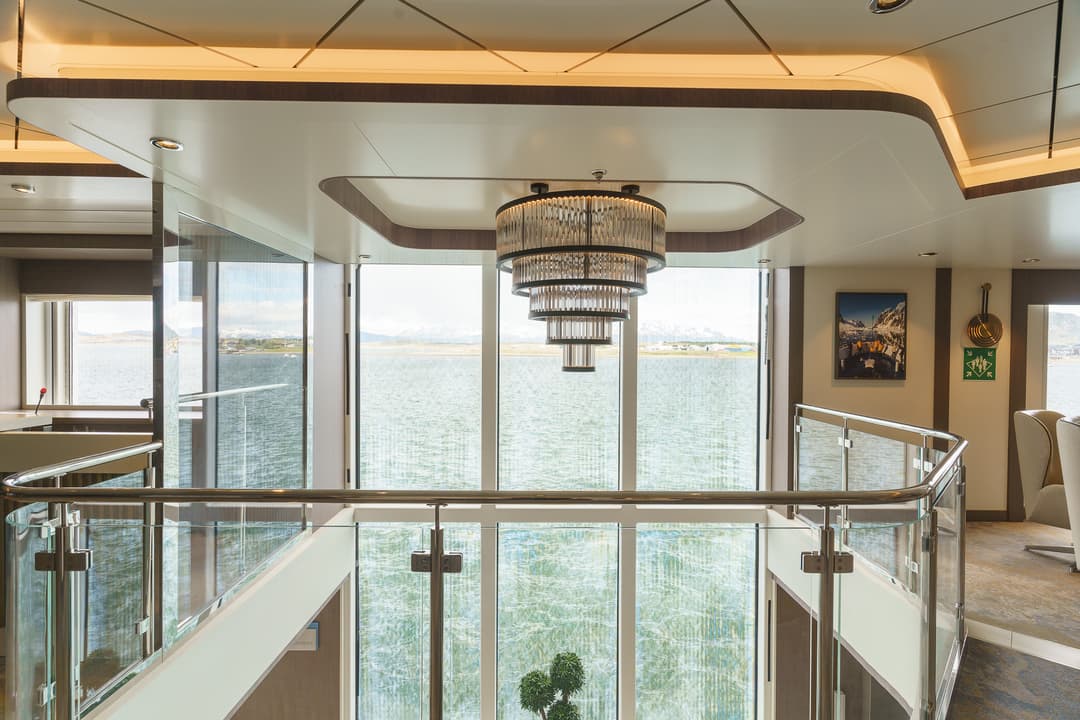
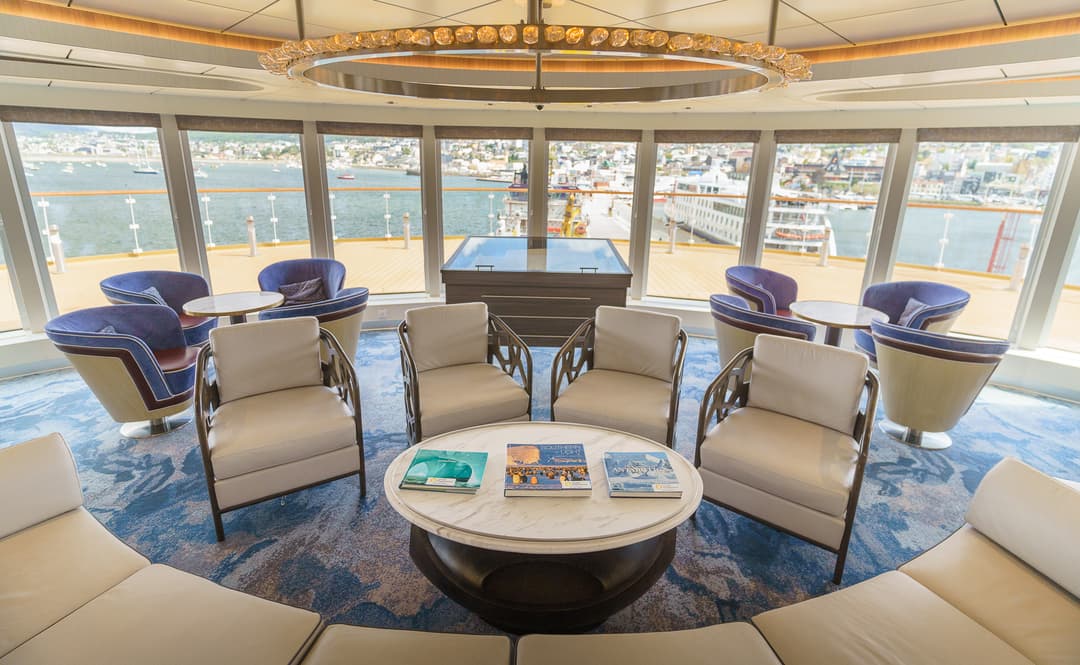
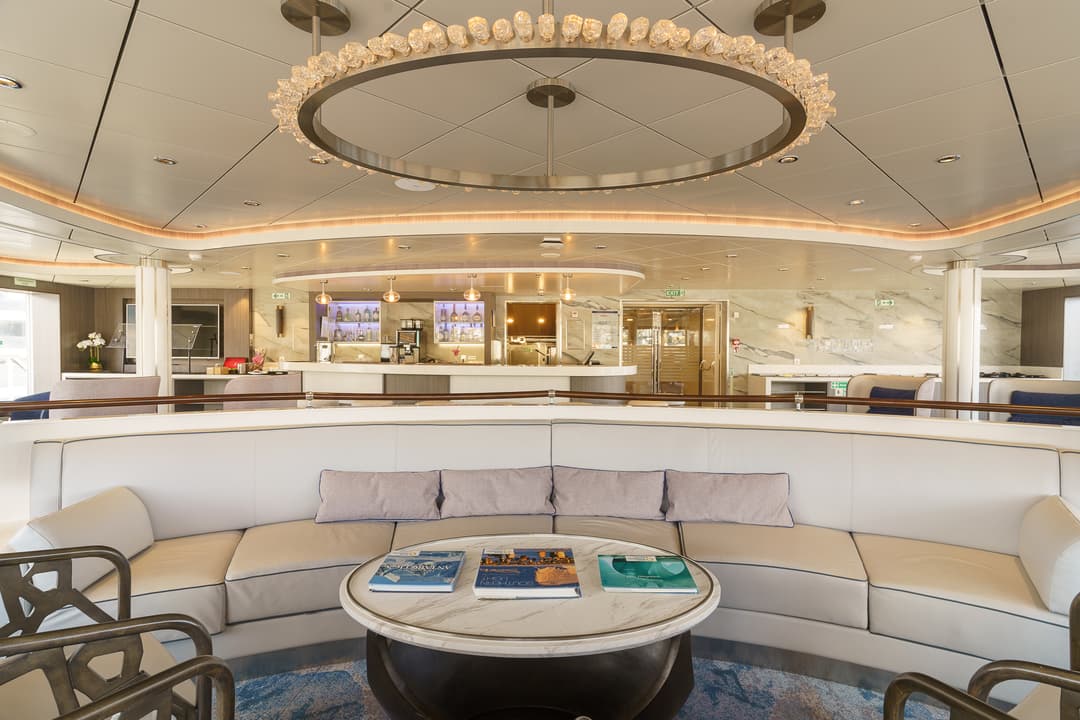
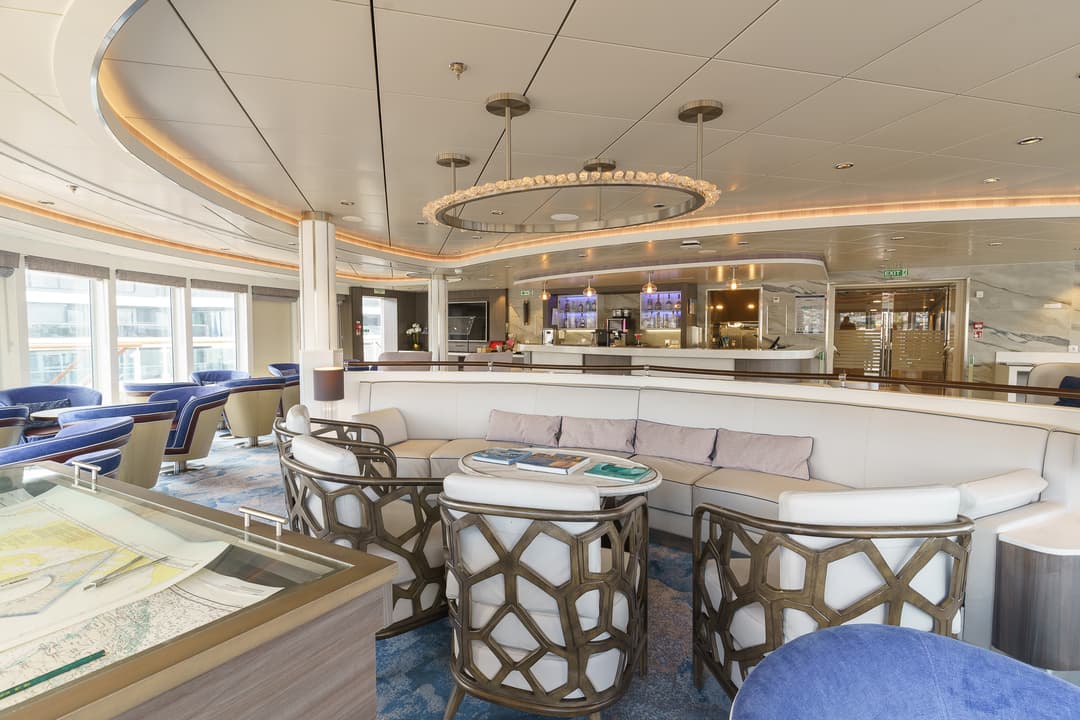
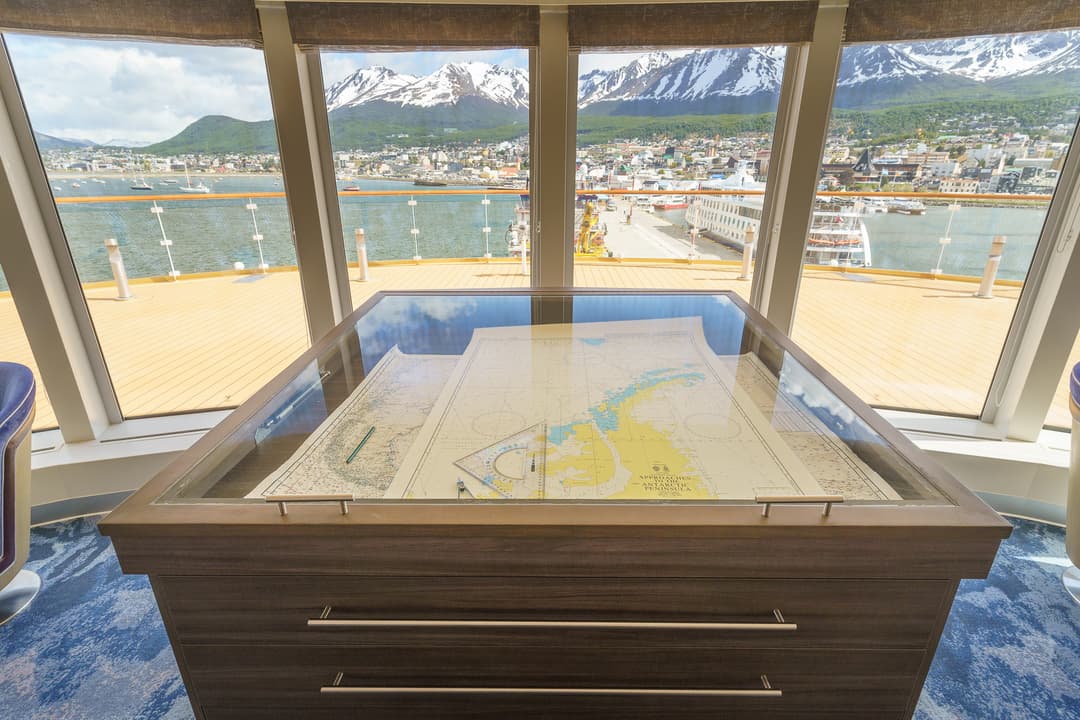
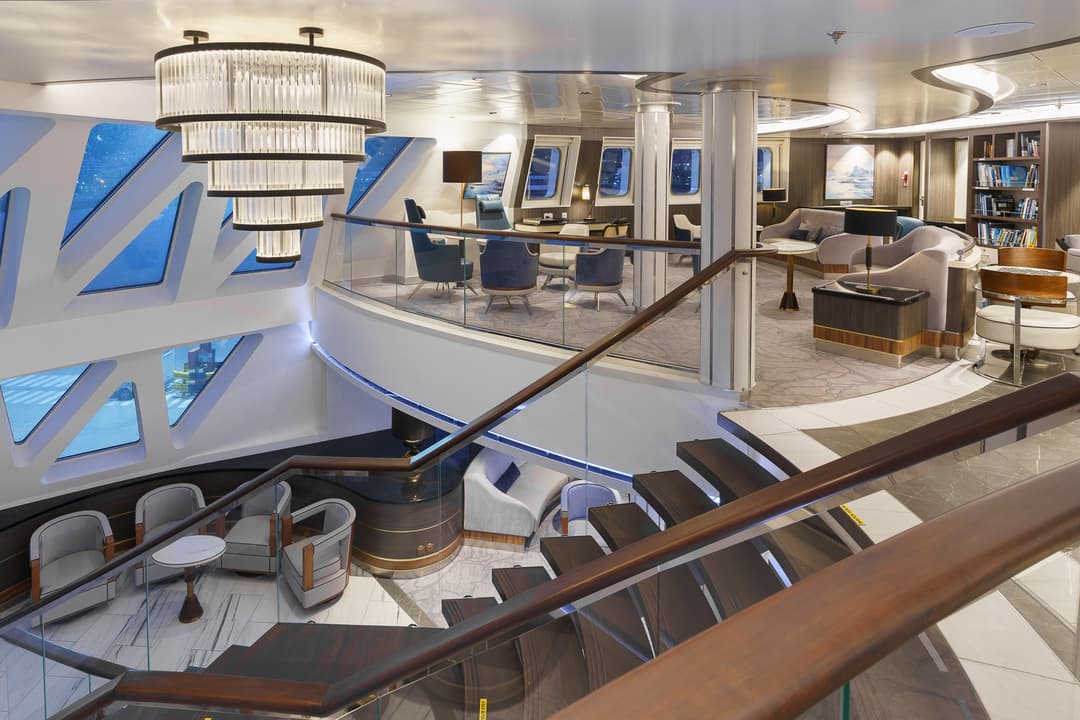
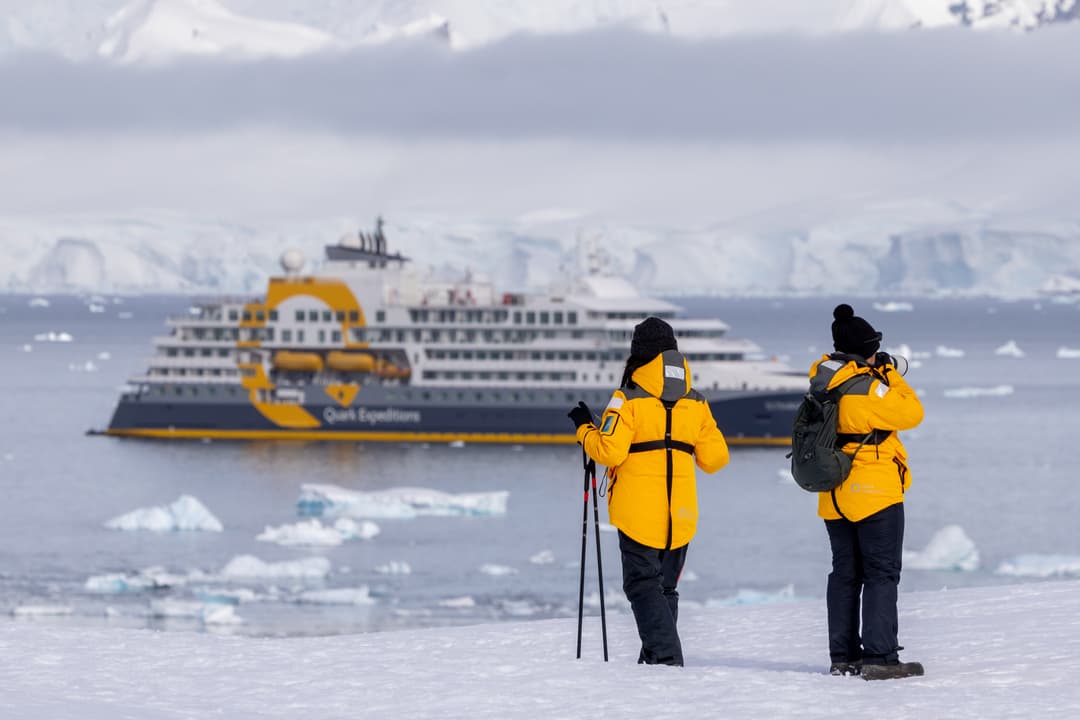
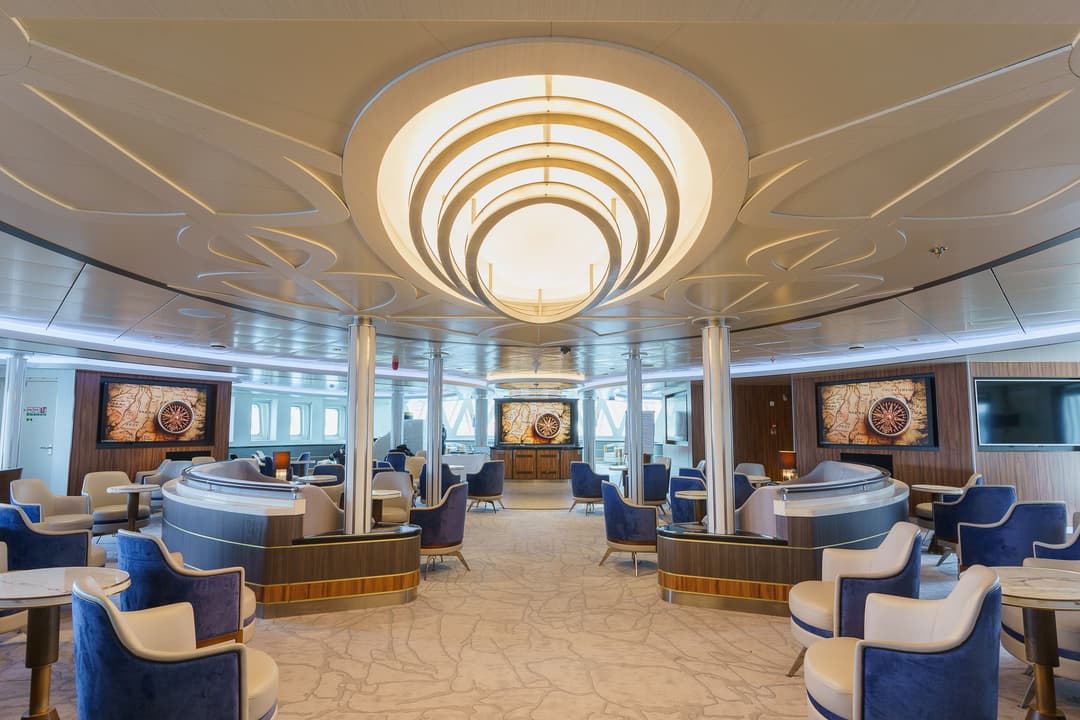
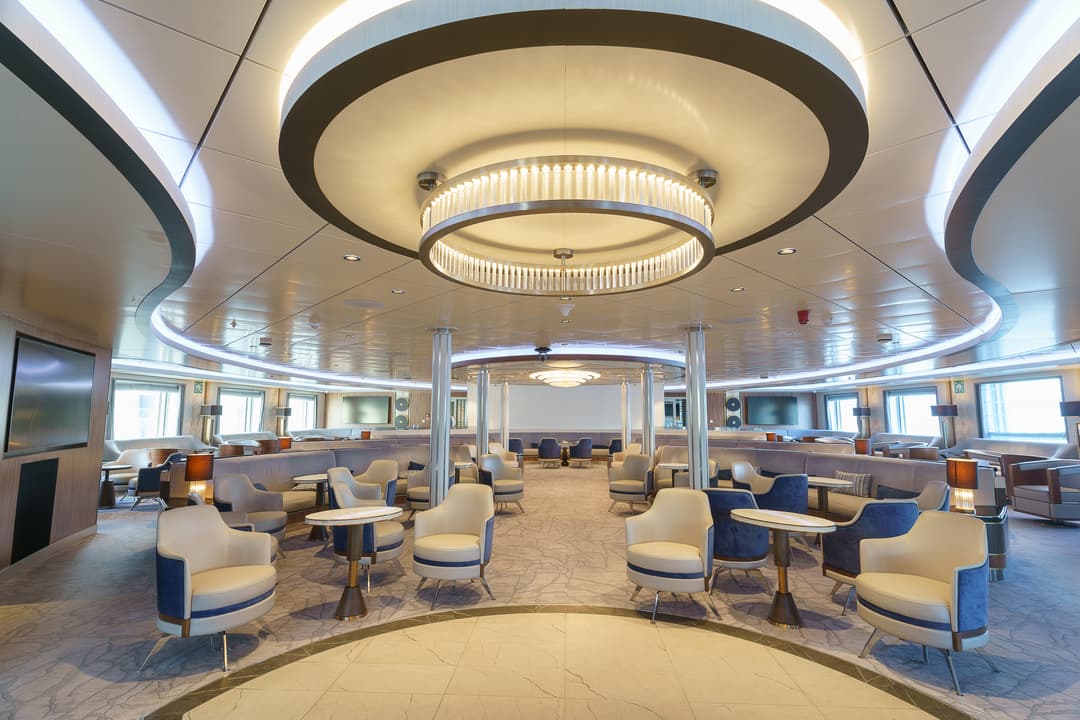
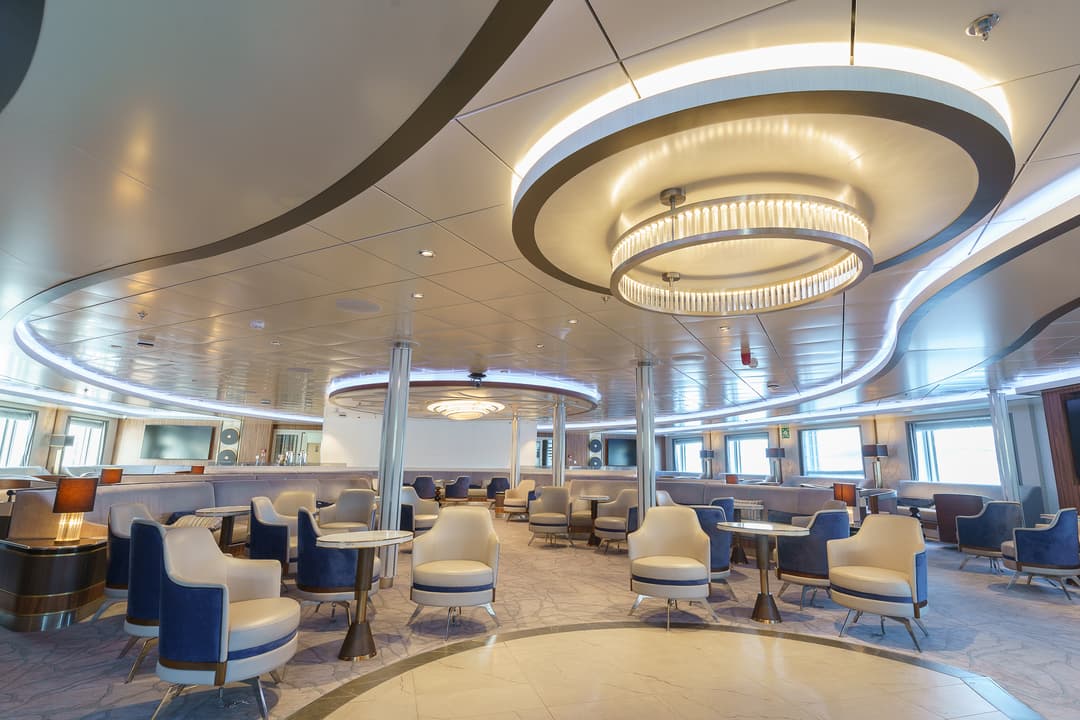
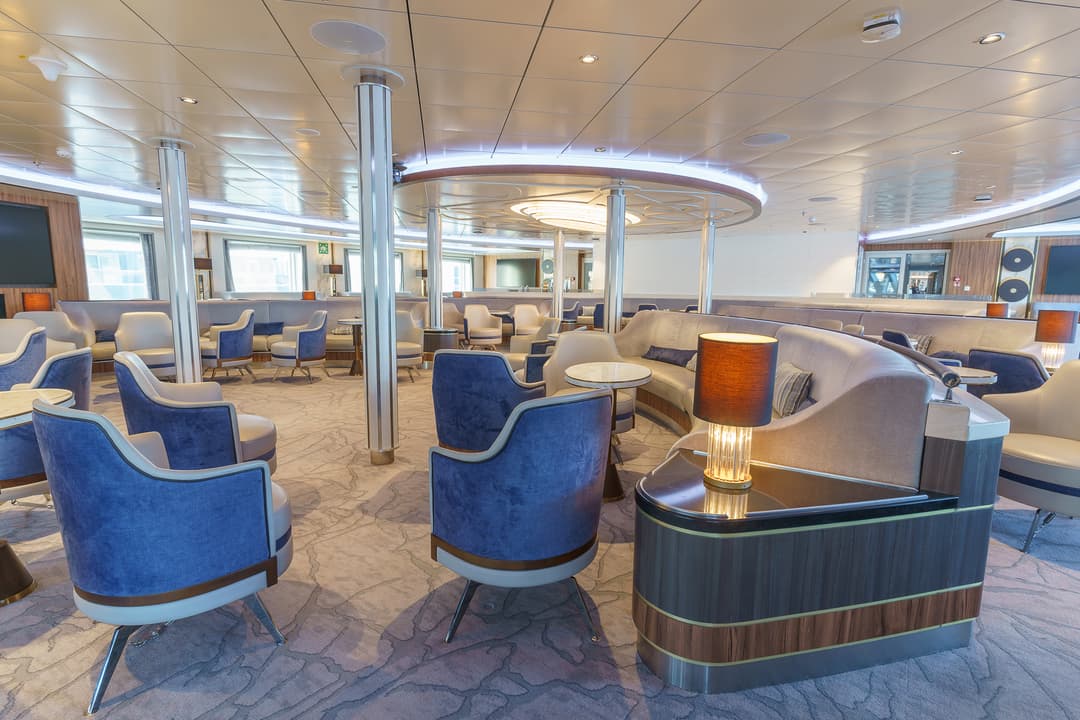
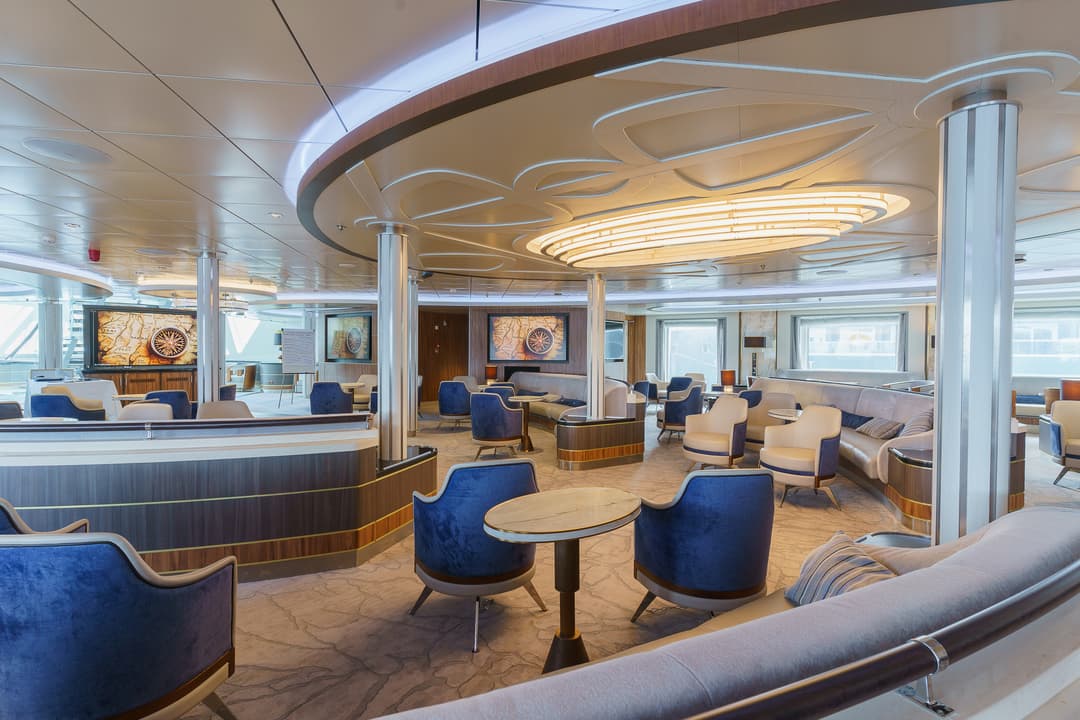
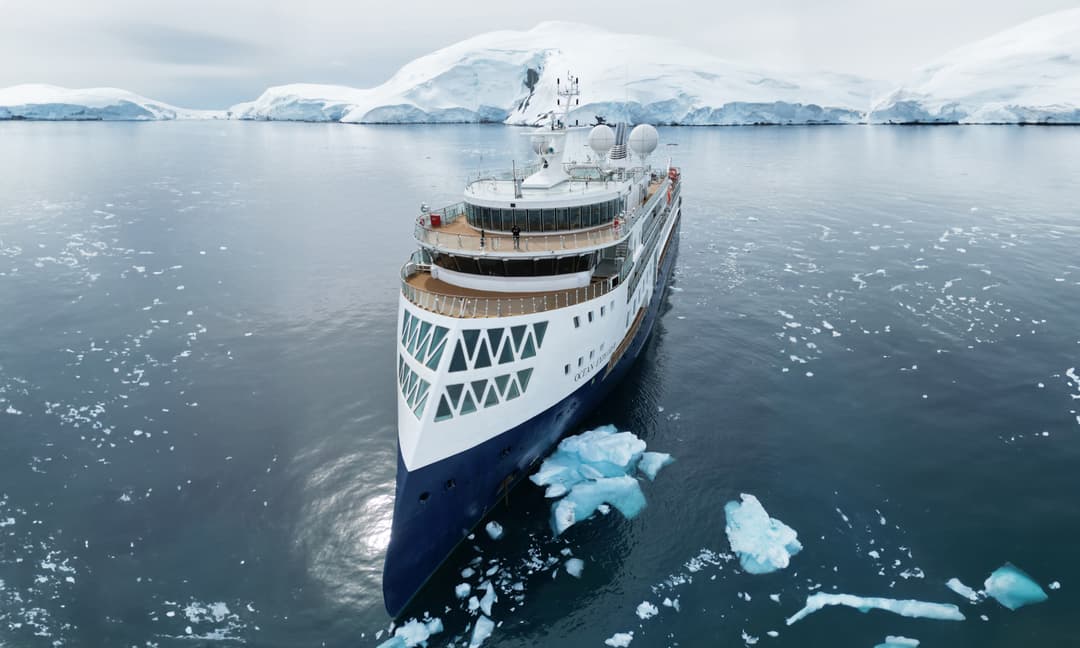
Ocean Explorer is modern, elegant and purpose-built for polar exploration. The 138-passenger vessel has been designed with the latest in expedition ship technology. One of the ship’s key features is the ULSTEIN X-BOW®, a marine engineering innovation that ensures a comfortable and smooth sailing experience thanks to the inverted bow. Located at the bow is the two-story, light-filled library, which introduces a welcome airiness to the expedition ship.
Loading...
Loading...
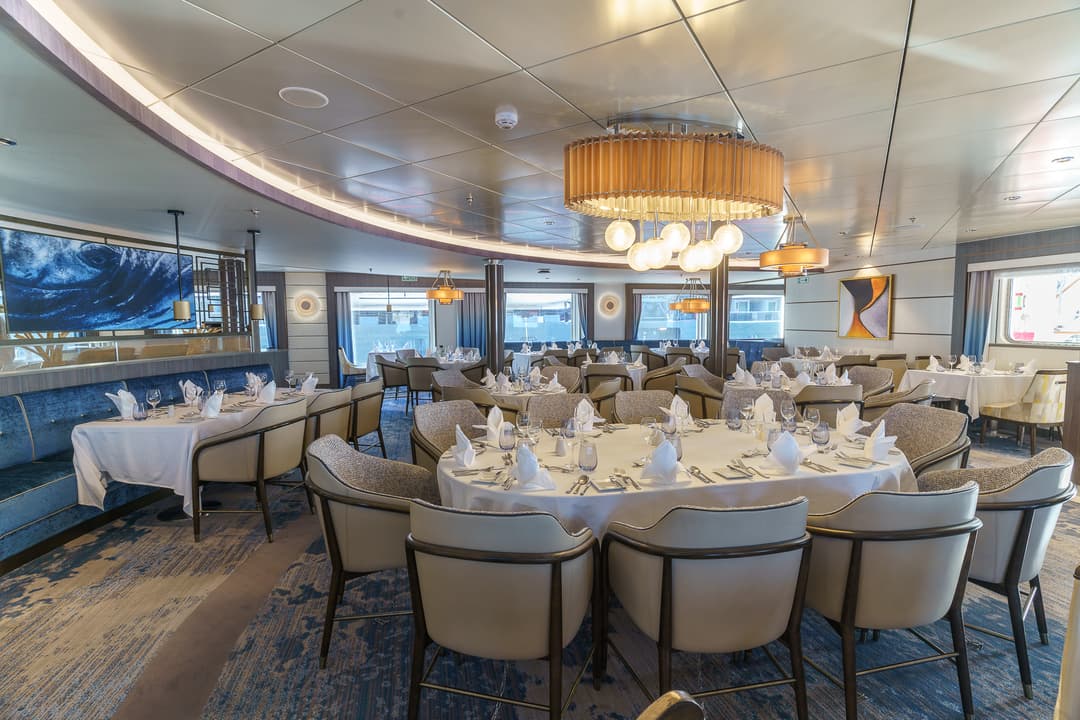
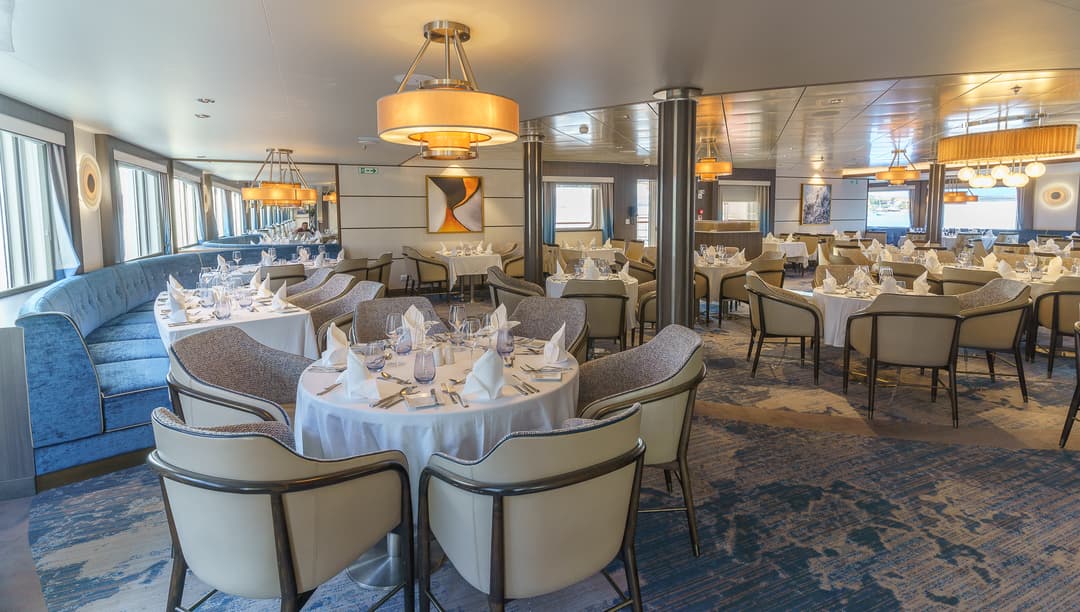
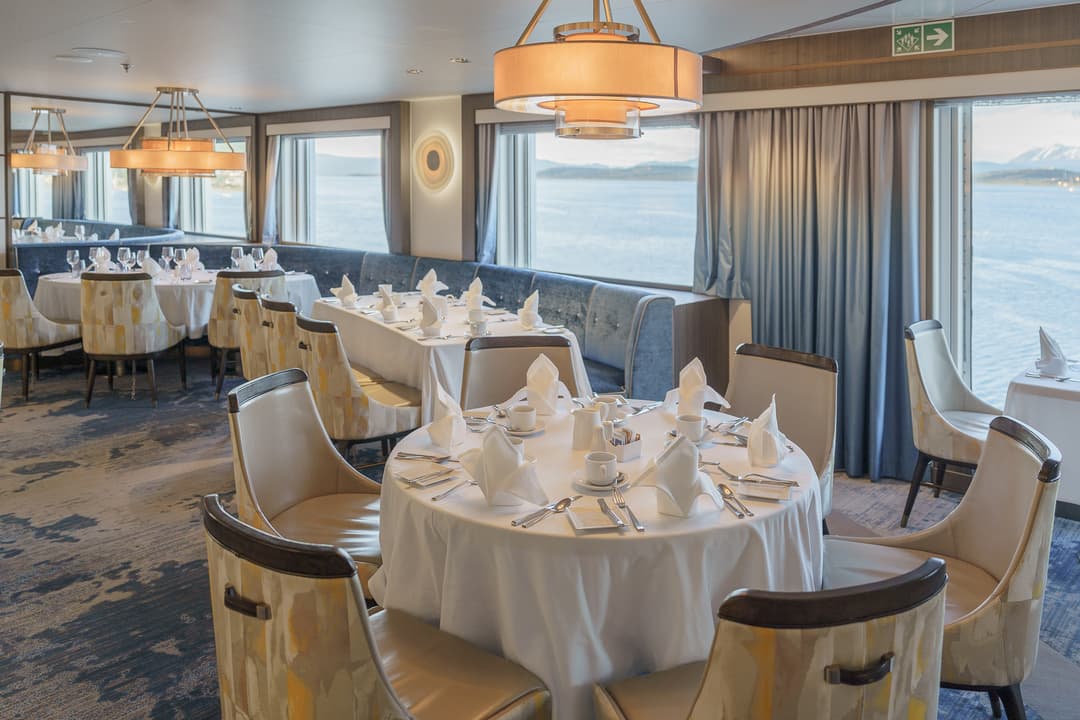
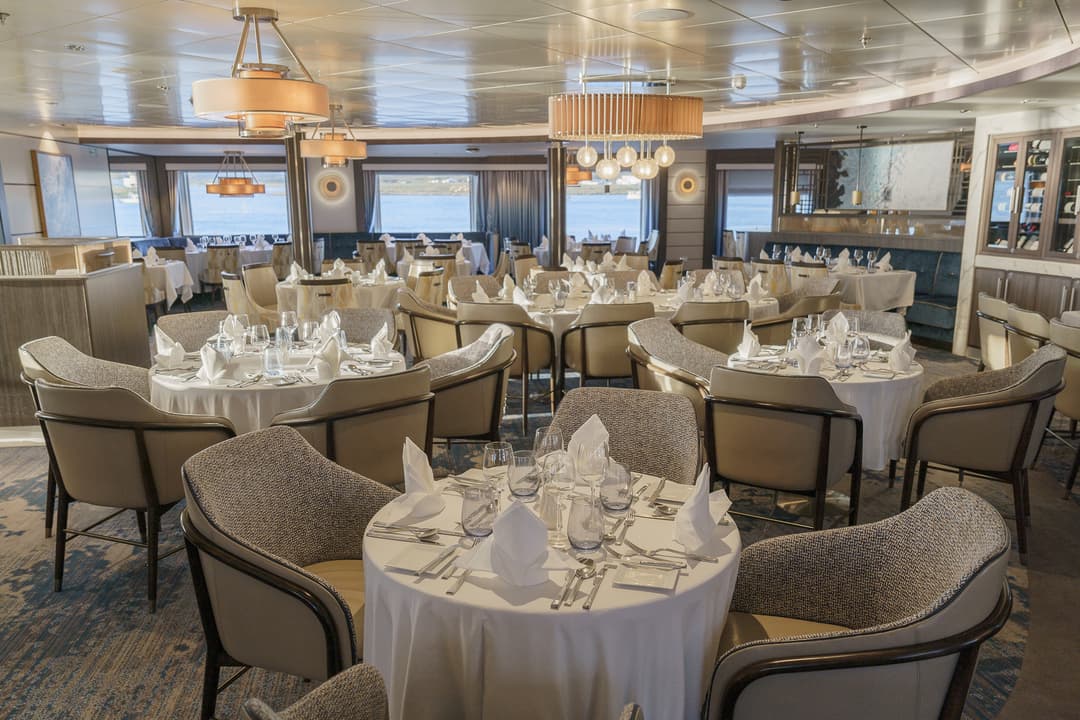
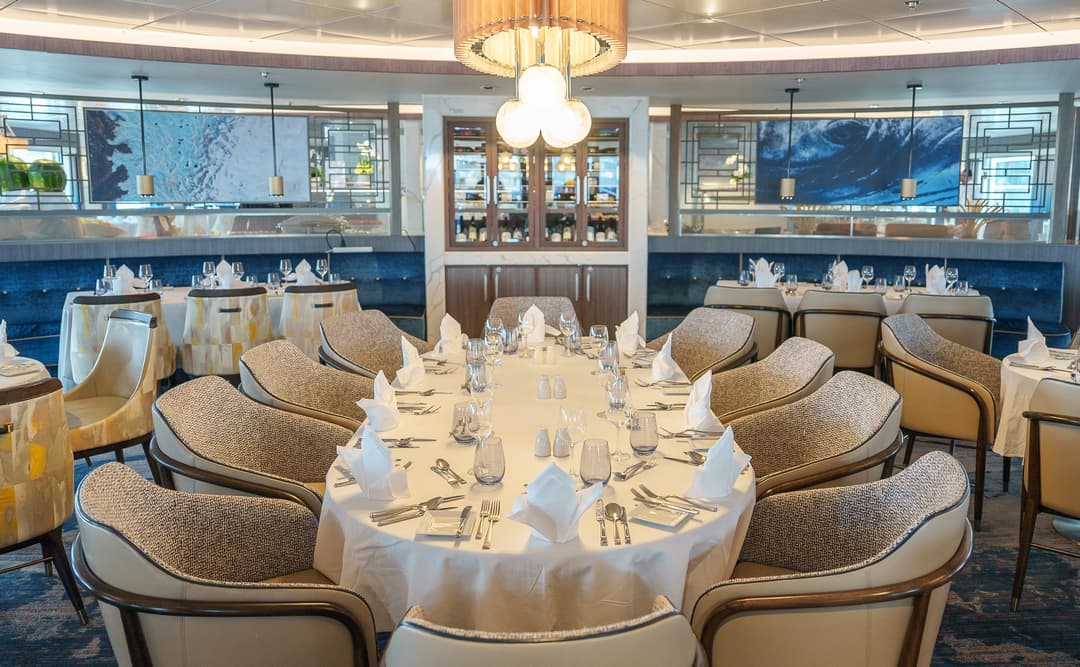
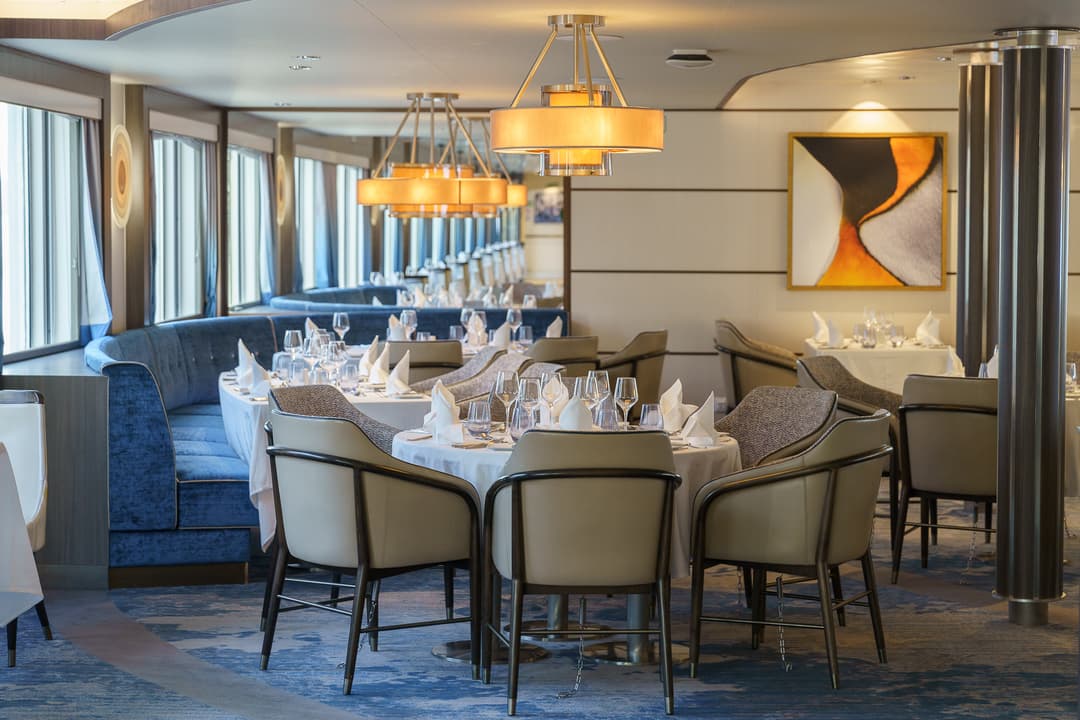
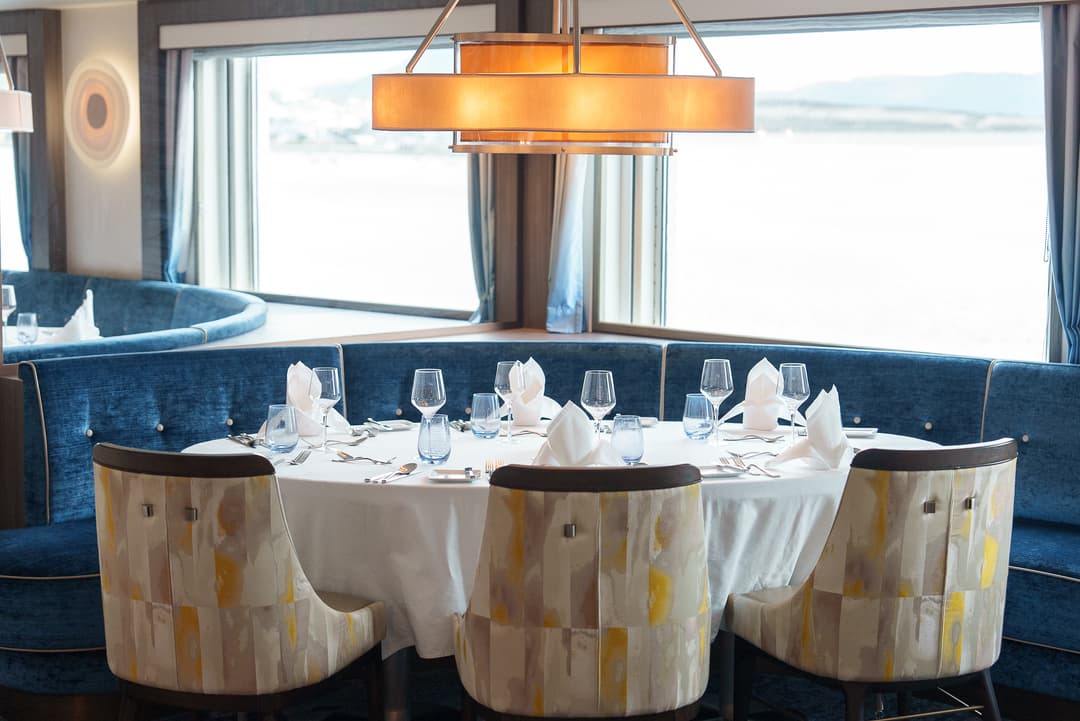
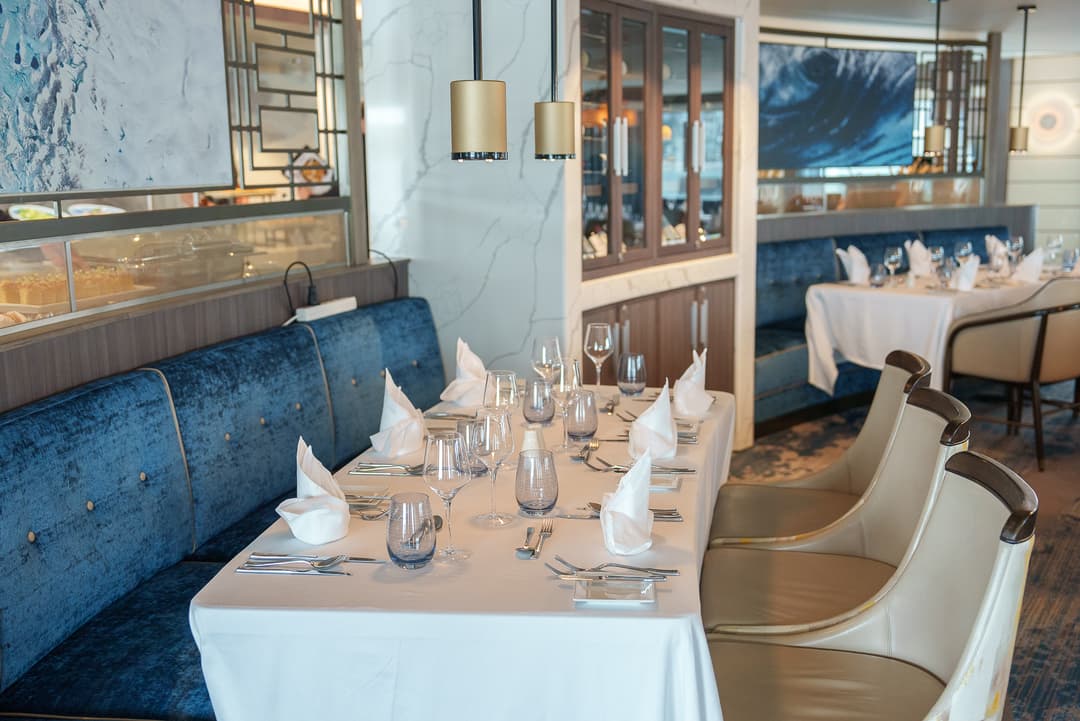
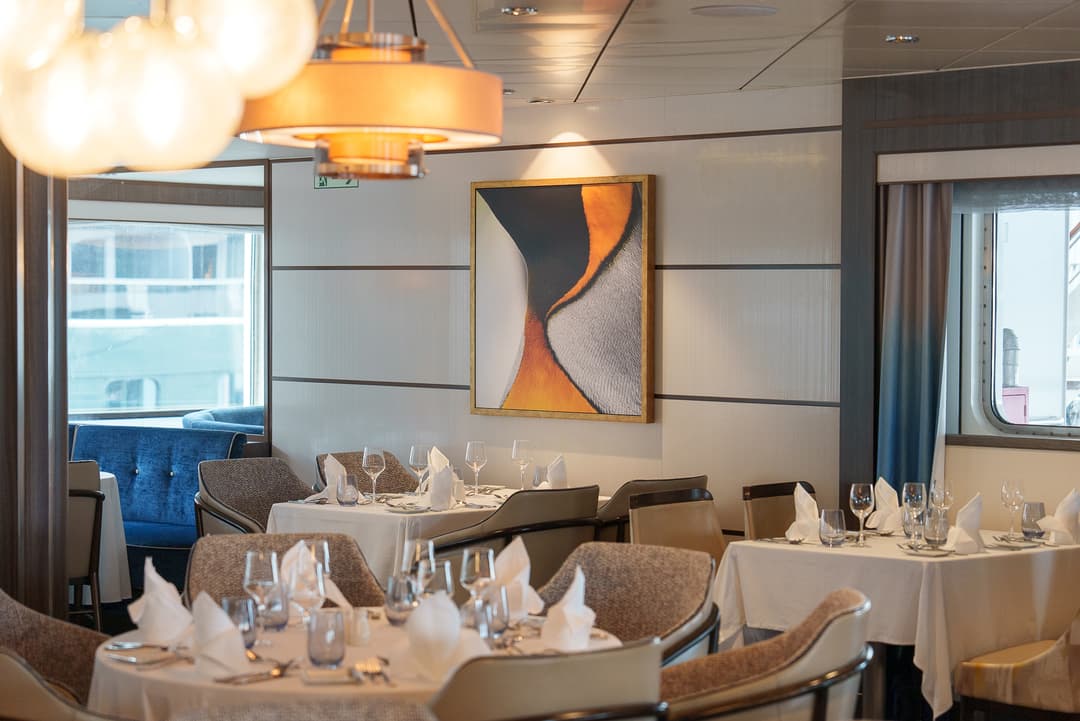
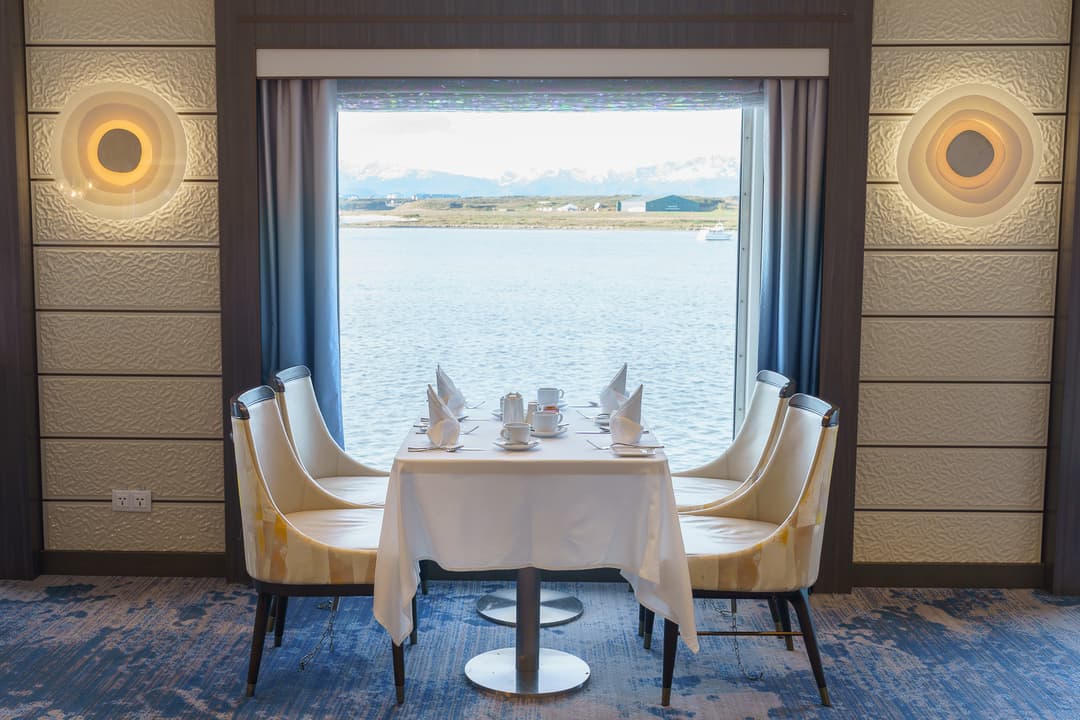
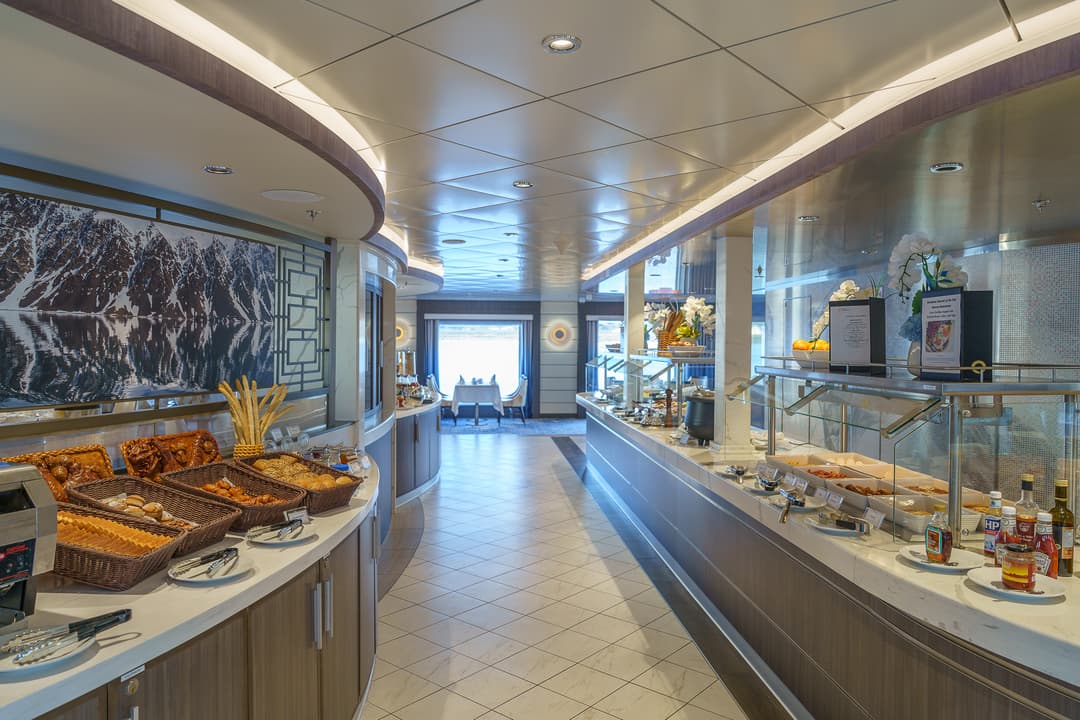
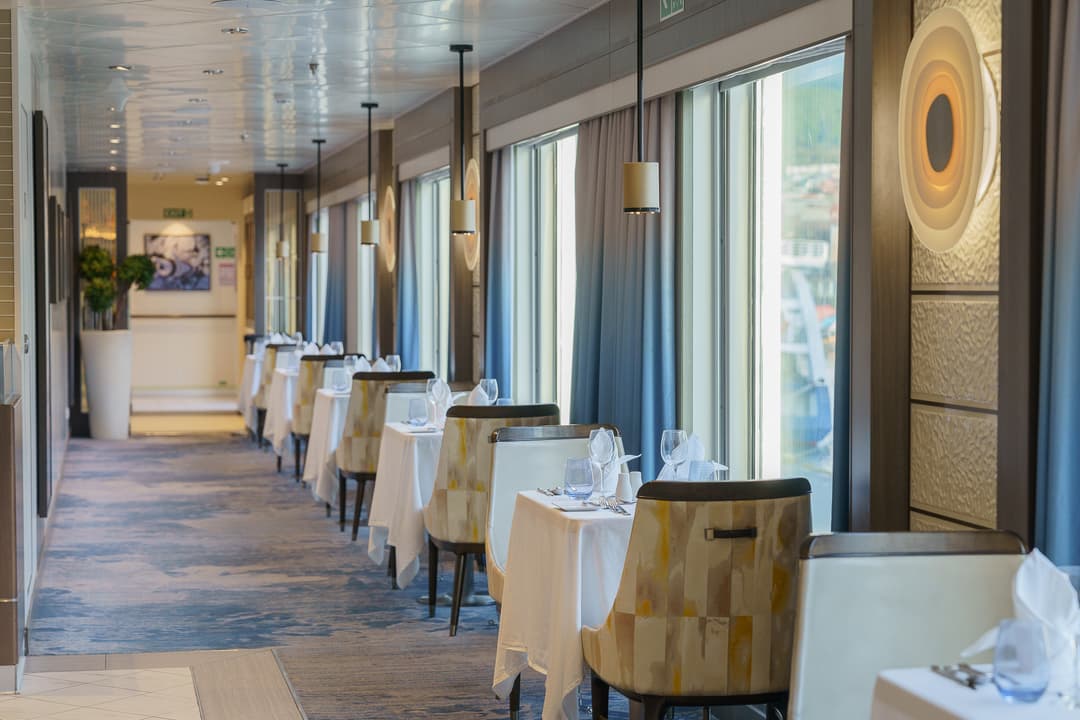
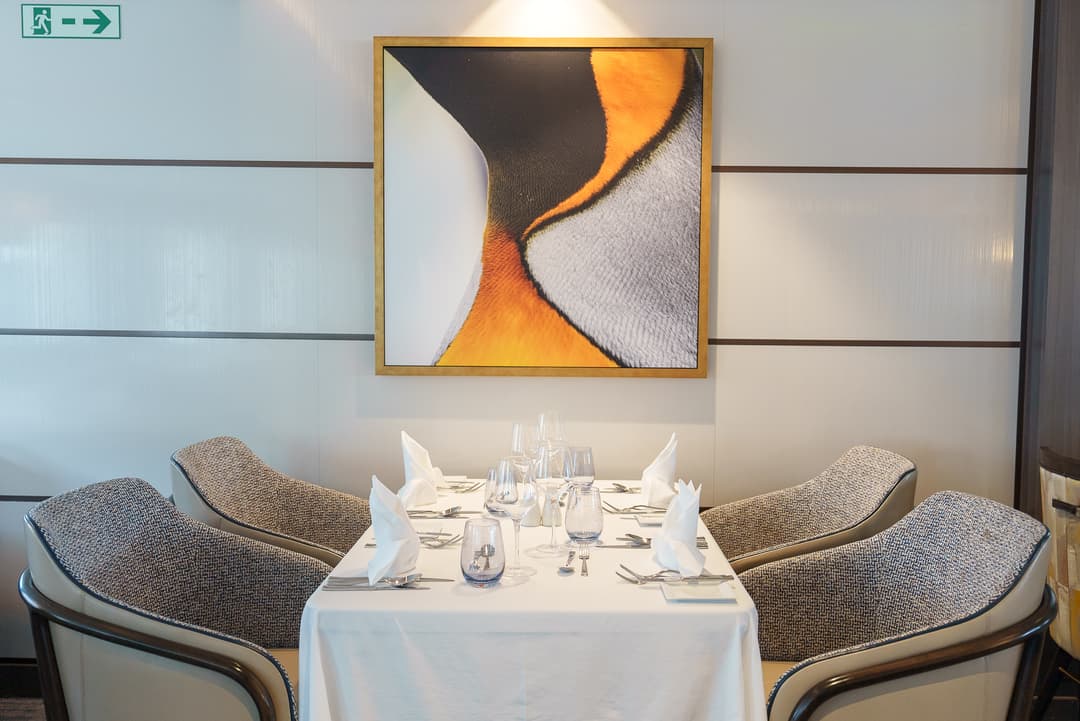
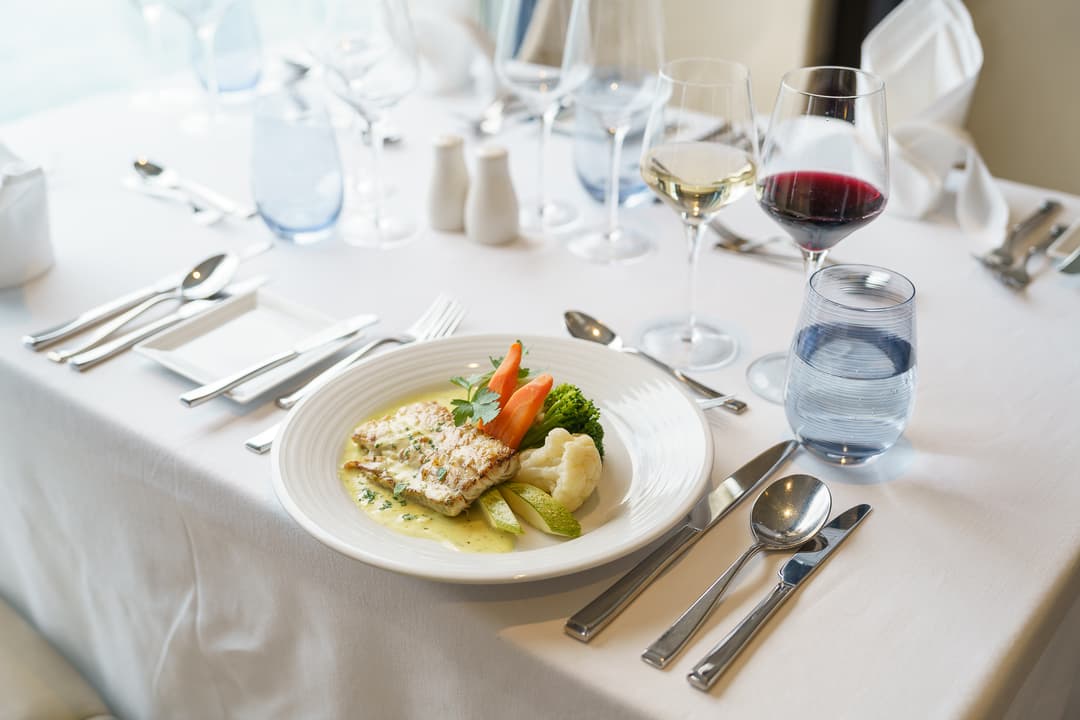

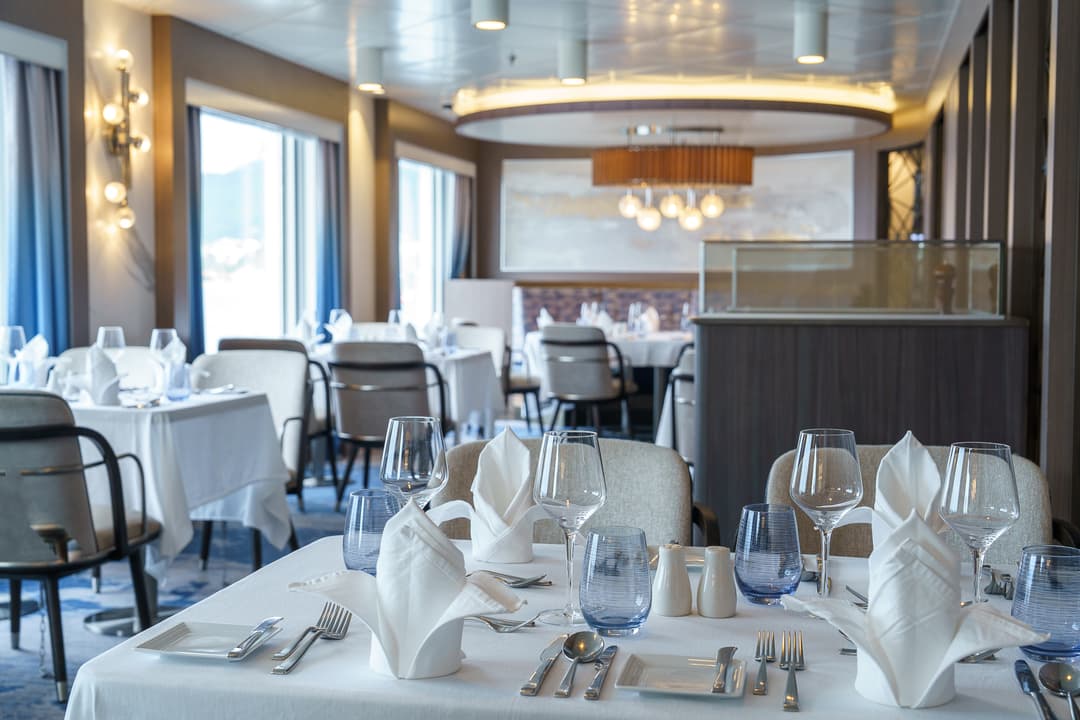
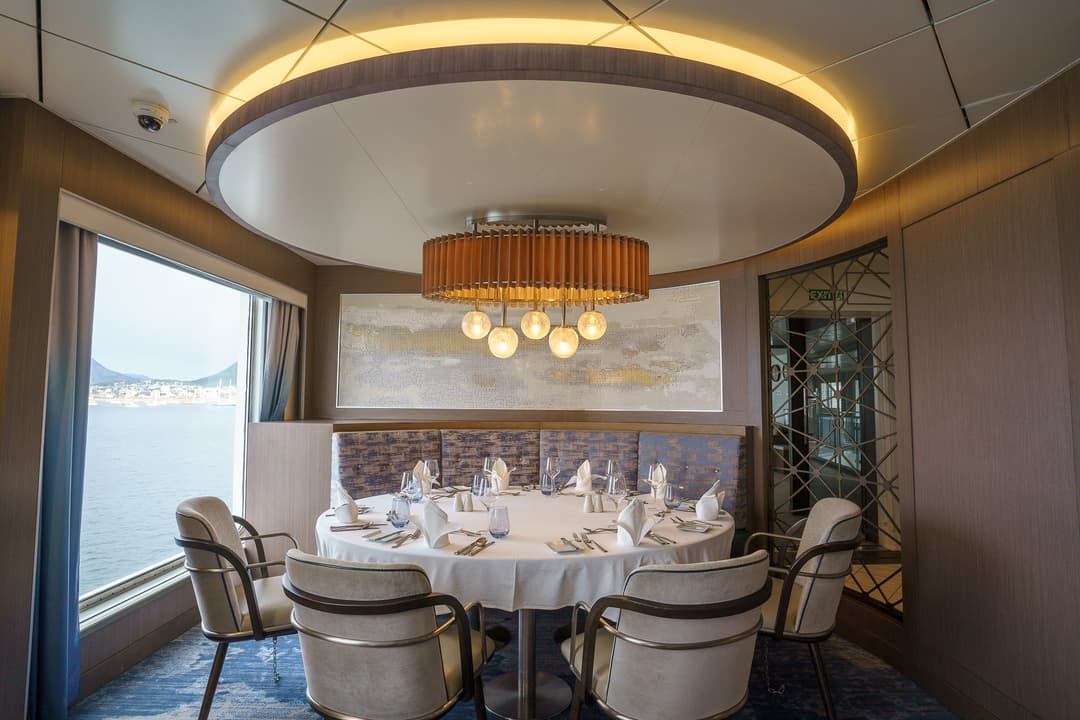
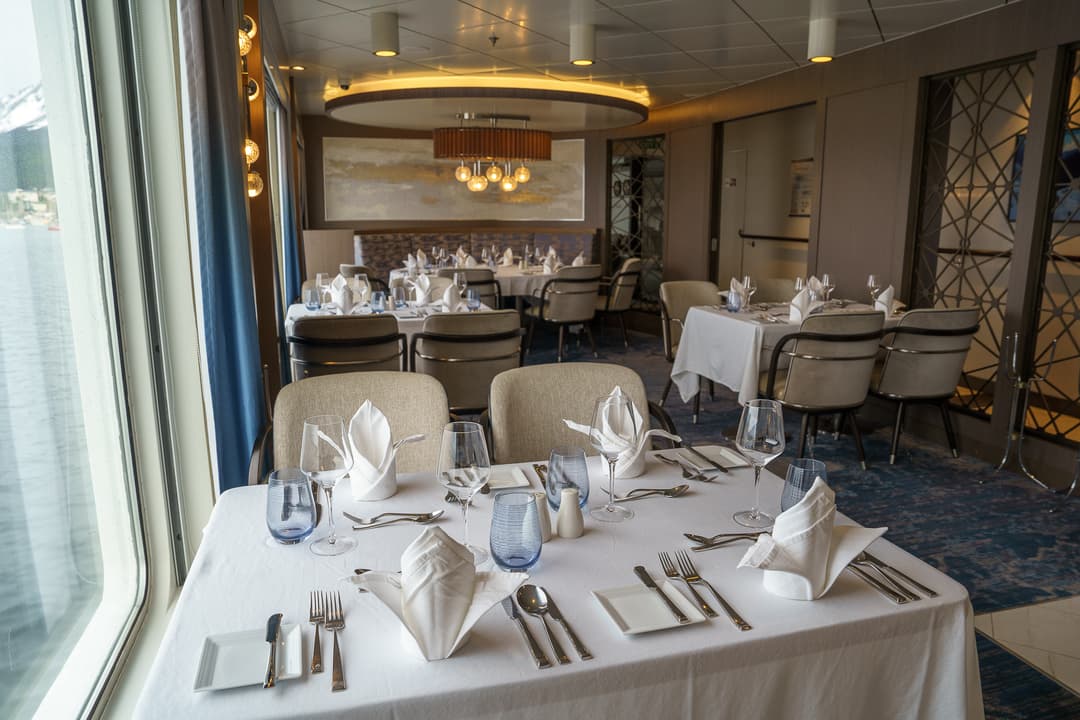
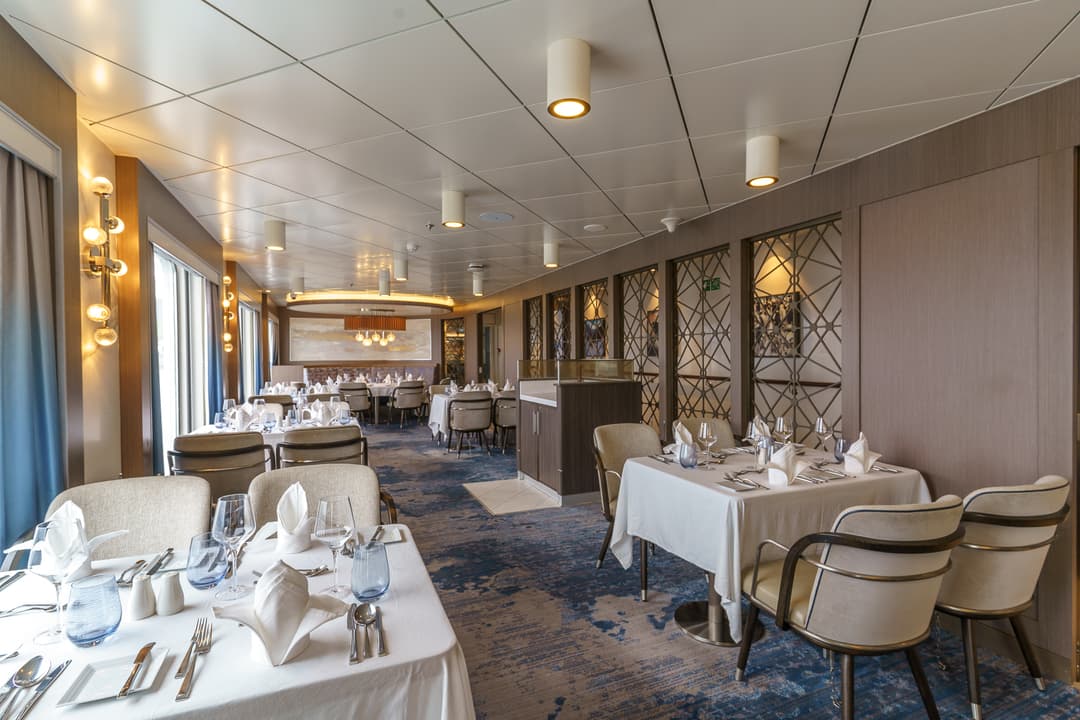
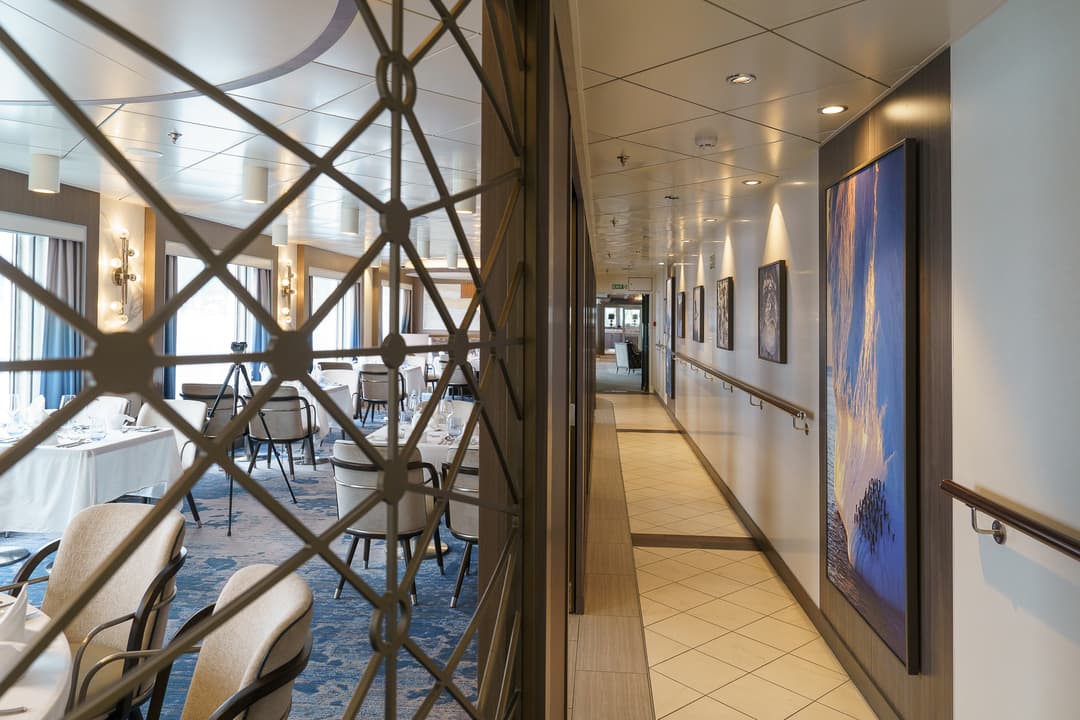
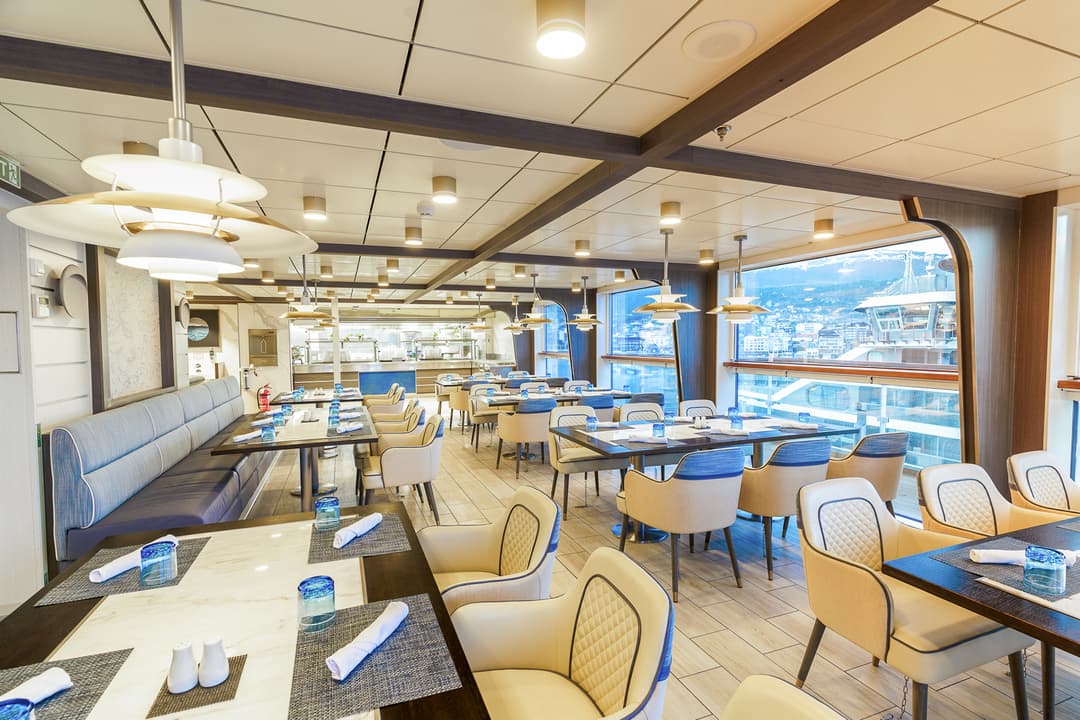
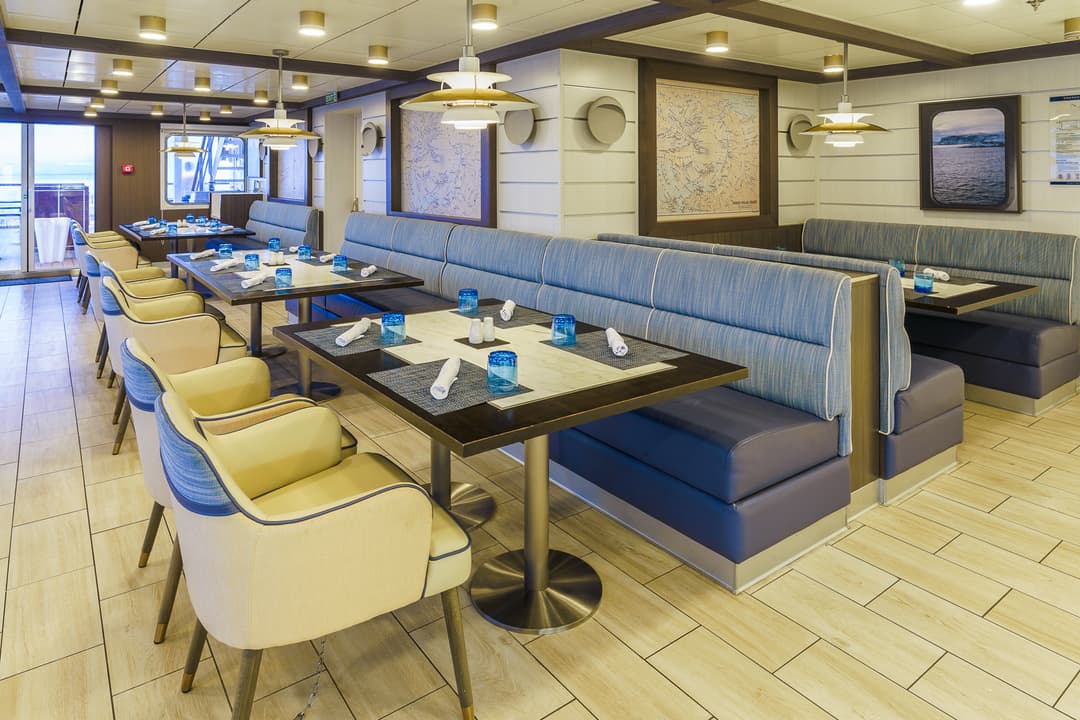
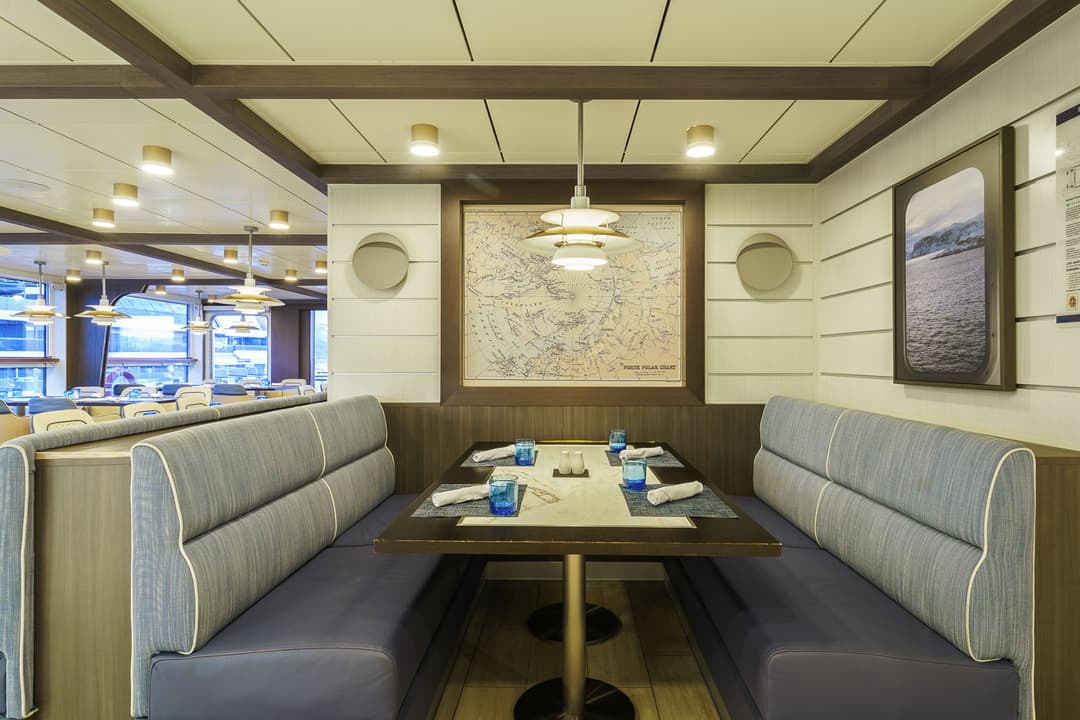
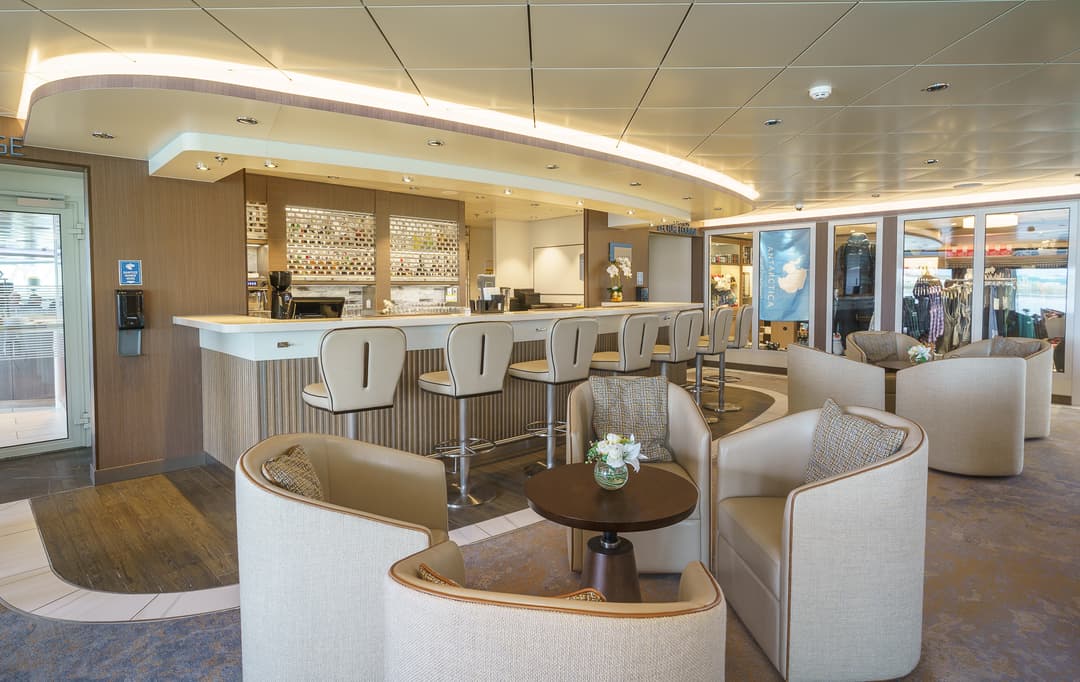
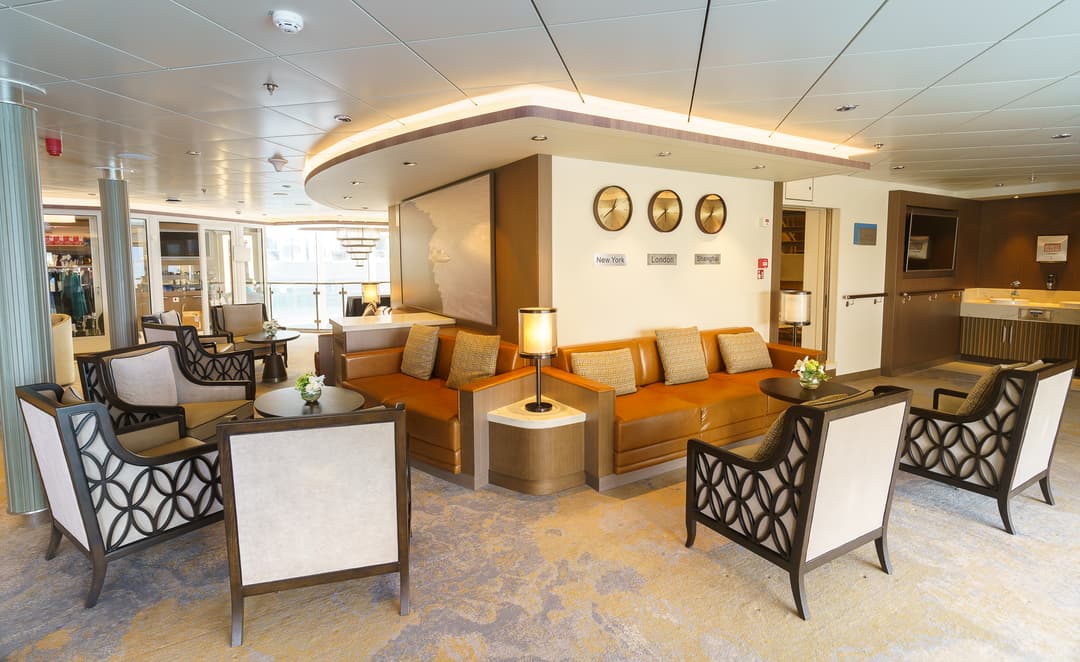
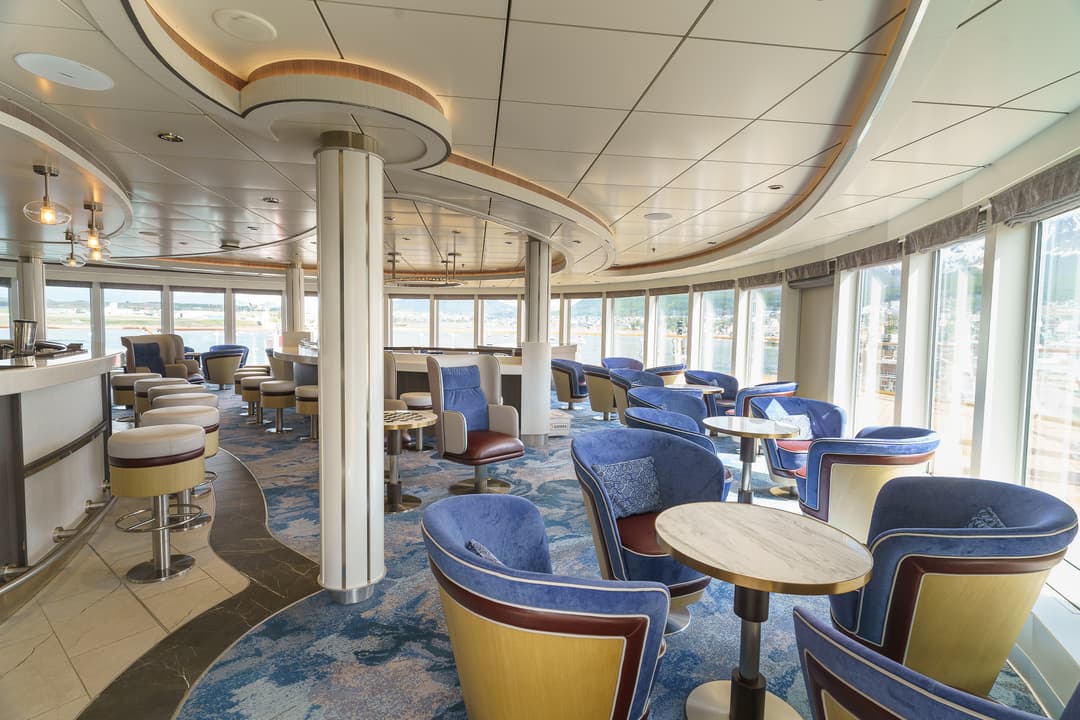
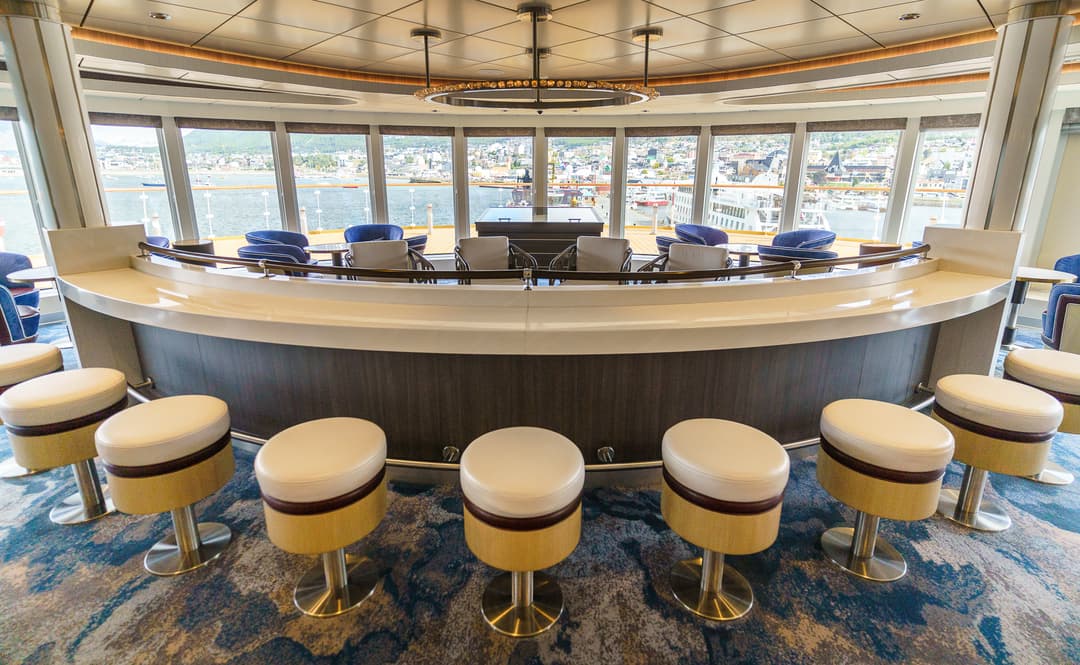
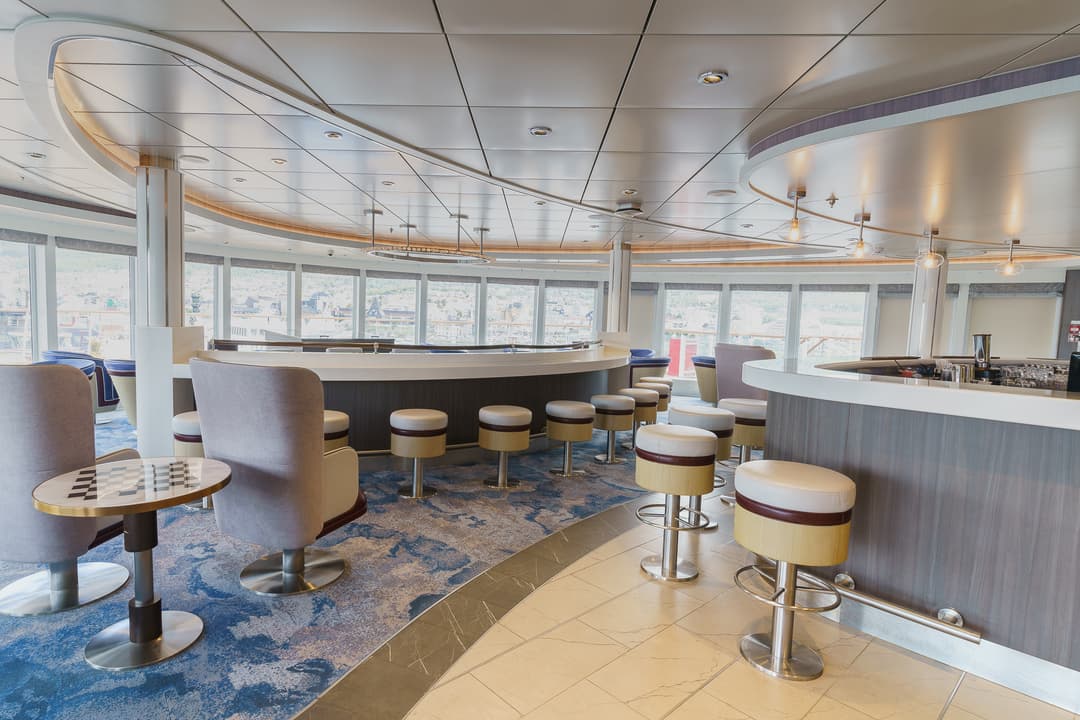
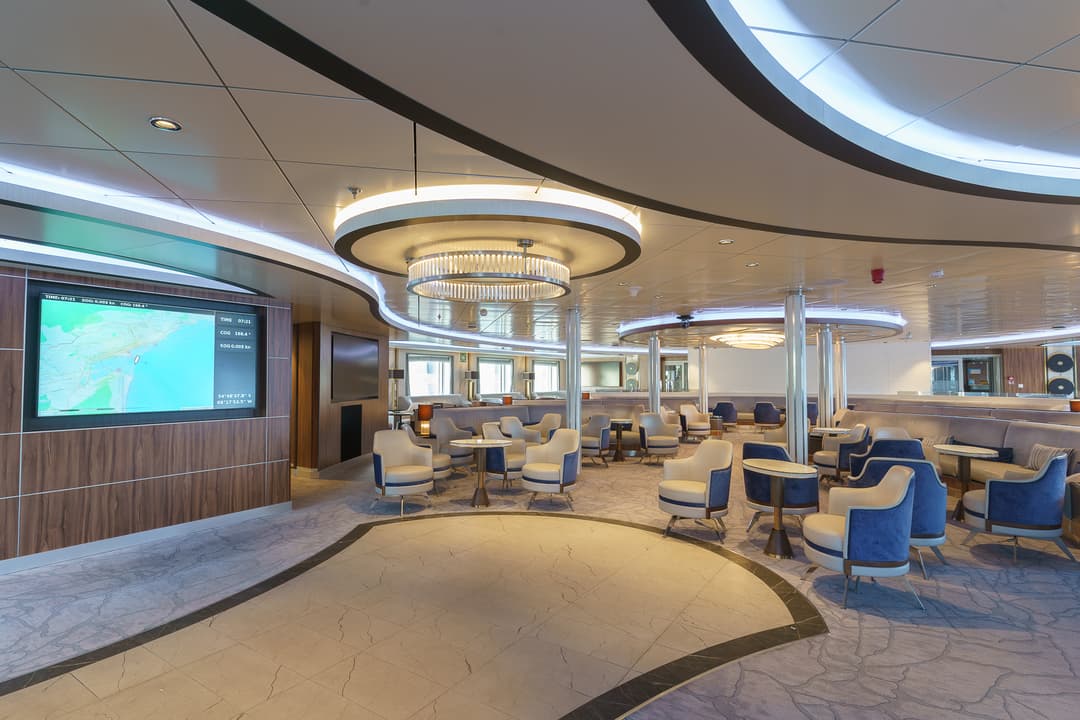
Each interior element was carefully hand-picked by designers for you to enjoy, from the dramatic two-story forward lounge, the floor-to-ceiling glass refuge in the library, to the grand fixtures and luxe furnishings throughout the ship.
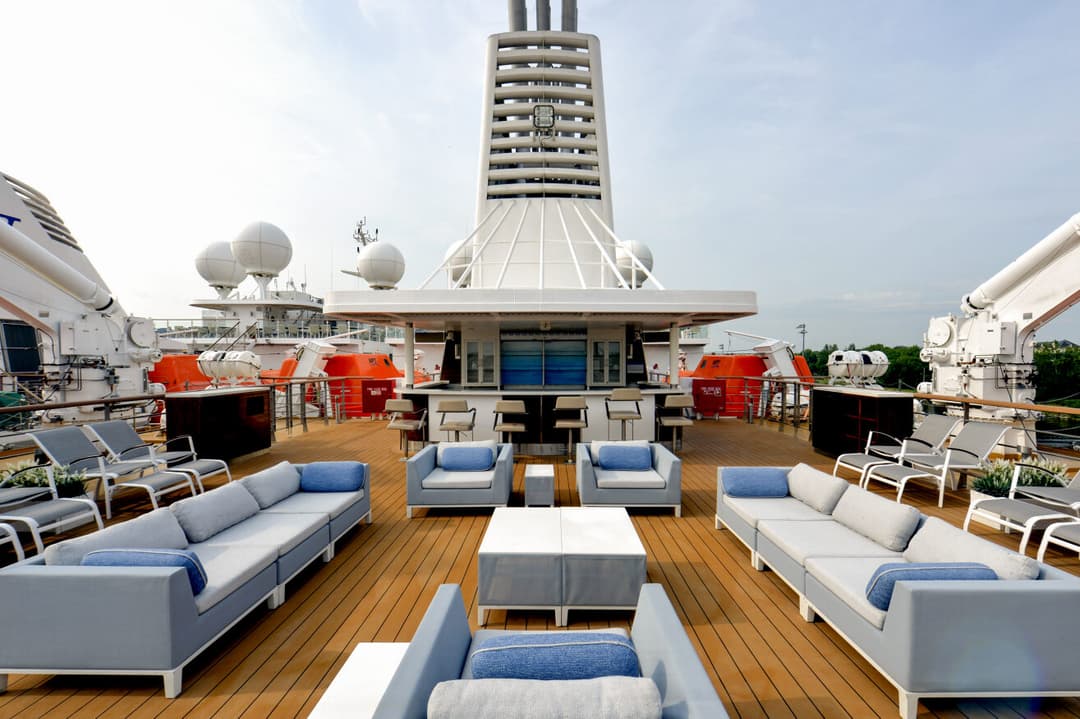
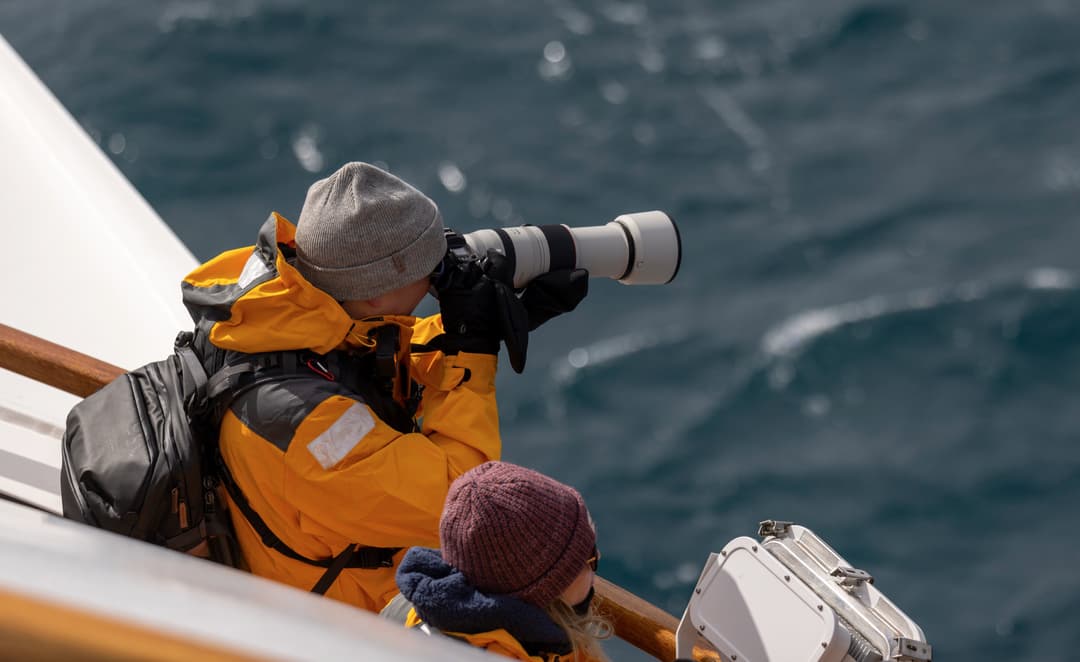
Observation areas on Decks 7 and 8 allow for higher, longer-view landscape photography while contending with less sea spray.
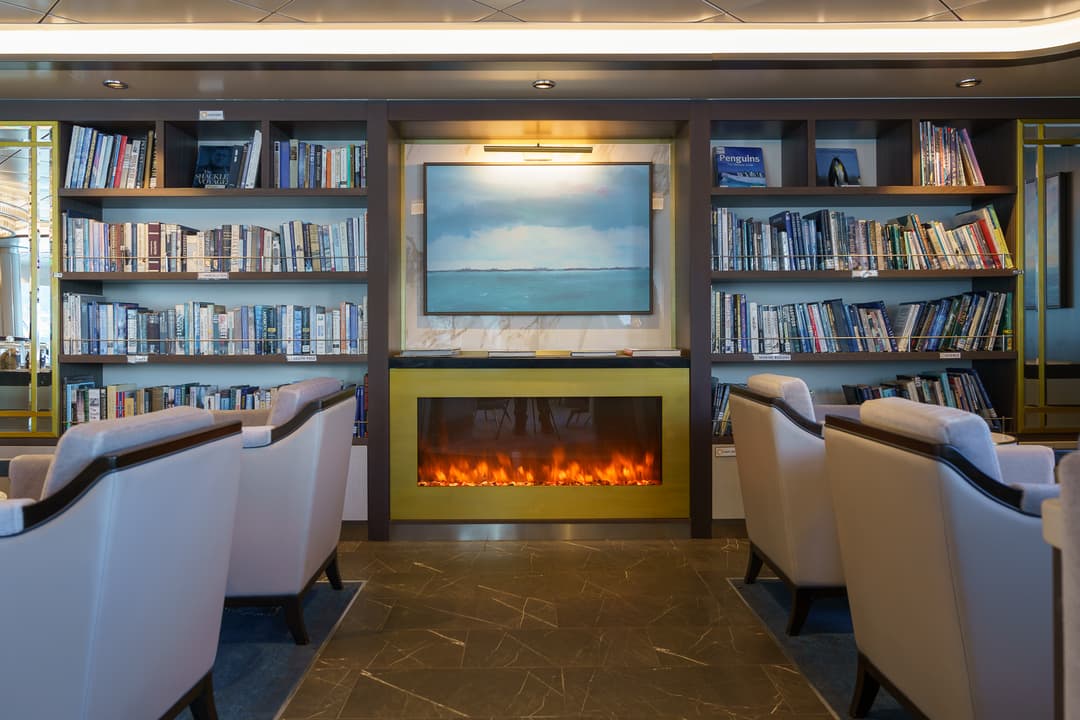
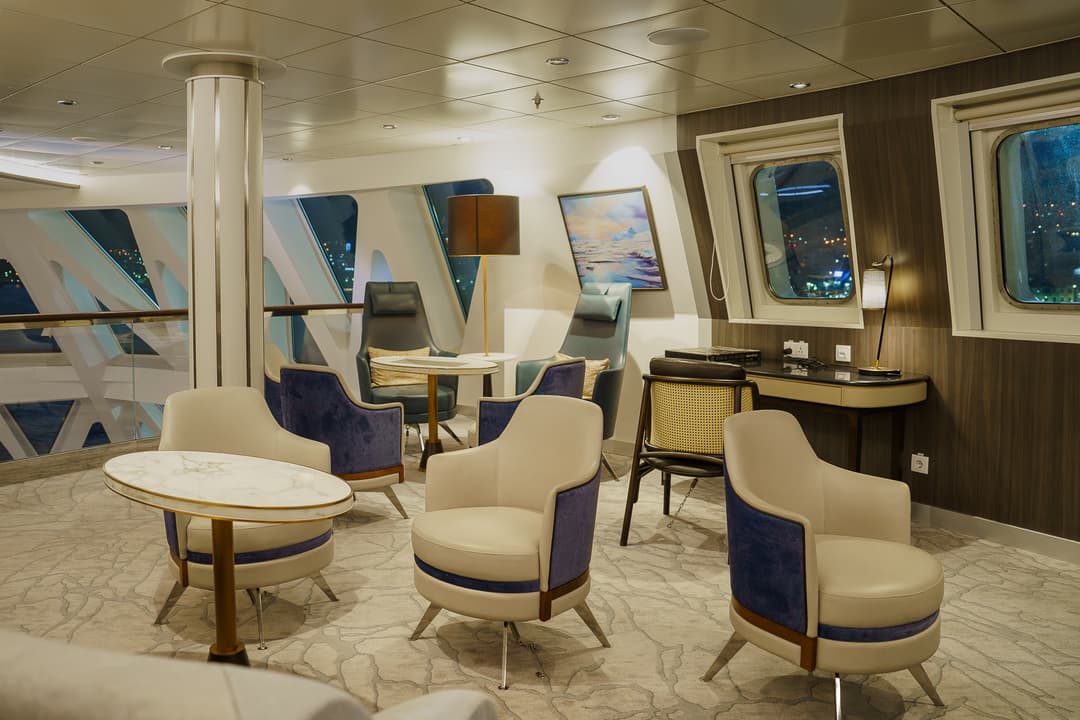
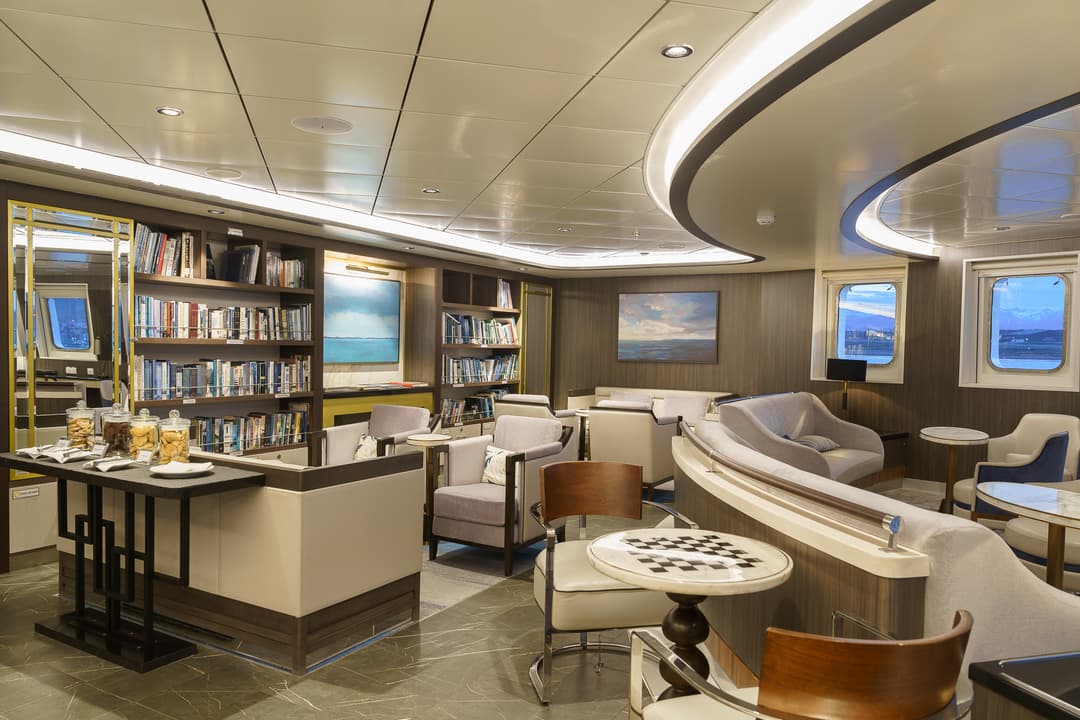
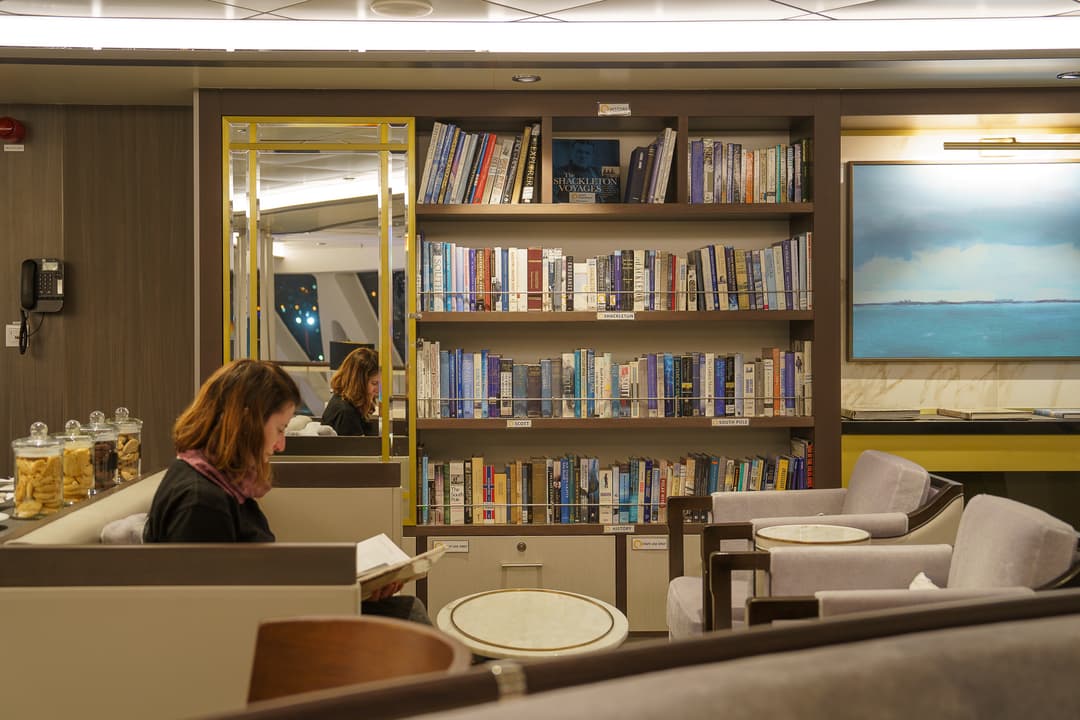

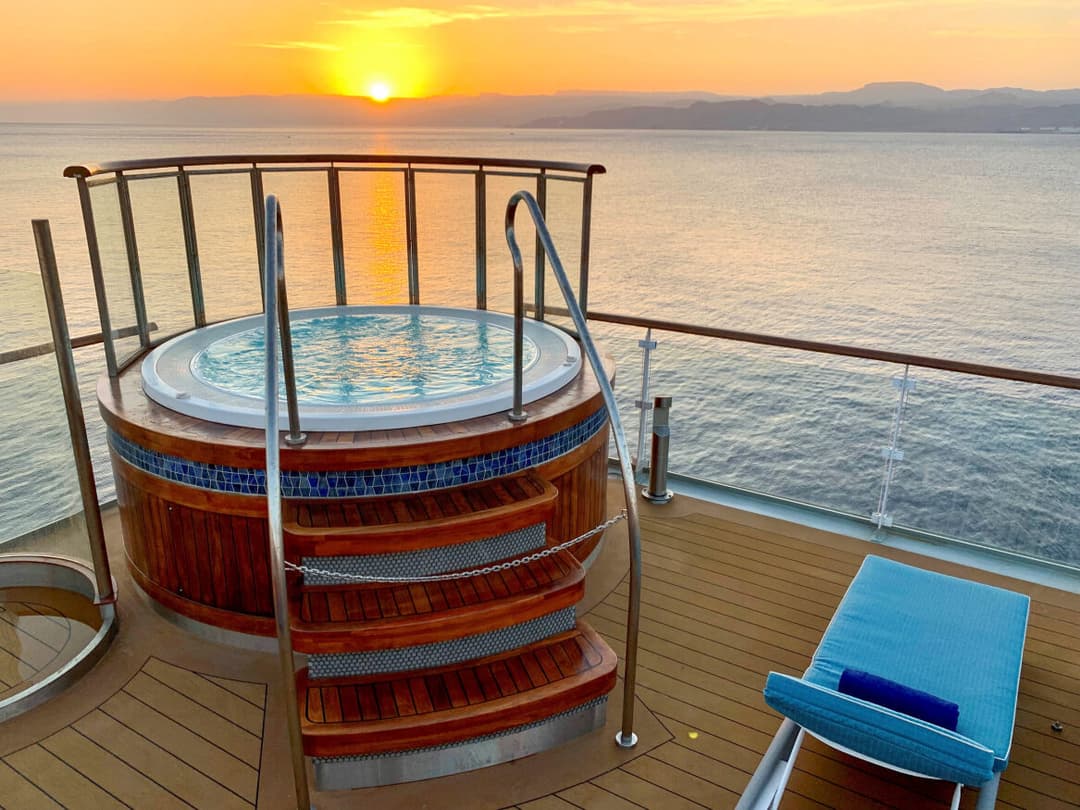
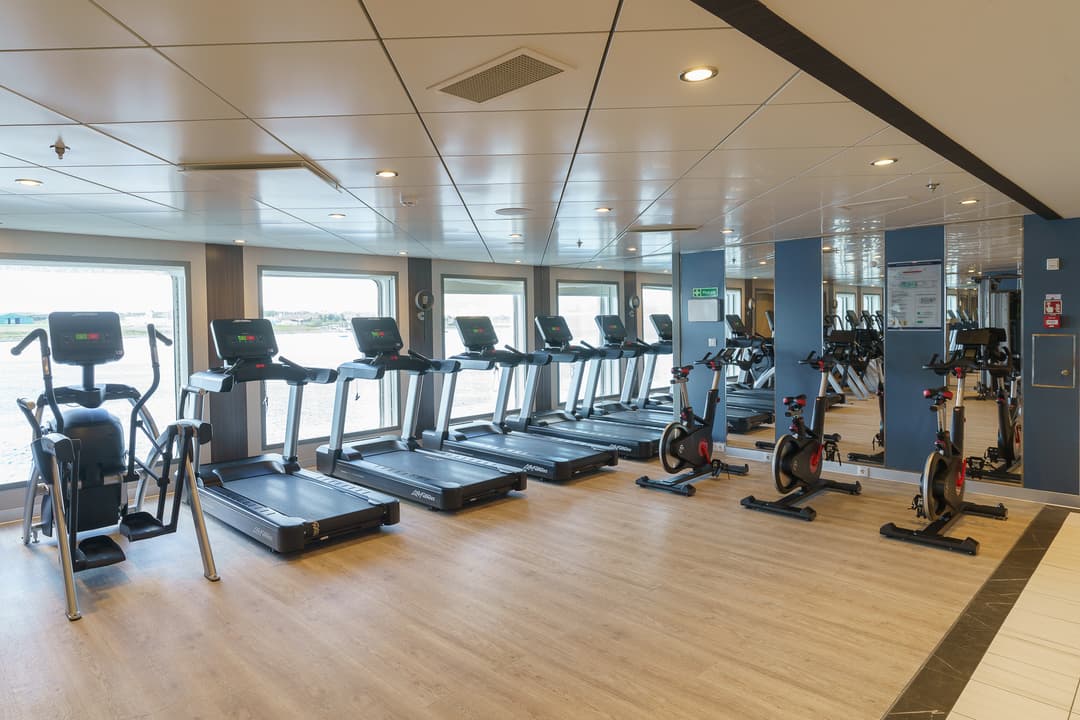
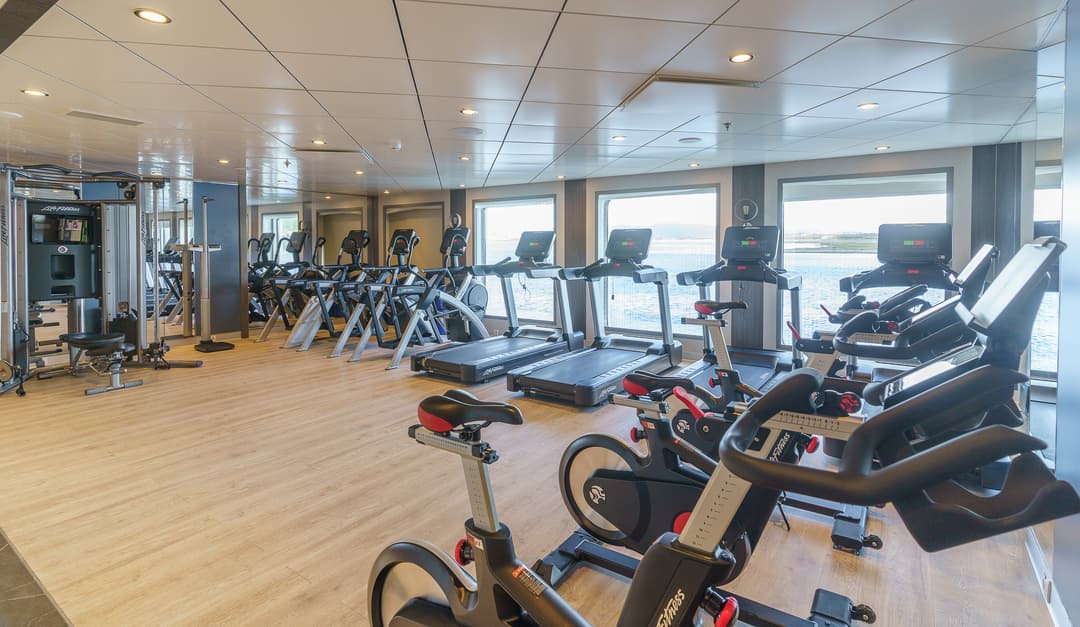
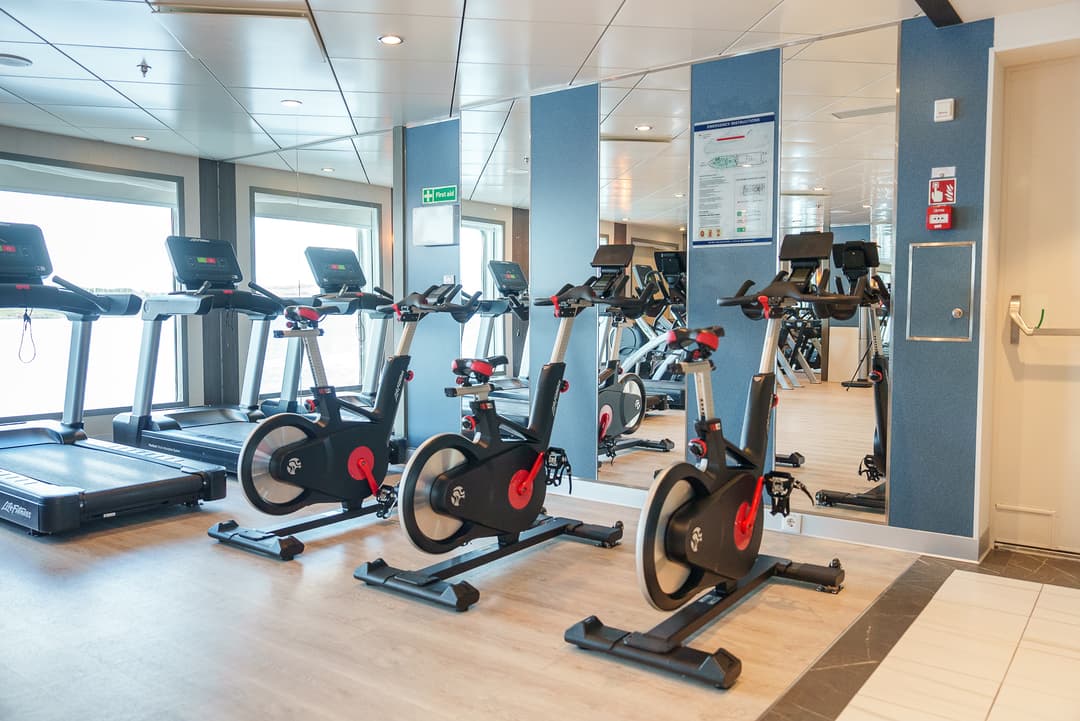
Every vessel in our fleet becomes an expedition base camp. Unpack once. Visit an exciting range of places, because the ship moves from place to place. The ships are equipped with inflatable landing crafts known as Zodiacs. They are used for shore landings and ocean-level cruising.
Activities off the ship are called shore landings or Zodiac cruising. These are daily activities. In the Arctic, you may visit Inuit in their home communities. In the Antarctic, you may visit research stations manned by scientists who brave the extreme environment to add to our knowledge of wildlife, climate and ice. You will hike carpeted tundra valleys or glistening ice fields. Optional activities include kayaking, cross-country, camping, skiing and mountaineering.
The capacity of the vessel determines where you go ashore and how often in Antarctica.
In Antarctica, we operate under International Association of Antarctica Tour Operators (IAATO) guidelines that limit the number of travelers and Expedition Staff ashore during a landing. No more than 100 people can be ashore at any one time, and in some locations that number is 50. Quark operates small expedition vessels, and none of our Antarctic vessels carry more than 199 travelers.
Loading...
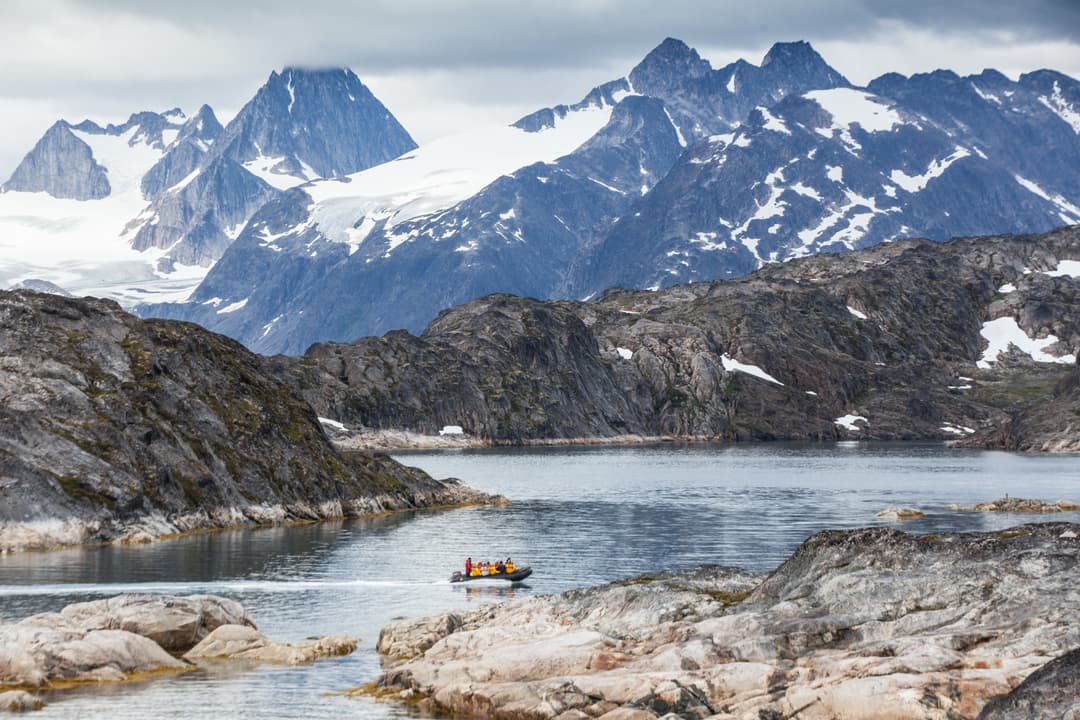
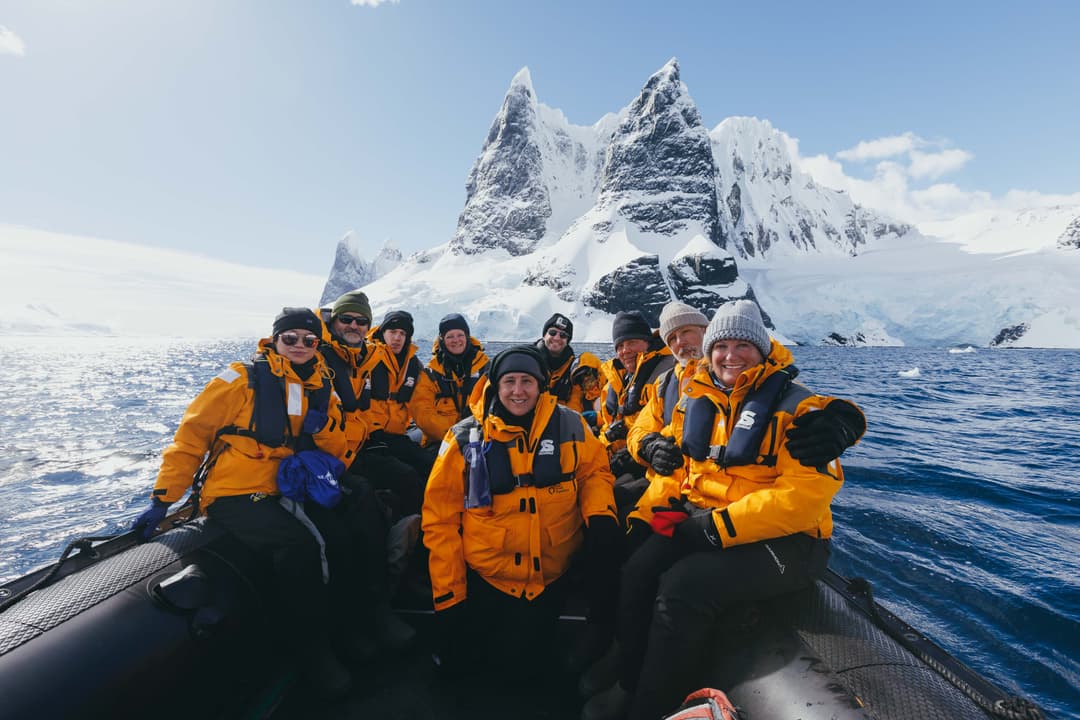
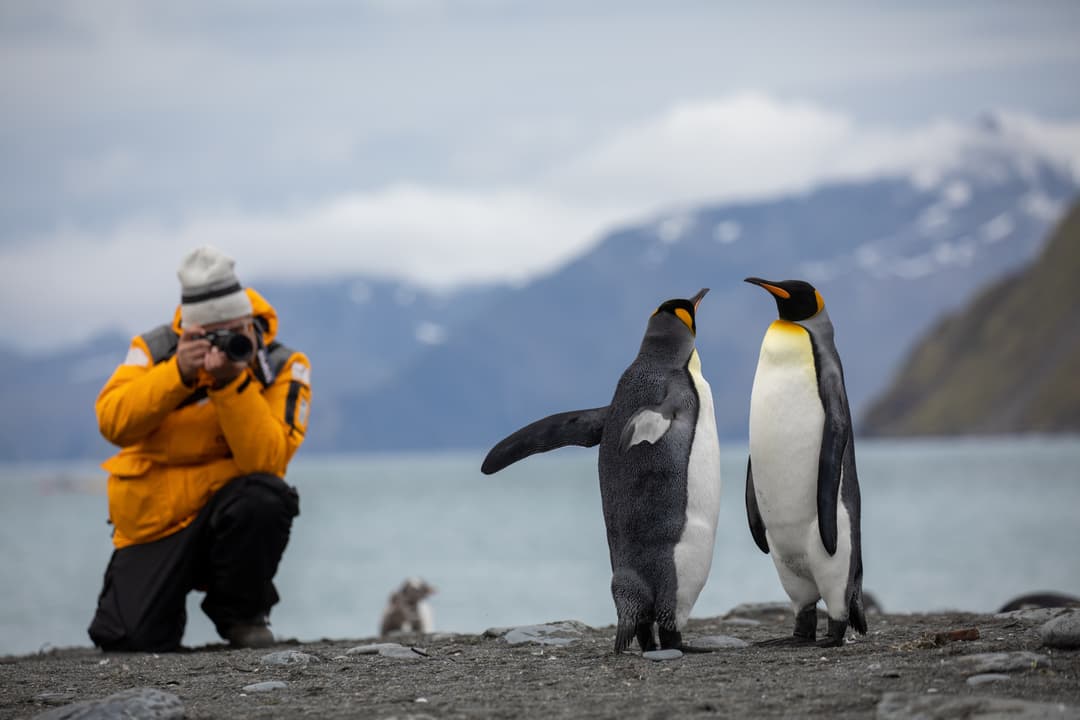
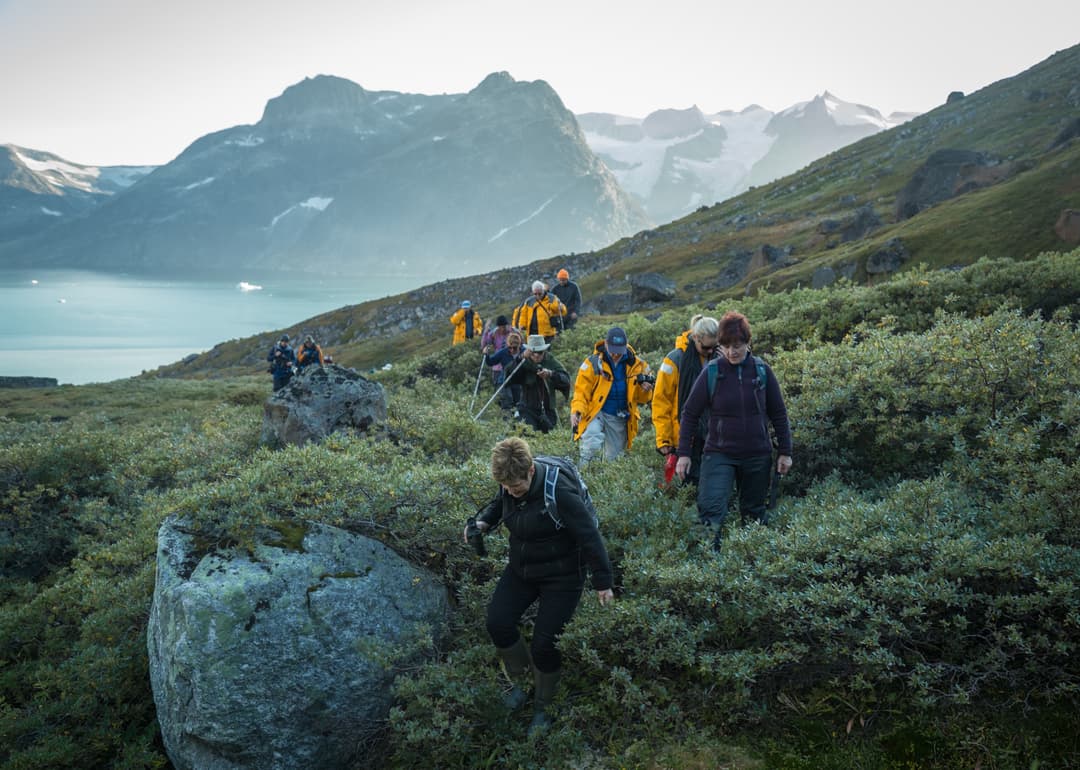
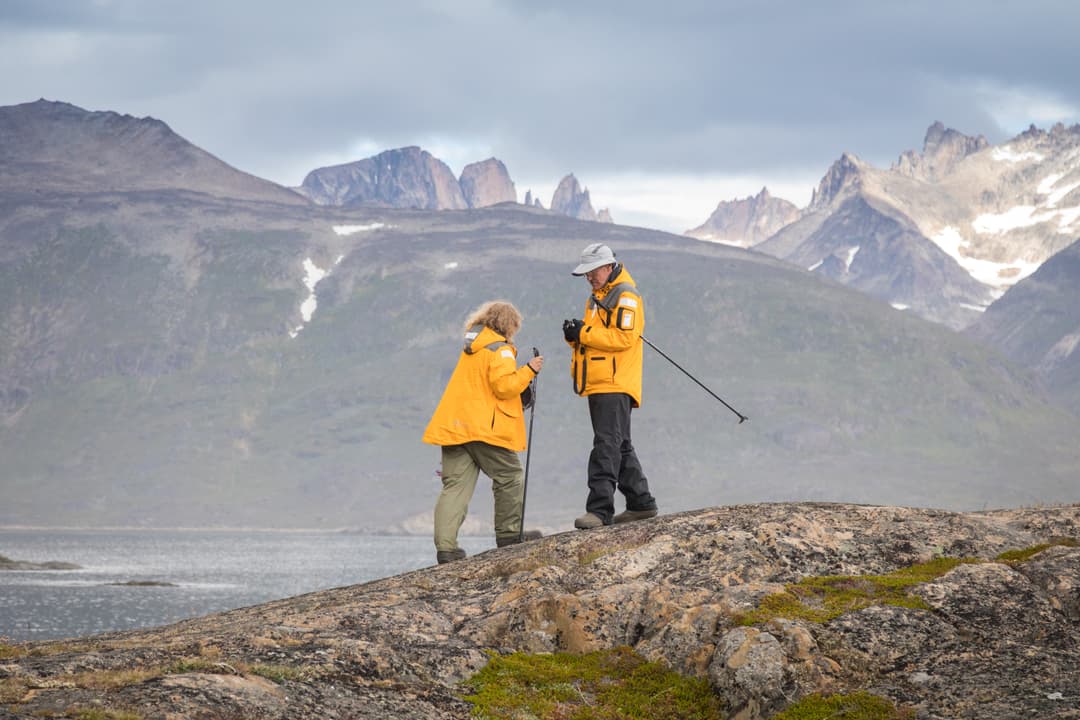
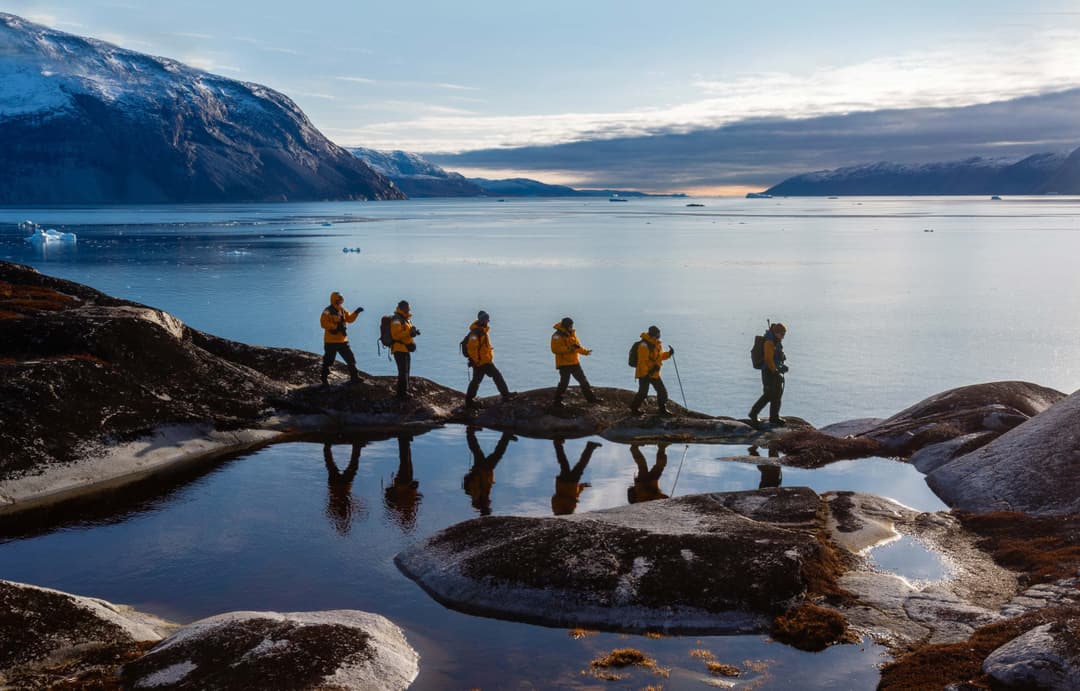
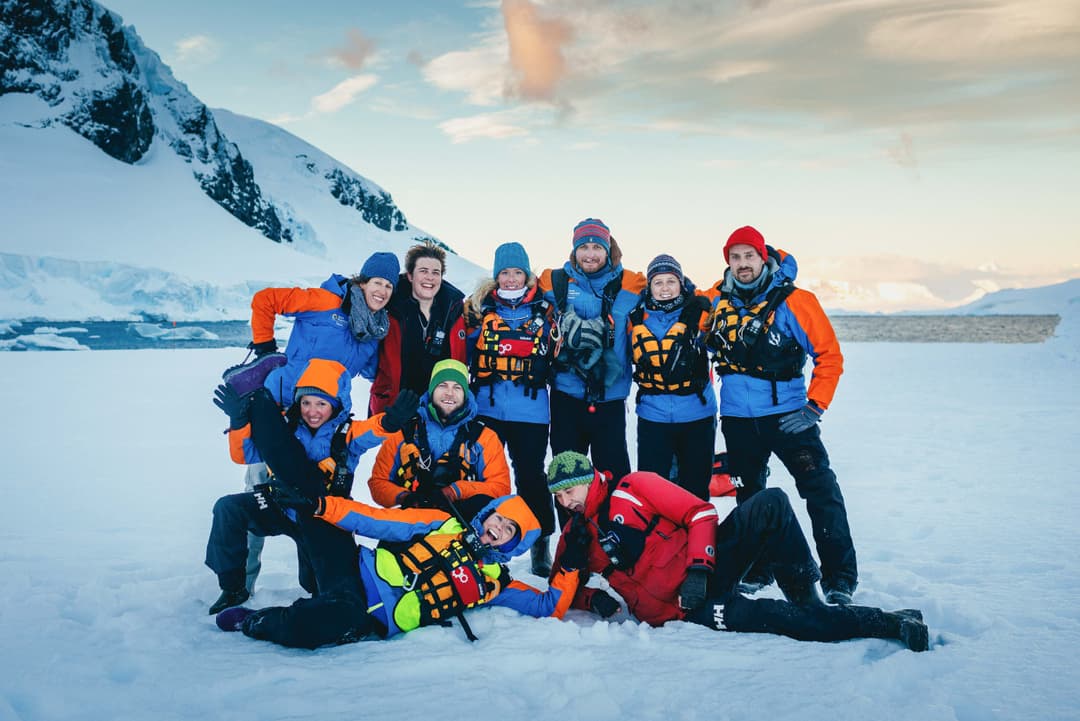
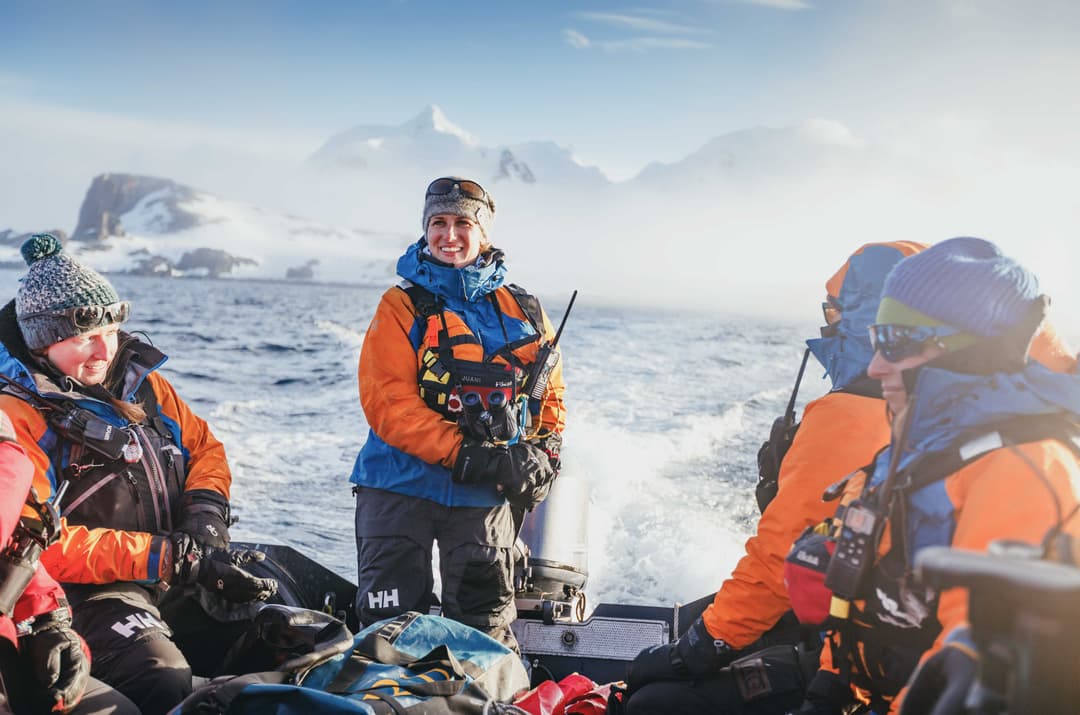
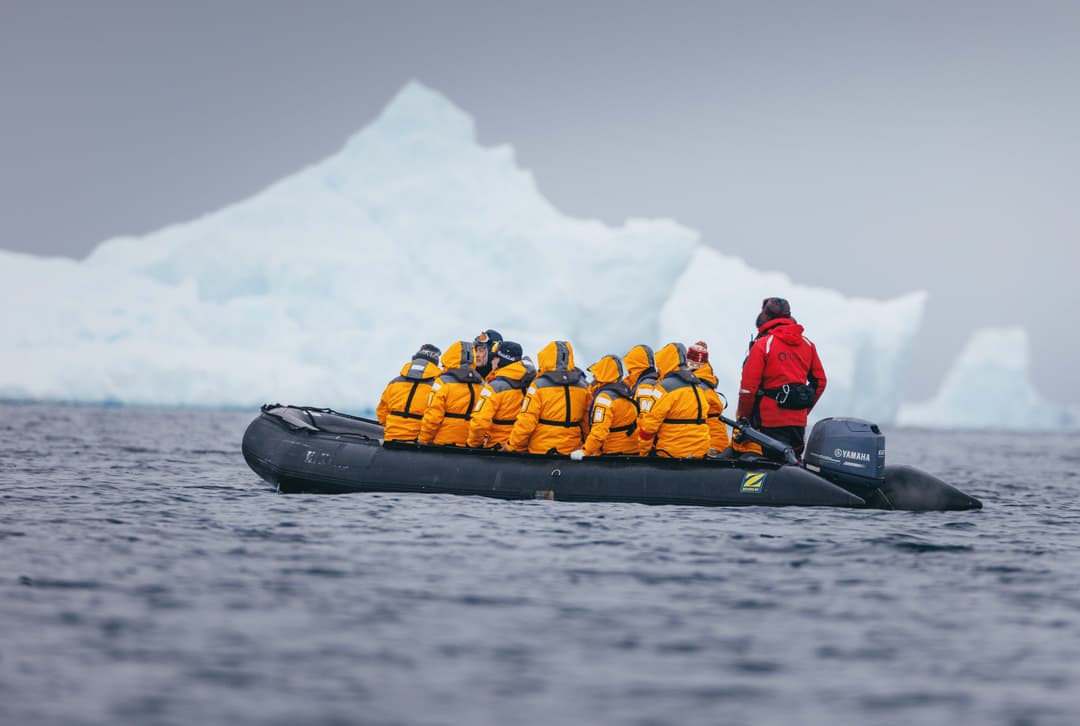
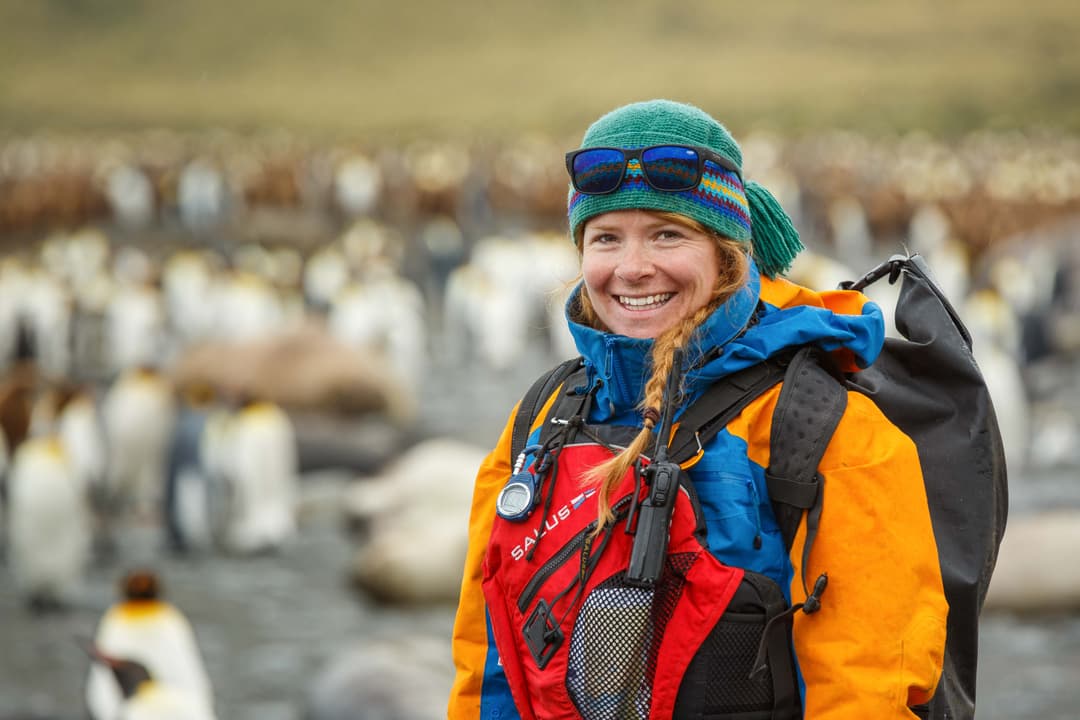
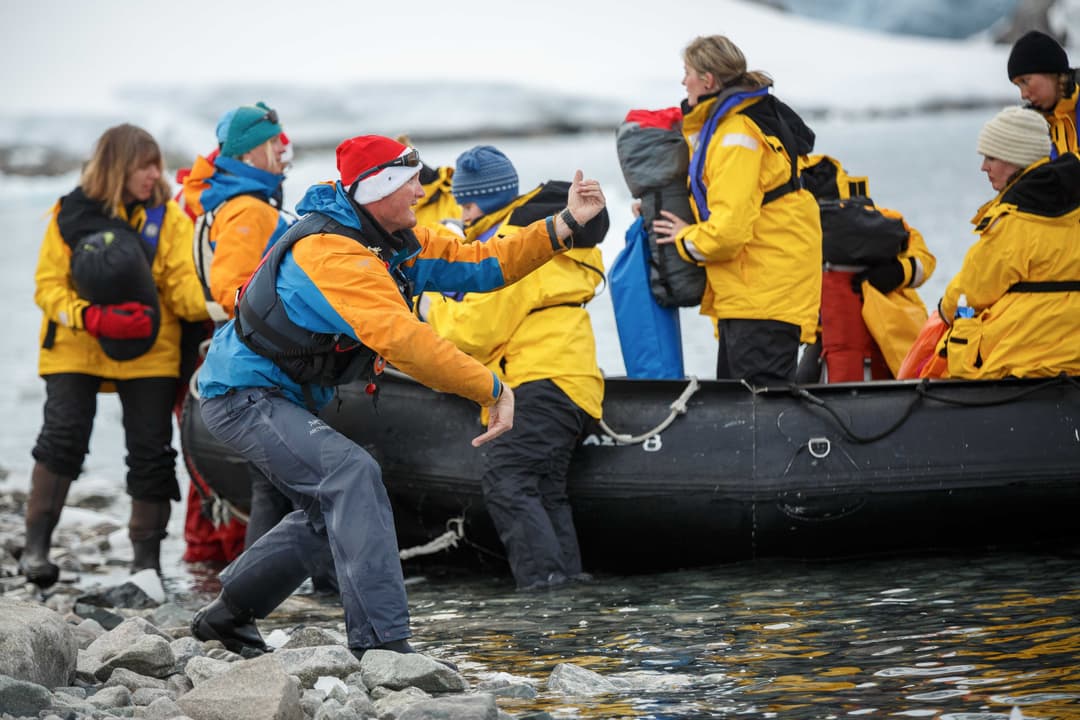
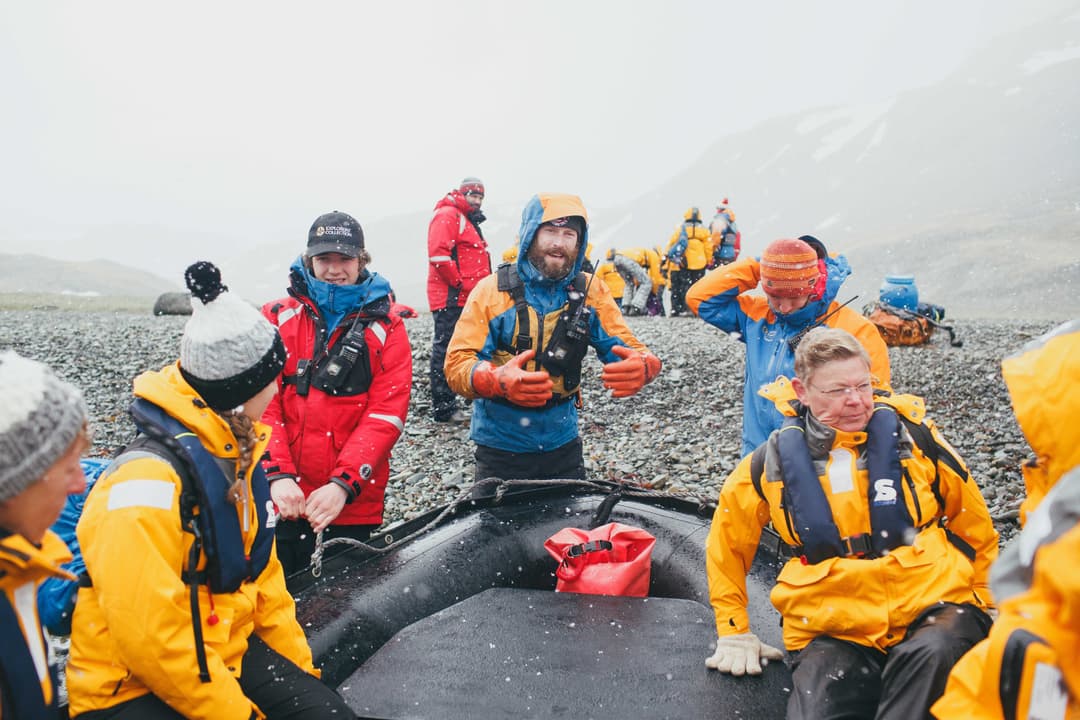
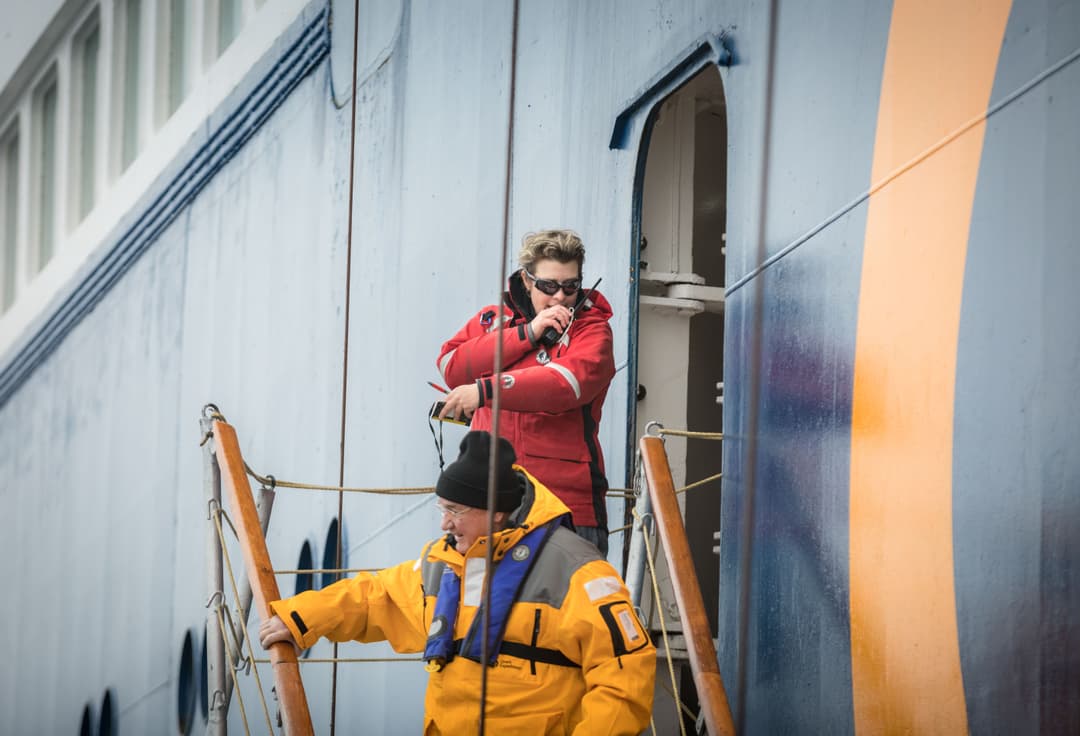
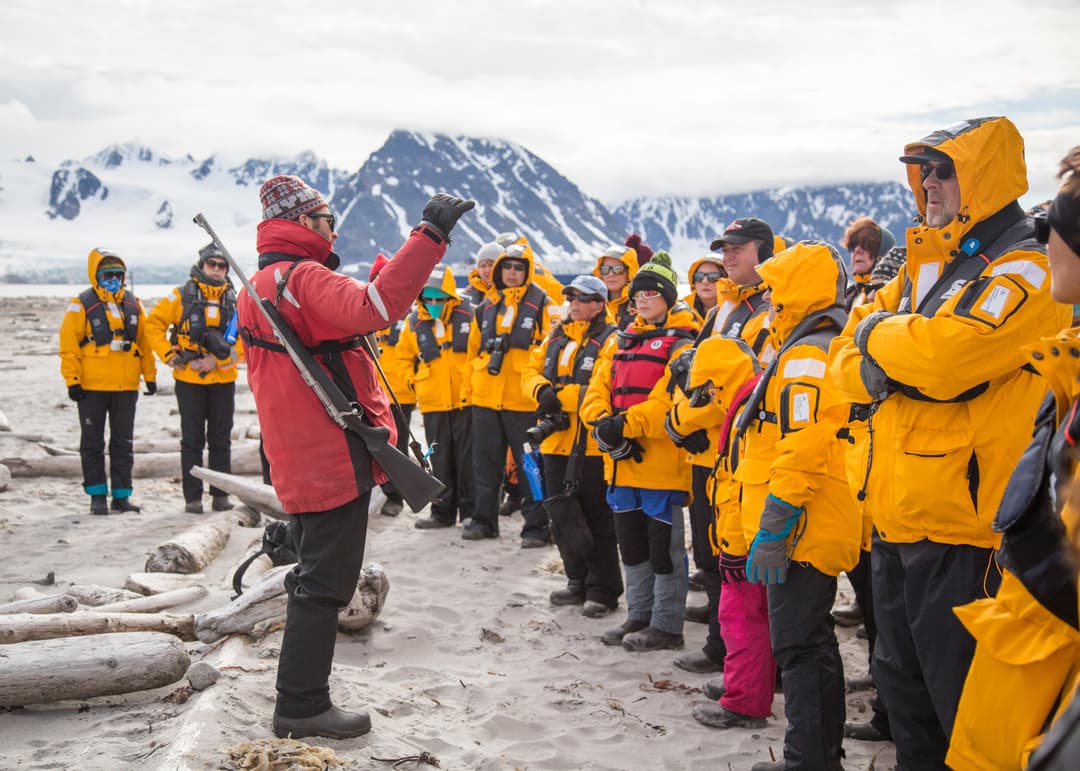
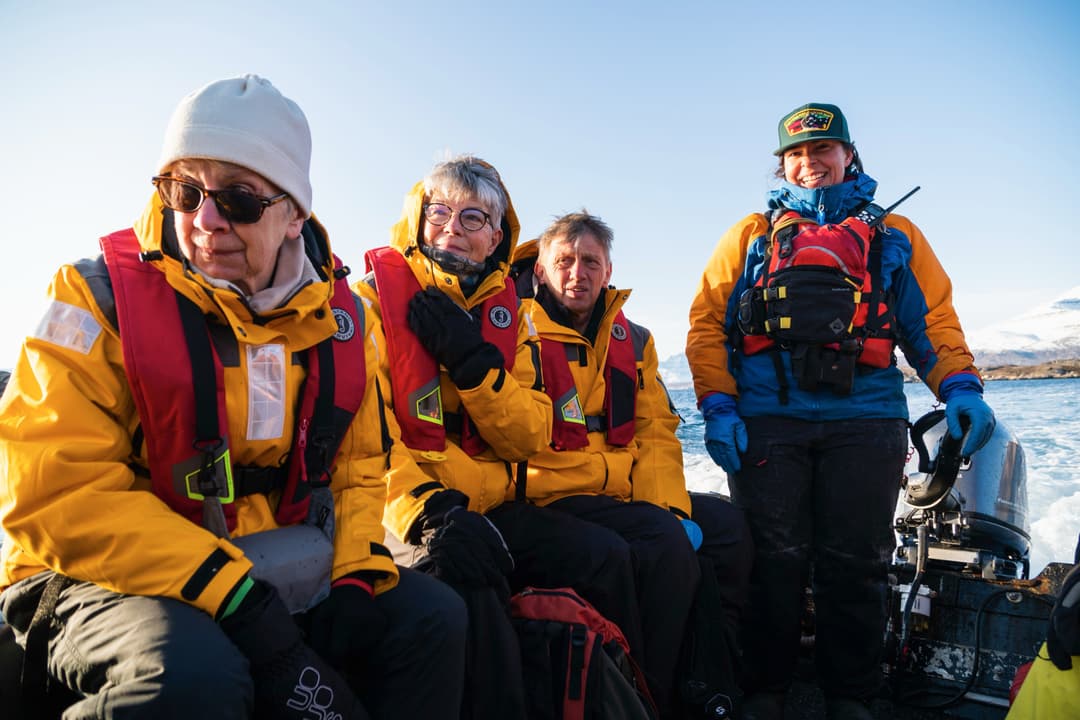
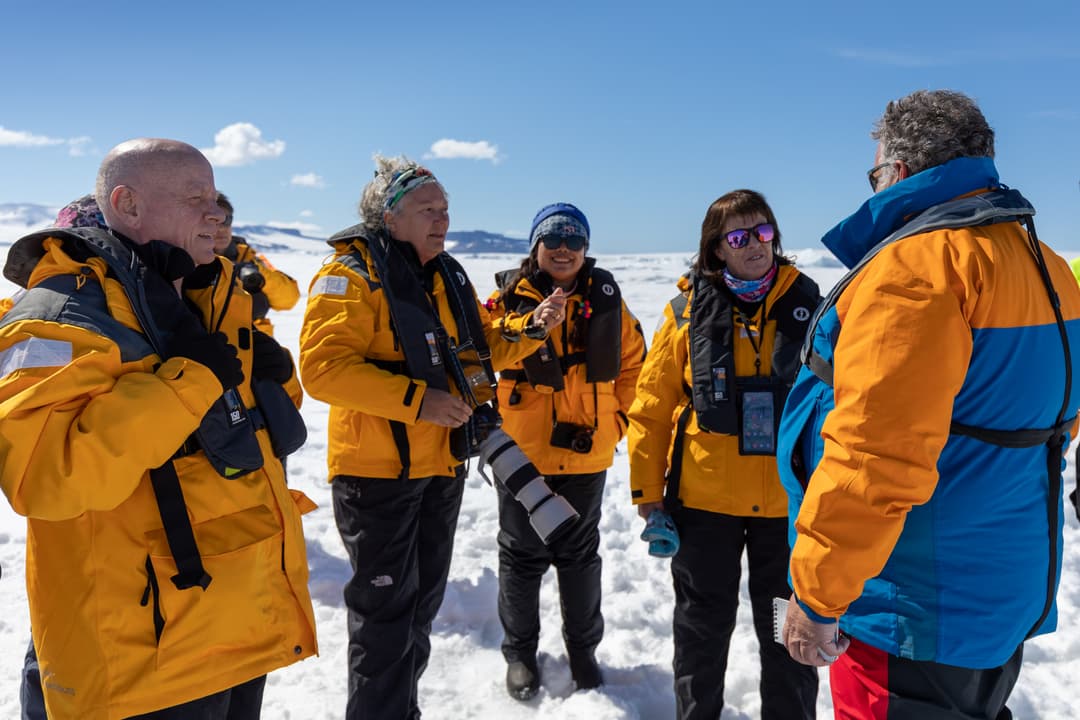
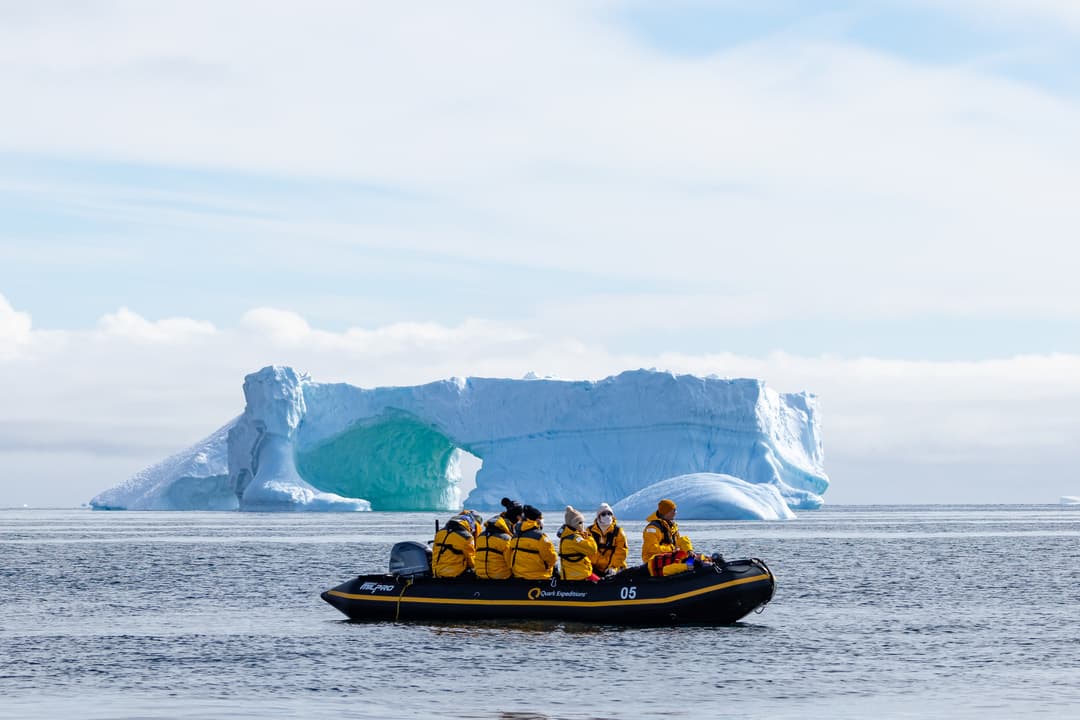
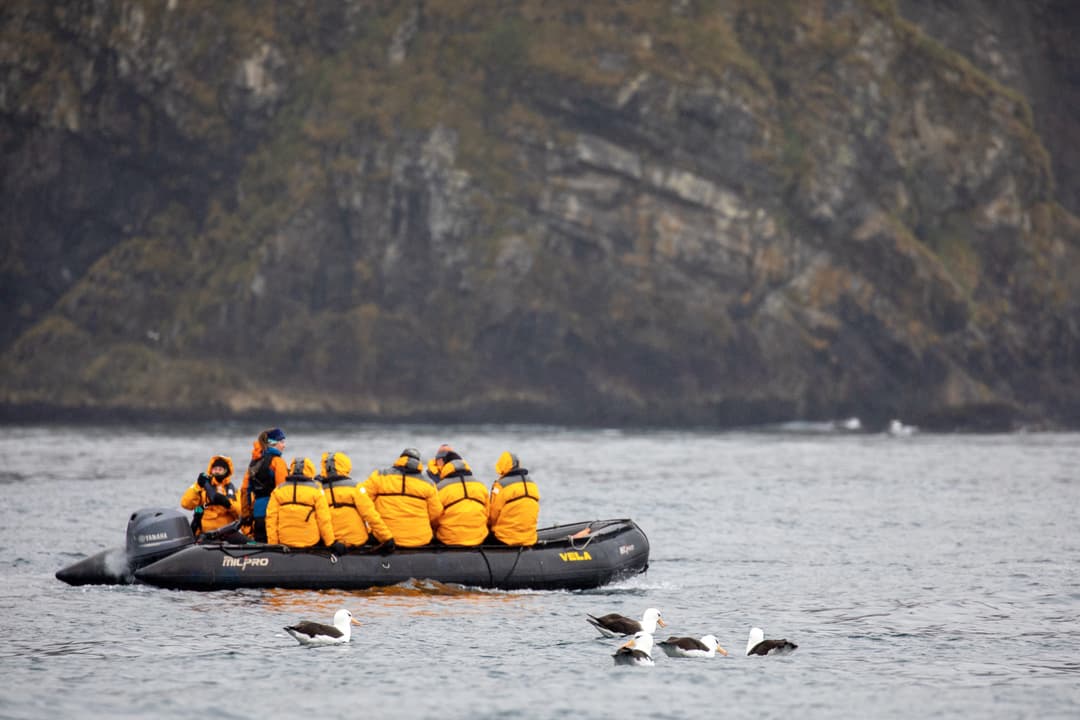
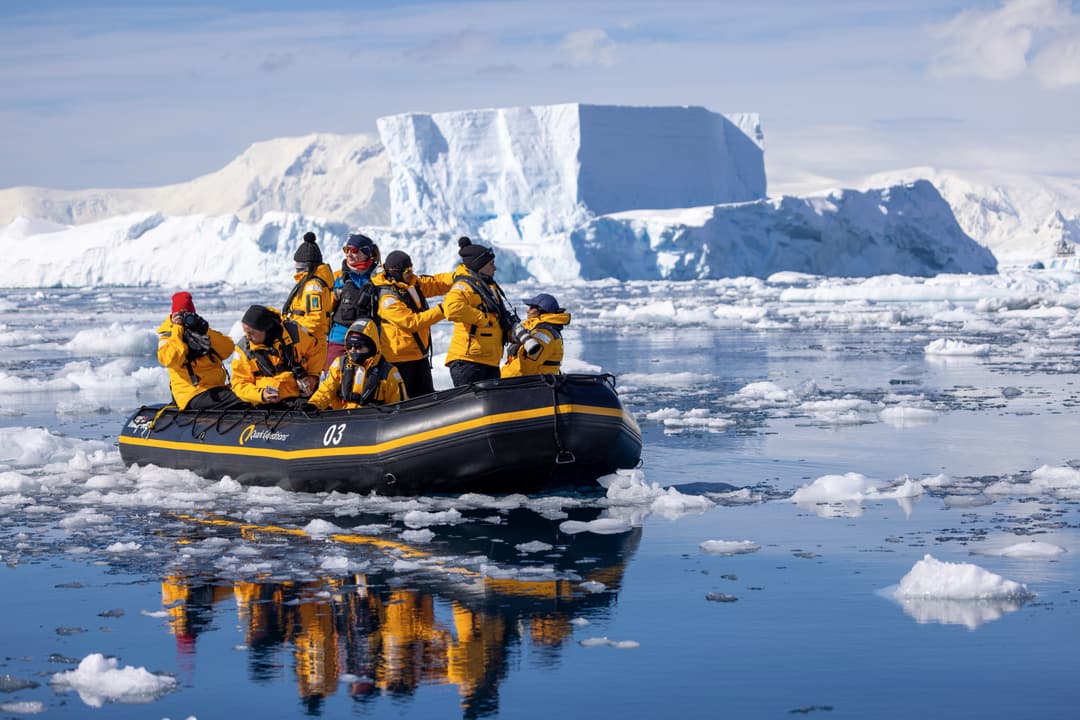
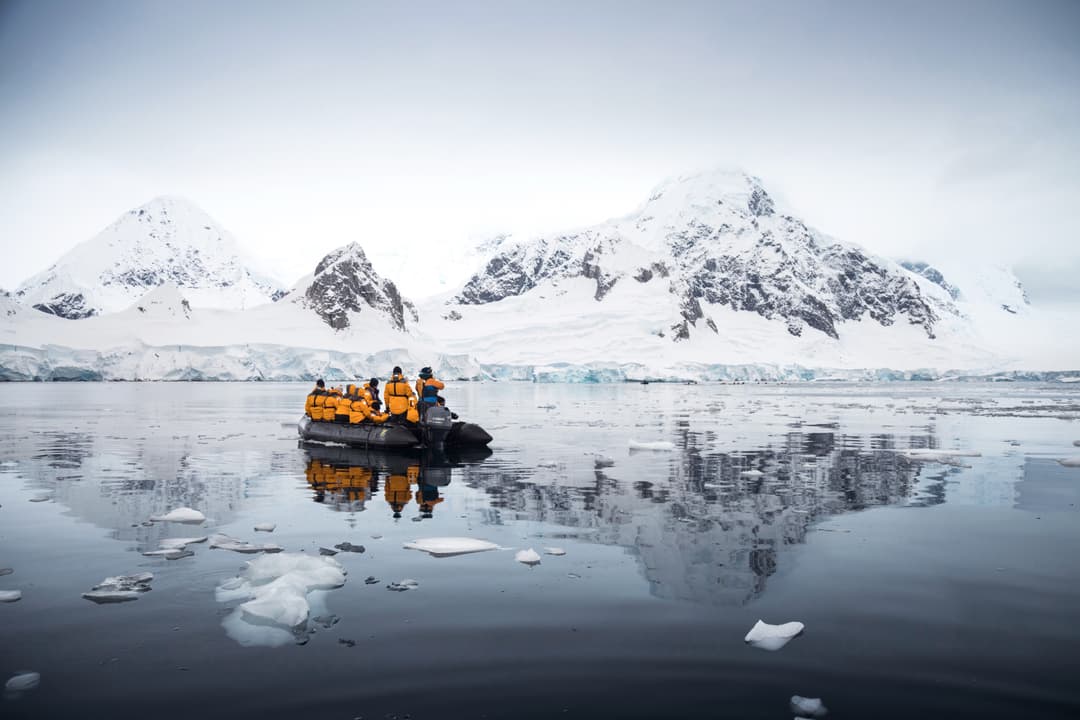
Zodiacs are used for transferring you ashore, transporting your luggage when necessary and for taking you ocean-level cruising among icebergs, whales and seabirds. During the expedition, you will visit remote and isolated sites that are accessible only by Zodiac.
These large, heavy-duty inflatable vessels are extremely safe and were specially designed for expedition work. Zodiacs are the workhorses of Polar expeditions. Separate air comp....
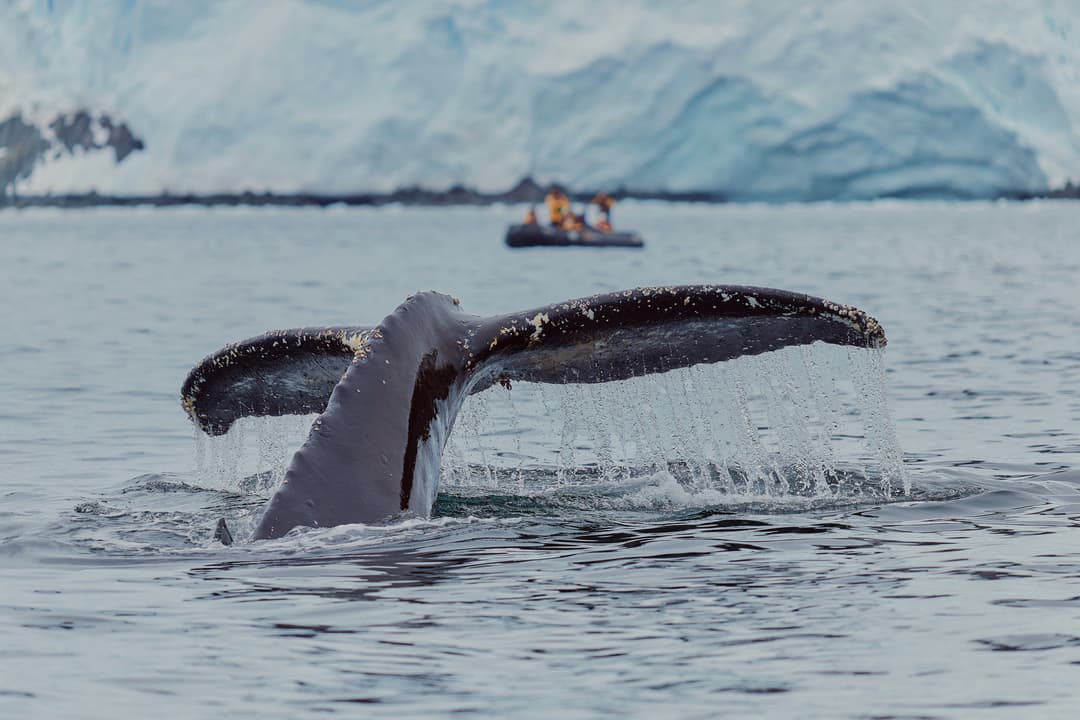
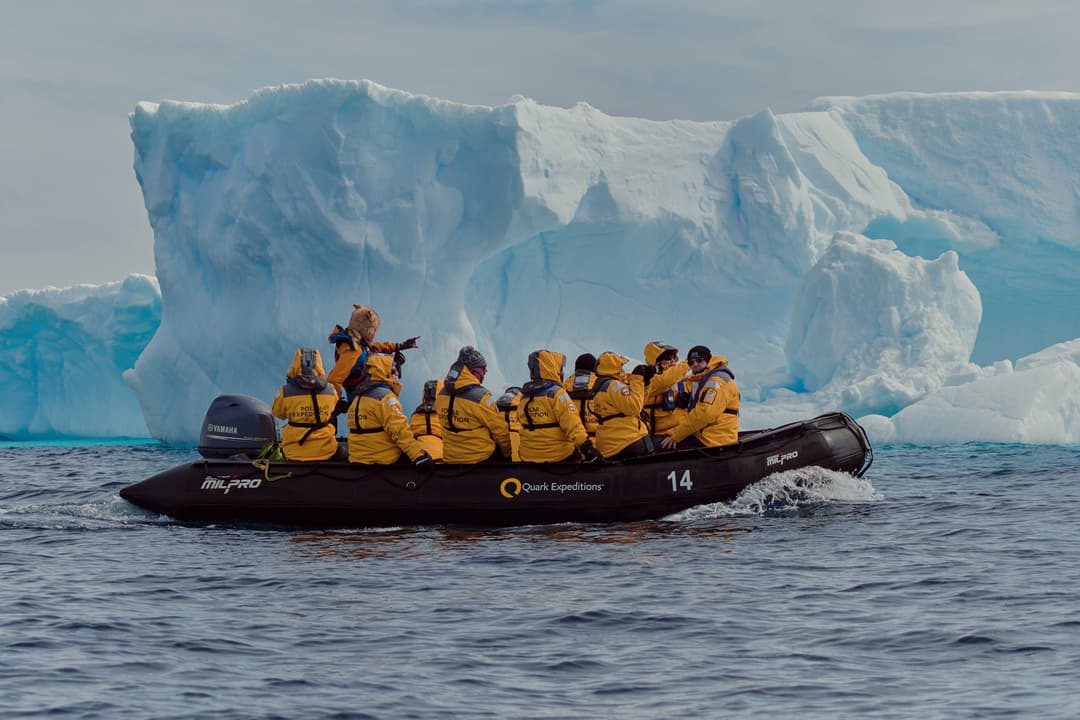
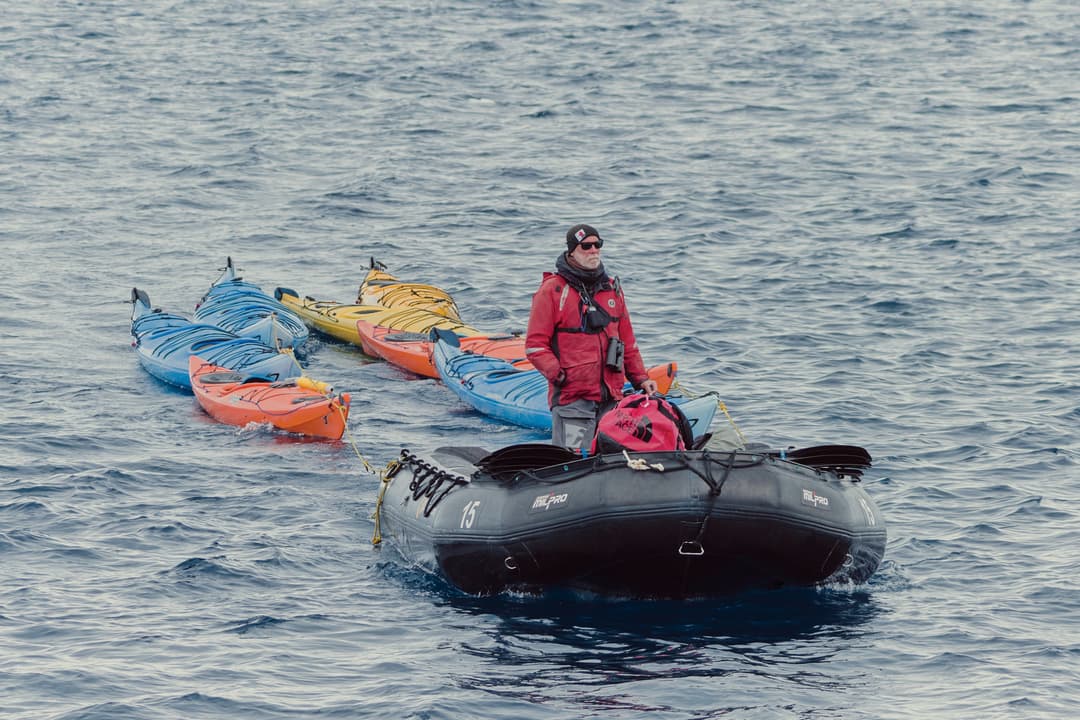
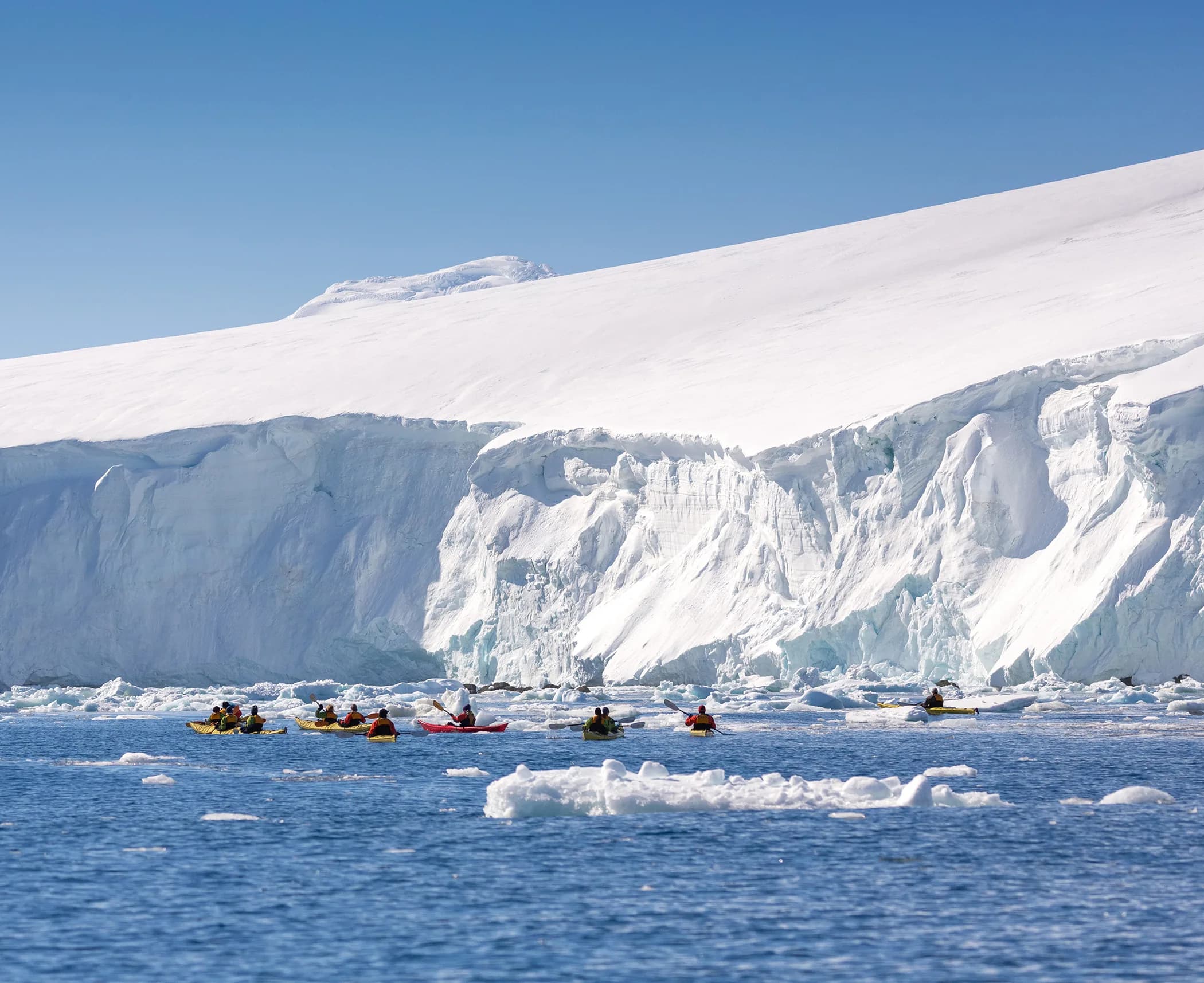
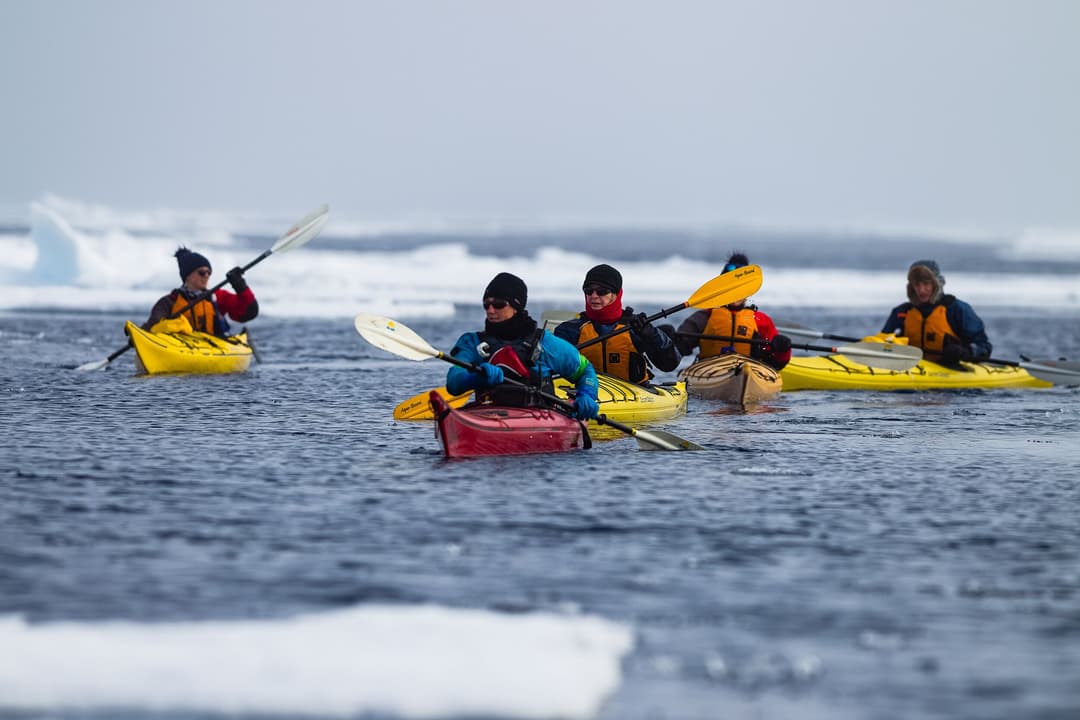
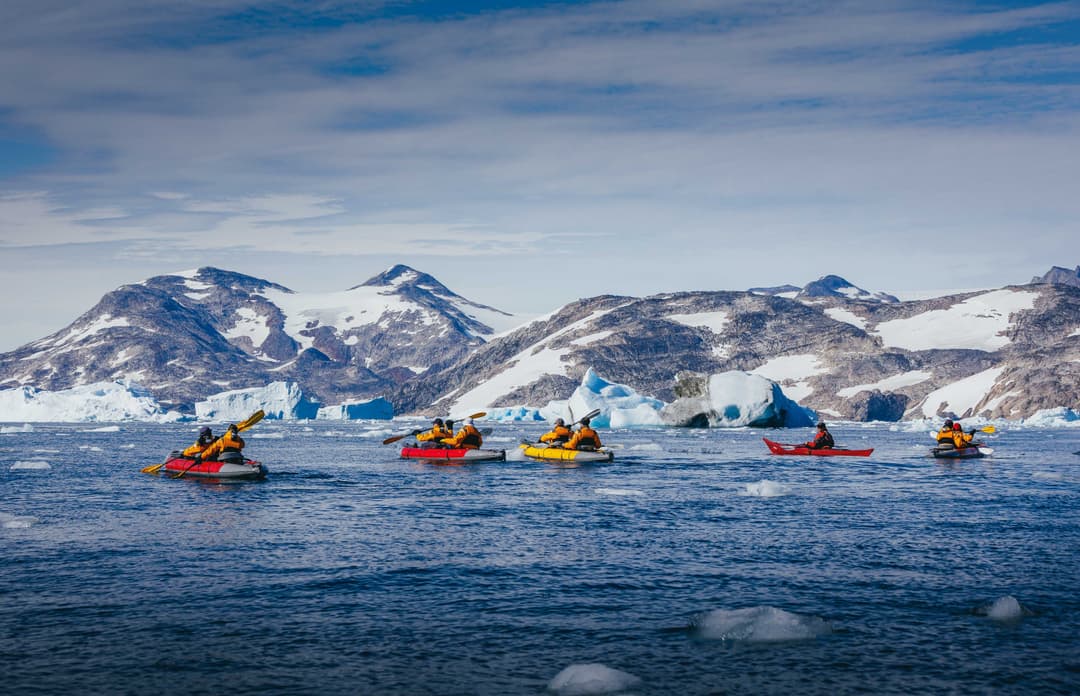
The kayak adventure option is open to all levels of experience. However, it is highly recommended that you have some sea kayaking related experience prior to kayaking in the polar regions with Quark Expeditions. Our sea kayaks are the ideal means by which to slow down and connect with the pristine natural environments and surroundings.
Positioning yourself in the seat of a kayak is one of the most intimate ways travelers can conn....
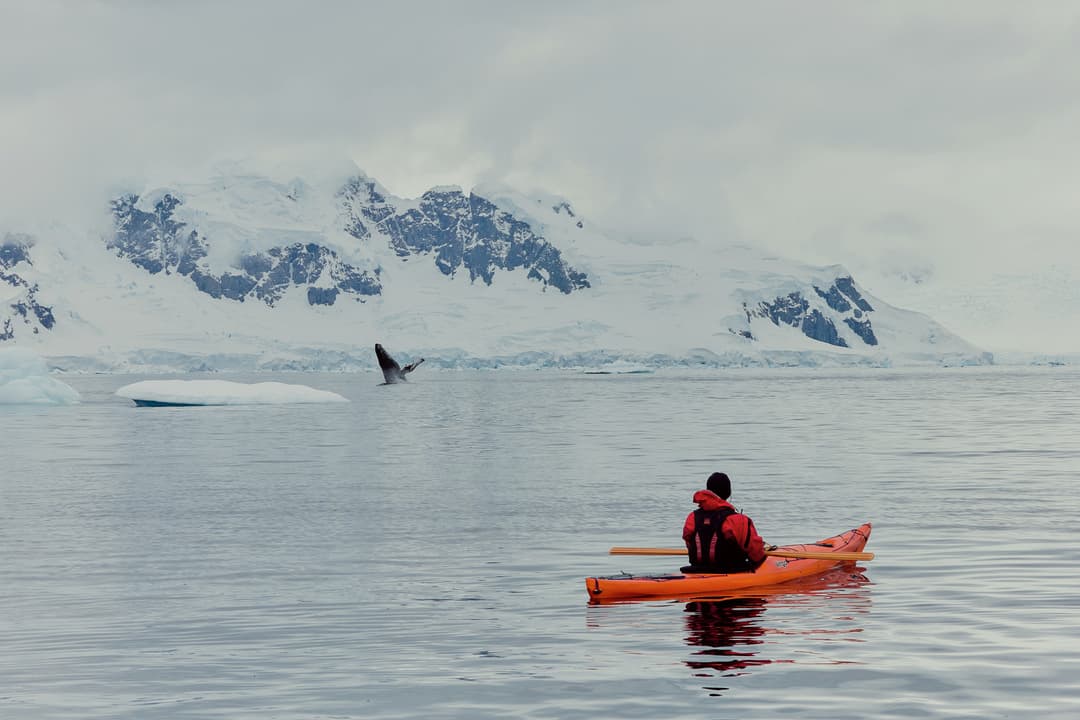
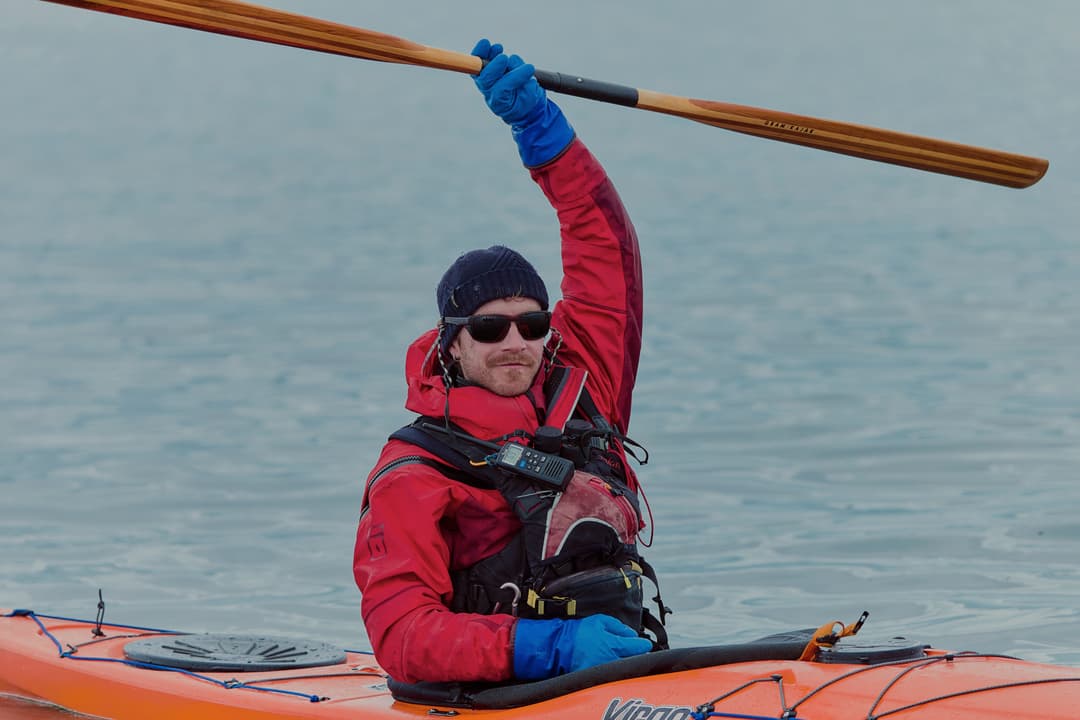
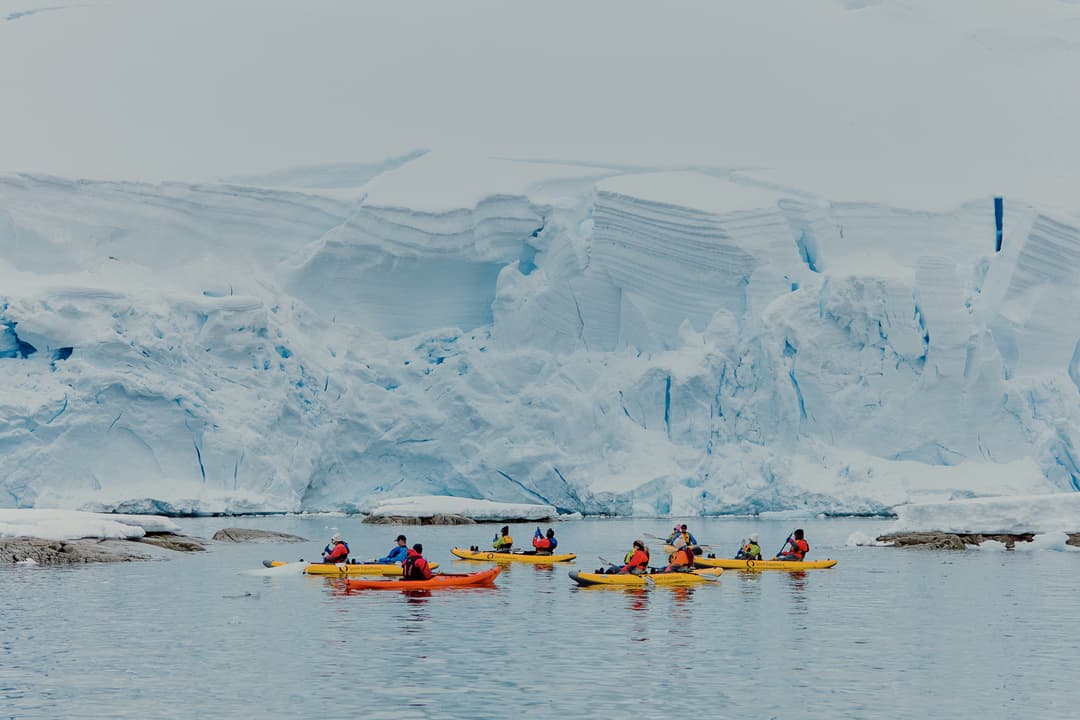
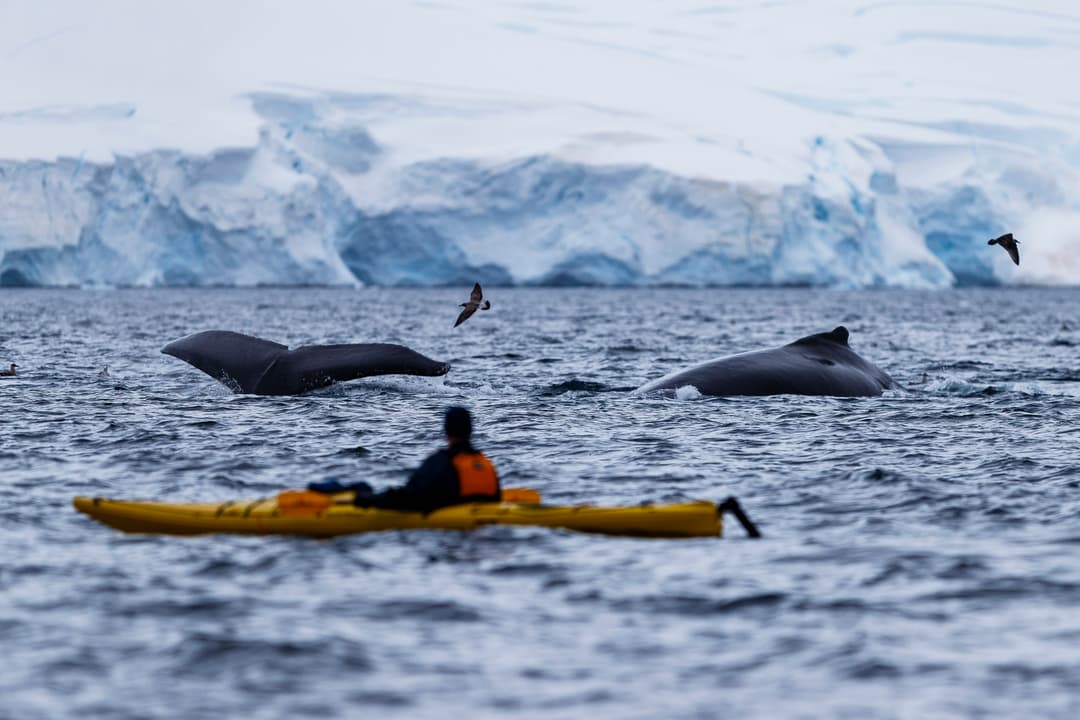
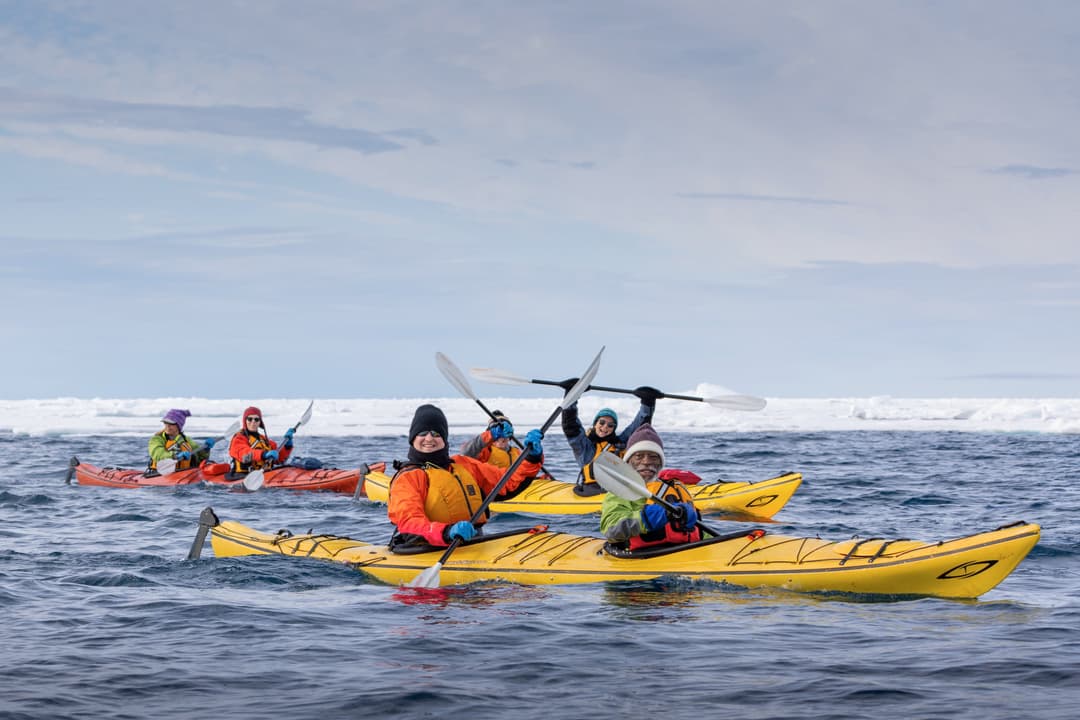
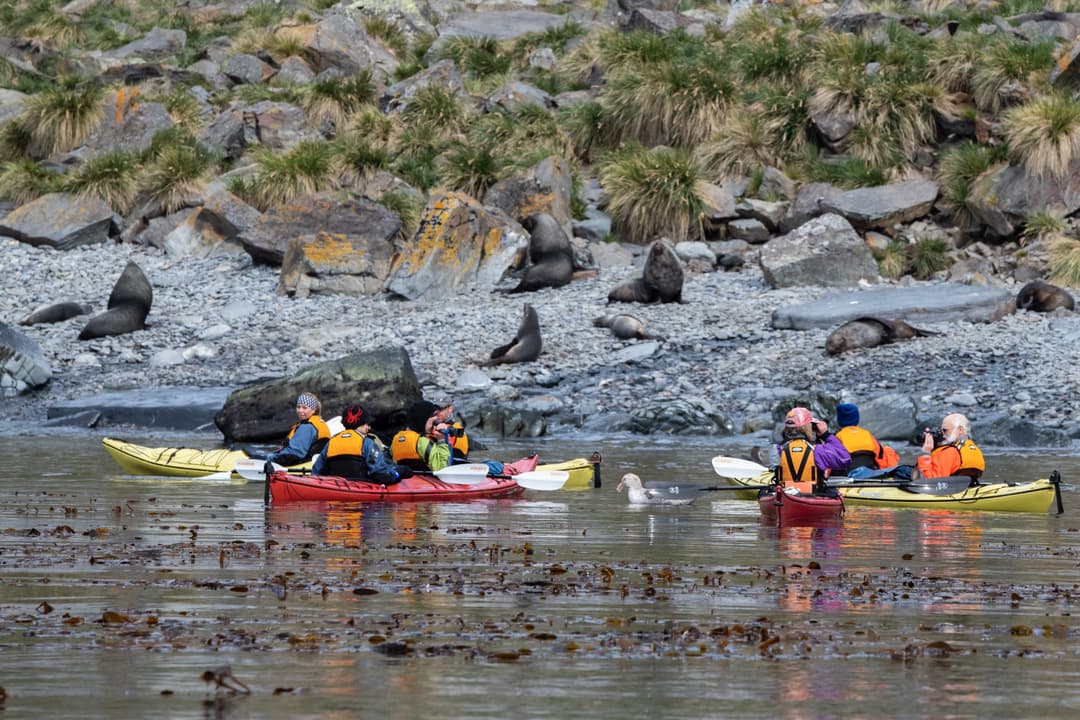
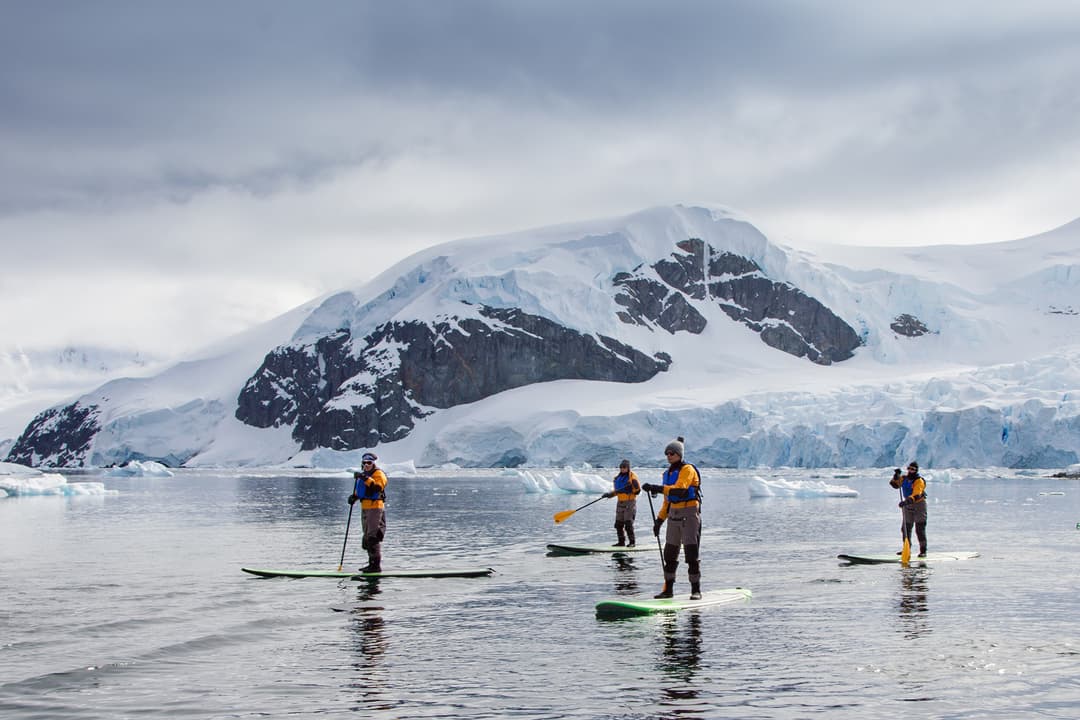
Stand-up Paddleboarding, popularly known as SUPing, originated in Hawaii. Quark Expeditions is the first company to bring this watersport all the way to Antarctica.
SUPing combines the immersive experience of kayaking but in a standing position. Participants, if they prefer, can kneel, sit or even lie down and stare up at the azure Antarctic sky. Because of their wide base and tail fins, SUP boards are quite stable, enabling participan....
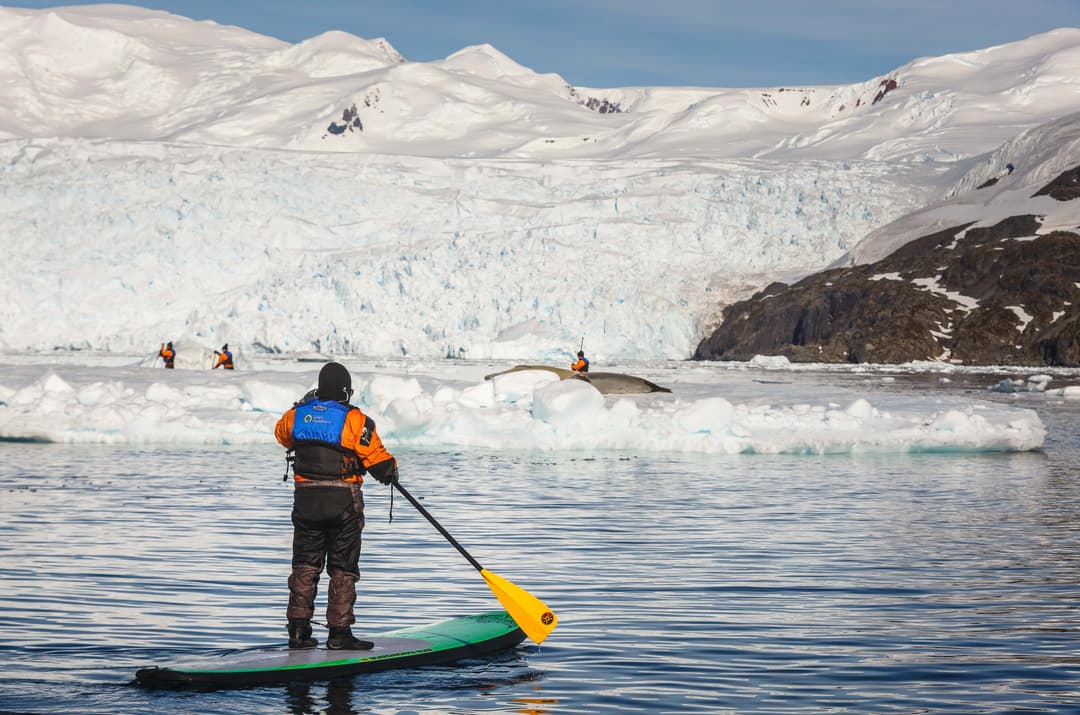
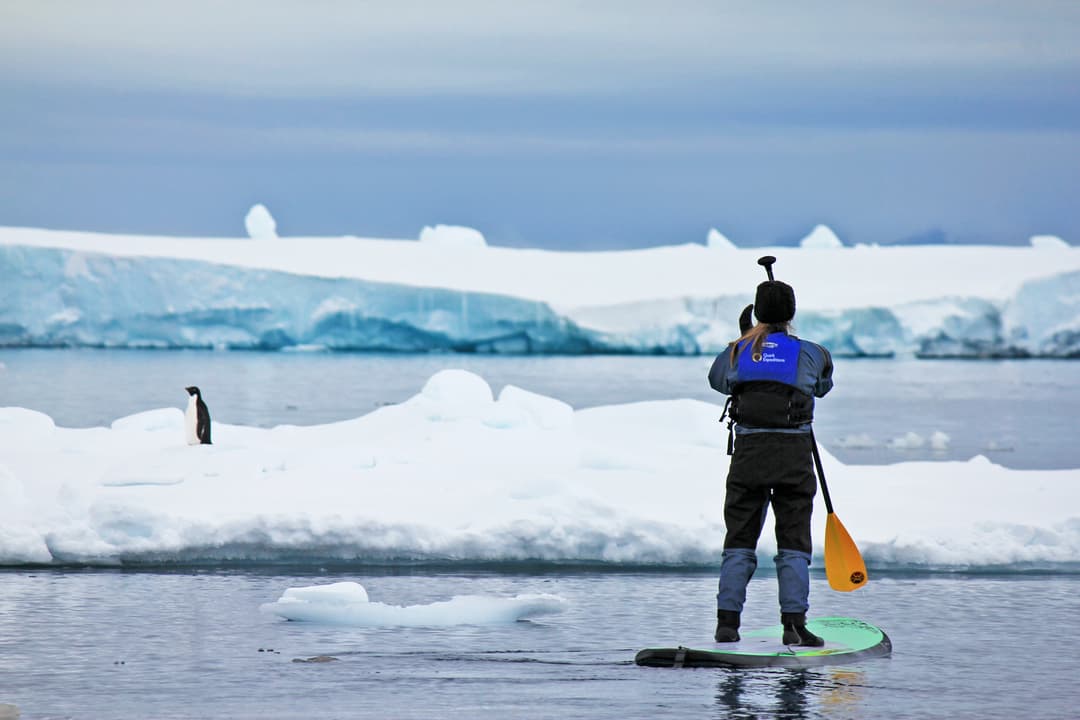
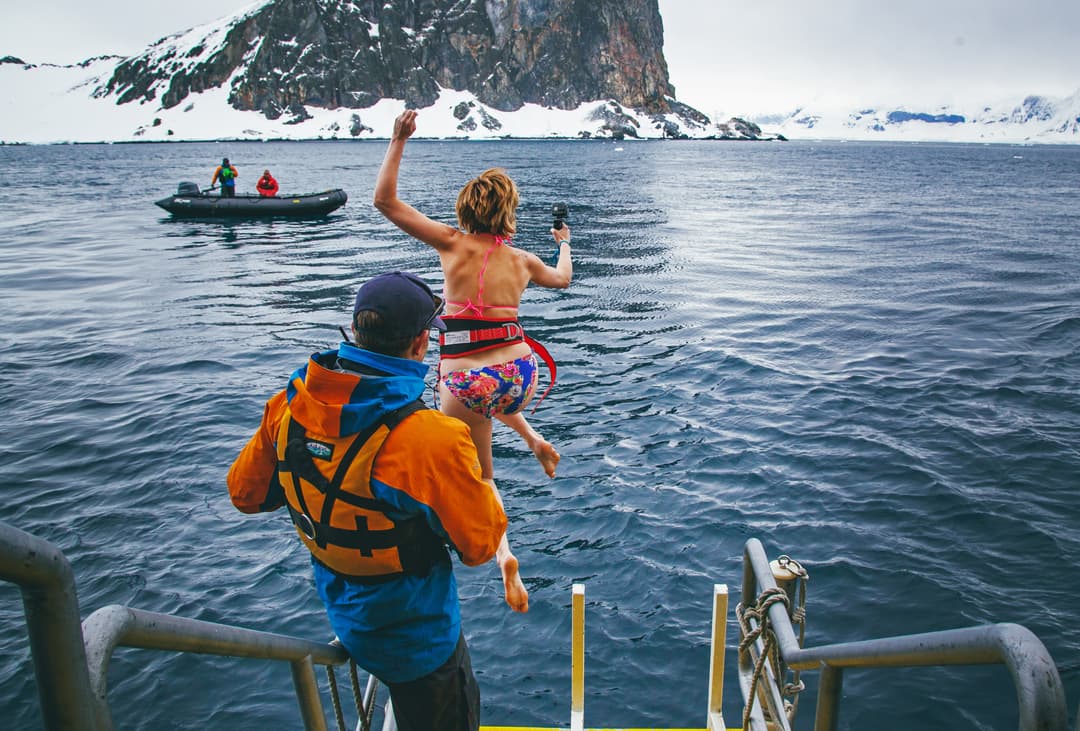
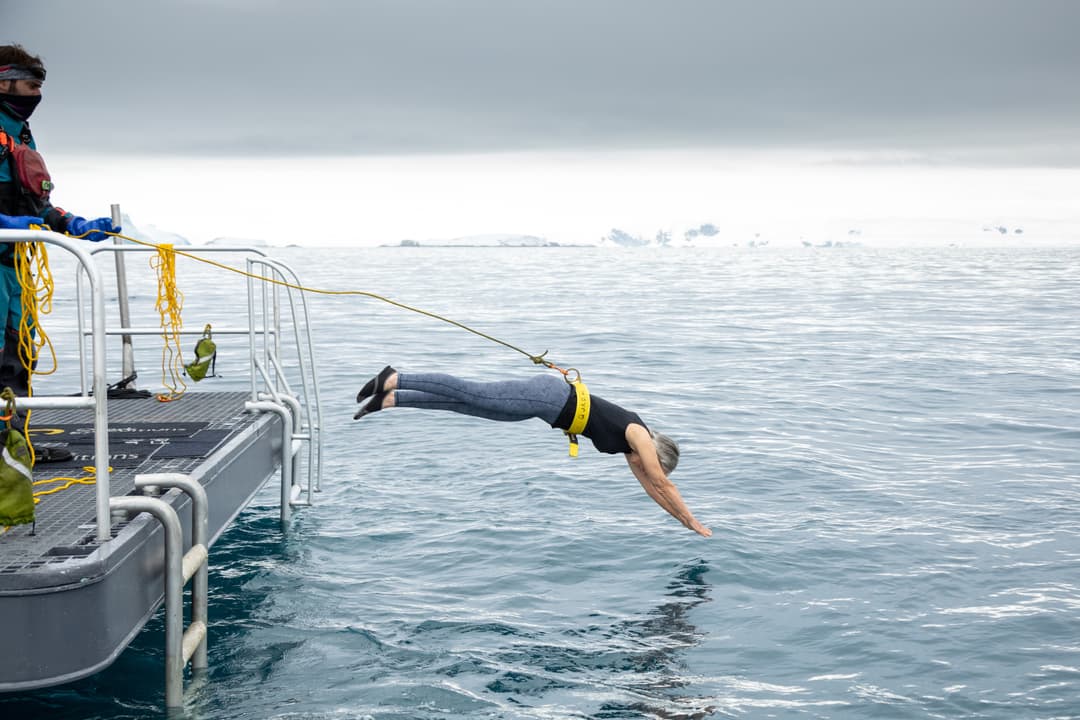
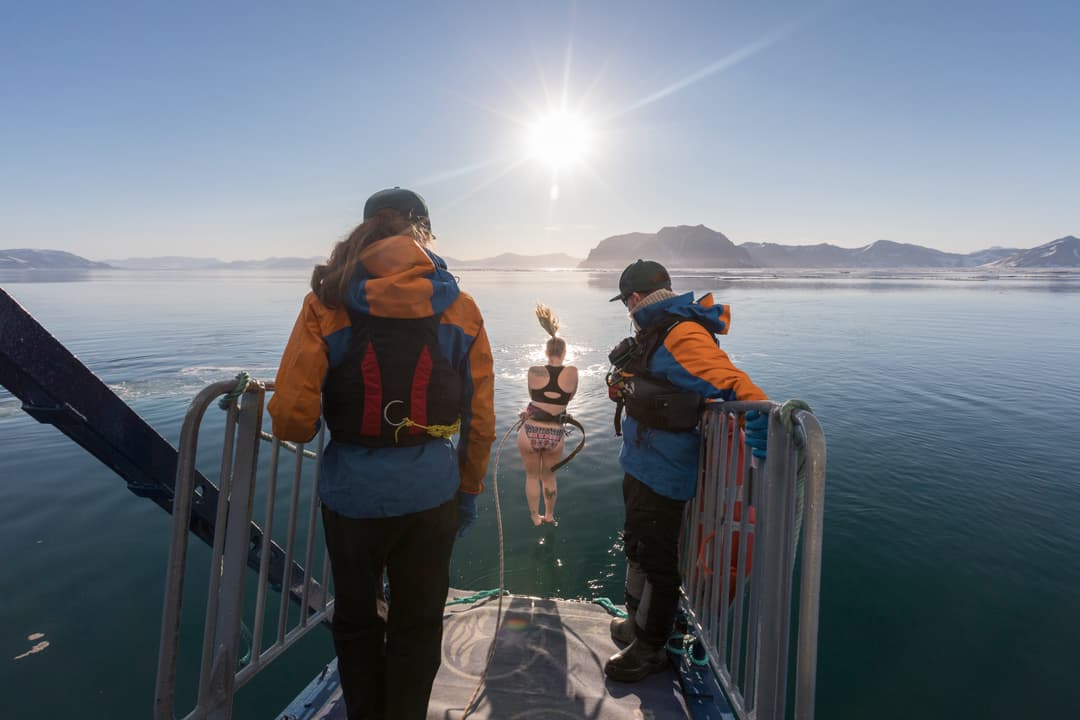
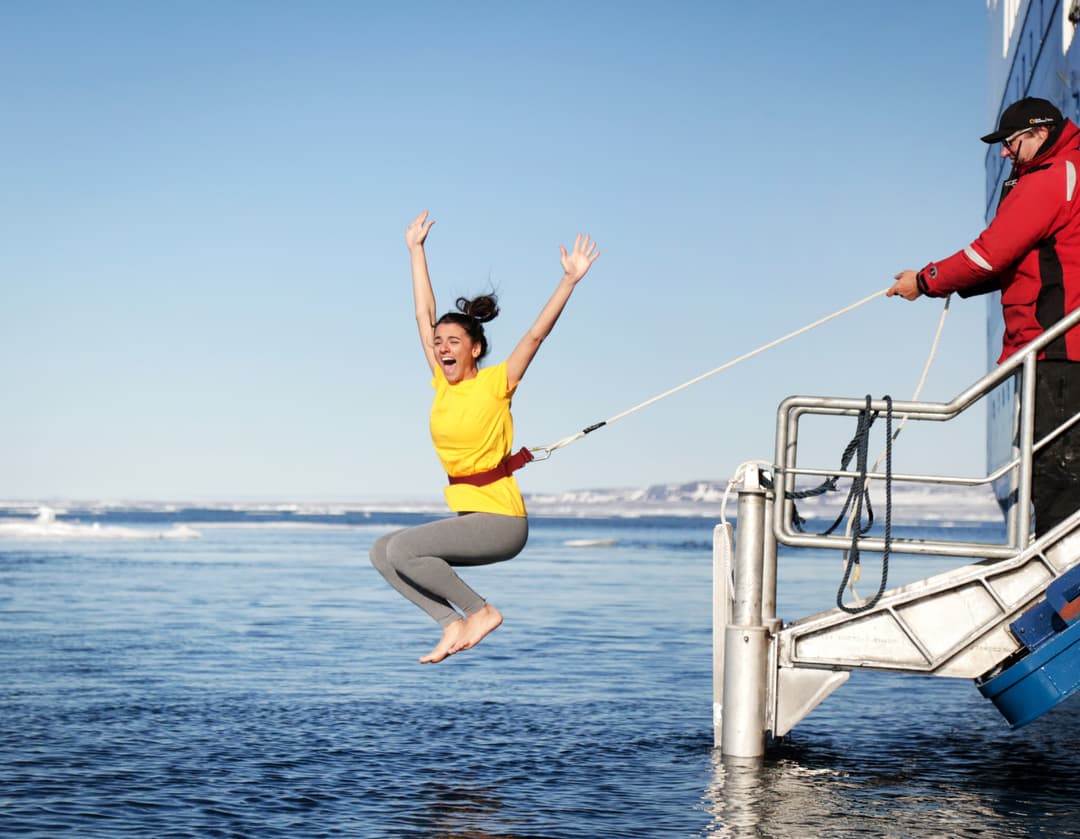
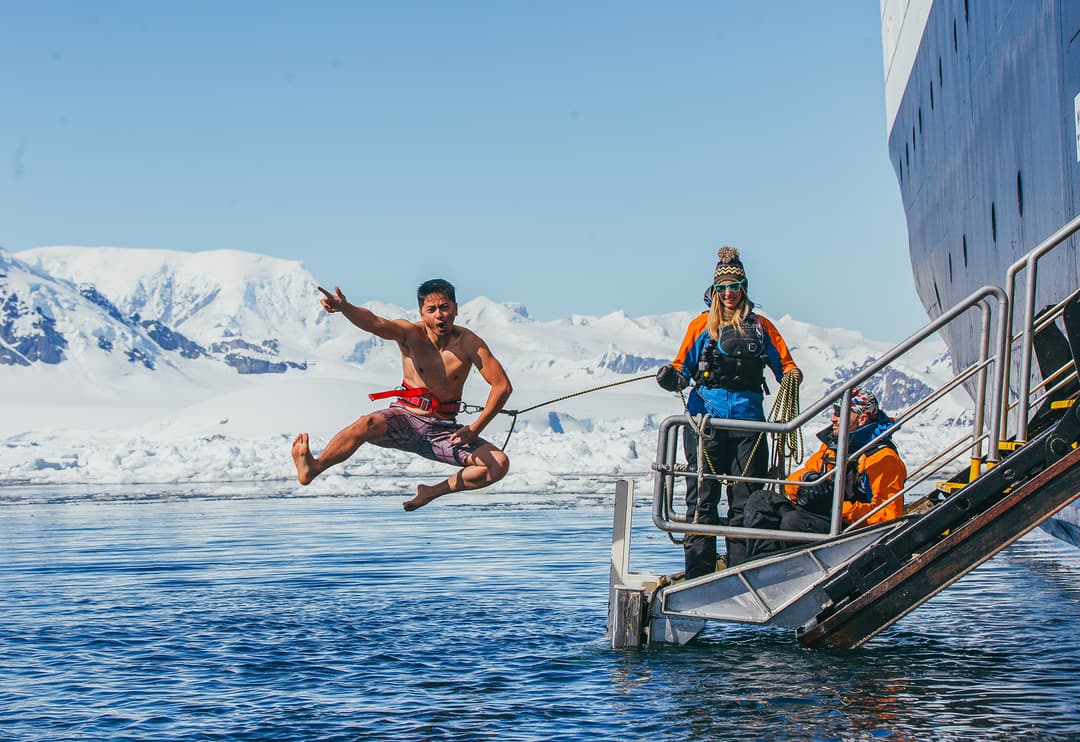
The Polar Plunge is scheduled once during each voyage. Throughout the journey, the Expedition Leader and Captain constantly monitor conditions in order to choose the optimal time and location. The Polar Plunge sometimes takes place onshore or, in many cases, from the gangway or Zodiac. All participants wear a tethered harness and plunge into the polar waters from the side of Zodiac or safety of the gangplank cheered on, of course, by fellow pa....
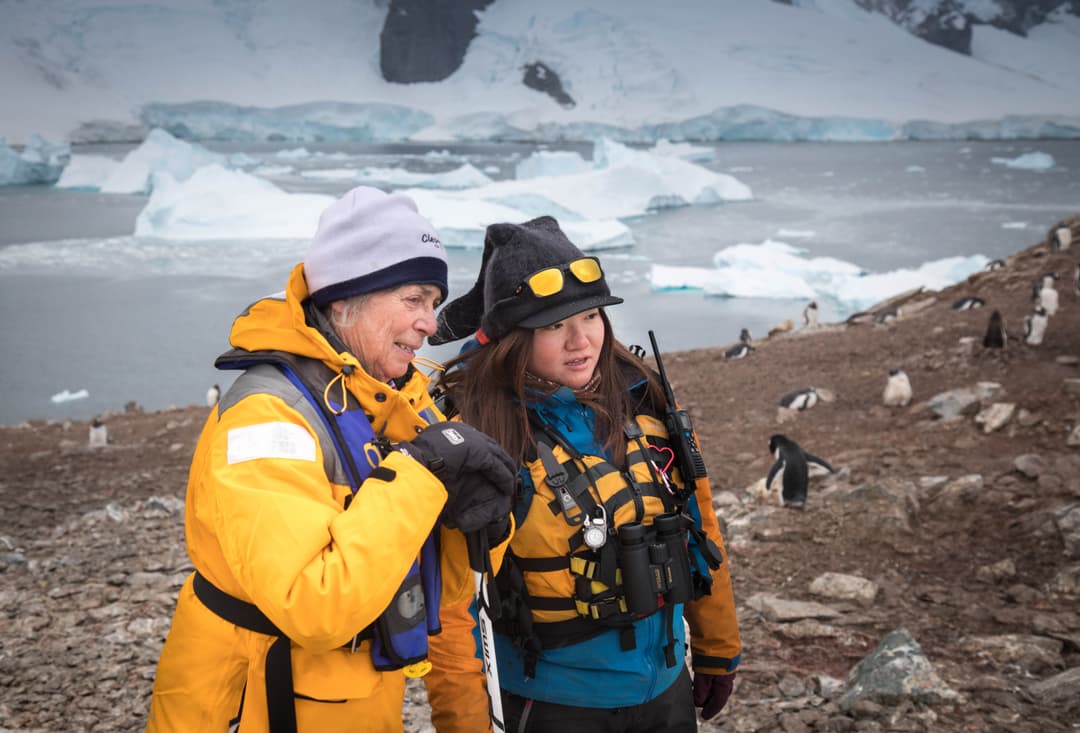
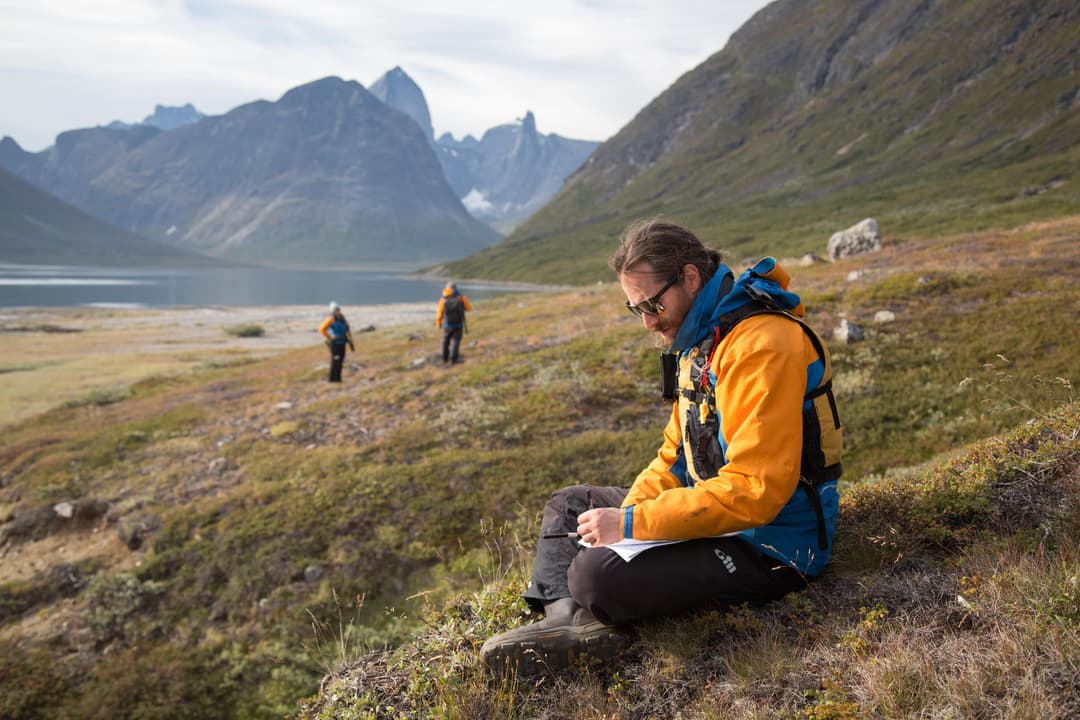
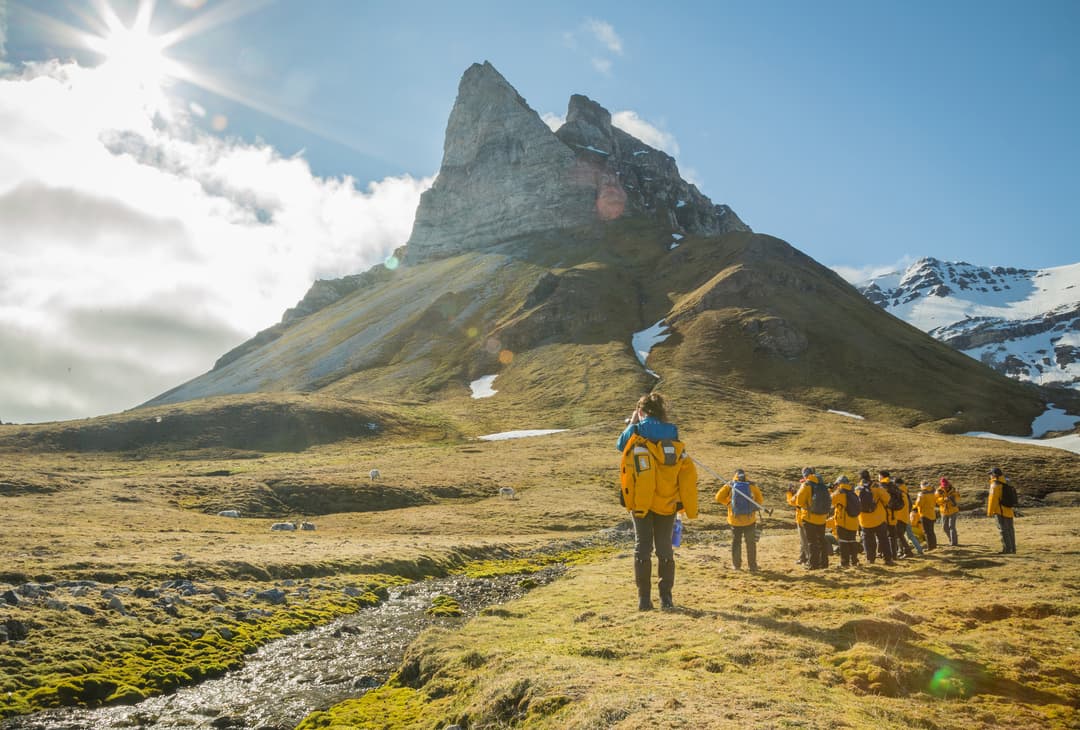
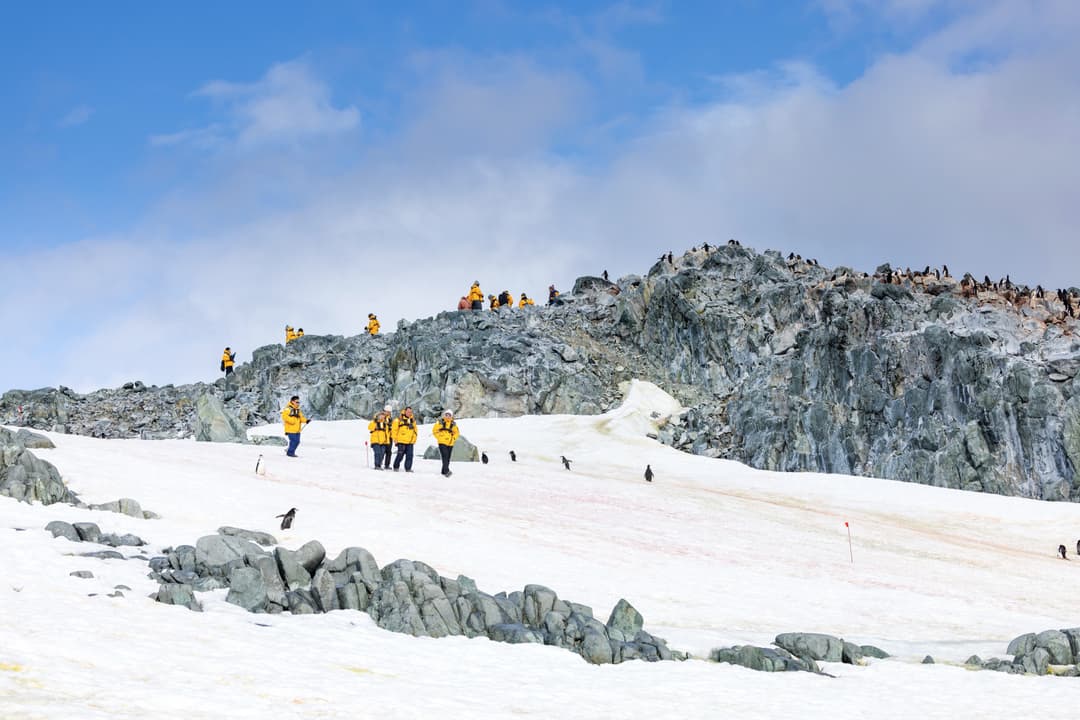
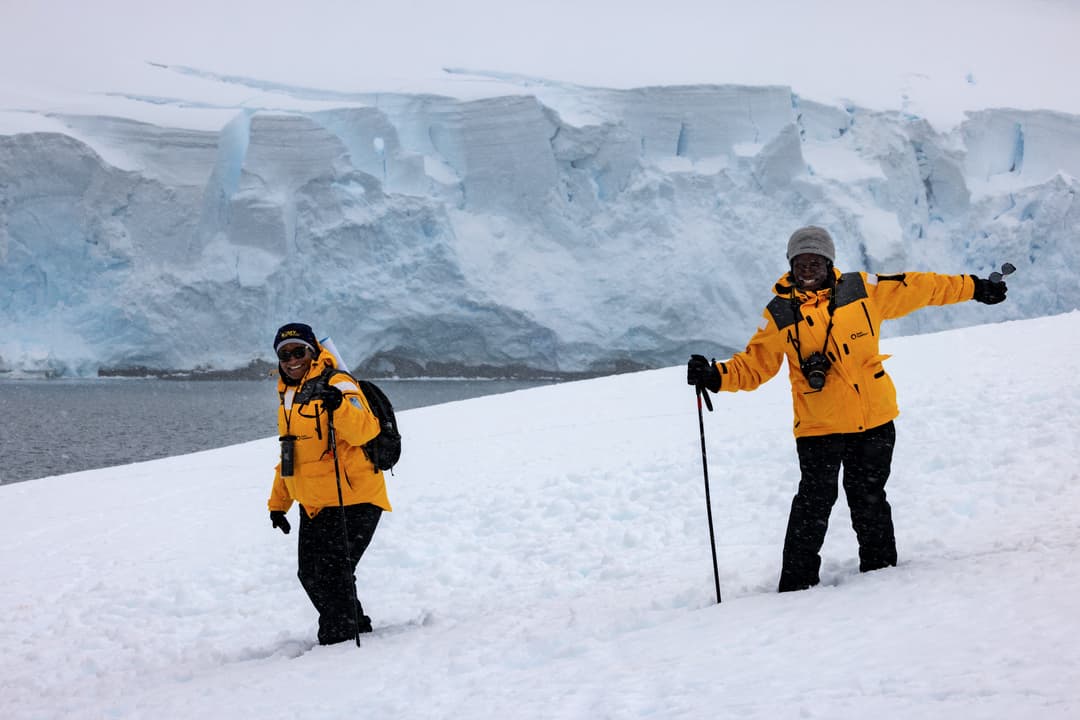
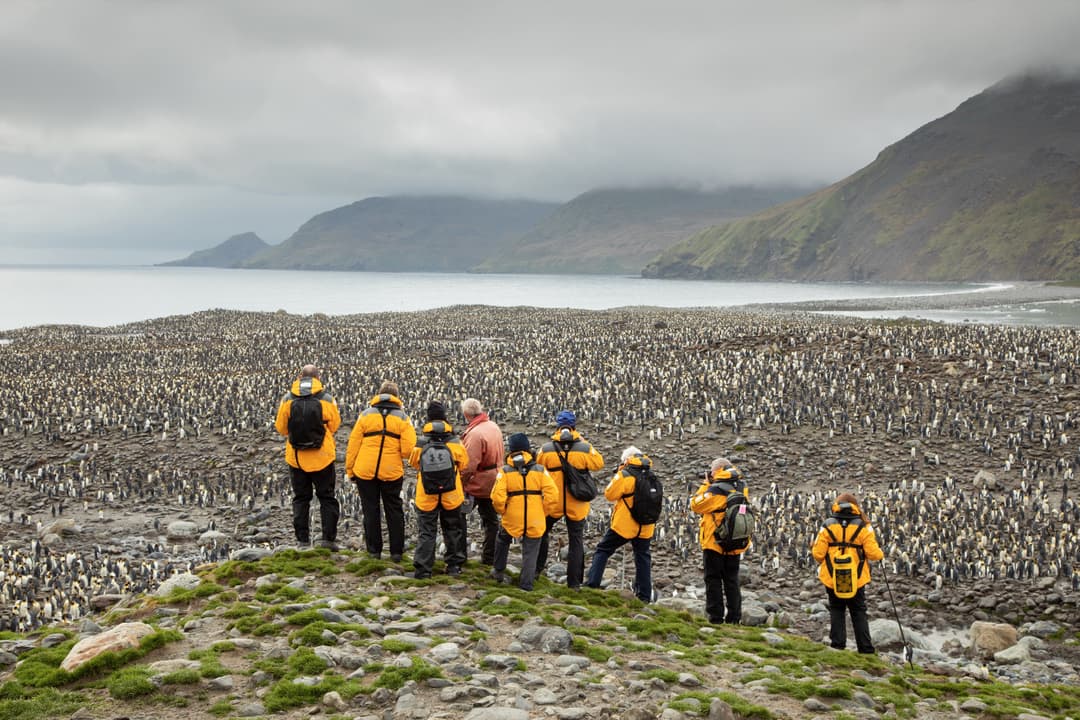
Hiking in the polar regions differs from your typical trail experience. Here, in a tree-less terrain, you are the tallest figure on the landscape as you walk over spongy tundra, crusty snow or sandy beaches in remotes parts of the Arctic and Antarctica. Stepping ashore anywhere in the polar regions means you’re not a distant observer.
Our organized hikes range from short jaunts to the top of lookouts or visits to see wildlife or longer w....
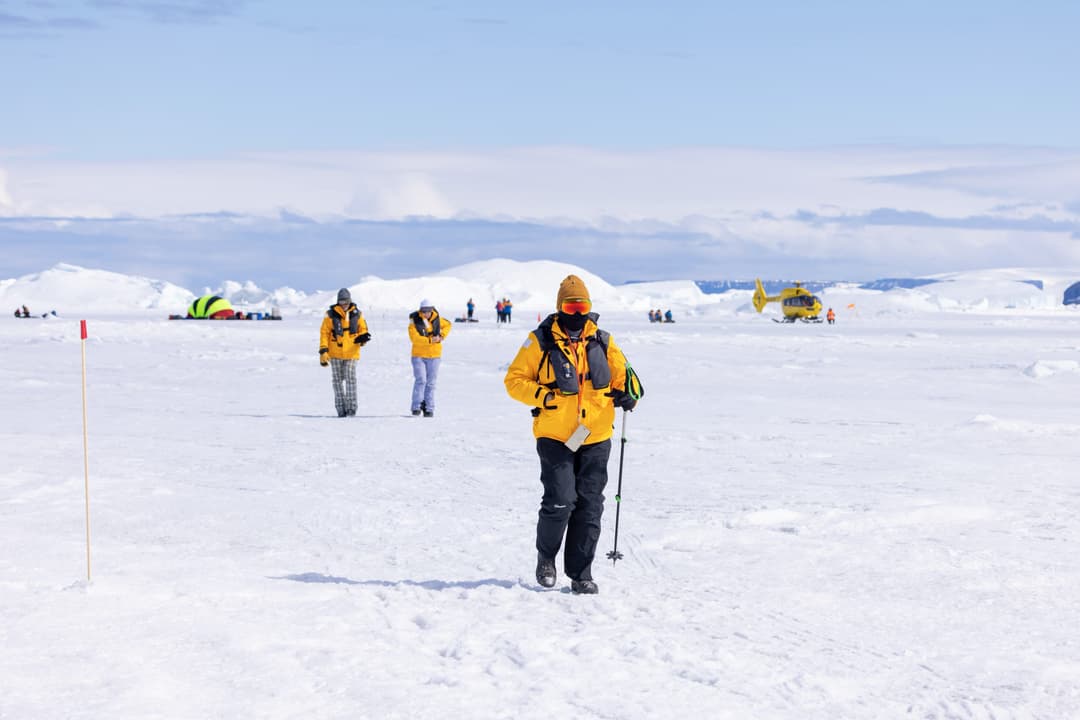
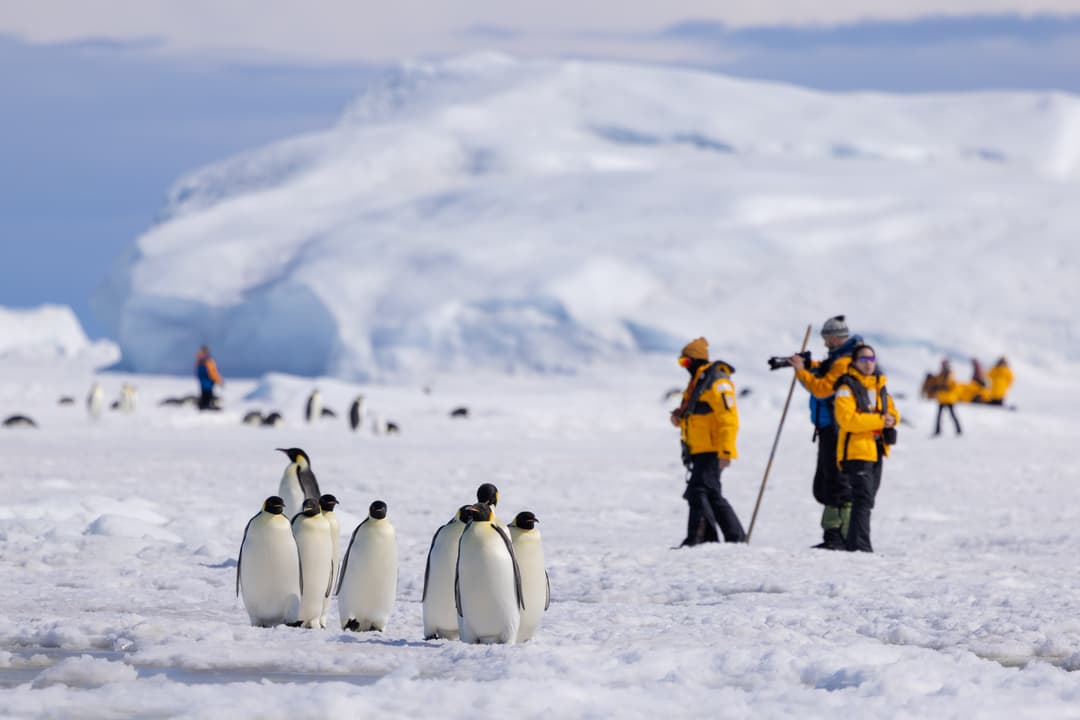
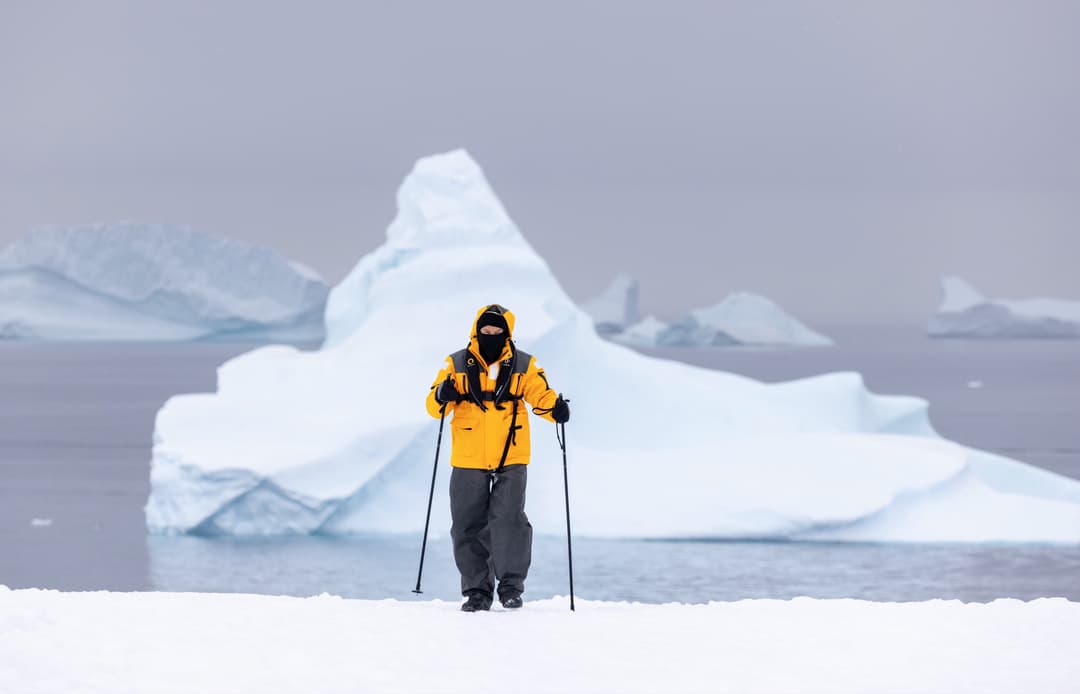
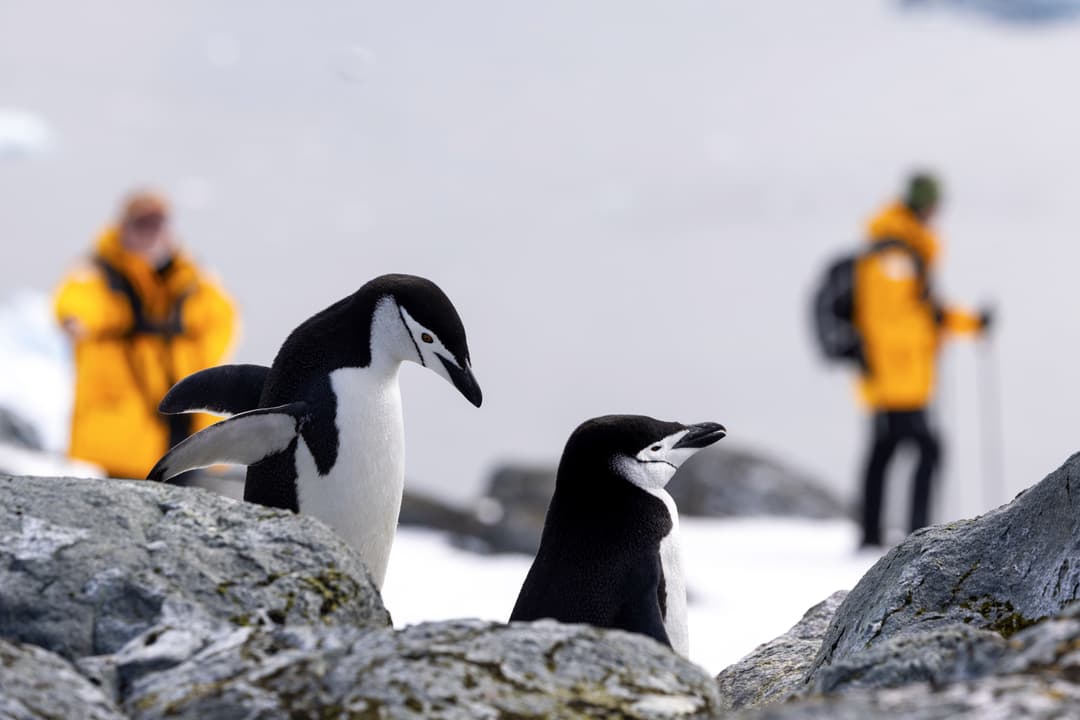
Explore the ocean from a more intimate vantage point on a sit-on-top kayak. No experience is required to manoeuvre these very stable kayaks, allowing you to enjoy an unforgettable experience on the water, taking in breathtaking landscapes and wildlife. Whether it’s your first time in a kayak or you want greater flexibility to try other Adventure options, this shorter excursion is for you.
Paddling in the Polar Regions is highly weather-d....
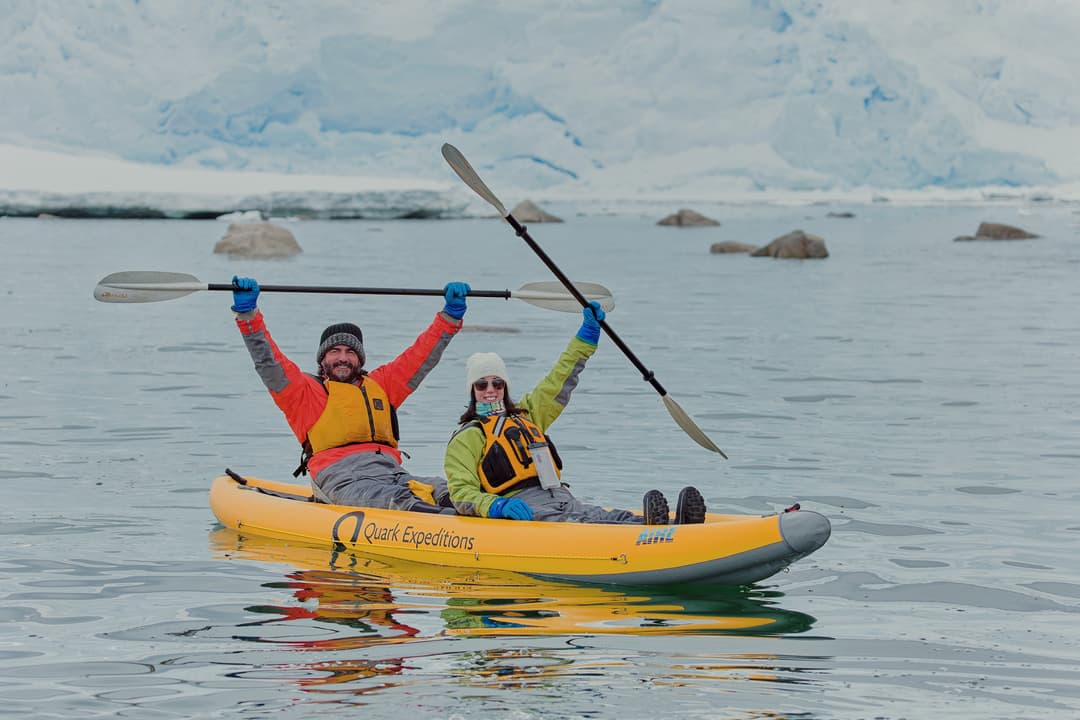
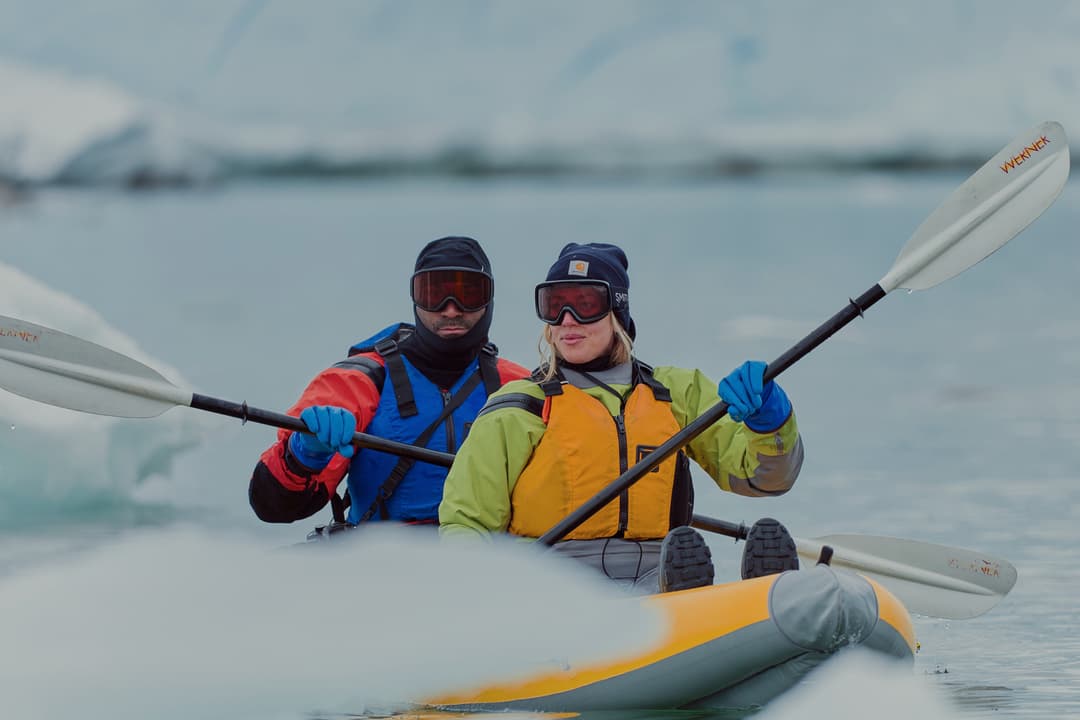
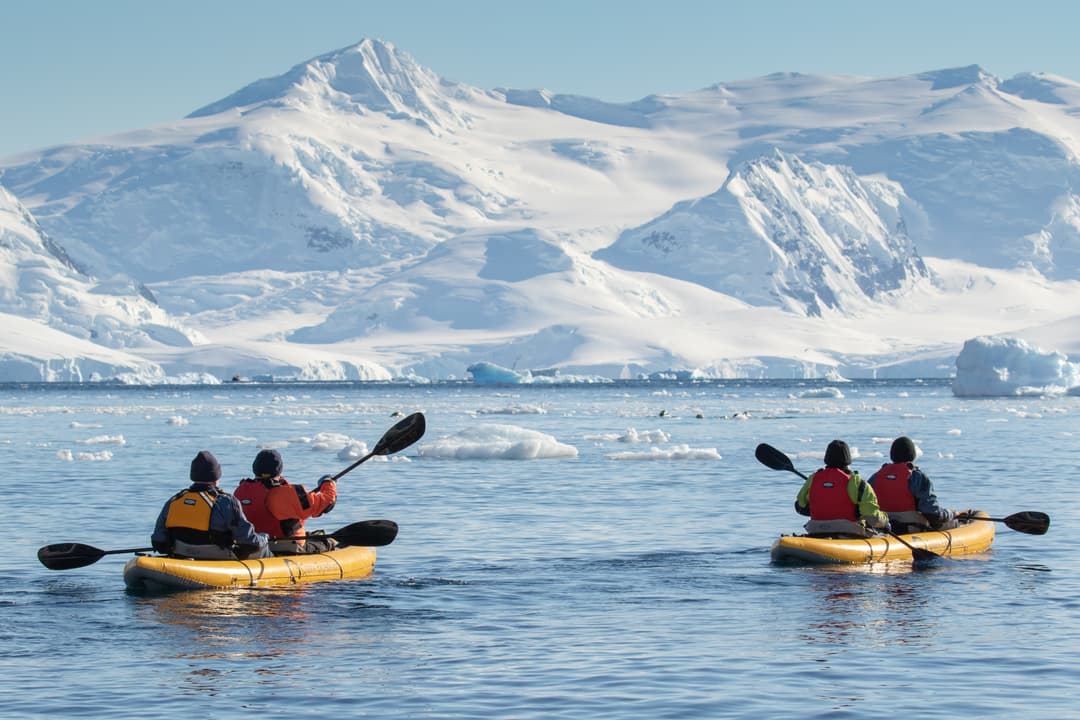
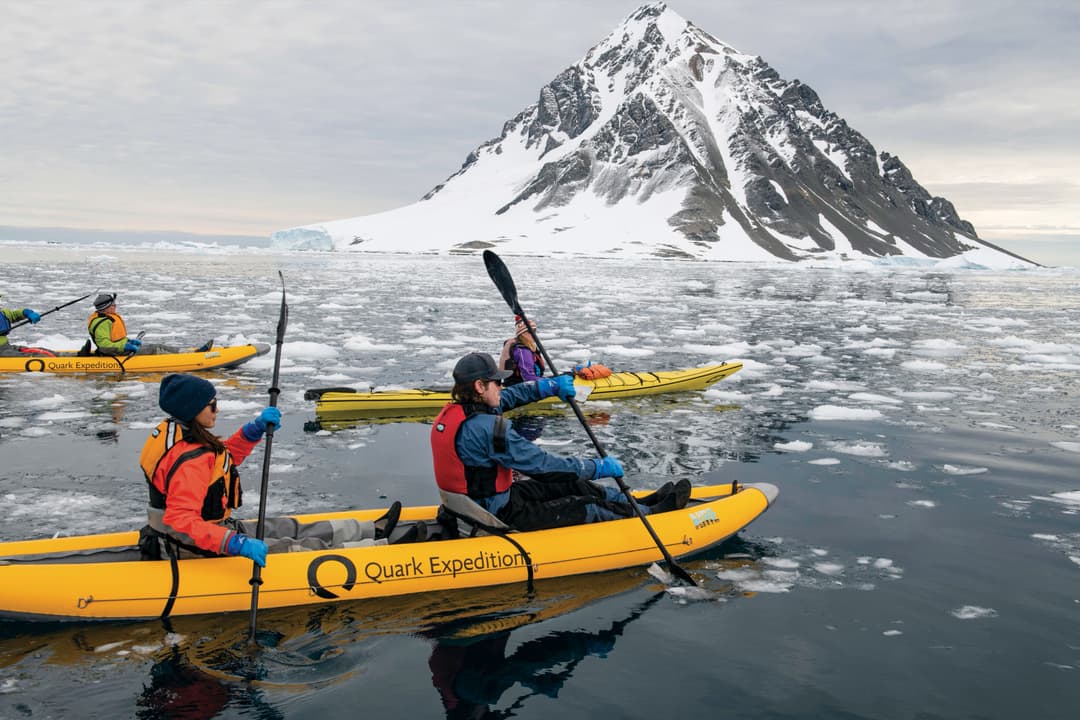
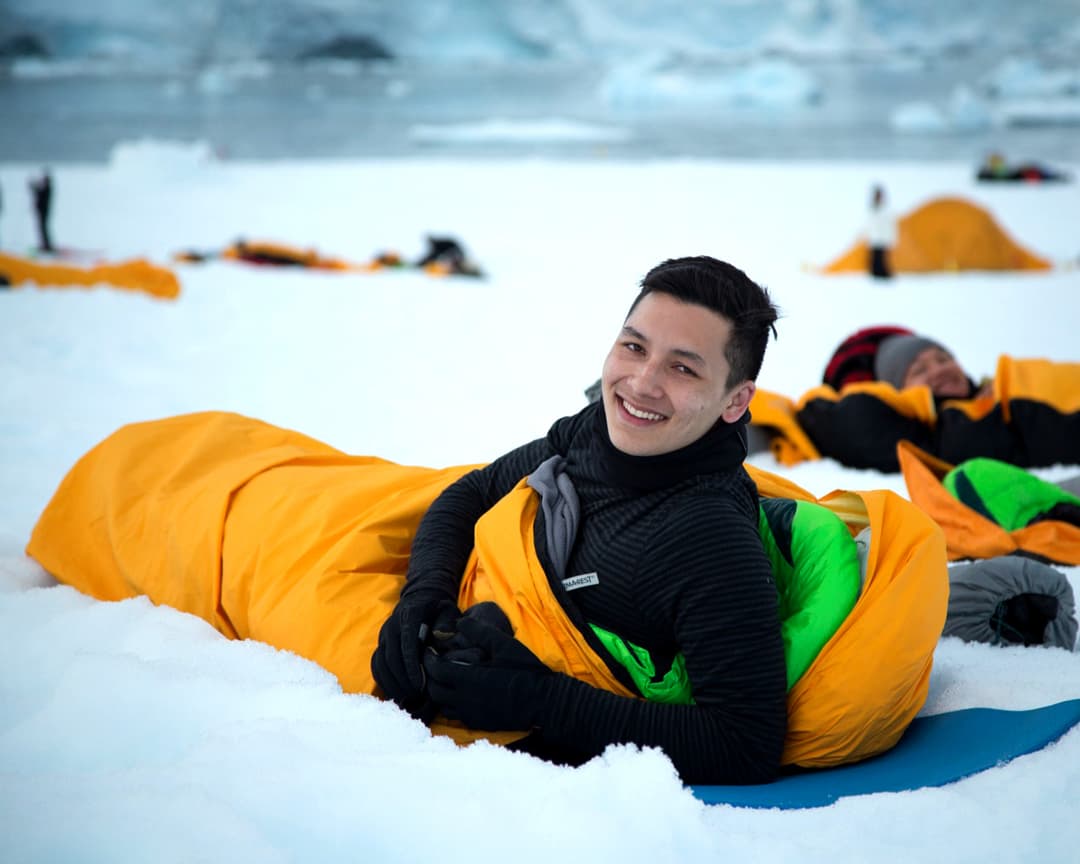
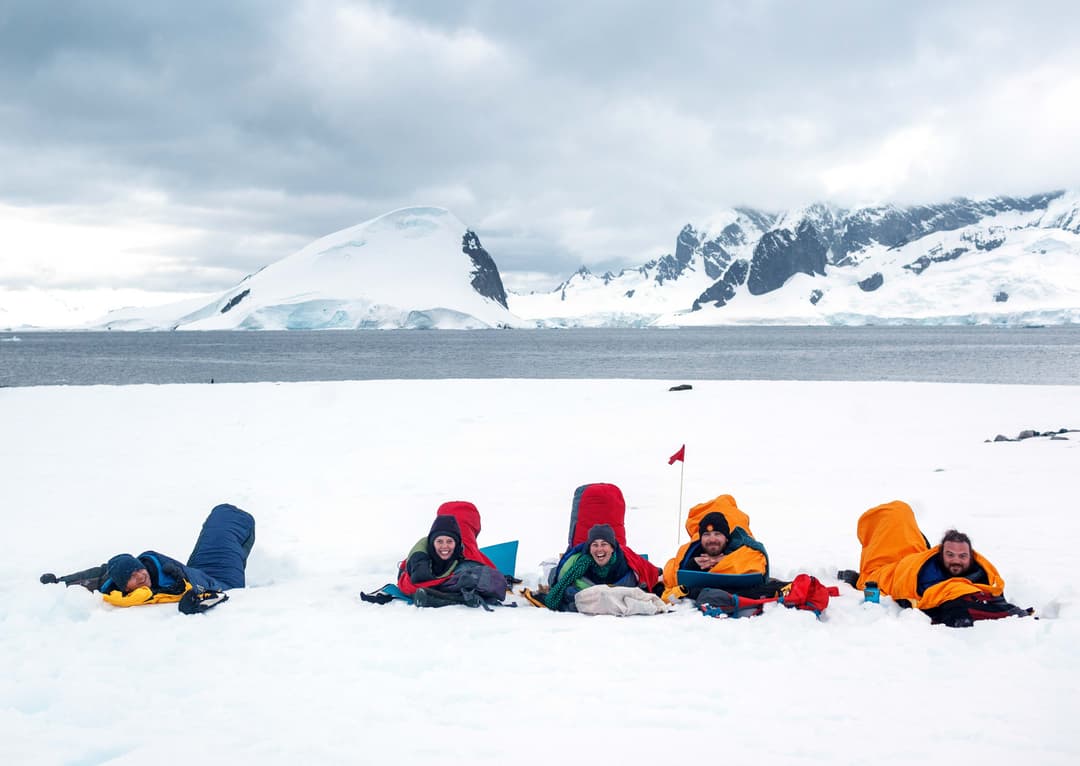
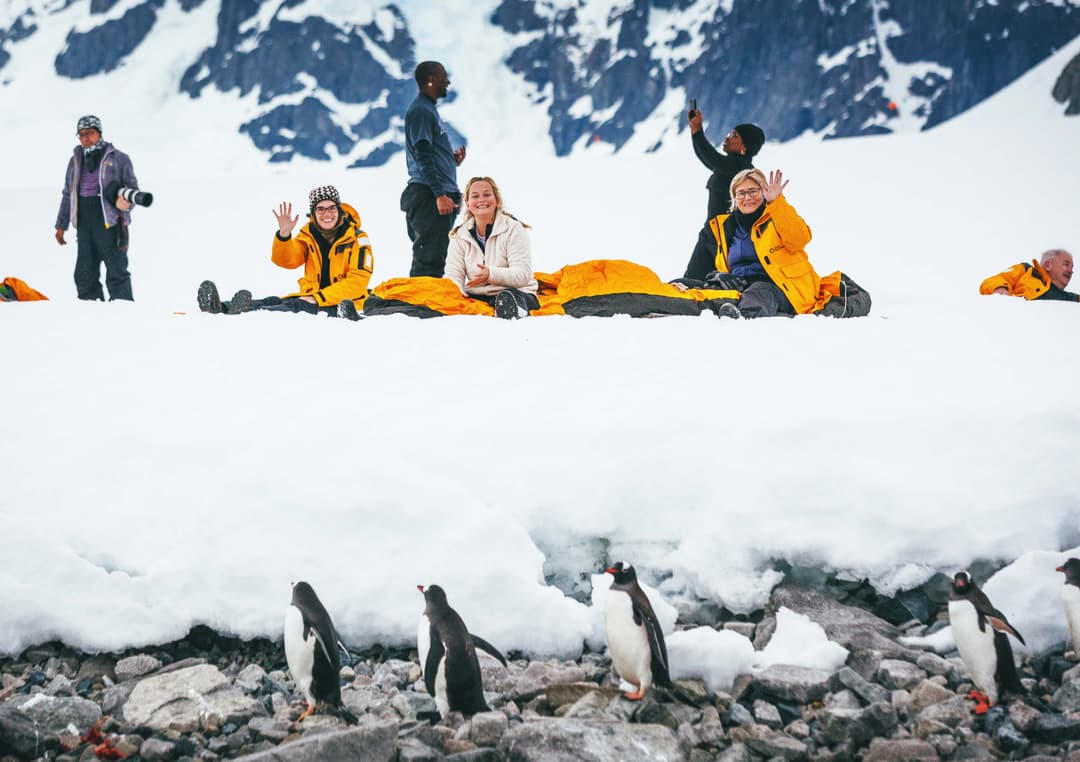
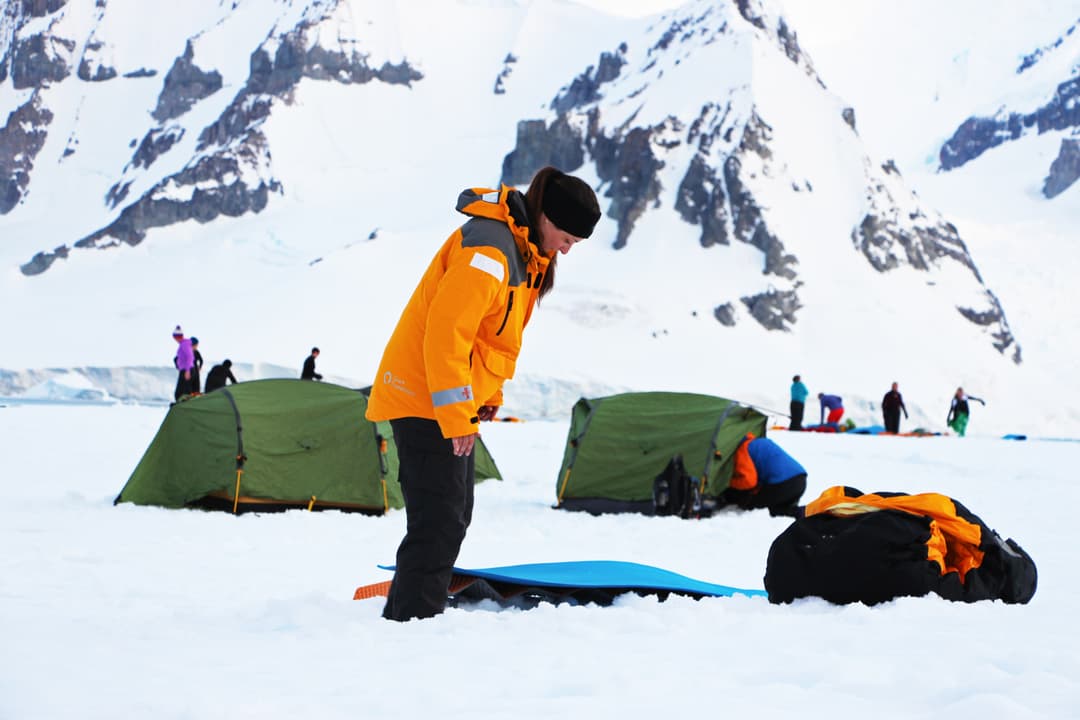
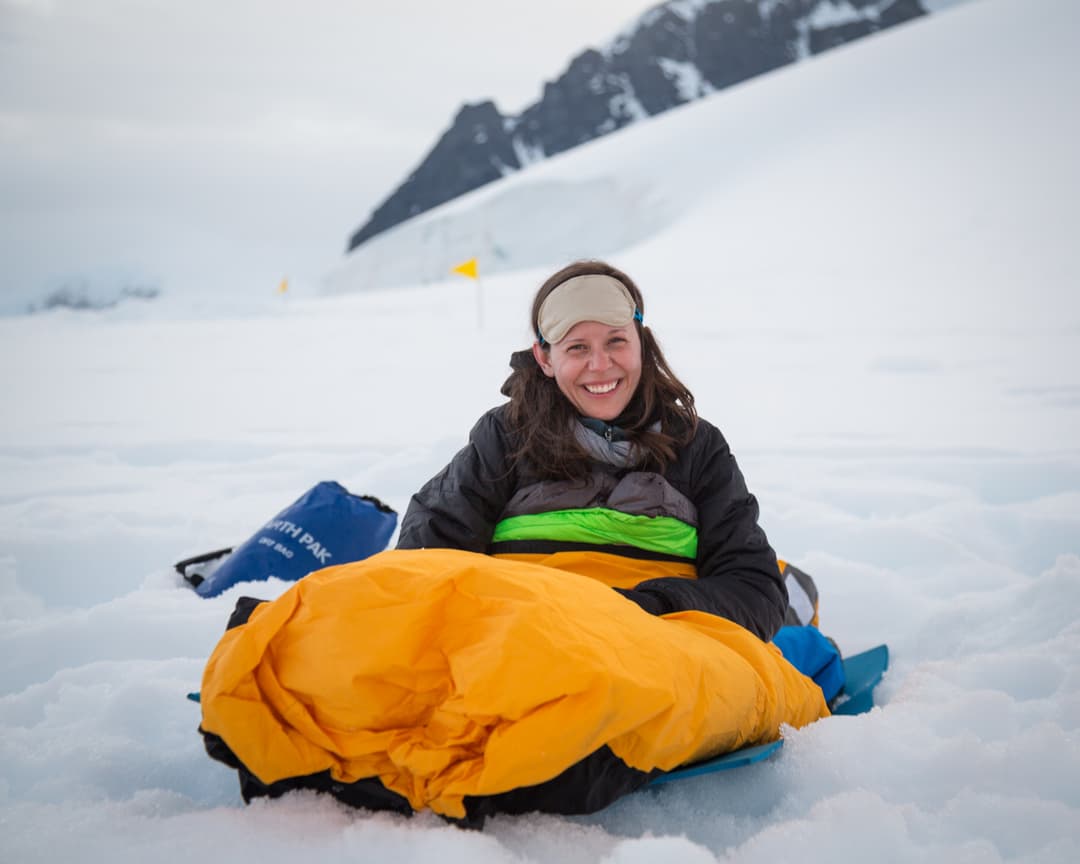
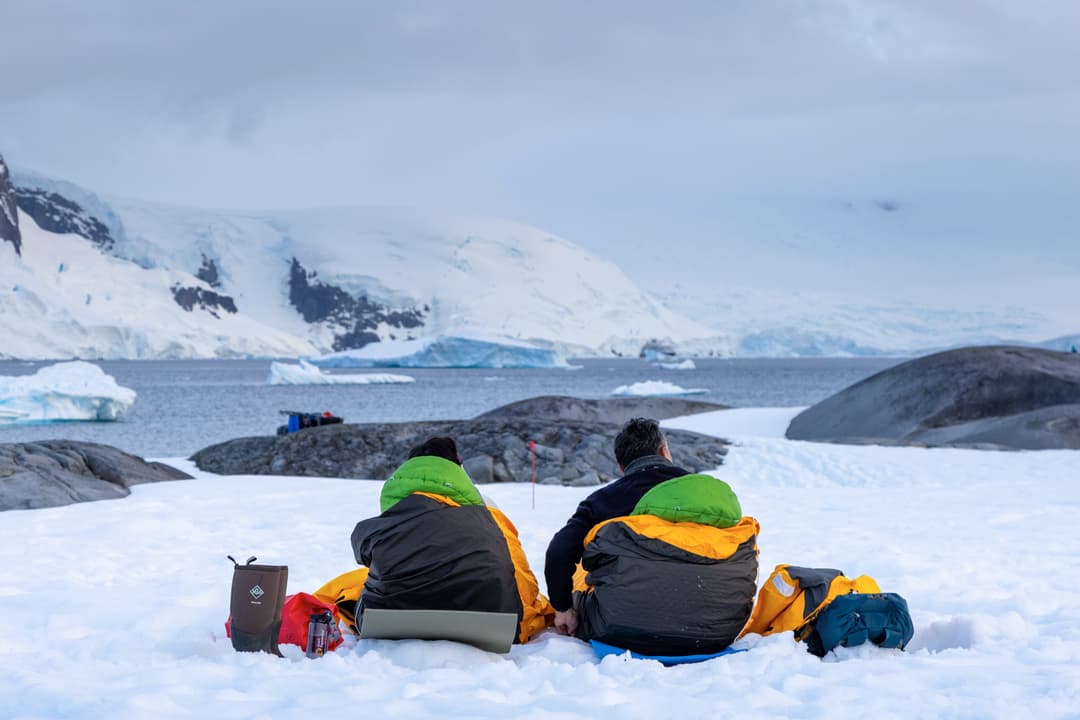
Imagine for a moment, staring at the stars in the indigo glow of an Antarctic night as you bed down for the night outside in the elements. The buzz of your daily life becomes a distant memory as you listen to the bray of penguin, the ethereal calls of the Weddell sea – even the exhalation of a humpback whale. And then you fall asleep.
Antarctic Camping with Quark Expeditions is an unforgettable experience. After dinner onboard, you'll be....
Loading...
Quark Expeditions provides an English-speaking doctor on board who manages a medical clinic stocked with a supply of common prescription medicines and basic first aid equipment.
If you are under regular treatment for any ailment, you must bring a sufficient supply of medicine. We recommend that you pack an extra two weeks’ supply of medication in case of emergency. We cannot accept responsibility for not having a specific brand or type o....
To Wear on Board
- Comfortable casual clothing like lighter shirts, pants or jeans, etc. (in case the ship gets warm)
- Comfortable non-slip closed-toed, heelless shoes (flip flops, sandals or slip-on shoes should not be worn on board due to safety concerns)
- Workout attire (for the fitness center and other indoor activities)
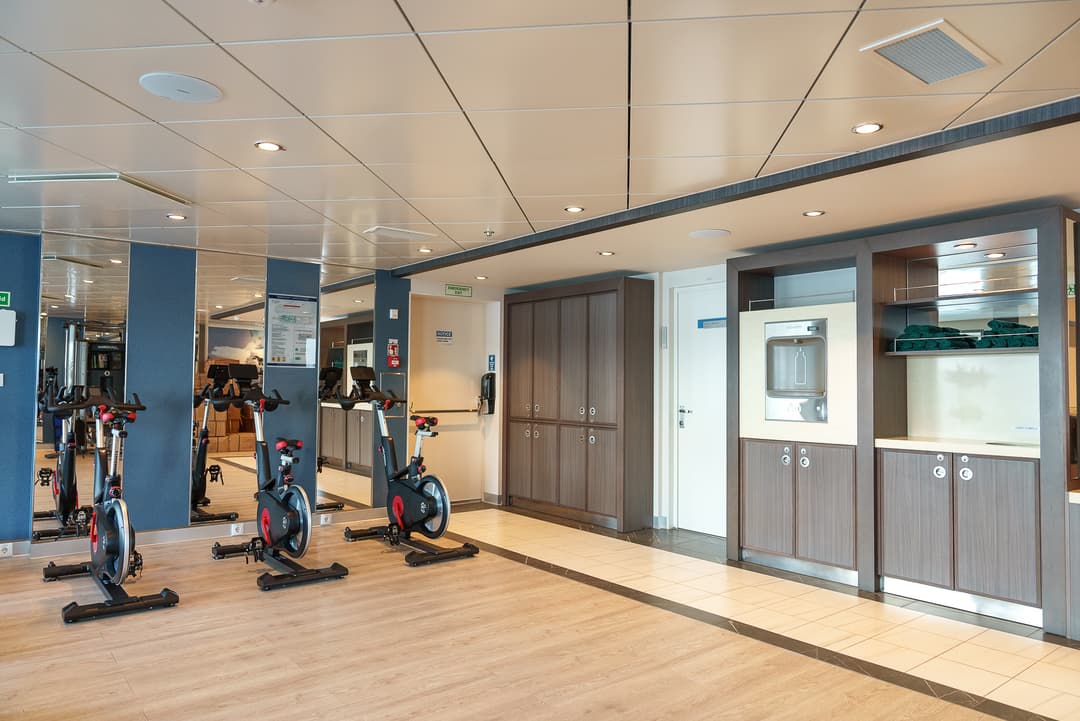
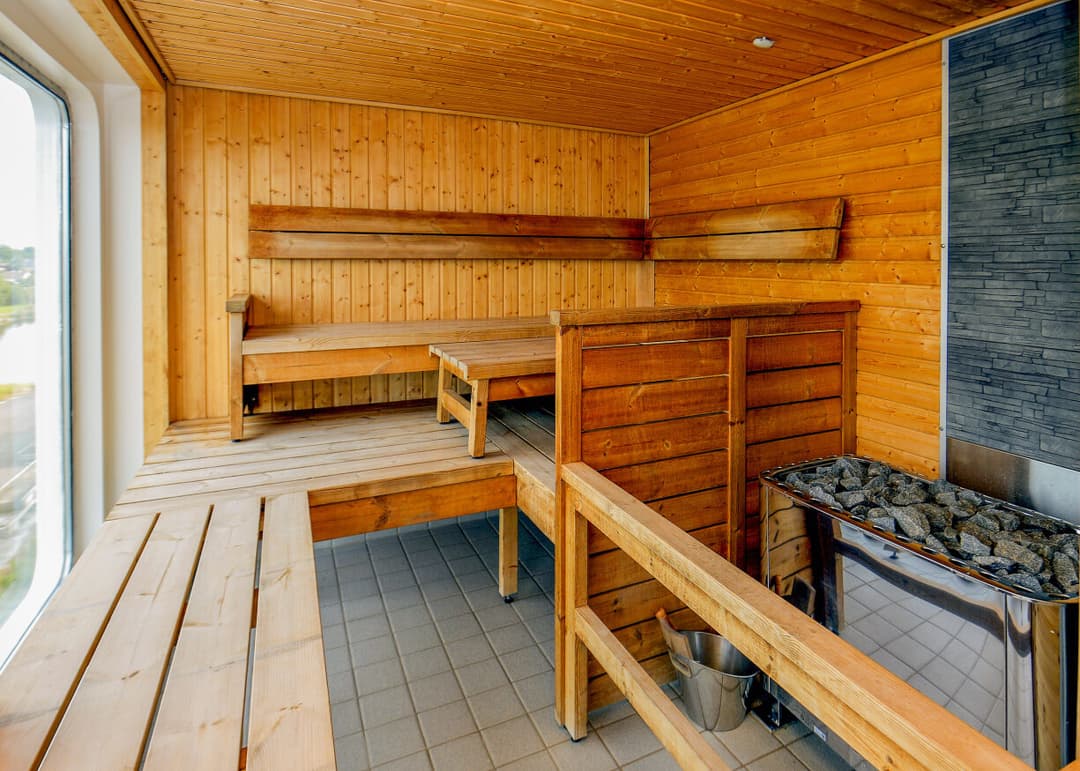
- Swimsuit (for the Polar Plunge! Some vessels may also have a pool, hot tub, sauna ....
All guests—including vegetarians, meat-eaters, as well as those who follow a gluten-free diet—will be equally impressed with the dining options on our ships. Quark Expeditions® is able to cater to most special dietary requests, as long as you clearly indicate your needs on the required expedition forms when you book your voyage. Menus will be clearly labeled for vegetarian and gluten free options, but please do notify your server of the dietar....
When you are not busy exploring the natural beauty of the Polar Regions, you may wish to connect with family and friends back home to share some of your voyage highlights. Guests on Quark Expeditions can now enjoy free Wi-Fi as part of our “Raise a Glass and Stay Connected Free” program. This complementary Wi-Fi service permits basic Internet browsing and voice applications.
Please note that we travel to some of the most remote parts of ....