

Canadian Arctic: Wildlife, Helicopters, and the Northwest Passage
All departures of this tripCRUISE ID # QUARKULT20280818
Reykjavík TO Reykjavík
$19,874.73
WITH SPECIAL SAVINGS APPLIED
FARES SHOWN ARE PER GUEST
Suites & Fares
CHOOSE START DATE
: August 18, 2028
Itinerary
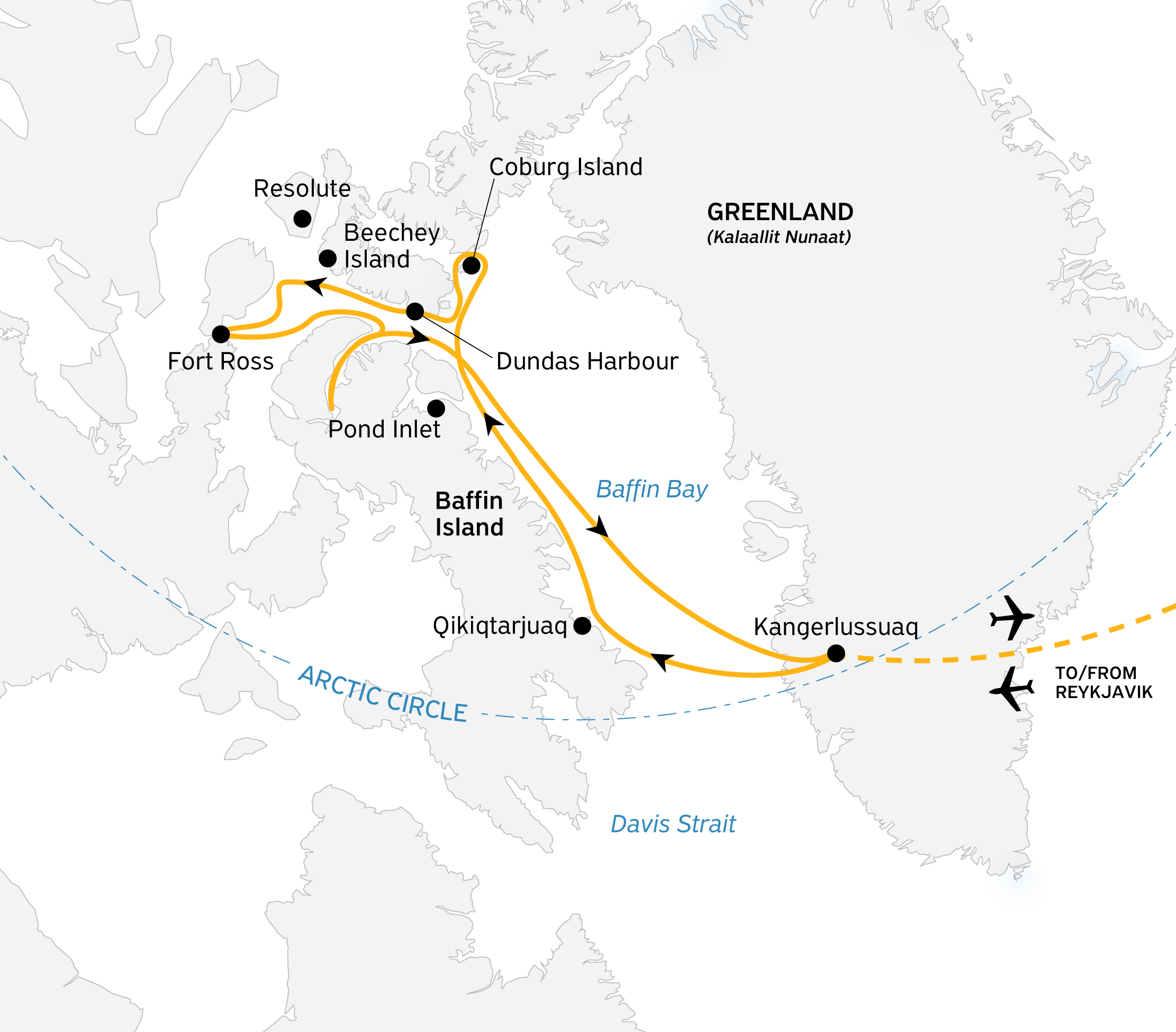
Arrive in the Icelandic capital and make your way to the designated hotel, which is included in your Charter Flight & Hotel Package. You will have the day to explore this fascinating city known for its stunning modern architecture, contemporary music and Viking history.
After an early breakfast at the hotel, guests will transfer together to the airport and board our private charter flight to Kangerlussuaq, Greenland. For decades, this small town, in Kangerlussuaq, formerly known as Søndre Strømfjord, was home to Greenland’s primary airport. Upon arrival, you will be transferred to the small harbor, where your Expedition Team will provide Zodiac shuttles to your awaiting ship. After a late-afternoon embarkation, we will set sail for the stunning Arctic wilderness.
As we make our way across the Davis Strait, your Expedition Team will offer a series of polar presentations that will set the stage for the adventures ahead. You’ll learn about the storied history of the Arctic, its fascinating wildlife, geology and ecology. Our team will also keep a lookout for seabirds soaring above your ship, as well as whales that pass through these waters.
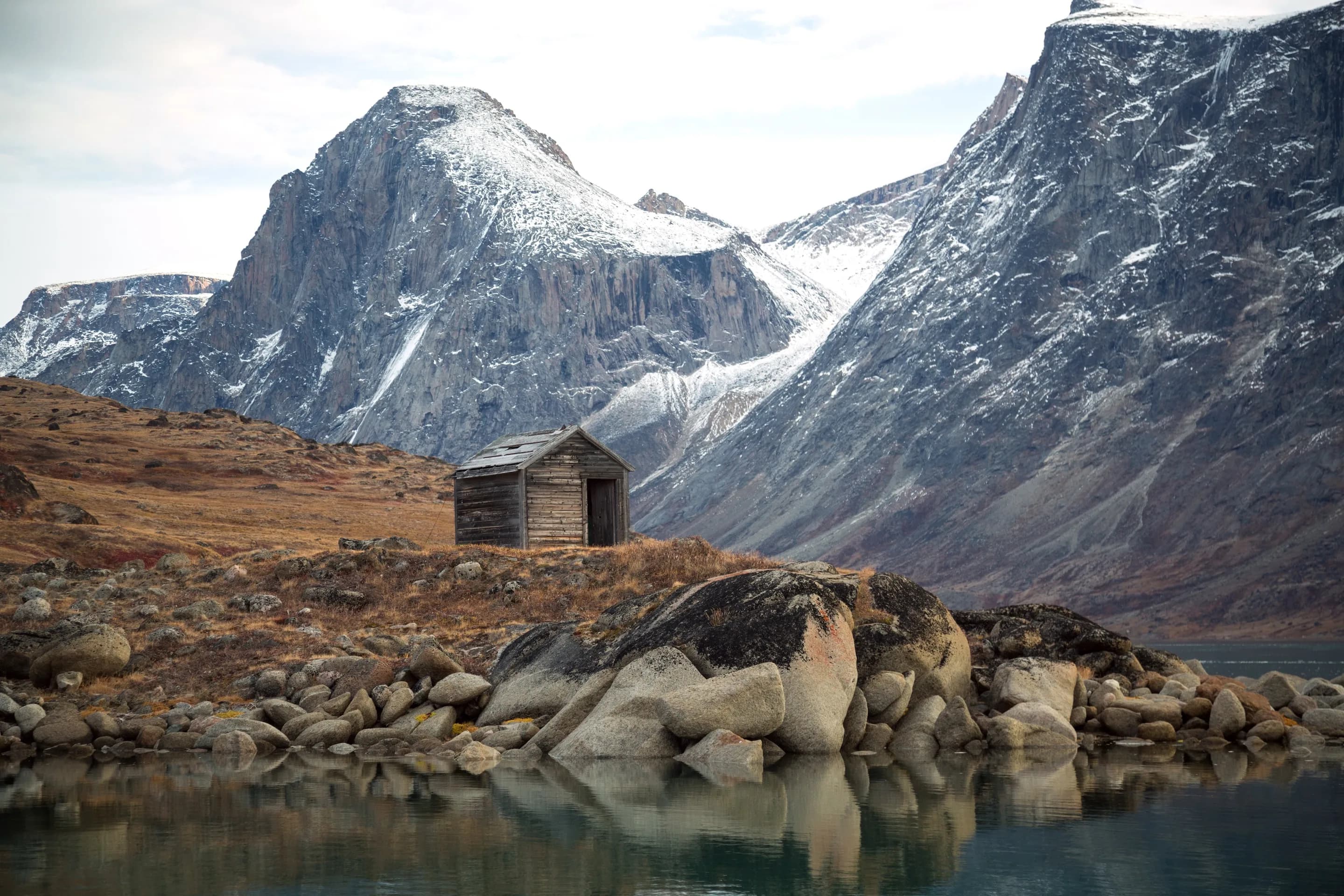
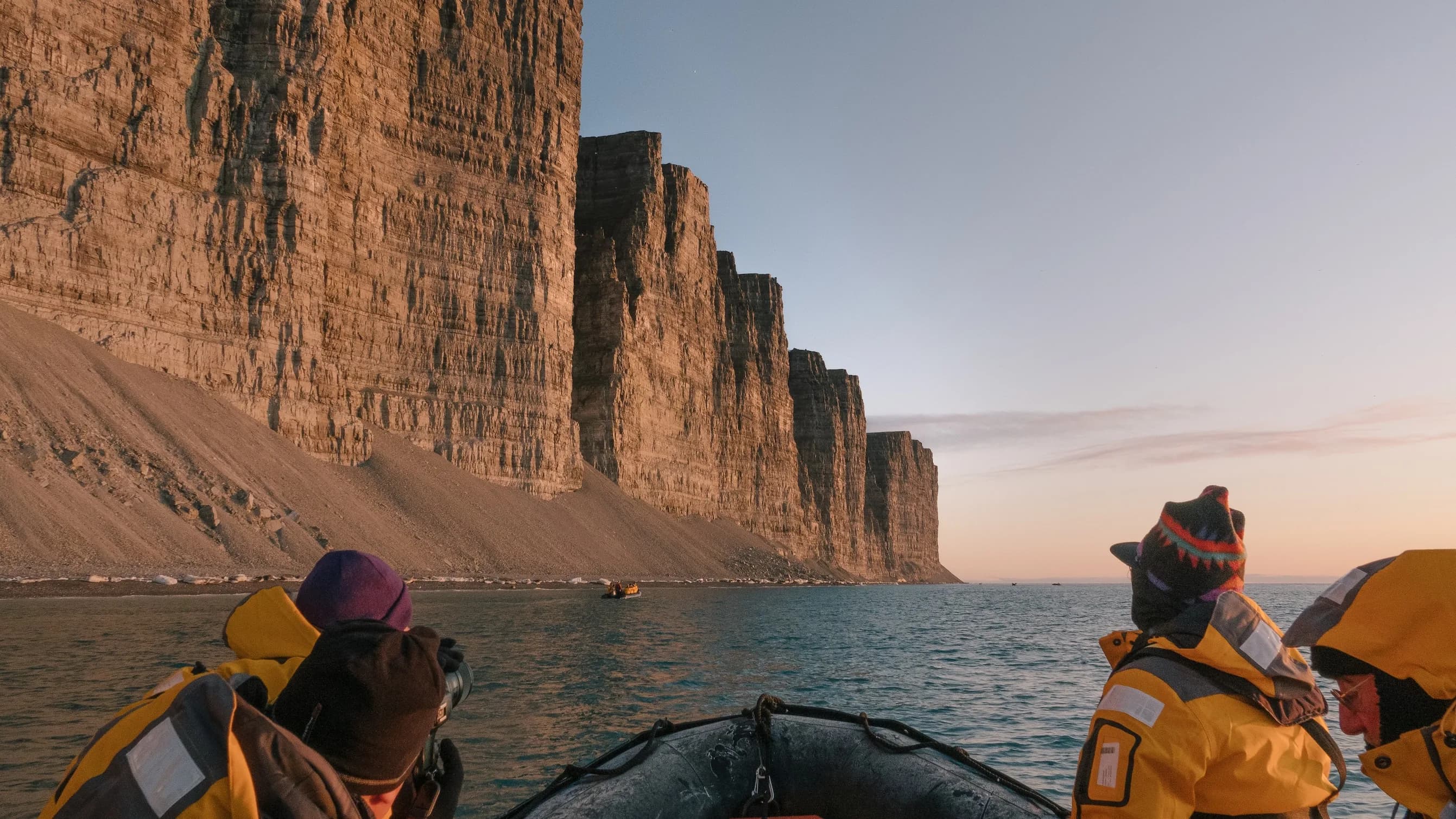
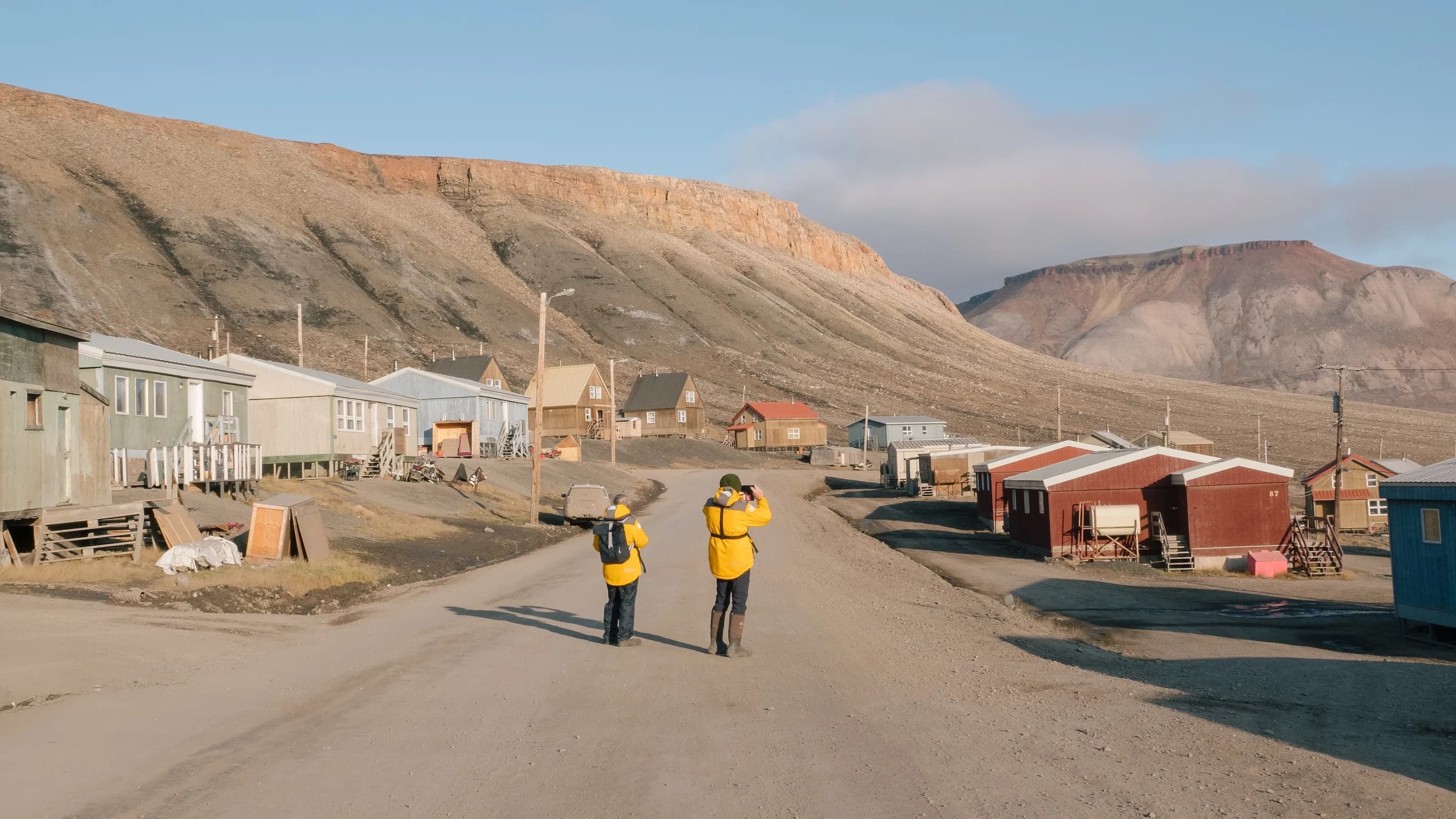
The Inuktitut name for Baffin Island—the fifth-largest island in the world—is Qikiqtaaluk. It has been home to Inuit for thousands of years. The island’s English name commemorates William Baffin, who explored the region in the early 17th century while searching for the fabled Northwest Passage, long after it was inhabited by Inuit. Sailing along the island’s eastern coast, each day is shaped by weather and ice conditions, making every landing distinct. Favorite destinations include Qikiqtarjuaq and Sam Ford Fjord, where towering mountains, deep fjords, vibrant tundra, and Inuit settlements define the landscape. The welcoming Inuit community of Qikiqtarjuaq—meaning “the big island” in Inuktitut— lies just north of the Arctic Circle on Broughton Island. Fondly known as “Qik” by locals, the hamlet offers sweeping views across the Davis Strait. Visitors may also have opportunities to support local Inuit artisans by purchasing handcrafted artwork, jewelry, and other crafts. Farther north, well within the Arctic Circle, Sam Ford Fjord stands out as one of Baffin Island’s most dramatic Arctic destinations. A traditional Inuit hunting area, the fjord is a striking study in contrasts, where sheer granite walls rise almost straight from the ocean, reaching heights of up to 457 meters (1,500 feet). If conditions allow, the region offers outstanding Zodiac cruising, sea kayaking, and opportunities to explore ashore. Arctic foxes may be spotted on land, while polar bears are sometimes seen during off-ship excursions. Cruising the fjord provides a powerful sense of scale: stretching approximately 110 kilometers (68 miles), Sam Ford Fjord narrows to less than 3 kilometers (2 miles) wide as it winds deeper inland.
The Inuktitut name for Baffin Island—the fifth-largest island in the world—is Qikiqtaaluk. It has been home to Inuit for thousands of years. The island’s English name commemorates William Baffin, who explored the region in the early 17th century while searching for the fabled Northwest Passage, long after it was inhabited by Inuit. Sailing along the island’s eastern coast, each day is shaped by weather and ice conditions, making every landing distinct. Favorite destinations include Qikiqtarjuaq and Sam Ford Fjord, where towering mountains, deep fjords, vibrant tundra, and Inuit settlements define the landscape. The welcoming Inuit community of Qikiqtarjuaq—meaning “the big island” in Inuktitut— lies just north of the Arctic Circle on Broughton Island. Fondly known as “Qik” by locals, the hamlet offers sweeping views across the Davis Strait. Visitors may also have opportunities to support local Inuit artisans by purchasing handcrafted artwork, jewelry, and other crafts. Farther north, well within the Arctic Circle, Sam Ford Fjord stands out as one of Baffin Island’s most dramatic Arctic destinations. A traditional Inuit hunting area, the fjord is a striking study in contrasts, where sheer granite walls rise almost straight from the ocean, reaching heights of up to 457 meters (1,500 feet). If conditions allow, the region offers outstanding Zodiac cruising, sea kayaking, and opportunities to explore ashore. Arctic foxes may be spotted on land, while polar bears are sometimes seen during off-ship excursions. Cruising the fjord provides a powerful sense of scale: stretching approximately 110 kilometers (68 miles), Sam Ford Fjord narrows to less than 3 kilometers (2 miles) wide as it winds deeper inland.
The Inuktitut name for Baffin Island—the fifth-largest island in the world—is Qikiqtaaluk. It has been home to Inuit for thousands of years. The island’s English name commemorates William Baffin, who explored the region in the early 17th century while searching for the fabled Northwest Passage, long after it was inhabited by Inuit. Sailing along the island’s eastern coast, each day is shaped by weather and ice conditions, making every landing distinct. Favorite destinations include Qikiqtarjuaq and Sam Ford Fjord, where towering mountains, deep fjords, vibrant tundra, and Inuit settlements define the landscape. The welcoming Inuit community of Qikiqtarjuaq—meaning “the big island” in Inuktitut— lies just north of the Arctic Circle on Broughton Island. Fondly known as “Qik” by locals, the hamlet offers sweeping views across the Davis Strait. Visitors may also have opportunities to support local Inuit artisans by purchasing handcrafted artwork, jewelry, and other crafts. Farther north, well within the Arctic Circle, Sam Ford Fjord stands out as one of Baffin Island’s most dramatic Arctic destinations. A traditional Inuit hunting area, the fjord is a striking study in contrasts, where sheer granite walls rise almost straight from the ocean, reaching heights of up to 457 meters (1,500 feet). If conditions allow, the region offers outstanding Zodiac cruising, sea kayaking, and opportunities to explore ashore. Arctic foxes may be spotted on land, while polar bears are sometimes seen during off-ship excursions. Cruising the fjord provides a powerful sense of scale: stretching approximately 110 kilometers (68 miles), Sam Ford Fjord narrows to less than 3 kilometers (2 miles) wide as it winds deeper inland.
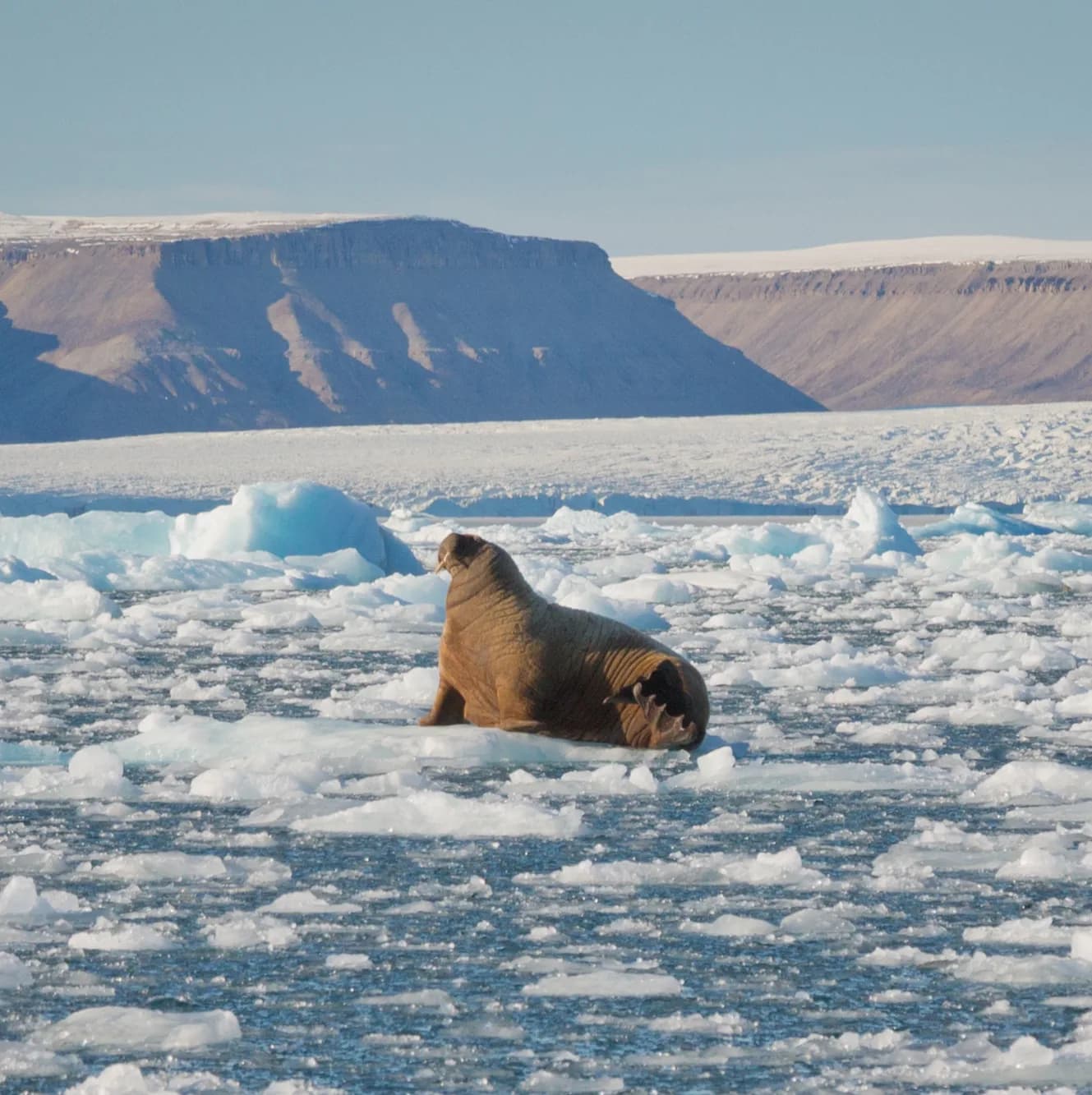
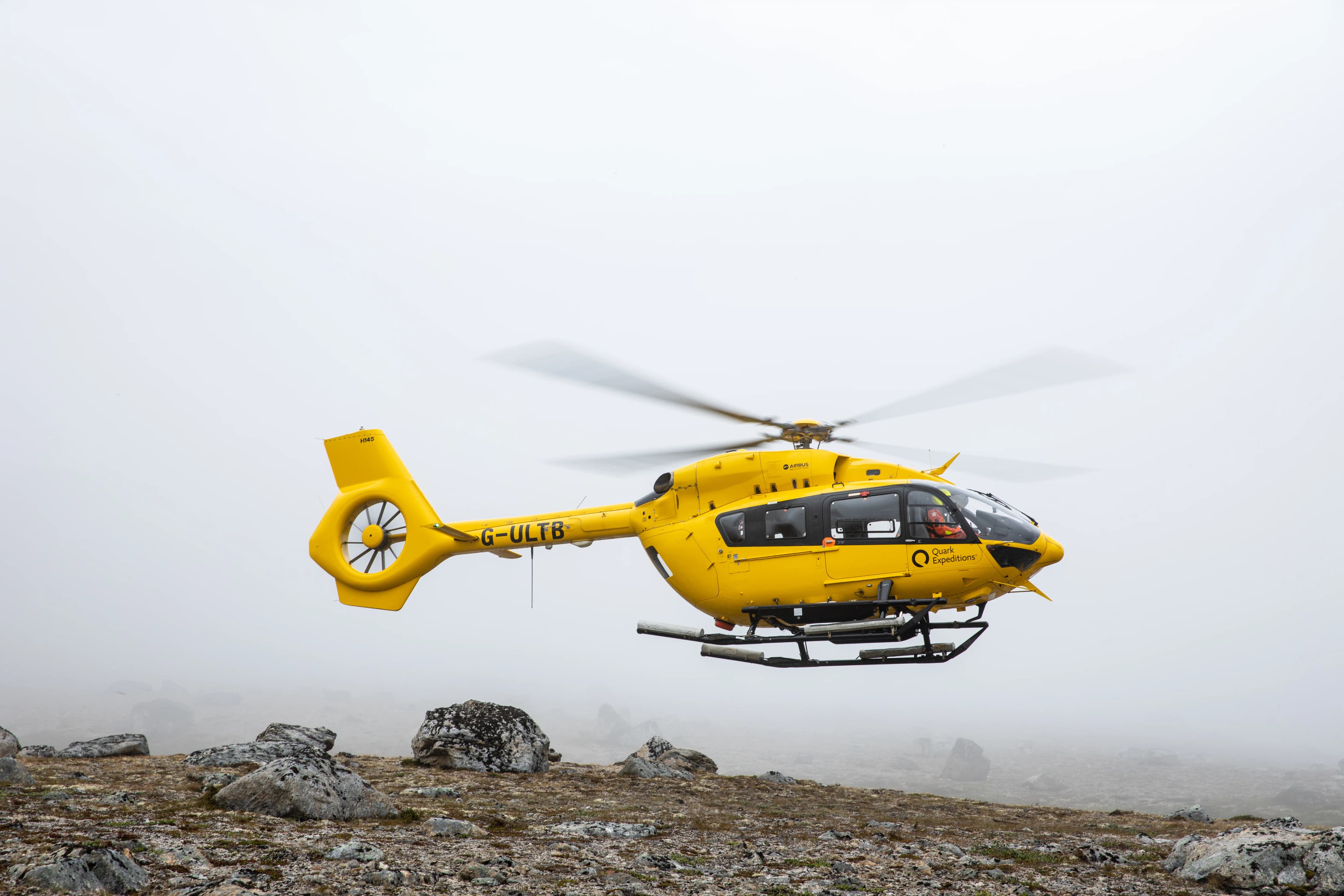
Located at the northeastern tip of Baffin Island, Pond Inlet (Mittimatalik) looks across Eclipse Sound to the glaciated peaks of Bylot Island, offering one of the most dramatic settings of any community in the Canadian Arctic. Mittimatalik provides a meaningful opportunity to connect with the people who have lived here for thousands of years, before the voyage turns northwest toward Lancaster Sound (Tallurutiup Imanga). Among the Arctic’s richest marine habitats, Lancaster Sound’s ice-free waters attract whales, walruses, and seals in remarkable numbers each summer. We explore by Zodiac, scanning for iconic wildlife—and, with luck, the elusive narwhal. Polar bear sightings are also possible. Nearby, Coburg Island’s soaring coastal cliffs, within the Nirjutiqavvik National Wildlife Area, support hundreds of thousands of nesting Brünnich’s guillemots, black-legged kittiwakes, northern fulmars, and black guillemots. At approximately 76° North off the east coast of Ellesmere Island, Cape Norton Shaw is likely the northernmost stop of the voyage. Here, multiple tidewater glaciers calve directly into iceberg-filled seas. We plan a combined helicopter and Zodiac operation to explore this rarely visited coastline by land and sea. If flying conditions are unsuitable, we reroute to Grise Fjord and Craig Harbour, the site of an RCMP outpost established in 1922, closed in the 1930s, and controversially reopened at the outset of the Cold War. On Devon Island’s southern shore, the weathered remains of a Royal Canadian Mounted Police detachment at Dundas Harbour quietly reflect Canada’s efforts to assert sovereignty in the High Arctic. The journey concludes in spectacular Croker Bay, where towering glaciated walls and calving ice deliver a sense of scale no photograph can fully convey.
Located at the northeastern tip of Baffin Island, Pond Inlet (Mittimatalik) looks across Eclipse Sound to the glaciated peaks of Bylot Island, offering one of the most dramatic settings of any community in the Canadian Arctic. Mittimatalik provides a meaningful opportunity to connect with the people who have lived here for thousands of years, before the voyage turns northwest toward Lancaster Sound (Tallurutiup Imanga). Among the Arctic’s richest marine habitats, Lancaster Sound’s ice-free waters attract whales, walruses, and seals in remarkable numbers each summer. We explore by Zodiac, scanning for iconic wildlife—and, with luck, the elusive narwhal. Polar bear sightings are also possible. Nearby, Coburg Island’s soaring coastal cliffs, within the Nirjutiqavvik National Wildlife Area, support hundreds of thousands of nesting Brünnich’s guillemots, black-legged kittiwakes, northern fulmars, and black guillemots. At approximately 76° North off the east coast of Ellesmere Island, Cape Norton Shaw is likely the northernmost stop of the voyage. Here, multiple tidewater glaciers calve directly into iceberg-filled seas. We plan a combined helicopter and Zodiac operation to explore this rarely visited coastline by land and sea. If flying conditions are unsuitable, we reroute to Grise Fjord and Craig Harbour, the site of an RCMP outpost established in 1922, closed in the 1930s, and controversially reopened at the outset of the Cold War. On Devon Island’s southern shore, the weathered remains of a Royal Canadian Mounted Police detachment at Dundas Harbour quietly reflect Canada’s efforts to assert sovereignty in the High Arctic. The journey concludes in spectacular Croker Bay, where towering glaciated walls and calving ice deliver a sense of scale no photograph can fully convey.
Located at the northeastern tip of Baffin Island, Pond Inlet (Mittimatalik) looks across Eclipse Sound to the glaciated peaks of Bylot Island, offering one of the most dramatic settings of any community in the Canadian Arctic. Mittimatalik provides a meaningful opportunity to connect with the people who have lived here for thousands of years, before the voyage turns northwest toward Lancaster Sound (Tallurutiup Imanga). Among the Arctic’s richest marine habitats, Lancaster Sound’s ice-free waters attract whales, walruses, and seals in remarkable numbers each summer. We explore by Zodiac, scanning for iconic wildlife—and, with luck, the elusive narwhal. Polar bear sightings are also possible. Nearby, Coburg Island’s soaring coastal cliffs, within the Nirjutiqavvik National Wildlife Area, support hundreds of thousands of nesting Brünnich’s guillemots, black-legged kittiwakes, northern fulmars, and black guillemots. At approximately 76° North off the east coast of Ellesmere Island, Cape Norton Shaw is likely the northernmost stop of the voyage. Here, multiple tidewater glaciers calve directly into iceberg-filled seas. We plan a combined helicopter and Zodiac operation to explore this rarely visited coastline by land and sea. If flying conditions are unsuitable, we reroute to Grise Fjord and Craig Harbour, the site of an RCMP outpost established in 1922, closed in the 1930s, and controversially reopened at the outset of the Cold War. On Devon Island’s southern shore, the weathered remains of a Royal Canadian Mounted Police detachment at Dundas Harbour quietly reflect Canada’s efforts to assert sovereignty in the High Arctic. The journey concludes in spectacular Croker Bay, where towering glaciated walls and calving ice deliver a sense of scale no photograph can fully convey.
Located at the northeastern tip of Baffin Island, Pond Inlet (Mittimatalik) looks across Eclipse Sound to the glaciated peaks of Bylot Island, offering one of the most dramatic settings of any community in the Canadian Arctic. Mittimatalik provides a meaningful opportunity to connect with the people who have lived here for thousands of years, before the voyage turns northwest toward Lancaster Sound (Tallurutiup Imanga). Among the Arctic’s richest marine habitats, Lancaster Sound’s ice-free waters attract whales, walruses, and seals in remarkable numbers each summer. We explore by Zodiac, scanning for iconic wildlife—and, with luck, the elusive narwhal. Polar bear sightings are also possible. Nearby, Coburg Island’s soaring coastal cliffs, within the Nirjutiqavvik National Wildlife Area, support hundreds of thousands of nesting Brünnich’s guillemots, black-legged kittiwakes, northern fulmars, and black guillemots. At approximately 76° North off the east coast of Ellesmere Island, Cape Norton Shaw is likely the northernmost stop of the voyage. Here, multiple tidewater glaciers calve directly into iceberg-filled seas. We plan a combined helicopter and Zodiac operation to explore this rarely visited coastline by land and sea. If flying conditions are unsuitable, we reroute to Grise Fjord and Craig Harbour, the site of an RCMP outpost established in 1922, closed in the 1930s, and controversially reopened at the outset of the Cold War. On Devon Island’s southern shore, the weathered remains of a Royal Canadian Mounted Police detachment at Dundas Harbour quietly reflect Canada’s efforts to assert sovereignty in the High Arctic. The journey concludes in spectacular Croker Bay, where towering glaciated walls and calving ice deliver a sense of scale no photograph can fully convey.
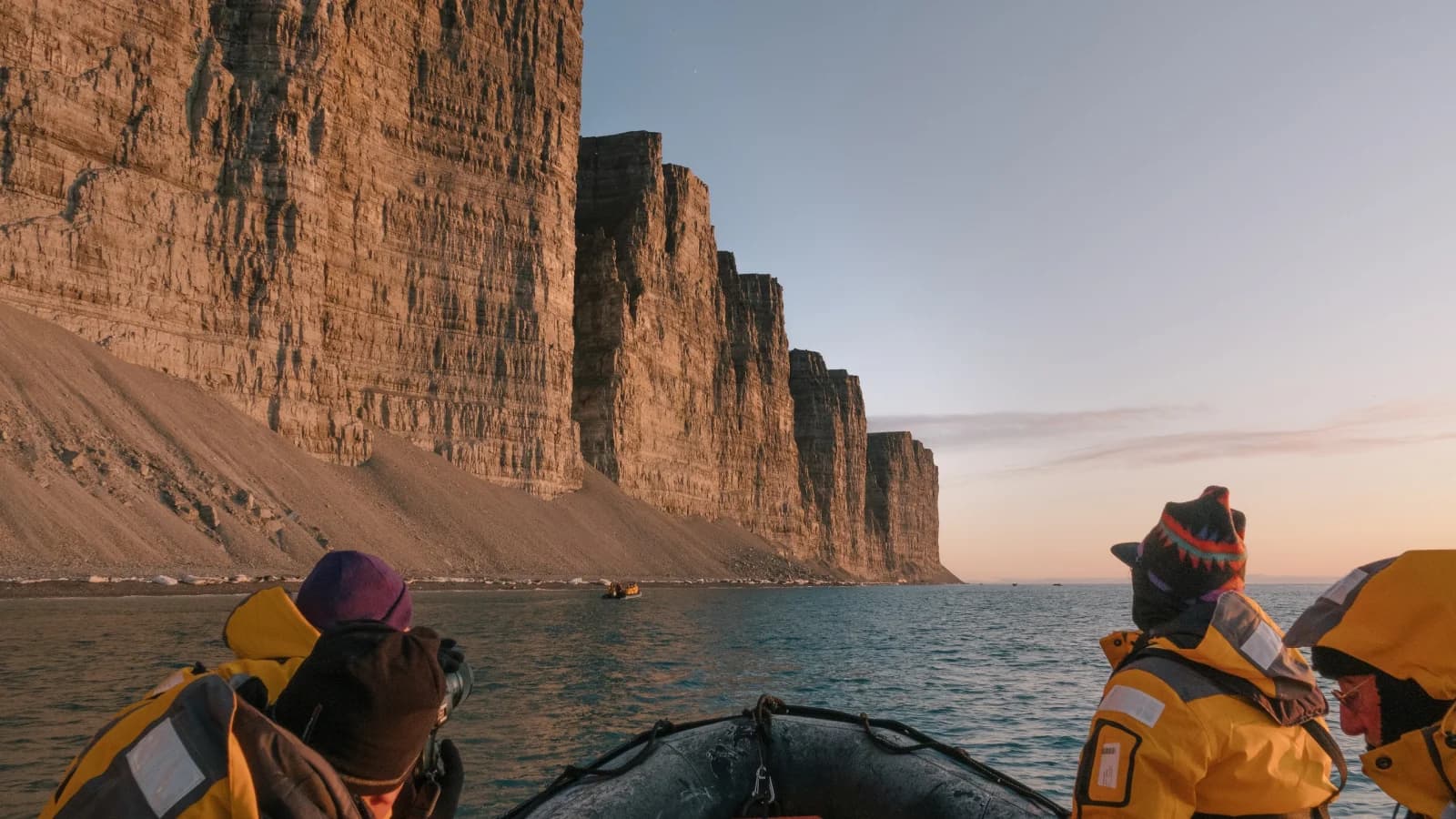
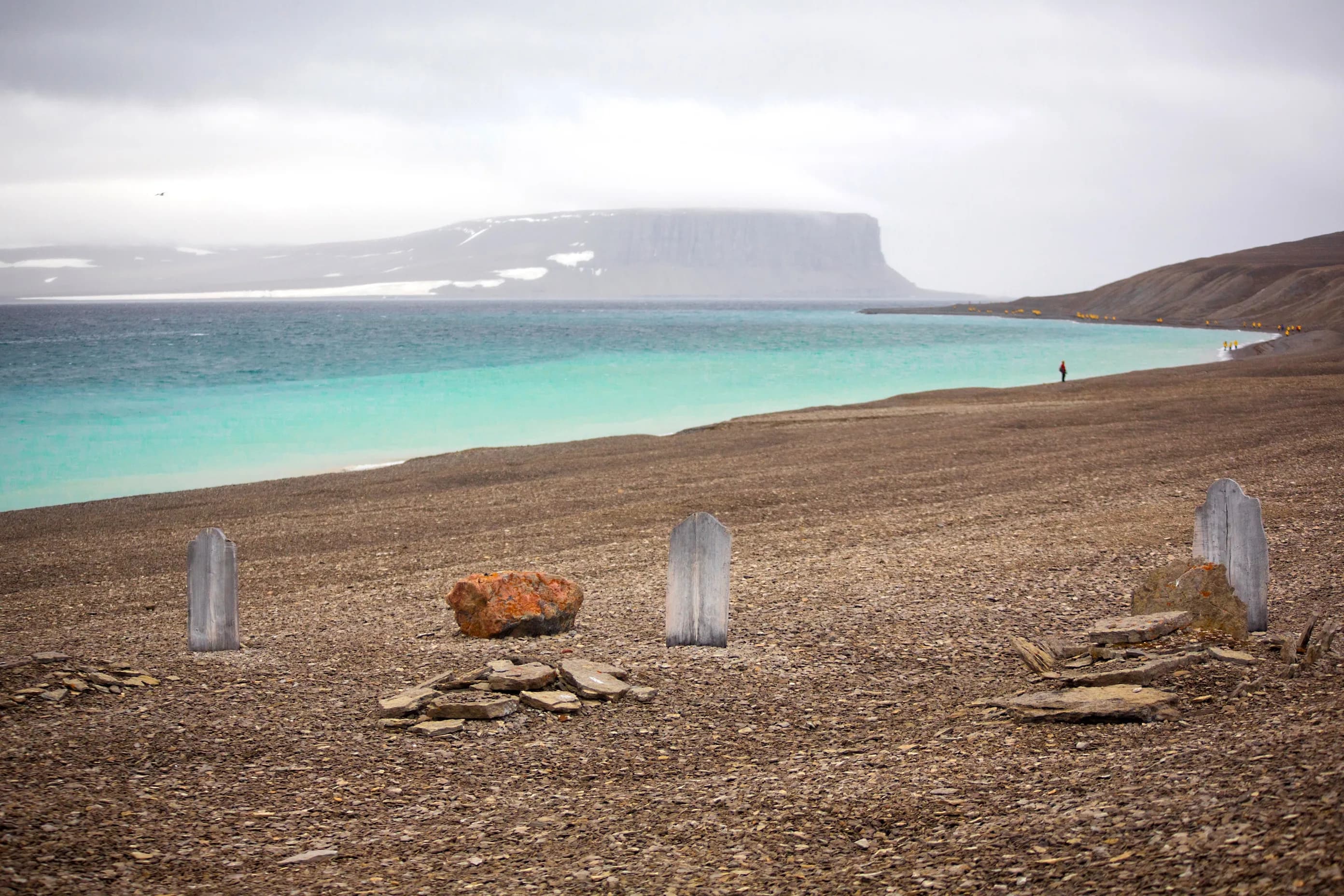
As we push westward into the inner reaches of Lancaster Sound, the geography narrows and the sense of remoteness deepens. Rising from the confluence of Lancaster Sound and Barrow Strait, the sheer limestone cliffs of Prince Leopold Island form one of the most significant seabird sanctuaries in the eastern Arctic. We’ll see hundreds of thousands of birds wheeling above us as still waters stretch in every horizon, one of the defining sights of a High Arctic expedition. At the southern tip of Somerset Island, Fort Ross marks the entrance to Bellot Strait, the narrow, current-swept channel separating Somerset Island from the Boothia Peninsula and forming a critical link in the Northwest Passage. Once a Hudson’s Bay Company trading post, Fort Ross remains one of the most evocative reminders of a time when commerce, survival, and exploration converged at the top of the world. We will attempt to land at Beechey Island, a National Historic Site of Canada. Named for explorer Frederick William Beechey, the island is the final resting place of three members of Sir John Franklin’s 1845-46 Northwest Passage expedition, discovered in 1850 on a desolate raised beach. A shore visit to Radstock Bay may also be possible, home to one of the Arctic’s most impressive ancient Thule sites. Exploring the remains of subterranean houses—including whale bone supports—offers a powerful insight into how Paleo‑Inuit thrived in the Far North.
As we push westward into the inner reaches of Lancaster Sound, the geography narrows and the sense of remoteness deepens. Rising from the confluence of Lancaster Sound and Barrow Strait, the sheer limestone cliffs of Prince Leopold Island form one of the most significant seabird sanctuaries in the eastern Arctic. We’ll see hundreds of thousands of birds wheeling above us as still waters stretch in every horizon, one of the defining sights of a High Arctic expedition. At the southern tip of Somerset Island, Fort Ross marks the entrance to Bellot Strait, the narrow, current-swept channel separating Somerset Island from the Boothia Peninsula and forming a critical link in the Northwest Passage. Once a Hudson’s Bay Company trading post, Fort Ross remains one of the most evocative reminders of a time when commerce, survival, and exploration converged at the top of the world. We will attempt to land at Beechey Island, a National Historic Site of Canada. Named for explorer Frederick William Beechey, the island is the final resting place of three members of Sir John Franklin’s 1845-46 Northwest Passage expedition, discovered in 1850 on a desolate raised beach. A shore visit to Radstock Bay may also be possible, home to one of the Arctic’s most impressive ancient Thule sites. Exploring the remains of subterranean houses—including whale bone supports—offers a powerful insight into how Paleo‑Inuit thrived in the Far North.
As we push westward into the inner reaches of Lancaster Sound, the geography narrows and the sense of remoteness deepens. Rising from the confluence of Lancaster Sound and Barrow Strait, the sheer limestone cliffs of Prince Leopold Island form one of the most significant seabird sanctuaries in the eastern Arctic. We’ll see hundreds of thousands of birds wheeling above us as still waters stretch in every horizon, one of the defining sights of a High Arctic expedition. At the southern tip of Somerset Island, Fort Ross marks the entrance to Bellot Strait, the narrow, current-swept channel separating Somerset Island from the Boothia Peninsula and forming a critical link in the Northwest Passage. Once a Hudson’s Bay Company trading post, Fort Ross remains one of the most evocative reminders of a time when commerce, survival, and exploration converged at the top of the world. We will attempt to land at Beechey Island, a National Historic Site of Canada. Named for explorer Frederick William Beechey, the island is the final resting place of three members of Sir John Franklin’s 1845-46 Northwest Passage expedition, discovered in 1850 on a desolate raised beach. A shore visit to Radstock Bay may also be possible, home to one of the Arctic’s most impressive ancient Thule sites. Exploring the remains of subterranean houses—including whale bone supports—offers a powerful insight into how Paleo‑Inuit thrived in the Far North.
Carved deep into northern Baffin Island, Admiralty Inlet is one of the Arctic’s longest fjords: a silent, ice -ringed channel where whale blows punctuate the stillness. Among the world’s most vital narwhal summering grounds, Zodiac cruising here may provide some of the expedition’s most unforgettable marine wildlife encounters. The Arctic Bay area has been inhabited by Inuit for over 5,000 years. With very few visitors, the community is typically quite excited to welcome a ship. Enjoy a gathering on the outskirts of town featuring Inuit arts, cultural activities and, possibly, tastings of local cuisine shared by elders and community members.
Carved deep into northern Baffin Island, Admiralty Inlet is one of the Arctic’s longest fjords: a silent, ice -ringed channel where whale blows punctuate the stillness. Among the world’s most vital narwhal summering grounds, Zodiac cruising here may provide some of the expedition’s most unforgettable marine wildlife encounters. The Arctic Bay area has been inhabited by Inuit for over 5,000 years. With very few visitors, the community is typically quite excited to welcome a ship. Enjoy a gathering on the outskirts of town featuring Inuit arts, cultural activities and, possibly, tastings of local cuisine shared by elders and community members.
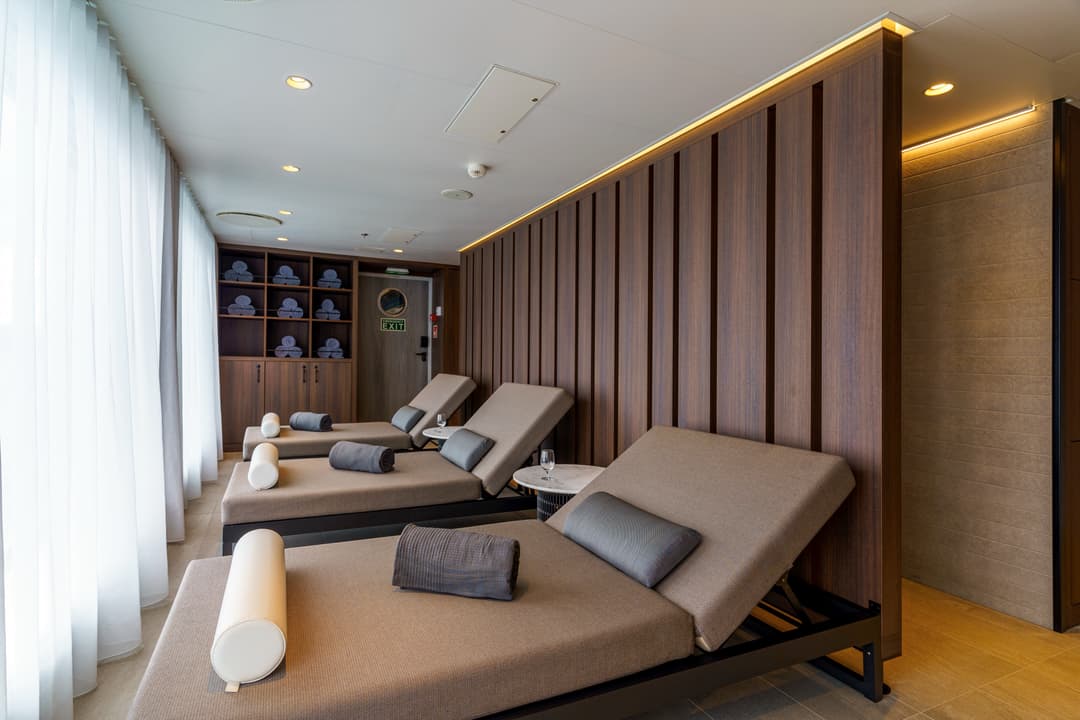
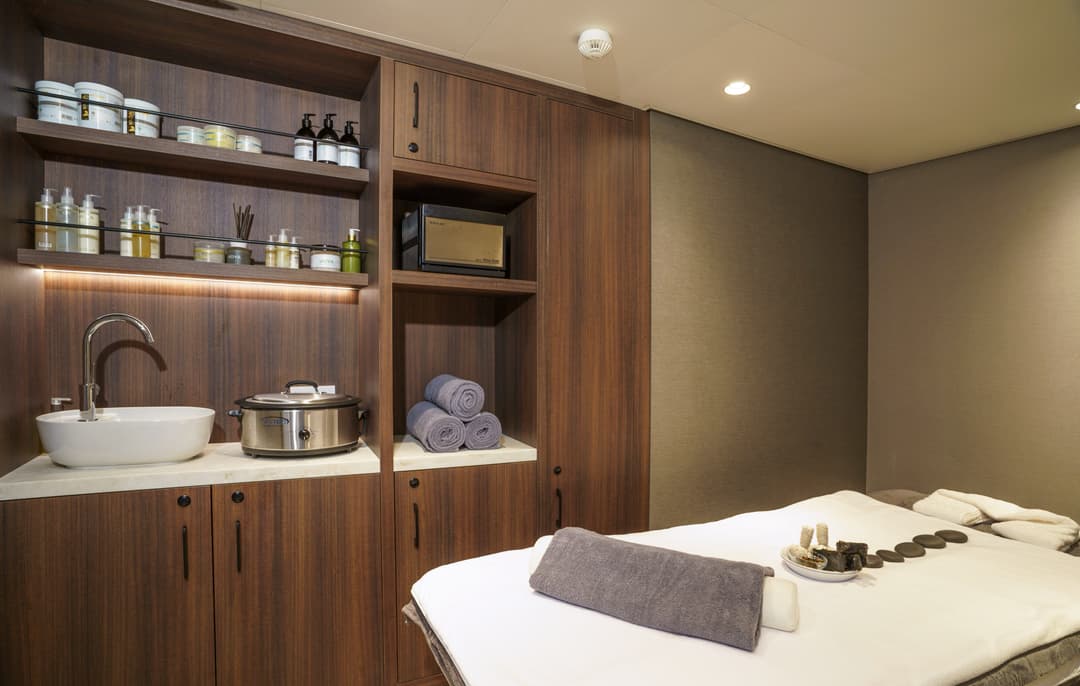
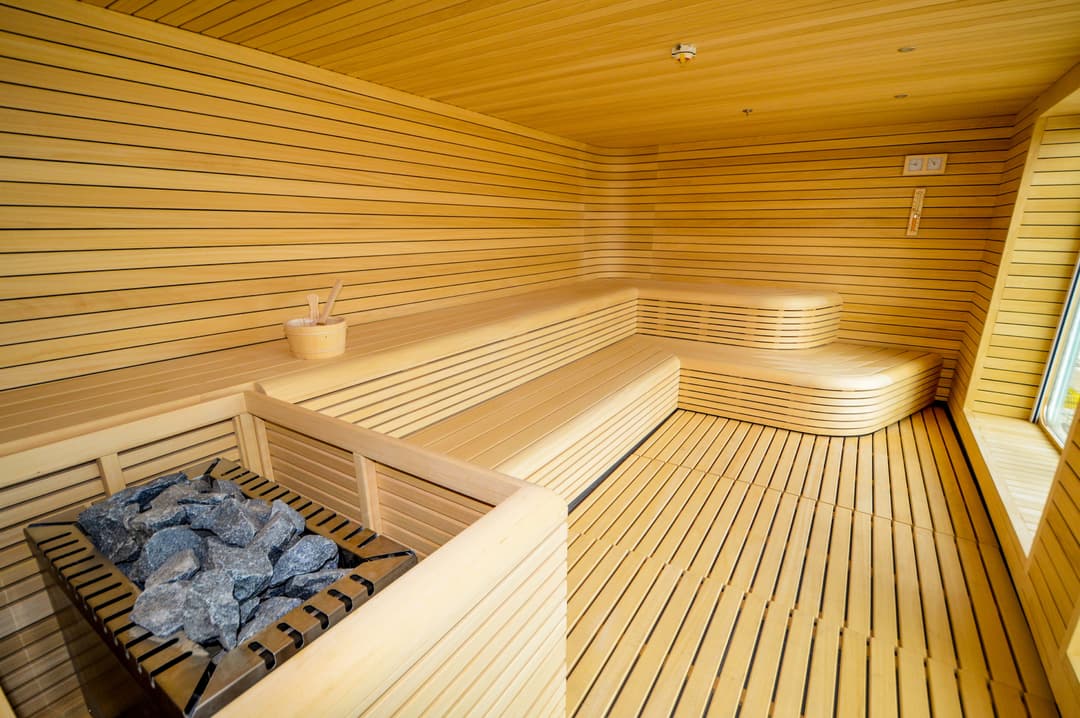
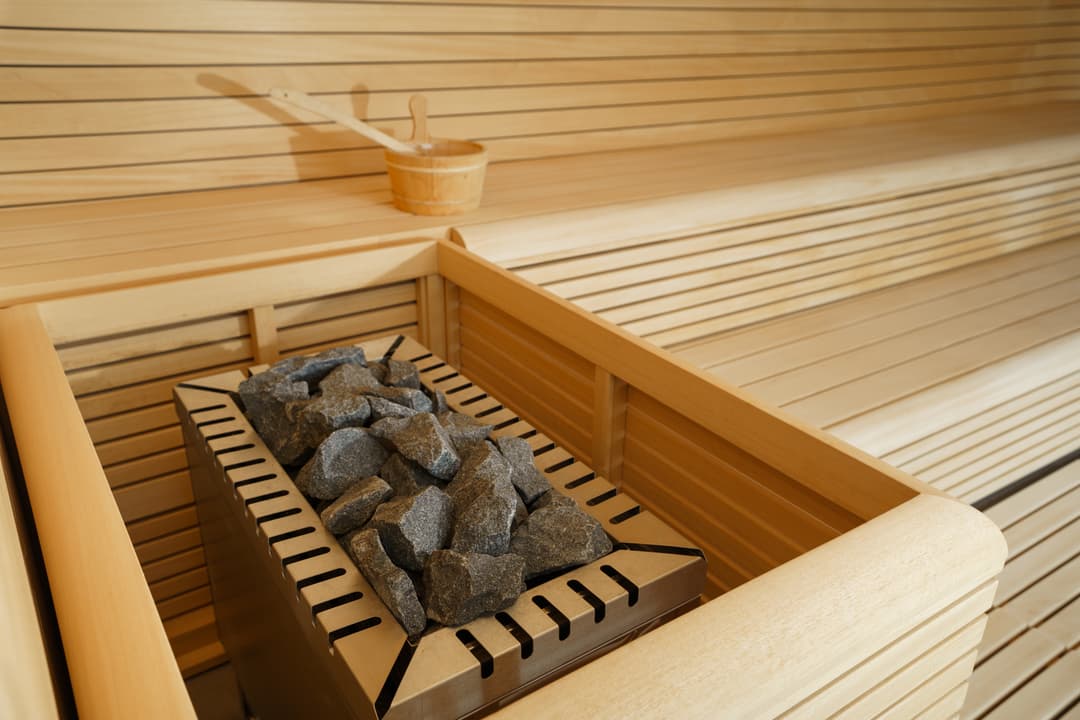
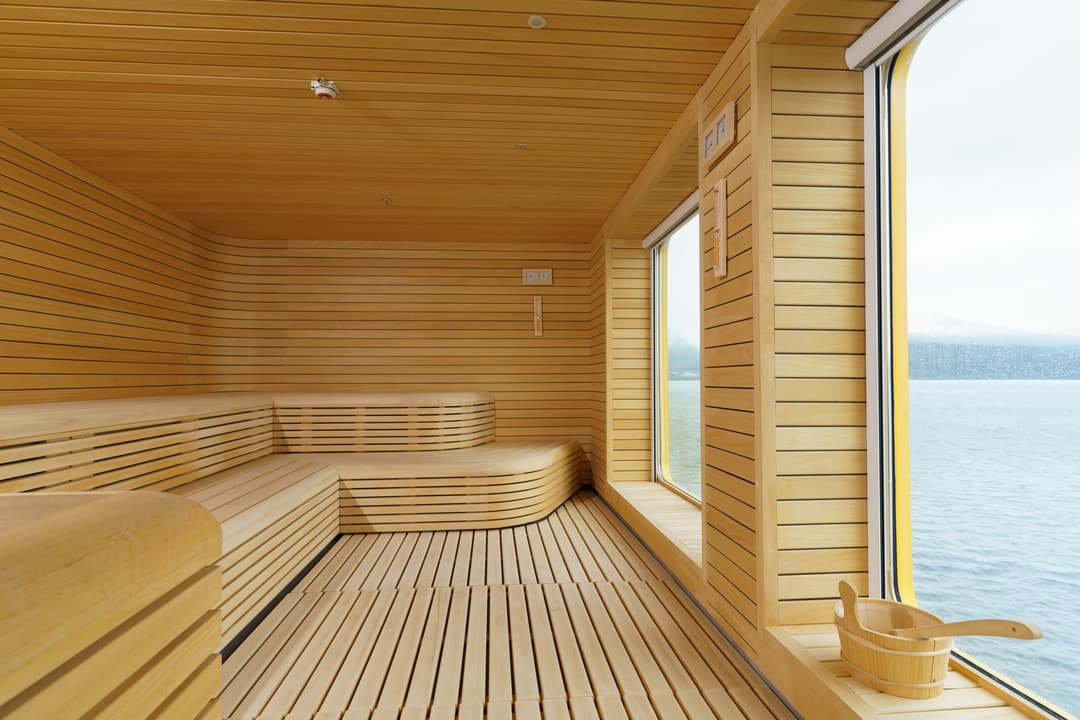
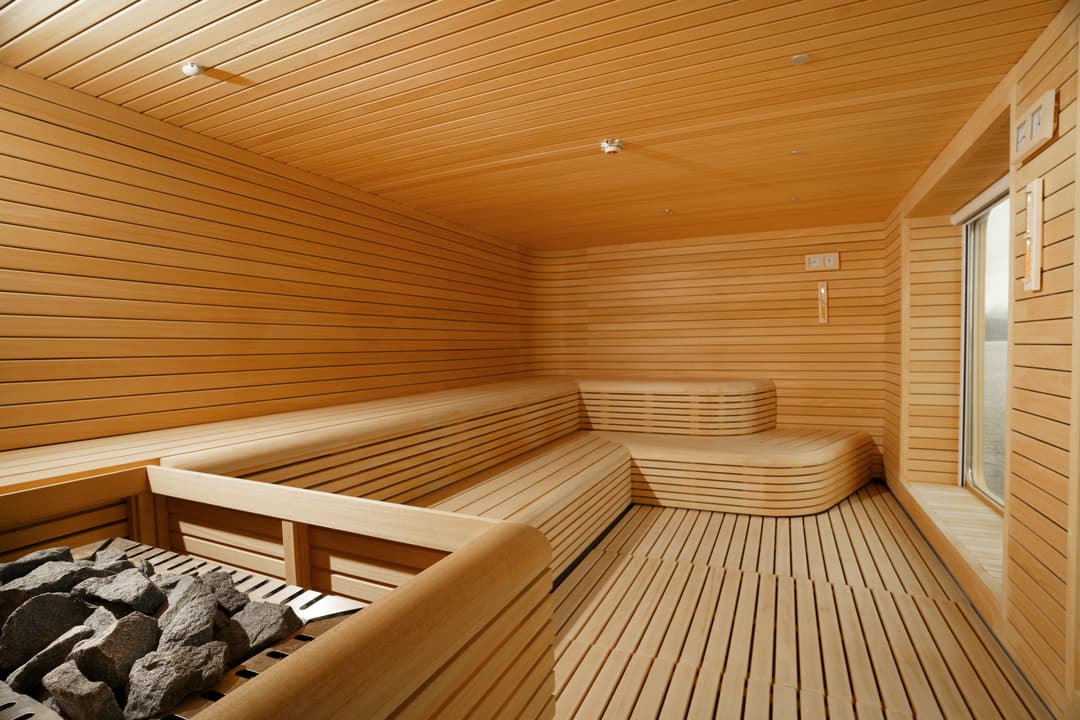
Enjoy the sail back across Baffin Bay where the presence of ice can lead to opportunities for polar bear sightings as well as whales and seabirds. Onboard the team will keep you engaged with presentations and wildlife watching. Guests often use sea days to take advantage of the ship’s Tundra Spa and Sauna.
Enjoy the sail back across Baffin Bay where the presence of ice can lead to opportunities for polar bear sightings as well as whales and seabirds. Onboard the team will keep you engaged with presentations and wildlife watching. Guests often use sea days to take advantage of the ship’s Tundra Spa and Sauna.
Arriving back in Greenland, we hope to visit the community of Sisimiut, where you may enjoy locally led city tours, including a “Taste of Greenland” experience featuring samples of traditional foods. Back onboard, head to the deck to watch a traditional kayak demonstration on the water.
Today, we disembark in Kangerlussuaq, formerly known as Søndre Strømfjord, and transfer you to your charter flight to Reykjavik, where you’ll spend the night in your group hotel, both of which are included in your Charter Flight & Hotel Package.
Today, after breakfast, make your way independently to the airport for your flight home, or continue your personal travel plans as prearranged.
About the Ship
Name
Ultramarine
Operator
Quark Expeditions

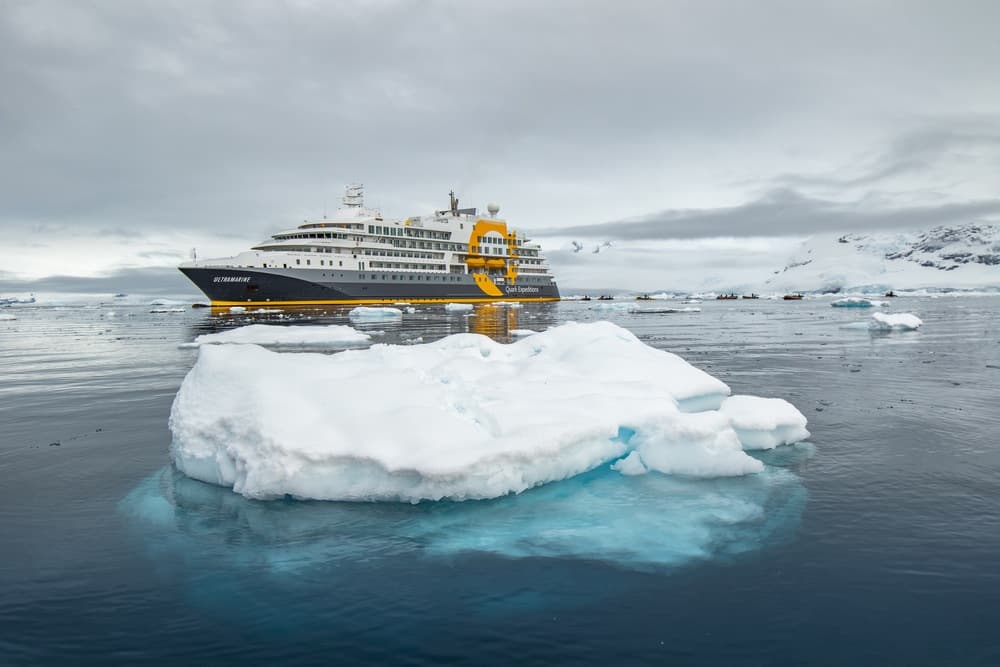
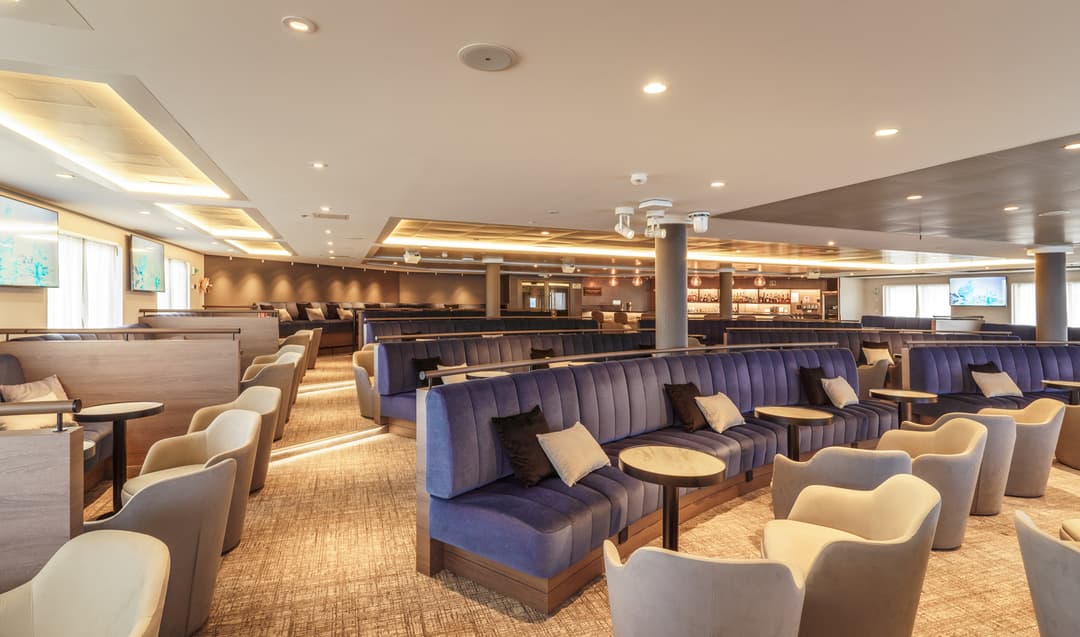
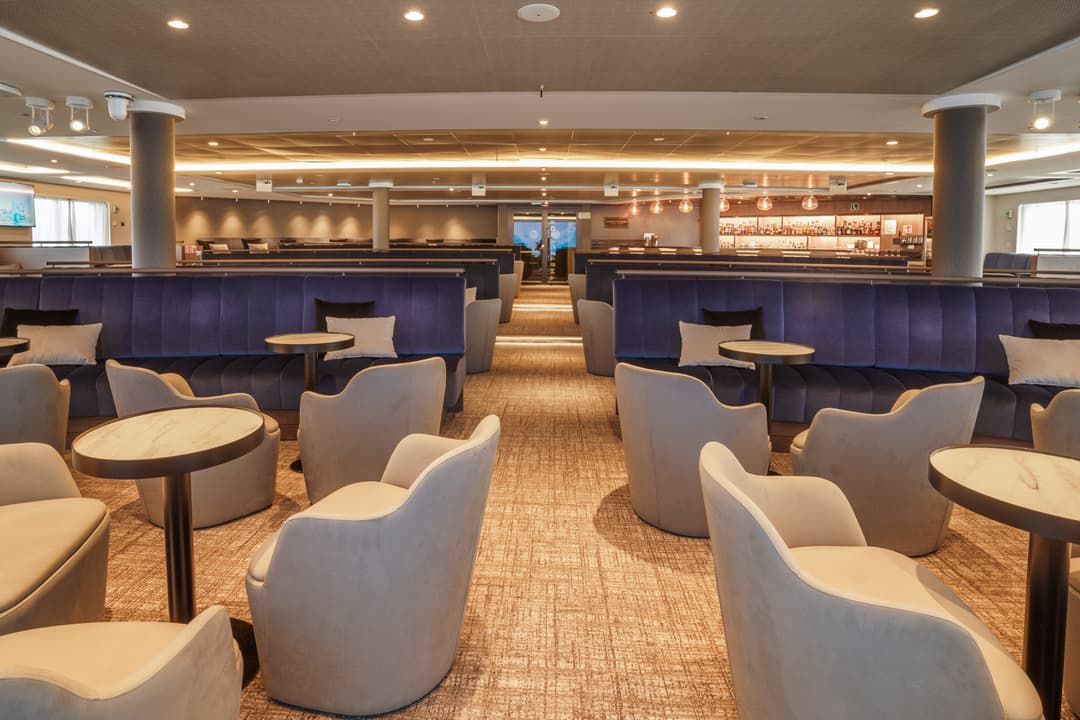
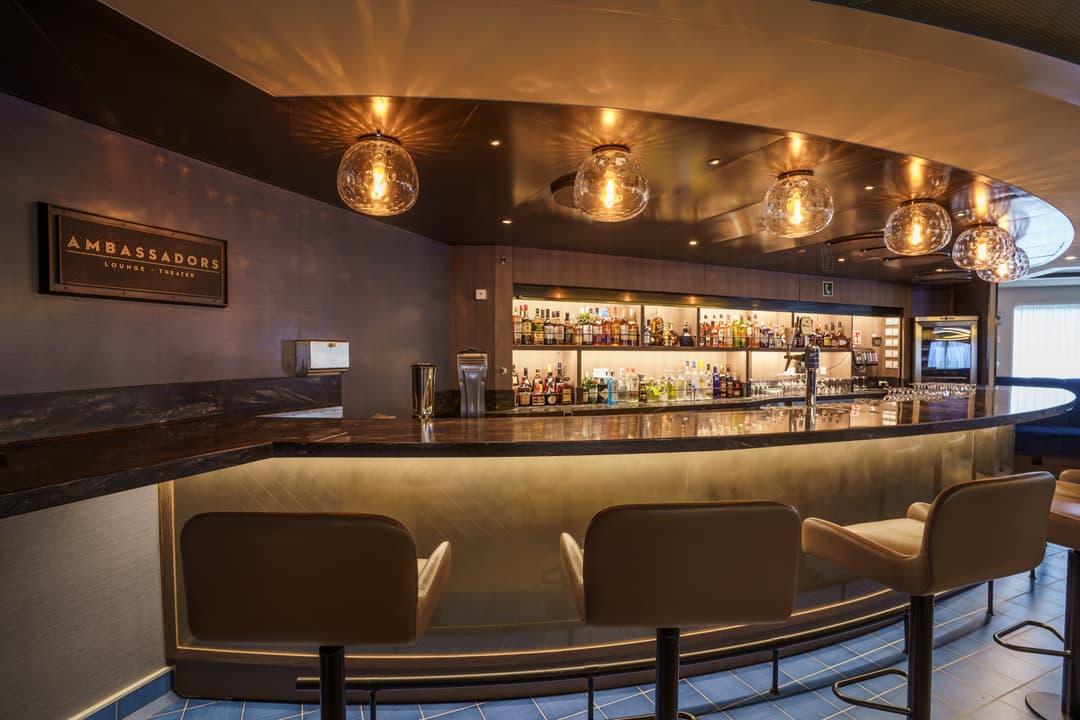
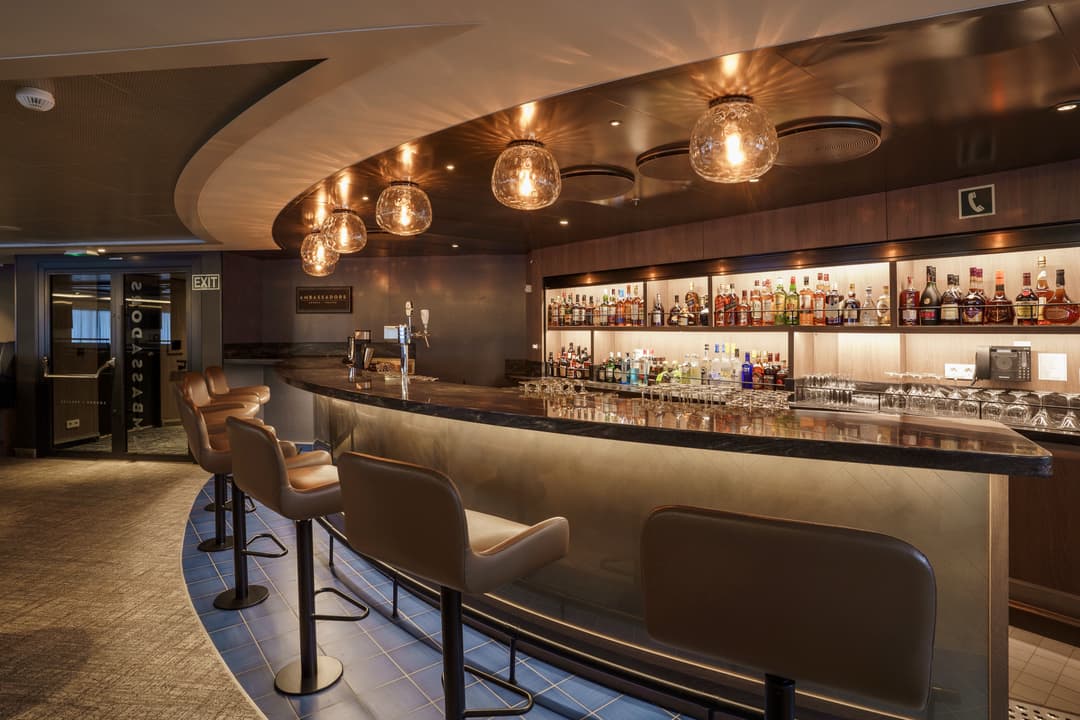
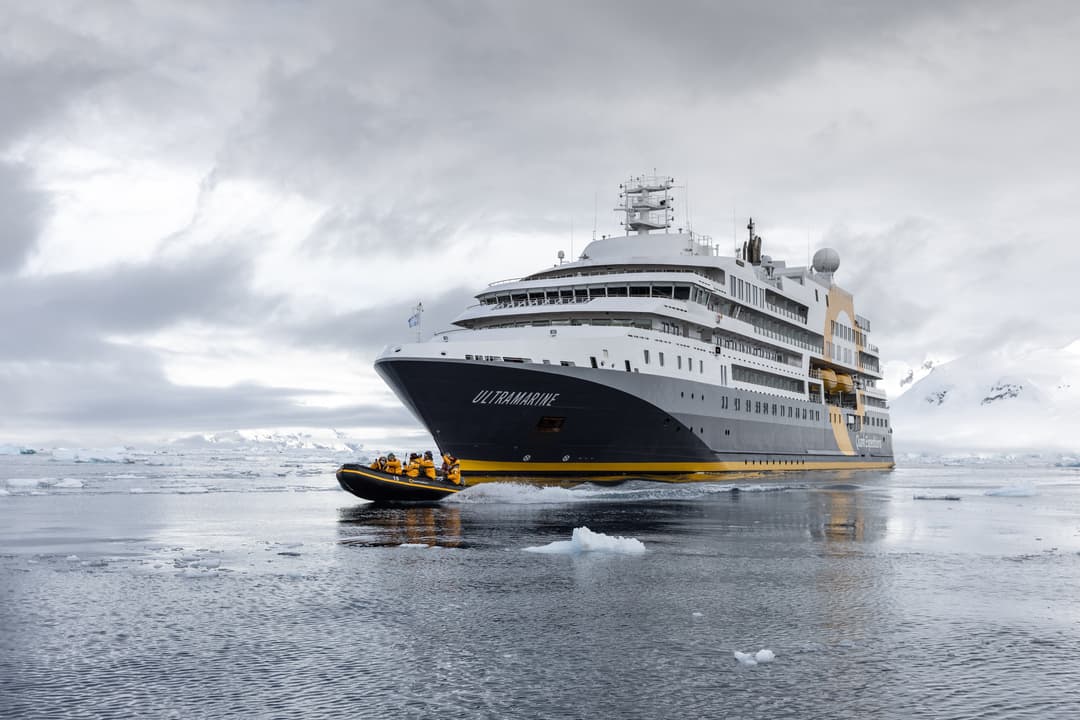
Ultramarine is designed to go beyond the familiar in polar exploration, to discover new places, and to immerse you in the best the region has to offer.
Loading...
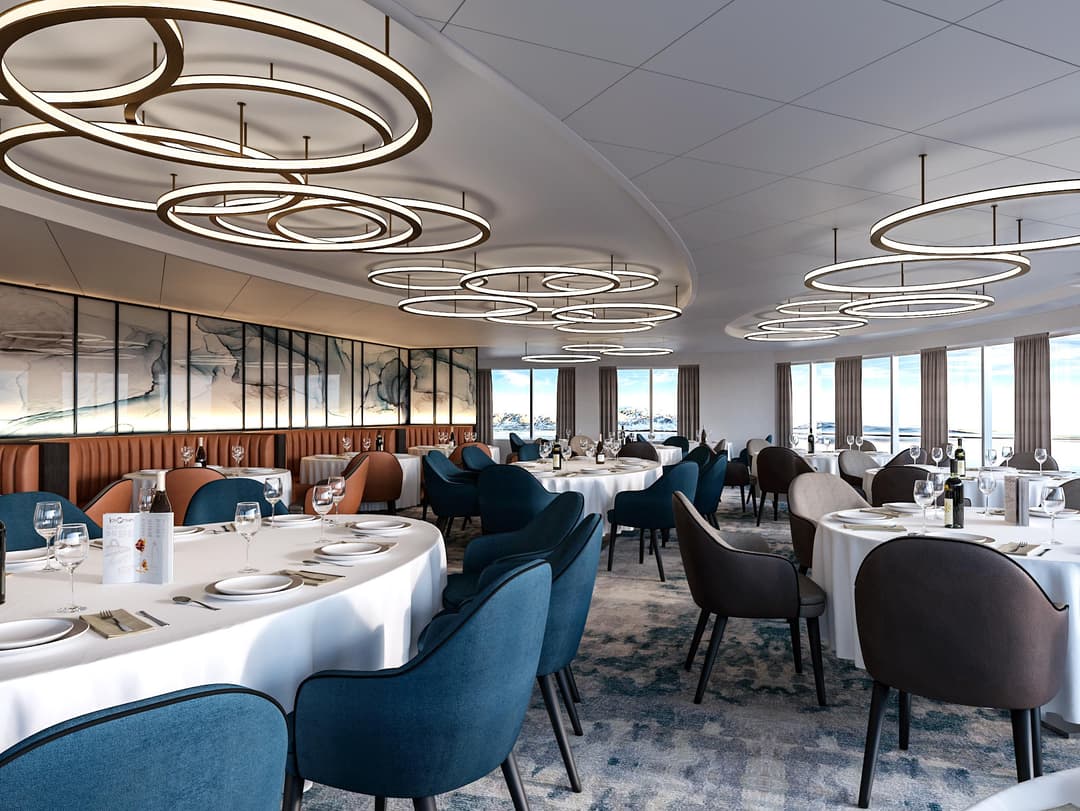
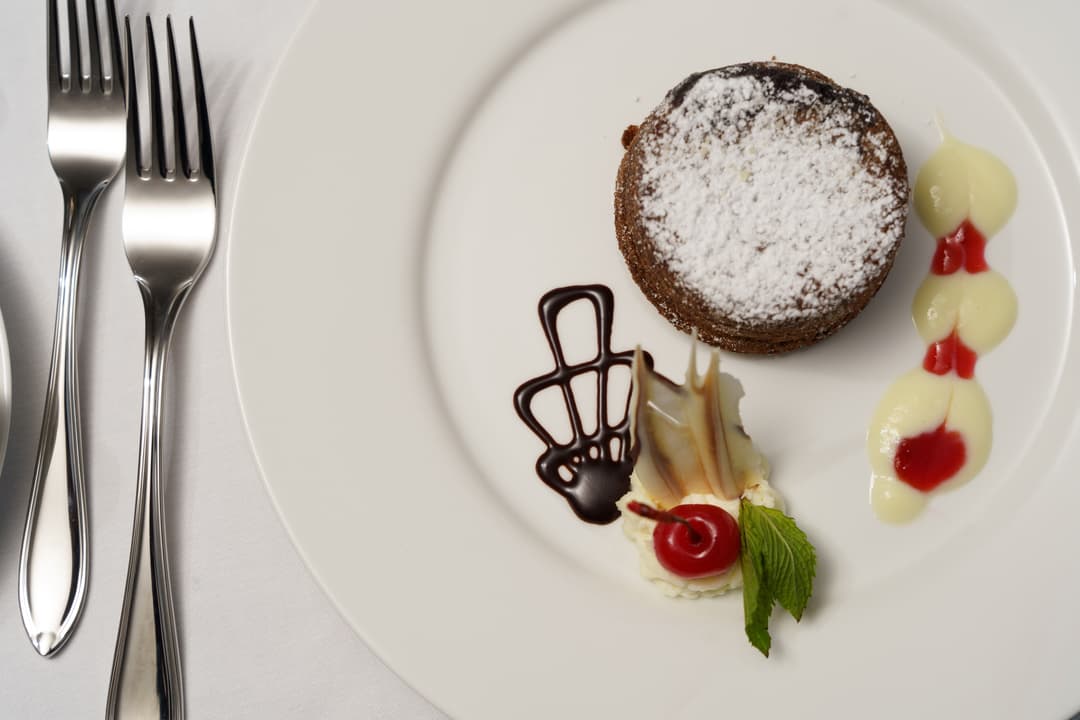
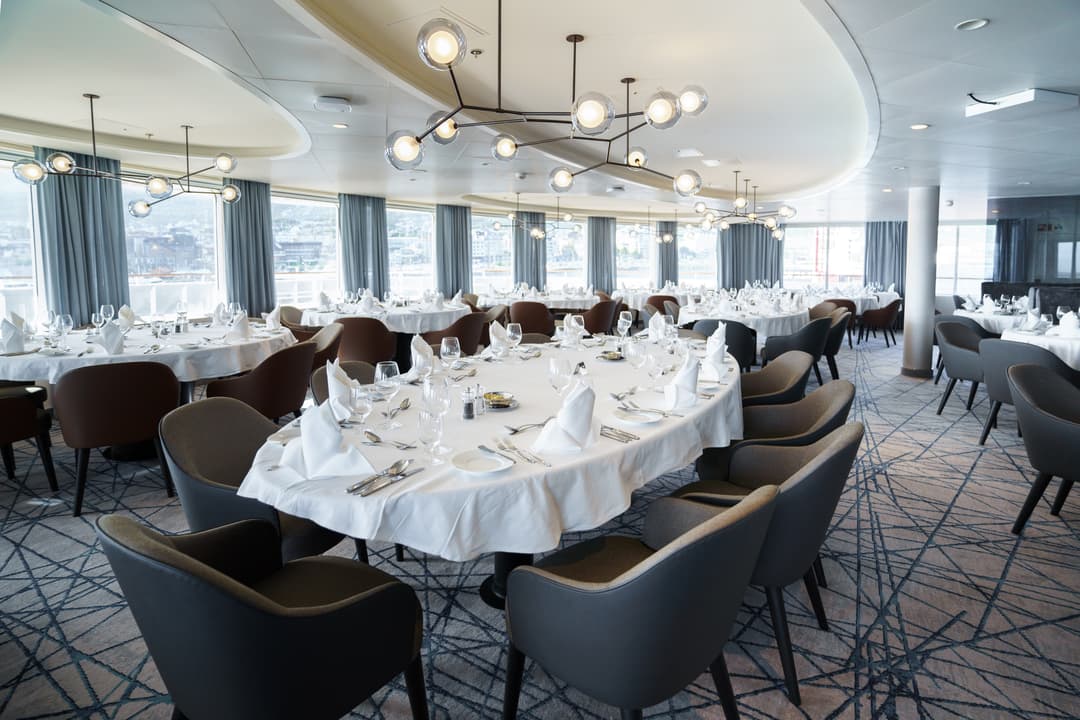
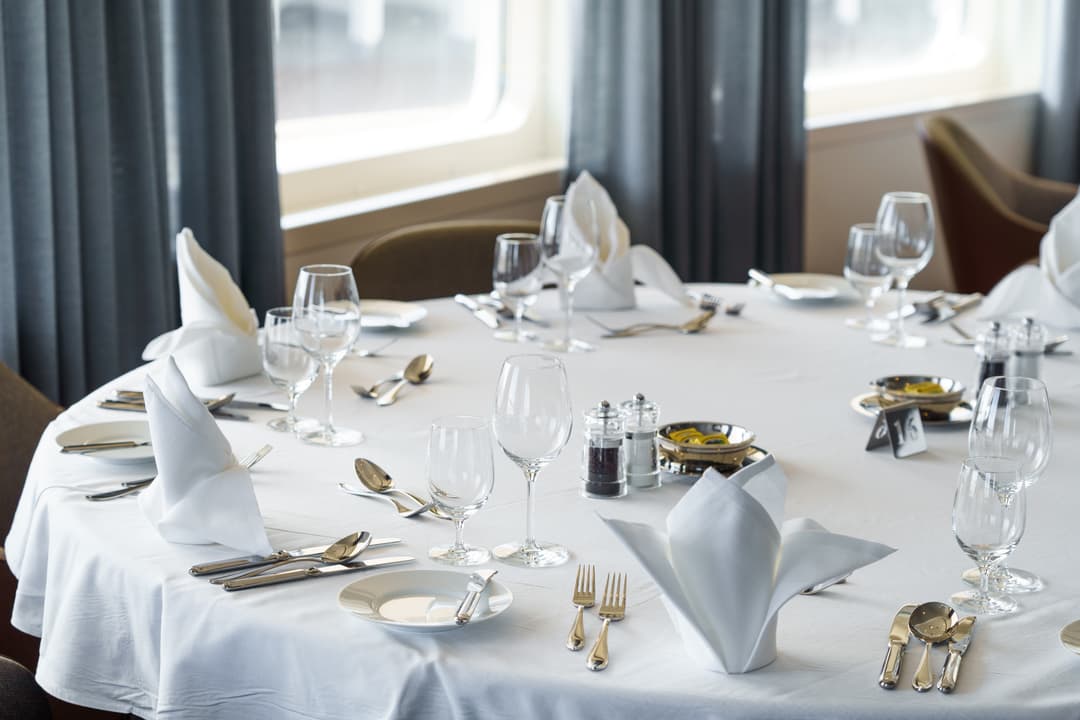
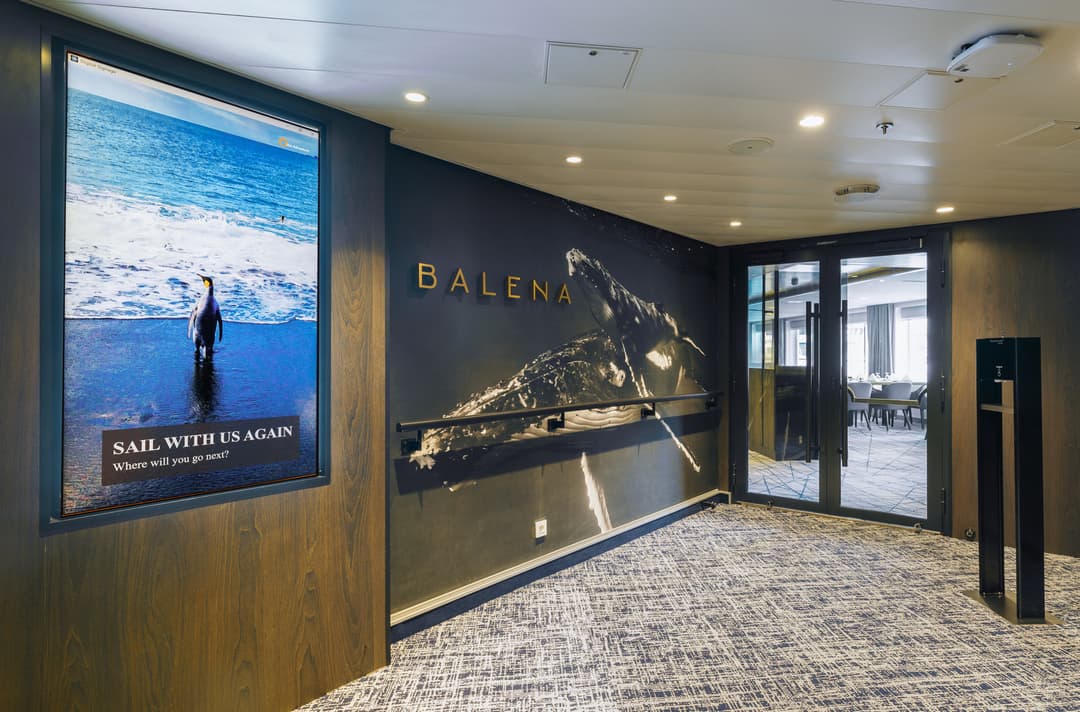
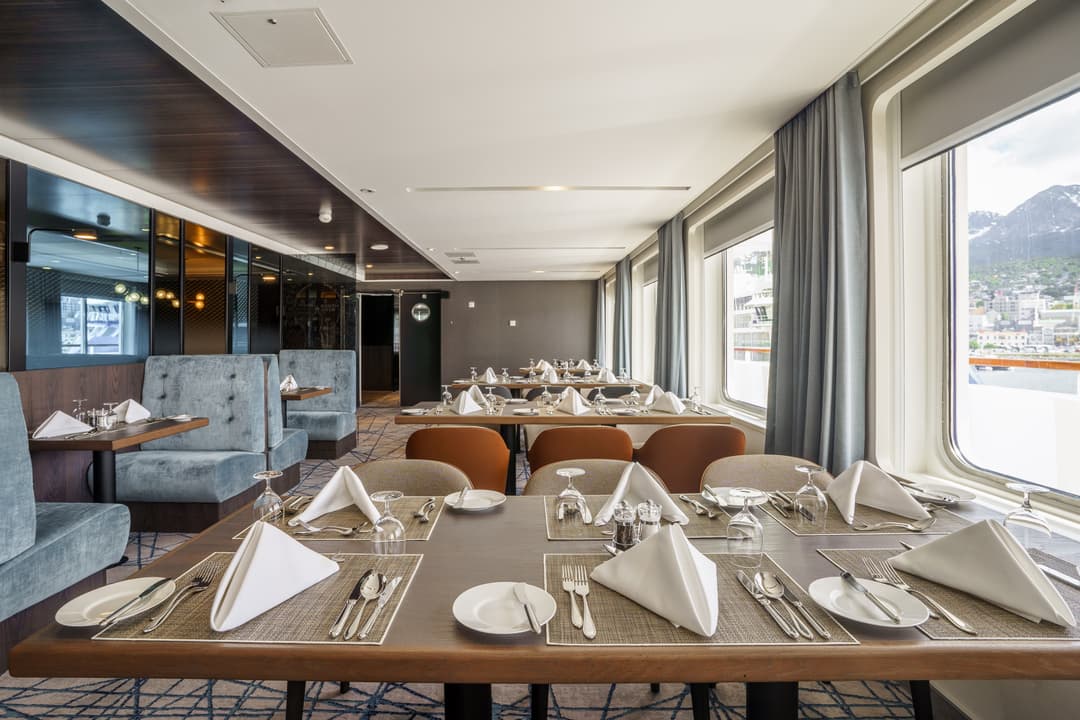
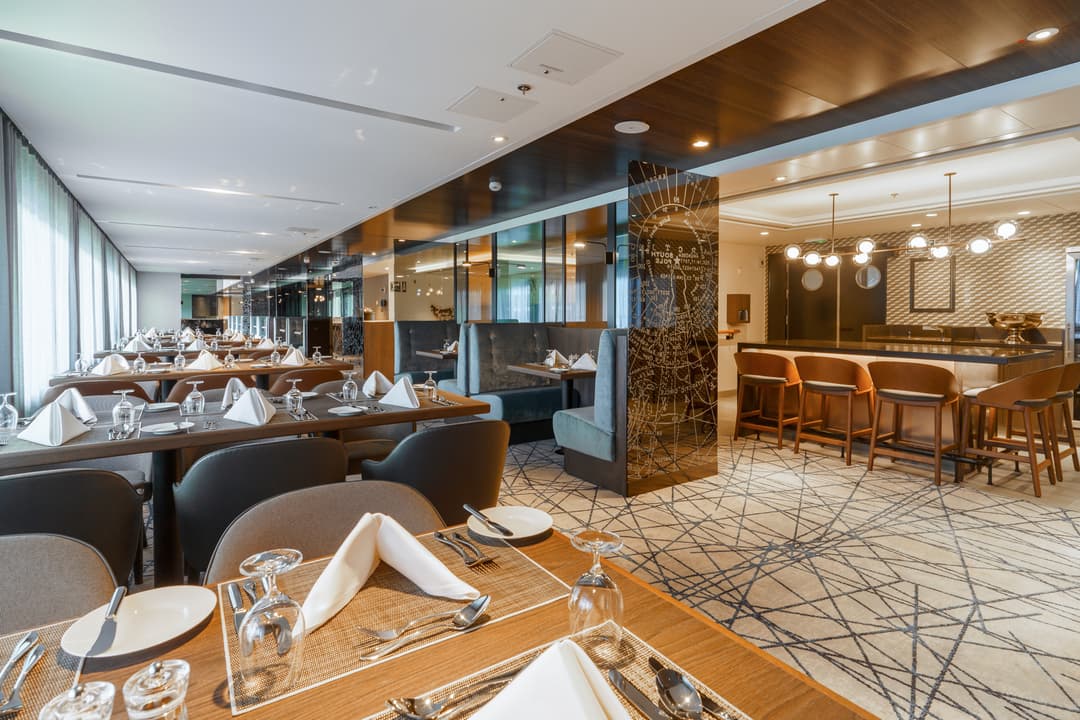
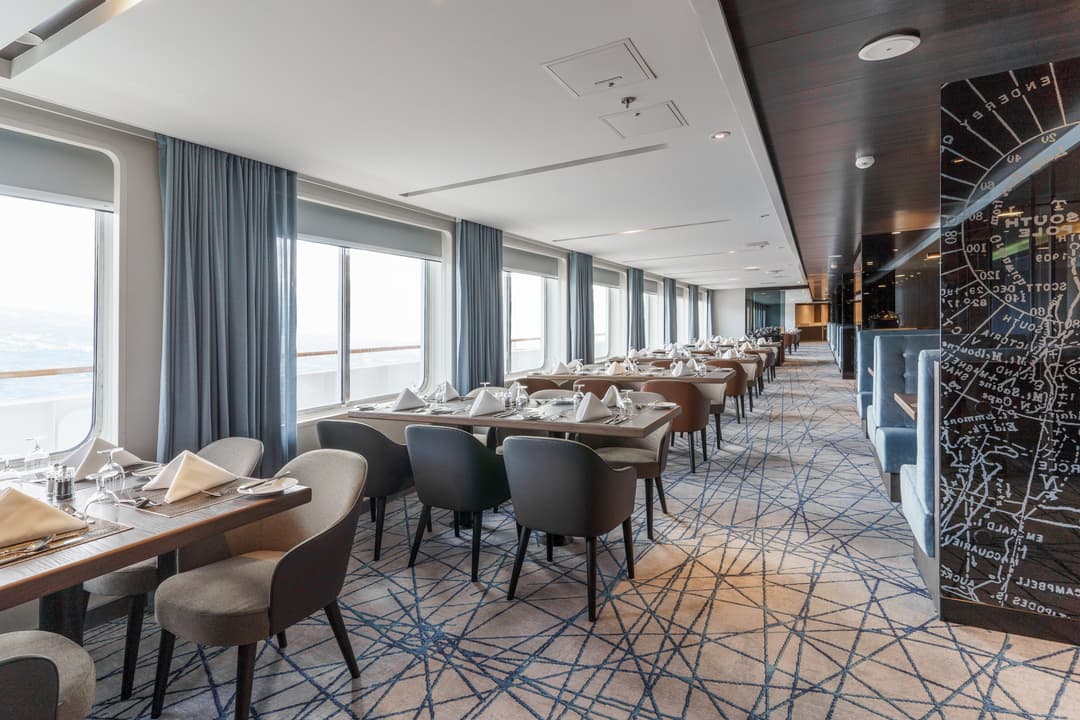
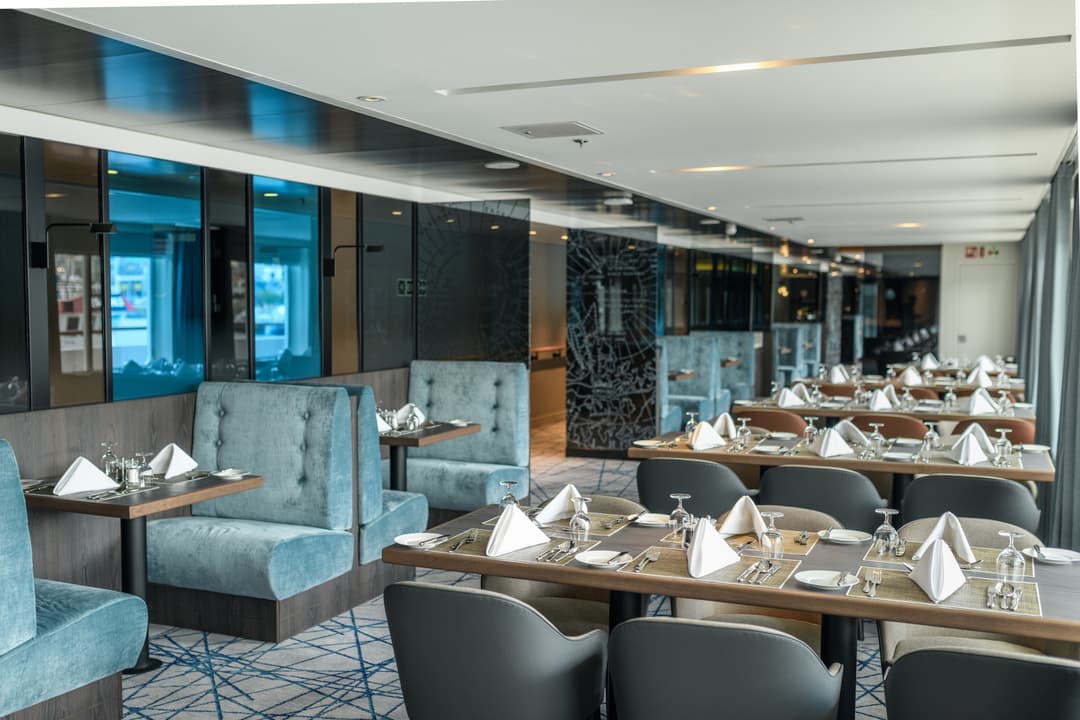
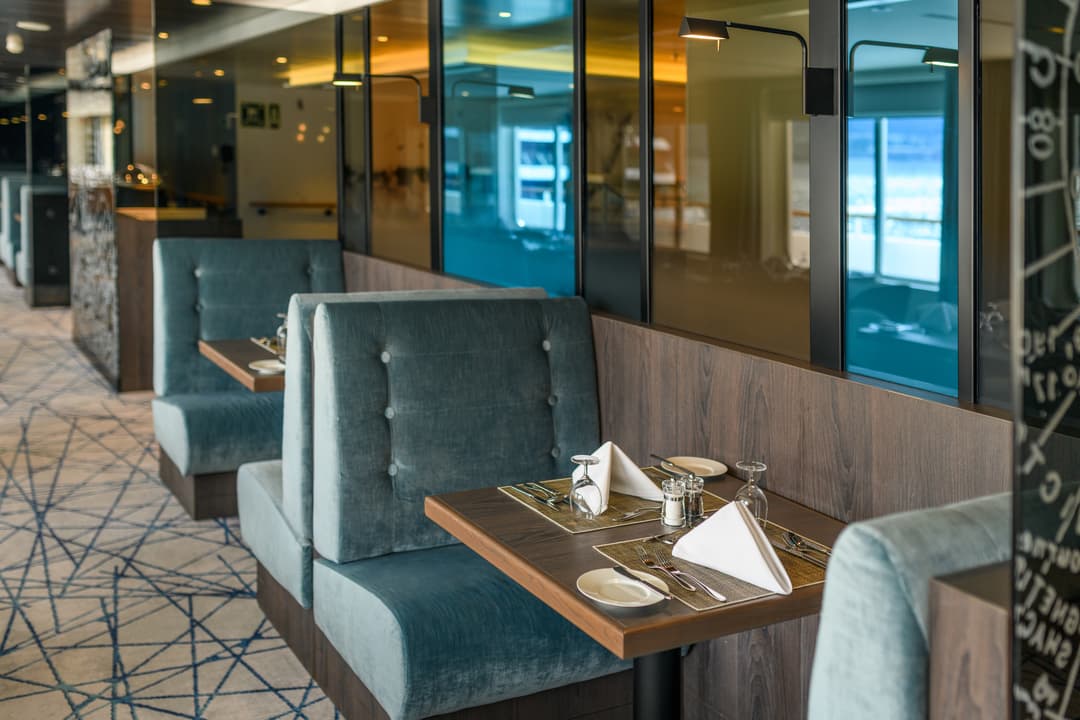
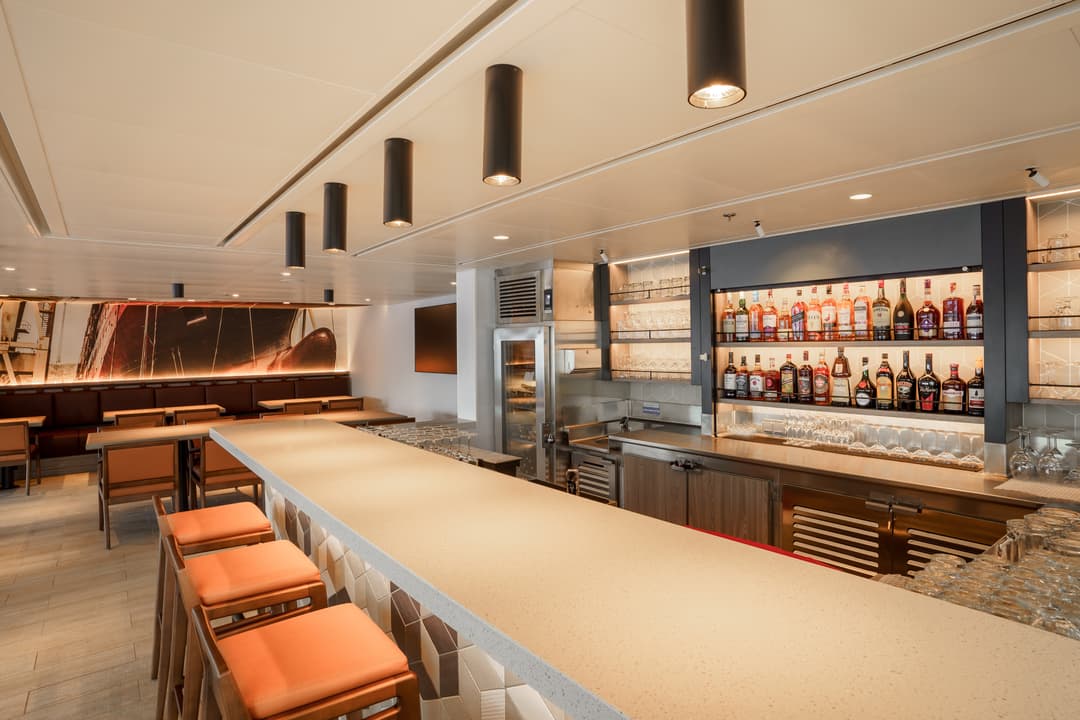
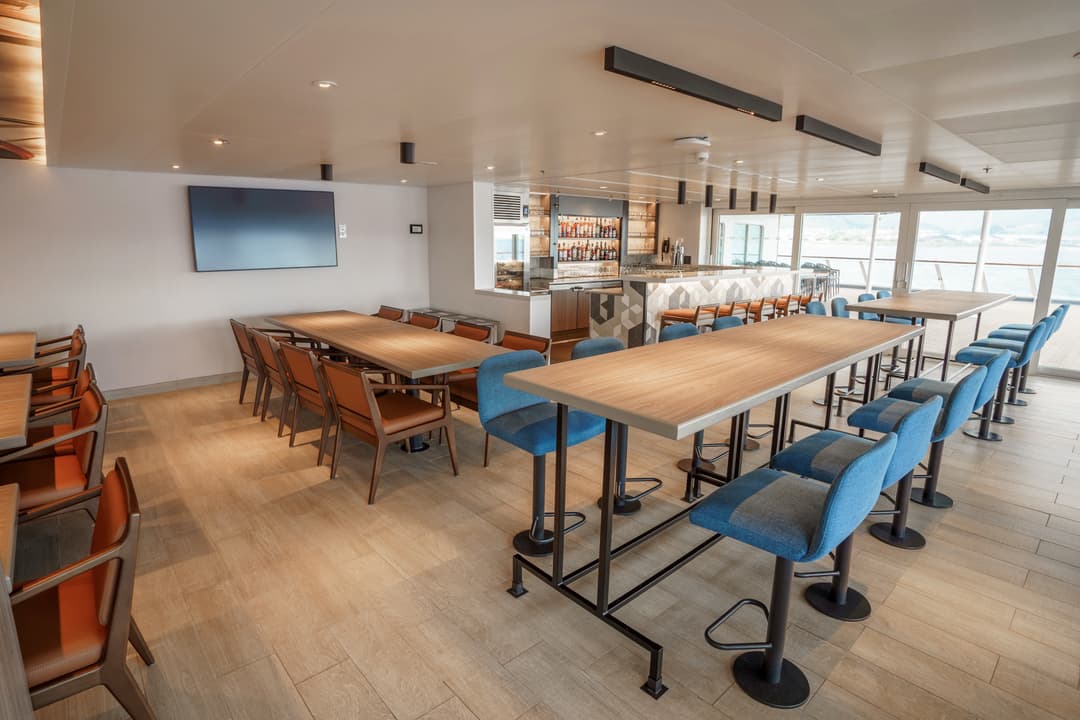
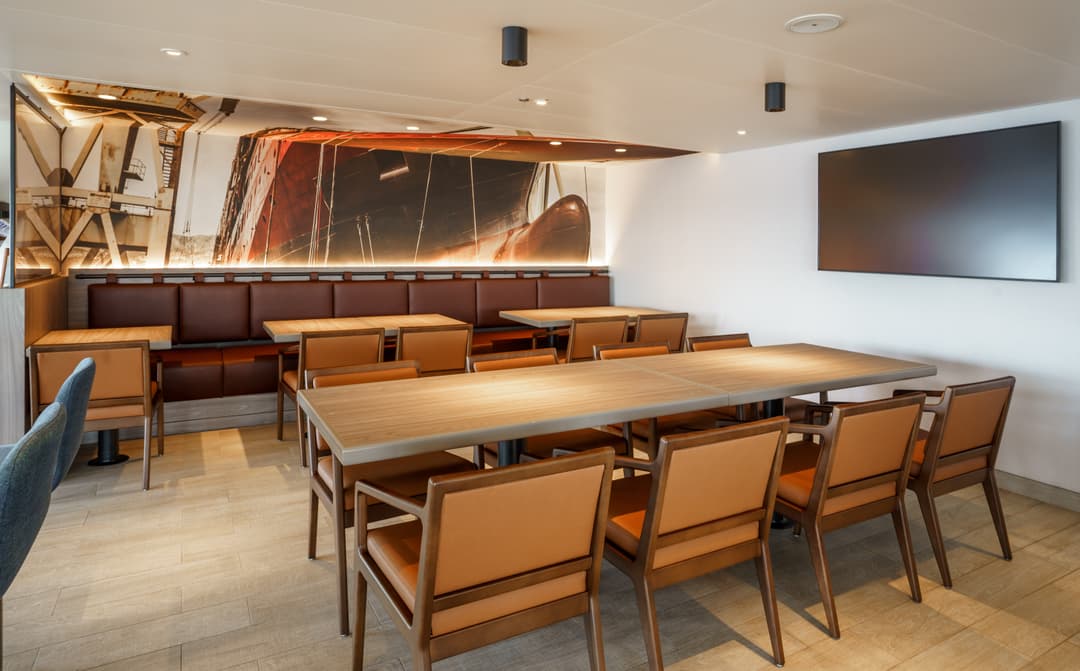
If there is one constant at sea, it is that you’ll enjoy delicious meals every day. Balena is the main restaurant located on Deck 5. Bistro 487 presents an alternative dining option on Deck 7, with selections from the main menu, augmented by an array of healthy options. While mealtimes may change due to landings and wildlife encounters, you’ll always be served three meals a day. Hours of operation will be posted around the ship, as they are subject to change based on the activities planned for your voyage each day. An early riser’s breakfast will be offered in Bistro 487, as well as afternoon tea and late night snacks. A selection of light snacks will be available at all times in Bistro 487.
Loading...


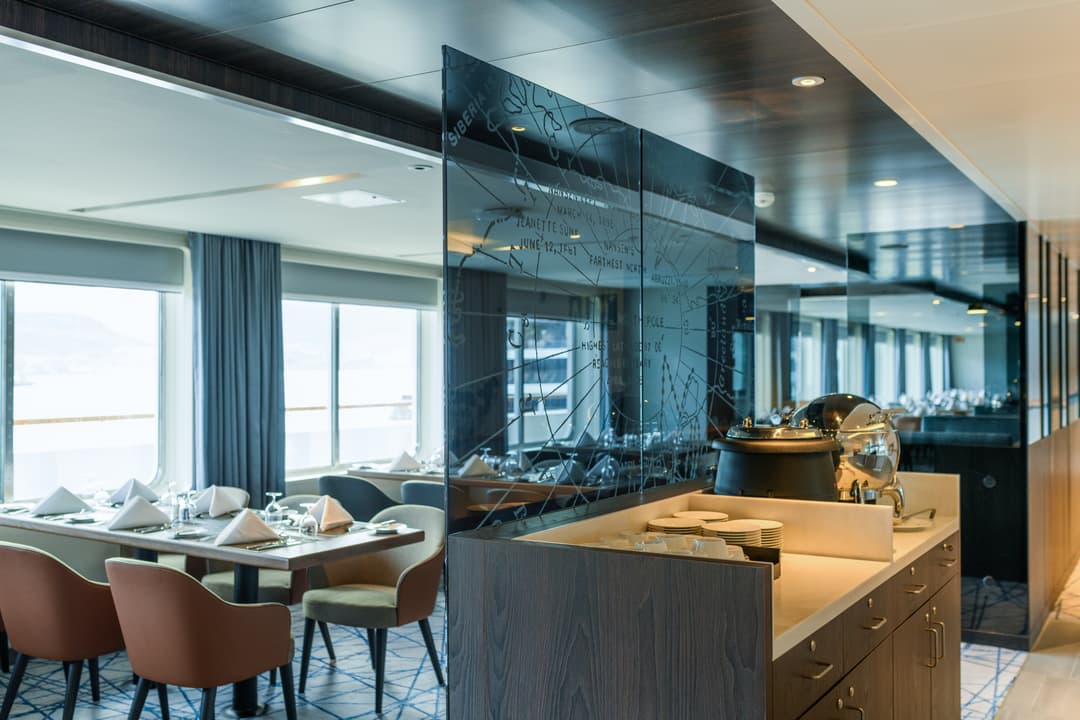
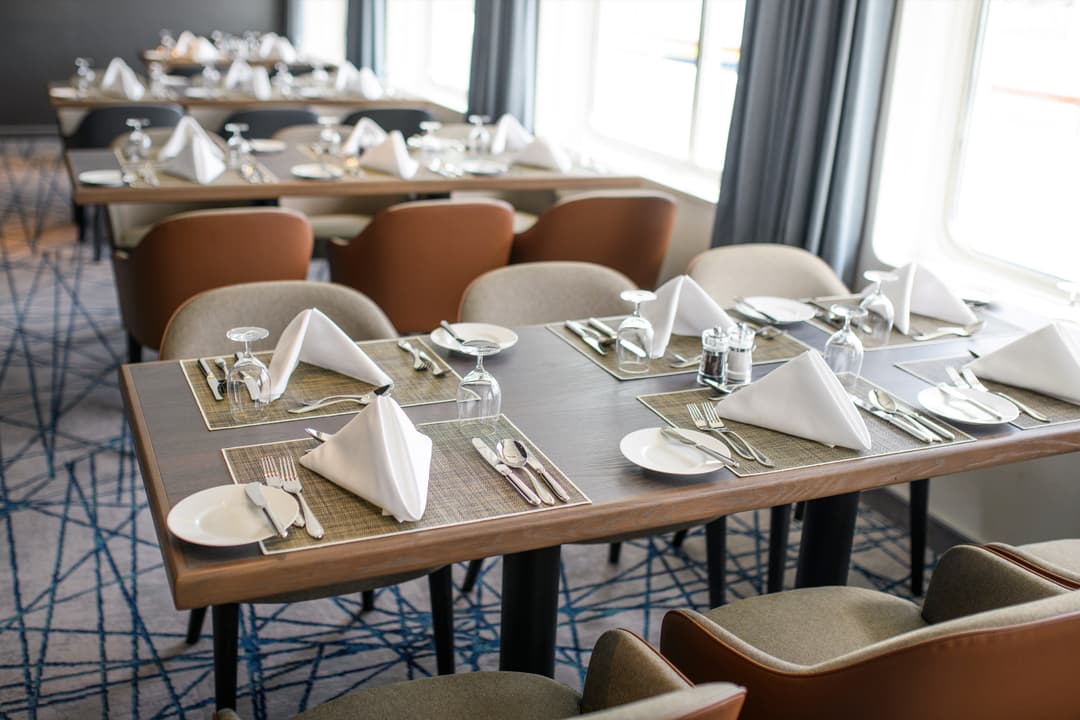
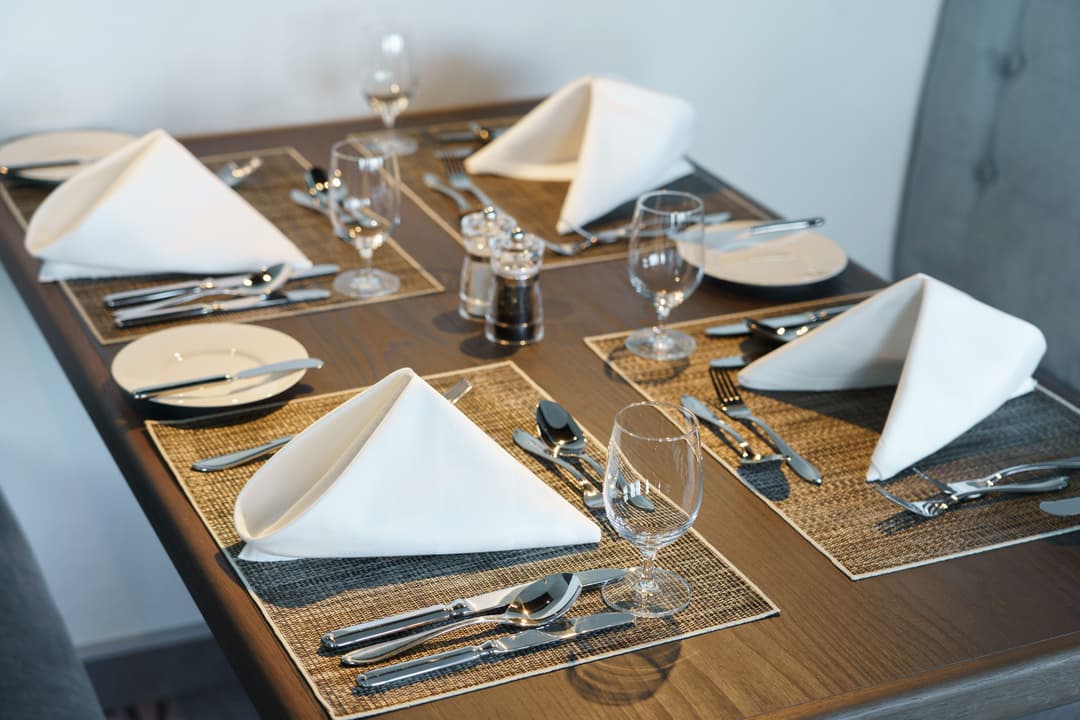
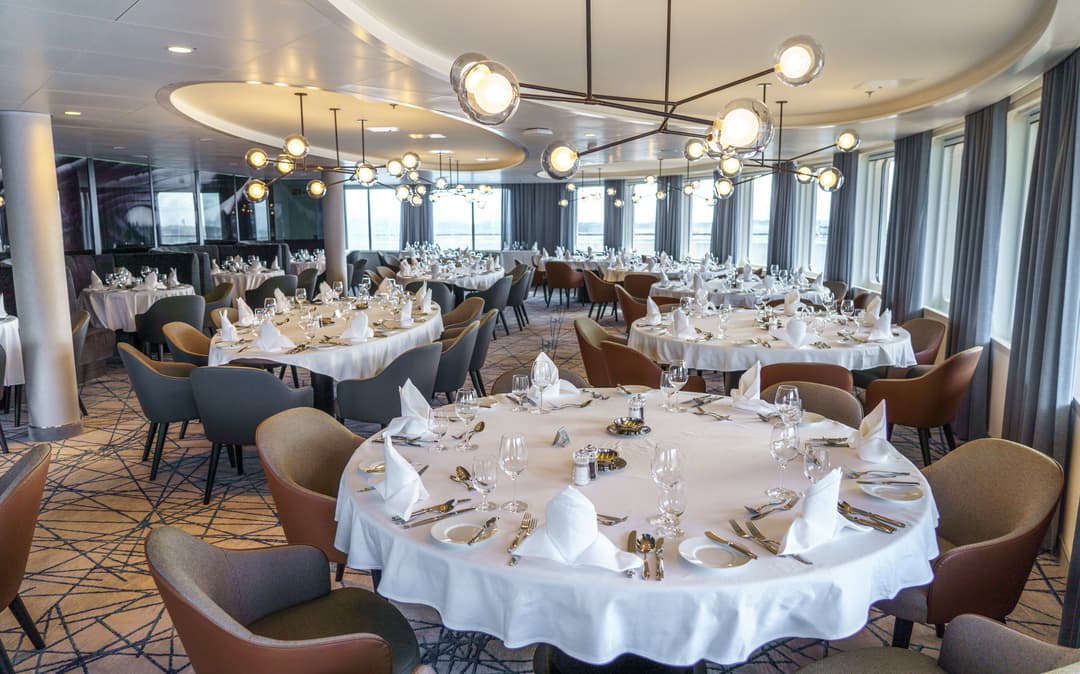
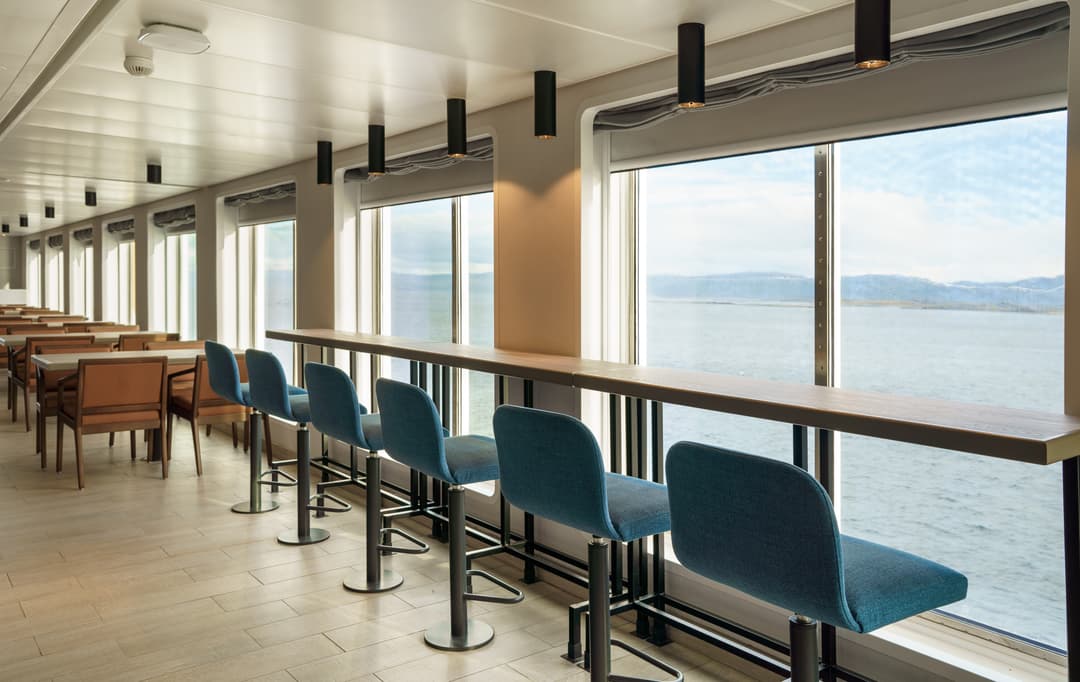
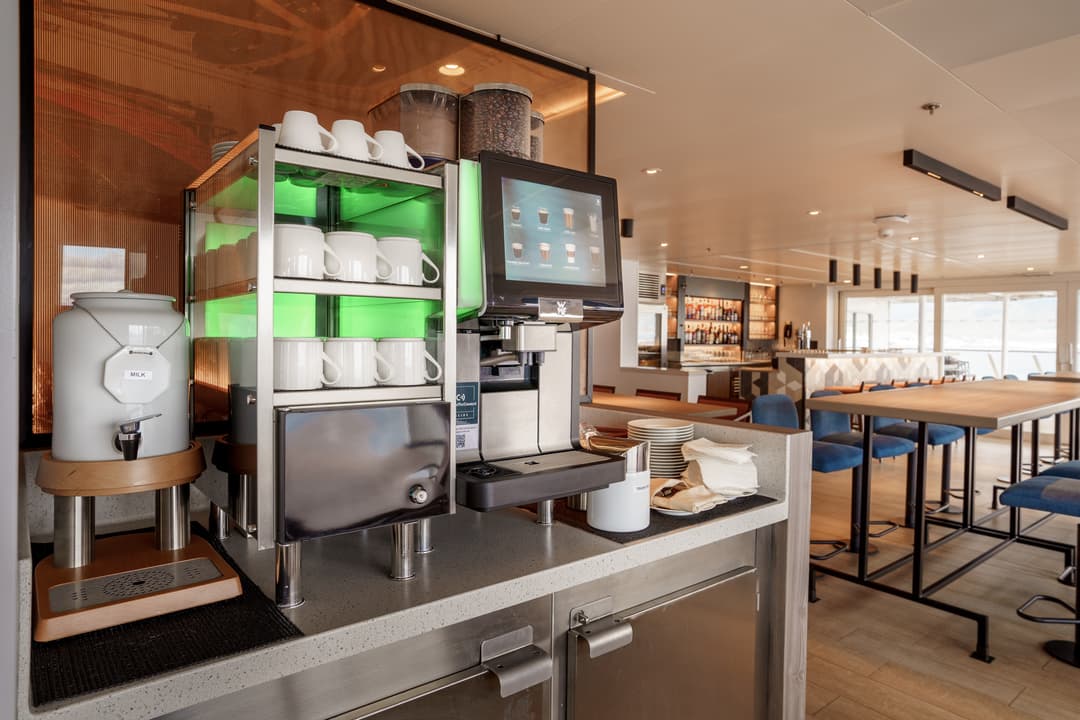
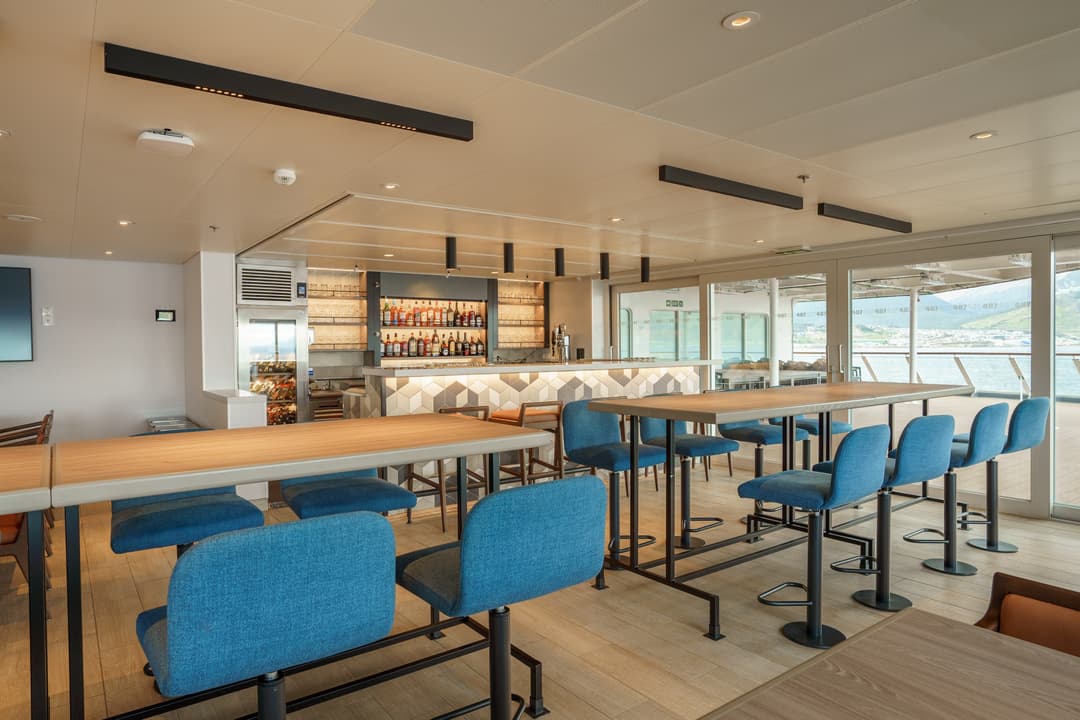
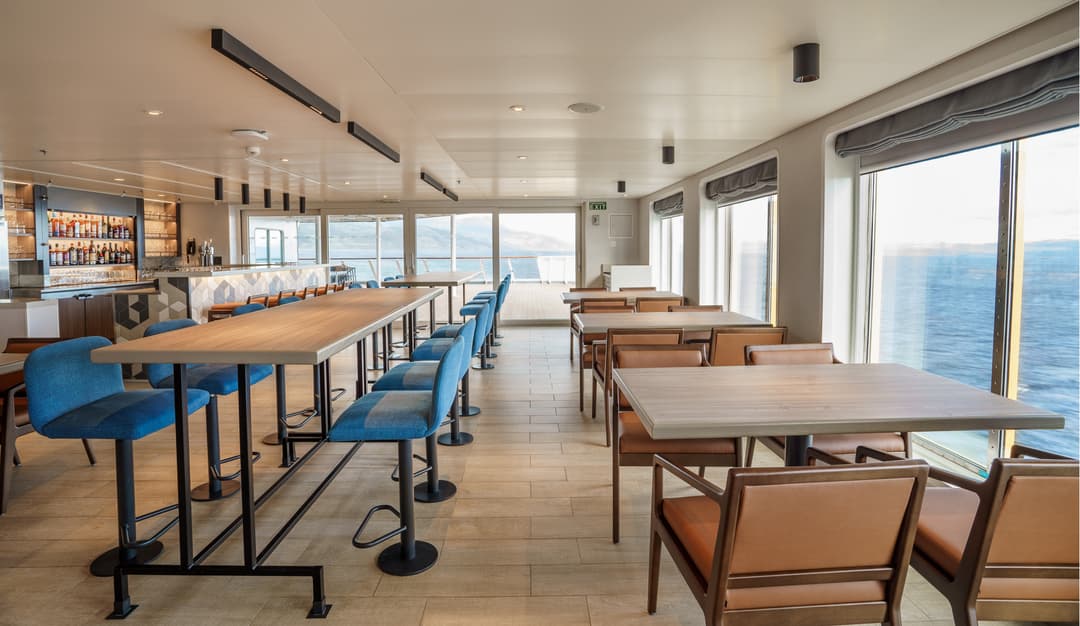

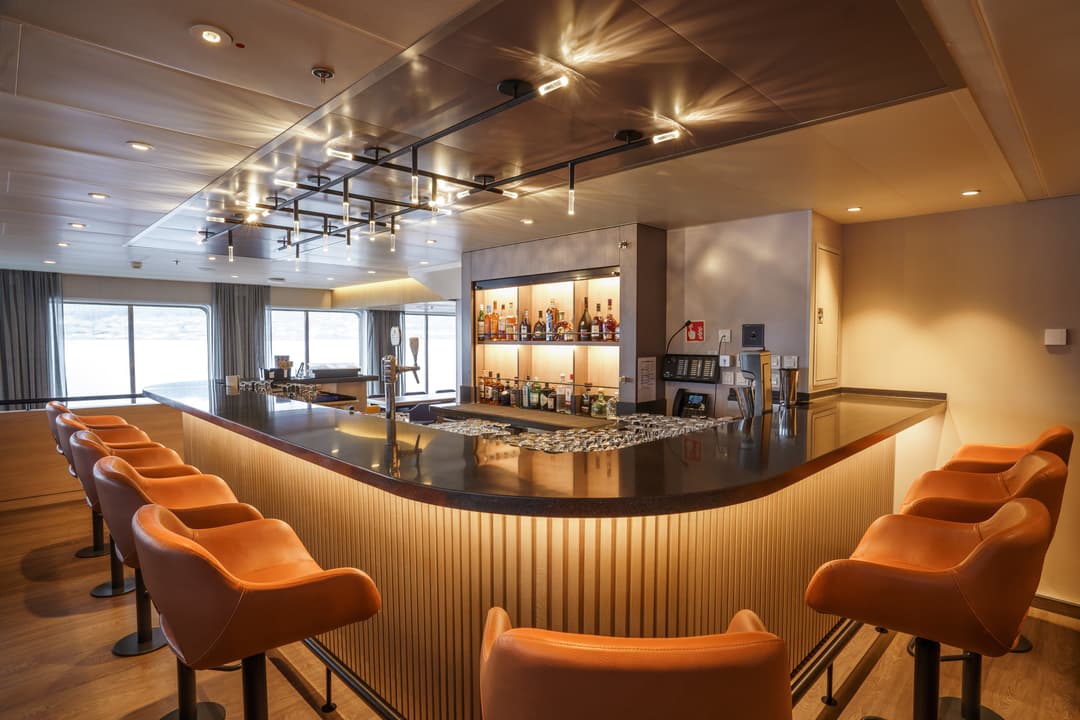
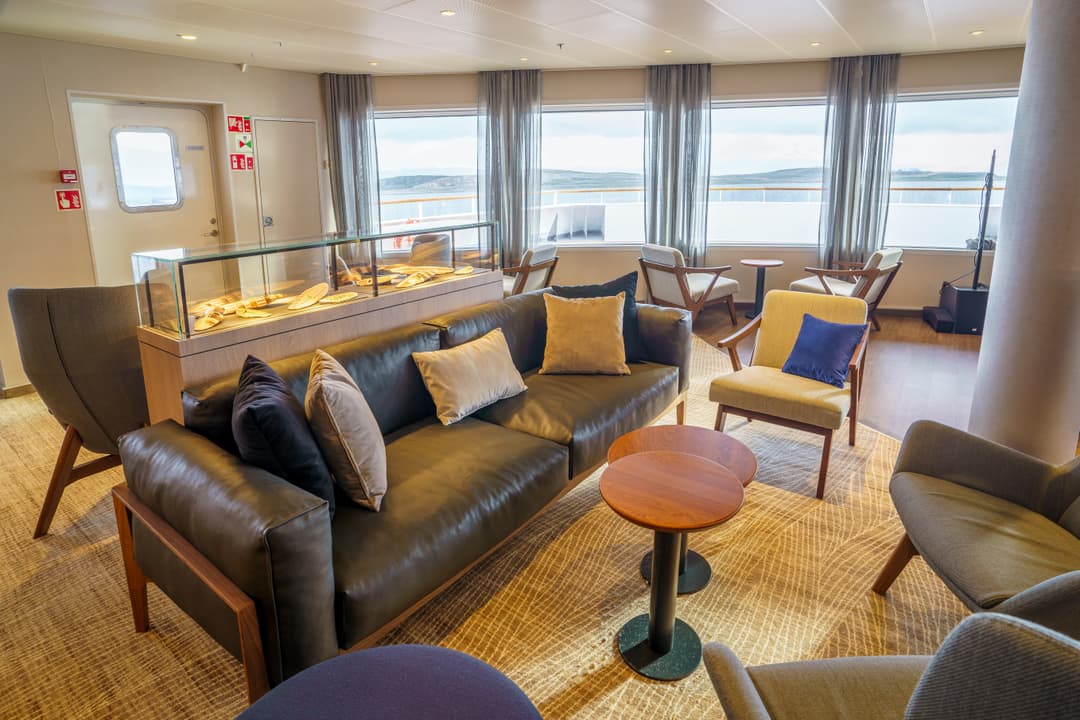
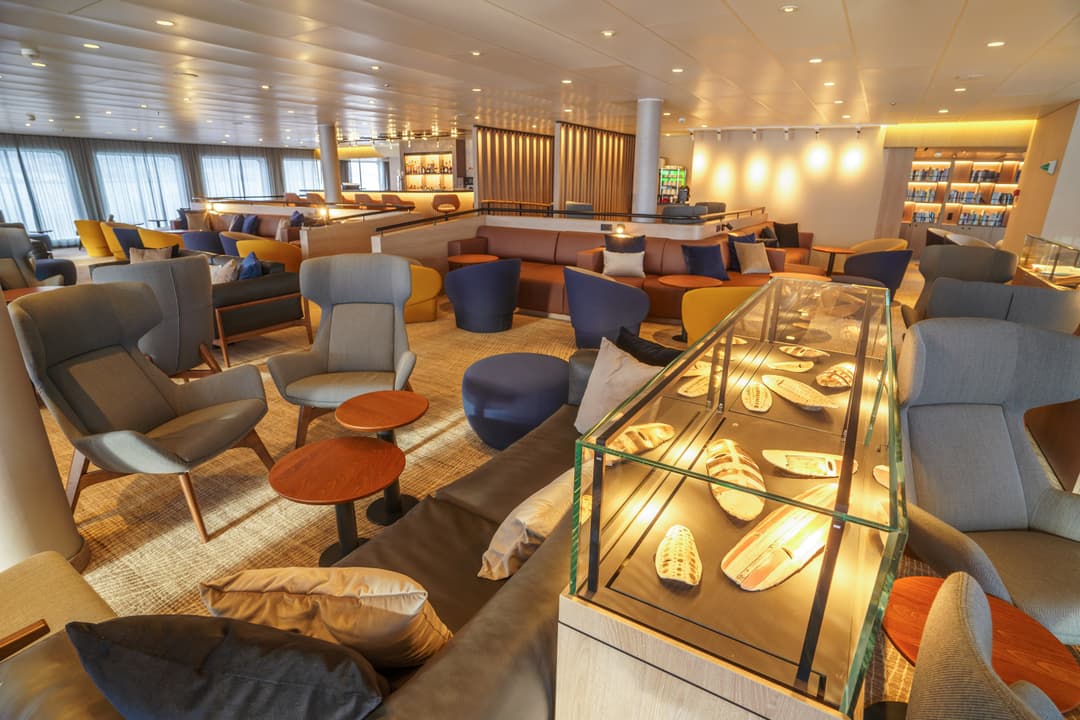
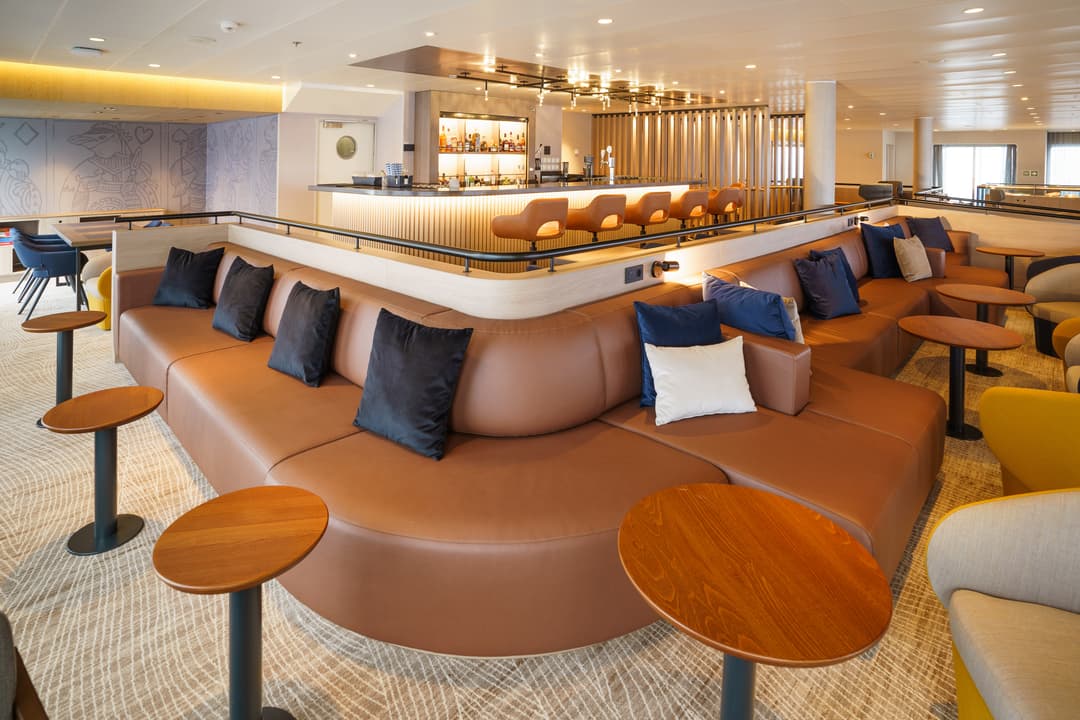
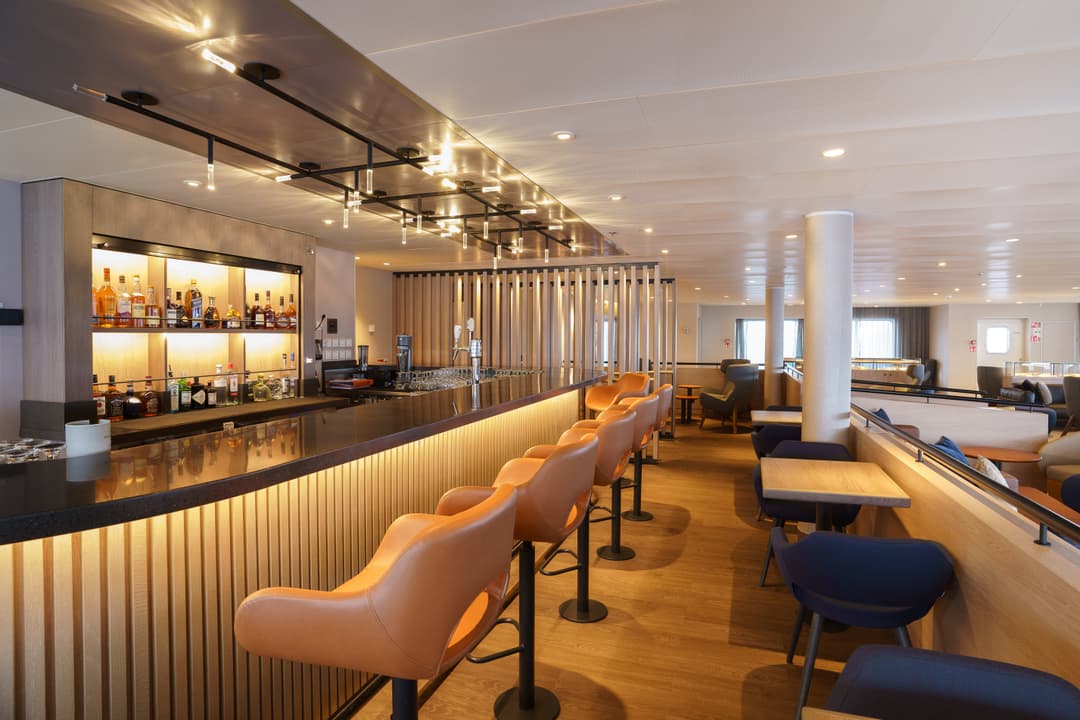
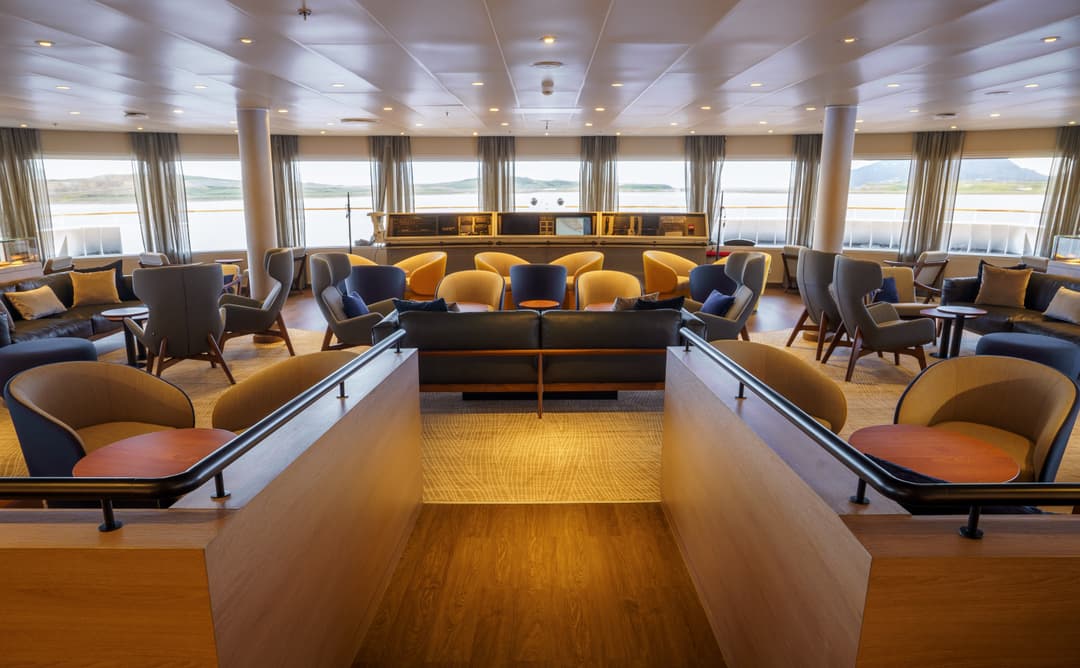
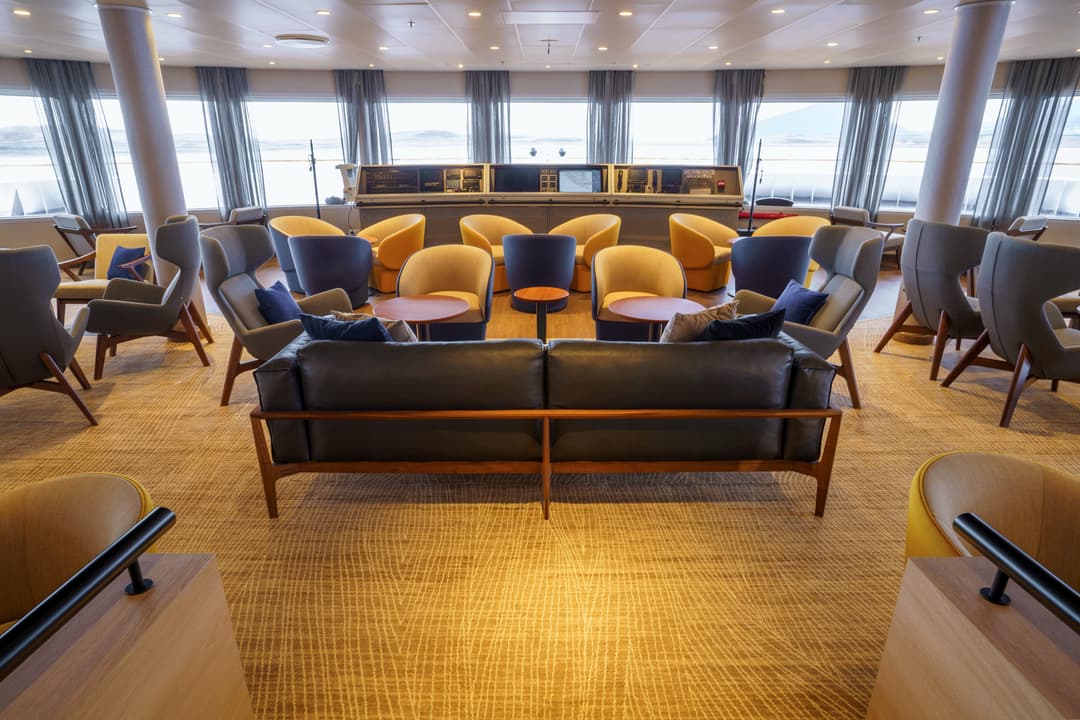
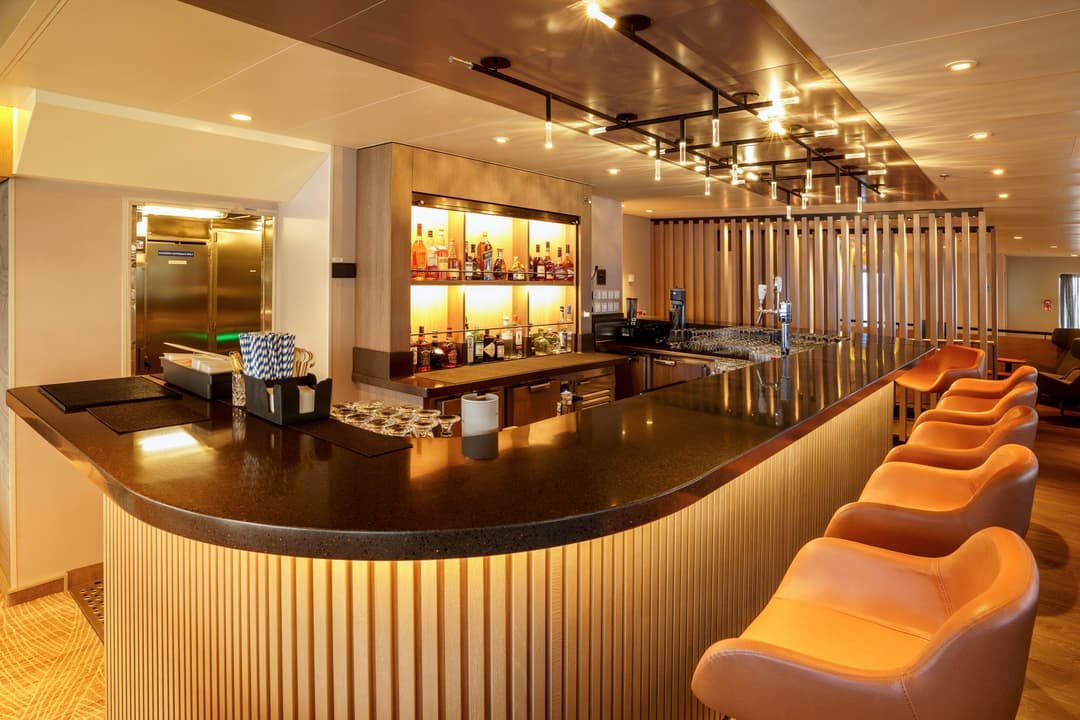
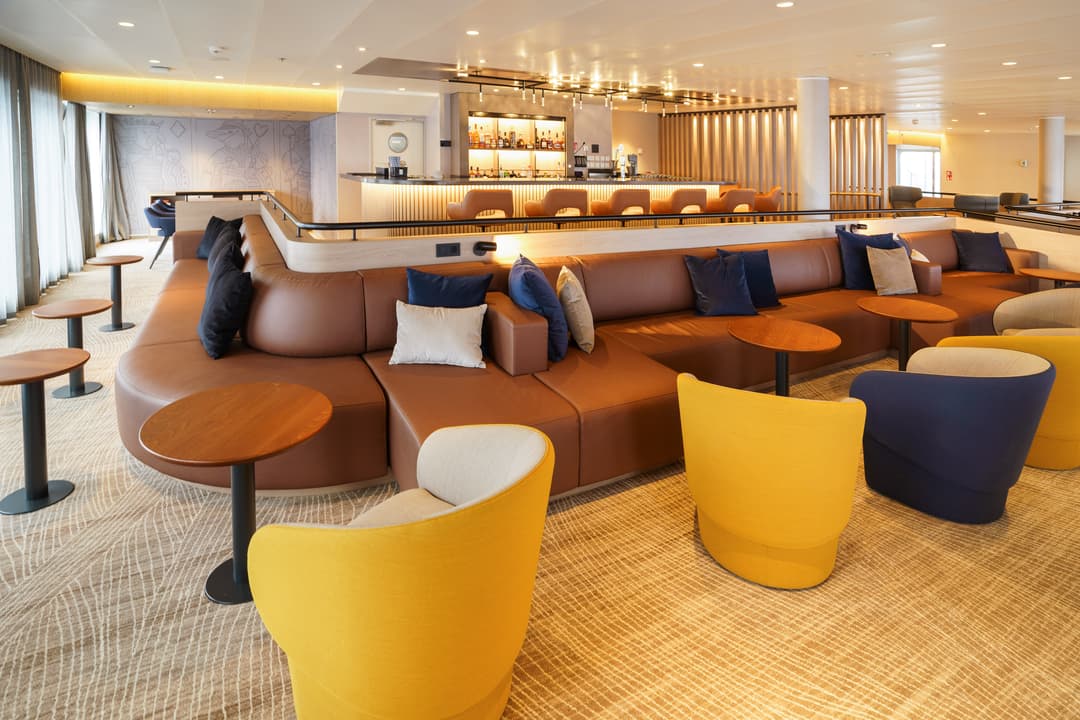
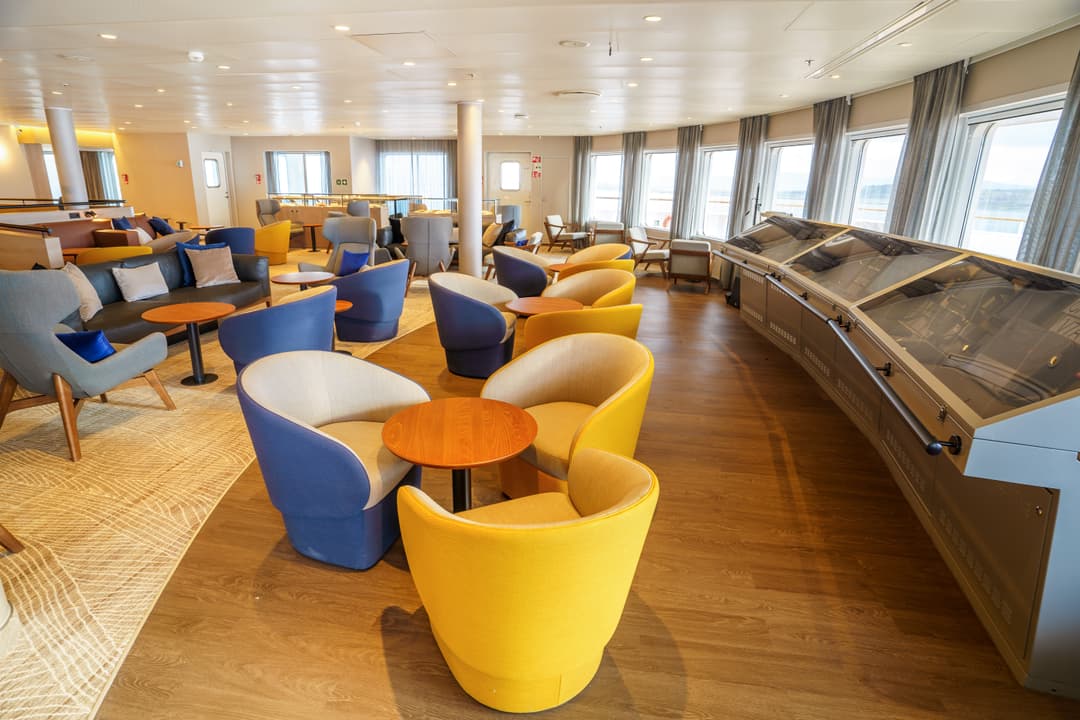
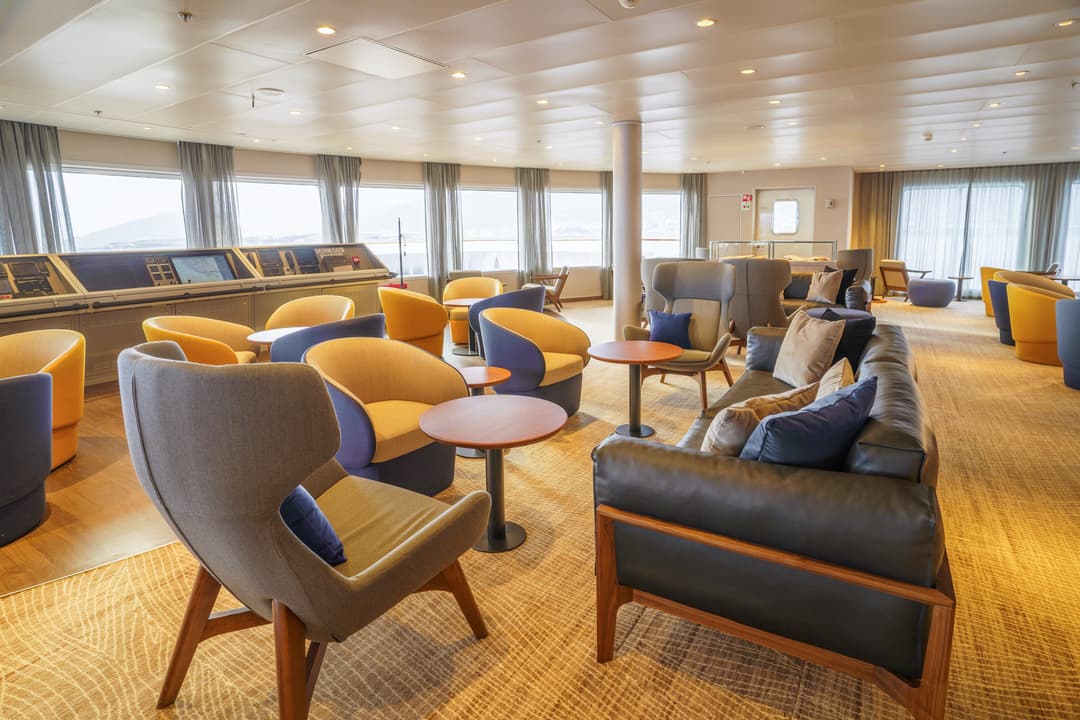
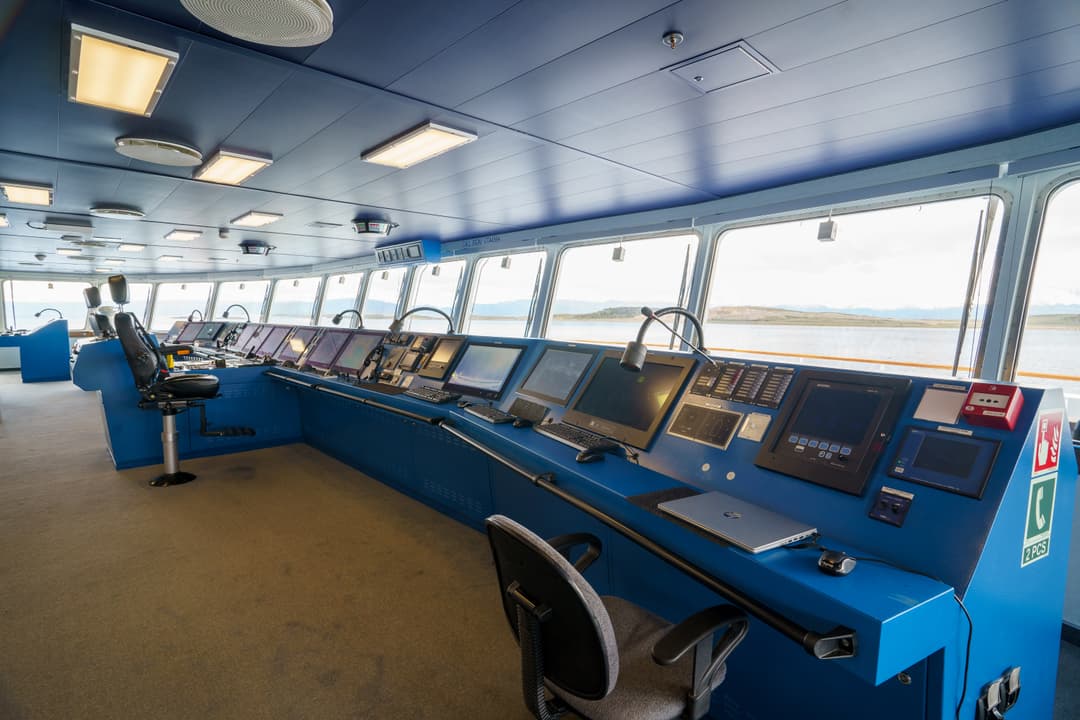
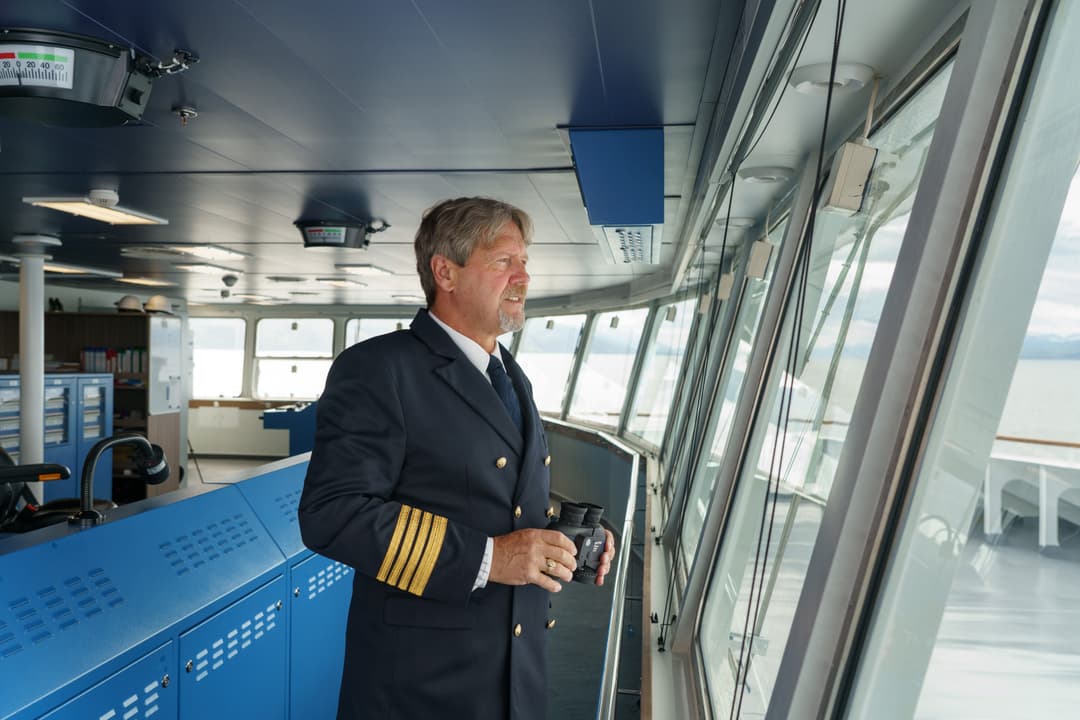
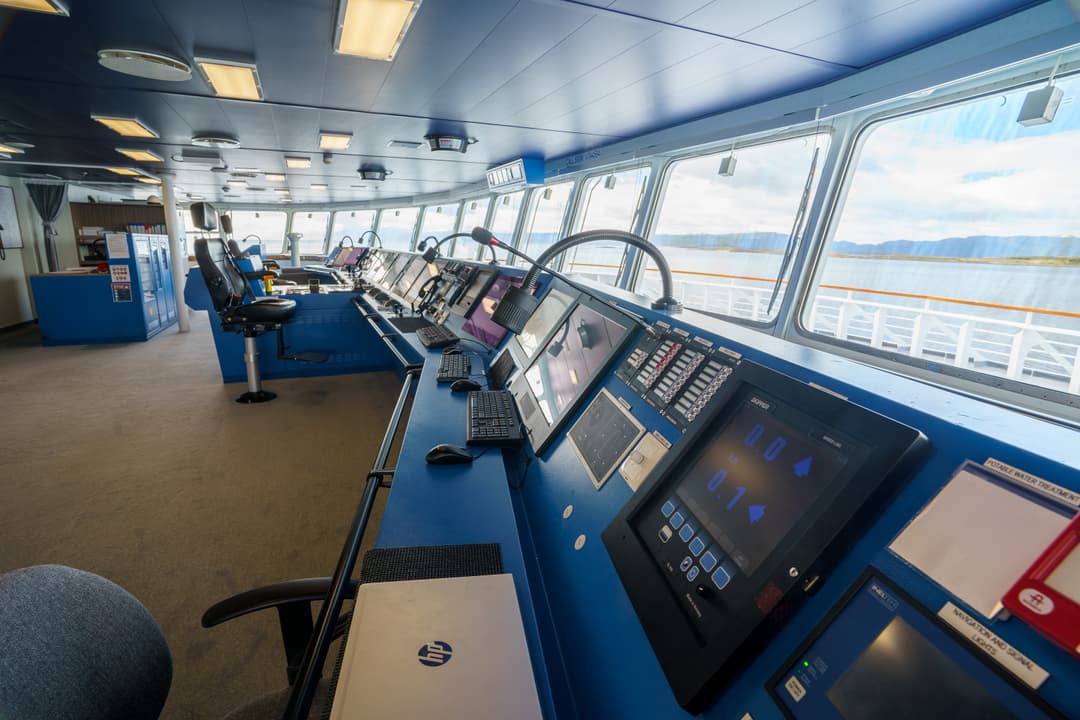
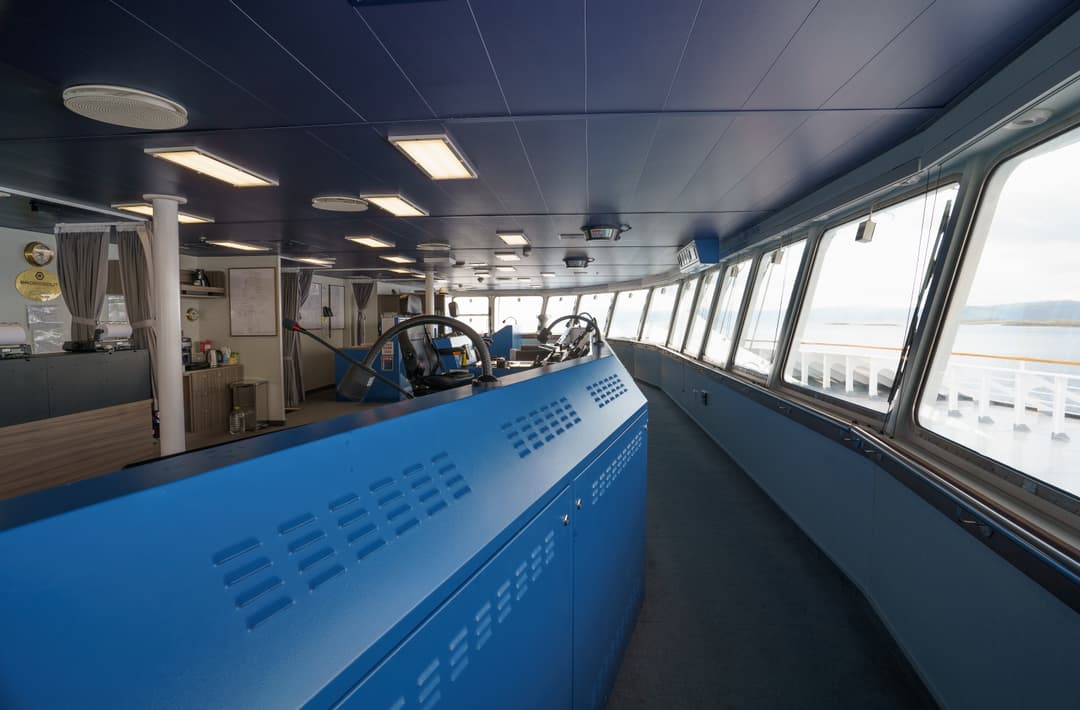
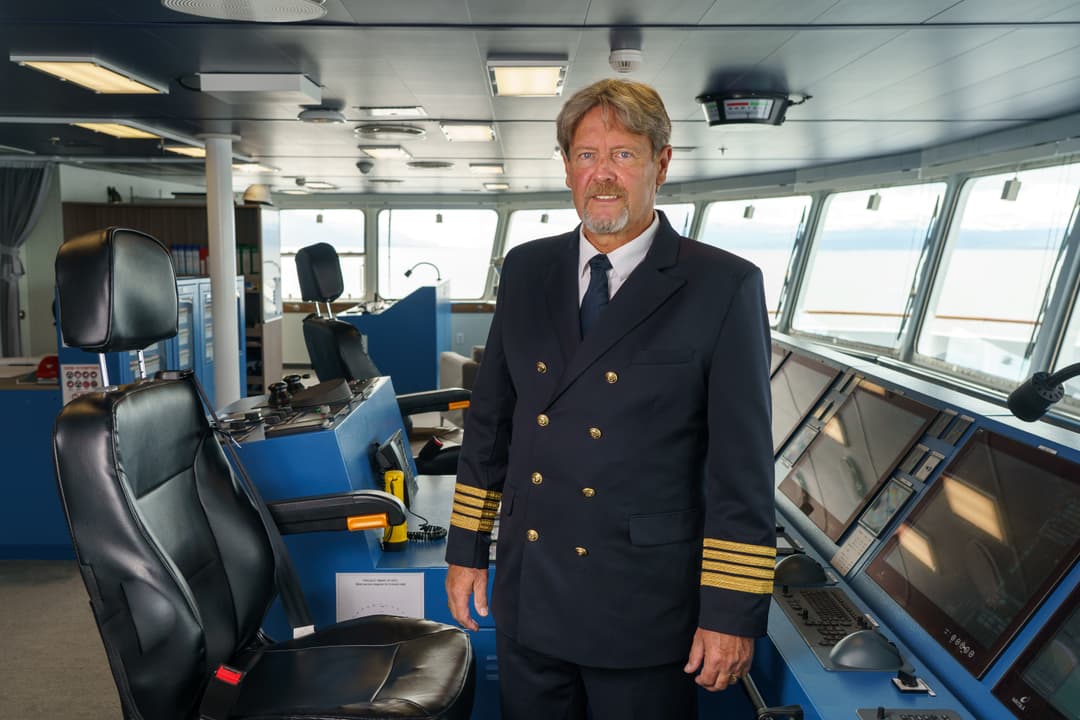
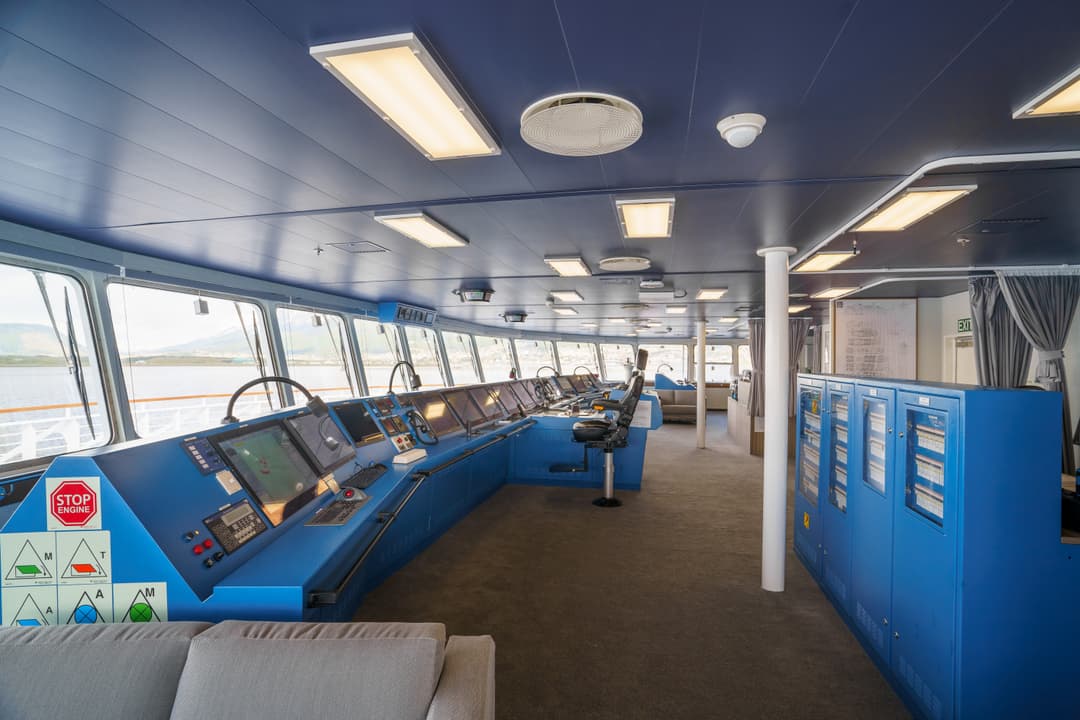
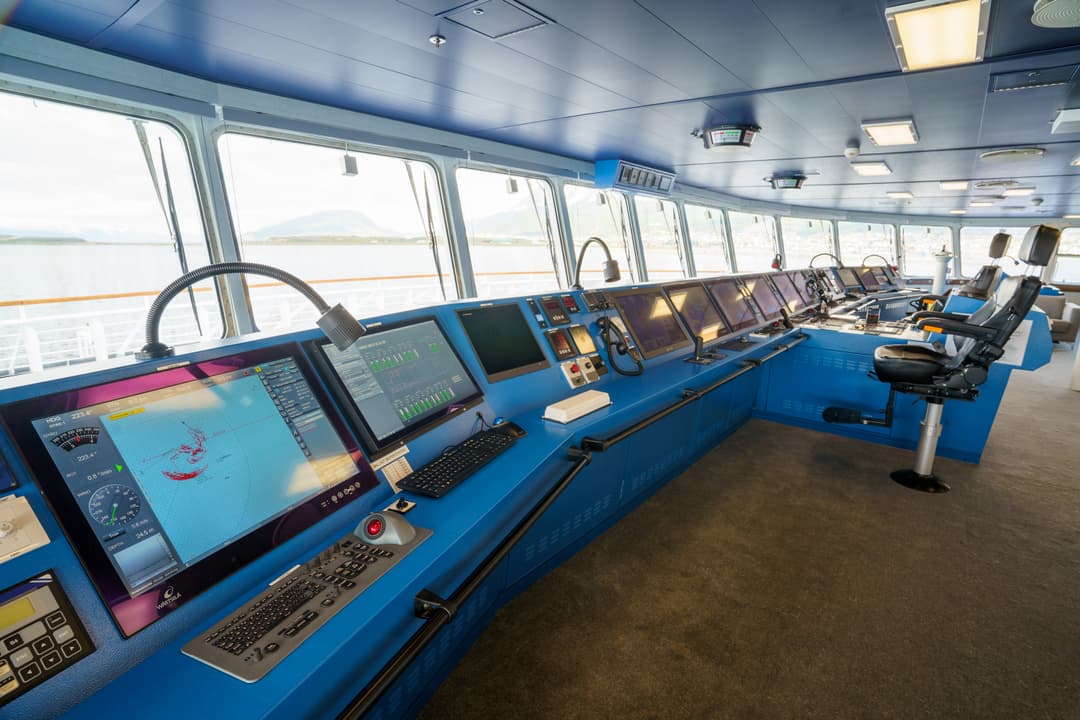




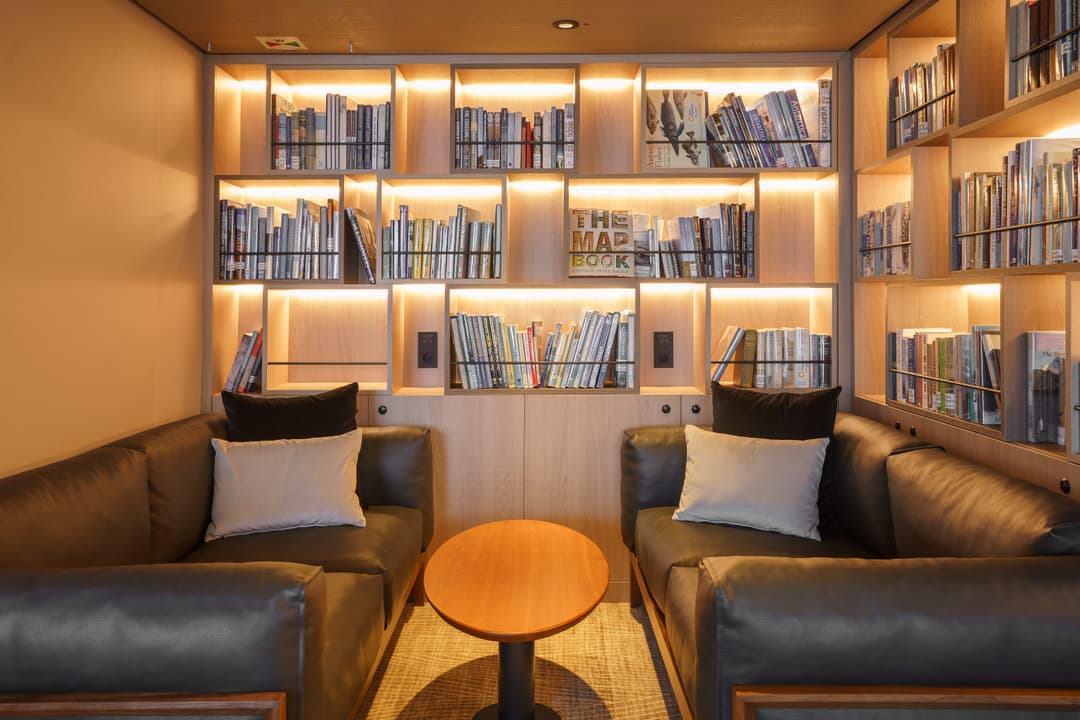
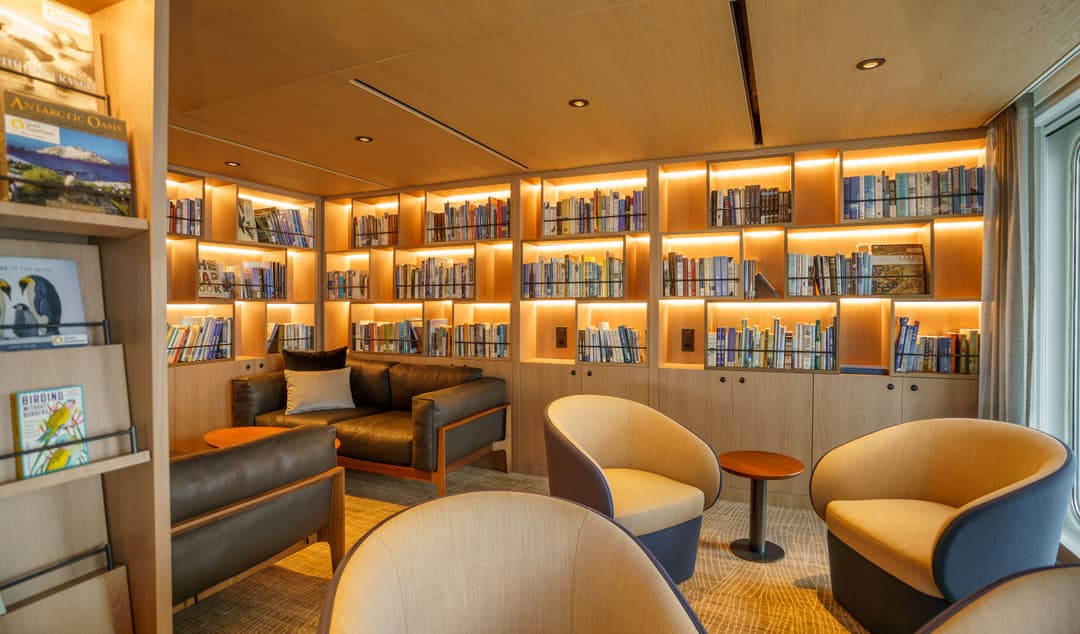
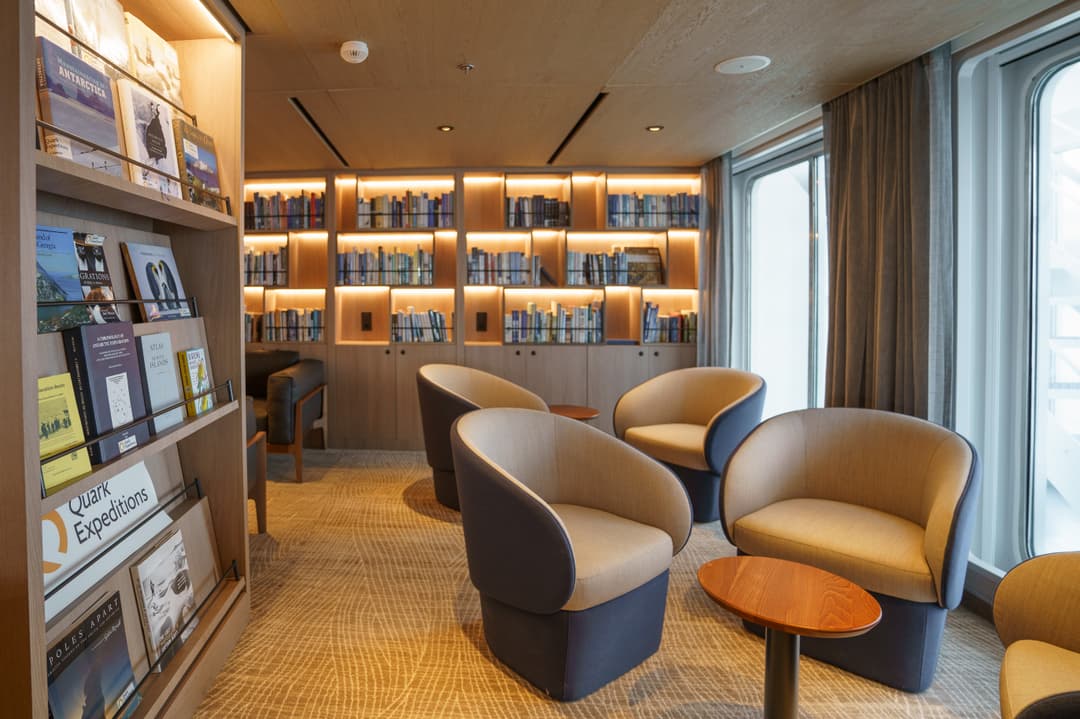
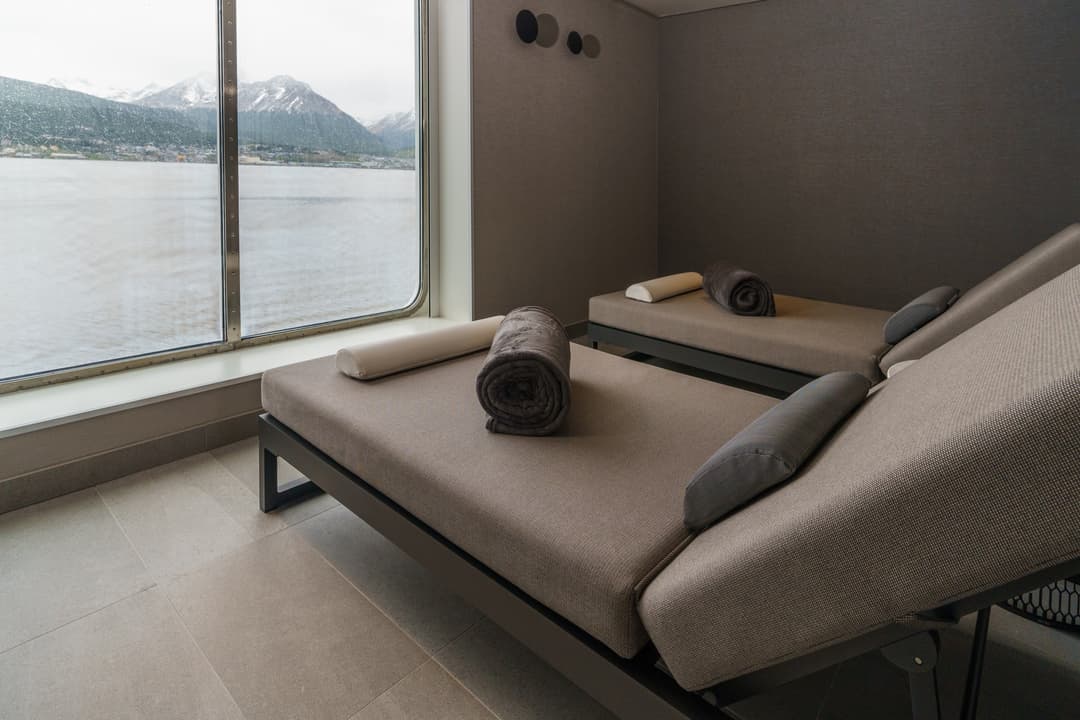

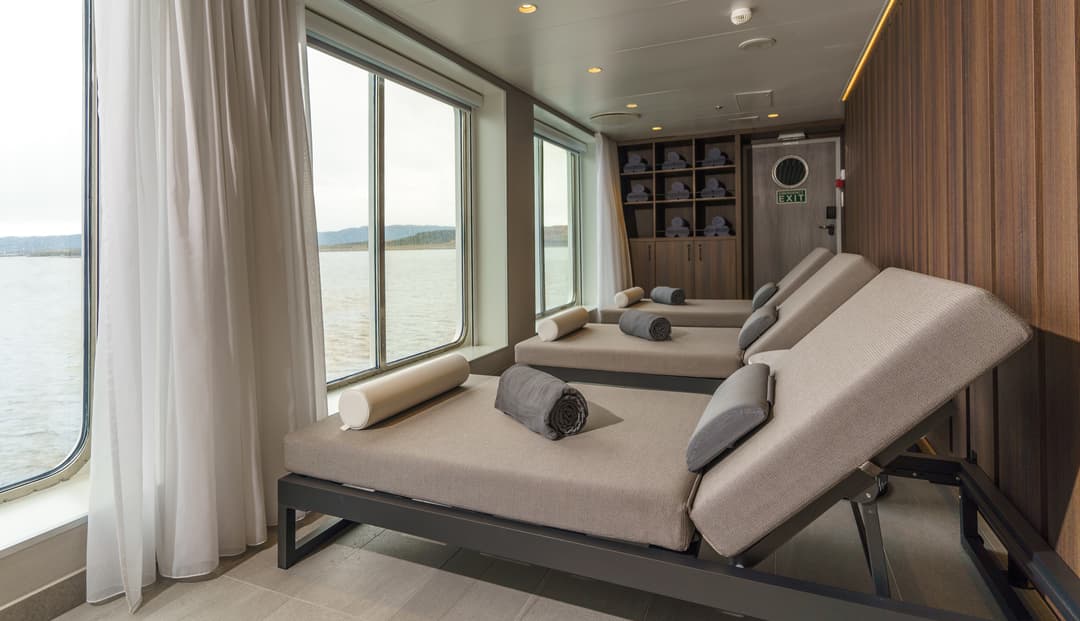
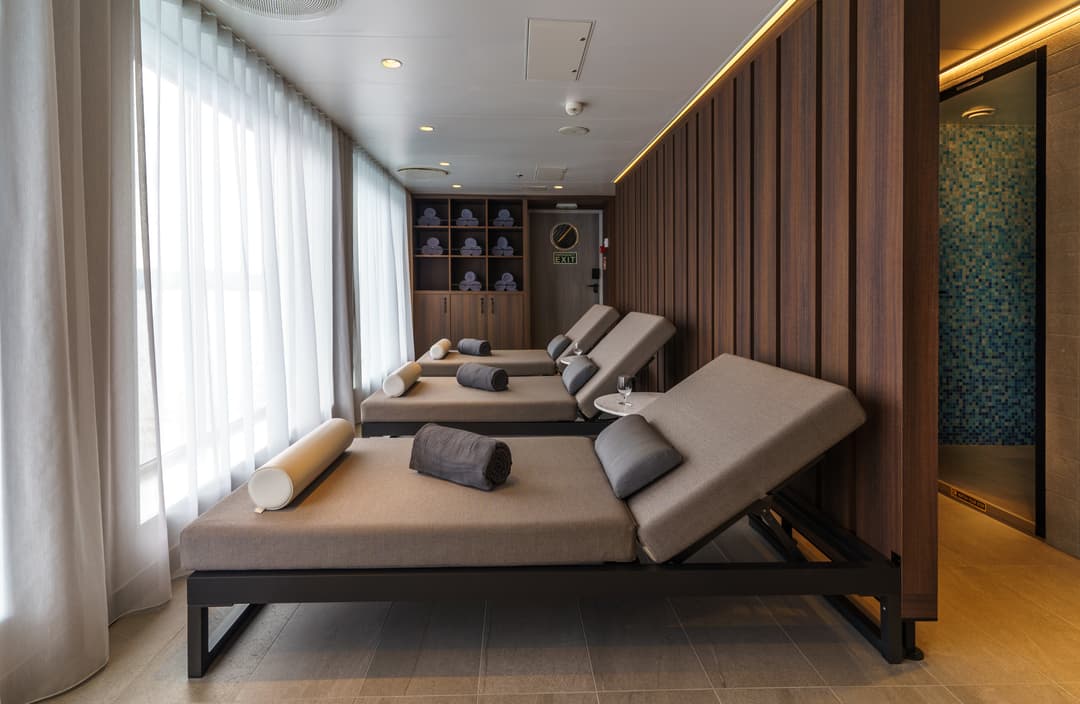



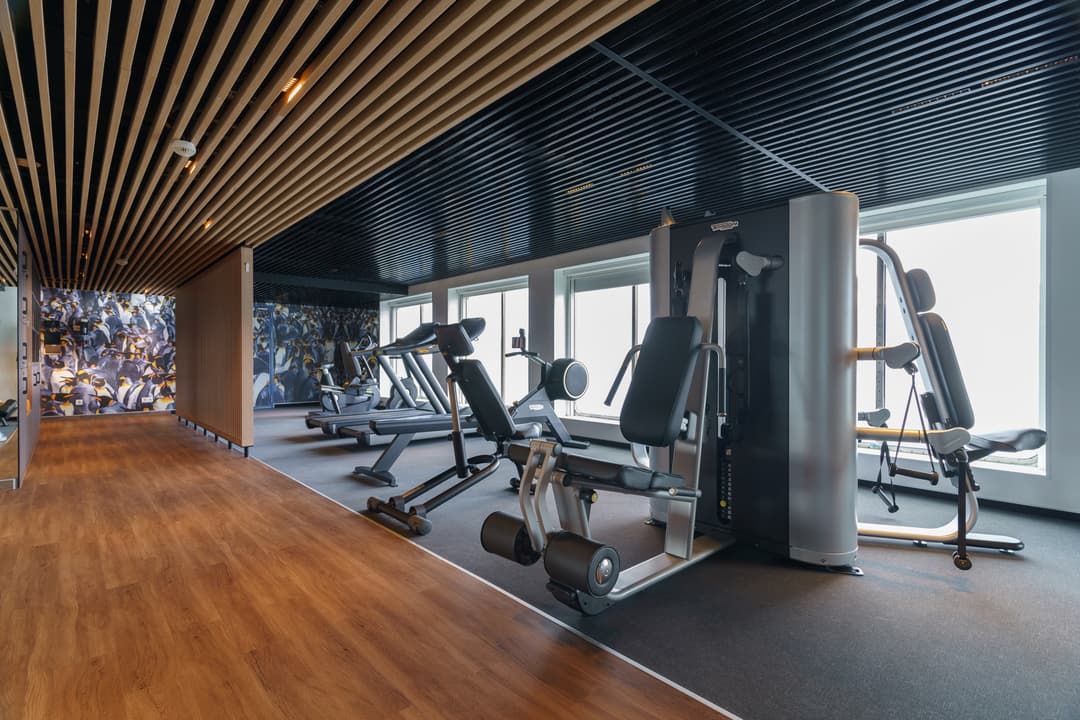
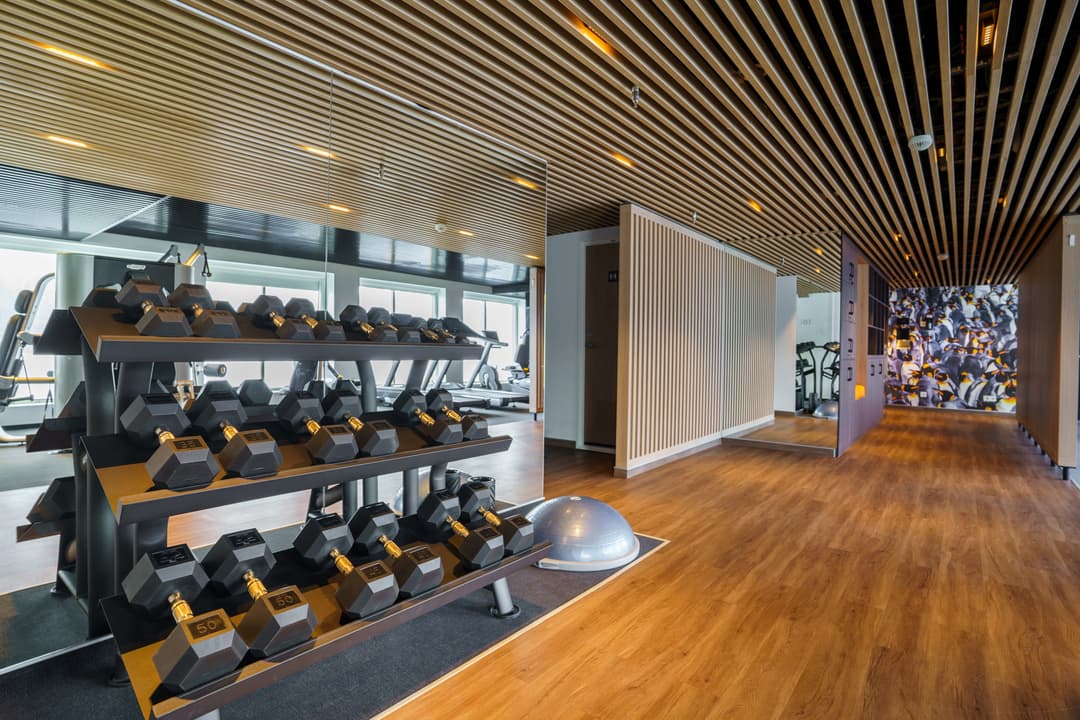

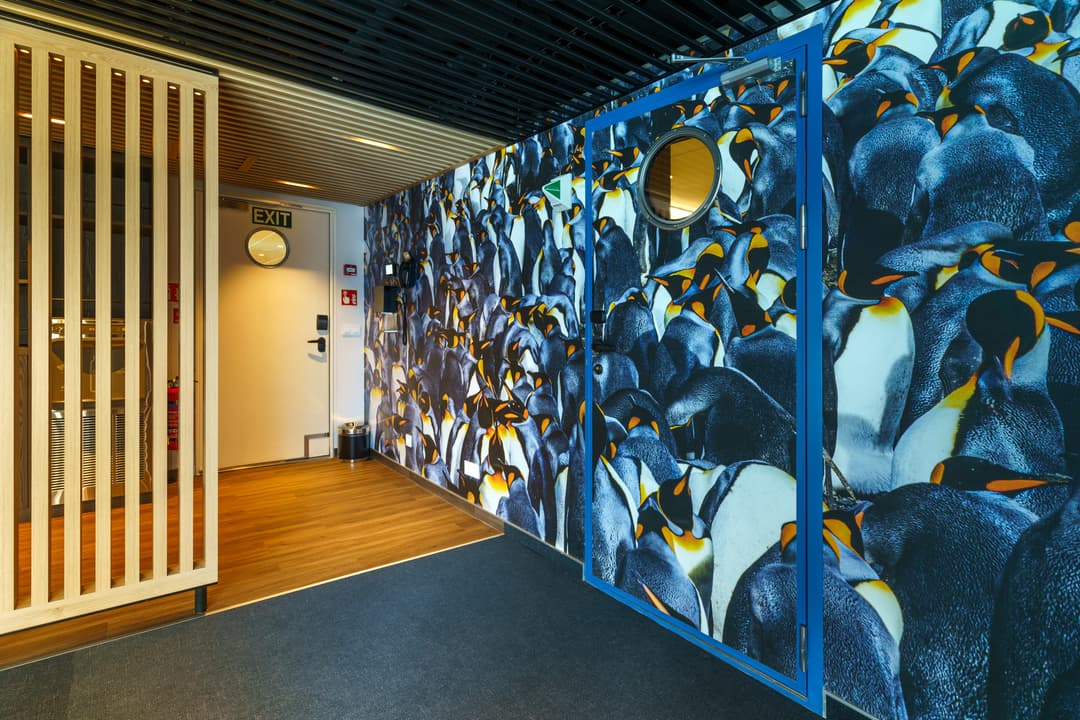



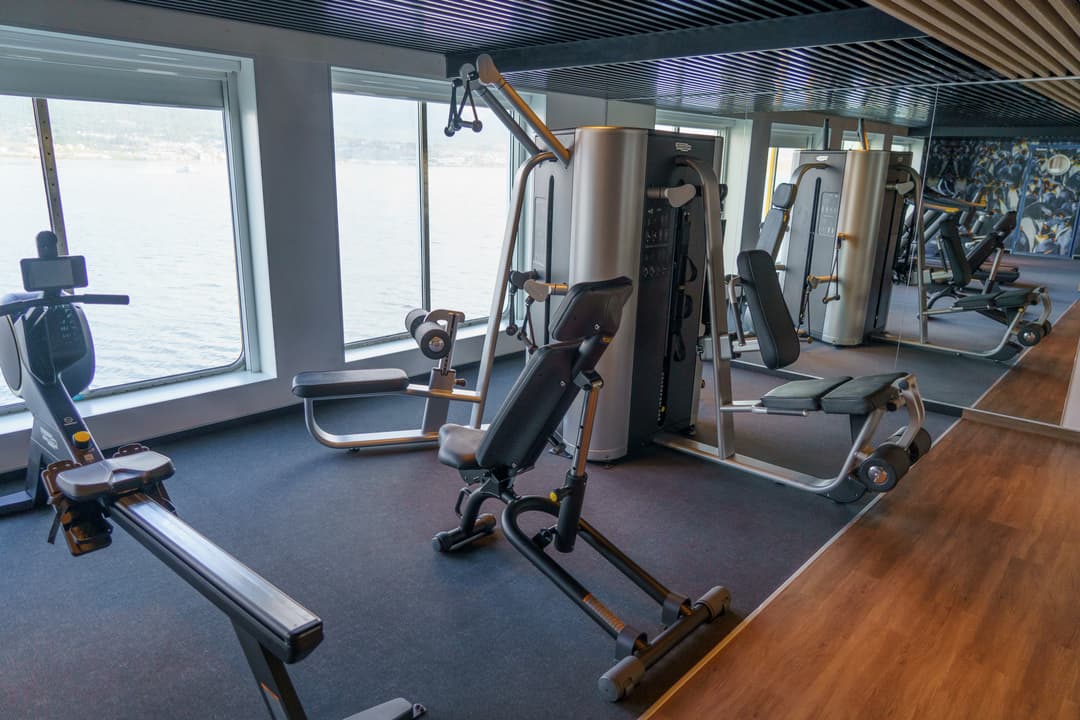
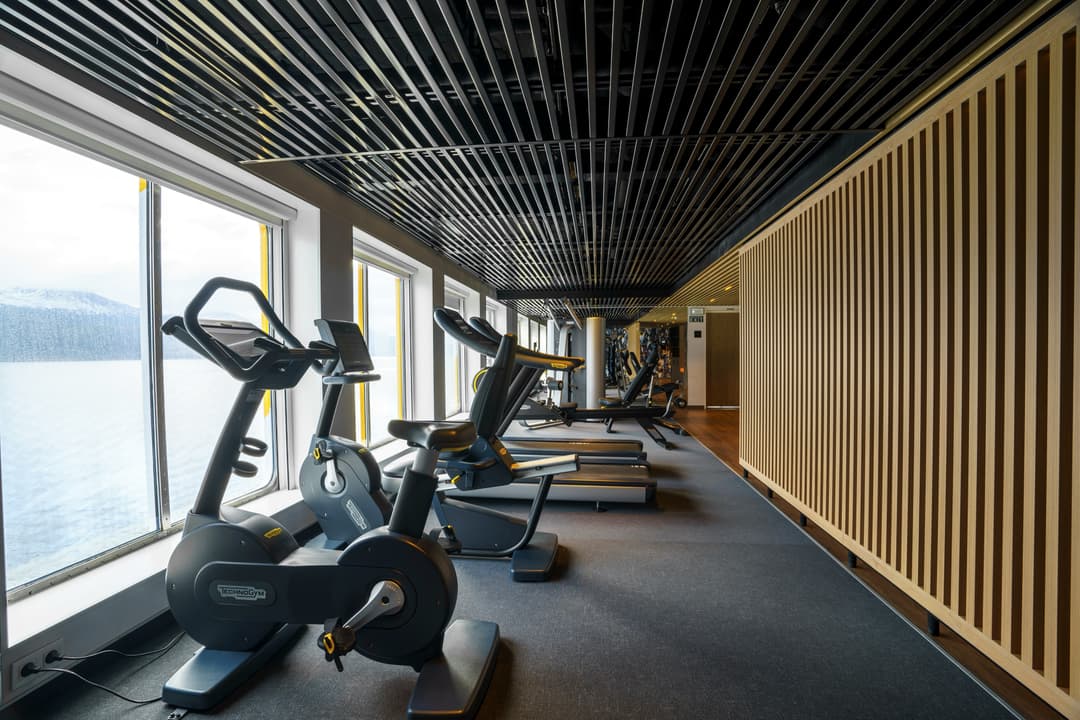
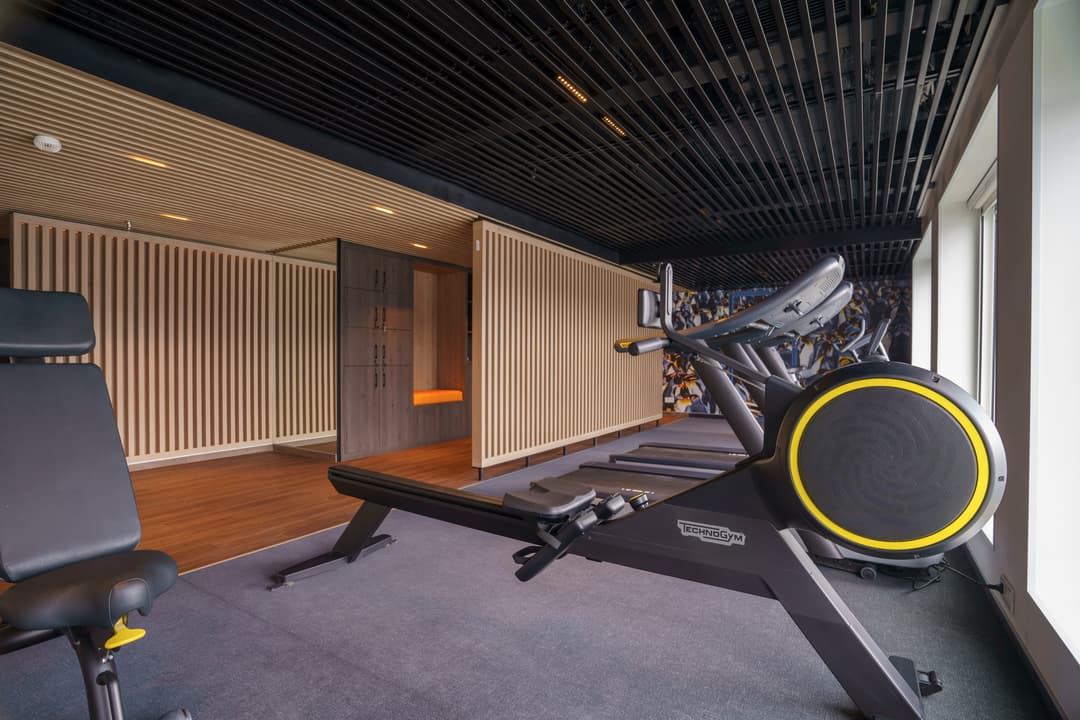
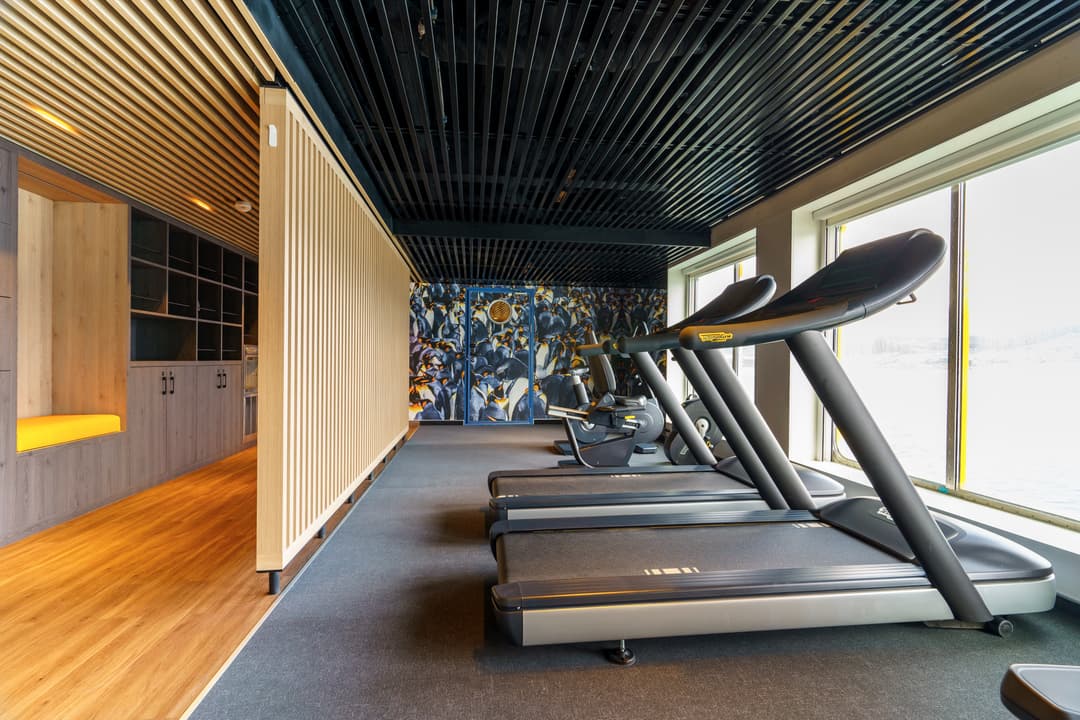
Every vessel in our fleet becomes an expedition base camp. Unpack once. Visit an exciting range of places, because the ship moves from place to place. The ships are equipped with inflatable landing crafts known as Zodiacs. They are used for shore landings and ocean-level cruising.
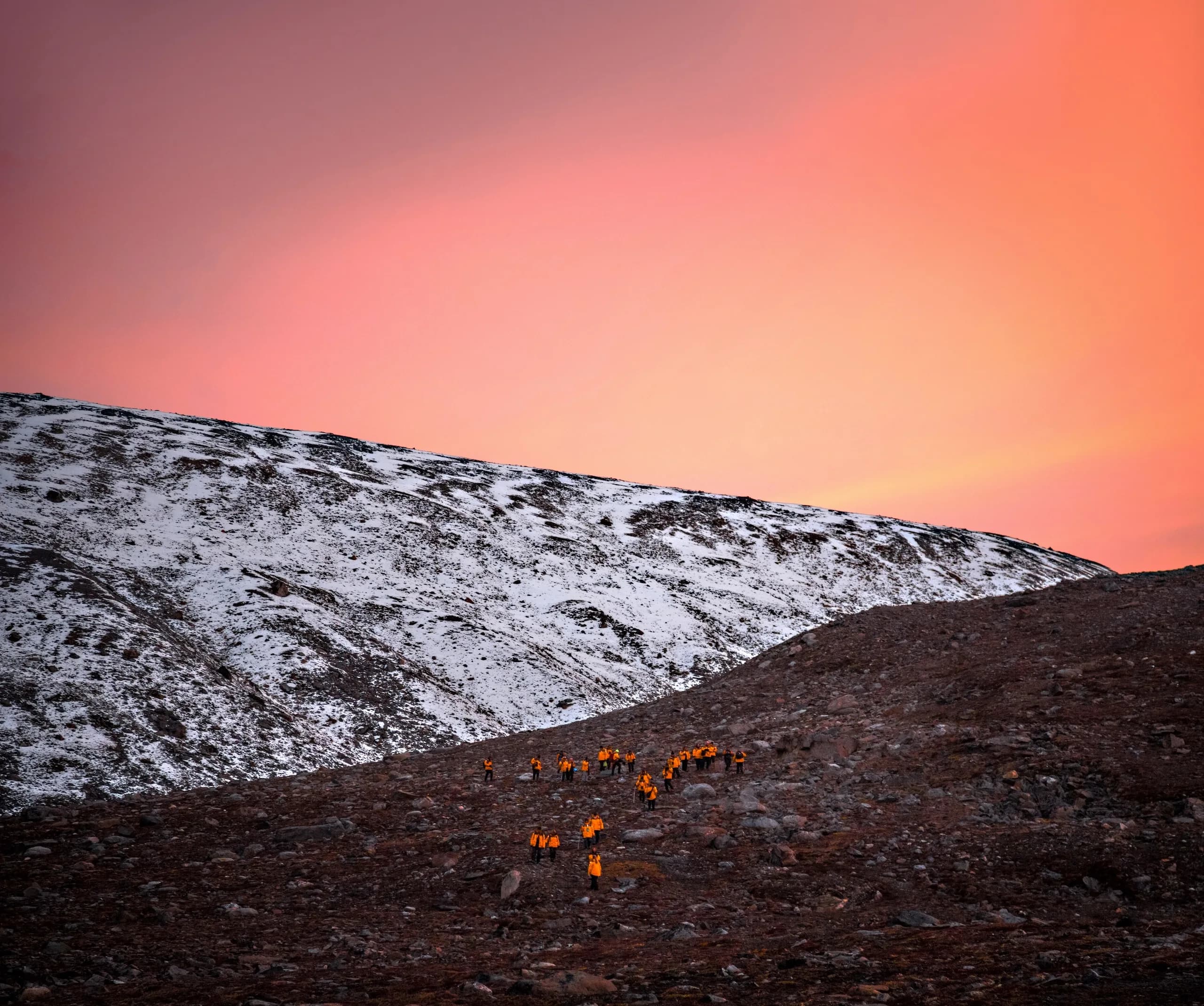
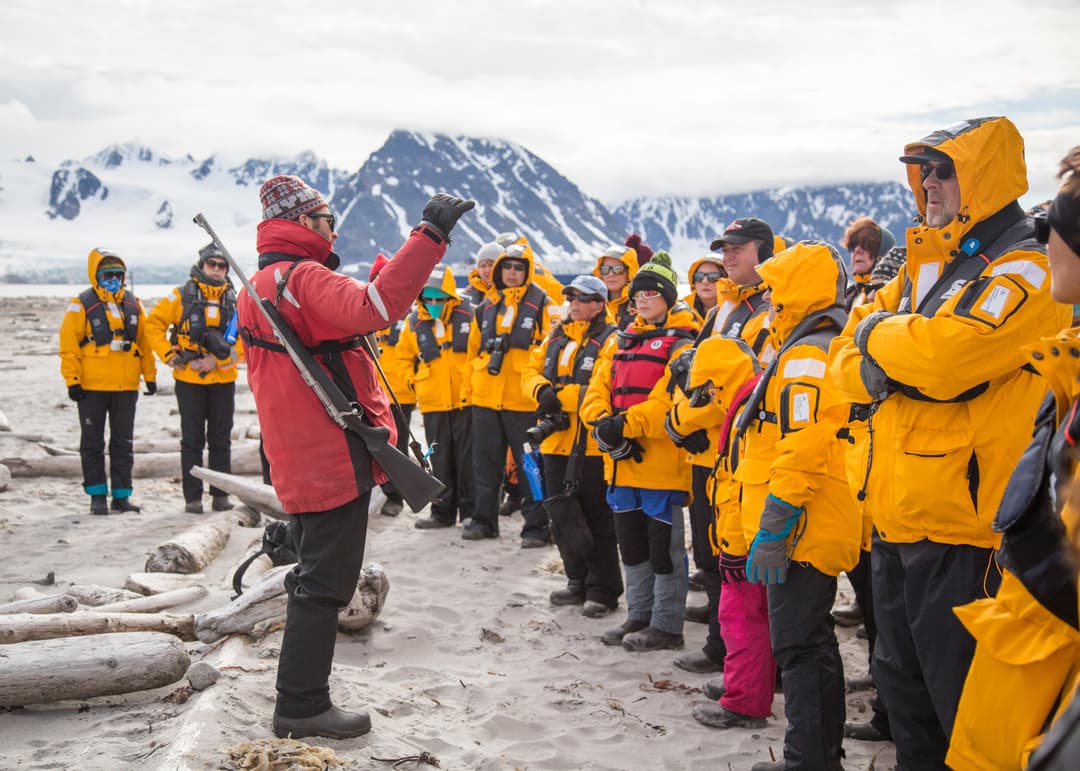
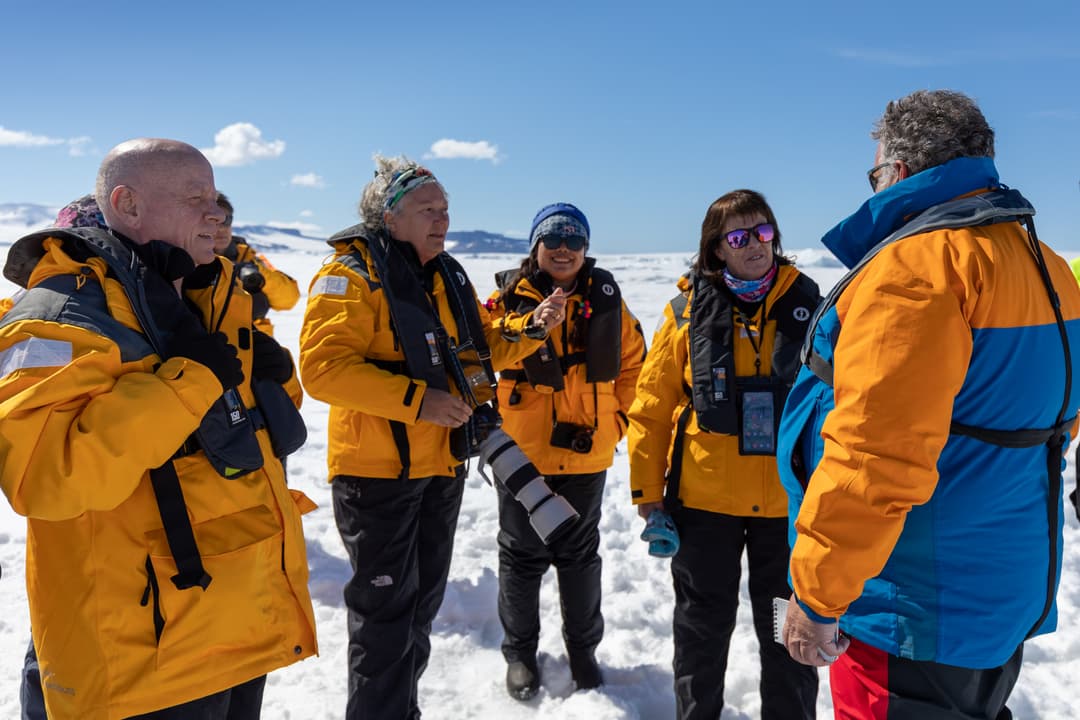
Activities off the ship are called shore landings or Zodiac cruising. These are daily activities. In the Arctic, you may visit Inuit in their home communities. In the Antarctic, you may visit research stations manned by scientists who brave the extreme environment to add to our knowledge of wildlife, climate and ice. You will hike carpeted tundra valleys or glistening ice fields. Optional activities∘ include kayaking, cross-country, camping, skiing and mountaineering.
The capacity of the vessel determines where you go ashore and how often in Antarctica.
In Antarctica, we operate under International Association of Antarctica Tour Operators (IAATO) guidelines that limit the number of travelers and Expedition Staff ashore during a landing. No more than 100 people can be ashore at any one time, and in some locations that number is 50. Quark operates small expedition vessels, and none of our Antarctic vessels carry more than 199 travelers.
Loading...
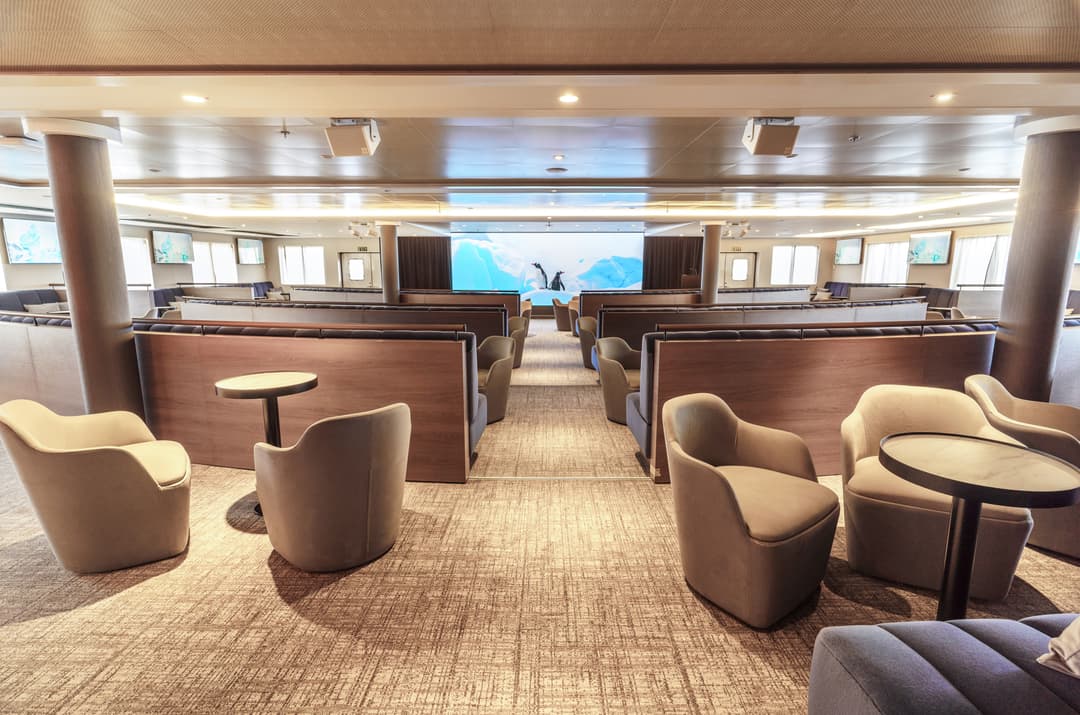


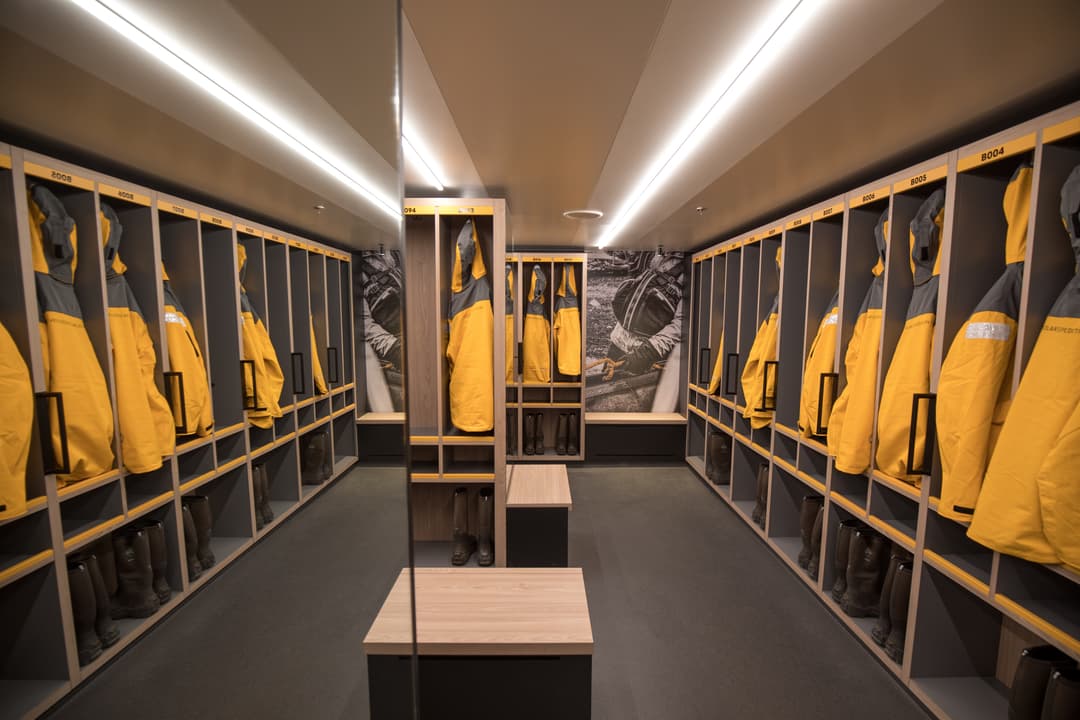
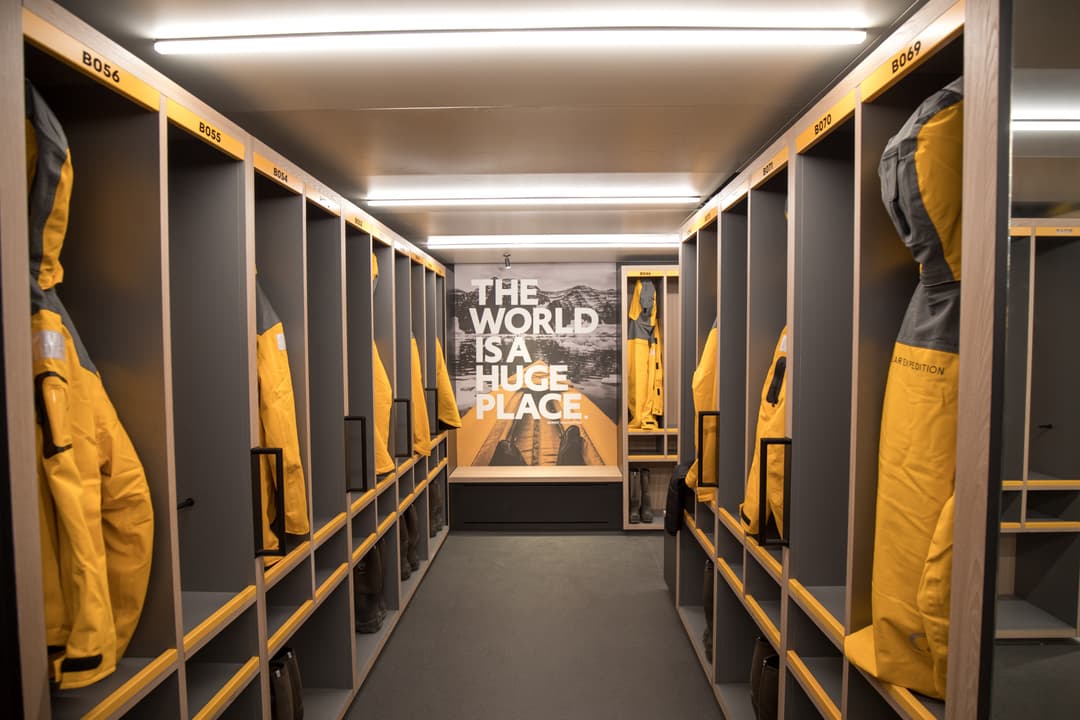
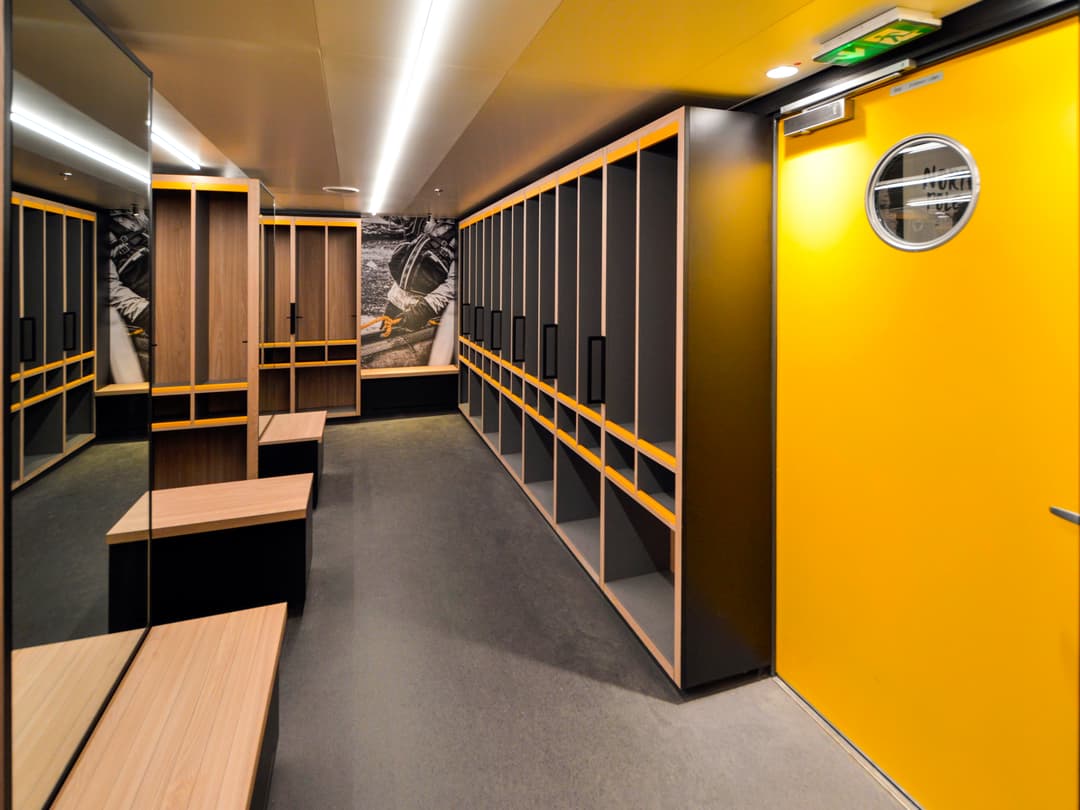
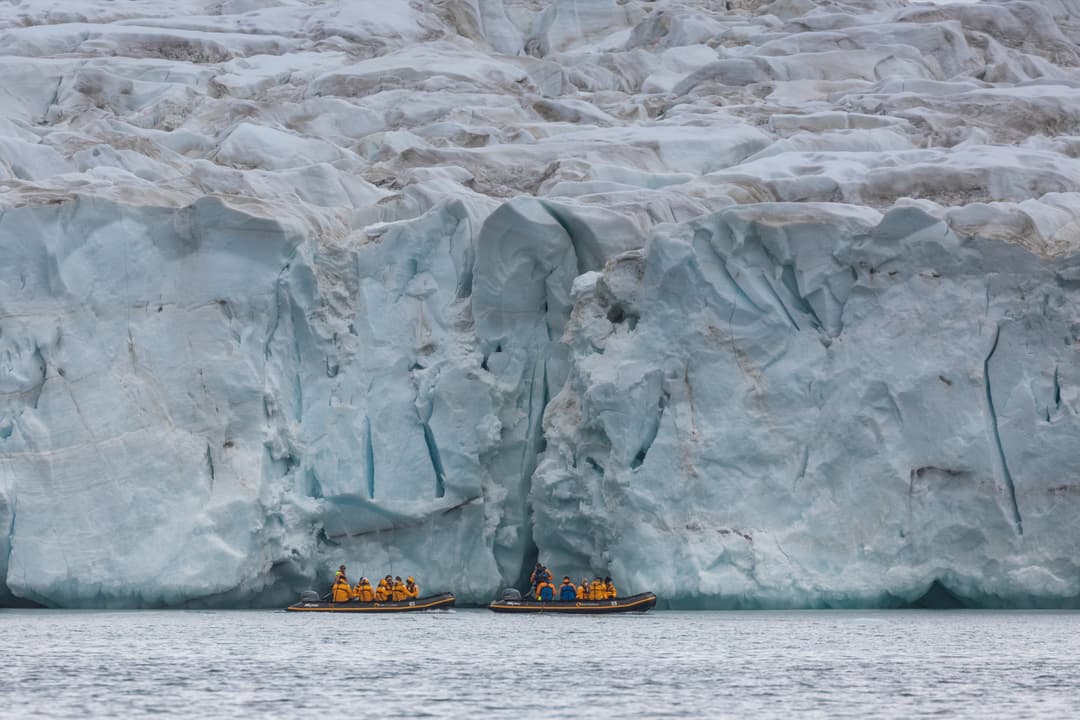
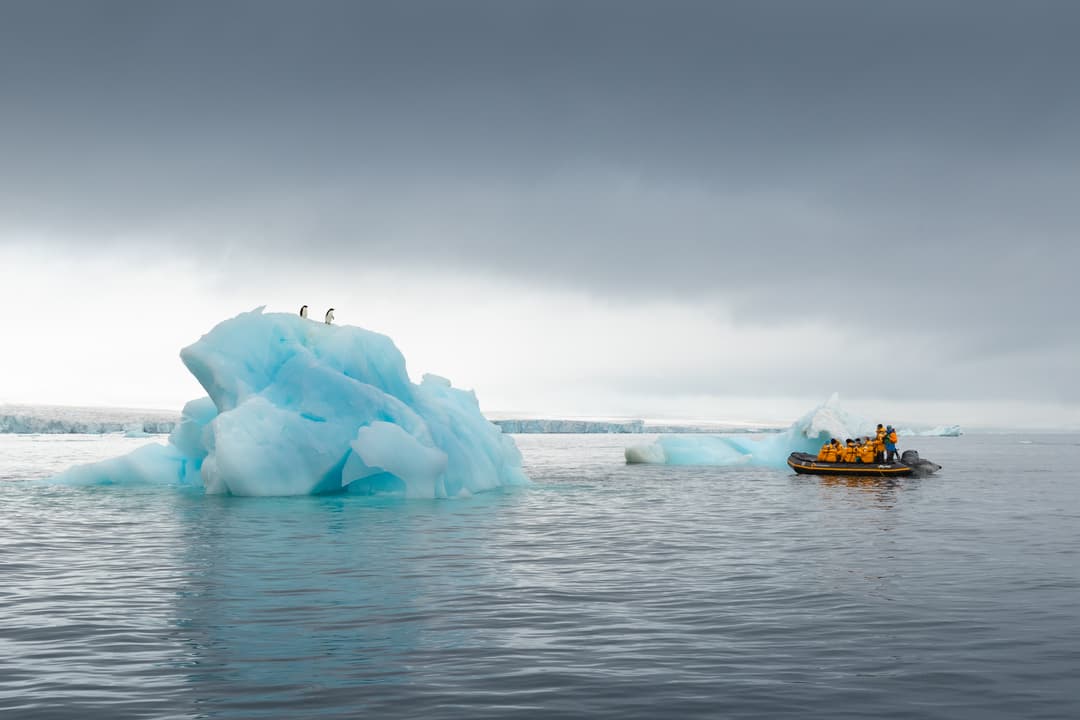
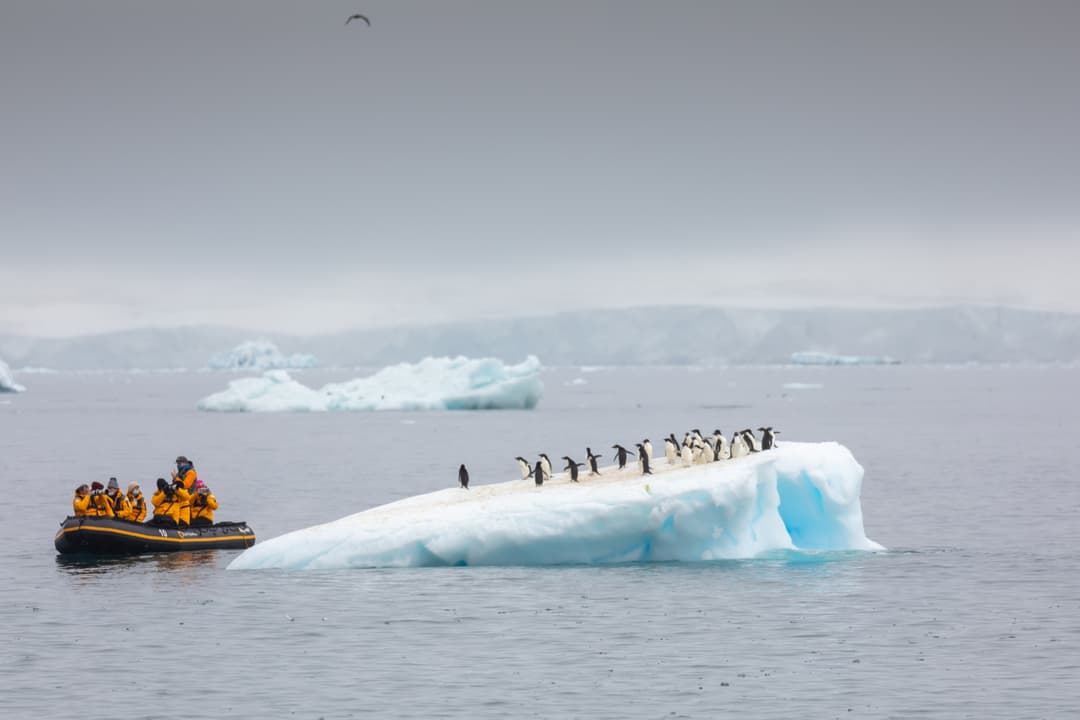
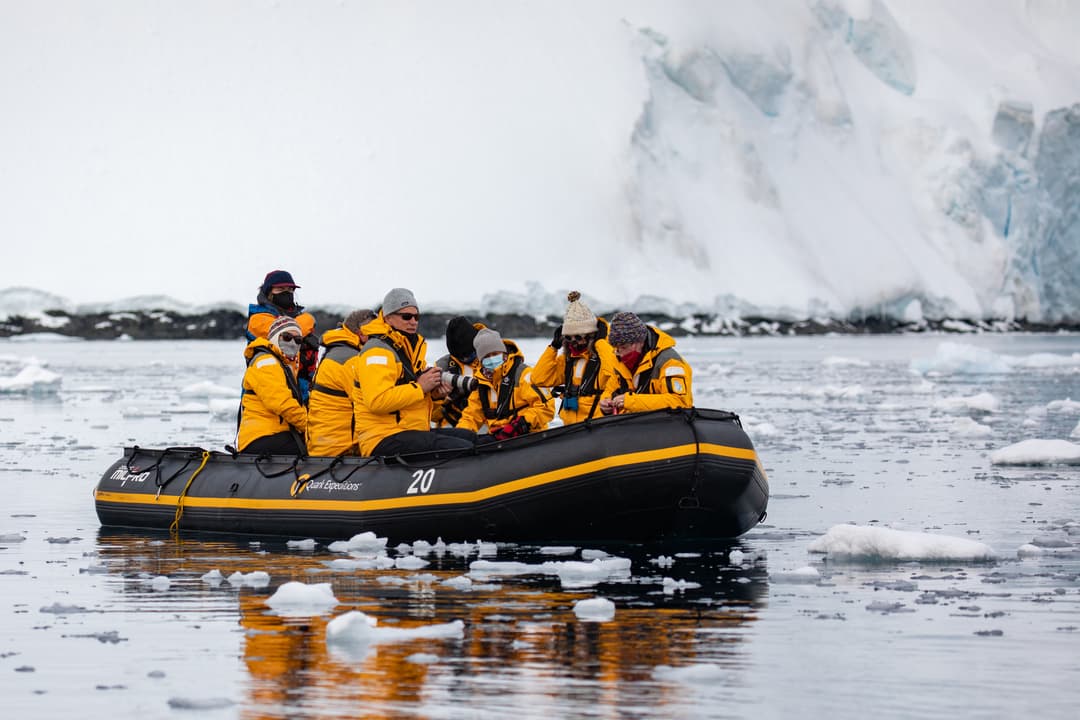
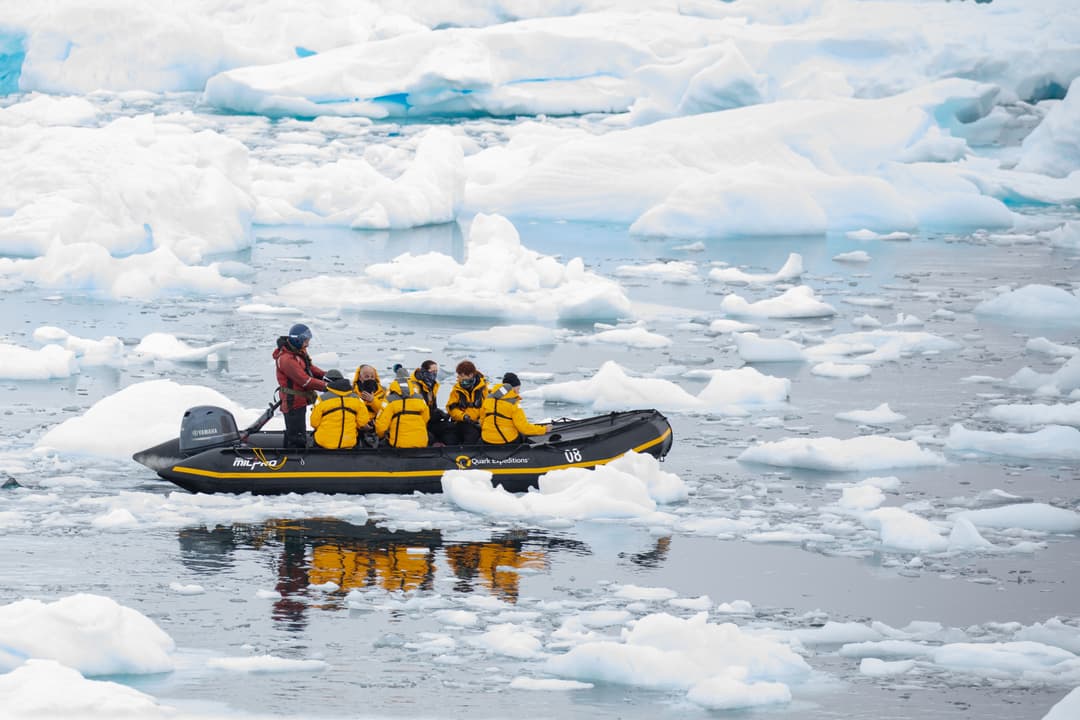
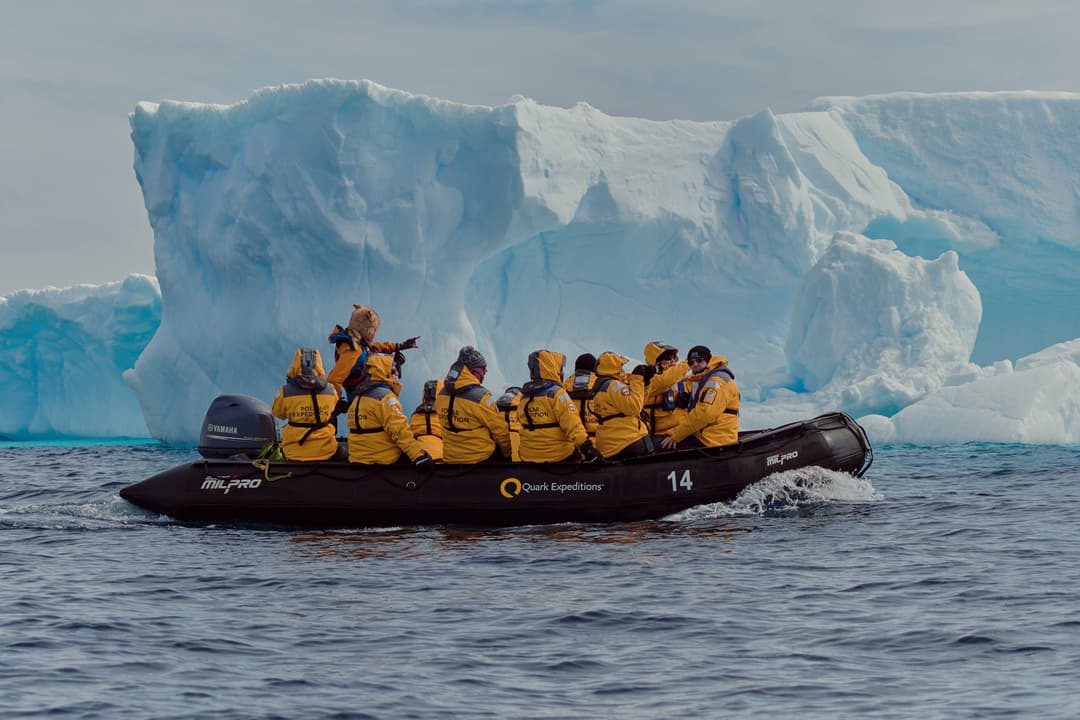
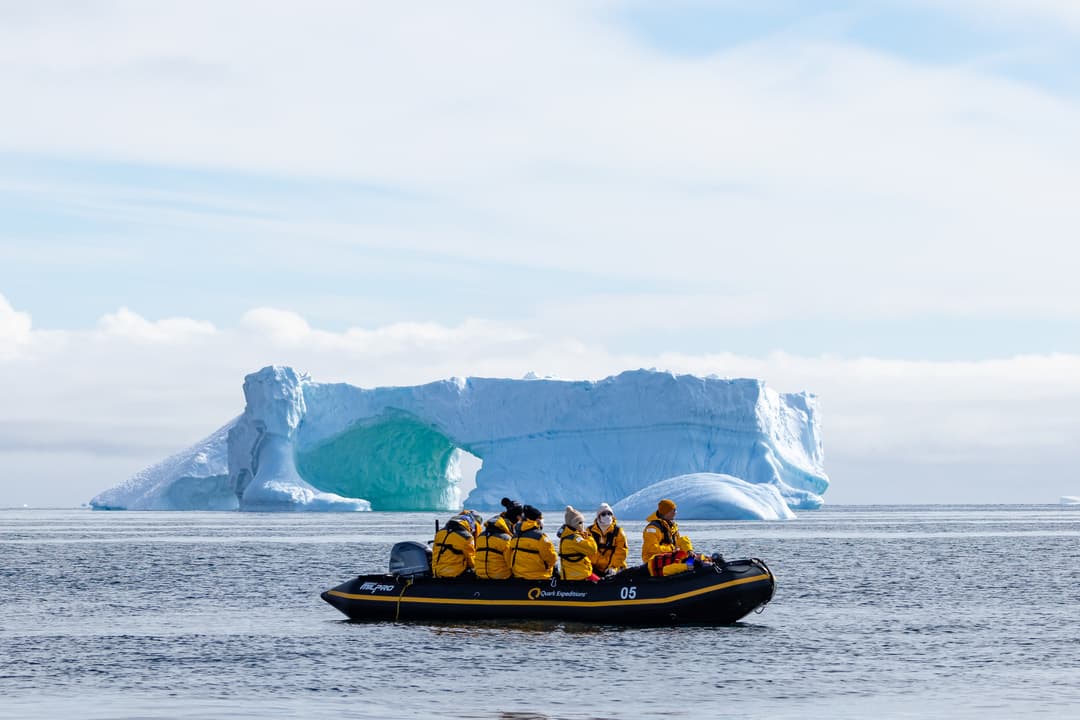
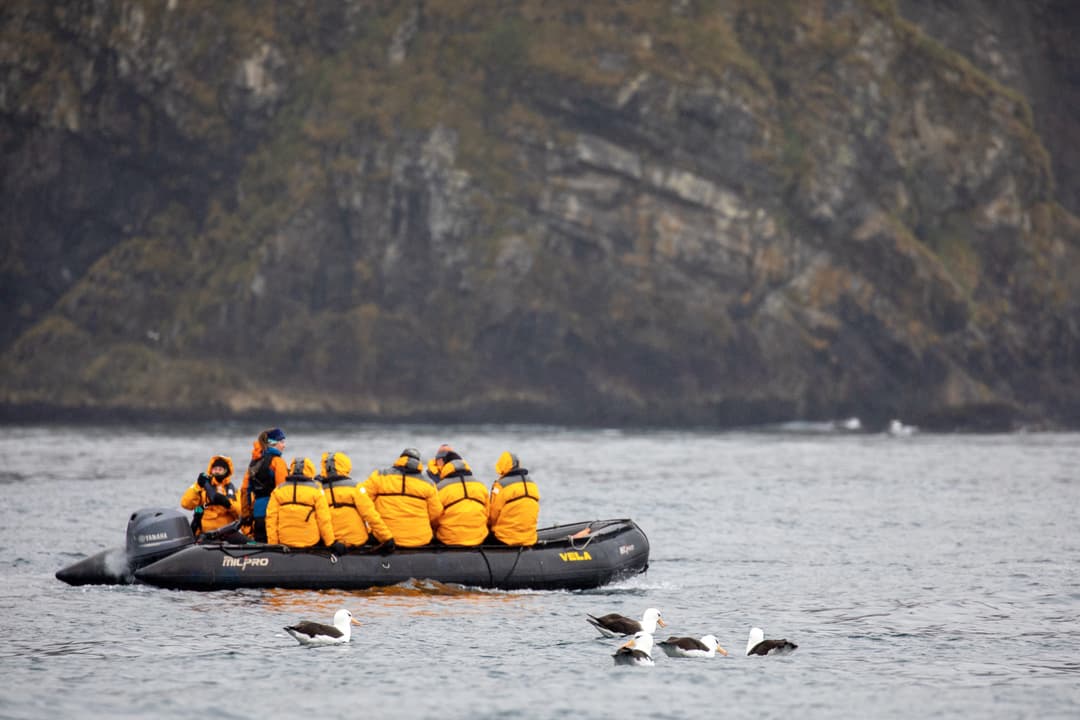
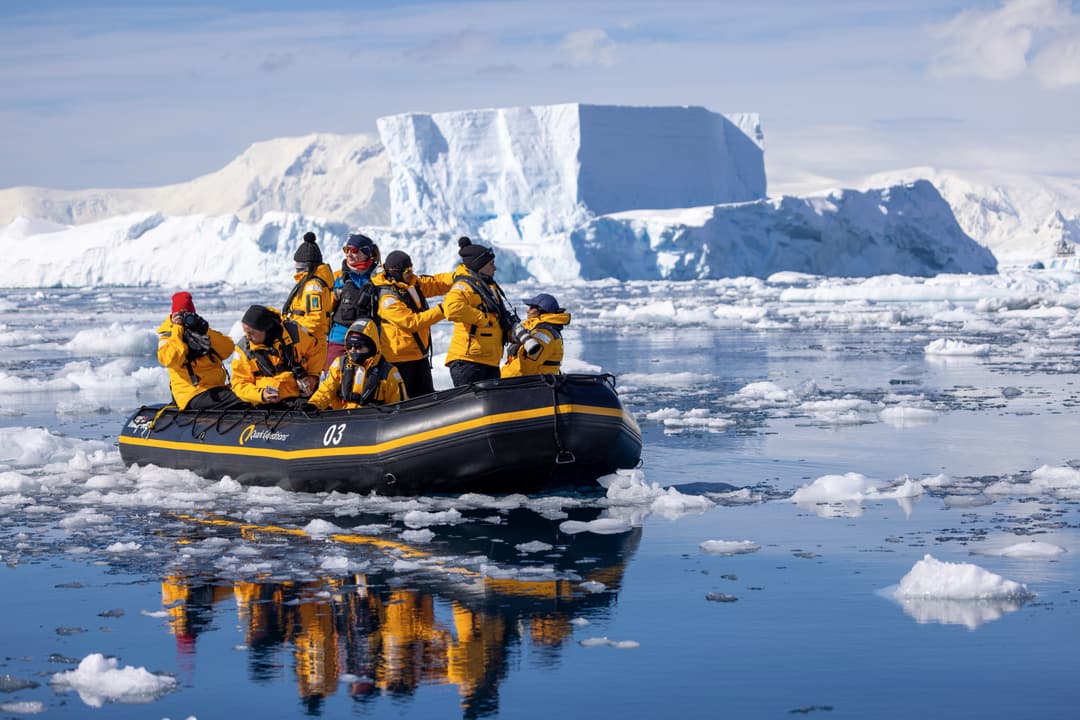
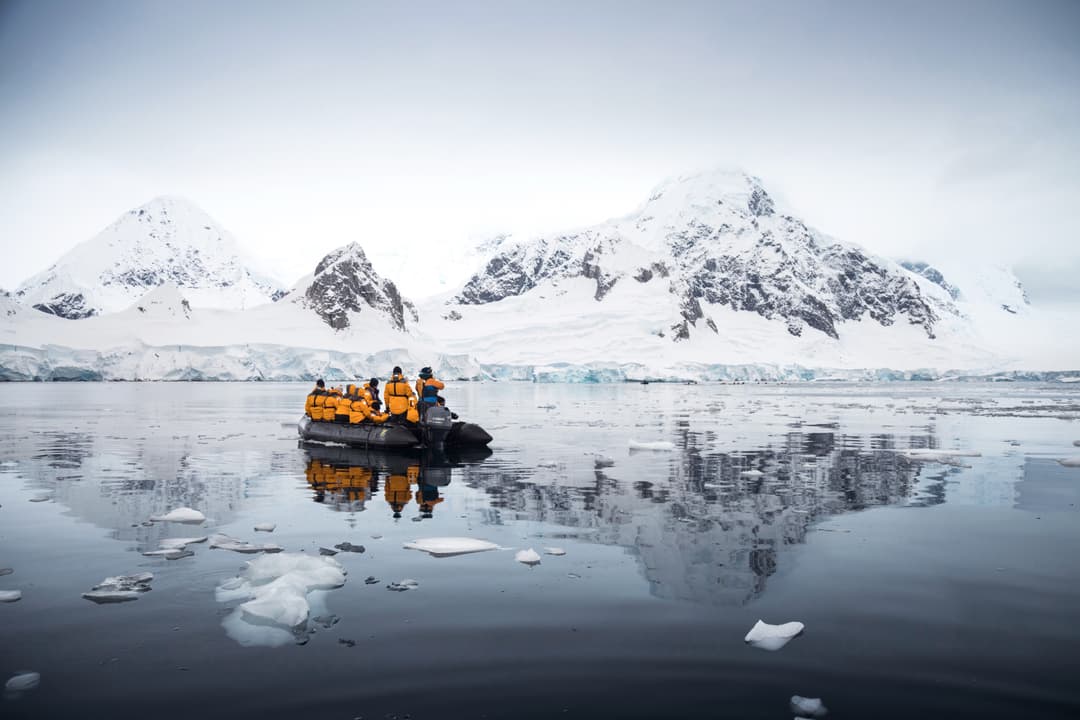
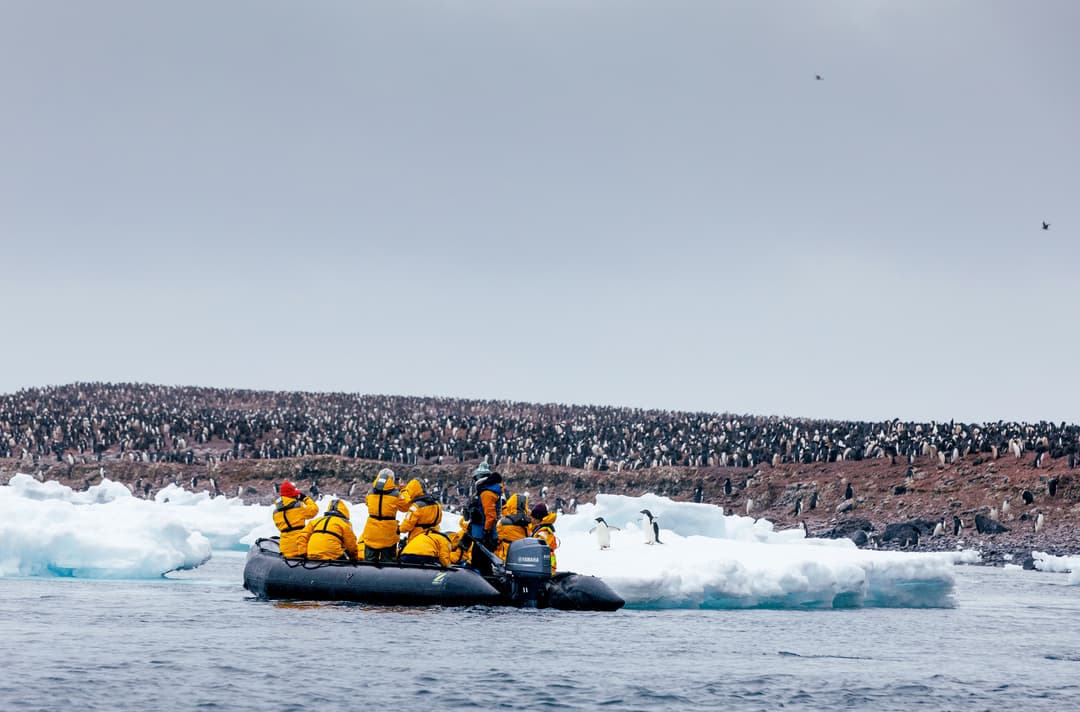
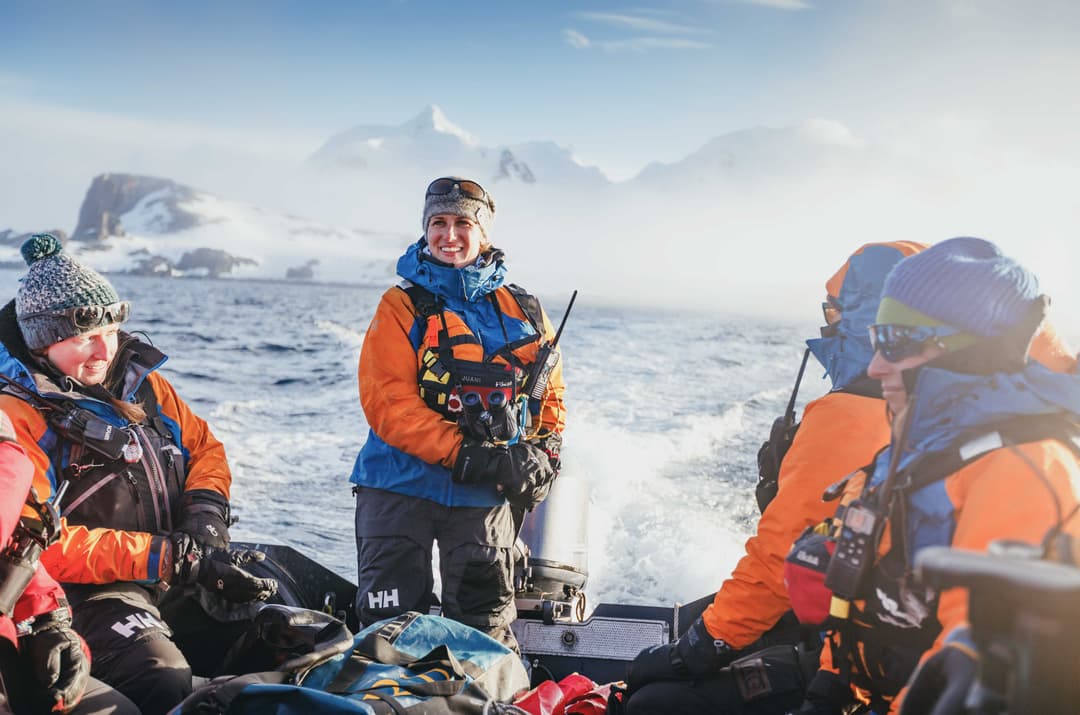
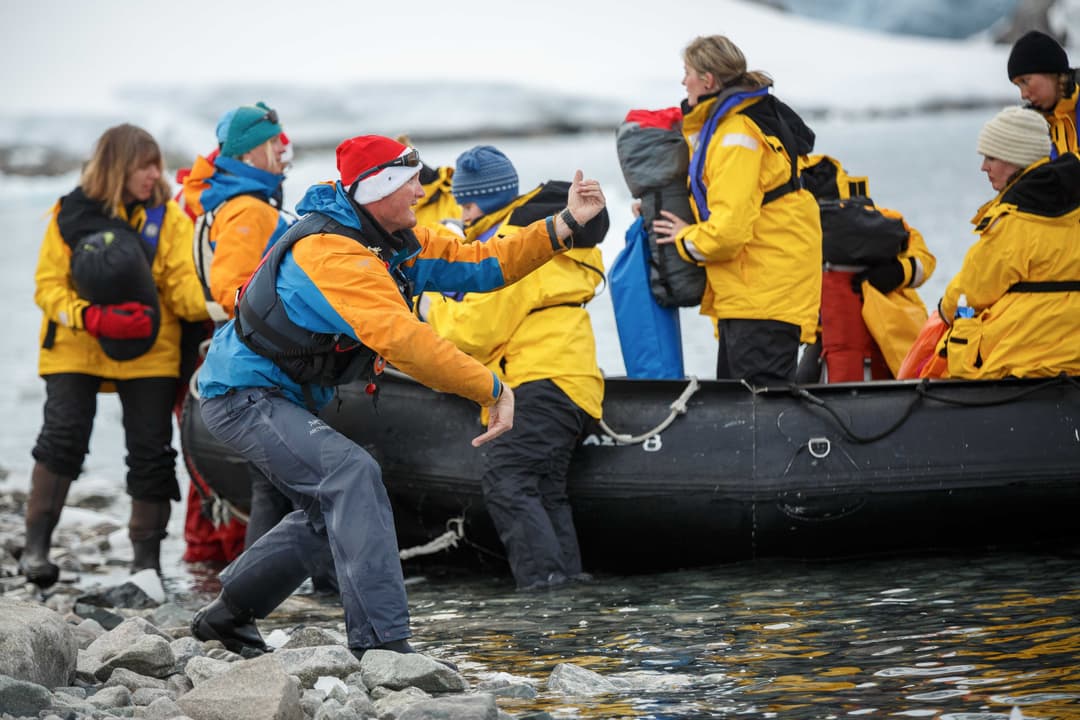
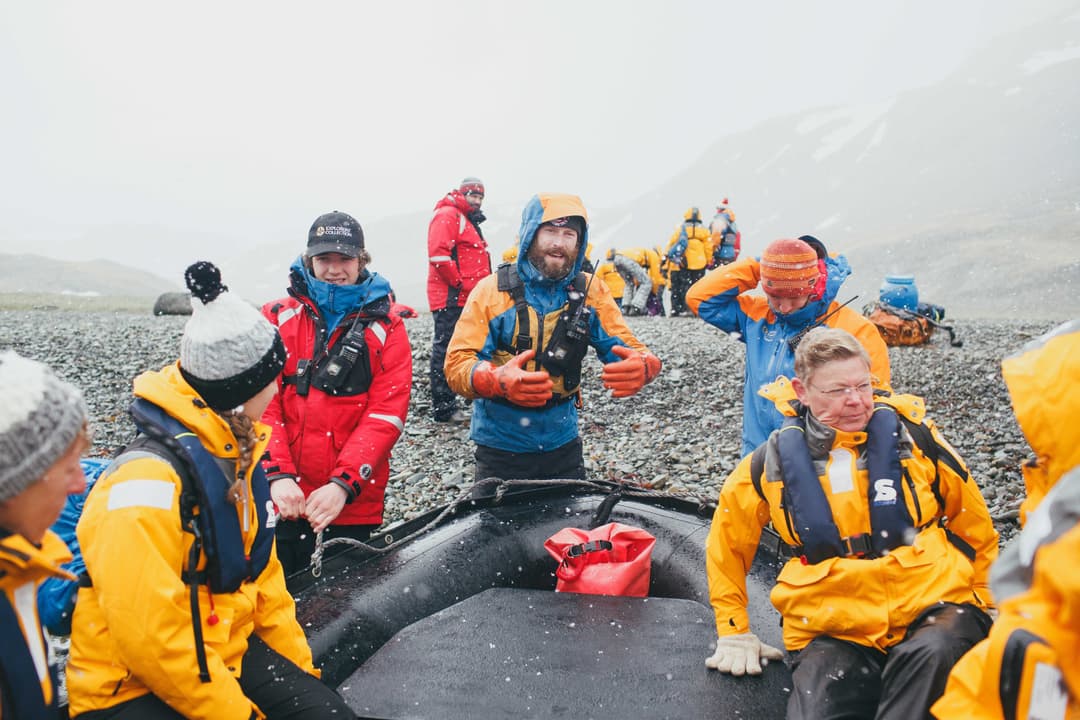
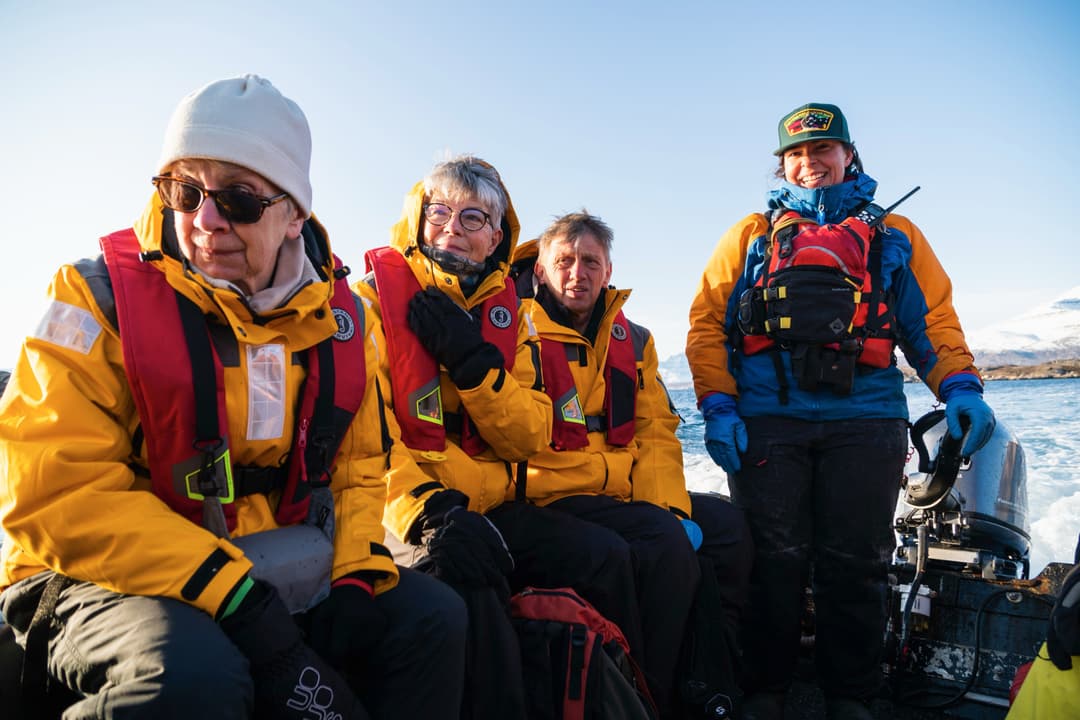
Zodiacs are used for transferring you ashore, transporting your luggage when necessary and for taking you ocean-level cruising among icebergs, whales and seabirds. During the expedition, you will visit remote and isolated sites that are accessible only by Zodiac.
These large, heavy-duty inflatable vessels are extremely safe and were specially designed for expedition work. Zodiacs are the workhorses of Polar expeditions. Separate air comp....
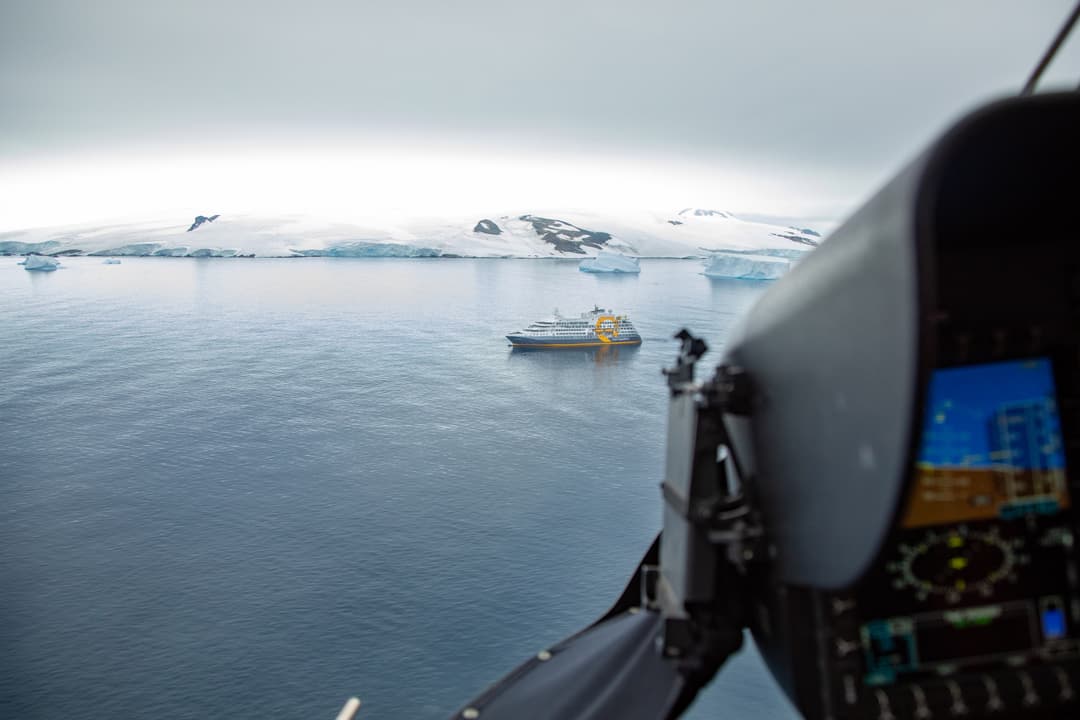
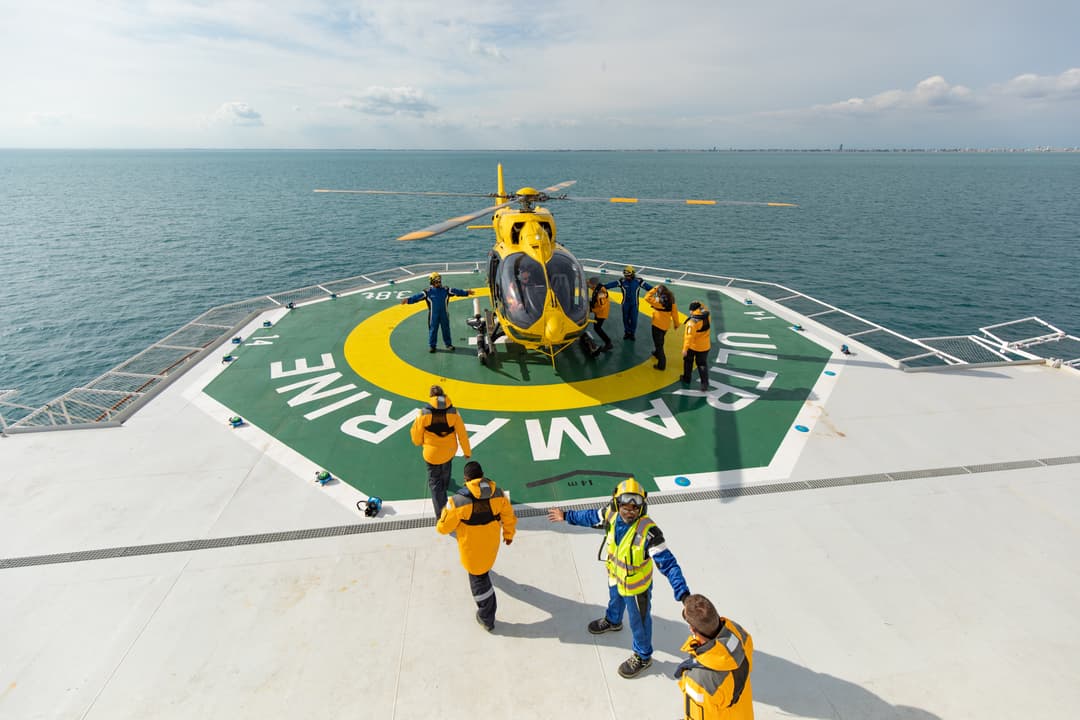
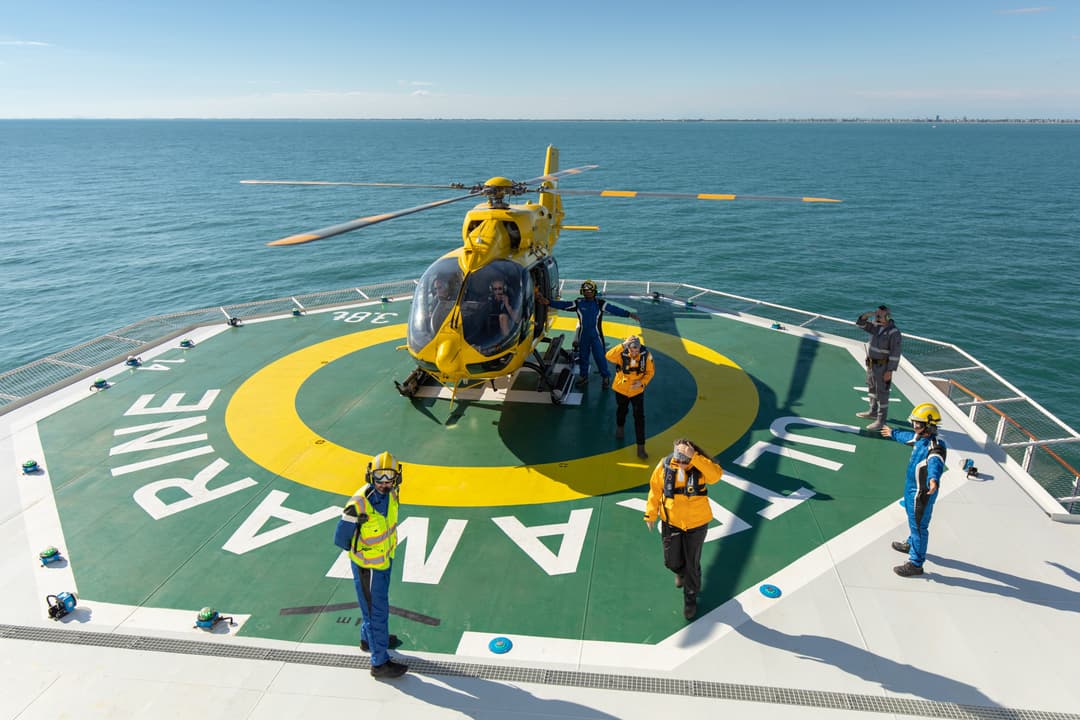
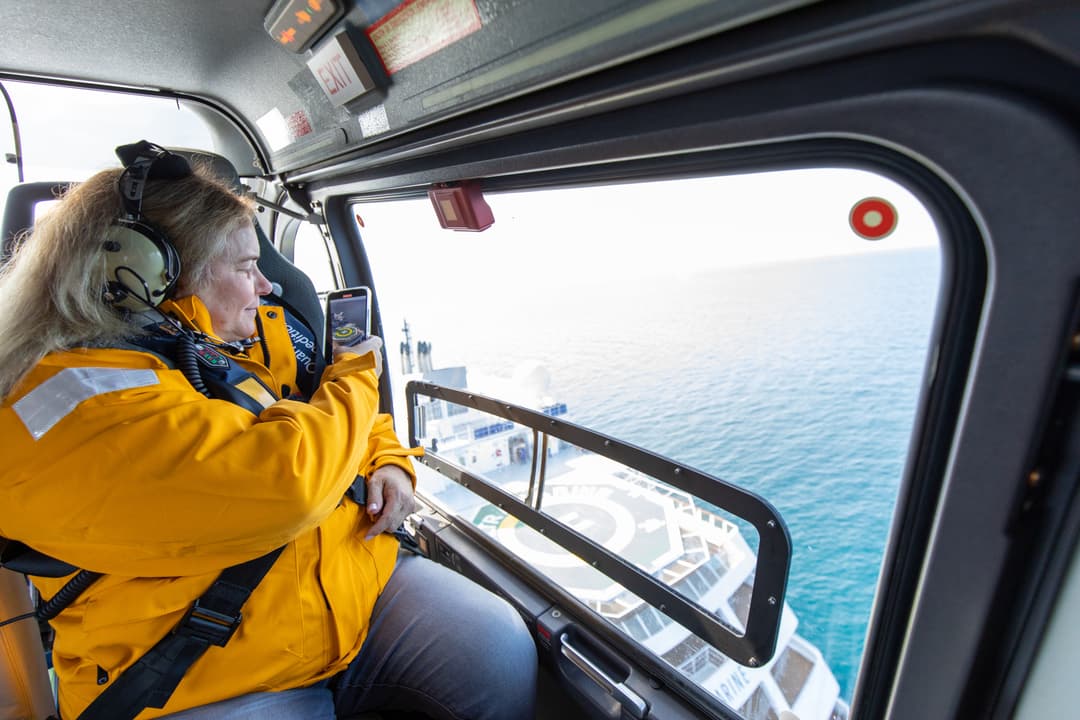
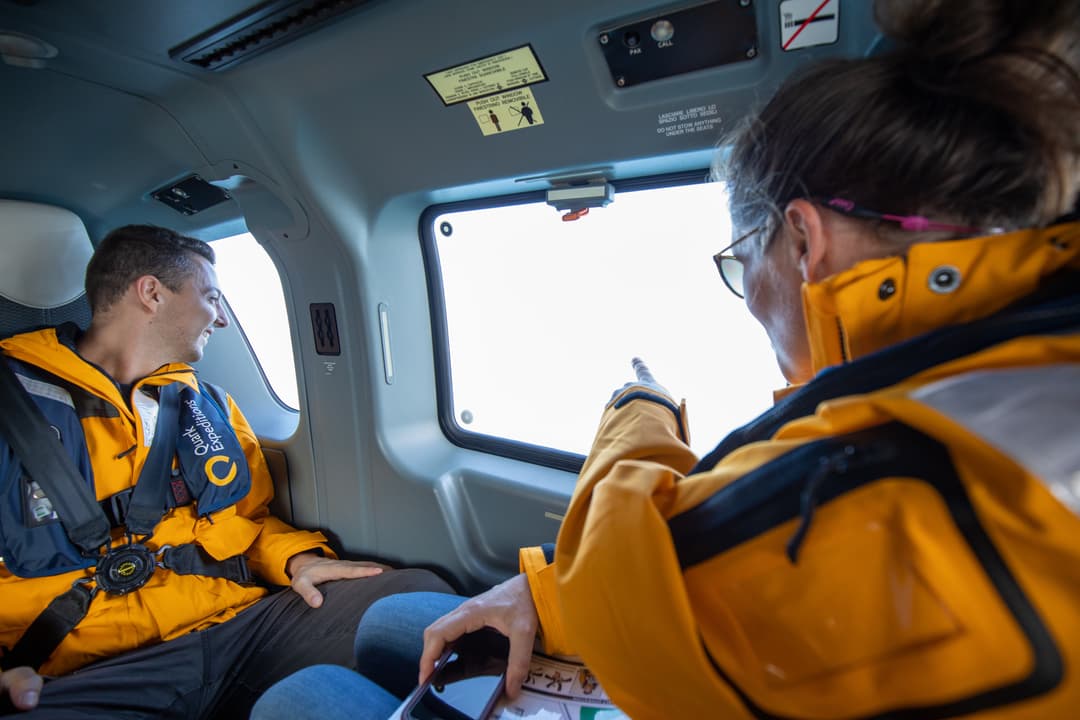
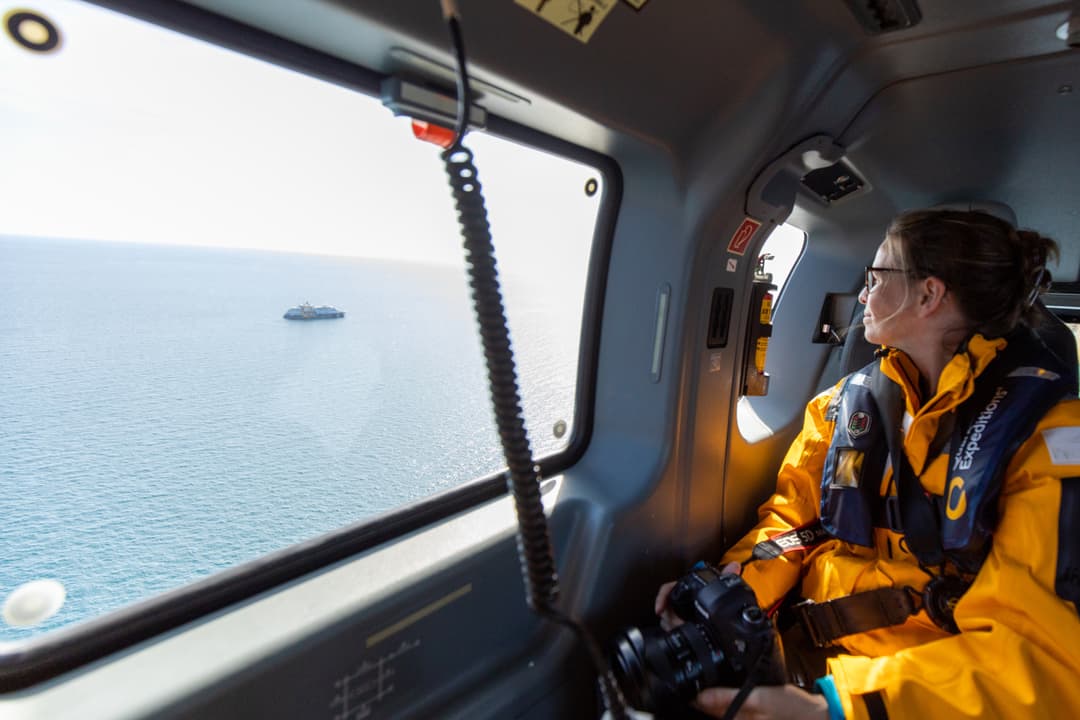
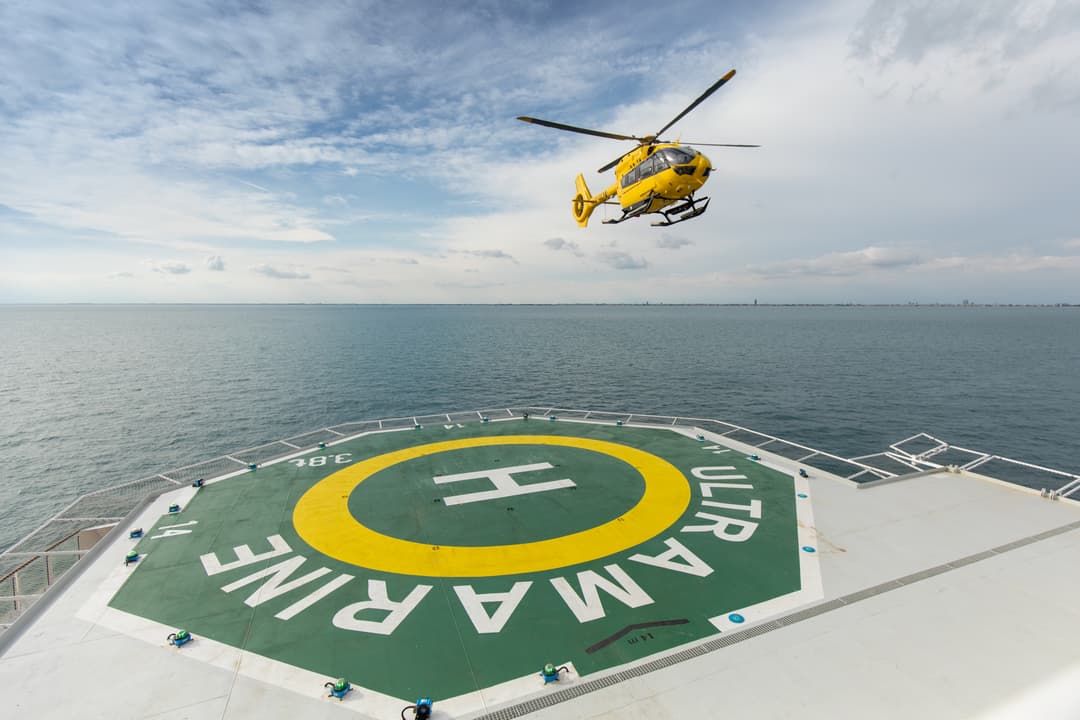
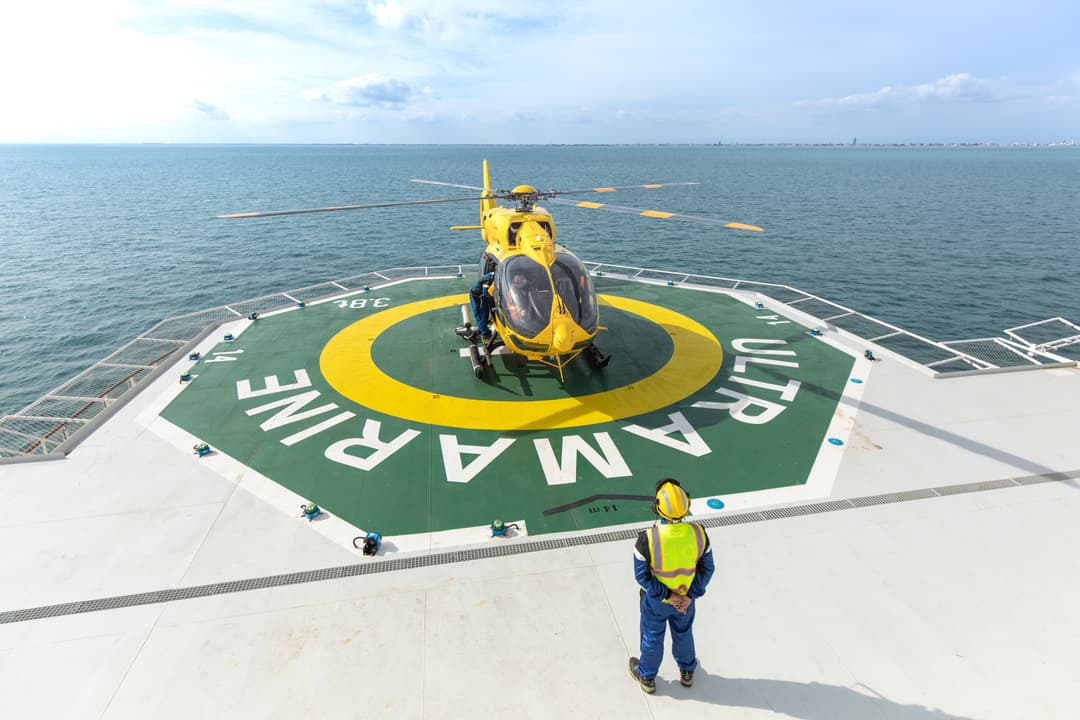
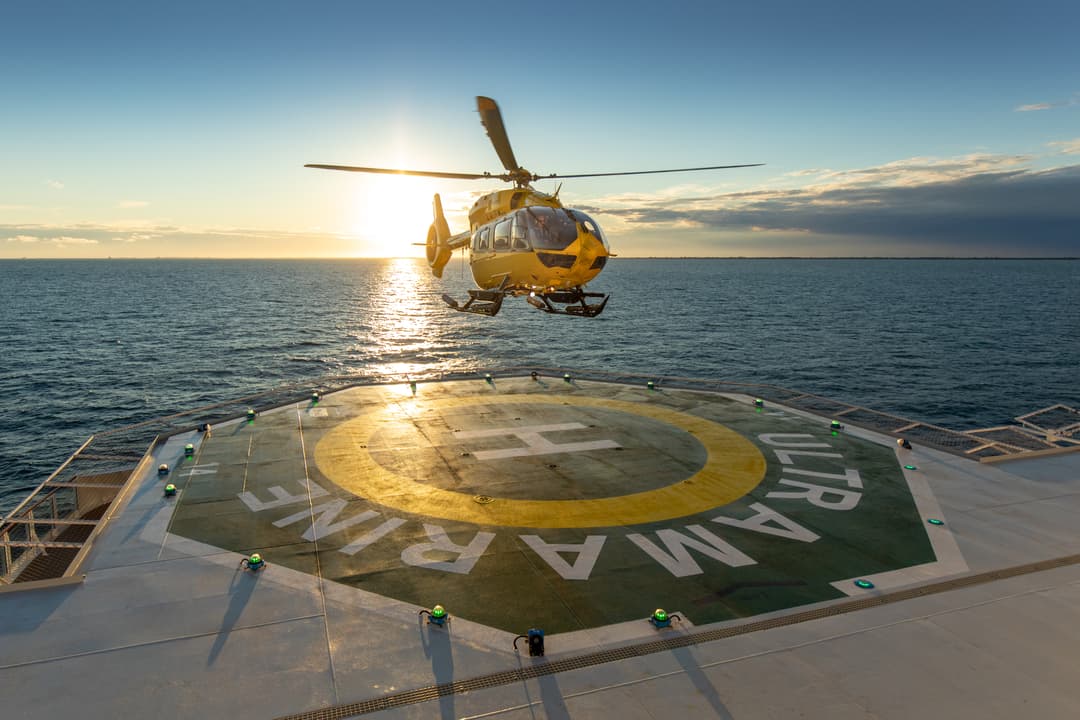
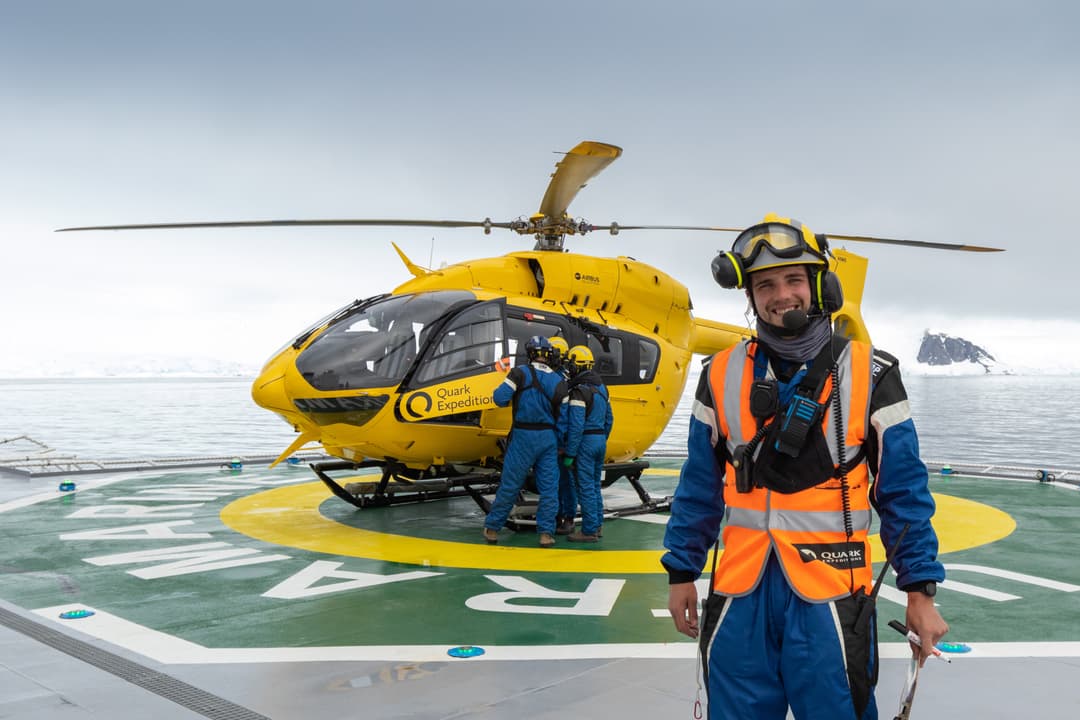
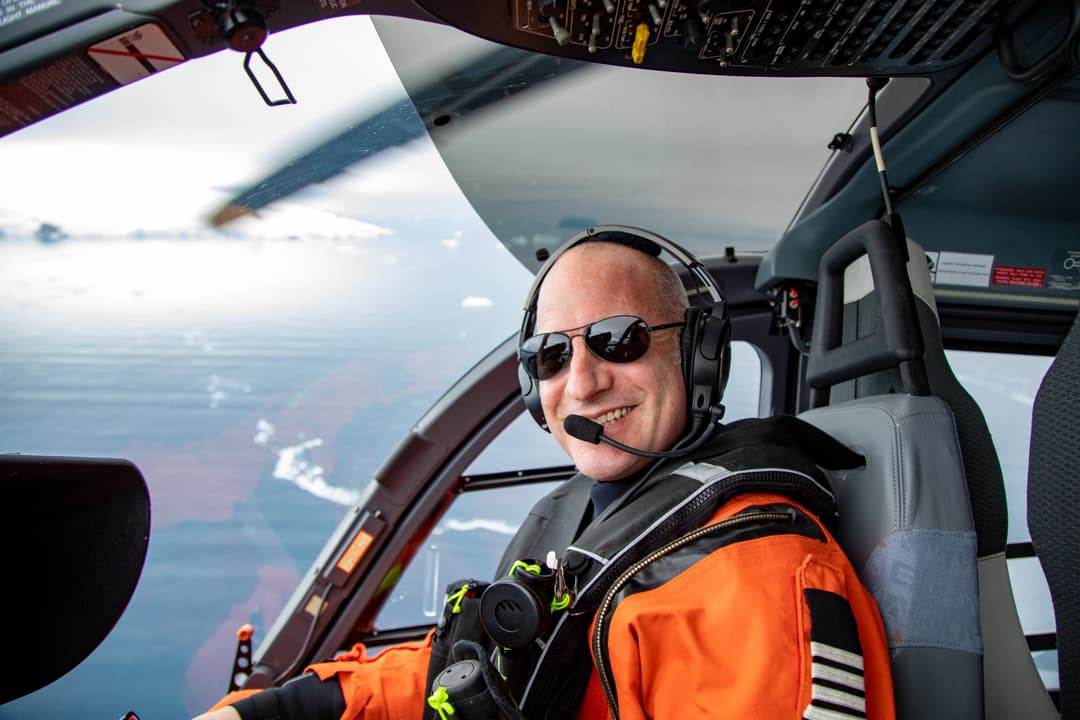
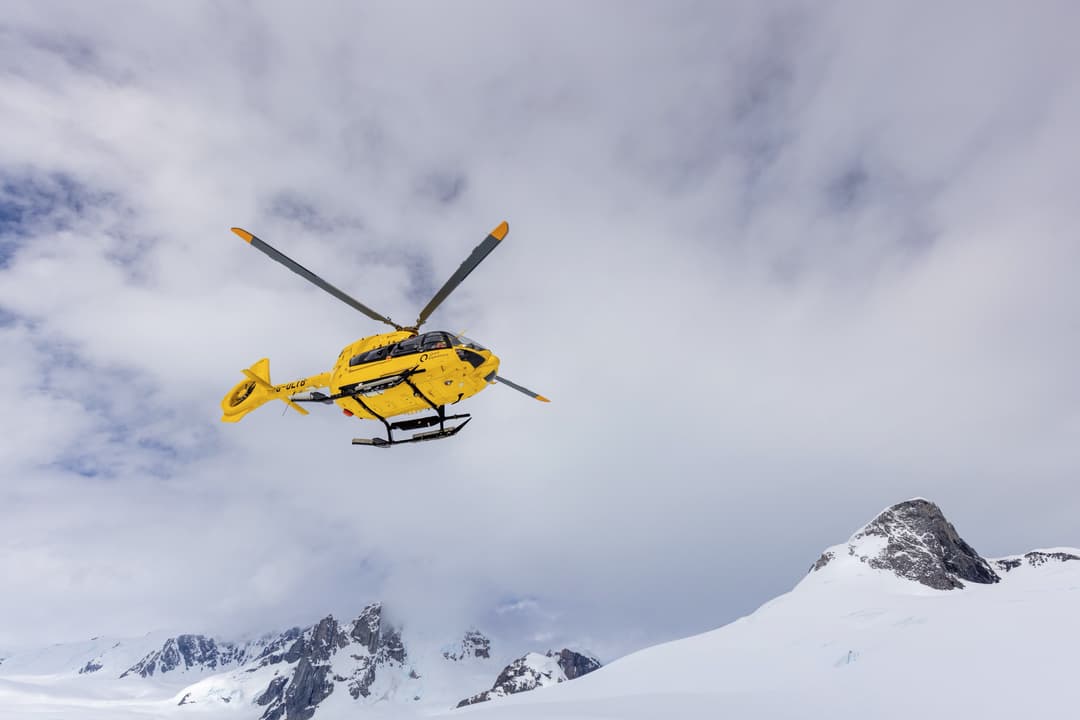
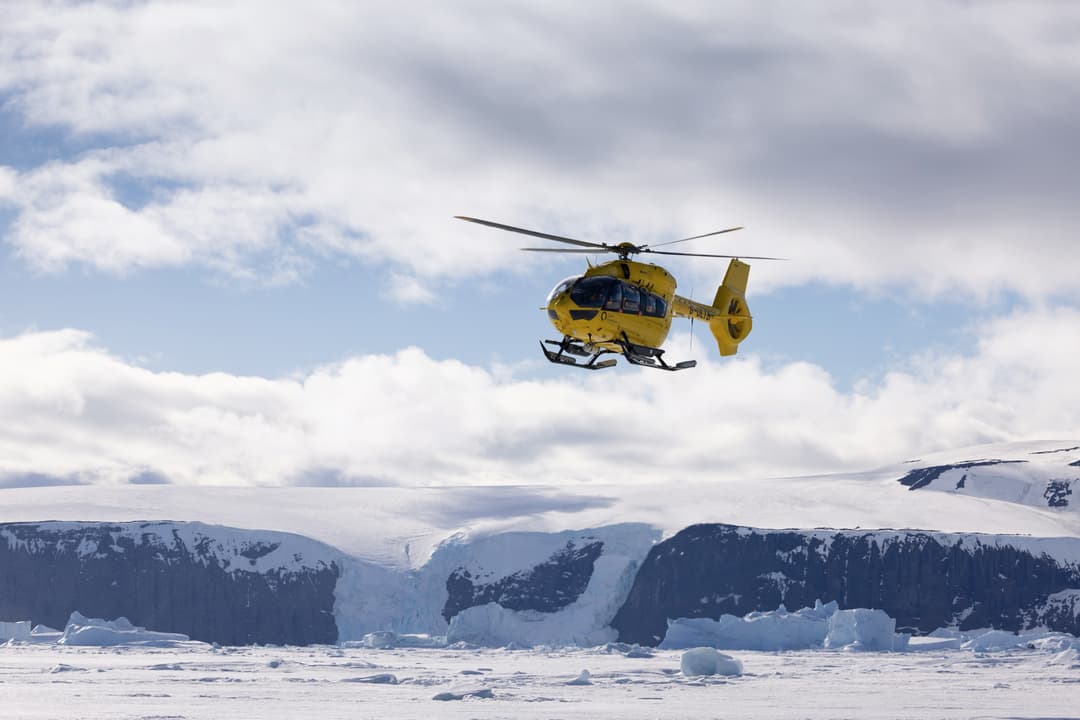
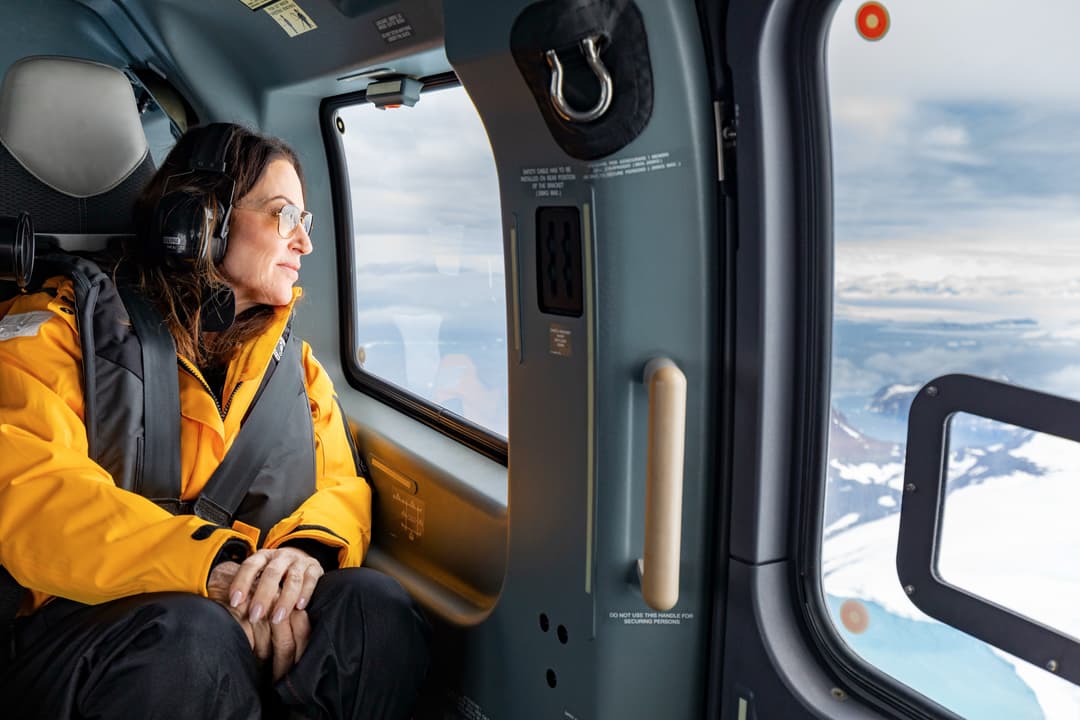
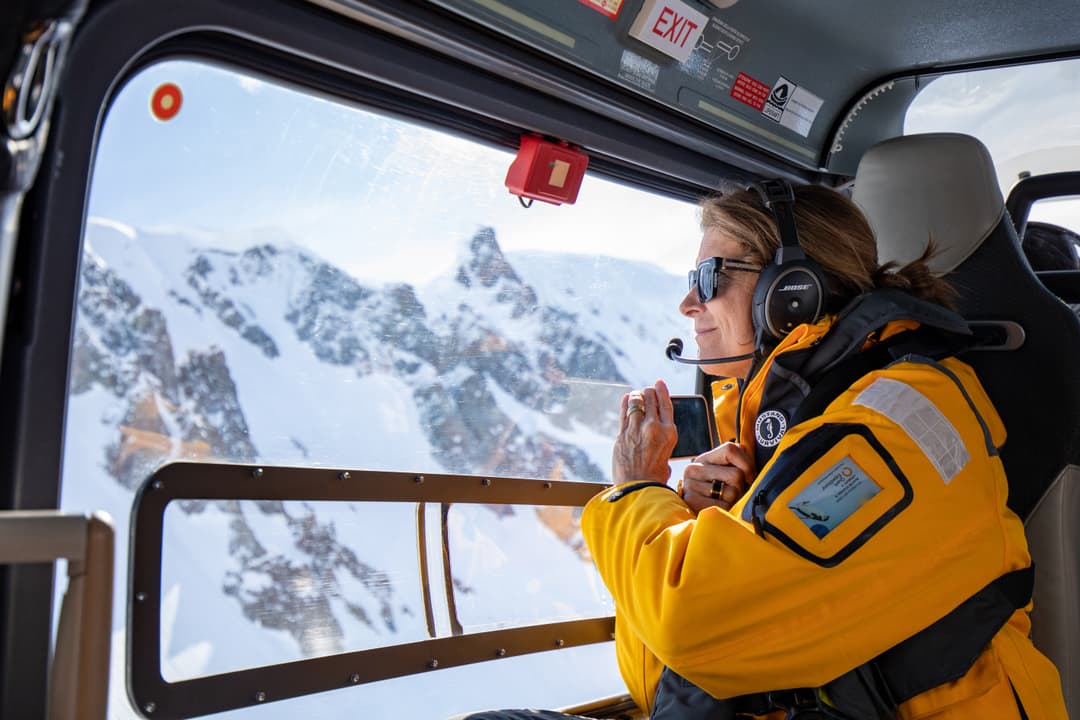
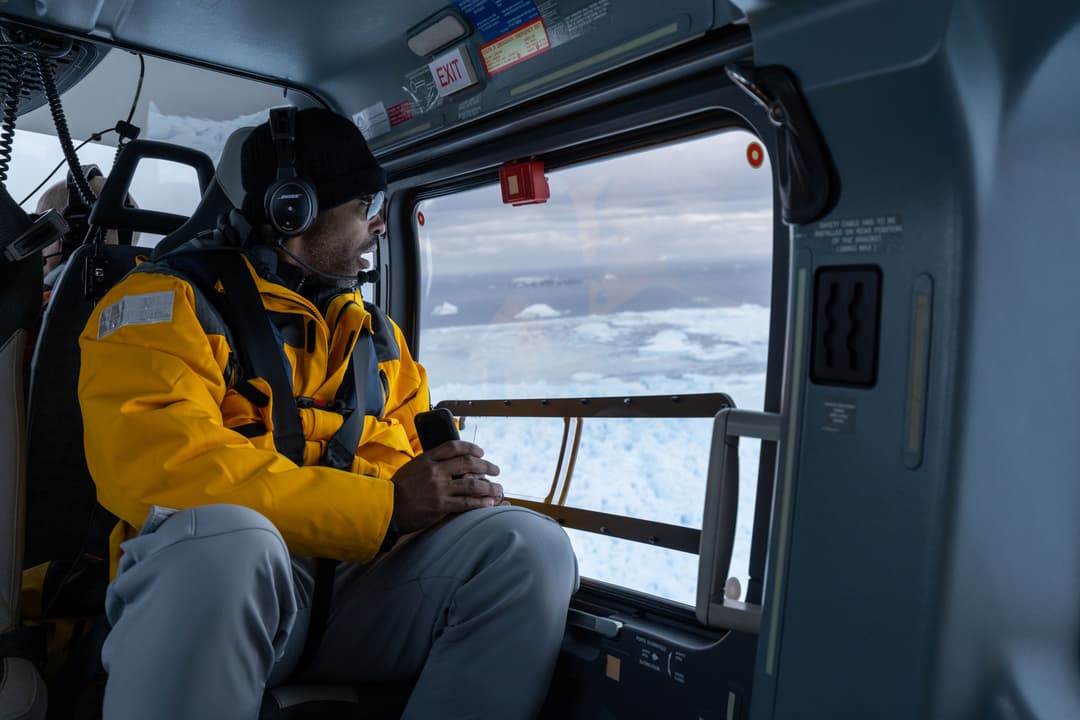
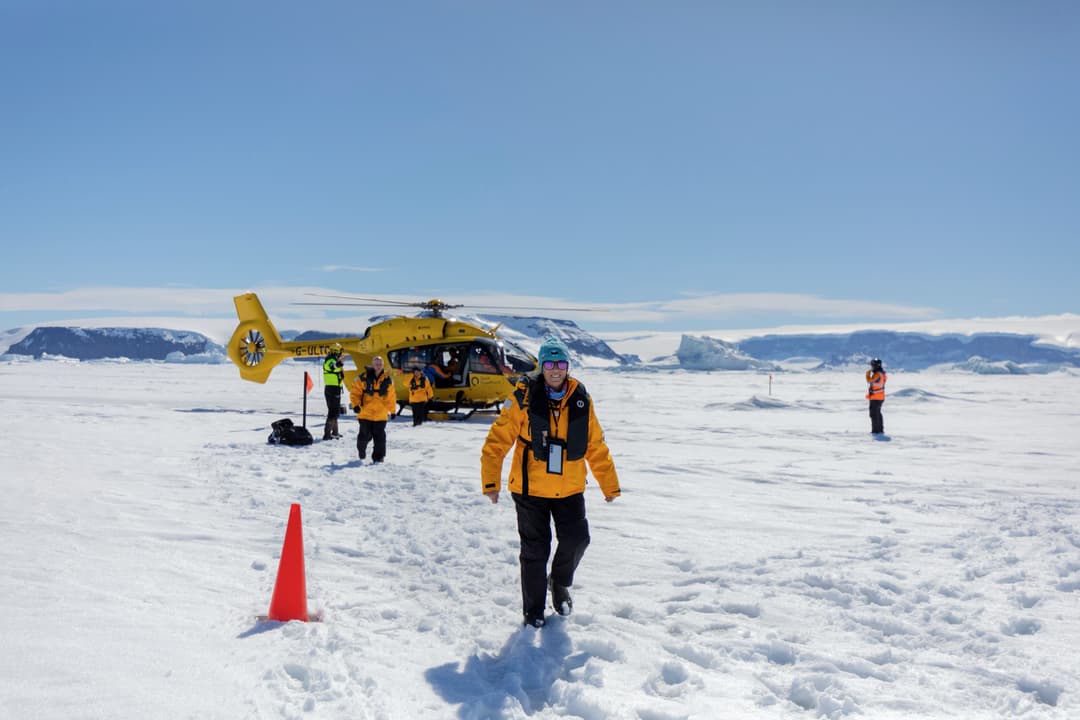
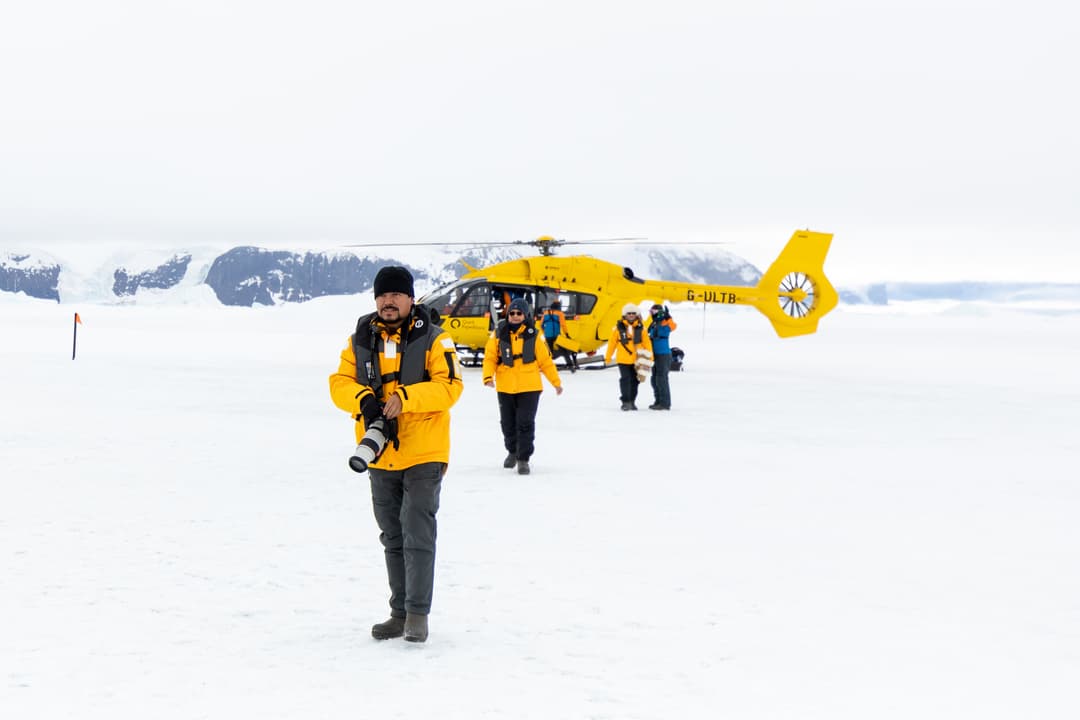
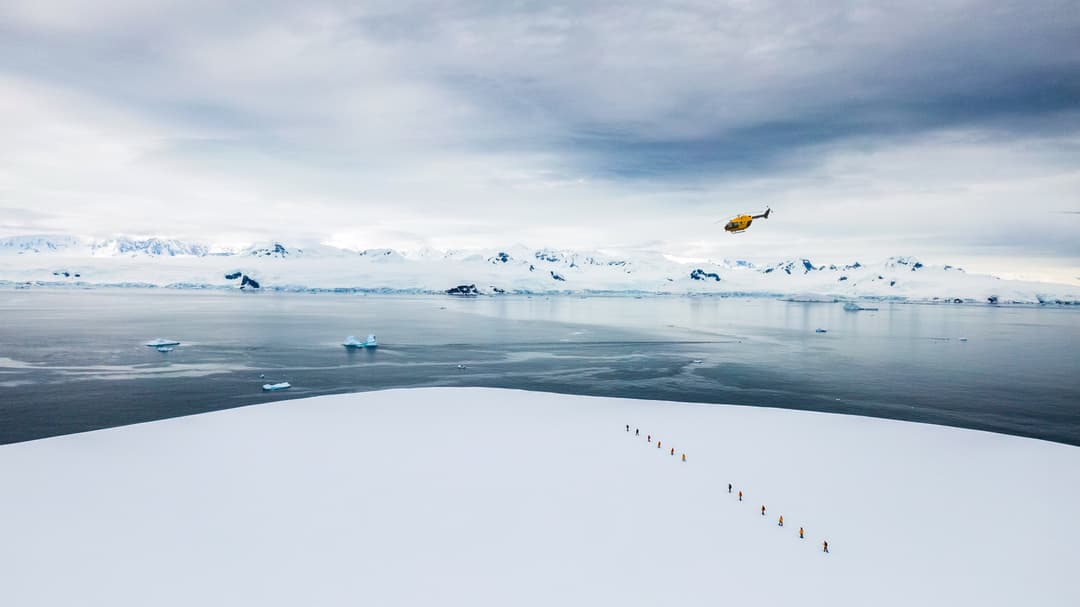
While polar landscapes are spectacular from the sea, they’re even more stunning from the air, a view you can enjoy while seated in one of the two twin-engine helicopters stationed on Ultramarine. Typically in groups of 7 to 9, you will experience an unforgettable aerial∘ tour of the Arctic during a 10- to 15-minute flightseeing excursion∘ that’s included in the cost of the voyage. Additional helicopter activities may also be available for purc....
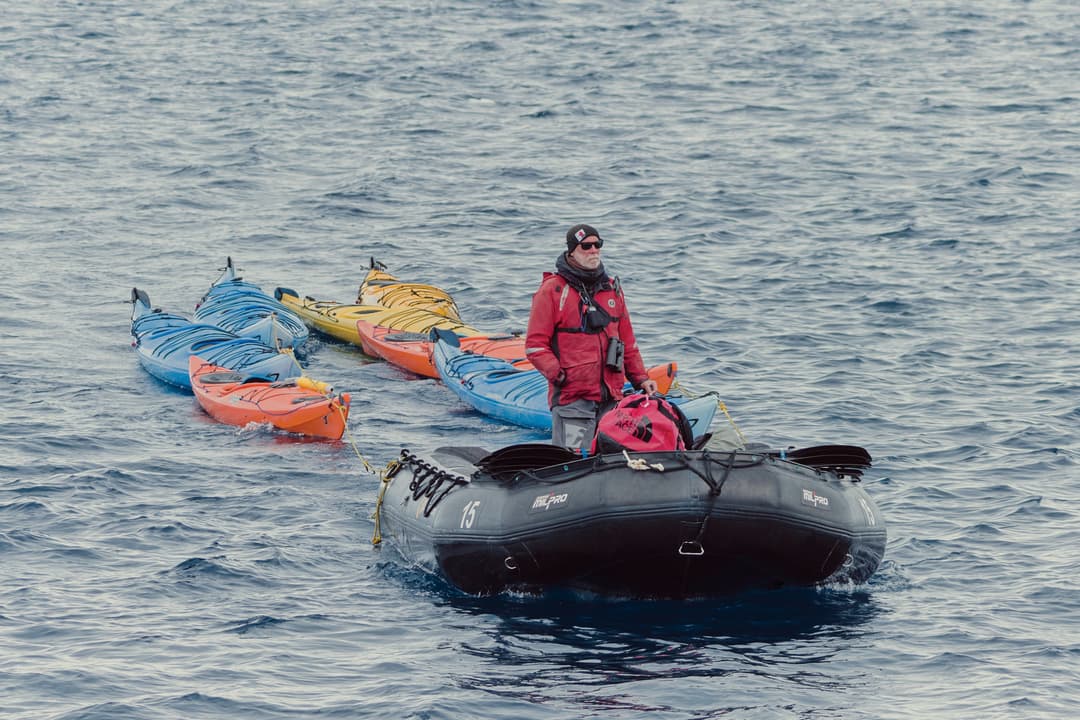
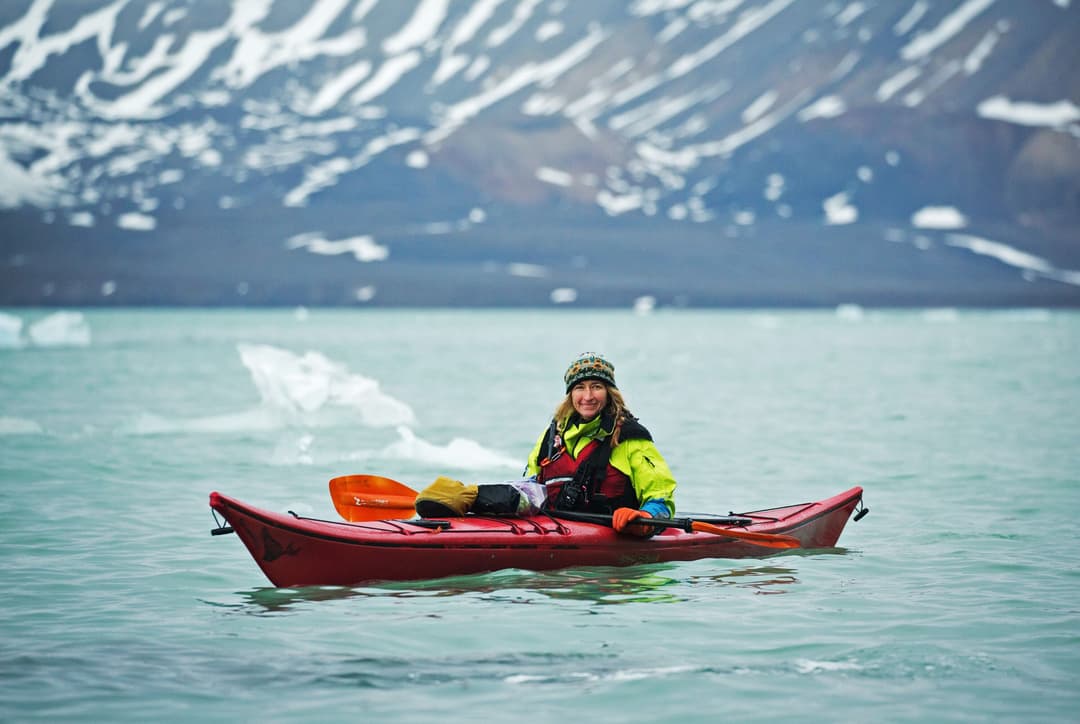
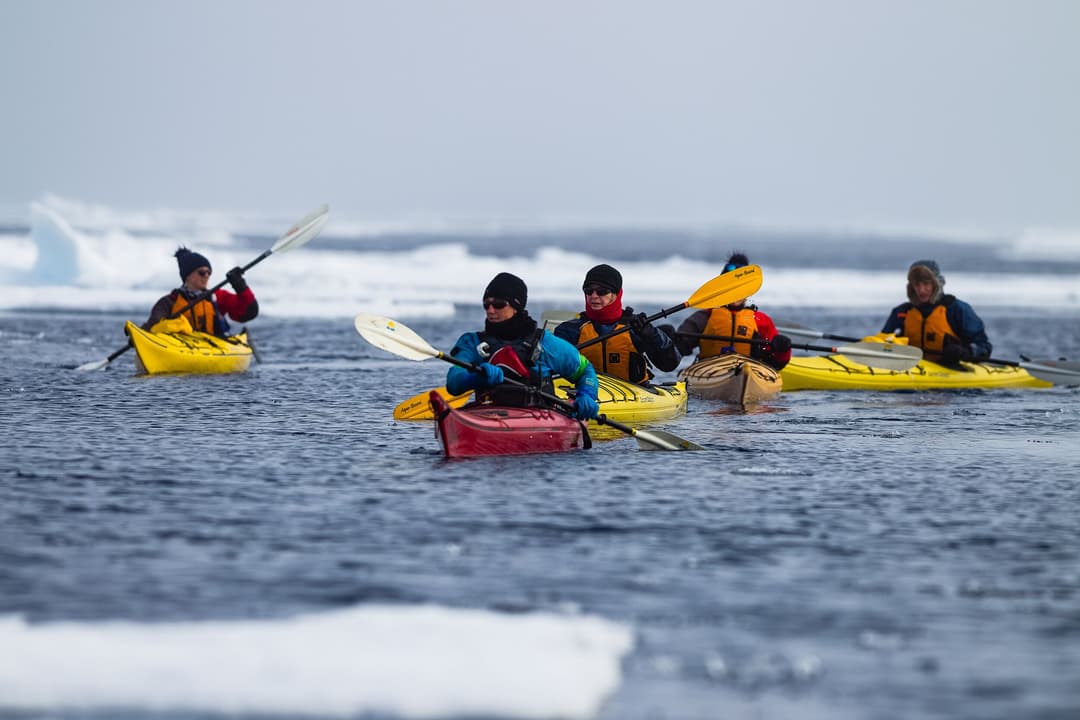
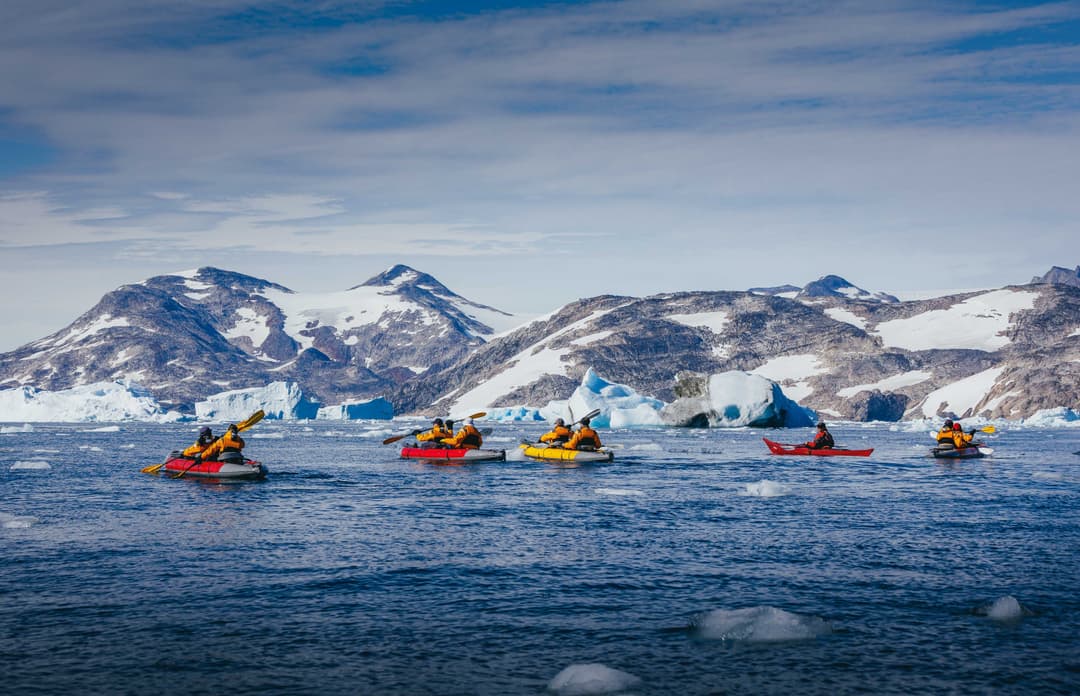
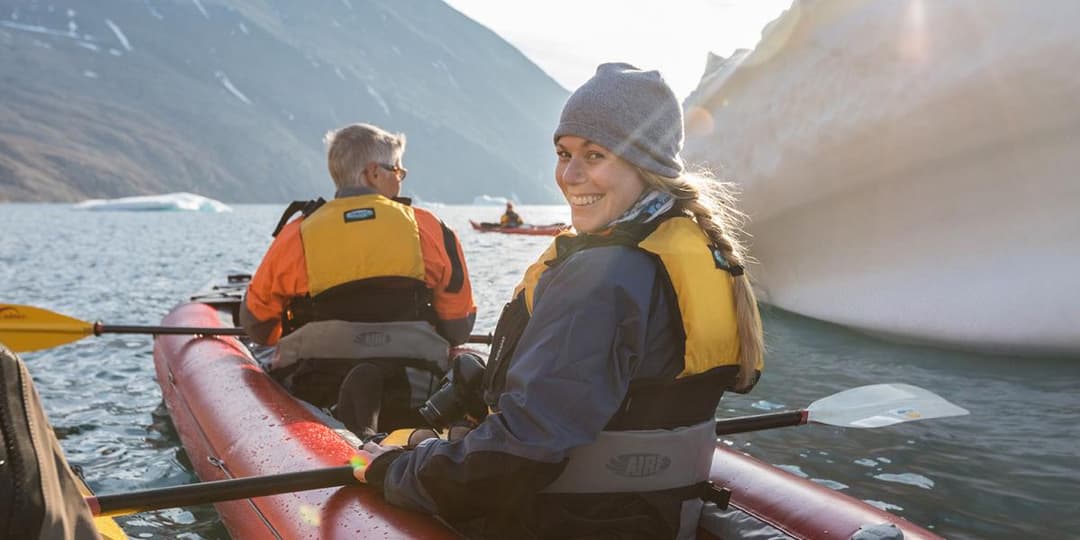
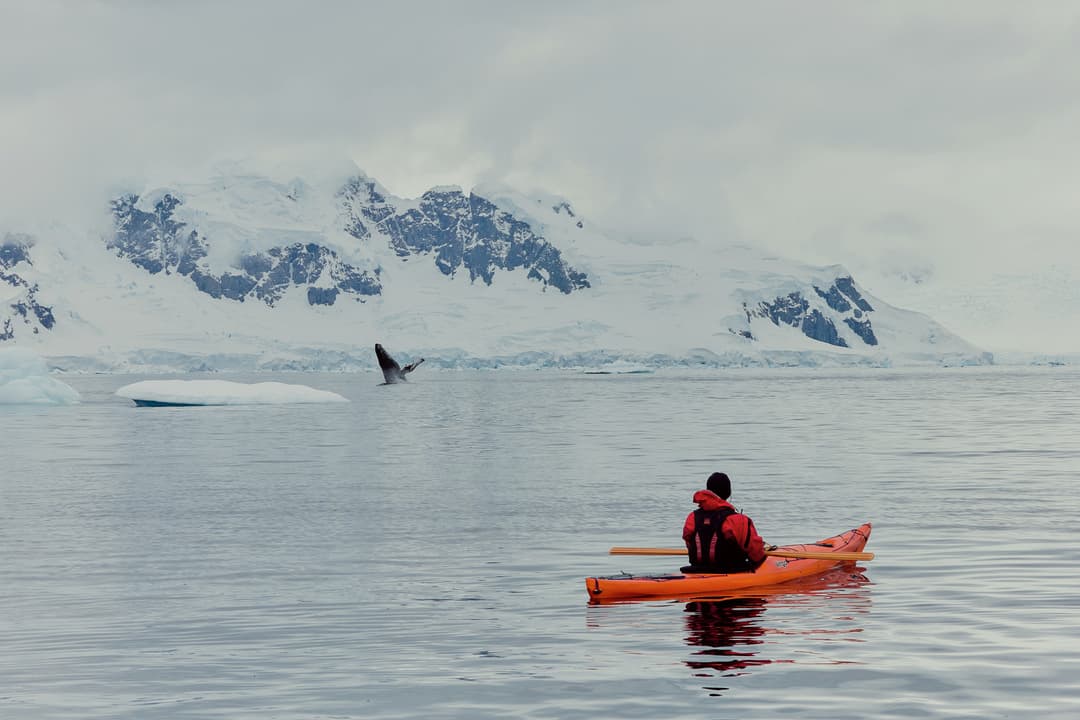
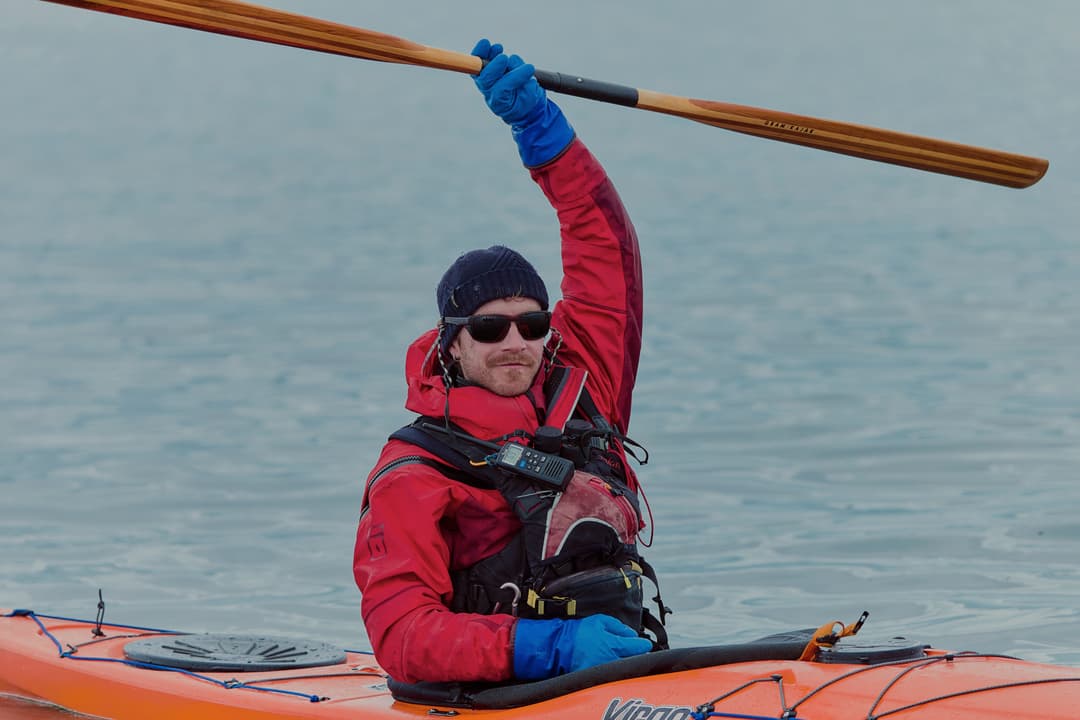
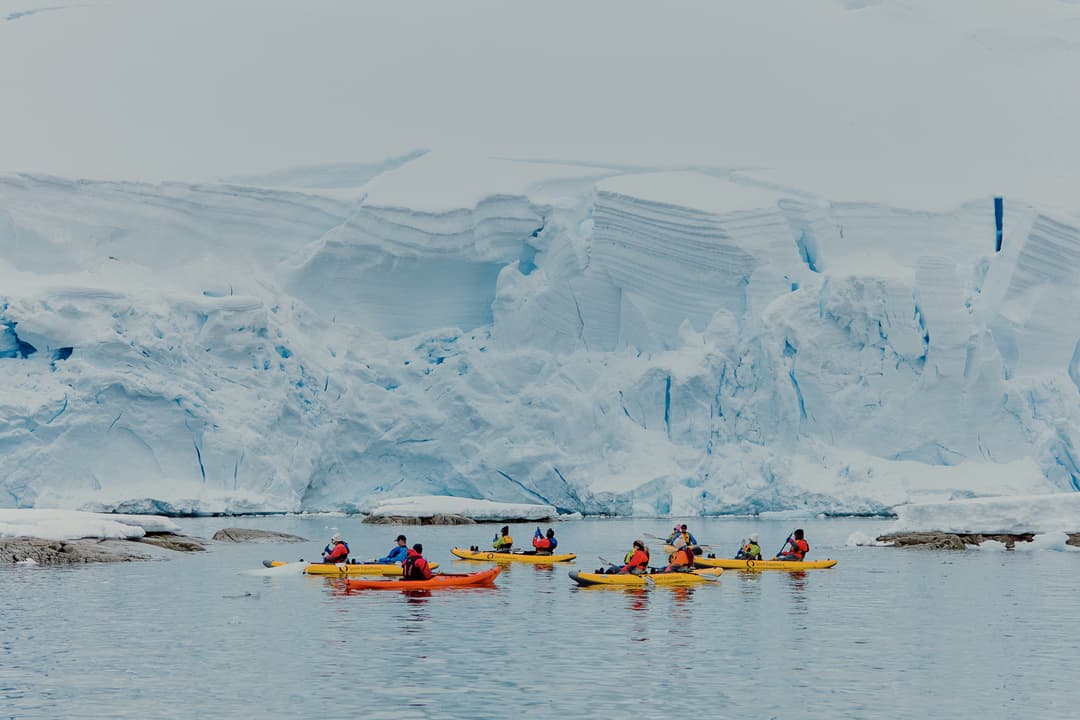
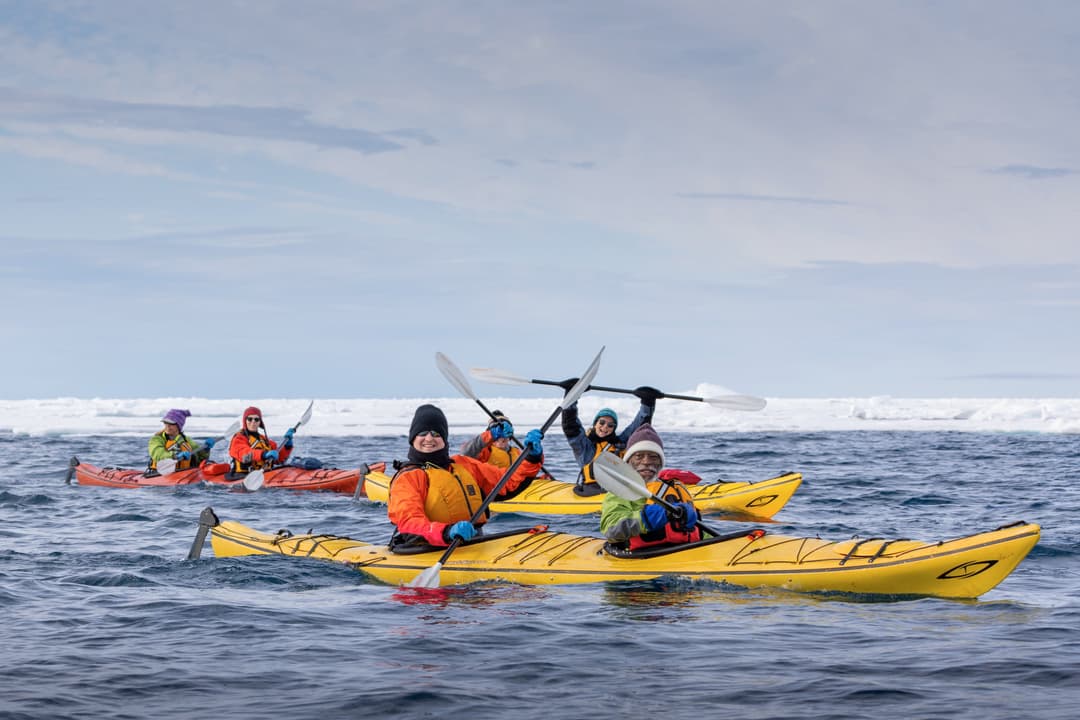
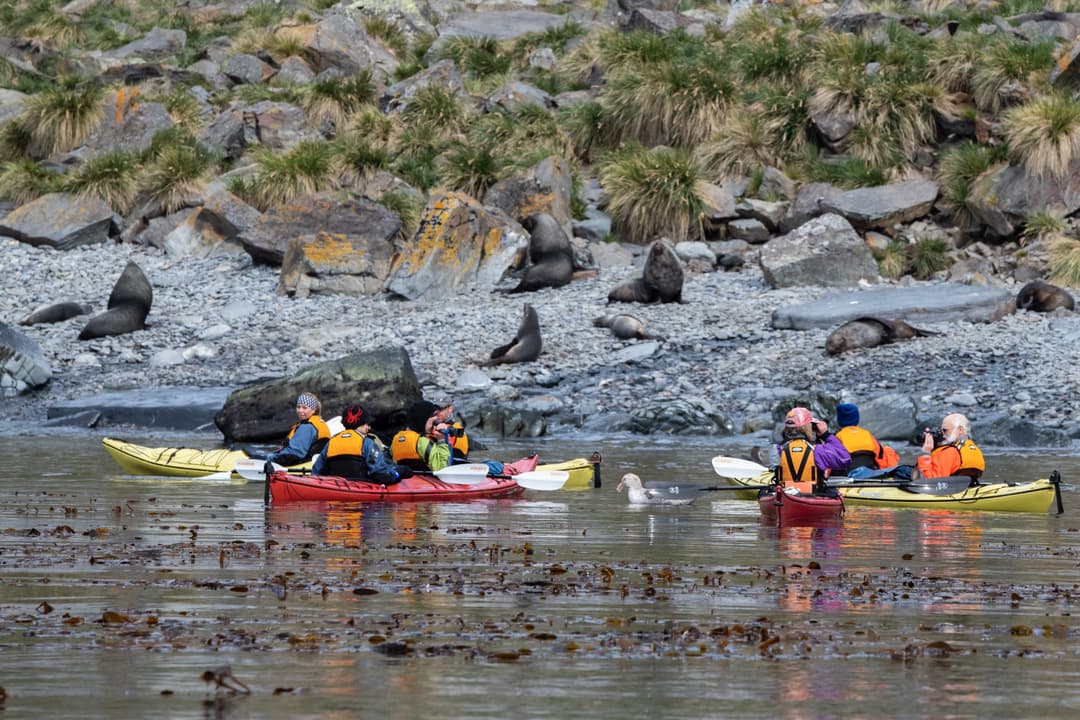
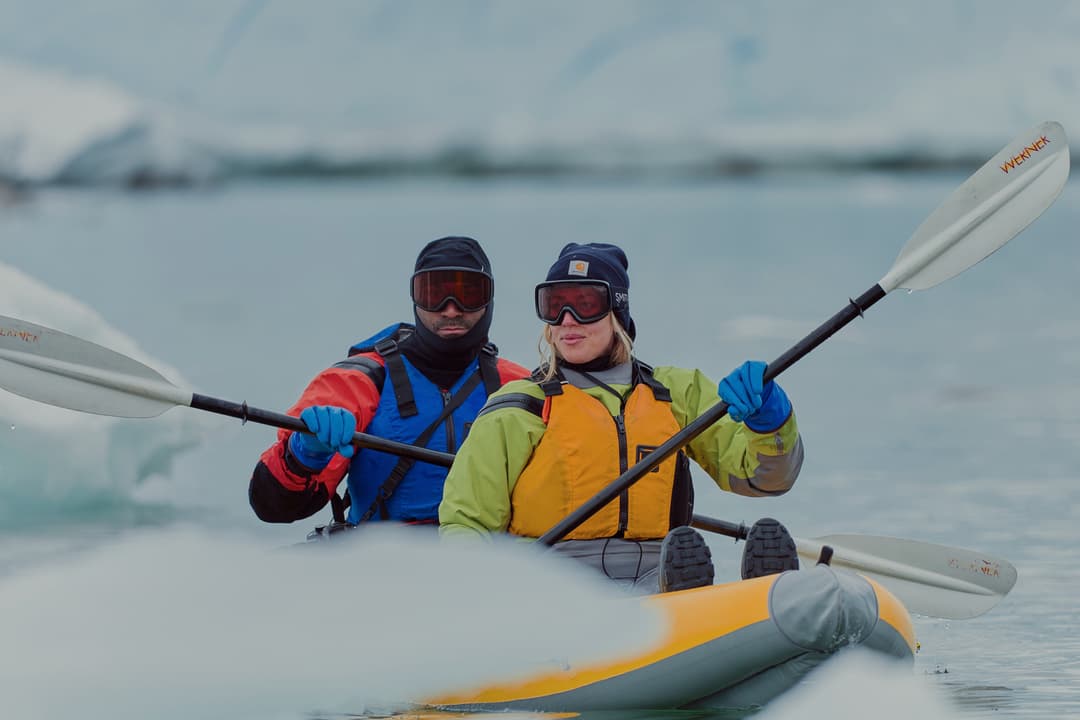
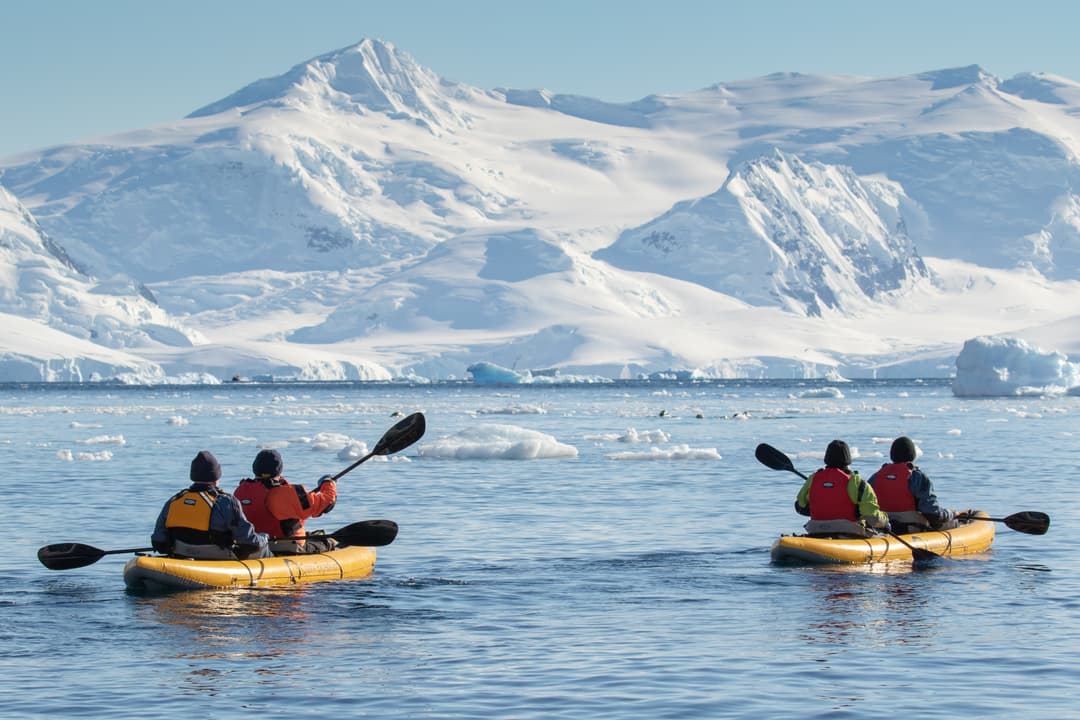
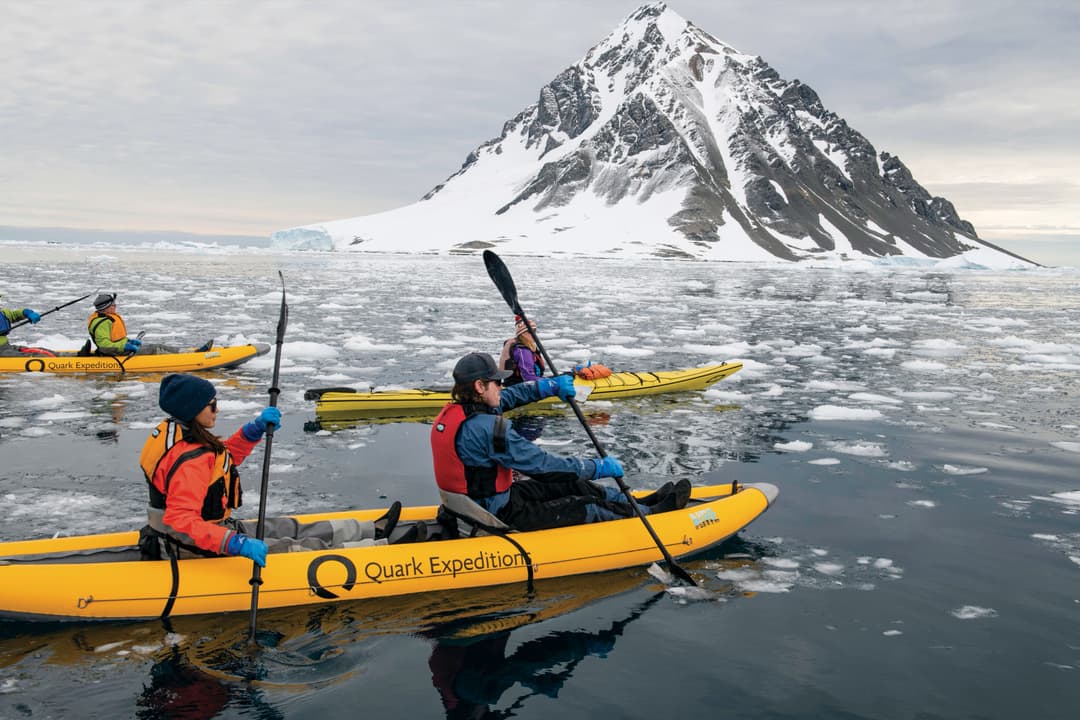
Sea kayaking is offered on all of our departures and you require no previous experience to enjoy this activity. Our sea kayaks are the ideal means by which to get some good exercise and explore the cliffs and shores of the various visitor sites around the archipelago. A typical cruise week offers great opportunities to go kayaking around secluded coves, shores, mangrove estuaries and beautiful beaches. Galapagos penguins, flightless cormorants....
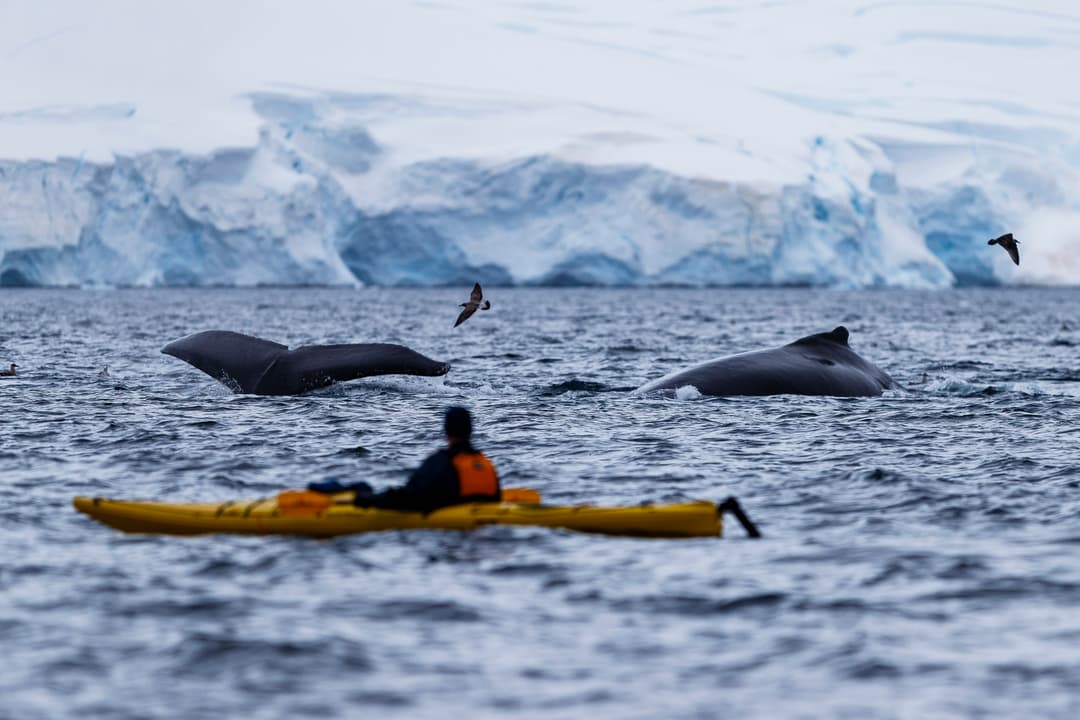
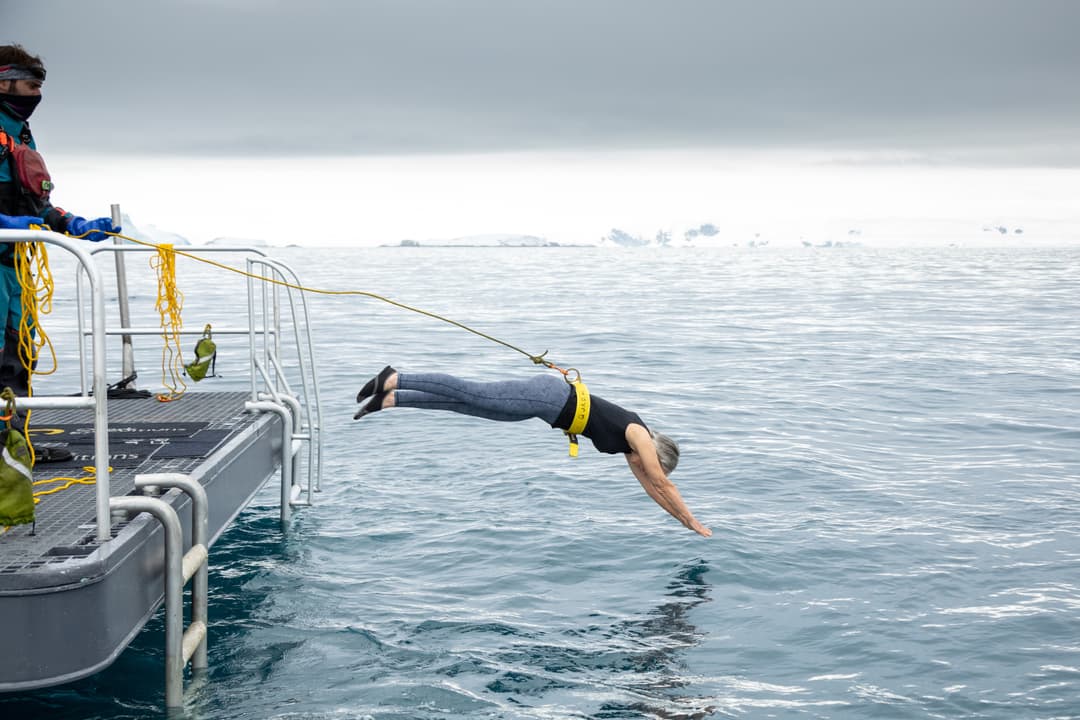
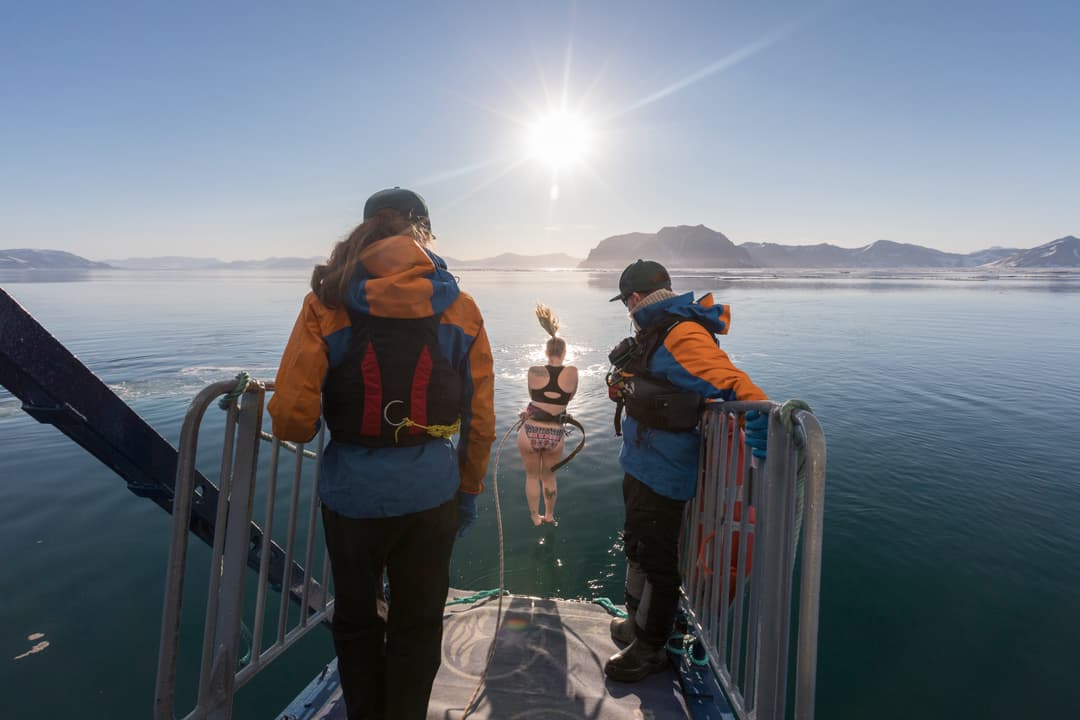
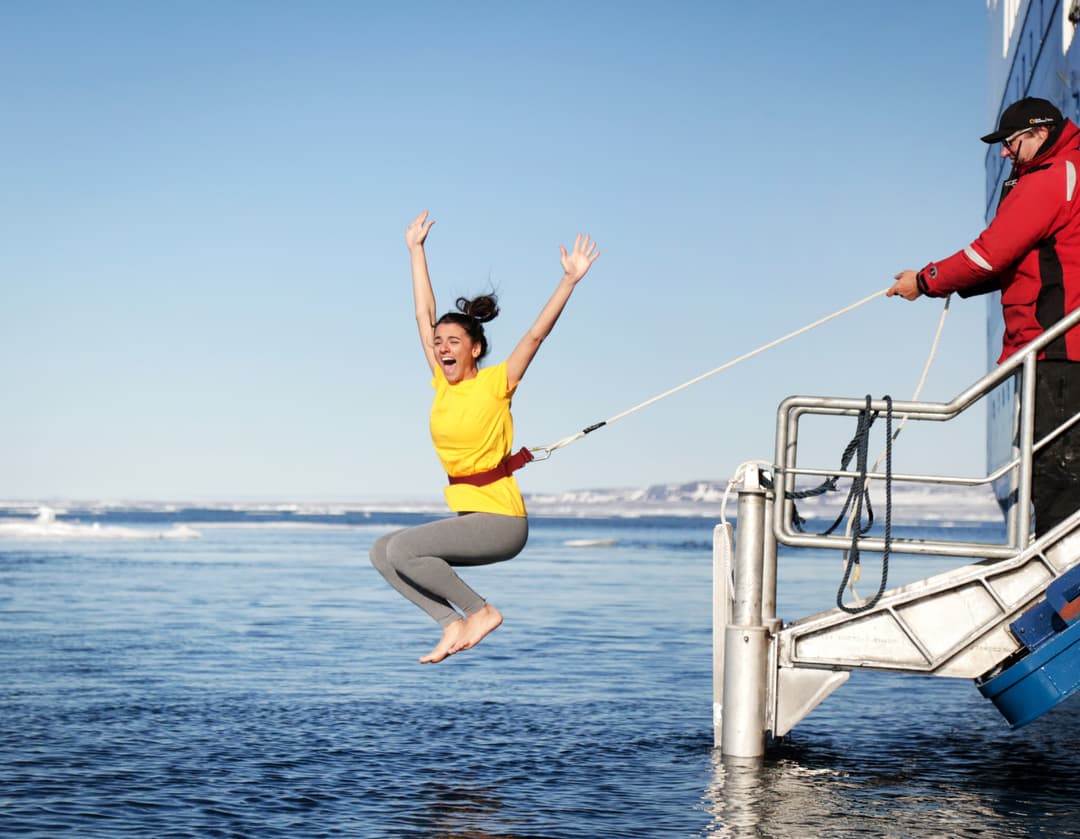
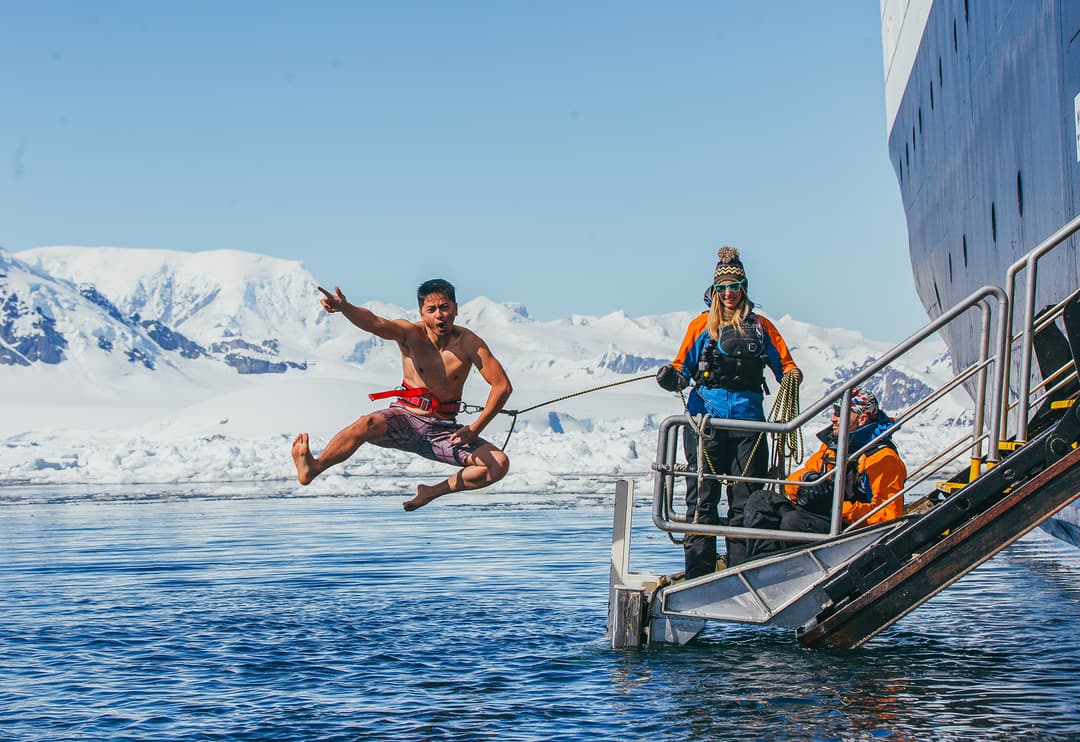
The Polar Plunge is scheduled once during each voyage. Throughout the journey, the Expedition Leader and Captain constantly monitor conditions in order to choose the optimal time and location. The Polar Plunge sometimes takes place onshore or, in many cases, from the gangway or Zodiac. All participants wear a tethered harness and plunge into the polar waters from the side of Zodiac or safety of the gangplank cheered on, of course, by fellow pa....
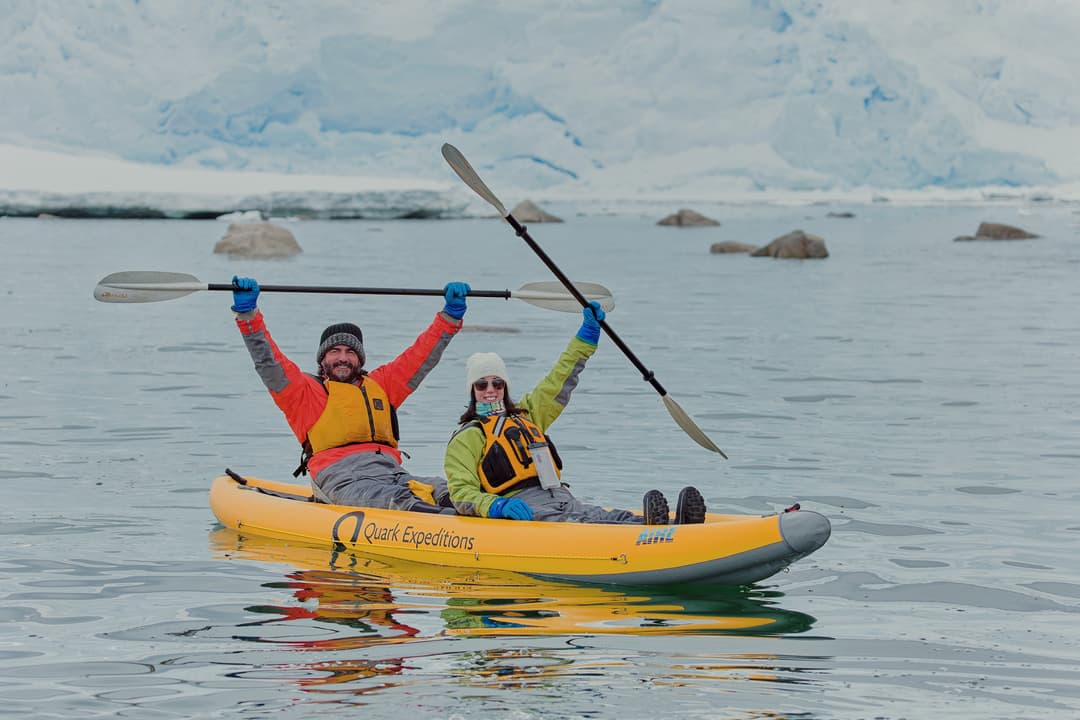
Explore the ocean from a more intimate vantage point on a sit-on-top kayak. No experience is required to manoeuvre these very stable kayaks, allowing you to enjoy an unforgettable experience on the water, taking in breathtaking landscapes and wildlife. Whether it’s your first time in a kayak or you want greater flexibility to try other Adventure options, this shorter excursion is for you.
Paddling in the Polar Regions is highly weather-d....
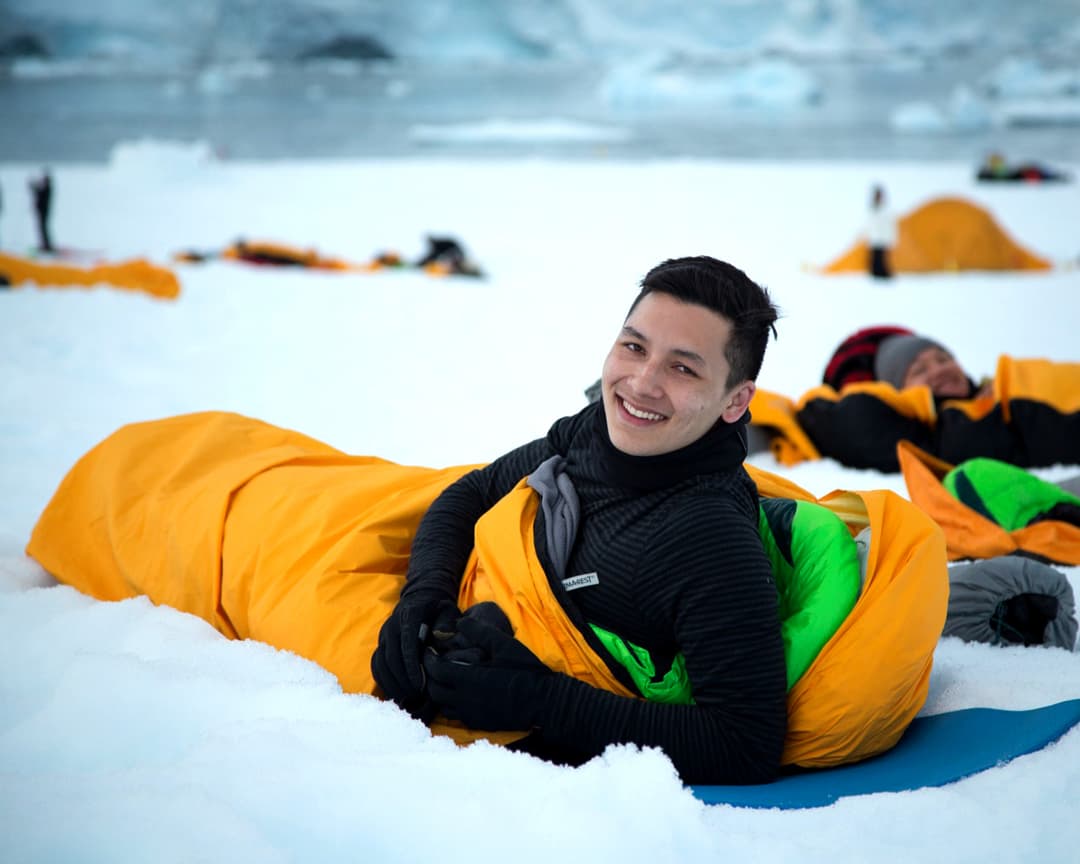
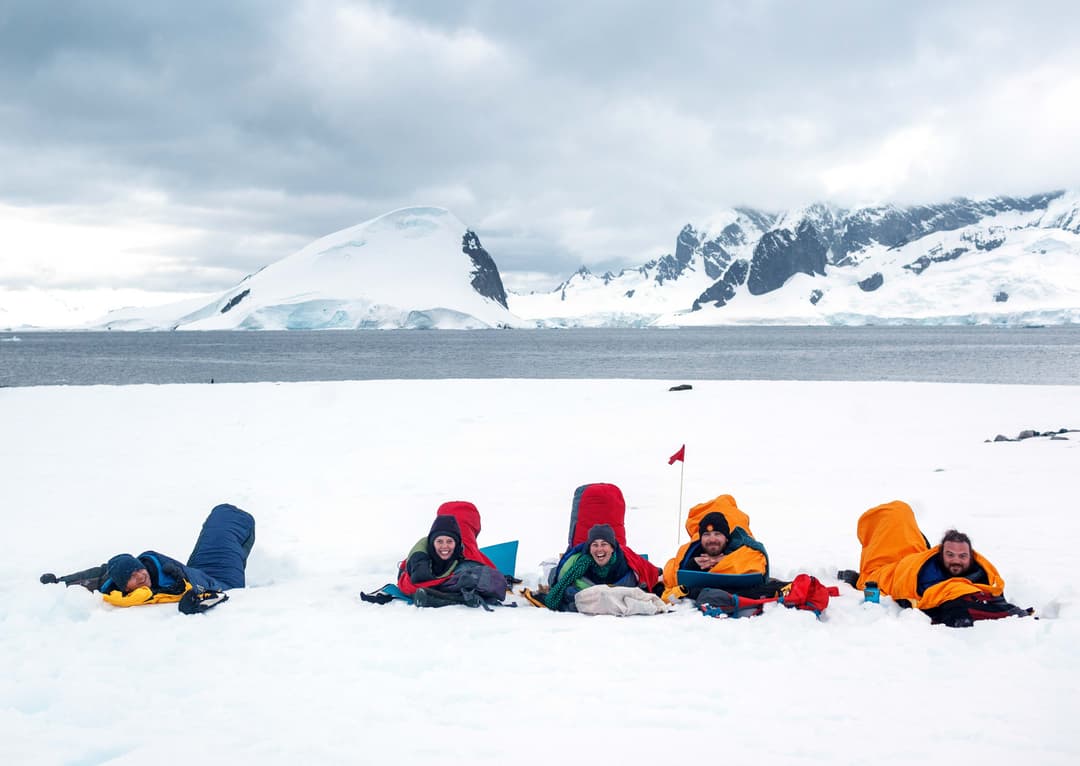
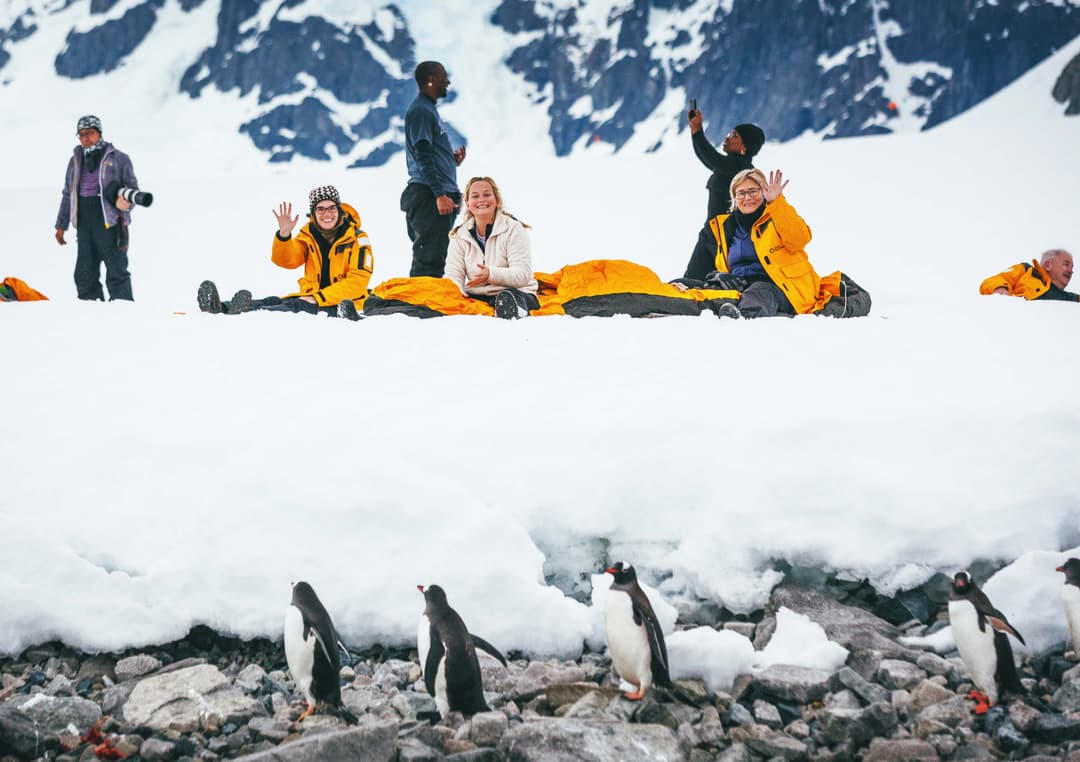
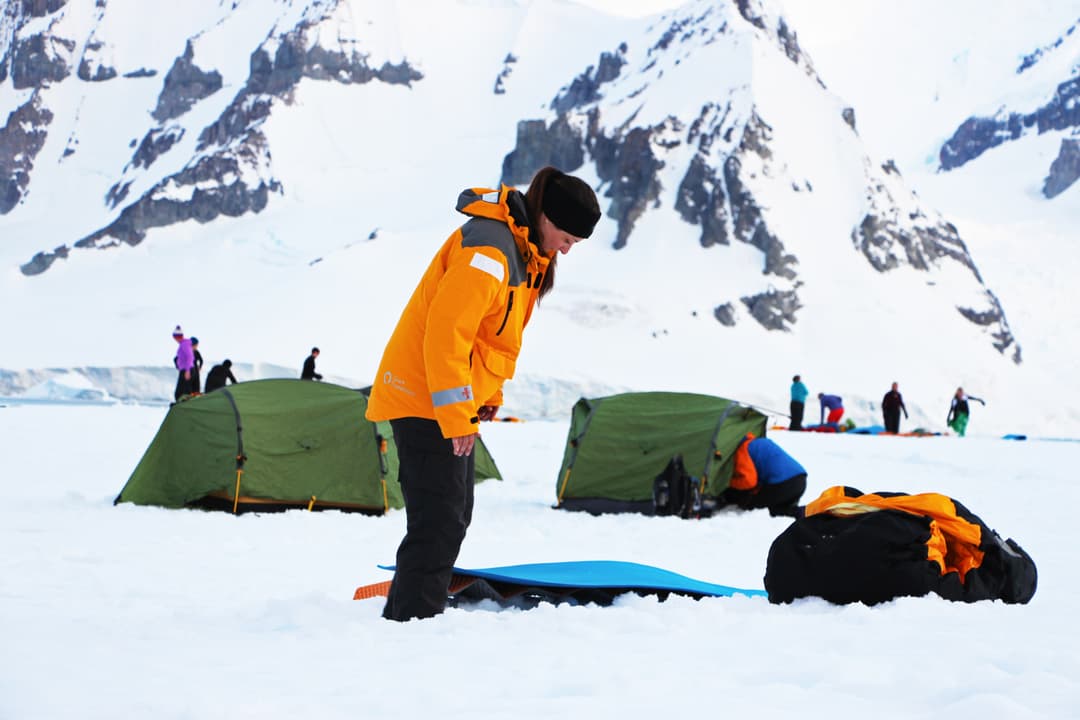
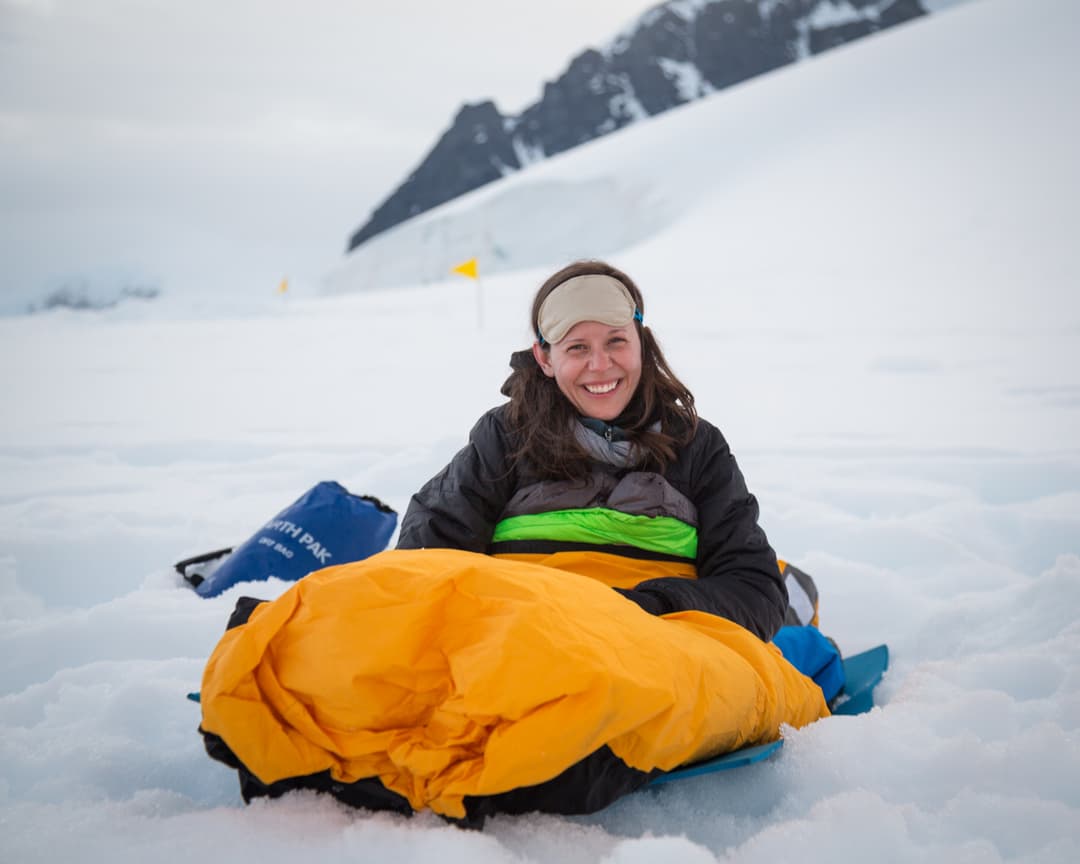
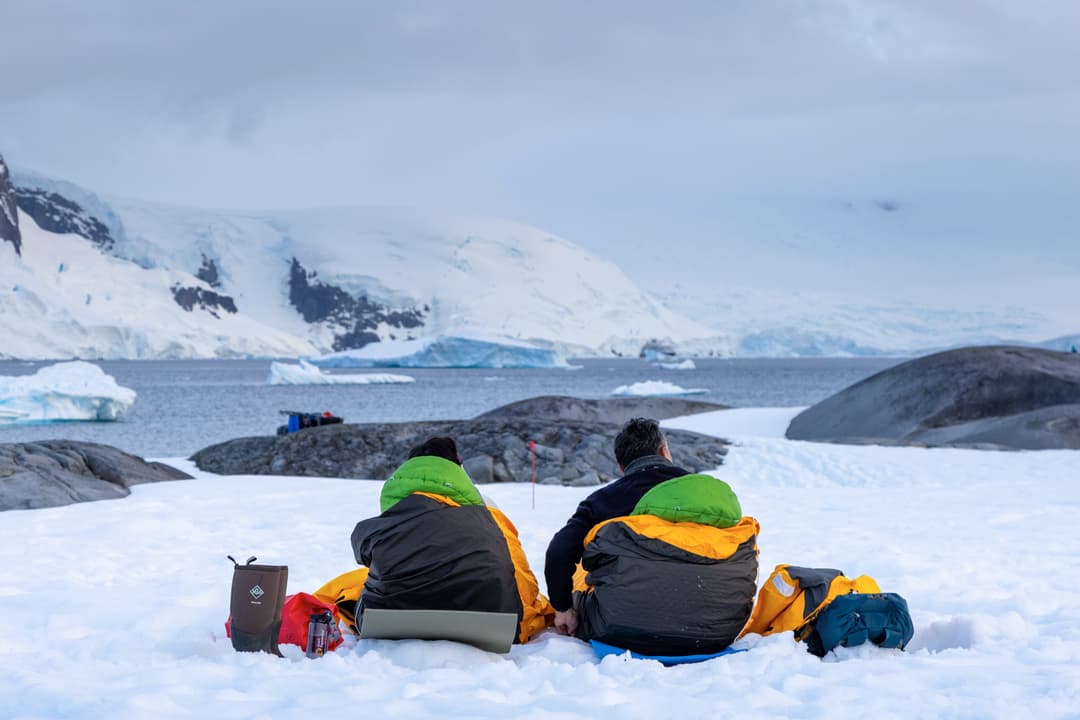
Imagine for a moment, staring at the stars in the indigo glow of an Antarctic night as you bed down for the night outside in the elements. The buzz of your daily life becomes a distant memory as you listen to the bray of penguin, the ethereal calls of the Weddell sea – even the exhalation of a humpback whale. And then you fall asleep.
Antarctic Camping with Quark Expeditions is an unforgettable experience. After dinner onboard, you'll be....
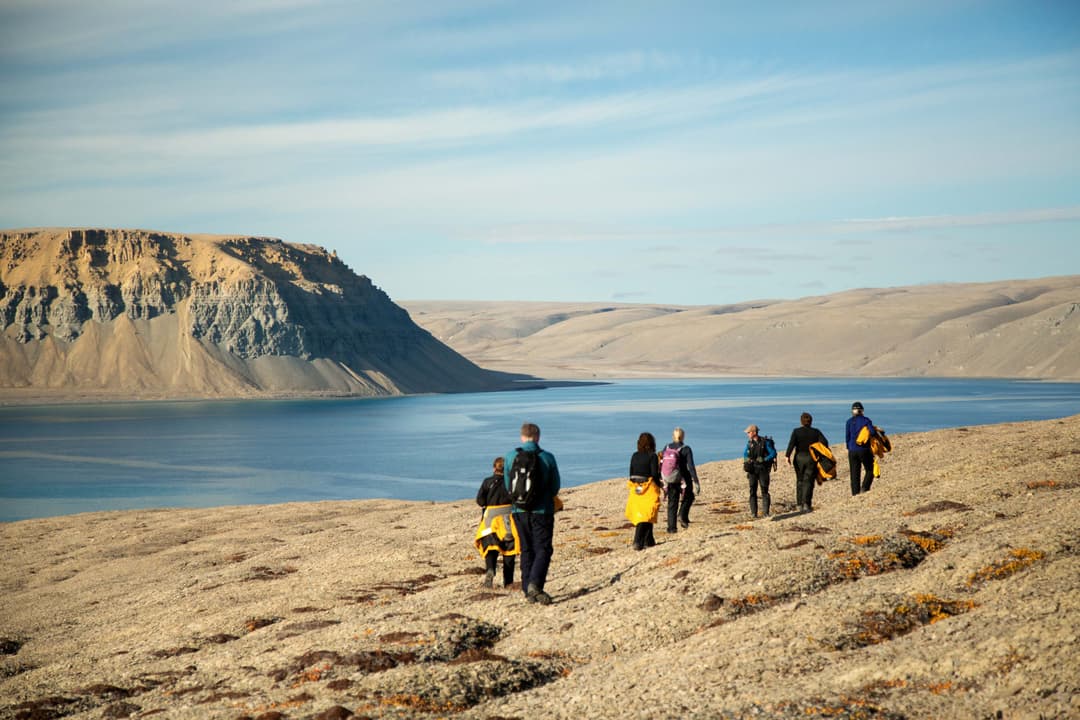
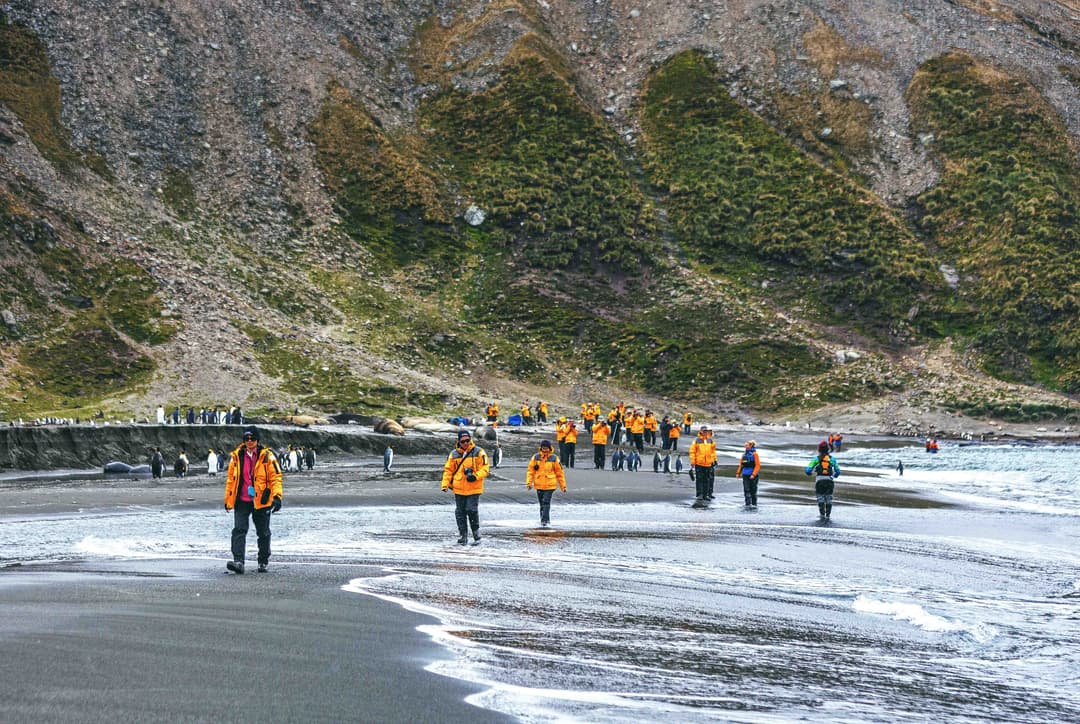
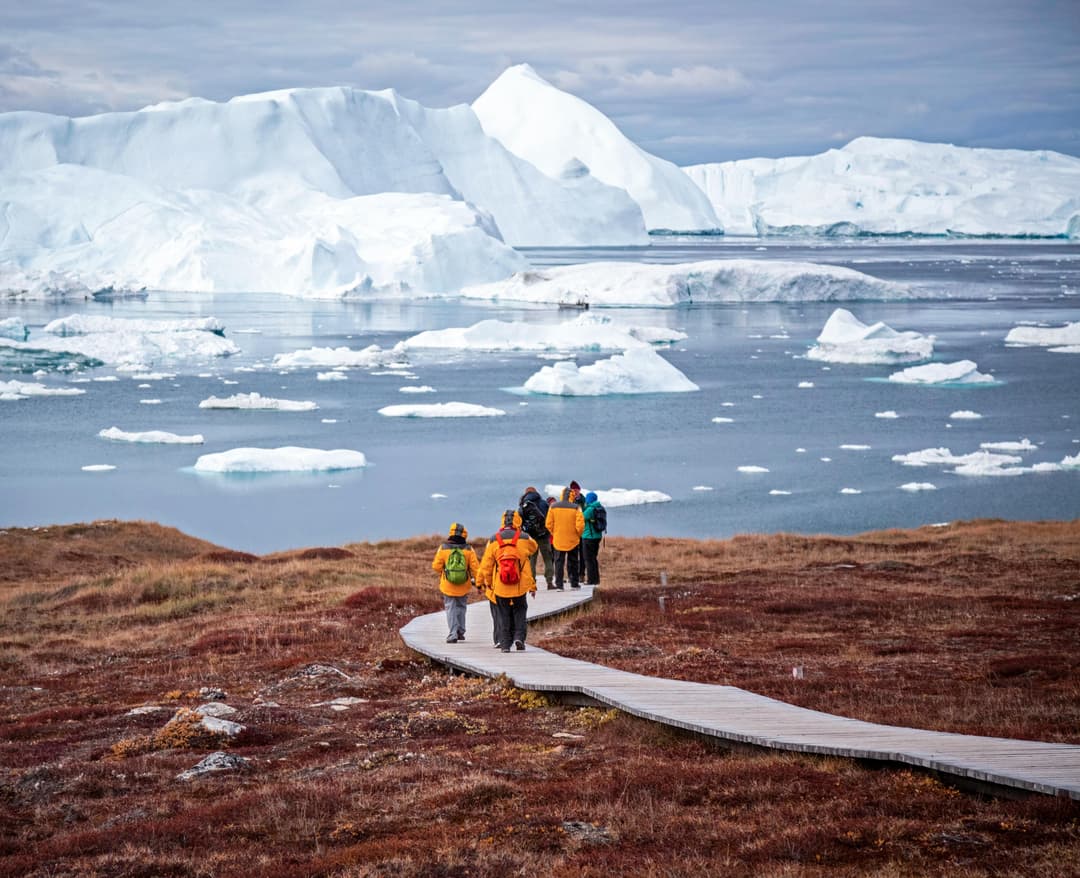
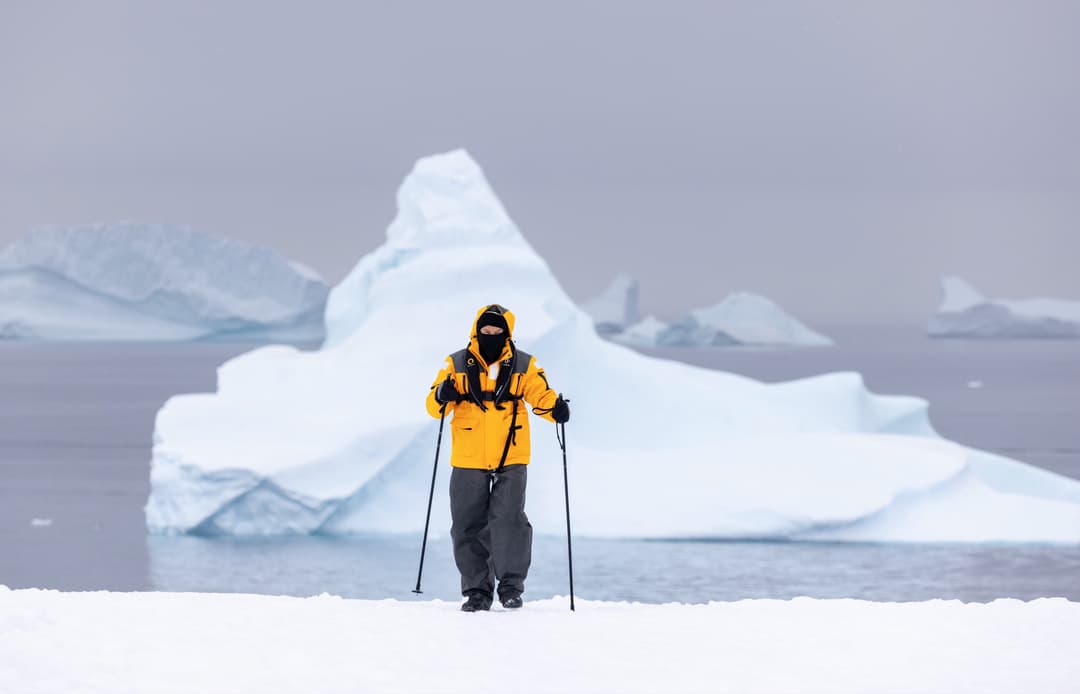
Hiking in the polar regions differs from your typical trail experience. Here, in a tree-less terrain, you are the tallest figure on the landscape as you walk over spongy tundra, crusty snow or sandy beaches in remotes parts of the Arctic and Antarctica. Stepping ashore anywhere in the polar regions means you’re not a distant observer.
Our organized hikes range from short jaunts to the top of lookouts or visits to see wildlife or longer w....
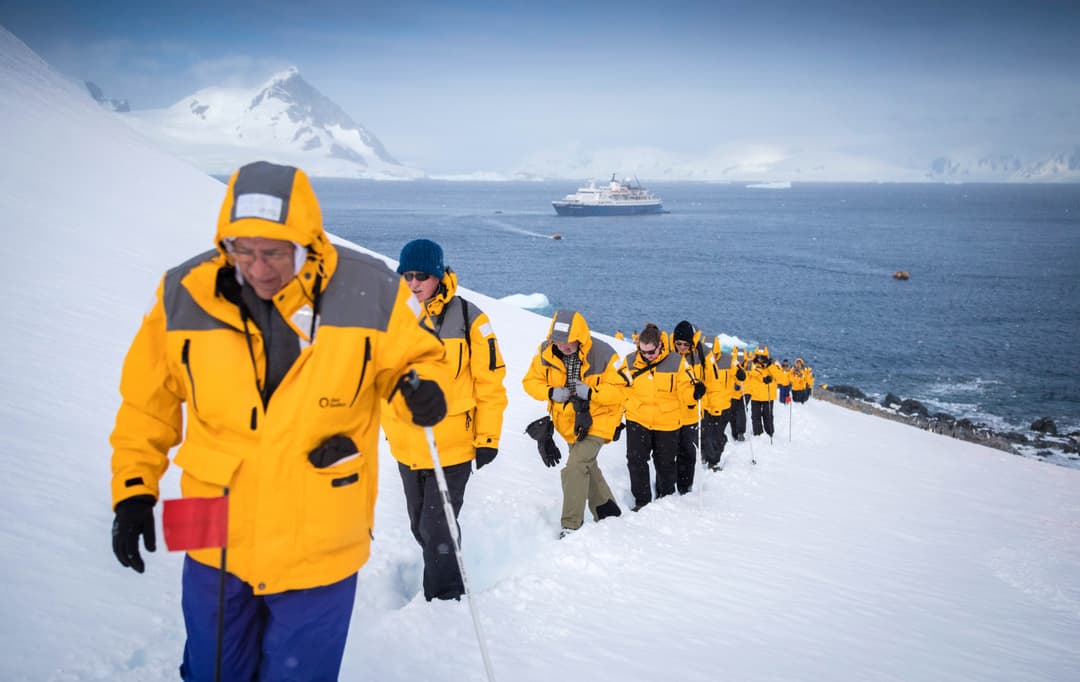
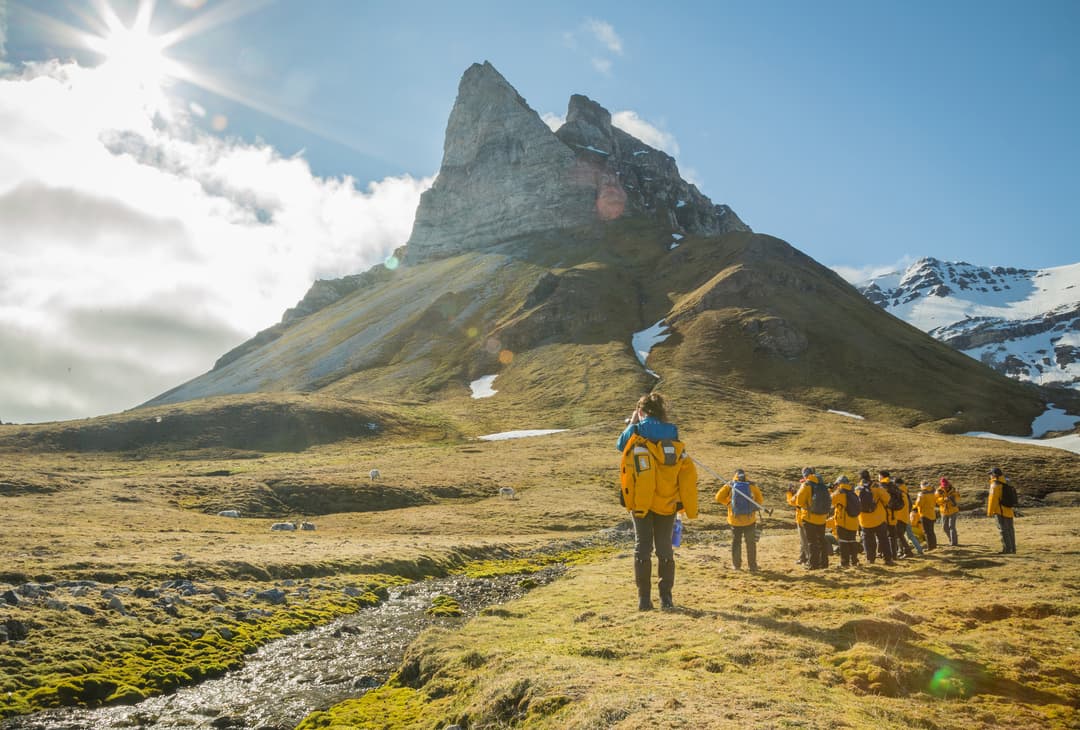
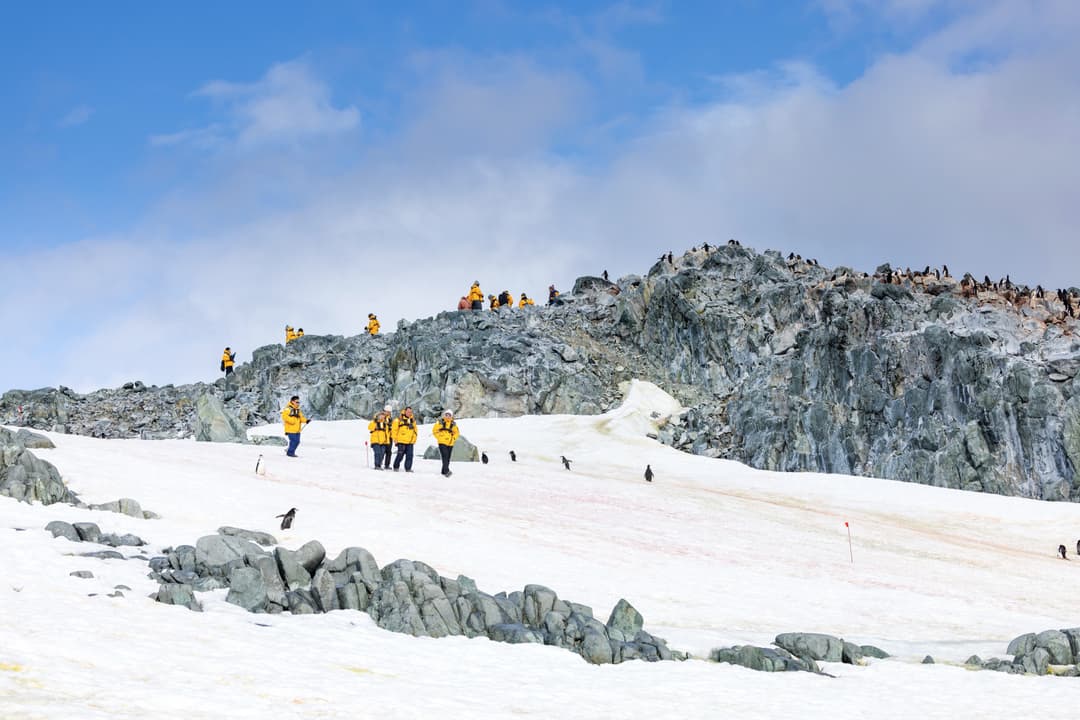
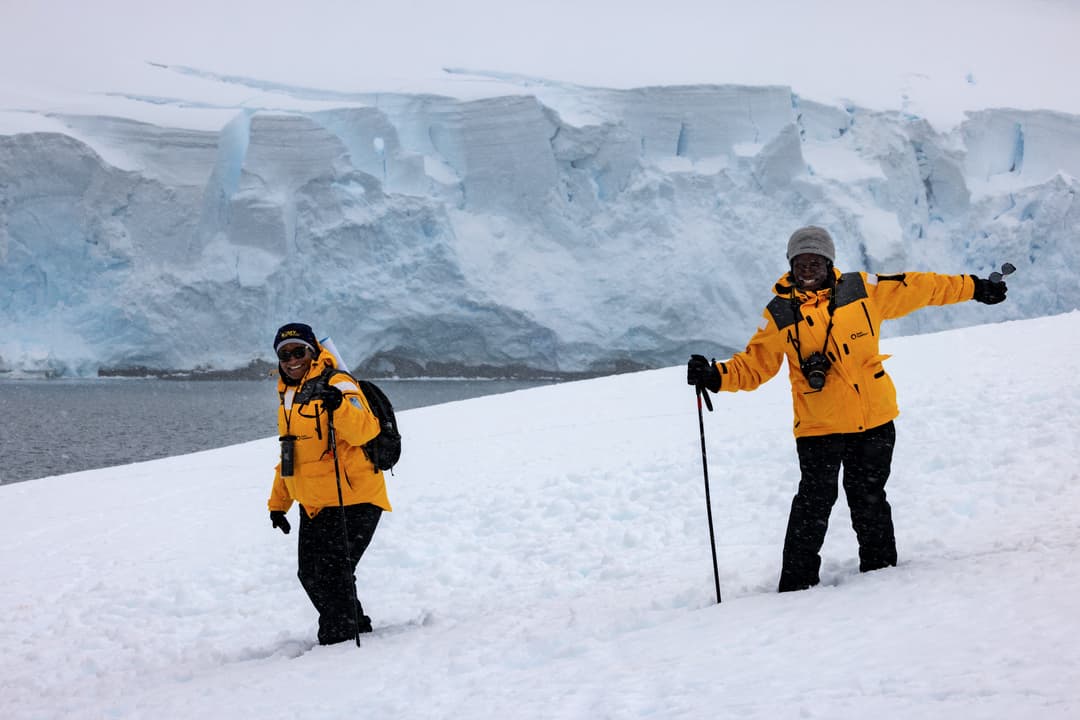
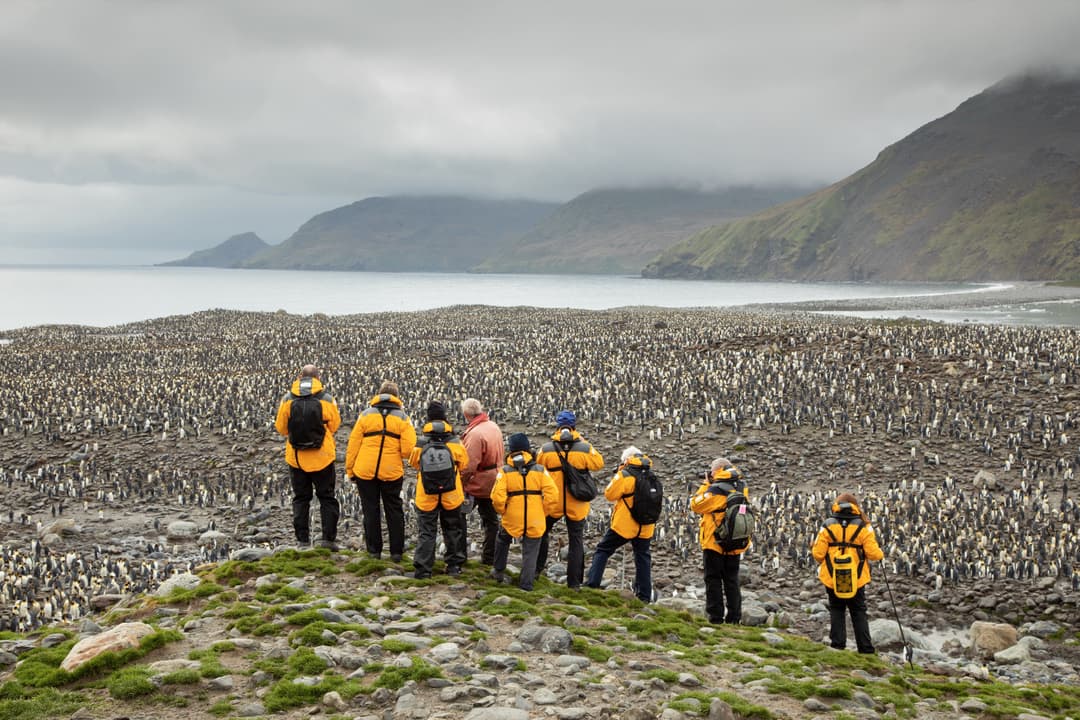
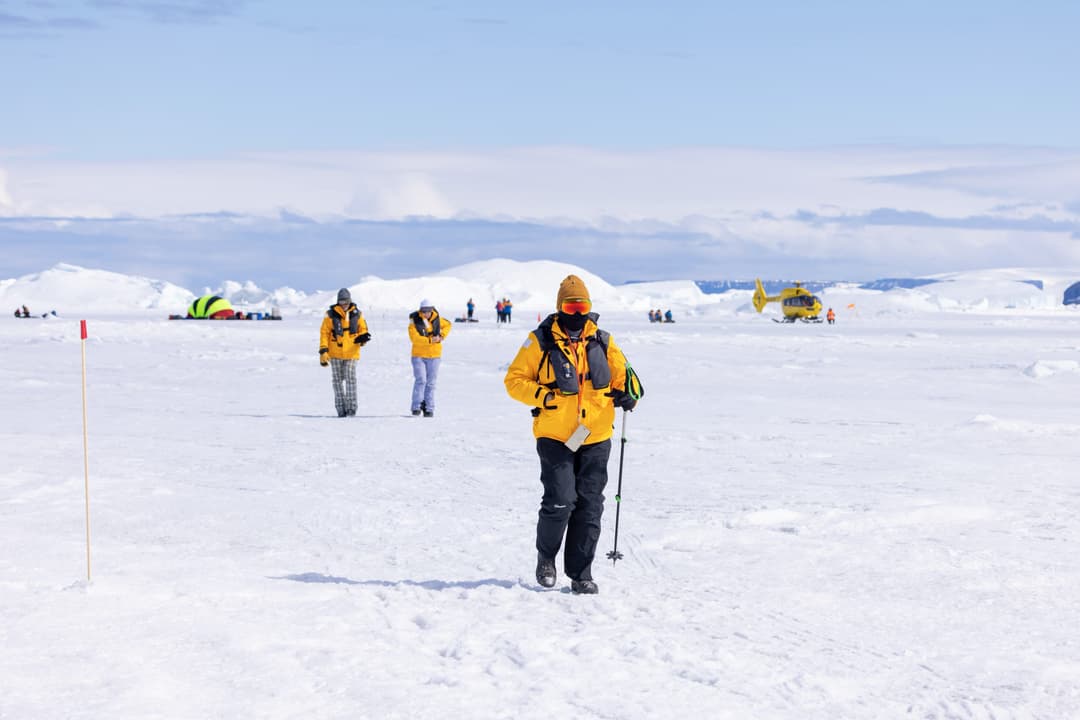
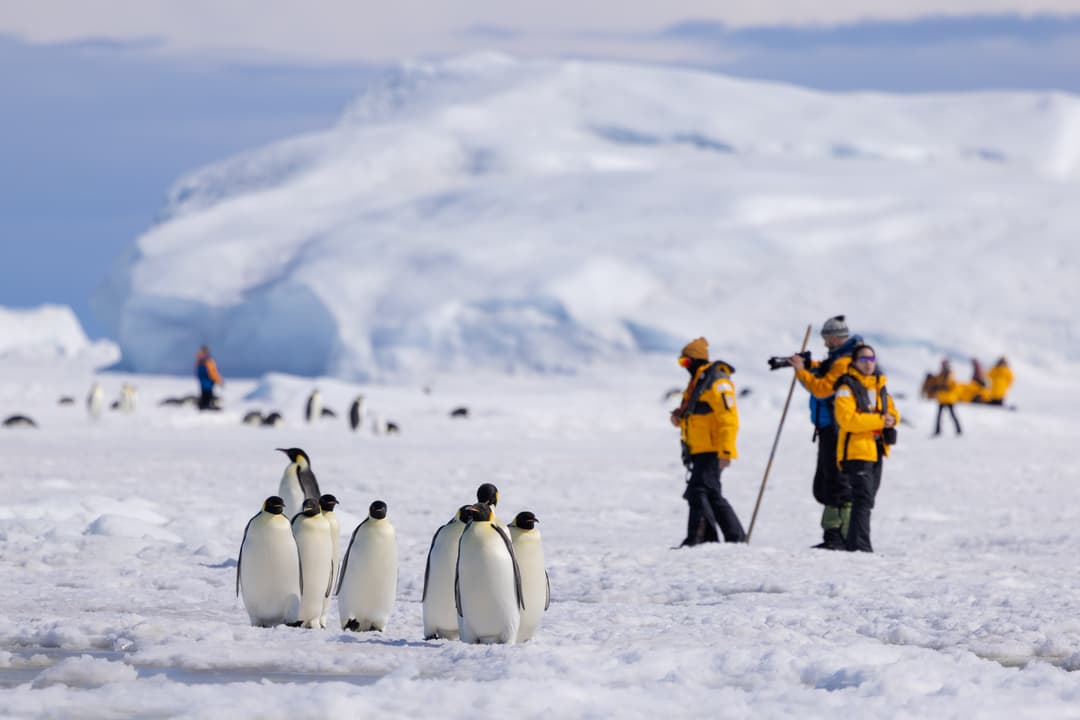
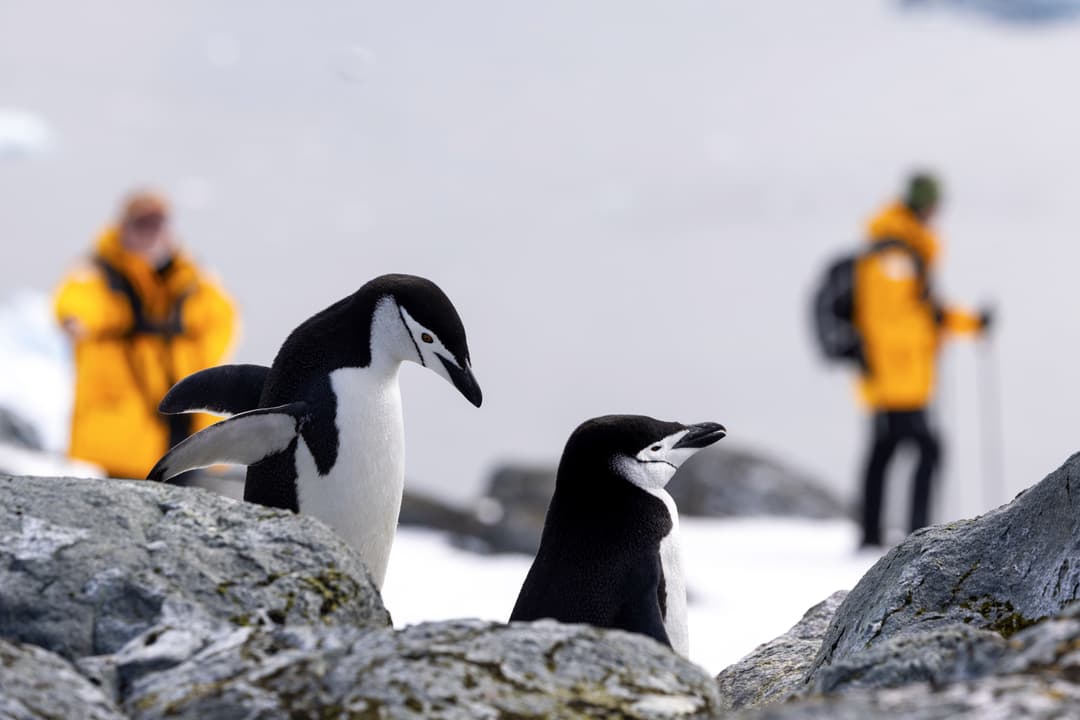
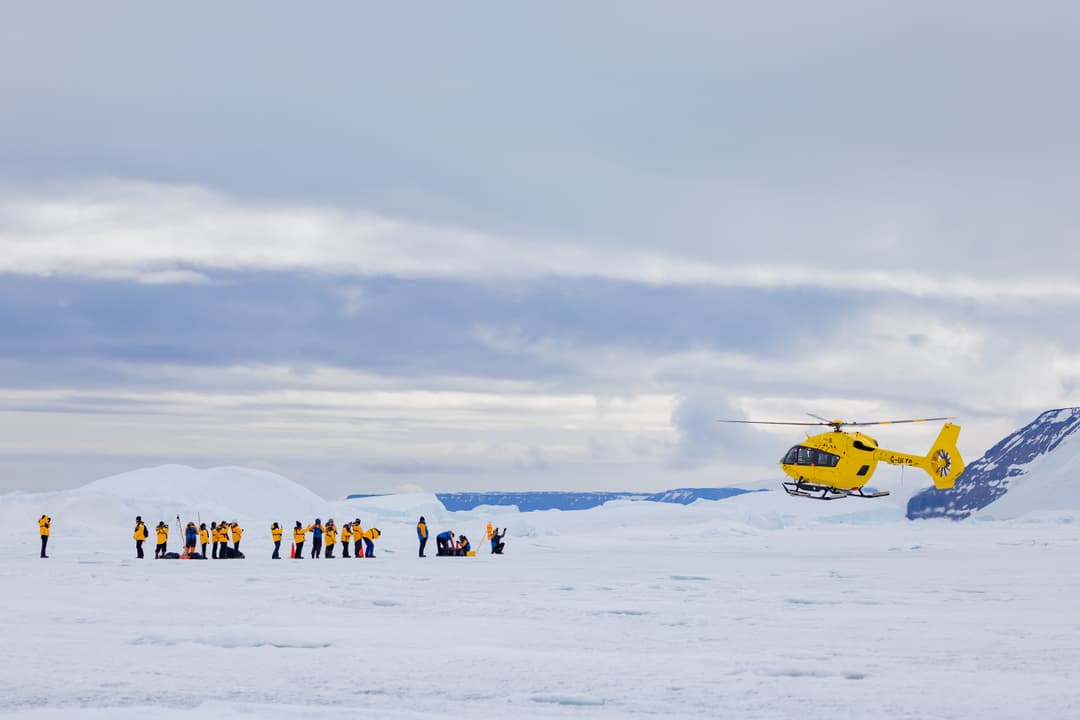
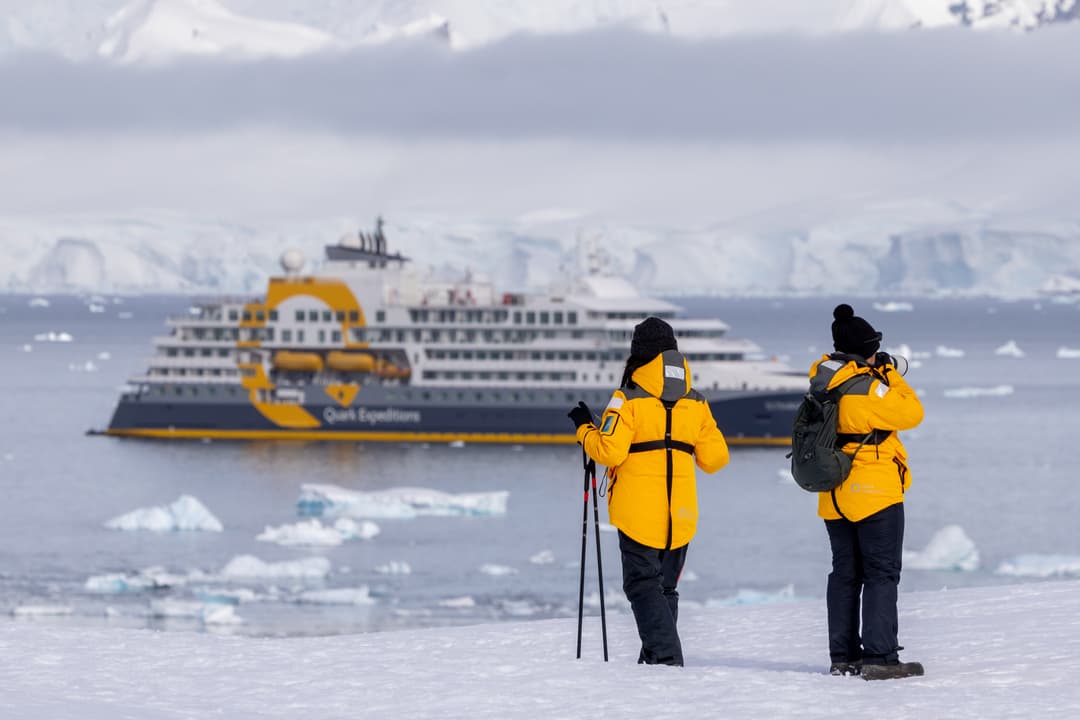
Imagine setting foot in an area of the Antarctic that can only be safely accessed by helicopter. With a small group of fellow passengers and expert guides, you’ll board one of Ultramarine’s two twin-engine helicopters to soar off to an exclusive polar site where no ships can navigate. Expect stunning bird’s-eye views during your flight, and then, upon arrival, simply sit back, relax and take in the splendor of the Antarctic from “the best seat....
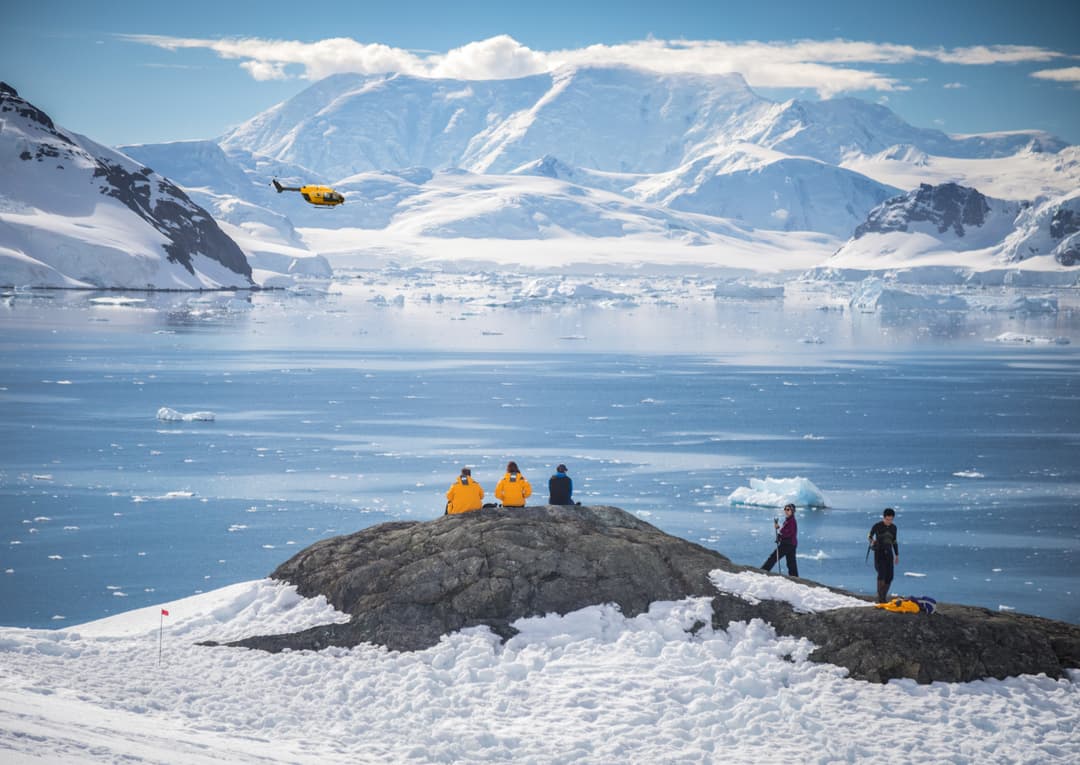
Let us take you on an active adventure high up in the Antarctic Peninsula. You’ll be part of an intimate group of adventurers to board one of Ultramarine's two twin-engine helicopters for a trekking excursion in an area only safely accessed by air. The helicopter flight alone rewards guests with unforgettable views of the expansive polar landscape down below. On land, during an invigorating walk, hike or snowshoe trek (depending on conditions)....
There are no dedicated children's facilities onboard.
Loading...
Quark Expeditions provides an English-speaking doctor on board who manages a medical clinic stocked with a supply of common prescription medicines and basic first aid equipment.
If you are under regular treatment for any ailment, you must bring a sufficient supply of medicine. We recommend that you pack an extra two weeks’ supply of medication in case of emergency. We cannot accept responsibility for not having a specific brand or type o....
To Wear on Board
- Comfortable casual clothing like lighter shirts, pants or jeans, etc. (in case the ship gets warm)
- Comfortable non-slip closed-toed, heelless shoes (flip flops, sandals or slip-on shoes should not be worn on board due to safety concerns)
- Workout attire (for the fitness center and other indoor activities)
- Swimsuit (for the Polar Plunge! Some vessels may also have a pool, hot tub, sauna ....
If you do not eat meat there is a wide selection of vegetables, pasta, grains and fruit available. Quark Expeditions® is able to cater to most special dietary requests, as long as you clearly indicated your needs on the required expedition forms when you booked your voyage. Menus will be clearly labeled for vegetarian and gluten free options, but please do notify your server of the dietary restrictions you indicated on your form. We regret tha....
When you are not busy exploring the natural beauty of the Polar Regions, you may wish to connect with family and friends back home to share some of your voyage highlights. Guests on Quark Expeditions can now enjoy free Wi-Fi as part of our “Raise a Glass and Stay Connected Free” program. This complementary Wi-Fi service permits basic Internet browsing and voice applications.
Please note that we travel to some of the most remote parts of ....
During days at sea, you’ll enjoy lectures and workshops presented by our Expedition Team and spend time on deck looking for seabirds and cetaceans. Other days are packed full with multiple landings, Zodiac cruises and activities. Exhausting or relaxing, smiles abound as do great meals from your onboard chefs!
We have a number of policies and procedures that help make sure things run smoothly on the Ultramarine, so take a look below to he....
SHOWERS AND TOILETS
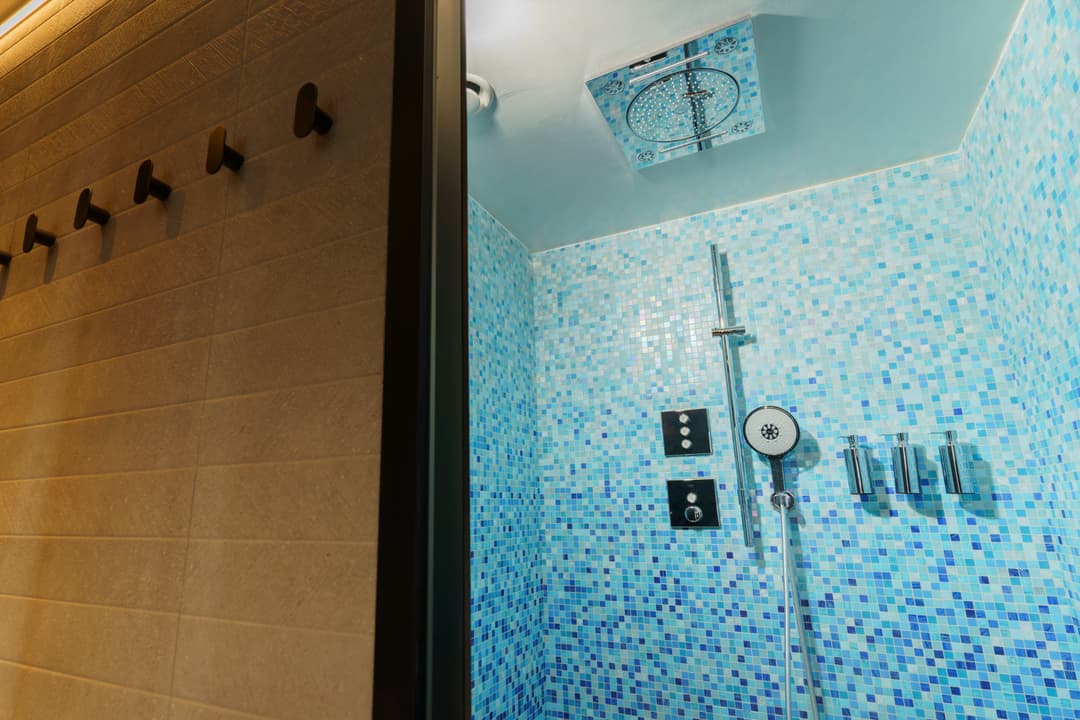
Each cabin has a private bathroom with shower and heated floors, toilet and wash basin. Shampoo, conditioner and shower gel are provided for your use.
ELECTRIC CURRENT
The electrical supply on board is 220 volts, 50 Hz. Passengers coming from the USA and Canada may need to bring a small 220v/110v converter. Before you buy a converter, check your electronics, as most modern cameras, computers ....
WATER
All passengers receive an eco-friendly, reusable water bottle in their cabin upon arrival. There are water filling stations throughout the ship.
ONBOARD ACCOUNTS
To make things as stress-free as possible, items you purchase from the Polar Boutique, lounge or bar (including drinks) are charged to your ship account. Cabin charges can also include laundry, postage, communication charges and adventure options ....